Category: Electronics

Retail News Asia is committed to providing both local and global retailers with the latest Electronics news throughout the Asian market. This on a daily base.

  • Microsoft London’s flagship store opens

    Microsoft London’s flagship store opens

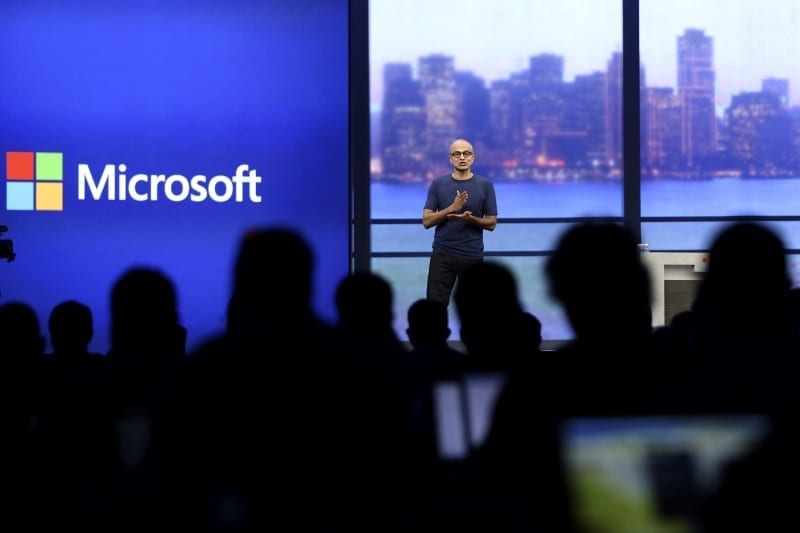
    The new Microsoft London flagship store has opened, a stone’s throw from archrival Apple’s local store.

    Among those welcoming the public on the 22,000sqft store’s launch day was the US tech company’s UK CEO Cindy Rose, who said the store was a “symbol of Microsoft’s enduring commitment to the UK”, which allows people to “experience the best the company has to offer.”

    “Thank you for helping us make history today,” she announced.

    The spacious three-storey Microsoft London venue features plenty of wood and glass surfaces prominently showcasing a large video wall and the brand’s most advanced devices. It houses a dedicated gaming room and technical support area, as well as a selfie area and a design lab where visitors can create their own personalised covers for Surface devices.

    The store’s second floor enterprise area is a place to support, train and grow businesses using the Microsoft 365 software suite as well as to assist in solving business challenges such as AI, data security, collaboration and workplace efficiencies. It also contains an area for hosting events, as well as meeting rooms and a showcase space for demonstrating how customers – including Carlsberg and Toyota – are digitally transforming

    “There are very few locations in the world that feature all the different parts that make up what Microsoft is,” said chief marketing officer Chris Capossela. “The early adoption of technology in the UK has been very impressive. That’s important when the company is thinking about what investments to make and where to make them. This flagship would not be in London if we didn’t have a very strong commercial business in this country. We thought very deeply about this.”

    One customer at the Microsoft London launch, James from Reading, said: “I want to see what they can offer businesses. The outside of the store looks incredible; it’s a masterpiece of architecture.”

  • Mobvoi video teaser tips a July 10th unveiling of the TicWatch Pro LTE

    Mobvoi video teaser tips a July 10th unveiling of the TicWatch Pro LTE

    Watchmaker Mobvoi tweeted a video teaser revealing that a new smartwatch is coming on July 10th. Using adjectives in the video like “fast,” and “powerful,” this could be the LTE version of the company’s TicWatch Pro. After all, the tweet includes hashtags like #TicWatch

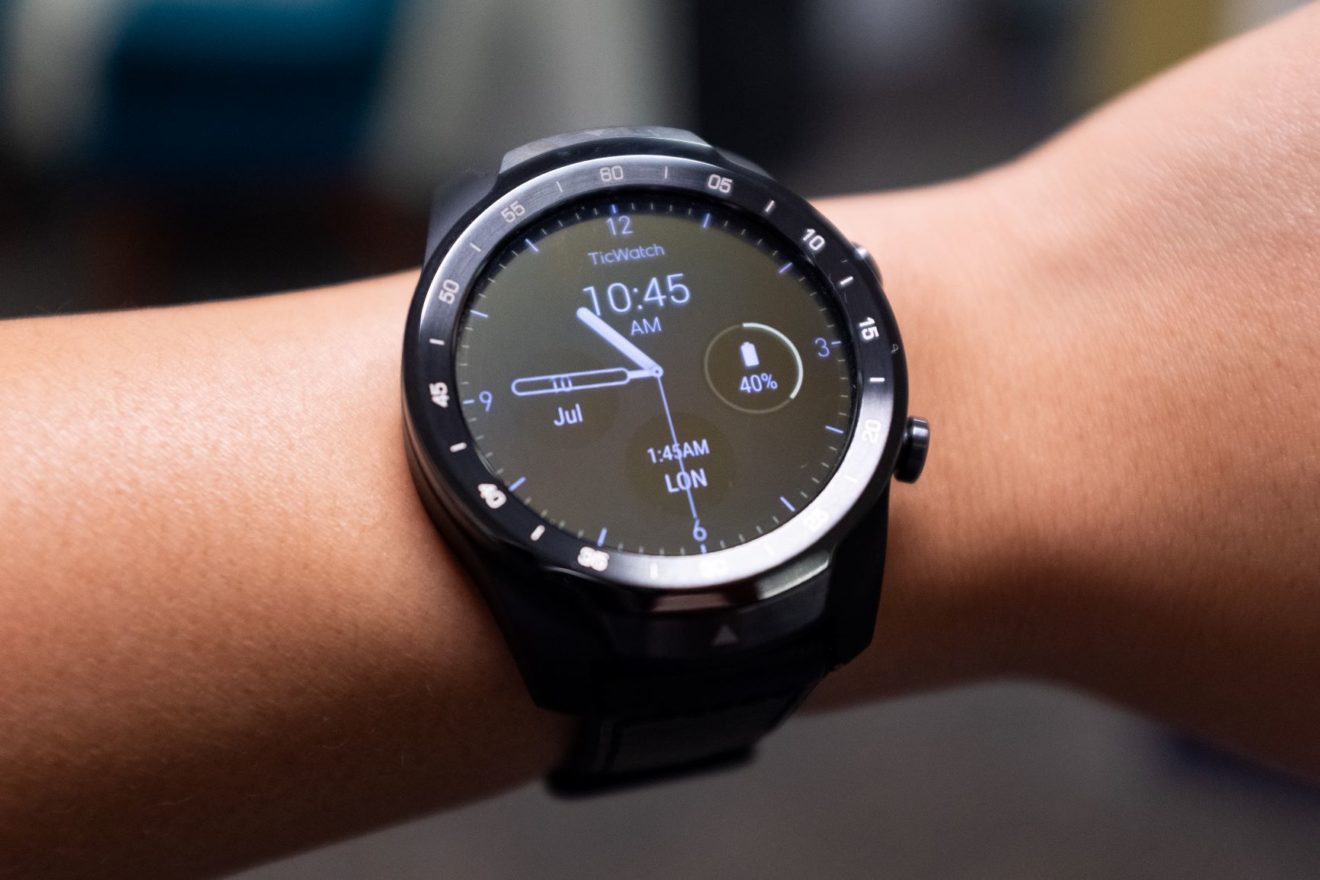
    The TicWatch Pro features an AMOLED screen with an LCD overlay. In Smart Mode, the AMOLED screen is employed and the timepiece is used as a smartwatch running Wear OS. In this mode, the battery lasts for 2 to 5 days between charges. In Essential Mode, the LCD screen shows the time, date, steps taken and the wearer’s heart rate. The brighter it is outside, the easier it is to read this display. In this mode, the battery lasts as long as 30-days on a single charge.

    Last month, Mobvoi posted a web page for an LTE enabled version of the TicWatch Pro but quickly took it down. But if this video teaser has anything to do with such a device, it could be introduced next week.

    The TicWatch Pro is $249.99, but an LTE version is sure to cost more. Whatever Mobvoi plans on releasing, you might be able to earn an early bird discount on the product. Click on this link and submit your email address. On July 10th you will receive an email with an early bird code that just might allow you to buy the new watch at a discounted price.

    The current non-LTE version of the TicWatch Pro is powered by the Snapdragon Wear 2100 chipset. It features a 1.39-inch display with a 400 x 400 resolution and a super-twisted nematic monochrome passive-matrix liquid crystal display. It is equipped with 512MB of memory and 4GB of storage and has NFC so that users can cover a purchase at the cash register with Google Pay. A 415mAh battery is included. The video’s mention of a big boost could be a hint that the new model will sport the more powerful Snapdragon Wear 3100 chipset.

  • Apple Singapore to open in Jewel Changi

    Apple Singapore to open in Jewel Changi

    Apple Singapore is set to open its second store – at Jewel Changi on July 13.

    No other information, including the size of the store, was released. However, the company revealed that visitors can expect some brand new programming developed exclusively for the Jewel store, including a Magic of Jewel Changi Airport Photo Walk.

    This pathway will be around 500 meters and will allow attendees to explore Jewel’s attractions, such as its modern architecture, indoor gardens and its 40m waterfall.

    Attendees will learn how to take photos or videos of these attractions using an iPhone or iPad.

    A third Apple Singapore store will open at Marina Bay Sands, most likely late this year.

  • Apple offers tool for diabetics that integrates with its Health app

    Apple offers tool for diabetics that integrates with its Health app

    Apple has long been rumored to be working on a way for the Apple Watch to noninvasively monitor the blood glucose levels of its users. This reading is used by diabetics to determine how much insulin they need to take before eating and usually requires a finger stick to draw blood. Such a feature for Apple’s wearable could be years away. The company has been working on becoming a major presence in the health care industry, and CEO Tim Cook says that health care will be Apple’s “greatest contribution to mankind.” With that in mind, some Apple Stores have begun to sell a blood glucose reader (called a glucometer) that syncs with the iPhone, the Apple Watch and the Apple Health app.

    The One Drop glucometer, priced at $69.95, features an iPhone app and a separate Apple Watch app. The meter itself takes the data from the blood drawn by the diabetic and sends it to the One Drop app where it is integrated with Apple’s Health app. The latter will allow diabetics to see their blood glucose data and associated analytics. There is also a subscription service that delivers test strips to users of the device. Each test requires the insertion of one strip into the glucometer.

    “I believe that Apple’s perspective on consumerized, data-driven self-care is where the industry is going to be pulled to, versus the expensive, bureaucratic, not-data driven current healthcare system. Our ability to align ourselves with that, and help drive that story, is what we see as the benefit of working with Apple.”-Jeff Dachis, CEO One Drop. The One Drop app also comes with the option of purchasing additional coaching to help users manage their diabetes. Those purchasing the One Drop glucometer will receive one free year of coaching from a certified diabetes educator. And unlike most glucometers, One Drop looks like an expensive consumer electronic device. One Drop CEO, Jeff Dachis, said that the product was created to “create a sense of love and delight” when using the product. “We share a design philosophy (with Apple)” Dachis said. “We want our products and services to be beautiful so people like them. You don’t hear the word ‘beautiful’ often in the healthcare space.”

    Perhaps someday the Apple Watch will instantly give blood glucose readings to diabetics by tapping on the screen. But until then, a device like the One Drop glucometer can be purchased and used along with the Apple Health app to help diabetics better control their disease. There are also a number of iOS apps that will track blood glucose readings, but none come with the actual glucometer required to produce those readings.

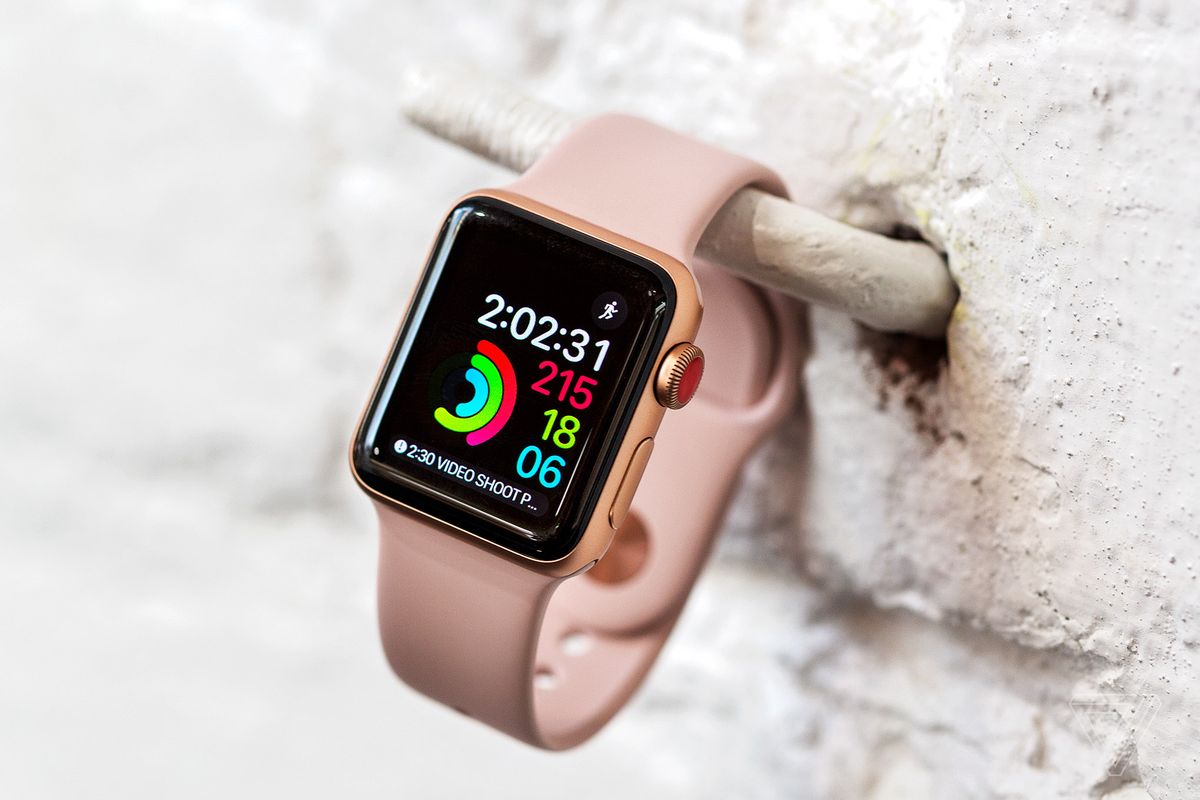
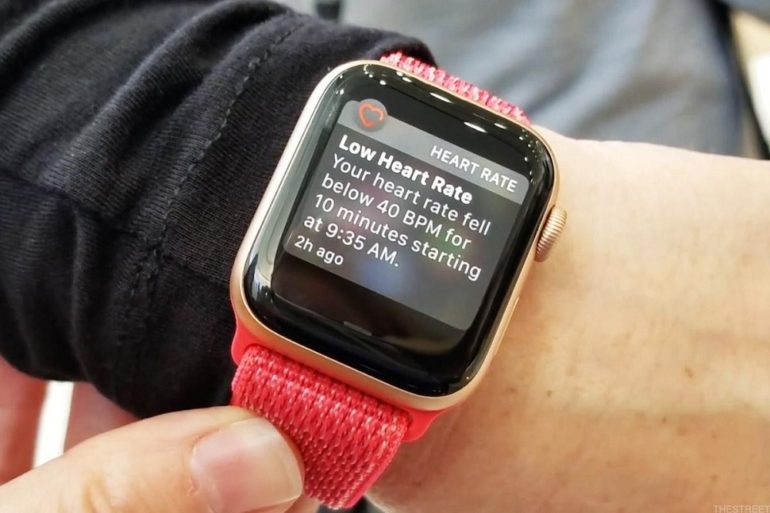
    Apple’s health initiative currently revolves around its smartwatch. The Apple Watch Series 4 offers a heart rate monitor and an electrocardiogram (ECG) sensor. The latter looks for an abnormal heart rate that could be a sign of Atrial fibrillation or AFib. This condition can lead to blood clots, strokes, and death. The watch also has a fall detector that is automatically enabled for owners of the device aged 65 or older. If the owner of the watch falls, the watch senses this, taps the user’s wrist and sounds an alarm. The user can then use the watch to contact emergency services or dismiss the alarm. If the watch determines that the user is not moving after about a minute, it will call 911 itself and send a message to the watch owner’s emergency contacts; that message indicates that the user has suffered a hard fall and includes the location of the injured party. These features have already saved the lives of several Apple Watch wearers.

  • Amazon brings Alexa to Android TV, Sony Bravias are first

    Amazon brings Alexa to Android TV, Sony Bravias are first

    Amazon promised a few months ago that it will bring Alexa to Sony’s TVs running Android, despite the issues the US retailer has with Google when it comes to access to their TV platforms. Today, a first sign that Amazon fulfilled that promise has just popped up in the Google Play Store in the form of a new app.

    Amazon recently published a new Alexa app in the Google Play Store, which specifies that it’s meant for Sony Bravia TVs powered by Android. The new Amazon Alexa app allows Sony Bravia TV users to listen to music from Amazon Music, Pandora, iHeartRadio, TuneIn, and much more.

    Of course, its main use is to enable voice commands, so whenever you want to listen to a specific song, you could simply say “Alexa, play songs by the artist on [TV name].” The functionality goes beyond just asking Alexa to play songs on various music streaming services, which means you can change the channel, volume, or even turn your TV on and off.

    The new Alexa app can be only be downloaded on Sony Bravia TVs in the US, Amazon said. Once the app is installed on your TV, select a group for your TV and complete the guided Sony set-up. Also, make sure that you have all the skills for music providers and cameras using the Alexa mobile app enabled.

  • Apple will continue to dominate fast-growing smartwatch market

    Apple will continue to dominate fast-growing smartwatch market

    While the global smartphone market remains stagnant as groundbreaking foldable designs need more time to “stabilize” and 5G deployment is still too slow to make a difference, smartwatch sales continue to grow at an impressive pace around the world, pushing the entire wearable device industry forward.

    It should come as no surprise that Apple is projected to stay in the lead of the smartwatch market until at least 2023, well ahead of a pack of rivals with no standout performer in sight. The International Data Corporation (IDC) expects the Cupertino-based tech giant to rack up a 25.9 percent slice of a 131.6 million unit pie in four years, with the former number actually representing a major decline from the company’s latest estimated 35.8 percent share.

    But that’s mainly because significantly more smartwatches are forecasted to be shipped worldwide in the next few years than right now. Specifically, that 131.6 million score would surge from 91.8 million units in 2019, marking a compound annual growth rate (CAGR) of 9.4 percent. And believe it or not, a different category of the wearable industry is expected to thrive at an even faster pace.

    We’re talking about earwear, aka ear-worn devices, aka AirPods and other headphones endowed with smart features. A whopping 105 million of these bad boys could be sold worldwide in 2023, up from “only” 72 million units this year, making up 34.8 percent of the overall wearable market, up from 32.3

    What’s perhaps more interesting to keep an eye on is how smartwatches and ear-worn devices will expand and evolve their feature sets and capabilities. According to the IDC, more than half of the former group will support standalone cellular connectivity in 2023 to break free from smartphones, while the latter category should focus more on allowing consumers to “cope with hearing loss” and other similarly life-improving use cases in addition to just tracking health info and interacting with a voice assistant.

    Finally, it sounds like wristband sales have largely plateaued, with this year’s 54.2 million units merely expected to rise to 55 million in 2023. Shipments will especially decline in North America and Western Europe, where the vast majority of activity tracker owners are likely to upgrade to smartwatches.

  • Hidden code reveals that Xiaomi could be first to use this sensor on a phone

    Hidden code reveals that Xiaomi could be first to use this sensor on a phone

    Remember when you walked around, feeling like the King of the neighborhood because your Samsung Behold had a 5MP camera on back? While a bigger megapixel count doesn’t necessarily translate to better pictures, today we have phones like the OnePlus 7 Pro carrying around a 48MP primary sensor. And if XDA is right, Xiaomi will be the first to release a phone with a 64MP camera sensor on the back.

    Strings of code that XDA discovered on the latest version of the MIUI 10 Camera app make references to a 64MP “ultra-pixel” mode. They also allude to a 64MP Dual Camera. Right now, Samsung has the only 64MP sensor announced. That would be the ISOCELL Bright GW1 sensor with a small pixel size of 0.8μm. Samsung unveiled the sensor last month noting that under bright lighting conditions it can produce 64MP photos. When lighting conditions are not as favorable, the sensor merges four pixels into one to create a better quality 16MP image. The GW1 sensor will record video in 1080p (FHD) at 480fps allowing it to support “smooth cinematic slow-motion videos.” Samsung’s sensor also supports real-time high dynamic range (HDR) of up to 100-decibels (dB). That compares to the 60 decibels found on many handsets and the human eye’s 120 decibels.

    The code discovered by XDA dovetails with a leak from tipster Ice Universe who posted on Weibo a few days ago about a “mysterious” Redmi model (made by Xiaomi) that will be the first to use Sammy’s 64MP sensor. While the upcoming Galaxy Note 10 series will not feature it, we could see the 64MP GW1 sensor also employed on the upcoming Galaxy A70 mid-range handset.

  • Fossil to launch new Emporio Armani, Diesel and Michael Kors smartwatches

    Fossil to launch new Emporio Armani, Diesel and Michael Kors smartwatches

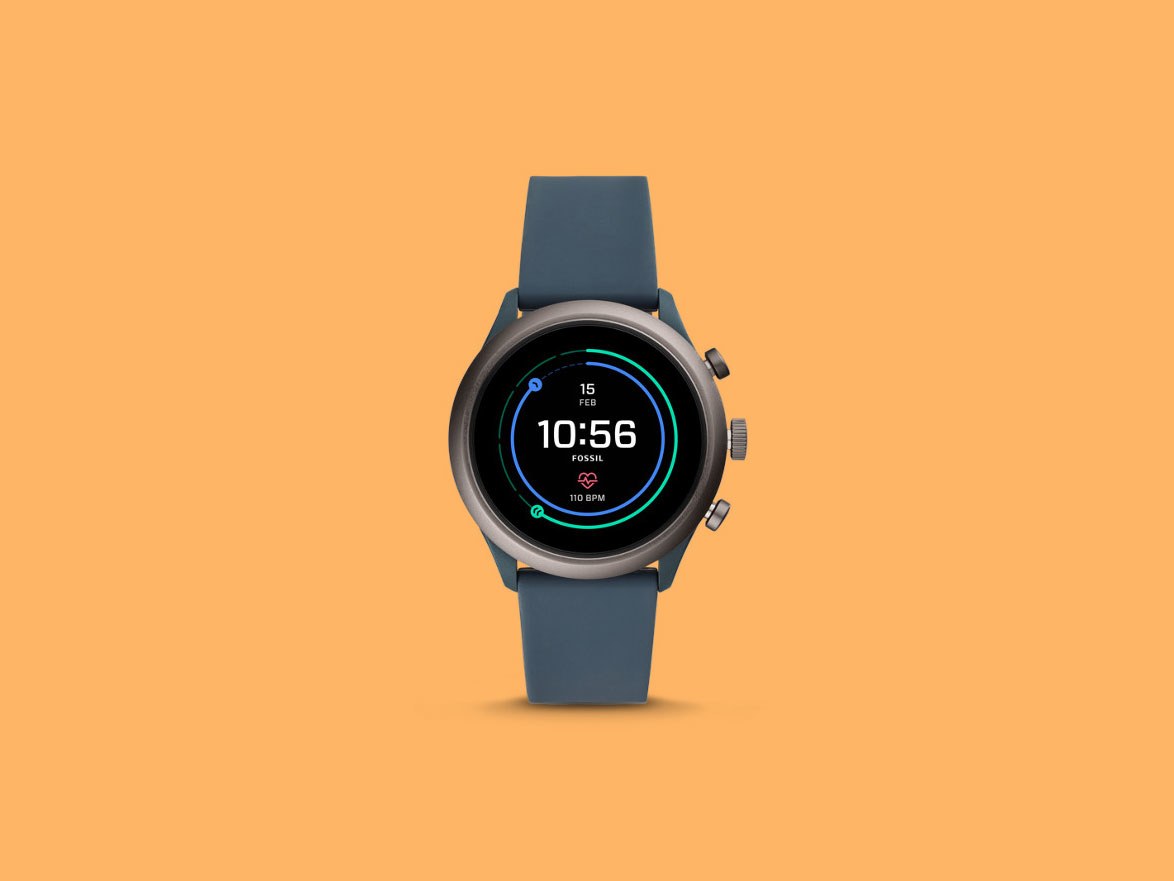
    Each year Fossil refreshes its stylish lineup of smartwatches with new models that feature updated hardware and, sometimes, different designs. This is year is no exception and a new set of Fossil wearable devices are expected to arrive as early as fall.

    A fairly sizable number of unannounced Fossil smartwatches have been recently spotted at FCC, and their codenames have been deciphered by Droid-life as belonging to brands like Michael Kors, Emporio Armani, and Diesel. There’s also one Fossil-branded smartwatch among those listed at FCC, but there might be additional ones that haven’t popped up yet at the Federal Communications Commission.

    Along with the listing of their codenames, we also have some pictures showing the Wear OS app drawer and settings, but aside from that, no exciting new info revealed in the documentation filed at FCC.

    We’re not even sure whether or not these will be equipped with Qualcomm’s new Snapdragon Wear 3100 chipset, which would be an upgrade from the current Fossil smartwatch. The good news is we’ll most likely learn more about Fossil’s upcoming smartwatches pretty soon now that they’ve been listed at FCC.
  • Amazon launches new Kindle Oasis e-reader

    Amazon launches new Kindle Oasis e-reader

    Two years after launching the second-generation model, Amazon is refreshing the Kindle Oasis lineup with a third e-reader. We’re not sure about Amazon’s naming convention, but the US retailer has decided to call the device the all-new Kindle Oasis.

    If you already own a previous generation Kindle Oasis, read further if you’re wondering whether or not it’s worth to upgrade to the new model. First off, the all-new Kindle Oasis includes Amazon’s best Paperwhite display. It has a 7-inch size, 300ppi and features a new color adjustable front light. The latter will allow users to adjust the color tone from cool to warm depending on the environment.

    The third-generation Kindle Oasis features a thin and light design, especially created for one-handed use. The device includes dedicated page turn buttons, as well as the most recent e-ink technology to enable fast page turns.

    Furthermore, the new e-reader is IPX8 rated to protect against immersion in up to two meters of water for up to 60 minutes. But it’s also been designed to withstand accidental drops.

    Potential customers can pre-order the all new Kindle Oasis starting today for $250 for the 8GB, and $280 for the 32GB model. The ereader is available in two color options – Graphite and Champagne Gold, and will ship on July 24.

  • Upcoming NVIDIA Shield TV to feature Google Stadia support

    Upcoming NVIDIA Shield TV to feature Google Stadia support

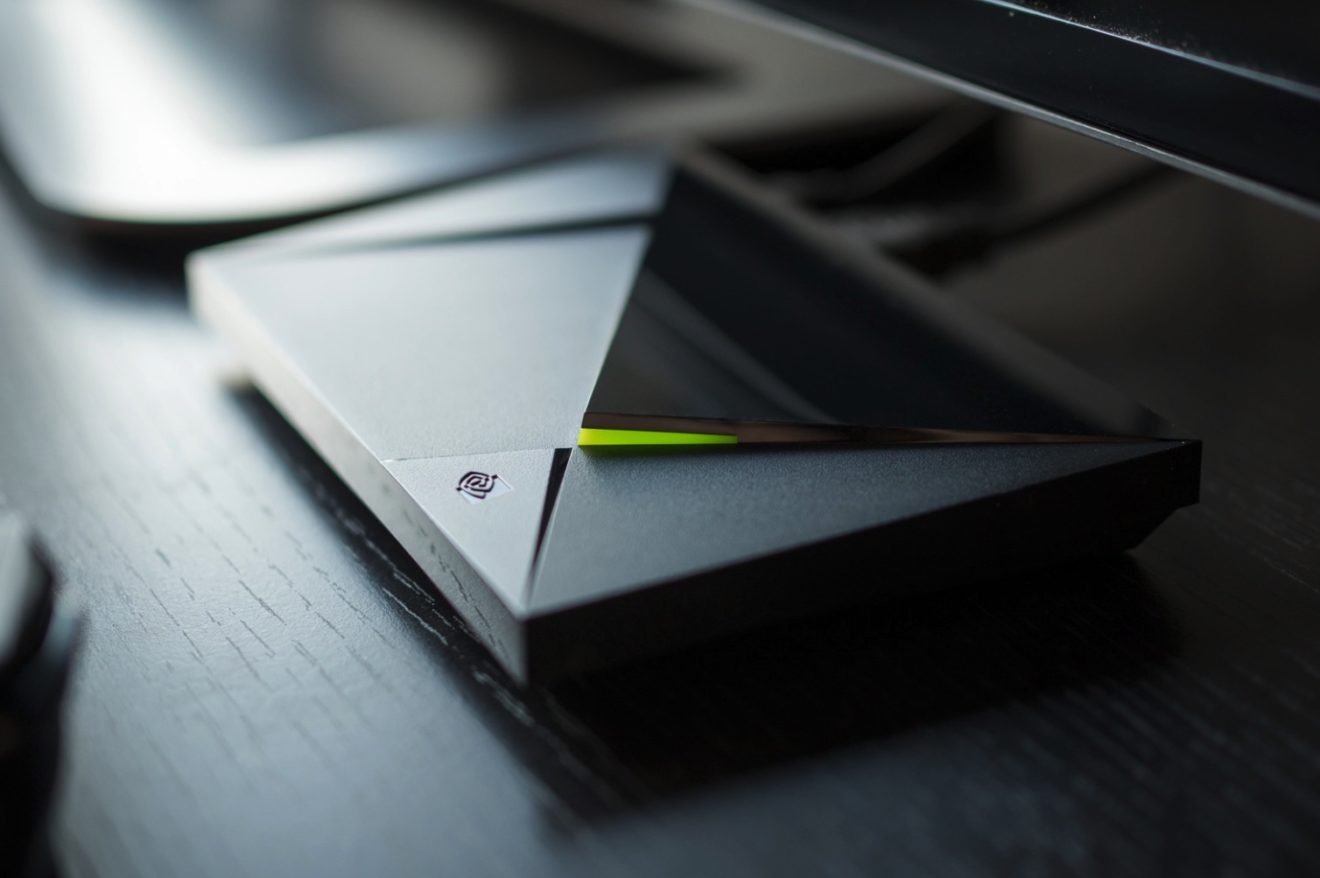
    News about NVIDIA working on a new Shield TV set-top box emerged over the weekend, but not many details on the device were mentioned at that time. We only learned that the Android TV box will include a more powerful processor and that it will run Android 9.0 Pie. NVIDIA’s plans that the upcoming Shield TV will be centered on Google’s Stadia service, which allows users to stream games on just about any device with a display.

    On top of that, NVIDIA wants to release a new controller with the upcoming console and a more advanced remote. Also, the cheapest version of the console will come without the controller to allow those who ordered the Stadia controller to save some money when they buy the new NVIDIA Shield TV.

    Embracing Google Stadia’s game streaming service is a bold move from NVIDIA, as the company will most likely see a decrease in market share for its own GeForce NOW cloud gaming service that aims to do the same thing for subscribers.

    Finally, while we don’t have a price for the upcoming NVIDIA Shield TV, it appears that the new console is expected to be launched on the market by the end of this year, so there’s still time for NVIDIA to change its strategy for whatever reason.

  • Second generation Apple AirPods had weaker than expected sales in Q1

    Second generation Apple AirPods had weaker than expected sales in Q1

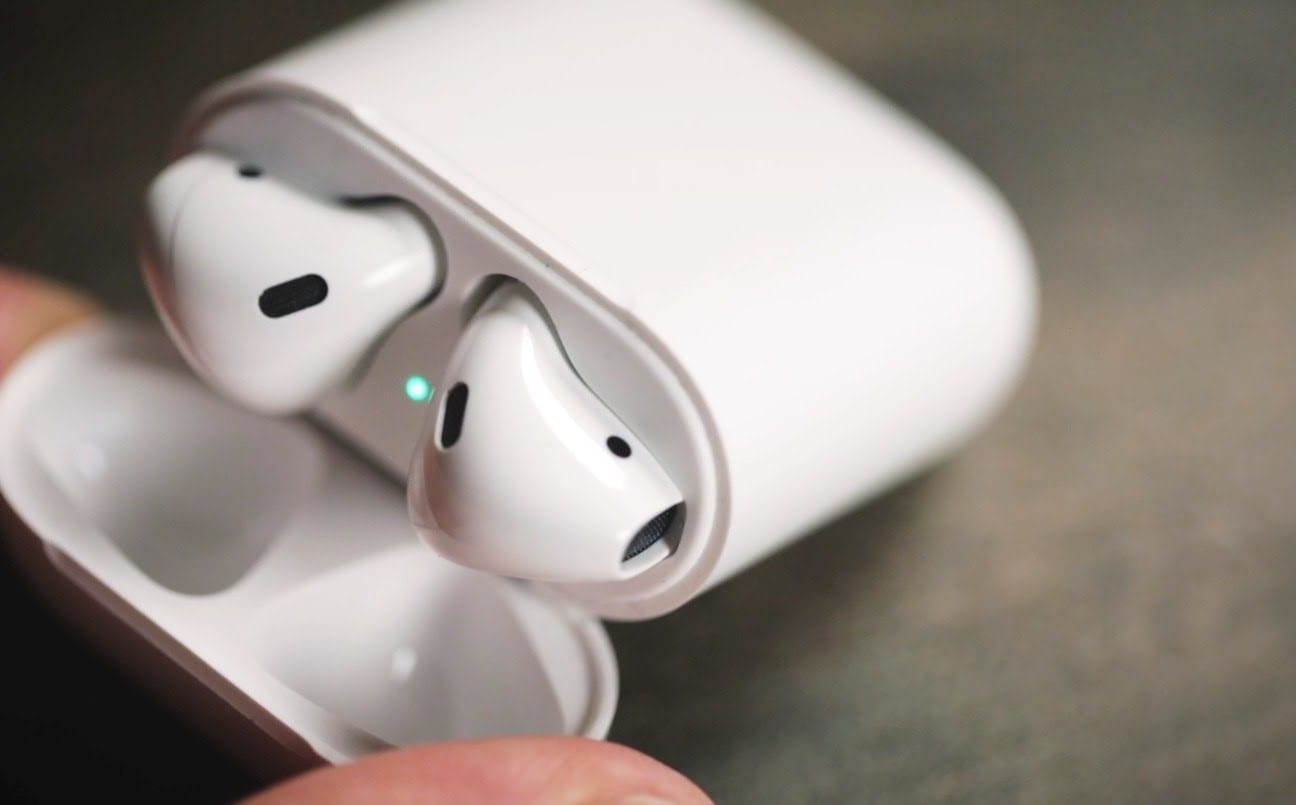
    Apple’s AirPods continue to dominate the true wireless “hearables” category with a larger than 50% market share. However, the second generation of the extremely popular accessory did not add to Apple’s already huge share of this market. According to the information made public by Counterpoint Research, despite launching the latest version of its AirPods during the quarter, “Apple’s market share remained at the same level seen in the last quarter, failing to grow in spite of the launch of its second generation AirPods.” Of course, the new AirPods weren’t announced by the tech giant until March 20th, nearly at the end of the three-month period.

    The second generation AirPods replaced the W1 chip employed on the original version with an H1 chip for improved Bluetooth connectivity. It also lowered the strain on the battery, allowing Apple to promise 50% longer “talk time,” and allows users to switch between devices while listening to music up to two times faster. And Siri can now be summoned by saying “Hey Siri.” The update also added a new carrying case for the AirPods that will charge wirelessly. If the upcoming 2019 iPhone models feature reverse wireless charging as rumored, the new case will be able to sit on the back of one of the new units and power up. Of course, this will come at the expense of the battery inside the host iPhone.

    Counterpoint noted that thanks to sales promotions run to clear out inventory, sales of the first-gen AirPods were higher than expected during the quarter. Sales of the second generation AirPods were weaker than expected. Some of that could be due to confusion among consumers, many of whom expected the new buds to be water-resistant and feature a new grip to keep them firmly planted in users’ ears. Those rumors and others about some sort of health care feature for the accessory and a new Black color option were well publicized prior to the unveiling of the new version. As it turns out, these are features that we will probably see when the third generation AirPods come out later this year. Most likely, many consumers are holding off on purchasing the new AirPods and are awaiting the next version of the device.

    “Apple’s market share remained at the same level seen in the last quarter, failing to grow in spite of the launch of its second generation AirPods. While sales of the first generation AirPods were higher than expected thanks to a variety of sales promotions for stock-outs in the channel in Q1 2019, sales of the new model were weaker than initially expected due to the market’s mixed response.”-Counterpoint Research

    The graphs released by Counterpoint didn’t include any actual percentages, but we can see from the graphs that Apple’s AirPods have a huge lead over the second place Samsung Galaxy Buds. Samsung’s wireless “hearables” were launched earlier this year and were handed out as a bonus to those purchasing a phone from the Galaxy S10 line. That promotion, by the way, is back until June 30th. The Galaxy Buds replaced the Gear IconX in Sammy’s lineup and helped the company leap over Jabra to take second place for the first time. The Jabra Elite Active 65t was third.

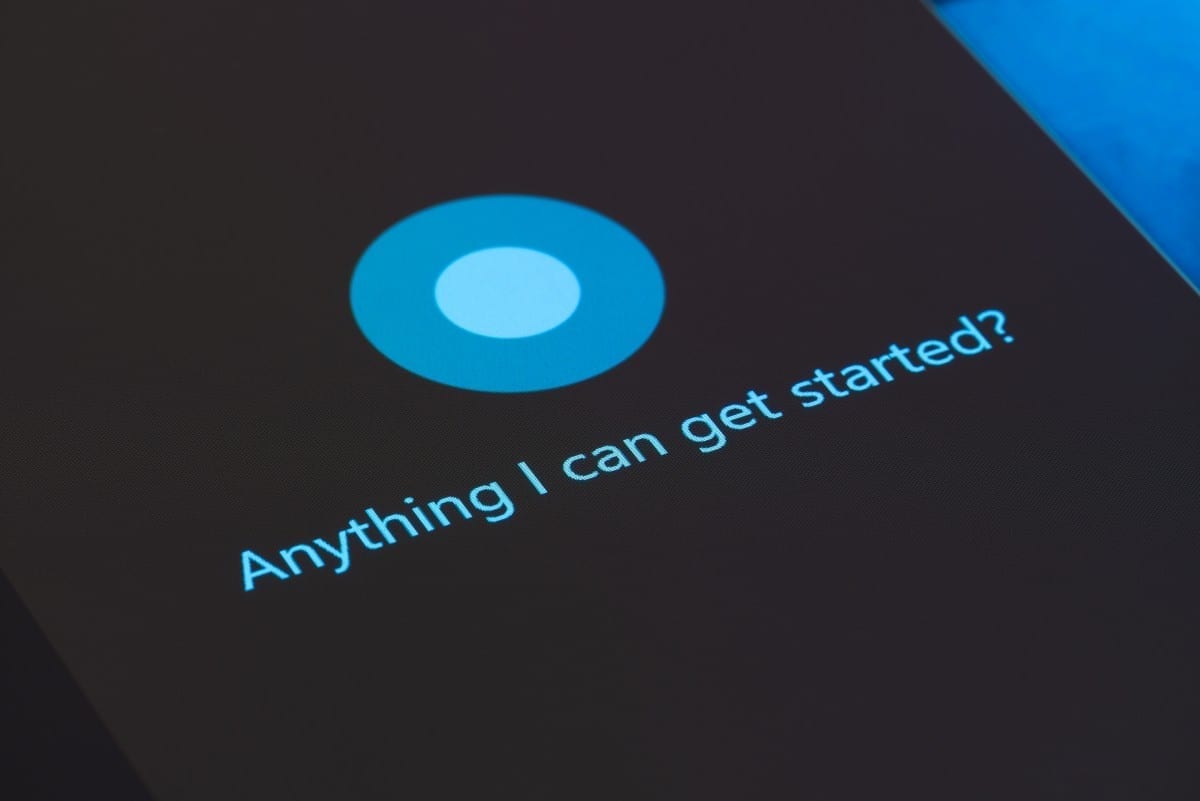
    Later this year, we should see two more heavyweights enter the market. Both Amazon and Microsoft are planning to release their own wireless Bluetooth earbuds this year. The former says that its device will be equipped with Alexa and will sound better and cost less than Apple’s AirPods. Microsoft’s Surface Buds will include Cortana integration.

    During the first quarter of this year, Counterpoint says that the size of what it calls the “true wireless wearables” market was 17.5 million units. That is a 40% gain sequentially from the fourth quarter of 2018. That is impressive because Q4 of 2018 included the holiday shopping season.
  • Amazon is making Alexa easier to use

    Amazon is making Alexa easier to use

    Imagine being able to arrange a night out in advance through Alexa by engaging in a naturally flowing conversation with the virtual assistant. This is what Amazon showed off last week at its re: Mars conference when it unveiled a preview of Alexa Conversations. Found in Amazon’s Alexa Skills Kit, Conversations allows developers to combine voice apps in order to streamline certain functions.

    Amazon showed off what Conversations could do at the conference by showing a clip of a woman using Alexa to purchase a movie ticket, reserve a table at a nearby Chinese restaurant, and order an Uber to pick her up. The whole process took less than a minute. Amazon says that this “night-out” scenario is the first of many that will allow users to quickly move from one voice app to another inside one conversation. The Conversation feature is designed to reduce the number of interactions it takes to get things done. For example, with the “night-out” scenario, approximately a dozen instructions were required to arrange the whole evening compared to the 40 or so that it would have taken without the new capability. And to make Alexa even more conversational, the virtual assistant can order an Uber by saying “Get me a ride,” instead of “Alexa, launch the Uber skill.”

    Last year, Amazon introduced Follow-up Mode so that users can ask Alexa to handle multiple tasks without having to repeat the “Alexa” hotword every time they want to add a task or request. This can be enabled by opening the Alexa app on your phone and swiping to the right to reveal the app’s menu. From there, go to Settings > Device Settings and tap on the appropriate device. Scroll down to Follow-up Mode and toggle it on. This should make asking Alexa to do multiple tasks a lot easier and quicker. Google launched something similar to Continued Conservations for Google Assistant. This allows users to continue a conversation without having to continually say “Ok, Google.”

    “If you make customers repeat information again and again and again, you are forcing them to believe that they are talking to a dumb entity, and if that’s the rapport you’re building with them from the get-go, the chances are they’re never going to delegate higher order tasks to you, because they will never think you’re capable of solving higher-order problems for them.”-Sanju Pancholi, Alexa AI senior product manager, Amazon.

    Eventually, Amazon could add different Skills for Alexa that will allow users to order food to be delivered, buy a present, or view content at home. Alexa currently is on over 100 million devices and users have more than 90,000 skills that can be enabled for the platform. With 325,000 developers using the Alexa Skills Kit, we can expect many more Skills to be available in the future.

  • Google sends $50 off code to Pixel 3a owners

    Google sends $50 off code to Pixel 3a owners

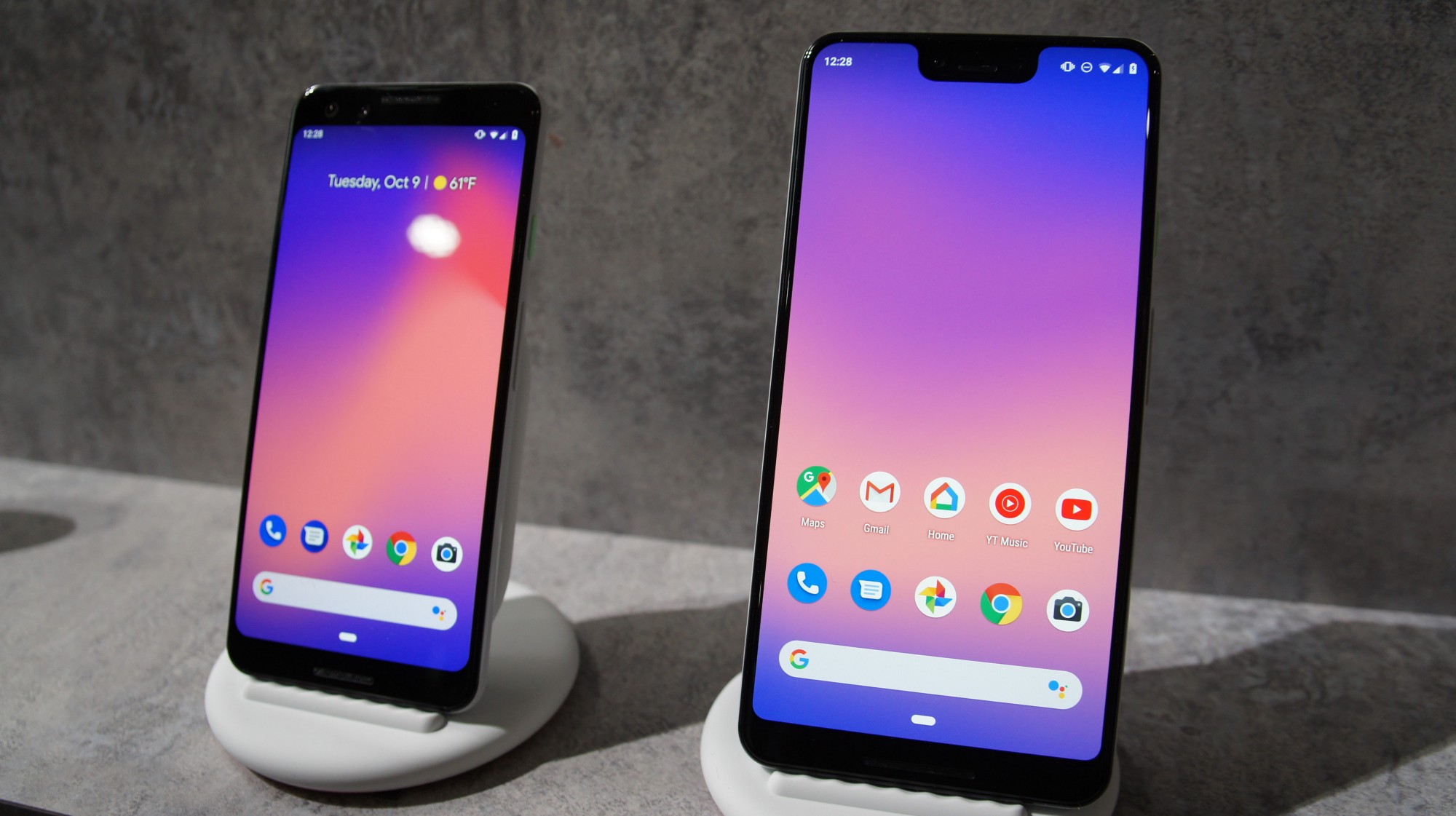
    Good news Pixel owners, as Google has decided that it’s time to sell even more Pixel 3a phones by sharing a huge number of discount codes for one of its most recent handsets. These codes are only sent to those who already own a Pixel 3a phone and it’s meant to be shared with friends.

    Multiple Pixel 3a owners report they have received $50 off discount codes in their email inbox, which they can share with their friends. According to the email, you and a friend both get $50 to spend in the Google Store when your friend buys a Pixel 3a using the code received, Droid-life reports.

    Although Google mentions that this is an exclusive Pixel 3a offer, it’s unclear whether or not it’s available outside the United States. But if you’ve bought your phone in the US, chances are you’ll be getting the $50 off code very soon.

    Once your friend buys a Pixel 3a using the code provided, you should be notified about the $50 credit from the Google Store. We also don’t know if the $50 off code can be combined with another discount on Google Store, but that’s easy to verify if you plan to purchase a Pixel 3a and already have a code.

  • Galaxy S11’s chipsets may support fast DDR5 memory and 5G modem integration

    Galaxy S11’s chipsets may support fast DDR5 memory and 5G modem integration

    Next year, we are going to see a real competition in the world of mobile processing units, it seems, as both the next Exynos and Snapdragon 865 chipset lines will be done at Samsung’s second-gen 7nm production facilities. Currently, Snapdragon 855 that is in the Galaxy S10 for the US is done at the first-gen 7nm production node, while Exynos 9820 for the global versions is on 8nm.

    What we were wondering most about, however, is whether Qualcomm and Samsung’s venerable 5G modems will be soldered together with their processors, in a true system-on-a-chip fashion, or will they be separate entities like this year. The need for two separate components to tack on Snapdragon 855 forced many a phone maker to do “5G” versions of their flagships, often with bulkier bodies and larger batteries, and we hope that this tendency won’t stick around next year as well.

    The last thing we heard about Snapdragon 865 is that it will have two versions, with and without 5G connectivity, just like this year, but what wasn’t clear was whether the 5G variant will have the modem integrated in a chipset fashion. Well, the latest tip from Roland Quandt doesn’t really clear that up, either, as he confirms the two models codenames Kona and Hurracan, but says “one likely with, one without integrated 5G modem (SDX55)” is in store which is the same speculation we’ve heard before.

    What we do learn as a new bit of info, however, is that both will come with support for the latest DDR5 mobile memory generation, and the fastest UFS 3.0 storage standard that the OnePlus 7 Pro shipped with. Samsung already announced it is mass production-ready for LPDDR5 memory chips but we wouldn’t hold our breath to see those in phones before next spring and the Galaxy S11 season.

    Samsung recently tipped that it is planning to integrate a 5G modem into a chipset (presumably of its own Exynos making) faster than anyone, and we’d expect to hear about it before the end of the year, with the inevitable end goal to see it make a cameo in the S11 alongside the Snapdragon 865.

  • Apple Watch cuts more ties with the iPhone in latest watchOS 6

    Apple Watch cuts more ties with the iPhone in latest watchOS 6

    VentureBeat’s Jeremy Horwitz discovered something interesting on his Apple Watch when he installed watchOS 6 Developer beta 2 on the device. There are indications that with the latest watchOS build, the wearable will be able to directly load OTA updates without having to go through an Apple iPhone. It’s another cut in the umbilical cord that connected the Apple Watch to the iPhone when the timepiece was first released in 2015. If you’re running the latest Developer beta of watchOS, you can see how the timepiece can run OTA updates through the settings menu by going to Settings > General > Software Update.

    The first cut in the cord came with the release of the Apple Watch Series 3 (GPS + Cellular), which allowed users to make and take calls, reply to messages and receive notifications on the device even if they left their iPhone at home. Before the latest beta update, Apple Watch users needed to open the Watch app on their iPhone in order to complete the updating process.

    So this seems to be good news for those fighting for the independence of the Apple Watch. We say “seems” because for now, even if you install a software update directly from your smartwatch’s settings menu, you have to read and accept the watchOS terms and conditions from your iPhone before starting the update. That seems a little contradictory for a feature that is designed to wean Watch users off their handsets, so we have our fingers crossed that this is something that will be figured out before the final version of watchOS 6 is disseminated.

    When updating directly from the Apple Watch, the timepiece needs to be connected to Wi-Fi and resting on its charger. Once the battery is charged up to the 50% level, the update will begin.

    The next build of watchOS will feature new watch faces. Many new watch faces, according to Apple. In fact, the company says that there will be “more new faces since the very first Apple Watch.” The big news, of course, is that there will be an App Store for the Apple Watch that will host independent apps for the device. And Apple is adding some new apps for the wearable including Audiobooks, Voice Memos, and Calculator. The new Trends feature will allow Apple Watch users to get a longer-term view of their activity stats ranging from a 90-day look to a full year. If the trend shows a healthy increase in activity, that will be good for a user; if the trend shows that the Apple Watch owner is slacking off, the timepiece will pass along some hints on how to get back on track.

    The update will also alert someone if they are in danger of damaging their hearing because of some loud surrounding noises. This is done by having the microphone on the Apple Watch turn on every now and then to measure ambient sounds. If the sound registers over 80dB, the Apple Watch will show a warning. The update to watchOS 6 will also include a setting allowing your timepiece to “chime” at the top of each hour while the Taptic engine will produce a vibration at the same time. And lastly, with the latest build of Apple’s smartwatch operating system, women will be able to track the time every month when they are most fertile and more likely to get pregnant. This is actually good news for Apple. The more children that are born in homes where Apple products are prevalent, the more future customers the company can count on.