Category: Electronics

Retail News Asia is committed to providing both local and global retailers with the latest Electronics news throughout the Asian market. This on a daily base.

  • Trump says Apple will soon announce plans to build a new apple factory in Texas

    Trump says Apple will soon announce plans to build a new apple factory in Texas

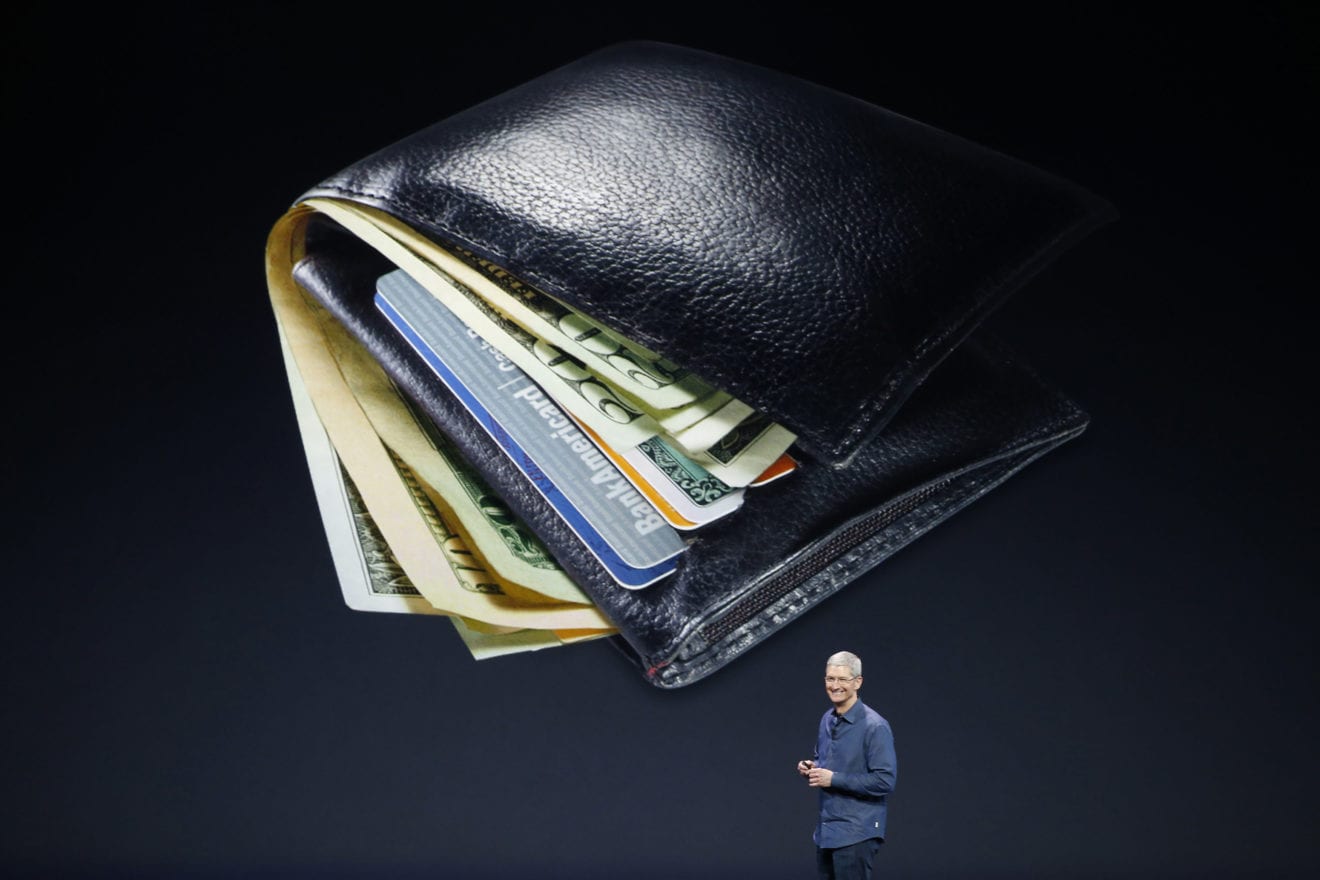
    Stop us if you’ve heard this before. President Donald Trump said that Apple will follow his wishes by opening a U.S. factory in Texas. The president’s comments were made the same day that he disseminated a tweet saying that he would not grant the tech giant a waiver that would prevent it from having to pay import taxes on parts for the Mac Pro imported from China. Trump also pointed out that if Apple made the parts in the states, it wouldn’t face tariffs on them. While Apple designs its products in the U.S., many of them are actually manufactured in China. Even though there is a “truce” in the trade war between the U.S. and China, the already announced tariffs remain in place.

    You might remember that in July 2017, Trump said that he was told by Apple CEO Tim Cook that the company was building “three big plants, beautiful plants.” The only problem with that comment was that it was not true. Apple later denied that any such conversation took place and said that it certainly did not have plans to build any factories in the U.S.

    Trump has had a love-hate relationship with Apple, calling for a boycott of the company back in February 2016. Apple had refused a court order to unlock the iPhone 5c that belonged to San Bernardino shooter Syed Farook. Apple refused to do so because it would have required that the company develop a special operating system for the government; Apple was afraid that the software could get into the wrong hands making all iPhones vulnerable to getting hacked. Trump threatened to stop using his iPhone and said that he would use a Samsung handset until Apple gave the FBI what it wanted. An unnamed Apple executive responded by saying, “Trump’s call for (an) Apple boycott puts the company in standing with other good people he has criticized.”

    In June of 2018, The New York Times reported that Trump had promised Cook that the iPhone would not be subject to any tariffs. Economist and Trump advisor Peter Navarro denied that this promise was made. And while Apple’s most important product has not yet been hit with tariffs, if the current truce doesn’t hold up, the next tier of products from China to receive an import tax is said to include smartphones like the iPhone. According to Morgan Stanley analyst Katy Huberty, tariffs could add $160 to the price of the iPhone XR. That would raise the retail price of the 64GB model from $749 to $909. Last month, Apple tried to warn the president that tariffs on the iPhone could damage the U.S. economy.

    Some of you might be surprised to learn that the tariffs are actually an import tax paid by consumers. In May, President Trump incorrectly tweeted that “tariffs are NOW being paid to the United States by China of 25% on Billions of Dollars worth of goods and services. These massive payments go directly to the Treasury of the U.S.” Either Trump doesn’t know how tariffs work, or the president purposely tried to mislead the country. China does not pay one cent of the tariffs. They are taxes paid by U.S. corporations that can eat them, or pass them along to U.S. consumers by raising prices. Apple, to its credit, has eaten the tariffs imposed on certain iPhone and iPad cases in order to keep the cost to consumers the same. This lowers Apple’s profit margin on those products. So if a tariff is imposed on the iPhone, either Apple will be negatively impacted, or U.S. consumers will be in the form of higher prices for the device.

    Meanwhile, we wouldn’t be holding our breath waiting for Apple to announce a new plant in Texas. It is likely to be found next to the three non-existent factories that Trump said Apple was going to build two years ago.

  • Sonos just the start of Ikea’s investment in smart home

    Sonos just the start of Ikea’s investment in smart home

    Ikea Australia is previewing its highly anticipated collaboration with Sonos in its Tempe store, ahead of the national launch of the Symfonisk range in September.

    The range, which includes a table lamp and bookshelf with built-in connected speakers, is just the start of Ikea’s push into the smart home space, the retailer said in a statement circulated on Friday.

    “Ikea sees great potential in the smart home business,” Ikea Australia spokesperson Mark Mitchinson said in a statement.

    “We strive to make solutions for life at home by integrating technology into our home furnishing offer that is easy to use and affordable, thereby making smart home technology accessible to many people.”

    Mitchinson said there will be additional launches, enabling people to build onto their smart home solution in the years to come.

    The Symfonisk range, which Ikea first announced in a video in January, will be available in-store and online from September 27.

    Designed in collaboration with US smart speaker company Sonos, the range aims to “democratize music and sound in the home”, the retailer said in a statement.

    “Sound enhances our life at home and the collaboration will enable many more people to create an atmosphere in the home with great design and sound,” Mitchinson said.

    The range includes a table lamp with a built-in speaker, which Ikea said will help de-clutter homes by eliminating cords. Priced at $269, the lamp-speaker partly springs from the idea of a fireplace, the retailer said – one single piece that spreads warm light as well as sound.

    It also includes a wi-fi bookshelf speaker priced at $149, which can double as a shelf that holds up to 3kg with the bracket. It can also be attached to almost any kitchen rail, the retailer said.

    Both products are compatible with Sonos’ own product range and can be steered through the Sonos app.

    They can also be steered via the Ikea Home Smart app, which is part of the retailer’s range of connected products, from speakers and charging pads to bulbs and light panels. The products are newly categorized under the collective name ‘Home Smart’, and share the common goal of saving customers time, money and energy.

    Customers can experience Ikea’s new Symfonisk range and take part in immersive experiences at the retailer’s Tempe store in Sydney from yesterday, July 25, through to August 4.

  • Apple AirPlay 2 and HomeKit support arrives for LG

    Apple AirPlay 2 and HomeKit support arrives for LG

    Two months after Samsung announced that many of its smart TVs are getting AirPlay 2 support, LG made the same move. If you own one of the newest LG smart TVs, you’ll be happy to know that AirPlay 2 support is now available for you.

    Alongside AirPlay 2, LG announced that HomeKit is now supported on its smart TVs as well. Both new features will be available through a firmware update for 2019 LG OLED TVs, NanoCell TVs and UHS TVs with ThinQ AI capability.

    If you don’t know what’s AirPlay 2, here is a quick rundown of what you’ll be able to do with it if you have a compatible LG smart TV in your home. First off, you can stream content, including Dolby Vision titles, from iPhone, iPad, and Mac directly to your TV set.

    Secondly, you’ll be able to stream your favorite movies and TV shows from the Apple TV app and other video apps, as well as photos, directly on your LG AI TV. Apple Podcasts, Apple Music and music from your library or other streaming services are also playable through your LG AI TV and other speakers compatible with AirPlay 2, all in sync.

    On the other hand, HomeKit lets users control their smart home with the Home app or via Siri on their Apple devices. Simply install the Home app on your LG AI TV, and you’ll be able to access basic TV functions such as power, volume, and source. Your compatible LG TV can also be added to scenes or automation along with other HomeKit accessories.

    According to LG, Apple AirPlay 2 and HomeKit support will be rolled out to LG OLED and NanoCell TVs in more than 140 countries starting this week, with the update continuing over the weeks to follow.

  • The Nokia 8.2 could land later this year with a pop-out camera system

    The Nokia 8.2 could land later this year with a pop-out camera system

    It’s been almost eight months since HMD Global first introduced the Nokia 8.1 to the world and that means a successor shouldn’t be too far away. According to MySmartPrice, the company is actively developing the smartphone right now and, if everything goes to plan, it could introduce some rather drastic changes.

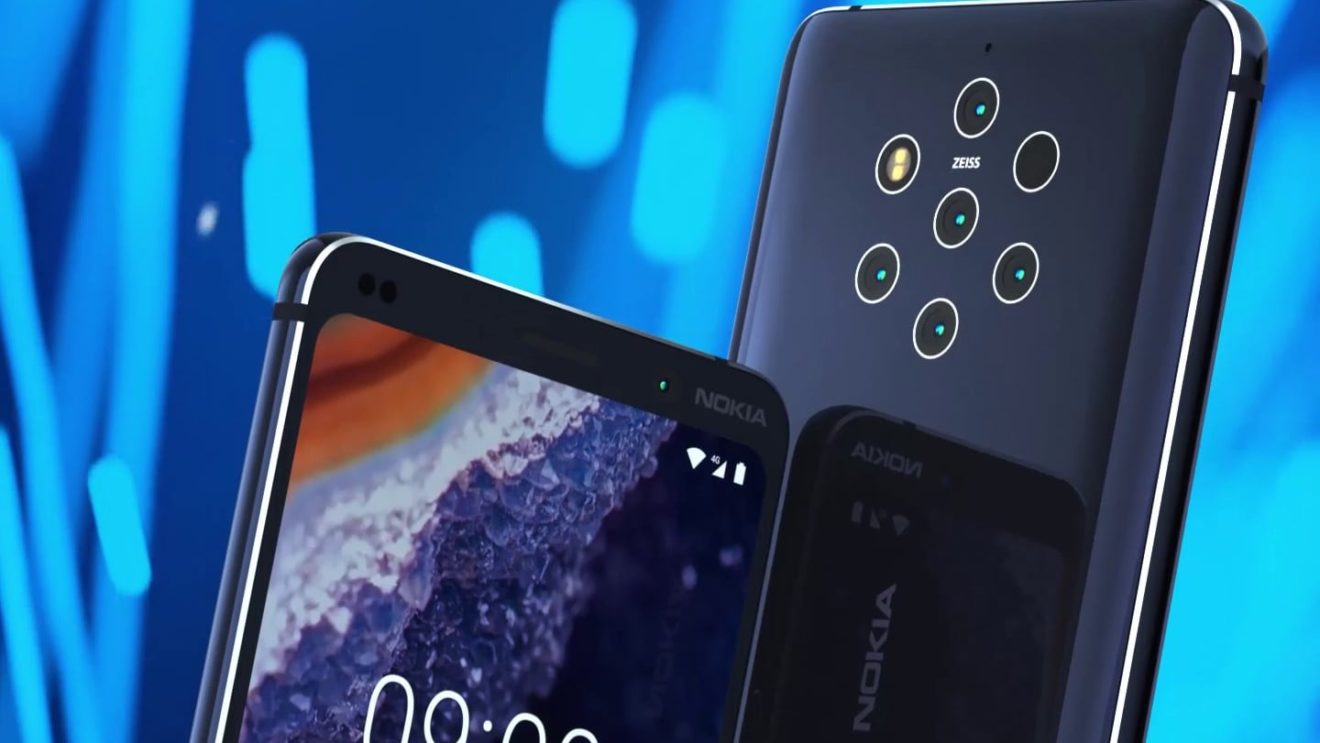
    After fully embracing the notch on last year’s model, HMD Global reportedly has plans to ditch the controversial design feature in favor of one that’s slightly less intrusive. Specifically, the Nokia 8.2 will apparently represent the company’s first smartphone with a pop-out camera system. This will house a new 32-megapixel selfie camera and ultimately remove the need for any kind of notch or cut-out on the display, thus creating an all-screen design.
    In regards to the smartphone’s internal characteristics, today’s report points towards the presence of 8GB of RAM and 256GB of storage as standard. The Nokia 8.2’s processor wasn’t mentioned but previous leaks suggest a Snapdragon 700 series chip could make the cut alongside support for next-generation wireless networks in an attempt to produce a cheaper 5G device.
    Accompanying all of this will reportedly be stock Android 10 Q straight out of the box as part of the Android One program. The final version of this software is on track for release in mid-August which suggests HMD Global’s next Nokia-branded smartphone probably won’t arrive until September at the very earliest.
  • Apple spends $1 billion to buy most of Intel’s smartphone modem chip business

    Apple spends $1 billion to buy most of Intel’s smartphone modem chip business

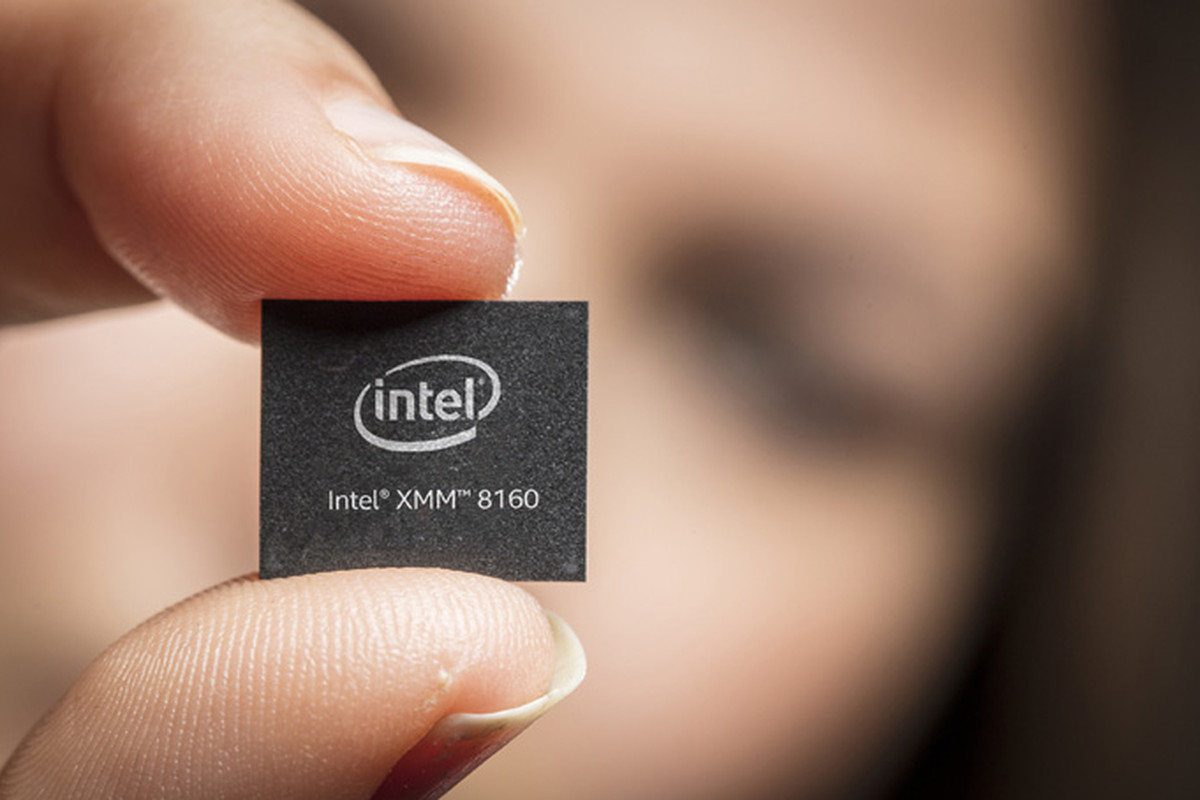
    Apple announced that it has agreed to purchase the majority of Intel’s smartphone modem chip business in a transaction that is being valued at $1 billion. Besides the patents, equipment, and leases that will move from the chipmaker to Apple, 2,200 Intel employees will now work for the iPhone manufacturer. The deal is expected to close in the fourth quarter and goes a long way toward helping Apple design and manufacture its own modem chips. Intel will still have the right to produce modem chips for PCs, IoT and self-driving cars.

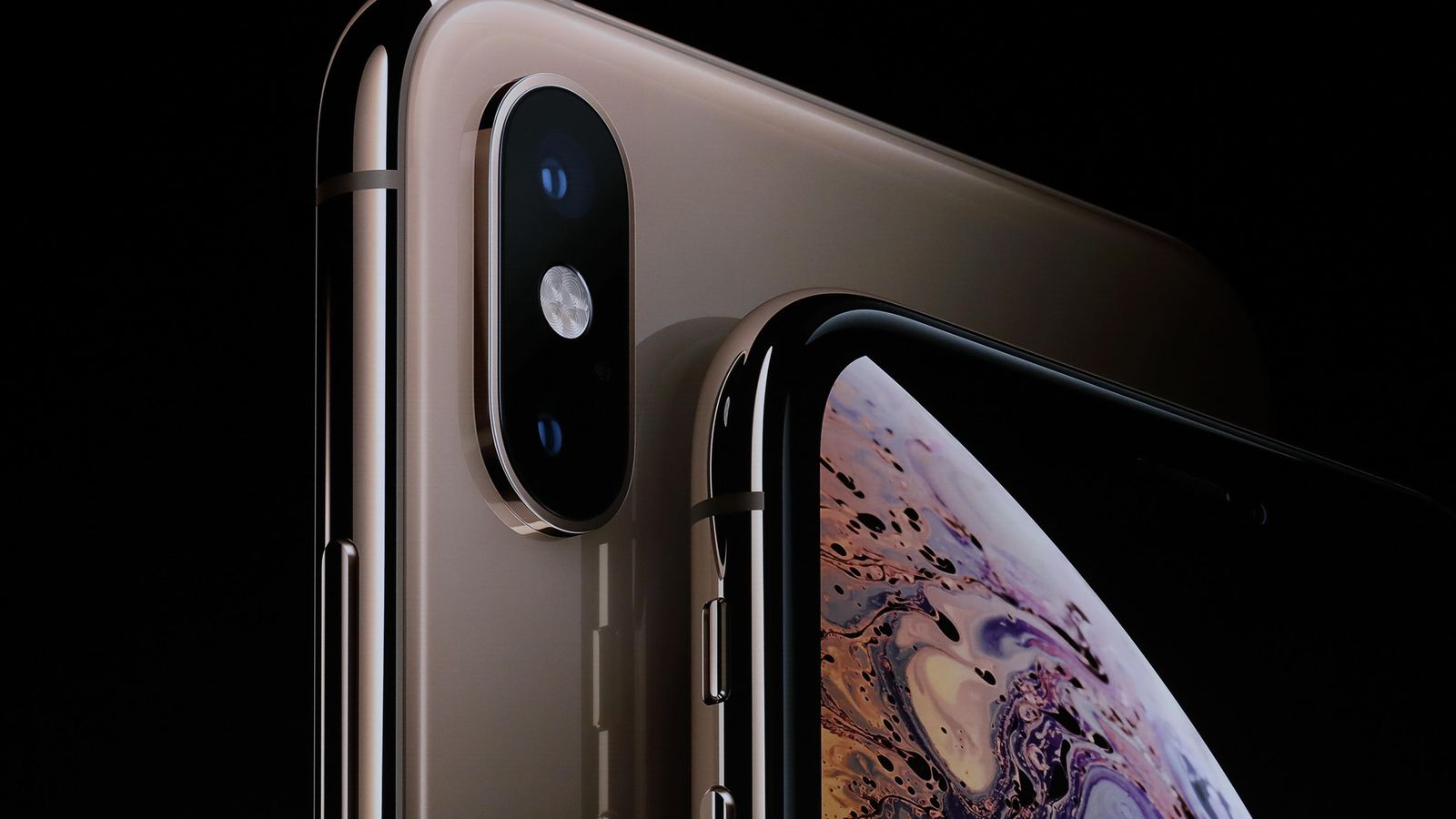
    The 2018 iPhones all exclusively use Intel’s 4G LTE modem chips and Intel was originally slated to deliver a 5G modem chip to Apple in time for use with the 2020 iPhones. But a settlement between Apple and Qualcomm announced last April allowed both companies to bury the hatchet and end a feud that had kept Apple from sourcing Qualcomm’s 5G modem chips. Apple paid an undisclosed amount of money to Qualcomm, rumored to be $4.5 billion, in exchange for a six-year licensing pact (with an option for two additional years) and a multi-year chip supply agreement. So starting next year we should see a Qualcomm 5G modem chip inside the iPhone models that support the next generation of wireless connectivity. Based on the early rumors, that would be the 5.4-inch iPhone 12 and 6.7-inch iPhone 12 Max.

    Even though Intel said that it would ship its 5G modem chip in time for use inside the 2020 iPhones, it appeared that Apple didn’t fully trust Intel’s design. In February, there was talk about Apple designing its own 5G modem chip and it shifted around personnel in an effort to get the ball rolling on this project. All that Apple seemingly needed was a reliable supplier to get it from 2020 to 2022 or 2023 when the first Apple-designed 5G modem chip could start rolling off the assembly lines. That might have been the impetus behind Apple’s settlement with Qualcomm.
    But with the purchase of the majority of Intel’s smartphone modem chip business, Apple will soon be able to control its own destiny in terms of obtaining this key component. The 2019 iPhones will continue to use Intel’s 4G LTE modem chips; these units will ship before Apple and Intel close on the transaction.
    The bottom line is that even with this purchase, there is still a good chance that Apple relies on Qualcomm to supply it with 5G modem chips for the next few years. But this deal has to make the brass in Cupertino feel relieved. Things were looking desperate at times for Apple. Back in January, during the FTC v. Qualcomm trial, Apple supply chain executive Tony Blevins admitted that the company had talks with Samsung and MediaTek about working out a supply agreement for 5G modem chips.
    The $1 billion price paid by Apple makes this deal one of the most expensive purchases in Apple’s history. The most amount of money that Apple has paid to buy a company is the $3 billion it shelled out for Beats Audio back in 2014.
  • Outlook for iOS update finally brings iCloud support

    Outlook for iOS update finally brings iCloud support

    Besides the usual monthly Office mobile updates that Microsoft reveals at the beginning of each month, the company releases additional updates that usually include bug fixes or minor improvements to already existing features.

    However, the latest Outlook for iOS update brings a completely new feature that will work with other apps like SharePoint, Google Drive, and Dropbox. Support for iCloud is now being added to Outlook on iOS devices, a long-overdue feature that will allow users to find specific files.

    Working alongside OneDrive, SharePoint, Google Drive, Dropbox and Box, Outlook for iOS lets those who own account on any of those services to easily find, attach or preview files, a more than welcome improvement that many people have been asked for months.

    The latest update adds some bug fixes and improvements as well, in addition to iCloud support, so expect your Outlook app to perform slightly better after the update.

  • Samsung brings new messaging feature, more AR Emoji options to Galaxy S9/S9+

    Samsung brings new messaging feature, more AR Emoji options to Galaxy S9/S9+

    More than a year after the release of the Galaxy S9/S9+, Samsung continues to bring new features and important improvements to its last year flagship. The month of July comes with one new feature aimed at Samsung fans and more customization options for AR Emoji.

    These changes come in addition to the July security patch, which is now rolling out to Galaxy S9 and S9+ devices across the world. The update weighs in at 533MB and includes a new feature – Call and Message Continuity. Call and Message Continuity is meant for customers who own not just a Samsung smartphone, but a tablet as well.

    With the new feature, those using Galaxy tablets will be able to accept calls and read their messages from their slate as long as they are logged in to the same Samsung account as their Galaxy phone. The new feature uses either Wi-Fi or mobile data connection, so your phone doesn’t have to be close by to be able to take calls from the tablet. You can find the new feature in the Connections menu.

    Furthermore, the latest update brings the Galaxy S9/S9+ closer to the newest Galaxy S10 series by adding a couple of new customization options for AR Emoji. Also, the UI has been updated to be cleaner and easier to use.

    For the time being, the update is only available in Germany, but Exynos-powered Galaxy S9/S9+ units all over the world should get it as well in the coming weeks.

  • Apple’s Tim Cook has a clear replacement

    Apple’s Tim Cook has a clear replacement

    August 24th marks eight years since Steve Jobs stepped down as CEO of Apple and Tim Cook assumed the position’s full responsibilities. The company has since more than doubled its market value and sold products to millions of customers across the globe. But with growth now slowing, Bloomberg suggests a clear successor to Tim Cook has begun emerging, even though the latter is unlikely to step down anytime soon Chief Design Officer Jony Ive was often considered to be the most important person at Apple after Tim Cook. But following the announcement last month that he was departing the company to start up.

    a design studio, this position appears to have been filled by Chief Operating Officer Jeff Williams who is currently seen as the perfect Tim Cook replacement. Speaking on the condition of anonymity, many current and former colleagues described Williams as a “modest, disciplined, demanding leader in the current CEO’s style.” Since taking over the role of COO – a title once held by Tim Cook – he has prioritized operational efficiency and worked closely with suppliers across the globe. Williams has also adopted a more hands-on role when it comes to product development and schedules weekly reviews for future products to track progress and brief CEO Cook of developments. These meetings are officially called New Product Reviews but some employees now call them “Jeff Reviews.”

    The COO, just like Cook, is very good at watching and listing to other employees. He has built up the reputation of being soft-spoken but when required, Williams isn’t afraid of asking sharp questions or insisting on further improvements until Apple’s standards are met. This is especially the case when it comes to the design teams. Williams “comes from the operations side, and the metrics being applied there often have very little meaning in design.” Because of this, he isn’t always as understanding when things aren’t up to scratch, although colleagues say he doesn’t quite have the temper of Steve Jobs. Back when Apple was developing AirPods, the executive purposely continued wearing wired EarPods until he was happy with the fit of their wireless counterparts to get his point across rather than creating a storm inside the company.

    Williams currently overseers Apple’s entire supply chain, fitness and health research and app development, AppleCare customer support, and the development of all hardware products including the next-gen iPhones. Before taking over as COO, however, Williams primary focus was the first Apple Watch which quickly became his biggest test at the company. Mere months before the original’s release in April 2015, some employees testing the wearable began reporting allergic reactions to the type of nickel Apple had used. This is a common issue in the watch industry but Williams chose to scrap the thousands of devices that had already been produced in favor of restarting production from scratch with a different metal.

    Around this time, the now-COO also had to deal with another issue regarding the company’s Taptic Engine. The feature, which was a priority for Williams and allowed the Watch to vibrate more quietly than the counterpart used inside phones, was prone to corrosion which ultimately led to long-term failure. Instead of shipping the wearables, Williams decided to gift the affected models to employees and fix the issue ahead of release.

    The move led to delays and made the Apple Watch difficult to find shortly after launch. Nevertheless, it avoided potentially defective units hitting shelves and was ultimately the right move for consumers.

    Over the past few years, Apple has completely transformed the way it operates with the help of Tim Cook. Product design used to be the priority but the company’s operations team now appears to be running the show and influencing every other department. According to a former senior Apple executive, Jeff Williams is “the closest thing at the company to Tim Cook, and you’ll get more of that. If you think Cook is doing a good job, then it’s a good choice.” Another person who knows him said, “Jeff is 95% operations and 5% product.”

    This strategy has worked incredibly well for the company over the past few years but, with growth slowing, many now wonder if it’s sustainable. Michael Gartenberg, a former Apple marketing executive, believes “one doesn’t necessarily need a visionary as CEO of Apple as long as there’s a visionary in the company that the CEO can work with. had Jony Ive. The question is, with Ive gone, who is the visionary at the company that can guide the next big thing?”

  • LG to supply flexible OLED displays for the iPhone XII in 2020

    LG to supply flexible OLED displays for the iPhone XII in 2020

    LG is being fast-tracked to become Apple’s second OLED display supplier for the iPhone XII models in 2020, breaking Samsung’s current monopoly. The E6 line in its Korean factory has reportedly been cleared for operation, and Apple hoped to get whatever quality yield LG can muster.

    Those would increase the average selling price of LG’s displays by 10% which is not an insignificant amount as far as these things go. Unfortunately, the number of OLED panels with the needed quality that LG’s conveyor belts are currently able to churn out is not very large.
    So far, LG panels have been used for repairs of the new iPhones, and with the inauguration of the E6 plant we might see some of the top quality batches make it in the 2019 iPhones. LG apparently won’t be fully ready to supplement Samsung before the 2020 crop, however. According to Jeong Seo-hee, chief financial officer of LG Display:
    In any case, with the help of Apple’s credit lines, LG should quickly be able to ramp up production, as the team from Cupertino is in a desperate need of at least one more OLED screen supplier to avoid the monopolistic prices that Samsung is charging.
    Rumors pegged an iPhone X panel to cost about $100, or about a third of the handset’s bill of materials, and we can only guess how much Samsung charges for the 6.5″ iPhone XS Max display, given that its Apple Repair charge alone comes up to $329.
  • Render shows that Vivo could be taking the next step toward a full-screen design

    Render shows that Vivo could be taking the next step toward a full-screen design

    Ever since phone manufacturers started to find alternatives for the placement of the selfie camera on their phones, the industry has been moving toward the Holy Grail; a 100% screen-to-body ratio. Former Apple design chief Sir Jony Ive admitted a few years ago that he wanted an iPhone that looked like a single sheet of glass. First, he states that earlier this year Samsung canceled a project called Full-Display 2.0. The team working on this project was trying to develop a phone that was all screen without a notch, punch-hole or a cutout.

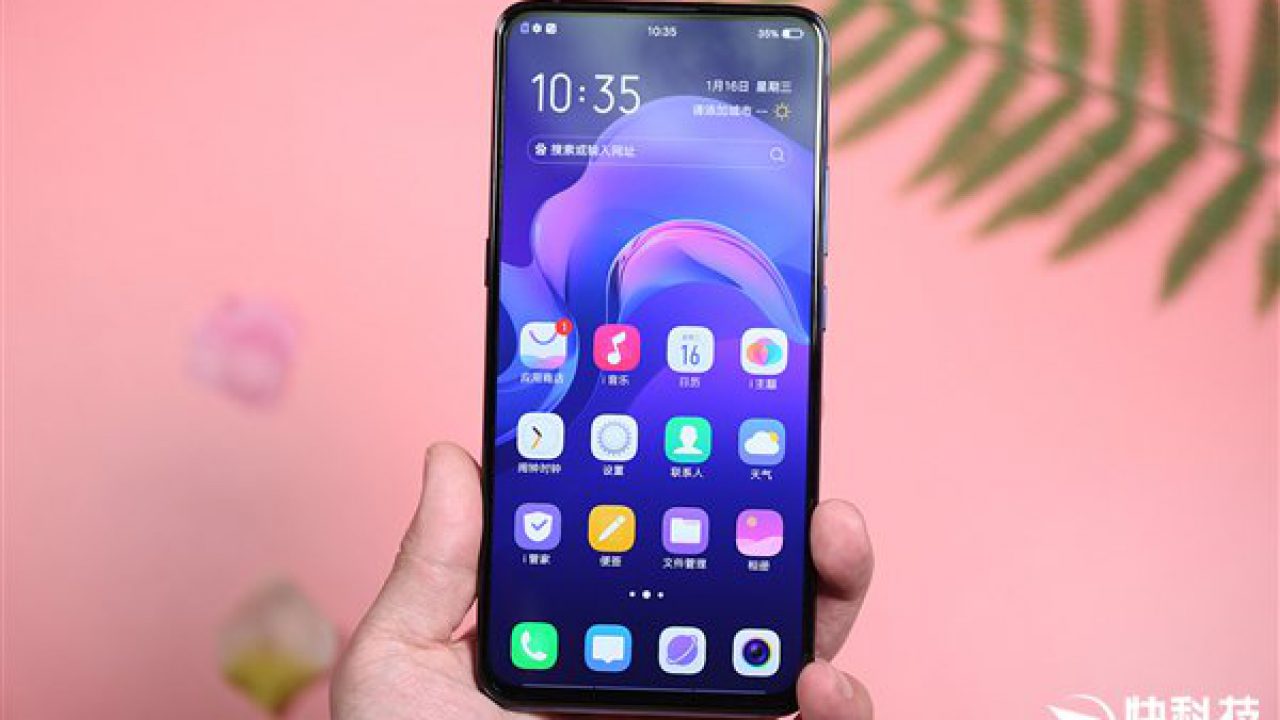
    This decision, according to Ice Universe, was a “serious mistake” on Samsung’s part. Why? Because manufacturers in China have been working toward the goal of producing a phone sporting a full-display. And it would appear from a render that was included in the tweet, that Vivo is going to take the next step toward releasing a full-screen phone with the Vivo NEX 2. The render shows a phone with curved edges with no side bezels or side buttons.  There is an extremely thin bezel at the top and a small chin at the bottom. Since the original NEX featured a pop-up selfie camera, we can expect more of the same with the sequel. Or perhaps there is an in-display camera.

    Even though Vivo isn’t expected to sell the NEX 2 in the states, it is important to see what some of the innovative Chinese manufacturers are doing. That’s because a phone doesn’t have to be sold in the U.S. to start a new design trend. For example, the 2016 Xiaomi Mi Mix and its edge-to-edge display influenced the designs of some phone manufacturers who do sell their devices in the states.

    With in-display fingerprint scanners already here and in-display selfie cameras on the way, it might not be terribly long before we see a handset with a screen-to-body ratio approaching 100%.

  • Leaked photo shows Nokia feature phone running a special version of Android

    Leaked photo shows Nokia feature phone running a special version of Android

    Do you remember the last feature phone you owned before getting a smartphone? Once you purchased a smartphone, you figured that you would never consider buying a feature phone again. But suppose you could purchase such a device powered by Android? 9to5Google posted a photograph today that it received from an anonymous source. The image shows a device that resembles a Nokia feature phone running the Android operating system. The phone doesn’t use a touchscreen for navigation and relies instead on a d-pad, number keys and some other buttons (how could we have been so primitive back then). There is no app switcher on the device.

    The handset was created by Nokia. Some of the markings on the number keys seem to dovetail with ones used on earlier Nokia phones. The home screen features a microphone icon near the top of the display; while this is indeed Google’s microphone icon, it isn’t clear whether it will be used to make requests of Google Assistant or to ask questions to Google Search. Some app icons can be seen on the bottom of the display for the camera, Chrome Browser, and YouTube. There is also an unknown icon showing white arrows in a green circle, one pointing right and the other left. A yellow flap can be seen on the left side of the circle. The square in the middle is most likely the app drawer; navigating to that icon will show you all of the available apps on the phone

    On the upper part of the display from the center to the right corner is the status bar that shows the status of the network being used (4G in this case), a signal strength bar, battery indicator and the time. On the bottom, there are three options, “Alert,” “Select,” and “Settings.” The first option might be used instead of the non-existent pull-down notification shade to receive notifications and alerts. The photo also shows that the phone is hidden under a rubber case. Ironically, Android was originally developed for non-touchscreen handsets. The word is that when then Apple-CEO Steve Jobs unveiled the original iPhone in January 2007, developers quickly changed paths and turned Android into an operating system for touchscreen phones.
    There is no indication when (or even if) such a phone will be produced. Without having to power a large touchscreen, battery life would probably be stellar, even with a much smaller capacity battery than what you might find on what passes for a low-end Android phone these days (actually, some budget Android phones, like the Moto G7 Power, possess large batteries). And the price would most likely undercut any touchscreen Android phone available today.
    HMD Global, which has the right to use the Nokia name on mobile phones through 2024, brought back the popular Nokia 3310 feature phone in 2017. The original was one of the best-selling phones of all time with sales of 126 million units. The newer version of the phone had some updated specs including a 2.4-inch color screen, a 2MP rear camera, and a microSD slot. And while the battery sports a rather low capacity of 1200mAh battery, on a feature phone like the Nokia 3310, that is enough to keep the device running for a long time between charges.
    This might be something that will appeal to those seeking a backup phone or a cheap phone for the kids. And since it will run on Android, it should have a lot more functionality than that LG Dare you used to carry around.
  • Lenovo Experience Store opens in Singapore

    Lenovo Experience Store opens in Singapore

    Lenovo has opened an Experience Store opens at Singapore’s Funan mall, offering an online-to-offline experience.

    The 4500sqft store has dedicated areas for product showcases, workshops and pop-up events.

    “The opening of our new flagship store, together with the launch of the four new devices, embodies our Intelligent Transformation strategy to bring a new experience to our customers in Singapore,” said Eddie Ang, Lenovo Singapore’s country GM.

    “We hope this Lenovo Experience Store will be a platform, where we can continue to build meaningful relationships with our customers and provide them with new and engaging ways to experience our brand.”

    Smart Retail is applied by using solutions to track footfall analytics and optimization. The data captured can map areas frequented by customers and calculate the average amount of time spent at each. This can help in planning the positioning of store employees to provide assistance.

    In-store cameras and product webcams that capture facial expressions will help in understanding customer preferences and their reactions to the various products. Analyzing the data can also showcase demographic trends among customers and assist stores to push targeted content that is relevant.

    Self-service kiosks will be available in-store to drive automation and free up employees to provide personalized services, where required.

    Products are also tagged with radio-frequency identification tags, supplying store employees with inventory information right at their fingertips through their hand-held tablets.

  • Apple is working hard to avoid iPhone 12 leaks next year

    Apple is working hard to avoid iPhone 12 leaks next year

    Some companies embrace leaks completely while others use them as a marketing tool. Apple, on the other hand, belongs to a separate group of entities which absolutely hates leaks and ultimately takes them very seriously. Now, according to a report by The Information, the Silicon Valley-based brand is ready to move its leak prevention measures to the next level.

    Although Apple has always taken leaks very seriously, things took a drastic turn six years ago in the summer of 2013. Just months before the iPhone 5c’s official debut, thousands of shells for the smartphone were stolen out of a Chinese factory by an employee. The latter was helped by a security guard who helped him avoid security cameras while he drove a large truck out of the building.

    The incident apparently forced Apple to buy back a whopping 19,000 stolen iPhone 5c enclosures in a bid to avoid a stream of leaks. This wasn’t enough, however, as the components soon appeared online and revealed the smartphone’s design in the process.

    As a direct result of it all, Apple created the New Product Security Team soon after. Referred to more commonly as NPS, the team of people monitors security at Apple’s global suppliers and ultimately tries to put a stop to leaks, something it has done pretty successfully. In 2014, the company reported 387 stolen iPhone enclosures but this number quickly dropped to 57 the following year and then to just four in 2016. In one instance, NPS uncovered an attempt by factory employees to build a tunnel and smuggle out components.

    In recent years, more leaks have originated from inside Apple’s Cupertino headquarters than from international suppliers. This has allowed the company to reduce the size of its NPS team slightly and instead subcontract some of the work to others. Nevertheless, Apple is now facing an entirely different issue.

    As Apple and other companies have gradually gained more control over physical component leaks, electronic leaks have become noticeably more frequent. Schematics and CAD-based render often provide a glimpse at upcoming smartphones months ahead of their debut, but things undoubtedly reached a new peak for Apple this year.

    Just four months after the iPhone XS was released and a whopping eight months ahead of the next iPhone’s announcement, tipster Steve Hemmerstoffer got his hands on files which showcased both the iPhone 11 and a separate prototype. The flagship’s design is yet to be confirmed officially but the leak is undoubtedly one of Apple’s biggest and most premature yet.

    In light of this, Apple has now shifted resources to preventing digital leaks. It has a team inside its headquarters leading the efforts but has also set out a number of guidelines for suppliers which it refines whenever necessary. For example, physically separate computer networks must be operated by suppliers at all times. Additionally, CAD files are present within a secure, additional network which is present within the first. Apple also watermarks all files to discourage screenshots. Other measures include the ban of all public email services and third-party cloud services such as Google Enterprise and Dropbox.

    In the event that a leak was to occur, the supplier responsible for it must reimburse the company to the tune of $25 million and cover any costs related to the investigation. Because of this, certain suppliers have introduced upgraded security equipment including facial recognition cameras, new security cameras, and extra security guards. Interestingly enough, though, Foxconn’s current contract with Apple means it can’t be fined.

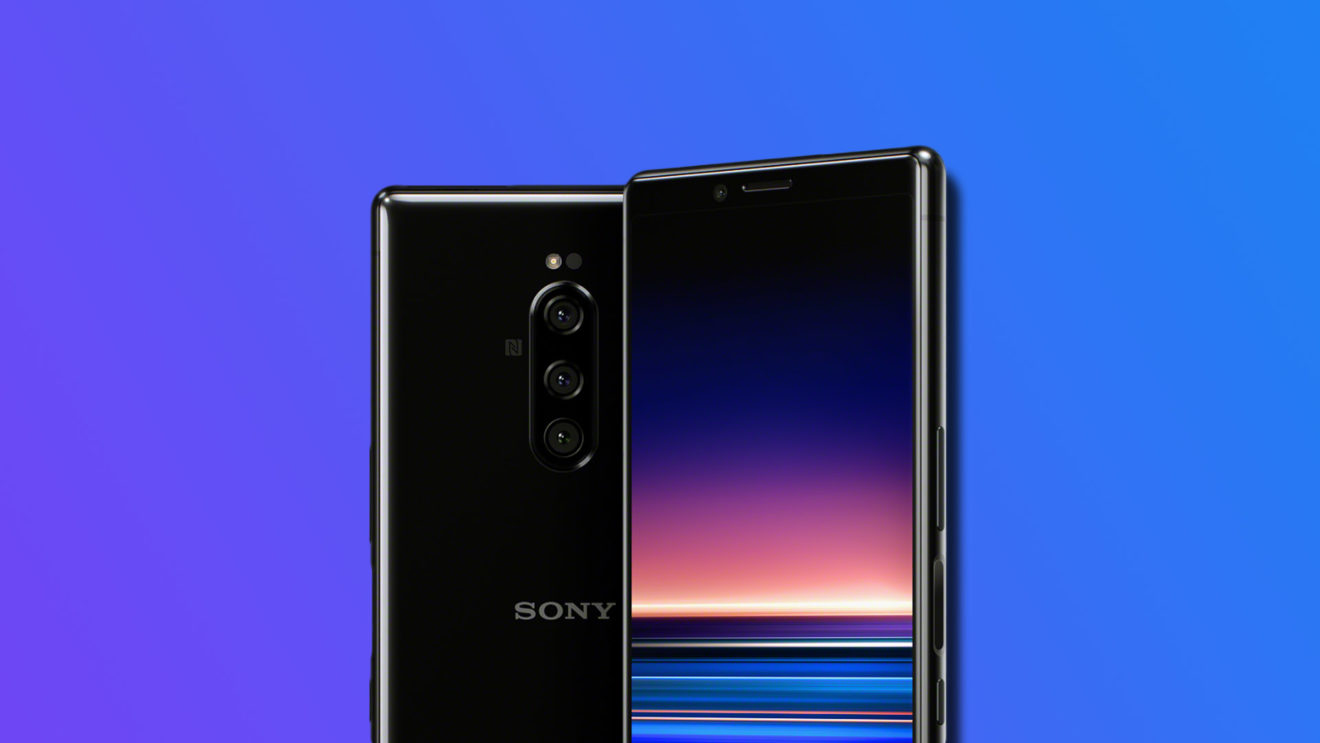
  • The Sony Xperia 1R could launch as the world’s first 5K phone

    The Sony Xperia 1R could launch as the world’s first 5K phone

    Sony announced the Xperia Z5 Premium in September 2015 as the world’s first 4K smartphone. It followed the achievement up with the Xperia 1 this February which debuted with the world’s first 4K HDR OLED display. Now, reports suggest Sony could be preparing the world’s first phone with a 5K panel.

    As indicated by a new user agent profile, an upcoming Sony smartphone with the model number J8220 sports a 21:9 display with a massive 5K (5040 x 2160p) resolution. The current-gen Xperia 1, for comparison, boasts a 4K (3080 x 1664) front panel that ultimately offers 70% less total pixels.

    The device in question appears to be the Xperia 2 which was rendered months ago. But according to leaked information, it won’t be sold under that name. Sony plans to market the phone as an upgraded, more compact version of the Xperia 1 dubbed the Xperia 1R. The latter will reportedly use a slightly smaller 6.1-inch display rather than the 6.5-inch panel featured on the current model. This, combined with the higher resolution, means Sony’s Xperia 1R should offer an incredible pixel density of 899 pixels-per-inch. For reference, the Xperia 1 offers a density of 643ppi and even HTC’s Vive Pro VR headset only offers 615ppi.

    The Sony Xperia 1R’s display could very easily be considered overkill if the company’s simply aiming to achieve a more impressive spec sheet. But with VR continuing to grow and Sony itself being very invested in the market through its PlayStation brand, it’s certainly possible the company has some VR-focused gaming implementations up its sleeves to help justify the higher resolution.

    Despite having potentially one of the best smartphone display around, Sony needs to fit its Xperia 1R with a high-end processor to make it truly worthy of the ‘flagship’ title. The standard Xperia 1 features Qualcomm’s Snapdragon 855 which makes it the most logical choice for its follow up. However, if Sony’s next smartphone does include some VR-focused features, perhaps the Snapdragon 855 Plus will be chosen instead.

    Qualcomm’s latest chip was announced earlier this week and will be first used inside the Asus ROG Phone 2. It promises to “raise gaming to the next level” with the help of a 15% increase in Adreno 640 GPU performance and a slight clock speed bump from 2.84GHz to 2.96GHz. As standard, the chip is coupled with a 4G LTE modem, but if manufacturers wish to do so, a separate 5G modem can be added.

    Paired with the processor should be a minimum of 6GB of RAM and 128GB of storage, although an upgrade to 8GB of RAM and 256GB of storage certainly wouldn’t be surprising. Curiously, previous leaks have pointed towards the presence of a tiny 3,200mAh battery inside the Xperia 1R. This is far from confirmed yet but it would certainly be disappointing considering the poor battery life results it’ll likely create as a result of the high-resolution display.

    The Sony Xperia 1R is expected to go official in early September at IFA 2019 in Berlin. If the company’s previous releases are anything to go by, Xperia 1R pre-orders are unlikely to kick off until the end of the month before a release in early October.

    Sony could surprise everybody by shortening the time between announcement and release in a bid to beat Apple’s iPhone 11 series to market and attempt to steal some of Samsung’s Galaxy Note 10 sales. But considering the Japanese brand appears to have been carving out its niche in the market, this is unlikely to happen.

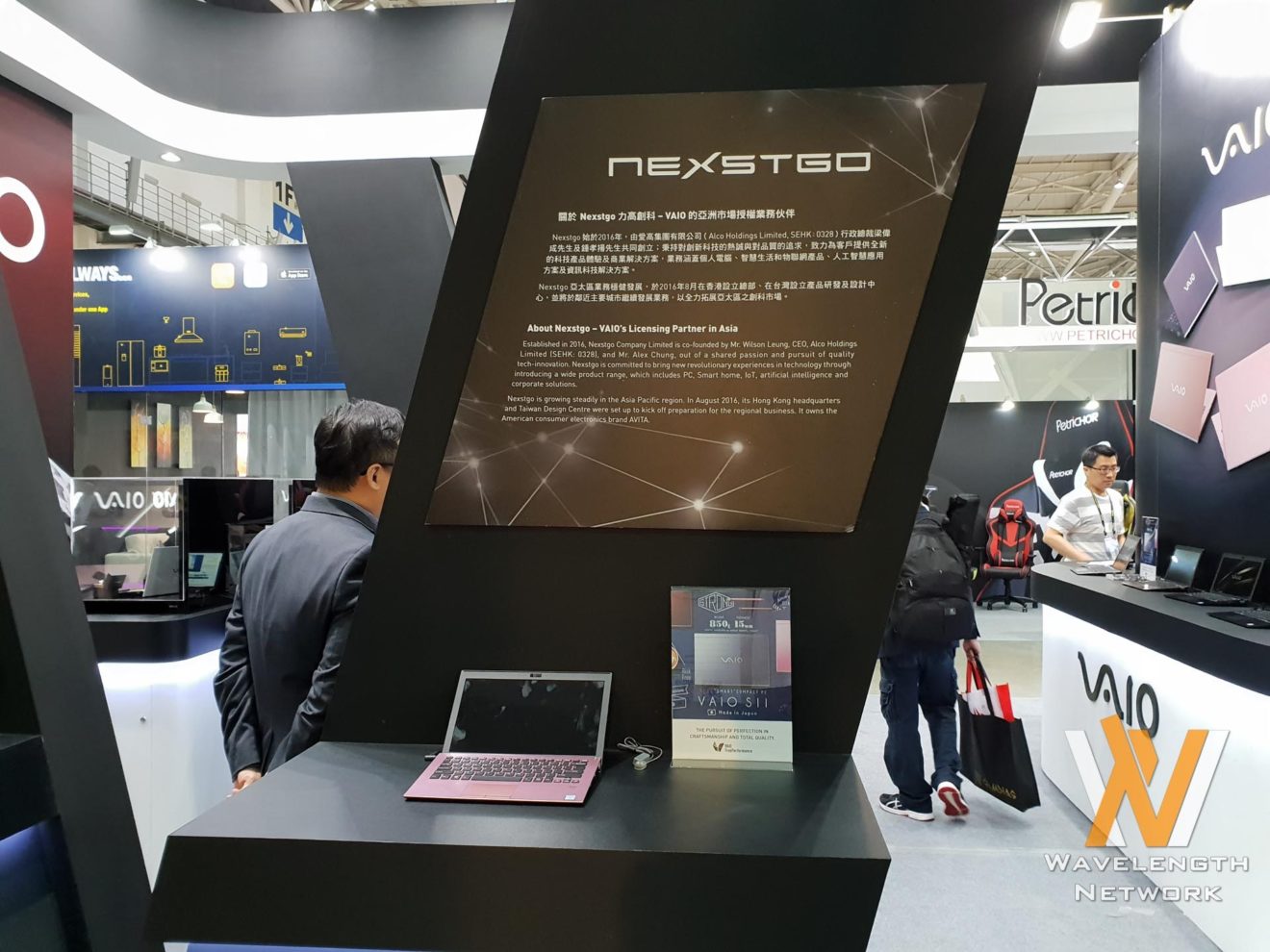
  • Nexstgo to open 50 stores in India

    Nexstgo to open 50 stores in India

    Hong Kong electronics producer Nexstgo is launching 50 stores in India.

    The brand entered the market last year selling Avita and Nexstgo-branded computers online and through retail stores in Delhi, Ambala, Chennai and Jaipur. It is currently targeting laptop sales at one lakh (US$1450) this year.

    “We have seen a tremendous response so far and by the end of the year, we are confident of crossing the one-lakh device mark,” said Nexstgo Company CEO and co-founder Alex Chung.

    “We are also in the process of expanding our retail presence, we are looking at 50 exclusive brand stores.

    “We are looking at adding two new products to our portfolio by Diwali this year across the country… We aim to have an omni-channel presence to maximise our visibility with an equal focus on offline and online sales,” he added.

    Nexstgo also plans to expand into the Middle East and Europe by the end of this year. It currently operates in nearly a dozen countries around the Asia region.