Category: Electronics

Retail News Asia is committed to providing both local and global retailers with the latest Electronics news throughout the Asian market. This on a daily base.

  • Samsung to reportedly unveil the Galaxy Note 10 line

    Samsung to reportedly unveil the Galaxy Note 10 line

    According to CNET, a source familiar with Samsung’s plans says that the unveiling of the Samsung Galaxy Note 10 and Galaxy Note 10 Pro will take place on August 7th. It will occur during Samsung’s next Unpacked event to be held at Brooklyn’s Barclays Center, home to the NBA’s Brooklyn Nets. It also is the location where Samsung introduced the Galaxy Note 9 last year. This year, we expect to see four models introduced including the 4G LTE Galaxy S10 and Galaxy S10 Pro, and the 5G versions of the same units.

    The “standard” Samsung Galaxy Note 10 (SM-N970) is expected to carry a 6.3-inch curved AMOLED display. The version sold in the states will be powered by the Snapdragon 855 Mobile Platform with the Exynos 9825 chipset under the hood almost everywhere else. A triple-camera setup is likely to be found on the rear of the device consisting of a 12MP wide-angle camera, 12MP telephoto camera, and a 16MP Ultra-wide camera. A 3400mAh battery will supply the power and there will be an ultrasonic in-display fingerprint scanner. The standard 4G LTE Galaxy Note 10 is expected to be priced in the range of $1,100-$1,200. The 5G version of this phone will be model number SM-N971.

    The Samsung Galaxy Note 10 Pro (SM-N975) will carry a curved 6.7-inch AMOLED display, and have a Time of Flight (ToS) sensor in back beside the three cameras found on the standard model. This sensor measures how long an infrared light takes to bounce off a subject and return to the phone, allowing the device to compute more accurate depth information for the bokeh effect and for face mapping. An ultrasonic in-display fingerprint scanner will be on board, and the Galaxy Note 10 Pro will be equipped with a 4500mAh battery along with a 25W fast charger. The 5G version of this phone (SM-N976) has appeared on the Geekbench benchmark site twice with one of the units apparently heading to Verizon (SM-N976V). This model was equipped with the Snapdragon 855 SoC and included 12GB of RAM. The international version (SM-N976B) had the Exynos 9825 under the hood and 8GB of RAM.

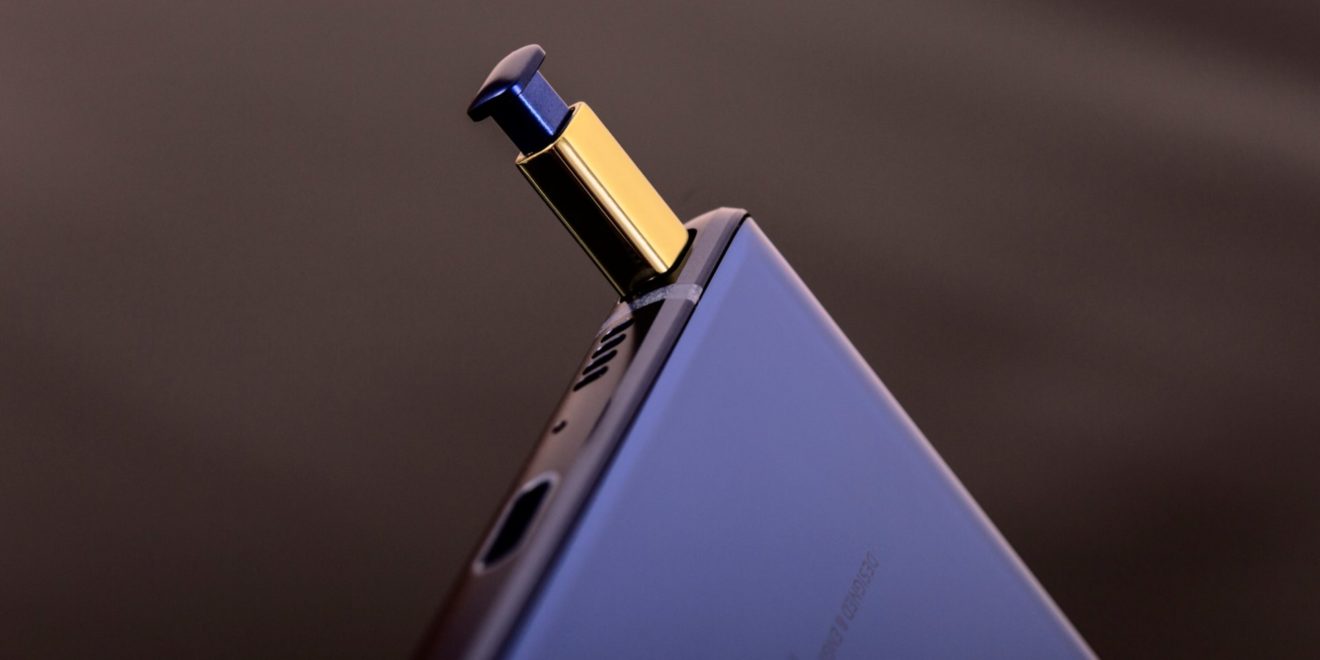
    All four models will come with the S Pen. Last year, following a number of rumors, Samsung added Bluetooth LE support to the stylus allowing it to be used as a remote shutter for the Galaxy Note 9’s camera and as a tool to remotely control streaming media. This year, things have been quiet on the S Pen front so we don’t expect to see drastic changes here. Additionally, none of the four units will have a 3.5mm earphone jack nor will they have a Bixby button. And in an interesting design, the rear cameras will be mounted vertically along the left side of the rear. Last year’s model used a camera housing that was placed horizontally on the phone’s back panel. The Galaxy Note 10 line uses Sammy’s Infinity-O display; this means that punch-holes are used for the phones’ selfie snappers.

    From the looks of things, it appears that the Galaxy Note 10 will be introduced before the release of the Galaxy Fold. Considering that the latter was due to be released on April 26th, this was not expected. AT&T and Best Buy have canceled pre-orders for the foldable device, and Samsung has too unless it was expressly told not to by its customers; some of these consumers, willing to shell out $1,980 for the Galaxy Fold, might decide to save some money and purchase a Galaxy Note 10 model instead.

    So for now, if you’ve been looking forward to the unveiling of the Galaxy Note 10, you should circle August 7th on your calendar. Last year, two weeks separated the August 9th unveiling of the Galaxy Note 9 and its launch on August 23rd. With that in mind, the Galaxy Note 10 could launch this year on August 21st.

  • First Glimpse of the new Apple Taiwan store

    First Glimpse of the new Apple Taiwan store

    Apple Taiwan will open its second retail location – the new Xinyi A13 store – in Taipei tomorrow.

    In a nod to the brand’s Chicago flagship, the new store’s glass exterior and distinctive roof house a two-storey retail area with two marble composite staircases leading downward to an underground level.

    Taiwanese singer-songwriter Eve Ai will perform at the opening, kicking off a six-week “Stage for Creativity” initiative that will see local artists and creators featured at the venue.

    Apple’s first official store in Taiwan opened in the Taipei 101 mall, although the majority of its products are sold via its online channel and through local authorised resellers. Around 4 million people have visited Apple Taipei 101 since its launch.

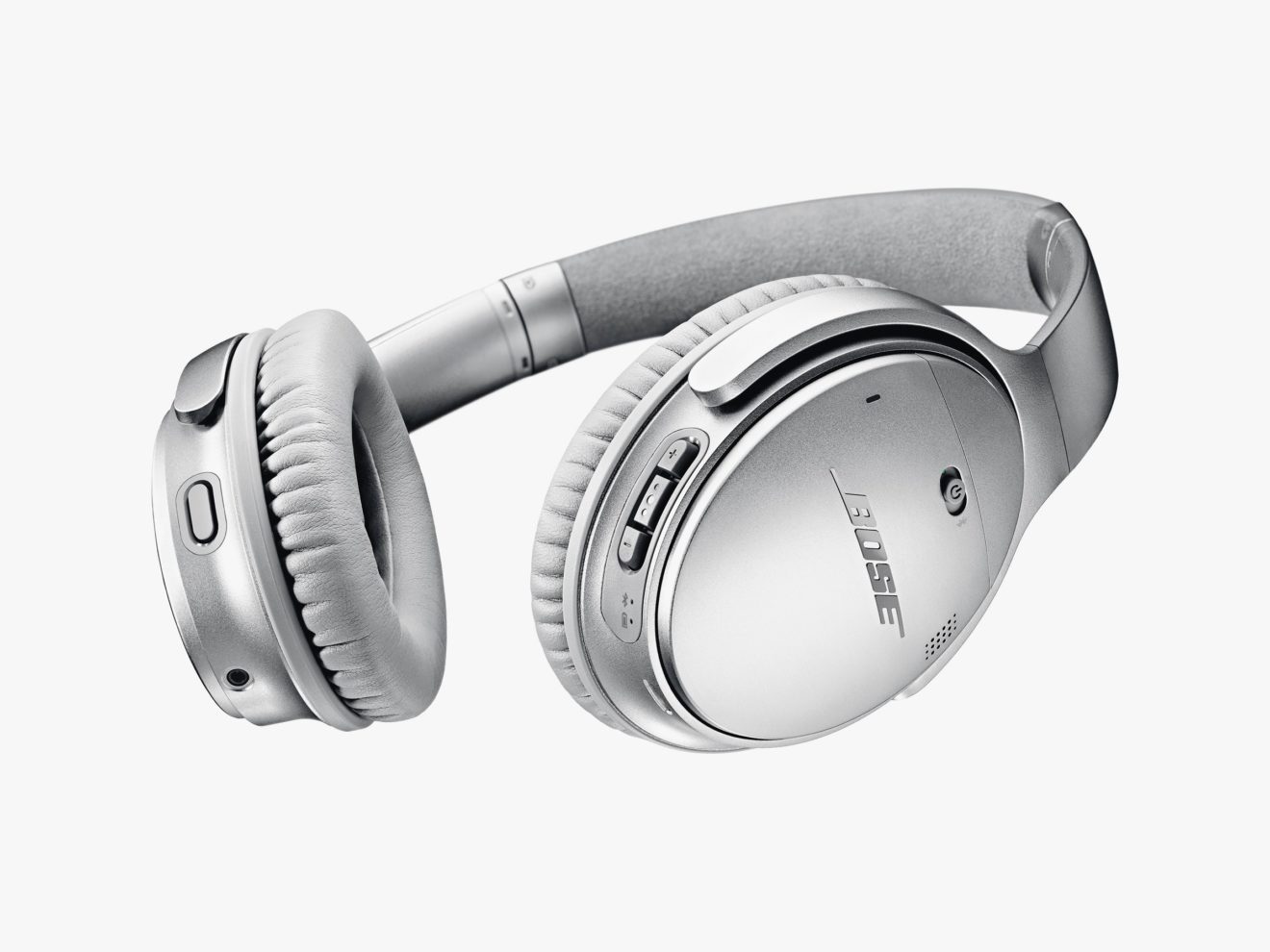
  • Bose to launch new wireless headphones with voice-activated Alexa

    Bose to launch new wireless headphones with voice-activated Alexa

    Headphones with support for digital assistants like Alexa, Google Assistant and Siri have become trivial in the last couple of years. However, most of these headphones will only allow users to wake up the digital assistant by pushing a dedicated button.

    Apple and Samsung are the only companies that have recently introduced the ability to use voice activation to wake up the assistant implemented into a pair of headphones, though support is limited to a certain set of commands.

    The reason headphones manufacturers weren’t able to implement such a feature yet is due to the limited battery life of their products. In order to detect the wake word, headphones must use the battery to keep the microphone enabled all the time, which would drastically reduce the overall battery life. Luckily, a company called Knowles Corp. has managed to design a new chip that enables wireless headphones to reply to Amazon’s Alexa digital assistant by saying its name, Reuters reports. Basically, you will no longer have to press a button to activate Alexa, you will simply have to say its name.

    The new chip is power-efficient and includes a microphone and digital signal processor, as well as a reference design that will allow headphone manufacturers to add support for Alexa into their products.

    Knowles confirmed that Anker and LinkPlay will use its new chip and Alexa design to release headphones with voice-activated Alexa support, which will replace the traditional push-button versions.

    Bose will also launch a pair of headphones with voice-activated Alexa support later this month, although Knowles didn’t explicitly say whether or not they will be based on its chip.

  • Bose pop-up store opens at Changi Airport, Singapore

    Bose pop-up store opens at Changi Airport, Singapore

    A Bose pop-up store has opened at Changi Airport’s Terminal 3 Transit Departure Hall.

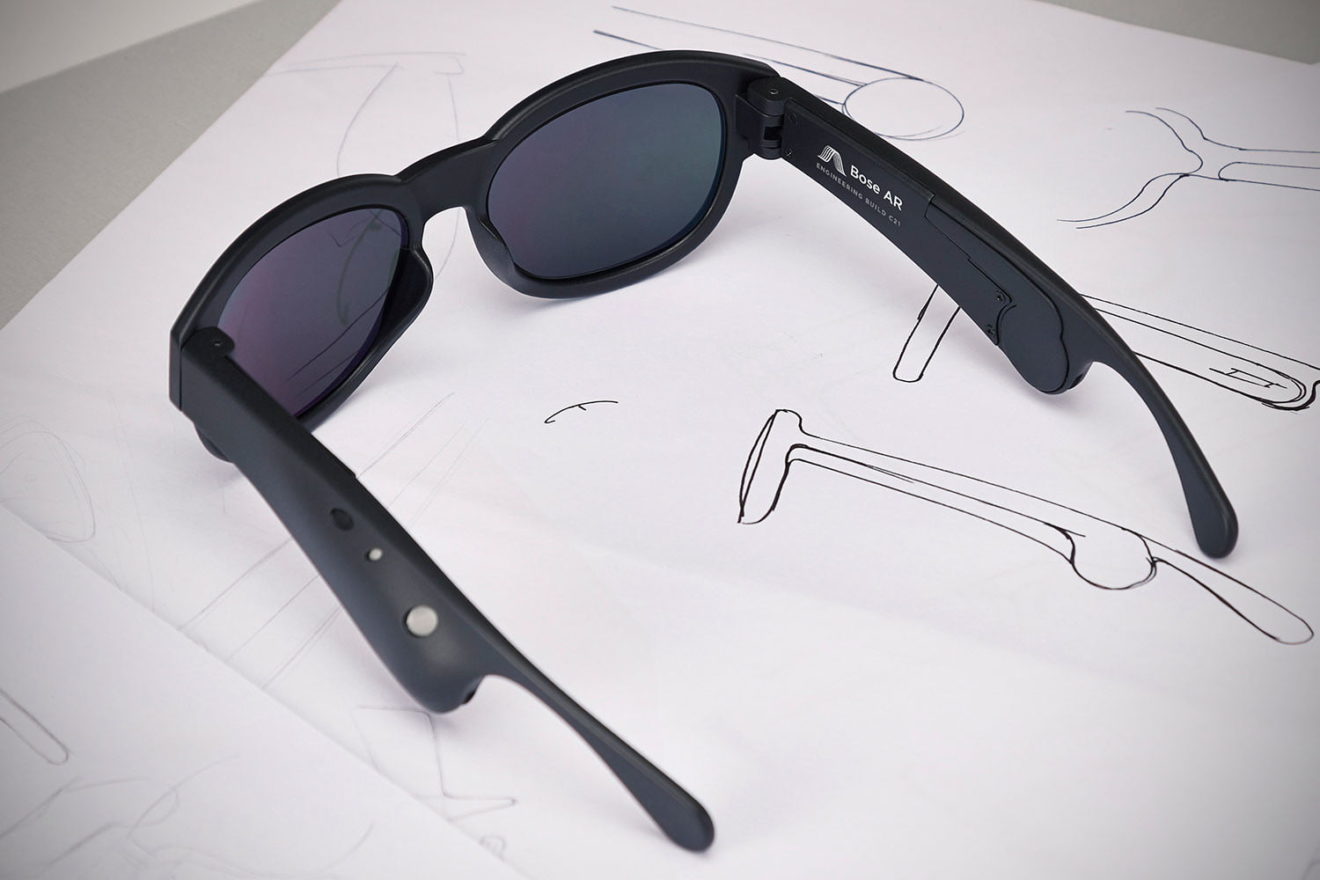
    Trading until June 30, the store will give travellers the chance to experience and own Bose’s first audio sunglasses equipped with Bose AR capability, and to try out its latest noise-cancellation headphones.

    The Bose pop-up store features two zones that let travellers experience Bose products. In one, travellers get to try Bose Frames – the first audio sunglasses from Bose – and go on virtual adventures across different scenes while a soundtrack plays from the device.

    In the other zone, travellers can try out Bose’s latest headphones in sound domes.

    The pop-up store also has a photo booth where visitors can snap and upload pictures of themselves with the Bose Frames for a chance to win a pair of Bose Frames.

    “This technologically savvy pop-up store is an exciting collaboration between Bose and Changi,” said Teo Chew Hoon, group senior VP of airside concessions at Changi Airport Group.

    “As an international hub for travellers, Changi Airport, and by extension Singapore, is the perfect location for the Asia-Pacific launch of our latest product, the Bose Frames,” said Christian Rojas, market development leader, focus market development at Bose.

    “Through engaging travel retail concepts like this, we are confident that the authentic Bose experience will be showcased and look forward to bringing high-quality sound to transit travellers at Changi Airport.”

  • The iPhone XR 2 may have the best battery life of any iPhone

    The iPhone XR 2 may have the best battery life of any iPhone

    Tucked in an electronics industry report about the supplier of batteries for the upcoming iPhone XR sequel we find the actual capacity of the pack in the tentatively named XR 2. The source muses that Apple may be done with hardware and iOS optimizations, and seems to be now betting on larger battery packs to make its phones last longer on a charge, just like Samsung or Huawei are doing.

    The iPhone XR 2 battery pack orders are reportedly granted to China’s ATL (Amperex) which are the same guys that got the order for non-exploding Galaxy Note 7 packs after the infamous Samsung SDI batteries started catching on fire. The new battery capacity is said to be 3110 mAh, which would make the iPhone XR’s successor with the largest single-cell battery pack in an iPhone ever.
    While this is just a 5% increase over the 2942 mAh capacity in the iPhone XR, the XR 2 is also expected to come with Apple’s A13 processor made with a second generation 7nm process that should reduce battery draw further.
    Coupled with the new pack and the frugal display resolution, the iPhone XR (2019) should therefore last longer on a charge than the already best in that regard iPhone XR. It scored more than 11 hours of screen-on time in our grueling test, ahead of any iPhone we have tested so far. The XR 2 may very well break the 12-hour mark which would place it in a special endurance club of its own, and not only among phones in the iOS camp.
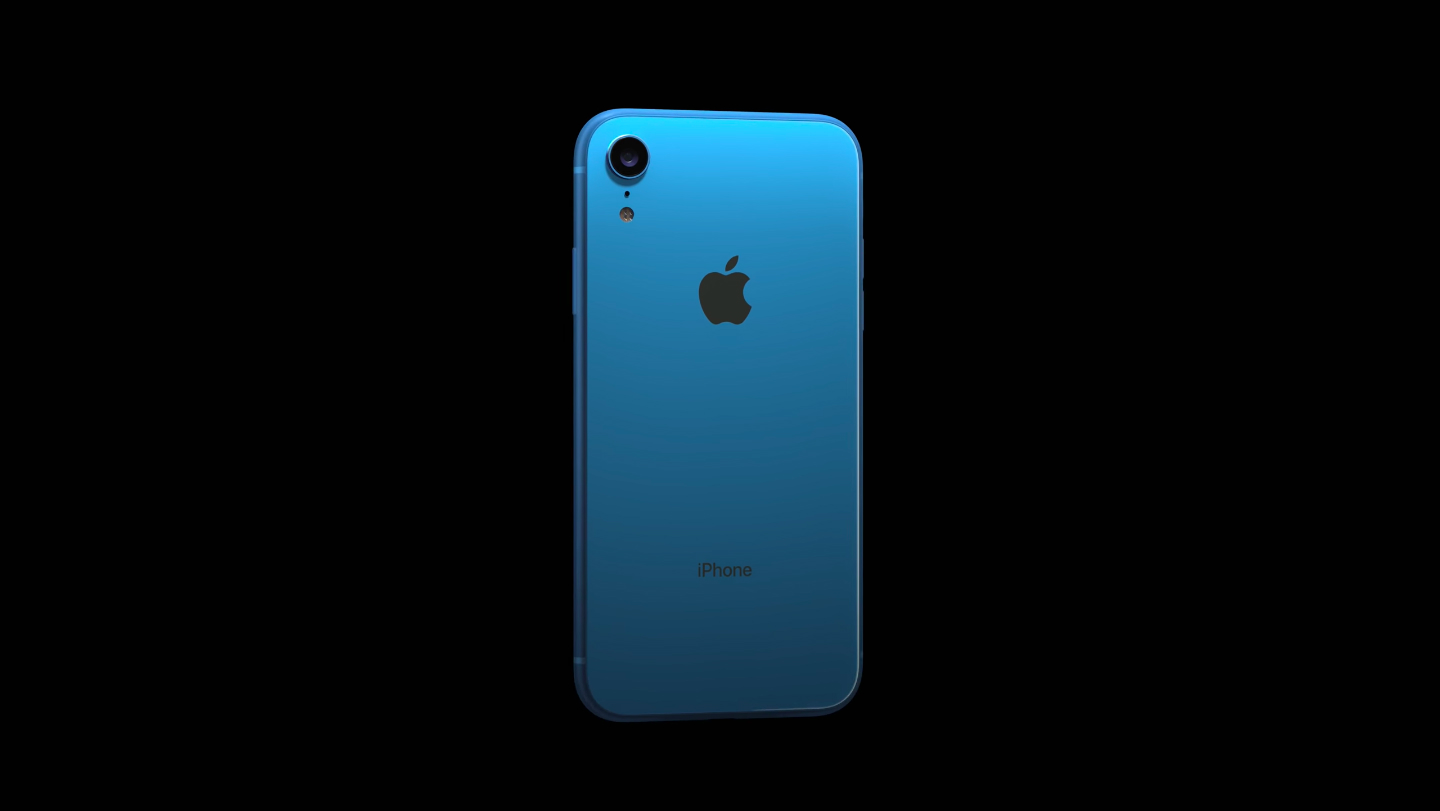
    Here’s how the iPhone XR (2019) may look like, as rendered by graphics artist Hasan Kaymak based on rumors, leaked CAD drawings, and analyst expectations.
  • Suning presents it’s Technology at CES Asia

    Suning presents it’s Technology at CES Asia

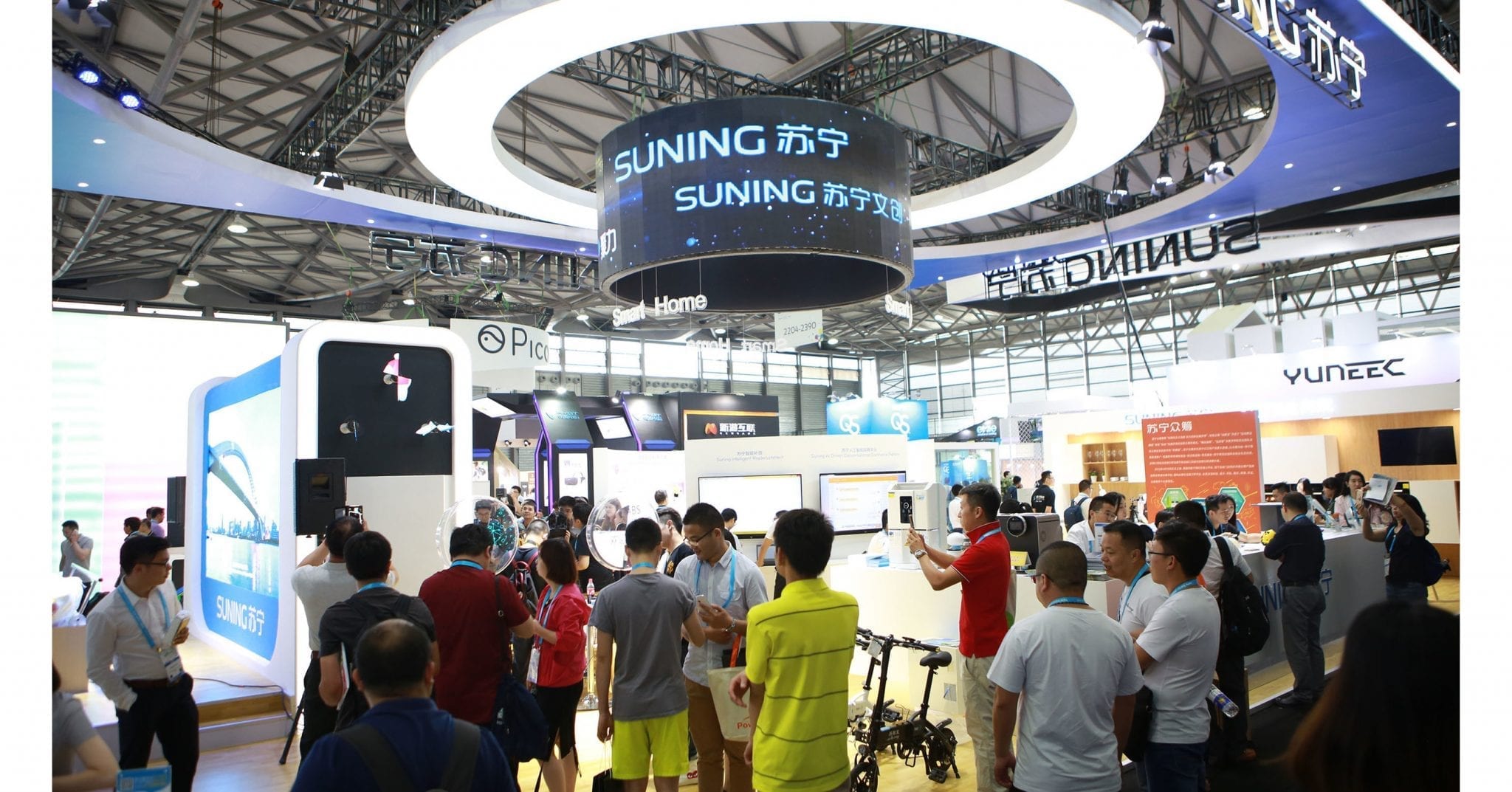
    Chinese retailer Suning will present its latest smart technologies at this year’s CES Asia.

    Suning will be demonstrating its smart home appliances based on its proprietary Biu OS system, which aims to create an open platform for sharing resources across the smart home appliance industry. Products include Biu refrigerators, air conditioners, washing machines, automatic washing machines, new fans, and smart security kits.

    The company intends to release its BiuLink Open Agreement at a press conference held on June 12, through which Suning will work with partners to explore cross-brand connectivity.

    “Nowadays, an increasing number of SME in the retail industry is facing crucial challenges,” said Suning Technology Group COO Dr Jack Jing. “As the leading omni channel smart retailer, Suning has deep insights into how technology is reshaping retail. Suning is willing to share its technology and experience to enable refined internal management and accelerate the digitalisation of the retail industry.”

    As the largest omni-channel retailer in China, Suning will also be showcasing its core smart retail technology innovations at CES, including a self-service cash register, weighing rack, off-hook system, commodity heat, and track heat, which aim to help increase retail operation efficiency and improve customer experience.

    The firm will also demonstrate its four cloud solutions designed to enable retailers to access its basic technology tools to increase industry efficiency.

  • Oppo India opens first flagship store in Hyderabad

    Oppo India opens first flagship store in Hyderabad

    Oppo India has launched its first premium flagship in South Asia at Sharath Capital Mall in Kondapur.

    The opening coincides with the release of the brand’s new Reno series phone model.

    The new venue has been designed to engage customers while encouraging them to explore and appreciate the craftsmanship and technological features of Oppo’s product range. According to product manager Jithin Abraham, it is divided into different areas that respectively deal with Indian culture and heritage, Oppo’s evolution in the mobile market, the brand’s technologies, and other consumer experiences.

  • Facebook reportedly launching new cryptocurrency in June

    Facebook reportedly launching new cryptocurrency in June

    Facebook is expected to announce its digital currency at some point this month, as the social network company has found outside backers that will help strengthen the trust in its upcoming cryptocurrency.

    The report mentions the digital token used by Facebook will work as a borderless currency without transaction fees. Apparently, Facebook employees who work on the project are given the option to be paid in the cryptocurrency token instead of real money.

    The new cryptocurrency will be available through Facebook’s app, including WhatsApp and Messenger, and is meant to help users in developing countries with volatile currency. Moreover, Facebook plans to make the cryptocurrency available through customized ATM physical terminals.

    The project also mentions sign-up bonuses for merchants that will allow customers to pay with Facebook’s digital tokens. Although the report contains pretty in-depth the details about the cryptocurrency, it misses one important aspect: release date. Well, at least the timeframe is narrowed down to June, so we won’t have to wait too long now.

  • Samsung cuts production in China as local struggles continue

    Samsung cuts production in China as local struggles continue

    Samsung has been struggling in the Chinese smartphone market for quite some time. In fact, around six months ago the company shut down one of its factories in the region. Now, suggesting things have improved little, Samsung has confirmed that its scaling back production at its only remaining Chinese manufacturing plant.

    At its peak back in 2013, Samsung accounted for an impressive 20% of all smartphone shipments in China. But as local rivals with thinner profit margins became more competitive, the company’s sales quickly began to decline. Over the course of the past year, Samsung has struggled to retain a 1% market share and, while the Galaxy S10 has certainly boosted performance, it seems sales still aren’t at the required level.

    The company’s plants in China previously served both local and international markets, but over the past few years Samsung has shifted a big portion of its production over to countries such as India, leaving Chinese factories to cover local demand only. As such, any cuts suggest the company’s revival strategy isn’t going as smoothly as hoped.

    The South Korean-based brand hasn’t yet revealed the exact extent of these latest production cuts, so the adjustments could potentially be minimal. But it’s reported that Samsung is offering voluntary layoffs with compensation to interested employees until the 14th of June.
  • Pokemon GO support for Apple Watch gets the ax

    Pokemon GO support for Apple Watch gets the ax

    The folks at Niantic, developers of Pokemon GO, have always added support for new platforms and OSes when it was needed. The most recent announcement coming from the company does exactly the opposite though.

    It looks like Pokemon GO developer Niantic has decided to discontinue support for Apple Watch, which means that those using the wearable device will no longer be able to connect it to the game after July 1, 2019.

    According to Niantic, the change was needed because Adventure Sync allows Trainers the option of tracking their steps, earning Buddy Candy, and hatching Eggs in one mobile device rather than two separate devices.

    In other words, the developers want to focus on building Adventure Sync so that players will no longer have to split their gameplay between two devices. To continue tracking their distance, Apple Watch users will have to sync their fitness apps in their phones, which doesn’t require wearable devices.

  • Apps with 440 million installs eluded Google Play Protect

    Apps with 440 million installs eluded Google Play Protect

    According to Ars Technica, adware named BeiTaAd was hidden in 238 apps found in the Google PlayStore. The apps, which had more than 440 million installs, played ads to help the hackers collect revenue. And with the hundreds of millions of screens at their disposal, the scheme certainly paid off handsomely for those behind it.

    Part of the problem is that Android users installing one of the infected apps might not have noticed anything untoward in their behavior for a period of 24 hours to as long as two weeks. Once the adware kicked in, the BeiTaAd plugin started to deliver what is known as out-of-app-ads. These appear on lock screens, not inside an app (hence the name) and run audio and video at haphazard times.

    A post in the Android Forum from November was written by someone with a friend using the Samsung Galaxy S8 on AT&T. The post noted that this person had the BeiTaAd plugin on her phone and couldn’t remove it. Another post was made by a gentleman whose wife also had the BeiTaAd plugin installed on her handset, running ads at random times. The malware, said the husband, made his wife’s phone “unusable.”

    “My wife is having the exact same issue. This will bring up random adds in the middle of phone calls when her alarm clock goes off or anytime she uses any other function o(n) her phone. We are unable to find any other information on this. It is extremely annoying and almost making her phone unusable.”-DazDilinger45, Android Forum.

    Mobile security firm Lookout noted that those behind the 238 malicious apps went to great lengths to hide the presence of the plugin. All of the apps involved were published by a Chinese-based company called CooTek and all CooTek apps contained the plugin. The lookout reported the names of the 238 apps to Google, and the latter removed all of them from the Google Play Store. Since this scheme had been running for months, we wonder how these malware filled apps managed to elude detection from Google’s Play Protect system.

  • Xiaomi wants to dominate the smartphone market

    Xiaomi wants to dominate the smartphone market

    International markets are becoming increasingly more important to Xiaomi. And in an interview with Sina Tech, the CEO of Xiaomi’s sub-brand Redmi, Lu Weibing, did nothing to hide this fact and openly detailed the company’s plans for global domination.

    Over in India, as Weibing pointed out, Xiaomi and Redmi combined have led the smartphone market for the past seven quarters. They now apparently hold a 10% lead over second place Samsung, but through further investments, Xiaomi wants to take things to a whole new level by achieving a 50% market share.

    The Chinese company and its sub-brand currently account for 29% of Indian shipments, so the goal is certainly an optimistic one. It isn’t impossible, though. After all, seven of the top 10 best-selling smartphones in India recently were made by Xiaomi. Also, just a few weeks ago it was announced that over 2 million Redmi Note 7 units had been shipped in just two months.

    Outside of Asia, Xiaomi and Redmi are also hoping to continue their expansion this year. In Europe, the company is a distant fourth behind Samsung, Apple, and Huawei, but through further Redmi investments it hopes to gradually close the gap. Also, in the hope of increasing shipments globally, 2019 will see Redmi launch in Latin America alongside East African, Central African, and West African markets. The company plans to continue its focus on e-commerce and value for money, meaning there will be no push for large profit margins.

  • Gmail Smart Compose feature rolling out to G Suite users

    Gmail Smart Compose feature rolling out to G Suite users

    One year after it revealed the Smart Compose feature for Gmail, Google is finally making it available to G Suite users. Since most of you have been probably using the feature for a few months now, you already know that it’s been pushed out to consumer accounts first.

    If you haven’t yet used Smart Compose, then you’ll want to know that the new feature is meant to intelligently autocomplete emails that you write, on both Android and iOS devices. According to Google, Smart Compose is being deployed to iOS users over the next two weeks, while Android users will be getting the new feature immediately.

    It’s also worth mentioning that Smart Compose will be enabled by default for all G Suite users, but you will be able to turn it off if you don’t like it by heading to Gmail’s general settings and disabling the Writing suggestions option from Smart Compose.

    If you didn’t know, Smart Compose supports a handful of languages, such as English, Spanish, French, Italian, and Portuguese, so there’s really a large pool of Gmail users that will benefit from the new feature.

  • Qualcomm might be able to continue its anticompetitive chip selling policies

    Qualcomm might be able to continue its anticompetitive chip selling policies

    Last month, Judge Lucy Koh finally issued a ruling in a case that could force Qualcomm to change the way it does business. The case, known as the FTC (Federal Trade Commission) v. Qualcomm was originally heard during a ten-day period at the beginning of this year. With no jury seated, the FTC essentially put Qualcomm’s business practices on trial in front of the judge. Qualcomm’s “no license, no chips” policy, the collection of royalties based on the retail price of a phone, and its refusal to license its standard-essential patents were some of the company’s anticompetitive behaviors that were brought up by the FTC.

    Qualcomm has asked for a stay of the ruling so that it can appeal it, although Judge Koh has yet to make a decision on the request. The chip maker points out that if it starts renegotiating contracts as ordered by Judge Koh and then wins on appeal, it might not be able to reverse these deals once again. And Reuters reports that an FTC official thinks that Qualcomm has a good chance at overturning the ruling. FTC Commissioner Christine Wilson, appointed by President Donald Trump, wrote in the Wall Street Journal last week that the ruling against Qualcomm “radically expanded a company’s legal obligation to help its competitors,” and was based on a flawed 1985 Supreme Court decision (more on that later).

    Wilson’s op-ed might give Qualcomm an idea on how to win an appeal of Koh’s decision, according to several antitrust attorneys. Others believe that the appeals courts will find it hard to overturn Koh’s ruling, which some say was based on the judge’s strong fact-finding abilities and her determination about the credibility of those who testified before her.

    The aforementioned 1985 Supreme Court decision ruled that a company that drops a business arrangement that has proven profitable over time could be guilty of violating competition law. How does this relate to Qualcomm? The company once licensed its standard-essential patents to rival chip firms. These are patents that manufacturers need to license to make sure that their products are in compliance with technical standards. As a result, they must be offered to rivals on a fair, reasonable and non-discriminatory (FRAND) basis. In the early 2000s, Qualcomm stopped offering these patents to other chip makers and only licensed them to smartphone manufacturers.

    During the trial, the company denied that it had ever offered full licenses to other chip makers and says that if forced into doing so by Koh’s decision, it would be a new business arrangement, not the resumption of an old one. And that dovetails with Wilson’s op-ed in the Journal in which she wrote that Koh’s decision means that if a company sells a product to a competitor, it would have to sell every product it makes to every competitor or else be charged with violating antitrust law. The FTC commissioner also said that Judge Koh misapplied the 1985 Supreme Court decision.  University of Southern California law professor Jonathan Barnett agrees with Wilson and says that the Supreme Court ruling was supposed to be “very narrow.” He says that there is a good chance that Qualcomm will be able to reverse Judge Koh’s ruling.

    Many investors are hoping the same thing. On April 15th, the day before Qualcomm and Apple reached a settlement on their legal issues, Qualcomm’s shares closed at $57.18. Following news of the settlement, the stock soared peaking on May 1st at $89.29. The day before Judge Koh released her decision, Qualcomm’s shares had already declined to $77.75. Following the ruling, the stock dropped to $65.37. The company’s shares closed last week at $66.82.

  • Apple’s new Reminders app dark theme leaks out

    Apple’s new Reminders app dark theme leaks out

    Google slowly introduced us to the systemwide dark mode in Android Q by painting its own apps in morbid colors on a piecemeal basis. It brushed over the Phone app, Contacts, Calendar, Keep notes, you name it.

    Apple, however, will be going all out with the iOS 13 dark mode, it seems, theming the launcher, toggles and system settings, as well as its stock apps. While we already rendered what dark mode would look like on iOS, based on some leaked info, we now have a real preview of one Apple default app’s dark theme.

    The difference with the current rendering of the Reminder app is pretty striking, yet in sync with the dark theming that has been sweeping the industry lately, and now Apple is following suit with its own take on the matter. Gawk at what’s about to be unveiled just a few short hours from now.

    Apple’s Worldwide Developers Conference (WWDC) 2019 takes place June 3-7 in San Jose, and starts with a keynote later this morning at 10 AM Pacific Time where a bunch of new software updates – iOS 13, watchOS 6 and tvOS 13 – are to be introduced.