Category: Electronics

Retail News Asia is committed to providing both local and global retailers with the latest Electronics news throughout the Asian market. This on a daily base.

  • Change in Android Q could have you using more data

    Change in Android Q could have you using more data

    The Android Developer website contains a statement that notes how “Apps running on Android Q cannot enable or disable Wi-Fi.” This was discovered by Reddit poster xxTheGoDxx. Instead, Google recommends that developers allow users of their apps to turn Wi-Fi on or off by employing the new Android Q feature that shows system settings inside an app.

    The problem with this new functionality is that it won’t let Android Q users rely on an app like Tasker to turn on Wi-Fi when a certain preset condition is met. For example, with Tasker you can arrange for your phone to enable Wi-Fi when you get home or have it turned off when you leave home. With the change coming to the next Android build, users won’t be able to arrange for their phone’s Wi-Fi setting to turn on or off automatically.

    João Dias created Tasker, and he admits that this Android Q function will negatively impact Tasker “in a big way.” Dias is hoping that because this is just the first beta preview for Android Q, Google will be persuaded by feedback and eliminate the new restriction. In addition, using text commands to enable/disable Wi-Fi will no longer work either.

    Last year, Google made a change to Android app permissions that prevented apps from accessing users’ call logs and SMS information unless the app was selected to be the default dialer or SMS client. This was done to make sure that third-party apps could not get the call log and access SMS messages from those with an Android phone.

    Tasker was able to get an exemption from Google for that change, but if the new restrictions for Wi-Fi on Android Q stand, many Tasker users will have to enable/disable Wi-Fi on their phone manually. If they forget to turn on Wi-Fi, there could be some Android users surprised to find out how much data they used during a particular billing cycle.

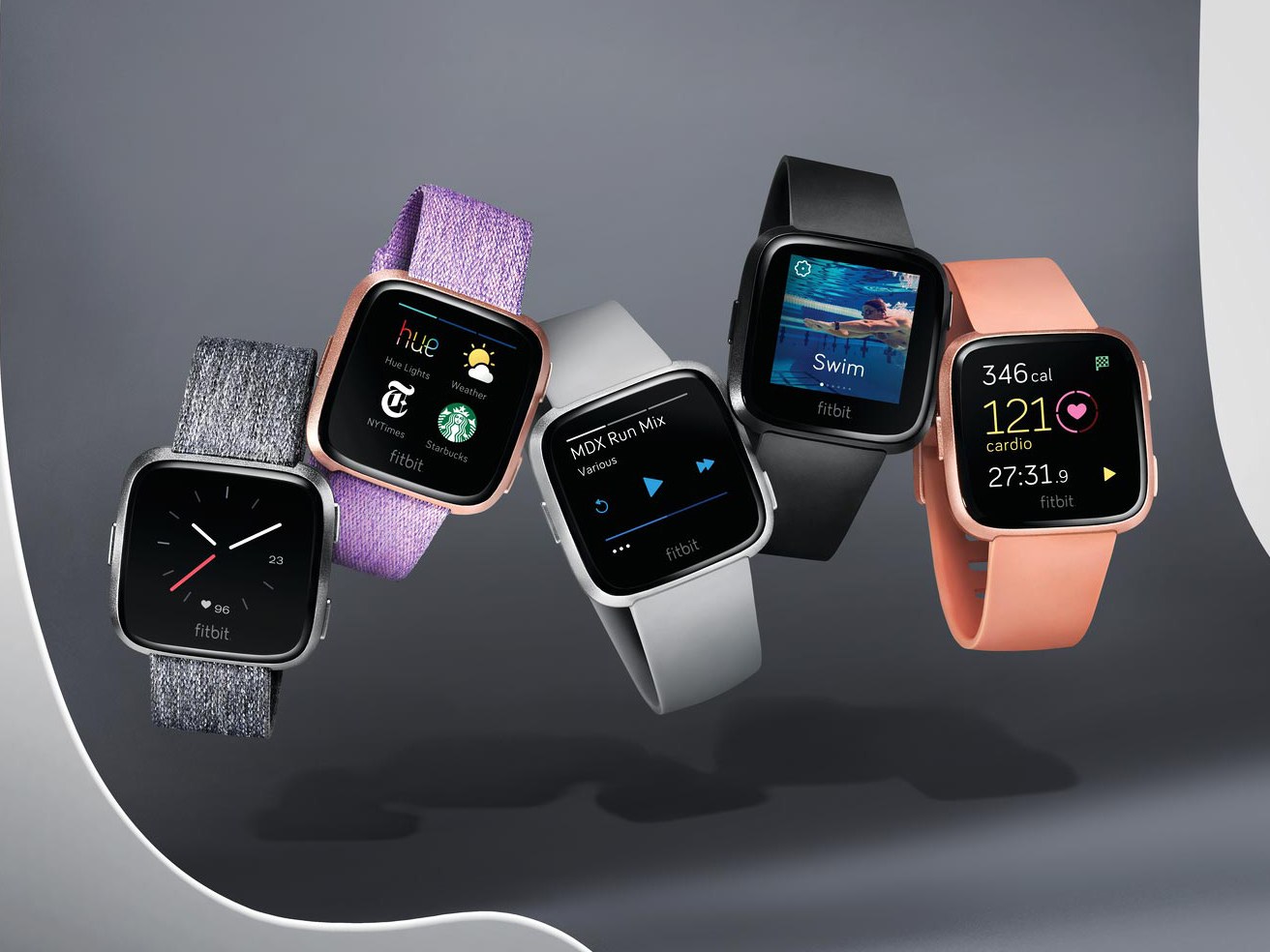
  • Fitbit Versa Special Edition with NFC support flies high

    Fitbit Versa Special Edition with NFC support flies high

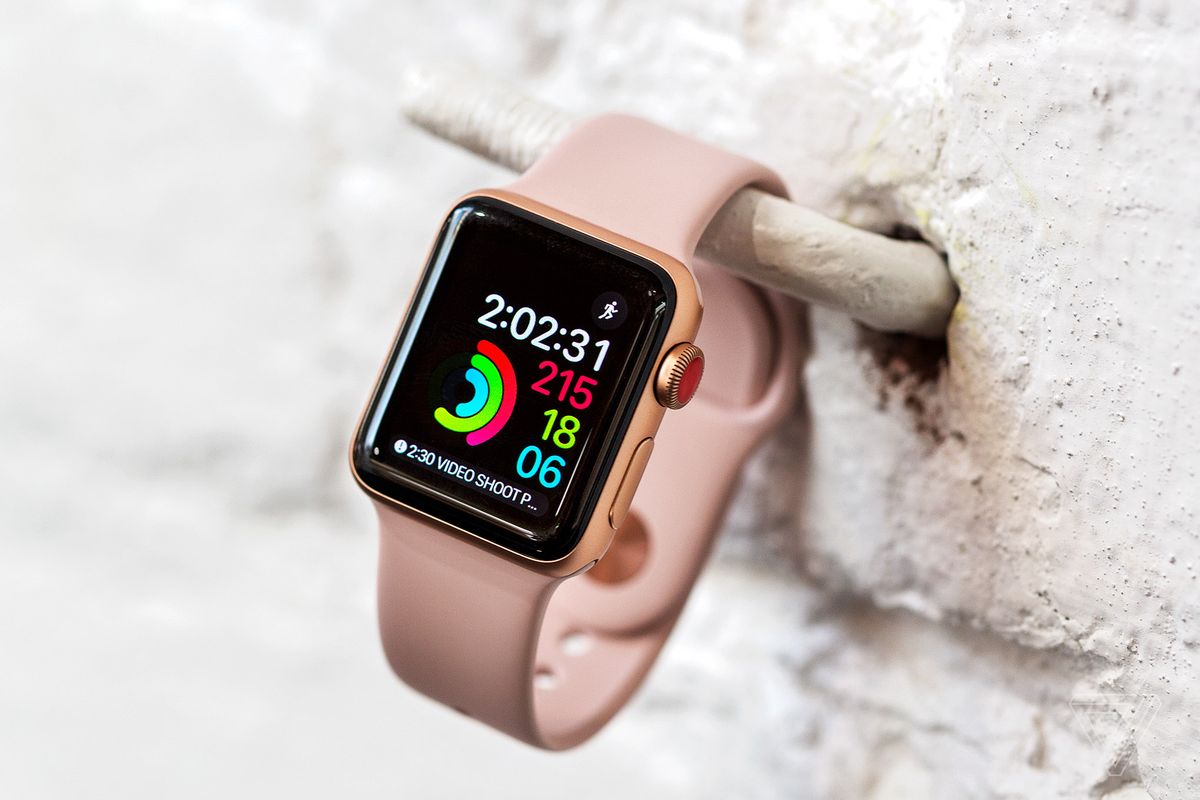
    While it’s certainly not unusual to see older gadgets discounted shortly after new models are released, the recently unveiled Fitbit Versa Lite Edition is not actually an upgraded version of last year’s regular Versa. As such, deals on the original model weren’t exactly guaranteed, especially given Fitbit’s newfound success in a fast-growing global wearables market, owed in part to this specific low-cost Apple Watch rival.

    All things considered therefore, it’s definitely a nice surprise to be able to buy a Special Edition of 2018’s Fitbit Versa at a markdown of around 25 percent on Amazon right now. That translates into pretty hefty savings of 60 bucks (give or take a couple) for what was already one of the most affordable feature-packed smartwatches available in the US.

    In case you’re wondering what makes this device “special”, it’s the addition of an NFC chip compared to a standard Versa edition, which enables wrist payment support. We’re not talking about Google Pay, mind you, but rather’s Fitbit proprietary service, fittingly dubbed Fitbit Pay and compatible with credit and debit cards issued by more than 100 US banks

    You can get the marked-down Versa SE with a “Charcoal Woven” or “Lavender Woven” strap, both of which look… pretty unusual for a fitness-first wearable device. Otherwise, there’s no disputing the appeal of an inexpensive smartwatch with a decent touchscreen in tow, as well as stellar 4+ day battery life, a swim-proof design, built-in optical heart rate monitor, accelerometer, gyroscope, altimeter, and plenty of other tricks up its sleeve guaranteeing a top-notch activity and sleep tracking experience.

  • Samsung Galaxy A20 goes official with solid features

    Samsung Galaxy A20 goes official with solid features

    Samsung is determined to completely overhaul its Galaxy A line, but the amount of device the South Korean company plans to launch in the remaining of the year is a bit overwhelming. We know of at least four Galaxy A phones that should be unveiled in the coming months, and three that have already been launched on the market – Galaxy A10, A30, and A50. Specs-wise, the Galaxy A20 sits between the A10 and A30 and so does in terms of price.

    What’s really amazing about this phone is that it retains some of the features that make its bigger brothers, the Galaxy A30 and A50, so appealing such as the massive, high-quality display and camera setup.

    It retains some of the “premium” features of its bigger A30 and A50 brothers

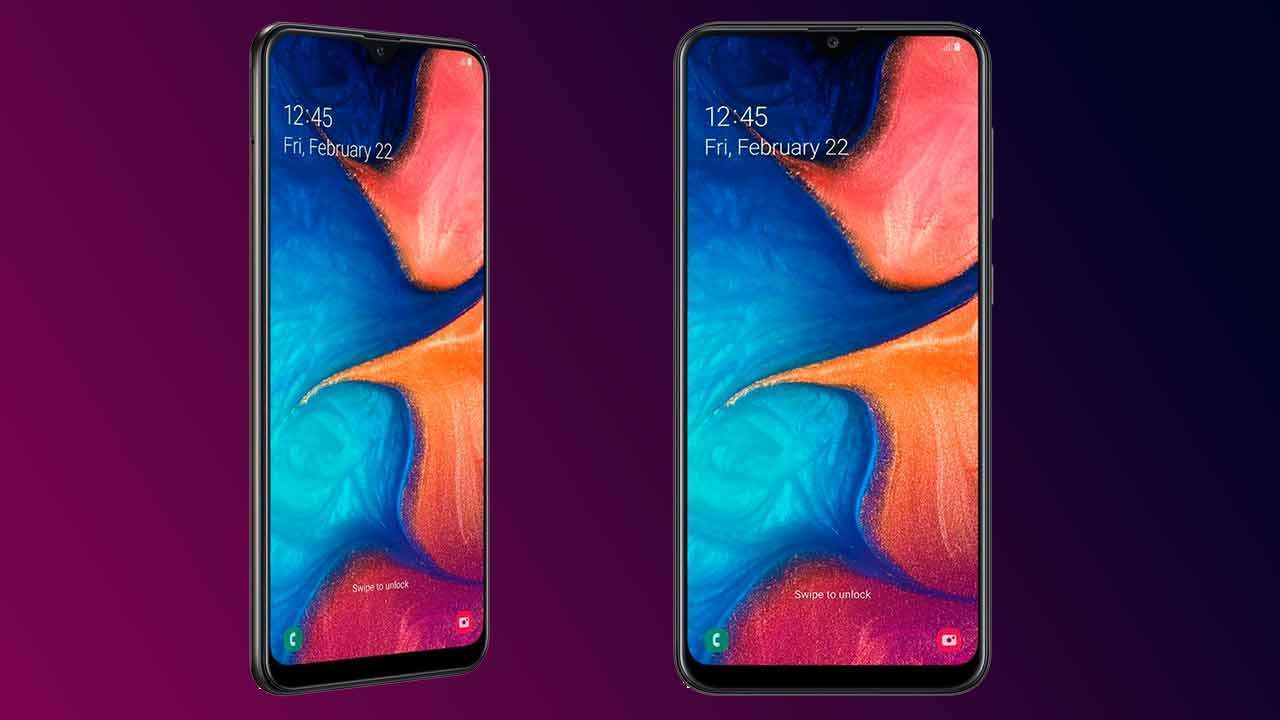
    The main selling points of the Galaxy A20 are no doubt the Super AMOLED display and the dual-camera on the back side. Of course, there are other important specs that make the Galaxy A20 an interesting budget choice for those who can’t afford a mid-range or flagship device, so let’s take an in-depth look at what the phone has to offer. First off, if you’re one of the many people who absolutely hate notch, the Galaxy A20 is not for you.

    Although it includes a minimally invasive waterdrop notch, it’s still there to bother your sense. However, if you don’t mind the compromise, the Galaxy A20 has a great 6.4-inch Super AMOLED display, which features 720 x 1560 pixels resolution. It’s the same display that Samsung included in the Galaxy A30 and A50, but you’ll be getting this one much cheaper.

    As for the other selling point of the Galaxy A20, it’s no longer unusual for mid-tier phones to include dual rear cameras, Samsung’s new handset is no exception. The dual camera consists of 13 + 5 megapixels sensors, but there’s also a secondary 8-megapixel camera in the front for selfies. Since this is a budget offering, Samsung included a less powerful chipset inside, the same packed inside the cheaper Galaxy A10. The Exynos 7884 is a new addition to Samsung’s line of chipsets and should be on par with Qualcomm’s Snapdragon 450 processor in terms of performance.

    Android 9 Pie & Samsung One UI on a budget

    Even though it’s the most powerful smartphone out there, the Galaxy A20 ships with the latest Android 9 Pie operating system on board and Samsung’s One UI overlay. It’s too early to talk about Android Q since the new version of the OS hasn’t been released yet, but the Galaxy A20 has the required hardware for a software upgrade if Samsung decides to go for it. Samsung’s proprietary SoC (system-on-chip) is paired with 3GB RAM and 32GB internal memory, which can be further expanded up to 512GB via microSD card. That’s the standard memory configuration for a mid-tier smartphone these days, but we’re surprised Samsung did not launch more than one models based on the amount of memory.

    We’re happy to see that Samsung understood how important is for customers to be able to use their phones for longer times without being forced to recharge them. The Galaxy A20 is powered by a massive 4,000 mAh battery, which should be enough for at least a few days of average use.

    Finally, we noticed a fingerprint sensor on the back side, a nice addition for a budget offering. We’re also told that Samsung Galaxy A20 comes with NFC (Near Field Communication) support, which means you’ll be able to use mobile payments services while on the go.

    Samsung Galaxy A20 price, release date, availability

    As far as the price and availability go, Samsung Galaxy A20 is only available for purchase in Russia for the moment, but we expect the smartphone to arrive in other European countries in the coming weeks.

    Price-wise, this is a cheap device for what it has to offer, as customers can buy one for around $215 outright. It’s also worth mentioning that phone prices in Russia tend to be slightly higher than the rest of Europe, and clearly higher than US prices, so a less than $200 price is definitely possible.
  • The Galaxy S10 has helped Samsung triple its market share in China

    The Galaxy S10 has helped Samsung triple its market share in China

    Samsung has been the number one smartphone manufacturer for years. It dominates key markets such as North America and Europe, while also remaining a strong player across Asia. In China, though, the situation is pretty different. Despite the company’s best efforts, over the past few years Samsung has seen its market share drop to a measly 1%. But thanks to the recent release of the Galaxy S10 lineup, things seem to be improving.

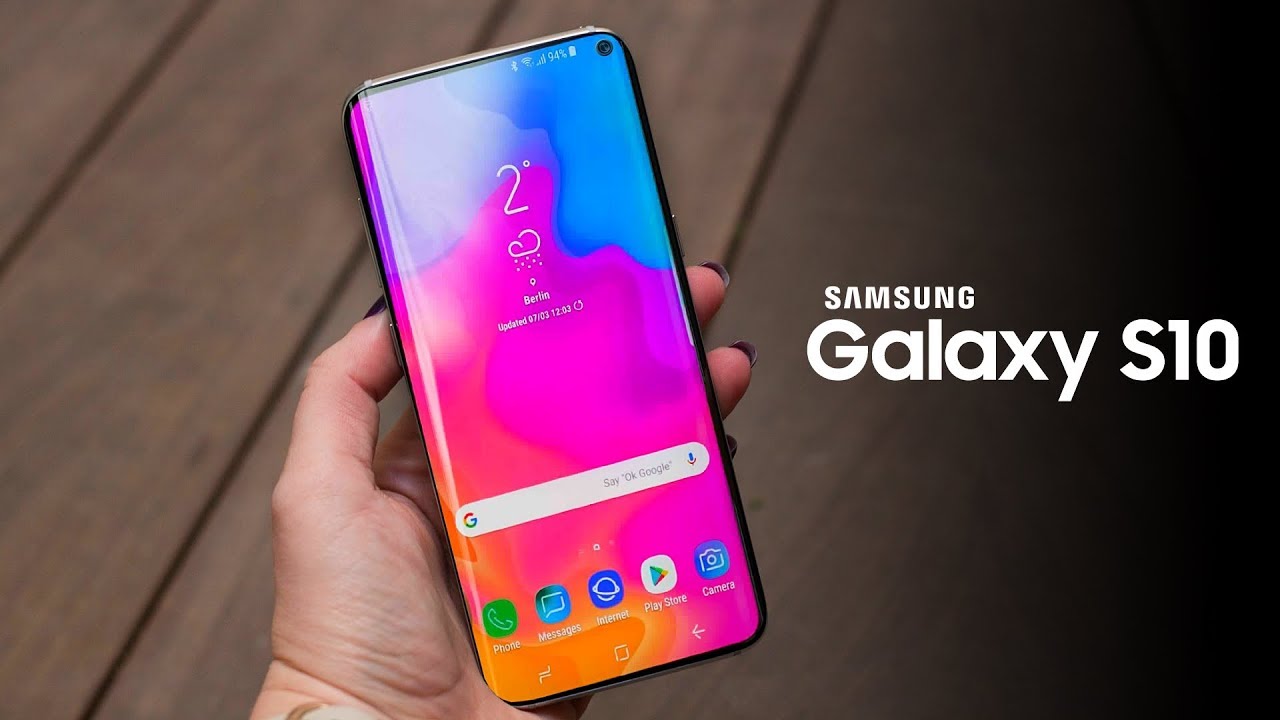
    The Samsung Galaxy S10 has accelerated growth in China

    According to reliable industry insider Ice Universe, Samsung’s market share in China has almost quadrupled since the beginning of the year, going from just 1% in early January to an impressive 3.6% during the tenth week of 2019 (March 4th to March 10th). The primary source of this growth is the recently-announced Galaxy S10 lineup.

    The new flagship series, which launched globally on March 8th, has reportedly been outperforming last year’s Galaxy S9 lineup by massive margins in China. In fact, the number of Galaxy S10/S10+ units sold within the first two hours of pre-orders was allegedly equal to double the number of Galaxy S9/S9+ devices sold during the first day.This impressive performance has also extended to a number of key global markets. In both the US and the UK, the Galaxy S10 series set new pre-order records for Samsung. The most popular model proved to be the Galaxy S10+, despite its higher price.

    10 million Galaxy S10 units could be shipped this month alone

    Although predictions do vary by analyst, the overall consensus appears to be that Samsung’s Galaxy S10 trio will achieve sales of between 40 and 45 million units by the end of 2019. Around 20 million of these should ship by the very end of June. If this is successfully achieved, the new lineup will have outperformed last year’s Galaxy S9 duo, which sold 19.2 million units during the same period. In regards to short-term performance, recent forecasts have suggested the Galaxy S10, Galaxy S10+, and Galaxy S10e are on track to ship a combined 10 million units by the end of this month alone.

    Things are looking positive for Samsung in China

    As a result of intense competition from local brands, Samsung revamped its mid-range strategy late last year. The South Korean giant started implementing a number of new designs and focused heavily on its mobile cameras. Additionally, it promised to make flagship features more accessible by introducing them to consumers via the new Galaxy A-series. So far this year, the company has introduced the public to the Galaxy A10, A20, A30, and A50. These represent some of the company’s best value-for-money offerings in years and help cater towards a range of consumers in the budget segment.

    Eventually, these four devices will be joined by the Galaxy A40, Galaxy A60, and Galaxy A70. As indicated by their respective names, these will target consumers with slightly larger budgets and should help cover any remaining price points that Samsung doesn’t yet have covered. Lastly, Samsung’s new Galaxy A series should be completed by the Galaxy A90. This device will act as the most expensive model but should still cost less than the Galaxy S10e. In fact, a rumor floating around leads us to believe that it may be some sort of budget flagship powered by the Snapdragon 855. The smartphone is also rumored to include a bezel-less display paired with a unique pop-out camera mechanism which will remove the need for separate front and rear cameras thanks to its ability to rotate.

  • Qualcomm’s new line of chips will make smart speakers better than ever

    Qualcomm’s new line of chips will make smart speakers better than ever

    Qualcomm, manufacturer of the popular Snapdragon chips that power billions of devices, is now aiming to dominate another segment of smart products: speakers and displays with voice assistant support. To do that, the company announced today a new family of chips called the QCD400 Series Smart Audio SoCs. The new chips are designed specifically for the needs of smart speakers like the Google HomePod and Home mini, Amazon’s Echo lineup and others. That is why Qualcomm has focused on two main aspects: sound reproduction and voice recognition.

    The QCS400 line promises “truly superior audio performance” that should come not only from Qualcomm’s own technologies, but support for Dolby Atmos and DTS:X as well. The chips will be capable of supporting up to 32 audio channels.

    To make your communication with the voice assistant better, Qualcomm is once again putting AI to use. The AI should help with voice recognition so you can expect fewer misheard words and phrases in the future. The new chips should also allow the device to better separate voices from background noises or music and detect trigger words easier.

    Besides those main capabilities, Qualcomm is also looking to improve a couple more things that are also quite important.The first one is an improvement in power consumption which will come handy for portable Bluetooth speakers and other battery-powered devices. Devices with the new chips are expected to have a significantly longer standby time during which voice wakeup will be available.

    And finally, the new chips will ensure that your smart device is always well connected. Whether that is to the internet via Wi-Fi or to your phone through Bluetooth, Qualcomm has made improvements in any aspect of the smart speaker connectivity.

    The QCD400 chips are four in total, two of them are for audio only. The least powerful is the dual-core QCS 403, followed by a quad-core QCS404. The two chips that come with video capabilities have the Adreno 306 GPU and support HDMI. Only the highest tier chip, the QCS407 supports 32 channel audio, while the rest top up at 12 channels.

    If you’re a frequent user of smart speakers these new developments are good news for you. And if not, well, you’re probably concerned about the fact that soon these pesky always-listening devices will be able to hear you even better. Like them or not, it seems they’re here to stay!

  • Jury decision means Apple must pay Qualcomm millions

    Jury decision means Apple must pay Qualcomm millions

    Earlier today, we updated a story to tell you about a ruling made by Judge Gonzalo Curiel of the U.S. District Court for the Southern District of California. The judge said that Qualcomm is obligated to pay Apple nearly $1 billion in rebated royalties that it promised to pay Apple as long as the company didn’t attack the chip maker in court or to regulators.

    But another legal decision involving Qualcomm and Apple was announced today. A jury sitting in federal court in San Diego today, awarded Qualcomm the $31 million it was seeking from Apple after finding that the latter infringed on a trio of Qualcomm patents. That works out to $1.41 for each iPhone sold without a license for the Qualcomm technology used inside each device. Despite the award, when you consider the $1 billion that Qualcomm will have to rebate to Apple, the latter ended up approximately $969 million in the black.

    The $31 million that was awarded to Qualcomm covers a trio of patents. One allows a phone to connect to the internet as soon as it is booted-up. Another helps conserve the amount of battery power consumed by the graphics processor when in use, and the third covers how traffic flows between the app processor and the modem on a handset. As you might imagine, Qualcomm was happy with the jury’s decision while Apple said it was disappointed with it. Apple and Qualcomm still have a number of court battles remaining. For example, next month a trial will start up in San Diego that will deal with billions of dollars in royalties.

    “Today’s unanimous jury verdict is the latest victory in our worldwide patent litigation directed at holding Apple accountable for using our valuable technologies without paying for them. The technologies invented by Qualcomm and others are what made it possible for Apple to enter the market and become so successful so quickly.”-Don Rosenberg, general counsel, Qualcomm

    “Qualcomm’s ongoing campaign of patent infringement claims is nothing more than an attempt to distract from the larger issues they face with investigations into their business practices in US federal court, and around the world.”-Apple

    Qualcomm could be forced the way it sells chips to phone makers

    Qualcomm is also awaiting a couple of key rulings that could change the way chips are sold to smartphone manufacturers in the future. The court battle it had with the FTC earlier this year revealed why many phone manufacturers hate dealing with the chip maker. Qualcomm’s “no license, no chips” policy has infuriated these handset vendors because each of them end up paying for the Qualcomm chips used in its phones, and a license that is based on the number of phones each manufacturer ships whether it contains a Qualcomm chip or not.  Qualcomm also has been accused of not licensing its standards essential patents in a fair, reasonable and non discriminatory manner. These are patents that cover technology that a device must include in order to meet technical standards.

    On March 26th, the International Trade Commission (ITC) is expected to make another important ruling involving Qualcomm. In this case, an ITC judge originally ruled that while Apple had infringed on a Qualcomm patent, it would be against the public interest to give Qualcomm the iPhone sales and import ban in the U.S. that Qualcomm was seeking. But ITC regulations call for a review of that decision by the entire commission, and the result of that review will be announced a week from this coming Tuesday.

    Depending on how this all shakes out, Qualcomm could end up with a whole new method of selling chips to smartphone manufacturers. And if it shows remorse and promises to reform, it just might be able to win back Apple’s business. From 2011-2015, Qualcomm was the exclusive supplier of modem chips for the iPhone. In 2016 and 2017, Qualcomm and Intel both supplied Apple with this component. Intel was the sole supplier of modem chips for the 2018 iPhone models, and is rumored to be the sole source of 5G modem chips for the 2020 iPhones.

  • Issues with Samsung Galaxy S10 line results in shorter battery life

    Issues with Samsung Galaxy S10 line results in shorter battery life

    According to posts on Reddit and the Samsung U.S. community forum made by owners of the new Samsung Galaxy S10 line, the accidental touch protection feature on the phone is not working. This includes the “Block accidental touches” option that is supposed to keep the display off when the phone is in a dark place, like a user’s pocket. The latter uses the handset’s proximity sensor. As a result, not only is the phone butt-dialing random people, when the device is pulled out of a pants pocket, the dialer is often on the display with a bunch of numbers, letters and symbols typed in. Some are blaming the placement of the proximity sensor, which is found on the status bar just above the “%” symbol used to show how much battery life is on the phone.

    Galaxy S10 users say that their phone takes screenshots, opens apps and even turns on the flashlight while in a pocket or a purse. The latter is quite an achievement since it requires the screen to be dragged down twice and the flashlight icon to be tapped. For some users, they can feel the handset vibrating in their pocket and when the device is pulled out from there, it is running hot and the battery is draining faster than it should be. The failure of the accidental touch protection feature to work can lead to some embarrassing moments. For example, a Galaxy S10 owner didn’t realize that his phone had butt-dialed the police emergency number. When he returned home, the cops were there asking if he had an emergency.

    Butt-dialing calls, overheated phones and shorter battery life are some of the symptoms

    One Galaxy S10 user had an interesting theory. He said that the proximity sensor might be seeing light through his pants, keeping the screen on as a result. The sensor is designed to turn off the screen when something is in close proximity to the display. This turns off the screen when you are on a call and the device is placed to your ear, in order to save battery life and prevent accidental touches. The original Apple iPhone was the first smartphone to offer this feature. Testing his theory, this Galaxy S10 user covered up the proximity sensor with his hand with the device in his pocket, and the screen stayed. He believes that Samsung has not calibrated the accidental touch protection correctly. Another user figured that because he had the fingerprint unlock turned on, his phone was constantly scanning for a fingerprint when the display was pressed against his leg with the device in his pocket.

    While many Galaxy S10 owners listed a variety of problems they had trying to keep their phone asleep inside their pocket, one Galaxy S10e user says that he was able to prevent the phone from turning on and butt-dialing from his pocket by disabling the “Lift to Wake” setting. Another user noted that disabling “Always On Display” and “Double Tap to Wake” resulted in more battery life on his phone when he pulled it put of his pocket (50% vs 20%), which he cited as an indication that turning off those features managed to fix the issue.

    But not every Galaxy S10 user who disabled these settings found success. While Samsung forum moderators are certainly aware of this issue, there has been no reaction from Samsung itself. Perhaps Samsung is working on a software update that will fix the problem. For now, if disabling some of the aforementioned features does not help, you might want to consider topping off the battery before you head out just in case your

  • Mass-production of a key component for 5G Apple iPhone about to Start

    Mass-production of a key component for 5G Apple iPhone about to Start

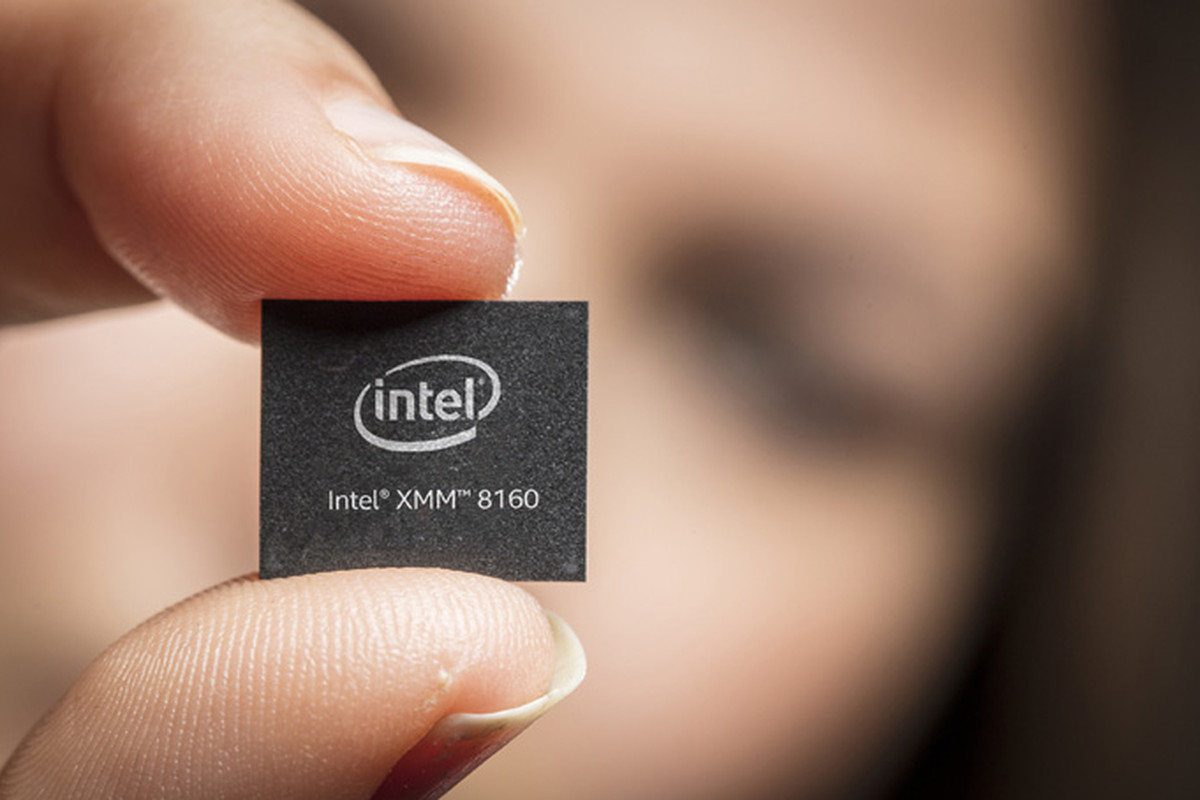
    Since Apple is expected to use Intel’s modem chips for its first batch of 5G compatible phones, we know not to expect 5G iPhones to be unveiled until 2020. That’s because Intel won’t have its modem chip for the next generation of wireless connectivity ready until next year. The chip maker will start work next quarter on the engineering projects it needs to finish in order to begin volume production of its 5G modem.

    Once Intel starts producing its 5G modem chip in 2020, it will compete with Qualcomm’s recently introduced Snapdragon X55 5G modem, the sequel to the Snapdragon X50 5G modem. The latter will be used on most 5G Android phones this year. It also will go up against the 5G modem chip designed by MediaTek. All three firms could still be in play to become the source of Apple’s 5G modem chips, although previous reports state that Intel has already won this battle. Sources cited in yesterday’s report say that Intel will also continue to generate revenue from selling its 4G modem chips to Apple for older iPhone 7 and iPhone 8 models.

    Apple currently has a contentious relationship with Qualcomm; over the last few months both sides have squared off in court on issues ranging from patent infringement to royalty payments. Just yesterday, one judge ruled that Qualcomm owed Apple close to a billion dollars in royalty payments it promised to rebate to the company (the actual figure is much. much higher says FOSS Patents). Meanwhile, a jury in San Diego yesterday ordered Apple to pay Qualcomm $31 million after it found Apple liable of infringing on a trio of patents. On March 26th, the International Trade Commission will rule on Qualcomm’s request for an exclusion order to be imposed on the iPhone in the U.S. Such an order would result in a sales and import ban of certain iPhone models in the states.

    Intel is now the exclusive source of modem chips for the iPhone

    During yet another trial held earlier this year (FTC v. Qualcomm), the plaintiffs called Apple supply chain executive Tony Blevins to the stand. Blevins testified that Apple had looked at sourcing 5G modems from Samsung and MediaTek. There is also speculation that Apple will design its own 5G modem chip, like it does for the A-series chipset that powers the iPhone and iPad. But Apple isn’t expected to deliver an in-house 5G modem design until 2021 at the earliest.

    From 2011 to 2015, Qualcomm was the exclusive provider of modem chips for the iPhone. That changed in 2016 when both Qualcomm and Intel were responsible for the modems used on the iPhone. That continued in 2017, and last year Apple sourced all of the modem chips used on the latest iPhone models from Intel.

    Apple is expected to be among the last major phone manufacturers to produce a 5G phone. Samsung has already unveiled its first 5G phone, which will debut on Verizon this summer. Huawei, LG and Oppo should also release 5G phones this year, and the 5G Moto Mod will allow the Motorola Z3 to support the faster data speeds as soon as Verizon flips the switch to turn on its new service. Once 5G service becomes more mainstream and less a curiosity, the faster data speeds will allow new services and businesses to be created. With 5G, a television series that takes 10 minutes to 15 minutes to download over 4G, will take only seconds to complete the task.

    When the industry transitioned from 3G to 4G LTE, Apple was one of the last major manufacturers to deliver a phone that supported the then-new technology. While a number of Android phones were launched with support for 4G LTE in 2011, Apple didn’t release a 4G LTE enabled handset until 2012’s iPhone 5.

  • Apple Watch saves lives says Studies

    Apple Watch saves lives says Studies

    A large study sponsored by Apple has revealed that the Apple Watch can detect an irregular heartbeat. 400,000 Apple Watch users were invited to take part in the study and the results were presented today in New Orleans at a meeting of the American College of Cardiology. 2,000 participants, or .5% of those wearing the smartwatch, received a notification about an irregular pulse. The 2,000 were sent a patch for their Apple Watch that included an electrocardiogram (ECG) sensor to help detect atrial fibrillation (AFib).

    AFib, which is an irregular heartbeat, can lead to strokes, blood clots, heart failure and other serious issues. AFib contributes to 130,000 deaths a year in the U.S. The Apple Watch series 4 already includes an ECG monitor right out of the box, but the study was completed before this new variant of the timepiece was released. Returning to the study, about 33% of the 2,000 study participants who were flagged with an irregular pulse were told that they had AFib, according to the ECG patch that they were sent.

    57% of the Apple Watch wearers in the study sought medical help when they received a warning about an irregular pulse. That number might surprise consumers since it means that 43% of Apple Watch wearers in the study ignored the warning. Dr. Mitesh Patel, an assistant professor of medicine at the Perelman School of Medicine, noted that while the Apple Watch is good at detecting warning signs of heart disease, the watch needs to be combined with something that will motivate users to act on these warnings. In other words, receiving a warning without following up on it could prove fatal to the user.

    When an Apple Watch wearer in the study received a notification of an irregular heart beat, the notification would ask the participant to schedule a telemedicine appointment with one of the doctors associated with the study. At that point, the ECG patch would be sent to those receiving the notification, and was used to record the rhythm of their heart for up to one week.

    Only 57% of study participants receiving a irregular pulse notification sought medical help

    The researchers behind the study said that Doctors need to be careful when using data from consumer devices when treating patients. On the other hand, a Boston cardiologist named Dr. Deepak Bhatt said that the study was very important because more people will be wearing wearable devices in the future.

    “Atrial fibrillation is just the beginning, as this study opens the door to further research into wearable technologies and how they might be used to prevent disease before it strikes.”-Lloyd Minor, dean, Stanford School of Medicine.

    “The performance and accuracy we observed in this study provides important information as we seek to understand the potential impact of wearable technology on the health system.”- Dr. Marco Perez, co-principal investigator and associate professor of cardiovascular medicine, Stanford Medicine

    Apple plans on making a big push into healthcare, and the Apple Watch is at the vanguard of this decision. While the series 4 model includes an ECG monitor along with the heart rate monitor that all Apple Watch models have, the company is working on a way for the Apple Watch to show a user’s blood glucose reading without a needle stick. This reading is used by diabetics to determine how much insulin they need to inject to bring their blood sugars down to a normal level. Currently, diabetics need to draw blood and place a drop of it on a test strip inserted into a glucometer to get a reading. This test is done several times a day.

    If Apple succeeds in producing a non-invasive blood glucose test for the Apple Watch, this alone could help Apple stay on top of the smartwatch market.

  • Motorola is taking pre-orders on the phone it says will last up to three days

    Motorola is taking pre-orders on the phone it says will last up to three days

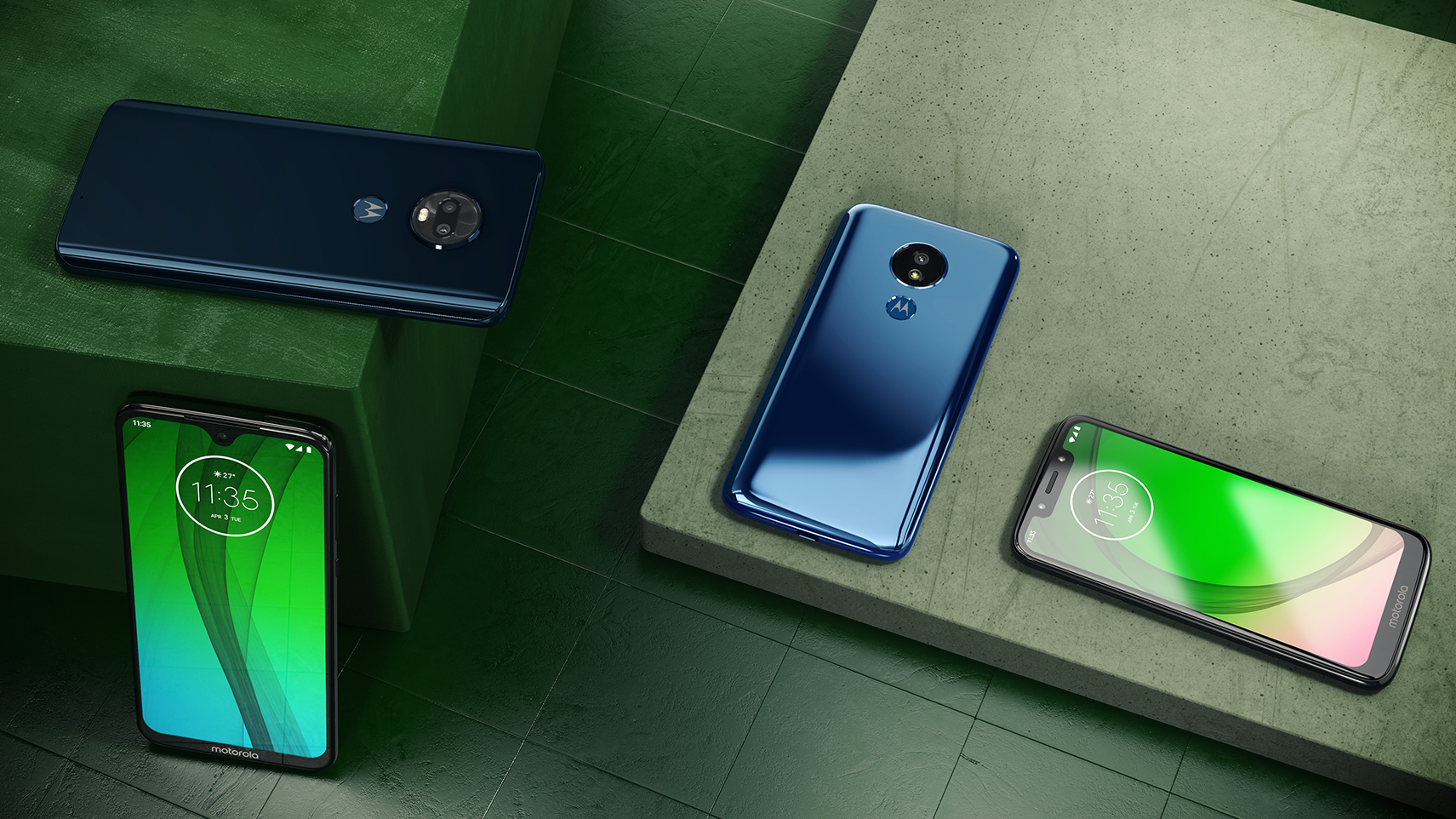
    If a huge battery is the most important feature you want on a new smartphone, you are in luck. Motorola has started accepting pre-orders for the Moto G7 Power. The phone’s claim to fame is the 5000mAh battery that Motorola says will keep the phone running as long as three days on a single charge. Hence, the use of the word “Power” in the phone’s name. With Turbo Charge, you’ll get up to 9 hours of battery life in just 15 minutes. The device is priced at $249.99.

    The Moto G7 Power comes equipped with a 6.2-inch LCD panel carrying a resolution of 720 x 1570 (HD+) and an aspect ratio of 19.63:9. The Snapdragon 632 Mobile Platform is under the hood along with 3GB of RAM and 32GB of native storage. A 512GB capacity microSD slot is available for those seeking additional storage. A 12MP camera adorns the back of the device (f/2.0 aperture) and there is a front-facing 8MP selfie camera. The phone is protected from spills, light rain and sweat thanks to P2i’s nano coating process.

    The Moto G7 Power is available in Marine Blue, and is priced at $249.99. If you finance the purchase, you’ll make 24 monthly payments of less than $11 each. And if you live in the states, the handset is compatible with each of the four major U.S. carriers including Verizon, AT&T, T-Mobile and Sprint. Pre-order the Moto G7 Power directly from Motorola, and you will get a $20 coupon to use on a future Motorola.com purchase.

    The Moto G7 Power is expected to be released on March 22nd.

  • Twitter confirms it is testing a new feature improving user experience

    Twitter confirms it is testing a new feature improving user experience

    A few days ago, Twitter pushed out an update allowing users to swipe to the left for access to the camera to take photos or stream live video. The update also adds a feature that results in hashtag recommendations based on the user’s current location. According to Twitter user Jane Manchun Wong (@wongmjane), who likes to dig through apps looking for future features, Twitter is testing a way for its members to follow a conversation on the app without having to like or respond to a tweet.

    Jane says that the feature is called “Subscribe to conversation,” and if a Twitter member signs up for it, he/she will receive a notification whenever there is a new reply to a particular conversation. After Jane disseminated her tweet stating that Twitter is testing “Subscribe to conversation,” the official Twitter Comms account tweeted back “This is part of our work to make Twitter more conversational.”

    It might be some time before this feature shows up on your Twitter app, but when it does, you won’t have to like tweets that you really don’t like, follow someone that you don’t want to follow, or post a response that you don’t want to post just to keep abreast of a particular conversation on Twitter.

  • Snapchat will integrate a cool new feature early next month

    Snapchat will integrate a cool new feature early next month

    As a result of Instagram’s dominance, Snapchat is no longer growing – the platform has actually started losing daily active users. Parent company Snap is aware of this and, in order to boost interest in the platform, will soon introduce a big new feature.

    According to a report by Cheddar, Snap will announce a new mobile gaming platform – codenamed “Project Cognac” – on April 4 at a Los Angeles summit for content and developer partners. The new platform will be integrated seamlessly into Snapchat and should feature a number of third-party games designed to work specifically within the app.

    In terms of what games can be expected, no titles have been confirmed yet. However, the company does appear to be developing some in-house offerings. Snap is said to be working with gaming giant Tencent on some exclusive titles and it also acquired gaming studio Prettygreat last year – an employee at this studio is behind both “Fruit Ninja” and “Jetpack Joyride.”

    The new games will provide an extra revenue stream for Snap, something that should please investors. At the moment, though, it’s unclear how the company will choose to monetize the games. Snap could either implement a variety of in-app purchases or rely solely on advertising. Alternatively, the social media giant could choose a combination of both.

  • Amazon’s first-gen Echo well priced for Launch

    Amazon’s first-gen Echo well priced for Launch

    Smart speakers have become a global phenomenon less than five years after the limited release of Amazon’s original Echo, with an estimated installed base of 66 million units in the US alone as of December 2018, and around 100 million devices in use worldwide, according to a slightly older market report. Naturally, there are now more options than ever for smart speaker buyers, ranging from the ultra-affordable Echo Dot and Google Home Mini to premium Echo Show models with screens.

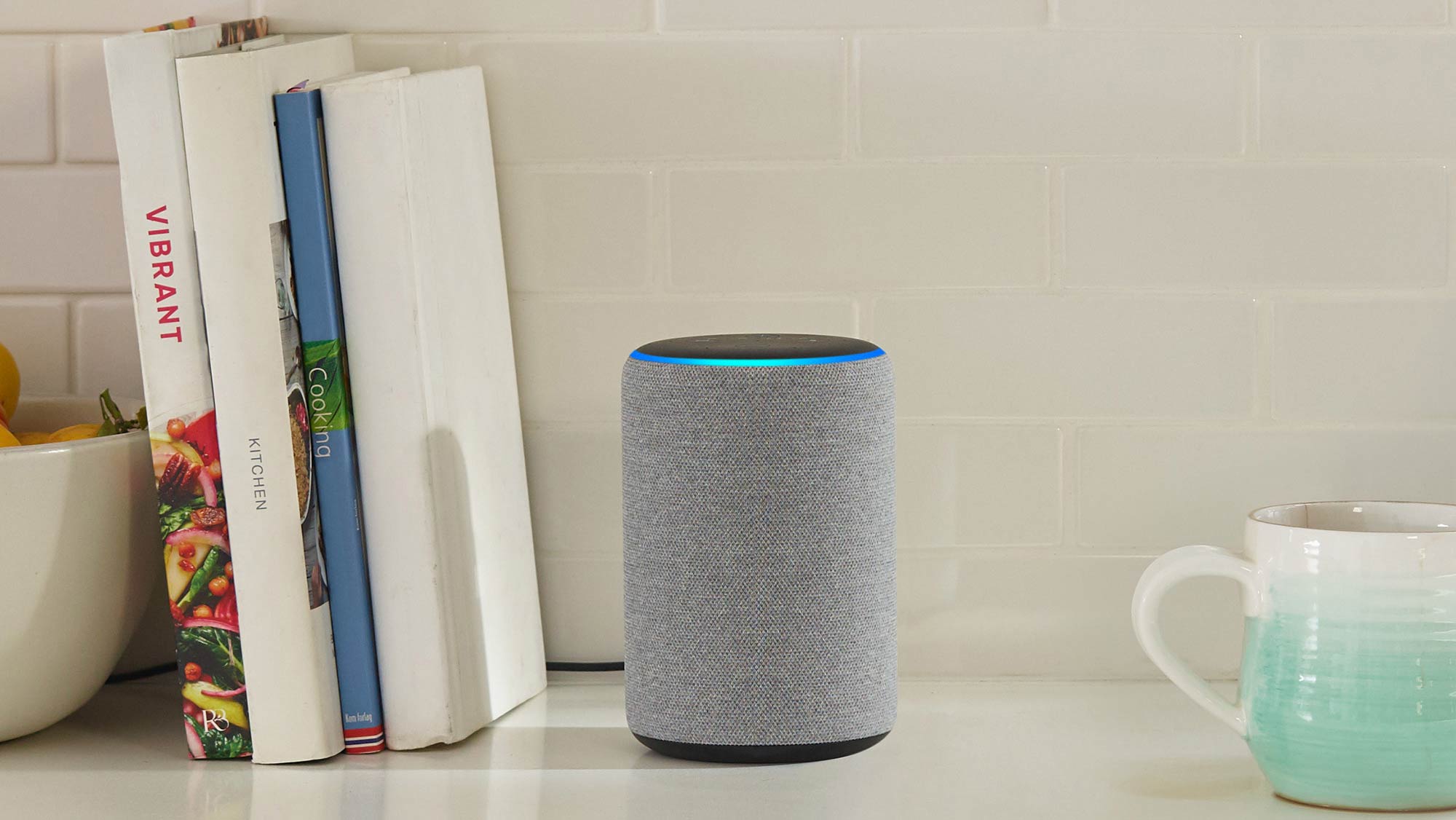
    But if you can find it, the first-generation Amazon Echo is still a pretty great choice, fetching a significantly lower price than back in the day. We’ve seen this tall and handsome cylinder cost as little as $30 in refurbished condition with a 90-day warranty included last month, and although the newest deal may not look quite as irresistible at first glance, it’s actually better in a way.

    That’s because AT&T appears to sell brand-new Echo units at $50 apiece right now, no doubt throwing in a standard one-year manufacturer warranty. That’s a whopping $129 off the smart speaker’s original list price, as well as $50 less than what the second-gen Echo usually fetches. It’s also pretty much on par with the typical price of a third-gen Echo Dot, which obviously packs significantly less power in a diminutive body.

    Despite its advanced age, the OG “regular” Amazon Echo is largely capable of the same things as all the new Alexa-controlled smart speakers, including hands-free music streaming, smart home management (with compatible accessories), setting alarms, timers, and reminders, reading the news, answering the most diverse and complex questions, and even making voice calls, as well as sending and receiving messages. There are also loads of new Alexa skills added every day, all of which are supported on the full range of Echo devices.

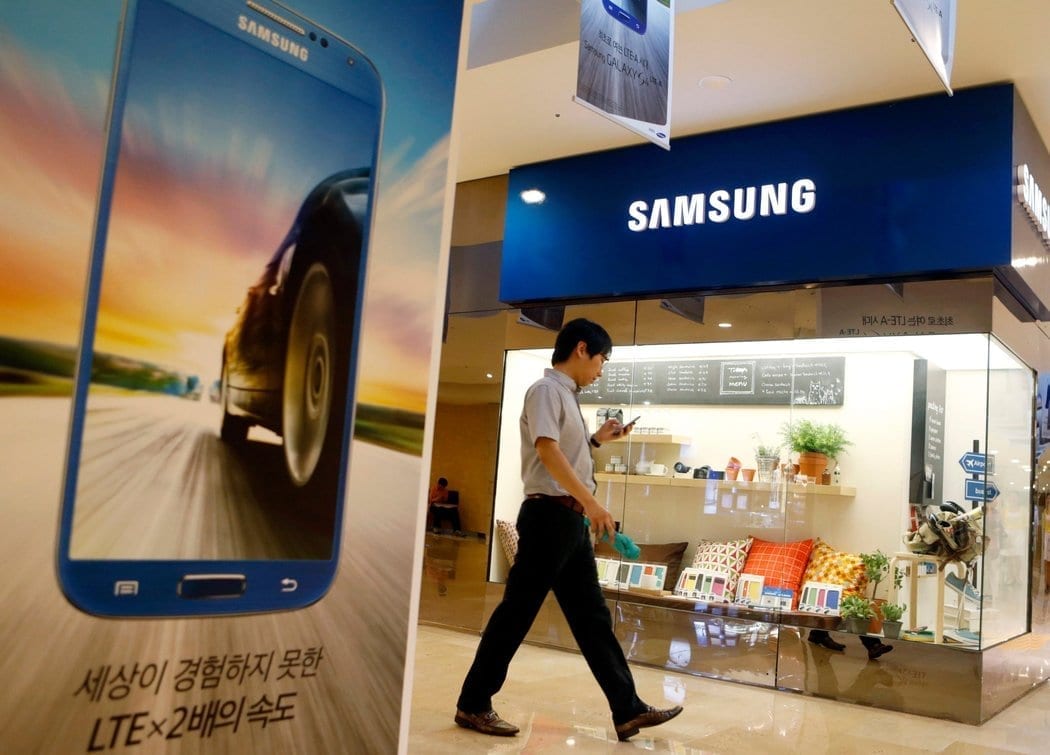
  • Samsung Galaxy flagship store to open in Tokyo

    Samsung Galaxy flagship store to open in Tokyo

    Smartphone brand Samsung has opened a new Galaxy flagship in Tokyo.

    The six-level location is the largest Galaxy showcase store worldwide, and features a front facade decorated with more than 1000 smartphones, celebrating the 10th anniversary of the product line.

    The store will offer a range of phones and wearable devices, as well as offer repair services.

    The opening coincides with Japan’s 500-day countdown to the 2020 Olympic Games. Samsung is an Olympic Partner in wireless communications equipment. The firm is seeking a stronger market share in anticipation of impending 5G network rollout across the country.

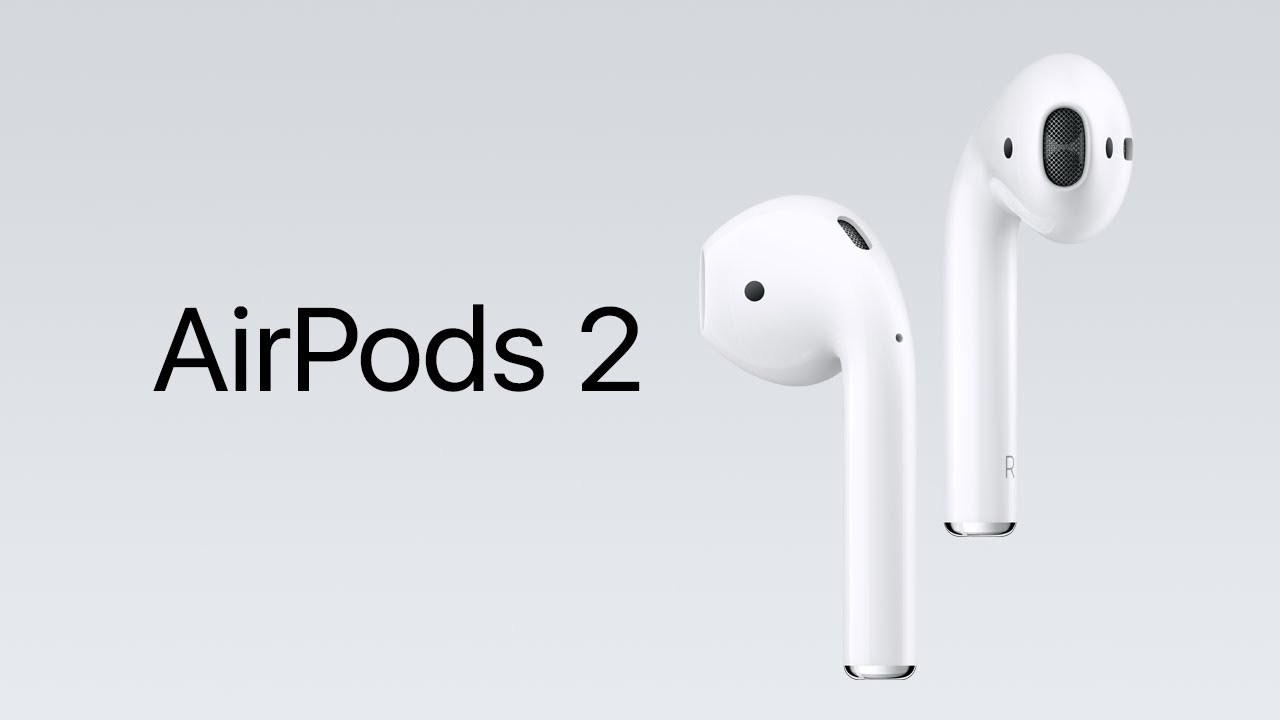
  • Apple’s AirPods 2 will help the ‘hearables’ segment to grow

    Apple’s AirPods 2 will help the ‘hearables’ segment to grow

    According to Counterpoint Research, wireless ‘hearables’ are the next big thing. The segment, which contains Apple’s AirPods and the Samsung Galaxy Buds, saw global sales of around 46 million units last year. But with the help of AirPods 2, this could catapult to 129 million units as early as next year.

    Samsung, Google, Bose, and LG are all expected to grow

    As noted by Research Director Pete Richardson, “2019 will be the year that hearables evolve into an important market.” For the most part, new releases from major brands will boost sales across the globe. However, the evolving digital habits of consumers are also expected to propel demand.

    The likes of Samsung, Bose, Huawei, and LG all hold relatively small market shares at the moment. But as interest in the segment picks up throughout this year and next, each one is set to experience relatively strong growth which should translate into larger market shares.

    New Google Pixel Buds and other releases from the likes of Amazon are expected to play an important role too. After all, these should integrate the likes of Google Assistant and Alexa, both of which are becoming increasingly popular among consumers.

    AirPods 2 will propel the ‘hearables’ segment to new levels

    As mentioned in the opening paragraph, for the foreseeable future Apple is expected to remain the biggest driving force of growth. Rumor has it that the brand is preparing a second-generation of its AirPods which should integrate a variety of new features and potentially some small design changes.

    From afar, AirPods 2 are expected to look identical to the originals. But upon closer inspection, a new frosted glass-like coating should be visible. This, according to rumors, will improve grip and reduce the slipperiness, which means the new AirPods shouldn’t fall out of your ears so easily.

    AirPods 2 should also introduce always-on Siri, which will allow users to activate the assistant with the words “Hey, Siri.” This feature was actually first teased way back in September by Apple but still hasn’t been confirmed officially.

    Joining the improved Siri will apparently be some kind of water resistance and potentially some health-related features. More specifically, an earlier report suggested Apple was researching the possibility of a built-in heart rate monitor. However, this extra is far from guaranteed. One feature that does seem extremely likely at this point is support for wireless charging through a new charging case. Allegedly, this feature, which will charge both the case and AirPods simultaneously, will take the battery level from 0% to 100% in just 15 minutes.

    Also expected from the new wireless accessory is Apple’s W2 Bluetooth connectivity chip. This can currently be found inside the Apple Watch Series 4 and halves the power consumption with respect to the W1 chip. As a result, battery life improvements are to be expected.

    Of course, Apple’s AirPods are primarily meant for music and Apple is set to bring some improvements to the overall sound quality.

    Most AirPods buyers aren’t bothered about sound quality

    Rather ironically, despite the fact AirPods are meant for music, consumers aren’t buying them because of their sound quality. Counterpoint Research recently conducted an online survey of over 200 people regarding their preferences. In the case of AirPods, 68% of correspondents cited “comfort & fit” as a key reason for buying them. This was followed by “ease of use” and “portability,” which were mentioned by 56% and 44% of people respectively.

    As it turns out, just 41% of the people surveyed cited “sound quality” as a reason for buying AirPods. For comparison, this factor was the key driver when it came to Bose products, with a whopping 72% listing it. “Noise cancellation” was also important with Bose headphones as it was cited by 68% of people.