Category: Fashion

Retail News Asia is committed to providing both local and global retailers with the latest Fashion news throughout the Asian market. This on a daily base.

  • Louis Vuitton picks Shanghai for first furniture and homewares store

    Louis Vuitton picks Shanghai for first furniture and homewares store

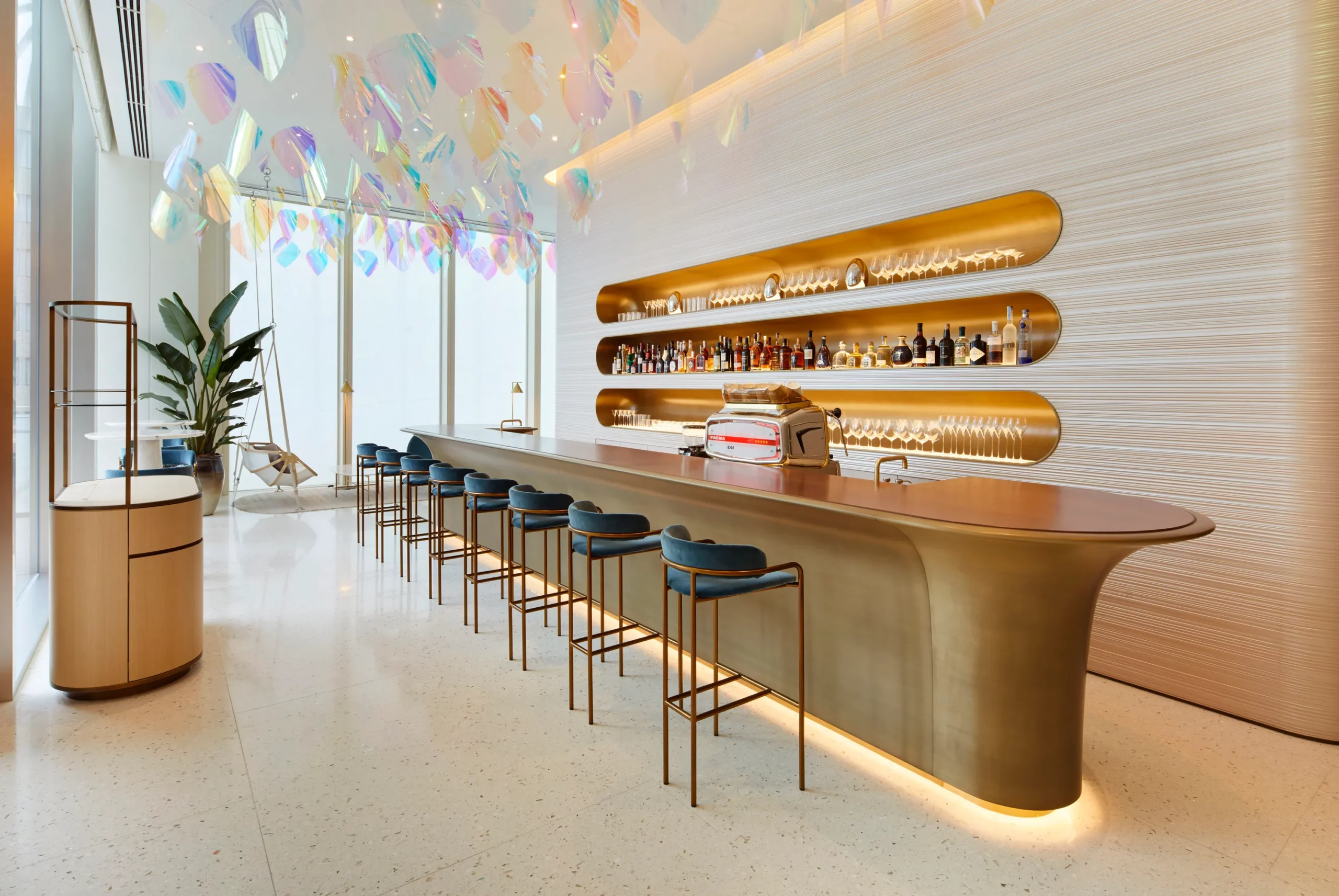
    Louis Vuitton on Friday announced plans to open a dedicated furniture and homewares store in Shanghai, a world first for the French luxury brand as it aims to expand further into lifestyle offerings to affluent Chinese clients.

    The appointment-only showroom, which will open on Monday, is located in a century-old three-storey mansion situated just behind Nanjing Road, the city’s premier upscale shopping strip.

    Louis Vuitton, part of LVMH, said in a statement the showroom will be trialed for several months as a pop-up and if successful will then become a permanent feature.

    While no price tags were on show at the store during a media preview, a Louis Vuitton employee said a brightly hued hanging cocoon chair designed by the Campana brothers is priced at more than 700,000 yuan ($97,860) and a small lamp resembling a glass milk bottle encased in leather straps cost 10,500 yuan.

    A smaller side building is dedicated to showing designs by Frank Chou, the first mainland Chinese designer tapped by Louis Vuitton to collaborate on the Objet Nomades collection, as the furniture and homewares ranges is known.

    Finding new avenues for growth, particularly among wealthy consumers, is becoming increasingly important for luxury brands in China as COVID-19 curbs, a property market decline, and widespread economic uncertainty pressure luxury spending.

    Louis Vuitton dipped its toes into a more lifestyle-oriented offering in China last month when it opened a store in the southwestern city of Chengdu that included an exhibition space and restaurant.

    “LMVH is striving to … reposition itself as a contemporary luxury brand by tapping new avenues that resonate with dynamic Chinese Millennials and Gen Z consumers,” said GlobalData consumer analyst Bobby Verghese, whose firm reckons sales in China’s home sector will grow to $782 billion by 2026.

    Verghese sees homewares as a good bet for Louis Vuitton, especially in China.

    “Unlike their predecessors who prioritized privacy, the Gen Y digital immigrants and Gen Z digital natives are not averse to flaunting their lifestyles on social media,” Verghese said. “LMVH aims to gain an early-bird advantage in this emerging space.”

  • Alessandro Michele is stepping down as Gucci’s creative director

    Alessandro Michele is stepping down as Gucci’s creative director

    The company announced Wednesday that Alessandro Michele is stepping down as Gucci’s creative director. Michele, who has been with Gucci for 20 years, assumed the role in 2015. Before becoming creative director, he was in the company’s shoe and accessories department.

    “There are times when paths part ways because of the different perspectives each one of us may have,” Michele said in a statement released by Kering, the luxury goods brand that owns Gucci. “Today an extraordinary journey ends for me, lasting more than twenty years, within a company to which I have tirelessly dedicated all my love and creative passion.”

    Michele brought a genderfluid and maximalist aesthetic to the brand, which was a departure from Tom Ford’s sleek and provocative rebranding which saved the company in the 1990s.

    Kering wrote that Michele “has played a fundamental part in making the brand what it is today through his groundbreaking creativity, while staying true to the renowned codes of the House.”

    Dakota Johnson, Harry Styles and Lana Del Ray all led Gucci campaigns, which saw accelerated sales when Michele was in charge. Gucci’s revenue rose from just under €4 billion ($4.1 billion) in 2015 to €9.7 billion ($10 billion) in 2021. However, its success took a hit due to the pandemic, and now Gucci is looking to revamp.

    Michele described the people behind Gucci as his adopted family and thanked them in his statement. He left them with a wish: to continue to cultivate their dreams, “the subtle and intangible matter that makes life worth living.”

    “May you continue to nourish yourselves with poetic and inclusive imagery, remaining faithful to your values,” he said. “May you always live by your passions, propelled by the wind of freedom.”

    A new creative director has not yet been announced.

  • Mango introduces ‘New Med’ concept store to Asia

    Mango introduces ‘New Med’ concept store to Asia

    As part of its new store opening in Singapore, Spanish retailer Mango has debuted its ‘New Med’ concept for the first time in Asia, as it continues to follow through on its international expansion.

    The new 500 square metre space adds to its growth in the region, with it now operating 10 stores in Singapore following a number of openings in April this year.

    It comes as the brand celebrated 30 years of “international expansion” in 2022, as it continued to report on accelerated growth of development abroad.

    In a release, Mango said it will round out the year with around 270 new stores worldwide, bringing its retail network to approximately 2,600 stores across all five continents.

    Speaking on the topic, the company’s expansion director, Daniel López, said: “We are celebrating 30 years of international expansion by strengthening our commitment to Asia, one of the most important markets in the company’s internationalisation strategy and one in which we want to continue growing in the future.”

    Mango initially launched in the continent in 1995 with store openings in Singapore and Taiwan.

    It now currently operates over 450 stores in Asia, including company-owned locations and concessions in department stores.

    Among its presence in the region, Mango counts India as one of its key focuses for international expansion, with it opening 33 stores in the country between 2021 and 2022.

    In Europe, the retailer has also committed to developing in markets such as France, Italy and the UK, while outside its key expansion markets include the US and Canada.

  • Estee Lauder to buy Tom Ford in US$2.8 billion deal

    Estee Lauder to buy Tom Ford in US$2.8 billion deal

    Estee Lauder Cos. Inc. said on Tuesday it agreed to buy U.S. fashion label Tom Ford for US$2.8 billion, its biggest deal yet, adding a line of beauty products and apparel to the Clinique brand owner’s portfolio.

    Luxury companies have so far enjoyed steady demand for their products, but cracks are starting to show as decades-high inflation forces some customers to tighten their purses.

    Estee said this month U.S. retailers were cutting stocks of its products amid worries of a demand slowdown and lowered its full-year forecasts, hurt by lockdowns in China.

    While Estee Lauder already sells Tom Ford beauty products and fragrances, the deal has raised some eyebrows on Wall Street.

    “Given the strength of Tom Ford Beauty, especially in EL’s most significant long-term growth market of China, we understand the appeal of the deal, but handling the fashion businesses leaves some questions,” Raymond James analyst Olivia Tong wrote in a note dated Nov. 14.

    The deal is the latest in a series of acquisitions by Estee Lauder, including taking control of Ordinary skincare brand owner Deciem last year for about US$1 billion.

    As of Tuesday’s close, Estee’s stock fell 17% since the deal talks with Tom Ford were reported by the media in August.

    Last week, Tom Ford entered into exclusive negotiations with Estee Lauder, beating competing bids from companies including Gucci owner Kering SA, the Financial Times reported on Friday.

    Estee expects to fund the transaction through a combination of cash, debt and US$300 million in deferred payments to sellers that become due beginning in July 2025, the company said.

    Chief executive officer Tom Ford will continue to serve as the brand’s creative visionary.

    Perella Weinberg Partners LP served as financial adviser to Estee, while Paul, Weiss, Rifkind, Wharton & Garrison LLP was its legal counsel. Goldman Sachs & Co. LLC was Tom Ford’s financial adviser and Skadden, Arps, Slate, Meagher & Flom LLP its legal counsel.

  • 6ixty8ight accelerates Southeast Asian expansion with Vietnam debut

    6ixty8ight accelerates Southeast Asian expansion with Vietnam debut

    At first glance, lingerie brand 6IXTY8IGHT’s retail store will draw you in with its pink facade, serving as a visual anchor. Its neonlight signages, with quirky quotes would make you want to whip out your phone for a quick snap; these are just the little details that will attract millennials. 6IXTY8IGHT was actually founded 2002 in Paris, by French lingerie designer, Marie Destombe, and Swedish business man, Erik Ryd. In the year 2003, Eric set up headquarters in Hong Kong, and launched the brand’s first store in Beijing.

    In an email interview with CEO of 6IXTY8IGHT, Ms. Jacqueline Porjé, she shared that the brand’s core audience is of the age between 15 and 25 years who love fashion and follow trends. But, “everyone who is young at heart can wear 6IXTY8IGHT!” she added.

    Porjé previously held the position of Assortment Director, a role she assumed since joining 6IXTY8IGHT in January 2015. In this position, she managed the brand’s overall product offering. She was promoted to Chief Executive Officer in 2017, where she now oversees the company’s assortment, finance, business development, operations, marketing and international expansion.

    So what makes 6IXTY8IGHT different from other lingerie brands out there? “We offer a wide selection of trending lingerie styles such as bralettes and wireless bras. We are also famous for offering pieces in a large array of colours, fun animal prints, comfortable modal fabrics, cotton-soft materials, feminine and girly lace and more,” Jacqueline stresses. 6IXTY8IGHT even recently launched their Lunar New Year offerings, paying homage to the Chinese horoscope with cute piglet motifs as well as a sizzling red collection.

  • 6ixty8ight launches first Philippines store

    6ixty8ight launches first Philippines store

    Lingerie is a category that has been faring well during the pandemic as more women are forced to stay home.

    In line with this, Hong Kong-based lingerie retailer 6ixty8ight has announced expansion of its e-commerce operations to other Asian countries after it forayed into the Japanese market in June this year.

    The customers in Thailand and Philippines will now be able to shop for the brand’s full range of lingerie, homewear, casualwear and accessories.

    The brand is also looking to introduce its new collections, including Modern Lace Collection and Summer Styles, with the launch of the online portal.

    The company said in a statement that the decision to expand to different countries with its e-commerce portal is a ‘top priority’ as more and more customers are shifting to online shopping during the pandemic.

    Within 2 months, the brand has set up base in 3 Asian countries – a move that will likely create more awareness ahead of the launch of physical stores in the markets.

    The brand currently has over 200 stores spread across countries like South Korea, Malaysia, Singapore and Greater China.

    Earlier this year, the 6ixty8ight had launched its first outlet in Mongolia in January with a plan to open 16 more outlets within a month.

  • Gap to sell Greater China units to e-commerce firm Baozun

    Gap to sell Greater China units to e-commerce firm Baozun

    US apparel retailer Gap Inc has agreed to sell its Greater China businesses to Baozun Inc, the e-commerce service provider said on Tuesday, as headwinds persists for global consumer brands in the world’s second-largest economy.

    Dealmakers have seen opportunities for merger and acquisitions involving multinational firms that look to spin off their China units, as growth outlook in the country grappling with strict Covid-curbs remains uncertain amid intensifying competition with domestic brands.

    Earlier this year, American fast fashion retailer Forever 21 made its third effort to enter China after having left the market twice, while major sportswear companies Nike and Adidas lost ground to local brands Li Ning and Anta in recent years.

    China’s Baozun said its unit would acquire Gap Shanghai Commercial and Gap Taiwan Ltd, which operate the whole business of Gap Greater China, with a primary deal size of $40 million and no more than $50 million for adjustment.

    The Shanghai entity reported a net loss after tax of 256 million yuan ($35.34 million) for 2021, compared with 456.3 million yuan a year earlier, Baozun said in a filing. The Taiwan entity reported a post-tax net loss of T$199.8 million ($6.24 million) for the year ended January 29, 2022.

    The transaction is subject to regulatory approval and expected to be effective in the first half of 2023, Baozun said.

    Separately, Baozun said Gap has granted it an exclusive right to manufacture and sell its products in Greater China area. The arrangement can last two decades, with an initial term of 10 years that can be renewed twice for each five-year term.

  • Amorepacific sees sharp plunge in sales

    Amorepacific sees sharp plunge in sales

    South Korean beauty conglomerate Amorepacific has recorded a 15.6 percent year-on-year drop in sales for its third quarter of this year, with operating profit plummeting 62.6 percent to US$13.2 million.

    In its home market, revenue was down 18.6 percent with operating profit dropping 49.8 percent. Despite a 10 percent increase in online sales, the domestic performance failed to improve as revenue in the travel retail channel declined by a double-digit rate.

    Meanwhile, sales in China, which usually accounts for about 50 percent of the company’s Asian sales, declined by 40 percent due to “offline channel restructuring of major brands and the slowdown in cosmetics consumption”. The overseas business’s loss of $6.5 million was attributed to the contraction in China sales, resulting from the country’s zero Covid policy of rolling lockdowns and movement restrictions.

    In contrast to China, sales in other international markets saw improvement. Elsewhere in Asia, revenue jumped by around 20 percent due to the reopening of Southeast Asian borders. The group saw sales in North America and Europe surge by 97 percent and 60 percent respectively due to steady growth of its major brands.

    Amorepacific has been diversifying its international business, which previously heavily relied on China, rapidly expanding its portfolio in North America during the past year. In September, the group acquired the American beauty brand Tata Harper as a stepping stone for its regional expansion plan.

  • 1,200 workers lose jobs as Taiwan footwear firm runs out of orders

    1,200 workers lose jobs as Taiwan footwear firm runs out of orders

    A Taiwanese shoemaker in HCMC’s Binh Tan District has laid off 1,185 workers and blamed it on a drying up of orders.

    In an announcement, Monday Ty Hung Co. Ltd, said its customers face financial issues and have not placed new orders.

    Despite trying everything it could, it is unable to maintain production as planned and has no choice but to terminate labor contracts with 1,185 people on Dec. 1, the statement said.

    It will pay a severance allowance to employees who have worked since 2008 and two months’ salary to all employees whose social insurance premiums are now cut due to losing their job.

    It will also pay one month’s salary as a bonus to those who worked for the entire year until being laid off and make pro rata payments to others.

    The Taiwanese firm has 1,800 employees and makes shoes for export to Europe.

    According to the Ho Chi Minh City Labor Confederation, textile, footwear, and electronic factories have lost orders due to difficulties in finding raw materials and falling demand.

    To cope, many factories in the city have cut workers’ hours or furloughed or laid them off, it added.

  • Shein chooses Tokyo for its first permanent store in the world

    Shein chooses Tokyo for its first permanent store in the world

    Fast fashion retailer Shein is set to open its first permanent store in the world – in Japan’s capital Tokyo.

    The store, located in the bustling fashion precinct of Harajuku, will open on November 13.

    Shein’s first brick-and-mortar store will display items and styling that caters to the Japanese market. Spanning 201sqm and two storeys, the store features three fitting rooms and an Instagrammable photo booth.

    Customers can purchase products by scanning the QR code on the tag through the Shein app. However, they cannot purchase on the spot at this store – the products are shipped to their home or office.

    The store announcement follows the launch of the Shein Osaka pop-up store, which will open for three months until January 27. Located in the western metropolis of Osaka, the pop-up store houses nine fitting rooms and displays about 800 items, ranging from men’s and women’s wear to home and pet products.

    Founded in 2008, Shein sells online in more than 150 countries and regions, mainly in the US and Europe, but not its home market China, where it produces its clothing. In February, the company shelved plans for its US market listing, according to Reuters.

  • Diesel Japan opens Ginza flagship

    Diesel Japan opens Ginza flagship

    Italian fashion retailer Diesel has launched its new flagship store in Japan, at Ginza Marronnier Gate 1, Tokyo.

    The shop, which features two floors, is designed by creative director Glenn Martins with red and white as the primary theme colors. Diesel says this renovation reflects a refreshed image and looks under Martins’s creative guidance.

    The first floor’s walls, which are red and white, reflect the brand’s red logo, and the store aims to create a spacious, airy feel by using metal racks that surround it. It also includes a big sofa, modern industrial modules, and resin shelves.

    On the other side, the basement floor also has red and white displays and walls, as well as cutting-edge architectural features. Customers can purchase an all-gender selection of denim, apparel, shoes, bags, and accessories from the Diesel Fall/Winter 2022 collection and runway looks. In addition, products from the Diesel Ginza limited and pre-sale collections are now accessible in the red look that debuted during the Diesel 22FW fashion show in Tokyo in June.

    Diesel has made Japan one of its main markets after spending more than 36 years there. The apparel company debuted its first Asia-sized flagship shop in Ginza in 2008 and its first large-scale global concept store in Tokyo’s Shibuya neighborhood in 2010.

    The brand is also growing in other markets like Singapore, Hong Kong, and Korea. In collaboration with RTG Consulting and Muse Group, Diesel launched China’s world’s first Diesel Hub last year. The 900sqm Hub combines dining and retail, with a restaurant named Diesel Brave Bar occupying nearly a fourth of the area.

  • Shein’s offline popup store debut in the Philippines

    Shein’s offline popup store debut in the Philippines

    Chinese fashion retailer Shein has opened its first pop-up store in the Philippines, seeking to build brand awareness in the market.

    An opening took place last week at Ayala Malls Manila Bay, featuring a fashion runway, partnerships with Alipay+ and its e-wallet partner GCash and Filipina actress Belle Mariano, its newly appointed local brand ambassador.

    Pureplay online retailer Shein was founded in 2008 by Chris Xu and is recognized for its low-cost clothing. The company currently has customers in more than 150 nations and markets worldwide.

    Statista reports that Shein accounted for 3.4 percent of desktop traffic in May of this year and was the most popular site in the global fashion and apparel category.

    Shein, which aims to surpass other fast-fashion retailers like Zara and H&M, does not have a permanent physical location but has amassed millions of customers worldwide thanks to its broad selection and low pricing.

    After Amazon, it is the second-most popular online buying destination for teenagers in the US. With more than 1.2 million downloads last year, the retailer ranked as the second most popular shopping app in the US App Store.

  • Fashion label Lemonplet opens first flagship store in Japan

    Fashion label Lemonplet opens first flagship store in Japan

    Paris-based fashion brand Lemonplet has launched its first flagship location in Japan, as part of its Asia expansion plan.

    The store, in Omotesando, Tokyo, has a 92.56sqm retail space and is adorned with warm tones and flora throughout the space. There is also a flower gate at the entrance.

    Lemonplet is also sold in Japan at Isetan Mitsukoshi, Hankyu department stores, and Takashimaya.

    Customers can purchase the brand’s jackets and vests that use shaggy eco-fur, hooded maxi vests with smooth textures, short jackets and other items at the flagship store. Its products are priced from US$96 to $746 inclusive of tax.

    Lemonplet, launched in 2017 by Korean-French designer Choyo Joo, is known for its ‘eco-fur wear’, which includes garments, ready-to-wear lines, and accessory collections made from in-house designed eco-fur textiles.

    The fashion brand intends to expand globally. In addition to Japan, the label sells products in Korea’s Galleria, Shinsegae, and Hyundai department stores

  • Ray-Ban maker EssilorLuxottica sees “good surprise” performance in Asia

    Ray-Ban maker EssilorLuxottica sees “good surprise” performance in Asia

    EssilorLuxottica reported a rise in its third-quarter revenues on Friday as the world’s biggest eyewear maker saw a rebound in sales in the Asia-Pacific region and slight growth in North America.

    The French-Italian company, which makes Oakley and Ray-Ban sunglasses, reported revenue of 6.39 billion euros ($6.24 billion) for the three months to Sept. 30, up 8.2% on the year at current exchange rates.

    Asia-Pacific was the group’s fastest-growing region with a 22.7% revenue rise in the quarter at constant exchange rates to 761 million euros.

    The retail business in particular bounced back strongly in the region, EssilorLuxottica said, after a negative second-quarter performance hit by COVID-19 lockdowns in mainland China.

    Sales in North America, the company’s biggest market, increased by 3.4% to 3.01 billion euros at constant exchange rates, driven by the direct-to-consumer division, the group said.

    “It’s a solid and reassuring publication,” Stifel analyst Cedric Lecasble told Reuters, noting a “resistant” performance in North America and a “good surprise” in other regions, notably Europe amid the macroeconomic downturn and Asia.

    While EssilorLuxottica’s broad consumer base in the United States and Europe exposes it to macro pressures in those regions, it is more insulated from inflation than peers in the discount eyewear business thanks to its luxury licences, Bernstein analyst Luca Solca said.

    EssilorLuxottica makes glasses for brands such as Chanel and Prada, among others.

    Despite concerns that the luxury industry’s post-pandemic boom could be cooling, Birkin bag maker Hermes on Thursday said there were no signs of a slowdown so far as U.S. shoppers took advantage of the dollar’s strength in Europe and China rebounded sharply, echoing earlier comments from Louis Vuitton owner LVMH.

    EssilorLuxottica’s shares were down 1.8% at 0743 GMT, slightly underperforming France’s blue-chip index CAC 40 that fell 1.2%.

  • Love, Bonito acquires Singapore-based activewear label Butter

    Love, Bonito acquires Singapore-based activewear label Butter

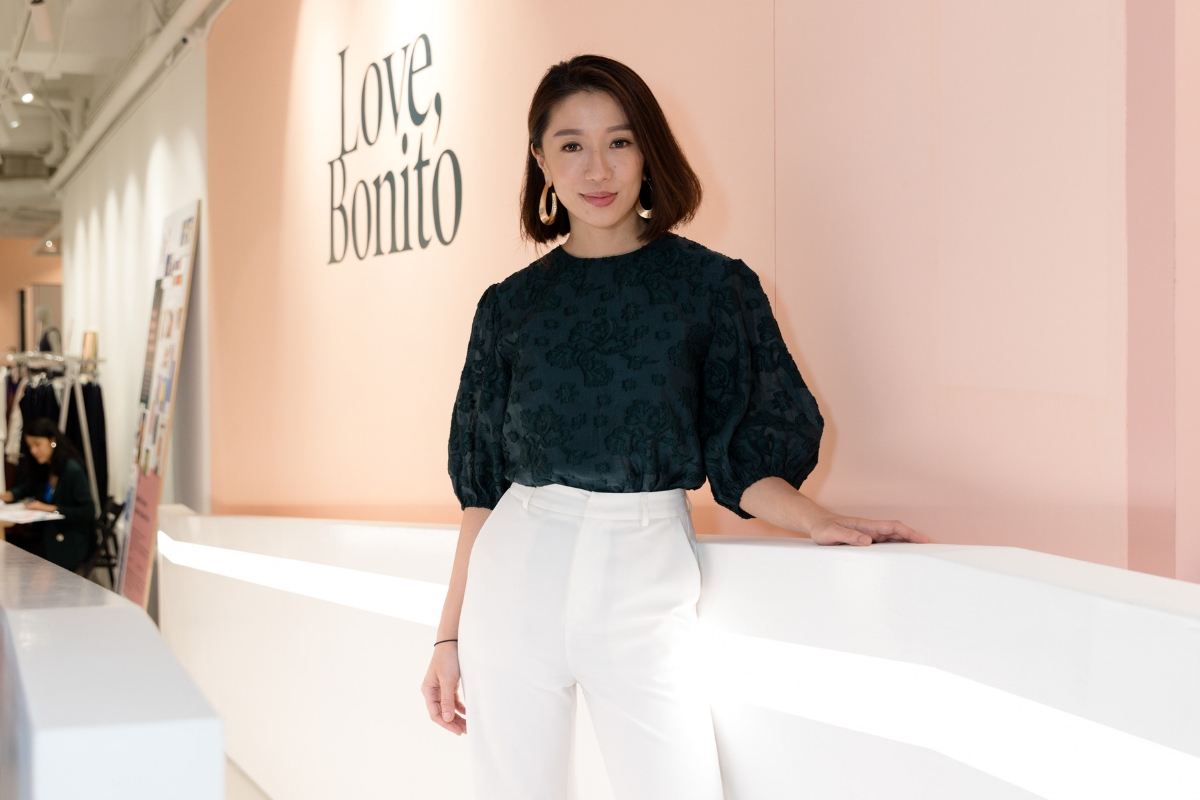
    Southeast Asian omnichannel fashion retailer Love Bonito has acquired Singapore-based activewear brand Butter and a minority stake in healthcare startup Moom Health for an undisclosed sum.

    The activewear line will be rebranded as ‘Cheak’, a play on the word ‘cheeky’. The company said the acquisitions are part of Love, Bonito’s ambition to build “a holistic female ecosystem with a house of brands curated for Asian women”.

    The deal follows Love Bonito’s series C funding last year where it raised $50 million led by a Chinese venture capital giant Primavera.

    “Our long-term vision is to be a true life partner for our community of women, in and beyond fashion, and activewear is a key category we’ve looked to venture into since two years ago,” said Dione Song, CEO of Love, Bonito.

    “Merging forces with Butter came at the right place and time for both of us, and we look forward to reshaping our evolution into a female ecosystem alongside emerging passion-driven women-led brands.”

    Founded in 2020 by two Singaporean female entrepreneurs, Olivia Yiong and Tiffany Chng, Butter offers affordable activewear designed for Asian body types. Generating $500,000 in revenue in its first year of business with a five-product range, the fashion label is on course to reach 138 per cent year-on-year growth.

    Moom Health was founded by two sisters, Mili and Maya Kale, offering to formulate supplements with experts that combine ancient tradition with modern scientific practice. The Singapore-based startup raised $854,000 in a seed round last month led by DSG Consumer Partners, which was also joined by Love, Bonito.