Category: Fashion

Retail News Asia is committed to providing both local and global retailers with the latest Fashion news throughout the Asian market. This on a daily base.

  • Tiffany & Co. Opens Luxurious New Store In Hong Kong, Merging Vintage Design With Contemporary Craftsmanship

    Tiffany & Co. Opens Luxurious New Store In Hong Kong, Merging Vintage Design With Contemporary Craftsmanship

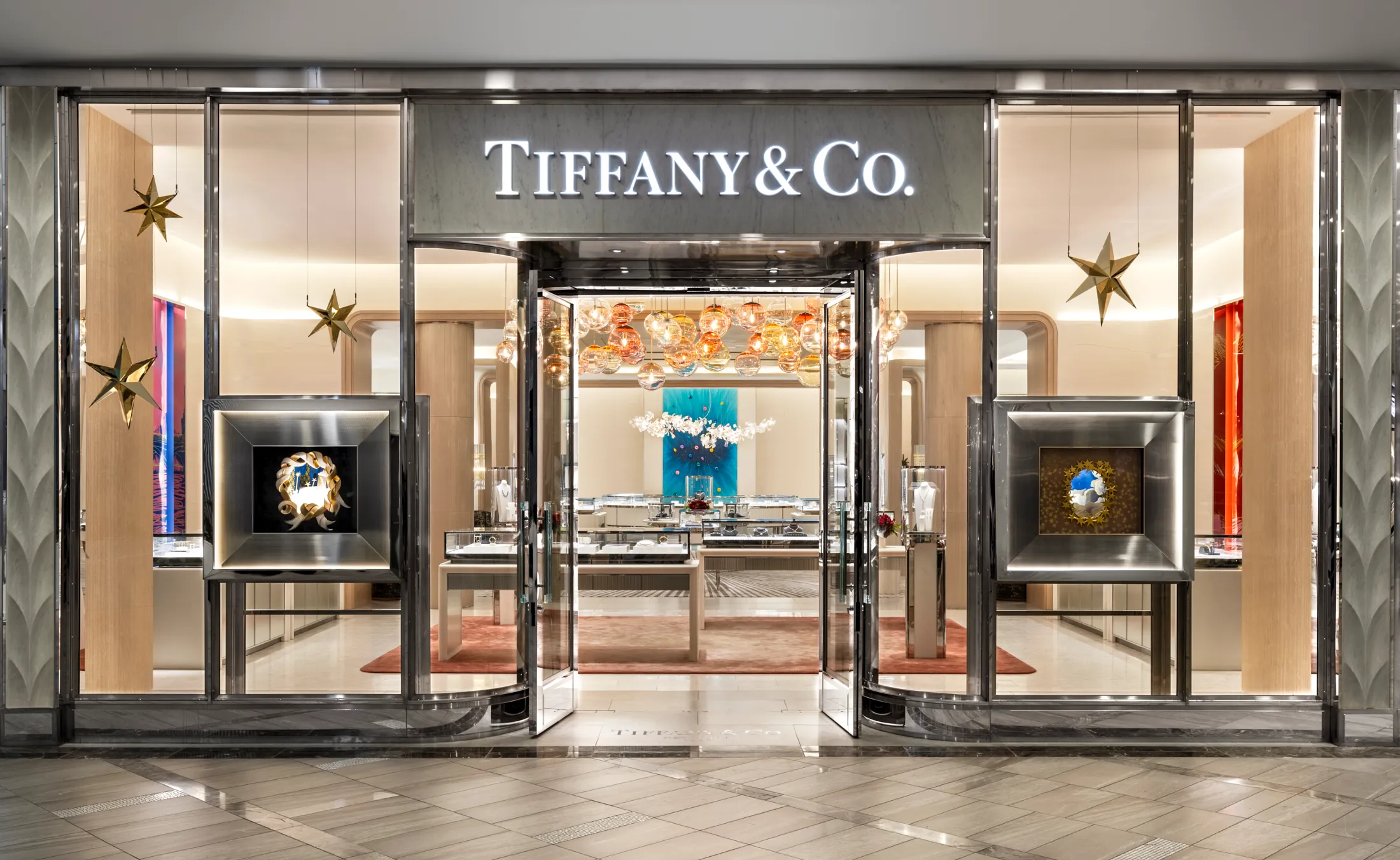
    Tiffany & Co., the renowned luxury jewelry retailer, has unveiled its latest retail space on Canton Road, Hong Kong. The store design harmoniously fuses vintage design elements with contemporary craftsmanship, as a tribute to the brand’s illustrious history.

    Store Design and Features

    Covering 2325 square feet, this new retail outlet presents a unique facade. It is embellished with a mosaic of azure tiles that take inspiration from the mosaic artistry of Louis Comfort Tiffany from the early 20th century.

    The store’s interior greets visitors with a centrepiece installation, the “Bird on a Rock”. This iconic piece, introduced by Jean Schlumberger in 1965, remains a potent symbol of the Tiffany brand after nearly six decades.

    The interior design of the store seamlessly marries opulence with heritage. This is evident in the custom wall coverings, enriched with textured and gilded metal leaf finishes. Furthermore, the store is adorned with champagne gold leaf accents throughout, adding to its exclusive ambiance.

    Customer Experience

    The store also houses a private salon, aimed at providing an intimate experience for its valued customers. The salon features a wallpaper with a soft pink orchid motif, providing a soothing, elegant atmosphere. The room is lit by handmade plaster lamps and furnished with a cream quartzite-inset coffee table. Also, handwoven fabric upholstery enhances the aesthetics of the salon, providing an inviting and comfortable environment for customers.

    Questions & Answers

    Where is Tiffany & Co.’s newest store located?
    The latest Tiffany & Co. store has been opened on Canton Road in Hong Kong.

    What is the design inspiration for the new store?
    The store’s design takes inspiration from the early 20th-century mosaic work of Louis Comfort Tiffany, seamlessly blending heritage design elements with modern craftsmanship.

    What unique features does the store offer to customers?
    The store offers a unique customer experience with a private salon that features a soft pink orchid motif in its wallpaper, handmade plaster lamps, a cream quartzite-inset coffee table, and handwoven fabric upholstery.

  • Sa Sa International Faces Sales And Profit Downturn Amid Economic Uncertainties

    Sa Sa International Faces Sales And Profit Downturn Amid Economic Uncertainties

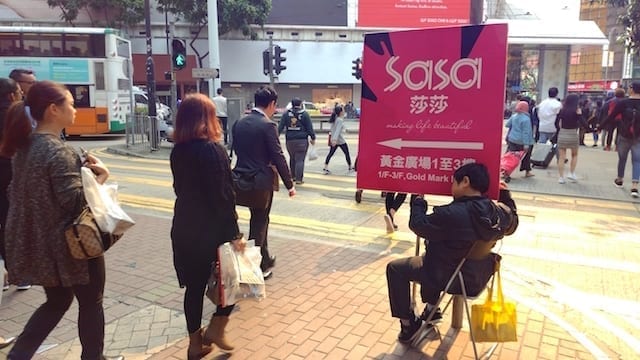
    Sa Sa International, a prominent beauty retailer, has recently disclosed a decrease in both sales and profits for its most recent fiscal year. This downturn is attributed to unfavorable market conditions in Hong Kong and Macau, the principal markets for the company.

    Sales Decrease

    Sa Sa International’s financial reports demonstrate a marked decrease in turnover, with a dip of 9.7% to HK$3.9 billion (US$497 million) for the fiscal year which ended on March 31. This decline is due largely to the continuous outbound travel of Hong Kong and Macau residents to Mainland China and other foreign countries.

    This expatriation, in tandem with a robust US dollar and an increase in economic uncertainties caused by trade tariffs, has led to more cautious spending by those visiting Hong Kong and Macau. The primary markets for the group are indeed Hong Kong and Macau, which represent more than 75% of the company’s total sales.

    In these markets specifically, turnover experienced a decline of 12.3%, and 10.5% in Mainland China, but conversely, a 14.7% increase was observed in Southeast Asia.

    Profit Decline

    The company has also reported a significant decline in profits for the year, with a slide of 64.8% to HK$77 million, aligning with the company board’s previous projections in April. Brick-and-mortar sales decreased by 11.9%, though some improvement was noted in the latter half of the fiscal year. However, online sales saw a modest increase of 1.2%, largely thanks to the growth of third-party e-commerce platforms in the Southeast Asian market.

    As the year concluded, the group maintained 84 stores in Hong Kong and Macau, 18 in Mainland China, and 72 in Southeast Asia.

    Future Plans

    Sa Sa International’s management team has expressed their intent to closely monitor market trends and make adjustments to their portfolio as necessary. Their primary objective is to facilitate growth in both sales and gross profit, while at the same time, maintaining a stable gross profit margin. Their aim is to develop a sustainable model to boost profitability.

    In the first quarter ending June 15, the group witnessed a 4.5% increase in turnover, with growth recorded in all markets, except for Mainland China.

    Questions & Answers

    What are the primary markets for Sa Sa International?
    Hong Kong and Macau are the primary markets for Sa Sa International, accounting for more than 75% of the company’s total sales.

    What caused the recent downturn for Sa Sa International?
    This downturn is due largely to the continuous outbound travel of Hong Kong and Macau residents to Mainland China and other foreign countries, coupled with a robust US dollar and increasing economic uncertainties.

    What is Sa Sa International’s plan moving forward?
    The company plans to closely monitor market trends and make adjustments to their portfolio as necessary. Their primary objective is to facilitate growth in both sales and gross profit while maintaining a stable gross profit margin.

  • Over 2,000 Demand Free Tap Water at Singapore Restaurants, Igniting Vital Health Discussion

    Over 2,000 Demand Free Tap Water at Singapore Restaurants, Igniting Vital Health Discussion

    The recent Change.org petition calling on the Singaporean government to ensure public access to free tap water at eateries is gaining traction. Launched in late May, its visibility surged following a Facebook post by Gerald Giam, a member of the Singapore parliament, which highlighted the issue’s importance and potential health implications.

    Giam passionately pointed out, “Some eateries charge as much for water as they do for sugary drinks. This unintentionally nudges consumers toward less healthy options, increasing the risk of obesity and diabetes.” The petition reminds us of the alarming trend where many outlets across Singapore have begun charging for a basic commodity, tapping into economic pressures and beverage sales strategies. A 2018 survey conducted at VivoCity found that over half of the surveyed outlets charged anywhere from 30 cents to S$1 (23 to 78 US cents) for a glass of water. Furthermore, a report by The Straits Times documented a troubling climb in the number of eateries charging for tap water—from 5% in 2013 to around 10% in 2015.

    Yee Yucai, the petition’s organizer and consultant at the Singapore General Hospital, drew upon a personal experience to voice his frustration. At a recently visited buffet costing about S$60 per person, water was not provided without an additional S$5 for beverages. “That’s going too far,” Yee lamented, highlighting how food and beverage (F&B) establishments are pushing diners toward buying profit-generating drinks instead of offering complimentary water, despite ongoing governmental campaigns to curb sugar consumption.

    Customers have certainly taken notice of this trend. Student Koh Liang Lin reflected, “If water is chargeable at the restaurant, it will push me to top up a dollar more to get a canned drink.” Such sentiments have been echoed in the past by a human resource manager who expressed reluctance at paying for water, considering it “super not worth it.”

    What Are Businesses Saying?

    While many dining establishments do not charge for tap water or have ceased the practice due to customer complaints, the reality for F&B operators is more complicated. Daniel Sia, the chef-owner of Nasi lemak restaurant The Coconut Club, acknowledged the financial burdens involved in providing free tap water. “Utilities cost money, and offering that service often leads to a drop in beverage sales, which is an opportunity cost,” he explained. Anonymous sources from various cafés indicated that, in a tight economy, every cent counts. One owner candidly remarked that they charge 50 cents for free-flow tap water as their profit margins can be precarious.

    Additionally, certain establishments invest in filtration systems that can set them back between S$1,000 and S$3,000 monthly. While offering complimentary drinks may seem minor, the cumulative operational costs—cleaning, service, and utilities—rapidly accumulate. A Korean restaurant operator noted, “Bigger restaurant groups may absorb the cost, but for small businesses like ours, utilities are just a fraction of many overheads.”

    ‘A Basic Service’

    The debate over mandating eateries to provide free tap water resurfaced in parliament in 2021 but was dismissed due to the financial burdens on businesses. Giam suggested a compromise, proposing that eateries be allowed to charge for tap water but at lower rates than sugary beverages, to encourage healthier consumer choices. Conversely, Yee contended that the financial impact of providing free tap water is “very minimal,” based on calculations showing that offering water could only amount to about 0.13 cents per customer. For Yee, providing free water should be seen as an essential service that fosters public health.

    As diners navigate the waters (pun intended) of dining out amidst these changes, one can wonder: is there a better way for businesses to balance profit margins while providing a basic need? Perhaps it’s time restaurants reevaluate their drink strategies in favor of health and goodwill.

    Questions & Answers

    What is the main goal of the Change.org petition?
    The petition seeks to urge the Singaporean government to ensure that eateries provide free tap water to promote healthier food and beverage choices, reducing reliance on sugary drinks.

    How have some businesses responded to offering free tap water?
    While many have stopped charging for water, some F&B operators argue that the costs of providing it affect their already thin profit margins, leading them to charge nominal fees instead.

    What does the public think about the trend of charging for tap water?
    Many consumers are frustrated by the trend, feeling that charging for water nudges them toward purchasing less healthy options and that access to water should be a basic service in dining establishments.

  • Border Authorities Seize 450 Counterfeit Rolex Watches Smuggled from China

    Border Authorities Seize 450 Counterfeit Rolex Watches Smuggled from China

    A customs department anti-smuggling task force seized 450 fake Rolex watches during an inspection Tuesday at Tra Linh in Cao Bang Province on the Chinese border.

    In an impressive show of vigilance, customs officials intercepted the counterfeit luxury watches packed in a container that claimed to hold 24 tons of various consumer goods.

    .Alongside the counterfeit Rolexes, officers discovered a trove of undeclared merchandise including cosmetics, lighters, power banks, bras, and car lights, each packaged more mysteriously than a magician’s best trick.

    The business behind the shipping was unable to furnish any documentation proving legal ownership of the watches, further raising suspicions. A representative from Rolex estimated that if these watches had been real, their value would have soared to approximately VND45 billion (US$1.7 million). The investigation is ongoing, hinting at a deeper web of intrigue.

    This seizure marks a notable uptick in smuggling incidents at the border, with officials reporting five similar cases within the first half of June. Among the contraband were over 5,700 counterfeit clothing items, bags, and athletic shoes donning well-known names like Tommy Hilfiger, Celine, Nike, Louis Vuitton, Lacoste, Adidas, and New Balance, according to Tuoi Tre newspaper.

    Authorities also came across numerous undeclared goods falsely labeled as made in Vietnam, showing a clear pattern of misrepresentation.

    As part of a wider crackdown over the past month, market authorities nationwide have intensified their efforts against smuggling, commercial fraud, and counterfeit goods. Since May 15, they have uncovered over 3,100 violations, imposing fines totaling more than VND32 billion. Notably, violations of intellectual property rights accounted for around 52% of these cases, leading to fines of VND16 billion, while smuggling accounted for 648 cases and over VND6 billion in fines.

    With the battle against fake goods heating up, one wonders if the next luxury watch in your collection might just be a “watch out!” moment.

    Questions & Answers

    What was seized at the border this week?
    450 counterfeit Rolex watches were intercepted during a customs inspection.

    What other goods were found with the counterfeit watches?
    Numerous undeclared items were discovered, including cosmetics, lighters, power banks, bras, and car lights.

    How have authorities responded to smuggling and counterfeit goods recently?
    Authorities nationwide have ramped up efforts against smuggling and fake goods, uncovering over 3,100 cases of violations and imposing fines exceeding VND32 billion since mid-May.

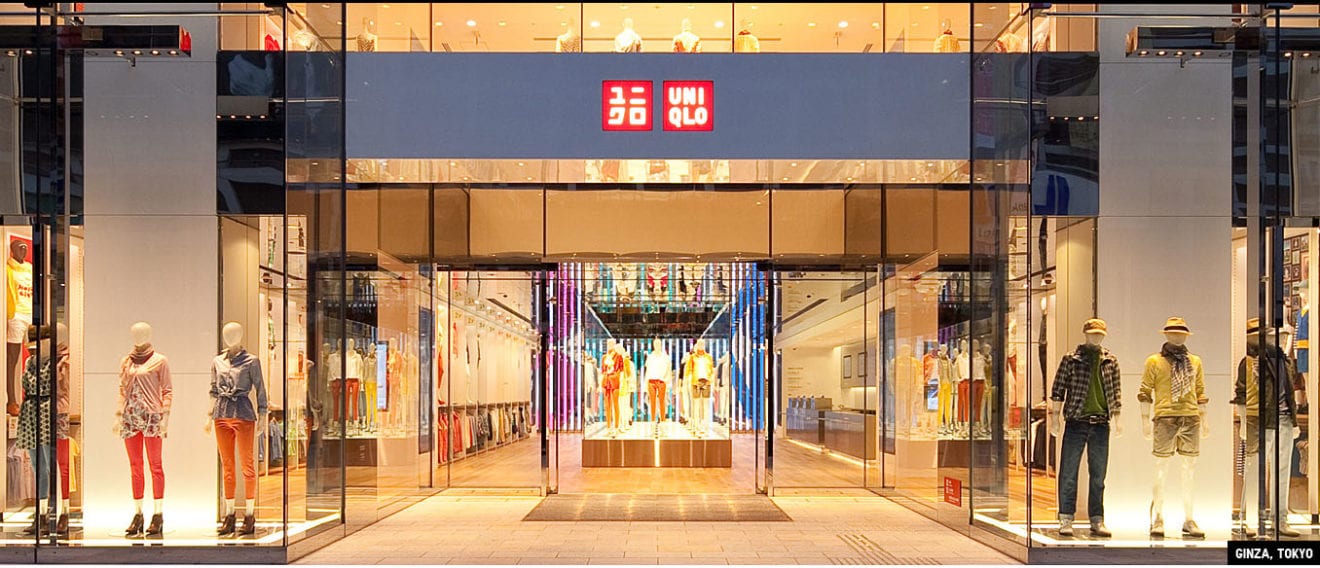
  • Uniqlo Unveils Ambitious Expansion Plan Amid Rising Demand In Asia

    Uniqlo Unveils Ambitious Expansion Plan Amid Rising Demand In Asia

    In a recent shake-up within the retail sector, the iconic Japanese fashion retailer, Uniqlo, has confirmed plans to expand its presence in Asia, unveiling an ambitious strategy to open 50 new stores across key markets in the region over the next year. This move comes as the company seeks to capitalize on the rising demand for affordable yet trendy apparel among Asia’s rapidly growing middle class.

    Accelerated Growth Amid Global Challenges

    Despite facing headwinds from global supply chain constraints and the lingering effects of the pandemic, Uniqlo’s executives remain optimistic. In a statement, the company highlighted its commitment to sustainable practices and innovative product offerings, which are expected to be central to its new store openings. As the world becomes increasingly eco-conscious, Uniqlo plans to leverage its reputation for quality and affordability to attract a loyal customer base.

    A Unique Brand Experience

    What sets Uniqlo apart from its competitors is its philosophy of “LifeWear”—a commitment to creating functional, everyday clothing that seamlessly blends style with comfort. The company is not just about selling clothes; it’s about crafting an experience that resonates with consumers’ lifestyles. With its latest initiatives, Uniqlo intends to enhance its in-store environment, incorporating technology that allows customers to engage with the brand in more meaningful ways. Imagine scanning a QR code and instantly discovering outfit inspirations!

    Responding to Consumer Trends

    The surge in online shopping during the pandemic has prompted Uniqlo to bolster its digital presence, complementing its physical stores. With a robust e-commerce strategy in place, the retailer is ensuring that its customers can enjoy a seamless shopping experience, whether online or in-store. In fact, with investments in AI and personalized marketing, shoppers may even find themselves greeted by name on their next visit. Talk about a warm welcome!

    Looking Ahead

    As the retail landscape evolves, Uniqlo’s expansion plans embody its belief in the resilience of brick-and-mortar stores, especially in vibrant markets like Asia, which brims with lifestyle enthusiasts eager to explore new fashion trends. The excitement around this expansion is palpable, and as many have noted, maybe it’s time to make some room in your closet!

    Questions & Answers

    What regions will Uniqlo focus on for its new stores?
    Uniqlo is concentrating on expanding in key markets across Asia, tapping into the growing demand for affordable fashion.

    How is Uniqlo adapting to changes in consumer behavior?
    The retailer is enhancing its digital presence and integrating technology into its shopping experience, allowing customers to engage with the brand more actively.

    What is the core philosophy behind Uniqlo’s product offerings?
    Uniqlo’s philosophy, known as “LifeWear,” emphasizes creating functional, everyday clothing that combines style and comfort, catering to the lifestyle of contemporary consumers.

  • Indian lingerie Clovia eyes international expansion over 5 years

    Indian lingerie Clovia eyes international expansion over 5 years

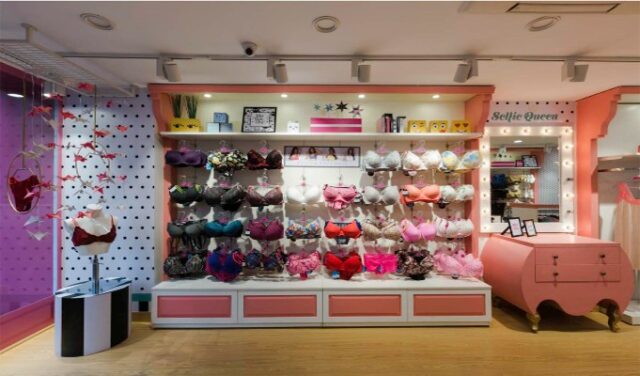
    Founder and Director, Neha Kant, says that apart from the 10 EBOs in Delhi, the brand has 2 EBOs in Gujarat and 1 in West Bengal. The average size of a Clovia store is between 275 and 400 sq. ft. “Aside from this, we are also present in 50+ shop-in-shops in these three states in India.” “We have also introduced a new distribution model – Clovia Partnership Program. Under this program, we invite women around the country to educate other women about sizing and fits and run their enterprise by selling Clovia products from the comfort of their home. At present, we have around 3,000 members on board,” she adds.

    Operating Model

    The lingerie brand sells through direct sales channels including exclusive brand e-store, partner websites like Myntra, Jabong, Flipkart and Amazon among others and also through offline retail outlets.

    “As a brand we want to be present at every customer touch point and offline was a natural progression for us. The intent was to make product touch-points that can be brand builders and self-sustaining at the same time. While online continues to grow profitably, offline helped us capture a completely complementary user base, while continuing to build the brand,” asserts Kant.
    “Our Noida office is also the central design hub. Designs and raw materials are shipped out to exclusive third party manufacturing units which have been incubated by us and work exclusively with us. Our skillful use of technology helps us ensure the industry’s most efficient mind-to-market and extremely tight inventory management. On the online front, we’ve innovated to deliver some of the best sales conversion rates. These innovations have ensured the company is operationally profitable since inception,” she adds.

    TG & Product Portfolio

    The brand’s target audience includes working women between the ages of 25-35 years and young girls aged between 18 to 24 who are either in college or have just entered the workforce.

    The brand designs, manufactures and sells premium fashion lingerie, innerwear, nightwear and shapewear. Tier II and III contribute to over 60 percent of Clovia’s orders.

    “Clovia has redefined the lingerie market by going beyond standard fits, colours and sizes. We offer customers a wide variety of choices in ‘everyday essentials’, along with ‘fashion solutions’ keeping up with customer’s evolving wardrobes,” says Kant.

    “As a brand which lives on feedback, and iterates its entire portfolio basis that, we are focused on a few major categories for now and have been slowly expanding our category focus. Clovia, started predominantly as a ‘bra & brief’ brand which extended into nightwear, shapewear and loungewear with time and demand. Within the categories, we’ve identified a lot of verticals for example: in bras, we have ranges for beginners and nursing mothers, as well as sizes till 44F. We launch 200+ new options including colours and prints per month across women’s bras, briefs, nightwear, shapewear, lounge wear, resort wear, swim wear, leisure wear and active wear categories,” she explains.

    The brand, which produces all its products in India, offers 2,000+ plus styles across categories.

    Supply Chain & Production Capacity

    Clovia is a full stack lingerie brand that controls every part of its supply chain from mind-to-wardrobe.

    “We procure raw material, design in-house, manufacture in third-party facilities working exclusively for us, ensure our own 4-level quality control and sell through a host of direct sale channels. Every product we create is first made in small quantities, monitored via state-of-the-art backend technology, which predicts future sales (based on sales patterns and customer feedback) and recommends what further quantities should be produced,” states Kant.

    At the moment, the brand is manufacturing almost a million units per month and ship close to 2 million units in a quarter.

    “We deliver pan India across 970 cities and to over 13,000 pin codes,” she says, adding, “Clovia has an established operating infrastructure with a 30,000 sq. ft. capacity warehouse and a wide distribution network with logistic partners pan India.”

    A Technology Forward Company

    Clovia uses smart technology and big data analytics for smart management of inventory ensuring that they have a highly consumer-relevant range all times with high sell-through rates resulting in industry best inventory holding.

    “We have set up a unique distribution system (both online and offline) which is based on direct interaction with customers, getting their direct feedback and using the same in planning the next product range. Big data played a big role here and this led to an extremely strong connect with our customers, leading to creation of a brand on the back of experience and not pure-play marketing,” she says.

    “We use smart technology and big data analytics to plan consumptions and purchase patterns. We stock the maximum number of SKUs in the industry with minimum inventory holding. Also, using technology for geographical understanding of tastes, we’re bringing structure to a traditionally unorganised market,” she further states.

    Future Plans

    The lingerie brand is expanding both in the online and the offline space with equal vigour. The brand is putting in the effort to understand audiences and nuances of each channel to ensure a true Omnichannel experience for customers and sellers. This is the key focus for Clovia over the next five to six quarters.

    “We have been operationally profitable,” she says.

    The brand currently generates around 15 percent of its revenue from offline channels and expects the revenue to witness a 50 percent growth in the current financial year.

    “Clovia gets over 55 percent of its total online sales through its own website which will maintain its share. The rest comes from online marketplaces such as Amazon,” Kant concludes.
  • Louis Vuitton India sales and profits surge

    Louis Vuitton India sales and profits surge

    Louis Vuitton India has reported a 24.5-per-cent increase in profit year on year, representing a doubling of income since 2017.

    Sales have grown by 41 percent since 2017 with the luxury retailer now operating three stores in the country, at Delhi, Mumbai and Bengaluru.

    The growth reflects a strengthening Indian luxury-goods market estimated to be worth about US$8 billion now and growing at a rate as high as 18 percent through to 2023.

    Louis Vuitton India’s net profit for the 2019 financial year was ₹16.17 crore (US$2.25 million), over ₹12.98 crores ($1.8 million) for the previous year, according to local regulatory filings.

    Globally, the company, LVMH recorded revenue of €53.7 billion last year, up 15 percent year on year.

    Meanwhile, LVMH India’s country manager Sunaina Kwatra has announced her intention to resign from the firm’s board.

  • Uniqlo Launches New Game Model Worn by Global Brand Ambassador, Roger Federer

    Uniqlo Launches New Game Model Worn by Global Brand Ambassador, Roger Federer

    UNIQLO, Japanese global apparel retailer announces that it will offer replica game wear and other items worn at the 2019 Wimbledon Championships by its Global Brand Ambassador, Roger Federer. Items will be available from July 1, 2019 (Monday) at UNIQLO Orchard Central Flagship store and UNIQLO.COM. The new game wear model was developed by the design team at the UNIQLO Paris R&D Centre, led by Artistic Director Christophe Lemaire, in consultation with Roger Federer.

    Roger Federer – “It’s now been a year since I partnered with UNIQLO, and I still clearly remember the excitement of first walking on court in UNIQLO at last year’s Wimbledon Championships. I’m thankful to the design team at UNIQLO, and I appreciate UNIQLO’s efforts to have a vision beyond sports through its LifeWear philosophy. I’m looking forward to this year’s outfit as well as the many more opportunities to come.”

    Roger Federer model: A classic design for a classic tournament – The Roger Federer polo features a classic cutaway collar and design that is well suited to this traditional tournament and Roger Federer’s elegant playing style.

    Jointly developed by UNIQLO and Toray Industries, Dry EX features a special arched structure that dries faster than ordinary dry function material, preventing the steamy and sticky feeling due to perspiration to maintain comfort throughout play. The raised structure is well suited to the strenuous movements of tennis. Highly breathable mesh has been used in areas that accumulate sweat, helping to avoid overheating and allowing the athletes to be at their best during competitions.

  • Zara to open at Changi Airport

    Zara to open at Changi Airport

    Spanish clothing brand Zara will open a shop in Singapore’s Changi Airport in May.

    The new store, in Terminal 3, is part of a broader plan by Singapore Zara franchisee, Dubai-based Al-Futtaim Group, to ramp up the Zara brand’s retail offer in the city state.

    In the same month, Al-Futtaim Group will reopen the brand’s store in Ion Orchard, in the heart of the Orchard Rd shopping strip, after an extensive renovation and expansion.

    The Zara expansion plan was outlined in concert with revelation of plans to refocus the Robinsons and Marks & Spencer operations in Singapore. Al-Futtaim Group also has Royal Sporting House in its retail brand portfolio.

    The company plans to open the first stand-alone Royal Sporting House Junior store at Suntec City in May, ranging footwear for those aged between six and 12.

    Kesri Kapur, head of the Al-Futtaim Group’s Asian business said the changes were about reacting to “the ever-evolving retail landscape” in Singapore.

    He said the relevancy of the mall space had to be balanced with the brand profile, shoppers’ consumption patterns and increasing competition as well as Singapore’s labour shortage, so the business “stayed relevant in the retail market”.

  • LOEWE’s 4th store in Korea opens

    LOEWE’s 4th store in Korea opens

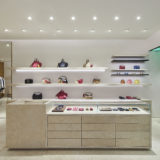
    Spanish brands LOEWE opened a women’s store on the second floor of the Hyundai Department Store. LOEWE is a Spanish leather brand with over 170 years of history and is now attracting the attention of global fashion people, led by designer Jonathan Anderson.

    According to LOEWE, the store is the 4th one to open in Korea, and Loewe plans on developing women’s bags, clothing, accessories and eye-wear in its newly opened store. In addition, the brand will present exclusive products for Hyundai Department Store in commemoration of the store opening.

    The concept of this store is known as ‘Casa Loewe’, designed by Brand Creative Director Jonathan Anderson, using materials such as Spanish limestone, walnut wood and concrete to feature strong mood.

    Eye-catching furniture exclusive to the store are displayed around the space. The brand had a specially-made carpet to show the LOEWE DNA “craftsmanship”.

    With the upcoming holiday season, LOEWE plans on releasing its “Mackintosh” capsule collection. Some items of the collection are exclusive to the Hyundai department store.

    While the newly opened store is one for women, LOEWE opened the men’s store in Galleria department store last October.

    View gallery below for pictures (5 images) :

  • Strong demand in Brunei for Muslimah fashion

    Strong demand in Brunei for Muslimah fashion

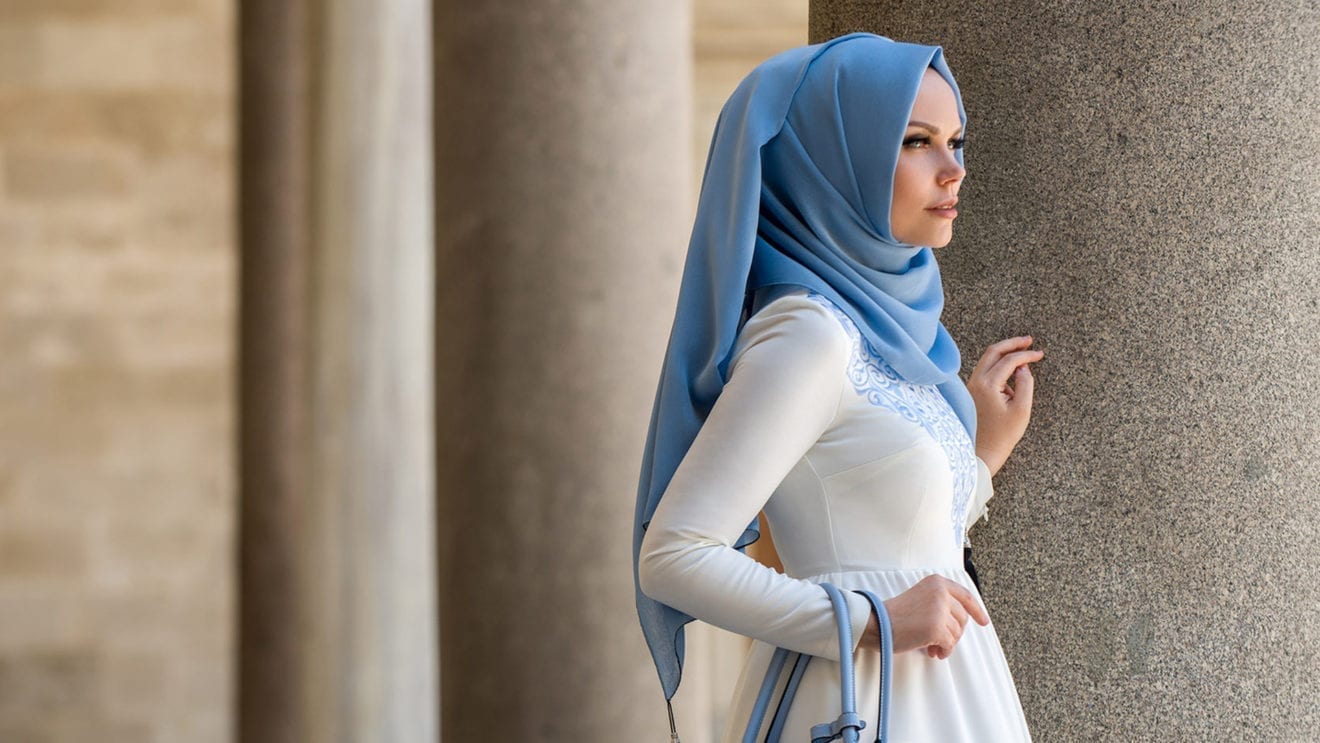
    Malaysian designers and retailers of Muslimah fashion brands have found a strong demand in Brunei following exhibitions in the sultanate.

    One of the owners of Malaysian Muslim fashion outlet Busana Saizara, Ani Aizara, says she found Brunei “a very good place to do business” when she attended this year’s Brunei International Trade and Consumer Exhibition (BITC) for the first time. She followed up by taking part in the Brunei Islamic Fashion Exhibition (Bifex) last month.

    Aizara says her sales were so overwhelmingly positive during Bifex she had to ship more items over to replenish her stock, and her company is now in discussions with online store Dee Collections, which is interested in carrying the brand in Brunei.

    “We will hopefully be signing an MOU very soon,” says Aizara.

    Another Malaysian fashion store, House of Doll, also received encouraging sales at Bifex, reports The Brunei Times. The company launched its Hijab body mists and doll scarves during the expo before launching them in Kuala Lumpur.

    A company spokesman says it has already found a reseller for its new products and will be looking for more Brunei distributors before the end of the year.

    Sakura Malaysia brand director Suraya Sharifuddin says her brand has a strong following in Brunei through online shopping portal Fashion Valet. She says her company’s fragrances are in high demand in Brunei and sold “like hotcakes” at the Kuala Lumpur International Hijab Fair (KLIHF) in Brunei early this year.

    “We usually hold sales for our products in Kuala Lumpur during Ramadhan, but then we decided to hold the sales exclusively at Bifex because of the overwhelming reception in Brunei,” says Sharifuddin.

    Sakura has teamed up with Brunei fashion boutique Melur for distribution, and Sharifuddin says the brand hopes to launch its own clothing line in Brunei.

  • Red Cloud kickstarts Far East raw denim culture

    Red Cloud kickstarts Far East raw denim culture

    Red Cloud is a name few major retailers have yet heard of – but watch this space…

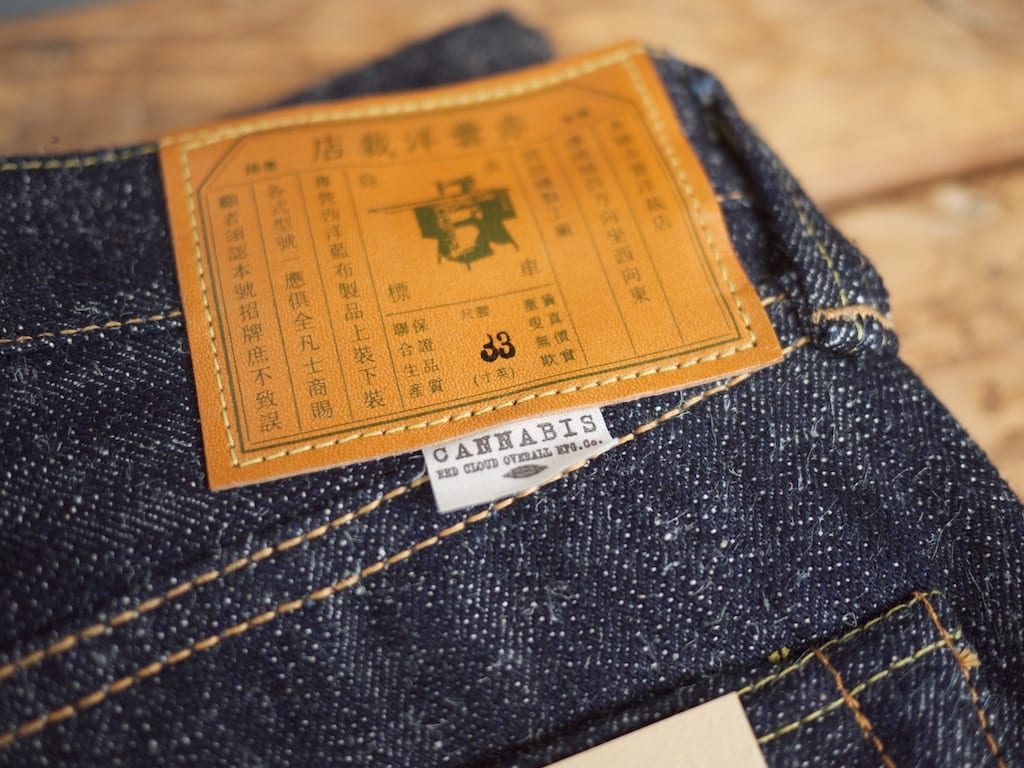
    Dubbed one of China’s first premium selvedge denim brands by influential fashion media monitor WGSN, it’s one of a new wave of independent denim makers carving out a new raw denim culture in Asia.

    Red Cloud’s new store is not exactly located in the heart of Hong Kong’s fashion highway – instead, you’ll find it tucked away in a narrow alley in Kwun Tong in Hong Kong’s industrial district.

    It’s the company’s second retail store, the first in its home city of Shenyang in the Mainland opened soon after the brand was founded in 2007.

    In an extensive interview with WGSN correspondent Anupreet Bhui, published online with photos of the store’s interior design, store manager Wan talks about the positioning of Red Cloud as a high end premium selvedge raw denim brand and how it has overcome the ‘Made in China’ tag.

    “The first thing that strikes you upon entering the shop is its old world charm garnished heavily with refreshing vintage interiors done up in a typical retro Hong Kong flavour that speaks out through its ceiling fan, authentic shop signage and hand picked furniture classics,” explains Bhui.

    “The shop is itself a labor of love by its owner Wan, who has hand built most of its fixtures and curated vintage furniture from all over Hong Kong and China. Wan is a good friend of Red Cloud founder Raymond and has helped him develop the business in Hong Kong as the sole distributer of Red Cloud & Co.”

    Wan says the shop has already built a fast-growing following among local denim connoisseurs.

    “At present there are a number of denim brands that are coming out in the market which may be selvedge and more expensive. However I really feel that for the consumer who truly understands high quality and authenticity, will continue to value Red Cloud & Co. Over these years, we are slowly but steadily building up our loyalist base who truly understand the difference. I am very optimistic about the future,” he told Bhui.

  • Gucci America goes into battle with Forever 21

    Gucci America goes into battle with Forever 21

    Gucci America has filed a lawsuit against US fast-fashion retailer Forever 21 for allegedly copying its trademark “blue-red-blue” and “green-red-green” stripe webbing.

    Included in the filing in a Californian district court is a motion to dismiss a Forever 21 complaint against a threat of trademark litigation from the Italian luxury brand, and counterclaims of trademark infringement and dilution as well as unfair competition.

    “Gucci America brings these counterclaims because Forever 21 has challenged its most valuable and widely known marks,” says the document, “and further because Forever 21’s legal assault, like its business model, is built on undermining the very notion of trademark protection, which is of critical importance to Gucci America’s brand.”

    The lawsuit follows cease-and-desist letters Gucci sent the retailer over of its use of the stripe webbing on several items. The pieces include silver and floral bomber jackets, a jumper featuring a butterfly, a jumper with a green tiger motif, and a choker – all lookalike designs with striped webbing. The items are not currently listed on the Forever 21 website.

    Forever 21 filed its case in June, seeking protection against a threat of trademark litigation. Its complaint said Gucci should not be allowed to claim that it alone has a monopoly on all blue-red-blue and green-red-green striped clothing and accessories.

    Responding to the latest action, Forever 21 says it brought its lawsuit because it believes its position has merit.

    To prove trademark infringement, Gucci must demonstrate a high degree of possibility that a consumer seeing the Forever 21 items could be deceived into believing they may be Gucci products or part of a collaboration with Forever 21.

    Forever 21 is already being pounded by lawsuits this year from other international brands.

    German sportswear brand Puma, also owned by Gucci parent Kering, this year filed a lawsuit claiming Forever 21 had copied three shoe designs from its Fenty Puma by Rihanna collection.  Swimwear brand Mara Hoffman is also suing Forever 21 for infringing copyright of its leaf print, and another German sportswear company, Adidas, claims Forever 21 has used its three-stripe trademark on footwear and clothing.

  • BeeBio aims to sweeten travel retail’s skincare offer

    BeeBio aims to sweeten travel retail’s skincare offer

    Key ingredients within the range include active medical grade Manuka honey – known for its healing properties – natural bee products (bee venom, Royal Jelly) and anti-oxidant botanicals from New Zealand. The products regenerate new skin cells by 80%, according to research conducted by the brand.

    BeeBio is performing strongly on the Australian domestic market, and earlier this year entered the inflight travel retail sector, with listings onboard Singapore Airlines, Hong Kong Airlines and Cathay Pacific. The brand is targeting a presence onboard 15 airlines by the end of the year.

    The BeeBio portfolio includes cleansing, moisturising and treatment lines. Star products include the Venomenous Bee Venom and Active Manuka Honey Anti-Aging Face Masque, Active Manuka Honey Eye Crème with Bee Venom, Royal Jelly Facial Crème and Active Manuka Honey Day Crème with SPF15. Body and hand care products are also available, while an anti-ageing serum is in the pipeline.

    “We believe we have a premium offer and want to go global,” Sales Director Liz Kolovos told The Moodie Report. “We are targeting travel retail expansion, and have already created special travel packs and exclusives for the channel.”

  • Pop-up Perfume Store by Louis Vuitton

    Pop-up Perfume Store by Louis Vuitton

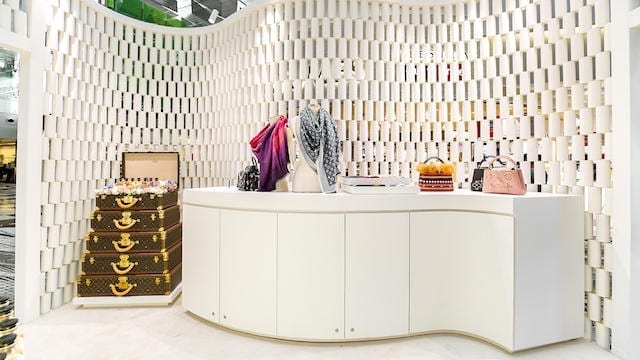
    All seven Louis Vuitton fragrances feature in a Les Parfums pop-up store at Changi Airport’s Terminal 2 until November 28.

    Louis Vuitton has also created a limited-edition (100 pieces) monogrammed orchid travel case exclusive to the pop-up.

    There is also a travel set including a travel bottle and seven perfume cartridges, along with a cartridge of Eau Neutre to clean the bottle and atomiser in between changes. The set is being launched in Singapore first.