Category: Fashion

Retail News Asia is committed to providing both local and global retailers with the latest Fashion news throughout the Asian market. This on a daily base.

  • Gentle Monster opens new China flagships in Beijing, Qingdao

    Gentle Monster opens new China flagships in Beijing, Qingdao

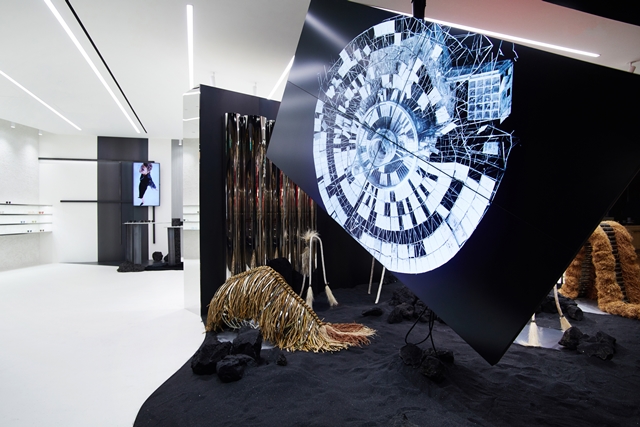
    GENTLE MONSTER announced the largest flagship store in the world will open on August 4th in Beijing Taikoo Li Sanlitun. “DATAIZED FUTURE” serves as the visual narrative theme for the flagship store. As mankind inhibits a fragmented and dislocated near future, visitors are allowed to express free movement, jumping across time and space. As the store relocates from the Taikoo Li Sanlitun North District to the South District, taking up a landmark location in the commercial area, the latest GENTLE MONSTER retail creation marks the brand’s 360-degree upgrade into the world’s largest mono-brand eyewear store in the world.

    The upgraded GENTLE MONSTER Beijing Taikoo Li Sanlitun flagship store presents multi-scale installations, images, and videos that occupy the space from the façade to the third floor. Together, they set in motion a series of static replacements and dynamic contrasts, creating subtle harmony through contrasting colors and materials. The GENTLE MONSTER Beijing Taikoo Li Sanlitun flagship store provides twice the number of styles and products as other stores. The flagship store will offer free repair services for the first time in the Northern China market. Special collaborations or product will also be launched here before any other stores. The third floor is home to only optical products, where shoppers can find professional optometrists in the exclusive optometry area.

    In 2016, GENTLE MONSTER opened its first-ever store in the China market in Beijing Taikoo Li Sanlitun North District. Its “Future Retail” proposition redefined the brick-and-mortar retail experience and has continued to reimage the future of retail. The brand quickly launched 17 flagship stores in 14 cities across China. In collaboration with high-end Beijing luxury department store SKP, GENTLE MONSTER curated the SKP-S department store, last year, it also brought the HAUS SHANGHAI concept to the storied Huaihai Road. As the brand’s launchpad in the China market, GENTLE MONSTER’s move to the South District, occupying the most prominent entrance space of Taikoo Li Sanlitun, gave the brand a chance to push further the expressive nature of retail art, enabling the store to become a new landmark for Taikoo Li Sanlitun.

    Occupying three stories and boosting more than 1,330 square meters, GENTLE MONSTER’s latest project marks the brand’s most prominent move in the China market. GENTLE MONSTER dove deeper into its unique DNA, disrupting conventional retail methodologies that prioritize efficiency and function. With “Future Retail,” GENTLE MONSTER offered a powerful retail experience by simultaneously presenting contrasting emotions, amplifying the brand’s singular worldview. For the first time in GENTLE MONSTER retail history, interior design extends to the exterior façade of the glass building, breaking free of physical boundaries.

    The opening of GENTLE MONSTER Beijing Taikoo Li Sanlitun flagship store marks the brand’s revolutionary move to unleash creative energy like never before. Expansive artistic vision and fresh retail experiences celebrate the brand’s continued pursuit to inspire and ignite the new generation of shoppers.
  • In Singapore, Zalora launches supermart-style pop-up with Adidas

    In Singapore, Zalora launches supermart-style pop-up with Adidas

    Zalora Group has unveiled a supermarket-inspired pop-up store in collaboration with Adidas at Bugis Junction, Singapore.  The Supermart by Zalora store is designed with a supermarket layout, featuring pop colours and Instagrammable corners. The pop up stocks more than 90 SKUs of Adidas, ranging from footwear, apparel, and accessories for men and women, and an exclusive range.  Through a ‘click-and-mortar experience’, customers visiting the store can purchase their favourite ite

    Through a ‘click-and-mortar experience’, customers visiting the store can purchase their favourite items by scanning the QR codes tagged on them and adding them to their cart on the Zalora app. The order will then be delivered to their doorstep.

    Zalora also partnered with three local artists, Hoon Jialing, Eman Raharno Jeman and Tiffany Tan, to create gift-with-purchase packaging with graphic artwork that incorporates the brand and artists’ aesthetics. Marking the launch, Zalora is also running an interactive game to further engage with its customer.

    The Supermart by Zalora will open until August 12.

  • Amiri continues retail expansion with new Japan flagship store

    Amiri continues retail expansion with new Japan flagship store

    Following the recent news of the label’s Shanghai flagship store, AMIRI continues to expand their Asian presence with the opening of its latest bricks-and-mortar outpost in Tokyo, Japan.

    Situated in the city’s iconic fashion district, Minami-Aoyama, the store builds on the aforementioned international opening as a part of AMIRI’s ambitious global rollout. Embodying their relaxed, West Coast approach, the new space marries warmth, intimacy and modernism, taking cues from the brand’s established retail blueprint and expands by using the city’s personality as a springboard for design.

    Spanning two floors and a total of 155.6m2, the glass-fronted building features the likes of white concrete walls punctuated by suspended rails in brushed chrome, marble accents, oak podiums, artisanal checkerboard rugs and artwork by friend of the brand, US artist Wes Lang.

    Playing host to the full range of Men’s and Women’s ready-to-wear collections, accessories, footwear and leather goods, in typical style, the store also offers an exclusive Tokyo capsule collection for visitors which integrates a reimagining of AMIRI’s signature bones stack motif in the red and white of Japan’s national flag,

    Check out some shots of the new store below and check it out for yourself at: 5-3-27 Minami Aoyama Minato, Tokyo, Japan 107-0062.

  • Maybelline to shut all stores in China

    Maybelline to shut all stores in China

    The L’Oréal-owned American cosmetic brand Maybelline is gradually shuttering all of its physical stores across China as it aims to shift its focus in the market to online, the brand confirmed Wednesday.

    In a statement sent to local media, the brand said, “In response to changes in the market and consumer demand, Maybelline New York has been gradually strategically transforming its traditional offline channels since 2020 to achieve a cohesive online and offline shopping experience and to bring consumers a more diverse beauty shopping experience.”

    Customer service from the brand further revealed that the timeline for store closures is not clear so far, but counters within the drugstore chain Watson’s will continue to operate.

    The century-old beauty brand, acquired by L’Oréal in 1996, entered the Chinese market in 1997 and soon became a popular choice for a large number of women who moved from the countryside to big cities in pursuit of an office job as the nation was shifting to a service industry-led economy at the time.

    Maybelline was a key player in the affordable cosmetic sector through brick-and-mortar channels such as supermarkets and department stores, but the brand in recent years failed to catch up with local competitors and adapt to the disruptive Chinese e-commerce model.

    The brand withdrew from the supermarket channel in 2018 and began to leave department stores in 2020.

    This shift coincides with the rise of C-beauty brands, as well as L’Oréal gradually pivoting its focus toward the prestige category.

    Data from market researcher Qianzhan Industry Research Institute shows that Maybelline’s market share in the Chinese market fell to 4.9 percent last year from 10.7 percent in 2018, while Florasis and Perfect Diary became two of the most popular brands, taking market shares of 6.8 percent and 6.4 percent, respectively.

  • Puma raises revenue outlook, handling China woes better than Adidas

    Puma raises revenue outlook, handling China woes better than Adidas

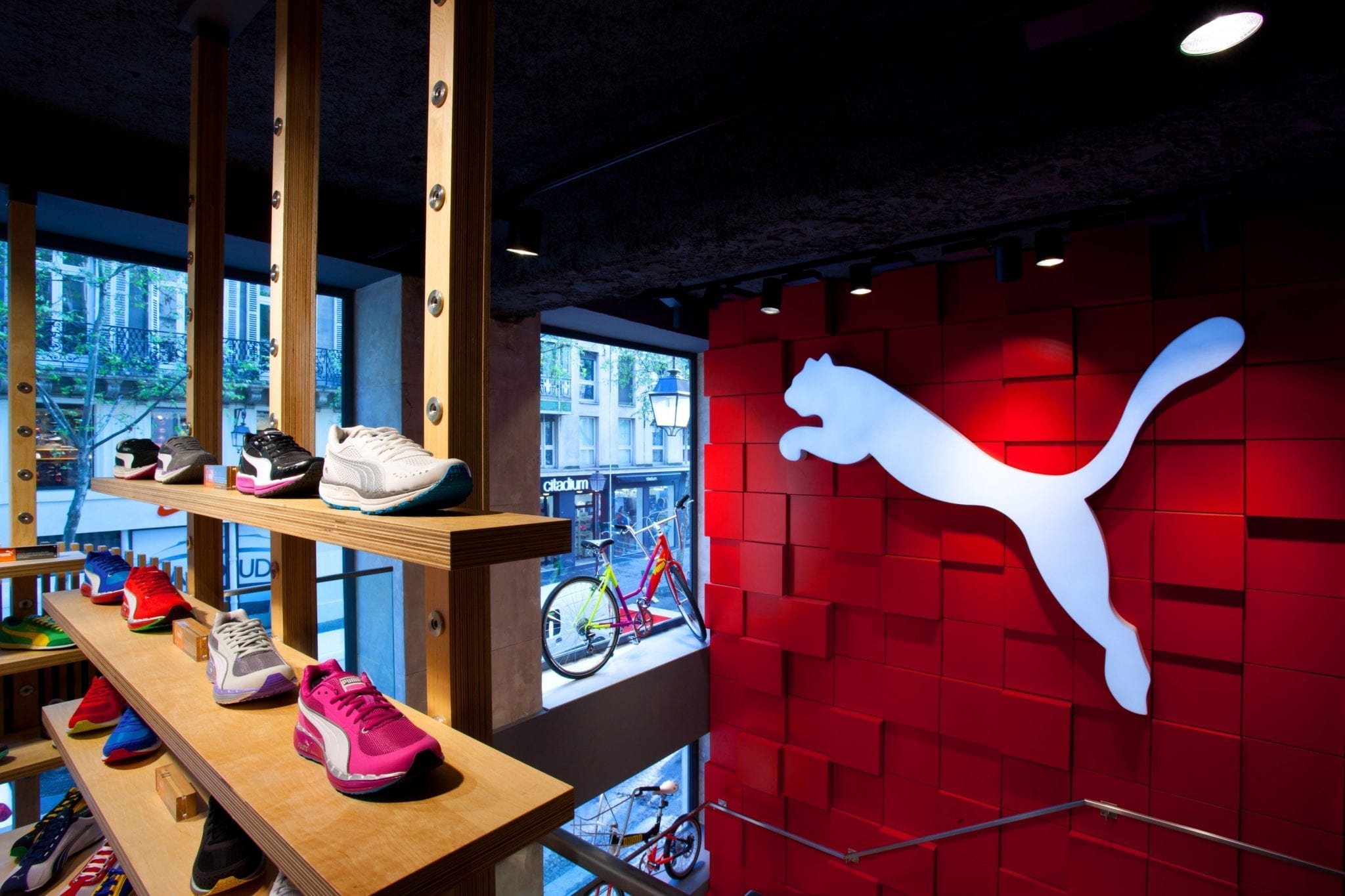
    German sportswear maker Puma reported stronger-than-expected second-quarter earnings on Wednesday and raised its full-year revenue outlook, coping with headwinds in China better than rival Adidas.

    Puma said its earnings before interest and taxes (EBIT) rose 34.4% on the year to 146 million euros ($148 million), compared with analysts’ average forecast for 128.94 million euros.

    It raised its full-year sales forecast to a mid-teens percentage rise in currency-adjusted terms, from at least 10% – with upside potential – previously, and maintained its full-year EBIT guidance.

    Adidas on Tuesday cut its 2022 earnings target, citing a slower-than-expected recovery in China from pandemic restrictions.

    “It’s not easy for everyone,” Puma Chief Executive Bjorn Gulden said, adding his company “cannot expect growth in China in 2022”.

    But he said: “We feel that the increased investments into R&D, innovation and product development over the past years are starting to pay off.”

    Second-quarter sales rose 18.4% in currency adjusted terms to 2.002 billion euros. The company said it saw strong growth in all its performance categories, such as running, training, team sports, golf and basketball.

    Adidas blamed COVID-19 restrictions in China for a sales slump there. Puma’s Gulden saw the main reason as calls for boycotts against Western textile firms, which have been targeted on social media, in response to Western criticism of China’s treatment of the Uighur minority in the Xinjiang region.

    In late June, Puma rival Nike forecast first-quarter revenue below estimates as it expected to discount more and wrestled with pandemic-related disruptions in China, its most profitable market.

    “We do see an increased level of uncertainty around the world,” Gulden said, but added: “I remain optimistic for our sector in general and the PUMA brand in particular”.

  • LVMH sales soar despite China slowdown

    LVMH sales soar despite China slowdown

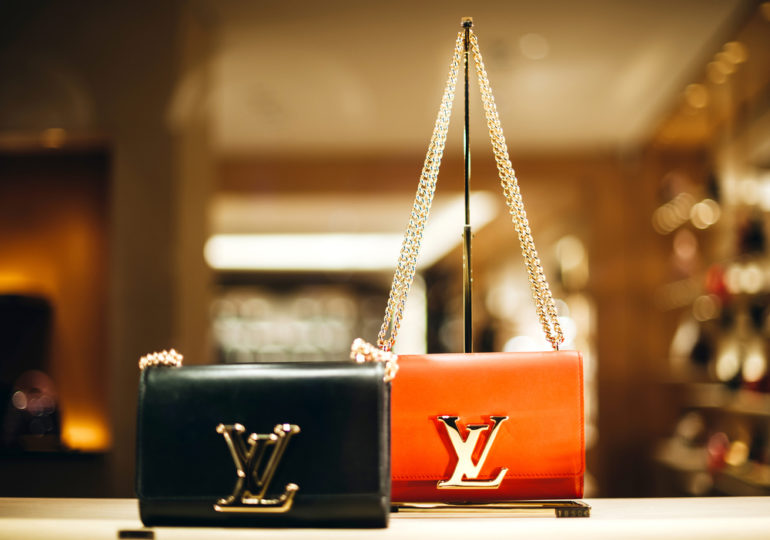
    LVMH sales jumped in the second quarter as the owner of Louis Vuitton and Dom Perignon continued to thrive in spite of concerns about slowing economic activity.

    The luxury conglomerate was helped by strong sales of its fashion and leather goods. Solid results in Europe, the US and Japan also helped offset a poor performance in China, which suffered due to lockdowns in the second quarter.

    The results underscore the French company’s resilience. LVMH’s diverse offerings — from handbags to spirits to luxury hotel stays — and global footprint are enabling it to withstand a worsening economic outlook. It also shows that well-heeled customers aren’t feeling a global surge in inflation that has caused lower-income shoppers to rein in spending at retailers such as Walmart Inc.

    LVMH’s biggest brand, Louis Vuitton, has been able to maintain profitability “at an exceptional level,” during the first half, the company said. Its executives have been actively restricting entry-priced products such as its classic monogram-coated canvas bags. Instead, the brand is promoting higher-priced leather handbags.

    “The top end of the portfolio has done better than the entry price, but it’s on purpose because we intend to rebalance the two,” LVMH Chief Financial Officer Jean-Jacques Guiony said about Vuitton’s strategy during the analyst call.

    Geographically, LVMH was helped by a 48 percent revenue recovery in Europe, followed by solid rebounds in Japan and the US. Asia, excluding Japan, barely grew during the quarter.

    LVMH’s outlook on the US economy isn’t “particularly gloomy and pessimistic,” Guiony said, citing recent quarterly performance. “We’re trying to manage the business for the growth it can generate.”

    Should there be a downturn, Guiony said LVMH would react swiftly by cutting costs and store openings. Past experience, notably during the 2008 global financial crisis, has shown LVMH has a “strong rebound capacity,” he added.

    In China, store traffic is still “way below” last year’s levels, Guiony said, adding that LVMH is waiting to see how demand evolves there.

    The luxury conglomerate didn’t experience pushback from customers after raising prices across the board this year, mostly in the first quarter. Guiony doesn’t expect LVMH’s fashion and leather brands to be very active when it comes to further price increases in the second half of the year. Thanks to the recent appreciation of the dollar against the euro, LVMH noticed more American tourists spending in Europe toward the end of last month, Guiony said.

    LVMH’s wine and spirits division was a notable outperformer during the period. The division — which suffered some supply constraints in the past — bounced back with organic revenue jumping 30 percent. It was helped by demand for Champagne in Europe, the US and Japan, as well as price increases for Hennessy Cognac.

    First-half profit from recurring operations rose to 10.24 billion euros ($10.35 billion). Analysts expected 9.51 billion euros. Organic revenue for its biggest fashion and leather goods unit in the second quarter grew 19 percent, better than the 17 percent gain analysts expected.

  • Vestiaire Collective launches in South Korea

    Vestiaire Collective launches in South Korea

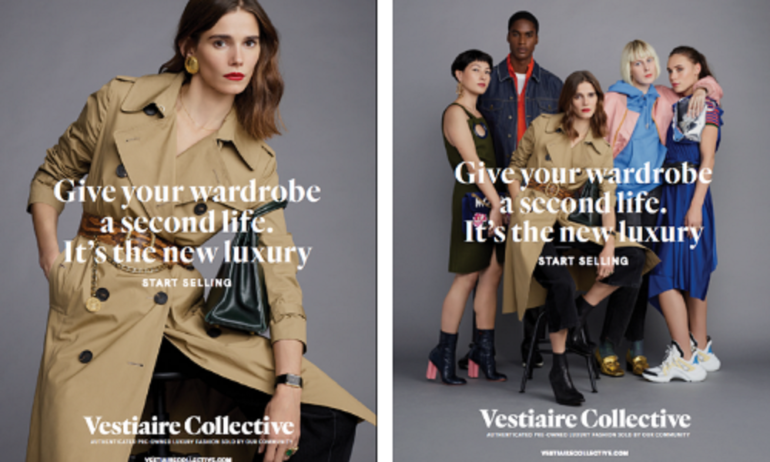
    Online fashion resale platform Vestiaire Collective said on Wednesday it is expanding into South Korea, choosing the fast-growing luxury market as a springboard for a deeper push into Asia.

    The expansion of the Paris-based tech start-up that hit unicorn status last year comes as pre-owned fashion sales continue to grow quickly, fuelled by young, environmentally conscious shoppers seeking bargains for second-hand clothing.

    The platform will be available in Korean and the company is adding an authentication site to its operations in Seoul.

    While luxury labels have traditionally been wary of secondhand sellers, an increasing number are exploring ways of getting involved in the market, partly as a way to engage with younger consumers or to provide an extra service to high-spending shoppers.

    Investors in Vestiaire Collective include French luxury group Kering SA which took a 5% stake last year, as well as private equity firm Eurazeo SE, Japan’s SoftBank Group, U.S. investment firm Tiger Global Management and Vogue publisher Conde Nast.

    Founded in Paris in 2009, the platform sells fashion and leather accessories from luxury labels such as Louis Vuitton, Gucci, Prada and Dior, and in May marked its highest transaction – a Birkin handbag from Hermes that sold for 158,000 euros

  • TUMI Featured In Sony Pictures’ Upcoming Summer Film ‘Bullet Train’

    TUMI Featured In Sony Pictures’ Upcoming Summer Film ‘Bullet Train’

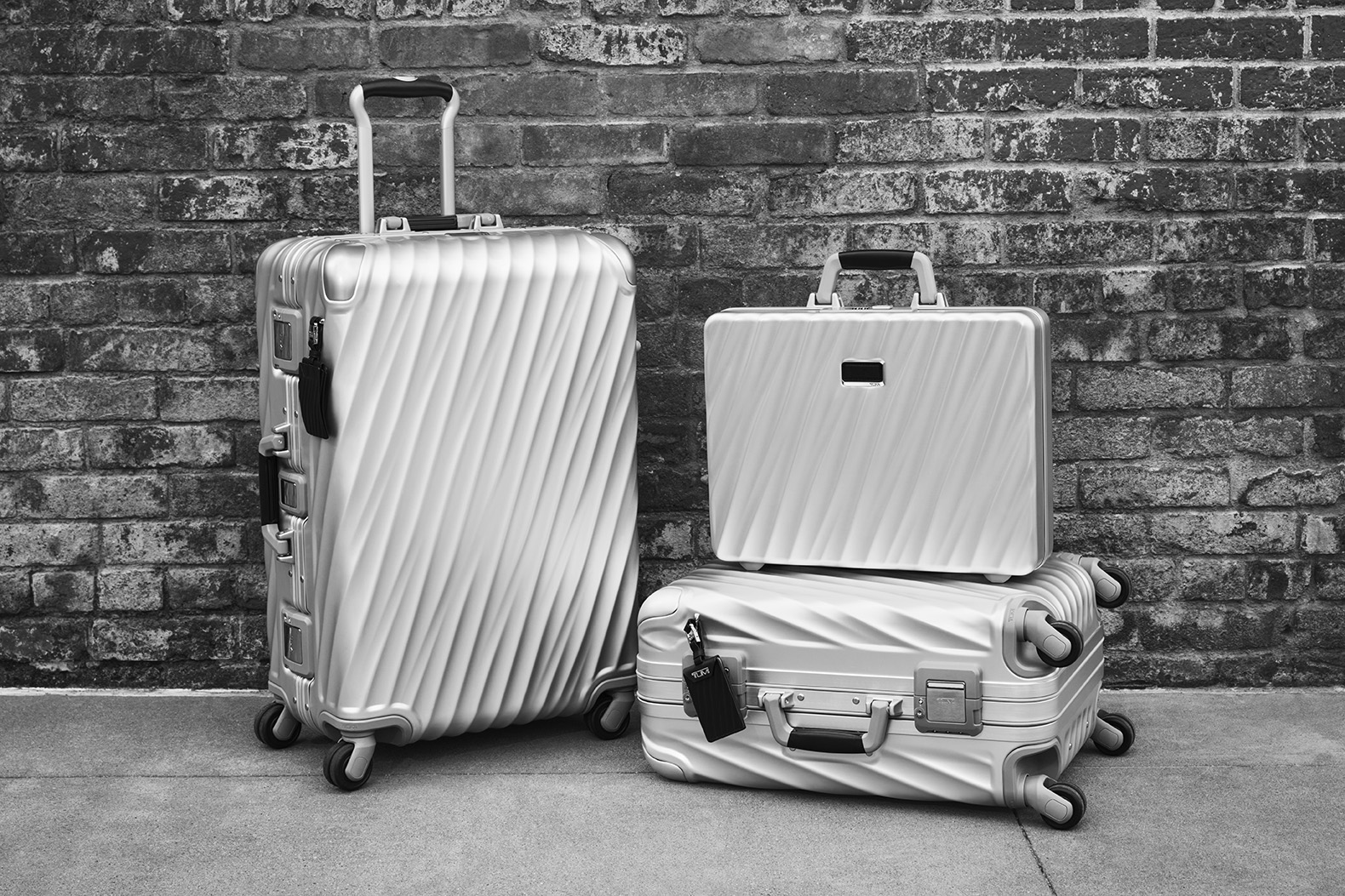
    Today TUMI, a leading international travel and lifestyle brand, unveiled its 19 Degree Aluminum Briefcase which is featured in Sony Pictures’ upcoming original action thriller “Bullet Train”, exclusively in theaters. 

    In the film, Ladybug is an unlucky assassin determined to do his job peacefully after one too many gigs gone off the rails. Fate, however, may have other plans, as Ladybug’s latest mission puts him on a collision course with lethal adversaries from around the globe—all with connected, yet conflicting, objectives— centering around the TUMI 19 Degree Aluminum Briefcase on the world’s fastest train. The end of the line is just the beginning in this non-stop thrill-ride through modern-day Japan from David Leitch, the director of Deadpool 2.

    Leading up to the film’s theatrical release in North America on August 5th, TUMI will be activating an integrated marketing program that includes a global red-carpet premiere and a variety of digital and in-store promotional activities. 

    “There was only one luggage brand who had enough style to fit in with the film’s all-star cast as well as the durability that could go head to head with an ensemble of assassins on one of the world’s fastest trains and that was TUMI, which perfectly fits in with this edgy, action-packed film,” said Jeffrey Godsick, EVP of Global Partnerships and Brand Management and Head of Location Based Entertainment at Sony Pictures Entertainment. 

    Equally striking from a distance or at close range, the TUMI 19 Degree Aluminum Briefcase boasts a sleek, aluminum crafted exterior with bespoke design and durability top of mind. This limited-edition briefcase features a “Bullet Train” patch card pocket with the “Bullet Train” logo in addition to a branded luggage tag.  Through the TUMI “Bullet Train” collaboration, only 150 limited-edition briefcases will be available starting July 20th worldwide across select TUMI stores and TUMI.COM. Please check your local TUMI website for pricing. For those unable to get one of these limited TUMI collector’s items, they can visit TUMI.COM to shop the full TUMI 19 Degree Aluminum collection, which is highly durable, and boasts a modern silhouette with fluid-looking, strategically contoured angles.

    “TUMI is synonymous with quality, durability, toughness and is always looking to the future for inspiration. As the screen writers and director started laying out what the environment would look like in the film, TUMI was at the top of their list. They looked to TUMI for a hero case that has  the aesthetics and durability to be able to surpass the battles that ensue throughout this epic journey,” said TUMI Creative Director, Victor Sanz.


  • Love, Bonito launches a flagship in Hong Kong

    Love, Bonito launches a flagship in Hong Kong

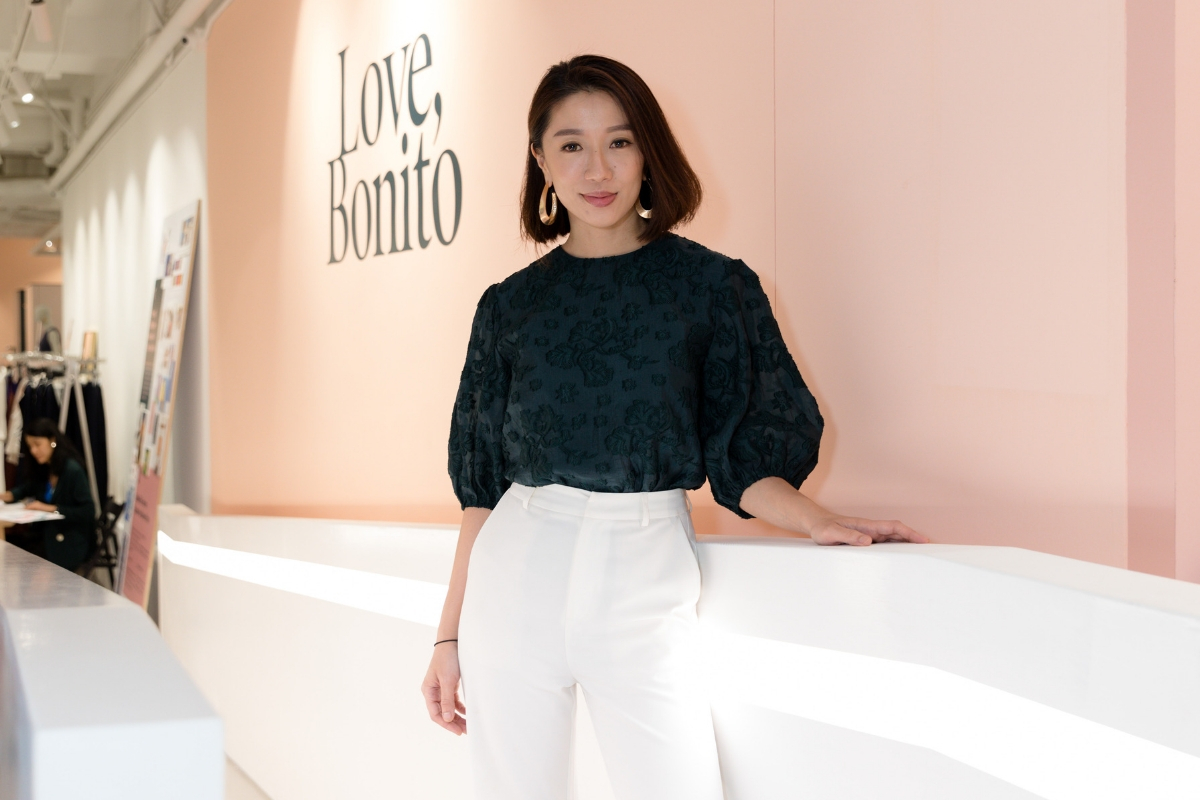
    ​Southeast Asia leading womenswear brand, Love, Bonito, officially opened its Hong Kong flagship store today (July 22), as part of its global expansion plan to capitalise on its growth momentum and develop a stronger presence in the city.

    The new flagship store is located in the heart of Central and measures over 2,000 square feet, offering Asian-centric fit and functional, yet trendy, women’s clothing. Since the brand’s debut in Hong Kong with a pop-up store in 2019, followed by its localised website launched in 2021, Love, Bonito has continued to grow its local customer base, according to the company’s Regional Director of Hong Kong and Taiwan, Ms Christina Wang.

    Ms Wang said, “We have seen tremendous double-digit growth in Hong Kong through our online channels and successful string of pop-ups. Our range is popular amongst local ladies who are financially independent, assertive, and career-focused. With the popular demand for Love, Bonito we are excited to finally have a physical footprint in the city.”

    She added, “Hong Kong as an international city is one of our key target markets. Aside from supporting omni-channel sales, expansion, marketing and retail operations in the city, the team is also looking to explore more experiential hub opportunities with the aim of developing a stronger direct-to-consumer omni-channel presence.”

    Associate Director-General of Investment Promotion Mr Charles Ng, welcomed the opening of Love, Bonito’s flagship store in Hong Kong. He said, “Love, Bonito has steadily grown in the Hong Kong market through creative use of pop-ups and online, and is now expanding their presence with the flagship store. Hong Kong is a great place for brands to reach out to both consumers and potential investors alike.”

  • Lululemon eyes massive growth in China

    Lululemon eyes massive growth in China

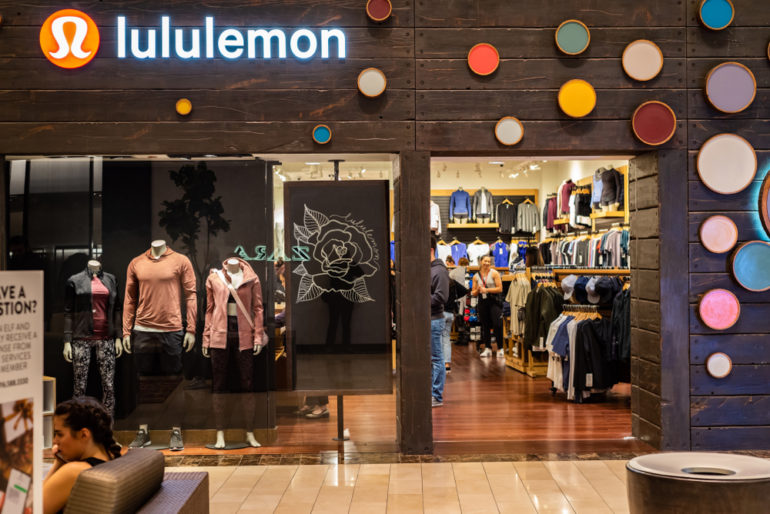
    Lululemon is on track to make China its second-largest market by 2026 through an extensive store expansion in the country, according to China Daily.

    The athleisure apparel brand said it aims to increase its store number in the country – currently 71 – to 220 over the next five years. These stores include flagship stores and community-based stores.

    “Our new goal is to quadruple our international business again by 2026,” Calvin McDonald, CEO of Lululemon, told China Daily in an exclusive interview. “The Chinese mainland will be a big part of that opportunity as we continue to invest in the market, in stores, in digital and build a community.”

    The China lockdowns caused nearly a third of Lululemon’s stores to temporarily close for a period of time. Lululemon aims to open the majority of its 40 new stores in Mainland China where it has achieved a cumulative annual growth rate of 60 per cent during the past three years.

    The retailer also forecasts its digital expansion will double the company’s revenue in five years after it tripled between 2018 and 2021.

  • Burberry held back by China lockdowns and US weakness

    Burberry held back by China lockdowns and US weakness

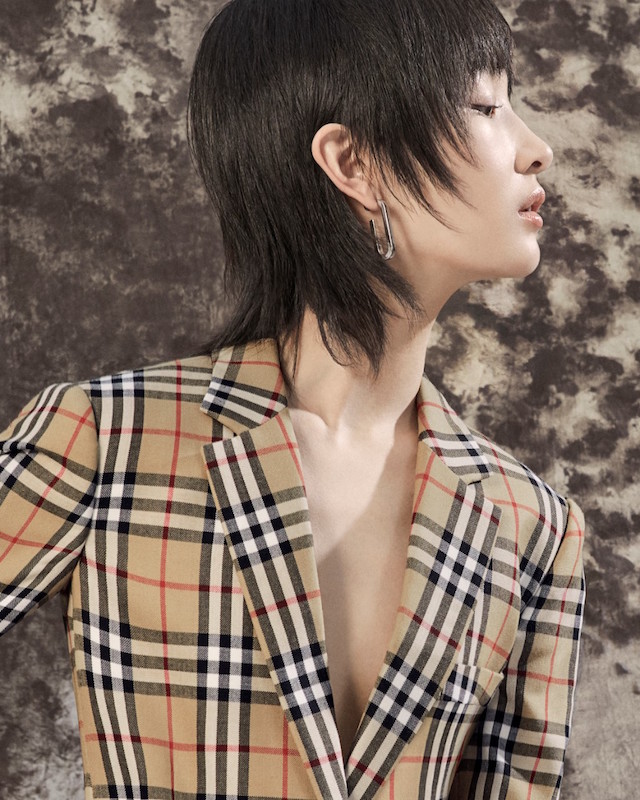
    Luxury brand Burberry was hurt by lockdowns in its biggest market China and an abrupt reversal in fortunes in the Americas, limiting its first-quarter sales rise to 1 per cent.

    The British brand, known for its red, black and camel check and TB monogram, saw comparable sales in mainland China plunge 35 per cent as Covid-19 lockdowns disrupted stores and distribution.

    All its stores were open by the end of June, Chief Financial Officer Julie Brown said, and the company was “encouraged” by how they were performing, but testing requirements were holding back the return of some shoppers.

    Luxury rival Richemont also felt the shortfall in mainland China, where its sales were 37 per cent lower for the quarter.

    Outside China, Burberry reported a 16 per cent rise in comparable store sales, with Europe up 47 per cent, helped by store ranges tailored to local demand rather than to still absent tourists from Asia.

    But the Americas, Burberry’s best performing region last year, went into reverse, with comparable store sales down 4 per cent.

    Brown said leather bags and outerwear were selling well, but “sneakers and slides – the shoe business – and the small leather goods category (were) somewhat weaker.”

    “I think this is largely because people have changed from staying in and wearing casual wear to be going out a lot more now than they were before,” she said.

    Shares in Burberry, which are down 20 per cent over the last 12 months, fell 7 per cent in early deals on Friday.

    Brown said Burberry was facing increases in transportation, commodity and labour costs, but it was managing them by focusing on procurement efficiencies.

    “We’re also very conscious of the pressure on the people and communities,” she said. “But in terms of business overall, we’ve not seen a major pressure on younger consumers at this point in time.”

    Burberry said its medium-term target of high-single digit revenue growth and 20% margins was unchanged.

  • Lululemon eyes massive growth in China

    Lululemon eyes massive growth in China

    Lululemon is on track to make China its second-largest market by 2026 through an extensive store expansion in the country, according to China Daily.

    The athleisure apparel brand said it aims to increase its store number in the country – currently 71 – to 220 over the next five years. These stores include flagship stores and community-based stores.

    “Our new goal is to quadruple our international business again by 2026,” Calvin McDonald, CEO of Lululemon, told China Daily in an exclusive interview. “The Chinese mainland will be a big part of that opportunity as we continue to invest in the market, in stores, in digital and build a community.”

    According to MarketBeat, the China lockdowns caused nearly a third of Lululemon’s stores to temporarily close for a period of time. Lululemon aims to open the majority of its 40 new stores in Mainland China where it has achieved a cumulative annual growth rate of 60 per cent during the past three years.

    The retailer also forecasts its digital expansion will double the company’s revenue in five years after it tripled between 2018 and 2021.

  • World’s first Nike Style store opens in Seoul

    World’s first Nike Style store opens in Seoul

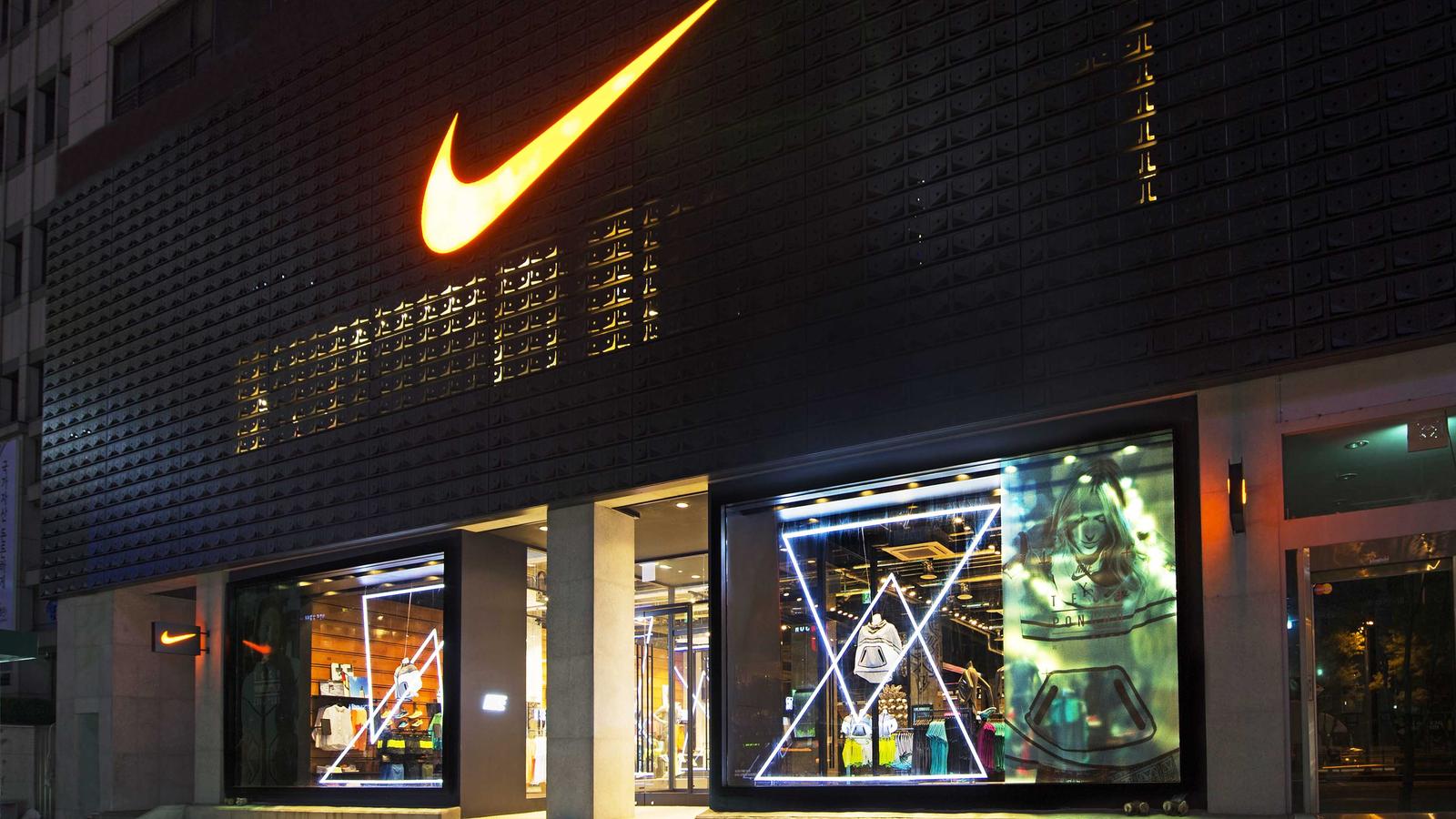
    Nike has introduced its latest retail concept, Nike Style, with the first store opened in South Korea, to be followed by more across multiple international markets.

    The Nike Style concept store is located in the bustling Hongdae neighbourhood, which is known for its art and fashion culture. Gender-agnostic zones are featured throughout the store for fleece, tops, footwear, accessories, and other style-led collections. The new retail concept is expected to “expand the definition of sport” that blurs the line between physical and digital.

    The store houses a content studio with customisable backdrops for local creatives, product experts and shoppers to create content for social media. Customers can scan QR codes for AR experiences related to product innovation and even the surrounding art installations. The store also offers Nike By You workshops and Snkrs Lounge events for its members.

    “The Hongdae neighbourhood holds a strong relationship with the sneaker and neighbourhood-retail community,” the company said in a statement. “With the Style retail concept, Nike helps broaden the aperture of sports retail culture by continuing to blend physical and digital experiences.”

    A second Nike Style store is set to open its doors in Shanghai later this year, with the concept to be expanded into other countries in the future. Nike Style is the latest Nike’s concept, following the House of Innovation, Nike Live and recently Nike Rise.

    The launch of Nike Style in Seoul follows the opening of a 24,000sqft Nike Rise store in Seoul last year, the first of its kind in South Korea.

  • Gap CEO walks the plank as Old Navy’s woes worsen

    Gap CEO walks the plank as Old Navy’s woes worsen

    Gap shares slid more than 18% Friday after the company slashed its sales outlook for the first quarter of fiscal 2022, citing what it called “execution challenges” its Old Navy business, and announced the CEO of that division, Nancy Green, will leave her post this week.

    Gap is now projecting low- to mid-teens declines compared with the prior year, adjusted from an earlier forecast that called for mid- to high-single-digit declines.

    Chief Executive Sonia Syngal will work closely with the Old Navy team as it searches externally for Green’s successor, the company said Thursday evening.

    News of Green’s abrupt departure comes as Gap struggles to weather continued logistics disruptions and rising inflation that threatens to curtail consumer spending.

    A snarled supply chain has been particularly hard on its Old Navy division, which targets a lower-income consumer, the company said when it reported quarterly results in early March. Delayed shipments have meant the retailer hasn’t had enough merchandise on hand to meet shopper demand in some instances.

    In its fiscal fourth quarter, same-store sales at Old Navy were flat compared with 2019 levels.

    Gap said Thursday that it has also taken a “more aggressive approach” to balancing its merchandise assortment at Old Navy, which has resulted in higher promotional levels. It didn’t further clarify the issue, but more markdowns are likely weighing on the retailer’s profits.

    Gap said it will provide an updated fiscal 2022 outlook when it reports quarterly results on May 26.

    “As we look to seize Old Navy’s potential, particularly amidst the macroeconomic dynamics facing our industry, we believe now is the right time to bring in a new leader,” Syngal said, regarding Green’s departure.

    She added that the company is looking for someone with the “operational rigor and creative vision” to execute on the retailer’s plan.

    Gap’s stock is down about 35% year to date including Friday’s declines.

  • Modibodi acquired by Swedish multinational Essity for $140 million

    Modibodi acquired by Swedish multinational Essity for $140 million

    Australian leakproof apparel pioneer Modibodi has been bought by Swedish hygiene and health company Essity in a deal worth $140 million.

    Essity, which owns the Tena brand of disposable incontinence products, says the acquisition will strengthen its position in the leakproof apparel market which it describes as the fastest-growing segment in the intimate hygiene category.

    “Modibodi has the qualities we are looking for with leading market positions, strong brand and sustainability credentials as well as excellent digital marketing and e-commerce capabilities,” said Magnus Groth, president and CEO at Essity.

    Modibodi was founded by its CEO Kristy Chong nine years ago and has a strong market presence in Australia, New Zealand and the UK. Last year’s sales were around $56.7 million, representing on-year growth of 18 per cent. EBITDA was $5.6 million.

    In a statement issued by Essity, Chong said that as a global leader in hygiene and health, the Swedish company “can provide the expertise and capital to take the brand forward during its next phase of growth, and achieve even greater impact”.

    The deal was one of two acquisitions in the category confirmed by Essity overnight on Friday. The company will also purchase an 80-per-cent stake in Knix, a Canadian e-commerce startup that designs and sells leakproof underwear, swimwear, bras and other apparel. That deal was valued at A$459 million The founder and CEO of Knix, Joanna Griffiths, will retain the balance of the shares and continue as president.

    Strong growth projected in leakproof market

    Essity expects the leakproof apparel market to grow by more than 20 per cent in each of the next five years and Modibodi will join the company’s existing brands in the sector, including Libresse, Bodyform, Saba and Tom Organic.

    Founded five years ago, after being sun off by FMCG giant SCA, publicly listed Essity also sells single-use products such as tissue paper and baby diapers, along with solutions for compression therapy, orthopaedics and wound care.

    The company has 46,000 employees worldwide and reported net sales of $18 billion in 2019. Its name is a compression of the words essentials and necessity.

    Modibodi’s range includes leakproof apparel for periods and incontinence including underwear, swimwear, activewear and maternity wear. It sells online in a direct-to-consumer business model, as well as through retailers, both online and offline. The Sydney-headquartered company has 45 employees.

    Essity said it expects to finalise the deal during the second half of this year.