Category: Fashion

Retail News Asia is committed to providing both local and global retailers with the latest Fashion news throughout the Asian market. This on a daily base.

  • Canada Goose ramps up Japan expansion with Sazaby League

    Canada Goose ramps up Japan expansion with Sazaby League

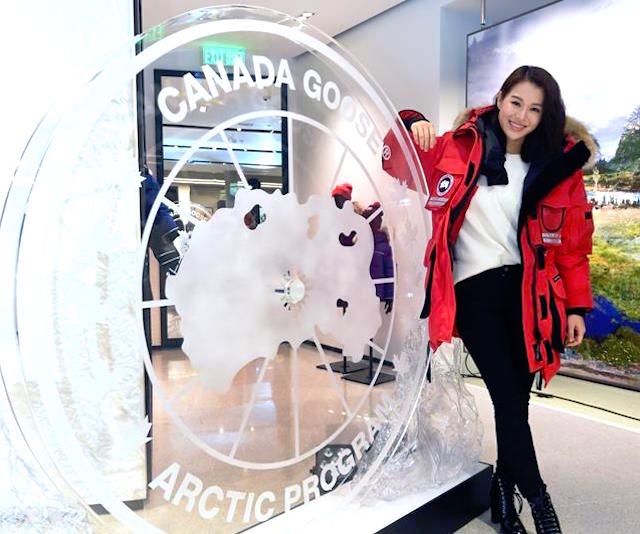
    Canada Goose Holdings Inc. (“Canada Goose” or the “Company”) and longstanding partner Sazaby League Ltd. (“Sazaby League”) have entered into an agreement to create the joint venture Canada Goose Japan, with plans to accelerate DTC expansion, including stores.

    This agreement will replace an exclusive national distributor arrangement between Sazaby League and Canada Goose. Commencing in April, the existing distribution will be assumed by the joint venture, of which each partner will own 50 per cent. Current distribution includes a permanent Canada Goose retail store in Tokyo, a national e-Commerce site, as well as wholesale points of distribution across the country. The new operating model is expected to significantly increase revenue and gross profit per unit from the existing business. Canada Goose Japan is also expected to generate C$60m – C$65m in total revenue in fiscal 2023, which is roughly double the contribution from this market in fiscal 2022.

    “Japan is one of the world’s largest and most influential luxury markets and has long been an important consumer market for Canada Goose,” said Dani Reiss, President & CEO, Canada Goose. “This new agreement sets the stage for the acceleration of our growth in Japan, across both DTC and wholesale. We are excited to expand our existing operations with Sazaby League and know their successful history building strong consumer brands in the market will help drive us forward.”

    “We are proud to partner with Canada Goose and to be part of their continued growth in Japan,” said Yoji Hirai, CEO of Canada Goose Japan. “Canada Goose is a global performance luxury lifestyle brand, known for their unparallel product and industry-leading sustainability commitme

  • Sa Sa starts selling 700 products on Foodpanda Hong Kong

    Sa Sa starts selling 700 products on Foodpanda Hong Kong

    Sa Sa is pleased to announce today its official entry onto foodpanda mall in Hong Kong, an online grocery and goods shopping mall under foodpanda. Through foodpanda mall’s round-the-clock delivery service, Sa Sa will open up for local customers a more convenient way of shopping to enhance customer experience. The move also marks Sa Sa’s advancement in the development of online-merge-offline (“OMO”) functions.

    Sa Sa is offering about 700 selected products on foodpanda mall, including anti-epidemic products for which Hong Kong citizens have an urgent need, and popular products such as cosmetics, skincare, fragrance, hair care, and body care products as well as health supplements. After customers have placed orders at the online supermarket, foodpanda’s couriers will collect the goods at Sa Sa’s physical stores and deliver them to the customers in as fast as 10 minutes. Customers can thus quickly obtain the products without going out, especially meeting their urgent needs for anti-epidemic products and their favorite items within the cosmetic and personal care categories. This service will initially be piloted at 20 of Sa Sa’s stores and will be rolled out at more stores in the future.

    Following the launch of the “click-and-collect” service, Sa Sa’s partnership with foodpanda mall will further enhance the OMO development of the Group’s physical stores and its online business in Hong Kong. It also provides customers with one more customer-centric and convenient channel for online shopping, complementing Sa Sa’s shopping website.

    Sa Sa and foodpanda mall will be able to manifest their respective advantages in the partnership and generate synergy. As a leading “one-stop beauty product specialty store”, Sa Sa will enrich foodpanda mall’s product assortment with its richly diverse, hot-selling cosmetics, health supplements and anti-epidemic products. Both foodpanda and Sa Sa have large customer bases, which can enable mutual conversion and thus enlarge their respective target customer bases. Sa Sa can also strengthen and expand its own base of young customers by serving foodpanda members who are used to “Quick Commerce”.

    Dr Simon Kwok, SBS, JP, Chairman and Chief Executive Officer of the Group, said, “Sa Sa is honoured to have entered foodpanda’s online platform which is widely popular with consumers in Hong Kong. Online shopping is gaining traction. The trend is especially more pronounced amid the raging pandemic as more consumers would rather stay at home than go out to protect themselves against the disease. We believe that foodpanda’s quick delivery meets our customers’ increasing demand for convenient, fast online shopping service. In the light of the urgent demand for anti-epidemic products, we are offering them at foodpanda mall in the hope of providing citizens one more convenient shopping channel to help fight the pandemic. We also hope to enhance the OMO function at Sa Sa’s operation through the partnership with foodpanda mall so as to provide customers with a more seamless and convenient shopping experience.”

    Ryan Lai, Managing Director of foodpanda Hong Kong, said, “Via our mature logistics infrastructure, our dedicated delivery fleet and ongoing data analysis, we hope to continue to pioneer ‘Q-Commerce’, providing quick and convenient delivery service to meet the needs of Hong Kong people. We are extremely pleased to have Sa Sa as a foodpanda mall retail partner, benefiting from complementary strengths in advancing each other’s OMO business strategy, and elevating customers’ shopping experience for personal care, health and beauty products etc. This partnership also expands and diversifies foodpanda mall’s product offerings, to better satisfy the wants and needs of our customers.”

    To celebrate its partnership with Sa Sa, foodpanda mall launches promotional offers from 15 March to 30 April . Customers will enjoy a HK$50 discount upon spending of HK$400 or above with their first purchase at Sa Sa on foodpanda mall by entering the promotional offer code “SASA” while the offers last.
  • Li Ning products banned from the US over North Korean slave labour claim

    Li Ning products banned from the US over North Korean slave labour claim

    Merchandise manufactured by Chinese sportswear giant Li Ning has been banned from entering the US with the company accused of using North Korean labour in its supply chain.

    The US Customs and Border Protection announced on Tuesday that – under the terms of Countering America’s Adversaries Through Sanctions Act (CAATSA) – the entry of goods “mined, produced, manufactured wholly or in part by North Korean nationals or North Korean citizens anywhere in the world” is prohibited.

    However, the agency has not yet disclosed where it believes Li Ning uses the North Korean labour or in which part of the rogue state Li Ning sources products or materials.

    “CAATSA is yet another tool in CBP’s trade enforcement arsenal that allows us to uphold the fundamental value of human dignity and to ensure the goods that enter the US are free from forced labour,” said AnnMarie Highsmith, of the Office of Trade Executive Assistant Commissioner.

    Under US law, Li Ning now has 30 days to provide “clear and convincing evidence” that its merchandise was not produced with convict labour, forced labour, or indentured labour under penal sanctions in order to export its products to the US.

    Founded in 1989, Li Ning was named after a former Chinese Olympic gymnast, the brand’s founder. The company reported 4.2 per cent growth with US$2.22 billion in sales in 2020 despite the pandemic. Li-Ning was an official marketing partner of the National Basketball Association and had sponsorship deals with 10 players, including Dwayne Wade.

  • Burberry opens new French flagship store

    Burberry opens new French flagship store

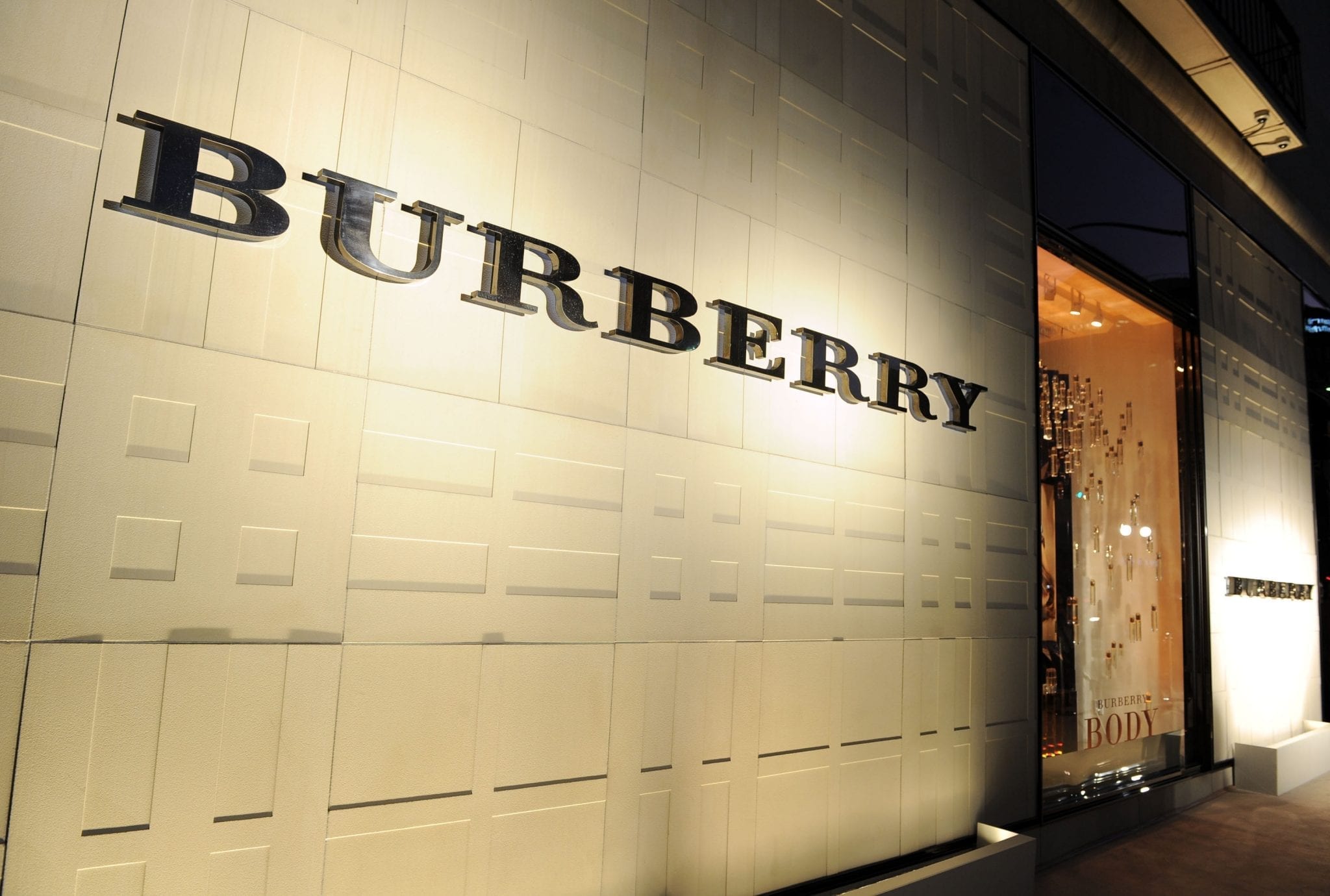
    British luxury brand Burberry has unveiled its new French flagship store on Rue Saint-Honore, designed by architect Vincenzo de Cotiis.

    Located in the heart of Paris, the flagship features the brand’s new global design concept and offers customers what Burberry describes as a chance to experience a space that connects Burberry’s past, present and future.

    “The store represents all that we stand for as a brand – being authentic, bold and creative – and we look forward to inspiring our customers with a truly elevated British luxury experience in this iconic setting,” said Gianluca Flore, chief commercial officer at Burberry.

    The store has three floors. Its design features Burberry’s famous check concept with the main colours of beige, black, white and red. Burberry says it has achieved modernity and openness by using mirrored ceilings with intersecting metallic grids and chequerboard-style tiled floors.

    On the ground floor a hand-painted, recycled fibreglass sculpture by Vincenzo de Cotiis stands at the entrance. The first floor houses menswear.

    The second floor features the brand’s womenswear range. The space is designed with traditional French doors with Haussmann-era glazing, white terrazzo and mirrored elements. A women’s shoe room integrates seating and fixtures into the windowsills that emphasise the view into the city of Paris.

    The third and final floor houses an apartment space, the largest private area of any of Burberry’s stores worldwide, offering a bespoke and elevated in-house experience for VIP customers who prefer to browse goods in privacy.

    “This Paris opening writes a new chapter of Burberry’s timeless story.” said architect Vincenzo De Cotiis.

  • Lululemon unveils its first footwear range

    Lululemon unveils its first footwear range

    Sportswear brand Lululemon has revealed its first-ever footwear collection for women, with a men’s collection to launch next year.

    The company will launch its debut running shoe called Blissfeel on 22 March online and in select stores across the UK, North America and Mainland China.

    Three additional styles will be released later in the year. Chargefeel – a cross-training shoe designed for gym training and short runs which will be available to buy alongside Restfeel – a post-workout shoe. While in the autumn the retailer will release Strongfeel, a training shoe designed to be used for “multi-directional movement”.

    Lululemon said that it applied insights and expertise gained over its 20 years of designing experience to create shoes that focused specifically on women’s requirements. It added that each design is meant to deliver a specific feeling and aims to create a balance of cushioning and support.

    Lululemon CEO Calvin McDonald commented: “Footwear is the natural next step for us to expand and apply our long history of innovation in fit, feel and performance, and it represents an exciting moment for our brand. We are entering the footwear category the same way we built our apparel business—with products designed to solve unmet needs, made for women first.”

    Sun Choe, chief product officer at Lululemon, said: “We intentionally started with women first because we saw an opportunity to solve for the fact that, more often than not, performance shoes are designed for men and then adapted for women.”

    “That didn’t sit well with us. Innovating for women is in Lululemon’s DNA – now we’re bringing that same expertise to footwear, and women were part of this journey every step of the way.”

  • Adidas announces new China chief as it looks to revive sales

    Adidas announces new China chief as it looks to revive sales

    Adidas has replaced its China chief, it said on Tuesday, as the German sportswear brand looks to revive sales in the world’s second-largest economy.

    The company has appointed Adrian Siu to take over from Jason Thomas, who became Adidas Greater China’s managing director in 2019, it said.

    Siu has held multiple roles with Adidas in Hong Kong and Shanghai and also served as the chief executive of the Chinese fashion label Cosmo Lady. Thomas will assume the role of senior vice president, global franchise, Adidas added.

    The company did not give a reason for the change, but said it would provide more details on its business during its full-year earnings conference on Wednesday.

    In the third quarter, Adidas saw Greater China sales fall 15%, and the company has launched an action plan to try to revive its fortunes in the country.

    Its Greater China business has been hit by pandemic restrictions and was targeted during a boycott of Western brands by Chinese consumers who criticized companies for saying they would not source cotton from Xinjiang after reports of human rights abuses against Uyghur Muslims there.

  • Boss launches NFT in social impact project

    Boss launches NFT in social impact project

    Premium fashion brand Boss has collaborated with NFT company Boss Beauties to introduce the Boss x Boss Beauties Dream Like a Boss program, which aims to mentor young women.

    One of the Boss Beauties NFTs is on auction until March 12 and the revenue will be donated to the co-created mentorship program. In addition, a limited-edition T-shirt featuring the NFT is being sold on Boss’s website, with a share of sales going to the Dream Like a Boss program.

    According to Boss, the collaboration is an opportunity for both brands “to provide young women from historically marginalised and underrepresented groups with invaluable skills and insights for their professional development.”

    The program will offer mentorship talks, along with real-life business experiences by executives at Hugo Boss and all mentees will be funded by the Boss x Boss Beauties auction.

    “Establishing the Dream Like a Boss program will allow us to give back to our communities, to provide a space for creativity and growth, and to amplify voices that echo our brand values in a supportive and inclusive way,” said Rashmi Verma, head of global diversity and Inclusion at Hugo Boss.

    “Joining forces with Boss Beauties is an important step in creating equal opportunities for all women, and this is just the beginning of many great things to come.”

  • Ukraine war to sully clothes sales from Levi to Ralph Lauren

    Ukraine war to sully clothes sales from Levi to Ralph Lauren

    Levi Strauss and Ralph Lauren are among U.S. apparel brands likely to be worst hit by Russia’s invasion of Ukraine which is again clogging supply chains in Europe where they derive at least a quarter of sales, Wall Street analysts say.

    American clothes firms’ European businesses were just recovering from two years of pandemic restrictions. But war-related Western sanctions on Moscow, airspace bans, and shipping route changes have put new squeezes on East-West supply chains.

    “Cargo checks are now one of the biggest disruptions to shippers, making sure they are not breaking sanctions at ports in the EU (European Union) and the UK,” said Jane Hali, CEO of investment research firm Jane Hali & Associates.

    Analysts see particular exposure to Calvin Klein and Tommy Hilfiger owner PVH, Levi Strauss, Ralph Lauren, Michael Kors owner Capri Holdings and Nike , who get roughly 25%-40% of sales from Europe.

    “Europe is definitely going to feel the brunt of the economic damage … which will impact consumer sentiment and consumer wallets,” CFRA Research analyst Zachary Warring said on the fallout for apparel retailers.

    Due to the war, Wedbush analysts have reduced yearly revenue growth estimates by anywhere from 100 to 400 basis points for Adidas AG. and at least eight U.S.-based companies including Skechers USA and Farfetch Ltd.

    The brokerage also downgraded ratings on PVH and Ralph Lauren’s stock to “neutral” from “outperform,” while reducing Nike’s price target.

    Adding to sales pressures, numerous brands have also halted operations in Russia altogether in protest or because of the newly-difficult operating environment. Chinese manufacturers had been sending more goods to Europe by rail across Russia.

    Companies with a smaller European presence, such as Carter’s, Bath & Body Works Inc and Kate Spade-owner Tapestry, are likely to be more insulated, analysts said, but the challenge remains sector-wide.

    “We’re afraid it won’t just be retailers with high exposure to Europe but most of retail,” CFRA’s Warring said.

  • Fashion group Shandong Ruyi’s creditors seek control of Lycra

    Fashion group Shandong Ruyi’s creditors seek control of Lycra

    Creditors of debt-laden fashion conglomerate Shandong Ruyi Technology Group will seek control of Lycra after Ruyi defaulted on a $400 million loan it took from them to buy the fibre maker. A statement from the creditors on Monday said that Ruyi, known for its ambition to become the LVMH of China, has not been able to repay the Lycra loan since May 2019.

    The lenders include Hong Kong-based China Everbright Limited and Tor Investment Management, along with Seoul-based private equity firm Lindeman Partners and its affiliate Lindeman Asia.

    Their steps to assume full equity control of Lycra include the appointment of receivers for the assets of Lycra’s parents. Ruyi and Lycra did not respond immediately to requests for comment on Tuesday. Ruyi bought control of Lycra from U.S. conglomerate Koch Industries for $2.6 billion in 2019, borrowing about $1 billion for the deal.

    Reuters reported in 2020 that some of Ruyi’s creditors had hired a restructuring specialist to sound out potential buyers for Lycra after weakening the financial performance of the manufacturer of the eponymous stretchy material fears of a loan default.

    However, no deal materialised and Ruyi decided to look for alternative means of rescue. Ruyi, the roots of which are in the textiles industry, began a buying spree in 2015 that included SMCP, Aquascutum and Savile Row tailor Gieves & Hawkes, aiming to establish itself as a luxury fashion house.

    But the Chinese conglomerate has struggled under the weight of its debts and its financial difficulties worsened with the COVID-19 pandemic.

    French fashion group SMCP last month removed five board members associated with Ruyi after the conglomerate defaulted on bonds used to acquire shares in the French business.

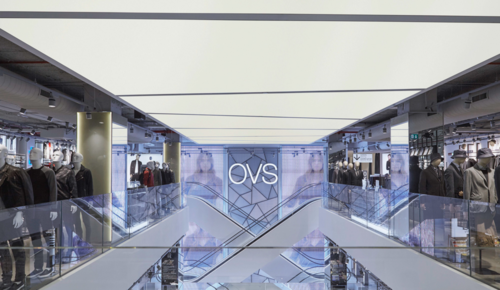
  • Italy’s OVS launches in Cambodia

    Italy’s OVS launches in Cambodia

    The Italian-Cambodian Business Association (ICBA) is pleased to officially announce the launch of a new initiative called “Italy in Cambodia”– Everything Authentically Italian in Cambodia”.

    It is a non-for-profit program aiming to promote and celebrate Italian excellence and the 100% Made by Italy in Cambodia through an online platform.

    The initiative, which has received the endorsement of the Italian Embassy in Bangkok and the European Chamber of Commerce in Cambodia (Eurocham), wants to boost on-line shopping and digital consumption.

    Says Luisa Gentile, Creator and Director of the program “As a long- term Italian ex-pat, I have always been proud of the excellence of the Italians in the world and their ability to innovate without losing sight of tradition. With Italy in Cambodia, we will put our small but vibrant community of Italian professionals and entrepreneurs in Cambodia under the spotlight, albeit a “virtual” one.

    We will provide our on-line readers special promotions and deals to introduce the Italian lifestyle, food, culture, and products, help them to virtually meet and find Italian professionals and entrepreneurs who made Cambodia their home and, above all, make them discover and experience the true spirit of Italy in Cambodia.

    Our ultimate goal is to become the most trusted source online for everything genuinely Italian in the Kingdom of Wonder, addressing both the local community, international travelers, business investors, and anyone who loves Italy or wants to be connected with Italy while in Cambodia.”

    Says about the initiative Aurelio Flacco, Chairman of ICBA and Honorary Consul of Italy in Phnom Penh “Operating digitally is the key way to stay in business, through mandated shutdowns and restricted activity. ICBA aims to support the Italian businesses already established in Cambodia –through this newly created on-line platform, Italy in Cambodia.

    Our final goal is to help, particularly the small and medium-sized Italian companies, to grow and reach new customers online and, eventually, support them and their local staff, to thrive in these difficult times.“

    The registration to Italy in Cambodia is free of charge and is open to all Italian professionals or entrepreneurs residents in Cambodia.

  • Halo Food Co acquires The Healthy Mummy for $17 million

    Halo Food Co acquires The Healthy Mummy for $17 million

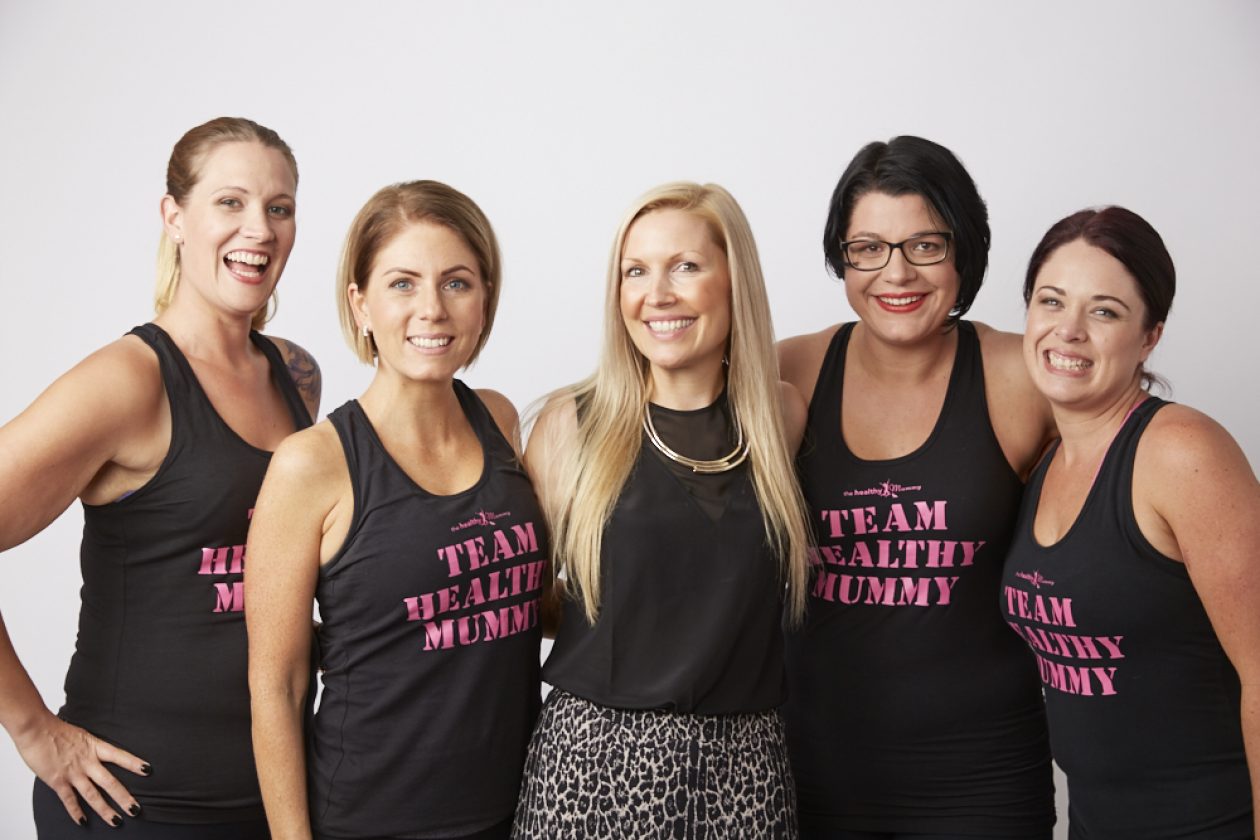
    Global online health and fitness platform, The Healthy Mummy has been acquired for $17 million by Halo Food Co.

    The brand offers mums a range of health and wellness programs that include exercises, supplements information, recipes, and merchandise. It was founded by Rhian Allen in 2010 and operates in the UK, the US and Australia.

    The business boasts more than 86,000 digital subscribers hence the acquisition will add sizeable cross-brand sales to Halo Food Co’s profit mix.

    Halo Food Co is a product development company in Australia and New Zealand. The ASX-listed company’s manufacturing capabilities will aid The Healthy Mummy product profile to expand and develop in order to scale the business further.

    “To say we are a customer-centric business is an understatement and I have and will always strive to make every customer and mum happy with what we offer and do as a business,” said Rhian Allen, founder of The Healthy Mummy.

    “Partnering with Halo Food Co was something I feel very happy about as I firmly believe that the Halo team will help to further my own vision and belief of ‘customer first’ and will allow us to serve you better with incredible product innovation and an even wider range of products,” she added.

    “The business is a natural fit to the existing Halo business, increasing the lifetime value of customers to the group and adding high margin digital distribution channels and cross-sell capability that would otherwise take years to establish organically,” Halo CEO, Danny Rotman said.

    Since last year, the e-commerce company has started selling its products at physical retail stores including Priceline Pharmacies.

  • Adidas expects to grow China sales this year

    Adidas expects to grow China sales this year

    German sportswear company Adidas said on Thursday it would grow in its key market of China in 2022 even after it was hit by renewed pandemic restrictions and the aftermath of a consumer boycott of Western brands.

    The comments come after Manager Magazin reported Adidas expects sales in China to be down 400 million euros ($455 million) in 2022, without citing its sources.

    Asked about the article, an Adidas spokesperson said: “Our business in China grew in 2021 and our business in China will grow in 2022 as well.”

    Adidas’s third-quarter sales fell 15% in Greater China, although they were up 15% in the first nine months of the year. The company reports full-year 2021 results on March 9.

    Western brands have come under fire in China for saying they would not source cotton from Xinjiang after reports of human rights abuses against Uyghur Muslims in the region. Beijing denies any abuses.

    Adidas said last year it had launched an action plan to try to revive its fortunes in China, long its most important growth market. It has set up a dedicated studio for marketing and is increasing its creation of products just for the Chinese market.

    Manager Magazin said the situation was seen as so critical that Adidas sales chief Roland Auschel had traveled to China in January despite quarantine requirements.

    Rival Nike said in December supply issues and fresh COVID-19 lockdowns led to a 20% fall in revenue in Greater China in its fiscal second quarter.

  • Kering bullish on Chinese domestic luxury consumption

    Kering bullish on Chinese domestic luxury consumption

    French luxury goods Kering sounded a positive note on its forecasts for its performance this year in China, even if the country’s consumers are not expected to resume traveling abroad for at least a year.

    Group managing director Jean-Francois Palus told analysts on Thursday the company had deepened its presence in mainland China during the pandemic, notably through e-commerce on Alibaba’s Tmall platform as well as its own websites in the country.

    He also cited internal tourist flows to the duty-free shopping hub of Hainan as well as other parts of the country as fuelling luxury sales growth.

    The executive said he was optimistic about the health of Chinese consumption, noting a lot of new consumers beginning to buy luxury products, with “a good propensity to buy and to buy more.”

  • Uniqlo plans five more stores in Singapore

    Uniqlo plans five more stores in Singapore

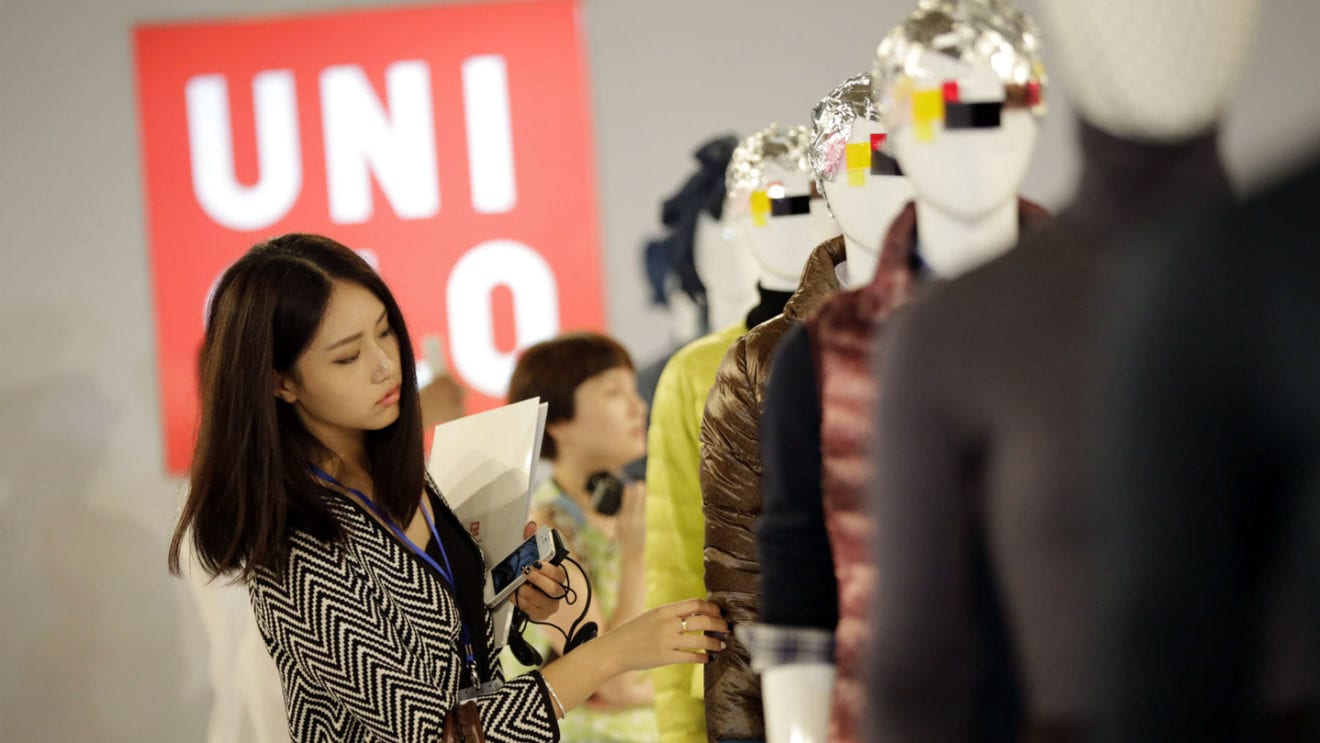
    Apparel retailer Uniqlo says it will open another five stores in Singapore, taking its network there to 31 stores.

    The first neighbourhood store will open at Ang Mo Kio and Clementi in the first quarter of this year. Uniqlo says the 1297sqm store will be a testbed for inclusive in-store features such as a wheelchair-friendly fitting room, community partnership projects, and sustainability initiatives.

    The locations of the other four new stores have yet to be confirmed.

    Yuki Yamada, CEO at Uniqlo Singapore and Malaysia, said: “To complement our existing network of mall-based outlets, the new store at Ang Mo Kia 51 will bring LifeWear essentials closer home to the heartlanders to enjoy shopping convenience.

    “As a global retailer, we are in a unique position to use our business to benefit the community around us by offering greater inclusivity and contributing meaningfully to a more sustainable society,” she added.

    The brand works with special education schools and social service organisations to provide an assisted shopping experience to customers with special needs in their preferred time slots which must be booked in advance.

    The company has also launched Uniqlo Repair Studio in store, the first permanent offering in Asia to extend the life of Uniqlo’s clothing. Trained staff at the site will repair and alter damaged clothing.

  • Louis Vuitton set to raise prices this week as costs climb

    Louis Vuitton set to raise prices this week as costs climb

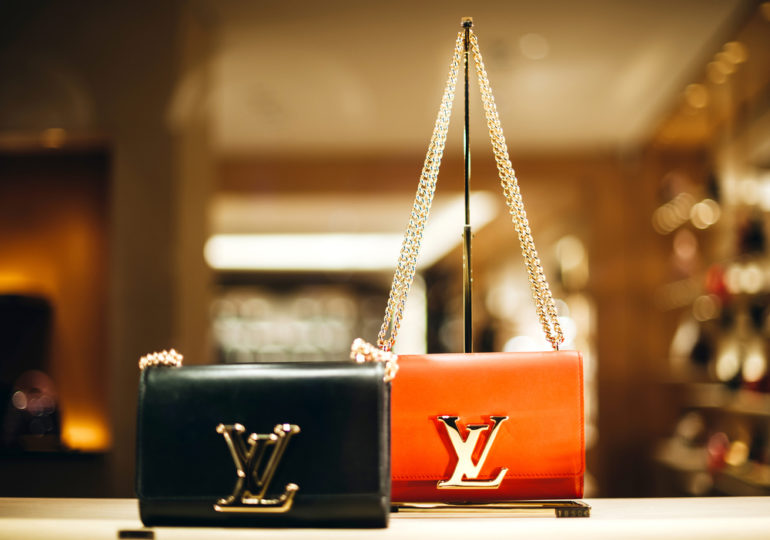
    Louis Vuitton, LVMH’s top fashion brand, will raise prices globally on Wednesday as a result of increased manufacturing and transportation costs, a spokesperson for the French luxury goods company in China told Reuters.

    Louis Vuitton, the world’s biggest luxury brand, will become one of the first big labels in the industry to hike prices widely this year to protect its margins as costs soar.

    The price increases will affect Louis Vuitton stores worldwide and cover leather goods, fashion accessories and perfumes, the spokesperson said on Tuesday. She did not give further details on the scale of the rises, beyond saying that they would vary depending on the product.

    “The price adjustment takes into account changes in production costs, raw materials, transportation as well as inflation,” the label said in a statement given to Reuters.

    Some bloggers on Chinese social media said the price of some models of handbags such as Capucines and Neverfull, now priced at 46,500 yuan (US$7,323) and 12,000 yuan ($1,890) respectively, would rise by 20 per cent or more in China, without citing sources.

    PurseBop, a website tracking the luxury market, cited speculation that the increase would be between around 4% on the lower end and 15-18% on average on the higher end.

    Presenting record 2021 sales and profits for the fashion and leather goods division, which is led by Vuitton and Dior, LVMH’s billionaire boss Bernard Arnault said in January the group had enough wiggle room to increase prices in an inflationary environment but would have to be “reasonable.”

    Throughout the coronavirus pandemic, luxury goods companies have been taking advantage of surging demand for high-end fashion and accessories to push their brands even more upmarket.

    Chanel increased prices on some of its handbags three times last year, with the popular Classic Flap bag, currently selling at $8,200, now costing $3,000 or nearly 60 per cent more than before the pandemic in 2019.