Category: Finance

Retail News Asia is committed to providing both local and global retailers with the latest Finance news throughout the Asian market. This on a daily base.

  • Beijing Probes State Backers of Ant IPO

    Beijing Probes State Backers of Ant IPO

    Beijing is reportedly investigating how Chinese entrepreneur Jack Ma quickly won approvals for the later pulled listing of Ant Group, in yet another sign that scrutiny of the fintech giant and its founder remains incomplete.

    China’s central government first kicked off the investigation early this year.

    The investigation is aimed at regulators that approved the IPO, local officials that advocated it and large state firms that stood to gain from the listing.

    Jack Ma’s relationships with these state entities will also be probed, the report added.

    Ant Group’s troubles with Beijing persists despite a series of hits to the fintech giant which included its $37 billion IPO pullout, a major overhaul of its businesses and, more recently, considerations for the potential divestment of Ma’s ownership.

    Ant Group’s business prospects have been significantly moderated and its expected valuation has plummeted from the initial $320 billion to as low as $29 billion, according to a recent forecast by Bloomberg.

  • UBS Quietly Reactivates Covid-Paused Cuts

    UBS Quietly Reactivates Covid-Paused Cuts

    The bank’s digitization plans will cost thousands of jobs in the coming months. UBS CEO Ralph Hamers is set to reactivate a series of cuts it had paused when Covid-19 broke out.

    Digitization always costs jobs, Ralph Hamers said in October of 2016 when ING disclosed it would eliminate 7,000 of them. The Dutch bank wanted to act from a position of strength, he said, noting the move was less about saving 900 million euros ($1.1 billion) than about making targeted investments in renewal.

    Nearly five years later, Hamers is applying a similar play to UBS: he wants to save $1 billion by 2023 in order to re-invest in the U.S. and Asia, where the Swiss bank wants to grow. For UBS’ 72,000 employees, it is clear that the cost-cutting goal will primarily be reached by cutting jobs.

    Of course, the 54-year-old Dutch CEO wasn’t that explicit on Tuesday, when he fleshed out UBS’ new slogan Reimagining the power of investing. Connecting people for a better world. Under Hamers, UBS will become more focused on clients, digital, and agile, he said.

    That means streamlining the Swiss lender’s famously bureaucratic processes, including through robotics. The principal aim is to whip UBS into a technology-leading bank with digital services that stand out from competitors like Spotify or Netflix do in the media industry.

    People familiar with Hamers’ thinking are flagging job cuts across most areas of the bank, and especially where UBS can make existing technology and applications more efficient. The bank plans to keep moving some jobs into lower-cost locations like Poland and India.

    It is also looking to leave activities where it isn’t satisfied with financial results; it abandoned Austria onshore in December and is reportedly looking to get out of Spain. The disposals also lower UBS’ headcount, normally without «costing» jobs.

    How many jobs Hamers plans to cut isn’t clear, but a simple equation based on the $1 billion target, a lower-than-average salary in Switzerland’s financial sector, and the assumption that 70 percent of spending is on people would indicate as many as 3,000 jobs are on the block in the next 18 months.

    The job cuts are likely to be Hamers’ first major measure at UBS – and they are being closely watched by the bank’s board. Effectively, he needs to make himself indispensable to UBS in their view; Hamers is weakened by a Dutch criminal probe reignited after he joined the Swiss bank last fall.

    The aim of the digitization and transformation Hamers was hired for is saving money, not raising the overall cost base. UBS’ cost-income ratio edging higher in the first quarter  – to 73.8 percent – underscores the import of more efficiency versus U.S. competitors who are operating leaner.

    A $300 million restructuring charge in the coming quarter also indicates the cuts to come. This represents a revival of UBS’ plans paused last March under former CEO Sergio Ermotti.

  • OCBC Names Successor for for Hong Kong Chief

    OCBC Names Successor for for Hong Kong Chief

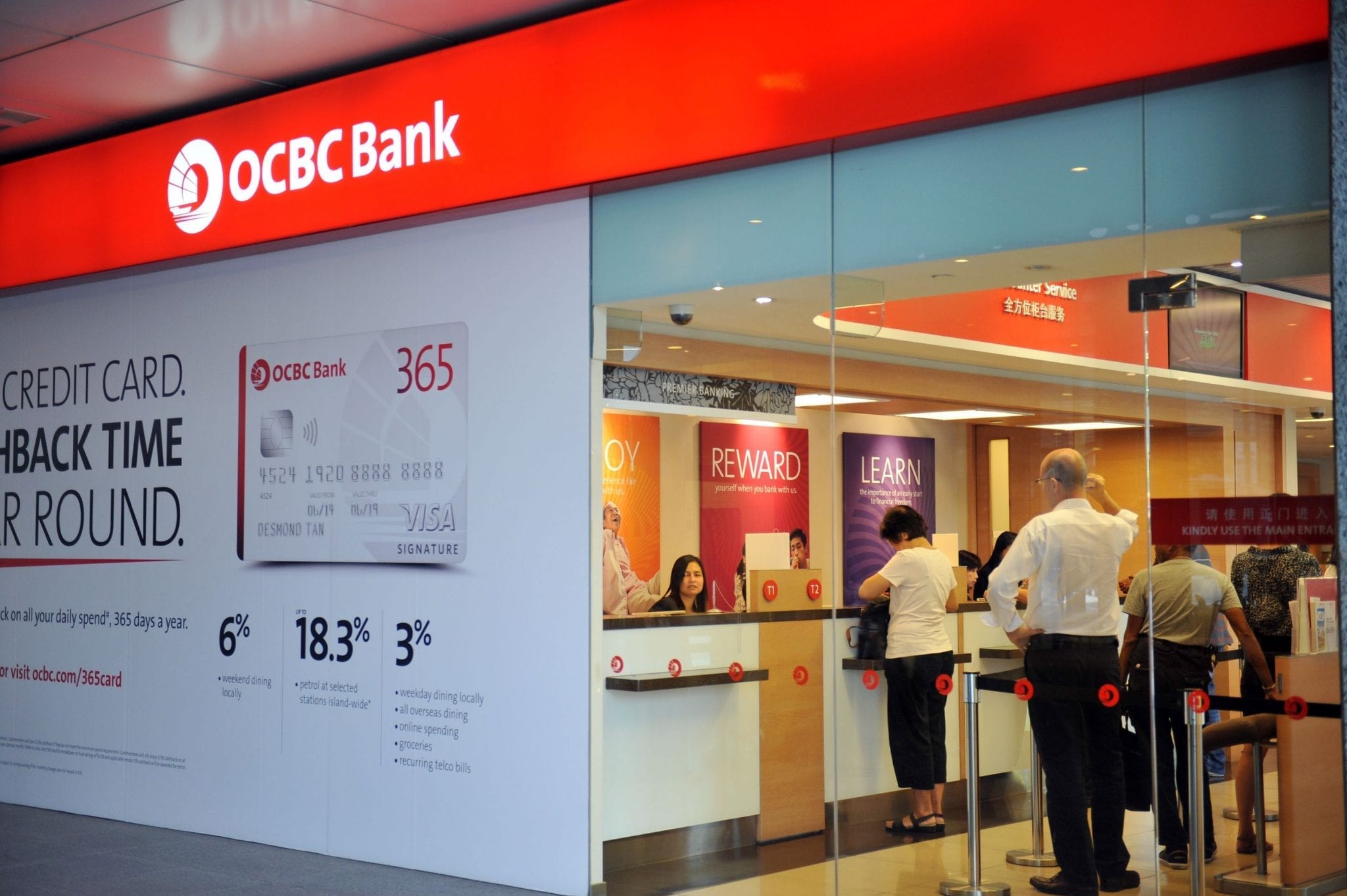
    OCBC appoints new chief for its Hong Kong unit, succeeding longstanding veteran Na Wu Beng. Ivy Au-yeung has been appointed chief executive of OCBC Wing Hang – the Singapore lender’s Hong Kong unit – according to a report, effective as of May 20, reporting to group CEO Helen Wong.

    Na will step down from the role and retire after more than two decades with the bank – he first joined in 1990 as the general manager of the Hong Kong branch – remaining as an advisor to the board until 2021-end.

    Au-yeung has 30 years of global banking experience and is currently OCBC Wing Hang’s deputy chief executive.

  • MAS Teases Multi-Currency Payment System for Digital Currencies

    MAS Teases Multi-Currency Payment System for Digital Currencies

    The Monetary Authority of Singapore (MAS) discussed the creation of a common platform for international payment settlements that will be more efficient than current arrangements.

    While there is growing global interest in the issuance of Central Bank Digital Currencies (CBDCs) for domestic payments, multiple CBDC (m-CBDC) arrangements could lead to a significant improvement in the speed, cost and transparency of cross-border payments, MAS said.

    In a blog post on Thursday by Toh Wee Kee, specialist leader (distributed ledger technology), MAS discussed unbundling the digital currency stack to improve governability of m-CBDC networks and create a viable path towards making m-CBDC arrangements a reality.

    MAS is partnering with the BIS Innovation Hub and the central banking community on Project Dunbar to design, develop and test new m-CBDC models for cross-border settlement, Toh said in the blog post.

    The central bank previously developed a prototype multi-currency wholesale settlement network, which enabled issuance or distribution of different digital currencies on a common network, as part of Project Ubin.

    You will soon hear about the commercial launch of a multi-currency payment system for digital currencies, Sopnendu Mohanty, MAS chief fintech officer, said in a LinkedIn post.

    We feel strongly about sharing our experience and contribute towards advancing central banks’ interest on m-CBDCs, he added.

  • Climate Activists Target HSBC HQ on Earth Day

    Climate Activists Target HSBC HQ on Earth Day

    Activists said the bank has invested some $80 billion in fossil fuels since the Paris Agreement in 2015.

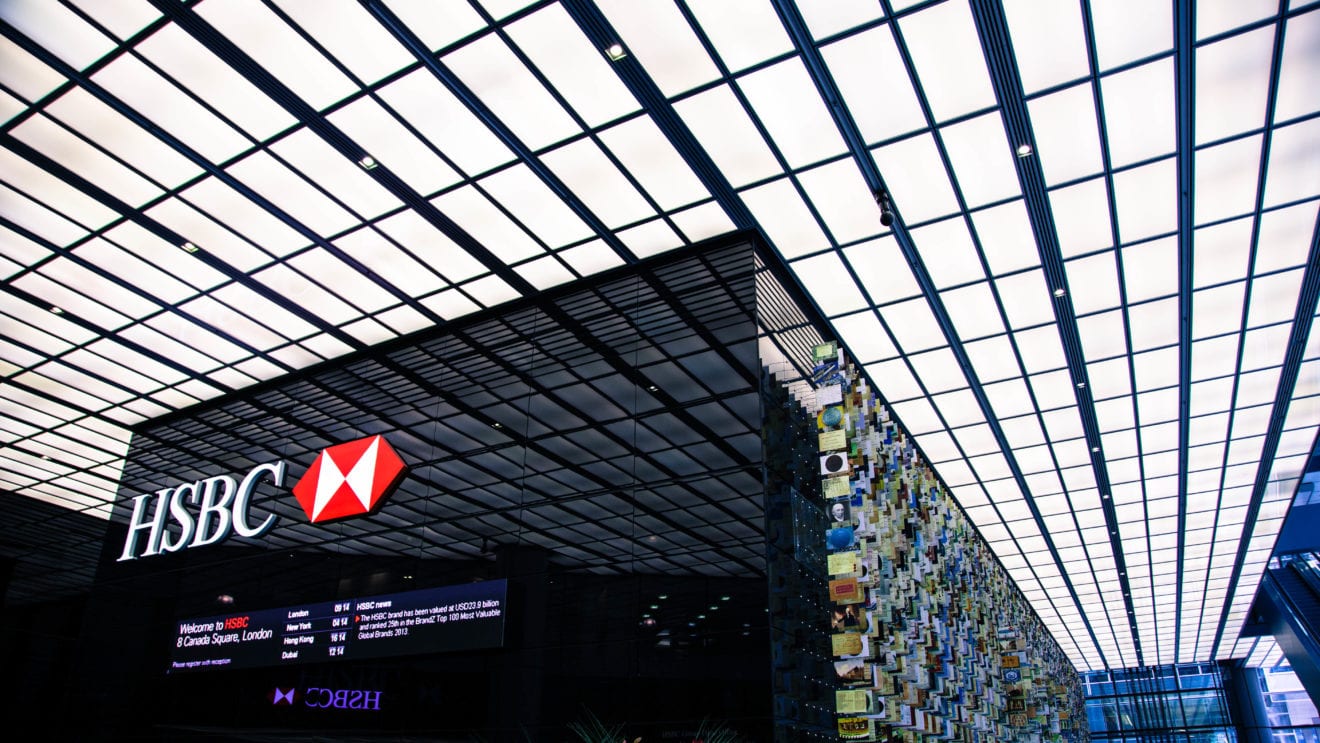
    Activists from the Extinction Rebellion group hit HSBC’s London headquarters in Canary Wharf in an Earth Day protest on Thursday, shattering 19 windows.

    HSBC has pledged to shrink its carbon footprint to net-zero by 2050. However, the bank’s current climate plan still allows it to finance coal power, and provides no basis to turn away or cancel contracts based on links to the fossil fuel industry, the group said.

    Extinction Rebellion, formed in 2018, describes itself as a «non-violent a direct action movement demanding a response to the climate and ecological emergency.»

    The group protested at the London headquarters of Barclays two weeks ago, accusing the bank of «continued investments in activities that are directly contributing to the climate and ecological emergency.

    Its Money Rebellion campaign also saw its members take part in civil disobedience outside multiple banks in New York, including J.P. Morgan, Bank of America, TD Bank and Citibank.

  • TPBank posts 41 percent surge in profits

    TPBank posts 41 percent surge in profits

    The bank said a surge in net interest income and a cut in operational expenses has boosted its Q1 performance.

    Its net interest income grew 30 percent in the period, while operational expenses dropped 10 percent, according to the bank’s financial statement.

    It said that its pre-tax profit growth was average compared to other lenders’ growth rates of 50 percent or even over 100 percent during the same period.

    For example, the increase in Q1 pre-tax profit was 135 and 110 percent respectively for the state-owned VietinBank and Military Commercial Bank (MBBank). Private lender ACB, meanwhile, saw a 61 percent increase in its Q1 pre-tax profit.

    TPBank’s Q1 revenue was up 15.2 percent year-on-year to VND2.78 trillion.

    By March end, both its outstanding loans and capital mobilization increased 4 percent to VND124.3 trillion and VND120 trillion, respectively. Non-performing loans were at 1.19 percent.

    The bank has set a target of VND5.5 trillion in pre-tax profit for 2021, a year-on-year increase of 25 percent.

  • DBS Expands Trade Financing Via Contour

    DBS Expands Trade Financing Via Contour

    The bank, which made its first deal on the platform last year, has moved from Contour’s beta network to its production network.

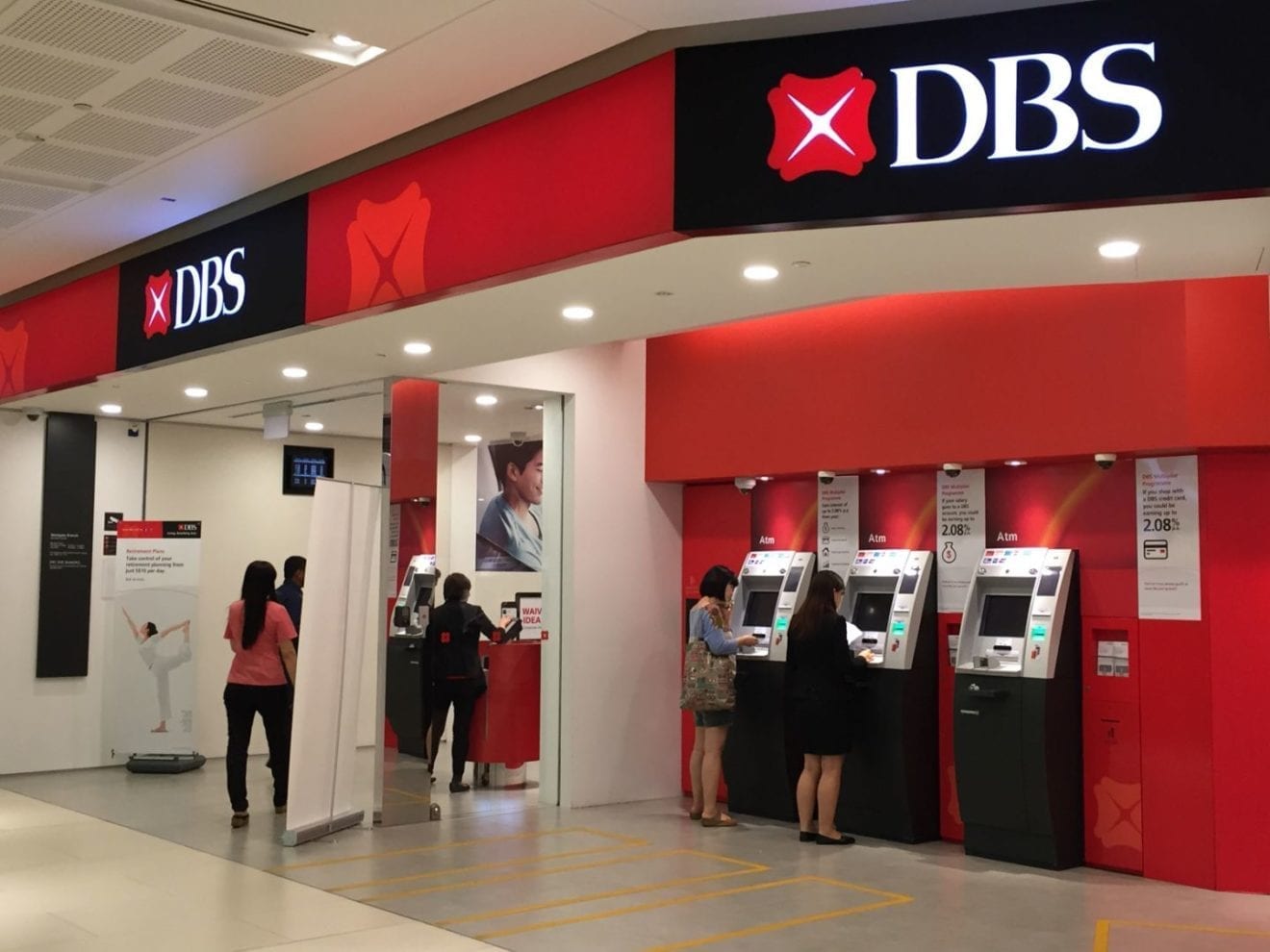
    DBS will offer streamlined digital letters of credit transactions, including the transfer of electronic trade and title documents, for customers across Australia, China, Hong Kong, and Singapore from this month on Contour, according to an announcement on Thursday.

    DBS was Singapore’s first lender to join the platform, which provides an end-to-end letters of credit settlement to clients and enables digitalized real-time negotiations, post-endorsement sharing with banks, and real-time tracking of transactions with a full audit trail.

    We recognize that digitization is a powerful enabler to simplify the highly complex nature of trade finance, especially for processes relating to letters of credit, Sriram Muthukrishnan, DBS group head of trade product management, said.

    Digitising trade processes is also an increasingly relevant and heightened priority for corporates to survive and thrive in the new normal and will form an integral component for resilient trade ecosystems of the future, he added.

    Other members of the Singapore-based blockchain trade finance network include BNP Paribas, Bangkok Bank, ING, HSBC, Standard Chartered and Citi Ventures.

    Traditional paper-based LC processes have been a major obstacle to trade growth and created unnecessary complexity, cost and delays, DBS said.

    The bank noted that Asia pacific is a «key region» leading the digitization of trade finance as banks and corporates seek to mitigate risk and enhance cost efficiency in the wake of the challenges caused by the COVID-19 pandemic.

  • Citi Elevates Senior Hong Kong Investment Banker

    Citi Elevates Senior Hong Kong Investment Banker

    Citi has expanded the role of its regional head of corporate finance with greater responsibilities for the Hong Kong investment banking business.

    Alex Schrantz has been named head of banking, capital markets and advisory (BCMA) for Hong Kong, according to a statement, effective immediately. Schrantz reports to APAC head of BCMA Jan Metzger alongside Hong Kong and Macau chief executive Angel Ng.

    Schrantz will retain his existing role as APAC head of corporate finance.

    Schrantz has nearly 30 years of global banking experience of which over two decades were based in Hong Kong. He first joined Citi in 2012 and has been responsible for overseeing capital amerces execution in Asia Pacific. Previously, he was also a member of the listing committee for the local stock exchange from 2006 to 2010.

  • Vietcombank, Vinhomes tickers drive VN-Index up

    Vietcombank, Vinhomes tickers drive VN-Index up

    Vietnam’s benchmark VN-Index rose 0.61 percent to 1,268.28 points Tuesday, a new peak, led by Vietcombank and Vinhomes tickers.

    The index was on an upward trend throughout the day, hitting the 1,286 mark in the early afternoon before falling to the 1,260 range. It closed with a near 8-point gain.

    Trading value on the Ho Chi Minh Stock Exchange (HoSE), on which the index is based, rose 17 percent to VND23.1 trillion ($1 billion), the highest of the past five sessions. The bourse saw 187 tickers gain and 227 lose.

    VCB of state-owned lender Vietcombank contributed most to the gain of VN-Index this session with 4.5 points.

    It rose 4.6 percent to a three-month high. The ticker has gained 6.8 percent in the last two sessions.

    VHM of real estate giant Vinhomes contributed 3.6 points to VN-Index’s rise. It closed with a 3.9 percent gain, hitting a new historic peak.

    VNM of dairy giant Vinamilk pushed the index up by 1.8 points. It rose 3.3 percent, with 6.99 million shares being traded, the highest since November 2017.

    PDR of Phat Dat Real Estate Development rose 4.6 percent to a new all-time peak. This is its third session in the green.

    MWG of electronics retail chain Mobile World also hit a new peak with a 3.7 percent gain.

    On the losing side, TCH of real estate company Hoang Huy Investment Financial Services plunged 2.6 percent. It has lost 14 percent in the past 11 days.

    Foreign investors were net sellers for the fifth session in a row to the tune of VND553 billion, down 25 percent, with strongest pressure on VHM, VNM and CTG of state-owned lender VietinBank.

  • Natixis Expands Global Markets Unit in APAC

    Natixis Expands Global Markets Unit in APAC

    Natixis has made a series of hires for its global markets team in Asia Pacific with a focus on bolstering its capabilities in China and Japan.

    The French investment bank made six new appointments to its APAC global markets unit, according to a statement, as part of its ongoing growth ambitions in the region.

    China and Japan are key geographies for our global markets business and these new appointments to bolster our sales teams will allow us to deepen our client dialogue and enhance our focused development of new activities and products, said APAC head of global markets Viet Linh Ha Thuc.

    Eddison An joins the Hong Kong office as global market sales for China reporting to Greater China head of global markets sales Kirk Liu. An has 19 years of global market sales experience and was most recently the China head of credit sales at Deutsche Bank.

    Marcus Teng joins the Shanghai office as China head of corporate sales for the global markets unit, reporting to Liu and locally to Greater China senior country manager Hong Liu. Teng has 14 years of experience, most recently with ANZ Bank as a director in global markets.

    Beijing-based Jason Lee was named corporate sales for China reporting to Teng and locally to Beijing branch manager Simon Qin. Lee has 20 years of financial advisory and acquisition finance experience most recently also with ANZ Bank.

    Michael Man joins the Hong Kong office as global market sales reporting to APAC head of sales and financial engineering Eric Elbaz. Man has over ten years of experience in prime services and securities finance, most recently with BNP Paribas.

    Hiroshi Hara was named Tokyo-based regional fixed income sales reporting to head of regional financial institutions sales Kazuoki Shirase. Hara has 24 years of banking experience most recently with Nattiest Markets Securities Japan where he was its head of solutions sales for the country.

    Satoshi Harada joins in Tokyo as flow product sales reporting to Hirofumi Satoi, global markets sales, Japan. Harada has 8 years of banking and financial experience, most recently with Société Générale Securities Japan.

  • DBS Deepens Roots in China

    DBS Deepens Roots in China

    The bank will accelerate its expansion in the rapidly growing Greater Bay Area with a stake in Shenzhen Rural Commercial Bank.

    DBS has entered into an agreement to acquire a 13 percent stake in Shenzhen Rural Commercial Bank in a deal valued at RMB 5.286 billion ($813.2 million), as part of its strategy of investing in its core markets, the bank announced on Tuesday evening.

    The deal for 1.35 billion new shares at RMB 3.91 ($0.60) per share, representing 1.01 times the book value per share as of 31 December 2020, will make DBS the largest shareholder of SZRCB. DBS will use internal cash resources to fund the investment, which is expected to complete when the deal is approved by regulatory authorities in China.

    Established in 2005, SZRCB currently operates one of the largest bank branch network in Shenzhen, with 210 branches and over 3,600 employees servicing over 5 million active retail customers and over 170,000 active corporate customers.

    Approximately 40 percent of its loans are in the retail segment and the remaining 60 percent are in corporate segment, largely to Shenzhen-based small-and-medium-enterprises. The bank has RMB 519 billion in assets and RMB 404 billion in deposits, and generated RMB 4.8 billion in net profit as of 31 December 2020.

    We see this as a highly complementary strategic partnership that will allow us to double down on the GBA and leverage on SZRCB’s local network and know-how to deepen DBS’ GBA strategy. At the same time, we would be able to support the continued growth and digital transformation of SZRCB through our regional presence and digital capabilities, Piyush Gupta, DBS CEO, said in the announcement.

  • Citi Eyes More China Licenses

    Citi Eyes More China Licenses

    After its consumer banking exit in China, Citi will accelerate the growth of its mainland institutional business with the reported pursuit of new licenses.

    Citi plans to submit an application for a securities and futures brokerage license, according to a report citing unnamed sources, with a focus on underwriting yuan-denominated shares and client trading.

    The American bank plans to submit the application within the next two months with the aim of launching for business in 12 to 18 months.

    A chief executive for the business will soon be named and 50 staff will be initially hired before doubling in the longer term, the report added. Most hires will be external but staff from other mainland businesses will also be transferred.

    Citi is a relative latecomer in terms of expansion in China compared to its rivals which have announced ambitious goals to double or even triple headcount in the historic opening of the mainland’s $54 trillion financial market.

    The bank also recently announced its planned retail banking exit in China as part of a broader pullback across markets in Asia and EMEA.

    Currently, Citi has a bond underwriting and settlement license as well as a domestic custody license received last year.

  • HSBC Adds Coinbase to Crypto Ban List

    HSBC Adds Coinbase to Crypto Ban List

    Despite the growing embrace of cryptocurrencies among institutions and retail investors, HSBC is sticking to its policy of avoiding virtual currencies and stocks correlated to them.

    Europe’s largest bank in Europe, with total assets of $2.715 trillion, is likely to avoid Coinbase’s newly listed COIN stock because of lingering worries about crypto’s role in money laundering and criminal activity.

    HSBC has no appetite for direct exposure to virtual currencies and limited appetite to facilitate products or securities that derive their value from virtual currencies. This is not a new policy, Ankit Patel, HSBC corporate media relations manager, told crypto news platform Coindesk.

    Last week, the bank confirmed that it stopped customers of its online trading platform InvestDirect from adding MicroStrategy stock to their portfolios, calling them a «virtual currency product.» The company holds about $5.5 billion in bitcoin, or about 80 percent of its $6.8 billion market capitalization.

    Coinbase debuted on Nasdaq last Wednesday in a direct listing, in what was seen as another key step towards cryptocurrencies becoming a mainstream medium of exchange.

    The listing of Coinbase’s means that even if average investors don’t want to buy or sell cryptocurrencies on their own, they can still can invest in the cryptocurrency economy by taking a stake in one of its biggest players. After a day of trading, the U.S.’ largest cryptocurrency exchange had a market capitalization of $86 billion.

    To stay competitive amid client demand for digital assets, financial sector giants have ramped out their offerings. These include BNY Mellon, which announced the introduction of crypto custodial services and Morgan Stanley, which will roll out a bitcoin offering to wealth management clients and is reportedly mulling exposure in Bitcoin through its investment arm, Counterpoint Global. Goldman Sachs has also said it would offer investments in bitcoin and other digital assets to its wealth clients.

    Outside of the U.S., notable global banks that have also launched crypto offerings include Standard Chartered and DBS.

  • Global Banks Vie for Citi’s Asia Consumer Business

    Global Banks Vie for Citi’s Asia Consumer Business

    Two of Singapore’s «big three» lenders are said to be interested in acquiring parts of Citi’s consumer business, which is downsizing worldwide.

    DBS Group, OCBC, Mitsubishi UFJ Financial Group (MUFG) and Standard Chartered intend to bid parts of the bank’s consumer banking portfolios and brances in Asia, citing sources with direct knowledge of the matter.

    The sale process will start within a couple of weeks, the sources said. The businesses Citi is exiting had $82 billion in total assets and were allocated $7 billion in tangible common equity last year, Citi said.

    Last week, Citi announced its intention to exit its consumer banking business in 13 markets, 10 of which are in Asia: Australia, China, India, Indonesia, Korea, Malaysia, the Philippines, Taiwan, Thailand, and Vietnam.

    The bank said it intends to «double down on wealth» as it focuses its consumer banking franchise in Asia and EMEA solely through its four wealth centers: Singapore, Hong Kong, UAE, and London.

    DBS, which operates a fully owned subsidiary in India, is said to be interested in Citi’s business there, which includes retail deposits, mortgages and credit cards. Standard Chartered and local lenders Kotak Mahindra Bank and Axis Bank are also said to be interested, which SBI Cards and Payment Services is eyeing Citi’s credit card portfolio there.

    DBS has always been open to exploring sensible bolt-on opportunities in markets where we have a consumer banking franchise (China, India, Indonesia and Taiwan), a bank spokesperson said.

  • StanChart Expands Hiring Efforts in Hong Kong

    StanChart Expands Hiring Efforts in Hong Kong

    Standard Chartered plans to hire about 400 staff in Hong Kong this year as part of the ongoing expansion of its retail baking and wealth management business.

    The Asia-focused lender’s hiring plans are part of its strategy to tap demand from affluent customers for wealth planning, according to a report citing Hong Kong head of consumer, private, and business banking Lay Choo Ong.

    In addition to hiring, Standard Chartered is also planning to invest $26 million over the next three years to revamp its branches in the city.

    The bank will look to add, relocate and close various branches with the aim of maintaining 70 in the city, according to a previous announcement by Hong Kong CEO Mary Huen.

    Although branch visits at Standard Chartered fell 25 percent during the pandemic, the bank believes that demand remains for customers seeking to discuss more complex financial needs.

    It is planning to open its second «Priority Private Center» in the city this year as well as three green branches for paperless services, likely in the third or fourth quarter, as part of a pilot project.

    According to Ong, assets under management in Hong Kong-registered double-digit growth in the first quarter while wealth management fund flows doubled the annual average in 2020.