Category: Finance

Retail News Asia is committed to providing both local and global retailers with the latest Finance news throughout the Asian market. This on a daily base.

  • OCBC Names New CEO as Samuel Tsien Retires

    OCBC Names New CEO as Samuel Tsien Retires

    The banking industry veteran, with 35 years of banking experience, will take the helm from 14 April 2021.

    OCBC has named Helen Wong as the successor for its outgoing chief executive Samuel Tsien, who retires after 14 years at the bank, the firm announced on Friday evening.

    Wong, who rejoined OCBC in January 2020 to lead OCBC’s new wholesale banking unit after starting her career at the bank as a trainee in 1984, was appointed after a rigorous global search, the bank said in the announcement.

    Wong is widely regarded as a top female banker in Hong Kong with deep Greater China experience and extensive market knowledge and is regarded as an expert on the Southeast Asian region.

    She previously spent 27 years at HSBC, where she held various senior management positions in corporate and investment banking, including president and chief executive of HSBC China, head of global banking (Hong Kong), and chief executive of Greater China.

    Tsien, 66, joined OCBC Bank in July 2007 as the global head of global corporate bank and was appointed the group CEO in 2012.

    In his nine years as the Group CEO, Sam has significantly built the OCBC franchise into a much more diversified and resilient business. He has strengthened the risk culture and internal processes, and instilled a set of solid corporate values to guide the team in doing business in a sustainable way, OCBC chairman Ooi Sang Kuang said in an internal memo to staff.

  • The great banking profit paradox of Covid-hit 2020

    The great banking profit paradox of Covid-hit 2020

    Banks made huge profits in 2020 although the economy grew at the slowest rate this decade and 70 percent more companies shut down than in 2019.

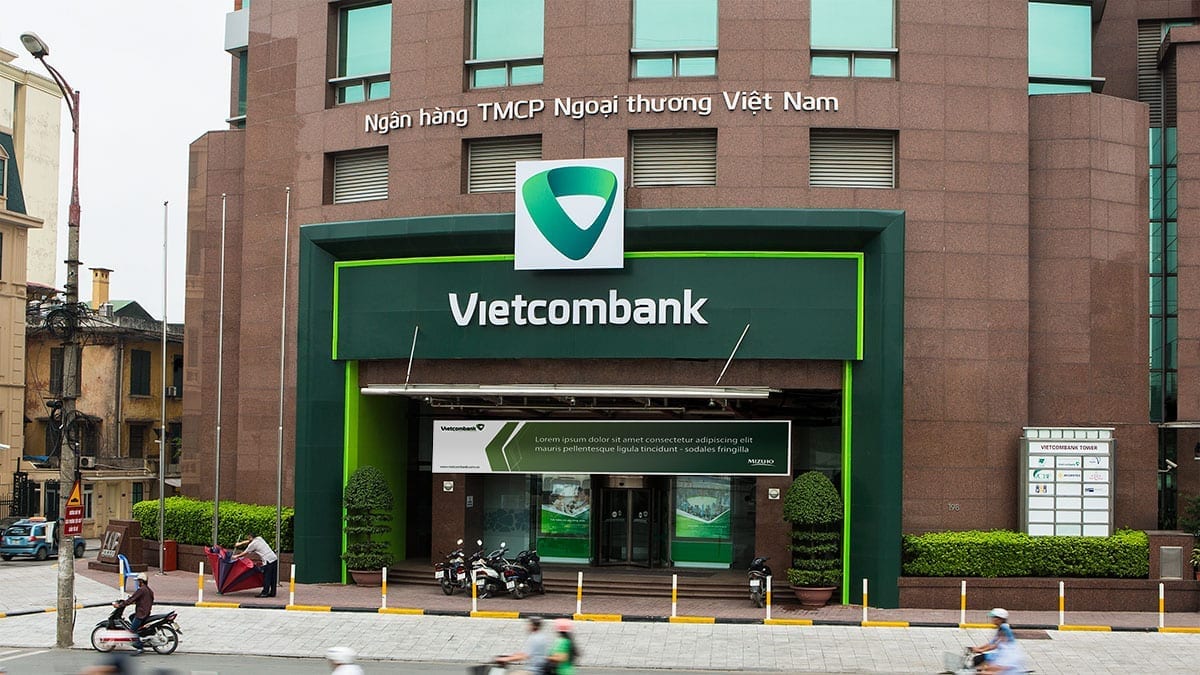
    VietinBank, Vietnam’s third largest lender by assets, reported a 40 percent increase in profit. Vietcombank reported profits of around $1 billion, the same as the previous year. Tien Phong Commercial (TPBank) and Vietnam Maritime Commercial Joint Stock Bank saw their profits increase by 11 percent and a scarcely believable 90 percent.

    State-owned VietinBank attributed the jump in profits to a surge in non-interest income and reduction in operation costs.

    Vietcombank said it owed its profits to bancassurance. In the first nine months, profits had been down 17 percent, but they recovered rapidly in the last three months, increasing by 30 percent, to claw back to the previous year’s levels.

    VPBank and Techcombank were two of the most profitable lenders. They have yet to announce full-year figures, but in the first nine months their profits rose by 30 percent and 20 percent, respectively.

    VPBank managed to cut costs while its income remained steady, while Techcombank saw interest income increase by 28 percent and non-interest income by 65 percent.

    They benefited from a particular segment auto loans. The 50 percent cut in car registration fees in the second half of the year sparked a rush to borrow to buy vehicles. VIB’s interest income in the third quarter was up 38 percent, and the fourth quarter saw probably more of the same. Income for the first nine months rose by 30 percent. TPBank’s interest income too rose by almost 30 percent.

    “Banks’ results are not as we expected,” SSI Securities researchers said in a note. They had forecast in April that banks’ profits would fall by 11 percent in 2020, but in the first nine months, they rose by 11 percent.

    They said the rising profits were due to a surge in non-interest income and improvement in net interest margin (NIM).

    For the banks SSI researched, non-interest income was up by 15 percent in the first half and almost 60 percent in the third quarter, with private joint stock banks providing a major boost.

    “Payment services, trade finance, bancassurance, and remittances revived in the third quarter after social distancing in April and May suppressed demand,” SSI said.

    The second quarter saw NIM plunge due to interest rate cuts and loan restructuring, but it recovered in the third quarter, in fact, reaching a three-year peak as deposit interest rates fell sharply and lending interest rates gradually rose back up.

    The third quarter saw a 9 percent rise in interest income and 31 percent increase in non-interest income.

    It is estimated that for the full year banks’ net profits would rise by 10.2 percent, while that of non-financial companies would fall by over 21 percent, financial data company Fiingroup said.

  • Deutsche Bank Strikes a Deal on Bribery

    Deutsche Bank Strikes a Deal on Bribery

    Deutsche Bank will look to avoid U.S. charges of bribery and manipulation of precious metals markets by making a payment totaling nearly $125 million.

    Almost the entire payout relates to charges against the German lender over its dealings in Saudi Arabia, Abu Dhabi, China, and Italy, according to court papers, with a criminal fine making up two-thirds of the total sum, according to a court hearing in New York.

    Prosecutors claim that Deutsche Bank violated the federal Foreign Corrupt Practices Act (FCPA) which prohibits firms with U.S. operations from paying bribes elsewhere.

    Deutsche Bank engaged in a criminal scheme to conceal payments to so-called consultants worldwide who served as conduits for bribes to foreign officials and others to win and retain lucrative business projects said a statement from Acting U.S. Attorney Seth DuCharme in Brooklyn.

    According to prosecutors, Deutsche Bank allegedly disguised bribes as «referral fees» paid to «decision-makers» in Saudi Arabia and millions of dollars in consultancy fees to an intermediary for an Abu Dhabi official.

    The bank was also accused of making similar payments to a Chinese government entity to help establish a clean energy investment fund and a tax judge in Italy for referring wealthy clients.

    With regards to precious metals market manipulation, Deutsche Bank was accused of placing fraudulent trades to lure other stop buy and sell futures contracts at price levels they normally would not engage.

  • UOB Prices Capital Securities Using SORA

    UOB Prices Capital Securities Using SORA

    The bank has become the first issuer to reference the Singapore Overnight Rate Average Overnight Indexed Swap (SORA-OIS) rate for a capital security.

    The reset coupon rate of UOB’s perpetual, non-call five-year additional Tier 1 (AT1) securities on the first call date will reference the five-year SORA-OIS rate, instead of the five-year Swap Offer Rate (SOR) interest rate swap that had been the benchmark reference rate in the market, the bank said in a statement on Friday.

    The issuance will further encourage the use of the new benchmark rate for pricing in the Singapore dollar bond market as part of broader industry efforts to develop deep and robust SORA-based cash and derivative markets, UOB said.

    Priced at a coupon of 2.25 percent per annum, 181 basis points above the prevailing five-year SORA-OIS as at 7 January 2021, UOB’s latest AT1 securities with a transaction size of S$150 million ($113.26 million) were subscribed by high-net-worth and institutional investors. If the bonds are not redeemed in 2026, the coupon will be reset based on 181 basis points above the five-year SORA-OIS on the first call date.

    The transition from SOR and SIBOR to SORA, a transaction-based interest rate benchmark underpinned by the SGD overnight interbank funding market, is aligned with the development that risk-free rates are being used across the global markets as new benchmark rates for financial markets.

    As the industry progresses on the transition to SORA, we will continue to step up our efforts and play our part in expanding the use of SORA across more financial products, Lee Wai Fai, UOB chief financial officer, said in the statement.

  • APAC Investment Banking Fees Break Records Amid Pandemic

    APAC Investment Banking Fees Break Records Amid Pandemic

    Investment banking fees in the Asia Pacific ex-Japan region rose to reach record-highs in 2020, driven most notably by a surge in Chinese capital markets.

    Asia ex-Japan investment banking fees reached $28.5 billion in 2020, a 23.4 percent increase, according to Refinitiv data.

    This marks an all-time high in annual fees earned since Refiniv began collecting such data in 2000 and also the first time the region surpassed European fees.

    The most notable record broken was in debt capital markets which saw proceeds from APAC-domiciled issuers reach $3.1 trillion – a first time ever the $3 trillion mark was broken since Refinitv started keeping records in the 1970s.

    This represents a 23.3 percent increase, breaking last year’s record of $2.5 trillion, with China making up the lion’s share at around $2.3 trillion.

    The most notable surge was from equity capital markets which saw $409.9 billion of funds raised (up 66.5 percent) – surpassing the last all-time high of $342.5 billion in 2010 – while issuances grew 40.2 percent.

    China once again dominated as the top issuing country, raising over $275 billion in funds, while industrials was the leading sector with a 185 percent year-on-year spike.

    Mergers and acquisition activities also saw a robust climb of 10.3 percent to $1 trillion after activity in the second half of 2020 rebounded 85.5 percent and 24.1 percent in value and deal number, respectively.

  • Deutsche Bank Taps Singapore Fintech for Digital Assets POC

    Deutsche Bank Taps Singapore Fintech for Digital Assets POC

    The two sides will jointly explore a proof-of-concept (POC) using a grant under the Monetary Authority of Singapore’s Financial Sector Technology and Innovation (FSTI) scheme.

    Deutsche Bank Securities Services will work with Singapore-based blockchain development firm Hashstacs to explore the technological and practical feasibility of digital assets interoperability, liquidity, cross-border connectivity and smart contract templates.

    The POC will also explore the support of sustainability-themed digital bonds, according to a joint statement on Thursday,

    We see a clear place for an integrated platform that can service cross-border issuer-investor needs in Singapore and around the world, Jeslyn Tan, global head of product management, securities services at Deutsche Bank, said about the collaboration.

    Founded in 2019, Hashstacs previously partnered with Malaysia’s national stock exchange on a blockchain POC project for its bonds marketplace, and is working with EFG Bank to co-develop a blockchain platform that will enhance and simplify the processes of structured products.

  • VietinBank reports record profit

    VietinBank reports record profit

    VietinBank, Vietnam’s third largest lender by assets, has reported a 40 percent increase in standalone profits in 2020 to VND16.5 trillion ($715 million).

    This is its highest ever profit, and chairman Le Duc Tho, speaking at a meeting on Wednesday, attributed it to a surge in non-interest income and reduction in operation costs.

    While it has not published its financial statement for the year, the bank said in a press release that consolidated debts rose by 7.7 percent and non-performing loans were less than 1 percent.

    Its non-interest income jumped 35 percent, lifting it as a ratio of total income from 16.5 percent in 2019 to 20 percent.

    Income from services, foreign exchange trading and treasury operations increased by 12 percent, 24 percent and 70 percent.

    The bank targets 8-11 percent credit growth in 2021 and 10-20 percent growth in standalone profit and consolidated profit, and keeping non-performing loans to under 2 percent.

  • DBS Opens Tech Academy in Upskilling Drive

    DBS Opens Tech Academy in Upskilling Drive

    The bank has launched an in-house digital training institute to equip its 5,000-strong technology workforce with cutting-edge skills for the future.

    The Future Tech Academy covers three technology disciplines: Site Reliability Engineering, Data Processing and Analytics, and Application Security, with more programs to be added over the next year.

    Having our own DBS Future Tech Academy gives us the agility to adapt our training curricula according to the bank’s needs and enables us to stay ahead of the massive changes around us, Jimmy Ng, DBS group chief information officer, said.

    The curriculum DBS is offering incorporates a blended pedagogical approach tapping on both external experts as well as internally developed content and certifications.

    DBS believes that this will enable employees to acquire the latest technology skillsets from external industry experts and immediately apply their new skills to relevant technology projects being rolled out by the bank, it said in a statement on Thursday.

    Growing the Talent Pool

    UOB and Standard Chartered have also previously launched programs to train their staff to adapt to the digital era, with the latter launching a learning hub in Singapore in December 2020 to boost the job readiness, career prospects and future competitiveness of its Singapore workforce.

    Growing the pool of technology talent in Singapore will place the country in good stead as we respond to the disruptions ahead, Ng said.

  • Financial Platform GoBear Shuts Down

    Financial Platform GoBear Shuts Down

    The startup said the global pandemic has created a challenging operating environment, and it is unable to raise additional funds from existing or new investors.

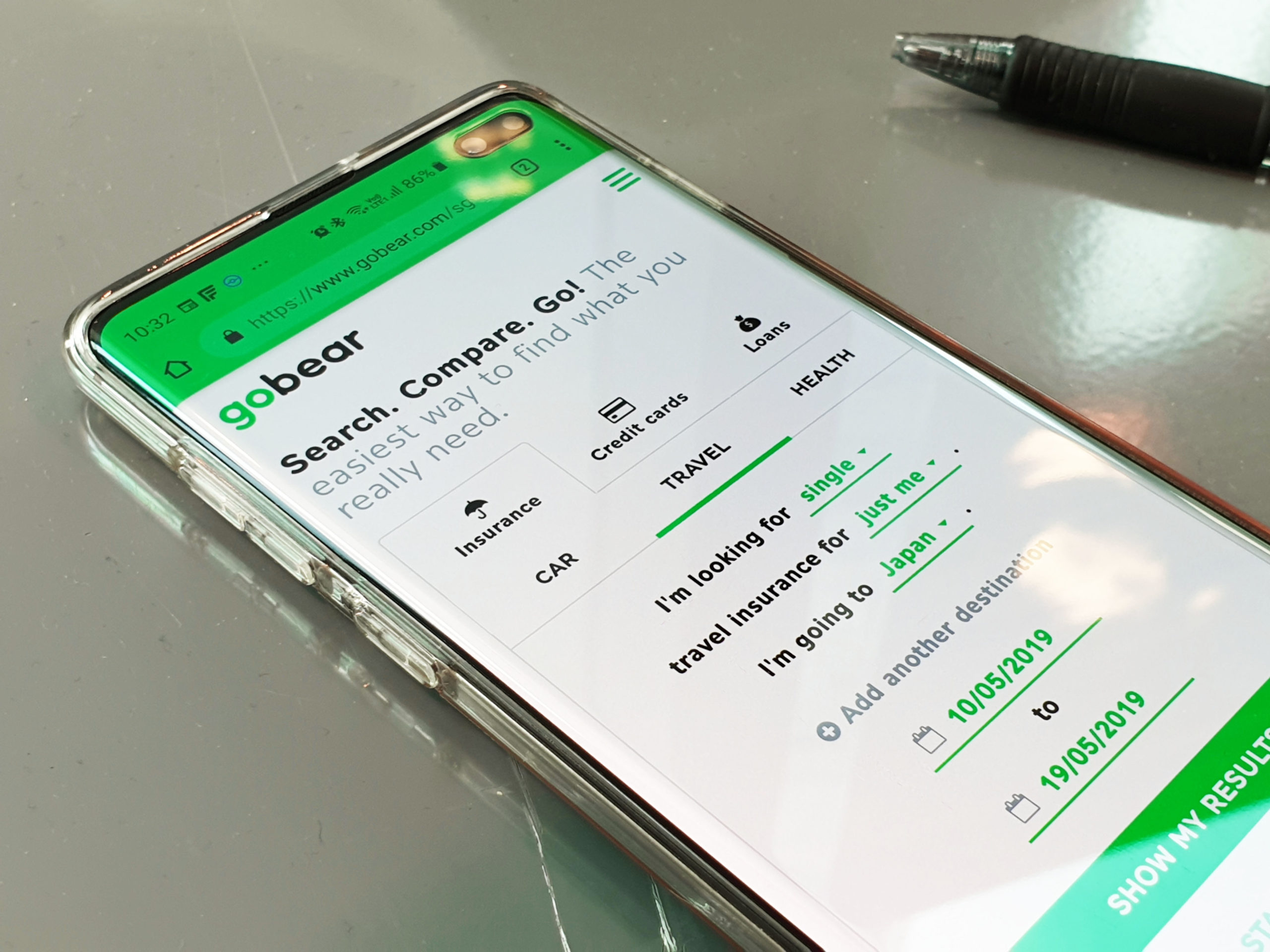
    Singapore-based financial comparison and data platform GoBear has announced that it will begin a formal process to shut down operations, after a prolonged period of weakened demand for some financial products and services, in particular travel insurance, as a result of the Covid-19 pandemic.

    GoBear has made the difficult decision to close the business. Our purpose was to improve the financial health of people across Asia and I’m proud and grateful for the contributions that all our employees and partners have made towards that mission, Adrian Chng, CEO of GoBear, said in a statement on Tuesday.

    The company said its financial resources is likely to be sufficient to fulfill its existing commitments to customers, employees, suppliers and partners, and that it will work with the relevant authorities to ensure adherence to local laws and regulations.

    GoBear, which was founded in 2015, operates a platform for insurance, banking and lending products in seven markets in Southeast Asia. The startup’s founders, chief technology officer Ivonne Bojoh and chief commercial officer Marnix Zwart, departed in November 2019.

    In September 2020, GoBear announced that it would cut 22 staff across its operations, product, and technology teams – 11 percent of its global workforce of 200.

    The platform raised a total of $97 million in funding, including $17 million from long-term investors, Dutch venture capital firm Walvis Participaties and life insurance, pensions and asset management firm Aegon as recently as May 2020. The same month, it acquired Singapore-based digital lending platform AsiaKredit.

  • Physical Exchange Results in Bitcoin Robbery in Hong Kong

    Physical Exchange Results in Bitcoin Robbery in Hong Kong

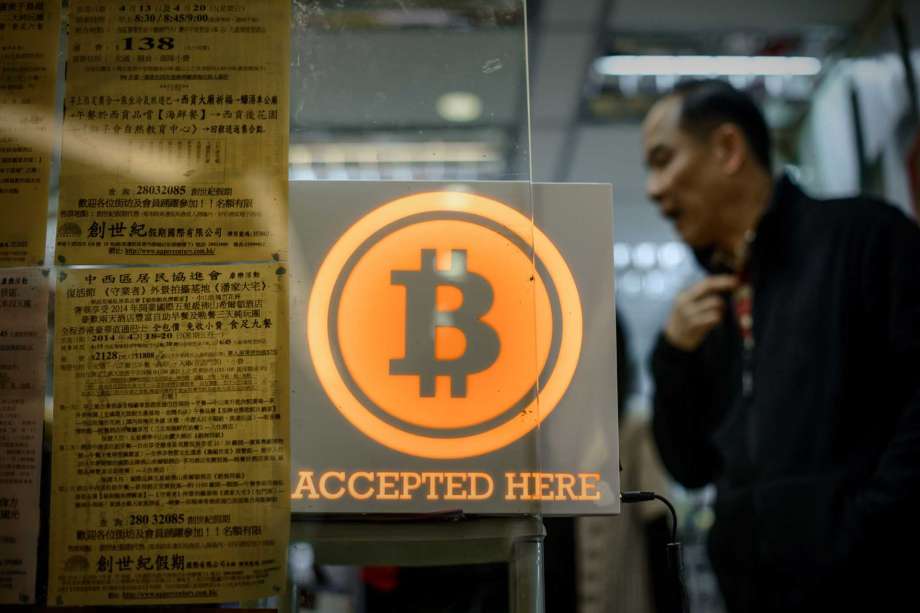
    A 37-year old man in Hong Kong allegedly sought to sell bitcoin for cash but ended up being swindled during an in-person transaction in a vehicle and kicked out.

    The victim had originally scheduled to meet two individuals to trade 15 bitcoin at HK$235,000 each ($30,000), or HK$3 million in total, outside of a hotel in Hong Kong, according to a report citing police sources.

    The vehicle proceeded to move to another location while the bitcoin transfer was being made. Upon completion, another car showed up and three more individuals related to the original two fraudulent buyers robbed the victim’s cash, two mobile phones, and kicked him out.

    Local police claim that the six robbers were non-Chinese men aged around 30 and have yet to be captured.

  • Chinese Payment Apps Hit by Trump Ban

    Chinese Payment Apps Hit by Trump Ban

    Ant Group’s Alipay, Tencent Holdings’ QQ Wallet and WeChat pay are among the apps banned by executive order.

    Tensions between Washington and Beijing are set to rise with the latest executive order from U.S. President Donald Trump, which bans transactions with eight Chinese software applications.

    The move is aimed at curbing the threat to Americans posed by Chinese software applications, which have large user bases and access to sensitive data, citing a senior administration official.

    According to the order, the U.S. must take «aggressive action» against developers of Chinese software applications to protect national security.

    In October 2020, the U.S. State Department submitted a proposal to add Ant Group to a trade blacklist to deter U.S. investors from taking part in its lucrative initial public offering. The proposal was ultimately rejected. Trump has also previously tried to block some U.S. transactions with WeChat and the Chinese-owned video app TikTok.

    U.S. president-elect Joe Biden is set to be inaugurated on January 20, though his stance on China is still unclear.

  • KardiaChain CEO aims to popularize blockchain in Vietnam

    KardiaChain CEO aims to popularize blockchain in Vietnam

    The KardiaChain platform founded by Pham Minh Tri has attracted Vietnamese experts globally to join the local blockchain sector.

    After graduating with a master’s degree in science from the University of East Anglia, famous for practical research, in London in 2013, Tri is now focusing on location-based messaging, text-speech processing, computer vision, and augmented reality.

    During his tumultuous years outside Vietnam, blockchain attracted Tri’s attention. He first approached this technology in 2012, after learning about the core peer-to-peer network of decentralized systems.

    Five years later, Tri had the opportunity to delve into and invest in new blockchain projects in London. In 2018, he and Huy Nguyen, currently senior technical manager at Google, Silicon Valley, founded KardiaChain, which rapidly researched blockchain interoperability.

    This breakthrough technology has helped solve the problem of communication between networks, allowing the transfer of data and assets from one blockchain to another. Important applications of cross-chain blockchain include decentralized exchanges.

    Today, only a few companies have successfully built cross-chain infrastructures like Polkadot and Cosmos, all worth billions of dollars, according to the KardiaChain CEO.

    Studying the potential market, Tri considered Vietnam one of the most promising environments for blockchain development due to its legacy system, golden population, and open regulatory environment.

    Unlike the U.K. or U.S., blockchain in Vietnam enjoys less competition with existing systems according to centralized design. Digital conversion and digitization of data are still in the early stages, so if combined with blockchain nation, our country would be able to take a shortcut, said Tri. Besides, its young population, rapid increase in education, and strong development of the middle class are all suitable for newly introduced and well-received technology products.

    More importantly, the Vietnamese government supports the startup movement, especially industries in the 4.0 revolution like blockchain and AI. Besides, the legal corridor for Fintech that is gradually being improved is also a great driving force for blockchain users.

    Returning to Vietnam in 2018, he and his partner founded KardiaChain, specializing in developing blockchain platforms. One of its most outstanding inventions is its non-invasive cross-chain technology Dual Node, pending patent. This technology helps blockchains communicate with each other despite algorithmic differences.

    KardiaChain’s decentralized platform allows any business to build transparent, secure applications with open functionality. According to business representatives, this makes blockchain infrastructure invisible, like electricity and the Internet, through mobile applications to benefit end-users.

    One of the most successful application units of KardiaChain is Youth Union in District 5, Ho Chi Minh City. The solution called TuoiTre Q5 helps the unit manage 10,000 youth union members, update daily news, support online assignments, and recognize emulation and rewards.

    With the above advantages, the app has received nearly 8,000 good reviews in recent surveys. The product initially asserted that the blockchain platform, when properly applied, is a useful tool to transform traditional models to suit contemporary society.

    From initial research and application, in April this year, KardiaChain raised $19.2 million from 2,500 investors through the Gate.io platform. KardiaChain then successfully signed a strategic cooperation with LG CNS – a subsidiary specializing in providing technology solutions of LG Group to develop blockchain infrastructure in Vietnam.

    According to Tri, the process of popularizing blockchain in Vietnam is a long journey, requiring a combination of technology, people, law and timing. But with careful preparation, we believe we will achieve this goal, inspiring people with the same passion and understanding of blockchain, he said.
  • More Account Suspensions for Exiled Hong Kong Dissident

    More Account Suspensions for Exiled Hong Kong Dissident

    Self-exiled Hong Kong dissident Ted Hui, who was recently spotlighted over frozen accounts at HSBC, has faced even more pressure from the British lender which allegedly canceled credit cards and «unlawfully embezzled» his funds without explanation.

    Ted Hui Chi-fung claimed that HSBC had not only canceled credit card accounts belonging to him and his family but frozen funds within it that resulted from refunded purchases.

    On the credit cards of both my family and myself, as a result of consumption refunds, the credit is more than the debit,» he said on his social media account. «The balances (around a few tens of thousands of Hong Kong dollars) are all private property protected by Hong Kong’s Basic Law. They are now unlawfully embezzled by HSBC without any explanation.

    While Hui’s claims about frozen funds could potentially be contentious, banks routinely assess and close accounts based on legal and compliance risk, especially with regards to politically exposed persons (PEPs).

    This is not the first time Hui has had his accounts frozen after similar moves were made against him and his family’s HSBC Premier accounts in December. At the time, local police issued an official statement confirming it had directed the account suspension over a money laundering and national security law probe.

    Although Hui’s claims that the latest credit card account cancellations were not requested by the police, an HSBC statement indicated otherwise.

    «We have to abide by the laws of the jurisdiction in which we operate and this case is no different,» according to an HSBC spokesperson who said further inquiries should be directed to law enforcement.

  • Singapore Tightens Oversight of Crypto Exchanges

    Singapore Tightens Oversight of Crypto Exchanges

    MAS powers have been expanded to include regulatory measures on crypto service providers, even if they may not possess the money or cryptocurrency involved.

    The Monetary Authority of Singapore (MAS) is enhancing its regulatory framework and updating the Payment Services Act to keep pace with changes to international standards and to better mitigate the money laundering and terrorism financing related to digital payment tokens.

    Any entity that facilitates the transmission, exchange or storage of DPTs – also known as cryptocurrencies – will now have to be licensed, MAS said on Monday.

    The new legislation will help minimize the risk of DPT service providers being exploited by criminals to launder illicit proceeds or hide illicit assets, said Minister for Transport Ong Ye Kung, who is also a board member of MAS, during the second reading of the Payment Services (Amendment) Bill in Parliament on Monday.

    The amendments also give MAS powers to impose measures on DPT service providers to ensure better consumer protection and to maintain financial stability and safeguard the efficacy of monetary policy.

    We have seen recent development of new forms of DPTs which values are pegged to stable assets to gain users’ confidence. It is therefore important for MAS to be able to respond to market developments and address new risks in a timely manner, MAS said.

    The Payment Services Act, which was introduced in January 2020, provides comprehensive regulation for companies handling activities ranging from digital payments to the trading of tokens such as bitcoin and ethereum, and gives MAS formal supervisory powers for cybersecurity risks and controls on money laundering and terrorism financing.

  • Big state banks gradually lose credit market share

    Big state banks gradually lose credit market share

    The credit market share of Vietnam’s three largest banks has fallen by 2.7 percentage points in the last two years due to liquidity constraints.

    The three, all state-owned and listed and the country’s largest by assets, Vietcombank, Vietinbank and BIDV, account for 34 percent of all loans outstanding, securities company VDSC said in a note last week.

    But this represents a 2.74-percentage-point fall even as the four largest non-state banks, Techcombank, VPBank, Military Bank (32.42 percent state-owned), and ACB, increased their share of loans outstanding by 1.6 percentage points.

    During the two years ending in the third quarter of 2020, VietinBank’s share fell by 1.96 percentage points, BIDV’s by 0.7 percent and VCB’s by less than 0.1 percent.

    The big fall in VietinBank’s market share is because it has been strapped for cash. There have been no major infusions of capital in the past few years, return on equity has been low, bonuses and employee welfare funds cause a big drain on resources, and the government appropriates much of its earnings.

    This situation has been exacerbated by Basel II standards, which prescribe a capital adequacy ratio (CAR) of 8 percent of risk-weighted assets for all financial institutions. Thus, to lend more, banks have to increase their charter capital.

    Though the Government has agreed to reduce its ownership in state-owned banks from 65 percent to 51 percent by 2025, it has yet to be implemented.

    But the government issued a decree in October allowing state-owned banks to pay dividends in stocks to increase their capital, helping them improve their growth prospects in the medium and long terms.

    According to the State Bank of Vietnam, banks’ total outstanding loans were worth VND8.69 quadrillion ($376.87 billion) at the end of the third quarter.

    Credit growth is expected to be 11 percent in 2020, down from 13.5 percent in the previous year.