Category: Finance

Retail News Asia is committed to providing both local and global retailers with the latest Finance news throughout the Asian market. This on a daily base.

  • UBS Names Co-Head of Australasia Equities

    UBS Names Co-Head of Australasia Equities

    A veteran of the Swiss private bank, who left in 2016 after 23 years, is returning to the fold as co-head of equities for Australasia.

    Based in Sydney, Chris Scott will begin his new role in August, working alongside co-head Steve Boxall and reporting to Asia-Pacific head of equities Taichi Takahashi, «AFR» reported on Friday, citing a memo circulated to UBS staff.

    According to his LinkedIn profile, Scott first joined UBS in 1992 spent nine years in Sydney as part of the bank’s equity derivatives team, and subsequently relocated to Tokyo, where he built and managed UBS Japan’s equity trading and derivatives business for 11 years. In 2012, Scott moved to Hong Kong, where he was head of APAC equity derivative trading and co-head of APAC equity derivatives.

    He returned to Sydney in 2016, and has since held roles at Asia Pacific Capital and HEAL Partners.

    The report noted that Scott’s appointment comes amid several high-profile departures of senior investment bankers from UBS in Australia, including country head Matthew Grounds and head of capital markets and head of corporate advisory Guy Fowler in 2019.

    Former co-head of investment banking Aidan Allen also left the firm earlier this month.

  • DBS Inks Taxi Tie-Up

    DBS Inks Taxi Tie-Up

    DBS and ComfortDelgro, which operates a fleet of about 10,000 taxis in Singapore, have entered into a strategic partnership to enhance payment services for their customers in Singapore, the bank announced on Thursday.

    With the partnership, ComfortDelGro is the first public transport operator to be integrated into DBS’ «PayLah!» ecosystem, which serves 1.7 million users in Singapore. Customers can access and pay for their taxi bookings directly and seamlessly on the platform.

    «This marks a significant milestone in our journey to inject dynamism into our mobile ecosystem platform, where we leverage technology and artificial intelligence to proactively piece together individual journeys for our customers. In doing so, we can provide personalized nudges and contextualized offers which they will welcome as thoughtful reminders,» Jeremy Soo, DBS’ Singapore head of consumer banking, said in the announcement.

    The two parties previously partnered to introduce QR code payment for taxi rides in 2017, which helped pave the way for consumers in Singapore to use QR code payments widely in everyday transactions. According to the bank, 20 percent of QR code transactions took place within the transport segment before the Covid-19 pandemic.

  • Chinese Bank Runs Pile Up

    Chinese Bank Runs Pile Up

    Signs of concerns continue to build up in China’s financial system with another two lenders affected by recent bank runs.

    The Local governments and police of Baoding city in Hebei province and Yangquan city in Shanxi province pleaded customers not to withdraw cash from local lenders Baoding Bank and Yangquan Commercial Bank, respectively.

    Last week, the Baoding city government reassured on its social media account that Baoding Bank was operating normally while urging the public against believing or spreading rumors. The police followed up with a statement claiming it had arrested two individuals for spreading rumors that led to «panic among the public».

    Yangquan’s government also issued a similar statement, adding that customers should be watchful of risks of holding a lot of cash.

    There are growing concerns from China’s public about the health of the domestic financial system evidenced by increasing bank runs. In April this year, the Bank of Gansu was hit by a bank run which led to regulator intervention. During a two-week period In November last year, depositors from Liaoning-based Yingkou Coastal Bank and Henan-based Yichuan Rural Commercial Bank swarmed to withdraw cash.

    Bank runs aside, China has also had to increasingly restructure banks including last year’s historic trio of bailouts which included Baoshang Bank, Bank of Jinzhou and Hengfeng Bank.

    At the end of 2019, Baoding Bank’s non-performing loan ratio was 2.12 percent, up from 2.09 percent in 2018. Yangquan Bank has not published data for 2019, but its ratio had more than doubled to 2.57 percent in 2018 from 1.03 percent in 2017.

  • UBS and The Future of Working From Home

    UBS and The Future of Working From Home

    The concept of the home office is taking root: Switzerland’s UBS is developing new structures that will allow up to a third of its personnel to work from home at any one time.

    While Switzerland as a country is slowly working its way back into the office, the times of the strict distinction between work and home increasingly looks a concept of a past era. Large companies such as UBS are in the process of implementing new forms of flexible work for its staff.

    Sabine Keller-Busse, the chief operating officer of the Zurich-based bank, told Bloomberg that in future, up to a third of the company’s staff will be allowed to work from home

    A spokeswoman for the bank said that the bank wouldn’t have a set quota and that the possibility to work from home would be handled flexibly. This means that a third of the workforce working from home will be made up of different people, with many members of staff able to do some home office work in the future.

    The bank has the technology available to maintain its services throughout an emergency situation such as the one presented by the pandemic, giving remote access to its bankers to systems they need for their work – anywhere, at any time from any device. Thus, UBS was able to run its business with as many as four out of five staff working from home during the lockdown period.

    The extended form of home office for UBS staff evidently will require an adjustment of the office space needed by the bank. The bank has no ready concept yet of such changes, the spokesperson added.

  • 10 Million Asia Pacific Small Businesses to Participate in Visa’s Global

    10 Million Asia Pacific Small Businesses to Participate in Visa’s Global

    Visa, today announced a commitment to support 10 million small businesses across Asia Pacific in an effort to get local communities back to business in the wake of the COVID-19 pandemic. Visa is introducing a range of programs and solutions to help small and medium enterprises (SMEs) drive efficiency and sales by accepting and making payments digitally to meet increased demand for cashless payments – both online and in-store. Visa also formed the Visa Economic Empowerment Institute (VEEI) focused on economic and societal issues, including pandemic challenges SMEs face and closing racial and gender opportunity gaps.

    The 10 million pledge is part of a global program that will see Visa supporting 50 million small businesses worldwide. Small businesses will play a vital role in helping communities recover – they account for more than half of global employment and are among the most affected by the pandemic. In Asia Pacific, SMEs account for more than 90 per cent of businesses and employ 50 per cent of the workforce.

    In addition to the economic impacts, COVID-19 is accelerating the use of digital commerce experiences, from people seeking new ways to pay that do not involve touching a terminal to a boom in eCommerce, as stay-home orders result in shopping online instead of in-store. In Asia Pacific, 41% of consumers made five or more eCommerce transactions in the past three months. Three quarters of consumers in the region have said they will keep using digital payments instead of going back to cash, even after the global pandemic has subsided.

    “Commerce across Asia Pacific is shifting further into digital in the wake of COVID-19, from more people ordering essentials online to people looking for secure, touchless ways to pay in person,” said Chris Clark, regional president, Asia Pacific, Visa. “Visa’s role as a payments network means we can help SMEs adapt to these new ways of managing and growing their business, ensuring that these crucial players can recover.”

    To help small businesses, Visa is focusing initially on four strategic areas to promote digital commerce and economic growth, with plans to continue to create products and services as the needs of entrepreneurs change over time. These areas include:

    • Empowering digital-first businesses: Visa has built localised online resource centres – now available in more than 20 countries and territories – providing tools, partner offers and information on how to start, run and grow a digital small business. Visa is teaming up with leading eCommerce platforms such as Shopify and Boutir to help local businesses get online. Visa will be expanding its global partnership with IFundWomen to Asia Pacific, providing grants and digital training to women-owned small businesses in India.
    • Encouraging digital payments:  Deploying easy to adopt touchless payment technology – rapidly, and at scale – is critical to enabling faster, more secure commerce. Visa is working to introduce low-cost digital payments acceptance, including solutions that do not require point-of-sale systems and can enable a merchant’s mobile phone to become a payment terminal. Visa and our partners have launched tap to phone solutions in Malaysia, with more Asia Pacific markets such as Australia, Hong Kong, India, Taiwan and Vietnam to follow. Visa is also supporting SMEs to make business-to-business (B2B) payments digitally. By digitalising procurement payments through the use of a Visa Business Card, SMEs can utilise reconciliation tools and benefit from higher efficiency and data insights, in addition to managing their working capital effectively. Visa has curated special partner offers for SMEs using these business cards, which include access to cloud accounting platforms, digital marketing and professional courses.
    • Incentivising neighbourhood support: Visa partnerships encourage consumers to shop local and remind them that where you shop matters. The Visa Back to Business Project – an online tool that helps consumers identify businesses that may be open in the wake of the pandemic or a natural disaster – is now live in Australia, New Zealand, and the U.S., and further expanding globally. Visa has launched its new ‘Where You Shop Matters’ initiative in Australia and New Zealand that champions and enables entrepreneurs while encouraging consumers to support small businesses. Visa will be expanding the initiative to other Asia Pacific markets such as Hong Kong, Malaysia, Philippines, Singapore and Vietnam.
    • Developing positioning and policy: In addition to the initiatives Visa is undertaking, the company today announced the formation of the Visa Economic Empowerment Institute. This new institute comprises Visa experts and partners who will help address underlying problems and provide insights for SMEs growth and closing racial and gender gaps. Key projects in the next six months will address topics including post-crisis recovery and resilience, urban mobility, closing equality opportunity gaps and insights into the gig economy.

    Suripong Tantiyanon, Country Manager for Visa Thailand, said: “As part of this commitment, Visa Thailand repurposed its available resources and struck new partnerships with fintechs to help small and micro businesses make the necessary digital transformation. The recently-launched Everyone Speaks Visa program is helping businesses of all sizes gain access to digital payments that are fast, convenient and secure.  In addition, as businesses reopen and consumers head back in-store, Visa is committed to ensuring buyers and sellers have the best and safest commerce experience through the acceptance of digital payments.  To that end, Visa is partnering with merchant partners across the country to expand the use of contactless terminals in order to help meet the growing demand for safe, secure and reliable digital payments.”

    Today’s announcement follows a global commitment from the Visa Foundation announced in April, to provide USD210 million in COVID-19 relief funding to address the longer-term needs of the small and micro business community over the next five years.

  • KBank establishes fintech company in China to be financial innovation lab

    KBank establishes fintech company in China to be financial innovation lab

    KBank has established KASIKORN Vision Information Technology Co., Ltd. It is a fintech company wholly owned by KASIKORN Vision Co., Ltd. (KVision) with registered capital of RMB 300 million. It is the first fintech company to be set up by a foreign bank in Shenzhen this year. The company’s main business will involve the design, creation and research of new technologies. It has formulated a five-year operating plan to support the future development and provision of financial technology.

    Mr. Ruangroj Poonpol, Chairman of KASIKORN Business-Technology Group (KBTG), said that KBank has established KASIKORN Vision Information Technology Co., Ltd. which is registered in Luohu district, Shenzhen, People’s Republic of China. It is a financial technology, or fintech, company which is wholly owned by KVision. Its registered capital is RMB 300 million, or equivalent to THB 1,300 million. It is the first fintech company to be established by a foreign bank in Shenzhen this year. The company’s main business involves the design and creation of IT systems, research of new technologies, search for new business models conducive to digital banking and digital economic systems, as well as the development and testing of prototype products and provision of new financial technologies to KASIKORNBANK FINANCIAL CONGLOMERATE and its customers.

    KASIKORN Vision Information Technology Co., Ltd. has formulated a plan involving three steps over the course of five years: The first step, in the first year of business, is to consolidate the foundation, focusing on the completion of team building, business models and other basic work, to support KASIKORNBANK (China) Co., Ltd.’s digital strategy as the main development direction. The second step, over the second and third years, involves steady progress through in-depth integration with shareholder resources, key business group in Thailand and China + ASEAN regional institutions; and the integration of leading domestic technological achievements, especially those of Shenzhen, to provide innovative financial science and technology solutions. The third step, over the fourth and fifth years, is the acceleration of development in the course of becoming an influential fintech company in the region. At the same time, in the fields of technology accumulation, research and development, the company will join with leading international research and educational institutions to explore the establishment of financial science and technology laboratories to support the research and application of related basic disciplines.

    KASIKORN Vision Information Technology Co., Ltd. will promote the expansion of financial science and technology services to ASEAN countries, and make Shenzhen an important node for the Guangdong-Hong Kong-Macau Greater Bay Area, which is an important support pillar for the Belt and Road Initiative to reach out and connect with ASEAN countries. This would benefit ASEAN and enhance China-ASEAN economic and financial cooperation.

    Luohu district is a newly developed area in Shenzhen, a central business district which houses the headquarters of more than 70 licensed financial institutions and first-line branches, or the approximate equivalent of one-fifth of the city’s licensed financial institutions. Thus, Luohu district serves as a frontrunner in terms of development, with technological innovation serving as the primary driving force. Additionally, the district has been able to attract new investment and new talent, which will comprehensively improve the scale and quality development of its emerging industries. KASIKORN Vision Information Technology Co., Ltd. is expected to receive the full benefit of being located in this region.

  • HSBC Singapore Spared as Overhaul Resumes

    HSBC Singapore Spared as Overhaul Resumes

    The bank’s said that the city-state remains a growth market and will continue to hire talent in its bid to become the leading international bank.

    Singapore will not be affected this year by the bank’s restructuring exercise that is expected to see it shed some 35,000 employees globally, people familiar with the matter said.

    The bank said plans to hire more than 400 retail and private banking customer-facing employees by 2023 also remains on track.

    Since 2018, HSBC Singapore has grown its headcount by 10 percent and has invested in our premises, digital capability and propositions in order to grow our customer base and market share,» a spokesperson said, the newspaper reported. «These investments and growth ambitions will continue.

    Yesterday, HSBC lifted its moratorium on job cuts to about 15 percent of its workforce, announced in March at the height of the Covid-19 pandemic.

    HSBC chief executive Noel Quinn, who unveiled the overhaul in February, told the bank’s 235,000 global staff in a memo that the exercise is even more necessary today.

    The British lender is currently at the center of a controversy over its support for Beijing’s new security law for Hong Kong, the bank’s most important market.

  • McDonald’s sales figures show marked improvement as Covid-19 lockdowns eased

    McDonald’s sales figures show marked improvement as Covid-19 lockdowns eased

    Newly released McDonald’s sales figures have shown a marked global improvement for the business sequentially from late March through May despite the continuing impact of the coronavirus pandemic.

    The information released ahead of the firm’s second-quarter earnings announcement, showed sales steadily improving throughout the period however they still remain negative compared to last year’s figures.

    Comparable McDonald’s sales figures across international markets for both April and May were heavily impacted by temporary restaurant closures in the UK and France, and to a lesser extent Italy and Spain. The firm saw strong drive-thru performance in Australia, and negative comparable sales in Germany, Canada and Russia.

    Sales in international licensed markets were primarily impacted by temporary restaurant closures across nearly all regions, most notably in Latin America. The results reflected continued negative comparable sales in China and positive comparable sales in Japan.

    The vast majority of markets are operating with drive-thru and delivery with limited menus and hours.

    A breakdown of figures for international licensed markets was not provided by the firm.

    “Our strong foundation and the unique advantages of the McDonald’s System, including a high percentage of drive-thru restaurants and investments in delivery and digital, have enabled us to adapt to the changing landscape presented by the Covid-19 outbreak,” said McDonald’s president and CEO Chris Kempczinski.

    “The steps we are taking in response to the pandemic and to accelerate recovery while continuing to serve the great and familiar taste of a meal from McDonald’s, will position us well for the next phase of this crisis.”

    The report shows 95 percent of McDonald’s restaurants around the world are currently open to serve customers.

  • Standard Chartered Gets Nosy With Job-Seekers

    Standard Chartered Gets Nosy With Job-Seekers

    A Singapore-based banker was surprised to be asked highly personal questions when he applied for a job at the U.K. lender. Standard Chartered’s reasoning is unconventional.

    The London-based bank’s procedure for job applicants is pretty standard: an employment portal with listings for hundreds of job vacancies. Standard Chartered, which employs roughly 75,000 people overall, has a strong presence in Asia – and dozens of job openings in Singapore.

    This led by a reader to apply for a job in strategic partnerships for digital ventures, the applicant saidThe person was surprised to be asked a series of intensely personal questions as part of the online application.

    These included their ethnicity, religion, and sexual orientation.

    Like most developed nations, Singapore bans questions on personal circumstances because it can give rise to discrimination. A spokeswoman for Standard Chartered said the bank complies with international standards of fairness and equal opportunity in its hiring.

    The questions, she noted, are designed to foster corporate diversity and to foster an integrative workplace. Hiring managers are not informed on how applicants responded to them, the spokeswoman said. The responses are only used to underpin Standard Chartered’s diversity efforts with data, she said.

  • BNP Paribas Exits Onshore Wealth Business in India

    BNP Paribas Exits Onshore Wealth Business in India

    The French lender will exit the domestic wealth management business in India but stressed that it remained committed to Asia.

    The bank will exit the market in order to focus on areas where its global footprint and diversified business strengths allow it to provide clients with more value-added services, a spokesperson for the bank said.

    BNP Paribas Wealth Management in the market has around $14.5 billion in assets under management (AUM), according to media reports in India. In the broader Asia Pacific region, the bank has $98.3 billion in AUMs.

    The bank said that a number of role should be affected but that it was seeking redeployment opportunities for staff within the group. Existing onshore India clients will be transferred Sharekhan – a wholly-owned subsidiary – which will provide brokerage and investment services.

    This decision is unrelated to the current pandemic and has no impact on our continued wealth management growth strategy in Asia, which remains an important growth engine for our global franchise, the bank added.

  • OCBC Bank to reopen all branches over the next two weeks

    OCBC Bank to reopen all branches over the next two weeks

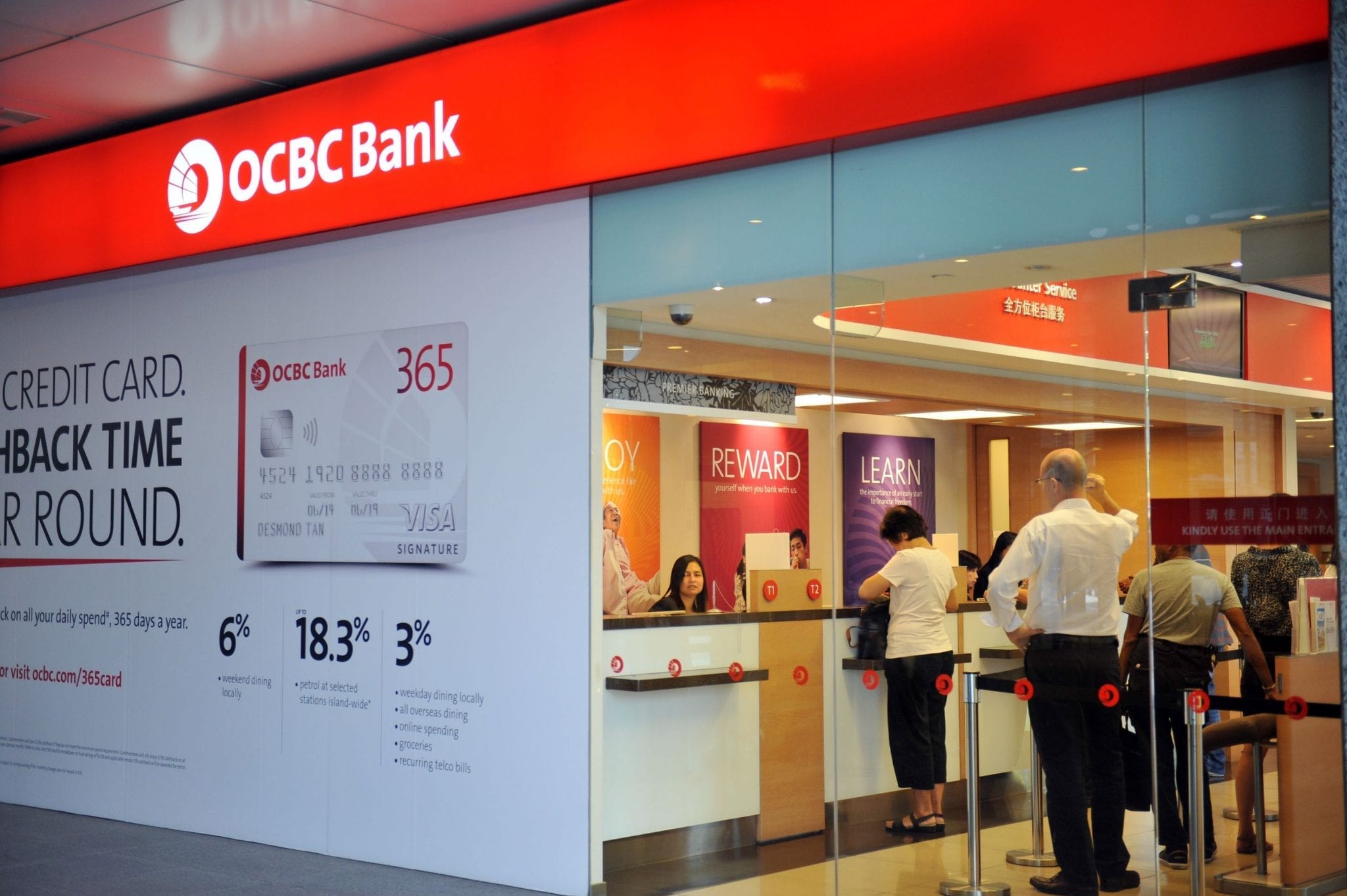
    OCBC Bank announced it would reopen five branches tomorrow, 19 June 2020, due to the expected increase in customer traffic as Singapore enters Phase Two of ‘Safe Re-opening’. They are located in Bishan, Buking Panjang, Jurong West, and at City Square Mall and Paya Lebar Square. This brings the total number of branches open up to 32. The remaining branches which were closed during Singapore’s ‘circuit breaker’ period will progressively reopen over the next two weeks.

    OCBC Bank will also resume all in-person meetings with customers on an appointment basis for all financial services. These meetings can be held within the bank’s premises or at external locations, and include home loan applications, bancassurance sales and wealth management advisory services for bonds, funds, and structured investments (which took effect on bank premises since 12 June 2020) for retail banking. In-person meetings by appointment will also resume for corporate and commercial banking services for large corporates and small-and-medium enterprises (SMEs).

    However, OCBC Bank’s retail banking customers are encouraged to continue to use its virtual wealth advisory service, which includes the comprehensive Financial Needs Analysis, for their financial planning needs. The virtual wealth advisory service via secure video conferencing with an OCBC Bank financial advisor was launched on 18 April 2020during the Circuit Breaker.

    Safe distancing measures continue to be enforced

    For the safety of employees and customers, OCBC Bank employees will wear face masks while rendering the in-person home loans, bancassurance and wealth advisory services. Customers are required to wear face masks. All employees and customers entering OCBC Bank branches have been using SafeEntry since the app was mandated as a contact tracing tool. TraceTogether has been used by all branch employees and by customers who are coming to the branches for face-to-face wealth advisory services.

    Temperature screenings and one metre queue markings at branches are strictly enforced to keep employees and customers safe. Employees also ensure that customers are practicing safe distancing of at least one metre within the branch waiting area. At branch locations where it is feasible, separate queues with seats are provided for elderly and pregnant customers. Branch employees will assist seniors to perform the SafeEntry QR code scanning if they are unable to do so independently.

    Mr Sunny Quek, OCBC Bank’s Head of Consumer Financial Services, Singapore, said: “As we transition to Phase Two of Singapore’s ‘Safe Reopening’, we continue to encourage our customers to use our digital banking platforms for their day-to-day banking needs, and to invest in wealth management products and apply for credit cards, home loans and personal loans. While all our branches will open progressively and we look forward to serving our customers’ needs, our financial advisory services will continue to remain available virtually via video conferencing with our financial advisors, so customers can receive timely investment and financial advice from the comforts of their home, without having to come to a branch.”

    The list of 32 branches and one dedicated OCBC Premier Banking Centre in operation from 19 June 2020 are:

      Branch
    1 Ang Mo Kio
    2 Ang Mo Kio Central
    3 Bedok
    4 Bedok North
    5 Bishan
    6 Bukit Batok
    7 Bukit Panjang
    8 Causeway Point
    9 Choa Chu Kang
    10 City Square Mall
    11 Clementi
    12 Compass One
    13 Harbourfront
    14 Hougang Mall
    15 ION Orchard
    16 Jurong East
    17 Jurong Point
    18 Jurong West
    19 Marine Parade
    20 NEX
    21 NorthPoint
    22 OCBC Centre
    23 Orchard Gateway
    24 Paya Lebar Square
    25 Sixth Avenue
    26 Sun Plaza
    27 Tampines
    28 Thomson
    29 Tiong Bahru Plaza
    30 Toa Payoh Centre
    31 Waterway Point
    32 White Sands
       
      Dedicated OCBC Premier Banking Centre
    1 Parkway Parade

  • Eight in ten Thais use contactless payments more often as they become uncomfortable with cash

    Eight in ten Thais use contactless payments more often as they become uncomfortable with cash

    Visa, the world’s leader in digital payments, today released findings from its Visa Consumer Payment Attitudes study (the “Study”), that show almost eight in ten Thais (79 percent) are using contactless payments more often than they did two years ago.

    The study, which tracks consumer habits and attitudes towards payments across Southeast Asia, also revealed three in four Thai respondents (75 percent) who are not using contactless payments today, are interested in doing so in the future.

    Suripong Tantiyanon, Country Manager for Visa Thailand, said: “It is heartening to see Thai consumers embracing new payment technologies, especially the use of contactless cards for payments.  The shift in behavior and the rise in confidence can be attributed to an industry effort to educate the general public on the benefits of contactless and an increasing acceptance points.  Contactless payments are still in the early stages of adoption in Thailand, but we are optimistic for their growth due to its speed, convenience, security and global acceptance wherever Visa contactless is accepted across the world.

    The top reasons consumers cited for adopting contactless payments are: not needing to carry cash (68%), desire to use an innovative way to pay (58%), and faster payment compared to other methods (55%).

    When it comes to frequency of using contactless payments, over four in five respondents (82 percent) use their cards at least once to more than four times a week.

    The top places where respondents use their contactless cards to make payments are during overseas travel (17 percent), followed by at supermarkets (12 percent), and retail shops (11 percent).

    The Study also delved into usage between demographics.  While Gen Y is more likely to use contactless cards (55%), use among older Gen X users was significant (45%).  The younger generation uses contactless payments more frequently, with three in ten making payments more than four times a week, while only one in five Gen X users will make the same number of payments.

    State of the Nation: Cashless Society

    Based on the findings, over two in five respondents (43 percent) said they carry less cash now than they did two years ago.  Their top reasons for carrying less cash are: carrying cash around is unsafe (65 percent), using more contactless payments (62 percent), and cash withdrawals are easily accessible (62 percent).

    In addition, more than four in five respondents (82 percent) have moved away from cash and tried living daily life relying on cashless methods.  Almost three in four (70 percent) managed to live cashless up to a few days.  Twenty-one percent managed to live more than a week but short of one full month on cashless modes of payment.  The remaining nine percent could live their lives without cash for one month or more.

    When asked about their inclination towards adopting cashless payments in the future, seven in ten Thai respondents (72 percent) said they expect to increase their usage of cashless payment methods next year.  Their top reasons for intention to displace cash include convenience (69 percent), the hassle of carrying cash (62 percent), and an increase in their comfort paying with cashless methods (51 percent).

    Increasingly, Thai consumers are confident in going cashless.  Two in five (38 percent) believe they can last more than a month without cash.  On the other end of the spectrum, nearly six in ten (58 percent) hold the belief they could only get by for 24 hours without paying by cash.

    When asked how long it would take for Thailand to become a cashless nation, 40 percent of the people surveyed believe it will take between two to five years, 27 percent thought it would take between six to ten years, and interestingly seven percent believe it could happen next year.

    Respondents to the survey believe the top benefits for Thailand being a cashless nation are convenience (58 percent), ability to track financial records easily (56 percent), lower risk of theft (55 percent), and promoting financial inclusivity (44 percent).

    “It is evident that payment innovations can accelerate the transformation into a cashless society.  However, it is equally important to continuously stay in touch with the end consumer to better understand their existing needs as well as anticipating their future demands.  We hope the Visa Consumer Payment Attitudes Study, already in its sixth edition, will help our clients and partners grow business and support the government in shaping measures that will benefit the people and enable the Thai economy to thrive,” Suripong concluded.

  • Starbucks and Hyundai launching its own credit card

    Starbucks and Hyundai launching its own credit card

    South Korean conglomerate Hyundai’s credit-card subsidiary Hyundai Card is collaborating with Starbucks to launch a private-label credit card.

    The card will be made available later this year with marketing and operations are taken care of by the local issuer. Customers bearing the card will be eligible for all rewards offered by Starbucks on top of regular credit functions and will enjoy optimized benefits from both firms.

    “Along with the private-label credit-card product, we will spur the development of customized services based on our big data,” company officials said.

    The partnership marks Starbucks’ first such private-label alliance within the territory, while Hyundai has previously set up such agreements with E-mart, eBay, Costco, GS Caltex and Korean Air, among others.

  • Maybank Sued for Loan Pullback

    Maybank Sued for Loan Pullback

    Malayan Bank Berhad – better known as Maybank – is reportedly being sued for effectively thwarting a Manhattan-based proper project after allegedly reneging on a loan agreement.

    American real estate developer Sharif El-Gamal said that the Malaysian lender and other syndicate members ignored and breached their obligations under the building facility and related loan documents which caused «irreparable damage to the plaintiff’s relationship with its contractor, leading to a cessation of all work, according to a report citing a notice last week.

    El-Gamal, also chairman and chief executive of Soho Properties, is seeking an award of more than $245 million which he claims is the net sell-out value of the property that has been filed for disclosure by the loan syndicate.

    According to El-Gamal, Maybank reneged on agreements to provide more than $162 million in syndicated construction loans to fund the project in New York.

    At the time of the project’s announcement, El-Gamal reportedly also said in a statement a senior construction loan totaling US$174 million was received from a syndicate that also included Warba Bank of Kuwait and Intesa Sanpaolo alongside US$45 million in mezzanine financing from MASIC, a Saudi investment firm.

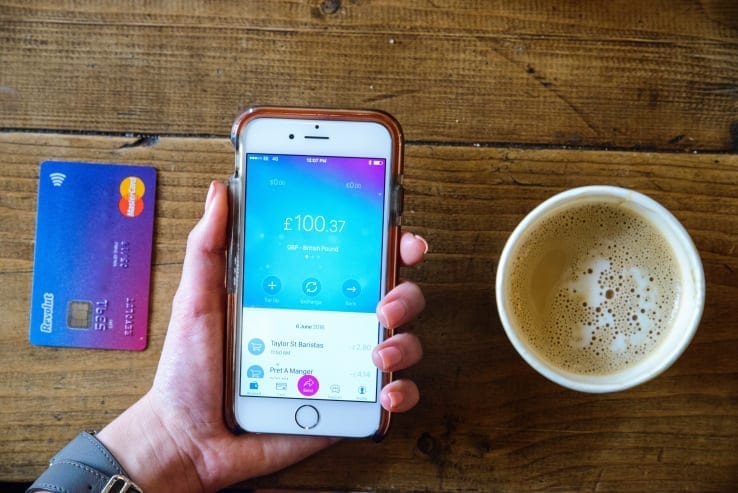
  • Revolut, Appears to be a Normal Bank

    Revolut, Appears to be a Normal Bank

    Revolut has announced the introduction of fees for free account users. This will anger customers and is a perfect example of how to botch an opportunity.

    The noise surrounding U.K.-based digital bank Revolut has just become a fair degree louder in recent days: the company announced to its free-account customers in an email that the days of using a service free-of-charge were numbered.

    We’ve been talking with thousands of you about how we can help you get even more from your money, was the introductory statement. The remainder of the letter was devoted to how Revolut was going to make more money from serving its clients.

    And that’s why it will introduce forex fees on August 12, 2020. From that day onwards, sending money abroad will cost $1.06 for a transaction in the respective country’s currency, 4 francs for transactions in the dollar, and 6 francs in any other currency – for instance, if you wish to send pound sterling to someone in Brazil.

    Furthermore, the upper limit for free exchange orders will be lowered to 1,250 francs and the percentage charged for orders on weekends increased to 1 percent from 0.5 percent.

    That will anger a substantial percentage of the bank’s clients. A large majority of Revolut clients have used the services of the digital bank to make foreign payments precisely because costs were low and fees almost inexistent.

    So to introduce fees for a service that has been advertised as free of charge is more than just a little ironic. It smacks more of how you’d expect a normal bank to behave and not a fintech. At least if you held a similar view of banks as the founder of Revolut, who had launched his company precisely because of such actions.

    It is also poignant at what point of time the company has chosen to announce the changes. Revolut, which has been typically bullish about its performance, seems to have been forced to raise the fees because of a drop in revenues during the pandemic lockdown.

    Revolut CEO Nikolay Storonsky in May claimed that the bank was awash with money after a recently concluded financing round and that he considered making acquisitions. That was shortly after reports about the departure of more than a dozen of the bank’s managers and the announcement that it would cut 60 jobs.

    A further 50 jobs are on the line in Poland and Portugal, according to a report, an online magazine. And the way of disposing of the workers raises some questions: ex-employees have said that they were called into their manager’s office one morning and told to choose between resigning or being sacked.

    And the rest of the staff were said to have received one part of their salary in recent months in stock, more or less voluntarily.

    Revolut is using such methods to reach its goal of profitability by year-end. The corona-crisis looks to have hampered its efforts. Revolut seems one of the very few payment fintechs not to have profited from the stay-at-home message that boosted online shopping.