Category: Finance

Retail News Asia is committed to providing both local and global retailers with the latest Finance news throughout the Asian market. This on a daily base.

  • CIMB Niaga partners Liquid Group to support Bank Indonesia’s QR Code standardisation

    CIMB Niaga partners Liquid Group to support Bank Indonesia’s QR Code standardisation

    PT Bank CIMB Niaga Tbk (“CIMB Niaga”) and Liquid Group today announced a strategic partnership to spearhead cross-border QR payment acceptance between Singapore and Indonesia. The partnership was initiated through their joint participation in Bank Indonesia’s Quick Response Indonesian Standard (QRIS) trial for cross-border payment transactions. The QRIS trial was conducted on May 23, 2019 using the CIMB Niaga’s digital banking product “Go Mobile” carried out at selected merchants located at Terminal 3, Singapore Changi Airport.

    Slated to launch in the 3PrdP quarter of 2019, CIMB Niaga and Liquid Group will enable the acceptance of participating QRIS compliant payment apps and e-wallets at Singapore Changi Airport through Liquid’s integrated QR payments and marketing infrastructure launched back in April this year.

    CIMB Niaga and Liquid Group have successfully completed their proof-of-concept with CIMB Niaga’s Go Mobile application and QRIS compliant payment apps and e-wallets. With the integration of Bank Indonesia’s QRIS code into Liquid Group’s cross-border payments platform, Indonesian travellers will be able to use their preferred local payment apps to make purchases at Changi Airport.

    Furthermore, CIMB Niaga and Liquid Group will be looking at opening the Singapore – Indonesia corridor for QR payments, enabling the acceptance of Singapore’s local payment apps and e-wallets at participating merchants in Indonesia.

    Lani Darmawan, Consumer Banking Director, CIMB Niaga, commented: “We are honoured to be the first bank in Indonesia given the opportunity by Bank Indonesia to conduct a cross-border QRIS payment trial. We believe that this initiative will greatly benefit our customers who can enjoy the ease of transacting abroad, starting with Singapore’s Changi Airport, using our Go Mobile QR app. This also offers a perfect solution to our customers who may not travel aboard with credit cards or large amounts of cash. We see great potential in the adoption of QRIS-supported cross-border payments with an increasing number of people travelling aboard.”

    Lani added:” The Go Mobile application will offer customers an attractive and competitive exchange rate at the point of payment, with the option to draw funds from their savings accounts, e-wallets and credit cards.”

    Jeremy Tan, Chief Executive Officer, Liquid Group, commented: “Accelerating the adoption of QR payments across borders is our key mission and we appreciate the vote of confidence given to us by CIMB Niaga in using Liquid Group’s integrated payments and marketing infrastructure at Changi Airport for their QRIS trial. Further to opening up the Singapore – Hong Kong corridor for QR payments last month, we are thrilled to now offer Indonesian consumers the convenience and benefit of cross-border QR payments starting with those stopping over at Singapore Changi Airport. We look forward to expanding the acceptance of QR payment apps and e-wallets from both Singapore and Indonesia on our cross-border payment platform.”

    Ms Teo Chew Hoon, Group Senior Vice President of Airside Concessions at Changi Airport Group, commented: “We continuously find new ways to elevate the shopping experience for our passengers and make their payment journey a frictionless one.  This collaboration with Liquid Group and CIMB Niaga will make Changi Airport the first retail destination to spearhead the acceptance of cross-border QR payments using Liquid Group’s first-of-its-kind unified QR payment infrastructure.”

    Liquid Group and Joint Electronic Teller Services Limited (“JETCO”) has also announced a strategic partnership to enable cross-border QR payment acceptance in Singapore and Hong Kong earlier in May, a month after the launch of the world’s first integrated QR payments and marketing infrastucture at Changi Airport back in April 2019.

  • NZ dollar Rises

    NZ dollar Rises

    The New Zealand dollar lifted Thursday, trading at 65.39 US cents at 0800 in Wellington from 65.26 at 1700. The trade-weighted index was at 71.88 from 71.91.

    The kiwi was at 51.66 British pence from 51.96, at 58.19 euro cents from 58.32, at 70.63 yen from 70.71, and at 4.5096 Chinese yuan from 4.5064

  • Citi’s Retail Business Grows Despite Branch Cuts

    Citi’s Retail Business Grows Despite Branch Cuts

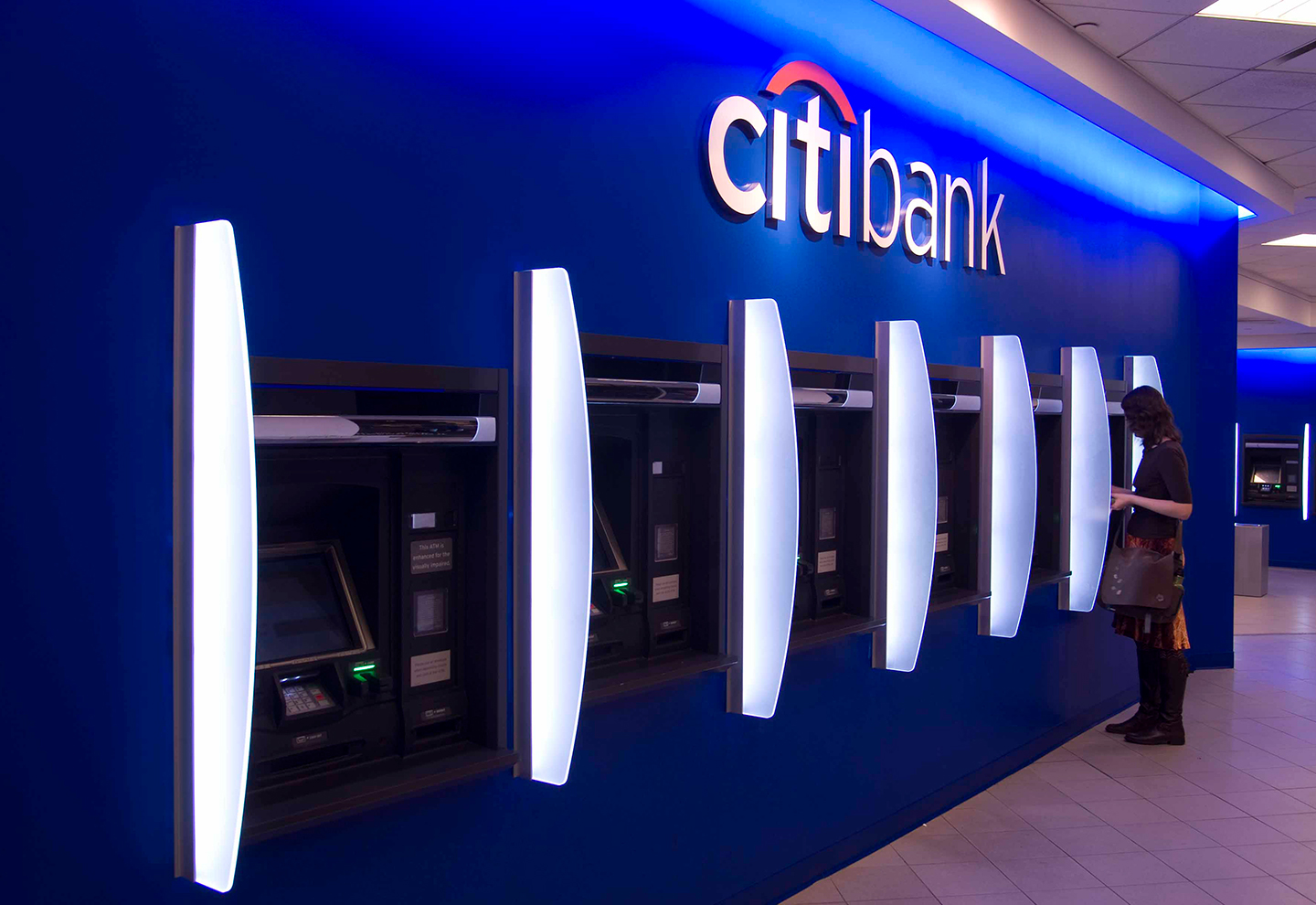
    Citi has closed hundreds of branches in Asia in recent years, shrinking its network from 600 to roughly 250, according to «Reuters.» Despite downsizing its physical network, Citi is benefitting from the increasing shift towards digital banking among retail banking customers.

    This (digital banking) has kind of evened the playing field for us because today, customers are online. We are no longer relying on having the number of branches to reach out to them, especially in a market like Singapore, said Charles Wong, Citibank Singapore’s head of retail banking.

    Last October, Citi rolled out a virtual remote engagement feature for Singapore clients to speak with relationship managers on demand using screen sharing and video capabilities. The following month, it revamped its Citi Mobile app to offer a cleaner user interface and new features such as a multi-currency wallet.

    The bank is also targeting to enable customers to open accounts with the bank digitally in the third quarter of this year. The aim is to enable all branch transactions to be carried out on the mobile app within the next two to three years.

    Citi’s bets to serve retail banking clients via its mobile app and online services in Singapore appear to be paying off – its first-quarter revenue this year was up about 10 percent from a year ago, even as its physical branches have been cut back from 18 to 15 last year.

    Digital acquisitions of retail banking customers grew 20 percent in Q1 from the year-ago quarter, said Wong. «In terms of how we generate interest and leads in the digital world through digital partners, versus generating leads through the traditional marketing channels, that has come up significantly as well,» he added.

  • Credit card companies want to get rid of Paper Receipts

    Credit card companies want to get rid of Paper Receipts

    Credit card companies in South Korea are consulting with financial authorities to make issuing paper receipts optional.

    For South Korean credit card companies, issuing paper receipts is a cost they want to phase out following last year’s reduction in transaction fees.

    Card companies argue that issuing paper receipts is not necessary since card users can check their transaction log via smart device applications or on its website.

    KB Kookmin Card Co, for example, plans to introduce a new policy to make issuing credit-card sales slips optional starting next month.

    “Financial authorities are positively considering the idea,” said a source familiar with the credit card industry. “We hope that they will decide on a plan that will ease off the cost.”

  • Facebook reveals its new digital currency called Libra

    Facebook reveals its new digital currency called Libra

    As expected, Facebook announced a brand new cryptocurrency coming in 2020 – Libra. Described as a new digital wallet for new digital currency, the new financial service will allow consumers to keep their cryptocurrency safe, as well as make various transactions.

    When it launches in 2020, the digital wallet will be available in Messenger, WhatsApp, but also as a standalone app. The decision to launch such a service is based on the people’s need to save, send or spend money even if they don’t have a bank account.

    Apparently, many people around the world still don’t benefit from even basic financial services, especially in developing countries. Calibra, the company behind the financial service, is meant to address this problem since it will allow those who don’t have a bank account to save, send and spend Libra.

    Most importantly, Calibra will allow users to send Libra to almost anyone with a smartphone just like sending a text message. Additional services will be provided to those using Libra later on, including the option to pay their bills.

    Facebook says that Calibra will not share account information or financial data with its servers or any third party without customer consent. Furthermore, the social network company mentions that Calibra will use Facebook data to comply with the law, secure customers’ accounts and prevent criminal activity.

    It remains to be seen what merchants will accept Facebook’s new crypto currency and how companies in developing countries will be convinced to pay their workers in Libra if they so choose.

  • Alibaba Files Hong Kong Listing

    Alibaba Files Hong Kong Listing

    Chinese multinational conglomerate holding company Alibaba Group has filed confidentially for an initial public offering in Hong Kong, Bloomberg reported on Thursday, citing people familiar with the matter.

    Previously reported that the group was mulling a secondary listing to diversify funding sources amid escalating U.S.-China tensions over trade and tech, which has accelerated the drive for Chinese technology companies towards more self-reliance on domestic supply chains, technology, and funding.

    The firm had chosen China International Capital (CICC) and Credit Suisse to lead its Hong Kong share sale.

    Alibaba’s 2014 U.S. initial public offering was the world’s largest-ever stock market flotation, raising a record $25 billion. Hong Kong lost out on the listing because its rules back then did not allow for Alibaba’s corporate structure, which gives founding partners control over board appointments, as opposed to shareholders.

    However, Hong Kong Exchanges and Clearing changed its rules last year to allow «innovative companies» from China with listings elsewhere to do a secondary listing in Hong Kong, even if their voting rights structures did not comply with local standards.

  • HSBC Bolsters Asia Technology M&A Team

    HSBC Bolsters Asia Technology M&A Team

    HSBC Holdings has hired Jeremy Choy to head its Asia Technology Mergers & Acquisitions (M&A) team, a Hong-Kong based role that will also see him work with technology companies in areas such as initial public offerings and financing, Bloomberg reported, citing unnamed sources close to the matter.

    Choy, who is expected to start in his new role as early as next week, joins HSBC from boutique investment bank China Renaissance, where he worked for 4 years, most recently as managing director and head of M&A. He will report to Rajeev Sahney, the bank’s head of Asia-Pacific advisory and corporate, Bloomberg said.

    According to his LinkedIn profile, Choy also worked for J.P. Morgan’s North Asia M&A team for 4 years, was an M&A advisor at PacBridge Capital Partners for 2 years, and worked for Goldman Sachs for 5 years.

    Bloomberg reported that the volume of technology, telecommunications and media deals in Asia-Pacific is down 47 percent from the year before.

    However, it noted several large deals on the horizon, including the sale of a major stake in gaming company Nexon Co. and a potential share sale in Hong Kong by Chinese internet giant Alibaba Group.

  • Gojek to Be Integrated Within DBS’ PayLah

    Gojek to Be Integrated Within DBS’ PayLah

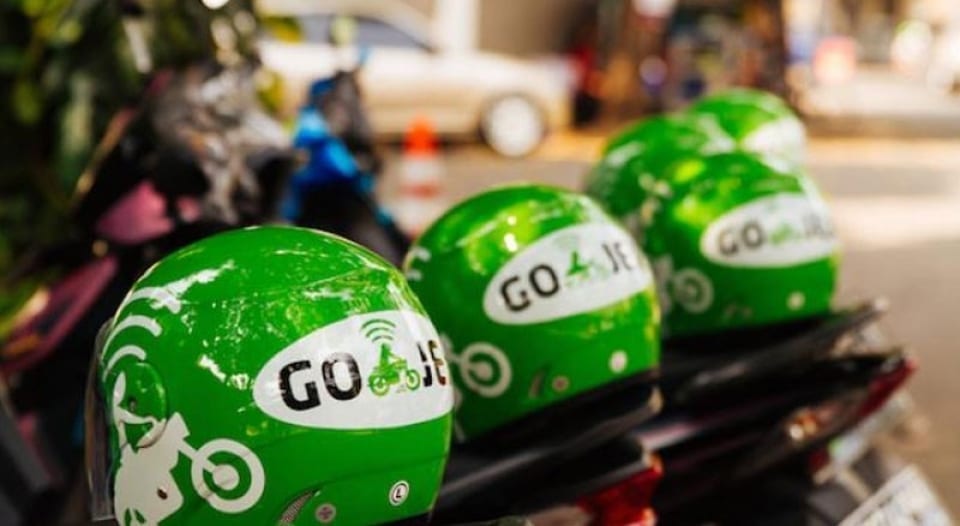
    Users of DBS Bank’s PayLah! app over the next few months will find Gojek integrated within its app, both companies said on Thursday. In addition, Gojek customers can now pay with PayLah.

    As part of its partnership with the Indonesian ride-hailing firm, DBS Bank’s payment feature has been made available in the Gojek app for both iOS and Android users in Singapore, both companies announced on Thursday.

    Through integrating DBS PayLah! in the Gojek app, our riders will have greater flexibility to choose their preferred payment methods, which allows for a more seamless travel and payment experience with every ride, said the general manager of Gojek Singapore, Lien Choong Luen, in a media statement.

    Gojek customers will be able to add DBS PayLah! as a preferred payment method for their rides after a one-time authorization and set-up. According to Gojek, about 35 percent of its daily ride-hailing transactions are paid for in cash.

    This presents an opportunity for DBS and Gojek to encourage users to adopt digital payments, the companies noted.

    As Indonesia is a key growth market for DBS, DBS and Gojek are now exploring collaboration opportunities in Indonesia, including cross-marketing initiatives. Ride-hailing company Gojek is headquartered in Indonesia, where DBS has more than 460,000 digibank customers.

    Following the success of DBS and Gojek’s partnership in Singapore, where Gojek recently celebrated their 10 million-trip milestone, we have also entered the next phase of our partnership in Indonesia, said Shee Tse Koon, DBS country head for Singapore.

  • Visa Transforming Mass Transit Experience Worldwide with Visa Contactless Payments Now Live in Singapore

    Visa Transforming Mass Transit Experience Worldwide with Visa Contactless Payments Now Live in Singapore

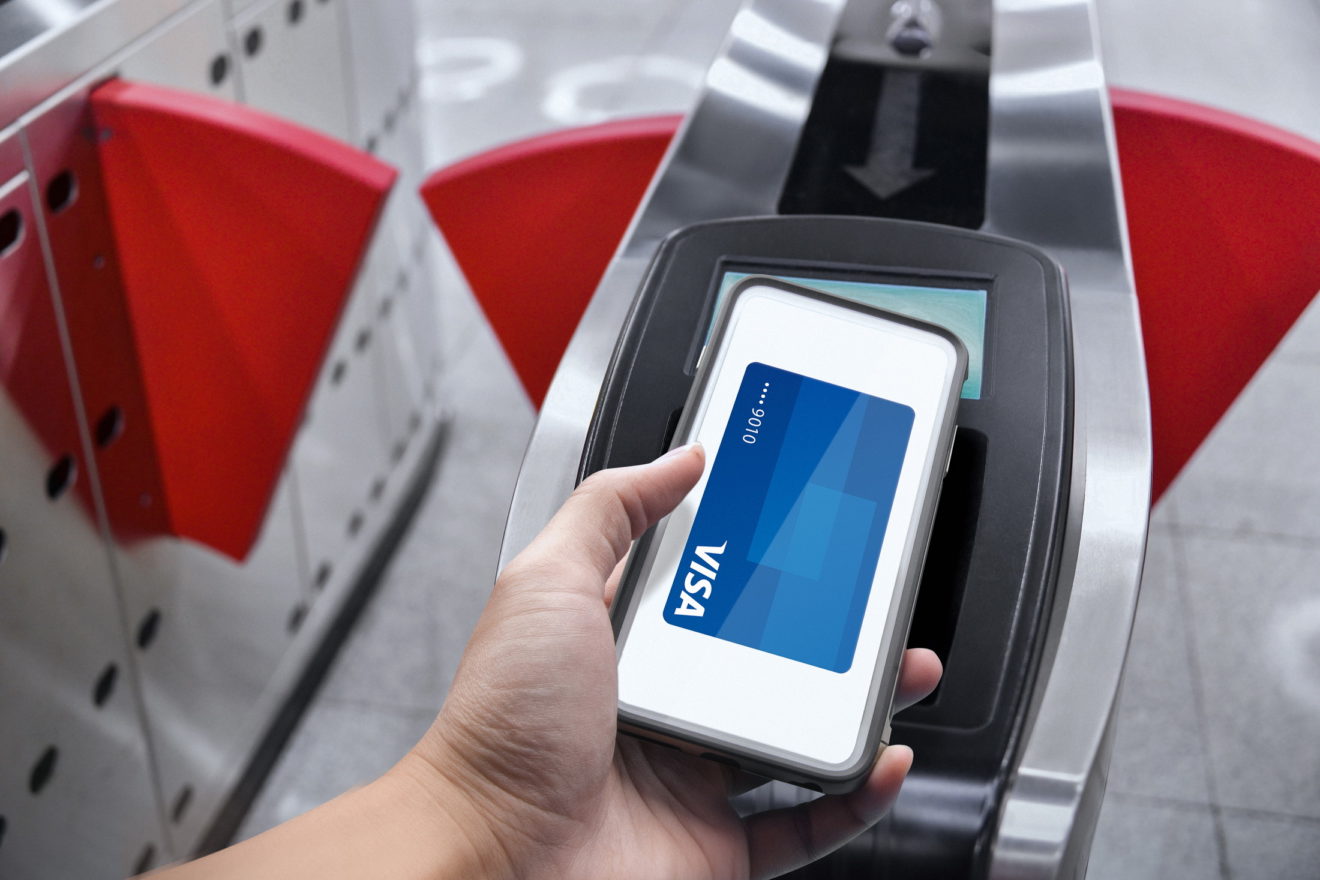
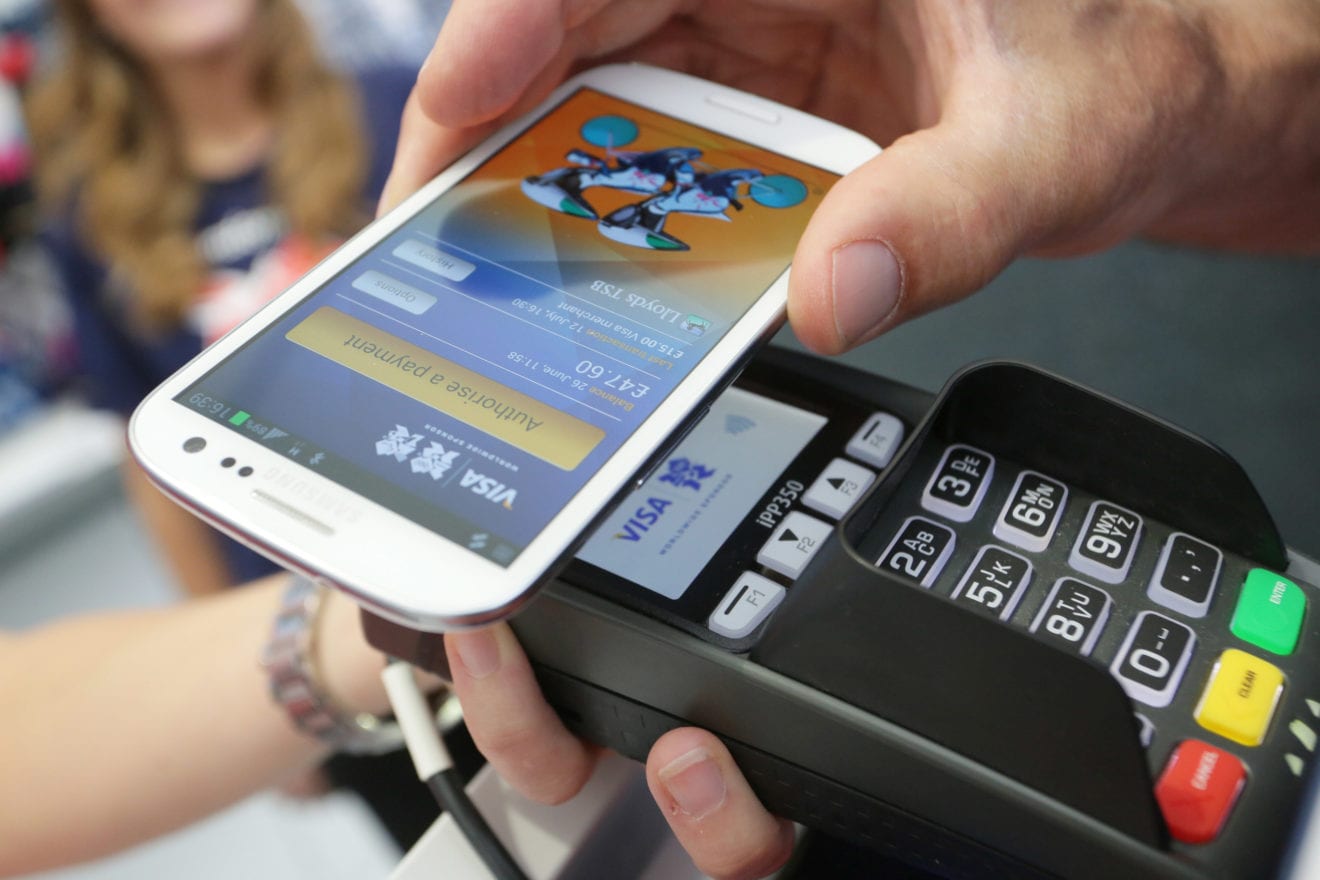
    The project with LTA will be one of Visa’s largest implementation for contactless acceptance for transit globally at 30,000 acceptance points.  All banks that issue contactless enabled Visa cards will be part of this transit initiative. Consumers will also be able to make mobile contactless transactions through compatible devices including Apple Pay, Fitbit Pay, Google PayTM and Samsung Pay.  Singtel Dash mobile wallet users can also tap and pay for bus and train rides with their Dash Visa Virtual Account.

    Paying for public transportation using Visa contactless is not only convenient, but enhances the travel experience for commuters by eliminating the need to carry multiple cards or the hassle of having to top up stored value travel cards.

    More than one-third (35 percent) of respondents in a recent Visa Singapore transit study say it is inconvenient to top-up their pre-paid stored value cards for local travel. In addition, close to 70 percent of respondents say it is a hassle to wait in long queues to purchase fares or top up their travel cards. The same study also highlighted that 75 per cent of Singaporeans are open to using mobile or digital payments as their sole method of payment for public transport.

    Kunal Chatterjee, Visa Country Manager for Singapore and Brunei said: “We are excited to bring contactless transit payments to our cardholders in Singapore as part of LTA’s SimplyGo initiative. Our partnership with LTA to implement contactless acceptance is one of the largest contactless initiatives for transit that Visa is implementing globally and we are proud that this expansive project has come to fruition. By opening up contactless acceptance for transit, we are removing friction from the travel experience, eliminating the need for Singaporeans and tourists to wait in line to top up their stored value travel cards. Visa will continue to work closely with our partners to streamline the payment experience at all touchpoints across Singapore to make it seamless and convenient.”

    With the expansion of the SimplyGo programme to Visa cardholders, Singapore joins other major cities that have enabled open-loop payment cards for public transport, including London, Sydney and New York.  The launch built on Visa’s experience helping transit operators around the world find the best, most cost-effective way to address increasing pressures on their existing infrastructure while also investing in the technologies that will serve them in the future. Over the past year alone, Visa helped launch contactless transit solutions in 20 cities across 12 countries, with more than 150 projects currently underway.

    “Today, Singapore is already one of the top markets globally in terms of contactless penetration with more than 80 percent of all Visa transactions being contactless. We expect this number to grow even faster with the opening of transit acceptance,” added Kunal.

  • UOB Expands SME Accelerator Program

    UOB Expands SME Accelerator Program

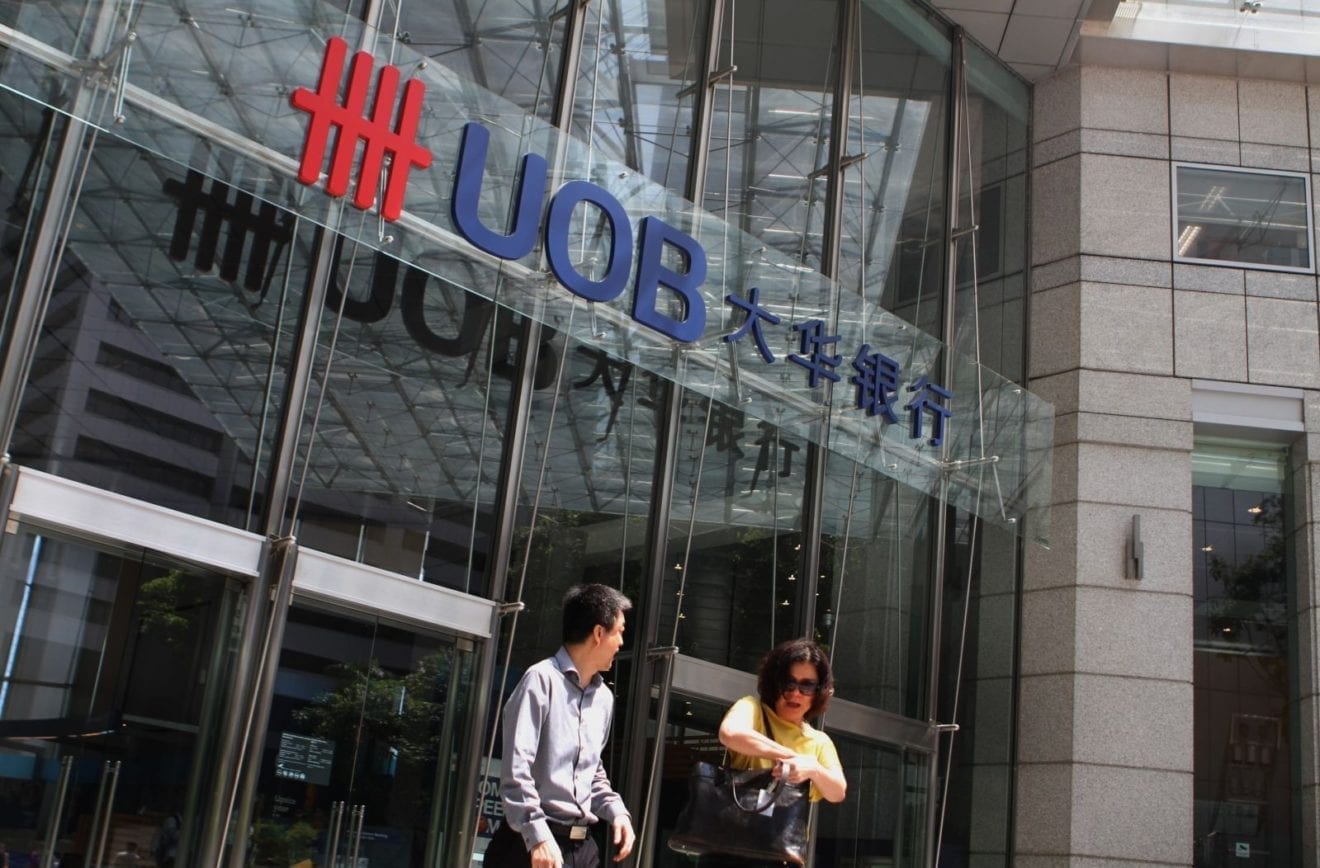
    UOB has announced that it is bringing its business transformation program to Malaysia, following successful editions held in Singapore (2018) and Thailand(2019), the bank announced on Friday.

    The three-month-long «Jom Transformation Program» run by UOB innovation accelerator The Finlab aims to help businesses in Malaysia adopt technology to drive productivity and growth.

    As part of the program, they will be matched with technology partners to address their concerns and to pilot the implementation of the solution. Participants will be able to gain the skills and knowledge in areas such as business process re-engineering and digital marketing, the bank said.

    Businesses will also be matched with mentors, including the Chinese Chamber of Commerce & Industry of Kuala Lumpur & Selangor, the Malaysian Association of Tour and Travel Agents, Maxis, the Malaysia Digital Economy Corporation and SME Corporation Malaysia, who will be able to advise them on how to increase operational efficiency, expand and scale across Southeast Asia,

    Malaysian businesses will be able to tap the combined knowledge, experience and networks of these organizations to accelerate their transformation process, Pauline Sim, co-head, The FinLab, said

  • Naver’s Latest Move and the Rise of New Payment Methods in Japan

    Naver’s Latest Move and the Rise of New Payment Methods in Japan

    Trends come and go in the retail world, but one which undoubtedly appears to be here to stay is the shift in how consumers now choose to pay for goods and services.

    Physical cash has played an important part in retail for decades, but a recent announcement involving South Korean internet firm Naver has put a spotlight on how new payment methods are becoming increasingly common in Japan.

    Mobile payments system

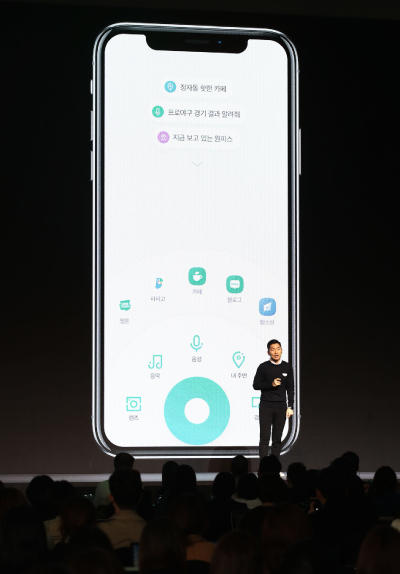
    Earlier this month it was confirmed that the company has launched a mobile payments system which can be used in Japanese stores. According to the Korea Herald, the Naver Pay service now features a tool known as Cross-Border, which allows people to make payments via a QR code on their smartphone or tablet.

    Naver Pay chief Choi Jin-woo told the media outlet that the move was the company’s “first step” into Japan and was based around providing a “convenient service” to customers wherever they are.

    While it is thought that the move will help Koreans travelling to the country, the announcement is also arguably another sign of the major changes being seen in how people pay for different items across the world.

    Going cashless

    A huge number of countries have embraced the idea of going cashless by using new payment methods, with the likes of Canada, Sweden and the UK thought to be among those leading the way.

    The types of services which have made the move possible include Google Pay, Apple Pay and, of course, the likes of PayPal. The latter is thought to have a total user base of 277 million accounts, with 255 million of those being consumers.

    Many businesses have worked hard to keep up with the consumer appetite for new payment options, and evidence of this can be seen in a range of sectors. For example, Amazon Pay allows people to use payment methods linked to their Amazon account to pay for services on other sites. In addition, this site offering Japanese NetBet casino games gives users a chance to make deposits via a range of means including Neteller, Skrill, Entropay and Trustly. Companies like Subway and Expedia have even flirted with cryptocurrency in the past too.

    Set for growth

    According to payment technology provider InComm, it is thought that around 20 per cent of all payments in Japan are currently made with methods other than cash, and it is thought that the government is keen to boost this further in the next six years. When did the organization reveal this? In an announcement that it had partnered with DFS to launch barcode payment solutions in the country.

    The world of payments is undoubtedly changing, and it will be fascinating to see whether all of the innovations emerging in Japan will ultimately mean the country rises up the rankings when it comes to going cashless. In addition, it will be vital that retailers can stay on top of these trends to ensure they can continue to meet consumer demand.

  • Australian dollar strengthens again

    Australian dollar strengthens again

    The Australian dollar has risen Wednesday, buying 69.62 US cents from 69.55 US cents on Tuesday.

    The local currency was on the back foot yesterday as its US counterpart continued to benefit from the trade truce with Mexico, even as Washington kept up the war of words with China.

    The Aussie was pinned at 69.56 US cents on Tuesday, having lost 0.6 per cent on Monday in the wake of the trade truce with Mexico.

    It had reached as high as 70.25 US cents at one stage before retreating.

    President Donald Trump’s decision not to impose tariffs on Mexico was taken as lessening the risk of recession in the United States and lifted 10-year Treasury yields up to 2.15 per cent from a  two month low of 2.05 per cent.

    It also led investors to trim expectations for interest rates cuts from the Federal Reserve, though futures are still wagering heavily on a move in July.

    Trump did not sound so conciliatory toward China, however, threatening another round of tariffs if no progress was made on trade at a Group of 20 summit later this month.

    China is Australia’s single largest export market and investors use the Aussie as a liquid proxy for positions on its economic outlook.

    The Aussie has troubles of its own as a survey of Australian business showed activity faltered in May even as confidence got a rare boost.

    The Reserve Bank of Australia has already cut interest rates to a record low of 1.25 per cent and markets imply around an 86 per cent probability of a further reduction by August.

    “Today’s survey again suggests increased risk that the unemployment rate will not make the further gains the RBA expects and strongly argues the case for further near-term easing in monetary policy,” said Ivan Colhoun, NAB’s chief economist, markets.

    “A weak outcome for unemployment would likely cement a July cut,” he added, referring to the official jobs report for May which is due on Thursday.

    Median forecasts are that employment rose a solid 17,500 in May, nudging the jobless rate down a tick to 5.1 per cent – an outcome that would likely lessen the urgency for a rate cut as early as July.

    Australian government bond futures were lower on Tuesday as risk appetite globally got a boost from the US-Mexico trade news. The three-year bond contract fell 2.5 ticks to 98.920, while the 10-year contract slipped 3.0 ticks to 98.5100.

  • Visa and LINE pay to partner on next-generation fintech solutions

    Visa and LINE pay to partner on next-generation fintech solutions

    Visa (NYSE: V), the global payments leader, and LINE Pay Corporation, operator of digital wallet and fintech services on the LINE messaging app, today announced a strategic partnership that will see them create new financial services experiences for their collective user bases of millions of consumers and merchants worldwide[1].

    The two companies will collaborate across multiple areas, including:

    • Everyday consumer payments: LINE’s 187 million global monthly active users will be able to apply for a digital Visa card from within the LINE app, and over time, add any of their existing Visa cards to make seamless payments from their mobile phone.  The companies will also offer consumers additional and enhanced experiences like integrated loyalty programs and tailored offers and new payment capabilities for users when they travel overseas.
    • Solutions for merchants: Through Visa, LINE Pay consumers will be able to use LINE Pay branded capabilities at Visa’s 54 million merchant locations worldwide, enabling them to take advantage of LINE Pay offers and services. They will also be able to see these transactions in their LINE Pay digital wallet, even where LINE Pay is not directly accepted. In addition, Visa and LINE Pay will collaborate on ways for merchants to interact with the LINE Pay service as well as LINE Pay digital wallet, supporting the continued growth of globally interoperable payments.
    • Fintech services: LINE Pay and Visa will develop new experiences based on blockchain that enable B2B and cross-border payments and alternative currency transactions.
    • Marketing: Ahead of the Tokyo 2020 Olympic Games, Visa and LINE Pay will partner on exclusive marketing campaigns and promotions to contribute to Japan’s acceleration towards a cashless society in the lead-up to and after the Olympic Games.

    Messaging apps are a fast-growing frontier in digital commerce, as consumers look for more of their everyday tasks, like payments, to be integrated with the apps where they’re spending more of their time. As consumer preferences shift further towards a single app from which they can do everything – transfer money, make an online purchase, pay bills, book travel, and order food – LINE Pay and Visa’s partnership will make that seamless experience a reality for millions of users while ensuring LINE Pay and Visa further drive the expansion of globally interoperable, open-loop payments.

    This new partnership extends the existing relationship between Visa and LINE Pay, which includes co-branded LINE Pay Visa cards in Taiwan and to be launched later this year in Japan.

    “The Visa co-brand program that currently serves 2.3 million customers in Taiwan is one of Visa’s fastest-growing programs globally,” said Chris Clark, Regional President, Asia Pacific, Visa.  “We are excited to extend this momentum to a range of new solutions in more markets around the world.  As the LINE Pay team continue to enhance the utility of the LINE messaging application for consumers’ everyday lives, we are impressed by the potential of LINE’s distribution power and consumer loyalty to further drive the growth of the global, open-loop payments ecosystem to benefit all players on our network – consumers, merchants, and issuing and acquiring banks.”

    “LINE Pay is more than just a payment method. As we transition to a cashless society, LINE Pay is focused on delivering added value to LINE’s users around the world and business partners,” said Youngsu Ko, CEO of LINE Pay and LINE’s Fintech Company. “With Visa’s global network and infrastructure, LINE Pay users will be able to enjoy the advantages of that innovative, worldwide network.”

    As payments move away from traditional plastic cards into smartphones, connected devices, and other digital formats, Visa is working with its partners around the world to enable new consumer experiences that are based on digital cards and extending its network to collaborate with new players. This includes the Visa fintech fast-track program, which makes it quicker and easier to build and deliver new commerce experiences on Visa’s payments network.

  • Six European Mobile Wallets and Alipay Collaborate to Promote Digital Payment Interoperability across Europe

    Six European Mobile Wallets and Alipay Collaborate to Promote Digital Payment Interoperability across Europe

    Six prominent mobile wallets across Europe, together with Alipay, announce today a collaboration to promote QR code-based digital payment interoperability for travelers both in Europe and from China.

    Bluecode, ePassi, momo pocket, Pagaqui, Pivo, Vipps and Alipay are working towards adopting a unified QR code, marking a milestone in connecting Europe’s thriving yet fragmented mobile payment landscape. When fully realized, users of the six participating European digital wallets will be able to make QR code-based payments with their home apps to local merchants in 10 European countries where those apps are accepted. At the same time, merchants that already accept mobile payments via the six apps in their respective domestic markets will also be able to easily accept payments made by customers of the other countries covered by the collaboration. In addition, Alipay’s Chinese users can also make payments to merchants that accept these wallets.

    Helsinki-based ePassi and Oslo-based Vipps have started to prepare the roll-out of this QR code format for users across several Nordic countries, while the Spanish payment company MOMO, Portugal’s Pagaqui and Austria’s Bluecode intend to extend the collaboration further later this summer in their respective home markets. Built on the back of a similar partnership announced in December between two Nordic firms, Vipps and ePassi, and Hangzhou, China-based Alipay, this open-ended collaboration is expected to continue to expand into more European countries and companies in the future.

    The collaboration, the first of its kind in Europe, will bring together the six mobile wallet partners’ users, which are more than 5 million in total, and around 190,000 merchants in Europe, as well as a fast-growing number of travelers from China. In addition, as each of the participating firms grows the user base and merchant network, the growth is also beneficial to all of the collaborating firms’ merchants and users, respectively.

    The partnering firms have agreed to apply a compatible QR code format provided by Alipay, the world’s most-used app outside social apps. ePassi and Bluecode will offer technical services to the participating wallets to simplify the integration process among them.

    “With over 12 years’ experience, ePassi is already a mobile payments front-runner in QR code-based payments in the Nordic and selected European countries. We are proud and honored to be part of this unique collaboration of European payment wallets, and to support other partners with their integration as well,” said Risto Virkkala, CEO of ePassi.

    “It has always been our vison to enable European banks with a widely accepted European mobile payment offering”, said Christian Pirkner, CEO of Blue Code International. “As a payment solution provider, we naturally support this collaboration of European wallets agreeing on a technical format. Even more compelling that it is compatible with Asia’s leading lifestyle app Alipay.”

    The announcement came on the heels of Alipay activating the eight-year global partnership with UEFA in Porto, where the inaugural Nations League Final just concluded. “We feel honored to help promote a smart lifestyle and digital experiences in Europe, while continuing to connect more merchants with more Chinese tourists. We believe mobile payment is a universal language that can help connect people just as football does,” said Eric Jing, Chairman & CEO at Ant Financial.

    Alipay currently serves over 1 billion users with its Asia-based local e-wallets partners. Launched in 2004, Alipay has evolved from a digital wallet to a lifestyle enabler. Users can hail a taxi, book a hotel, buy movie tickets, pay utility bills, make appointments with doctors, or purchase wealth management products directly from within the app.

    In addition, Alipay’s technology is being used to enable over 200 Chinese financial institutions to improve efficiency and lower operational costs. Alipay’s in-store payment service covers over 50 markets across the world, and tax reimbursement via the app is supported in 35 markets.

    Nearly 60 per cent of overseas bricks-and-mortar merchants that adopted Alipay saw a subsequent growth in both foot traffic and revenue, according to a report by Nielsen earlier this year.

    “Momo were first to process payments via mobile devices in Spain six years ago, starting in Malaga. Since then, we’ve expanded to also help our merchants increase their sales by accepting QR payments from thousands of Chinese tourists via Alipay.” says Mariano de Mora, CEO of MOMO Group. “We are excited to see how this collaboration with other European payment wallets can bring millions of users to our merchant network here in Spain and offer our users hundreds of thousands of places to pay with their local momo app across Europe.”

    “This unique cooperation is a testament to how collaboration in Europe can simplify the market for businesses and users to create better outcome for everyone.” said Rune Garbog, CEO of Vipps. “We are extremely enthusiastic about new partners joining this collaboration, giving all our combined users broader possibilities for using their preferred mobile app also when travelling abroad.”

    “As a Portuguese company and a stakeholder in this project, Pagaqui rejoices in the choice of venue for this announcement, and is extremely proud to participate in such an ambitious and innovative undertaking”, says João Barros, CEO of Pagaqui. “As in football, European firms can be more successful when playing together as a team. This is a real game changer for businesses and users across Europe, and we are excited to see so many partners taking part in it.”

    Pivo, the largest mobile wallet in Finland with over 1 million registered users, is welcoming the collaboration and the benefits it will provide to all mobile wallet customers. “Interoperability will allow us to offer a simple and unified customer experience across services and points-of-sale internationally. The collaboration will create additional value for Pivo as a service platform, and it is a welcome initiative for the ecosystem and our customers,” said Masa Peura, CEO of Pivo.

  • Visa Expands Contactless Payments to Public Transport

    Visa Expands Contactless Payments to Public Transport

    Singapore joins other major cities that have enabled open-loop Visa payment cards for public transport, including London, Sydney and New York. Commuters in Singapore can now use their Visa contactless cards or compatible devices to pay for bus or train rides under the Land Transport Authority’s (LTA) SimplyGo initiative, Visa said in an announcement on Thursday.

    According to Visa, the project with LTA is one of its largest implementation for contactless acceptance for transit globally, with 30,000 acceptance points.

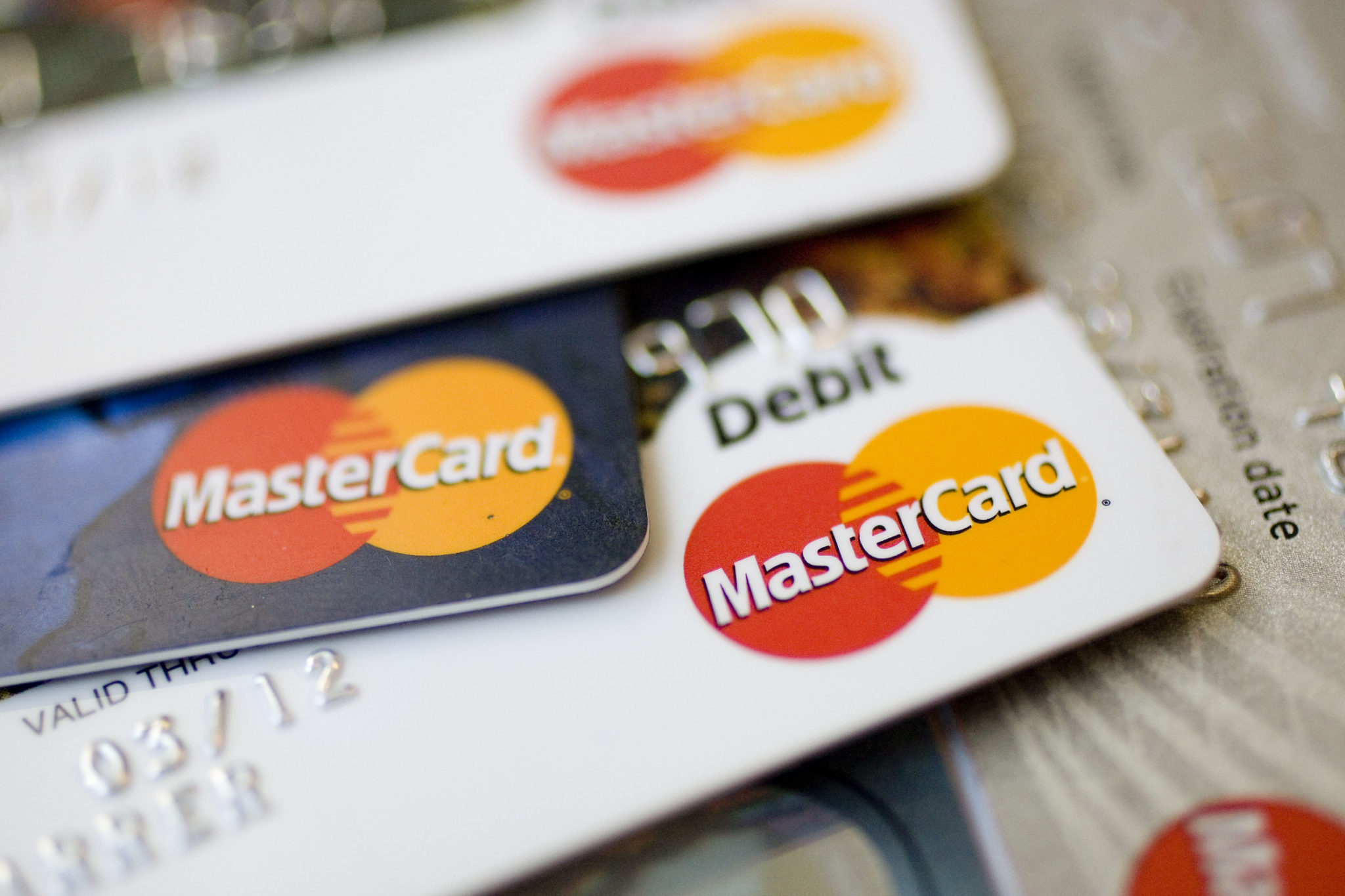
    SimplyGo was rolled out for MasterCard users in April, aiming to make traveling by public transport seamless and convenient by eliminating the need to carry a travel card or wait in line to purchase or top up a travel card. Fees under SimplyGo are the same as paying with a travel card.

    Visa said has been working with partners and merchants to expand the acceptance of contactless payments nationwide, including transport, quick service restaurants and hawker centers.

    Today, Singapore is already one of the top markets globally in terms of contactless penetration with more than 80 percent of all Visa transactions being contactless. We expect this number to grow even faster with the opening of transit acceptance, Kunal Chatterjee, Visa country manager for Singapore and Brunei, said.