Category: Finance

Retail News Asia is committed to providing both local and global retailers with the latest Finance news throughout the Asian market. This on a daily base.

  • Paperless Trade Financing an Inevitability

    Paperless Trade Financing an Inevitability

    The paper-filled world of trade financing is ripe for reform as the expertise of forgers in faking documents used by banks is forcing the industry to digitalize.

    Trade financing is being forced into the digital age because of the scale and expertise of forgery, said Ng Chuey Peng, Oversea-Chinese Banking Corp’s (OCBC) managing director, and head of global commodities finance, in an interview with Bloomberg.

    The widespread use of paper in trade financing – to establish the existence, ownership, and provenance of goods – stands in contrast to the high-tech world of finance, but is critical for banks to issue loans for trades. Digitalization and high levels of security can improve efficiency and help reduce fraud in trade finance by removing paper documents that are often manipulated.

    Ng said that OCBC is currently working on projects «that leverage technology in order to reduce the use of paper in commodities trade finance,» without providing further details.

    OCBC started its trade finance unit in 2014. Since then, it has tripled its number of trade financing customers, Ng said, Bloomberg reported. She added that the bank will soon add a Hong Kong and U.S.-based team for this business.

  • Moody’s backs Vietnam’s strict proposal on unsecured consumer lending

    Moody’s backs Vietnam’s strict proposal on unsecured consumer lending

    The State Bank of Vietnam has proposed changes to regulations on personal unsecured lending by consumer finance companies. The proposed changes include limiting unsecured personal loans in cash to existing customers with good credit and no overdue debt; and limiting the maximum amount of such cash loans to 30 percent of total loans.

    The central bank has not specified when it intends to carry out the new regulations.

    According to Moody’s, the proposal is credit positive for Vietnamese finance companies because the stricter regulations will help alleviate asset quality pressure by curbing excessive growth in the riskier consumer-loan segment, which will lead to stronger risk-adjusted returns and will support internal capital generation in the future.

    The rating agency also said that the bottom-line profitability of finance companies was expected to decrease in 2019 as companies adjust to the new rules.

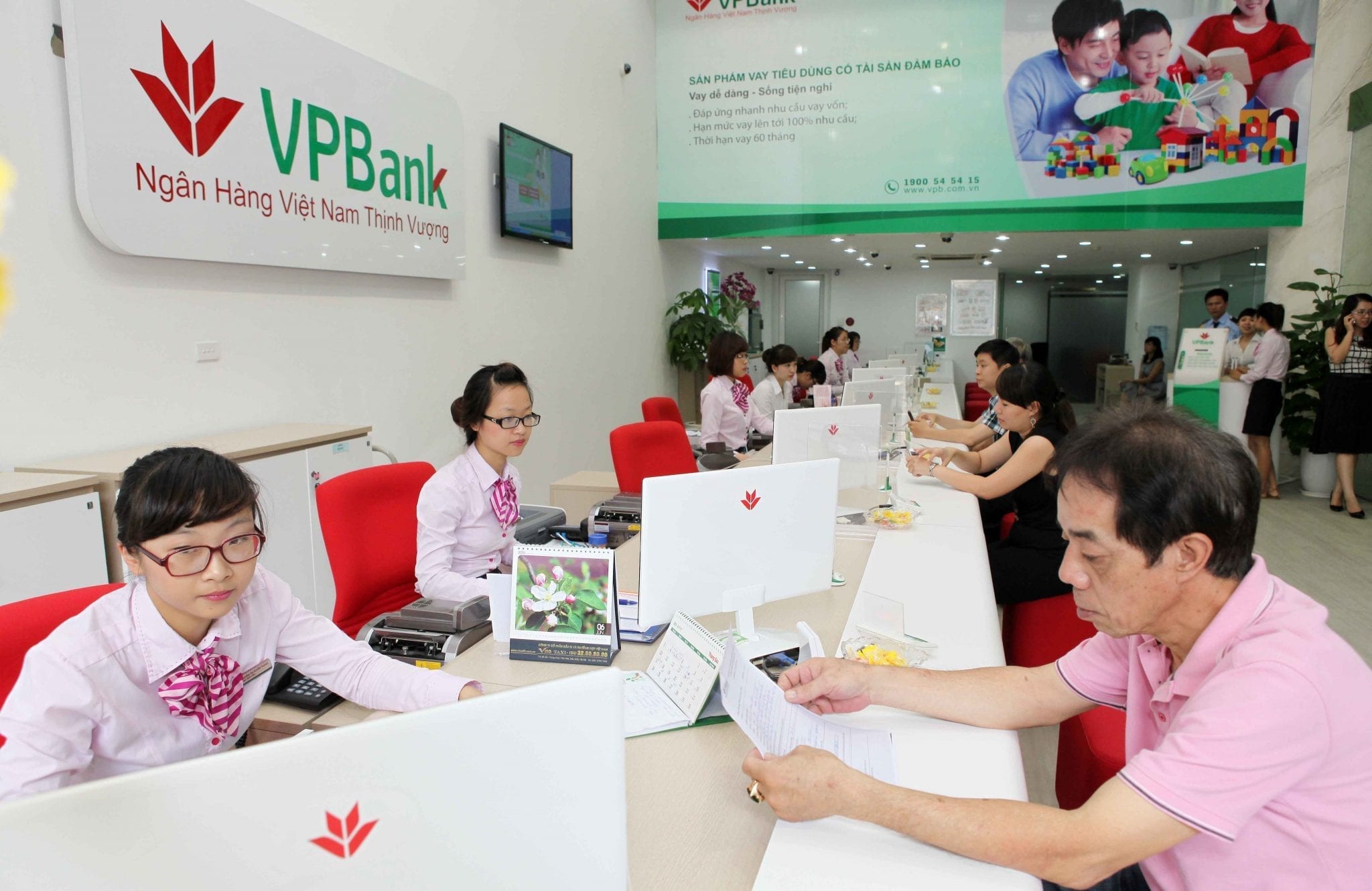
    VPBank Finance Co Ltd (FE Credit) has the highest proportion of personal loans in its loan portfolio among the three largest finance companies by total loans in Viet Nam. The other two companies are Home Credit Vietnam Finance Co Ltd (Home Credit) and HD Saison Finance Co Ltd

    All three companies will need to make adjustments to their businesses by focusing on lower-yield products such as consumer durables and motor vehicle loans. Moody’s expects that FE Credit will need to make the most significant adjustments to comply with stricter regulations because of the higher amount of personal loans on its books.

    The three companies are also market leaders in other consumer finance segments in Viet Nam and will have to make fewer adjustments to their business practices than smaller finance companies as a result of the new regulations.

    These smaller companies have been more reliant on personal loans for business growth and will have greater pressure on their revenue than the top three companies.

    Revenue growth of finance companies remains supported by strong consumer demand for credit, while credit costs will be contained by the tighter lending requirement. Both factors will drive stronger risk-adjusted returns for finance companies, according to Moody’s.

    Vietnam’s consumer finance industry grew at a compound annual rate of 41 percent between 2013 and 2017 on the back of higher personal income and greater penetration of services.

    Moody’s expects growth in personal loans to slow significantly when the new regulations come into effect, after far exceeding growth over the past three years for other less-risky consumer loans, such as those for the purchase of motorcycles and durables.

    The demand for consumer finance is strong and supported by the buoyant Vietnamese economy.

    Now, finance companies constrained from extending new personal unsecured loans because of the new regulations will focus on growing other product segments and will benefit from increased diversification in their lending portfolios and more emphasis on lower-risk products.

  • NZ dollar slides Again

    NZ dollar slides Again

    The New Zealand dollar has fallen slightly against the US dollar Tuesday, trading at 66.70 US cents at 0750 in Wellington from 66.79 US cents at 1700 yesterday. The trade-weighted index was at 72.71 points from 72.82.

    The local currency was at 94.46 Australian cents from 94.85 and was at 51.54 British pence from 51.63.

    The kiwi was at 59.60 euro cents from 59.85, at 74.45 Japanese yen from 74.53 and at 4.4897 Chinese yuan from 4.4938.

  • Australian dollar up Again

    Australian dollar up Again

    The Australian dollar has risen Monday, buying 70.42 US cents from 70.25 US cents on Friday.

    Last Friday, the local currency tumbled to a six-week low and three-year bonds rallied to record highs after surprisingly weak inflation data boosted calls for Reserve Bank rate cuts.

    The Australian dollar slid as low as 70.31 US cents on Wednesday, a level not seen since March 11, after first-quarter inflation slowed to the lowest in three years to 0 per cent when analysts were looking for a 0.2 per cent increase.

    Key measures of underlying inflation favoured by the Reserve Bank of Australia (RBA) averaged 1.4 per cent for the year, marking 13 quarters below the central bank’s target range of 2 to 3 per cent.

    In 2016, the last time inflation was this tepid, the RBA reacted with two rate cuts to the current record low of 1.50 per cent. It has since sat on the fence on policy, awaiting a pick-up in prices and a drop in the unemployment rate.

    Wednesday’s data fuelled more calls for a rate cut, with ING Bank, JP Morgan and Citi becoming the latest to predict an easing as early as next month.

    “Australian inflation shows no signs of coming anywhere near the central point of the RBA’s 2-3 per cent range, and we are biting the bullet and changing our ‘on-hold’ call for the RBA to a cut, possibly as early as the 7 May meeting,” ING economists said in a note.

    “We can’t now see how the RBA can ignore such a bad inflation miss, even with last week’s strong employment gains.”

    Wednesday’s weak inflation report set government bond futures on fire, with the three-year bond contract surging to a record high of 98.750 sending yields below the cash rate to 1.25 per cent.

    Interest rate futures sharply narrowed the odds on an easing. The probability of a May 7 cut doubled to 44 per cent and a quarter-point move was fully priced for July, compared to an October timing earlier this week.

    Across the Tasman Sea, the New Zealand dollar was 0.5 per cent down at $0.6627, languishing near its lowest since early January. The kiwi has fallen or stayed almost flat in nine of the last 10 sessions.

    The currency has been in a downward trend since late March after the country’s central bank abandoned its long-standing neutral bias to say its next move in interest rates was likely down.

    That followed underwhelming inflation data that further boosted the probability of a rate cut in New Zealand.

    New Zealand government bonds were slightly higher with yields down about 5 basis points at the long end of the curve.

  • ICBC Singapore Issues Bank’s First Green Bond

    ICBC Singapore Issues Bank’s First Green Bond

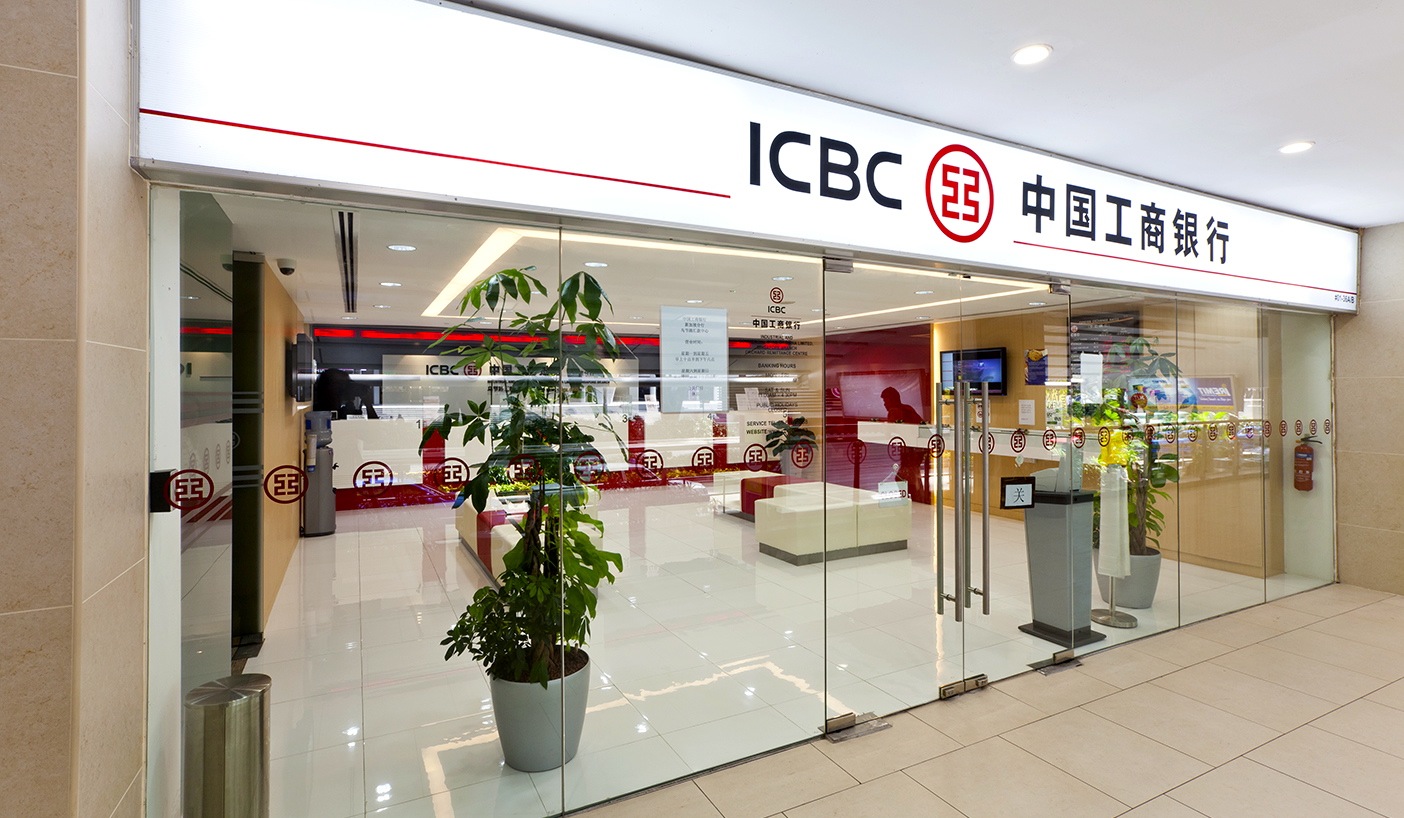
    State-owned bank offers green Silk Road bond in three currencies one week after a similar exercise by rival Bank of China. Acting through its Singapore branch, the Industrial and Commercial Bank of China (ICBC), the world’s biggest bank by assets, has issued its first green bond offering in three currencies totalling $2.2 billion equivalent, Reuters reported on Wednesday.

    The U.S. dollar-denominated tranche includes $900 million three-year floating rate notes priced at three-month Libor plus 72 basis points and $600 million five-year floating rate notes priced at three-month Libor plus 83 basis points. They received over $2.4 billion and $1.5 billion in orders respectively, with Asia buying 92 percent of the deal and the rest coming from EMEA in both cases, according to Reuters.

    The 1 billion yuan ($149 million) three-year tranche was priced at 3.3 percent. The 500 million euro tranche received over 1.8 billion euros in orders.

    DBS Bank was the only Singapore bank among the issue’s joint global coordinators, which also include ICBC, Credit Agricole, HSBC and Standard Chartered Bank. DBS was also the joint book runner and joint lead manager of the issue. There were 22 underwriters for the bond issue, which intends to support green projects under China’s Belt and Road Initiative.

    According to Clifford Lee, DBS Bank head of fixed income, said that ICBC Singapore’s successful issuance of its first green bond is underpinned by its commitment to financing sustainable development along the Belt and Road, «The Business Times» reported.

    A week before, Bank of China raised $3.8 billion equivalent across five currencies and eight tranches from its fifth Silk Road bond offering.

  • Avaloq Launches Disruptive Collaborative Platform

    Avaloq Launches Disruptive Collaborative Platform

    Fintech firm Avaloq announces the launch of a new collaborative platform to help the financial services industry work more effectively with fintechs. Avaloq’s new platform avaloq avaloq.one aims to seamlessly connect leading fintechs and their solutions to its global financial clients, the company said in a statement on Tuesday. The platform is designed to promote and showcase true fintech innovation and place Avaloq, its fintech partners, and its clients at the forefront of the digital revolution underpinning the next generation of financial services.

    «We are excited and proud of our new platform and are actively looking to partner with fintechs around the world to grow our marketplace. Our aim is simple: to make avaloq.one the world’s leading ecosystem of banks, wealth managers, fintechs and developers,» said Martin Greweldinger, Group Chief Product Officer at Avaloq in a media statement.

    avaloq.one is meant to speed up and streamline implementation for all parties through standardized Open Application Program Interfaces (APIs), with fintechs benefiting from a partnership with the ability to self-onboard to the platform, self-integrate with Open APIs, journeys and the avaloq.one sandbox capabilities. In addition, participating fintechs only need to integrate their solution to the Avaloq Banking Suite once to engage with Avaloq’s clients.

    For banks and wealth managers, avaloq.one allows access to greater innovation, and they will remain competitive by choosing from a selection of fintech applications pre-integrated to Avaloq’s Banking Suite in one place. Avaloq will continuously screen the market and validate fintech solutions and the company behind it as it looks to build an ecosystem of the world’s «fintech finest» that institutions can trust.

    «Being part of the avaloq.one ecosystem is a significant development for our firm. The platform gives us access to some of the world’s leading financial institutions and is an excellent opportunity to better connect with financial institutions and drive innovation across the industry. We have integrated once and can now reach over 150 financial institutions and millions of their clients worldwide,» said Oliver Berchtold, Co-Founder of YUKKA Lab.

    avaloq.one will be launched at Fintech Tuesday in Zurich on Tuesday night, a new event format where banks, fintechs and the Avaloq team meet. Avaloq reported full-year revenues of 579 million Swiss francs for FY2018, up 6 percent on an underlying basis.

  • Julius Baer Starts to Serve Thai Wealthy Individuals

    Julius Baer Starts to Serve Thai Wealthy Individuals

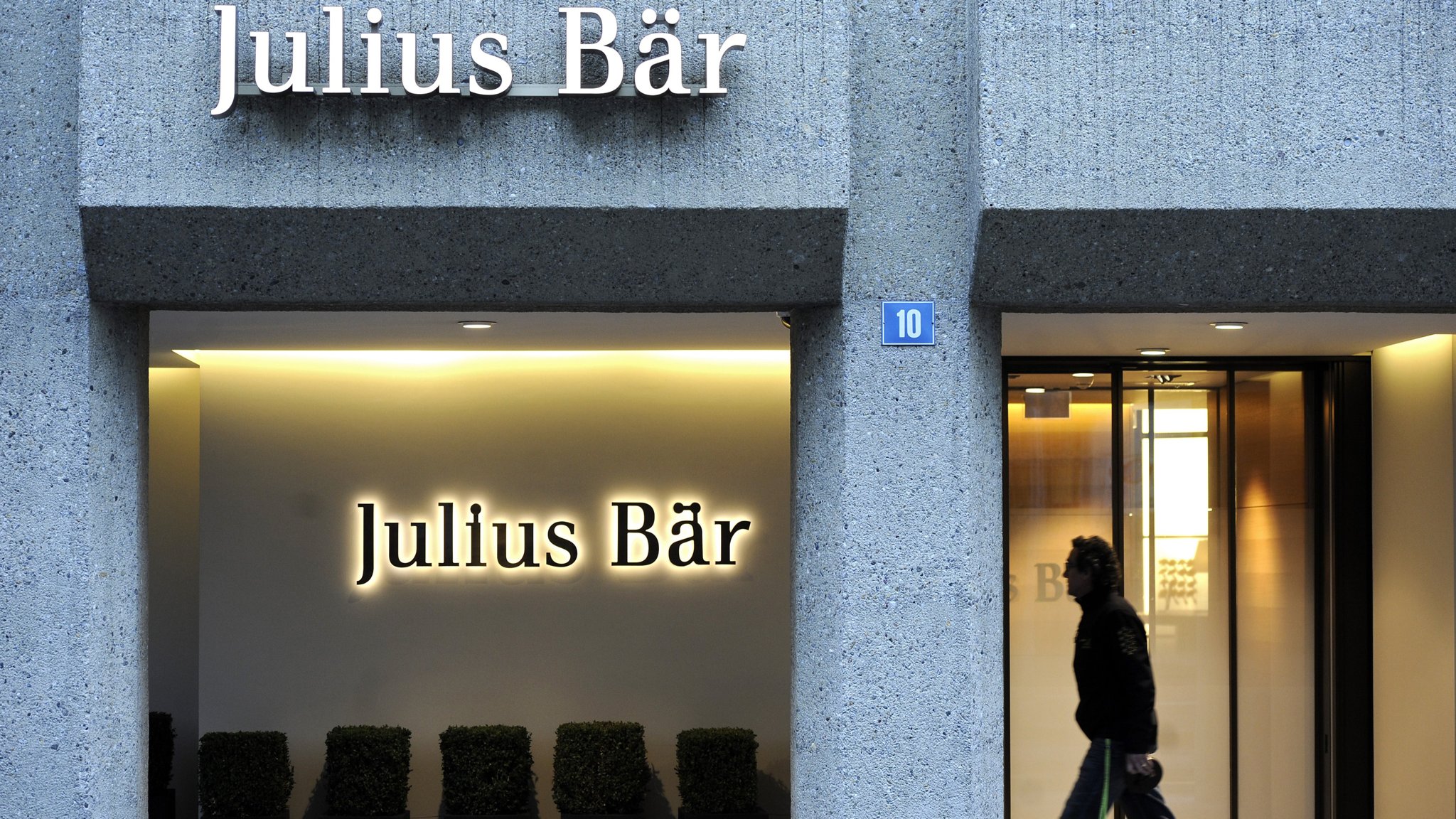
    The Siam Commercial Bank (SCB), the first commercial bank in Thailand, and Julius Baer, the leading Swiss wealth management group and one of the four largest private banks in Asia, announced on Thursday that their joint venture company, SCB Julius Baer, has received the necessary approvals and licenses to operate in Thailand, beginning with over 50 dedicated professionals.

    SCB Julius Baer will focus on bringing best-in-class global wealth management capabilities to clients in the growing Thai wealth management market.

    Jiralawan Tangitvet joins as Chief Executive Officer to lead SCB Julius Baer. A seasoned investment specialist with over two decades of experience, both in the buy- and sell-side in the financial industry, Jiralawan has a track record of helping clients build investment strategies tailored to their financial goals as well as design business plans that accelerate growth and opportunities. Prior to joining SCB Julius Baer, she was most recently Managing Director at Kasikorn Securities.

    «We are delighted that Jiralawan has been appointed to lead this important joint venture in Thailand. Her extensive experience combined with Julius Baer and SCB’s capabilities provide our clients with a unique value proposition in Thailand,» said Jimmy Lee, Member of the Executive Board and Head Asia Pacific, Julius Baer.

    Over the last few months, concrete steps have been taken and key personnel has been hired with the leadership experience and expertise in Thailand to advise clients regarding their wealth management and wealth planning needs. Julius Baer’s international expertise and SCB’s on-the-ground experience form the foundation of these training and development programmes.

    «SCB’s strong brand name in Thailand provides the joint venture with a home-court advantage while Julius Baer contributes its comprehensive investment and advisory solutions built on global best-in-class expertise. Together, we have a winning formula for our clients in Thailand,» said Christian Cappelli, Market Head Emerging Asia, Julius Baer.

  • UBS Quarterly Profit Down Drastically

    UBS Quarterly Profit Down Drastically

    The Zurich-based bank’s net profit for the first quarter dropped to $1.1 billion Swiss francs from $1.6 billion a year ago, it said in a statement on Thursday. A 6.5 percent cut in spending wasn’t enough to offset UBS’ 16 percent tumble in revenue. Last year’s quarter also included an 241 million franc pension credit.

    The result follows a warning last month from CEO Sergio Ermotti that the first quarter – traditionally the strongest in banking – was the toughest in years. Crosstown rival Credit Suisse on Wednesday posted an 8 percent hike in profits for the same period, following an eventful three-year restructuring.

    Profit before tax at UBS’ flagship private bank slid nearly 22 percent: fees dropped because the bank managed fewer assets and commissions fell because clients stopped trading, particularly in Asia. «The first quarter of 2019 was characterized by challenging market conditions, which improved towards the end of the quarter and into April», CEO Ermotti said.

    Nevertheless, clients brought $22.3 billion in fresh assets to the wealth arm, which translates to a healthy 4 percent rate of growth. The bulk came from Asia, where UBS has banked heavily on China as the region’s biggest and fastest-growing wealth market.

    Meanwhile, profits at UBS’ investment bank plummeted by nearly two-thirds, where foreign exchange trading was the only bright spot. A downturn in Europe and the Middle East as well as Asia hit stock and bond trading and advising on deals. The unit eked out a meager 7 percent return on equity in the quarter.

    UBS said it is on track with measures such as stretching out technology projects, slowing hiring, reducing contractors, and pruning travel and entertainment costs – a bid to cut another 300 million francs in spending. «Benefits from these measures should come in the second half of the year, supporting our attractive capital return plan for the year», UBS said.

    Ermotti was more measured than Thiam’s buoyancy in his outlook, saying UBS expected global growth has slowed, but that UBS stands to gain because it is so regionally and operationally diversified. UBS’ rising asset base will bolster recurring income at its private bank and asset management units, the bank said.

  • Relax, Eat and Enjoy Special Discounts with Mastercard

    Relax, Eat and Enjoy Special Discounts with Mastercard

    Want to stay away from the coming summer heat while filling yourself up with your favorite food and drinks? Satisfy your cravings in the comfort of your own home! You can now enjoy special offers and discounts when ordering from Deliveroo, with Mastercard!

    From May 1 to December 31, 2019, Mastercard cardholders can enjoy exclusive discounts when they order from the Deliveroo website or mobile app with their Mastercard cards.

    New Deliveroo Customers

    First-time Deliveroo customers can enjoy a HK$20 discount on their first three orders worth HK$100 or more (excluding delivery fees) when paying with Mastercard by simply registering and using the promo code “MC2019NEW” before checkout.

    Current Deliveroo Customers

    Current Deliveroo customers who use their Mastercard cards can enjoy a HK$25 discount twice a month on orders of HK$250 or more (excluding delivery fees)1 by applying the corresponding monthly promo codes2 before checkout. Order now to avail of this exclusive treat.

    Treat your taste buds and fill yourself up! Tap on your mobile phones or devices now with Mastercard!

  • Softbank To Buy Wirecard Shares

    Softbank To Buy Wirecard Shares

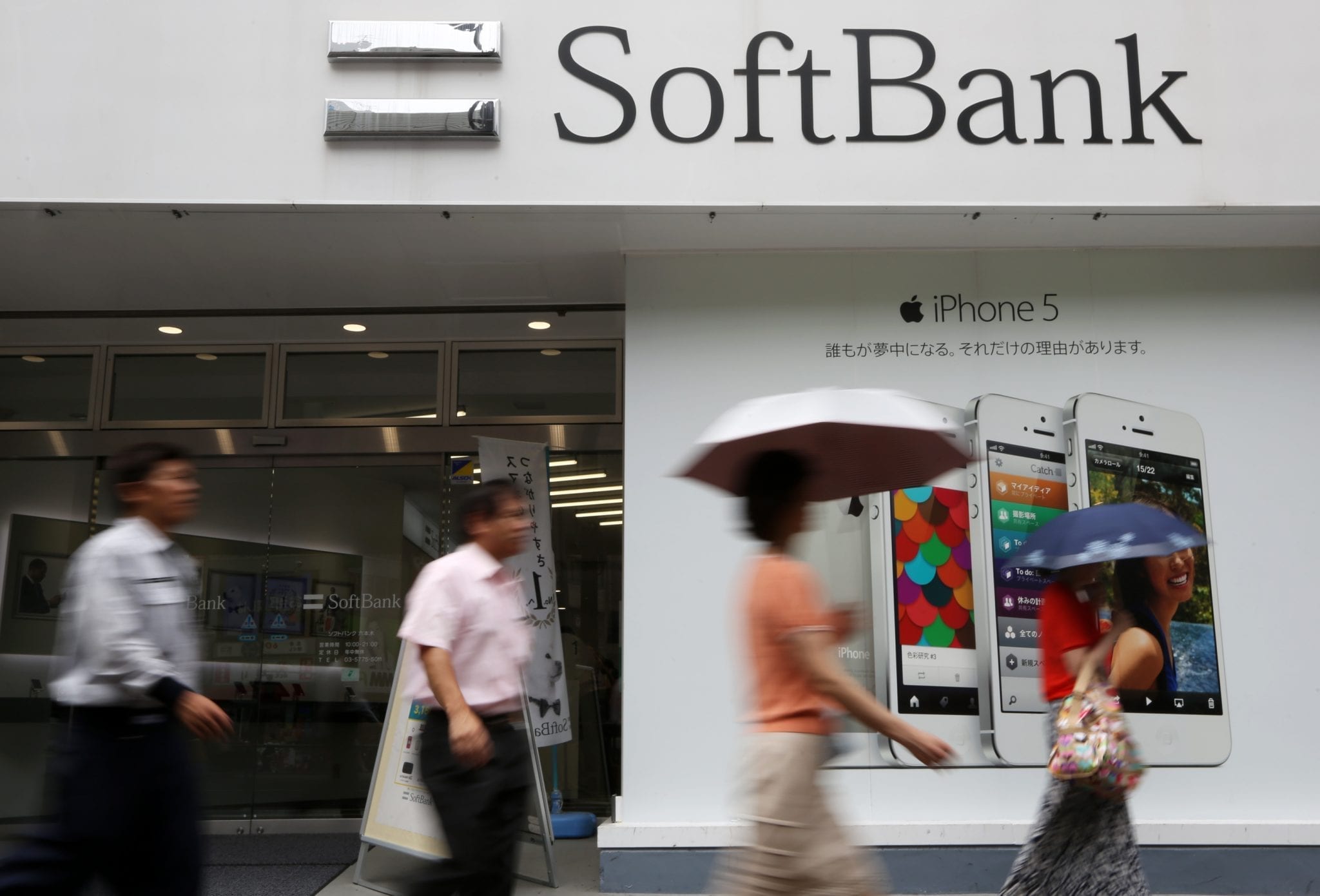
    Japan’s Softbank Group will purchase a 5.6 percent stake in German payments company Wirecard by acquiring convertible bonds worth about 900 million euros ($1 billion), Wirecard said in a statement on Wednesday.

    «As global innovators, we focus heavily on expanding our networks and creating opportunities for companies with groundbreaking ideas. In SoftBank, we have found a partner that shares both our passion for new technologies and drive to spearhead the latest innovations, all on a global scale,» said Markus Braun, CEO at Wirecard.

    The two companies said they had also signed a memorandum of understanding for a strategic tie-up in providing digital solutions. SoftBank will help Wirecard expand into Japan and South Korea, and provide collaboration opportunities in digital payments, data-analytics/AI and innovative digital financial services within the Japanese firm’s portfolio companies

    As part of the deal, Wirecard said it shall issue convertible bonds with a term of five years exclusively to an affiliate of SoftBank, convertible to 6,923,076 million ordinary shares at 130 euros per Wirecard share. The issuance of the convertible bonds is subject to shareholders’ approval at its annual general meeting on June 18, Wirecard said.

    The investment comes amidst the payment firm’s ongoing defense against Financial Times newspaper reports this year saying staff at its Asian operations had inflated reported revenue.

    Last month, Wirecard said an outside law firm investigating the matter found the local staff at its Singapore office may have committed crimes, but these were not material to the German payment company’s financial position.

    Credit Suisse is serving as financial adviser to SoftBank and Sullivan & Cromwell LLP as legal adviser. Noerr LLP and Gibson, Dunn & Crutcher LLP are serving as legal advisers to Wirecard.

  • Standard Chartered Provides Instant Loans

    Standard Chartered Provides Instant Loans

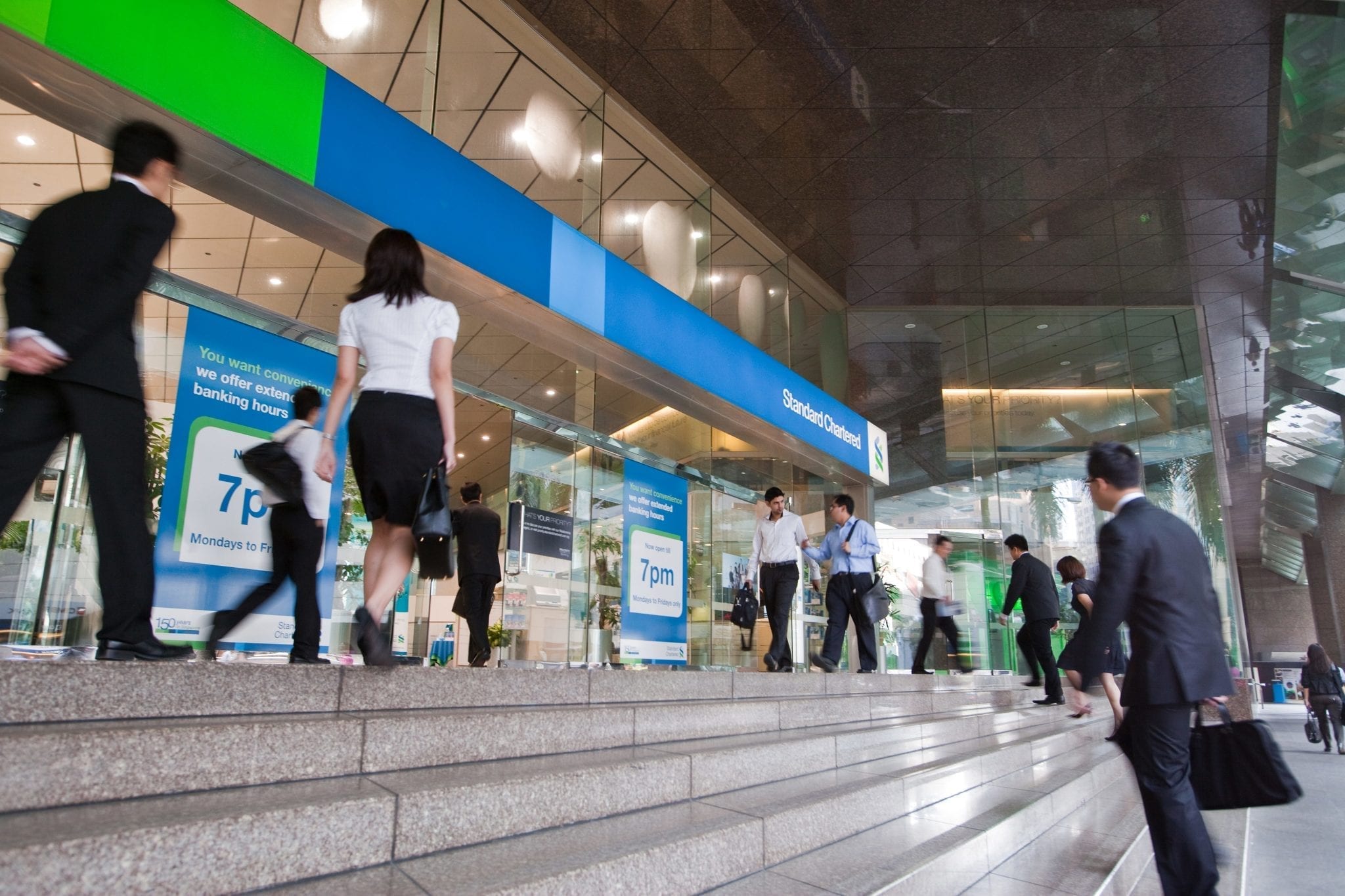
    Our clients are highly engaged digitally. We have seen a 33 percent quarter-on-quarter growth in new mobile active clients, as our clients look to do most of their banking activities digitally, from application to activation to service requests and payments,» said Natalia Goh, Head of Credit Cards and Personal Loans, Standard Chartered Bank Singapore, in a press release on Tuesday.

    Since last year, the bank has seen twice the number of digital service requests from clients, such as card activation, replacement, and renewal requests, as well as reporting of lost cards.

    In addition, we see that our clients are increasingly comfortable with digital payments, with the number of mobile wallet transactions growing more than 80 percent in the past year. With this shift towards an increasingly digital lifestyle, we believe that our instant digital credit card and loan disbursement capabilities will greatly enhance the overall client experience,» Goh added.

    The new capability is powered by the bank’s real-time onboarding platform, which leverages on MyInfo, Singapore’s national database, to help new clients save a significant amount of time usually needed on lengthy form-filling. For clients who do not currently have a credit card or bank account with the Bank, MyInfo will help to pre-populate most of the information in the application form. Clients who hold existing credit card(s) with the bank will have a simpler and shorter form to complete.

  • Creditor Maybank Terminates Collaboration Deal

    Creditor Maybank Terminates Collaboration Deal

    Hyflux said that creditor Maybank was terminating its collaboration agreement with the troubled Singapore water infrastructure player with immediate effect due to its failure to reach a binding deal with a bidder or investor.

    This constitutes a breach which is incapable of remedy under the collaboration agreement,» the letter said, according to the Hyflux filing. In addition, Maybank has sent notices to Singapore water regulator PUB and the Energy Market Authority of Singapore, Hyflux said.

    «These notices are in respect of an enforcement event and acceleration of the maturity of all amounts owing under the Tuaspring financing documents,» Hyflux said in the filing. «Maybank has also stated its intention to appoint receivers and managers over the assets of Tuaspring save for the desalination plant and shared infrastructure.» Maybank’s loans to Hyflux were substantial: A CGS-CIMB research note from August said that the exposure was at S$658.6 million as of the end of the first half of last year.

    The Malaysian bank had agreed to hold off on enforcement action against Hyflux on the condition that the Singapore company would execute a deal with a successful bidder or investor which would fully settle with Maybank. A deal had appeared within reach and Maybank had provided Hyflux with multiple deadline extensions of their agreement.

    SM Investments, a consortium of the Salim Group and the Medco Group, had entered a binding agreement in October to invest S$530 million for a 60 percent stake in Hyflux, which had filed for court protection in May. Hyflux had said the oversupply of gas in Singapore’s market had resulted in depressed electricity prices, which hit earnings in 2017 and drove losses in the first quarter of 2018.

    But in early April, Hyflux terminated the deal, saying it had «no confidence» that SM Investments would complete the investment after the Indonesian consortium failed to provide a written commitment it would do so.

    The deal’s termination led to Singapore’s water regulator PUB rescinding its extension of the default cure period for the contractual obligations of Hyflux’s Tuaspring Desalination Plant. Last Wednesday, PUB issued a notice to Hyflux that it would terminate its water purchase agreement (WPA) and take over the plant.

    Maybank’s move was likely to mark another headache for Hyflux: «The termination of the collaboration agreement is expected to have a material impact on the financial performance of the group,» Hyflux said.

  • Singapore Banks’ FX Volumes Pushed Up

    Singapore Banks’ FX Volumes Pushed Up

    Singapore banks will enjoy increased FX volumes going forward as the country grows as a foreign exchange (FX hub), banking heads said.

    «Singapore is fast evolving into a natural hub for FX in Asia with the many initiatives to promote FX trading in the region, coupled with regulatory support to encourage key market participants to set up their pricing and matching engines in Singapore,» said Lim Wee Kian, DBS managing director, head of FX.

    «FX trading activities and volumes in Singapore have increased over the past few years due to several reasons including the strong economic growth of Asia and a larger share of global investment flows into the region,» said Jose Luis Yepez, Citi head of FX and local markets, Asia-Pacific, Singapore.

    Plus, there is significant growth in the wealth management industry in the region, added Yepez. Despite the slight decline in assets under management (AUM) from $1.69 trillion to $1.63 trillion last year, Asia’s private banks have enjoyed a 6.9 percent compounded annual growth rate over the last five years, according to data from the Asian Private Banker.

    Last year, DBS Bank reported that its consumer banking/ wealth management income rose 21 percent to S$ 5.65 billion from increases in all product categories, despite a dip in the segment’s income during the fourth quarter last year. In the FX spot space, Southeast Asia’s largest bank saw strong growth, with spot volumes for 2016, 2017 and 2018 growing by 20 percent, 28 percent and 45 percent, year-on-year,  respectively, said Lim.

    «Digitisation of DBS’ FX transactions was a key driver of the strong growth in FX volumes, which started from a lower base, coupled with the strong traction from all remittance corridors of our consumer banking group and wealth management business,»  said Lim.

  • Indonesian Fintech Launches First Debt Services in Malaysia

    Indonesian Fintech Launches First Debt Services in Malaysia

    A fintech specialized in solving debt problems of consumers and business owners has launched its services in Malaysia, a country whose total overdue consumer loans is second highest in Southeast Asia.

    Indonesian Fintech amalan International announced on Wednesday that it has started operations in Malaysia, expanding its footprints in Indonesia and Singapore. In Malaysia, the total balance of overdue or almost overdue consumer loans is estimated to be $15 billion, the second highest in Southeast Asia.

    «In many cases, amalan is able to reduce the outstanding balance and/or the monthly installments by 50 to 90 percent in Indonesia – this would be also our target for our Malaysian clients. We want to offer a fresh start to our clients so that they can build a better financial future,» says amalan’s founder and CEO, Arne Hartmann in a statement to the media.

    amalan says that its key differentiator lies in working for borrowers to find the best solution with their lenders. As a social enterprise, amalan does not ask for upfront fees and instead uses a success fee model where the borrower only needs to pay after a restructuring plan has been agreed. The amount of the success fee is based on the savings generated through the restructuring.

    So far, the fintech said it has restructured more than 1,000 loans with all major banks in Indonesia and saved its clients more than $800,000 in the process.

    For each borrower, a restructuring plan is generated that takes into account all of the borrower’s loans to then reduce the debt balance and the monthly installments to an affordable level. These debt management programs use proprietary data and technology to get the borrowers out of debt faster, paying less.

    amlan Indonesia was selected as one of the 30 best start-ups in MaGIC (Malaysian Global Innovation & Creativity Center), a business accelerator program of the Malaysian government.

  • Singapore Airlines Partners With Payments Platform

    Singapore Airlines Partners With Payments Platform

    Singapore Airlines has partnered with an Amsterdam-listed payments provider to optimize its payment processes. Payments platform Adyen will improve the experience of booking tickets online or in-app for Singapore Airlines’ customers. The payment platform also helps its customers improve authorization rates, provide flexibility on fraud risk management and richer data insights.

    «For Singapore Airlines, best-in-class customer service begins with the booking,» said Warren Hayashi, President of Adyen, Asia-Pacific. «At Adyen, we have seen that payments data can be the jet fuel that powers global expansion for airlines.  Payments data remains a valuable resource for companies who seek to understand their customers better and improve revenue,» Hayashi added.

    The partnership will center on Adyen’s solutions to optimize Singapore Airlines’ payments process. This includes the use of Adyen’s direct credit card acquiring capabilities which eliminates the need to run payments across multiple third-party platforms, increasing the airline’s payment authorization rate by leveraging on their solutions.

    Amsterdam-listed Adyen provides a modern end-to-end infrastructure connecting directly to Visa, Mastercard, and consumers’ globally preferred payment methods. It has offices across the world, serving customers such as Facebook, Uber, Spotify, Cathay Pacific, Grab, Klook, Lorna Jane, Freelancer.com, Kogan.com and Showpo.