Category: Finance

Retail News Asia is committed to providing both local and global retailers with the latest Finance news throughout the Asian market. This on a daily base.

  • UOB Lends For Largest Logistics Parks In Japan

    UOB Lends For Largest Logistics Parks In Japan

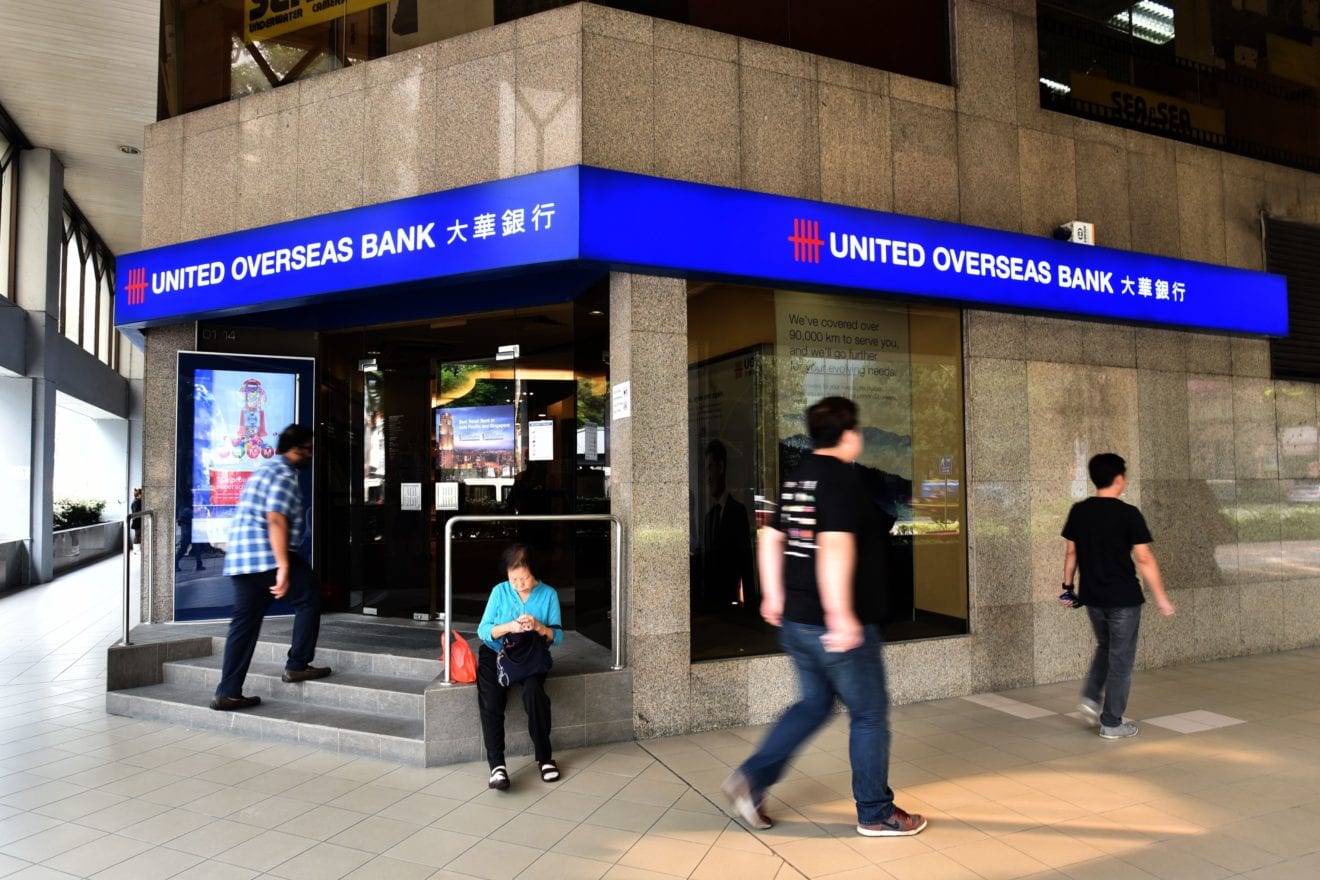
    United Overseas Bank has provided a financing facility for a real estate platform to acquire prime Tokyo Bay land with the purpose of building one of the largest master-planned logistics parks in the country.

    The Singapore bank on Tuesday announced that its Tokyo branch has signed an agreement to provide a non-recourse $179 million (20 billion yen) financing facility to ESR’s entities so that the real estate developer can acquire land in Yokohama, Kanagawa Prefecture, Japan. Last month, ESR announced that it has bought land in Yokohama for the purpose of building one of the largest master-planned logistics parks in Japan.

    «Through harnessing our product expertise and the strengths of our established regional network, we are committed to helping ESR expand its presence in the Asia Pacific. We look forward to extending our support to include cash and risk management solutions to assist ESR in optimizing its cross-border business operations and cash flow,» said Lim Lay Wah, Head of Global Financial Institutions Group, UOB, in a media statement.

    The transaction marks the first collaboration between UOB and real estate platform ESR in Japan, both companies said. ESR Sachiura TMKs are the onshore entities incorporated in Japan for the purpose of developing the ESR Yokohama Distribution Centre (ESR Yokohama DC) project, one of the largest master-planned logistics parks in the country.

    «With the support of UOB and other leading institutional investors, we are set to build ESR Yokohama DC as a flagship development not only for ESR’s growing network of best-in-class facilities but also for the burgeoning Japanese logistics property market,» said Stuart Gibson, co-CEO of ESR.

    Located within the Greater Tokyo Bay area with swift access to Tokyo’s central business district and major logistics infrastructure, ESR Yokohama DC will initially comprise two modern, four-story logistics facilities incorporating ESR’s human-centric design and state-of-the-art building specifications.

    With a total gross floor area of 393,226 sqm out of a total buildable area of over 700,000 sqm on site, the project is expected to be one of the largest multi-phased logistics parks currently under development in Japan in both size and value. The total investment for the first phase development is estimated to be more than $1 billion.

    In addition to the loan from UOB, ESR will use the equity investments from its capital partners, including Equity International and a major US pension fund, to fund the land acquisition. ESR is the largest Asia-Pacific focused logistics real estate platform by gross floor area (GFA) and by the value of the assets owned directly and by the funds and investment vehicles it manages.

    Cofounded by its senior management team and Warburg Pincus, ESR and the funds and investment vehicles it manages are backed by preeminent investors including APG, SK Holdings, JD.com, CLSA, Goldman Sachs, CPPIB, Ping An and Allianz Real Estate.

  • Credit growth limited at 15% for best banks in 2019

    Credit growth limited at 15% for best banks in 2019

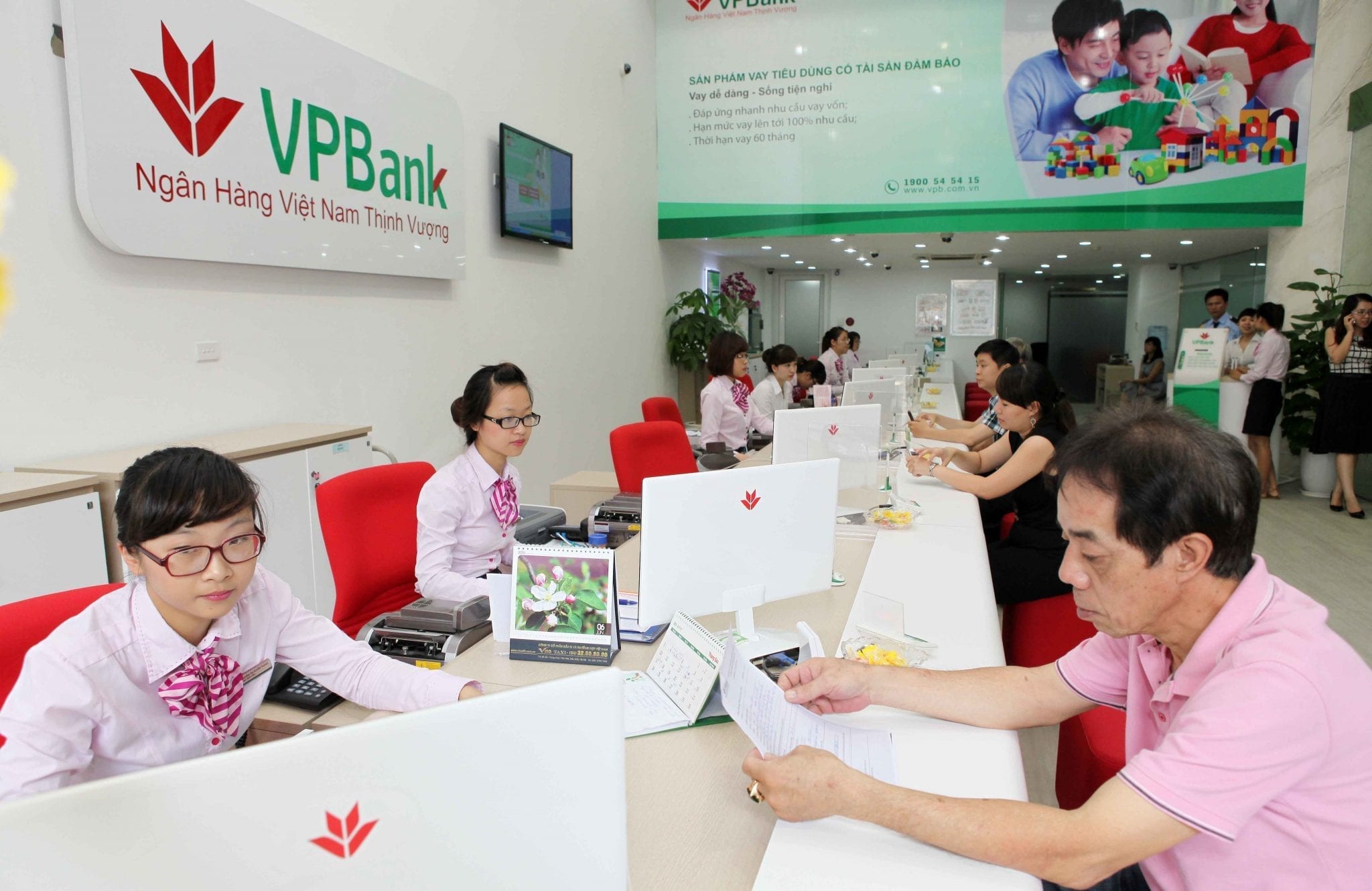
    HÀ NỘI The State Bank of Vietnam (SBV) has assigned a credit growth limit to each commercial bank in 2019, with priority given to those who met Basel II’s capital safety and risk management standards ahead of schedule.

    According to the current regulation, the SBV sets a credit growth limit for the entire year for each bank – depending on its health – to ensure the credit growth target of the entire banking system during the year (14 per cent for 2019).

    This year, the highest credit growth limit of 15 per cent was assigned to the group of banks which met the Basel II’s standards earlier than the SBV’s deadline of 2020. The remaining banks, meanwhile, were allocated a lower rate of below 12 per cent.

    Last year, most banks were assigned higher credit growth limits, ranging from 14 per cent to 16 per cent.

    The credit growth target of the entire banking system and of each bank has tended to slow in the past two years. Experts attributed the slowdown to the SBV’s policy changes. Previously, due to the underdevelopment of the local stock market, banks, which should act only as intermediaries in the monetary market, had to function to fund medium- and long-term capital for the economy.

    However, the SBV has tried to gradually change the role of banks so as to make them fund only short-term capital for the economy through the provision of working capital loans for businesses and households.

    To make the change, the SBV required banks to lower the ratio of short-term funds for medium and long-term loans from 45 per cent in 2018 to 40 per cent since early this year.

    Experts have also agreed with the credit growth slowdown, saying it was necessary to improve banks’ credit quality and risk management.

    Nguyễn Xuân Thành from Fulbright University Vietnam said currently, the pressure on credit growth to support economic growth was not so high, so the allocation of a credit limit to each bank depending on its health was reasonable. Accordingly, banks should only boost credit in case of good control of risks, in order to ensure sustainable growth.

    To offset the revenue reduction from lending activities, banks said they plan to increase profits through cutting operating costs and promoting digital services.

    Đỗ Minh Phú, chairman of TPBank, said digital banking would play a major role in reducing operating costs and increasing the cost-to-income ratio (CIR) efficiency, contributing to improving the bank’s profits this year.

    Phú said the biggest costs in banking operations were the costs of network investment and development, along with the costs for personnel, which could be solved by the application of digital banking. Attracting customers to non-credit services and service fee collection was also becoming a trend.

    Sharing the same view, Nghiêm Xuân Thành, chairman of Vietcombank, said that 2019 would be the year of digital banking for Vietcombank. In the past three years, the bank had focused on investment and implementation of a new core banking system to boost service development and shift the revenue structure instead of relying heavily on credit.

    Developing digital banking combined with retail banking in a potential market of 95 million with a high percentage of young people means commercial banks were quickly accumulating a customer base and large payment needs, Thành said.

    The focus on digital banking combined with retail banking has also helped some banks, like Vietcombank, Techcombank and HDBank, increase their number of individual customers rapidly in recent years, which has also contributed to raising the banks’ current account savings accounts (CASA) significantly.

    Reports showed some banks last year raised CASA to 28-30 per cent in the total structure of deposits. The large proportion of low-interest rate deposits has helped banks reduce mobilisation and operating costs, increasing profits and improving marginal interest in lending.

  • Australian dollar slightly up again

    Australian dollar slightly up again

    The Australian dollar has dipped slightly, buying 71.70 US cents from 71.69 US cents on Monday.

    On Monday morning, the dollar was buying 71.71 US cents from 71.61 US cents on Friday.

    Last Friday morning, the local currency has fallen, buying 71.25 US cents from 71.61 US cents on Thursday.

    It had flatlined near a six-week peak as losses on Asian share markets chilled risk sentiment somewhat.

  • Google Pay update brings Gmail integration

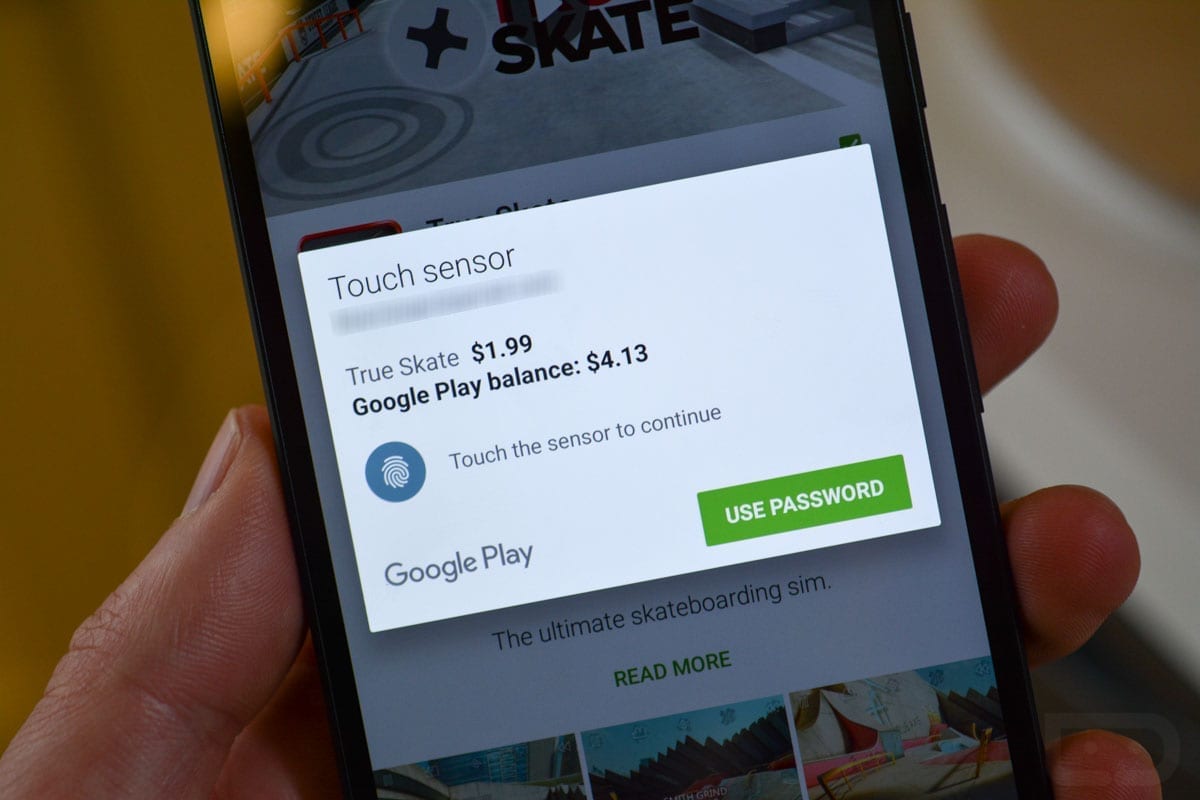
    Google Pay update brings Gmail integration

    Google is trying to build an entire ecosystem that will allow users to access any important information from just about every Google app. Gmail has been integrated with many other Google apps, but other developers noticed the benefits and added integration with the email app.

    The newest app that benefits from Gmail integration is Google Pay, which doesn’t come as a surprise since the changes were spotted a few months ago. Now Google Pay has been updated with Gmail importing, which means that the mobile payment app will browse through your emails and add the relevant information to its system.

    For example, whenever you receive loyalty cards, movie tickets, and boarding passes in the Gmail inbox, they will be automatically added in Google Pay. Keep in mind though that if you delete the email containing the information, it will disappear from Google Pay as well.

    The improvement makes it easier to access loyalty cards, tickets, and more without having to go through your emails every time you want to know something about them. It’s also easier to find coupons and boarding passes that are being sent to your Gmail inbox and make use of them.

    It’s worth mentioning that the new Gmail import feature is disabled by default, so you’ll have to enable it in Google Pay by heading to Settings / General / Gmail Imports and using the toggle available after the latest update.

  • South Korean bank launches hand palm recognition verification

    South Korean bank launches hand palm recognition verification

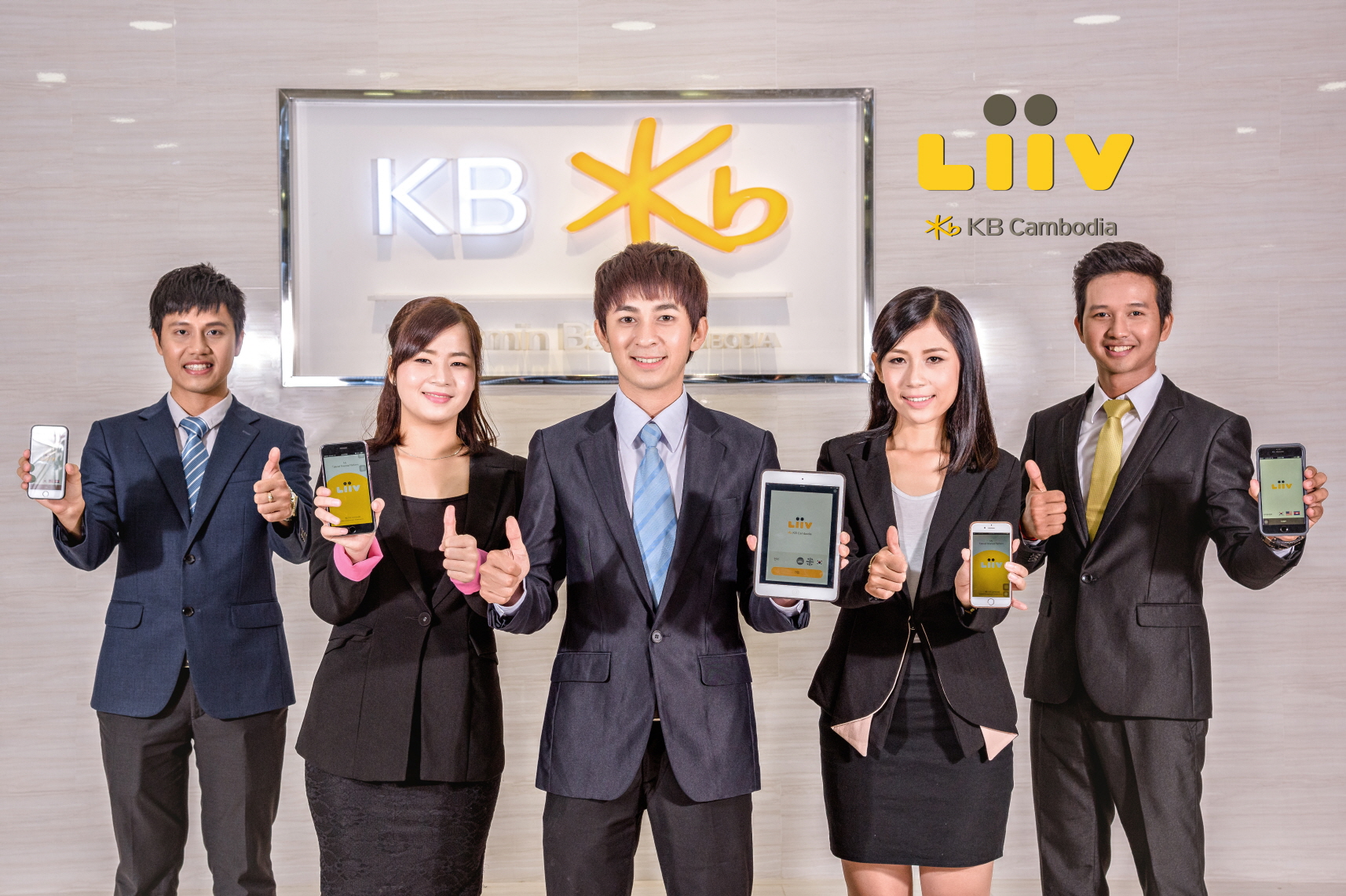
    A South Korean bank has launched a service allowing customers to use palm recognition to withdraw cash – a likely precursor to similar technology becoming available in retail stores.

    KB Kookmin Bank says by using palm prints, customers no longer have to use a bankbook, stamp or password.

    The bank explained that palm vein recognition is safer and more precise than other biometric identification methods such as fingerprint or iris recognition. It believes the service will appeal to older customers who often have difficulty recalling passwords.

    According to a report, using palm recognition is also quicker than current means. Palm vein patterns differ by individual, allowing the scanner to correctly identify the customer.

    Similar palm-vein scanners are already being used at automated teller machines (ATM) from major banks worldwide, including Barclays in the UK and Ogaki Kyoritsu Bank in Japan.

    To prevent biometric information from leaking, the bank will encrypt the vein pattern database and work with the Korea Financial Telecommunications and Clearings Institute to store the information. The data will be disassembled into multiple blocks when stored, and reassembled when used for transactions.

    KB Kookmin Bank expects that the new palm-recognition service will particularly benefit senior customers who often have a hard time remembering passwords.

  • Trade War Talks May Never Solve China’s Economic Issues

    Trade War Talks May Never Solve China’s Economic Issues

    The “trade war” between the US and China is misguided when it comes to economic fortunes, according to one analyst. As Chinese Premier Li Keqiang gave a speech at the Boao Forum for Asia on March 27, he played down the idea of an economic slowdown. As ongoing disputes with President Donald Trump are still unresolved, fears are that the crisis is starting to bite. However, in addressing the conference, Keqiang said that market expectation had “significantly improved” and major economic indicators have been “steady”.

    The Gold Standard for Economic Analysis May Not Apply

    As it often is, gold has been used as a measuring stick for the state of the global economy and, specifically, national economies. By reviewing gold price movements using XAU/USD charts, as noted by DailyFX, traders can get an insight into the underlying health of a nation. In support of this, we can look back through history and see how the price of gold correlations to major financial slumps.

    As noted by this guide to financial bubbles, gold prices dropped by 64% in 1982. This slump came at the same time the US was in the midst of a recession. With gold prices and economies so closely linked, the precious metal has become a marker of China’s recent economic movements.

    Following a slowdown in China’s GDP at the start of 2019, gold prices took a tumble. Erasing a seven-month high, the price per ounce dropped by $20 to $1,278 in late January. By the end of February, the price had surpassed $1,300, according to CNBC, and was holding firm in light of the latest round of US/China trade negotiations.

    However, while another round of talks will have investors tracking the gold markets, chief economist Daniel Lacalle believes such moves are misguided. Discussing the trade war with Tyler Yell, Lacalle said that economic swings were a product of “general growth issues”, not trade wars. In his opinion, governments and central banks see a financial crisis as a problem with demand. For him, that’s a mistake, and forcing stimulus into the market creates a “sugar rush” effect that doesn’t actually increase demand.

    Put simply, he believes that pumping an economy full of stimulants creates the facade of demand and masks the underlying problem. What’s more, he believes it causes adjustment issues further down the line. Much like a patient on medication doesn’t immediately return to a normal state, economies suffer a similar comedown. Therefore, to focus on the trade wars as the reason for slower rates of economic growth in China is wrong, in Lacalle’s opinion. While he stops short of offering a simple solution, the idea is interesting in the context of retail in Asia.

    Retail Issues May Belie a Bigger Problem

    The consensus is that tensions have harmed retail across the two continents. In November 2018, Bloomberg reported that US Asian supermarkets had seen a drop in sales because Trump’s tariffs forced them to pay more for imported goods. The end result is higher prices for groceries, which has subsequently led to a loss of trade. While this can be directly linked to the trade war, these micro issues can’t be applied on a macro scale if Lacalle’s perspective is correct.

    China’s economy and, in turn, its retail sector may be stagnating because of too much artificial growth. The idea of a trade war is juicy headline fodder for media outlets. However, analysts are by no means in agreement on why growth has slowed. While it may well be because of tensions with the US, there are those that believe the crisis runs much deeper than that.

  • Vietnamese banks find out car loans not low-hanging fruit

    Vietnamese banks find out car loans not low-hanging fruit

    Vietnamese banks are struggling to recover overdue car loans since many customers mortgage vehicles bought using bank loans. Dao Minh Tuan, manager of the debt recovery department at private lender Vietnam International Bank (VIB), said 50 percent of non-performing car loans are because of this.

    Borrowers are supposed to get the bank’s permission before pawning a car, but most don’t, which makes it difficult for the bank to repossess the car, he said.

    “Pawn shop owners decline to meet our staff while our customers are unreachable. As the banks do not technically own the car, we have trouble recovering the debt.”

    Since banks normally lend 80-100 percent of the cost of a car, getting the cars back by paying off pawnbrokers would cost too much, he said.

    “The last resort would be to sue the customer, but this will take a long time and cause damage to both sides.”

    Banks also have to pay a commission to car dealers of 0.7-1 percent and offer competitive interest rates of 7-9 percent in the first year. All this means, in a competitive, crowded segment, banks are unable to earn much.

    A banking expert who asked not to be named said: “Banks which want to maintain high credit growth often focus on increasing the amount of car loans, not quality.”

    Those focused on this segment are usually banks which are not competitive in other areas with higher interest rates, such as real estate, the expert said.

    The auto loans segment has seen average growth of 38 percent in 2012-2016, according to data from Viet Capital Securities VCSC.

  • Vietnamese stocks slide as lack of information hits large-caps

    Vietnamese stocks slide as lack of information hits large-caps

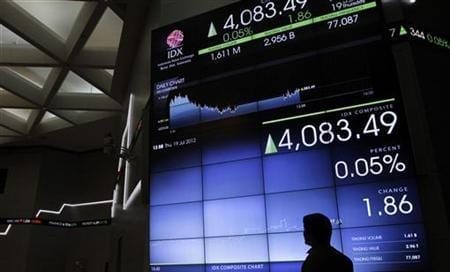
    Vietnamese shares slid yesterday as large-cap companies faced strong selling amidst a lack of supportive information while investors awaited discussions on the amended securities law. The benchmark VN-Index on the Hồ Chí Minh Stock Exchange fell 0.91 per cent to end at 988.48 points.

    The southern market index climbed 0.84 per cent on Monday.

    More than 165 million shares were traded on the southern bourse, worth VNĐ4.24 trillion (US$182 million).

    Market breadth was negative with 207 declining stocks, while 111 stocks advanced and 45 ended flat.

    Fifteen of the 20 sector indices ended Tuesday on a negative note, dragged by real estate, energy and petroleum, rubber and plastics and consumer staples.

    Those sector indices lost between 1.1 per cent and 3.1 per cent, data on vietstock.vn showed.

    The energy and petroleum sector was the worst-performing one on the stock market.

    Petro stocks such as PetroVietnam Gas (GAS) and PetroVietnam Drilling and Well Services (PVD) reversed after oil prices encountered volatility on Tuesday.

    GAS shed 1.9 per cent while PVD slipped 3 per cent.

    Real estate firms also dragged the market down, with the industry index falling 2 per cent.

    Among the worst-performing property developers were Vincom Retail (VRE), Vingroup (VIC) and Hòa Bình Construction Group (HBC).

    According to MB Securities Co (MBS), the VN-Index slid as leading stocks moved in different directions and pressured market sentiment.

    Foreign selling also caused negative movement for the stock market, which ended at a net VNĐ277.4 billion, MBS said in its daily report.

    In addition, gloomy earnings forecasts for 2019 for listed companies weighed on investors’ confidence ahead of the National Assembly Standing Committee meeting on April 10-18, in which the draft on amended Law of Securities will be discussed, MBS noted.

    “The stock market is clearly in its instability stage as large-cap stocks are still heavyweights. It is likely the VN-Index will fall whenever large-cap stocks are hit by strong selling,” Thành Công Securities Co (TCSC) said in a note.

    In addition, listed firms are experiencing a lack of supportive information, making investors unwilling to buy their stocks and reducing market liquidity, TCSC said.

    Therefore, the VN-Index may struggle at the current level of 990 points in the next trading days with focus shifted to companies with positive first quarter earnings, the company said.

    On the Ha Noi Stock Exchange, the HNX-Index slid 1.12 per cent to end at 107.71 points.

    The northern market index climbed nearly 1 per cent in the first trading day of the week.

    Nearly 48 million shares were traded on the northern bourse, worth VNĐ669 billion.

  • Australian Dollar Slips

    Australian Dollar Slips

    The Australian dollar has fallen Wednesday, buying 71.23 US cents from 71.44 US cents on Tuesday.

    The local currency rose on Tuesday morning, buying 71.24 US cents from 70.99 US cents on Monday. It was at 71.07 US cents Monday morning, dropping from 71.25 US cents on Friday.

  • Argomall partners with CoinGate to adopt Bitcoin and cryptocurrency payments

    Argomall partners with CoinGate to adopt Bitcoin and cryptocurrency payments

    Online shopping website Argomall.com now takes payment in cryptocurrencies and is the first Filipino online retailer in Southeast Asia to accept Bitcoin and around 50 other cryptocurrencies as payment.

    In line with Argomall’s value proposition of personalized convenience, it has added cryptocurrencies, also called Altcoins, to its already wide list of payment options, which include cash on delivery (COD), credit/debit cards, online installment via Home Credit, online banking, over-the-counter payments in banks and non-bank institutions, G-cash and PayPal.

    This option became available on April 1 and is only available for straight payments.

    Argomall partnered with CoinGate to make this project possible. CoinGate is an online trading platform for Bitcoin, Ethereum, Litecoin, XRP and other coins like: Bitcoin Cash (BCH), Sirin Labs (SRN), Telcoin (TEL), Nano (NANO), TRON (TRX), Dai (DAI), Bitcoin SV (BSV), Zcash (ZEC), Ethereum Classic (ETC), Augur (REP), Dogecoin (DOGE), Golem (GNT), DigixDAO (DGD), Wings DAO (WINGS), iEx.ec (RLC), Decred (DCR), Stellar (XLM), Basic Attention Token (BAT), Aragon (ANT), Bancor Network Token (BNT), Civic (CVC), EOS (EOS), TenXPay (PAY), OmiseGo (OMG), Monaco (MCO), 0x Protocol Token (ZRX), Qtum Ignition (QTUM), Storj (STORJ), FunFair (FUN), Salt (SALT), Bitcoin Gold (BTG), DigiByte (DGB), district0x (DNT), Power Ledger (POWR), Populous (PPT), Bread (BRD), Noah (NOAH), Binance token (BNB), Polymath (POLY), Kyber Network (KNC), TrueUSD (TUSD), Mithril (MITH).

    In a report by Entrepreneur magazine: “Compared to its Southeast Asian neighbors, the Philippines has been relatively more open to using Bitcoin and other cryptocurrencies, according to a report in FT.com, the Financial Times newspaper’s online site.” It will be recalled that the Bangko Sentral ng Pilipinas (BSP) released a circular in February with regulations for businesses that want to sign up as a virtual currency exchange. It is the only central bank in five countries cited in the FT.com report to do this.

    Some 2.9 percent of Filipinos are adopting Bitcoin, according to a survey conducted by FT.com, second only to the 3.3 percent of Indonesians doing the same. Overall, Southeast Asia’s cryptocurrency adoption rate is 2.5 percent.

    According to a report written by Financial Times’ Confidential Research analysts Prinz Magtulis and Andi Haswidi: “Among the five ASEAN countries we survey, the Philippines has made the most regulatory progress. Since February, its central bank has required all exchanges to obtain a permit for trading cryptocurrencies and to register with the country’s Anti-Money Laundering Council. They are also subject to annual fees. We expect the rest of Asean-5 to follow, in response to concerns that Bitcoin is being used to fund terrorism and other crimes.”

    Prominent global companies that accept Bitcoin include Microsoft, British Airways, McDonald’s and Shopify.

    Established in November of 2015, Argomall grew out of a creative dream by the Filipino-owned conglomerate Transnational Diversified Group to deliver trustworthy and efficient solutions to the discerning Filipino tech shopper.

    “These solutions,” Argomall Chief Argonaut Karel Holub said, “now include the opportunity to pay in Bitcoin and around 50 more Altcoins, because it is part of our mission and vision at Argomall to make the discovery, selection and purchase of smartphones—or any other related gadget—in the Philippines easy, while providing the best service on the internet to our consumers.”

    “Enabling online shoppers in the Philippines to pay with Bitcoin and around 50 more Altcoins is our way of providing good service, as well as opening up another means by which to earn,” Holub said. “This, to us, is a win-win situation where everyone gets good benefits. After all, our vision is that anyone in the Philippines will be able to easily upgrade their smartphone from anywhere, anytime—and that includes giving our customers all the ease and convenience they need to do just that. We aim to make their new device shopping journey as easy and comfortable as possible.”

    CoinGate Marketing Manager Veronika Mishura said this partnership with Argomall is a large step for cryptocurrency adoption, adding that this is CoinGate’s first such integration in Southeast Asia. Moreover, Mishura said, using cryptocurrencies as payment for online purchases present a cheaper and faster alternative to traditional payment methods.

    “Crypto-adoption among retailers is definitely what we need to strive for,” Mishura said. “When more stores accept digital currencies, more users are prompted to buy all types of goods with cryptocurrency. This is exactly what crypto-industry needs for recognition that would lead to it becoming a standard payment method along with credit cards.”

    “Technologies like Lightning Network have already made it more convenient and profitable for businesses to accept cryptocurrency rather than fiat,” she added. “We are thrilled to have Argomall on board. Hopefully, Philippine crypto enthusiasts won’t stay aside, and will start using this new payment method!’

    While Argomall does not endorse the purchase of Bitcoin or any of the other 50 or so Altcoins, the company provides opportunities for those who do have these cryptocurrencies to pay with them at argomall.com in a safe way.

  • Mitsui Sumitomo Insurance sets up Global Digital Hubs in Singapore &Tokyo

    Mitsui Sumitomo Insurance sets up Global Digital Hubs in Singapore &Tokyo

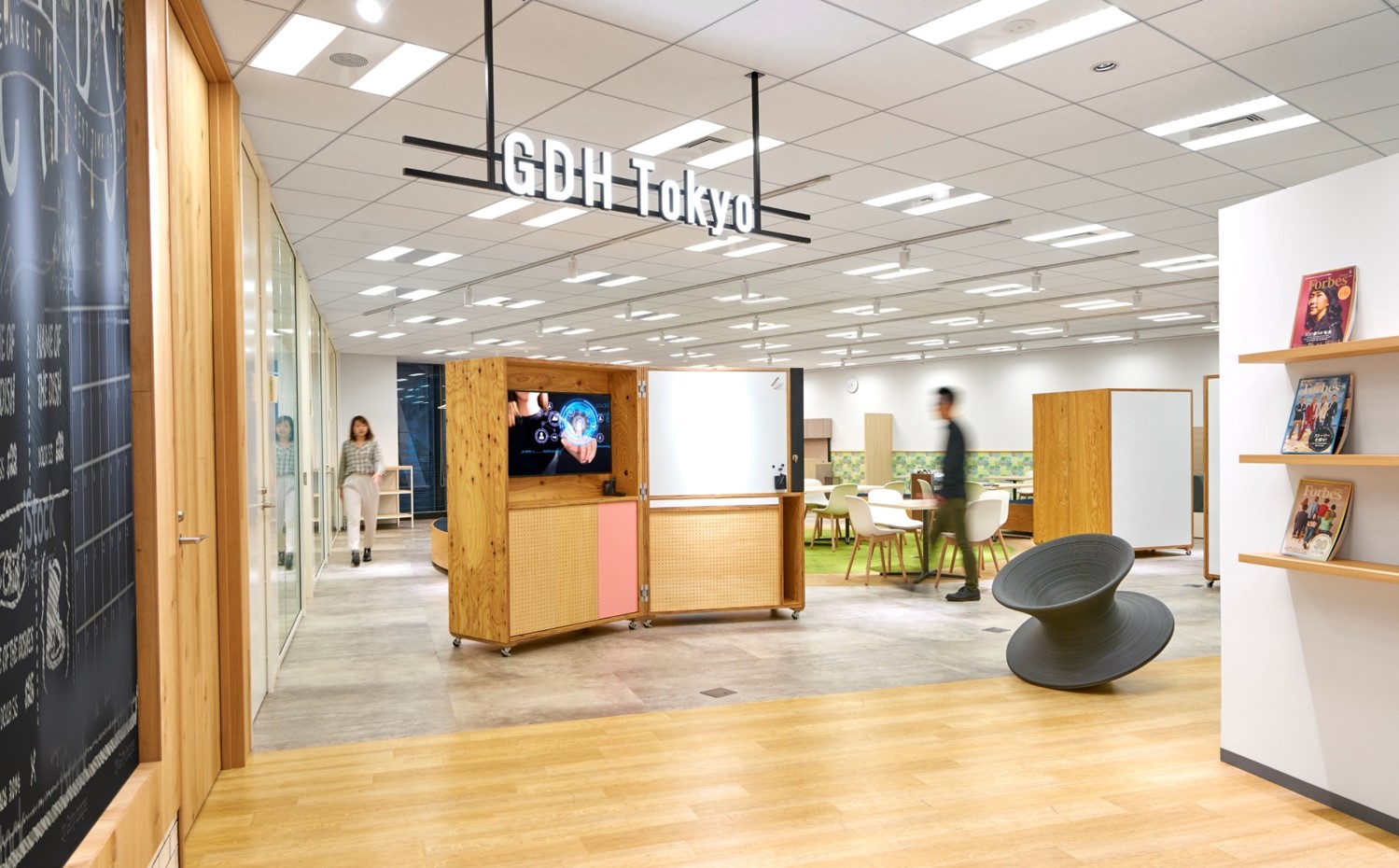
    Mitsui Sumitomo Insurance Co., Ltd. (President: Noriyuki Hara, “MSI”), a member of MS&AD Insurance Group, sets up two Global Digital Hubs (“GDH”) in Singapore and Tokyo as bases to support global digitalization.

    In April 2018, MSI established a Digital Strategy Department to promote digitalization focused on enhancing customer experience and business productivity. In order to further accelerate its digital activities, MSI launched the Singapore GDH in February this year to support the ASEAN markets, and will launch a GDH in Tokyo to promote the adoption of digital technology by employees and agents.

    Through the two GDHs and other advanced initiatives, MSI will continue its commitment to promote digitalization and help address societal challenges.

    GDH Singapore will contribute to the development of digital initiatives in the ASEAN region, leveraging on MSI’s broad network in all ten ASEAN member countries. It will support the Asia regional office in developing digital strategies to drive continued growth of the business in this region.

    GDH Singapore aims to enhance customer experience in the ASEAN markets to cater to the rapid rise of digitalization. It will help facilitate the development of innovative insurance products and services through collaboration with business partners and open innovation with startups.

    GDH Tokyo will be the innovation epicenter of MSI to find new ways of adding value to our
    clients through the use of digital technology and big data. By way of collaborating with startups,
    MSI aims to develop innovative products and services that will help address social issues and
    contribute to society as per the UN’s Sustainable Development Goals (SDGs).

  • Westpac introduces Apple Pay in New Zealand

    Westpac introduces Apple Pay in New Zealand

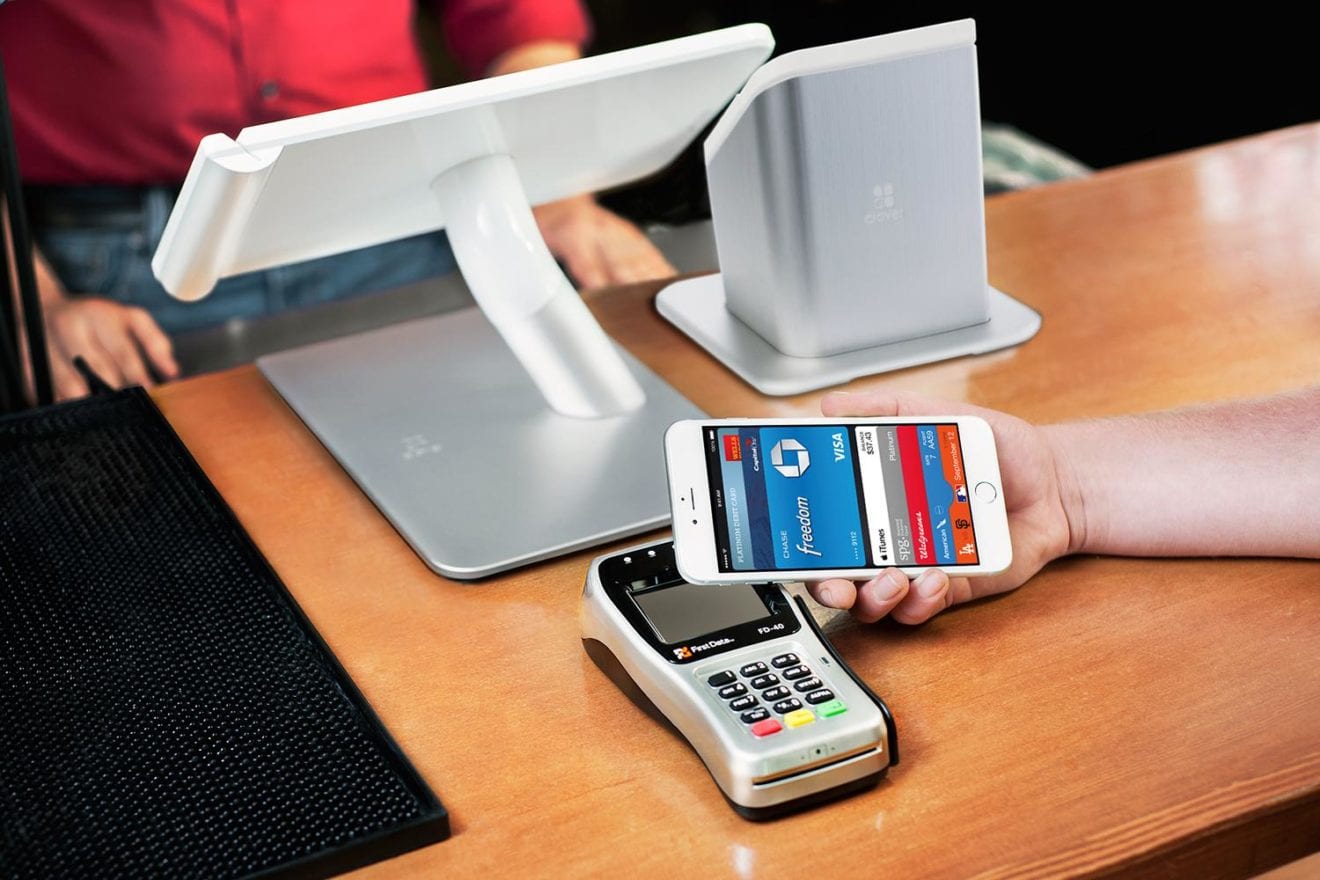
    Westpac New Zealand customers can now use Apple Pay wherever contactless payments are accepted.

    This reflects the findings of a recent study by Allied Market Research, which found that younger consumers appreciate the simplicity of mobile payments.

    The mobile payment market is expected to reach $4.5 trillion by 2023, according to the research firm, which also notes the market is growing with a “lightning-fast” rate in Asia-Pacific.

    However, even mobile payments are beginning to be superseded.

    The report noted that near field communication (NFC) and QR technology is fast becoming standard in various parts of Asia-Pacific, and various market players are already investing in this new technology.

    Westpac is celebrating the launch of Apple Pay by donating $2.50 for every customer who uses Apple Pay five times before May 2, 2019, to charity. Each customer will also receive a one-off payment of $10.

    “It is yet another reason for our customers to get excited about Apple Pay,” Shane Howell, Westpac’s chief experience officer, said.

    The four charities that will benefit from the initiative are the Mental Health Foundation, Shine, Sustainable Coastlines, and New Zealand’s rescue helicopter services.

  • Millennials in Singapore eshew power and famefor self-fulfillment and caring for the community

    Millennials in Singapore eshew power and famefor self-fulfillment and caring for the community

    The majority of Singapore millennials are extremely passionate about social causes such as human rights, poverty and helping the elderly, and prefer to gain life experiences when they have the financial means, rather than physical possessions.

    These key insights of millennials were revealed in the inaugural annual FRANK by OCBC survey, the FRANKly Asked Questions, which aims to understand and track four psychographic variables – values, attitudes, interests and desired experiences – of millennials over time. Conducted between January and February 2019, 866 students and young working adults aged 16 to 29 years old were asked a total of 50 questions in an online survey. Forty-five per cent of the respondents were students from all Singapore universities and polytechnics.¹

    An integrated banking programme for millennials in Singapore

    OCBC Bank created the FRANK by OCBC banking programme in 2011. It remains the only programme which provides millennials with banking products and solutions designed for them as they go through milestones in life as tertiary students, to entering the workforce as young professionals. FRANK by OCBC offers millennials deposit accounts, credit and debit cards, insurance, investment products and study loans. The other programme activities in place today include:

    • Financial literacy seminars organised regularly for FRANK by OCBC customers to learn how to invest and manage their finances
    • Helping youths give back to the community

    o   Organising youth dives to clean up the reefs of plastic waste

    o   Supporting campus programmes such as at Prinsep Street Residences, where SMU students organise overseas Community Involvement Programmes and programmes to support the elderly in the Bras Basah area

    • Helping youths prepare for future careers

    o   FRANKpreneurship – learning human-centred design and start-up business principles as they are mentored by The Open Vault at OCBC and different teams in OCBC Bank to tackle real banking challenges

    Insights from the FRANKly Asked Questions survey will help FRANK by OCBC develop more comprehensive programmes on financial literacy and beyond to meet millennials’ holistic needs. They will include:

    • Helping youths to build their wealth

    o   Looking to introduce new investment and insurance products which will be affordable for youths

    o   Organising financial seminars with partners such as SGX to learn the basics of investing

    • Helping youths to raise awareness of environmental issues

    o   Supporting #noplastics initiatives by distributing reusable tote bags at the NUS FRANK store and Cheers and FairPrice outlets at NUS

    Mr Dennis Tan, OCBC Bank’s Head of Consumer Financial Services Singapore, said: “The ‘FRANKly Asked Questions’ is the first FRANK by OCBC survey that we will be conducting annually. The survey has revealed insights into the psyche of millennials today and the values and attitudes they hold dear. In addition to the deep and rich insights that we already have from banking with one in two youths in Singapore, this enables us to tailor products and services that they will find useful at every stage of their lives and help achieve their aspirations.”

    Key Insights from FRANKly Asked Questions (see attached slides)

    Youths are motivated to discover their inner selves, care for their family and society, and are less likely to be materialistic in nature

    o   86% of millennials are motivated to understand their inner selves, compared to being famous (32%)

    o   3 in 4 millennials are concerned about their parents’ finances for retirement, and find it important to help others

    o   Less than half of millennials want to gain physical possessions when they have the money

    They understand the importance of a well-rounded education, value work-life balance at the workplace, and are practical

    o   82% of millennials feel that internships and working experience is crucial; 73% agree that getting a degree is a necessity

    o   Work-life balance is their top consideration for an ideal job

    o   83% of millennials want to secure a job with regular income, rather than start a family (46%) or start a business (37%)

    o   70% of millennials will only consider marriage once their career is stable

    They are generally positive in their financial attitudes, but more could be done to keep them informed and educated about investments and insurance

    o   41% of millennials struggle to stick to their saving plan

    o   While 69% of millennials want to start buying insurance policies and 71% want to start investing, less than half of millennials consider themselves knowledgeable about insurance and investments

    They are interested in bigger societal issues and new technologies, but are less interested in entrepreneurship and freelancing

    o   The top 5 most important social causes millennials care about are human rights (82%), poverty (81%), the environment (79%), helping the elderly (79%) and mental health awareness (79%)

    o   Millennials are more excited about the Internet of Things (73%) and Artificial Intelligence (62%) than going cashless (59%) or self-driving cars (57%)

    o   Less than half of millennials are interested in starting a business in the next five years, or being a freelancer

    They value gaining life experiences to value-add to themselves, and are constantly seeking to broaden their horizons and skillsets

    o   82% of millennials say gaining life experiences will be a priority when they have the financial means

    o   82% want to maintain relevant skillsets, which is their top motivation for pursuing higher education

    o   76% like to try new and different things, and half of them often try out new and trendy restaurants

    New ‘borderless’ FRANK Store at NUS

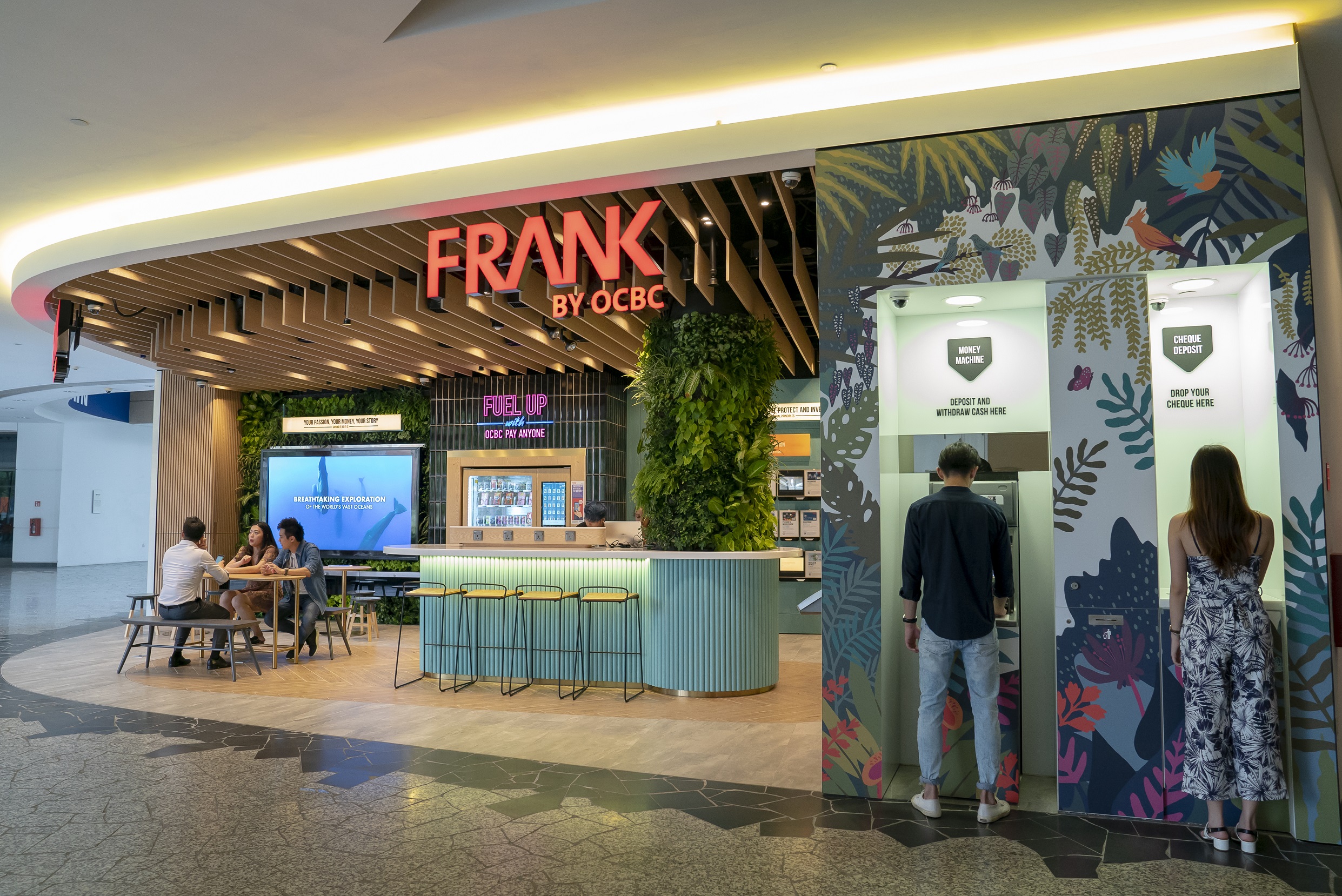
    The survey comes on the heels of the opening of the fourth and newest FRANK by OCBC Store at the National University of Singapore (NUS) last month. Taking over the space at the Stephen Riady Centre at University Town (UTown), which was previously a sports shop, OCBC Bank won a public tender for the space by offering to build a bank branch to offer students an essential service, and at the same time, add vibrancy to UTown through the creative design and use of the space. Occupying an area of 947 square feet, the FRANK by OCBC Store at NUS is a testament to the deep knowledge and insights FRANK by OCBC boasts in understanding the interests of millennials and integrating banking and financial literacy into their lives to make it accessible and relatable. The new FRANK by OCBC Store integrates features that are desired by millennials – borderless and digital interactions, environmental sustainability and a casual setting for banking.

    Like all other FRANK by OCBC Stores, the Store at NUS is designed differently from a traditional bank branch, making it attractive for students to come into the Store to take their time to browse and ask questions about banking products and services, play games or catch up with their friends over coffee.

    The new Store at NUS is Singapore’s first borderless and open-concept bank branch that does not utilise shutters or barriers after operating hours, and has no teller counters.

    Students interact with banking staff – known as FRANK Ambassadors – at the store’s collaboration areas, and can access the store round-the-clock to study or to get snacks at the cashless vending machine using the OCBC Pay Anyone mobile payments app. A ‘Future of Banking Zone’ highlights new mobile and Internet banking features on the latest iPads and iPhones, and enables students to try out digital banking services, including interacting with chatbot ‘Emma’ about study loans.

    The other FRANK by OCBC stores are located at Singapore Management University, Nanyang Technological University and orchardgateway mall.
  • Liquid Group partners Changi Airport to roll out world’s first integrated QR Platform

    Liquid Group partners Changi Airport to roll out world’s first integrated QR Platform

    Liquid Group is pleased to announce today that it has entered into an agreement with Changi Airport Group to roll out the integrated acceptance of multiple major QR payment apps by merchants located across all four terminals at Changi Airport.

    The integrated payment platform by Liquid Group will allow retailers at Changi Airport to accept e-wallets such as GrabPay, Liquid Pay, Singtel Dash, Ezi Wallet and PayNow QR bank payment apps, as well as international payment app partners such as WeChat Pay, UnionPay and Alipay.

    Liquid Group’s payment platform will roll out a unified point-of-sales (POS) for QR payments that enable merchants to accept multiple local and international QR payment apps using a single device. Furthermore, with a standardized merchant workflow, participating Changi Airport retailers can accept multiple QR payment apps without additional infrastructure, integration or cashier training when Liquid Group and Changi Airport expand the network to include additional local, overseas and card scheme QR payment apps.

    The platform also enables Changi Airport to launch multiple marketing campaigns with participating payment apps without the need for additional cashier training or verification during checkout.  This provides for a frictionless user experience.

    “Changi Airport strives to continually enhance our passenger’s shopping experience. With the rise in QR payments, launching Liquid Group’s unified QR payment platform not only provides a frictionless payment experience, it will also provide more partnership opportunities with local and overseas e-wallet issuers. In addition, the unified QR payment platform will improve our tenant’s productivity in the areas of staff training, reporting and settlement for QR payments. We are pleased to partner Liquid Group to introduce this convenient payment option at Changi Airport.” – Ms Teo Chew Hoon, Group Senior Vice President at Changi Airport Group

    “Alipay welcomes this initiative and looks forward to further improving the user experience for our consumers at Changi Airport.” – Ms Cherry Huang, General Manager, Alipay South & South East Asia

    “At Grab, we are about providing real choices and more convenience to our customers. As travel gets bigger in Southeast Asia, we are pleased to have GrabPay accepted at all merchants in Changi Airport. Our users from across the region who are already using GrabPay to pay for their transport, food and other daily needs, can now enjoy the same seamless payment experience at the airport and have more opportunities to accumulate GrabRewards points for perks and benefits.” – Mr Gary Wong, Head of GrabPay Singapore

    Changi is the world’s seventh busiest airport for international traffic with over 65 million passenger movements. With the rapid proliferation of QR mobile payment apps across ASEAN, North Asia and South Asia, Liquid Group’s payment platform will enable Changi Airport to spearhead the seamless acceptance of such apps and offer deals to shoppers from different countries.  Retailers and consumers can look forward to an exciting and innovative e-payment journey ahead at Changi Airport.

    This is also in line with the Government’s Smart Nation objective to provide an open, accessible and interoperable national e-payment infrastructure, as well as the adoption of SGQR as the single, standardised QR code for e-payments in Singapore.

    “As one of the world’s leading airports, WeChat Pay is both excited and proud to be part of Changi Airport’s efforts to enhance its merchants’ payment experience. We believe this initiative will help Changi’s merchants gain greater access to the billion users that are active on the WeChat platform” – Team of WeChat Pay, Southeast Asia

    “We’re excited to have Dash accepted at the many merchants in Changi Airport, bringing even more dining and retail choices to our customers. This is an especially perfect fit for us, as we continue to expand our VIA cross-border mobile payment alliance and connect more merchants to travellers. Overseas customers that are part of VIA would be able to enjoy the ease, familiarity and convenience of using their local wallets at Changi Airport, greatly enhancing their retail experience.” – Mr Gilbert Chuah, Head of mCommerce at Singtel

    “The use of QR Code for payments is gaining momentum in Singapore and all across Asia. According to The Future of Payments Study conducted by UnionPay International and Nielsen last year, QR was the most widely-adopted mobile payment method among Singapore consumers, with two-thirds of Singaporeans having used it at least once in the past three months. With the integrated QR and Marketing Platform for merchants at all Changi Airport terminals, we believe that more travellers and Singaporeans alike will get to enjoy greater convenience and ease of payments with UnionPay QR Code, to further heighten their shopping experience at the world’s best airport.” – Mr Wenhui Yang, General Manager, UnionPay International South East Asia

    Jeremy Tan, Founder and CEO of Liquid Group, said: “Promoting the interoperability of mobile payment services is a fundamental part of advancing a cashless society. We are delighted to roll out the largest open QR payment platform at Changi Airport, which provides a unified point-of-sale for the wide range of QR payment apps available. Our vision is to expand this network across the region and create a cross-border platform to facilitate large-scale QR payment transactions and accelerate the adoption of QR payment apps.”

    The roll-out of the new payment platform will be in phases, with the first phase slated to commence in the 1st half of 2019.

  • AEON and Robinson present “ROBINSON SUMMER FREE.VER” Songkran celebration campaign

    AEON and Robinson present “ROBINSON SUMMER FREE.VER” Songkran celebration campaign

    Mr. Tula Pharuehaspailin (right), Assistant Vice President Marketing Credit Card Promotion of AEON Thana Sinsap (Thailand) Public Company Limited together with Mr. Miti Chanyawong (left), General Manager Sales Promotion of Robinson Public Company Limited, announced the “ROBINSON SUMMER FREE.VER” campaign in celebration of the upcoming Songkran festival. Special promotions include the best prices on summer items, along with a discount coupon of up to 40% off. Exclusively for AEON credit cardholders, receive cash back up to 30,000 baht, with 10 chances to win a gold necklace, when spending up to 1,000 baht. The special offer is valid from today until 2 June, 2019 at all Robinson Department Store nationwide.