Category: Finance

Retail News Asia is committed to providing both local and global retailers with the latest Finance news throughout the Asian market. This on a daily base.

  • 500 million users have joined Alipay Ant Forest initiative, planting 100 million trees

    500 million users have joined Alipay Ant Forest initiative, planting 100 million trees

    Alipay Ant Forest, an initiative that has inspired hundreds of millions in China to adopt a greener lifestyle and contribute to the environment.

    Since its launch in August 2016, Alipay Ant Forest has:

    • Attracted 500 million users to engage in low carbon emission activities on the platform and grow their virtual trees in the Alipay app.
    • The virtual trees, nourished by “green energy” originating from users’ green activities, have been turned into 100 million real trees planted in China’s most arid areas.
    • The trees planted cover a total area of 1.4 million mu (933 square kilometers), equivalent to 130,000 soccer pitches.

    Eric Jing, Chairman and CEO of Ant Financial said: “I am very proud of the popularity of Alipay Ant Forest, which embodies our belief that technology should be used for social good. We are grateful to our many users and partners who have helped plant 100 million trees and advance a shared vision of sustainable and inclusive development.”

    “Alipay Ant Forest is an open platform, where all of our stakeholders, including consumers, philanthropic institutions, and eco-system partners, can collectively explore and implement ways to harness technology for a sustainable future,” he said.

    A mini-program on the Alipay app, Alipay Ant Forest promotes a greener lifestyle and encourages users to engage in low-carbon activities, such as paying utility bills online and commuting by walking or cycling instead of driving.

    This behavior is counted and converted into virtual “green energy” that can then be used to grow virtual trees in Alipay Ant Forest within the Alipay app. With enough energy points, a virtual tree can be converted into a real tree and planted by Alipay Ant Forest and its philanthropic partners in areas suffering from desertification. In turn, this tree-planting initiative inspires users to further adopt low-carbon and environmentally-friendly lifestyles, forming a virtuous cycle.

    Here’s a video explaining how this works.
  • UBS Signs for New Office Lease in Singapore

    UBS Signs for New Office Lease in Singapore

    UBS will move to 9 Penang Road, where the firm will take up all eight floors of office space at the redeveloped Park Mall building.

    UBS Singapore has signed a lease to take up all the office space of the redeveloped Park Mall building at 9 Penang Road, developer SingHaiyi Group and its joint venture (JV) partners Suntec Reit and Haiyi Holdings announced on Wednesday in a press release.

    The firm, which was mulling over a move to consolidate its One Raffles Quay and Suntec City offices in Singapore, will occupy 381,000 square feet of office space across two towers and eight floors at the development, which is expected to be completed by the end of the year. UBS will relocate there in the second half of 2020.

    The 10-storey grade A office building located at the gateway to the Orchard Road shopping belt and close to the Civic District and CBD will house the firm’s 4,000 Singapore employees, as well as its UBS University, which provides training and development programmes for employees across the region.

    «The move will allow us to bring employees currently working at One Raffles Quay and Suntec City under one roof to enhance collaboration, as well as offer new capacity for future growth in Asia Pacific,» August Hatecke, country head of UBS Singapore, said in the press release.

  • Credit Cards Fight Back Against E-Wallets Wave

    Credit Cards Fight Back Against E-Wallets Wave

    As e-wallets gain popularity in the region, credit cards are fighting back in a push to stay relevant through rewards, reduced fees, and improved customer experiences on digital and mobile.

    2019 is a key year. This may be the year when mobile payments are expected to overtake credit cards as the preferred ways to pay for e-commerce, according to a UN report. In the face of rising penetration of e-wallets, traditional banks are finding new ways to innovate in the credit card space.

    «Credit cards are getting more creative. Local banks DBS and UOB offer credit cards marketed specifically to women, while others highlight the benefits of using a credit card to help offset your carbon footprint,» said Rohith Murthy, founder of SingSaver, a financial comparison platform.

    While e-wallets may be offering the ease of mobile payments through store partnerships and rewards across Singapore, credit cards are also turning to tech and digital to improve their offerings. For example, some banks are going entirely digital with virtual cards that reduce application approval times from days to minutes and are specifically aimed at e-commerce purchases.

    Others, however, are tying up with tech companies to add perks and touch points. «Apple recently partnered with Goldman Sachs in a digital tie up that removed fees, added transparency, and offered a slew of perks; a trend that will only grow,» added Murthy.

    In Singapore, 7 in 10 Singaporeans own at least one credit card, according to a study by market research company YouGov. Singaporeans had a total outstanding credit card and personal loan debts of about S$70.4 billion, according to the Department of Statistics Singapore (2017).

    Singsaver’s most recent data shows that cashback is still the top credit card reward choice among consumers as consumers continue to favor the flexibility and ease of cashback as a reward when using financial products such as credit cards.

    Nevertheless, miles, as a reward form is getting increasing traction due to many air miles credit cards lowering their annual income eligibility in the last 1-2 years and the promise of air miles for traveling and exploring new destinations.

    With better travel connectivity and affordability, as well as with the surge in travel interest in part due to social media, we think Singaporeans are going to be more knowledgeable about the benefits and attractiveness of miles as a reward,» said Murthy.

  • Singapore Fintech Firm Heading into Indonesia

    Singapore Fintech Firm Heading into Indonesia

    Following a successful Series B funding round, SME lending platform Validus Capital is launching in Indonesia. SME lending platform Validus Capital has launched in Indonesia, its first Southeast Asian market outside its home country of Singapore, the firm announced in a media release on Thursday.

    Launched in partnership with Indonesia’s Triputra Group under the name Batumbu, the financing platform connects domestic SMEs from sectors as diverse as food and beverage (F&B), services, engineering, to construction industries with accredited, institutional and high net worth investors.

    Leading the local management team is Sonny Christian Joseph, who has over 23 years in SME banking in Indonesia and was previously head of SME banking at Indonesian business bank BTPN.

    P2P lending platforms have gained popularity and have grown rapidly in Indonesia. In 2018, P2P lending platforms disbursed a total of US$1.4 billion (S$1.9 billion) in loans, representing a 681.25 per cent year-on-year growth, according to data from Indonesian financial services authority Otoritas Jasa Keuangan.

    «Our expansion into Indonesia serves as a significant milestone for us. Sharing our insights and applying key learnings from Singapore allows us to take a proven and sustainable business model and apply this to a larger market – a market where I have personally spent a few years helping SMEs to grow,» Ajit Raikar, Validus CEO and co-founder, said.

    Unlike traditional financing options and P2P lenders, Butumbu uses proprietary technology and credit scoring systems adapted and tailored to cater to the needs of SMEs in Indonesia. The firm said that  it will develop strategic partnerships with large corporations to ensure an extremely robust and scalable financing ecosystem.

    In February 2019 Validus recently raised US$15.2 million (S$20.5 million) in an oversubscribed Series B funding round led by Dutch public-private development bank FMO.

    Validus was founded in 2015 and is backed by the likes of Netherlands development bank FMO and Temasek Holdings’ Vertex Ventures. According to the company, it is Singapore’s largest peer-to-business lending platform, facilitating over US$147 million (S$200 million) in business financing to local SMEs in less than 18 months.

  • NEXT BLOCK ASIA + Fabulous Bangkok After-Party

    NEXT BLOCK ASIA + Fabulous Bangkok After-Party

    Bangkok, Thailand will host the 2-day NEXT BLOCK ASIA “Beyond Crypto” by Krypton Events and CoinAdvice on 25-26 June 2019 at the W Hotel. The conference will bring together experts from CRYPTO and BEYOND, combining the best of Blockchain, CFD and Affiliates with the next generation of traditional finance.

    Bringing together 750+ participants and 45+ distinguished speakers, investors & startups, the Conference will be devoted to shared fields and common grounds of the crypto universe and traditional finance. With the umbrella topic of the conference “Beyond Crypto” the participants will discuss the best of both worlds and how to move the industries from denial and antagonism to cooperation and mutually beneficial coexistence. As a good tradition, the event will be celebrated by a luxurious After-Party by NEXT BLOCK ASIA.

    June 27 take a unique opportunity to explore different faces of Bangkok while building connections and enjoying an award-winning 5-hour bicycle & boat tour joining NEXT BLOCK ASIA Cultural Day with an award-winning Co van Kessel!

    On top, we will host a Private Investors Pre-Party a day before the event, where investors will be able to network, discuss, find co-investors, meet best startups – all while enjoying refined drinks and buffet.

    • A sneak-peak of the confirmed speakers:
    • Giacomo Arcaro, №1 European ICO Growth Hacker, ICO STO Advisor, University Professor,
    • Herbert R. Sim, TheBitcoinMan, Broctagon FinTech Group,
    • Tal Itzhak Ron, Chairman and CEO – Tal Ron, Drihem & Co. with the presentation “Emergency Briefing regarding Visa and Mastercard new legal opinion requirements and solutions (Crypto, CFD, FX)”,
    • Stefania Barbaglio, Disruptor, Entrepreneur, Investor, PR Marketing Guru, Blockchain Strategist and Advisor,Dato Steve Cheah, President at Global Entrepreneurship Network (Thailand),
    • Topp Jirayut Srupsrisopa, Co-founder & CEO at Bitkub Capital Group Holdings Co., Ltd Board of Director at Thai Fintech Association,
    • Neha Mehta, Founder of FemTech Partners,
    • Chris Ziomkowski, Founder at XTend Online,
    • Ralph Liu, Founder and CEO, MuleChain, Inc.
    • Eran Tirer, Founder & CEO, Ledgertech AG

    Check next-block.org for the event’s agenda and attending speakers. If you want to know what to expect, take a look at our highlights from recent events in Sofia, Tel Aviv and Kiev.

    Present your company in the EXPO ZONE and/or from the main stage – we facilitate promising ventures in getting a great audience.

    To get a ticket, sign up for presenting your project, becoming a sponsored or a media partner, visit our site at next-block.org.

    To follow the conversation and deepen engagement with us and participants please join our Facebook event.

    Media contacts: Heena Gupta [email protected], +91 965 439 47 97
    Svitlana Kokarieva [email protected], +38 063 213 12 12

  • US retailer removes Apple Pay support after two years

    US retailer removes Apple Pay support after two years

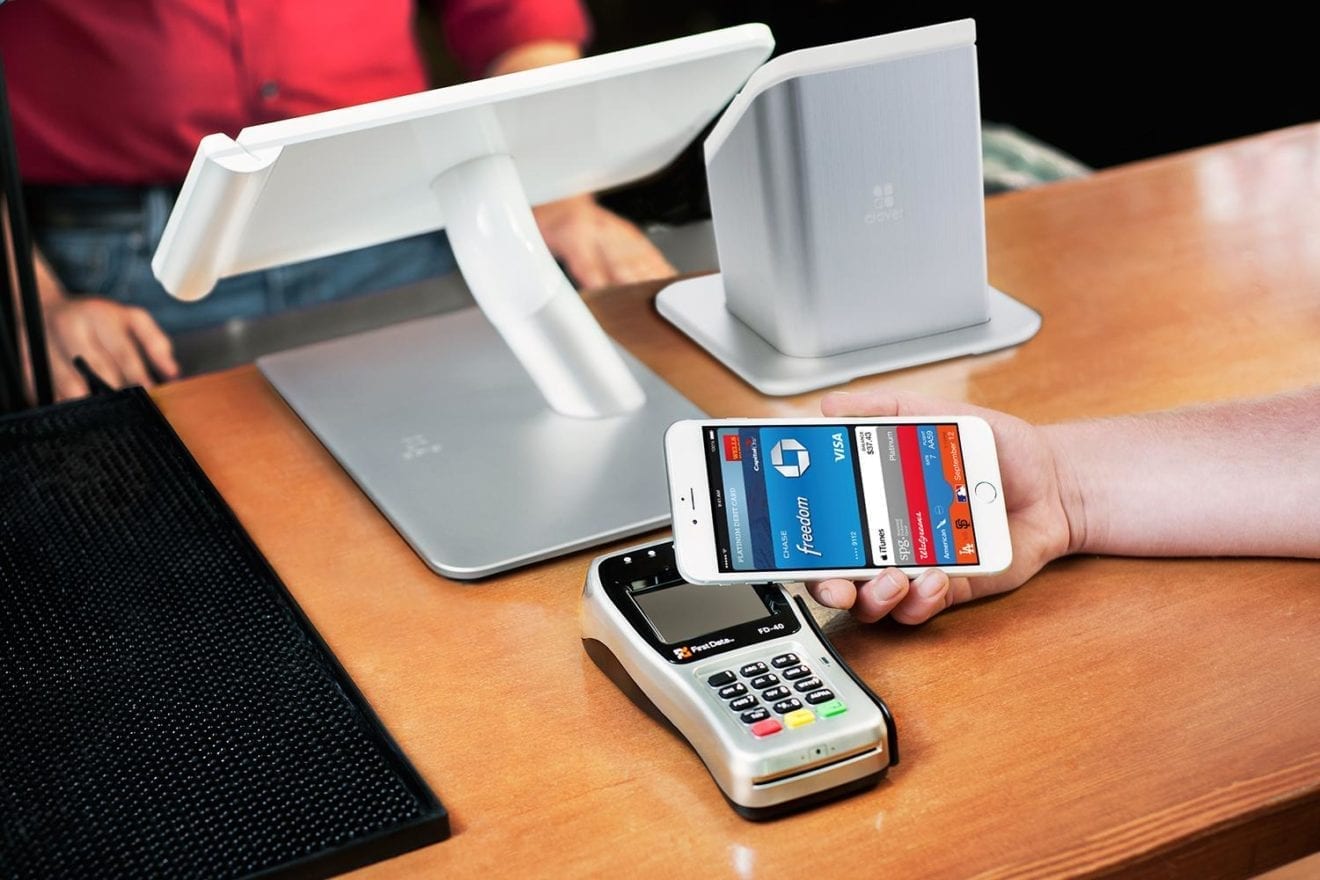
    JCPenney has finally released an official statement. This offers a technical explanation for the retailer’s decision to “suspend all contactless payment options until a later date.” While that suggests there’s a good chance Apple Pay support will be reactivated at some point in the future, JCPenney is also hinting at modest popularity for the digital wallet app in its stores, claiming the “vast majority” of shoppers continue to rely largely on “inserting or swiping their physical credit cards at point-of-sale terminals” to complete their transactions. Original article follows.

    While Apple is still selling plenty of iPhones, iPads, and smartwatches around the world, the tech giant’s “services” and software are suddenly growing at an unrivaled pace, generating revenues of nearly $11 billion between October and December 2018, up from $9.1 billion during the final three months of the previous year. Apple Pay, Apple Music, and the iOS App Store are by far the most successful and lucrative such services, at least until the Apple Arcade and TV+ platforms actually become available for end users.

    Released less than five years ago, Apple Pay powered a mind-blowing 1.8 billion transactions in the last 90 calendar days of 2018, continuing its aggressive expansion stateside and worldwide with a long overdue debut in Germany, as well as major new partnerships with the likes of CVS, Target, and Taco Bell.

    Curiously enough, another big US retailer confirmed on Twitter over the weekend its “decision to remove Apple Pay for our stores.” JCPenney’s move is certainly unusual (if not unprecedented), as there are still a few holdouts in Apple’s race to US ubiquity, but we can’t really remember anyone that supported the digital wallet platform for a couple of years to then reconsider without offering any sort of justification.

    While not the earliest supporter of the increasingly popular app, JCPenney did embrace the service back in 2017, helping it reach 74 of the top 100 US retailers by revenue as of January 2019. That included Target and Taco Bell, so we’re guessing the count is now down to 73. That’s still an impressive number, as is the 70 percent touted by Tim Cook as the platform’s target for later this year as far as all US retailers are concerned.

    Hopefully, we’ll get an explanation from JCPenney soon as to what made the department store chain pull the plug on Apple Pay support in both its retail locations and iOS app.

  • Stripe readies local merchants selling to Europe fornew payment regulation

    Stripe readies local merchants selling to Europe fornew payment regulation

    Today payments infrastructure company Stripe announced a series of updates to its product stack for businesses operating in Europe, and acquired a Dublin-based tech company called Touchtech Payments.

    Strong Customer Authentication (SCA) is coming

    On September 14, 2019, SCA will come into force in Europe, radically changing the way people buy and sell online. More than 300 million European consumers will need to confirm their identity for the majority of their online purchases, using two of the following: something they know (e.g., a password), possess (e.g., a phone), or are (e.g., their fingerprint).

    Hundreds of thousands of online merchants in Europe —from retailers, to ridesharing companies, to crowdfunding services— will have to upgrade their payments set-up to prepare for the upcoming regulation. If they don’t, their transactions will be declined outright. When similar regulation was enforced in India in 2014, some businesses reported an overnight conversion drop of over 25%, due to the extra step in the payments experience. And while European regulators created a number of SCA exemptions for low-risk transactions (e.g., low value transactions, white-listing by end customers…), most merchants will simply not be able to leverage them on their own.

    “SCA is a ticking time bomb for the European payments industry. Merchants must deal with a complex set of changes to the payment flow that can have a disruptive impact on the customer experience. Yet, awareness among merchants is low”, said Ron van Wezel, Senior analyst at Aite Group. “Payment service providers are at a turning point. SCA is simply too complex for any merchant to manage on its own, including for large online businesses. Payments providers who can abstract away SCA complexity will have a significant advantage over their competitors.”

    New Stripe products to make SCA as seamless as possible for online businesses

    Today, Stripe is announcing new products and updates to help merchants implement the best SCA-ready authentication methods to their checkout page and dynamically trigger SCA when required:

    • The Payment Intents API: a new dynamic payments API that lets businesses design their own SCA-ready payment forms, and accept the best authentication methods (e.g. 3D Secure 2, Apple Pay, Google Pay) through a single integration.
    • Checkout: a pre-built payments page optimized for SCA, that merchants can integrate with just a few lines of code.
    • Billing: a suite of tools for subscription businesses, that identify which charges require SCA and send customizable emails to subscribers when additional authentication is needed.
    • Dynamic support for SCA exemptions on low-risk transactions (e.g., whitelisting, recurring transactions, low amount): behind the scenes, Stripe dynamically scans every transaction to trigger SCA only when required, protecting both users’ safety and merchants’ revenue.

    Stripe’s products are built with an uncertain future in mind. When new authentication requirements arise in Europe and elsewhere, Stripe will update its logic to protect merchants’ revenue against all odds, with few to no changes needed to their integration. To help merchants navigate the complexity of SCA, in addition to the new and updated integration products, Stripe is launching SCA guidesSCA-ready payments flow designs, SCA-ready API documentation, and SCA webinars, all of which can be found on the new SCA web page.

    An acquisition – Touchtech Payments – to accelerate SCA readiness for financial institutions

    Stripe also announced it has acquired Dublin-based Touchtech Payments—a software company that provides advanced SCA-ready authentication technology for some of Europe’s leading fintechs and challenger banks, like N26, Transferwise, and many others. By providing advanced authentication technology for credit card issuers, Touchtech Payments helps them offer better payments experiences for their customers, without having to choose between security and user experience.

    “On the modern internet, payments should be everything you’d expect: easy, secure, and fully compliant with the latest regulations. Unfortunately, these three attributes are often at odds with one another, making it nearly impossible for an individual business to keep pace with regulatory changes and build a great payments product experience for their customers,” said Will Gaybrick, Stripe’s Chief Product Officer. “Touchtech adds yet another layer to the economic infrastructure Stripe is building for the internet, which is designed to help businesses comply not only with SCA but also with the entire next generation of regional payment regulations.”

    As part of Stripe, Touchtech will continue to grow its products, working from Dublin.

  • Google Pay update brings Gmail integration

    Google Pay update brings Gmail integration

    Google is trying to build an entire ecosystem that will allow users to access any important information from just about every Google app. Gmail has been integrated with many other Google apps, but other developers noticed the benefits and added integration with the email app.

    The newest app that benefits from Gmail integration is Google Pay, which doesn’t come as a surprise since the changes were spotted a few months ago. Now, Google Pay has been updated with Gmail importing, which means that the mobile payment app will browse through your emails and add the relevant information to its system.

    For example, whenever you receive loyalty cards, movie tickets, and boarding passes in the Gmail inbox, they will be automatically added in Google Pay. Keep in mind though that if you delete the email containing the information, it will disappear from Google Pay as well.

    The improvement makes it easier to access loyalty cards, tickets, and more without having to go through your emails every time you want to know something about them. It’s also easier to find coupons and boarding passes that are being sent to your Gmail inbox and make use of them.

    It’s worth mentioning that the new Gmail import feature is disabled by default, so you’ll have to enable it in Google Pay by heading to Settings / General / Gmail Imports and using the toggle available after the latest update.

  • New Financial Institution Launched in Singapore

    New Financial Institution Launched in Singapore

    A news Singapore-based firm, formed by home-grown industry veterans, targets financial technology, regulatory technology, infrastructure, and sustainability-driven enterprises. Licensed by the Monetary Authority of Singapore (MAS), Vanda Global Capital, formed by home-grown industry veterans, is focused on grooming high potentials in the technology vertical, and in impact-driven companies reflecting environmental, social and governance causes.

    The firm targets financial technology, regulatory technology, infrastructure, and sustainability-driven enterprises. Vanda prioritizes and emphasizes unwavering support of Singapore-based initiatives, congruent with Singapore’s vision of establishing the nation as a leading fintech hub, the company said on Tuesday.

    At the helm of Vanda is its CEO, Low Wei Ling, a banking and finance industry veteran of over 25 years of experience and with a solid track record in internationally acclaimed investment banking, asset management, universal and private banking business franchises.

    She serves the MAS Banking Advisory Group and was awarded the International Outstanding Young Private Banker of the Year for exemplary leadership globally. She is a judge of the MAS Global Hackcelerator & Fintech Awards.

    Vanda Global Capital’s leadership management team also includes industry visionaries like Richard Eu Yee Ming of Eu Yan Sang International and Wong Joo Seng of Spark Systems and co-founder of M-DAQ.

    As Co-Founder and Executive Director of the Board of Vanda Global Capital, Eu Yee Ming, who holds a Law Degree from University of London, was a merchant banker, stockbroker, venture capitalist and is also the Non-Executive Chairman of Eu Yan Sang International, a healthcare company that focuses on traditional Chinese medicine (TCM) with annual revenues of over S$300 million.

    Co-Founder & Non-Executive Director of the Board of Vanda Global Capital, Wong Joo Seng is a banking and finance veteran and a venture partner of Vickers Venture Partners. He is founding CEO of GK Goh Financial Services, the derivative trading subsidiary of GK Goh Holdings, and also co-founder of M-DAQ and the company’s founding Chairman.

  • Techcombank targets US$504.3 million in pre-tax profit

    Techcombank targets US$504.3 million in pre-tax profit

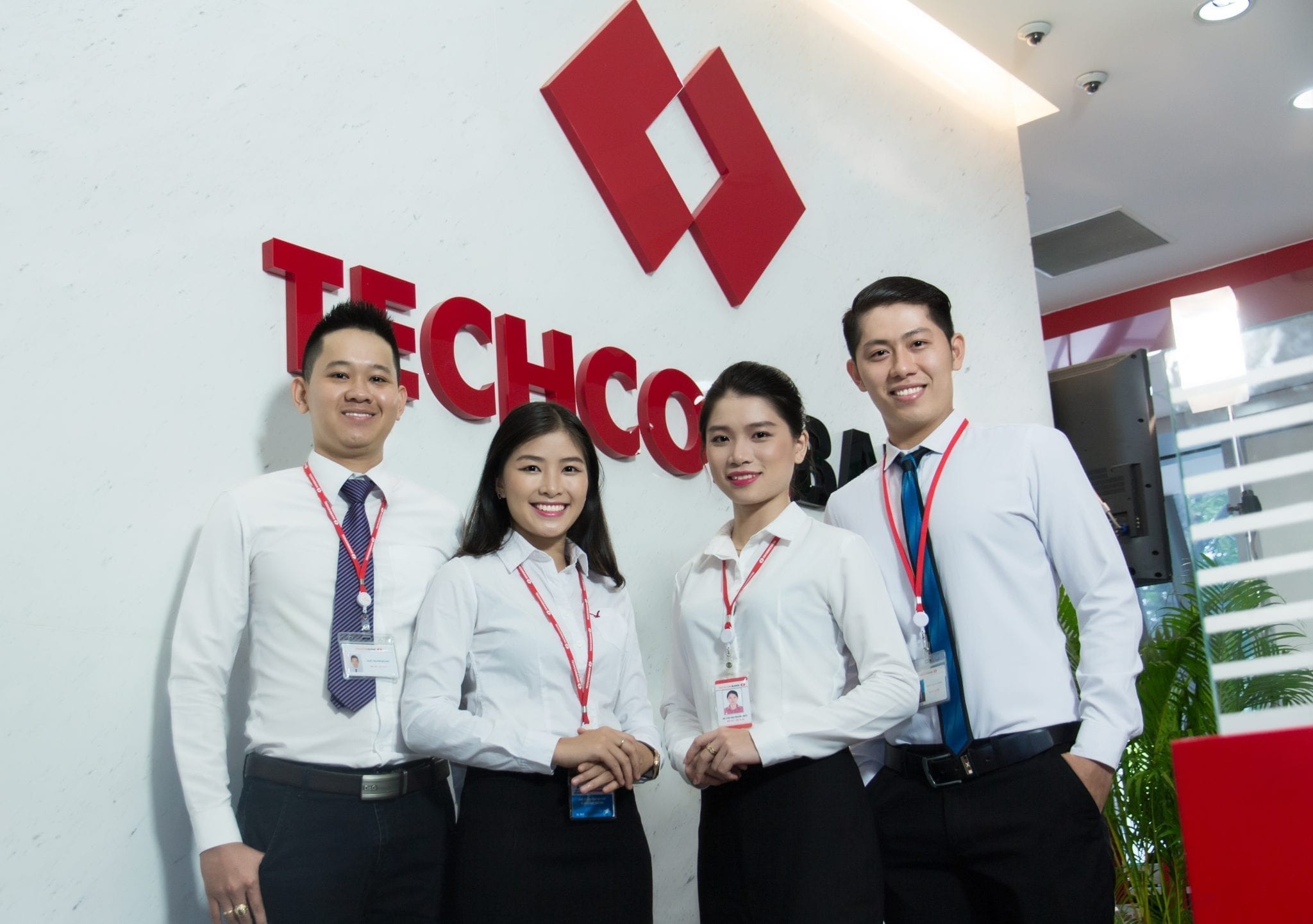
    Techcombank has targeted a pre-tax profit of more than VNĐ11.7 trillion (US$504.3 million) in 2019, representing a 10 per cent year-on-year increase.

    The target was approved at its annual shareholders’ meeting held in Hà Nội last week.

    It also planned to increase its total assets by 17 per cent to VNĐ375.8 trillion this year while holding outstanding loans at VNĐ245.4 trillion, up 32 per cent from last year. Its bad debts would be limited to less than 2.5 per cent in 2019.

    In 2018, Techcombank achieved high business results. Its pre-tax profit was up 32.7 per cent from the previous year at more than VNĐ10.6 trillion.

    These helped the bank achieve return on average assets (ROAA) of 2.9 per cent and return on average equity (RAE) of 21.5 per cent.

    Nguyễn Lê Quốc Anh, Techcombank’s CEO, said the two criteria had not only been among the highest among banks in Việt Nam but also surpassed big scale banks in India and Thailand.

    In addition, Techcombank successfully mobilised capital to raise its capital adequacy ratio (CAR) to 14.3 per cent, much higher than the level stipulated by the State Bank of Vietnam as well as the minimum level according to Basel II.

    Techcombank was among the few commercial banks last year which were assigned higher credit growth limits of 18 per cent with priority given to those who met Basel II’s capital safety and risk management standards ahead of schedule.

    “The bank plans to grow revenue by 20-30 per cent a year and retain 20 per cent of profit. In order to increase revenue, instead of growing debt balance, the bank would focus on raising fees (expected to account for 50 per cent of the total revenue),” Anh said.

    He added that Techcombank always focused on controlling credit growth from the central bank to ensure sustainable growth of the economy.

    Anh said Techcombank was among the banks to have successfully resolved bad debt. All of its debts were sold to VAMC and totally resolved two years ago. It had also well controlled credit quality by its strict risk warning and management system.

    With its profits listed in the top three banks in the country’s banking system in 2018, Techcombank’s shareholders agreed to continue to retain earnings to invest in creating growth momentum in the future.
    Hồ Hùng Anh, the bank’s chairman, said the bank wanted to retain profit to strengthen its equity and ensure the requirements of the central bank and Basel II are met.

    At the meeting, shareholders also approved a plan to issue 10 million shares under the Employee Stock Ownership Plan (ESOP) programme at a price of VNĐ10,000 to increase its charter capital to more than VNĐ35 trillion.
    The bank said it would focus on growth contributed by service fees thank to implementing a modern banking transaction system for corporate customers and improving their experiences through online payments and life insurance products.

    In addition, it would develop new solutions in house lending, car lending, credit and payments to meet increasing demands of customers.

    Anh added the bank would start construction of two new buildings on Lý Thường Kiệt Street (Hà Nội) and Lê Duẩn (HCM City) this year. The two buildings are expected to become operational in 2021.

    Hồ Hùng Anh was re-elected to the position of chairman of Techcombank’s board of directors for the third consecutive term.

    Other members include Nguyễn Đăng Quang, Nguyễn Thiều Quang Nguyễn Cảnh Sơn, Đỗ Tuấn Anh, Lee Boon Huat, Saurabh Narayan Agarwal and Nguyễn Nhân Nghĩa.

    The new management board would continue to implement its customer-centric strategy, invest in technology to develop a digital foundation and big data while improving risk management to reach high ratings with prestigious ratings organisations.

  • UOB Partners Local E-commerce Platform To Mine Opportunities

    UOB Partners Local E-commerce Platform To Mine Opportunities

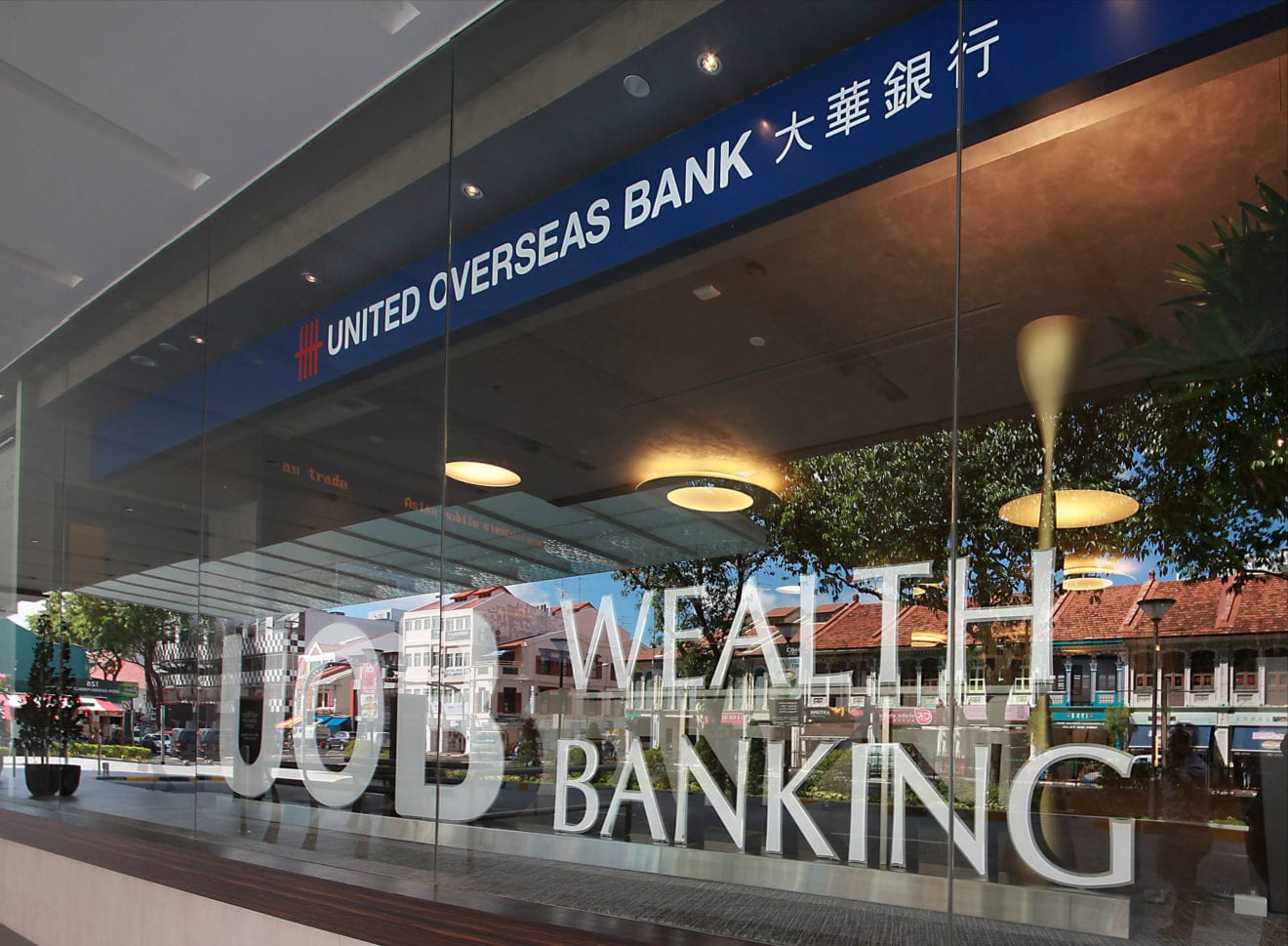
    United Overseas Bank has partnered with a popular e-commerce platform to build ecosystem partnerships. This follows a string of partnerships announced with other high profile online platforms.  United Overseas Bank (UOB) announced a regional alliance with local e-commerce platform Qoo10 on Monday, complementing the bank’s efforts to help small businesses seize opportunities in the digital economy. Qoo10, with more than three million buyers, is the top e-commerce platform in Singapore.

    «Our alliance with Qoo10 enables us to extend our touchpoints to provide small businesses with the financing they need directly on the e-commerce site, helping them to take advantage of opportunities quickly as they arise,» said Lawrence Loh, Head of Group Business Banking at UOB.

    In January this year, Qoo10 launched QuuBe, a blockchain-based e-commerce platform which already has more than two million products on the marketplace. Through the alliance, Qoo10 will be able to tap UOB’s holistic suite of financial solutions to help consumers and merchants buy and sell products more easily on both the Qoo10 and QuuBe platforms.

    «Partnering established and trusted allies such as UOB enables us to empower our merchants and customers with readily accessible solutions that provide greater financial flexibility in running a business or making purchases,» says Ku Young Bae, CEO of Qoo10.

  • DBS Partners Sinosure for BRI Projects

    DBS Partners Sinosure for BRI Projects

    DBS Group has signed a cooperation agreement with China Export & Credit Insurance Corporation, adding to the list of banks that are partnering Sinosure for projects under the Belt Road Initiative.

    DBS Group Holdings on Monday announced that it has partnered with Sinosure, the only state-funded Export Credit Agency conducting export credit insurance business in the People’s Republic of China. It joins OCBC Bank, who last week announced a similar partnership agreement.

    «Through signing the cooperation agreement with Sinosure, we will strengthen our partnership and increase the depth of our business with mainland China by facilitating project finance, and investment and trade opportunities especially with partners in ASEAN. We look forward to helping companies capitalize on the numerous business opportunities offered under BRI,» said DBS Singapore Country Head Shee Tse Koon.

    Under the cooperation agreement, DBS and Sinosure will collaborate on projects under the Belt and Road Initiative, especially those from ASEAN, by leveraging each other’s strengths in trade and investments and in-market experience.

    Sinosure will provide credit insurance for DBS’ mid and long-term financing activities for projects in the fields of marine engineering, infrastructure construction, energy, chemicals and textiles, aerospace, as well as services and technology.

  • Investor Groups Attack UBS

    Investor Groups Attack UBS

    UBS faces pressure from shareholders ahead of an investor meeting next month. The opposition centers around a nearly $12 million windfall for CEO Sergio Ermotti and a prolonged French legal tussle.

    UBS’ investor meeting on May 2 promises to be a heated one: U.S. investor group ISS is recommending shareholders deny UBS’ management and board for 2018 a so-called dispensation, which is a peculiarity of Swiss securities law which exempts managers from liability for their actions.
    The move adds to opposition to UBS’ pay practices from Glass Lewis, which last week said it will oppose the Swiss bank’s compensation report. Geneva-based Ethos views the 73.3 million Swiss franc ($73.1 million) bonus pool for UBS’ top 13 executives as inappropriate given the poor performance of the Swiss bank’s stock last year.

    CEO Sergio Ermotti is taking home 11.9 million francs in so-called realized compensation after contingent capital instruments that UBS gave him in 2012 matured. At the helm since 2011, Ermotti is Europe’s best-paid banking CEO. His bonus for 2018 is 4.5 times his salary (the metric is capped at 5 times his yearly salary). In contrast to Glass Lewis and Ethos, ISS said UBS’ pay practices by and large reflect those of the wider financial industry.

    The wealth manager has justified the pay with the fact that UBS’ net profit rose 12 percent on the year, its capital is solid, and it bought back 750 million francs worth of its own shares last year. Ethos criticized that shareholders suffered a nearly one-third drop in the value of their shares during that time.

    From 2016 until last year, shareholders sucked up a more than 28 percent tumble, far more dramatic than the 1.8 percent fall in the wider banking sector, Ethos said. «Ethos believes that UBS must introduce a performance target taking into account the relative performance of the bank’s share price», said the group, which holds sway with many of Switzerland’s weighty pension fund voters.

    The «nay» from ISS on releasing board and management for 2018 is purely pre-emptive, the shareholder advocate said – it is the first time since the financial crisis that shareholders have mounted opposition against top executives.

    ISS issued the recommendation in view of UBS’ long-running French criminal troubles, where the bank was recently hit with a 4.5 billion euro ($5 billion) fine (the bank shredded the decision and faces at least another two years of appeals process). The shareholder group said the move would simplify any potential legal steps against members of the C-suite later. Ermotti and chief lawyer Markus Diethelm are the architects of a pugnacious legal strategy in France.

  • Citibank Singapore to Instantly Approve Debt Consolidation Plan

    Citibank Singapore to Instantly Approve Debt Consolidation Plan

    Citibank Singapore announced that it is the first bank in Singapore to introduce instant in-principle approval for debt consolidation plans. Customers applying online for Citibank Singapore’s debt consolidation plan will receive an immediate indication of their application status, as the bank is the first in Singapore to offer eligible customers instant in-principle approval.

    «The ability to grant instant in-principle approval resolves a key customer pain point by giving customers a better sense of their application’s eventual outcome, even before they go through the effort of gathering their financial documents and sending them to the bank,» said Vikas Kumar, Head of Cards and Personal Loans at Citibank Singapore, in a media statement.

    This new capability, which will be launched on Tuesday, enhances convenience for prospective customers who previously had to wait for up to three days for a decision after the bank receives their applications through email or post.

    Upon receiving a debt consolidation application, the bank will access the customer’s credit report through its API integration with Credit Bureau Singapore. The customer’s credit situation is assessed through a fully automated process, enabling the bank to grant instant in-principle approval for eligible individuals.

    Customers can then submit their supporting documents – which are required by industry regulations – consisting of their various credit statements from different financial institutions, income records, and proofs of identification. The bank will also proactively reach out to customers should they need assistance after receiving their in-principle approval.

    Debt consolidation plans were introduced by Singapore’s financial institutions in January 2017 to help borrowers reduce their debt over time. Debt consolidation plans consolidate a borrower’s existing unsecured credit balances across various institutions under a single entity and offer effective interest rates that are lower than card and credit line rates.

    Customers on debt consolidation plans will have lower monthly repayments as compared to the total individual payments a customer incurs, and the benefit of making repayments to a single bank. Customers of Citibank Singapore can choose a loan tenure of up to seven years and will receive a credit card with a limit of one month’s income.

  • More Food, Snacks and Drinks for Less with Mastercard

    More Food, Snacks and Drinks for Less with Mastercard

     Shopping for your daily needs such as fresh food, snacks and beverages can be turned into fun and rewarding experiences! Pay with your mobile phones or devices and make every trip to the supermarket enjoyable with these exclusive offers and discounts with Mastercard!

    Every Saturday and Sunday from April 20 to June 30, 2019, Mastercard cardholders can enjoy a HK$40 instant discount for every single transaction of HK$500 when paying via Apple Pay, Google Pay or Samsung Pay linked with a Mastercard card at Wellcome Supermarket, Market Place by Jasons, 3hreesixty, Oliver’s The Delicatessen, Jasons .Food & Living and Jasons ichiba.

    Spend less and enjoy more when shopping with Mastercard!