Category: Finance

Retail News Asia is committed to providing both local and global retailers with the latest Finance news throughout the Asian market. This on a daily base.

  • Hong Kong Banks Encouraged to Streamline Hiring Processes to Attract Premier Talent

    Hong Kong Banks Encouraged to Streamline Hiring Processes to Attract Premier Talent

    Banks operating in Hong Kong are urged to rethink their hiring practices if they aspire to attract and retain the best talent, according to insights from recruitment specialists. A recent survey by Asian Banking & Finance revealed that hiring rose by 2.5% across 15 lenders, yet experts caution that more streamlined application processes and relaxed language requirements are crucial in a competitive market.

    Selectivity and Delays Hamper Talent Acquisition

    The hiring landscape has become increasingly selective and convoluted, which is dissuading potential candidates. Robert Sheffield, managing director for China and Hong Kong at Ireland-based recruitment firm Morgan McKinley, remarked that the prolonged hiring timelines are pushing top-tier candidates toward competitors who offer a more efficient process. “We’re seeing a number of those top candidates take opportunities that come with a faster onboarding experience,” he stated in a recent Zoom session.

    Amid an array of hurdles, applicants often face cognitive and personality assessments, alongside an exhaustive need for detailed references. On top of that, hiring managers are scrutinizing soft skills and emotional intelligence to gauge cultural fit, leading to additional rounds of interviews involving compliance and risk departments.

    Regulatory Pressures Add Complexity

    These lengthy procedures are exacerbated by a growing burden of regulatory compliance, especially over the past two years. Sheffield emphasized, “Banks are under an enormous amount of pressure to ensure compliance, with increasingly complex regulations on anti-money laundering, artificial intelligence, KYC protocols, and data privacy.” Consequently, banks are ramping up hiring in areas like KYC, asset liability, and regulatory risk management which encompasses credit, market, operational risks, and tech roles.

    Shifting Employee Mindsets

    The job market is not the only arena experiencing caution; candidates themselves are becoming more selective. Elaine Chu, senior manager of financial services at Robert Walters Hong Kong, highlighted that prospective employees are now placing a premium not just on salary but also on job stability. “Candidates have grown more reserved,” she noted, especially as pay increments have noticeably shrunk.

    In a surprising twist, banks may need to rethink their Mandarin requirements, with Sheffield pointing out that a vast majority of roles primarily necessitate English proficiency. “For many positions, this requirement has made the hiring process unnecessarily prolonged—three or four times longer than what it needs to be,” he explained. Considering that about 70% of Hong Kong’s talent pool hails from Mainland China, flexibility in requirements could tap into broader talent resources.

    Adapting to Change

    Rather than cutting back, most of Hong Kong’s banks are opting to adjust their hiring strategies. Chu noted, “For many institutions, there’s a shift in seniority; if a vice president departs, they might now hire an assistant vice president, or similarly, opt to onboard an associate.” Moreover, there’s a notable increase in internal applicants stepping up to fill gaps.

    Last year, banks collectively hired more employees than they let go, with the latest ranking survey indicating a 2.5% increase in their workforce to a total of 70,611. This growth eclipses the previous year’s 0.16% rise among the same group of banks, excluding Standard Chartered Bank, which did not participate in the latest study.

    Smallest lender Tai Sang Bank and homegrown Hang Seng Bank achieved remarkable growth, with their headcounts increasing by 40% and 19%, respectively. While Hang Seng Bank bolstered its workforce by over 1,300 employees, Tai Sang welcomed 14 new faces, bringing its total to 49.

    The Asia-Pacific division of HSBC Holdings Plc remains the largest player in Hong Kong’s banking sector, employing around 20,000 staff members, a figure unchanged from last year. Five other lenders—Bank of China (Hong Kong), Shanghai Commercial Bank, Chong Hing Bank, CMB Wing Lung Bank, and Public Bank (Hong Kong)—also reported a hiring surge.

    Navigating the IPO Landscape

    Despite the general caution in hiring, there’s a noticeable uptick in demand for roles related to initial public offerings (IPOs) amidst a resurgence in listings. Chen shared that contract hiring is becoming prevalent across various sectors, although pay raises are lagging, generally hovering around 10% to 15%. This is a far cry from the historic 20% increases during a robust market.

    Sheffield pointed out that while the hiring pace for investment bankers is slow due to subdued global deal volumes, demand for elite deal-makers remains. “There will be aggressive hiring spurts on occasion, but these will become less common,” he remarked.

    Reflecting on the IPO landscape, it is fascinating to note that Hong Kong’s projected IPO proceeds for the first half are expected to soar over eightfold to $108.7 billion (US$14 billion) compared to last year. This remarkable growth positions the region as the world leader, bolstered by Mainland Chinese firms seeking growth opportunities through dual listings, according to data from Ernst & Young Global Ltd.

    Questions & Answers

    What factors are influencing banks’ hiring practices in Hong Kong?
    Recruitment experts indicate that banks need to simplify their application processes and relax language requirements, particularly eliminating unnecessary Mandarin mandates for specific roles to attract top talent effectively.

    How are candidates responding to the current job market?
    Candidates are becoming increasingly discerning, factoring in job stability alongside potential salaries, and exhibiting more caution than in previous years, particularly since pay increases have diminished.

    Which banks are leading the hiring trends in Hong Kong?
    Tai Sang Bank and Hang Seng Bank reported the fastest hiring growth at 40% and 19%, respectively, while HSBC remains the largest employer in the sector, maintaining a stable workforce of about 20,000 staff.

  • China CITIC Bank and Hang Seng Bank Champion Innovative Reforms in Offshore RMB Repo Market

    China CITIC Bank and Hang Seng Bank Champion Innovative Reforms in Offshore RMB Repo Market

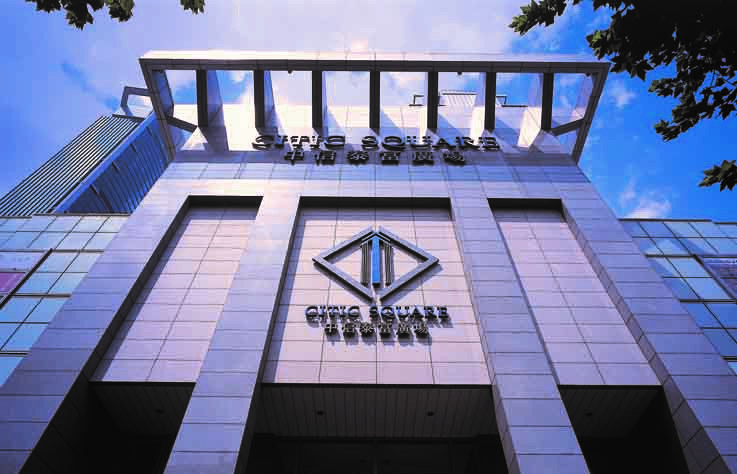
    China CITIC Bank International (CNCBI) and Hang Seng Bank are taking bold steps to enhance the offshore RMB bond market, signaling a significant evolution in financial operations in Asia. The two financial institutions announced their support for the new offshore RMB bond repurchase business, and in an impressive feat, CNCBI reported the successful completion of its first batch of transactions utilizing bonds held under the Northbound Bond Connect program as collateral.

    Boosting Capital Flexibility for Investors

    According to Chao Li, deputy head of treasury & markets group at CNCBI, these enhanced arrangements open new avenues for offshore investors by lowering financing costs and increasing capital flexibility. This not only aims to attract more international investors to mainland China’s bond market but also works toward furthering the internationalization of the RMB and onshore bonds. It’s no small feat, considering the complexities involved in integrating such financial innovations.

    Enhancing Market Access and Liquidity

    Meanwhile, Liz Chow, head of markets and securities service at Hang Seng Bank, emphasized that these enhancements are pivotal for improving market access. They cater to the increasing demand for diversified financial solutions while promoting better liquidity management and efficient collateral utilization. Hang Seng Bank has also broadened its repo business, now extending services to both banks and non-banking financial institutions (NBFIs), and has recorded a transaction volume of RMB500 million, showcasing its commitment to diversifying market offerings.

    This palpable momentum in the offshore RMB market could mean a transformative shift for investment practices in the region—after all, when investments start to feel like a game of chess, every move counts!

    Questions & Answers

    What recent development has occurred in the offshore RMB bond market?
    China CITIC Bank International and Hang Seng Bank have launched enhancements to the offshore RMB bond repurchase business, with CNCBI successfully completing the first transactions using bonds as collateral.

    How do these enhancements benefit offshore investors?
    The new arrangements provide offshore investors with increased capital flexibility and lower financing costs, making it easier for them to engage in the Chinese bond market.

    What are some of the services offered by Hang Seng Bank in relation to this market?
    Hang Seng Bank has expanded its repo business to include banks and non-banking financial institutions, achieving significant transaction volumes that enhance market access and liquidity management.

  • Vietnam’s Gold Prices Soar to New Heights in Record-Breaking Surge

    Vietnam’s Gold Prices Soar to New Heights in Record-Breaking Surge

    Vietnam’s gold market continues to shine brightly, reaching unprecedented heights as prices soar once again.

    In the latest surge, gold from the Saigon Jewelry Company climbed 0.47%, peaking at VND127.7 million (US$4,849.70) per tael. Gold rings followed suit, increasing by 0.41% to VND122.1 million per tael, marking yet another record high.

    Since the start of the year, Vietnamese gold prices have skyrocketed by 52%, considerably outpacing the stock market’s 29% gains—a dazzling display that’s catching the attention of investors and gold aficionados alike.

    In contrast, the U.S. dollar has appreciated by 3.75% against the Vietnamese dong, adding another layer of complexity to the market landscape. Globally, spot gold prices held steady at $3,372.67 per ounce, with the market eagerly awaiting U.S. PCE data that could influence the Federal Reserve’s upcoming policy decisions. A stronger dollar is currently tempering any potential gains, as reported by Reuters.

    U.S. gold futures for December delivery settled a marginal 0.03% lower at $3,417.5. Just last week, gold prices reached a near two-week high following comments from Federal Reserve Chair Jerome Powell regarding a potential interest rate cut in September. While Powell acknowledged rising risks to the job market, he also highlighted persistent inflation concerns, leaving the final decision unclear.

    In a high-interest-rate environment, the allure of non-yielding gold tends to wane, making its recent rise all the more intriguing. As the sun shines brightly on Vietnam’s golden moment, many are left wondering how high this shiny trend can go.

    Questions & Answers

    How have gold prices in Vietnam changed recently?
    Gold prices in Vietnam have surged significantly, with the Saigon Jewelry Company reporting a 52% increase since the beginning of the year, vastly outstripping stock market gains.

    What factors are influencing global gold prices?
    Global gold prices are being influenced by anticipation surrounding U.S. PCE data and the Federal Reserve’s interest rate policies, with a stronger dollar currently capping gains.

    What impact do interest rates have on gold’s attractiveness?
    In a high-interest-rate environment, gold’s appeal diminishes because it does not yield any interest compared to other investments, making its recent rise particularly notable.

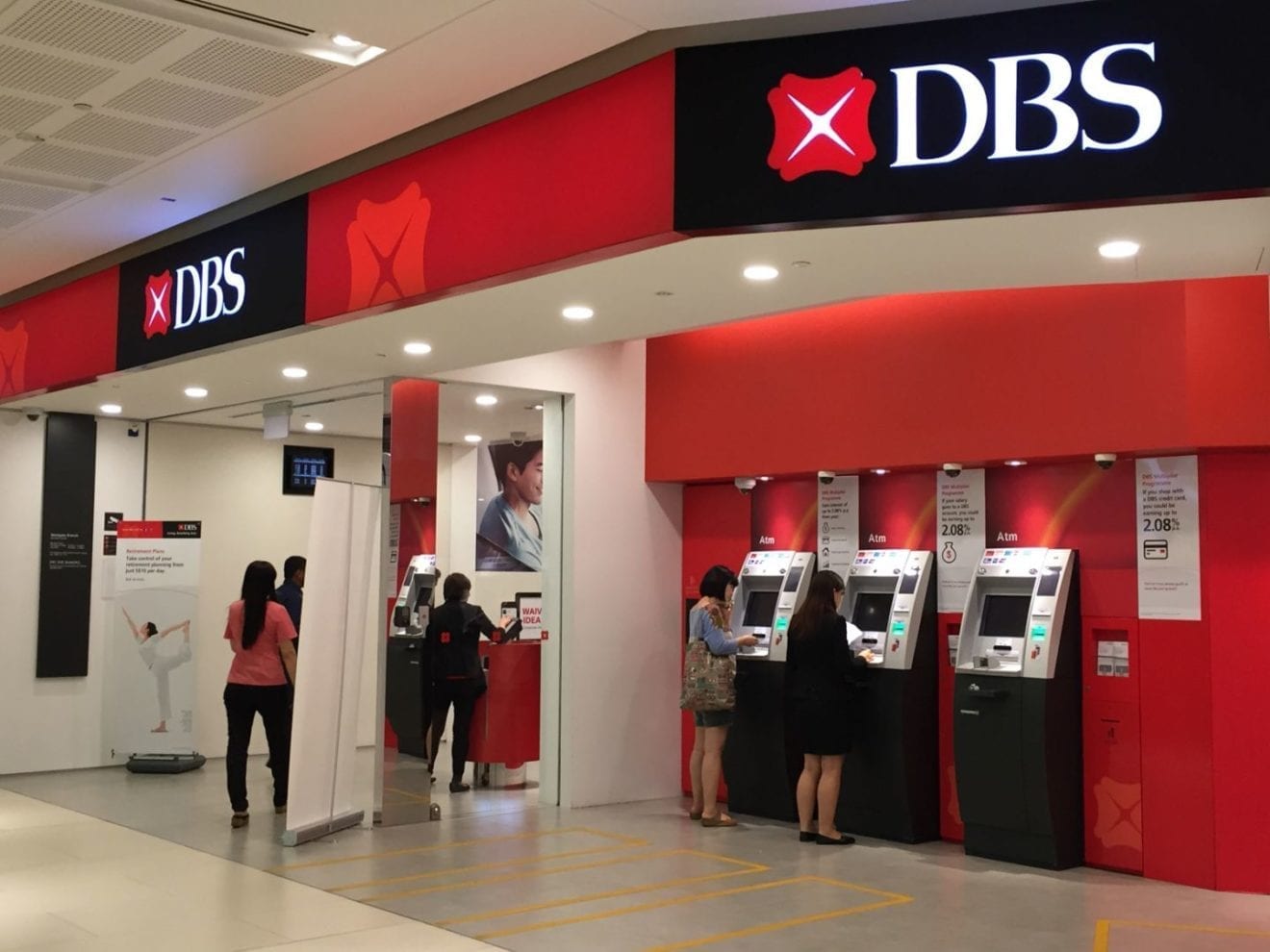
  • DBS Innovates: Tokenizes Structured Notes for Seamless Distribution through ADDX, DigiFT, and HydraX

    DBS Innovates: Tokenizes Structured Notes for Seamless Distribution through ADDX, DigiFT, and HydraX

    DBS Bank is taking a significant leap into the digital finance space by launching a series of tokenized structured notes on the Ethereum public blockchain, marking a pivotal moment in the integration of traditional banking with blockchain technology. This innovative approach will see the bank distributing these digital financial instruments through partnerships with platforms like ADDX, DigiFT, and HydraX.

    Revolutionizing Access to Cryptocurrency

    The initial offering focuses on cash-settled cryptocurrency-linked participation notes. These products provide investors the opportunity to profit from rising cryptocurrency prices without the hassle of managing the digital assets themselves. Essentially, investors receive a cash payout when prices soar, while the structure of the notes is designed to cushion against potential losses when the market dips. It’s a refreshing alternative for those wary of directly diving into the choppy waters of cryptocurrency trading.

    A New Era for Structured Notes

    Structured notes, while often complex and requiring a minimum investment of US$100,000, can cater to individual investor needs, making them non-fungible by nature. With DBS’s tokenization process, each structured note will be divided into individual tokens, each representing a US$1,000 share. This innovation enhances flexibility and accessibility for investors looking to enter or exit the market with precision. To put it simply, it’s like having a buffet of investment options, where you can choose just a taste without committing to a full meal.

    Broadening Investment Horizons

    DBS is not stopping at cryptocurrency-linked notes; the bank plans to extend its tokenization efforts to other types of structured instruments, including equity-linked and credit-linked notes. This initiative aims at providing accredited and institutional investors with greater flexibility and sophisticated tools to effectively manage their portfolios in an ever-evolving financial landscape.

    Questions & Answers

    How will DBS’s tokenized notes benefit investors?
    Investors gain access to cash-payouts linked to cryptocurrency price movements without the need to manage the assets directly, and the notes are structured to protect against potential losses.

    What is the minimum investment for these structured notes?
    Typically, structured notes require a minimum investment of US$100,000, but with tokenization, investors can buy into these notes through individual tokens of US$1,000 each.

    What types of structured notes will DBS tokenize beyond cryptocurrency?
    DBS plans to tokenize various other structured notes, including equity-linked and credit-linked notes, broadening the spectrum of investment opportunities for its clients.

  • Gasoline Prices Hit Seven-Week Peak: What This Means for Drivers and the Retail Market

    Gasoline Prices Hit Seven-Week Peak: What This Means for Drivers and the Retail Market

    Gasoline prices in Vietnam surged to levels not seen since early July, casting a spotlight on the country’s evolving fuel market. As of Thursday afternoon, the price of the popular RON95 fuel increased by 1.06%, reaching VND20,090. Meanwhile, biofuel E5 RON92 also saw a rise of 0.57%, priced at VND19,460. In contrast, diesel experienced a slight decline, falling by 0.94% to VND17,900.

    The recent fluctuation in global oil prices was driven by several factors, including a sharper-than-expected drop in U.S. crude oil inventories, coupled with discussions between U.S. President Joe Biden and Ukrainian President Volodymyr Zelensky regarding a potential roadmap to resolve the ongoing conflict in Ukraine. These conversations come at a time when the oil market is grappling with tightening supply and geopolitical tensions.

    In the global arena, RON95 saw a decrease of 1.2%, settling at $80.1 per barrel, while diesel recorded a drop of 1.3%, now priced at $83.6 per barrel. It seems fuel prices are keeping everyone on their toes, reminiscent of a careful tightrope act where a single misstep can send consumers and businesses alike into a tailspin.

    Questions & Answers

    How much have gasoline prices increased in Vietnam recently?
    Gasoline prices have risen by 1.06%, bringing RON95 to VND20,090, marking the highest level since early July.

    What factors are influencing the global oil market?
    The global oil market has been affected by a significant drop in U.S. crude oil inventories and ongoing discussions about resolving the conflict in Ukraine.

    What are the current prices of diesel and biofuel in Vietnam?
    Biofuel E5 RON92 is priced at VND19,460 after a 0.57% increase, while diesel has decreased to VND17,900.

  • Sygnum and Incore Pave the Way for the New Era of Digital Asset Banking

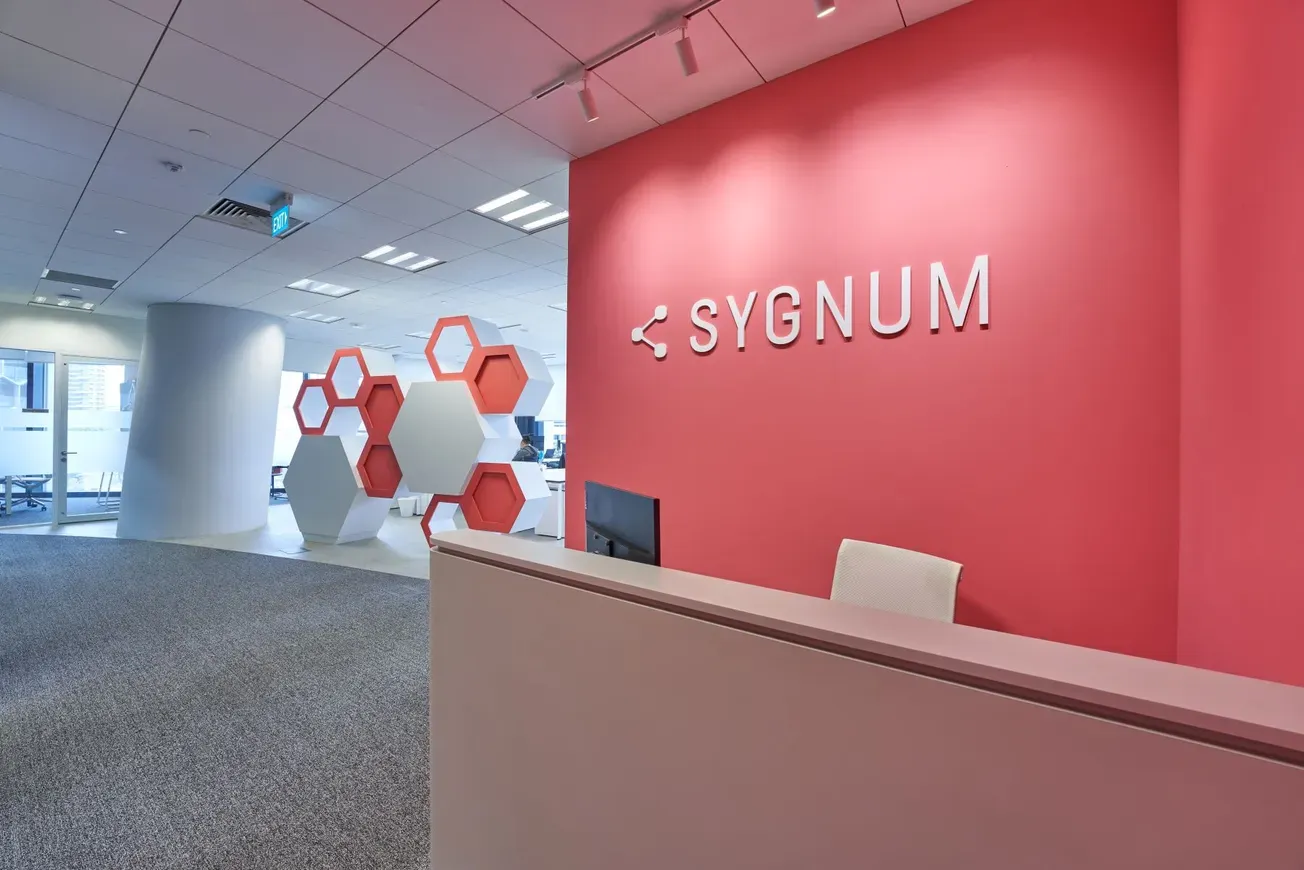
    Sygnum and Incore Pave the Way for the New Era of Digital Asset Banking

    Swiss digital asset banking group Sygnum and Incore Bank, a prominent B2B transaction bank in Switzerland, are amplifying their partnership to enhance the scalability and future viability of their banking networks. Announced jointly on Thursday, the expanded collaboration marks a significant milestone in their shared journey towards redefining the digital assets landscape.

    Since 2019, Incore has joined forces with Sygnum for regulated custody and brokerage services of traditional securities, as well as for safeguarding its asset management portfolio. Now, with fresh ambitions on the horizon, the two institutions are poised to broaden their collaboration, promising essential growth opportunities in the ever-evolving financial sector.

    Under this extended partnership, Incore Bank will further enrich its digital asset offerings by harnessing Sygnum’s modular B2B platform designed for digital assets and institutional services. This dynamic platform is not just an upgrade—it’s akin to giving a Swiss watchmaker a new toolkit to craft next-gen masterpieces for clients, ensuring precision and innovation.

    Unlocking Access to Emerging Asset Classes

    Members of the Incore network will enjoy early access to groundbreaking products, along with a secure infrastructure tailored to accommodate the next wave of emerging asset classes. “Sygnum’s B2B infrastructure delivers the security, scalability, and flexibility the industry needs, along with innovative products increasingly sought after by end clients,” remarked Fritz Jost, Sygnum’s Chief B2B Officer. This strategy positions both banks at the forefront of an evolving financial revolution.

    Pioneering the Digital Asset Landscape

    Both Sygnum and Incore have made history as some of the first banks in Switzerland to receive approval for digital asset banking from the Swiss Financial Market Supervisory Authority (Finma). By expanding access to digital assets, the two partners are not only enhancing market depth but are also integrating crypto assets into the broader economy, ushering in new financial paradigms.

    Building Excitement in the Digital Sphere

    “We are excited to expand our universe of crypto asset products through our collaboration with Sygnum, further strengthening Incore Bank’s digital asset offering,” said Mark Dambacher, CEO of Incore Bank. As enthusiasm swells within the sector, the partnership points to a vibrant future where digital assets become a vital part of everyday finance.

    Questions & Answers

    How will the partnership between Sygnum and Incore Bank enhance their offerings?
    The collaboration will allow Incore Bank to enrich its digital asset offerings by leveraging Sygnum’s modular platform, enabling more innovative products and services in the growing digital asset landscape.

    What does this partnership mean for clients of Incore Bank?
    Clients will gain early access to a suite of new products and a secure infrastructure designed for emerging asset classes, making digital assets more accessible and integrated into their financial services.

    Why is the approval from Finma significant for both banks?
    Receiving approval from the Swiss Financial Market Supervisory Authority positions Sygnum and Incore among the pioneers in digital asset banking, enhancing their credibility and paving the way for broader acceptance of digital assets in the financial ecosystem.

  • Gold Prices Hold Steady at Historic Highs Amid Market Fluctuations

    Gold Prices Hold Steady at Historic Highs Amid Market Fluctuations

    Saigon Jewelry Company is holding firm with gold bar prices at VND125 million (approximately US$4,750.59), and gold rings are reflecting a similar stability at VND119.5 million per tael.

    The gold market remained steady as investors looked toward the Federal Reserve’s Jackson Hole symposium later this week, seeking insights on potential interest rate adjustments and monitoring Washington’s diplomatic moves to resolve the ongoing conflict in Ukraine, according to reports from Reuters.

    Globally, spot gold climbed 0.2% to $3,337.62 per ounce, while U.S. gold futures for December delivery saw a slight increase of 0.1% landing at $3,381.50.

    “Gold is currently in a consolidative phase, biding its time for a significant catalyst to push higher. The Jackson Hole event is certainly one to watch for dovish guidance from the Fed,” noted Kyle Rodda, a financial market analyst with Capital.com.

    Historically, gold thrives in low-interest-rate settings and during periods of heightened market uncertainty, making its current performance all the more intriguing.

    Questions & Answers

    What are the current prices for gold bars and rings in Vietnam?
    As of now, gold bars are priced at VND125 million (about US$4,750.59), while gold rings are stable at VND119.5 million per tael.

    What upcoming event is impacting investor sentiment towards gold?
    Investors are closely watching the Federal Reserve’s Jackson Hole symposium, seeking insights that could influence interest rate decisions.

    What role does the current economic environment play in gold prices?
    Gold generally performs well in environments of low interest rates and increased uncertainty, which is contributing to its strong market presence.

  • Raiffeisen Expands Amid Rising Interest Pressures: A Balancing Act for Growth and Stability

    Raiffeisen Expands Amid Rising Interest Pressures: A Balancing Act for Growth and Stability

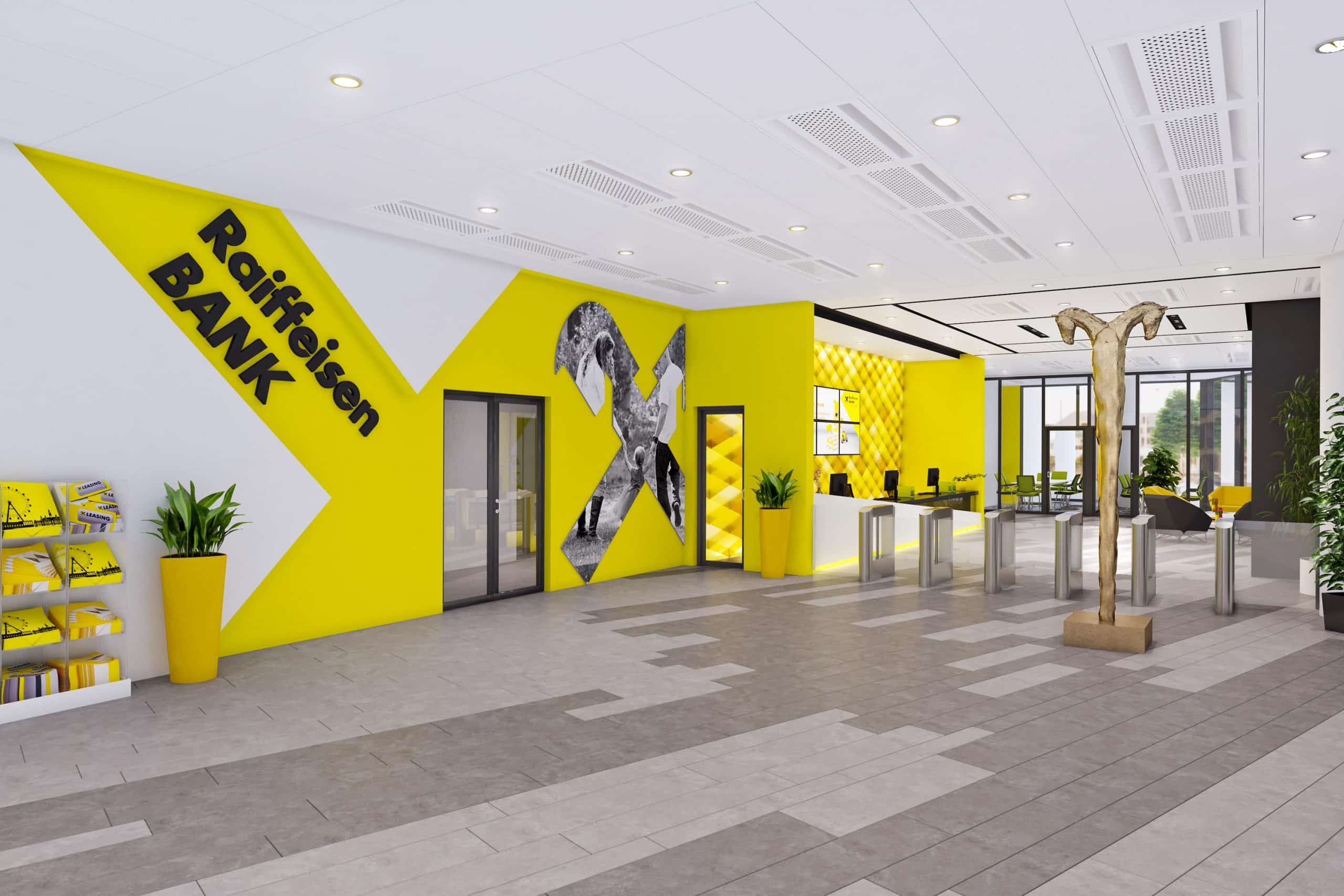
    The Raiffeisen Group’s Growth Amid Interest Income Challenges

    In the first half of 2025, Raiffeisen Group, Switzerland’s second-largest banking institution, demonstrated resilience by continuing its growth trajectory, despite a notable decline in net interest income. The bank reported profits of 555 million francs in the first six months, a sharp drop of 87 million francs or 13.6 percent compared to the same period last year. While still meeting analyst expectations, the decrease raises eyebrows in an economic landscape marked by shifting interest rates.

    The primary factor behind this downturn lies in the drop in interest income, which fell by 107 million francs or 7.5 percent to 1.3 billion francs. This decline is largely attributed to the Swiss National Bank’s recent interest rate cuts, a decision that has sent ripples through the financial sector.

    Strength in Non-Interest Revenue Streams

    Despite the challenges in interest income, Raiffeisen saw success in its non-interest business segments. Income from commissions and service fees grew by 9.1 percent to reach 366 million francs, while trading income experienced an impressive 8.5 percent increase. The pension and investment sectors particularly thrived, with net new assets flowing into securities accounts totaling 2.1 billion francs, leading to an astonishing 30,000 new accounts. This surge marks a remarkable 50 percent growth year-on-year. Overall, the volume in securities accounts now stands at 55.3 billion francs, buoyed by discretionary mandates, which soared by 17 percent, alongside gains in pension and fund savings plans.

    Raiffeisen also demonstrated solid performance in traditional lending, reporting a rise in customer loans by 6 billion francs to a total of 239 billion francs, of which 40 percent benefitted corporate clients. Their customer deposits also saw a significant uptick, increasing by 5.5 billion francs to reach 220 billion francs. Notably, the risk environment remains stable, with value adjustments constituting just 0.137 percent of receivables.

    Mortgage Market Gains

    The bank’s mortgage receivables expanded by 5.5 billion francs, bringing the total to 226 billion francs, a growth of 2.5 percent. This development allowed Raiffeisen to bolster its market position, increasing its share to 18.3 percent. However, not all news is rosy; personnel and operating costs rose around 4 percent, resulting in a cost-income ratio of 59.2 percent. On a positive note, the bank’s capitalization remains robust, with a TLAC ratio of 27.6 percent and a leverage ratio of 8.6 percent, solidifying its strong financial standing.

    A Pessimistic Look Ahead

    Looking to the remainder of the year, the Group anticipates a modest improvement in net interest income during the second half, alongside augmented commission income compared to last year. Nevertheless, expectations remain tempered, as the final results are expected to fall short of last year’s performance.

    Questions & Answers

    How did net interest income impact Raiffeisen’s overall profit?
    The decline in net interest income by 7.5 percent contributed significantly to the drop in Raiffeisen’s profits, which fell by 13.6 percent compared to last year.

    What areas of Raiffeisen’s business showed growth despite the interest income decline?
    Raiffeisen reported growth in its non-interest business areas, particularly in commissions and services, which rose by 9.1 percent, and trading income, which increased by 8.5 percent.

    What is Raiffeisen’s forecast for the second half of 2025?
    The Group expects a slight recovery in net interest income and higher commission income, although overall results are anticipated to remain below those of the previous year.

  • South Korea’s Payment Card Market Set to Hit $1 Trillion by 2025: A Game Changer for Retail!

    South Korea’s Payment Card Market Set to Hit $1 Trillion by 2025: A Game Changer for Retail!

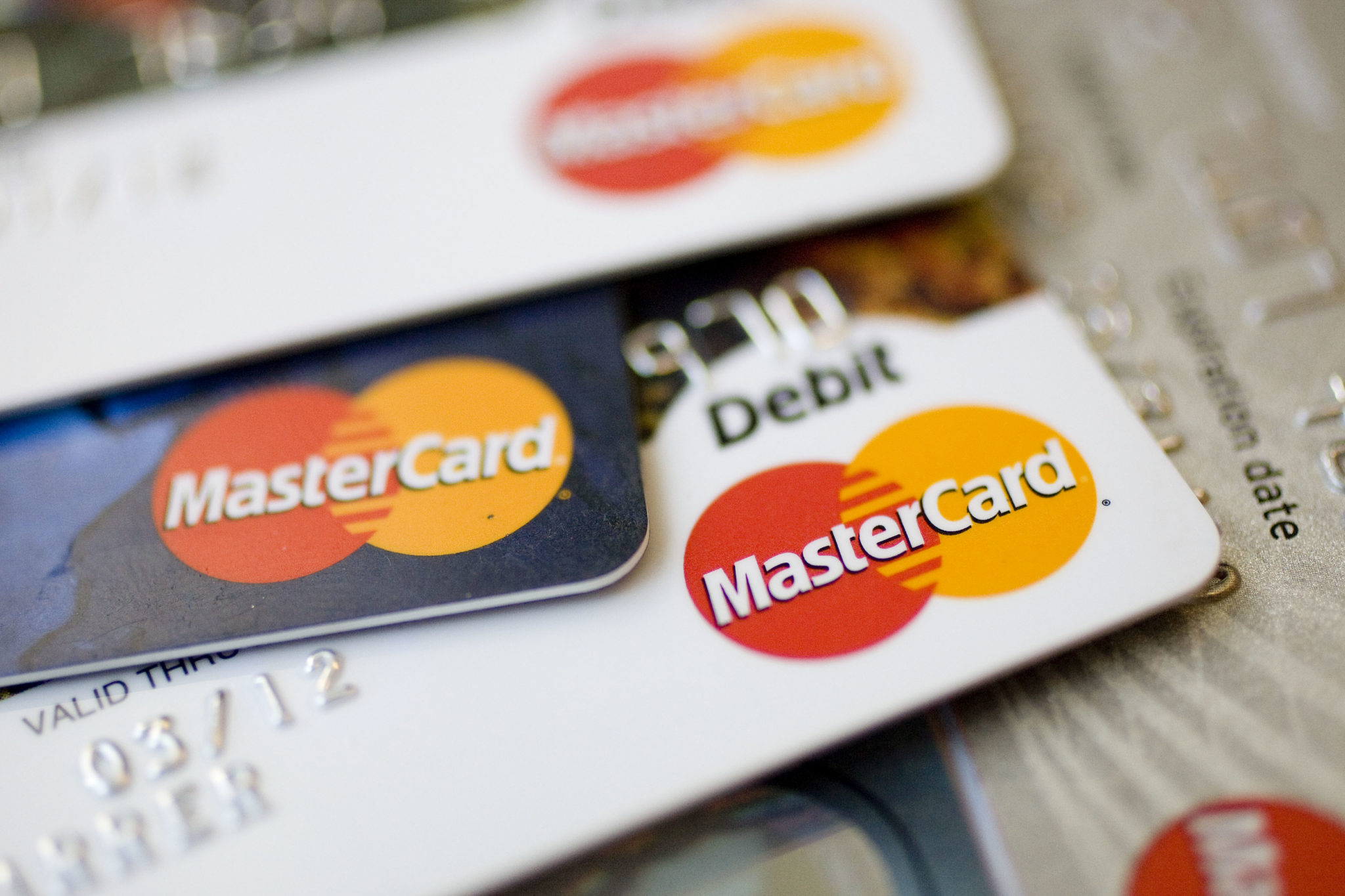
    In a remarkable shift towards digital finance, South Korea’s payment card market—encompassing both point-of-sale (POS) payments and ATM withdrawals—is projected to grow by 3.8%, reaching an impressive $1 trillion (KRW1.4 quadrillion) by 2025, as revealed in a recent report by GlobalData. This growth is largely fueled by a burgeoning preference for digital payment solutions among consumers.

    Between 2020 and 2024, card payments in South Korea are anticipated to experience a robust compound annual growth rate (CAGR) of 7.8%, spiking to about $972.4 billion (KRW1.3 quadrillion) by 2024. In stark contrast, cash withdrawals from ATMs are expected to grow only marginally at 0.9%, as more consumers opt for card-based transactions over traditional cash withdrawals.

    “South Korea’s cards and payments industry is well-developed, with each individual estimated to hold more than six cards as of July 2025,” noted Shivani Gupta, a banking and payments analyst at GlobalData. Gupta also highlighted that the frequency of card usage is on the rise, increasing from an average of 86.2 transactions per card in 2021 to a projected 97.8 transactions per card by 2025.

    By 2025, POS transactions are expected to dominate the landscape, accounting for a striking 96.1% of all card payments, leaving a minuscule share for cash withdrawals. The total number of card payment transactions is forecasted to increase from 24.2 billion in 2021 to 30.7 billion by 2025, achieving a CAGR of 6.2%, and advancing further to 35.9 billion by 2029.

    Efforts to enhance card usage are evident in recent industry initiatives. In January 2025, payment company NHN KCP partnered with Verifone to launch the all-in-one POS terminal “KCP Terminal The Black,” specifically designed to assist small and medium-sized businesses. Additionally, a collaborative agreement signed in July on Jeju Island between six organizations, including the Korea Payment Service Promotion Agency, aims to broaden the use of contactless cards on local bus services. Who knew public transport could be this tech-savvy?

    Looking ahead, the payment cards market is expected to continue its upward trajectory, forecasted to grow at a CAGR of 3.6% from 2025 to 2029, ultimately reaching KRW1.6 quadrillion ($1.2 trillion) by 2029, according to Gupta.

    Questions & Answers

    What is driving the growth of the South Korean payment card market?
    The growth is largely attributed to a rising preference for digital payments among consumers, significantly influencing both POS payments and ATM withdrawals.

    How many cards does the average South Korean hold?
    As of July 2025, it is estimated that each individual in South Korea will hold more than six payment cards, reflecting the market’s robust development.

    What innovations are being introduced to enhance card usage?
    Recent innovations include the launch of the all-in-one POS terminal “KCP Terminal The Black” by NHN KCP and Verifone, aimed at supporting small and medium-sized businesses, as well as initiatives to expand contactless card use in public transport on Jeju Island.

  • Dollar Hits New High Against Dong: What This Means for Consumers and Retailers

    Dollar Hits New High Against Dong: What This Means for Consumers and Retailers

    This Tuesday, the U.S. dollar continued its ascent against the Vietnamese dong, with Vietcombank selling the greenback at an exchange rate of VND26,480, a slight increase of 0.04% from the previous day. Meanwhile, the State Bank of Vietnam raised its reference rate to VND25,255, marking a similar rise of 0.04%. Transactions on the black market showed the dollar gaining 0.11%, now priced at VND26,580. It’s clear the dollar is enjoying quite a moment against its Vietnamese counterpart.

    In broader global markets, the U.S. dollar held steady against major currencies, as traders awaited crucial updates from a White House summit with European leaders, an event that could influence the trajectory of the ongoing military conflict in Ukraine. Amid these geopolitical tensions, the dollar index climbed 0.31% to 98.122, reaffirming its strength and drawing attention to the delicate balance of global market dynamics.

    “Markets are currently exercising caution,” noted Tina Teng, an independent market analyst based in Auckland. She emphasized that traders are evaluating the potential implications for global energy markets amid shifting sentiments. “The U.S. dollar is strengthening against other currencies while risk-on attitudes continue to dominate, with stock indexes reaching record highs,” she added, framing the dollar’s robust performance in the context of wider market trends.

    Meanwhile, the euro was hovering at $1.1667, enjoying a minor increase of 0.06% in Asia, maintaining its position within a trading range it has occupied for the last fortnight. With all eyes on the Federal Reserve’s annual symposium in Jackson Hole this week, market participants are eager for direction. Fed Chair Jerome Powell is set to address the economic outlook and lay out the central bank’s policy framework, which could have significant ramifications for future interest rates.

    Questions & Answers

    What led to the recent increase in the U.S. dollar’s value against the Vietnamese dong?
    The U.S. dollar rose against the Vietnamese dong, reaching a new high influenced by a slight increase in Vietcombank’s selling rate and the State Bank of Vietnam’s adjustments to its reference rate, amid a cautious global market reacting to geopolitical developments.

    How did global events impact the dollar’s performance?
    Global events, particularly the anticipated outcomes of a White House summit regarding the Ukraine conflict, contributed to the dollar’s strength, as traders remained cautious and assessed potential implications for the market.

    What factors are influencing the markets in the upcoming week?
    Market participants are closely watching the Federal Reserve’s annual symposium in Jackson Hole for insights on interest rates, as Fed Chair Jerome Powell is expected to clarify the central bank’s economic outlook and policy direction.

  • Dollar Gains Ground Against Dong on Black Market: What This Means for Retail

    Dollar Gains Ground Against Dong on Black Market: What This Means for Retail

    Unofficial exchange points reported the greenback trading at VND26,505, marking a slight increase of 0.02%. Meanwhile, Vietcombank held its rate steady at VND26,450. The State Bank of Vietnam’s reference rate remained unchanged as well, fixed at VND25,249.

    A Global Perspective on the Dollar’s Movement

    Across the globe, the dollar faced a decline on Friday, capping off a data-rich week and maintaining the narrative around a potential interest rate cut by the Federal Reserve in September. Traders are eagerly keeping tabs on a pivotal meeting in Alaska between U.S. President Donald Trump and Russian President Vladimir Putin focused on the Ukraine situation, as reported by Reuters.

    Market Reactions and Predictions

    Despite a significant surge on Thursday triggered by higher-than-expected U.S. producer prices in July, the dollar surrendered most of its gains by Friday, setting up for an overall dip of 0.4% against a spectrum of currencies for the week. Analysts anticipate that the euro stands to gain should a ceasefire be reached in Ukraine, with the euro rising 0.5% to $1.1702 against the dollar.

    It’s worth noting that currencies, much like fashion trends, can shift with surprising speed — will the euro soon become the new black in Forex, or is the dollar’s charm set to endure? Only time will tell.

    Questions & Answers

    What was the exchange rate of the U.S. dollar against the Vietnamese dong on the black market?
    The U.S. dollar was trading at VND26,505 on the black market, reflecting a 0.02% increase.

    How did the U.S. dollar perform globally last week?
    The dollar ended the week 0.4% lower against a basket of currencies, following setbacks after a strong surge earlier in the week due to rising producer prices.

    What impact could a ceasefire in Ukraine have on the euro?
    Analysts believe the euro would likely benefit significantly from any ceasefire agreement in Ukraine, as the currency gained 0.5% against the dollar recently.

  • Australia’s Bold Move: Aiming to Eliminate Card Surcharges for Shoppers Everywhere

    Australia’s Bold Move: Aiming to Eliminate Card Surcharges for Shoppers Everywhere

    Australia is currently in the throes of a significant debate regarding a proposal to ban surcharges on credit and debit card transactions. If enacted, this move could potentially save consumers a staggering 1.2 billion Australian dollars (approximately $781 million) each year. Given that cashless payments currently represent 76% of all retail transactions in the country, the stakes in this discussion are high.

    Retail and Banking Communities Rally Against Proposal

    Both the retail and banking sectors are pushing back against the central bank’s suggestion to eliminate these surcharges. Retailers argue that these fees often help them offset the costly processing fees imposed by banks and card companies. They fear that removing this revenue stream could dampen their profit margins, particularly in a recovering market still grappling with the aftereffects of the pandemic. As one retailer noted, it’s somewhat like asking a chef to cook a meal without ever buying groceries: the ingredients (or financial stability) simply aren’t there.

    The Central Bank’s Perspective

    The Reserve Bank of Australia contends that eliminating card transaction fees would enhance competition and potentially lead to lower prices for consumers. Advocates of the ban argue that it would foster a more equitable marketplace where businesses can’t pass unnecessary costs onto consumers. However, this perspective has not resonated universally, as evidenced by the spirited discussions unfolding in stores and boardrooms alike.

    Consumer Impact and Future Considerations

    For the average consumer, the potential ban could translate into significant savings. However, the complexities associated with transaction fees go beyond mere dollars and cents. As Australia adjusts to an increasingly digital economy, the ongoing dialogue underscores the delicate balance between consumer protection and the financial health of retail businesses and banks alike. With the potential for dramatic shifts in the economic landscape, the outcome of this legislative pursuit could very well reshape the way Australians handle their cashless transactions.

    Questions & Answers

    What are the potential savings for consumers if transaction fees are eliminated?
    Consumers could save up to 1.2 billion Australian dollars ($781 million) each year if surcharges on debit and credit card transactions are banned.

    Why are retailers opposed to the ban on transaction surcharges?
    Retailers argue that these fees help cover the processing costs imposed by banks and card companies, and removing this revenue stream may hinder their profit margins in a competitive market.

    What stance does the Reserve Bank of Australia take on this issue?
    The Reserve Bank believes that banning surcharges would boost competition and potentially lead to lower prices for consumers, fostering a more equitable retail environment.

  • Gold Prices Dip 1.8% This Week Amid Fluctuating Global Market Dynamics

    Gold Prices Dip 1.8% This Week Amid Fluctuating Global Market Dynamics

    Global gold prices are facing a decline this week as fresh inflation data has made investors rethink expectations for rate cuts, all while the market’s gaze shifts to the pivotal discussions between U.S. President Donald Trump and Russian President Vladimir Putin.

    As of Friday, spot gold remained relatively stable at $3,336.66 per ounce, marking a 1.8% decrease for the week. Meanwhile, U.S. gold futures ended nearly unchanged at $3,382.6.

    In Vietnam, the Saigon Jewelry Company (SJC) held steady with its gold bar price at VND124.5 million per tael and gold rings at VND119.1 million per tael. For context, a tael is equivalent to 37.5 grams or 1.2 ounces. Notably, gold prices in Vietnam have skyrocketed 48% since the beginning of the year, leaving consumers breathless.

    The U.S. dollar saw a slight retreat, making dollar-based commodities more attractive to those holding foreign currencies. However, on Thursday, new data revealed that U.S. producer prices rose steeply in July, their highest increase in three years. This prompted traders to reassess their expectations, now estimating an 89.1% chance of a 25-basis-point rate cut by the Federal Reserve in September, down from 95% prior to the announcement.

    Following this data release, gold prices took a hit, with spot gold closing 0.6% lower. “While gold prices stabilized on Friday, there’s still a potential storm brewing depending on the outcome of the Trump-Putin summit in Alaska,” remarked Lukman Otunuga, senior research analyst at FXTM.

    Trump labeled the meeting as “high-stakes,” as he heads to Alaska to negotiate a ceasefire deal concerning Ukraine, leaving many to wonder how such geopolitical maneuvers might sway gold’s next move. Will gold dazzle or doze off? Only time will tell.

    Questions & Answers

    What influenced the recent decline in gold prices?
    Recent inflation data has led investors to reconsider anticipated rate cuts from the Federal Reserve, contributing to a decline in gold prices.

    How significant has the increase in gold prices been in Vietnam this year?
    Gold prices in Vietnam have surged by a remarkable 48% since the start of the year, attracting considerable interest from consumers.

    What is the focus of the upcoming Trump-Putin summit?
    The summit is primarily centered around discussions of a ceasefire deal for Ukraine, which could have implications on market stability and gold prices.

  • Palawan Group of Companies Celebrates 40 Years of Empowering Filipinos Through Innovation and Commitment

    Palawan Group of Companies Celebrates 40 Years of Empowering Filipinos Through Innovation and Commitment

    The Palawan Group of Companies recently celebrated a milestone, marking four decades of service with an engaging Partners’ Night on August 5 and 6, 2025, at the Blue Leaf Cosmopolitan in Quezon City. This two-day event was more than just a gala; it was an appreciation of enduring partnerships that have helped the company grow into a powerhouse in the financial services landscape, empowering Filipinos through accessible and reliable offerings.

    Honoring a Legacy of Partnerships

    Attendees included key business partners, sub-agents, suppliers, agencies, affiliates, senior leaders, and valued stakeholders, all united in recognizing the core values of the Palawan Group: “Matatag, Maaasahan, at Mapagkakatiwalaan” (dependable, reliable, and trustworthy). During the celebration, awards such as Loyalty, Outstanding Service Partners, and the Growth Driver award were presented to remarkable partners that have played vital roles in uplifting Filipino communities. Guests participated in the event wearing modern Filipiniana attire, celebrating the theme “Gawang Pinoy, para sa Pinoy” (made by Filipinos, for Filipinos), highlighting the event’s cultural significance.

    Innovating for the Future

    The first evening showcased Palawan’s rebranded Business-to-Business (B2B) division, now known as Palawan for Business, introducing innovative solutions that cater specifically to enterprises and institutional partners. Chief Business Development Officer Lisa Castro-Sabado welcomed attendees with heartfelt remarks, emphasizing that the B2B unit serves as more than just a channel; it’s a catalyst for scalable and efficient solutions that resonate with the brand’s values.

    Over the last three years, the B2B team has engaged with more than 1,700 partners and successfully provided critical services, including disbursement and microinsurance through ProtekTODO, which has covered almost 5 million Filipinos.

    A Gratitude-Fueled Celebration

    The second day offered a heartfelt tribute to the essential supplier network that has been instrumental in supporting the company’s operations since its inception. In a warm welcome, Chief Operations Officer Roberto Ben “Bobbit” Castro acknowledged their pivotal role in maintaining Palawan Group’s high standards, stating, “We would not have achieved this success without your support and solidarity. Today is your day—maraming salamat po (thank you).”

    Further extending this gratitude, Chief Human Resources Officer Korina Castro-Fernando noted that the company’s team extends beyond its offices, encompassing partners who share the same work ethic and commitment to service. This admiration was echoed throughout the day as various segments highlighted the importance of collaboration.

    Bridging Global Connections

    The afternoon event transitioned to an International Partners Summit, drawing leaders and allies from across the global remittance landscape who have helped cultivate Palawan Express Pera Padala into a trusted option for millions of overseas Filipinos. Vice Chairman and Chief Financial Officer Lilian Castro-Selda acknowledged their collaboration, saying, “Your work makes the distance feel shorter, and for that, we are truly grateful.”

    The event wrapped up with accolades for internal teams responsible for the company’s outreach and execution across its four key divisions, as well as a glimpse into future innovations designed to enhance Palawan Group’s offerings.

    Reflections from the Founders

    A series of poignant documentaries traced the company’s journey from its modest beginnings in Puerto Princesa in 1985. The theme “Ikaw Pa Rin, No. 1 sa Palawan” underlined the company’s legacy, exploring everything from the first Palawan Pawnshop signage to the creation of its catchy jingle.

    Founders Mr. Bobby Castro and Ms. Angelita Castro shared heartfelt insights during the event. Mr. Castro drew a parallel between the company’s maturity and human life, stating that turning 40 symbolizes resilience and growth. “We have weathered storms and celebrated victories; we did not just survive but emerged as the market leader in most of our business lines,” he remarked.

    Mrs. Angelita Castro conveyed the spirit of the company’s transformation, emphasizing the importance of compassion and trust in forging a nationwide movement of service built on solid partnerships. “Our journey has been shaped by many incredible individuals: loyal customers, dedicated associates, and trusted partners like you,” she said.

    The celebratory event served to crystallize one undeniable truth: Palawan Group’s 40-year legacy is measured not merely by its growth but by the strength of its partnerships and an unwavering commitment to serve every Filipino. With its partners at its side, the Palawan Group stands ready to flourish, evolve, and reach ever further in the years to come.

    Questions & Answers

    What was the significance of the Partners’ Night event for the Palawan Group?
    The Partners’ Night celebration marked 40 years of service for the Palawan Group, acknowledging the enduring partnerships that have propelled its growth and commitment to empowering Filipinos through reliable financial services.

    How has the Palawan Group’s B2B division evolved recently?
    Recently rebranded as Palawan for Business, the B2B division aims to meet the evolving needs of entrepreneurs and institutional partners, having collaborated with over 1,700 partners to provide diverse services like disbursement and microinsurance.

    What did the founders express during the event?
    Founders Mr. Bobby and Mrs. Angelita Castro reflected on the company’s journey, drawing parallels between its growth and the life stages of a person, emphasizing that resilience, compassion, and strong partnerships have been pivotal in achieving success.

  • Dollar Gains Ground Against Dong Amid Global Currency Decline

    Dollar Gains Ground Against Dong Amid Global Currency Decline

    The U.S. dollar is gaining ground against the Vietnamese dong while showing weakness against other major currencies. On Thursday morning, Vietcombank reported a 0.04% increase in the dollar’s exchange rate, bringing it to VND26,460. Concurrently, the State Bank of Vietnam adjusted its reference rate down by 0.03%, setting it at VND25,240.

    In the black market, the dollar edged up 0.02%, reaching VND26,505. However, on a global scale, the dollar found itself at multi-week lows against other major currencies as traders anticipated the Federal Reserve might resume interest rate cuts in the coming month, according to Reuters.

    This shift in expectations, combined with a surge in institutional investment in cryptocurrencies, has propelled Bitcoin to new record heights — a surprising twist in an already volatile market.

    Turning to specific figures, the dollar recently fell 0.7% to 146.38 yen, marking its weakest point since July 24. Meanwhile, the British pound saw some upward movement, hitting $1.3590, its highest since late July. The euro lingered around $1.1712, just shy of Wednesday’s peak of $1.1730, which was last seen on July 28.

    The U.S. dollar index, which tracks the currency against a basket of six major rivals, eased slightly to 97.673, down about 0.8% over the previous two sessions, touching 97.626 on Wednesday for the first time since July 28.

    Questions & Answers

    How has the U.S. dollar fared against the Vietnamese dong recently?
    The U.S. dollar has strengthened against the Vietnamese dong, with recent rates showing it at VND26,460 from Vietcombank.

    What impact are expectations of interest rate cuts by the Federal Reserve having on the dollar?
    Traders are betting on forthcoming interest rate cuts, which have contributed to the dollar’s decline against major peers, pushing it to multi-week lows.

    Are any cryptocurrencies impacted by these currency fluctuations?
    Yes, increasing investment in cryptocurrencies has led Bitcoin to reach new record highs, indicative of shifting asset preferences among investors in response to broader economic trends.