Category: Finance

Retail News Asia is committed to providing both local and global retailers with the latest Finance news throughout the Asian market. This on a daily base.

  • Vietnam Gold Prices Soar to New All-Time High: What This Means for Investors

    Vietnam Gold Prices Soar to New All-Time High: What This Means for Investors

    Vietnam’s gold prices soared to unprecedented heights this week, reflecting a vibrant global market bolstered by speculation surrounding U.S. interest rate adjustments. On Thursday morning, gold bars from the Saigon Jewelry Company surged by 0.40%, reaching VND124.7 million (approximately US$4,744.96) per tael. Meanwhile, the price for gold rings remained stable at VND119.6 million per tael, with a tael defined as 37.5 grams or 1.2 ounces. This substantial increase marks a remarkable 48% rise in gold prices across Vietnam throughout the year.

    Globally, gold values have displayed a steady ascent over three consecutive sessions, supported by increased optimism regarding a potential interest rate cut by the U.S. Federal Reserve in September. This comes in the wake of encouraging inflation data, which in turn has had a dilutive effect on the dollar, as reported by Reuters.

    Spot gold climbed by 0.4% to reach $3,367.53 per ounce, while futures for December delivery saw a 0.3% increase, settling at $3,416.70. As Kyle Rodda, a financial market analyst with Capital.com, explained, “Markets are pricing in the chance that the Fed cuts 50 basis points in September. So the dollar’s weakening, gold’s going up as a result, yields are also down.” In a market characterized by buoyancy, Rodda noted, “The technical setup of gold looks really constructive. The trend still looks higher.” All that’s left is for the market to break through and maintain its momentum above the $3,400 threshold.

    Questions & Answers

    What drove the recent surge in gold prices in Vietnam?
    The spike in Vietnam’s gold prices is largely attributed to rising global expectations of an interest rate cut by the U.S. Federal Reserve, coupled with the impact of softer inflation data on the dollar.

    How much have gold prices risen in Vietnam this year?
    Gold prices in Vietnam have increased approximately 48% this year, reflecting a strong domestic and global demand for the precious metal.

    What are the current global prices of gold?
    As of Thursday, spot gold reached $3,367.53 per ounce, while U.S. gold futures for December delivery climbed to $3,416.70.

  • UBS Job Cuts Ignite Industry Conversations on Future Workforce Dynamics

    UBS Job Cuts Ignite Industry Conversations on Future Workforce Dynamics

    Recent media reports indicate that the anticipated job cuts at UBS are advancing at a more sluggish pace than originally expected. The integration of Credit Suisse, acquired in 2023, has proven to be a winding road that even the most casual observers can easily spot.

    The upcoming “major milestone” in this integration process involves migrating Swiss clients to UBS’s systems and platforms, a task projected for completion by mid-2026. Just a month ago, during its half-year results presentation, the bank expressed optimism about these plans, stating it was “well on track.” However, as detailed by the Financial Times, it appears the expected job reductions are lagging, adding to the uncertainty surrounding this transition.

    While UBS has not publicly set a target for its workforce post-integration, internal sources suggest that plans aim for a headcount of around 85,000 by the end of 2026. As of mid-2025, the bank employed 105,000 full-time equivalents, down from 119,000 at the end of June 2023. Although initially, the pace of job cuts exceeded expectations, that momentum has weakened considerably. More than 3,500 jobs were cut each quarter in the latter half of 2023, but by the start of 2024, that number dwindled to an average of only 1,300 per quarter. As of this year, 3,500 roles have already been eliminated, revealing that UBS is behind its own reduction schedule.

    Integration Phases: A Tale of Two Markets

    The first phase of this integration saw accelerated job eliminations particularly in investment banking and international markets like Asia and the U.S. Such regions were always expected to feel the impact of these cuts sooner than Switzerland, a fact that seems to be playing out as anticipated.

    Cost-Savings Targets Well Within Reach

    In addressing its strategy, UBS stated, “We are working toward cost targets, not headcount numbers.” The bank has made significant strides towards its goal of reducing costs by USD 13 billion by 2026, achieving an impressive 70 percent of that target already. CFO Todd Tuckner noted that future cost reductions will be shared equally between technology expenses and personnel-related costs.

    Challenges of Natural Attrition

    UBS has also counted on natural attrition to help manage staff levels. Typically, about 7 percent of employees leave voluntarily each year. However, as of early 2025, the bank’s attrition rate had dipped below this historical average, creating obstacles for its job-cutting objectives.

    Interestingly, UBS has prioritized internal candidates for filling its open positions; last year, over two-thirds of these roles in Switzerland were filled from within, showcasing the bank’s commitment to retaining talent when possible.

    Migration Timeline and Future Job Cuts

    The timeline for client migration is crucial, with plans to wrap up by the end of March 2026. An insider highlighted that cost-reduction strategies are “not linear,” as certain legacy Credit Suisse systems cannot be decommissioned until client migration is complete. UBS has committed to conducting job cuts over several years, relying largely on natural attrition, early retirements, and relocating external roles into the company.

    The bank has pledged to minimize the number of roles eliminated during this integration and actively supports affected staff, offering assistance to help them secure new positions either within UBS or externally. In a world where change is often the only constant, UBS aims to navigate its own transformation with as much care for its employees as possible—because no one likes being caught without a safety net.

    Questions & Answers

    What has contributed to the slowdown of job cuts at UBS?
    The slowdown in job cuts can be attributed to lower-than-expected natural attrition rates and a commitment to maintaining workforce stability during the integration process.

    When is UBS expected to complete its client migration from Credit Suisse?
    UBS plans to complete the migration of Swiss clients to its platforms by the end of March 2026, a pivotal moment for the integration efforts.

    How is UBS managing its cost-reduction goals?
    UBS is on track to achieve 70 percent of its cost-reduction target of USD 13 billion by 2026, focusing on savings from technology spending and personnel-related expenses.

  • Digital Banking Platform Market Poised for Remarkable Growth, Projected to Reach $168.3 Billion by 2032

    Digital Banking Platform Market Poised for Remarkable Growth, Projected to Reach $168.3 Billion by 2032

    The digital banking platform market is on a fast track to achieving remarkable growth, with projections estimating its value will soar to $168.3 billion by 2032. This surge reflects a staggering compound annual growth rate (CAGR) of 20.9% from 2024 to 2032, as reported by Allied Market Research. In 2023, the market was valued at $30.4 billion, indicating a robust upward trajectory shaped by shifting consumer behaviors and technological advancements.

    The Internet: Fueling a Banking Revolution

    At the heart of this expansion are key drivers such as the rapid growth of internet users, a significant pivot from traditional banking to digital solutions, and an increasing demand for personalized banking experiences. As more consumers embrace online banking, institutions are finding themselves at the crossroads of opportunity and challenge.

    Challenges on the Horizon

    However, the road to growth is not without obstacles. Concerns over security and compliance are significant, particularly as legacy systems struggle to integrate with emerging digital technologies. Additionally, a lack of digital literacy in several developing markets could hinder potential user engagement and limit the full benefits of online banking.

    A Bright Spot: Artificial Intelligence and Machine Learning

    Interestingly, the infusion of artificial intelligence and machine learning into digital banking platforms is opening new avenues for growth. Allied Market Research notes that these advancements present lucrative opportunities that could reshape the landscape of financial services.

    The Solution Segment Takes Center Stage

    Current trends indicate the solutions segment dominates the digital banking landscape, accounting for nearly three-fourths of the market in 2023. This segment thrives as financial institutions increasingly prioritize customer acquisition, invest in loan processing solutions, and seek to enhance communication between banking professionals and their clients. And let’s face it—the banking world could use a dash of communication spice!

    Cloud Computing: The Future Framework

    Looking ahead, the cloud segment is poised to take the lead from 2024 to 2032. With its ability to offer scalable and flexible banking solutions, the cloud promises to support the increasing complexity of a customer-driven financial ecosystem.

    Questions & Answers

    What is the projected market value for digital banking platforms by 2032?
    The digital banking platform market is expected to reach a valuation of $168.3 billion by 2032.

    What are the main drivers of growth in the digital banking sector?
    Key factors driving growth include the rising number of internet users, a transition from traditional banking to online services, and a growing demand for personalized banking solutions.

    What challenges do digital banking platforms face?
    Challenges include security and compliance issues, a lack of digital literacy in emerging markets, and technical difficulties related to integrating new technologies with existing systems.

  • Gold Makes a Modest Comeback After Monday’s Market Dip

    Gold Makes a Modest Comeback After Monday’s Market Dip

    Global gold prices experienced a slight rebound on Tuesday, recovering from a significant drop in the previous session as investors geared up for crucial U.S. inflation data that could shape the Federal Reserve’s future interest rate decisions.

    Spot Prices Show Signs of Recovery

    In the latest market activity, spot gold crept up by 0.1%, trading at $3,348.41 per ounce. Meanwhile, U.S. gold futures for December delivery dipped marginally by 0.2% to $3,397.10. In Vietnam, the price of gold bars remained stable at VND123.9 million (approximately US$4,716.85) per tael, while gold rings stood firm at VND119 million per tael, with one tael equivalent to 37.5 grams or 1.2 ounces.

    Market Pulse Shifts with Economic News

    Monday saw gold prices plunge by 1.6% globally, as futures dropped over 2% after U.S. President Donald Trump announced a halt on imposing tariffs on imported gold bars, easing market anxieties. Analysts are now closely monitoring upcoming Fed rate cut trends, with economists expecting core CPI data to rise by 0.3% for July, pushing annual inflation to 3%, noticeably above the Fed’s target of 2%.

    “Market participants are undoubtedly focusing on the potential Fed rate cut, which has already been partially factored in for September,” noted Kelvin Wong, a senior market analyst at OANDA. He added, “If core CPI data comes in slightly lower than anticipated, it could bolster expectations for future rate cuts, ultimately reducing the cost of holding gold.”

    Traders Anticipate Rate Cuts

    Investment sentiment remains strong, with traders pricing an 85% likelihood of a Fed rate reduction next month, according to the CME FedWatch Tool. Historically, gold tends to shine in periods of economic uncertainty and low-interest-rate environments. Interestingly, gold is like that quirky friend who is always there when the going gets tough, reflecting its safe-haven status.

    Despite the turbulence, traders demonstrated limited reaction to a White House statement indicating the extension of a pause on escalating U.S. tariffs on Chinese imports for an additional three months.

    Positive Movement in Alternative Precious Metals

    In related markets, spot silver climbed 0.7% to $37.89 per ounce, while platinum rose 0.4% to $1,331.50, and palladium increased by 0.8%, hitting $1,145.03. These movements suggest a broader recovery across precious metals, paralleling the cautious optimism in gold markets.

    Questions & Answers

    How have recent U.S. announcements influenced gold prices?
    Recent U.S. announcements, particularly President Trump’s decision to pause tariffs on imported gold bars, alleviated market fears and contributed to a notable drop in gold prices on Monday. This announcement is part of a larger backdrop of economic uncertainty influencing investor sentiment.

    What factors are analysts watching in relation to gold prices?
    Analysts are closely watching the upcoming U.S. consumer price index data as it could provide insights into potential Federal Reserve interest rate cuts. Predictions of a 0.3% rise in core CPI for July may impact gold’s appeal as a safe investment.

    What role does gold typically play in economic uncertainty?
    Gold traditionally serves as a safe-haven asset during periods of economic instability and low-interest rates. Its price performance tends to improve as investors seek stability amidst unpredictability in the financial markets.

  • UOB Boosts Deposit Growth but Faces Rising Bad Loans in Second Quarter

    UOB Boosts Deposit Growth but Faces Rising Bad Loans in Second Quarter

    United Overseas Bank (UOB) has reported a mixed bag for the second quarter of 2025, with a robust expansion in deposits but a concerning rise in bad loans. According to UOB Kay Hian analyst Jonathan Koh, the bank’s current account savings account (CASA) ratio climbed to 56.5%, marking a five-percentage-point jump compared to the previous quarter. This uptick is complemented by a 14% year-on-year growth in CASA balances, amidst a 7% decline in fixed deposits over the same period.

    However, as depositors celebrated the bank’s stability, there was unease surrounding its asset quality. Koh highlighted that UOB’s non-performing loan (NPL) formation surged to S$472 million in Q2, with NPLs in the “others” category increasing by S$110 million year-on-year, largely attributed to exposure in the commercial real estate sector in the USA.

    The rising tide of NPLs also affected dealings in Greater China, which saw an increase of S$282 million compared to the same quarter in 2024. Yet amidst these challenges, UOB’s NPL ratio remained steady at 1.6%, bolstered by upgrades, recoveries, and write-offs totaling S$430 million, according to Koh.

    Looking towards the future, Koh addressed the economic landscape, suggesting the initial effects of reciprocal tariffs will be manageable. “Management is more concerned about the second-order impacts stemming from a slowdown in business investment and domestic consumption,” he noted, suggesting that the real ripple effects may unfold in the coming months.

    In terms of UOB’s exposure to international markets, Koh indicated that corporate clients with exports to the US account for 10-25% of their total sales, which translates to about 1.3% of UOB’s total loans. “Notably, around 80% of UOB’s wholesale business is tied to the domestic economy and intra-regional trade, with trade loans representing 10% of total loans, out of which 20-30% involves companies looking toward the US market,” he added.

    With economic currents fluctuating, UOB’s strategy appears anchored in resilience while navigating the potential challenges ahead. As retail and corporate sectors brace for what’s next, whispers of forthcoming adjustments and prudent measures are already echoing across the financial landscape.

    Questions & Answers

    What factors contributed to the rise in UOB’s non-performing loans?
    The increase in non-performing loans was primarily driven by elevated formations, especially in the commercial real estate sector in the USA and an uptick in NPLs for Greater China.

    How did UOB’s deposit growth perform in the second quarter?
    UOB reported a 14% year-on-year growth in CASA balances, alongside a notable improvement in its CASA ratio, which reached 56.5%, although fixed deposits declined by 7% in the same timeframe.

    What concerns did UOB Kay Hian’s analyst express regarding economic conditions?
    Analyst Jonathan Koh highlighted concerns over second-order impacts from a potential slowdown in business investment and domestic consumption, while suggesting that the direct effects of reciprocal tariffs would be manageable.

  • VN-Index Soars to New Record High, Setting Stage for Thriving Market Opportunities!

    VN-Index Soars to New Record High, Setting Stage for Thriving Market Opportunities!

    In a landmark surge, Vietnam’s benchmark VN-Index climbed 1.07% on Monday morning, officially crossing the coveted 1,600 mark for the first time. Just an hour and a half into trading, the index soared to 1,602, marking a gain of around 16 points from the previous close of 1,584.95.

    During this period, the trading volume on the Ho Chi Minh Stock Exchange surged to VND20 trillion (approximately US$762.5 million).

    In the VN30 basket, which includes the 30 largest capitalized stocks, shares of the Masan Group hit their ceiling price, reflecting robust investor interest.

    Notable gains were also seen among prominent players in the consumer goods and retail sectors, as stocks like Vinamilk’s VNM, Mobile World’s MWG, and brewer Sabeco’s SAB appreciated by 1%.

    Conversely, five blue chips faced testing waters, with significant drops of over 1%. Vincom Retail’s VRE, alongside TPBank’s TPB and Sacombank’s STB, experienced declines ranging from 1.3% to 1.8%.

    Market analysts had anticipated that the VN-Index would breach the 1,600 threshold this week, with predictions hinting at a potential rally toward 1,650, provided capital inflows stay robust.

    Questions & Answers

    What milestone did the VN-Index achieve on Monday morning?
    The VN-Index surged past the 1,600 mark, reaching 1,602 for the first time in history.

    How much trading volume was recorded on the Ho Chi Minh Stock Exchange during this surge?
    The trading volume amounted to VND20 trillion, which is roughly US$762.5 million.

    Which sectors saw notable gains in stock prices?
    The consumer goods and retail sectors performed well, with significant stocks like Vinamilk, Mobile World, and Sabeco all rising by 1%.

  • AU Bank Secures In-Principle Approval to Transform into a Universal Banking Powerhouse in India

    AU Bank Secures In-Principle Approval to Transform into a Universal Banking Powerhouse in India

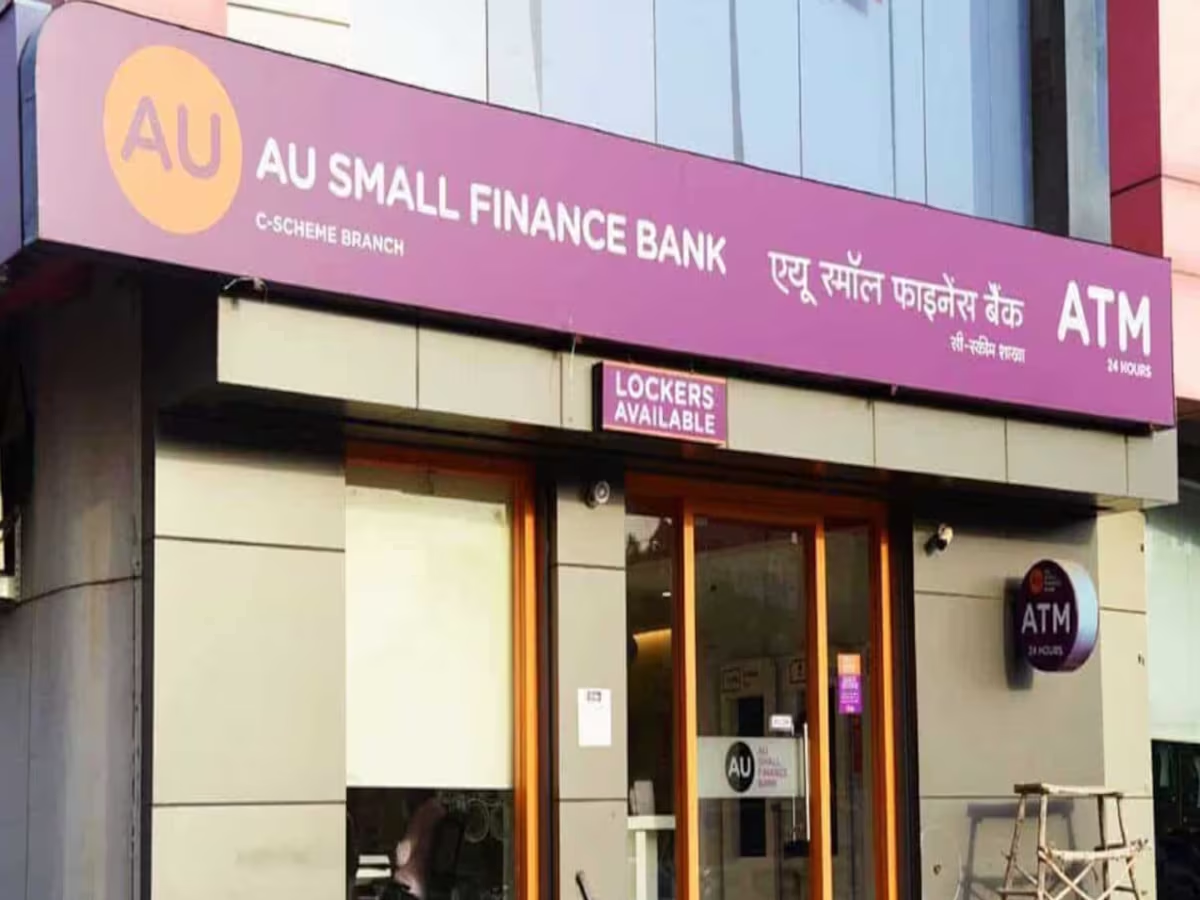
    In a moment that will go down in India’s banking history, AU Small Finance Bank (AU) has received an in-principle approval from the Reserve Bank of India (RBI) to become a Universal Bank. With this notification, AU becomes the first Small Finance Bank in India to receive this in-principle approval to become a Universal Bank, a milestone shaped by purpose, perseverance and discipline.

    This regulatory approval is a strong validation of AU’s robust business model, sound governance, and enduring commitment to financial inclusion. More importantly, it affirms AU’s evolution into a complete bank, one that offers a full spectrum of banking products and services that today’s customer expects, spanning retail, business, and digital solutions.

    The application for this transition was submitted on September 3, 2024, under the RBI’s ‘on tap’ licensing guidelines (August 2016) and April 2024 framework for the voluntary conversion of Small Finance Banks to Universal Banks.

    At the heart of AU’s extraordinary journey is Mr. Sanjay Agarwal, Founder, MD & CEO of AU, whose story exemplifies India’s enterprise ethos. In 1996, at just 26, the newly qualified Gold-medallist Chartered Accountant from Jaipur, a first-generation entrepreneur and cricket enthusiast, declined a conventional corporate career to start his own finance company with a singular belief that India’s underserved and unbanked deserved dignified financial services. Starting with no institutional capital and no inherited influence, Mr. Agarwal established a lending company focused on offering vehicle finance to small entrepreneurs across Rajasthan’s heartland. What began as a modest dream has since become a case study in perseverance, masterclass of sustained growth, sharp execution, and institution building.

    Mr. Sanjay Agarwal, Founder, MD & CEO of AU Small Finance Bank, said: “We have made history by receiving in-principle approval from the Reserve Bank of India to transition into a Universal Bank. This milestone is a reaffirmation of our purpose, perseverance, and passion.

    AU is not just a bank – AU is a mission. As Hon’ble Prime Minister Narendra Modi Ji has rightly said, “India is not just a market. India is a mission.” At AU, we have lived this mission every day. Our journey has always gone beyond banking – it’s about building a more inclusive, empowered, and enterprising India.

    We are deeply grateful to the Government of India and the Reserve Bank of India for nurturing an ecosystem where institutions like AU can grow with integrity. This achievement is a tribute to every stakeholder who has stood by us – our customers, whose trust has shaped us; our employees, whose energy powers us; our investors and partners, who believed in our model; and our Board of Directors, whose guidance has been instrumental in our journey.

    This in-principle approval acknowledges not just our ability to grow, but to grow responsibly. It is a testament to AU’s strength in reaching widely, integrity in serving wisely, and resilience to shine across economic cycles. As we step into this new chapter, we do so with humility, responsibility, and the pride of a homegrown institution ready to serve – our people, our nation, and the vision of Viksit Bharat 2047.”

  • Bank Rakyat Indonesia Reports 11.25% Drop in H1 Net Income, Reaching $1.63B

    Bank Rakyat Indonesia Reports 11.25% Drop in H1 Net Income, Reaching $1.63B

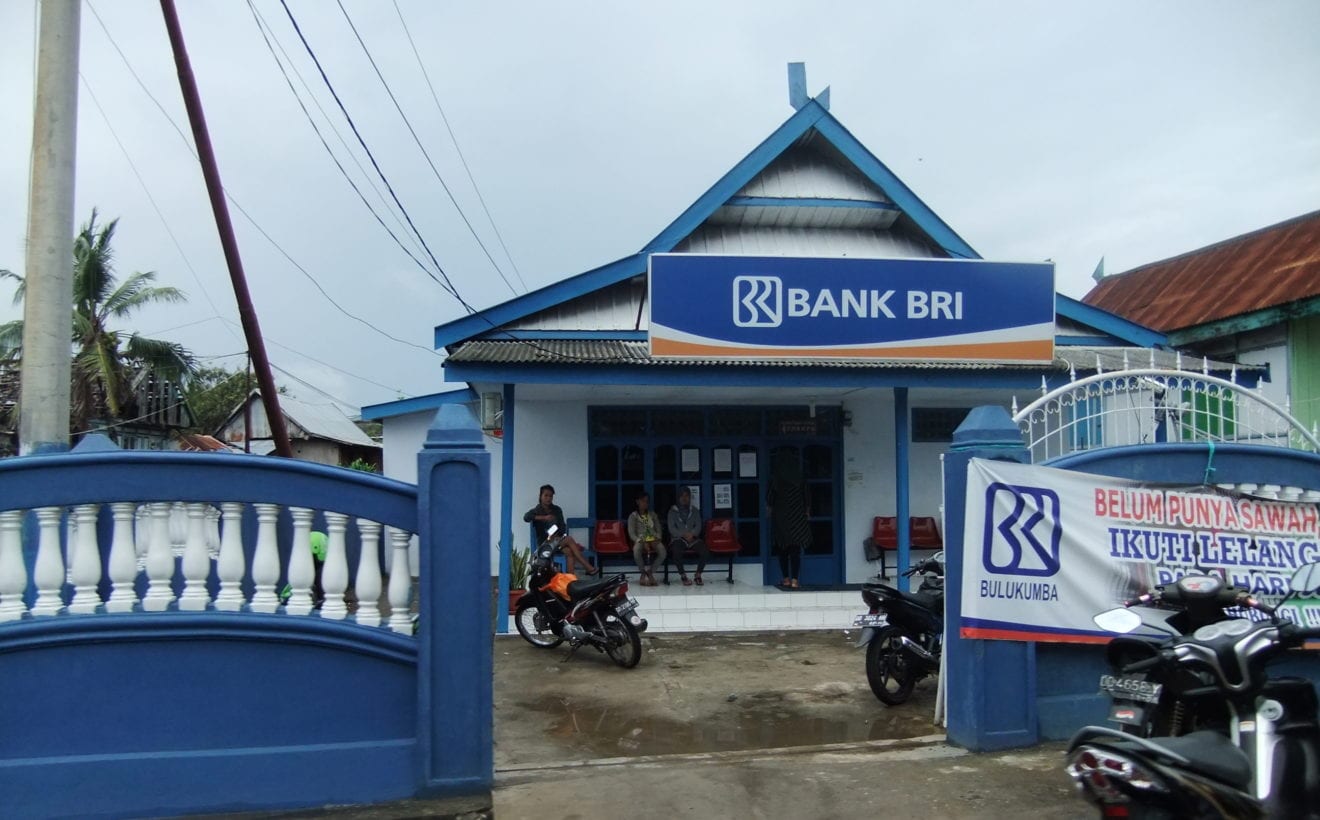
    The latest financial results from Bank Rakyat Indonesia (BRI) unveil a challenging landscape, as the bank’s net income dropped to $1.63 billion (IDR 26.53 trillion) in the first half of 2025. This marks an 11.25% decline from the same period last year, raising eyebrows among industry observers and stakeholders. Basic and diluted earnings per share were reported at IDR 174, reflecting the pressures faced over the past year.

    A Closer Look at Income Streams

    Total interest and shariah income also experienced a dip, totaling $6.3 trillion (IDR 102.38 trillion), which represents a reduction of 2.59% year-on-year. Operating income slid by 9.18%, landing at $2.15 billion (IDR 35.01 trillion), spotlighting ongoing challenges in generating strong revenue amid economic headwinds.

    Provisions Rise, Loan Dynamics Shift

    In a notable shift, net provisions for impairment losses surged to nearly $1.45 billion (IDR 23.5 trillion) in the first half of 2025, compared to IDR 21.37 trillion in H1 2024. This uptick signals rising caution in the lending environment, suggesting potential strains in loan repayment capabilities among borrowers.

    On the brighter side, BRI reported a 6% year-on-year growth in loans, showing resilience in consumer and corporate segments, which expanded by 9.45% and 15.6%, respectively. However, KUPEDES loans, the bank’s flagship micro-lending product, underwent a striking contraction, with its contribution to total loans dropping to 13.6% in June 2025 from 16.8% in 2023. This shift has led to a reduced bank-only loan yield, as pointed out in a separate report by UOB Kay Hian.

    Margins and Market Sentiment

    Despite these challenges, the net interest margin (NIM) held steady at 7.76% for H1 2025, demonstrating a degree of stability amidst fluctuating operating conditions. It seems that while some sectors may be tightening their belts, BRI is navigating through with a blend of caution and strategy.

    Questions & Answers

    What contributed to BRI’s decline in net income for H1 2025?
    BRI’s net income fell primarily due to decreased operating income and rising provisions for impairment losses, reflecting a challenging lending environment.

    How did BRI’s loan dynamics change in the first half of 2025?
    Loans overall grew 6% year-on-year, with growth in consumer and corporate loans; however, the bank’s KUPEDES micro-lending product significantly contracted.

    What does BRI’s net interest margin indicate?
    BRI’s net interest margin of 7.76% suggests a stable lending environment despite the challenges, indicating the bank’s ability to manage its interest income effectively.

  • Gold Prices Take a Dive: Historic Highs Give Way to Significant Decline

    Gold Prices Take a Dive: Historic Highs Give Way to Significant Decline

    Gold prices in Vietnam have taken a noticeable plunge following a global dip, marking a shift from their recent record highs.The price of gold bars from Saigon Jewelry Company decreased to VND123.9 million (approximately US$4,724.32) per tael, reflecting a 0.4% decline from the historic high of VND124.4 million reached just last Friday. The allure of gold  rings waned too, with prices dropping 0.33% to VND119.4 million per tael. For clarity, one tael is equivalent to 37.5 grams or 1.2 ounces.

    Global Markets Shift Gears

    On a broader scale, gold’s global market witnessed a similar dip. The precious metal fell by 0.7% to $3,376.67 per ounce, having peaked last Friday for the first time since July 23. Meanwhile, U.S. gold futures for December delivery also took a hit, decreasing by 1.5% to $3,439.70.

    Geopolitical Factors at Play

    The decline in gold prices can be attributed to diminishing geopolitical risks, especially related to the ongoing conflict in Ukraine. This has reduced gold’s appeal as a safe-haven asset. Notably, City Index senior analyst Matt Simpson pointed out that the upcoming meeting between President Donald Trump and Vladimir Putin in the U.S. is likely to ease concerns and further shift market sentiment.

    “A hotter inflation report could bolster the dollar and suppress gold prices, but I anticipate some support will remain, as savvy investors look to capitalize on discounted rates,” Simpson noted. The stability of non-yielding gold in a low-interest environment reinforces its long-term value, even amidst daily fluctuations.

    As the market adjusts, investors may be pondering the age-old question: how low can gold go? With the ongoing dance of politics and economics, only time will reveal whether the golden glow will return to its coveted heights.

    Questions & Answers

    What caused the recent drop in gold prices in Vietnam?
    The fall in Vietnamese gold prices is largely attributed to a decrease in global gold rates, driven by easing geopolitical tensions and shifting market perceptions.

    How much did gold prices decrease from their all-time high?
    Gold bar prices decreased by 0.4% from the all-time high of VND124.4 million to VND123.9 million per tael.

    What external factors are influencing gold prices internationally?
    Geopolitical developments, particularly related to the conflict in Ukraine and upcoming inflation data from the U.S., are significantly influencing the demand for gold as a safe haven.

  • Dollar Slides as Vietnamese Dong Gains Strength in Currency Exchange Dynamics

    Dollar Slides as Vietnamese Dong Gains Strength in Currency Exchange Dynamics

    On Friday morning, the U.S. dollar showed signs of weakness against the Vietnamese dong, setting the stage for a potential weekly decline against other major currencies.

    At Vietcombank, the greenback was sold at VND26,390, reflecting a modest 0.04% decline from Thursday’s figures. Meanwhile, in the bustling black market, the dollar dipped 0.03%, trading at approximately VND26,490.

    The State Bank of Vietnam also made adjustments, lowering its reference rate by 0.04% to VND25,228. Globally, the dollar faced mounting pressure, positioning itself for a weekly setback. Rumors swirling around U.S. President Donald Trump’s temporary appointment of a new Federal Reserve Governor have fueled expectations for a dovish successor to Jerome Powell, whose term is drawing to a close. This speculation has left traders shuffling their positions, according to reports from Reuters.

    Trends in the Currency Market

    In early trading on Friday, the dollar index hovered around 98.04, while the Japanese yen remained steady at 147.07 per dollar. The British pound held its ground at $1.3439, poised for its best weekly performance since late June. Across a wide spectrum of currencies, the dollar has slipped nearly 0.7% this week, reflecting concerns over softening momentum in the U.S. economy, particularly within the labor market, which has stirred hopes for potential rate cuts by the Federal Reserve.

    European Currency Gains

    Elsewhere, optimism crested as the euro neared a two-week high, boosted by expectations of upcoming discussions between the U.S. and Russia regarding peace efforts in Ukraine. Amid this backdrop, one could almost hear the sigh of relief echoing through financial markets as investors seek stability.

    Questions & Answers

    What is the current exchange rate of the U.S. dollar against the Vietnamese dong?
    As of Friday morning, the U.S. dollar is sold at VND26,390 at Vietcombank and around VND26,490 on the black market.

    What factors are influencing the recent decline in the dollar’s value?
    The dollar is under pressure due to speculations surrounding potential dovish leadership at the Federal Reserve and concerns over weakening momentum in the U.S. economy, particularly in the labor market.

    How is the euro performing amidst current market conditions?
    The euro is trading near a two-week high, buoyed by expectations of U.S.-Russia talks aimed at resolving the conflict in Ukraine, much to investors’ delight.

  • Moody’s Adjusts Vontobel’s Rating: What This Means for Investors and the Retail Sector

    Moody’s Adjusts Vontobel’s Rating: What This Means for Investors and the Retail Sector

    Moody’s Adjusts Vontobel’s Credit Ratings Amid Business Struggles

    In a noteworthy move, credit rating agency Moody’s has downgraded the credit ratings of Vontobel Holding and its banking subsidiary, citing a lukewarm revival in its asset management business. This shift came to light in a report released on Monday, reflecting challenges that may have significant implications for the group’s financial positioning.

    Moody’s has lowered the long-term issuer ratings for both Vontobel Holding and Bank Vontobel from A2 to A3. Accompanying this downgrade, the agency revised the outlook from negative to stable. Furthermore, the rating for Vontobel Holding’s non-cumulative preferred shares also took a hit, dropping from Baa2 to Baa3. On a more positive note, the bank managed to retain its long-term and short-term deposit ratings of Aa3/P-1, as well as its long-term and short-term Counterparty Risk Ratings (CRR) of A2/P-1, although the outlook for the long-term deposit ratings moved from “developing” to “stable.”

    Moreover, the Baseline Credit Assessment (BCA) and Adjusted BCA of Bank Vontobel have been revised down to A3 from A2. However, its long-term and short-term Counterparty Risk Assessment remains unscathed at A1(cr)/P-1(cr).

    Asset Management Lacks Momentum

    The primary driver for the downgrade is the “limited measurable success” in revitalizing Vontobel Holding’s asset management division. This stagnation has negatively influenced the group’s overall franchise strength and the intimate integration of its banking operations. Moody’s emphasized that the risk profile of the group’s businesses—especially outside the asset management sector—has become an essential consideration for assessing the bank’s credit robustness.

    Despite these hurdles, the BCA acknowledges the solid capital buffers and low lending risks that both the bank and the group possess. Their strong liquidity reserves and proven track record in wealth management and structured product issuance remain bright spots. However, a lingering concern is the group’s reliance on uninsured retail deposits, which poses operational, reputational, and market risks.

    Ultimately, the stable outlook for the issuer ratings signals a cautious optimism, suggesting that Bank Vontobel’s credit profile remains securely anchored at the BCA level of A3. But in the fast-moving world of finance, one must wonder: will Vontobel soon win a championship for comeback stories, or will it keep us on the edge of our seats?

    Questions & Answers

    What prompted Moody’s to downgrade Vontobel’s credit ratings?
    Moody’s downgraded Vontobel’s credit ratings due to the limited success in revitalizing its asset management business, which negatively impacted the overall franchise strength.

    How has Vontobel maintained some stability in its ratings?
    Despite the downgrade, Vontobel has retained strong capital buffers, low lending risks, and a solid liquidity position, which contributed to the stable outlook on its ratings.

    What challenges does Vontobel face moving forward?
    Vontobel faces challenges related to operational, reputational, and market risks, primarily stemming from a business model heavily reliant on uninsured retail deposits.

  • Swiss Gold Boom Threatened By Imminent U.S. Tariffs On One-kilogram Bars

    Swiss Gold Boom Threatened By Imminent U.S. Tariffs On One-kilogram Bars

    Swiss gold smelters have experienced a surge in business recently, leveraging a lucrative price differential between US gold futures and the London spot price. However, this profitable chapter is at risk of closing as new punitive tariffs may soon reshape the landscape of gold trading.

    This gold transfer bonanza enabled Swiss refineries to capitalize on a unique arbitrage opportunity by remelting hefty 12.5-kilogram bars—standard in Europe—into the smaller one-kilogram bars preferred in the US. Acting as a gold processing hub, Switzerland has been remelting these substantial bars into packages roughly the size of a smartphone, catering to eager American buyers.

    While the increased trading volume painted a rosy picture in trade balance figures, the reality of these transactions was clouded by a crucial detail: although these bars were counted as exports to the US, they initially entered Switzerland as imports.

    Pricey Tariffs Threaten Low-Margin Business

    Recent reports from the Financial Times suggest that this booming business may be upended by new tariffs set to be imposed by the US. If the information holds true, the introduction of a blistering 39 percent tariff on Swiss goods, specifically targeting one-kilogram gold bars, stands to catch the industry off guard. This decision is rooted in a ruling letter issued by US Customs and Border Protection on July 31, which classifies these gold bars under a customs code subject to steep levies.

    Industry insiders had anticipated that one-kilogram gold bars would sidestep the notorious “Trump tariffs,” given that they dominate trading on Comex, the world’s leading gold futures market, making up the bulk of Swiss gold exports to the US.

    Gold Futures React to New Tariff News

    In the wake of the tariff reports, gold futures on the Comex shot up to a notable high of $3,534 per troy ounce, demonstrating the market’s sensitivity to regulatory changes. The tariff announcement has been described as yet another stumbling block for Swiss gold trading with the US. Christoph Wild, president of the Swiss Precious Metals Dealers and Processors Association, expressed concerns about meeting the burgeoning demand for gold amidst these new obstacles. “Our prevailing thought was that gold melted down by Swiss refineries and exported to the US would be ship-free,” Wild remarked. “However, tariff classifications for different gold products lack clarity.”

    Over the twelve months leading to June, Switzerland exported a staggering $61.5 billion worth of gold to the US, underlining the scale of the trade relationship at stake. Experts from Lombard Odier argued that this situation warrants a nuanced perspective from the US government, urging them to consider the temporary nature of such commodities in their broader trade negotiations. Yet, so far, the Trump administration appears primarily focused on the total value of imports, without accounting for the complexity of specific product classifications.

    Questions & Answers

    What factors contributed to the recent boom in Swiss gold smelting?
    The boom was primarily driven by the price differential between US gold futures and the London spot price, allowing Swiss smelters to capitalize on arbitrage by remelting larger gold bars into smaller, US-preferred sizes.

    How will the new tariffs affect Swiss gold exports to the US?
    The introduction of a 39 percent tariff on one-kilogram gold bars will likely make it difficult for Swiss exporters to meet US demand and may halt their low-margin processing business.

    What is the potential impact of these tariffs on gold futures?
    In response to the tariff news, gold futures have risen significantly, reflecting heightened sensitivities in the market surrounding regulatory changes affecting trade relations.

  • UBS Joins Climate Alliance Exit: What It Means for Retail Sustainability Efforts

    UBS Joins Climate Alliance Exit: What It Means for Retail Sustainability Efforts

    In a surprising twist for the banking sector, UBS, once a founding member of the Net-Zero Banking Alliance (NZBA), has officially exited the climate initiative. Announcing its departure on Thursday, UBS provided no detailed explanation for its decision, merely noting it was part of an annual review of its sustainability affiliations.

    UBS’s departure is part of a broader trend sweeping through the financial world. A wave of exits began last fall, coinciding with the U.S. elections, when prominent firms like J.P. Morgan, Bank of America, Goldman Sachs, Wells Fargo, and Citi also stepped away. Most recently, Barclays added its name to the list, marking a significant shift in collective industry commitment to climate action.

    UBS’s Commitment Amidst Changes

    Despite its exit, UBS insists that its commitment to sustainability is unwavering. “Our ambition to play a leading role in the area of sustainability remains unchanged,” the bank affirmed, pledging to further its sustainability strategy anchored in three pillars: Protect, Grow, and Attract. UBS is determined to assist clients in navigating their transition to a low-carbon economy, asserting that it will continue to incorporate climate-related risks and opportunities into its operations for the benefit of all stakeholders.

    Even as UBS withdraws from the NZBA, it recognizes the alliance’s previously invaluable role in fostering frameworks for decarbonization, especially during its founding in 2021. The bank’s ongoing commitment to integrating sustainability into its risk management practices highlights a complex narrative — one where leaving the alliance might just be a savvy strategy rather than a complete retreat from climate responsibility.

    Questions & Answers

    What prompted UBS to leave the Net-Zero Banking Alliance?
    UBS did not specify a reason for its departure, simply stating it was part of its annual review of sustainability memberships.

    Is UBS continuing its sustainability efforts despite leaving the alliance?
    Yes, UBS emphasized that it remains committed to its sustainability goals and will continue to support clients in their transition to a low-carbon economy.

    Which other banks have recently exited the Net-Zero Banking Alliance?
    Other notable exits include J.P. Morgan, Bank of America, Goldman Sachs, Wells Fargo, Citi, and Barclays, indicating a significant trend among major financial institutions.

  • Indonesia, Malaysia, and Thailand Unveil New Banks for Local Currency Transaction Initiative

    Indonesia, Malaysia, and Thailand Unveil New Banks for Local Currency Transaction Initiative

    In a significant move towards fostering regional economic collaboration, Bank Negara Malaysia (BNM), Bank Indonesia (BI), and the Bank of Thailand (BOT) have unveiled an expanded framework for local currency transactions. This initiative aims to facilitate seamless cross-border settlements for trade and investment among the three nations.

    New Players Join the Local Currency Transaction Framework

    The three central banks have appointed several qualified commercial banks to operationalize this Local Currency Transaction Framework (LCTF). These institutions are set to simplify and enhance trade-related financial engagements across Malaysia, Indonesia, and Thailand. Among the newly appointed banks in Malaysia are AmBank, Bank of China (Malaysia), OCBC Bank Malaysia, Standard Chartered Bank Malaysia, and Sumitomo Mitsui Banking Corporation (SMBC) Malaysia. Indonesia’s roster includes PT Bank Danamon Indonesia, PT Bank OCBC NISP, PT Bank Pembangunan Daerah Jawa Timur, and the Jakarta Branch of Bank of China (Hong Kong).

    For transactions specifically between Malaysia and Thailand, the selected banks mirror those chosen for Indonesia, with the addition of Bank of China (Thai). In the Indonesia-Thailand corridor, key players now include PT Bank OCBC NISP and the Bank of China (Hong Kong) Jakarta Branch.

    Strengthening Regional Connectivity and Economic Fortitude

    The expanded network is expected to significantly improve customer interaction, broaden access to local currency liquidity, and present businesses with enhanced avenues for cross-border transactions. As noted in a recent statement by the central banks, this cooperative framework aims to bolster trade and investment growth, creating a comprehensive support mechanism for businesses looking to navigate the financial landscapes of all three countries.

    Hold on to your receipts, because this initiative could very well make cross-border trading as easy as ordering takeout!

    Questions & Answers

    What is the purpose of the Local Currency Transaction Framework?
    The LCTF aims to facilitate cross-border settlements of trade and investment among Malaysia, Indonesia, and Thailand, making it easier for businesses to transact in local currencies.

    Which banks have been appointed to support the LCTF?
    New additions include Malaysia’s AmBank and Bank of China, and Indonesia’s PT Bank Danamon and PT Bank OCBC NISP, among others, with a comprehensive list of banks aimed at both regional partnerships.

    How will the expanded network benefit businesses?
    The enhanced ACCD network will improve customer outreach, increase market access to local currency liquidity, and provide better options for cross-border transactions, ultimately supporting trade and investment growth.

  • UOB Reports 3% Decline in H1 2025 Net Profit, Reaching S$2.83 Billion

    UOB Reports 3% Decline in H1 2025 Net Profit, Reaching S$2.83 Billion

    UOB has reported a slight dip in its net profit, which fell 3% to S$2.83 billion (US$2.2 billion) in the first half of 2025 compared to the same timeframe last year. This decline is largely attributed to pre-emptive general allowances implemented by the bank’s risk management strategy in response to ongoing macroeconomic uncertainties, as indicated in their latest financial release.

    On a more positive note, the bank’s operating profit climbed by 3% to S$4 billion (US$3.11 billion), buoyed by robust double-digit growth in fee income across various business segments.

    The interim dividend was set at 85 cents per ordinary share, reflecting a payout ratio of approximately 50%. Furthermore, shareholders are set to receive the second installment of a previously declared special dividend of 50 cents.

    Net interest income remained stable at S$4.74 billion (US$3.69 billion) during the first half, indicating that a growth in loan volumes helped mitigate the effects of margin compression resulting from lower benchmark rates. Additionally, other non-interest income saw a modest increase of 1%, reaching nearly S$1.05 billion (US$817.55 million).

    Net fee income surged by 11% to S$1.33 billion (US$1.04 billion), driven by growth in wealth management, loan-related services, and credit card activities. As a result of tighter cost management, the bank improved its cost-to-income ratio, dropping from 44.4% the previous year to 43.5%.

    The non-performing loan ratio stood at 1.6% for the first half of 2025, while credit costs were reported at 34 basis points. UOB cited higher specific allowances and pre-emptive general provisions as key factors behind these figures.

    Wholesale Banking Faces Challenges; Wealth Management Thrives

    In contrast, wholesale banking faced a setback, with profits before tax declining by 12% in the first half of the year, largely due to lower interest rates and fierce competition for quality assets. Despite these hurdles, transaction banking accounted for nearly half of total wholesale banking income, navigating uncertainties stemming from U.S. tariffs.

    Interestingly, the investment banking sector posted record fees, while customer-related treasury income experienced double-digit growth. Meanwhile, group retail banking reported a profit before tax of S$1.1 billion for the first half, marking an 11% increase as growth in current and savings account balances, wealth management, and credit cards offset income pressures from reduced rates and market competition.

    Retail deposits also crossed the significant milestone of S$200 billion for the first time. Wealth management income saw an impressive 15% growth, fueled by clients converting deposits into invested assets under management (AUM). High net-worth AUM continued to gain momentum, with net new money inflows reaching S$3 billion in the second quarter of 2025, while credit card income rose by 5%, complemented by double-digit growth in card billings.

    Questions & Answers

    How did UOB’s net profit perform compared to last year?
    UOB’s net profit fell by 3% to S$2.83 billion (US$2.2 billion) in the first half of 2025, compared to the same period in 2024.

    What were the main factors affecting UOB’s net interest income?
    Net interest income was stable at S$4.74 billion (US$3.69 billion), supported by growth in loan volumes that offset margin compression from lower benchmark rates.

    Which business segment showed notable growth despite challenges?
    Wealth management experienced significant success, with income growing by 15% as clients shifted their deposits into invested assets under management (AUM).