Category: Finance

Retail News Asia is committed to providing both local and global retailers with the latest Finance news throughout the Asian market. This on a daily base.

  • Exploring Barriers to the Growth of Green Bonds in India’s Eco-Friendly Investment Landscape

    Exploring Barriers to the Growth of Green Bonds in India’s Eco-Friendly Investment Landscape

    The trajectory of India’s green bonds is expected to climb steadily as the nation pushes towards a low-carbon economy. However, a new analysis from the Institute of Energy Economics and Financial Analysis (IEEFA) unveils a constellation of challenges that could throw a wrench in this optimistic outlook.

    Obstacles Looming Over Green Financing

    In their latest briefing note, IEEFA identifies several hurdles that threaten to stifle the scalability of green bonds, which are vital for financing sustainable projects. Labanya Prakash Jena, a sustainable finance consultant at IEEFA and co-author of the analysis, emphasizes the need for robust monitoring and reporting mechanisms. Without these, greenwashing becomes more prevalent, potentially undermining the very purpose of green bonds.

    The landscape is further complicated by inconsistent definitions, verification processes, and reporting standards for green bonds in various jurisdictions. While frameworks like the Green Bond Principles from the International Capital Market Association and the Climate Bonds Standard aim to create consistency, Jena’s collaborator, Vandana Vuppuluri, noted that their interpretation can vary widely from one market to another.

    The Cost Conundrum

    Another significant barrier is the high cost associated with issuing green bonds. This financial burden has resulted in an uneven playing field, largely favoring well-resourced corporations and sovereign entities. “It’s crucial to recognize that the green bond market remains relatively small compared to the broader bond market,” Jena states. “This limitation restricts investment opportunities and casts a long shadow on transparency, as securing consistent post-issuance reports about environmental impacts can deter potential investors.”

    While green bonds are not a panacea for climate issues, Vuppuluri insists they hold essential value in financing a transition to a low-carbon future. “Success relies on how well market dynamics, regulatory frameworks, and stakeholder commitment coalesce around environmental objectives,” she asserts. And remember, as challenging as the road ahead may seem, a little creativity can often turn obstacles into stepping stones—just ask any aspiring entrepreneur navigating the bustling streets of Delhi!

    Questions & Answers

    What are the main challenges facing India’s green bond market?
    The key challenges include a lack of robust monitoring and reporting mechanisms, inconsistent definitions and regulations across jurisdictions, and the high cost of issuing green bonds, which limits participation to well-resourced entities.

    How do varying frameworks affect the green bond market?
    While frameworks like the Green Bond Principles and the Climate Bonds Standard exist to establish coherence, their interpretation can differ significantly across markets, leading to confusion and inconsistency in green bond issuance.

    What role do green bonds play in battling climate change?
    Although they are not a standalone solution, green bonds are critical for financing initiatives that support a transition to a low-carbon economy, with their success contingent on effective regulation and stakeholder commitment to environmental goals.
  • VPBank Secures $350M Loan to Accelerate Its Sustainable Finance Initiative

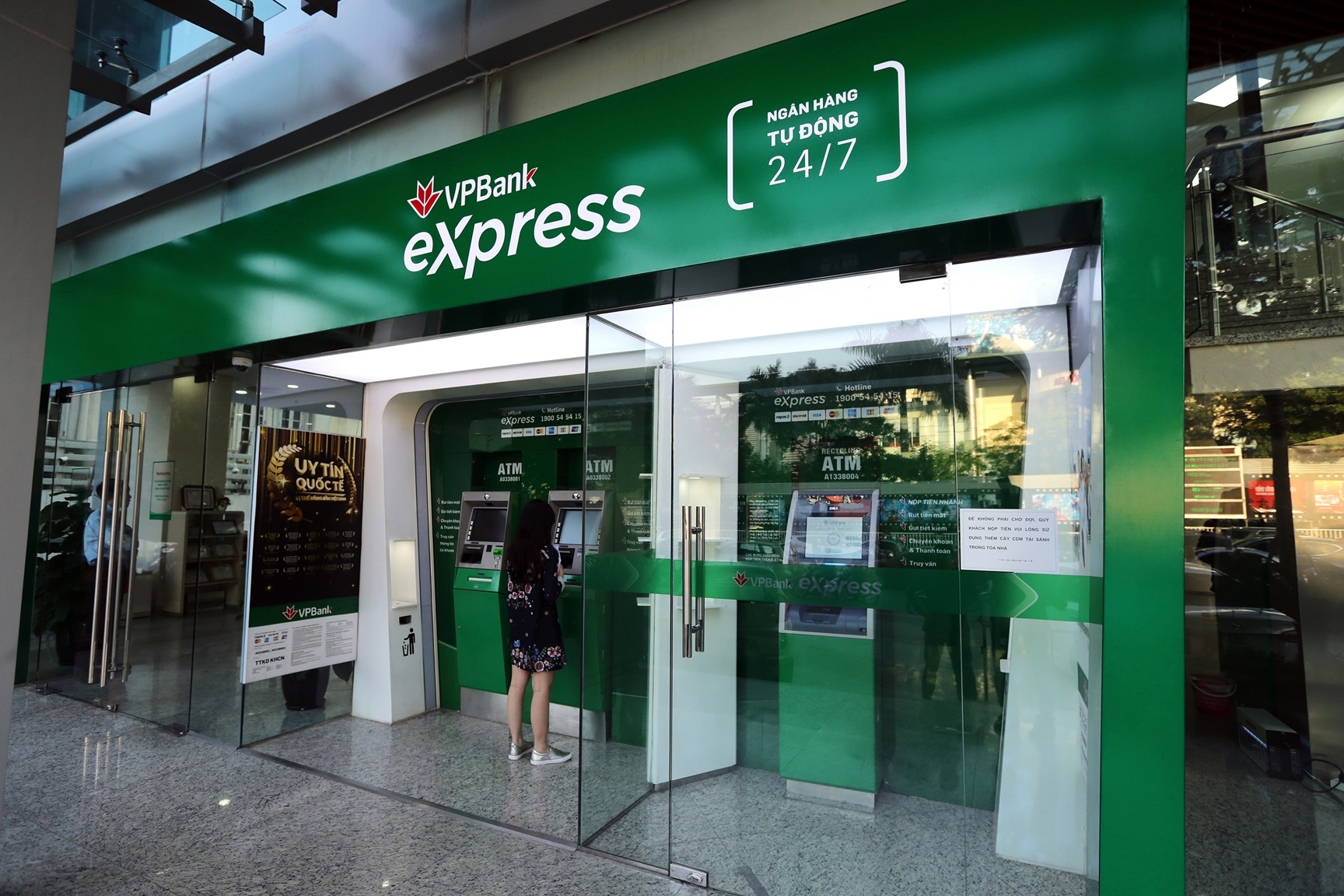
    VPBank Secures $350M Loan to Accelerate Its Sustainable Finance Initiative

    Vietnam Prosperity Joint Stock Commercial Bank (VPBank) has secured a substantial $350 million term loan facility in collaboration with Sumitomo Mitsui Banking Corporation (SMBC) and various development finance institutions, marking a significant stride towards sustainability in the region.

    Funding to Propel Green Initiatives and Support SMEs

    The five-year loan is poised to be a vital resource for VPBank’s sustainable finance strategy, with a keen focus on green projects that align with Vietnam’s ambitious commitment to achieving net zero emissions by 2050. This financial boost not only aims to promote eco-friendly initiatives but also aims to support small and medium-sized enterprises (SMEs), particularly those led by women, resonating with the global 2X Challenge for gender equality.

    Furthermore, the funds will flow into critical infrastructure projects in underserved areas, enhancing access to essential services such as healthcare, education, sanitation, clean water, and affordable housing. In a world where the smallest actions can spark change, one could say that this loan might just lead to a green revolution of sorts in Vietnam.

    A Collaborative Framework for Development

    As the coordinator and mandated lead arranger, SMBC plays a crucial role in the financing structure. This robust collaboration also includes notable agencies such as the Japan International Cooperation Agency (JICA), Development Financial Institute Canada (FinDev Canada), Export Finance Australia (EFA), and the British International Investment (BII). Together, they are paving a path toward a more sustainable and equitable future for Vietnam.

    Questions & Answers

    How will the funds from the loan be utilized?
    The loan will be allocated to support green projects aimed at achieving net zero emissions by 2050, assistance to women-led SMEs, and essential infrastructure development in underserved areas.

    What organizations are involved in this financing arrangement?
    The financial structure includes VPBank, SMBC, JICA, FinDev Canada, EFA, and BII, highlighting a collaborative approach to sustainable development.

    What impact does the initiative aim to have on gender equality?
    By focusing on SMEs owned or led by women, the initiative seeks to align with the global 2X Challenge, promoting gender equality in Vietnam’s business landscape.

  • Citi Markets Plans 10% Expansion in Asia Rates and Prime Business Team for Dynamic Growth

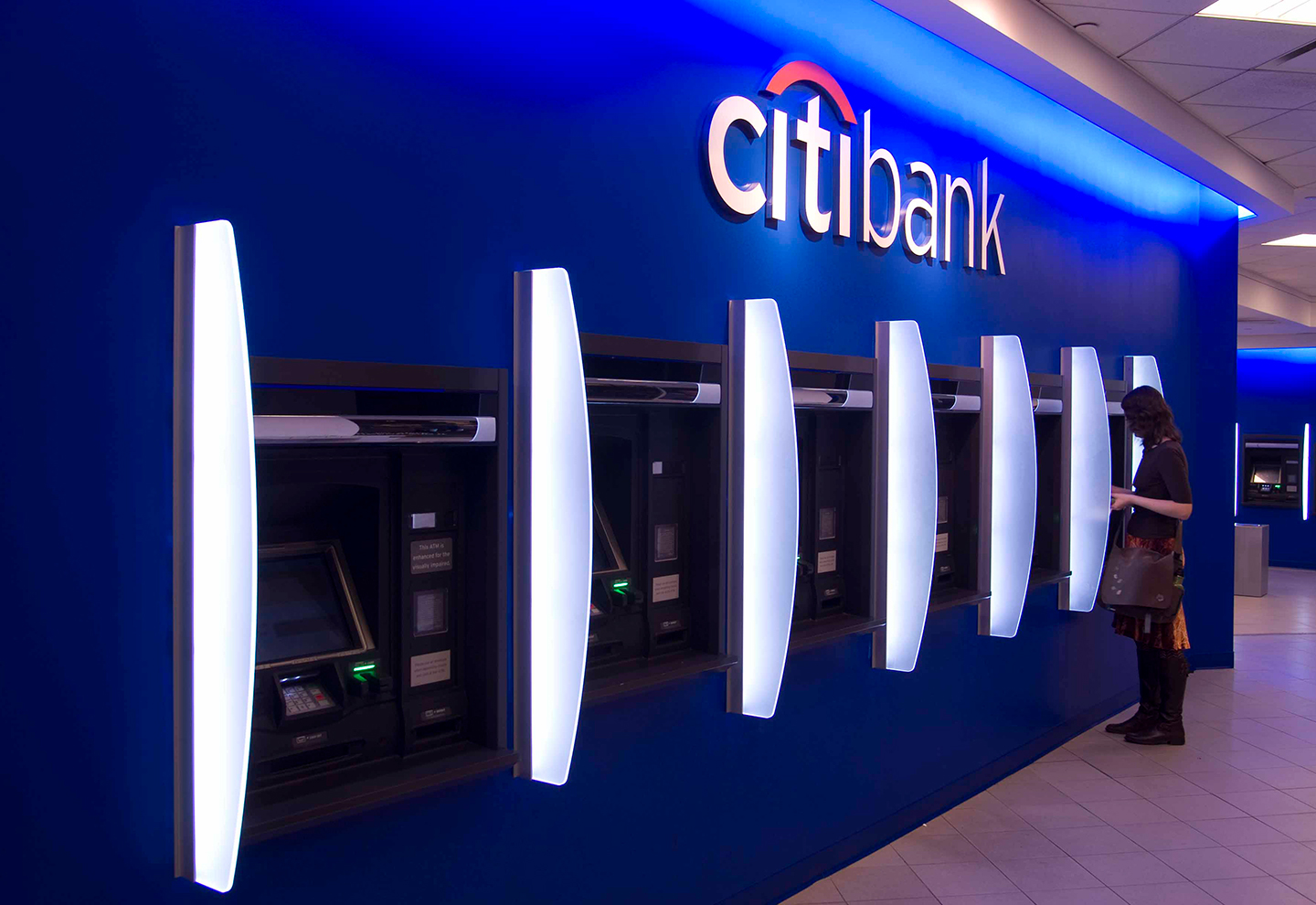
    Citi Markets Plans 10% Expansion in Asia Rates and Prime Business Team for Dynamic Growth

    Citigroup is gearing up for growth in Asia’s financial markets as its traders celebrate their best second quarter in five years. With a surge in initial public offerings (IPOs) invigorating client activity, Citi Markets intends to expand its workforce in Asia’s rates and prime business sectors by 5% to 10% by 2026.

    Hedge Funds Drive Demand in Hong Kong

    According to Citi Communications, the bank’s prime hedge fund clients in the region have doubled over the past two years. This boom is largely influenced by a resurgence in IPO activity, which has reignited interest in market possibilities, particularly in Hong Kong. Client flows into both Hong Kong and mainland China have surged approximately 30% in the first half of 2025, illustrating a significant shift in investment dynamics.

    Record Growth in Equities and Fixed Income

    The bank’s traders recorded impressive earnings, showcasing a record quarter for equity markets. Fixed income markets alone saw revenues surge by 20% year-on-year to $4.3 billion, attributed to strong performance across rates and currencies, in addition to gains in spread products and other fixed income segments.

    A closer look reveals that rates and currencies revenues jumped by 27% year-on-year in the second quarter, while revenues from spread products and other fixed income rose by 3%, thanks to heightened financing activity and increased loan growth. Meanwhile, equity markets revenues climbed by 6% year-on-year to $1.6 billion, significantly bolstered by prime services where prime balances soared by around 27% during this period.

    A Positive Outlook for the Future

    As the financial landscape in Asia continues to evolve, Citigroup’s strategic plans reflect optimism amid changing market conditions. With a ready workforce and an agile approach, the bank looks poised to capitalize on ongoing growth trends, further entrenching its position in the competitive retail landscape.

    Questions & Answers

    What are Citigroup’s plans for growth in Asia’s financial markets?
    Citigroup plans to increase its headcount in the Asia-based rates and prime businesses by 5% to 10% by 2026 in response to rising client demand from prime hedge funds.

    How has IPO activity affected Citigroup’s performance?
    The resurgence in IPO activity has contributed to a doubling of the bank’s prime hedge fund clients over the past two years and a 30% increase in client flows into Hong Kong and China in H1 2025.

    What financial metrics illustrate Citigroup’s recent growth?
    In Q2, Citigroup reported a 20% year-on-year increase in fixed income revenues, reaching $4.3 billion, with notable growth in both rates and currencies as well as equity markets, which rose by 6% year-on-year.

  • Hang Seng Bank Reports 30% Profit Drop to HK$6.88 Billion in First Half of 2025.

    Hang Seng Bank Reports 30% Profit Drop to HK$6.88 Billion in First Half of 2025.

    In a challenging first half of 2025, Hang Seng Bank reported a significant profit drop, with net earnings attributable to shareholders plummeting by 30% to $876.45 million (HK$6.88 billion). The bank’s operating profit also took a hit, declining 25% to $1.09 billion (HK$8.55 billion), while earnings per share fell to HK$3.34, down 34% from the previous year. This financial dip underscores the pressures currently faced by banks as they navigate a turbulent economic landscape.

    Emerging Diversification Strategies

    Despite the declines in traditional profit areas, Hang Seng Bank found a silver lining as fees and other income surged by 34% during the same period. This strategy of diversification appears to be paying off, with these revenues now accounting for 31.6% of the bank’s total income, a marked increase from 25.9% at the end of 2024. This adaptation could be likened to an athlete finding new gear in a marathon — every bit helps in an uphill race.

    Prudent Risk Management Amid Market Uncertainties

    Chief Executive Diana Cesar referred to the first half of the year as “demanding,” attributing the bank’s struggles to multiple external factors. Ongoing trade disputes, persistently high interest rates, and a protracted downturn in the commercial property market have forced the bank to embrace a “prudent and proactive” approach to risk management. Consequently, the institution has boosted its provisions for expected credit losses (ECL) to $624.21 million (HK$4.9 billion), leading to a 28% decline in profit before tax, now sitting at $1.03 billion (HK$8.1 billion).

    Shareholder Returns and Future Outlook

    In a gesture to reassure shareholders, the bank has declared a second interim dividend of HK$1.3 per share, culminating in a total of HK$2.6 per share for the first half of 2025. Additionally, Hang Seng Bank plans to embark on a share buy-back program worth up to $382.16 million (HK$3 billion), marking a proactive step to stabilize its market position over the next six months. As of the end of June 2025, the bank reported a common equity tier 1 (CET1) capital ratio of a robust 21.3%. However, non-performing loans (NPLs) increased to 6.69%, reflecting ongoing credit strains, particularly in the property sector.

    Despite the current challenges, Cesar remains optimistic about potential growth. “We see early signs of recovery in the capital markets and a gradual improvement in the residential property sector. While hurdles remain, we are hopeful about Hong Kong’s long-term growth prospects,” she shared, evoking a sense of cautious optimism amidst uncertainty.

    Questions & Answers

    What factors contributed to Hang Seng Bank’s profit decline in the first half of 2025?
    The bank faced significant challenges including trade tariffs, high-interest rates, and a downturn in the commercial property market, which collectively impacted its earnings and led to increased provisions for credit losses.

    How has Hang Seng Bank adjusted its income strategy in response to financial pressures?
    The bank has diversified its revenue streams, resulting in a notable 34% increase in fees and other income, which now comprises a larger portion of its overall revenue.

    What is the outlook for Hang Seng Bank moving forward?
    Despite current challenges, CEO Diana Cesar expresses optimism, citing early signs of recovery in the capital markets and improvements in the residential property sector, fostering hope for long-term growth in Hong Kong.

  • Australian Banks Set to Refund $60.5 Million to Customers Affected by Excessive Fees

    Australian Banks Set to Refund $60.5 Million to Customers Affected by Excessive Fees

    The Australian banking sector is facing significant scrutiny as over 920,000 customers are set to receive refunds totaling more than $60.58 million (A$93 million) for excessive charges on their transaction accounts. This revelation, outlined in a report by the Australian Securities and Investments Commission (ASIC) released on July 29, 2025, highlights an ongoing issue where banks have levied high fees on those least equipped to shoulder them.

    Massive Refunds in the Works

    To date, more than $21.49 million (A$33 million) has been refunded to approximately 150,000 customers, with an additional $39.09 million (A$60 million) earmarked for over 770,000 others. The ASIC report indicates that over 1 million customers have transitioned to low-fee accounts, collectively expected to save around $32.57 million (A$50 million) each year. Talk about a victory for consumer rights!

    A Bank’s Responsibility to Its Customers

    ASIC’s earlier findings revealed a troubling trend: at least two million low-income Australians, many reliant on Centrelink payments, were stuck in high-fee accounts. “It should not take an ASIC review to force A$93 million in refunds or push banks to reassess their practices,” said Joe Longo, chair of ASIC. He emphasized that although some improvements have been made, there’s a pressing need for ongoing vigilance in how banks design and distribute their products.

    Industry Response and Changes

    Significantly, three of the four banks highlighted in ASIC’s initial report have stepped up to extend refunds not just to select customers, but to a wider demographic of low-income account holders facing high fees. In addition, seven banks have revamped their processes, and nine others have made accessing low-fee accounts more straightforward. These changes signal a shift in the banking industry’s approach, but the road ahead remains long.

    This evolving narrative in Australia’s banking landscape raises questions on how much longer consumers will need to advocate for fair practices, but one thing is clear: transparency and accountability are taking center stage.

    Questions & Answers

    What is the total amount being refunded to Australian bank customers?
    Authorities report that more than $60.58 million (A$93 million) will be refunded to over 920,000 customers due to excessive fees.

    How have banks responded to ASIC’s findings?
    Three of the four banks featured in ASIC’s report have committed to extend refunds to a broader range of low-income customers, while several others have improved processes for accessing low-fee accounts.

    What steps has ASIC suggested for banks moving forward?
    ASIC chair Joe Longo has urged banks to regularly assess both product design and distribution to ensure that customers receive appropriate product options and necessary support.

  • UBS Leads the Charge: Transforming Retail with Seamless Integration and Innovative AI Solutions

    UBS Leads the Charge: Transforming Retail with Seamless Integration and Innovative AI Solutions

    UBS has reported impressive financial results for the second quarter and the first half of 2025, showcasing a strategic blend of client account integrations and a bold entry into generative AI. With invested assets reaching a staggering $6.6 trillion, the bank is not just keeping pace but positioning itself as a formidable global leader.

    The bank revealed a net profit of $2.4 billion for Q2 and $4.1 billion for the first half of the year, slightly surpassing analyst expectations. “We sustained robust momentum during a quarter marked by extreme volatility by staying close to our clients and executing our integration plans,” remarked UBS CEO Sergio Ermotti.

    Client engagement has flourished even in a turbulent market, with Global Wealth Management (GWM) attracting $38 billion in net new assets and achieving record revenues in Prime Brokerage. Notably, transaction-based income in GWM rose by an impressive 12 percent year-over-year, driving invested assets to an all-time high of $6.6 trillion. It seems UBS is so good at making money, they might as well come with a “money magician” title!

    On Track for Full Client Migration by Early 2026

    In a significant milestone, UBS confirmed that about one-third of the targeted client account migrations from Credit Suisse to UBS Switzerland have been completed, with the entire migration expected to conclude by Q1 2026. The bank also reported meaningful progress in legal entity simplifications across both the US and Europe.

    “We are positioning for long-term success by further enhancing our global capabilities, investing in our future infrastructure and AI, and actively engaging in the debate on future regulation in Switzerland,” Ermotti stated, indicating an ambitious vision for the bank’s future.

    During Q2, UBS realized an additional $0.7 billion in gross cost savings, reaching a significant 70 percent of its $13 billion savings target. Among reductions, approximately 700 applications, representing 56 percent of the former Credit Suisse systems, have been phased out.

    A Robust Financial Strategy

    The Group also executed $0.5 billion in share buybacks in Q2 and anticipates repurchasing up to $2 billion by year-end. “We maintained a balance sheet for all seasons while delivering on our capital return plans. Our ability to generate capital is funding investments and sustainable shareholder returns,” the CEO emphasized, showcasing confidence in UBS’s fiscal health.

    With a loan-to-deposit ratio standing at a conservative 81 percent and a cost of risk as low as 10 basis points, UBS continues to underline its commitment to the local economy, with credit issuance in Switzerland during the quarter reaching 4.0 billion francs.

    Generative AI: The New Frontier

    UBS is ramping up its investment in generative AI, having decommissioned over 1,100 legacy business applications in 2025 alone. The bank processed an eye-popping 8 million AI tool prompts in Q2, and its proprietary AI assistant, “Red,” is set to be fully implemented across 52,000 employees by early 2026.

    Additionally, UBS has initiated a firm-wide AI leadership campaign in collaboration with Oxford University, focusing on over 250 senior leaders to advance AI integration and promote ethical transformation. With more than 280 active AI use cases in business—an increase of 10 percent since Q1—the bank is clearly committed to staying ahead in the technology curve.

    “This allows us to fulfill our commitment to support all the communities where we live and work,” Ermotti stated, emphasizing a balance between innovation and corporate responsibility.

    Looking to the Future: Stable Outlook Amidst Change

    As UBS gazes into the future, it anticipates stable net interest income in Switzerland along with a modest increase in dollar terms. Despite normalization of trading activities since the turbulence of Q1, UBS expects approximately $0.4 billion in revenues to help offset integration costs.

    With a diversified business model and a focus on growth, integration, and innovation, the bank maintains confidence in achieving its financial targets for 2025 and 2026. “We are actively engaging in the debate on future regulation in Switzerland while fulfilling our responsibility to communities and clients alike,” Ermotti concluded.

    Questions & Answers

    How has UBS’s performance changed in Q2 2025 compared to previous quarters?
    UBS reported a net profit of $2.4 billion for Q2 2025, reflecting solid growth driven by strong client engagement and record revenues in Prime Brokerage, surpassing analyst expectations.

    What are UBS’s plans regarding client account migrations from Credit Suisse?
    UBS has completed about one-third of its targeted client account migrations from Credit Suisse and expects full migration to finish by Q1 2026.

    How is UBS incorporating AI into its operations?
    UBS is significantly investing in generative AI, with plans to roll out its proprietary AI assistant “Red” to 52,000 employees by early 2026 and has initiated an AI leadership initiative in partnership with Oxford University.

  • Bangkok Bank Says Absence of Virtual Bank License Isn’t a Major Setback for Growth Plans

    Bangkok Bank Says Absence of Virtual Bank License Isn’t a Major Setback for Growth Plans

    The future of virtual banking in Thailand appears to be a slow burn, as Bangkok Bank’s prospects in this emerging sector suggest limited revenue potential in the near term. According to CGS International’s analyst briefing held on July 23, 2025, the investment house assesses that significant business revenue from virtual banking is unlikely to materialize within the initial five years of operation.

    Virtual Banking License not a Major Concern

    In light of this outlook, CGS International asserts that Bangkok Bank’s absence of a virtual banking license will not pose a substantial problem for the institution. Their report, published on July 29, emphasizes that the current landscape of virtual banking in Thailand is still in its infancy, and immediate revenues from this venture are expected to be minimal.

    Steady Growth Targets Amid Caution

    This cautious approach comes as Bangkok Bank’s management maintains its financial targets for 2025, aiming for a loan growth of 3% to 4%. They also forecast a nonperforming loan (NPL) ratio of 3%, a net interest margin (NIM) of 2.8% to 2.9%, and modest low single-digit growth in net fee income, alongside credit costs projected between 0.9% and 1%.

    Potential Challenges on the Horizon

    However, CGS International warns of downside risks that could impact these targets, including negative loan growth, a lower-than-expected NIM due to potential policy rate cuts, reduced net fee income, and elevated credit costs. They noted that Bangkok Bank’s loan growth for Q2 2025 was a mere 0.7% from the end of 2024, and a subdued demand outlook is anticipated for the latter half of the year, particularly due to uncertainties surrounding the impact of U.S. tariffs on private investments. More rate cuts could further compress the bank’s NIM, leaving it to navigate treacherous waters ahead.

    Can Virtual Banks Make a Splash? We’ll See!

    While the virtual banking sector in Thailand may seem like a distant wave, observers are curious to see if any competitor can make a meaningful splash before the competition gets out to sea.

    Questions & Answers

    What is the expected revenue outlook for virtual banking in Thailand?
    The revenue generated by virtual banking in Thailand is anticipated to be minimal in the first five years, according to CGS International’s analysis.

    How is Bangkok Bank performing financially in 2025?
    Bangkok Bank is targeting a 3% to 4% loan growth, with a nonperforming loan ratio of 3% and a net interest margin between 2.8% and 2.9% for 2025, while facing potential economic headwinds.

    What risks could impact Bangkok Bank’s financial targets?
    Downside risks include negative loan growth, lower-than-expected net interest margins due to monetary policy adjustments, reduced net fee income, and elevated credit costs.

  • BlackRock Empowers Swiss Investors with New Voting Options in Innovative Move

    BlackRock Empowers Swiss Investors with New Voting Options in Innovative Move

    In a significant move for institutional investors in Switzerland, BlackRock has rolled out its global Voting Choice program, allowing clients to directly influence voting rights in funds valued at approximately $5.8 billion. This initiative, announced on Tuesday, marks a pivotal moment, as it extends voting rights beyond clients with separately managed accounts for the first time.

    Your Investment, Your Voice

    The Voting Choice program enables investors to select from 16 third-party voting policies or to continue relying on BlackRock’s Investment Stewardship (BIS) team for proxy voting. This empowers institutional clients—such as Swiss pension funds that collectively serve more than 4.7 million people—to gain greater leverage in the oversight of their capital.

    A Global Perspective

    Globally, the program encompasses over $2.7 trillion in assets, making up more than 90 percent of BlackRock’s index equity assets under management, with $662 billion actively managed by clients under this initiative.

    Words from Leadership

    Amra Balic, Co-Head of BlackRock Investment Stewardship, expressed enthusiasm about the program’s reception among clients. “We are pleased that Voting Choice resonates with interested clients and are delighted to now extend the program to the Swiss market,” she stated. Dirk Klee, BlackRock’s Country Manager for Switzerland, emphasized the program’s efficiency: “With the introduction of Voting Choice for the institutional share classes of ten Switzerland-domiciled funds, we offer our clients simple and efficient options to actively participate in the voting process according to their preferences.”

    In an age where every vote counts, this initiative reminds us that even the largest players in finance believe in empowering their clients—one vote at a time.

    Questions & Answers

    What does the Voting Choice program allow institutional clients in Switzerland to do?
    The Voting Choice program enables institutional clients to directly exercise their voting rights in selected funds, allowing for greater influence over investment decisions valued at approximately $5.8 billion.

    How does this program enhance client participation in corporate governance?
    Clients can either choose from 16 third-party voting policies or have BlackRock’s Investment Stewardship team manage proxy voting, thus tailoring their involvement in governance according to their preferences.

    What is the global scale of the Voting Choice program?
    Globally, the program encompasses over $2.7 trillion in assets, making up more than 90 percent of BlackRock’s index equity assets under management, with $662 billion actively managed by clients under this initiative.

  • Vietnam’s Gold Prices Slip: What This Means for Retail Investors

    Vietnam’s Gold Prices Slip: What This Means for Retail Investors

    In a notable shift, Vietnam’s gold prices saw a slight decline on Tuesday morning, while global benchmarks remained largely stable amidst fluctuating market sentiments. The Saigon Jewelry Company reported that the price of gold bars dipped by 0.08%, settling at VND121 million (approximately US$4,616.30) per tael. Meanwhile, gold rings saw a minor increase of 0.17%, priced at VND116.9 million per tael.

    Despite the slight retreat in prices, gold in Vietnam has experienced a robust year, climbing 43.7% since the start of 2023.

    Internationally, gold prices remained nearly unchanged, hovering close to a three-week low amid easing concerns over a potential global tariff war and a strengthening U.S. dollar. According to Reuters, spot gold was steady at $3,311.33 per ounce, having previously dipped to its lowest mark since July 9.

    Tim Waterer, the Chief Market Analyst at KCM Trade, commented on the current market dynamics, stating, “Gold trading at around $3,300 or below continues to attract buyers. While trade agreements and a robust dollar may be weighing on gold in the short term, the longer-term outlook still holds potential for gains.” It seems gold’s allure remains resilient, much like that friend who never fails to come to your side when you need them most.

    Questions & Answers

    What caused the drop in Vietnam’s gold prices on Tuesday?
    The decline in Vietnam’s gold prices was attributed to a slight dip in the global market, coupled with a stronger U.S. dollar and easing fears surrounding a global tariff war.

    How much has gold in Vietnam increased this year?
    Gold in Vietnam has surged 43.7% since the beginning of 2023, reflecting significant growth in the market.

    What did KCM Trade’s Chief Market Analyst say about the future of gold prices?
    Tim Waterer emphasized that despite short-term pressures from trade deals and a strong dollar, there remains potential for gold prices to rise in the longer term, highlighting its continuous appeal to buyers.

  • Dollar Gains Momentum Against Dong: What Retailers Need to Know

    Dollar Gains Momentum Against Dong: What Retailers Need to Know

    The U.S. dollar gained slightly against the Vietnamese dong Tuesday morning. Vietcombank listed the U.S. dollar at VND26,400, marking a 0.11% increase. Meanwhile, the State Bank of Vietnam raised its reference rate by 0.09% to VND25,206.

    On the black market, the dollar climbed 0.04% to VND26,460, reflecting a cautious sentiment amid fluctuating global currencies.

    Across Asia, the Indian rupee is poised for a weaker opening, pressured by a rise in the dollar index following a sharp decline in the euro. This reaction comes as traders assess the implications of a fresh U.S.-E.U. trade agreement, according to reports. The one-month non-deliverable forward indicated the rupee would likely debut in the 86.75-86.77 range against the U.S. dollar, a shift from the previous session’s 86.6650.

    As Asian currencies mostly experienced minor declines today, regional equities also felt the weight of this dollar strength, showcasing a broader trend of market caution.

    Questions & Answers

    What was the exchange rate of the U.S. dollar against the Vietnamese dong on Tuesday?
    The U.S. dollar was priced at VND26,400 at Vietcombank, reflecting a 0.11% increase.

    How did the State Bank of Vietnam respond to the rising dollar?
    The State Bank of Vietnam increased its reference rate by 0.09% to VND25,206.

    What external factors influenced the Asian currencies on this day?
    A notable jump in the dollar index, fueled by a steep decline in the euro, along with the reassessment of a recent U.S.-E.U. trade deal, contributed to the modest declines in Asian currencies and equities.

  • UBS Welcomes New Leader for Wealth Management Operations in Israel

    UBS Welcomes New Leader for Wealth Management Operations in Israel

    UBS Restructures Leadership in Wealth Management for Israel

    Change is afoot at UBS as the bank streamlines its Wealth Management division in Israel. Following the departure of Ido Ben Haim, who is stepping away from the firm to explore new horizons, UBS is positioning itself for a new era of unified leadership.

    The decision comes from an internal memo authored by Katya Lehmann, Sector Head for Wealth Management in Eastern Europe, Israel, and Africa. According to the memo, the integration of business areas necessitated consolidating the leadership under one umbrella to enhance efficiency and strategic alignment.

    Taking the reins as interim Market Head for Wealth Management in Israel is Yariv Shaphyr, a seasoned professional with over 25 years in investment advisory, trading, and structuring under his belt. Shaphyr’s impressive credentials include a decade of experience at Credit Suisse and UBS, where he specialized in servicing Ultra High Net Worth clients across both Europe and Israel. Fluent in both English and Hebrew, he recently held the position of Head of Global Family and Institutional Wealth in EMEA. The memo emphasizes that Shaphyr’s deep expertise will be crucial as UBS navigates this transitional phase.

    As the dust settles on this leadership change, one thing remains clear: UBS is keen to maintain strong client relationships and continue its commitment to excellence in service, ensuring its wealth management remains a competitive force in the region.

    Questions & Answers

    What sparked the leadership change at UBS in Israel?
    Ido Ben Haim’s departure from UBS to explore new opportunities triggered the restructuring in UBS’s Wealth Management division to unify leadership.

    Who is taking over as interim Market Head of Wealth Management in Israel?
    Yariv Shaphyr has been appointed as the interim Market Head, bringing over 25 years of experience in investment advisory and a strong background working with Ultra High Net Worth clients.

    What are the next steps for UBS following this leadership transition?
    UBS plans to focus on integrating its business areas under unified leadership, aiming to enhance operational efficiency and strengthen client relationships in the region.

  • UnionBank Completes Citibank IT Integration in Just Nine Months: A Remarkable Achievement for the Philippines’ Banking Sector

    UnionBank Completes Citibank IT Integration in Just Nine Months: A Remarkable Achievement for the Philippines’ Banking Sector

    UnionBank of the Philippines is making waves in the banking sector after its strategic acquisition of Citibank’s consumer banking operations in the country. In just nine months, the bank has successfully integrated Citibank’s IT systems and unveiled a new Credit Decision Engine (CDE) that is reshaping its customer onboarding and credit approval process.

    This sophisticated new system has automated over 80 percent of applications for credit cards and personal loans, slashing the onboarding time to under 15 minutes per customer. At its peak, UnionBank has been able to book an impressive 50,000 new credit card and loan accounts each month. The seamless blending of systems is a testament to UnionBank’s commitment to enhancing customer experience while maintaining service continuity.

    Since completing the acquisition in 2022 for over SGD 900 million (US$700 million), the bank has absorbed nearly one million new customers. Manoj Varma, UnionBank’s head of consumer banking, acknowledged the pivotal role of the FICO Platform in this transition, noting that it has not only improved operational efficiency but also fostered financial inclusion across the Philippines.

    Credit Decision Engine: A Game Changer for Lifestyle Banking

    The new CDE is a groundbreaking tool designed to evaluate applicants through a combination of bureau data and alternative sources. This advanced system allows UnionBank to extend credit to previously underserved demographics, including gig economy workers and customers with limited credit histories. By implementing risk-based verification, the CDE expedites approvals for low-risk applicants while applying stricter checks for higher-risk segments. The result? Nearly 40 percent of the credit decision-making process has been automated, leading to fewer manual interventions and errors.

    This shift towards automation not only boosts accuracy and speed but is also in lockstep with UnionBank’s mission to promote financial inclusion. “UnionBank has shown how technology isn’t just about algorithms and efficiency, it’s about empowering people,” remarked Nikhil Behl, FICO’s head of software. He further commended UnionBank for building a scalable, inclusive onboarding experience that is both efficient and customer-centric.

    Last year marked another significant expansion for UnionBank, as it extended its use of the FICO Platform to manage credit card limit decisions and real-time authorizations. This strategic move has enhanced its customer management capabilities and fortified its standing as a forward-thinking player in the retail banking landscape.

    Questions & Answers

    What innovations has UnionBank introduced following its acquisition of Citibank’s consumer banking business?
    UnionBank has integrated Citibank’s IT systems and launched a new Credit Decision Engine that automates over 80 percent of credit card and loan applications, significantly reducing onboarding time.

    How does the Credit Decision Engine support financial inclusion in the Philippines?
    The CDE allows UnionBank to evaluate applicants using both bureau data and alternative sources, making it possible to extend credit to underserved populations, like gig workers, and those with limited credit histories.

    What impact has the automation of credit decisions had on UnionBank’s operations?
    The automation has reduced manual interventions and errors by nearly 40 percent, improving accuracy and speed while aligning with UnionBank’s strategy to enhance customer experience and financial accessibility.

  • Prajogo Pangestu’s Fortune Soars by $20B Amidst Energy Stock Surge in Indonesia

    Prajogo Pangestu’s Fortune Soars by $20B Amidst Energy Stock Surge in Indonesia

    In a remarkable turnaround, 81-year-old billionaire Prajogo Pangestu has seen his net worth surge by over $20 billion since April, climbing to an impressive $36.2 billion, according to the Bloomberg Billionaires Index.

    Pangestu’s Wealth Grows from Renewed Investor Confidence

    The dramatic increase can be attributed to Morgan Stanley Capital International’s recent decision to lift restrictions on three companies linked to Pangestu, including PT Barito Renewables Energy, a geothermal enterprise that accounts for more than a third of his overall wealth. This news has set off ripples of excitement in the market, with Barito Renewables’ shares skyrocketing by 20%, marking Pangestu’s largest single-day gain of $3.5 billion.

    Market Dynamics Shift as Trading Volumes Surge

    “Morgan Stanley’s reversal removed a major overhang,” observed Mohit Mirpuri, a senior partner at SGMC Capital. He highlighted that trading volumes for Pangestu-linked stocks have soared to new heights on Indonesia’s exchange, igniting interest among investors previously wary of these shares.

    Challenges Loom Despite Gains

    Yet, not all is smooth sailing for Barito Renewables. The stock recently found itself on the Indonesia Stock Exchange’s watchlist, suffering a sharp decline in September after FTSE Russell, a London-based market analyst, excluded it from various indexes due to the high concentration of shares held by controlling shareholders. This setback knocked nearly $12 billion off Pangestu’s peak net worth of $36.5 billion.

    Expansions and Investments on the Horizon

    Looking ahead, several of Pangestu’s other ventures are poised for growth, especially in the chemical sector. His company, Chandra Asri, is set to receive $800 million from Indonesia’s two sovereign wealth funds for expanding its operations with a new plant outside Jakarta. Slated for completion in 2027, this facility will produce 400,000 tons of caustic soda and 500,000 tons of ethylene dichloride annually—definitely a recipe for success in the chemical industry.

    The Man Behind the Empire

    From humble beginnings as the son of a rubber trader, Pangestu launched Barito Pacific in 1979, starting out as a timber business. Over the decades, it has expanded into diverse sectors including petrochemicals, power generation, real estate, plantations, and forestry, with power generation becoming its core focus.

    Questions & Answers

    What factors contributed to Prajogo Pangestu’s recent wealth increase?
    The surge in Pangestu’s wealth is primarily due to Morgan Stanley Capital International lifting restrictions on companies linked to him, which led to a significant rise in Barito Renewables Energy’s stock price.

    What challenges has Barito Renewables faced recently?
    The company faced a significant challenge when it was placed on the Indonesia Stock Exchange’s watchlist and subsequently excluded from FTSE Russell’s indexes, resulting in a loss of nearly $12 billion from Pangestu’s peak net worth.

    What future projects is Pangestu involved with?
    Pangestu’s chemical company, Chandra Asri, is set to receive a substantial investment for a new plant aimed at increasing production capacity significantly, highlighting continued growth in his business portfolio.

  • SIX Takes Another Hit: Company Faces Fresh Asset Write-Downs

    SIX Takes Another Hit: Company Faces Fresh Asset Write-Downs

    The Rollercoaster Journey of SIX in 2025

    SIX Group demonstrated remarkable resilience in the first half of 2025, capitalizing on heightened market volatility that fueled robust trading volumes. However, the bumpy ride was marred by its ongoing struggles with its investment in French payment provider Worldline, prompting yet another write-down of its assets.

    According to figures released Monday, SIX Group posted an operating income of 823.0 million francs, reflecting a solid 4.0 percent increase from the previous year. Yet, while business was brisk, EBITDA saw only a marginal rise of 0.3 percent, reaching 234.9 million francs.

    The Weight of Worldline

    The shadow of Worldline loomed large over SIX’s financials once more, necessitating a significant reduction of 69.3 million francs in the value of its 10.5 percent stake in the French payment services company. This asset has been a recurring headache, having already prompted write-downs of 168 million francs in 2024 and a staggering 862 million francs in 2023.

    The fallout has been significant: SIX reported a 47 percent plunge in EBIT for the first half of the year, amounting to 81.5 million francs, while net profit plummeted by 64 percent to 42.2 million francs. Taking the impairment into account, net profit would have been 111.5 million francs, still showcasing a 4.2 percent decline.

    SIX attributed these challenges to a mix of factors, including lower interest rates, U.S. trade policies, and geopolitical tensions, all of which conspired to create a storm of stock market volatility and, consequently, increased trading volumes.

    Strategic Moves and Future Prospects

    The strategic program launched in March is already bearing fruit, showing promising signs of revenue growth and cost reduction. The transformation effort has incurred costs of approximately 31.0 million francs during the first half of 2025, alongside plans to cut around 150 jobs across the group by year-end 2025.

    “In the first half of 2025, we delivered strong operational performance and accelerated our business growth,” remarked SIX CEO Bjørn Sibbern. He conveyed optimism about the introduction of customer-centric structures and offerings, noting that the company’s positive momentum supports its ambitious 2027 goals. With revenue anticipated to grow annually by mid-single-digit percentages through 2027, and an EBITDA margin projected to soar from 28 percent in 2024 to over 40 percent, the outlook is promising—provided Worldline doesn’t take them for another spin on the rollercoaster.

    Worldline’s Plummeting Shares

    The woes of Worldline continue, with its share price dropping significantly this year, now hovering around EUR 3.80 after peaking at over EUR 8. For SIX, this means its stake in Worldline is currently valued at just under 100 million francs, a far cry from its mid-2021 high of approximately 85 euros.

    Questions & Answers

    How has SIX Group performed financially in the first half of 2025?
    SIX Group reported an operating income of 823.0 million francs, marking a 4.0 percent increase year-on-year. However, its EBITDA rose only slightly by 0.3 percent to 234.9 million francs.

    What is the status of SIX’s investment in Worldline?
    SIX had to further write down the value of its 10.5 percent stake in Worldline by 69.3 million francs, compounding previous losses from significant write-downs in 2024 and 2023.

    What strategic initiatives is SIX implementing for future growth?
    SIX has launched a strategic program aimed at revenue growth and cost savings, projecting annual revenue increases and significant improvements to the EBITDA margin, while also planning to reduce its cost base by over 120 million francs in the coming years.

  • Dollar Declines as Vietnamese Dong Strengthens in Currency Market Shuffle

    Dollar Declines as Vietnamese Dong Strengthens in Currency Market Shuffle

    The U.S. dollar weakened against the Vietnamese dong Friday morning, paving the way for a weekly loss against several major currencies. At Vietcombank, the dollar was sold at VND26,310, representing a slight decline of 0.04% from the previous day. Meanwhile, the currency appreciated by 0.06% at unofficial exchange points, trading around VND26,465.

    The State Bank of Vietnam adjusted its reference rate downward by 0.008%, bringing it to VND25,164.

    On the global stage, the dollar edged away from two-week lows but was poised for its most significant weekly drop in a month, as investors awaited developments in U.S. tariff negotiations before the August 1 deadline. Eyes are also on upcoming central bank meetings, according to reports from Reuters.

    The dollar index, which gauges the U.S. currency against six others, stood at 97.448 and is set for a 1% drop this week—the weakest showing in a month. The Japanese yen traded at 147.20 to the dollar, preparing for a weekly gain of nearly 1%.

    The euro held steady at $1.174, lingering not far from its recent peak of $1.183, marking a nearly four-year high from earlier this month. So far this year, the euro has climbed 13.5%, benefiting from tariff policies that tamp down the dollar’s appeal.

    “Market attention is squarely on next week’s Fed meeting. We expect Fed Chair Jerome Powell to reiterate a patient, data-dependent approach, although he is unlikely to signal any immediate cuts,” noted Prashant Newnaha, senior Asia-Pacific rates strategist at TD Securities.

    Questions & Answers

    How has the U.S. dollar performed this week against the Vietnamese dong?
    The U.S. dollar experienced a decline against the Vietnamese dong, being sold at VND26,310, and is anticipated to close the week with and overall loss against major currencies.

    What factors are influencing the dollar’s performance?
    The dollar’s dip is attributed to ongoing U.S. tariff negotiations and anticipation surrounding upcoming central bank meetings that could impact monetary policy.

    What is the outlook for the euro amidst these currency fluctuations?
    The euro remains resilient, holding steady against the dollar and benefiting from strong performance in the face of U.S. tariff policies, which have diminished the dollar’s attractiveness.