Category: Food

Retail News Asia is committed to providing both local and global retailers with the latest Food and Food & Beverage news throughout the Asian market. This on a daily base.

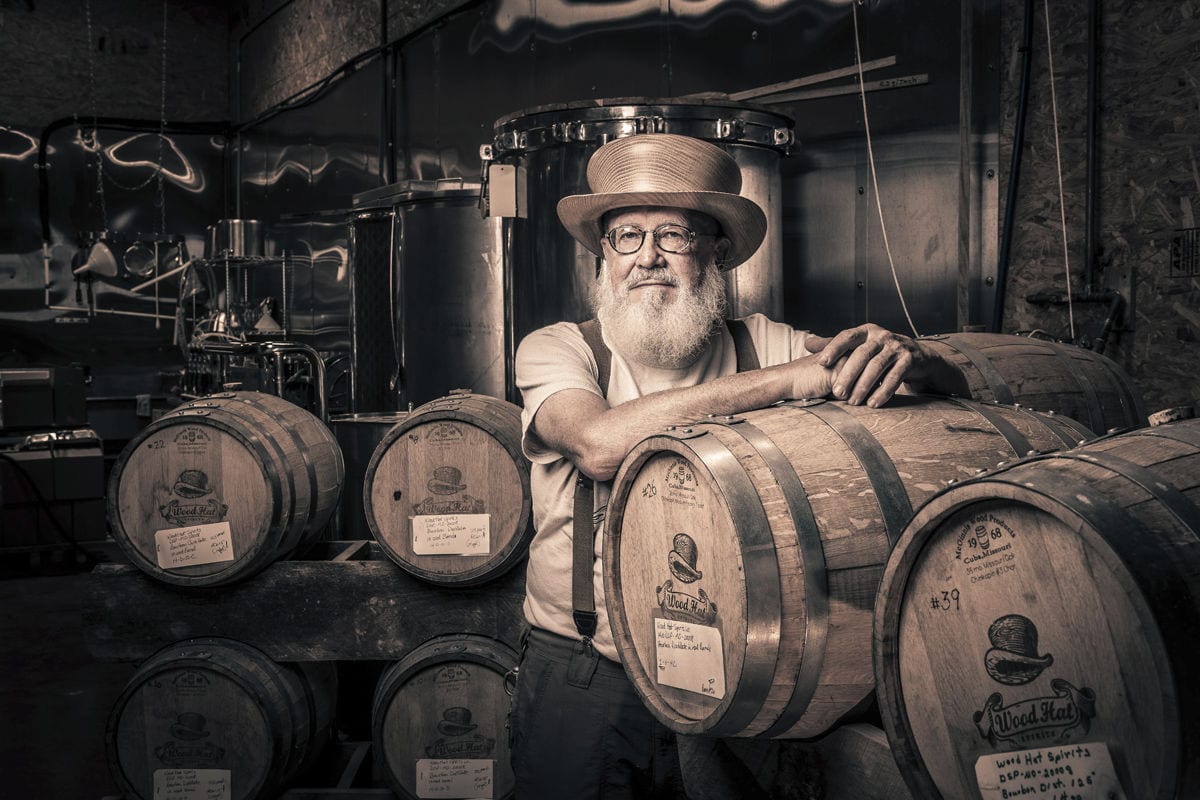
  • Boutique Tasmanian distillery Battery Point releases first whisky

    Boutique Tasmanian distillery Battery Point releases first whisky

    For head distiller Jack Lark Whisky distilling runs in the blood but it’s the Battery Point Distillery teams’ patience, creativity and vision that he believes sets them apart, “We’re a small team and so we’re not rushing to get things out. Everything is by-hand and we refuse to cut corners – we will only release the best quality barrels and the best quality spirits.”

    Achieving this, however, has not been left to chance, “With whisky you aren’t reinventing the wheel – it’s still all made with the same three ingredients, but we really took our time over selecting the best of those ingredients.” Made using a specifically selected premium Tasmanian malt mash, a unique combination of yeast cultures and of course the purest 100% Tasmanian water, Battery Point whisky is combining traditional Scottish double-distillation methods with small cask and barrel finishing.

    This first release brings together port, sherry and bourbon small cask whiskies in a unique blend. It is then aged in an apple brandy barrel before being finished in a muscatel. It’s this creativity with flavour and barrel influence that sets Battery Point Distillery apart. Delivering a bold, full-bodied and rich drop this whisky promises layers of complexity without being overly demanding or complicated.

    As is intended with all future Battery Point offerings, this is a limited release of 200 bottles. Future small volume releases will be available when they are at their peak and ready – “we aren’t in a hurry and want to bottle the best quality we can” says Jack.

    The bottled look was designed to reflect the bold sophistication of the product. The packaging inspired by the detailing of the barrels that characterise the whisky, offers a confident and contemporary take on the traditional category, much like the whisky itself.
  • Delivery platform Now resumes Hanoi service

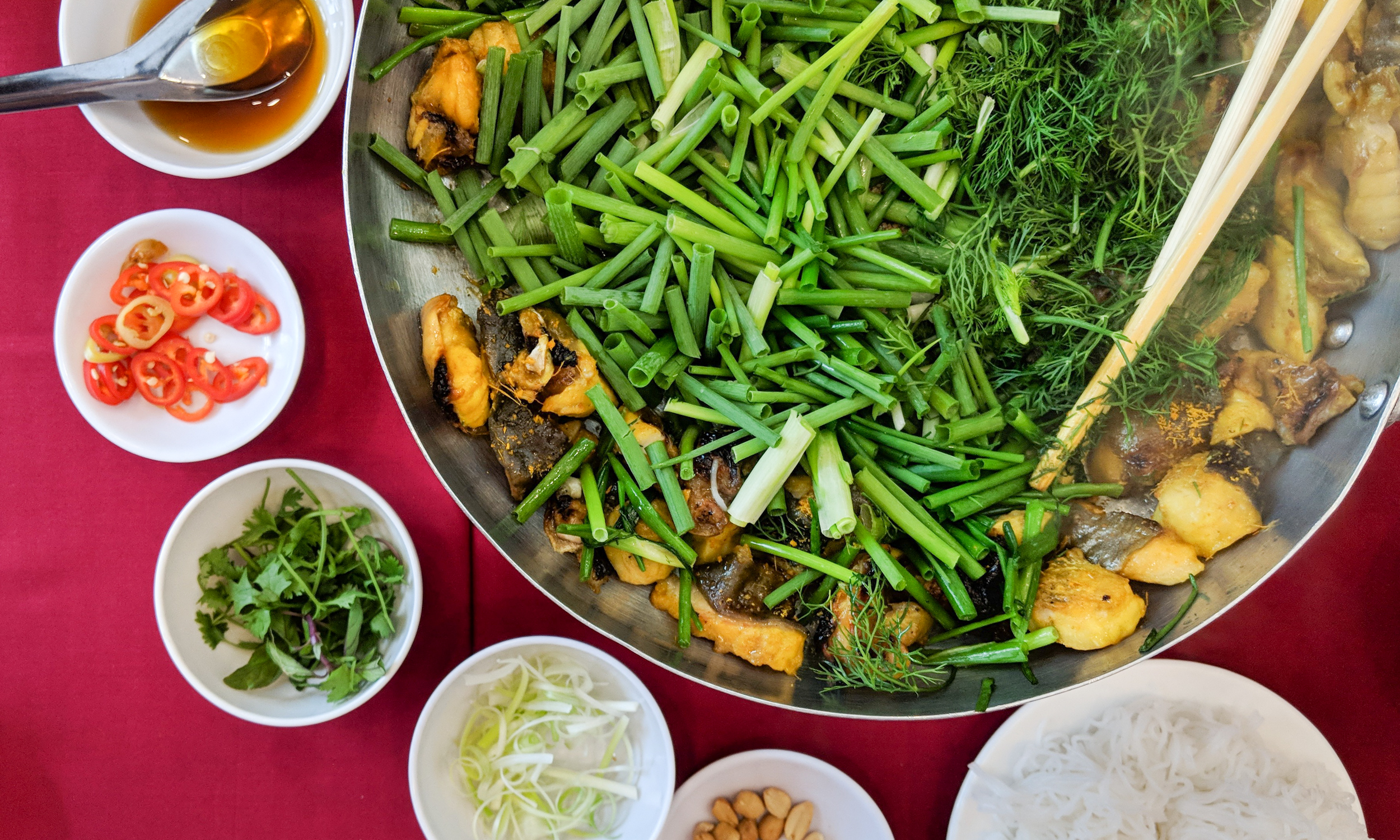
    Delivery platform Now resumes Hanoi service

    Delivery platform Now is resuming delivery of groceries and other essential goods in five Hanoi districts starting Wednesday.

    The firm announced the resumption of NowFresh and NowShip in the districts of Cau Giay, Dong Da, Hai Ba Trung, Ba Dinh and Thanh Xuan under strict supervision following advice from the municipal Department of Transport and the Department of Information and Communication.

    NowFood, the food delivery service that accounts for majority of its users, remains suspended.

    All the drivers will complete daily health declarations and temperature checks before beginning to work and follow Covid-19 safety measures including wearing masks, keeping distance, avoiding crowds, and disinfecting delivery packages regularly.Only drivers approved by the Hanoi Department of Transport are allowed to deliver.

    Now had temporarily suspended all of its services from July 28, following Grab, Gojek and Be. Among these platforms, it is the first to announce resumption of operations in Hanoi.

    Hanoi is implementing a 15-day social distancing period starting July 24. The city has recorded 1,668 cases since the fourth wave began late April.

  • Kraft launches vegan Mac & Cheese

    Kraft launches vegan Mac & Cheese

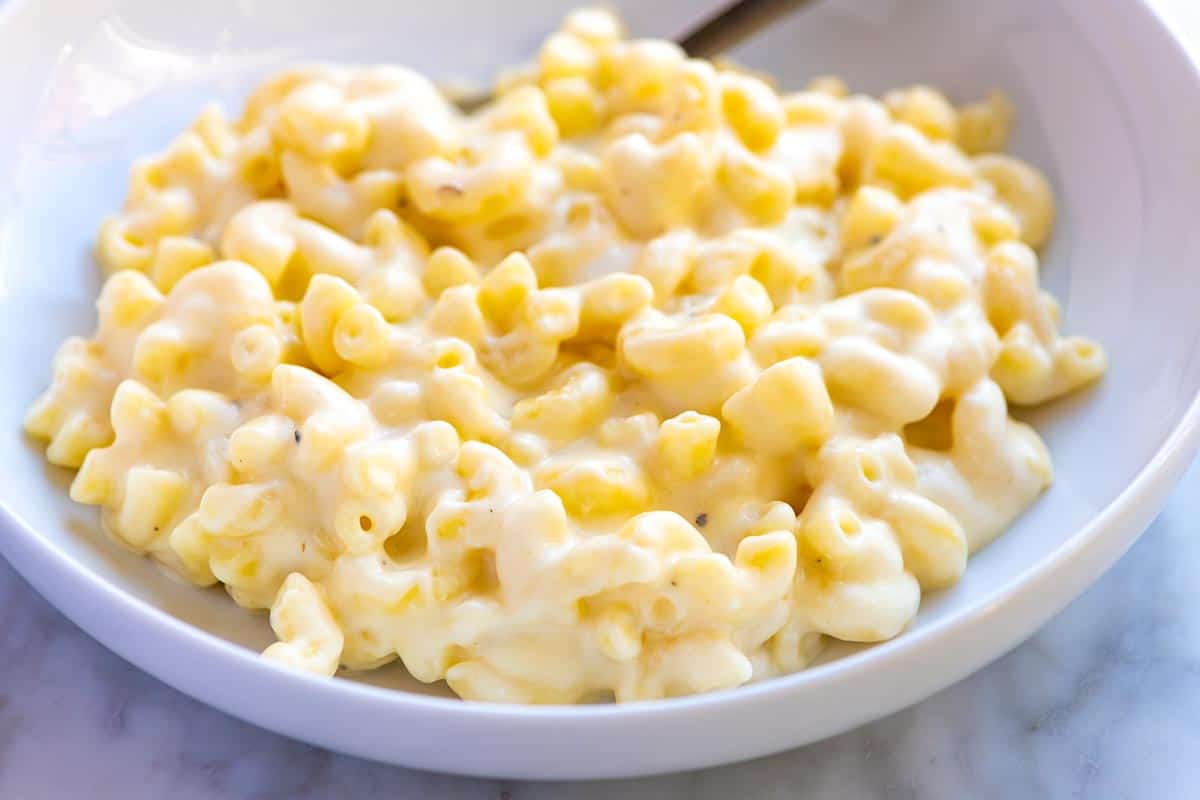
    After researching plant-based alternatives for its Philadelphia cream cheese, international food conglomerate Kraft has released a vegan version of its classic Mac & Cheese box. Gluten-free and vegan-certified, the new product is available via Woolworths supermarket in Australia – though it is currently sold out.

    Excitement grew on social media as it flooded with images and posts about a vegan version of Kraft’s iconic Mac & Cheese boxes, but little information has been forthcoming regarding the launch. Now known as Kraft Heinz, the multinational has been slow to move in the plant-based market, but did launch vegan mayo and salad dressing options last year

    The new Mac & Cheese Vegan is perfect for quick dinners and is free from artificial colours and flavours. Made with rice flour pasta and a dairy-free sauce, the cooking instructions also suggest using a plant-based milk in place of cow’s milk.

    Kraft has yet to release information about whether the product will be made available in other markets.

  • Uncle Toby’s launches oat milks

    Uncle Toby’s launches oat milks

    Excuse me UNCLE TOBYS! Since when were you in the oat milk game and why didn’t you do this years ago!

    As a milk alternative gal, I am beyond excited about this. With over 125 years of ‘oats-pertise’, we already know their muesli bars are God-tier so we can only imagine how good their oat milk will be.

    UNCLE TOBYS have launched three new oat milks made from 100% Aussie oats including UNCLE TOBYS Oat Milk, Barista-Style Oat Milk and Oat & Almond Milk.

    The new range is vegan and vego and contains one-third of the recommended daily calcium and vitamins D, B12 and B2 to help you claw your way through the day.

    Nestlé Business Manager Anna Stewart said, “We’ve been producing Australia’s favourite oats for more than 100 years, so being able to take our team’s expertise and create this brand-new range of oat milks is incredibly exciting for both UNCLE TOBYS and oat milk fans.”

    “As preferences and lifestyles continue to change, we’re committed to offering Australians the highest quality dairy alternatives, starting with these three new oat milks, created to suit every taste and preference.”

    They’re available now at Coles and Independent Supermarkets for $3.80 and $4.50 for the Barista-style.

  • CUB, Asahi alcohol division CEO to retire

    CUB, Asahi alcohol division CEO to retire

    Asahi Beverages is announcing that Peter Filipovic will be retiring as CEO of Carlton & United Breweries (CUB), our Australian alcohol business division.

    Mr Filipovic will shortly achieve 25 years of service with the business, and following the successful integration of CUB in June 2020, Asahi Beverages and Mr Filipovic decided that now was the right time for the announcement of his intention to retire from the business.

    Mr Robert Iervasi, Group CEO of Asahi Beverages, commented: “Peter has played an important role in the smooth integration of CUB and the continued growth of our business. He has given great service to CUB and Asahi Beverages.

    “Asahi Beverages plans to announce the new CEO of the CUB business division in Q3 2021.

    That person will also join our Asahi Beverages Executive Leadership Team. They will play an important role in helping deliver on our multi-beverage strategy and leading our very
    experienced CUB Leadership Team.”

    Mr Filipovic, CEO of CUB, commented: “It’s been a privilege to have served as CEO of CUB and a member of the Asahi Beverages Executive Leadership Team. It’s a phenomenal business, with exceptional people and an unrivalled portfolio. I’m leaving the business knowing that it’s in great hands and well set-up for long-term success.”

    Peter will step down as CUB CEO once a new CEO for the business has been appointed.

    Mr Roland van Bommel, Chairman of Asahi Holdings Australia, is also pleased to announce that Natalie Toohey has been appointed to join the Board of Asahi Holdings Australia.

    Natalie is a seasoned corporate affairs specialist with senior leadership and advisory experience across a range of sectors including FMCG, particularly alcohol and beverages.

    She will advise on supporting the implementation of business strategy through communication, reputation management, sustainability and government & industry strategy.

  • New KitKat bar made with Aero Mint

    New KitKat bar made with Aero Mint

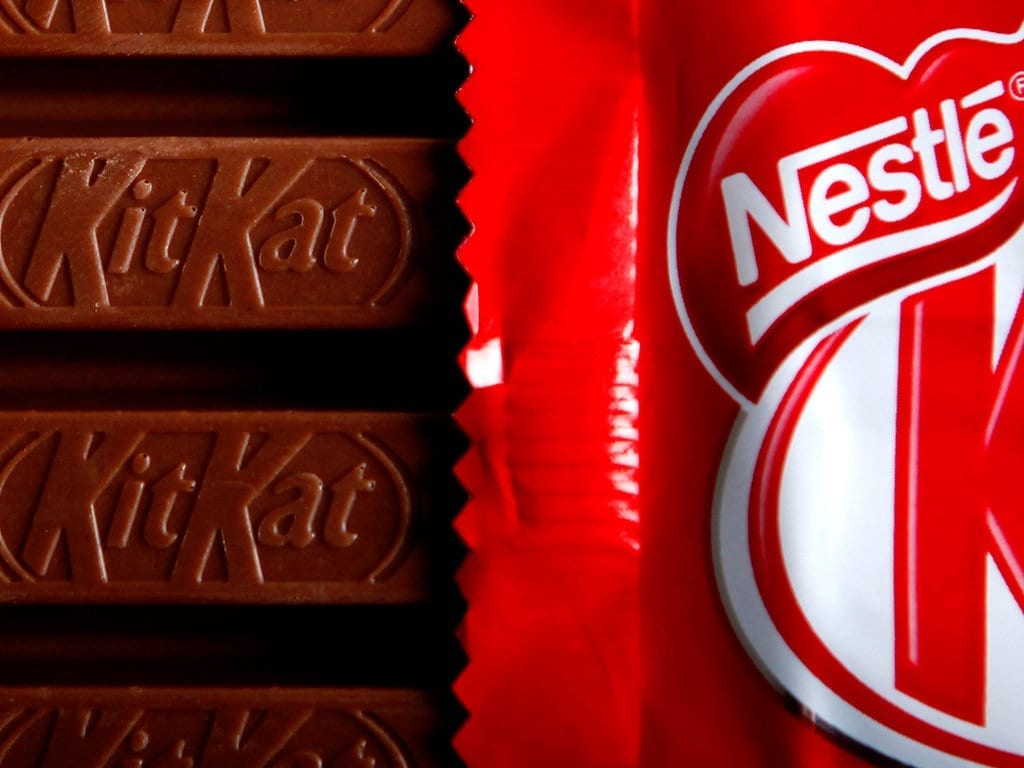
    Nestle has merged two of its best-known chocolate brands – KitKat and Aero – with the launch of KitKat Chunky Aero Mint.

    The new bar has three layers of crisp wafer, topped with aerated peppermint and covered in milk chocolate.

    Joyce Tan, head of marketing confectionery at Nestle, said the company wanted to create a new flavour and texture combination that would excite consumers.

    “There’s so much love for both of these chocolate bars, so we’re excited for them to become one and take the KitKat choc mint experience to the next level,” said Tan.

    KitKat Chunky Aero Mint is available in grocery and convenience stores nationwide for RRP $2.

  • Coffee prices surge to seven-year high

    Coffee prices surge to seven-year high

    Arabica coffee prices rose 10 percent more on Monday, after jumping nearly 20 percent last week, to their highest in nearly seven years as unusual cold weather threatens coffee crops in the world’s largest producer Brazil.

    Severe frosts last week damaged a large part of fields in the main Brazilian coffee belt and a new polar air mass is forecast to move over the same areas later this week, which will be the third strong cold front to hit crops this year.

    Coffee trees are extremely sensitive to frost, which can cause severe damage and even kill trees completely. If a farm needs to replant trees, production would take around three years.

    Preliminary estimates from the Brazilian government’s food supply agency Conab said that last week’s frosts had affected 150,000 to 200,000 hectares – about 11 percent of the country’s total arabica crop area.

    “This marks the first time since 1994 that the country has experienced such a weather event,” coffee trader I & M Smith said in a market update, referring to the July 20 harsh frosts.

    Arabica coffee futures prices on ICE rose sharply on Monday, with the September contract climbing to a peak of $2.1520 per lb, the highest for the front month since October 2014.

    “The extent of the damage is still unclear, however, estimates are now between 5.5 million and 9 million (60 kg) bags, up from 2 million to 3 million last week,” said Charles Sargeant, softs and agricultural commodity broker at Britannia Global Markets.

    Sargeant was referring to the 2022 Brazilian crop. This year’s smaller production has been mostly harvested. A good production next year in Brazil was seen as important in balancing the global supply.

    Arabica coffee futures have risen by about 35% since the end of June, raising the prospect that major brands may have to raise prices in the coming weeks.

    Starbucks, Nestle and JAB Holdings, which are among the largest coffee processors and retailers in the world, declined requests for comments regarding possible impacts to the industry and the prospect of reduced availability next season.

    Smaller players would certainly suffer, while consumers will have to pay more.

    “We have stocks only up to September. We raised prices already three times this year, following the market moves, but the situation remains difficult,” said Luciane Carneiro Mendes, a partner at Cafe Carneiro, a small roaster in Brazil.

    Coffee prices in Brazil, she said, have risen from 400 reais ($77.30) per 60-kg bag in December to around 800 reais this month, but there are estimates for further increases ahead to around 1.000 reais.

  • Seafood firms net big catch from export recovery

    Seafood firms net big catch from export recovery

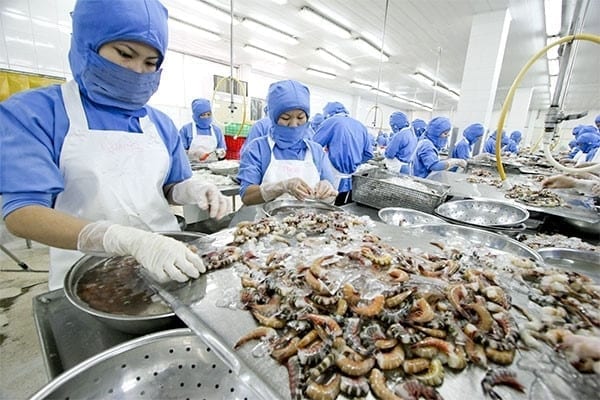
    A seafood export recovery has helped bigger firms boost profits while smaller ones have struggled with the spike in shipping rates.

    Seafood exports topped $4 billion in H1, a year-on-year increase of 15 percent, according to the General Department of Vietnam Customs. In Q2 particularly, seafood export turnover increased by more than 21 percent over the same period last year, reaching nearly $2.4 billion. This led to firms reporting positive business results.

    Vinh Hoan JSC earned over VND2.3 trillion in revenue and over VND260 billion in post-tax profit, up 41 percent and 16 percent year-on-year, respectively. According to its monthly report, VHC’s exports to most markets increased, with the two largest ones being the U.S. and China.

    The Kien Hung JSC (KHS) said its net profit increased 10 times in Q2 as demand from Europe, America, Japan and South Korea temporarily recovered and stabilized. The firm also actively sought imported materials at competitive prices to maintain stable production.

    The Minh Phu Seafood Corporation has yet to announce its H1 business results, but estimates a pre-tax profit of over VND300 billion, a year-on-year increase of 11 percent.

    However, not all seafood exporters reported positive business results, partly because of high freight rates. The Vietnam Association of Seafood Exporters and Producers (VASEP) said that by May, freight rates in some ports had doubled compared to late 2020 and sextupled compared to early 2020.

    The Nam Viet Corporation reported an increase of over 20 percent in revenue in Q2 but a decrease of 26 percent in net profit year-on-year. The corporation attributed the decline in profit to a sharp rise in financial and selling expenses, that latter shooting up 137 percent compared to last year due to a hike in freight and transportation rates.

    The Thuan Phuoc Seafood and Trading Corporation (THP) saw its profit fall even further to VND10 billion, half that of the same period last year, because of rising selling expenses.

    The sea freight, which ups nearly times, cost the firm VND26 billion.

    In early July, VASEP requested the Ministry of Agriculture and Rural Development to report to PM the issues of container shortage and sea freight rates, seeking intervention to have the latter reduced to pre-November 2020 levels.

  • Let shippers deliver food, says Grab

    Let shippers deliver food, says Grab

    Delivery app Grab wants food delivery services resumed in Hanoi since they help reduce the number of people gathering to fulfill various needs.

    “Since Hanoi authorities have been limiting the number of people at supermarkets and retail locations to lower the risk of contagion, services like GrabFood, GrabMart and GrabExpress have provided valuable assistance,” it said in a proposal, referring to its food, retail and parcel delivery services.

    They could help meet the city’s desire to ensure adequate supply of essential goods, it said.

    It assured its delivery people would meet social distancing requirements and it would limit delivery to essential items.

    Hanoi on Saturday ordered five ride-hailing and delivery platforms, Grab, Gojek, Be, MyGo and FastGo, to suspend their services, but still let other delivery platforms operate.

    Grab said the decision was inconsistent with the city’s policies and feared could cause unfair competition.

    Hanoi began a 15-day social distancing order starting 6 a.m. Saturday amid rising coronavirus concerns in both the capital and nationwide.

    It has recorded over 900 cases in the latest wave.

  • Ben & Jerry’s wades into Palestine controversy unexpected

    Ben & Jerry’s wades into Palestine controversy unexpected

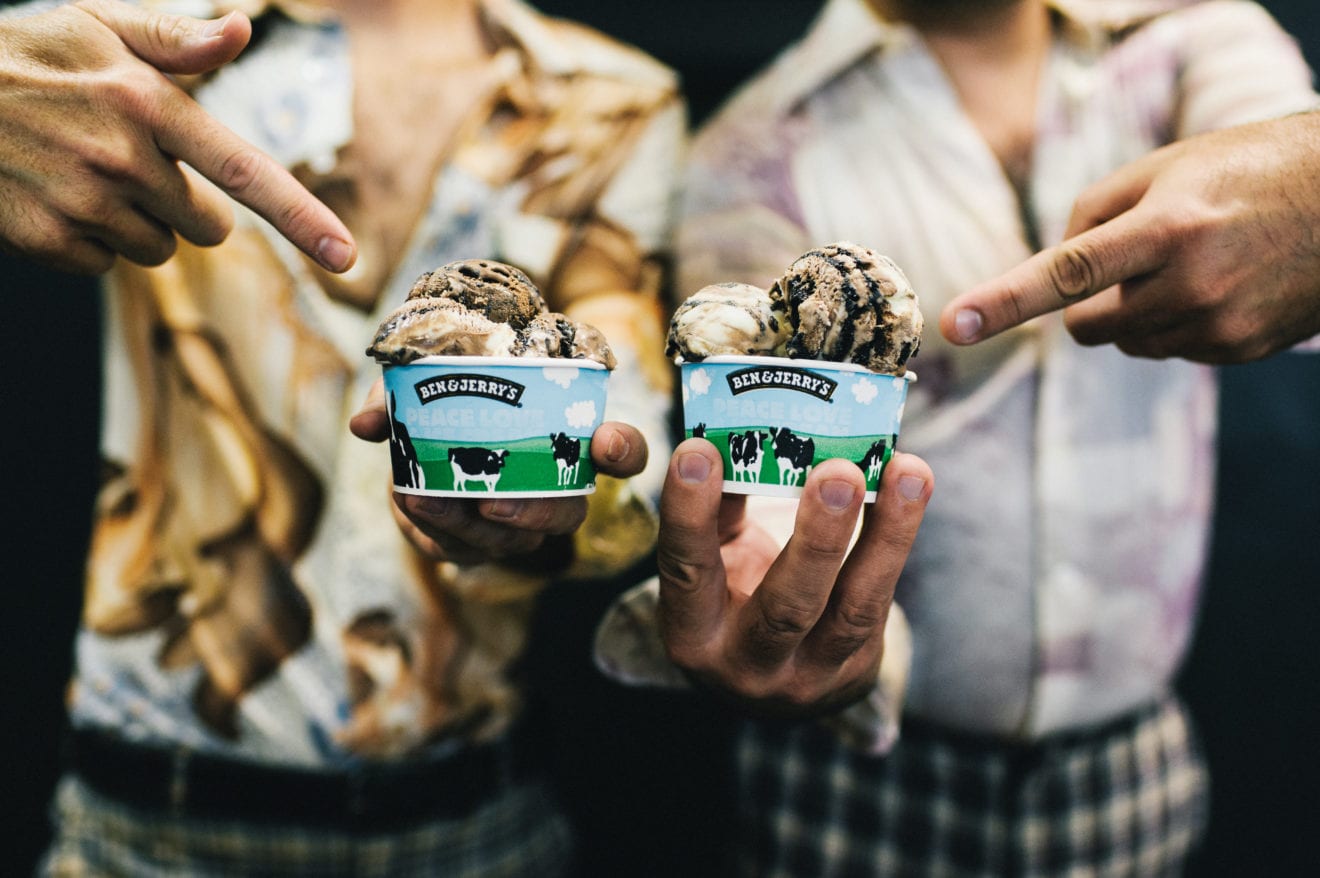
    Ben & Jerry’s has said it will stop selling its ice cream in Israeli settlements in the occupied West Bank and East Jerusalem. The US company said sales “in the Occupied Palestinian Territory (OPT)” were “inconsistent with our values”. Israeli Prime Minister Naftali Bennett said the move was “morally wrong” and would prove to be “financially wrong”.

    The West Bank and East Jerusalem have been under Israeli control since the 1967 Middle East war.

    More than 600,000 Jews live in about 140 settlements there. Most of the international community considers the settlements illegal under international law, though Israel disputes this.

    “We have a longstanding partnership with our licensee, who manufactures Ben & Jerry’s ice cream in Israel and distributes it in the region,” the statement said.

    “We have been working to change this, and so we have informed our licensee that we will not renew the license agreement when it expires at the end of next year.”

    Ben & Jerry’s also runs two “scoop shops” in Israel and said it would distribute its goods in Israel through a different agreement, the details of which would be announced “when we’re ready”.

    UK firm Unilever, which has owned Ben & Jerry’s since 2000, says the decision was taken and announced by Ben & Jerry’s and its independent board, but it remained “fully committed” to maintaining a presence in Israel.

    Ben & Jerry’s Israeli licensee was quoted by the Haaretz newspaper as saying: “Global Ben & Jerry’s decided not to renew the agreement with us in another year and a half in light of our refusal [to comply] with their demand and stop selling throughout Israel.”

    “We call on the Israeli government and consumers not to permit a boycott of Israel… Ice cream is not part of politics.”

    Israeli politicians reacted furiously to the announcement.

    “The boycott of Israel – a democracy surrounded by islands of terror – reflects a complete loss of bearings. The boycott does not work and will not work, and we will fight it with all our might,” Mr Bennett said.

    Foreign Minister Yair Lapid called Ben & Jerry’s move a “disgraceful capitulation” to anti-Semitism and the Boycott, Divestment and Sanctions (BDS) movement, which calls for a complete boycott of Israel over its treatment of the Palestinians.

    “Over 30 states in the United States have passed anti-BDS legislation in recent years. I plan on asking each of them to enforce these laws against Ben & Jerry’s,” he said.

    A spokesman for BDS, Mahmoud Nawajaa, it welcomed Ben & Jerry’s decision and called on the company “to end all its procedures with the apartheid Israel”.

    Ben & Jerry’s – which was founded in 1978 by best friends Ben Cohen and Jerry Greenfield – has a track record of campaigning on social issues such as LGBTQ+ rights and climate change.

  • Leading milk tea brands plot Australian expansion

    Leading milk tea brands plot Australian expansion

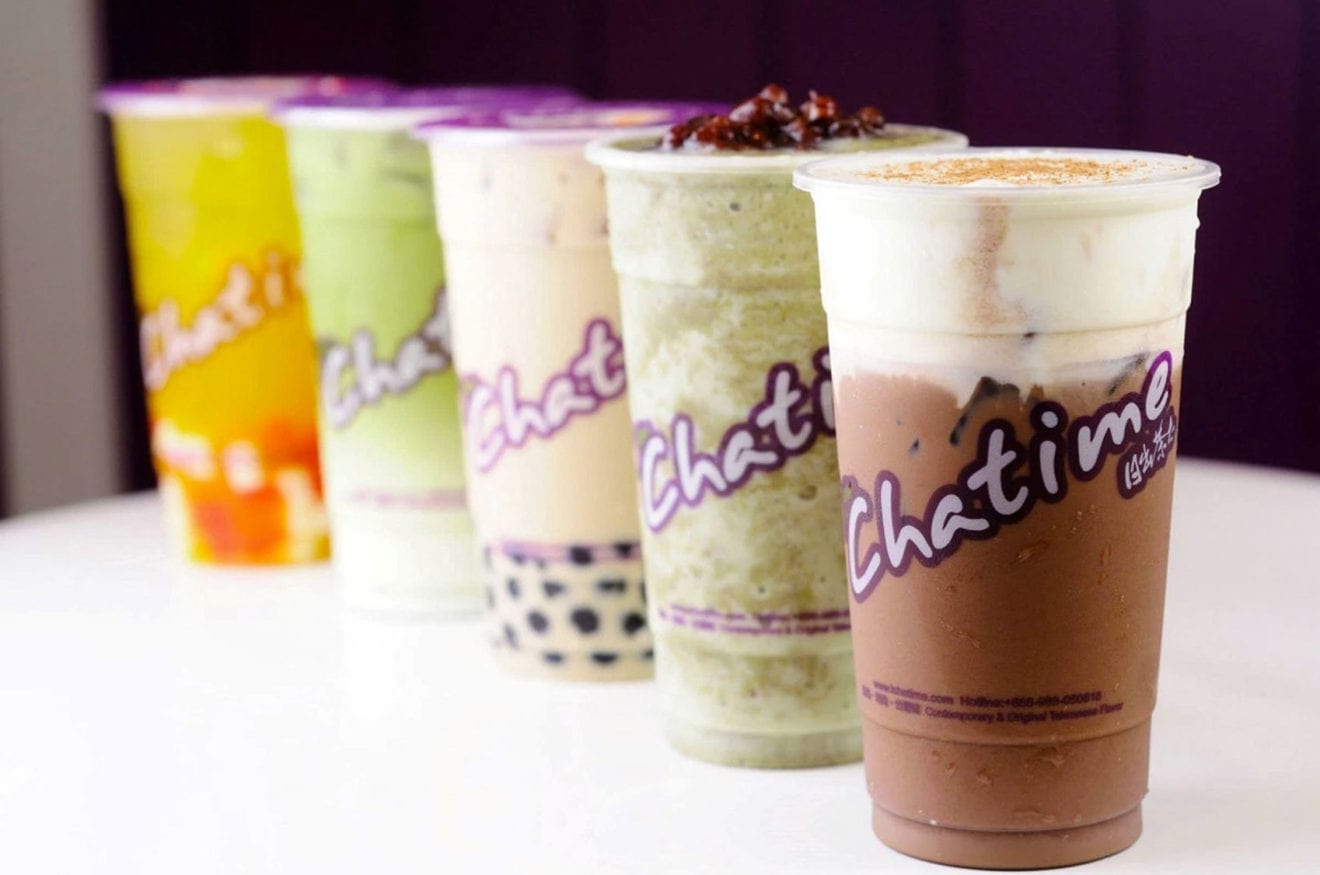
    Major milk tea brands Gotcha and Chatime have disclosed Australian expansion plans and their focus during the next few years.

    The assistant MD of Gotcha, Christy Chen said that the brand is set to open 20 new stores by the end of the year.

    “Gotcha will continue to focus on the interior of our stores to deliver an elevated level of design,” Chen said.

    Launching in 2018, the brand now operates more than 20 stores across the country. Gotcha aims to expand to Saudi Arabia, New Zealand and Singapore this year, and is expanding its store network in Indonesia.

    “We are very confident the bubble-tea market will continue to grow, especially as we expand into international regions.”

    Meanwhile, rival Chatime, said it will add 29 more stores to its existing 126 franchises in Australia this year.

    “As of right now, we currently have over 50 percent of our target locked in,” said Andrew Benefield, chief development officer at Chatime.

    The company expects the market will consolidate to just two to three key players including itself. Chatime’s goal is to hit 250 stores across the country during the next five years. At the same time, it will shift its focus to be more environmentally friendly and reduce plastic waste.

    “Chatime is currently working on Project Happy Turtle, which aims for us to completely eradicate single-use plastic within our stores across Australia,” Benefield said. “We’ve tried this through the introduction of reusable bubble-tea cups, as well as paper straws across the network.”

  • Jollibee plans to open Tim Ho Wan outlets in China

    Jollibee plans to open Tim Ho Wan outlets in China

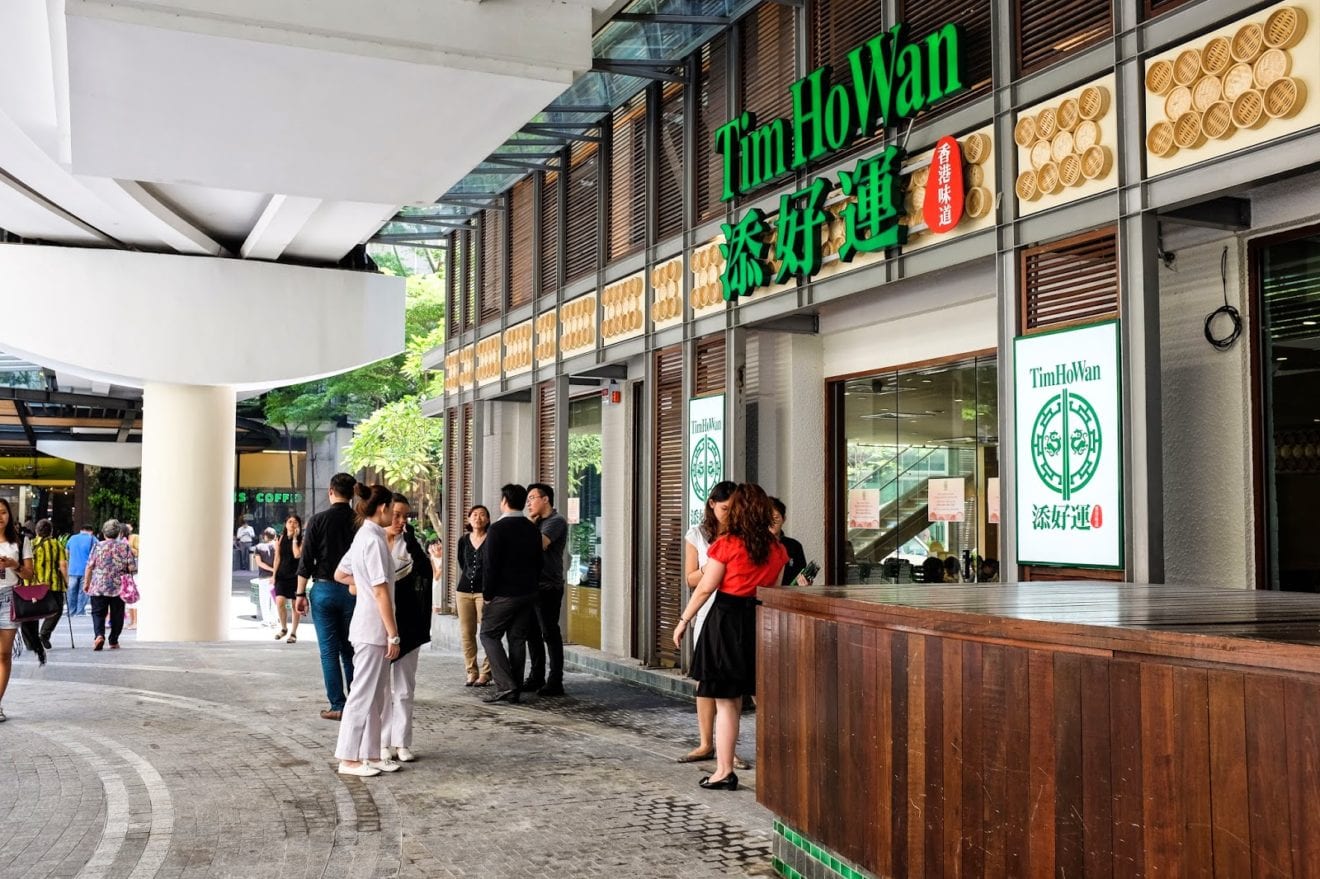
    The Jollibee Group opened their third Michelin-starred Tim Ho Wan branch in China on Sunday, July 11, in Shanghai’s Changning District, located at Nanfeng City Shopping Mall. The new store is located a few minutes away from the Shanghai Hongqiao International Airport.

    Customers can expect the usual mainstays of the famous Hong Kong dimsum restaurant – their famous baked BBQ pork buns, rice rolls, pan-fried radish cake, noodles, and more. The branch, which can accommodate up to 126 customers, boasts two floors and an al fresco dining area.

    The Jollibee Group plans to further expand within mainland China in the next four years with a target of 100 Tim Ho Wan branches. By September 2021, three more stores will be opening in Shanghai’s Hongkou, Jing’an, and Minhang Districts.

    The first Tim Ho Wan branch in mainland China was launched in September 2020 at Shanghia’s Jing’an Kerry Center. Tim Ho Wan’s Hong Kong branch in Sham Shui Po has been awarded a Michelin for 11 consecutive years.

    The Jollibee Group bought the master franchise holder of Tim Ho Wan in the Asia Pacific in 2018, entering into a joint venture agreement with the Tim Ho Wan Group to open restaurants in mainland China.

  • Aqua Pura adds sparkle to its Fruit Splash range

    Aqua Pura adds sparkle to its Fruit Splash range

    Mineral water brand Aqua Pura has added two new flavors, Citrus and Melon, to its Fruit Splash range, which contain natural fruit flavoring and have less than fifty calories per serve.

    Fruit Splash Brand manager Amelia Wright says the new flavors are based on the already-established Fruit Splash Range.

    “When brainstorming range extensions for Fruit Splash, we came back to what has served us well, being our original Fruit Splash products, Tropical and Wildberry,” said Wright.

    “These are the flavours our consumers know and love from Fruit Splash, so building upon that, we knew we had to maintain this offering in different flavors whilst catering to those who prefer sparkling water.”

    With non-alcoholic drinks on the rise, consumers are increasingly looking for a healthier alternative from carbonated soft drinks.

    “From the popularity and growth we see on the Wildberry and Tropical products, we know this is what Aussies like”, Wright added.

    All Fruit Splash Sparkling flavors are available nationwide for RRP $2.50 per bottle.

  • WineDepot expands to Melbourne, buys distributor Parton

    WineDepot expands to Melbourne, buys distributor Parton

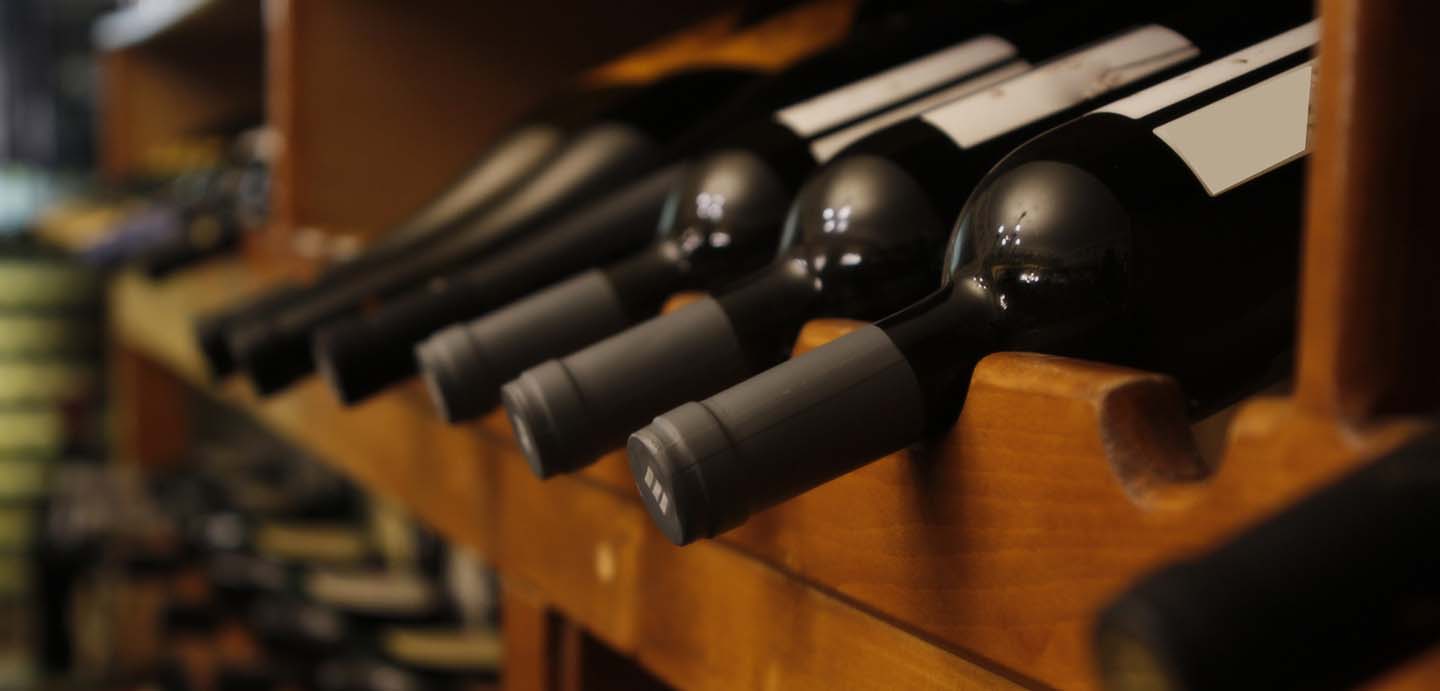
    WineDepot Market has launched its direct-to-trade platform in Melbourne – and sealed a deal to acquire Parton Wine Distribution.

    After serving venues and retail outlets across Sydney since May, the subsidiary of ASX-listed Digital Wine Ventures has already brought on board more than 400 brands. WineDepot CEO Dean Taylor said local customers are responding positively to the proposition.

    “The evolution of the wine distribution model in Australia is long overdue. Technology has brought vast changes in the way we produce wine and sell to consumers, but in the middle, supply chains and wholesaling are still plagued by inefficiency,” he said.

    WineDepot describes itself as an integrated trading, logistics and payment solution designed to streamline wine and beverage distribution. The direct-to-wholesale marketplace allows suppliers to list their products for sale on consumer marketplaces such as Amazon, Ebay and Vivino and provides a smart logistics solution allowing suppliers to fulfill orders from various depots, to allow same- and next-day delivery to most capital cities. In addition, an online ERP system allows suppliers to manage orders, inventories and technology integrations and offers a payment management solution through which suppliers can offer customers credit terms yet get paid three days after sale.

    “The chance to move more of their wine purchasing to a single platform, with a single invoice and single credit account, has been highly attractive to venues and retailers,” said Taylor.

    “Customers are trialing the platform and finding a large range of products they already purchase, all in one place, along with a selection of new and interesting wines from some of Australia’s top producers.

    “We identified the need for a comprehensive direct-to-trade platform in the local wine market years ago, and launching in our second major city shows we’re closing in on that goal.

    WineDepot acquires Parton Wine Distribution, 

    Meanwhile, WineDepot yesterday announced it would buy specialist wine and beverage logistics provider Parton Wine Distribution.

    Taylor said Parton’s long track record in the industry, 23,000 sqm of warehousing, and 100-strong team would provide a significant boost to WineDepot’s operational capability.

    While WineDepot’s outsourcing of third-party logistics was working well, as the business continued to scale it would become necessary to further develop its own capacity to maintain service levels – especially during times of peak demand, said Taylor.

    “Having our own dedicated fleet of delivery vans and drivers will ensure we provide an exceptional experience for suppliers using WineDepot Logistics and trade buyers using WineDepot Market.

    “In addition, direct management of our own warehouses allows us to offer on-demand picking, late cut-off times and temperature-controlled, cold chain and bonded storage to our customers right up and down the supply chain.”

    Richard Raddon, who founded Parton, will join WineDepot’s senior executive team as GM of the logistics division and his son David will become national operations manager.

    Parton’s 150-strong existing customer base will be transitioned across to the WineDepot platform.

  • Kiwi coffee brand Allpress launches capsules in Australia

    Kiwi coffee brand Allpress launches capsules in Australia

    Kiwi coffee brand Allpress has created its first capsule espresso, designed, it says, to deliver an accessible solution for those seeking to enjoy the brand’s coffee at home. 

    According to the company, the capsule took years of innovation to create and uses the same specialty grade coffee used by its cafes worldwide.

    The capsules were crafted by reformulating its Allpress Espresso Blend to highlight the “caramel sweetness”, increase depth, and ground it “super-finely” for slower extraction. The grounds were then roasted at high temperatures to maximize the coffee’s solubility, recreating the same flavor of its cafe’s coffee, the brand added.

    Allpress head roaster Zach Dowse says most coffee pods aren’t able to meet customers’ expectations when it comes to flavor, so the brand worked to create one product that could.  

    “This meant going back to the basics and thinking about how the Allpress Espresso Blend could be adjusted to work best as a pod,” said Dowse. 

    “We had to think about the roast profile, the mix of origins in the capsule and finally, finding the correct grind size that allowed the right amount of water contact and gave us the most balance to our cup.” 

    Founded in 1989, Allpress says creating the capsule coffee is one of the brand’s biggest ventures yet. 

    Allpress Espresso Specialty Coffee Capsule is available from its online store, in Allpress Roastery Cafes, from cafe partners, and specialty grocery stores nationwide for RRP $12 for a 10-piece pack and $70 for a 60-piece pack.