Category: Food

Retail News Asia is committed to providing both local and global retailers with the latest Food and Food & Beverage news throughout the Asian market. This on a daily base.

  • Nestle revamps coffee sustainability plan as climate challenges mount

    Nestle revamps coffee sustainability plan as climate challenges mount

    Food giant Nestle pledged on Tuesday to spend over 1 billion Swiss francs ($1.01 billion) by 2030 on efforts to source coffee sustainably, more than double its previous pledge, as challenges linked to climate change pose particular risks for the bean.

    Study after study has shown that by 2050 roughly half the land currently used to grow coffee, especially that of the high-quality arabica variety, could be unproductive thanks to rising temperatures, drought and disease.

    Multinationals are meanwhile facing increased reputational and legal pressure from consumers and governments alike to clean up their global supply chains in the fight against climate change.

    The European Commission has proposed several laws aimed at preventing and, in the case of forced labor, banning the import and use of products linked to environmental and human rights abuses.

    Nestle, which has already pledged to source all its coffee sustainably by 2025, said it is now also aiming, by that date, for 20% of its coffee to be grown using ‘regenerative’ agricultural practices.

    These include planting cover crops to protect soil, using organic fertilizers to improve soil fertility, and increasing the use of agroforestry and intercropping to preserve biodiversity – all to halve greenhouse gas emissions by 2030.

    The company, in a statement announcing its plan to double spending on sustainable coffee sourcing, said it is “committed to supporting farmers who take on the risks and costs associated with the move to regenerative agriculture”, and will provide programs aimed at helping them improve their income.

    A major coffee report published last year said there is little evidence efforts by the world’s top coffee roasters and traders to prevent human rights and environmental abuses are having any impact, with most farmers operating at a loss and unable to produce sustainably.

    The coffee sector is valued at $200 billion-$250 billion a year at the retail level, according to the report, but producing countries receive less than 10% of that value when exporting beans, and farmers even less than that.

    Around 125 million people around the world depend on coffee for their livelihoods, while an estimated 80% of coffee-farming families live at or below the poverty line, according to non-profit organisations Fairtrade and Technoserve.

  • Seafood exports to US surge 22% in 9 months

    Seafood exports to US surge 22% in 9 months

    Vietnam’s seafood exports to the U.S. rose 22% year-on-year to $1.8 billion in the first nine months as Americans remain the biggest buyers of Vietnamese seafood.

    Exports to China surged 76% to $1.35 billion, while to the EU the value went up 41% to $1 billion, according to the Vietnam Association of Seafood Exporters and Producers (VASEP).

    In total Vietnam’s seafood exports reached $8.5 billion in the first nine months, up 38% year-on-year.

    Shrimp exports rose 23% to nearly $3.4 billion, and pangasius fish went up 82% to $2 billion.

    Exports of pangasius fish in September alone nearly doubled year-on-year as inflation pressure urged consumers to tighten their spending and buy more of the affordable protein.

    VASEP forecast that Vietnam’s $10 billion exports target for this year will be achievable.

    China is expected to be a key market for the remaining months as consumption demand is rising while its geographical proximity with Vietnam is an advantage amid rising transportation costs worldwide.

  • Vietnam’s world’s best rice gets trademark in Australia

    Vietnam’s world’s best rice gets trademark in Australia

    Vietnam’s ST24 and ST25 rice varieties, the latter the World’s Best Rice award winner not long ago, have obtained trademarks in Australia.

    The ‘Gao Ong Cua Viet Nam’ trademark has been registered by Ho Quang Tri Private Enterprise, a company owned by the son of the main developer of ST25, Ho Quang Cua.

    The trademark is valid until June 2031.

    It includes a logo of the brand with Cua’s smiling face next to a stem of grain.

    ST25 won the World’s Best Rice contest in 2019 and secured second place in 2020.

    It was the result of 25 years of research by Cua and his colleagues who cross-bred the premium fragrant rice, described as having a sweet taste and a hint of pineapple flavor, in the Mekong Delta province of Soc Trang.

    Cua has been pursuing global trademarks for the grain since last year after several companies tried to register the ST25 trademark in the U.S. and Australia.

    He has successfully registered the brand in the E.U. and the U.K.

  • Fonterra to retain Australia business, shares long-term strategies

    Fonterra to retain Australia business, shares long-term strategies

    New Zealand dairy giant Fonterra has decided to retain full ownership of its Australian business after a 12-month review, with chief executive Miles Hurrell saying the Australian consumer brands are important in the company’s strategy of moving higher up the value chain.

    Fonterra’s Australian business includes consumer brands Western Star butter, Perfect Italiano, and Mainland cheese. It also operates the Bega cheese brand under a long-standing license arrangement even though Bega Cheese is a rival dairy and food company.

    Mr Hurrell said in an investor briefing on Thursday that Fonterra did not get to the point of putting a value on its Australian business in the review after deciding that retaining full ownership was the best way of driving future growth and value creation.“We can do that on our own,” he said. “We looked at a raft of options.”

    Fonterra, a co-operative which is owned by 10,000 farmer shareholders, began the review a year ago. Among the options was a potential public float of the business or a sale of a partial stake. Analysts suggested the IPO could have been worth between $1 billion and $1.2 billion.

    It still intends to make a capital return to its shareholders by 2024, but it may not be as high as the previously foreshadowed return of about $NZ1 billion ($585 million).

    Fonterra is selling its Chilean business Soprole after an ill-timed expansion and has redirected its focus to being a big exporter from NZ.

    Mr Hurrell said the Australian operations were an important part of the group’s overall consumer brands strategy as it sought to move higher up the value chain. “The business is going well, and it will play a key role in helping us reach our 2030 strategic targets,” he said.

    Fonterra on Thursday reported its full-year results for the 12 months ended July 31, with normalized net profit up 1 percent to $NZ591 million. Total revenues were up 11 percent to $NZ23.4 billion.

    Mr Hurrell said inflationary pressures curbed profits. Fonterra paid out a record milk price to its farmers of $NZ9.30 per kilogram of milk solids. He said $NZ13.7 billion was injected into the NZ economy from milk price payments.

    The company has made a farmgate milk price forecast for 2022-23 of $NZ8.50 to $NZ10, with a mid-point of $NZ9.25. Mr Hurrell said milk prices appeared to have stabilised for now. “We’ve seen a little bit of stability,” he said

    In 2001, Fonterra Australia and Bega Cheese signed a 25-year exclusive trademark licensing agreement. Fonterra was able to use Bega’s name on natural and processed cheddar cheese, string cheese and butter products sold in Australia. In return, it paid Bega Cheese royalties based on retail sales of these products.

    The licence’s initial term ends in May 2026, but Fonterra has the right to renew as long as it sticks by the contractual rights, which include elements such as managing the Bega Cheese brand responsibly.

    Rich Lister and iron ore billionaire Andrew Forrest’s private family investment unit Tattarang in late July lifted its stake in Vegemite owner Bega Cheese to 11.5 per cent after buying an additional $15 million of shares.

  • ThaiBev rejects rumors about selling ‘crown jewel’ brewer Sabeco

    ThaiBev rejects rumors about selling ‘crown jewel’ brewer Sabeco

    Thai company ThaiBev has dismissed rumors it wants to sell Vietnam’s biggest brewer Sabeco.

    “It’s our crown jewel, a rare asset among all brewing assets in the region,” said Thapana Sirivadhanabhakdi, CEO of ThaiBev Group, as said at the company’s annual press conference Tuesday.

    He was asked about rumors that the Thai giant plans to sell Sabeco. They have been cropping up now and then since it acquired the brewer in 2017, the maker of Saigon Beer, which has a 40% market share in Vietnam.

    ThaiBev owns a 54% stake in Sabeco, the Vietnam State Capital Investment Corporation holds 36%, and the remaining 10% is with other foreign investors.

    ThaiBev is not looking to buy SCIC’s stake, Michael Chye Hin Fah, CEO of brewery arm BeerCo, said.

    Sirivadhanabhakdi said: “If you ask me personally, I definitely want to see the Vietnamese government let go to local Vietnamese investors. If there is more liquidity in the market that will definitely help improve the overall valuation for Sabeco.”

    Sabeco saw third-quarter revenues rise 25% year-on-year to VND9 trillion.

    Its profit was up at VND1.79 trillion (US$75.4 million), the highest since it was acquired by ThaiBev.

    Vietnam is the biggest beer consumer in Southeast Asia and the ninth biggest in the world.

  • Jollibee plots Tim Ho Wan expansion in China

    Jollibee plots Tim Ho Wan expansion in China

    Philippine fast food chain operator Jollibee Foods on Wednesday said it will inject over $60 million into its dim sum chain, Tim Ho Wan, to expand in mainland China, where strict COVID-19 lockdowns have battered the restaurant industry.

    Jollibee, which aims to join the likes of McDonald’s and Yum Brands as one of the world’s largest quick-service restaurant companies, has seen its business rebound as economies reopen. But recovery in China has hit a snag due to President Xi Jinping’s zero-COVID strategy, which relies on lockdowns and wide-scale testing to fight outbreaks.

    Yet Jollibee remains upbeat about its prospects in China, announcing fresh funding for Titan Dining, the fund that owns the Michelin-starred Tim Ho Wan chain.

    Jollibee owns 90% of Titan Dining and will raise its committed capital in the fund to 315 million Singapore dollars ($217 million) from SG$225 million in November, the company said.

    The fresh capital, Jollibee said, will mainly fund Tim Ho Wan’s store expansion and capital requirements.

    Jollibee Foods aims to open 100 Tim Ho Wan branches in mainland China in the next four years. It currently has 11 stores there, mostly in Shanghai.

    Jollibee Foods had over 6,300 branches worldwide under more than a dozen brands, as of August. The company regards China as one of its three key markets. The others are the U.S. — where it has taken over Los Angeles-based Coffee Bean & Tea Leaf and Denver-based Smashburger — and the Philippines, where the company started out as an ice cream shop before becoming an industry leader that outsells McDonald’s in the country.

    Before investing in Tim Ho Wan in 2018, the company had built other businesses in China, such as Yonghe King, a Taiwanese food-inspired restaurant famous for its freshly prepared soy milk, and Hong Zhuang Yuan, which serves congee and other hot dishes. Yonghe King and Hong Zhuang Yuan have 410 and 54 branches, respectively.

    But the pandemic has hit the restaurant industry hard and a recovery in China has been derailed by the government’s continued reliance on strict lockdowns.

    In its latest quarterly report ended June, Jollibee reported record systemwide (franchised and company-owned stores) sales of 73.1 billion Philippine pesos ($1.24 billion), up 44.8% on the year. But while most of its business units expanded during the quarter, China sales fell 28% “due to COVID-related restrictions” that forced the company to temporarily shut some stores.

    Even before the pandemic, China has not always been an easy market for Jollibee, which was founded by company Chairman Tony Tan Caktiong, who was born to emigrant parents from Fujian province.

    In 2017, the company closed over a dozen hot pot outlets after selling its stake in a beef noodle chain as part of a restructuring the previous year. In 2015, the company announced plans to open more than 1,400 Dunkin’ Donuts shops in China over 20 years under a franchise deal, but it had only opened seven outlets as of June.

  • Yoplait launches new Yop range

    Yoplait launches new Yop range

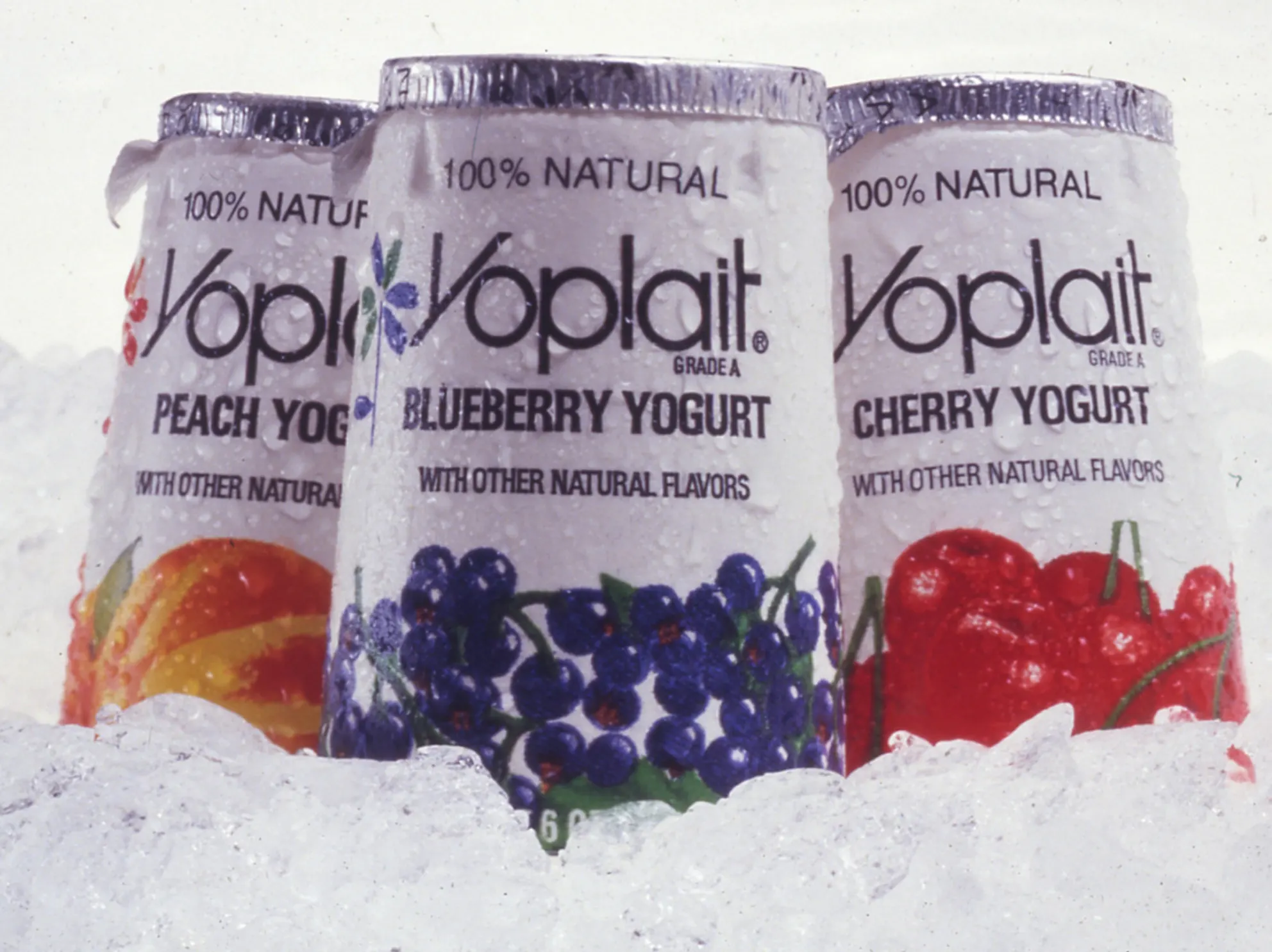
    Yoplait has expanded its Yop drinkable yoghurt brand for teens with a new chocolate variant.

    Pitched as a “permissible treat”, the NPD joins Yop’s existing strawberry and raspberry variants, and will go on sale in Asda from 23 August.

    Yoplait said the new variant contained no colouring and was “ideal for larger families and is great for portion control on the go”.

    The product’s bottles are made from high density polyethelene (PEHD), which Yoplait said was the safest and “most commonly recycled plastic”.

    “Teens love our fruit flavours as the ideal snack or lunchbox addition, so we’re confident they’ll enjoy our new, more indulgent chocolate variant,” said Joanna Goodman, head of marketing (northern Europe) at Yoplait’s current owner General Mills. The brand is in the process of being sold to French dairy co-op Sodiaal.

    “Yop sales have increased by 12.6%, boosting household penetration by 72.6%. We’re confident there is a huge opportunity in the months ahead for dairy drinks, both at-home or whilst on the move as the on-the-go market starts to recover.”

    It comes after the brand announced earlier this week it would shift the standard Yop range away from white PET plastic to clear PET from 2022.

    Yoplait had come under criticism from comedian Joe Lycett over the recyclability of white PET earlier this summer. However, the supplier said it had been working on the packaging improvement in advance of his criticism, with the switch featured this week in his new Channel 4 consumer affairs show Joe Lycett’s Got Your Back.

  • Gelatissimo debuts new gelato pint range in Coles

    Gelatissimo debuts new gelato pint range in Coles

    The frozen food aisle at one major supermarket has just gotten a brand new addition with a popular dessert making its grocery shop debut.

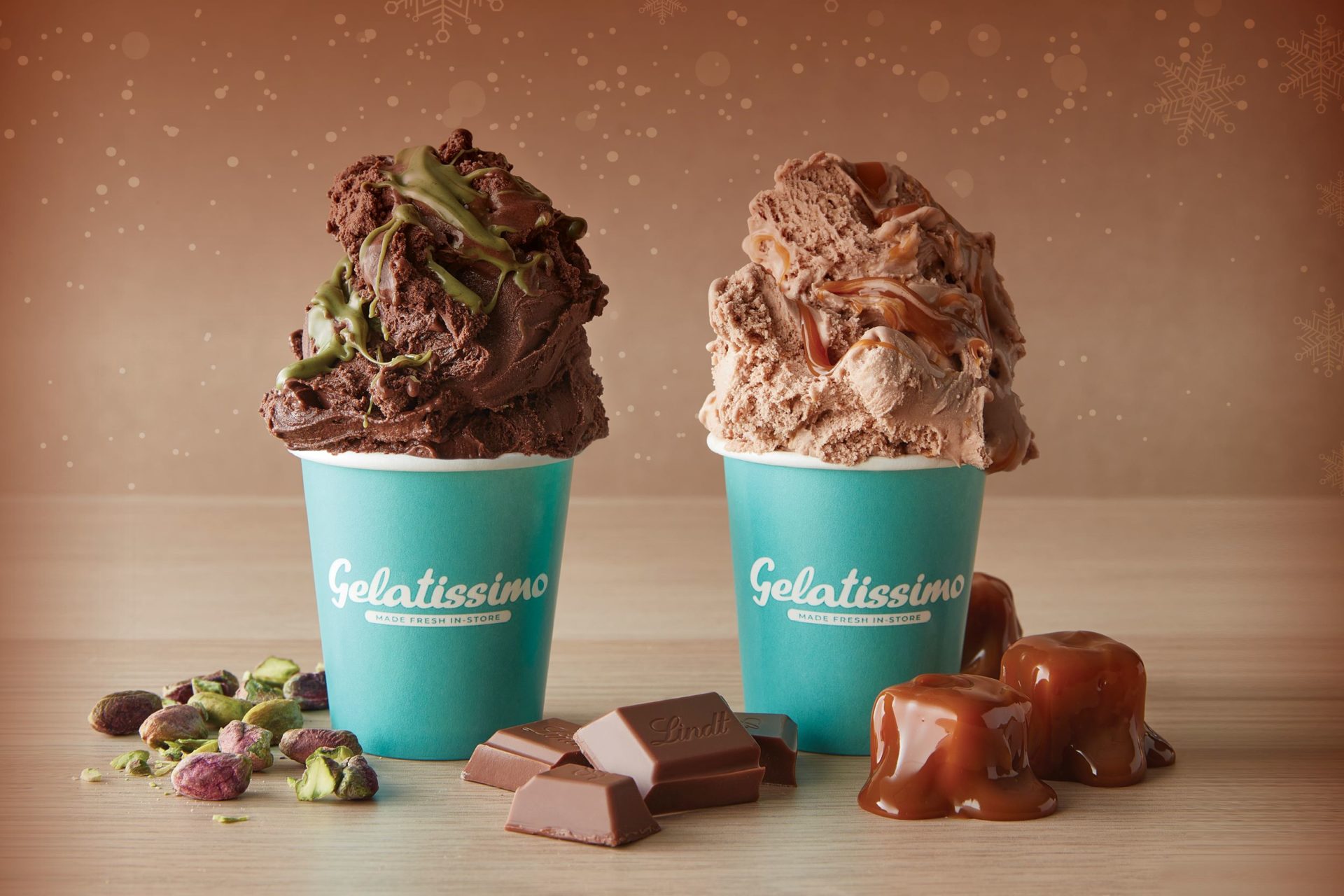
    Ice cream chain Gelatissimo has launched tubs of ice cream that can be picked up at your local Coles supermarket, making some of the brand’s favorite flavors available outside of its own stores for the first time.

    The five flavours will be available from September 28, with a price discount for the first two weeks on shelves.

    The flavours include Caramel Cookie Butter, Cheesecake Swirl, Decadent Chocolate, Peanut Butter Brownie and Italian Hazelnut.

    “We developed this range with our loyal family of customers in mind,” Gelatissimo’s head of product innovation Filiz Kaya said.

    “We looked at our most popular flavours as well as ones that have stood the test of time, then also considered current trends both here and around the world to create this range.”

    The products will be available at Coles.

    Gelatissimo has 42 stores in Australia as well as 26 others around the world.

    It comes as the gelato business celebrates it’s 20th anniversary, with plans for several new stores in Australia by the end of the year.

  • Starbucks opens its 6,000th China store

    Starbucks opens its 6,000th China store

    Starbucks Tuesday celebrated its 6,000th store in the Chinese mainland, located in downtown Shanghai. Shanghai thus became the first city in the world to have 1,000 Starbucks stores, Starbucks China said.

    In 2018, Starbucks announced it would have 6,000 stores on the Chinese mainland by the end of its fiscal year in September 2022. The company achieved that as scheduled despite challenges, including the COVID-19 pandemic.

    Starbucks opened its first store on the Chinese mainland in January 1999 in Beijing.

    The number of Starbucks stores on the Chinese mainland has grown dramatically over the past decade and is expected to grow to 9,000 by 2025, creating 35,000 new jobs, according to the company’s strategic plan released recently. Starbucks China also revealed a plan to set up its first digital technology innovation center on the Chinese mainland over the coming three years.

    A Starbucks coffee creative park in Kunshan, east China’s Jiangsu Province, is expected to be completed and start operating in the summer of 2023.

    Starbucks Tuesday celebrated its 6,000th store in the Chinese mainland, located in downtown Shanghai.

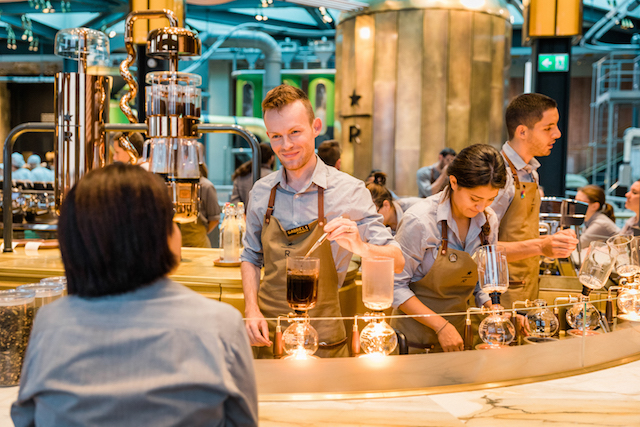
    Staff members work at a Starbucks store in downtown Shanghai, east China, Sept. 27, 2022. Starbucks Tuesday celebrated its 6,000th store in the Chinese mainland, located in downtown Shanghai.

    Shanghai thus became the first city in the world to have 1,000 Starbucks stores, Starbucks China said.

  • Fonterra to retain Australia business, shares long-term strategies

    Fonterra to retain Australia business, shares long-term strategies

    New Zealand dairy giant Fonterra has decided to retain full ownership of its Australian business after a 12-month review, with chief executive Miles Hurrell saying the Australian consumer brands are important in the company’s strategy of moving higher up the value chain.

    Fonterra’s Australian business includes consumer brands Western Star butter, Perfect Italiano, and Mainland cheese. It also operates the Bega cheese brand under a long-standing license arrangement even though Bega Cheese is a rival dairy and food company.

    Mr Hurrell said in an investor briefing on Thursday that Fonterra did not get to the point of putting a value on its Australian business in the review after deciding that retaining full ownership was the best way of driving future growth and value creation.

    “We can do that on our own,” he said. “We looked at a raft of options.”

    Fonterra, a co-operative which is owned by 10,000 farmer shareholders, began the review a year ago. Among the options was a potential public float of the business or a sale of a partial stake. Analysts suggested the IPO could have been worth between $1 billion and $1.2 billion.

    It still intends to make a capital return to its shareholders by 2024, but it may not be as high as the previously foreshadowed return of about $NZ1 billion ($585 million).

    Fonterra is selling its Chilean business Soprole after an ill-timed expansion and has redirected its focus to being a big exporter from NZ.

    Mr Hurrell said the Australian operations were an important part of the group’s overall consumer brands strategy as it sought to move higher up the value chain.

    “The business is going well, and it will play a key role in helping us reach our 2030 strategic targets,” he said.

    Fonterra on Thursday reported its full-year results for the 12 months ended July 31, with normalized net profit up 1 percent to $NZ591 million. Total revenues were up 11 percent to $NZ23.4 billion.

    Mr Hurrell said inflationary pressures curbed profits. Fonterra paid out a record milk price to its farmers of $NZ9.30 per kilogram of milk solids. He said $NZ13.7 billion was injected into the NZ economy from milk price payments.

    The company has made a farmgate milk price forecast for 2022-23 of $NZ8.50 to $NZ10, with a mid-point of $NZ9.25. Mr Hurrell said milk prices appeared to have stabilised for now. “We’ve seen a little bit of stability,” he said

    In 2001, Fonterra Australia and Bega Cheese signed a 25-year exclusive trademark licensing agreement. Fonterra was able to use Bega’s name on natural and processed cheddar cheese, string cheese and butter products sold in Australia. In return, it paid Bega Cheese royalties based on retail sales of these products.

    The licence’s initial term ends in May 2026, but Fonterra has the right to renew as long as it sticks by the contractual rights, which include elements such as managing the Bega Cheese brand responsibly.

    Rich Lister and iron ore billionaire Andrew Forrest’s private family investment unit Tattarang in late July lifted its stake in Vegemite owner Bega Cheese to 11.5 per cent after buying an additional $15 million of shares.

  • PepsiCo expert reveals how to leverage technology to future-proof personalization

    PepsiCo expert reveals how to leverage technology to future-proof personalization

    For years, brands have been perfecting personalization strategies that resonate with consumers and make them feel like individuals. For many B2C brands like PepsiCo, classic personalization has meant plugging simple forms of data like email, names, addresses or recent purchases into outbound channel communications to ensure touchpoints are viewed as timely, relevant and contextual.

    Tim Glomb, VP of Content and Data at Cheetah Digital and Chris Muscutt, Head of MarTech at PepsiCo, recently discussed their take on the use of zero- and first-party data and technology to power effective strategies.

    Personalization marketing tools rushed on the scene more than 15 years ago to help brands engage with consumers in digital channels like web, social and mobile. These tools help brands test out different colors, icons, images and offers on websites to optimize the consumer journey.

    However, they rarely offered any meaningful psychographic intelligence about visitors like their interests, hopes or needs. The cookie apocalypse and browser-based targeting solutions further contribute to the challenge of getting to know the customer, with Google announcing its plans to phase out third-party cookies altogether.

    “Brands have to look at all the different signals they’re receiving from consumers, even the more subtle ones, as the third-party cookie crumbles,” Chris says. “They have to prioritize the useful data in their marketing strategies and then focus on developing those data-collection opportunities. With that, brands can start to build impactful strategies, which can improve the customer journey.”

    Game-changing technologies revealed

    For maximum impact, brands need to invest in and bring together three game-changing marketing technologies, including:

    1. Real-time personalization: This allows brands to learn more about consumers to deliver a better experience every time. It’s about understanding what the consumer intends to do in that specific moment and includes monitoring web interactions as well as mobile SMS, web, app, social, point of sale, etc. This personalization strategy ensures real-time data is captured from these touchpoints and brought back to the platform to be appended to the consumer’s profile.
    2. Journey orchestration: Journeys should be simple in nature; think triggered events or a multi-pronged approach that unfolds over time based on consumer behaviors and preferences. Personalized customer journeys lead to growth in interactions, increasing the likelihood of purchases and conversions.
    3. Intelligent offers: Leveraging the power of machine learning and analytics to score content and determine not only the right offer but the best sequence of offers, time and optimal context and channel is something that can be greatly automated at scale. This can drive efficiency and efficacy.

    To remain competitive in today’s signal-saturated world, brands need to deliver relevant, personalized content throughout the customer journey. According to a new e-Consultancy report, in partnership with Cheetah Digital, entitled ‘2022 Digital Consumer Trends Index: Consumer Attitudes and Trends in Personalization, Privacy, Messaging, Advertising and Brand Loyalty’, consumers are rewarding brands that make personalization a priority. In fact, more than half of the respondents shared that they would trade personal and preference data to feel part of a brand’s community.

    Furthermore, real-time offers and content can be ten times more effective than traditional outbound marketing campaigns.

    With all the “buzz”, Tim says the term personalization is getting thrown around a lot these days, especially with consumers being more aware of privacy than ever before. However, he isn’t convinced that brands are truly grasping the meaning of personalization. And Chris agrees.

    “There’s definitely room to improve efforts,” Chris says. “Making things relevant is one thing, but true personalization is another journey altogether. There can be pockets of both, but they’re not the same thing. That’s where the gaps come — is it personalization, contextualized marketing, or journey planning? Many brands still have a long road ahead before they achieve true personalization.”

    Solving data dilemmas through personalization

    Big organizations like PepsiCo have mountains of data, and it can be hard to find and make sense of it all. While the process improves as technology advances, Chris says, it’s still a struggle to secure insights.

    And he’s not alone. According to a CDP Institute member survey, 63% of marketers can’t assemble unified customer data. Even more, Gartner research reveals that 58% of marketers say integrating customer data is a major obstacle in their multi-channel strategy.

    That’s a problem. With consumers empowered to engage with a brand whenever and however they want – and oftentimes, unpredictably – it’s critical for brands to understand them to build a personalized connection. Why? Because personalized connections lead to better outcomes like increased engagement, customer loyalty and brand advocacy.

    The solution, however, is quite simple. Brands need to have a single, accessible view of the consumer. Customer data resides in systems like analytics, email, mobile, campaign management, point-of-sale and social – areas that weren’t designed to be integrated.

    And while there’s certainly a lot of buzz around relationship marketing and personalization, it’s important for brands to cut through the noise, leverage technology and get to the heart of what truly matters – connecting with and delighting consumers.
  • McDonald’s China launches its first zero-carbon restaurant

    McDonald’s China launches its first zero-carbon restaurant

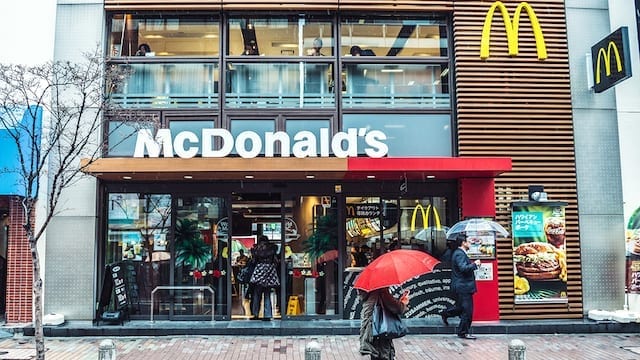
    Leading fast-food chain McDonald’s China opened the company’s first zero carbon restaurant in the Shougang Park in Beijing recently part of its upcoming move to open more new green outlets in the country.

    The McDonald’s Shougang Park restaurant is designed and constructed in line with LEED (Leadership in Energy and Environmental Design) net zero carbon and net zero energy certification standards.

    For a building to be net-zero it must remove as much carbon dioxide from the atmosphere as it emits throughout its lifespan, both in the form of embodied carbon and operational carbon associated with construction, occupation, and eventual demolition.

    Powered by on-site solar panels of over 2,000 square meters, the new restaurant is a milestone for the company’s China unit to achieve net zero carbon emission in the country by 2050. There are about 5000 McDonald restaurants in China.

    “With the scaling up of our business, we are determined to take up more social responsibilities to feed and foster our communities,” said Phyllis Cheung, CEO of McDonald’s China.

    “We will continue to drive high speed and sustainable growth by creating a future where people and the planet will thrive. We will focus on opening more green restaurants and embed green experience throughout consumer journey.”

    McDonald’s China will offer a series of green experience activities to consumers nationwide to advocate low carbon lifestyle, which includes the sealing sticker on the paper bags turning into green colors, or discounted Filet-O-Fish, which uses 100 percent Marine Stewardship Council certified codfish.

    Collaborating with Amap, McDonald’s will provide a cup of free coca cola to the customers who use Amap navigation app and arrive at McDonald’s restaurants by bike or on foot from Sep 20 to Oct 4.

    About 1,600 LEED certified McDonald’s green restaurants will change the color of their location icon on McDonald’s app, enabling over 200 million registered members to find their nearest green restaurant easily.

  • Asia Coffee-Vietnam market tepid ahead of new crop season, low supplies in Indonesia

    Asia Coffee-Vietnam market tepid ahead of new crop season, low supplies in Indonesia

    Coffee trading remained subdued in Vietnam this week due to a lack of beans, with traders awaiting the new crop season that starts next month.

  • Vietnam coffee chain Trung Nguyen Legend makes international debut

    Vietnam coffee chain Trung Nguyen Legend makes international debut

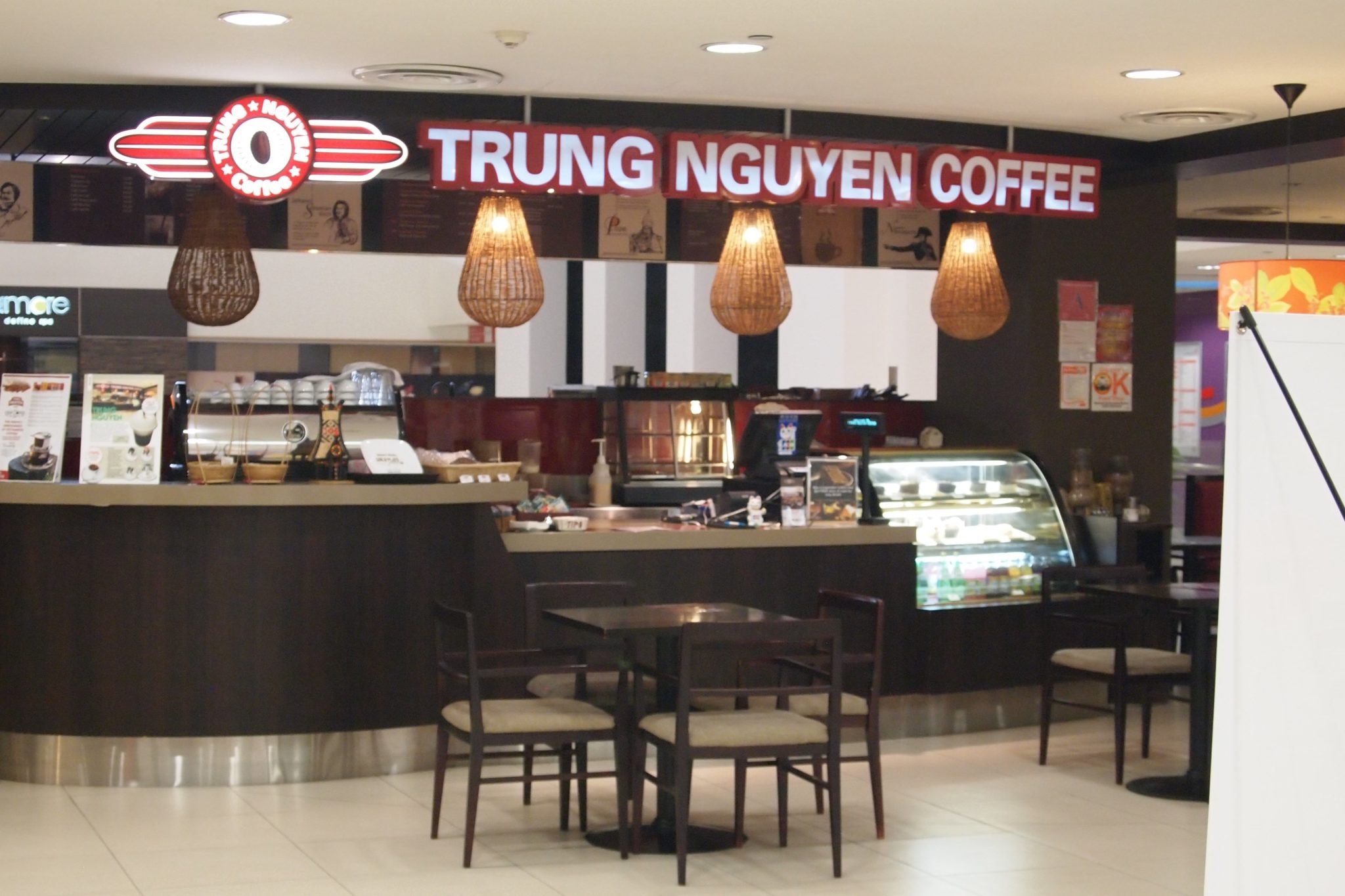
    Vietnam-based coffee chain Trung Nguyen Legend is expanding its footprint in the international market opening its first store in China.

    The coffee shop, which is situated at 699 Nanjing Street in Shanghai, has been in the works since 2018 and intends to provide Chinese clients with a variety of coffee products as well as serving fresh coffee drinks, including the Robusta obtained from one of Vietnam’s well-known highland regions, Buon Me Thuot.

    Trung Nguyen Legend sees the store as a place for artistic and cultural coffee “where the three most prevalent world coffee civilisations come together”. Customers can experience the three coffee cultures the company has identified and showcases in its flagship Vietnam stores: Ottoman, Roman and Zen.

    The Shanghai location recreates a Vietnamese-themed coffee shop, through its architectural style, display graphics, and menus that combine elements of Vietnamese and local culture.

    The store features some well-known designs and traditional materials from Vietnam, such as ceramics, bamboo and rattan kitchenware, volcanic rock, red basalt soil, and typical conical motifs of Vietnamese culture.

    A renowned household name in Vietnam since its establishment in 1996, Trung Nguyen Legend FMCG products are available in more than 60 countries. The brand claims China is its second-largest market in the online coffee business, and Legend’s G7 has become the most well-known instant coffee brand due to its distinctive flavour.

    The Trung Nguyen brand has appeared on cafes outside Vietnam before, with stores in Singapore prior to the advent of the Legend brand extension. This is the company’s first foray as a premium cafe brand.

    Research from Statista shows the number of coffee chains entering China has increased in recent years, with their market share likely to grow. Starbucks is by far the largest fresh-ground coffee seller in China, with more than 5000 locations across the country.

  • South Korea’s franchise BHC Chicken to enter Malaysia and Singapore

    South Korea’s franchise BHC Chicken to enter Malaysia and Singapore

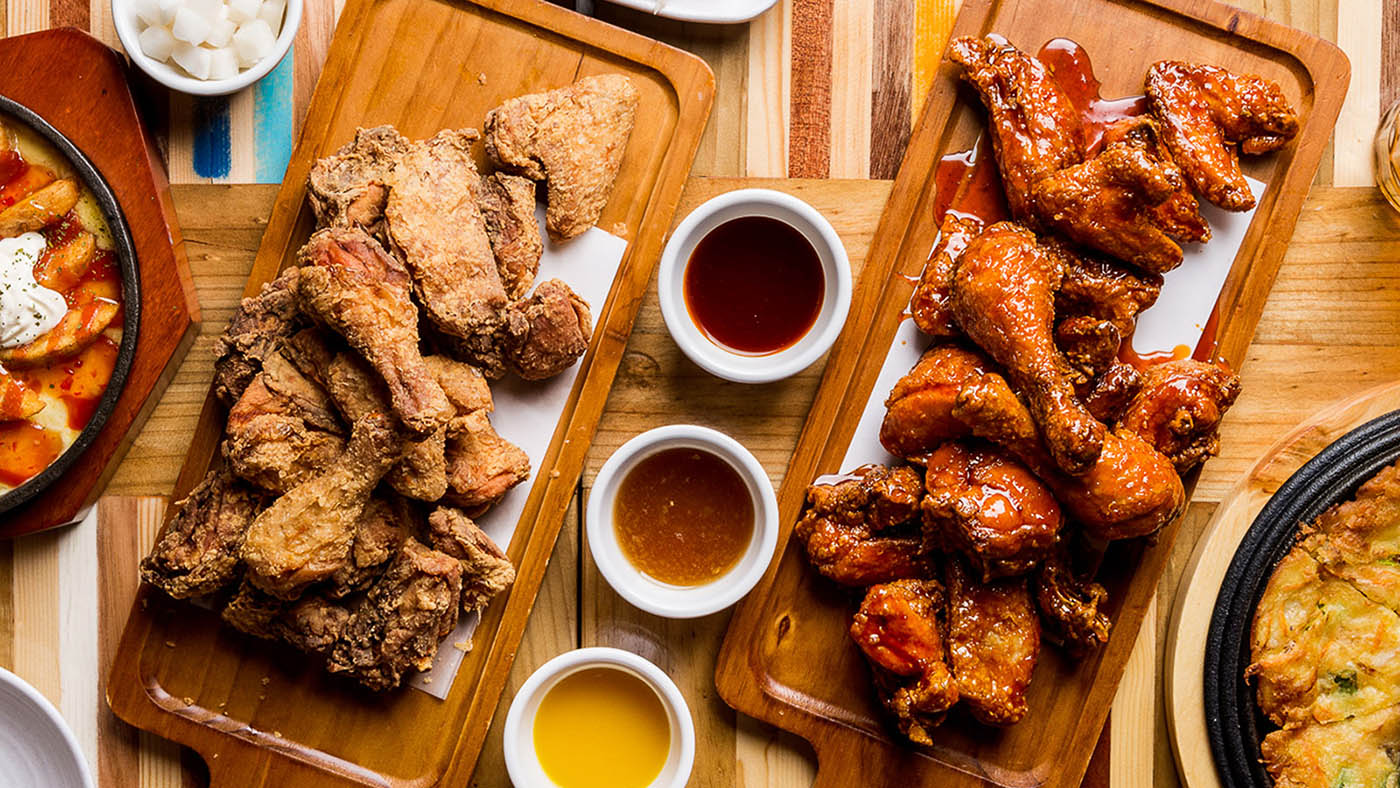
    South Korea’s second-largest chicken franchise by sales, bhc Group, said Tuesday it will open its third store in Malaysia next month as part of its strategy to expand into Southeast Asia.

    The new restaurant, which is set to open in a shopping complex located inside the capital of Kuala Lumpur, will be operated by a local logistics company under a master franchise agreement, it said.

    This is the third overseas restaurant by the South Korean chicken franchise company. The group operates two bhc chicken restaurants in Hong Kong. The chicken franchise also said it is in talks with a retail company in Singapore to open a bhc chicken restaurant in the city-state by April next year.

    “With our bhc chicken taking the lead, our ultimate goal is to promote Korean food and culture globally by bringing our various restaurant brands to other countries,” an official from the company said.

    Bhc operates a host of restaurant brands including the fried chicken franchise bhc chicken, Korean barbecue franchise Chango 43 and Outback Steakhouse.

    The company is also the South Korean operator of San Francisco-based Super Duper burgers, which is set to open the first Seoul store in October.