Retail News Asia is committed to providing both local and global retailers with the latest Food and Food & Beverage news throughout the Asian market. This on a daily base.
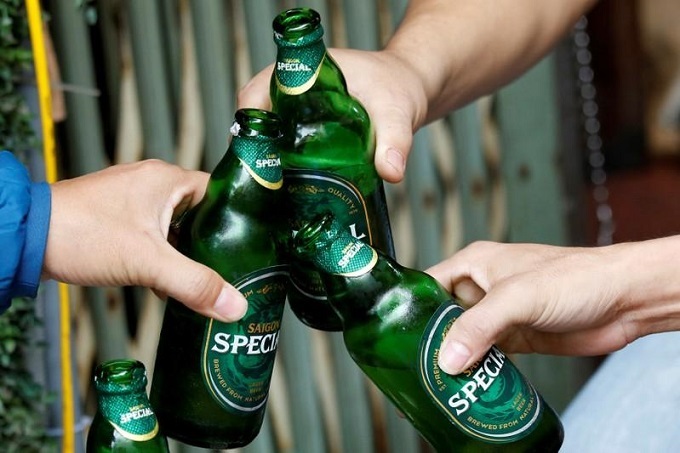
Vietnam’s biggest brewer Sabeco gained after-tax profits exceeding VND4.42 trillion ($1=VND24,800) in the first nine months of 2022, a year-on-year surge of 75%.
Sabeco’s revenues surpassed VND25.1 trillion, up 44% on-year, according to its latest financial statements. Meanwhile, the firm spent over VND1.8 trillion on advertisements and promotions.
In the third quarter, Sabeco made revenues of over VND8.635 trillion, doubling last year’s figures, and after-tax profits of more than VND1.3 trillion, nearly treble the previous amount.
Bao Viet Securities said the brewer’ beer selling prices would increase 10% this year against 2021, amid room for Vietnam’s beer industry to grow.
The country produced over 4.3 billion liters of beer in the first nine months, up nearly 36% against the same period last year, and up 15.5% against the same period of 2019, the pre-Covid period, according to the General Statistics Office.
Vietnam is the biggest beer consumer in Southeast Asia and the ninth biggest in the world, according to Japanese drinks company Kirin Holdings, with demand likely to grow further as a large young population reaches adulthood, Nikkei reported.
Indonesian coffee chain Kopi Kenangan has launched its first store in Malaysia under the name Kenangan Coffee.
The store, which sells the brand’s exclusive coffee drinks, is situated in the Kuala Lumpur shopping centre Suria KLCC. This is a part of the company’s strategy for international growth, and co-founder and CEO Edward Tirtanata said Malaysia would have 100 new stores by the end of the first quarter of next year.
There are four locations under the construction including Sunway Pyramid, Pavilion KL, MyTown Cheras and NU Sentral KL. All will be launched at the end of this year.
According to Statista, Malaysia’s Coffee segment is expected to generate US$1.296 billion in revenue this year and the market is anticipated to increase by 7.28 per cent annually (CAGR 2022-2025).
Warm beverages such as tea and coffee have long been a part of the majority of Malaysians’ daily lives. The growth of global retail coffee companies like Starbucks and The Coffee Bean, The Tea Leaf, as well as regional coffee shop brands like OldTown White Coffee, can also be attributed to the rise in popularity of coffee among young people.
Tirtanata told local sources that Malaysia is the brand’s first international market due to its steady expansion in coffee culture, particularly the grab-and-go trends, and the similarities between Malaysians and Indonesians in terms of taste preferences and openness to trying new things
Kopi Kenangan is also eyeing to make a debut in three or four Asian markets in the future. Last year, the brand raised $96.1 million in a Series C funding round, helping its chain be valued at more than $1 billion.
Founded in 2017 by Edward Tirtanata, James Prananto and Cynthia Chaerunnisa, the F&B chain Kopi Kenangan operates 850 stores in 64 cities across Indonesia. It has increased the variety of its products by launching Kenangan Manis, Chigo, and Cerita Roti.
Starbucks India has opened its first flagship Reserve store in Mumbai, Maharashtra. The 5200sqm Starbucks Reserve Fort Mumbai sells beverages, food and Reserve merchandise, such as black and gold mugs and tumblers with the Starbucks Reserve trademark. The flagship is decorated with a contemporary colour scheme and a Starbucks Siren made by two local artists from Mumbai, Sonal Vasave and Makarand Narkar. Customers can scan the nearest QR code with their Instagram camera to view the painting.
The flagship is decorated with a contemporary colour scheme and a Starbucks Siren made by two local artists from Mumbai, Sonal Vasave and Makarand Narkar. Customers can scan the nearest QR code with their Instagram camera to view the painting in augmented reality (AR).
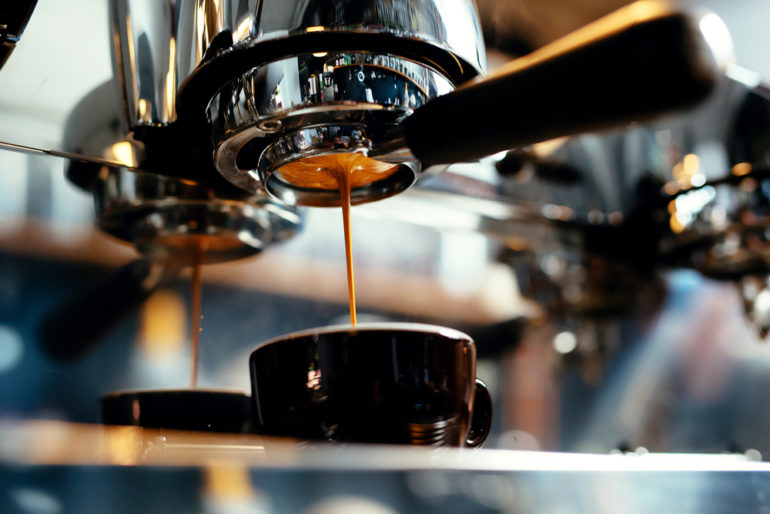
In addition, there is a Black Eagle espresso machine in the store and Starbucks says customers can experience the “most exquisite and rarest coffees” in the world, such as Bolivia Sol de la Mañana, Rwanda Sholi and Sumatra Kerinci.
In 2012, Starbucks made its debut in India as part of a collaboration with Tata Consumer Products. Tata Starbucks, a joint venture between two companies, now runs more than 300 locations nationwide and expanded into 14 new cities this year.
“For 10 years, Starbucks has been elevating coffee craftsmanship and bringing unique experiences to our customers in India,” said Tata Starbucks CEO Sushant Dash.
“We value the strong connections we have with our customers and will continue to innovate and develop to enhance India’s coffee culture. Starbucks Reserve is a selection of the rarest, most extraordinary coffees Starbucks has to offer, and transports customers and coffee aficionados to an immersive and personalised coffee journey.”
Tata Starbucks opened its first stores run entirely by women in 2020, with the goal of expanding opportunities for female partners. That program has grown to 15 locations throughout the country
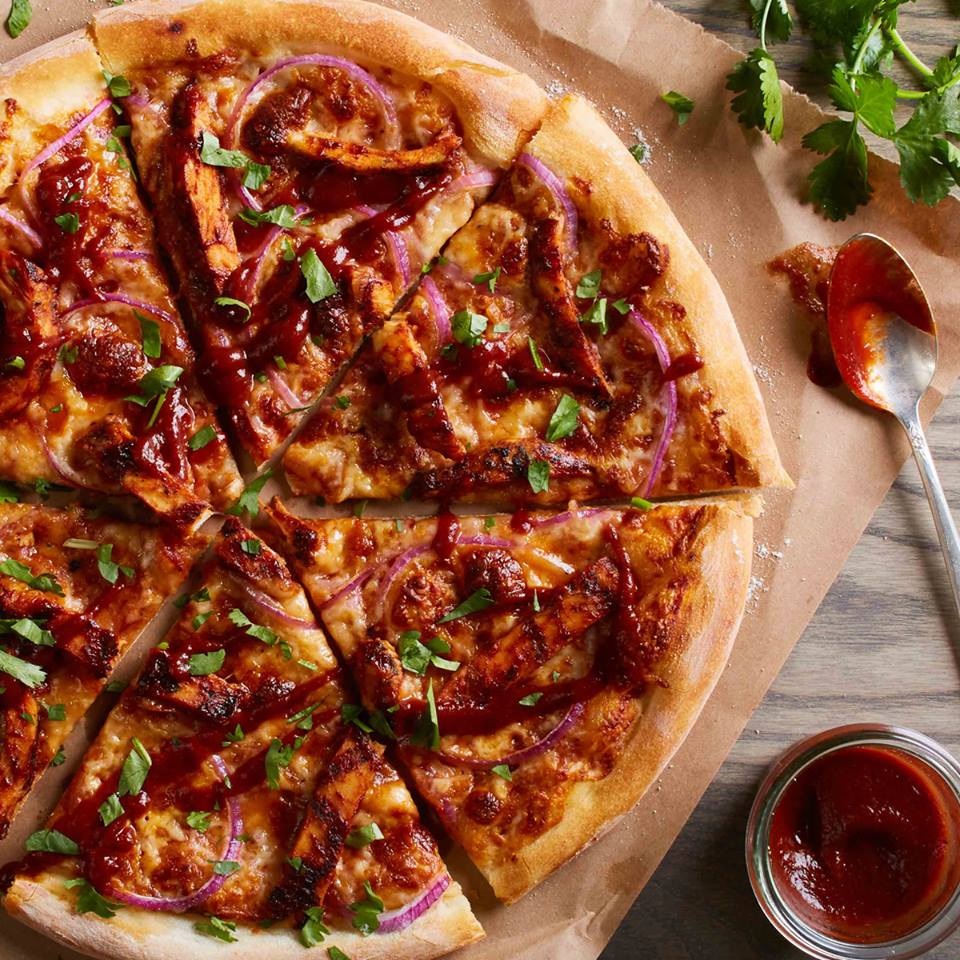
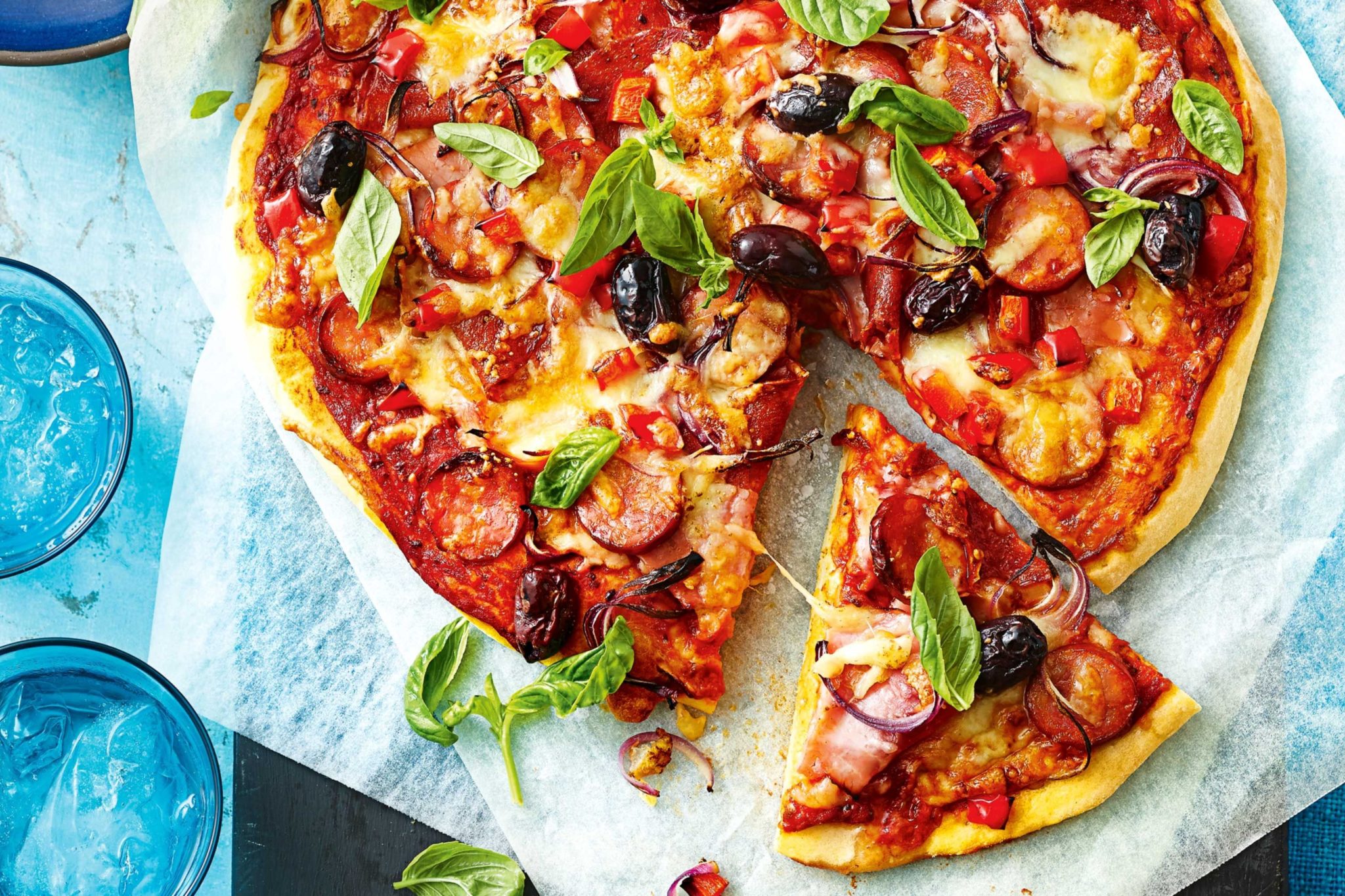
South Korea-based pizza chain GoPizza has bagged US$25 million in a series C funding round to fuel its expansion plan in India.
The round was co-led by GS Ventures, CJ Investment, Mirae Asset Securities, NCore Ventures, Woori Bank, Capstone Partners, Big Basin Capital, DS Asset Management, and Pureun Investment.
“The funding raised will allow us to massively scale our operations across the country and further cement our position in the Indian market…,” said Mahesh Reddy, CEO at GoPizza India. “Our plan is to launch 100 stores by next year.”
The brand currently has 15 stores in the country and plans to increase its store number to 25 by the end of the year. Reddy added the fund will also be used to implement technologies in all outlets in India.
“India is a key market for us and a majority of the investment will be directed to the Indian market,” said Jae Won Lim, founder and CEO of GoPizza.
Known for its one-person, oval-shaped, fire-baked pizza with quick serving speed and affordable price, GoPizza operates 160 outlets across South Korea, Singapore, Indonesia, India, and Hong Kong.
The pizza chain also aims to expand into new markets, including Thailand, Vietnam, Malaysia and the US.
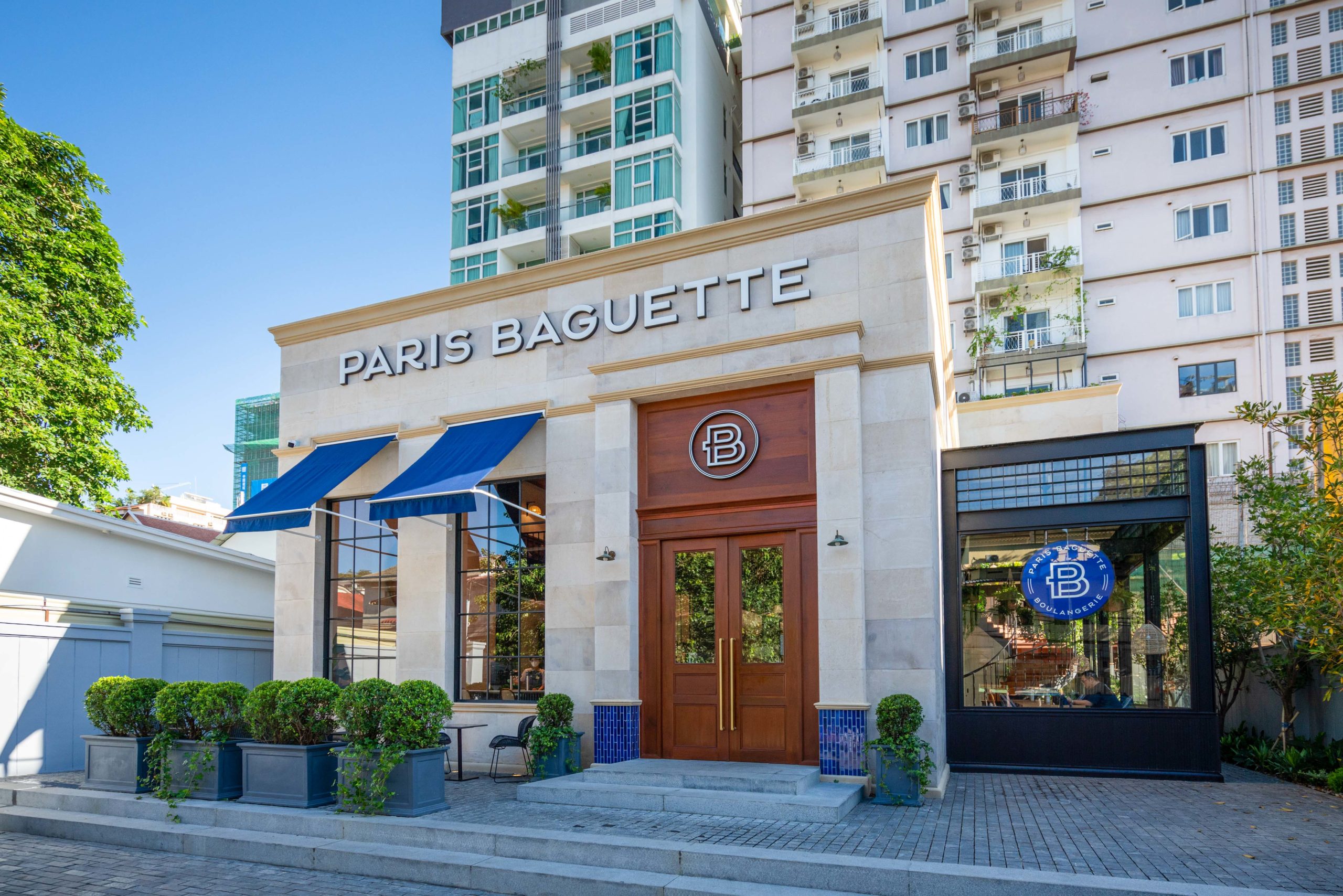
SPC Group has launched its first Paris Baguette store in the UK, as part of its expansion strategy in the European market.
The first Paris Baguette UK store is located on the first floor of the River Thames’s Battersea Power Station in London and has a retail space of 276sqm. SPC plans to open 20 bakery franchises there by 2025, with Europe as one of its key markets.
The company intends to open its second UK store in Kensington High Street, London, next month.
Paris Baguette UK offers the brand’s products such as tarts, eclairs, chiffon cream cakes, sandwiches and salads. SPC reports it will introduce some other types of bakery products to meet the local tastes.
SPC added three new Paris Baguette stores in Paris earlier this month, taking its store count in the city to five since the first opened in 2014.
Paris Baguette currently has more than 4000 locations worldwide, with locations in China, Vietnam, Korea, Singapore, and the US. The bakery brand was founded in 1988 and has gained popularity in Asia as a result of the K-movie wave.
According to Statista, bread is a staple food consumed significantly by a large proportion of the UK population. The bread market in the UK generated a revue of approximately US$6.9 billion in 2020, with the figure expected to rise to approximately $7.4 billion dollars by 2026.
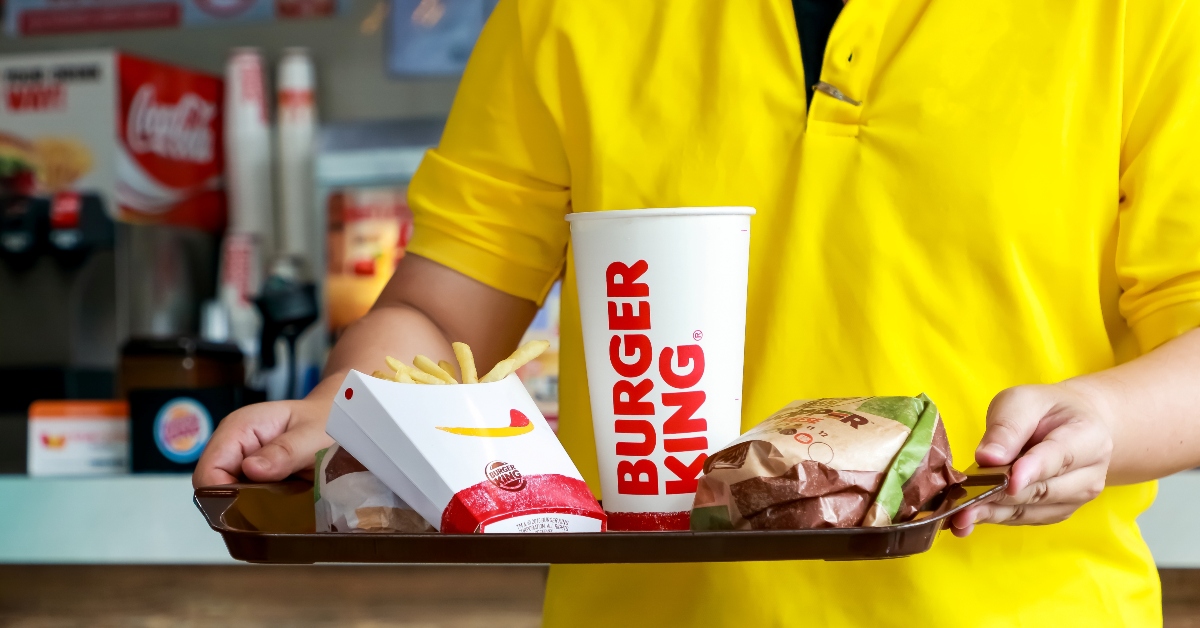
Private equity firm Everstone Capital is considering selling its stake worth $314 million in Restaurant Brands Asia Ltd, the master franchisee of Burger King in India and Indonesia, two sources with knowledge of the matter told Reuters.
The Singapore-headquartered buyout firm is in talks with one adviser to explore the sale, the sources said, declining to be identified as the matter is private.
Everstone Capital, through its investment vehicle QSR Asia Pte Ltd holds a 40.9 per cent stake in Restaurant Brands, according to Refinitiv data.
Everstone Capital declined to comment and Restaurant Brands Asia did not respond to Reuters queries seeking comment.
Restaurant Brands Asia had a market value of $768 million based on Friday’s price of 129 Indian rupees. Its shares have jumped 49 per cent from a record low struck in mid-May.
The potential sale comes at a time when consumer spending is rebounding following the easing of coronavirus restrictions in India and Indonesia, which have helped boost their second-quarter economic growth to their fastest pace in a year.
India’s economy grew 13.5 per cent on-year in April-June, while Indonesia’s expanded 5.44 per cent.
Restaurant Brands Asia, formerly known as Burger King India Ltd, was incorporated in 2013 following a partnership formed between Everstone and Burger King Worldwide Inc to develop the fast-food chain’s presence in India.
Everstone Capital is the private equity arm of Everstone Group, which manages over $7 billion in assets.
The private equity firm focuses on the mid-market and invests in businesses focused on India and Southeast Asia.
Mumbai-based Restaurant Brands Asia has since grown to operating 315 restaurants in the country as of end-March this year, according to its latest annual report.
Restaurant Brands Asia holds Burger King’s exclusive national master franchisee in India and Indonesia, where it also owns and operates 177 restaurants as of end-March, the annual report shows.
Under the master franchisee agreement, Restaurant Brands Asia has agreed to develop and open at least 700 restaurants by the end of 2026 in India, according to the annual report.
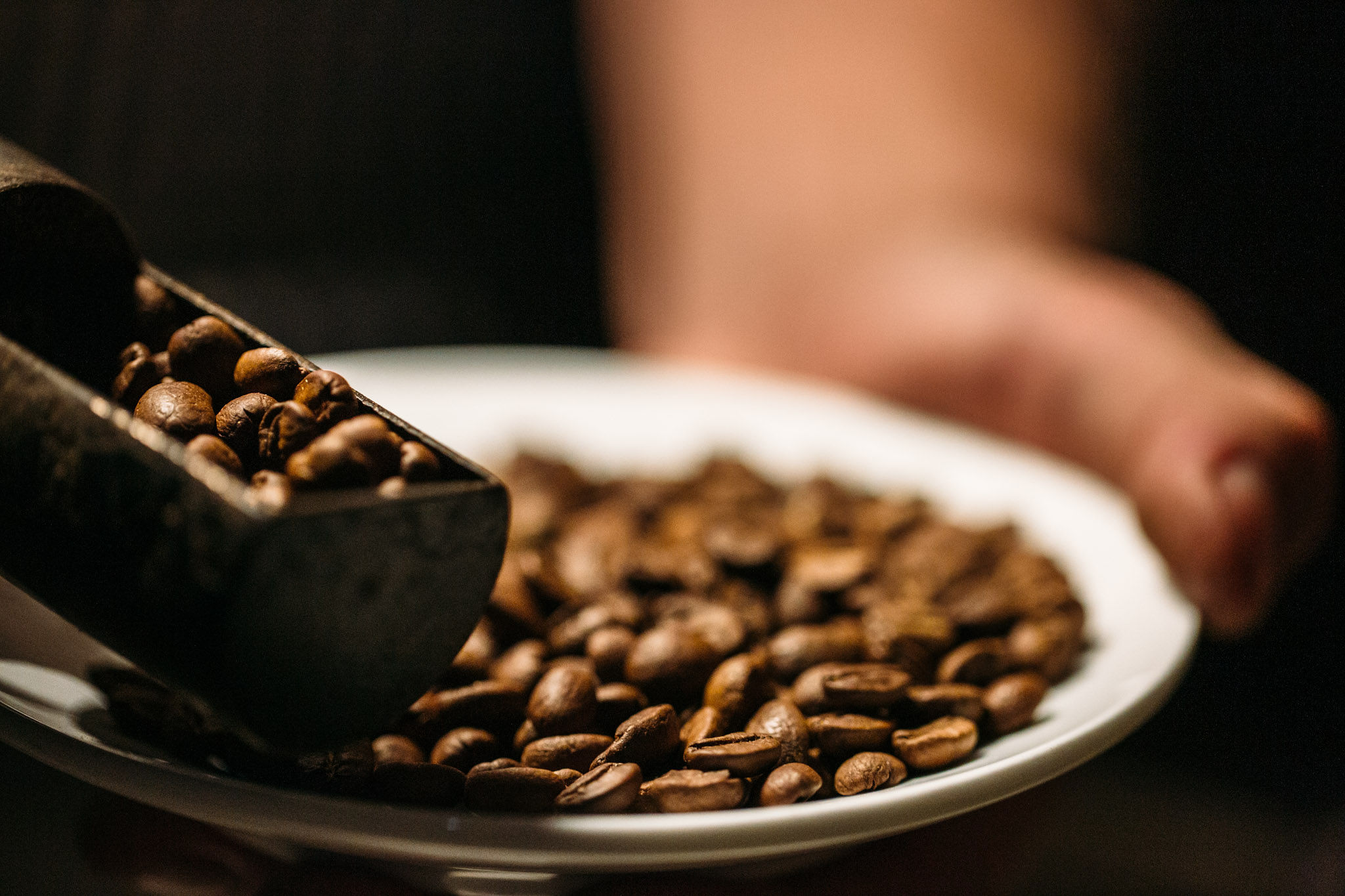
Coffee may be a major casualty of a hotter planet. Even if currently declared commitments to reduce emissions are met, our new research suggests coffee production will still rapidly decline in countries accounting for 75% of the world’s Arabica coffee supply.
Arabica coffee is one of two main plant species we harvest coffee beans from. The plant evolved in the high-altitude tropics of Ethiopia, and is hypersensitive to changes in the climate.
Our research shows there are global warming thresholds beyond which Arabica coffee production plummets. This isn’t just bad news for coffee lovers – coffee is a multi-billion dollar industry supporting millions of farmers, most in developing countries.
If we manage to keep global warming below 2℃ this century, then producers responsible for most global Arabica supply will have more time to adapt. If we don’t, we could see crashes in Arabica productivity, interruptions to supply, and price hikes on our daily cup.
Most of our Arabica is grown in the tropics, throughout Latin America, Central and East Africa and parts of Asia. Brazil, Colombia and Ethiopia are the world’s top three producers of Arabica, and the crop has crucial social and economic importance elsewhere, too.
Millions of farmers, mostly in the developing world, depend on productive Arabica for their livelihood. If coffee productivity declines, the economic consequences for farmers, some of which do not earn a living income as it is, are dire.
Arabica coffee is typically most productive in cool high elevation tropical areas with a local annual temperature of 18-23℃. Higher temperatures and drier conditions invariably lead to declines in yield.
Last year, for example, one of the worst droughts in Brazil’s history saw coffee production there drop by around one-third, with global coffee prices spiking as a result.
Previous research has focused on how changes in temperature and rainfall affect coffee yields. While important, temperature and rainfall aren’t the best indicators of global Arabica coffee productivity. Instead, we found that it’s more effective to measure how dry and hot the air is, which we can do using “Vapour Pressure Deficit”.
Vapour pressure deficit tells us how much water gets sucked out of a plant. Think of when you walk outside on a hot, dry day and your lips dry and crack – the moisture is being sucked out of you because outside, the vapour pressure deficit is high. It’s the same for plants.
We built scientific models based on climate data that was linked to decades of coffee productivity data across the most important Arabica producing countries. We found once vapour pressure deficit gets to a critical point, then Arabica coffee yields fall sharply.
This critical point, we found, is 0.82 kilopascals (a unit of pressure, calculated from temperature and humidity). After this point, Arabica yields start falling fast – a loss of around 400 kilograms per hectare, which is 50% lower than the long-term global average.
Vapour pressure deficit thresholds have already been exceeded in Kenya, Mexico and Tanzania.
Unabated global warming will see the world’s coffee producing powerhouses at risk. If global warming temperatures increase from 2℃ to 3℃, then Peru, Honduras, Venezuela, Ethiopia, Nicaragua, Colombia and Brazil – together accounting for 81% of global supply – are much more likely to pass the vapour pressure deficit threshold.
While there are ways farmers and the coffee industry can adapt, the viability of applying these on a global scale is highly uncertain.
For example, irrigating coffee crops could be an option, but this costs money – money many coffee farmers in developing countries don’t have. What’s more, it may not always be effective as high vapour pressure deficits can still inflict damage, even in well-watered conditions.
Another option could be switching to other coffee species. But again, this is fraught. For example, robusta coffee (Coffea canephora) – the other main species of production coffee – is also sensitive to temperature rises. Others, such as Coffea stenophylla and Coffea liberica could be tested, but their production viability at large scales under climate change is unknown.
There is only so much adapting we can do. Our research provides further impetus, if we needed any, to cut net global greenhouse gas emissions.
Limiting global warming in accordance with the Paris Agreement is our best option to ensure we can all keep enjoying coffee. More importantly, keeping global warming below 2℃ is the best way to ensure the millions of vulnerable farmers who grow coffee globally have a livelihood that supports them and their families well into the future.
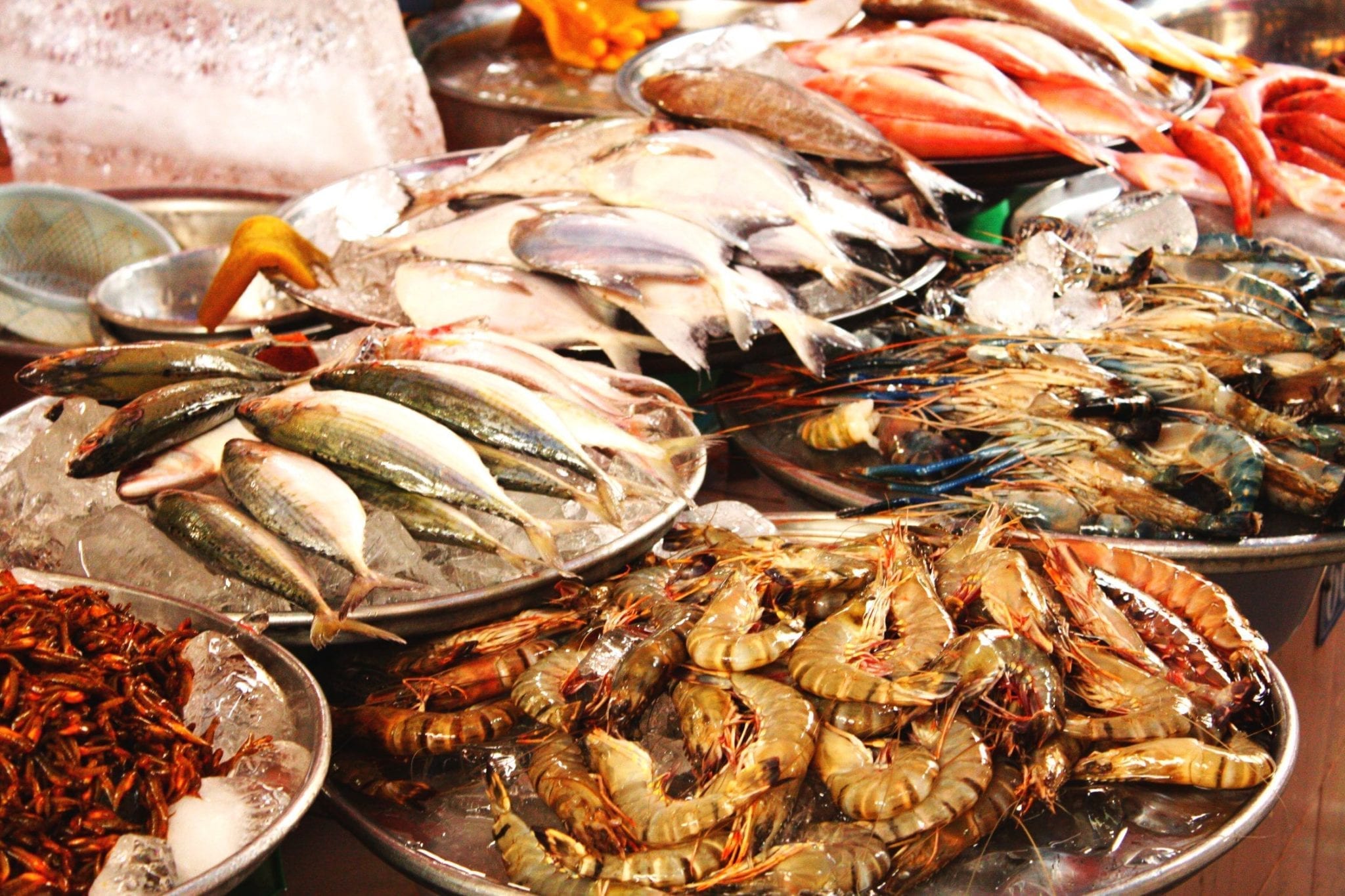
Vietnam’s tra fish exports to Southeast Asia exceeded US$152 million in the first nine months of this year, a year-on-year increase of over 83%.
Higher transport costs due to rising fuel prices caused exporters to opt for closer destinations, the Vietnam Association of Seafood Exporters and Producers (VASEP) said, adding that Thailand, Singapore, Malaysia, and the Philippines are the biggest markets for Vietnamese tra fish among the ASEAN nations.
Shipments to Thailand, Singapore, Malaysia, and the Philippines increased by 81%, 56%, 114%, and 92%.
Exports to Laos, Cambodia, Myanmar, and Indonesia rose by two to four times.
ASEAN countries would import more tra fish and become fish and become than the EU soon, VASEP predicted.
Overall tra fish exports were worth nearly US$1.97 billion in the first nine months, up 83.3%, according to the General Department of Vietnam Customs.
Its biggest markets were the U.S., China and the EU.
Rising global inflation caused sales of two major seafood exporters Vinh Hoan and Sao Ta to plunge as consumers in their main markets tighten spending.
Vinh Hoan, a pangasius export giant, saw September revenue plunging 28% from August to VND917 billion ($37.96 million), its biggest decline in eight months. Exports to the U.S. dropped 37% year-on-year and to China, 52%.
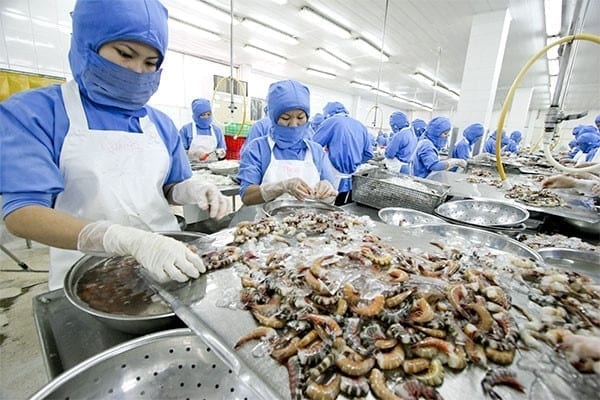
Sao Ta, a shrimp exporter, saw sales falling 10% from August to $19.8 million, its second monthly decline in a row. The financial figures of the two companies reflect the difficulties Vietnam’s seafood industry are facing.
Seafood exports fell to a seven-month low of $850 million in September, according to the Vietnam Association of Seafood Exporters and Producers (VASEP). This is because of declining consumption in the U.S., EU, China and the U.K., which have been recorded since July.
Shrimp exports reached $350 million, up 13% year-on-year, the slowest growth rate among major seafood products.
Analysts of ACB Securities said shrimp is considered a high-end product and during difficult times consumers tend to switch to cheaper protein.
Sao Ta leaders forecast that there would not be any major breakthrough in sales for the remaining months due to rising global inflation. They, however, are confident that the company’s earnings targets will be achieved.
Thanks to strong recovery in the first half year, VASEP forecasts that Vietnam’s seafood exports would reach this year’s target of $11 billion by the end of November.
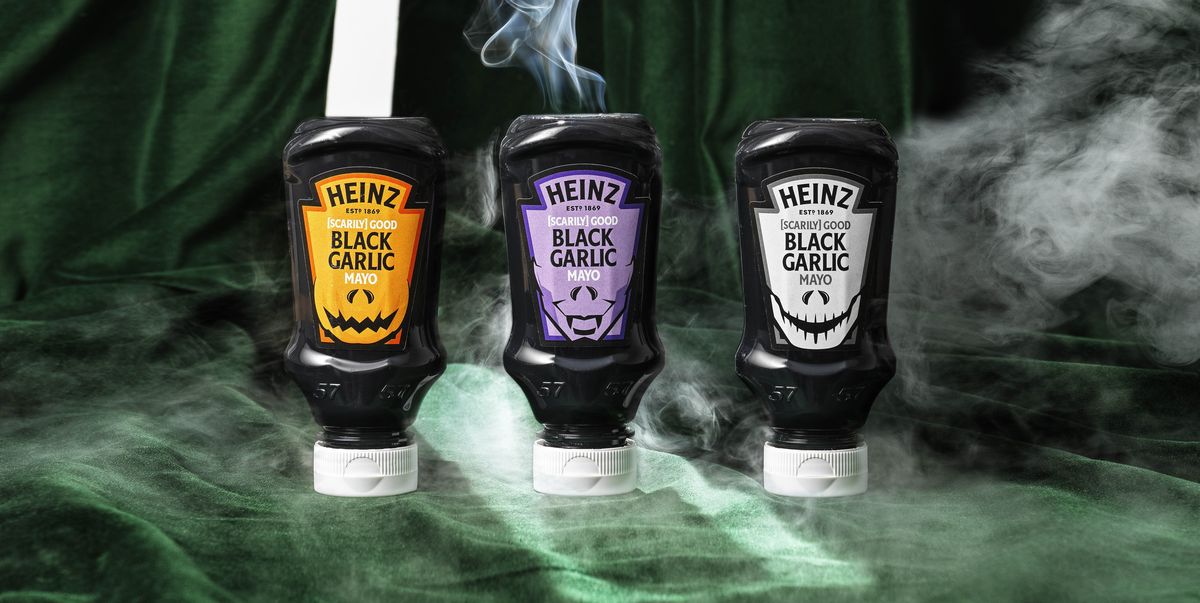
It’s well and truly the scary season, and Heinz’s newest sauce is set to get you in the Halloween mood, one dip at a time. Launching the [Scarily] Good Black Garlic Mayo, Heinz have found a way for you to incorporate all things spooky into all your meals throughout October and maybe even into November, because it’s that good.
Arriving in three limited-edition collectible designs, the Black Garlic Mayo is rich, tangy and slightly sweet and umami-packed, making it a fang-tastic accompaniment to your dinners. The best part about this jet-black condiment though, is that it’s vegan! It’s safe to say that it’s definitely a treat.
A Kraft spokesperson said: “We are un-boo-lievably excited for Heinz fans to get their hands on our newest, fang-tastic [Scarily] Good Black Garlic Mayo. This new product is the perfect way to embrace the spooky season, suitable for all audiences, even vampires! Don’t miss out on this limited batch.”
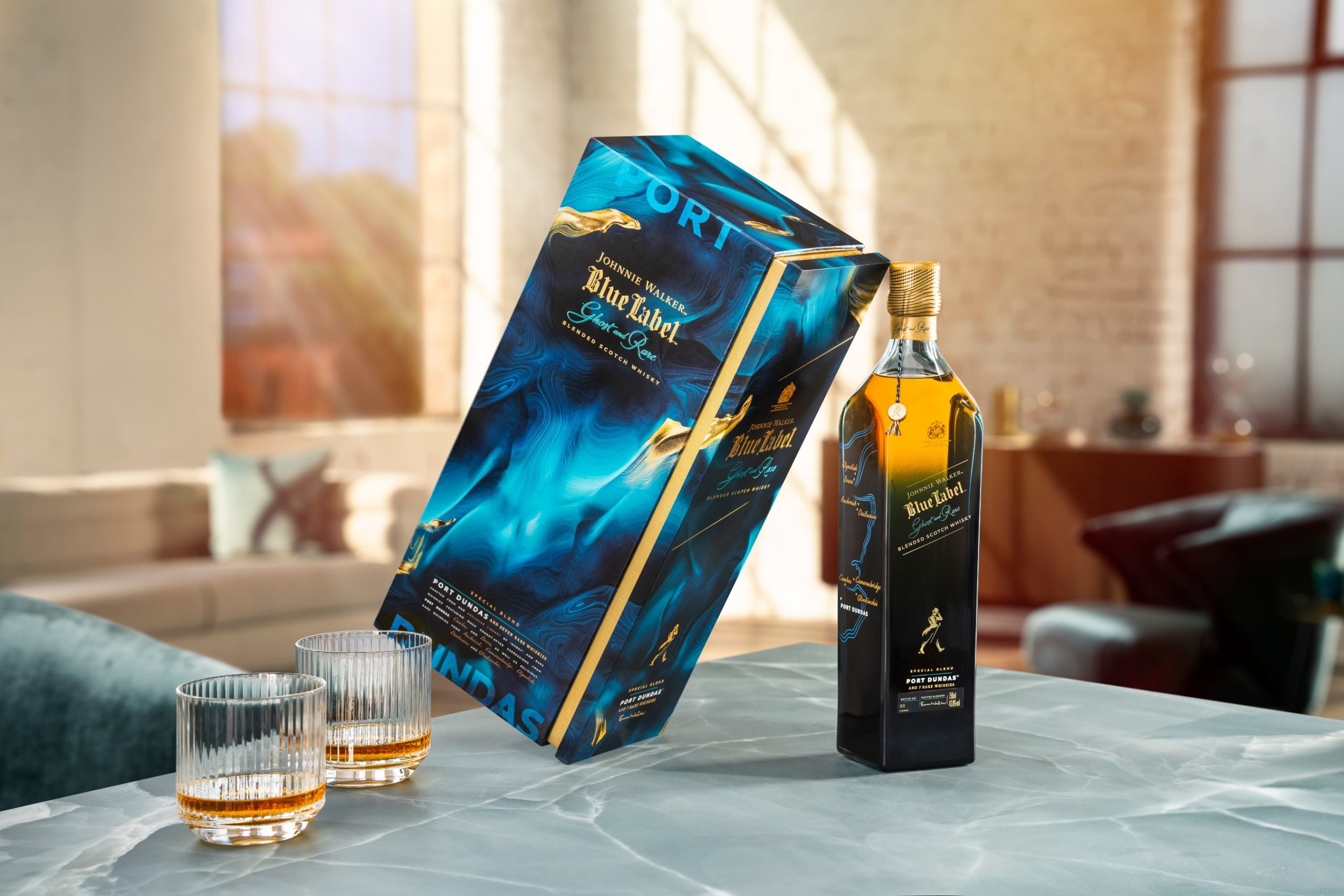
Christmas is just around the corner. Get ahead on your shopping for all the nice people who have been good to you this year. If you’re looking for something classy, boozy, and rare, to give to a special someone, a quality bottle of liquid gold is always a good choice. And the good news is, starting today, you’ll be able to purchase the fifth edition of Johnnie Walker Blue Label Ghost and Rare in Hong Kong. Give the gift of rare whiskies from one of the world’s most famous grain whisky distilleries with more than 100 years of distilling history.
This new release marks the first Ghost and Rare expression from Johnnie Walker master blender Emma Walker following the releases of Johnnie Walker Blue Label Ghost and Rare Pittyvaich in 2021, Johnnie Walker Blue Label Ghost and Rare Glenury Royal in 2019, Johnnie Walker Blue Label Ghost and Rare Port Ellen 2018, and Johnnie Walker Blue Label Ghost and Rare Brora 2017.
Port Dundas closed its doors in 2010 and its precious and dwindling stocks of whisky can only be found in special bottlings like this latest release from Johnnie Walker. This new bottling explores the creamy, wood notes of Port Dundas blended with the vanilla and soft smoke from other ‘ghost’ whiskies of Cambus and original stocks of Brora.
Johnnie Walker Blue Label Ghost and Rare Port Dundas (43.8% abv, 750ml) is available for $2,860,
Velocity Ventures, Southeast Asia’s leading venture capital firm focused on helping travel and hospitality solve industry challenges will be the anchor investor for Hyper Food Robotics (Hyper), an Israel-based firm that will debut its first fully autonomous robotic pizza kitchens in 2023.
With Hyper’s autonomous robotic kitchens, it takes 8 mins to cook a pizza for the end-to end process and the kitchen can produce up to 120 pizzas per hour. An unmanned kitchen can operate three times more efficiently as compared to a human-staffed kitchen by reducing overheads for labour and rental costs, and also minimising food waste. The modular units are easy to transport ensuring ease of scalability. Using AI technology, the robotic kitchen is able to ensure consistency in food quality and safety standards.
Hyper is the brainchild of Udi Shamai, Yariv Reches and Harel Shafran. CEO Udi is a well-known entrepreneur and owner of Pizza Hut Israel with over thirty years of managing fast food restaurants. Faced with rising labour costs and challenges to recruit kitchen crew, Shamai decided to explore how robotics and automation could alleviate the persistent problems of manpower shortage. He decided to bring together a team of experts in the fields of food, robotics, and mechanics to design a fully autonomous store that can increase efficiency and reduce reliance on a human workforce in the food services industry.
The goal is to design a self-contained total solutions robotic box kitchen for fast food restaurants which will replace an entire restaurant kitchen and automate the entire process from food preparation to cooking and even packing the food for delivery without the need for any kitchen crew to be involved. With modular autonomous kitchens, clients can essentially operate off-premises food services using a “plug and play” boxed kitchen, ensuring ease of scalability while maintaining manufacturing costs are kept economical. Shamai is also committed to ensure that quality assurance and food quality is not compromised.
Nicholas Cocks, Managing Partner of Velocity Ventures said: “We are excited to be investing in the Future Restaurant Kitchen as we know that restaurants all around the world are facing a manpower crisis. Our strategic roadmap at Velocity Venture is to identify and propel startups that will solve problems faced by businesses in the hospitality and travel industry. Hyper’s robotic kitchen will be tomorrow’s disruptive technology for the food services industry as labour shortage challenges escalate because more people now shun back-of-house operations jobs. Automation and robotics can help companies achieve lower labour costs and improve productivity by taking over repetitive tasks in the kitchen, allowing restaurants to redeploy their employees to other parts of the business that will improve the customer experience.”
Udi Shamai , CEO and Co-founder of Hyper Food Robotics “Having Velocity Ventures come onboard as our anchor investor is a major milestone for the team at Hyper. We debuted our pilot store in October 2021 in Israel with Pizza Hut introducing a robotic kitchen that can prepare and cook pizzas and side dishes. We envision exciting times ahead as we grow and scale globally with the right partners. We aim to launch Hyper “robotic box kitchens” internationally by next year which will be a gamechanger for any food services operator wanting to deploy a cloud kitchen in which all automated technology and production zones are packed within a self-cleaning shipping-container-like unit.”
Velocity Ventures is the most proactive investor in the travel and hospitality tech space in Southeast Asia and including Hyper, has seven portfolio companies. The firm also aims to make ten additional investments in the sector by Q4 2023.
FGE Worldwide Senior Vice President William Peecher (L) shakes palms with Hanwha Galleria Director Kim Dong-seon after signing an settlement at a lodge in Seoul on Wednesday. Picture courtesy of Hanwha Galleria
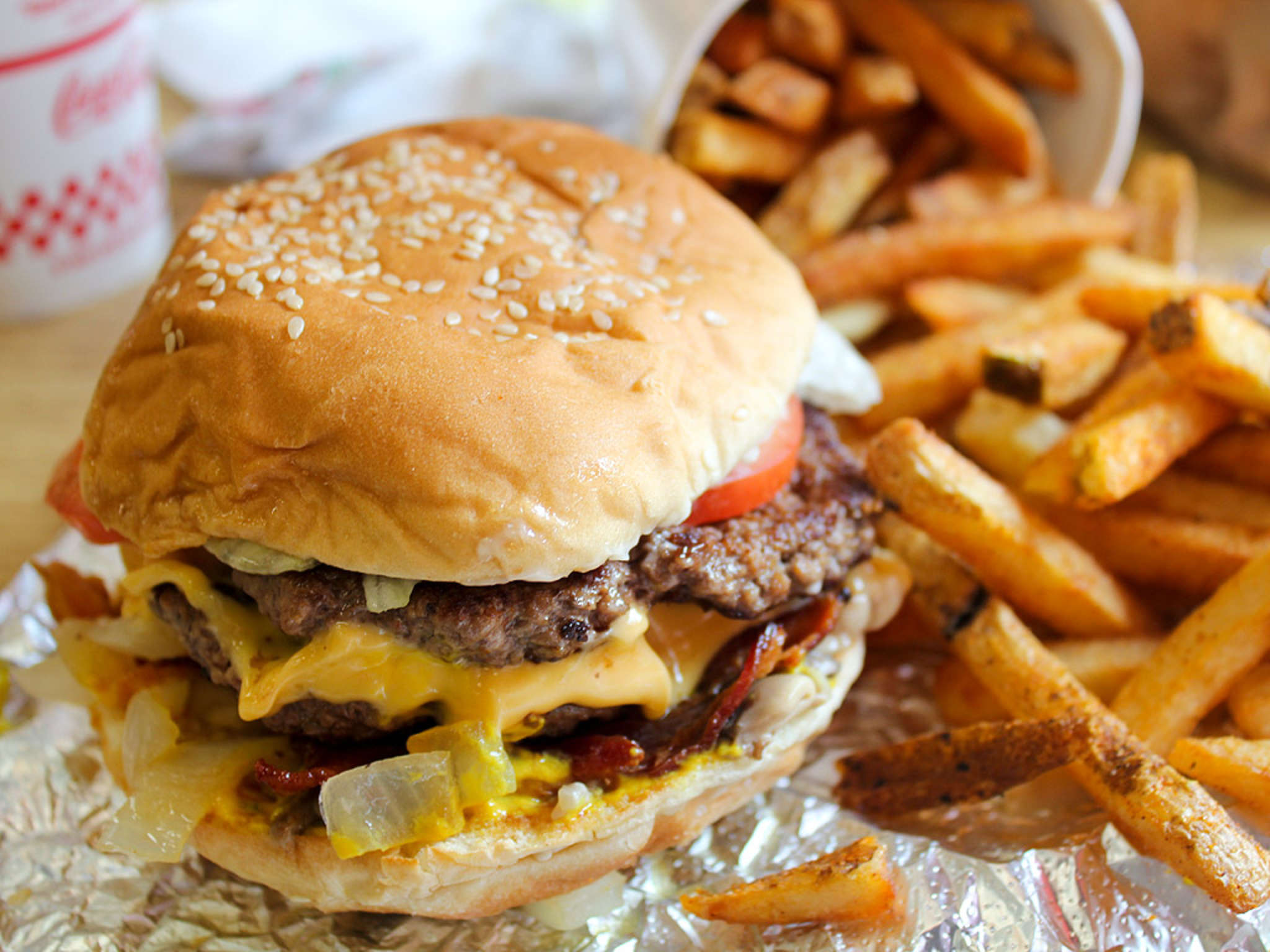
SEOUL, Oct. 7 (UPI) — The U.S. quick meals chain 5 Guys Burgers and Fries plans to open its first retailer in Seoul early subsequent yr in a partnership with Hanwha Galleria, in line with Hanwha.
The settlement was signed Wednesday with the Virginia-based burger franchise, with the dates and site of the primary retailer but to be decided.
Hanwha Galleria, a luxurious retailer and an affiliate of Hanwha Group, plans to open greater than 15 5 Guys areas within the subsequent 5 years.
The unique 5 Guys restaurant debuted in Virginia in 1986. The Murrell household, with 5 brothers, has headed the enterprise, which focuses on hamburgers, sizzling canines and French fries.
In early 2000s, the corporate began franchising, together with international enlargement. At the moment greater than 1,700 5 Guys shops function throughout the globe with one other 1,500 beneath improvement.
South Korea would be the fifth Asian nation to host the fast-growing model, following Hong Kong, Singapore, China and Malaysia.
This would be the first deal headed by Hanwha Galleria Director Kim Dong-seon, the third son of Hanwha Chairman Kim Seung-youn.
The junior Kim was prosecuted in 2017 for assaulting legal professionals at a cocktail party and stepped down from his Hanwha publish. He had been implicated in comparable circumstances twice earlier than.
In 2019, nonetheless, he returned to administration and starting in February, he started spearheading the brand new enterprise technique group for Hanwha Galleria.
With the 5 Guys entry, the competitors within the burger trade is anticipated to get much more heated with McDonald’s, Burger King and Shake Shack working in Korea.
Particularly Shake Shack, launched in Korea in 2016 by meals large SPC Group, has efficiently focused the high-end, area of interest burger market. At the moment, there are 23 Shake Shacks across the nation.
In the meantime, Korea’s main hen franchise firm BHC is on the point of open American fast-food chain Tremendous Duper Burgers in Korea, starting with a location in Seoul later this yr.
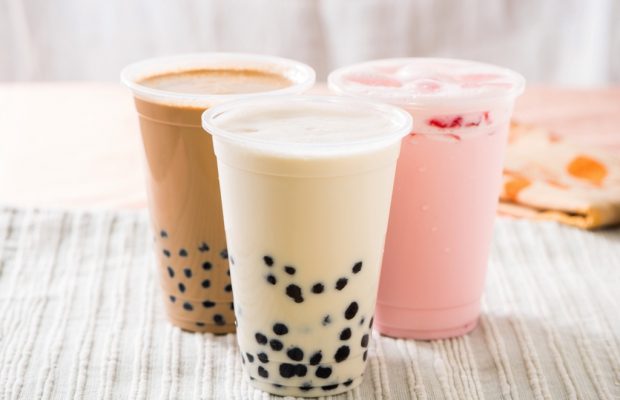
Malaysia’s Loob Holding, which owns Southeast Asia’s biggest bubble tea brand by stores, will consider plans for a share listing once it reaches its target of operating 1,000 Tealive stores in the country by 2024, its top executive said.
“By then, we may consider an IPO if the timing and pricing are attractive,” Bryan Loo, Loob’s chief executive officer, told Reuters in an interview.
Loob, which opened its 800th Tealive store in Malaysia last month, had previously planned for a Malaysian IPO but put it on hold due to the coronavirus pandemic in 2020, according to a media report.
In June last year, Loob gained funding from Malaysian private equity fund Creador, which bought a 30% stake in it but the companies did not provide financial details.
“With Creador on board, our options for funding have indeed widened very much,” Loo said, adding that Loob was “adequately funded” for its current planned expansion.
“So the question of whether we will go for an IPO and if so, in which market, is best re-visited a year from now,” said Loo, who founded Loob in 2010 and launched Tealive in 2017.
Tealive makes and sells beverages ranging from pearl milk tea to coffee and has expanded to countries including Vietnam, the Philippines, Australia and the United Kingdom.
The expansion comes a time when Malaysia’s economy grew at its fastest annual pace in a year in the second quarter, with consumer spending picking up strongly following the easing of coronavirus restriction. Other milk tea brands such as CHAGEE and KOI have also expanded rapidly in the Southeast Asian country.
Loob is also gearing up to double Tealive’s store count in the Philippines annually, with a target of 300 stores by 2024 from 25 currently, Loo said.
Besides Tealive, Loob also owns sparkling water maker Sodaxpress, kombucha brand Wonderbrew and coffee brand Bask Bear Coffee. Loob is expanding at a rate of 100 Tealive and 100 Bask Bear Coffee outlets a year in Malaysia, according to Loo.