Category: Food

Retail News Asia is committed to providing both local and global retailers with the latest Food and Food & Beverage news throughout the Asian market. This on a daily base.

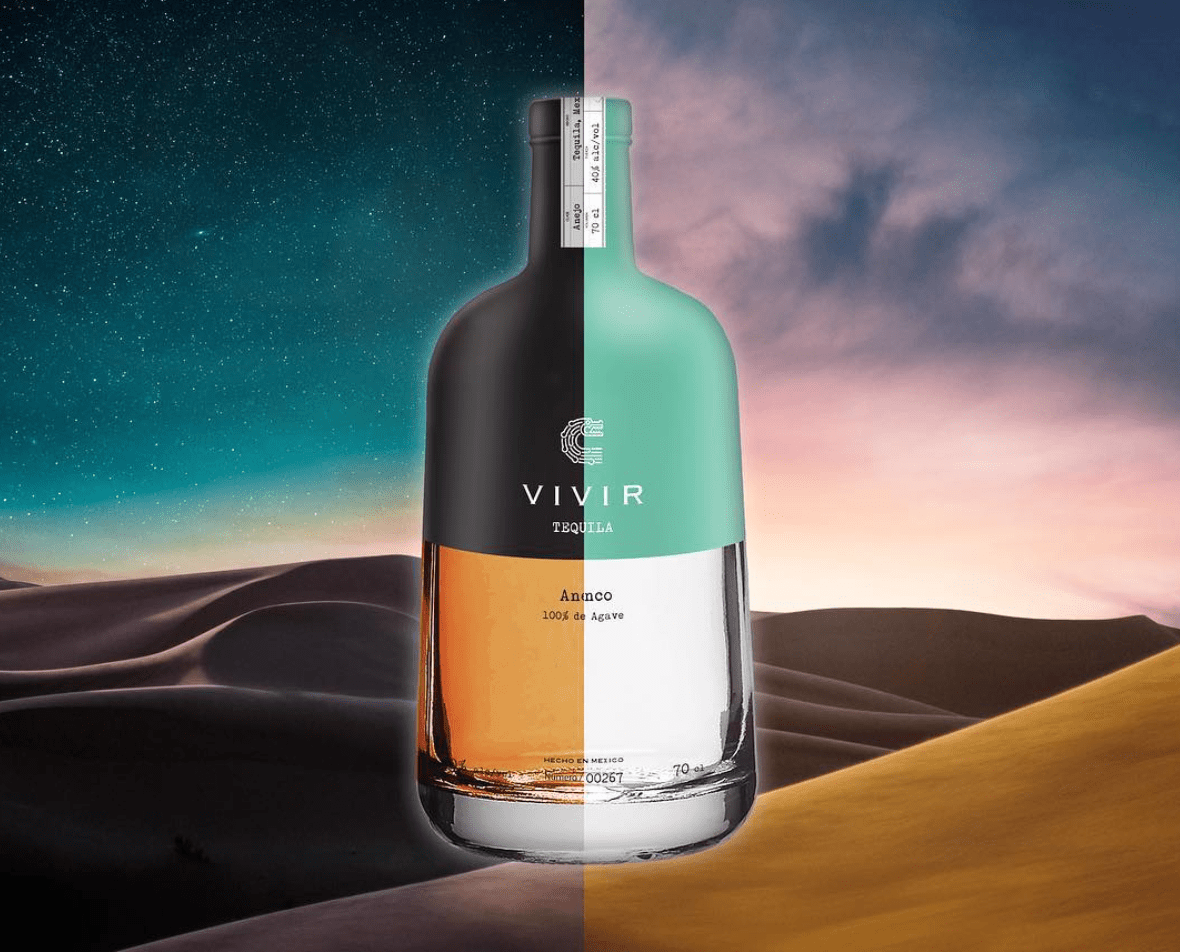
  • British Tequila brand Vivir launches in Australia

    British Tequila brand Vivir launches in Australia

    British Tequila brand, Vivir, has launched in Australia as part of its global expansion, making its debut in Coles stores.

    The brand will distribute all three of its version: Blanco, Reposado, and Añejo Tequilas.

    According to its founders, Paul Hayes and Navindh Grewal, Vivr aims to change mainstream perceptions of Tequila through a “distinctive spirit” produced according to long-standing traditions at the Casa Maestri distillery in Jalisco, Mexico.

    Vivir’s is made using 100-per-cent Weber Blue Agave and natural volcanic spring water. Its aged tequilas – Añejo and Reposado – are finished in American Oak ex-bourbon barrels, resulting in a smooth, fresh, and robust drink.

    Australia becomes the ninth country the liquor brand is distributed into with a rollout into the Middle East, Africa, and the US planned later this year.

    Vivir’s Tequila is now available at Coles and its subsidiaries – Vintage Cellars, First Choice Liquor, and Liquorland.

  • Australia to take China to WTO over wine tariffs

    Australia to take China to WTO over wine tariffs

    Australia’s complaint to the World Trade Organisation over China’s anti-dumping duties on wine exports should enable bilateral negotiations, Foreign Minister Marise Payne said on Sunday.

    The government filed a complaint on Saturday over duties that were applied last year and nearly wiped out exports of Australian wine to the Chinese market.

    “What lodging the dispute enables us to do is begin dispute consultation settlements, which actually is a bilateral discussion with China about the issues,” Payne said in an interview on the Australian Broadcasting Corp’s (ABC) ‘Insiders’ program.

    “We’ve seen duties of over 200 percent applied to Australian wine. We don’t believe that that is consistent with China’s obligations under the WTO. So that part of the process enables us to have that direct conversation.”

    The Australian government has complained frequently that China has ignored calls to ease trade tensions.

    It is the second time in six months Australia has appealed to the WTO. In December, Canberra launched a formal appeal seeking a review of China’s decision to impose hefty tariffs on imports of Australian barley.

    Relations with China, already rocky after Australia banned Huawei from its nascent 5G broadband networking in 2018, have worsened since Canberra called for an international inquiry into the origins of the coronavirus, first reported in central China last year.

    China, Australia’s largest trading partner, responded by imposing tariffs on Australian commodities, including wine and barley and limited imports of Australian beef, coal and grapes, moves described by the United States as “economic coercion”.

    Asked about the fresh international push to find answers to the origin of the virus that causes Covid-19, Payne said it was important to maintain the momentum.

    “We are very determined to work with our partners to ensure that (…) investigation is able to access the material that it needs, including within China,” Payne said.

  • California Pizza Kitchen expanding in Hong Kong

    California Pizza Kitchen expanding in Hong Kong

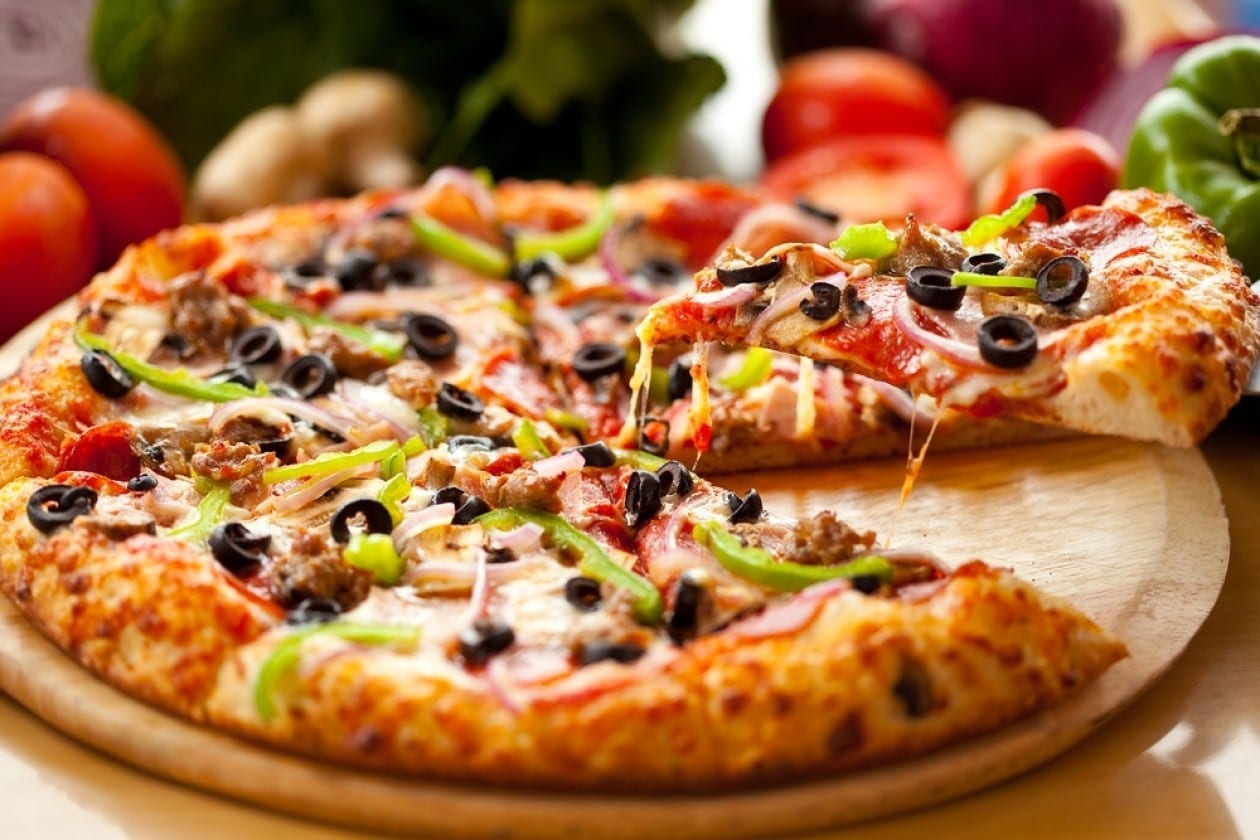
    California Pizza Kitchen (CPK) – creator of California-style pizza – today announced the grand opening of its new restaurant in Hong Kong in partnership with Chun Fat Enterprise Limited. With over 27 years of serving guests in the Hong Kong market, the new restaurant, located within the Tuen Mun Town Plaza, the largest mall in Hong Kong’s Northwest New Territories, allows CPK to bring its diverse and innovative California-style menu to new diners within the popular mall location.

    The Tuen Mun Town Plaza location captures CPK’s warm California brand-style throughout the space with sunny tones, wood decor accents, and large windows that pour in plenty of natural light. CPK’s signature hearth pizza oven and open kitchen layout give a welcoming feeling and invites guests to sit, enjoy and watch their meals being prepped for a more engaging dining experience.

    “We are thrilled to expand our CPK Hong Kong presence with CS Lee and the Chun Fat team,” said Giorgio Minardi, Executive Vice President of Global Development & Franchise Operations at CPK. “We have strong momentum in our business and Hong Kong is a critical priority for our long term growth plans. We look forward to bringing ‘California Creativity’ and our diverse menu to local guests in this beautiful new restaurant in the Tuen Mun Town Plaza.”

    CPK continues to aggressively expand its presence in Asia with a focus on Hong Kong, South Korea, Singapore, Japan, and Malaysia. Through its partnership with Chun Fat Enterprise Limited, CPK projects to have four locations in the Hong Kong market by the end of 2022.

    “We’re excited to expand our relationship with CPK to bring its creative California-inspired cuisine to the local community,” said CS Lee, Managing Director of Chun Fat Enterprise Limited. “The new Tuen Mun Town Plaza location is the ideal place to bring CPK’s food and beverage innovations and globally inspired ingredients to the thousands of hungry guests that visit the mall every day.”

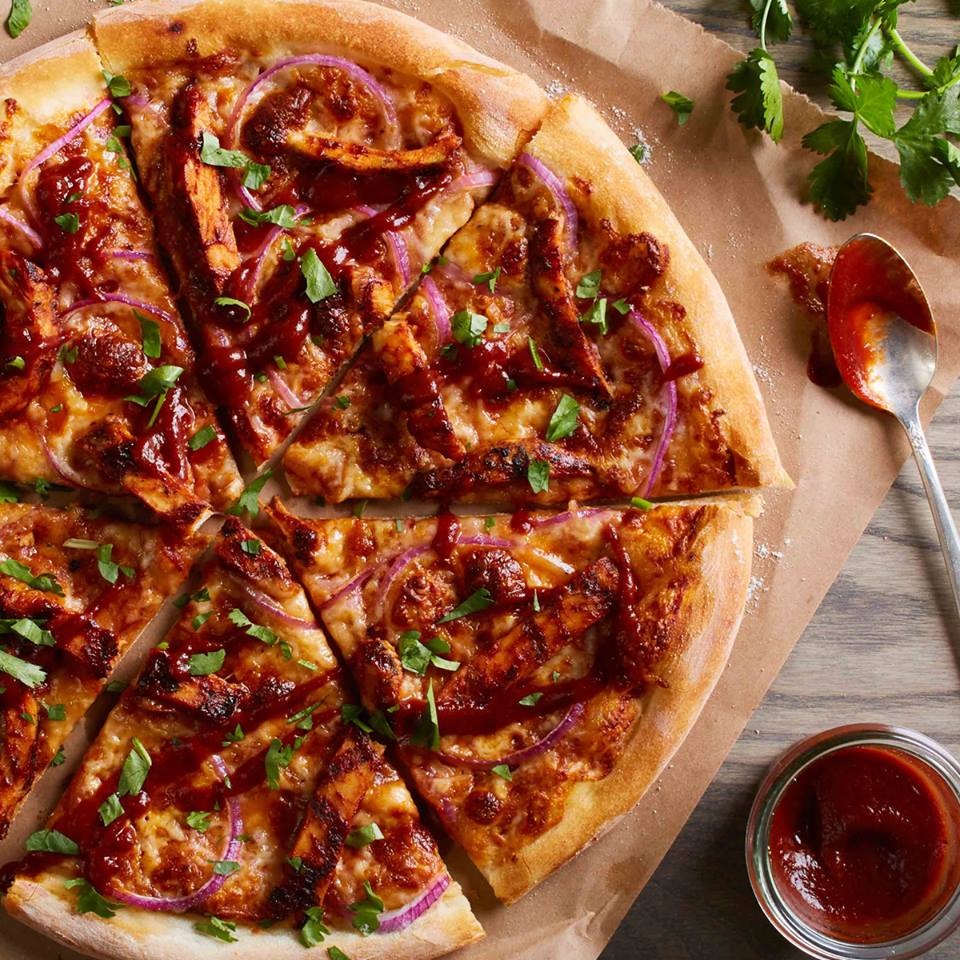
    The new location will feature several of the brand’s classic American menu offerings including the iconic BBQ Chicken Pizza, Cali Club Pizza, BBQ Chicken Salad, and Cedar Plank Salmon, among others.

    CPK’s global presence includes more than 200 locations in 8 countries and U.S. territories, which includes 40 international franchise locations in addition to 16 domestic franchise locations in airports, casinos and stadiums across the United States. While Hong Kong is no longer under COVID-19 lockdown restrictions, all CPK locations remain committed to providing a safe and secure dining experience with rigorous cleaning and safety protocols.

  • Ferrero trials recyclable retail displays across Australia

    Ferrero trials recyclable retail displays across Australia

    Beginning August, confectionary giant Ferrero will trial 3000 recyclable Kinder Bueno displays across retail stores nationwide. The initiative is part of the company’s sustainability strategy to reduce its carbon footprint by 2030.

    The retail displays are made from 100-per-cent recyclable dump bins using biodegradable varnish, with each dump bin set to save 3.75 sqm of plastic.

    According to the confectionery company, in-store shoppers won’t notice any difference between the recyclable displays and the ones made with polypropylene plastic discarded at landfills after use.

    The recyclable displays were developed in partnership with point-of-sale supplier Think Display, a company with its own sustainability initiatives such as carbon-neutral shipping and using soy-based inks when printing on display materials.

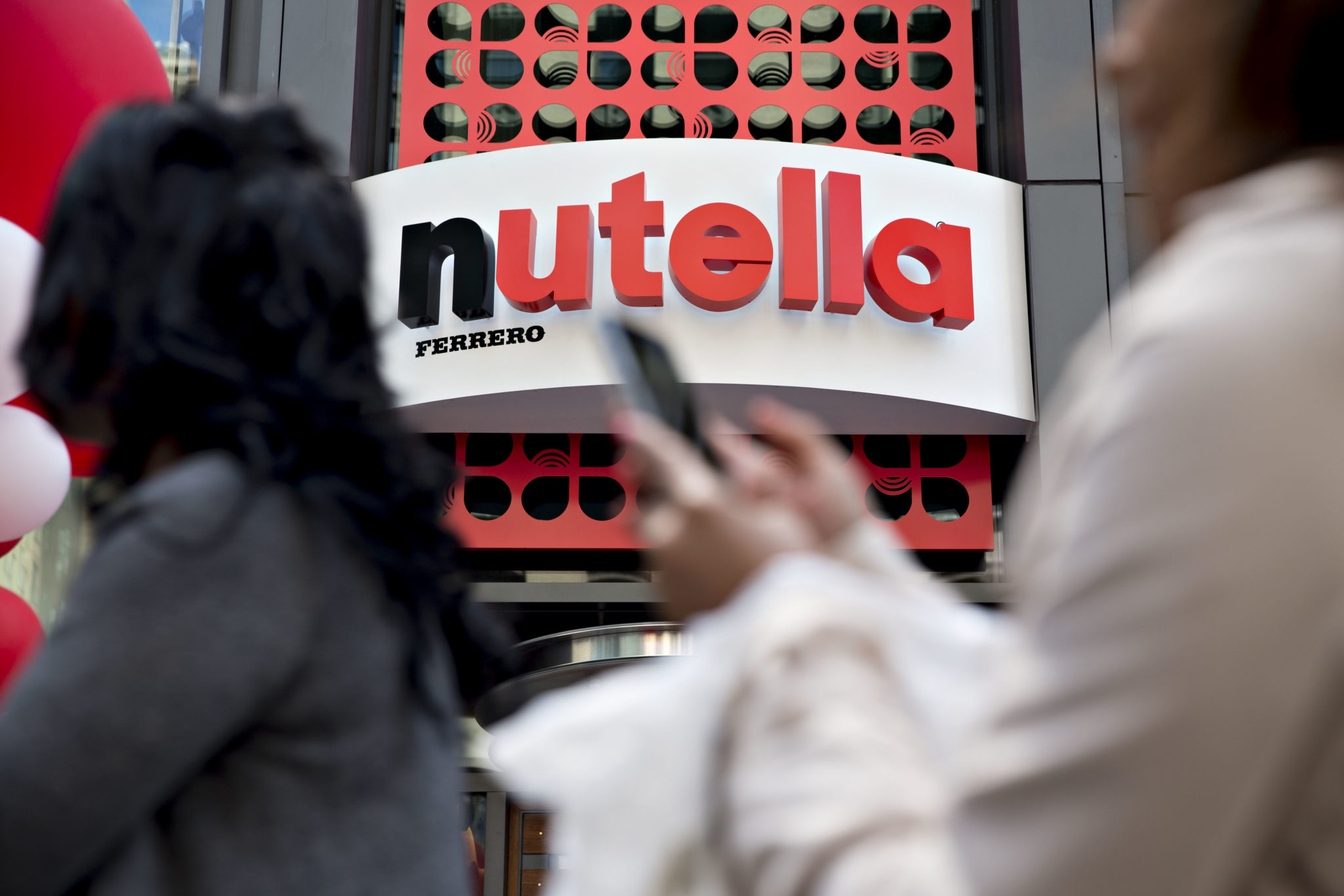
    The trial is just one of Ferrero’s initiatives as it seeks to make all of its displays 100-per-cent recyclable by 2030. Other projects like recycled bamboo moulded clips are currently being tested to replace plastic Corr-a-clips used in Nutella towers.

  • Cafe de Coral ramps up Mainland China expansion plans

    Cafe de Coral ramps up Mainland China expansion plans

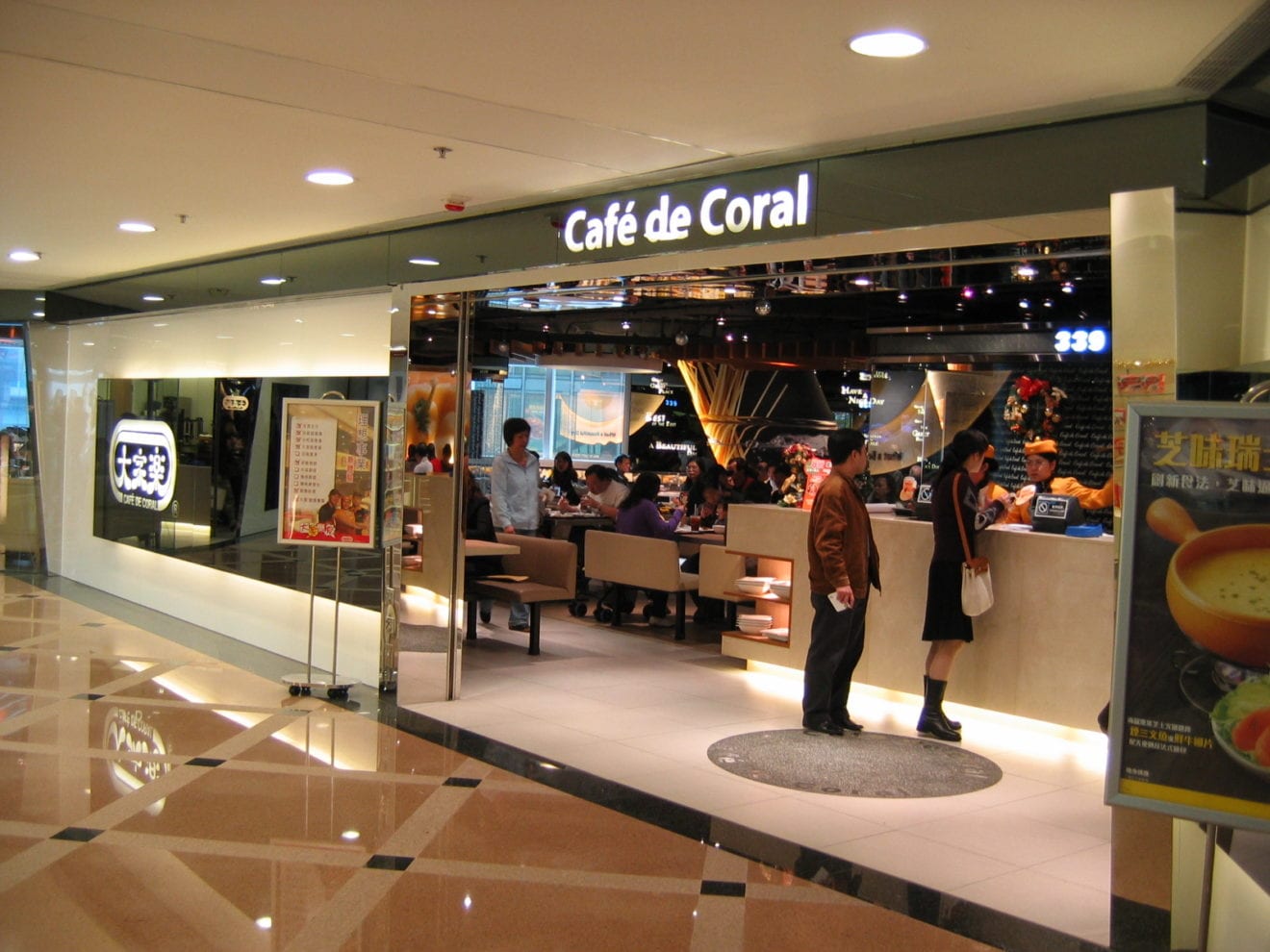
    Hong Kong-listed Cafe de Coral Holdings, one of Asia’s largest restaurant and catering groups operating quick-service restaurants, will speed up its expansion in mainland China with 17 store openings in the pipeline.

    The company revealed its plans after its net profit for 2020 almost quintupled, despite lower revenue in Hong Kong, thanks to pandemic relief and subsidies by the Chinese and Hong Kong governments, and other actions it undertook to save on costs.

    “Our business in mainland China has recovered after the initial severe lockdown. The group will continue to expand its network in the Greater Bay Area,” Sunny Lo Hoi-kwong, chairman of the company, said in a filing with the Hong Kong stock exchange on Tuesday.

    Cafe de Coral was able to take advantage of China’s fast recovery from the economic dislocation caused by the coronavirus pandemic. China’s economy was already growing at 2.3 percent even while Hong Kong’s economy was registering a 6.1 percent contraction in 2020.

    The company “took advantage of the situation to increase the pace of network expansion, opening 13 new stores during the year with a strategic focus on Guangzhou and Shenzhen – and currently has 17 stores in the pipeline to open next year”, he said. As of 31 March 2021, the company had 352 stores in Hong Kong and another 121 in mainland China.

    “As the mainland China market was able to quickly control the severity of the Covid-19 pandemic, domestic consumption is expected to rebound at a faster rate,” Lo said.

    The company’s net profit skyrocketed 3.88 times to HK$359.1 million (US$46.3 million) for the year ended 31 March 2021, from HK$73.6 million in the previous year, according to the filing. In contrast, its revenue fell 15.7 percent to HK$6.7 billion.

    Cafe de Coral received pandemic relief and subsidies from governments in the city and the mainland totaling HK$638.9 million, including HK$486.8 million under the Employment Support Scheme in Hong Kong.

    It also adapted product offerings and operations to a “new normal”, implemented stringent cost controls, manpower deployment, and acceleration of technology upgrades to capture more takeaway and delivery business. These measures, combined with relaxed social distancing restrictions, led to improved revenue in the second half of the financial year.

    Its net profit, however, still does not match pre-pandemic levels of up to HK$569.9 million for the year ended 31 March 2019, before the onset of protests and the coronavirus pandemic. Restrictions prompted by the pandemic barred dinner service for 114 days in the financial year, in addition to the nine days that it voluntarily suspended operations.

    “As the pandemic situation resolves, the group expects business performance to make progress along with the economy,” Lo said. “The industry has faced a severe shock and many weaker players have already exited the market. Those that remain are lean, fit, and aggressive. And we anticipate a sharply competitive environment in the year ahead.”

    A final dividend of 28 HK cents per share was recommended on Tuesday, compared with nil in the previous financial year.

  • Hybrid chicken nuggets launched by +Plant

    Hybrid chicken nuggets launched by +Plant

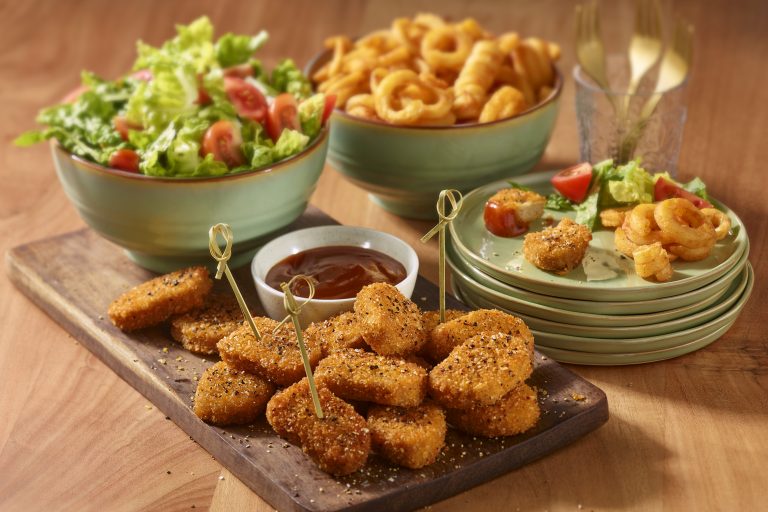
    Food company +Plant has launched a chicken nugget made of 50-per-cent chicken and 50-per-cent plant protein.

    The hybrid chicken nuggets are gluten-free, additive-free, and carry a four-star health rating.

    +Plant is part of The Positively Good Co, which aims to “bridge the gap and be the gateway” for people wanting to consume less meat and more plants. Other hybrid meat products in its range include Beef +Plant Meatballs, Lamb +Plant Meatballs and Chicken +Plant Tenders.

    Todd Robertson, founder of +Plant, says the hybrid chicken nuggets were created with the fussy eater in mind, giving it the same taste and texture as regular chicken nuggets but with the added benefit of vegetables.

    “My son was a great inspiration for the chicken nuggets because he is a fussy eater and loves his nuggets, but nutrition has always been a concern at mealtimes,” said Robertson. “We don’t have to worry anymore because he enjoys the taste of the +Plant nuggets, and I know he is still getting all of the nutrition he needs.”

    +Plant Chicken Nuggets are available for delivery through +Plant’s website or sold at Harris Farm Market, Brisbane, for RRP $7.99

  • Domino’s buys up Taiwan operations

    Domino’s buys up Taiwan operations

    Fast food company Domino’s Pizza Enterprises is to acquire Domino’s Taiwan as part of its global expansion plan.

    The company has entered a binding agreement with Formosa International Hotels under which Domino’s will buy the Taiwan operation for $79 million on a cash and debt-free basis.

    “This is a market with tremendous opportunities for our business and this acquisition provides similar opportunities for the local team,” said Don Meij, CEO and MD at Domino’s Pizza.

    “Our expansion focus has been on identifying opportunities with large total addressable markets and a stable economy.”

    The deal is expected to close in the first half of FY2022.

    Domino’s is Taiwan’s second-largest pizza chain with 157 corporate and franchised stores across the territory. As part of the acquisition, Domino’s Pizza aims to increase the store network to more than 400 stores.

    The company also plans to expand the brand’s footprint in Asia from 1500 stores to 1900 stores by 2032.

    “We intend to expand the store footprint through opening more corporate stores, introducing new, internal, franchisees to the network, helping existing franchises profitably expand their businesses, and investing in the network and our people to drive long-term growth,” Meij added.

  • Campos picked up by Dutch coffee giant for undisclosed sum

    Campos picked up by Dutch coffee giant for undisclosed sum

    Australian coffee chain Campos will be acquired by international pureplay JDE Peet for an undisclosed sum, with the transaction expected to be completed next month.

    Campos serves customers through direct-to-consumer, retail, and its own flagship cafes, as well as being available in over 600 cafes nationwide – channels that complement JDE Peet’s Australian retail operations.

    “We’re incredibly proud of what we have achieved from our humble beginnings on the streets of Newtown in Sydney,” said Campos founder Will Young.

    “We are confident that Campos can and will continue to grow under JDE Peet’s stewardship by continuing to focus on what made us Australia’s number one specialty coffee brand – high-quality coffee and great service.”

    JDE Peet’s general manager in Australia and New Zealand Albert Moncau said the Campos business is the “perfect fit” for the pureplay giant.

    “We look forward to welcoming the Campos team to our world of coffee and tea, learning from each other’s expertise and building on their award-winning coffee experience,” Moncau said.

    JDE Peet also owns and operates the L’OR, Moccona, Harris, Piazza Doro, Espresso di Manfredi, Two Seasons and Pickwick coffee and tea brands in Australia

  • Paris Baguette enters Cambodia

    Paris Baguette enters Cambodia

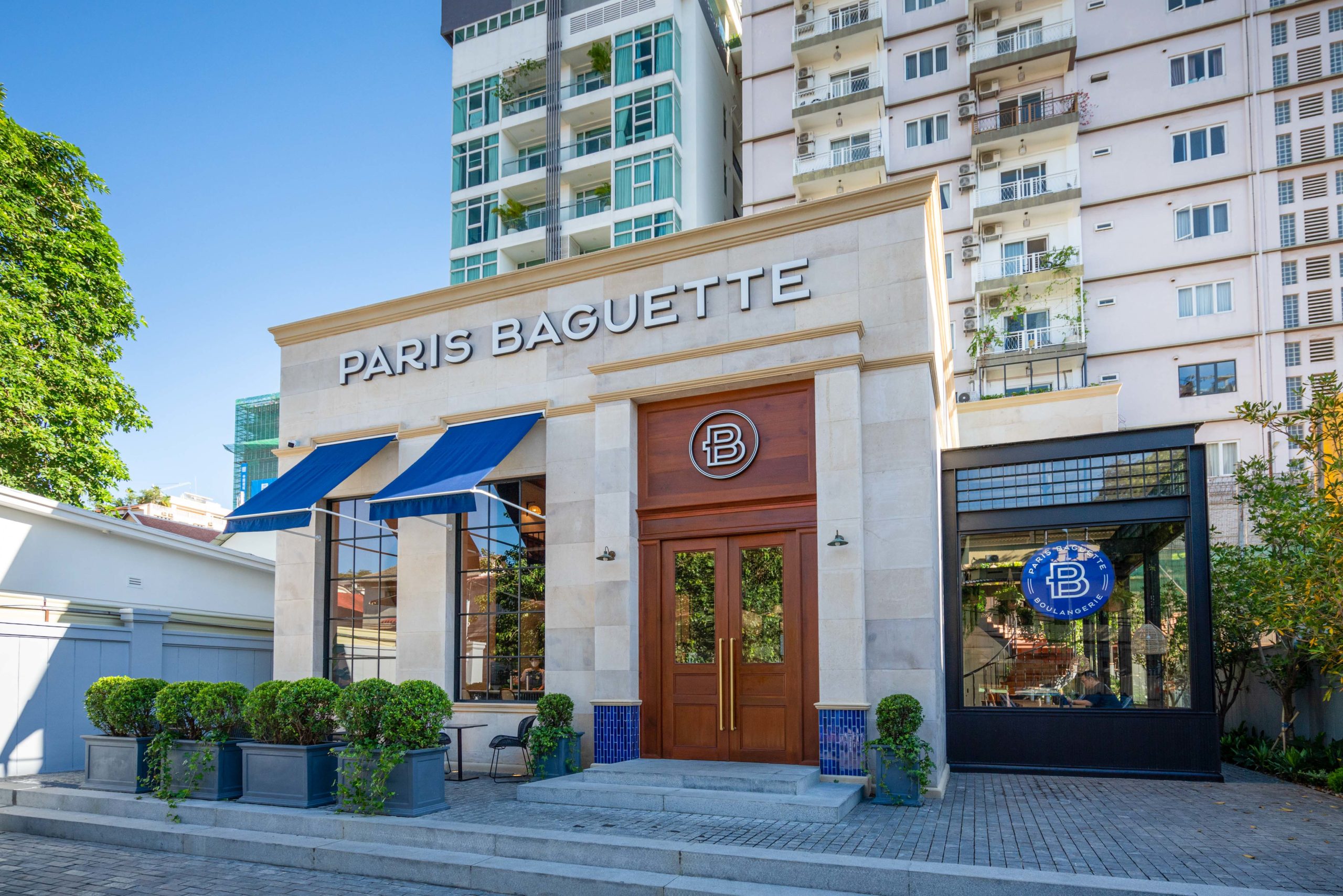
    SPC Group is launching the Paris Baguette bakery franchise in Cambodia, opening the first branch in the country‘s capital city, the company said Wednesday.

    According to SPC Group, the Korean firm behind bakery brand Paris Baguette, it forged ties with Cambodia’s HSC Group to open the first Paris Baguette store in Phnom Penh.

    Cambodia is the sixth country in which Paris Baguette has launched, and it is the first time the bakery operator has formed a joint venture for its overseas business, SPC Group said.

    For the business partnership, Paris Baguette’s affiliate in Singapore established a joint venture, dubbed H.SPC, with HSC Food&Beverages, an affiliate of the Cambodian conglomerate, SPC Group said.

    With the launch of Paris Baguette in Cambodia, SPC Group aims to penetrate into the Southeast Asian market.

    “SPC Group is committed to expanding business in Southeast Asia,” an SPC Group official said.

    “We recently met with a Malaysian senior minister to discuss establishing a halal-certified food factory there, and we are reviewing plans to tap into Indonesia, which has the biggest market in the region. We also plan to enter the Middle East market in the future.”

    The first Paris Baguette store in Cambodia is located in the central area of Boeung Keng Kang in the capital city, occupying the entire space of a three-story building.

    SPC Group operates about 430 Paris Baguette stores overseas in six countries — China, the United States, France, Vietnam, Singapore and Cambodia.

  • SunRice launches cook-in flavour rice sachets

    SunRice launches cook-in flavour rice sachets

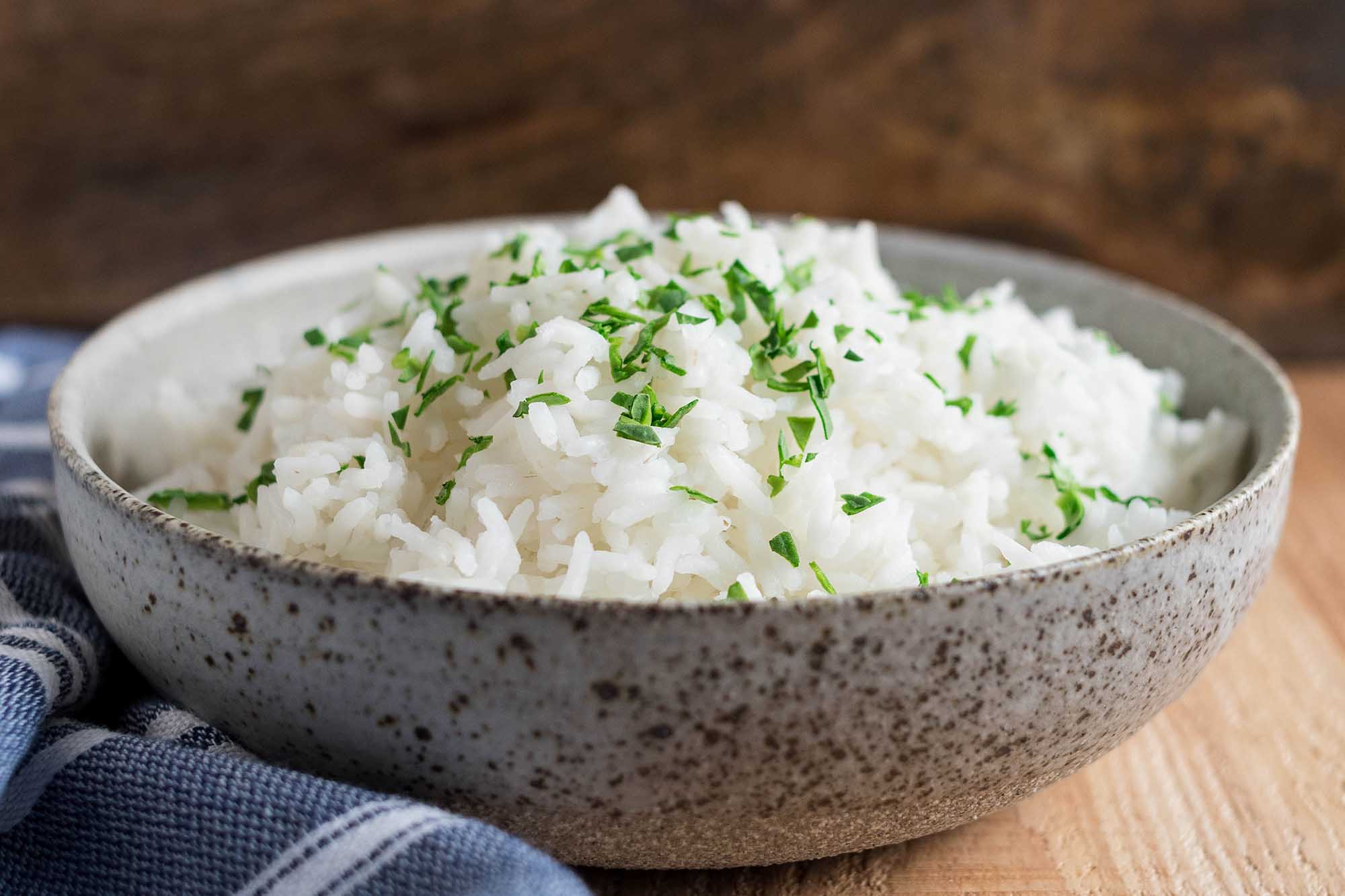
    Australian rice company SunRice has launched Flavour Your Rice, the brand’s first range of cook-in flavor rice sachets.

    The easy-to-use paste sachet adds flavor to ordinary rice by using it as a base during the cooking process, making an easy side dish or a meal on its own, said SunRice.

    Flavor Your Rice is available in three different flavors – Indian Spice, Thai Coconut, and Lemon, Chicken, and Herb.

    “Aussie consumers are increasingly looking for products that offer taste and convenience, without compromising on quality,” said Andrew Jeffrey, Head of Marketing, SunRice.

    “Flavour Your Rice is a quick and easy flavor solution bringing authentic Indian and Thai flavors to Aussie tables,”

    There are three sachets per pack and the product is sold in Woolworths and independent grocers nationwide.

  • Kraft Heinz gives away bulk ketchup to Melbourne small businesses

    Kraft Heinz gives away bulk ketchup to Melbourne small businesses

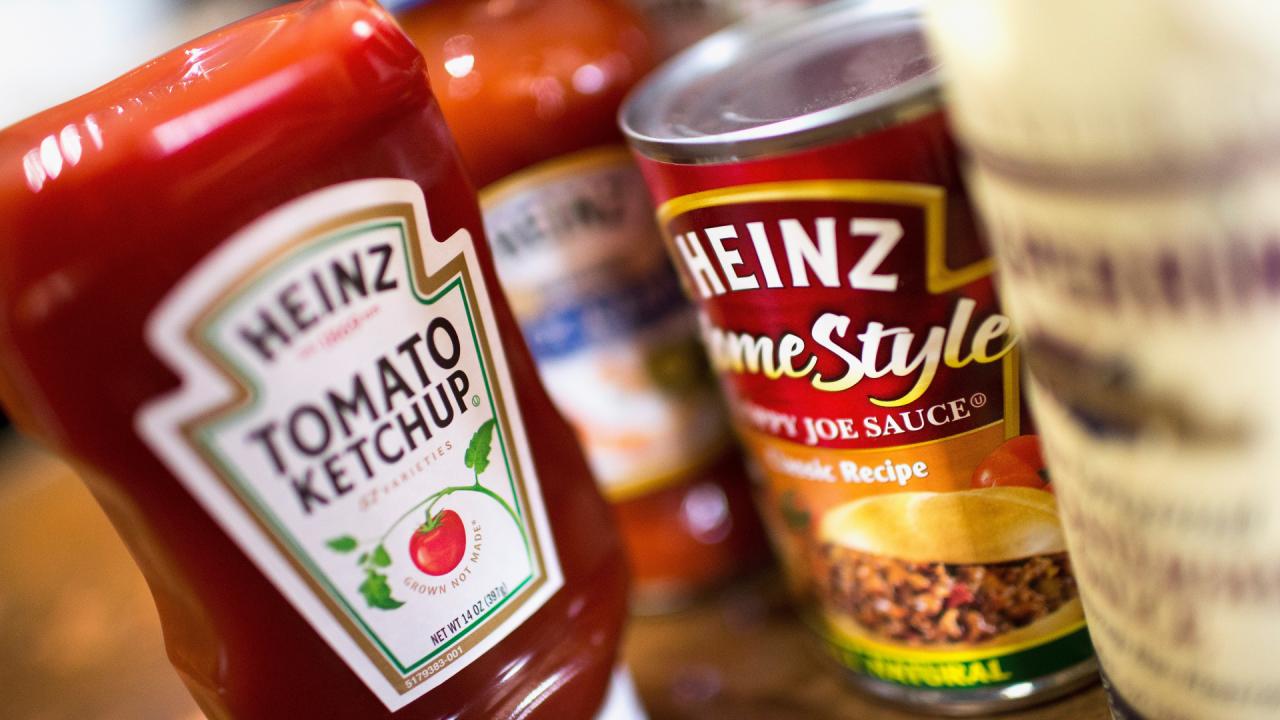
    Food and beverage company Kraft-Heinz is giving away 12-liter cartons of Heinz Tomato Ketchup to small business owners in Melbourne, including burger restaurants and other quick-service restaurants.

    As restrictions ease across Victoria, the company says it wants to help business owners affected by Covid-19 lockdowns get back on their feet with complimentary product deliveries. 

    “We know that the Melbourne restaurant industry has been hit hard by the latest lockdowns, with small, independent businesses particularly impacted,” said Marisa Jones, head of marketing foodservice ANZ at Kraft Heinz.

    “Whether you’re a burger bar, cafe owner or run another quick-service restaurant, we want to provide our foodservice community with an offer of assistance,” she said. 

    Eligible businesses are those located in the Melbourne metropolitan area, of 30 employees or less, privately owned and not part of a franchise group. The offer will be limited to one carton per business, who do not have to be an existing customer of Kraft Heinz.

    Business owners can apply for this offer from Kraft Heinz here until June 30 or until supplies last. Each delivery will consist of a carton of Heinz Tomato Ketchup containing three 4-litre bottles. 

  • Vietnamese rice faces competition from India in Philippines

    Vietnamese rice faces competition from India in Philippines

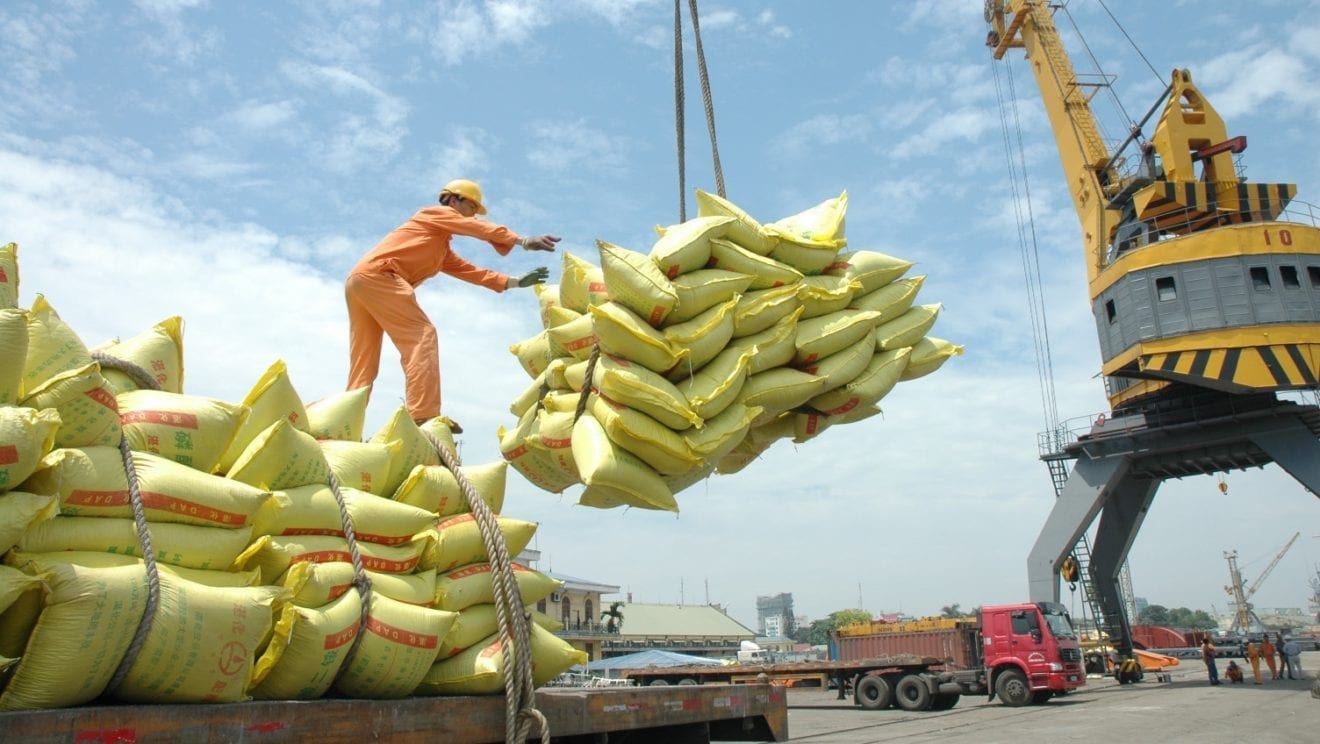
    The Philippines is set to import a lot of rice from India at $100 cheaper per ton than Vietnamese rice as it diversifies its supply sources.

    A report by the Agricultural Products Processing and Development Department (Agrotrade) shows that in the first five months of this year, Vietnamese rice exports reached 2.7 million tons at $1.48 billion, down 11.3 percent in volume and 5 percent in value over the same period last year.

    There’s no significant demand by foreign traders as they wait for the summer-autumn harvest season, the report said.

    On the other hand, the price of Vietnamese rice is much higher than that of India and Thailand. A ton of Vietnamese rice is $20 higher than that of Thai rice and over $100 per ton over Indian rice.

    On average, Vietnam’s rice export price in the first four months of this year reached $543 per ton, up 15.4 percent year-on-year. The Philippines is Vietnam’s largest rice-consuming market, accounting for 35.6 percent, but export to this market decreased 20.7 percent in volume and 4.9 percent in value over the same period last year. Similarly, rice exports to Indonesia also decreased sharply by 71.1 percent year on year.

    According to Agrotrade, market demand in the coming time will be high, but Vietnamese rice will face competition in the international market when the prices of Thai and Indian rice are more attractive to buyers.

    Recently, the Philippines eliminated import duties for ASEAN, non-ASEAN, and “Most Favored Nation” (MFN) nations with the goal of increasing imports of cheaper rice from India and Pakistan.

    Specifically, the Philippines has lowered import duties for MFN on rice to a single rate of 35 percent. It had previously imposed a 40 percent in-quota tariff rate and 50 percent out-of-quota tariff rate.

    On June 7, Philippines Finance Minister Carlos Dominguez announced that the country would seek more rice from countries outside Southeast Asia with the goal of diversifying supplies and keeping import prices at a reasonable price. Accordingly, India is a country with cheaper rice that can become a main supplier.

    Vietnam has been the main rice supplier to the Philippines so far. In addition, the Philippines also buys rice from Thailand and India, apart from other countries outside Southeast Asia.

    Vietnam is set to produce 43 million tons of paddy and export 6.5 million tons of rice this year, according to the Ministry of Agriculture and Rural Development.

    The nation was the world’s second-largest rice exporter last year at 6.25 million tons.

  • JBS Foods paid hackers US$11 million to end ransomware attack

    JBS Foods paid hackers US$11 million to end ransomware attack

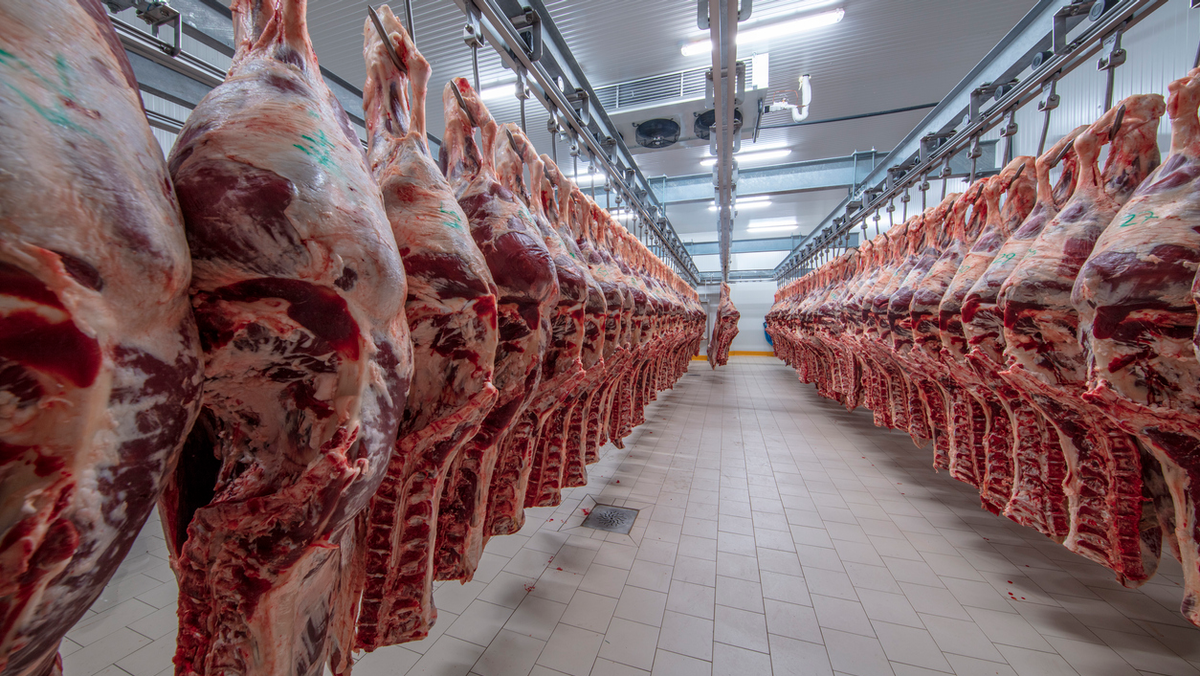
    Meatpacker JBS USA paid the equivalent of $11 million ransom in a cyberattack that disrupted its North American and Australian operations, the company’s CEO has said in a statement.

    The subsidiary of Brazilian firm JBS SA halted cattle slaughtering at all of its US plants for a day last week in response to the cyberattack, which threatened to disrupt food supply chains and further inflate already high food prices.

    The cyberattack followed one last month on Colonial Pipeline, the largest fuel pipeline in the US. It disrupted fuel delivery for several days in the nation’s Southeast.

    The JBS meat plants, producing nearly a quarter of America’s beef, recovered faster than some meat buyers and analysts expected.

    “This was a very difficult decision to make for our company and for me personally,” said Andre Nogueira, CEO of JBS USA of the ransom payment. “However, we felt this decision had to be made to prevent any potential risk for our customers.”

    The Brazilian meatpacker’s arm in the US and Pilgrims Pride Corp, a US chicken company mostly owned by JBS, lost less than one day’s worth of food production. JBS is the world’s largest meat producer.

    Third parties are carrying out forensic investigations and no final determinations have been made, JBS said. No company, customer or employee data was compromised in the attack, it said.

    A Russia-linked hacking group is behind the cyberattack against JBS, a source familiar with the matter said last week. The Russia-linked cyber gang goes by the name REvil and Sodinokibi, the source said.

    The Wall Street journal reported on Wednesday that the JBS ransom payment was made in bitcoin.

    The Justice Department on Monday recovered some $2.3 million in cryptocurrency ransom paid by Colonial Pipeline Co, cracking down on hackers who launched the attack.

  • OmniFoods introduces faux fish range

    OmniFoods introduces faux fish range

    Green Monday, the founder of the OmniFoods plant-based meat alternative products, has expanded into seafood unveiling six plant-based alternative fish products Tuesday, with more to follow.

    “Now, we can enjoy fish and chips without harming the ocean,” said Green Monday co-founder and CEO David Yeung.

    The initial products include precooked battered deep-fried fillets, classic fillets, and burger-shaped fillets and OmniTuna. Faux salmon and crab meat products will join the range soon, while the tuna product marks the first Omni product that can be stored in ambient conditions with no need for chilling or freezing.

    OmniFoods products are distributed in Australia by partners but details of when the seafood replacements will go on sale have yet to be revealed.

    Yeung said the new products can be used in almost any type of cuisine including Thai, Japanese and Korean dishes. They have zero cholesterol, 9gm of protein and have Omega-3, a naturally occurring ingredient of fish, added.

    Researched by Green Monday staff since 2018, the products will be produced in Thailand and soon China as well.

    Since launching in 2012, Green Monday has grown to include advocacy and investment arms as well as producing pork substitutes and investing in Beyond Meat. Today, OmniFoods products are sold in 40,000 points of sale in more than 20 global markets.

    Yeung told the launch event that it is essential the world’s population reduces its consumption of seafood due to depleting resources resulting from overfishing. Global seafood consumption has exploded nine-fold in just 70 year.

    “Ninety percent of the big fish have been wiped out. We are not even talking about dropping supply, we are talking about extinction.”

    With 73 percent of the world’s fish consumption in Asia, OmniFoods is looking to target Asian markets with the new products and engaging chefs around the region to adapt traditional recipes with OmniFoods’ seafood substitutes.

  • Beyond Meat and Coles launch plant-based meatballs

    Beyond Meat and Coles launch plant-based meatballs

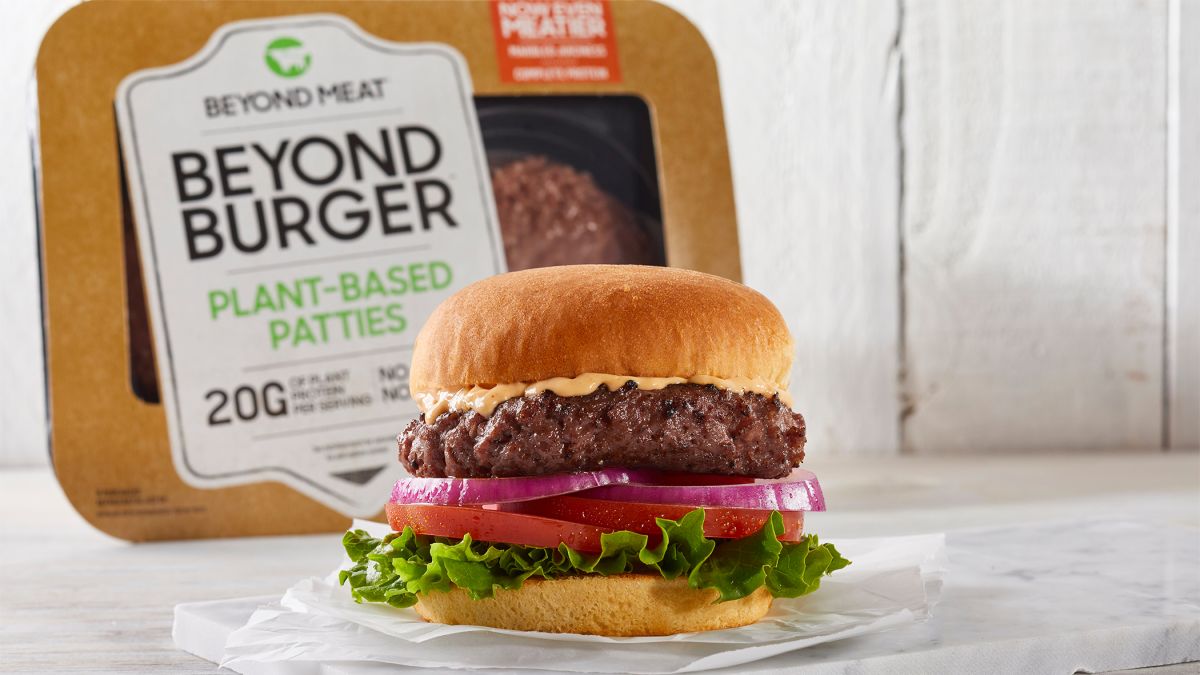
    Beyond Meat has partnered with Coles to bring its plant-based meatballs into Australia.

    Beyond Meatballs will be sold across more than 300 Coles outlets with an RRP of $15. The launch comes at a time when the country is experiencing a rising demand for plant-based products.

    “We’ve seen demand for plant-based meat continue to grow as consumers look for new ways to incorporate plant-based meat options into their diets,” said Ihab Leheta, VP international business development at Beyond Meat.

    “The launch of Beyond Meatballs in Australia marks a new milestone towards our goal in making great-tasting, nutritious and sustainable plant-based meat more accessible to everyone,” said Leheta.

    Beyond Meatballs will join the brand’s existing plant-based products sold in Australia, Beyond Burger and Beyond Mince. Beyond Meat first launched its products in the country in 2018 in partnership with Coles.