Category: Food

Retail News Asia is committed to providing both local and global retailers with the latest Food and Food & Beverage news throughout the Asian market. This on a daily base.

  • Greater China drives profit growth for Fonterra

    Greater China drives profit growth for Fonterra

    Dairy giant Fonterra says a 61-per-cent boost in normalized profit for the nine months to April shows its restructuring program is paying dividends.

    The New Zealand-headquartered company recorded a net profit after tax of NZ$603 million, up 2 percent – or $587 million ‘normalized’ after extraordinary items were factored in.

    CEO Miles Hurrell said the company achieved higher margins and reduced its operating expenditure, despite the challenges of the Covid-19 pandemic, which remains very much part of life for the co-op’s employees and customers around the world.

    “It’s too easy to forget this if you’re sitting here in New Zealand – but today’s results show that despite these challenges we’ve lifted our financial performance. Over the last three months, we have also committed to getting out of coal by 2037 and made some promising progress in a trial using seaweed in cows’ feed to reduce emissions,” said Hurrell.

    Fonterra’s results illustrate the importance of Greater China to the company’s overall fortunes, delivering year-to-date EBIT up 30 percent year on year to $106 million.

    Foodservice continued to be the big driver behind the result, contributing $93 million of that growth. The year-to-date margin in China increased from 21.5 percent to 28.6 percent.

    In Asia Pacific, normalized EBIT of $224 million was down 10 percent, or by $24 million. Consumer sales improved by 29 percent and foodservice by 89 percent, offset by falling sales in the ingredients segment.

    And Africa, Middle East, and North America sector saw EBIT fall by 11 percent, or $40 million, to $322 million, largely due to lower Ingredients sales. Consumer and food service sales in those regions continued to perform well.

    Hurrell said Fonterra’s operating expenses were down by 5 percent year-to-date but the company will incur some additional expenditure in the final quarter to support its brands and product initiatives for the next year.

    Looking ahead, Hurrell says the improving global economic environment and strong demand for dairy – relative to supply – should lead to an increase in the Farmgate Milk Price range to its $8 projected midpoint.

    “Global demand for dairy, especially New Zealand dairy, is continuing to grow. China is leading the charge as its economy continues to recover strongly. Prompted by Covid-19, people are seeking the health benefits of milk and customers are wanting to secure their supply of New Zealand dairy products and ingredients,” he said.

    “Growth in global milk supply seems muted and the global supply of whole milk powder is looking constrained.

    “Based on these supply and demand dynamics, along with where the New Zealand dollar is sitting relative to the US dollar, we’re expecting whole milk prices to remain at current levels for the near future.”

    However, Hurrell flagged “a number of risks” including the unpredictable nature of the Covid-19 pandemic, the impacts of governments winding back their economic stimulus packages, foreign-exchange volatility, changes in the supply and demand patterns that can enter dairy markets when prices are high, and – as always – potential impacts of any geopolitical issues around the world.
  • Auchan to leave Taiwan business

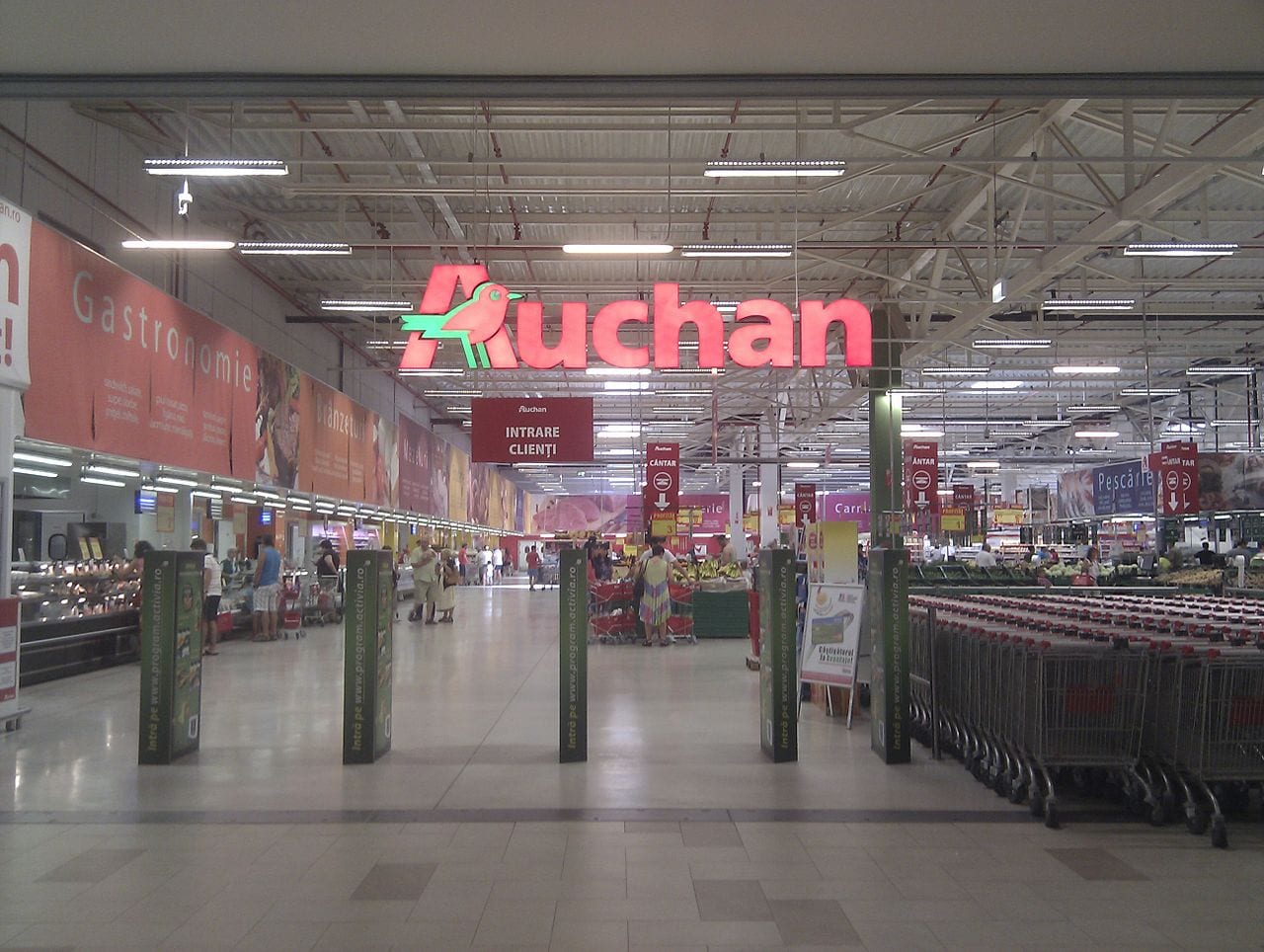
    Auchan to leave Taiwan business

    Auchan Retail is considering selling its stake in a group of RT-Mart-branded stores in Taiwan and is seeking $300 million to $400 million, people familiar with the matter said.

    The French supermarket chain is working with an adviser to find a buyer for its 65% stake in the retail locations, the people said, asking not to be identified as the process is confidential. The sale kicked off last week, they said.

    Deliberations are at an early stage and Auchan could decide to keep the interest, the people said. A representative for Auchan declined to comment.

    The potential sale would complete Auchan’s exit from Asia, after selling its stake in Sun Art Retail Group Ltd. to Alibaba Group Holding Ltd. in October in a deal worth about $3.6 billion. Sun Art operates so-called hypermarkets, large retail outlets that combine a department store and a supermarket, and convenience stores in China under the RT-Mart and Auchan brands.

    Auchan owns 20 hypermarkets and two convenience stores in Taiwan, according to the 2020 annual report of Elo, formerly known as Auchan Holding. Auchan opened its first Taiwan store in 1997 and has 5,500 employees in its Auchan Retail Taiwan unit, which runs the RT-Mart-branded stores, its website shows.

    U.S. actor and former World Wrestling Entertainment Inc. champion John Cena apologized for describing Taiwan as a country in a promotional video for his latest movie, saying sorry in Mandarin after the comments triggered a backlash in China.

    Cena made the apology in a clip posted Tuesday on his official Weibo account, a Chinese social media platform like Twitter. He had earlier this month indicated that Taiwan was a country in a video promoting his film “Fast & Furious 9,” according to China’s state-run Global Times newspaper.

    “I made a mistake. I must say now that, very very very importantly, I love and respect China and Chinese people,” Cena said in Chinese in the video, without elaborating further.

    The apology video triggered further anger on Chinese social media, where users denounced Cena for not stating that Taiwan was part of China. Beijing argues that democratically run Taiwan is part of its territory, and has in recent years increased diplomatic pressure on the Taipei government and other nations that recognize its legitimacy.

    The apology also drew flak in the U.S., where critics — including Republicans and conservative media — slammed the star for bowing to China. Tom Cotton, a Republican senator from Arkansas, described the move as “pathetic.”

    Cena is the latest high-profile westerner to come under fire for publicly crossing China’s political lines, amid a boycott of some U.S. and Europe-based brands that had taken a stand against the treatment of Muslim Uyghurs in China’s far west Xinjiang region.

    Hennes & Mauritz AB faced ire in recent months after a statement it made expressing concern over reports of forced labor in Xinjiang resurfaced. Its Chinese outlets disappeared from Apple and Baidu Maps searches, and some stores in smaller cities were closed by landlords. The company’s name and products can no longer be found on major Chinese e-commerce platforms including Alibaba Group Holding Ltd.’s Taobao and Tmall. Online sales of Adidas AG and Nike Inc. also plunged in the country in April after their comments on the Xinjiang issue drew them into the boycott.

  • McDonald’s unit hands out free iPhones to new employees who meet certain conditions

    McDonald’s unit hands out free iPhones to new employees who meet certain conditions

    Some businesses are just dying to find new employees as the U.S. starts to see the beginning of a post-COVID economy. A tweet disseminated by a Twitter subscriber with the handle Bragard (@brogawd) shows just how desperate a particular McDonald’s unit is to attract and keep new workers. A sign in the unit’s window says in huge letters that the restaurant is “Now Hiring” and in slightly smaller print it states “Free iPhone.”

    Now as you might expect, there are some caveats here. The sign notes that the iPhone is given out after six months of employment as long as the employee meets unnamed employment criteria. And speaking of unnamed, the iPhone model being given away to qualified burger-flippers is not mentioned and neither is the condition of the phone. We can take an educated guess based on the photo used on the sign in the window.

    The last Apple iPhone models outside of the iPhone SE (2020) with Touch ID was the iPhone 8 series released in September, 2017. We suspect that the model they are giving away could be the iPhone 8. A certified refurbished model with 64GB of storage is priced at $200 and up which might not be enough of an incentive to attract new workers.

    And hey, we’re not even sure which iPhone model is being handed out by the wner of this McDonald’s. It would be interesting to know that information and whether the employment bonus has attracted a large response.

    If the model being handed out is an iPhone 8 refurb, it still is a serviceable device able to use iOS 14 and will probably be supported for at least another year or two. Under the hood is the 10nm A11 Bionic chipset with a 12MP single-rear camera.

    If we do manage to find out more information, we will up update this story.

  • Yakult opens a dessert store in Japan

    Yakult opens a dessert store in Japan

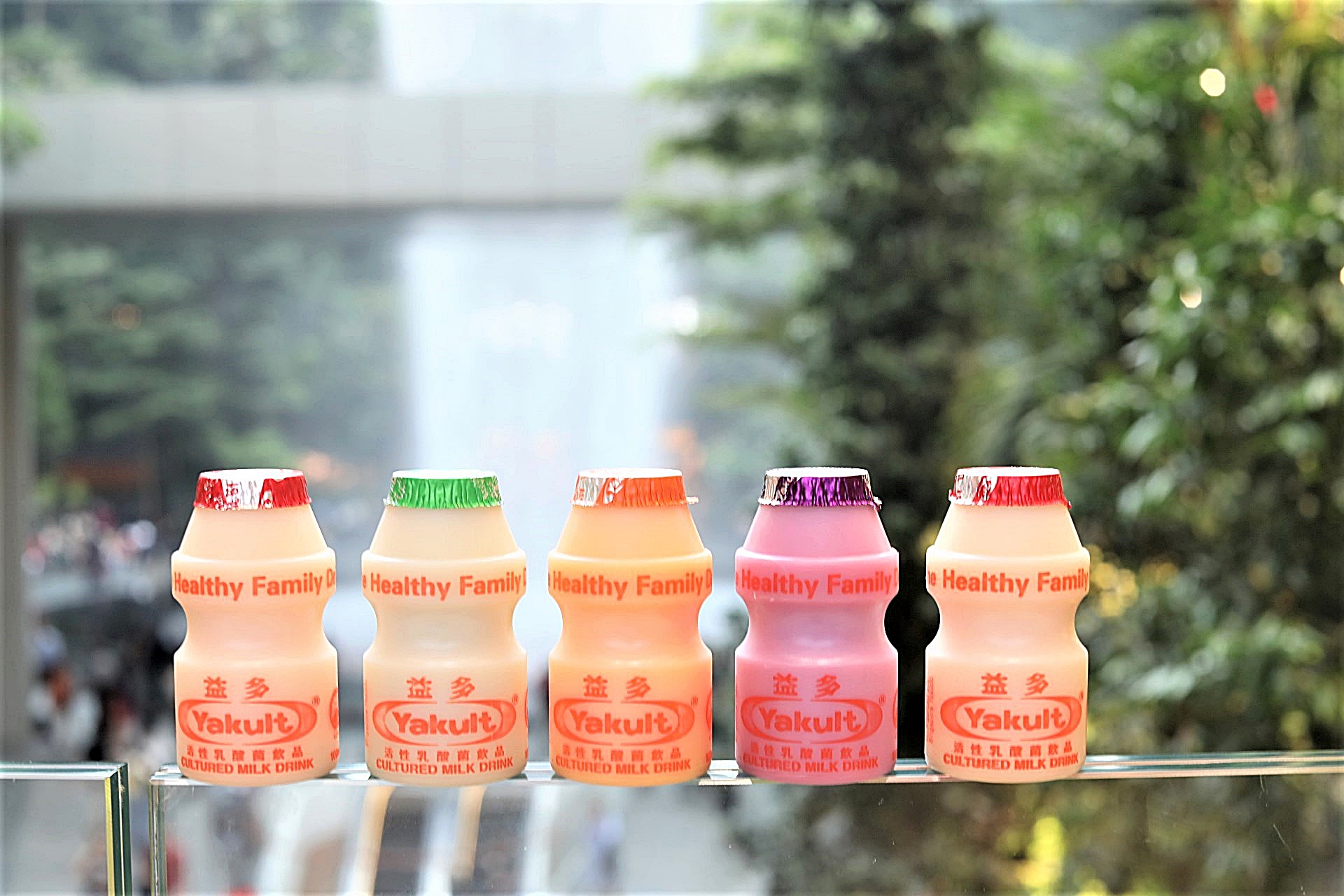
    Japanese sweetened probiotic milk brand Yakult is to open a pop-up dessert store in Tokyo next month.

    Located at the Shibuya 109 building, the Yakult store will offer a range of ice creams, soft serves, and shakes, which are mixed with probiotic milk. Seven kinds of treats, including Yakult Parfait and Ice de Yakult, are developed in partnership with Imada Kitchen.

    The store exterior will present an artwork drawn by the illustrator ‘The Peach of Girl’, which features a “chill and refreshing” vibe and “a feeling of nostalgia”. The Yakult dessert store will open from June 1 until August 1.

    First introduced in 1935, Yakult has been known as a healthy beverage that helps maintain good gut flora, as each bottle is said to contain more than 10 billion ‘Lactobacillus paracasei Shirota’ bacteria.

  • Vietnam’s TNI King Coffee makes US debut

    Vietnam’s TNI King Coffee makes US debut

    Vietnamese coffee label TNI King Coffee has entered the US, opening its first store in Anaheim, California.

    The launch marks the brand’s second international venture after South Korea. King Coffee said it aims to increase its US store network to 20 this year and 100 by next year via a franchise model.

    “The opening of the first restaurant in the US marks a strong development of TNI King Coffee in the global market,” said Le Hoang Diep Thao, founder and CEO of TNI King Coffee.

    Located in the heart of Orange County, the new King Coffee store is a 10-minute walk away from Disneyland. The store design was inspired by the ‘East-meet-West’ culture.

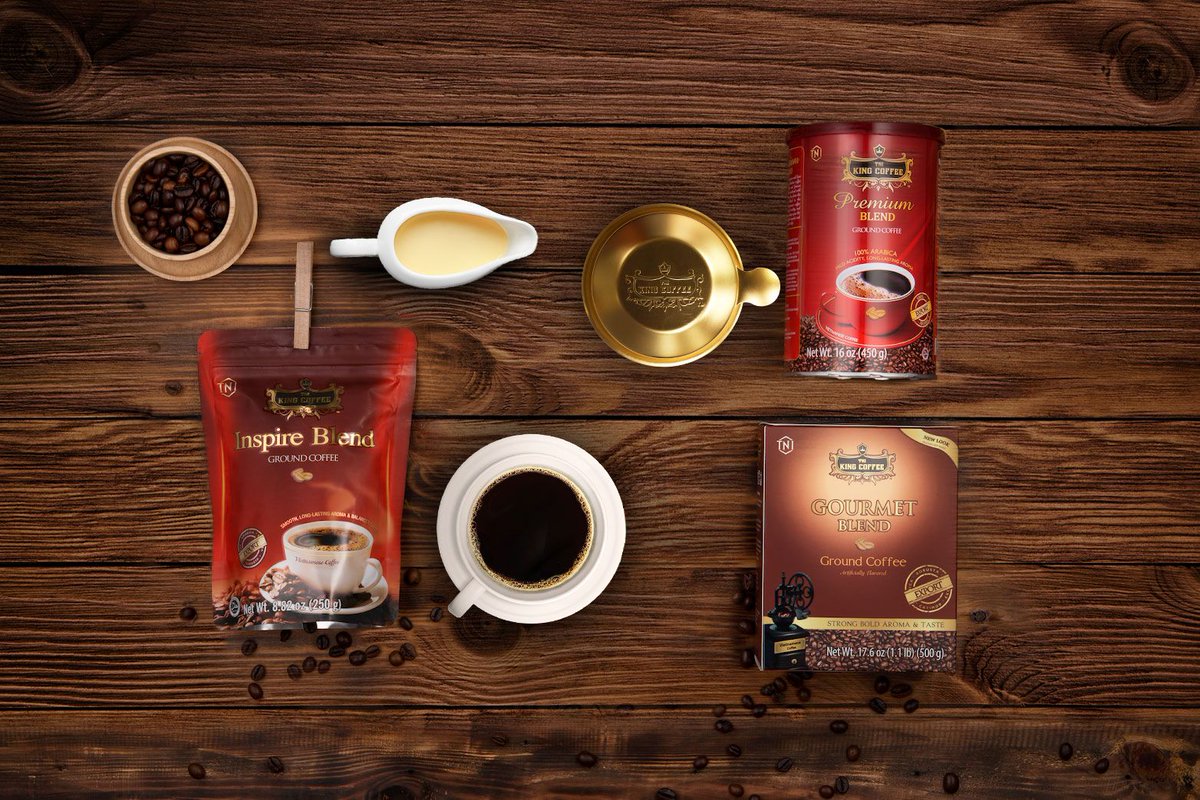
    King Coffee US houses a selection of coffee, including Vietnam’s famous iced milk coffee, black iced coffee, and egg coffee, together with a full-day menu of Vietnamese and Western food. The store also offers King Coffee’s FMCG product range, including instant and whole-bean coffee.

    After the US, the coffee chain also plans to expand its footprint to other markets, including China, Southeast Asia, the Middle East, and Europe.

    King Coffee is known for its Vietnamese coffee range, which is distributed in more than 120 countries and regions.

    Le Hoang Diep Thao previously co-founded Vietnamese coffee conglomerate Trung Nguyen Group with her now estranged husband. King Coffee now operates more than 50 stores in Vietnam.

  • Masan acquires 20 pct stake in Phuc Long tea chain

    Masan acquires 20 pct stake in Phuc Long tea chain

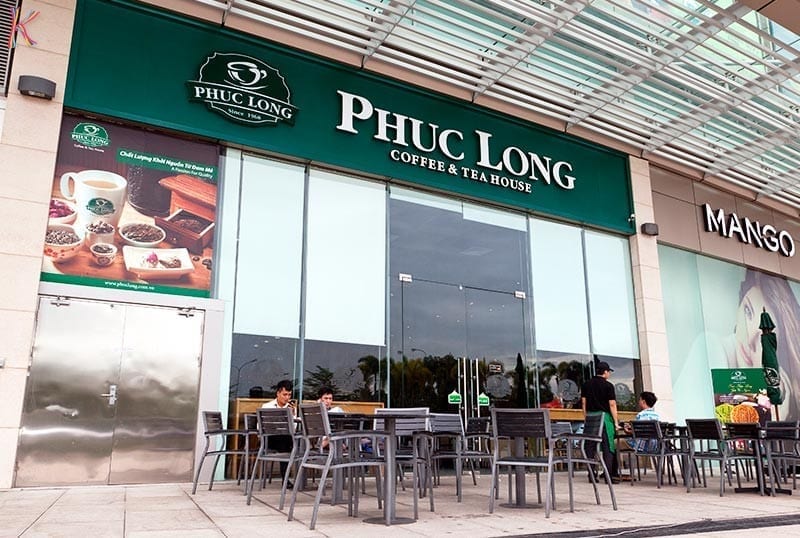
    A subsidiary of the Masan Group conglomerate has signed an agreement to acquire a 20 percent stake in tea shop chain Phuc Long Heritage Jsc.

    Masan’s The Sherpa Company Ltd will pour $15 million into the company, established last week to own the Phuc Long brand, which is among the most popular beverage brands in Vietnam with 82 stores nationwide.

    The deal puts Phuc Long Heritage’s valuation at $75 million.

    It will help establish Phuc Long kiosks in over 2,200 VinMart+ convenience stores to provide tea and coffee to consumers.

    In the last three months, four pilot kiosks have been opened in Ho Chi Minh City and another 1,000 will be set up in the next 18-24 months.

    “I believe that in combining the Phuc Long products and VinMart+ network of more than 2,200 stores today and 10,000 stores in the next five years, we will provide 100 million Vietnamese consumers with the opportunity to enjoy the freshest, most delicious tea and coffee,” said Truong Cong Thang, CEO of VinCommerce.

    Each kiosk will share 20 percent of its revenue with VinMart+, adding 4 percentage points to the profit margin of the retail chain.

    Vietnam’s tea and coffee market is valued at $2.3 billion and is expected to grow more than 10 percent per year, according to data from Masan, which also estimates that popular brands like Highlands Coffee, The Coffee House and Starbucks account for 25 percent of the market.

  • Tuna exports soar

    Tuna exports soar

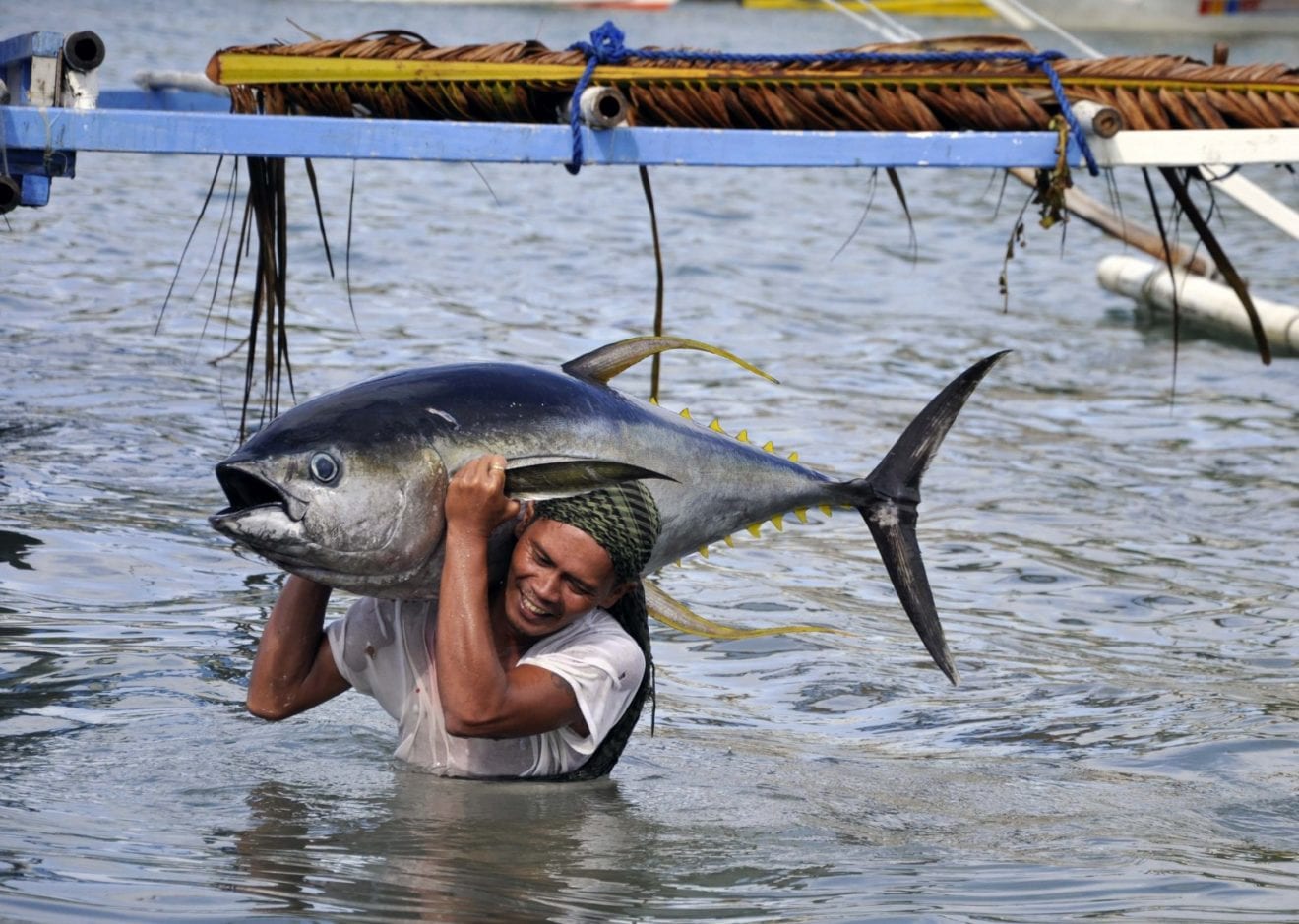
    Vietnam exported $74 million worth of tuna in April, a 50 percent year-on-year surge, with the U.S. and E.U. buying more.

    According to the Vietnam Association of Seafood Exporters and Producers (VASEP), tuna exports to the U.S. saw the highest growth with a 56 percent year-on-year surge in April.

    The association also reported a change in the export structure with the export of fresh and frozen tuna to the U.S. rising in April, while that of canned products decreased. Exports to the E.U. and members of the Comprehensive and Progressive Agreement for Trans-Pacific Partnership (CPTTP) trade pact also saw increases of 31 percent and 42 percent in April, respectively.

    The association said tuna exports to these major markets will continue to rise because preferential tariffs under free trade agreements are attracting foreign importers.

    Vietnam has exported $226 million worth of tuna by the end of April this year, up 15 percent year-on-year, even as the number of importing markets reduced to 63 from 90 last year.

  • Coles ramps up safety for online delivery of alcohol

    Coles ramps up safety for online delivery of alcohol

    Supermarket giant Coles has joined a coalition of some of the world’s largest liquor companies to promote better standards of alcohol sale and prevent underage consumption through online purchasing.

    The International Alliance for Responsible Drinking (IARD) aims to address the harm of overconsumption of alcohol on a worldwide scale, and promote the understanding of responsible drinking behaviors.

    “Most people consume alcohol in a sensible and responsible manner, however, we are committed to harm minimization initiatives that reduce excessive consumption,” said Coles Liquor chief executive Darren Blackhurst.

    “We saw a change in customer behavior during Covid-19 and continue to see strong performance in eCommerce, so we have worked to adopt best practice safety protocols online and are pleased to join the IARD to share information on global initiatives and drive further improvement across the industry.”

    In an effort to cut down on underage drinking made possible by the increase in online delivery of goods throughout the pandemic, Coles is introducing a number of new safety measures to its delivery practices.

    These measures include no unattended same-day delivery, or standard delivery for new or guest customers; no deliveries to be made to a public place in an alcohol-free zone; delivery agents will not be penalized for failing to complete delivery if they believe the recipient is under 18 years of age, or is intoxicated; as well as a ‘self-exclusion program’ where customers can opt-out of delivery services.

    Coles is also a signatory on the Alcohol Beverages Advertising Code and is a founding member of the not-for-profit organization DrinkWise.

  • Australia looks into delays to 20 per cent of grape exports to China

    Australia looks into delays to 20 per cent of grape exports to China

    Australia is looking into delays in table grape exports to China, with Trade Minister Dan Tehan saying about 20 percent of fruit shipped to the mainland is stuck at the border in yet another sign of deteriorating relations.

    “We’re trying to work out what is the cause of the hold-up,” Tehan told the Australian Broadcasting Corp in an interview published on Thursday.

    “I’ve been in discussions with the industry around what they’re seeing and what they’re hearing and we also have our post talking to Chinese officials about this.”

    Bilateral ties have sunk to their lowest point in decades after Prime Minister Scott Morrison led calls for a global inquiry into the origins of Covid-19, angering China which has since restricted imports of Australian products such as barley, cotton, wine, and lobsters.

    China was Australia’s largest customer for table grapes last year, taking about 60,000 tonnes worth around A$240 million ($186 million), or about 40 percent of total exports.

    Reuters reported last month that shipments of Australian table grapes were struggling to enter Chinese ports, leaving some exporters thousands of dollars out of pocket.

    Australian grape exporters said the majority of custom delays were across southern Chinese ports, most notably the Port of Shenzhen.

    “About 80 percent of table grape exports seem to have got in seamlessly. It seems to be the last 20 percent where there are some issues,” Tehan said.

    “We don’t want to jump to any conclusions,” he added when asked if table grapes were the latest target of the trade spat.

    “We’re trying to work through all of this and we’ll keep assessing it,” Tehan added.

    Despite the row, the value of Australia’s overall exports to China has held up due to strong prices for iron ore, its single biggest trade item. In the 12 months to March, Australia exported A$149 billion ($116 billion) of goods to China.

  • Beer Cartel launching crowdfunding campaign

    Beer Cartel launching crowdfunding campaign

    Beer Cartel is poised to be the next online retailer to convert the successes of Covid-19 into capital, with the alcohol delivery business announcing it will be performing a crowdfunding round soon.

    While little details have been shared, co-founder Richard Kelsey said he wants to open up investment opportunities for Beer Cartel’s customers and allow them to own a stake in the business.

    “We had a really successful 2020 and see that buying craft beer online is only going to grow from strength to strength over the next five years,” Kelsey wrote on Facebook.

    “We’re going to be doing a crowdfunding raise in the coming weeks.”

    The business was founded in 2009 by Kelsey and Geoff Huens out of an interest in good beer, and a seeming lack of it in Australian pubs and brewhouses.

    A number of large-scale e-commerce companies have stepped up their operations in the last year, from Adore Beauty launching its $270 million IPO in October, to Outland Denim’s successful $1.3 million crowdfunding effort.

  • Nigella Lawson fronts launch of Whittaker’s Hokey Pokey Crunch

    Nigella Lawson fronts launch of Whittaker’s Hokey Pokey Crunch

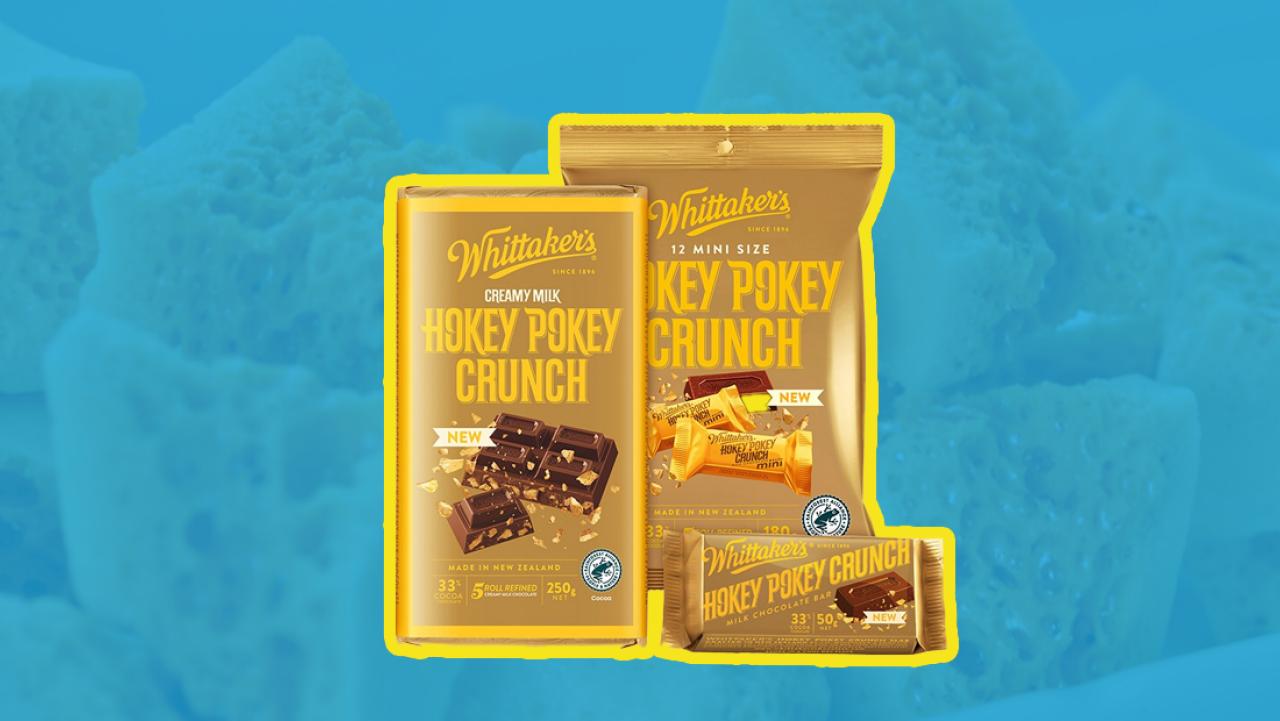
    New Zealand chocolate brand Whittaker’s has introduced Hokey Pokey Crunch flavor, with English food writer Nigella Lawson fronting the launch.

    Although the brand already has a hokey pokey flavor, the new recipe is expected to deliver a lot more ‘crunch’ and “take it to a whole new level”, according to Holly Whittaker, COO at Whittaker’s.

    Whittaker’s Hokey Pokey Crunch combines extra-aerated honeycomb pieces with 33 percent cocoa Five Roll Refined Creamy Milk chocolate.

    “Hokey Pokey is such an iconic flavor that we’ve been looking for ways to improve on our original product because we believe ‘best is always better,” said Whittaker.

    As part of the launch campaign, Nigella Lawson will feature in a promotional video which will be shared across digital platforms.

    “As always, Nigella has been a delight to work with on this campaign. As well as her genuine passion for Whittaker’s Chocolate she always brings absolute professionalism,” Whittaker added.

    The new product is available nationwide in Woolworths and Coles stores in Australia, as well as in New Zealand, of course.

  • Coopers says stout sales are nudging levels not seen since the 1950s

    Coopers says stout sales are nudging levels not seen since the 1950s

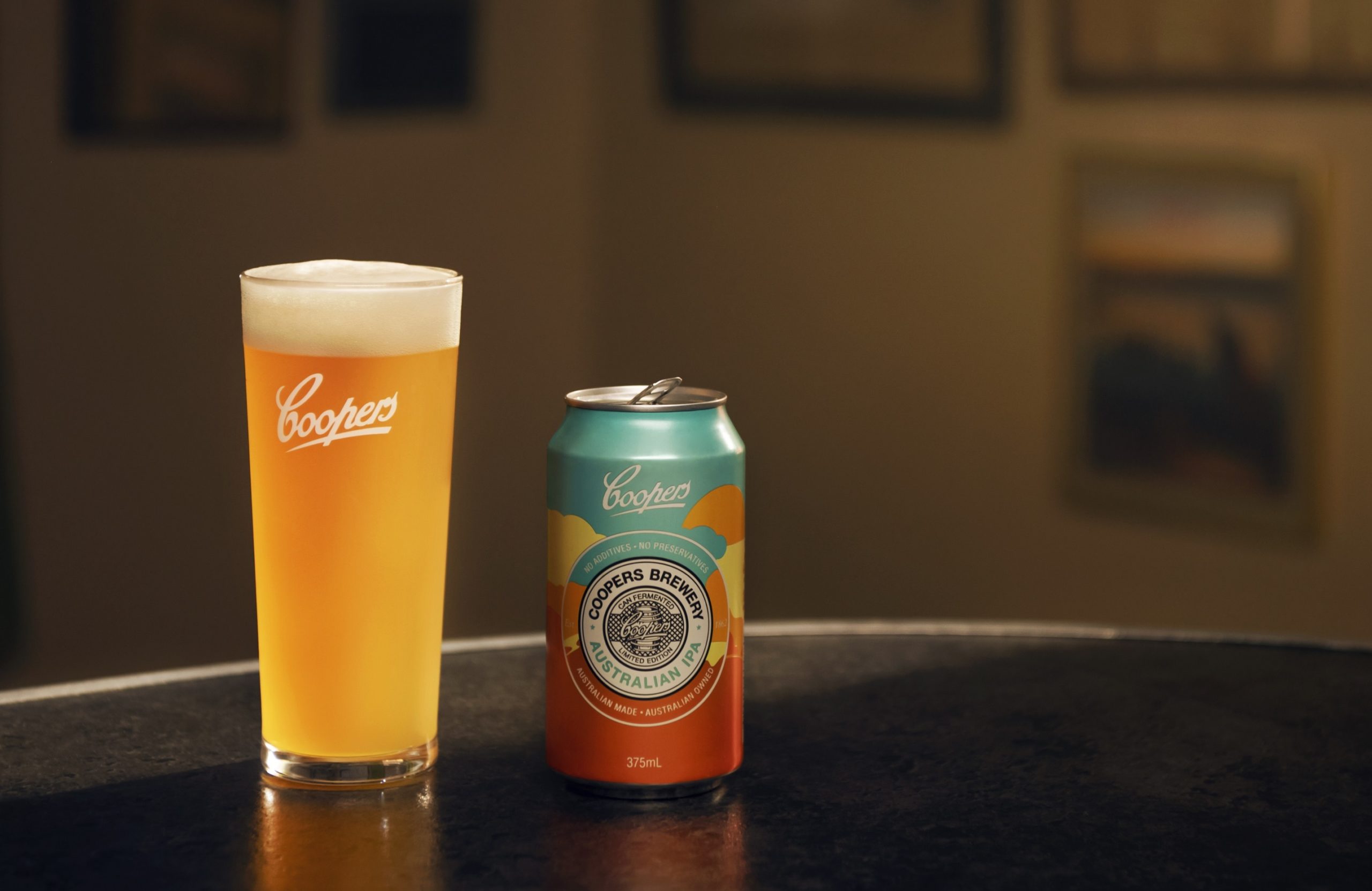
    Australian independent brewery, Coopers, reports the sales of its stout are the best in around 70 years. 

    Despite a pandemic-led drop in keg sales, figures released by the brewery show it sold 3.7 million liters of its Best Extra Stout last year, an increase of 10 percent from 2019.

    Coopers is releasing Best Extra Stout in 440ml cans next month, in time for an expected winter surge, joining the line of Coopers beers moving to a canned format during recent years.

    Coopers MD Dr Tim Cooper said the company expects the new can format would help build Stout’s resurgence and edge sales closer to 4 million for the first time in 70 years.

    “While our Stout has been in constant production since 1879, sales hit their peak in the 1950s when we were selling over 4 million liters annually,” said Cooper.

    “Demand for Stout declined after 1975, with sales dipping to below 2 million liters in the early 1990s. However, we’re now back amid a Stout revival, and the popularity of beer in cans is rising markedly,”

    Best Extra Stout is brewed using roasted malt with fruit and hints of chocolate, which the company says makes the beer taste great on its own or versatile enough to use as a mixer. 

    “We feel that releasing Best Extra Stout in a can format will make it even more appealing to new and seasoned lovers of this hearty brew,” said Cam Pierce, marketing and innovation director at Coopers.

    Coopers Best Extra Stout in matte black cans will be available in liquor outlets from June in four-packs and cartons. It is still available in bottle format and on tap.

  • Natures Organics launches new plant-based, sustainable haircare brand

    Natures Organics launches new plant-based, sustainable haircare brand

    Stepping up its sustainability commitment, home and personal-care brand Natures Organics has launched My Soda, the first haircare brand to offer sustainable refill solutions in supermarkets.

    Exclusively available at Woolworths, My Soda’s cruelty-free and vegan Shampoo and Conditioner uses refillable bottles crafted from recycled plastic and is available in three variants – Smooth, Hydrate, and Cleanse.

    According to the brand, the refill packs are designed to help reduce plastic waste by 80 percent and inspire consumers to keep, reuse, and refill their haircare bottles instead of throwing them away.

    The haircare brand has also partnered with RedCycle to ensure refill pouches are upcycled through the return-to-store program at Woolworths, allowing soft plastics to be converted into items such as furniture or playground equipment.

    On average, each Australian uses 130kg of plastic annually. Of this, only 9 percent of plastic is recycled, and up to 130,000 tonnes find their way into waterways and oceans.

    “With sustainability at the forefront of consumerism right now, we’re so proud to bring a natural plant-based, affordable, and trend-inspired haircare brand to Australian consumers, aimed at helping to reduce the environmental impact on our planet,” said Elise Synnot, marketing manager at Natures Organics.

    Launching this May, My Soda’s Shamp

  • Raise your glass to a good cause

    Raise your glass to a good cause

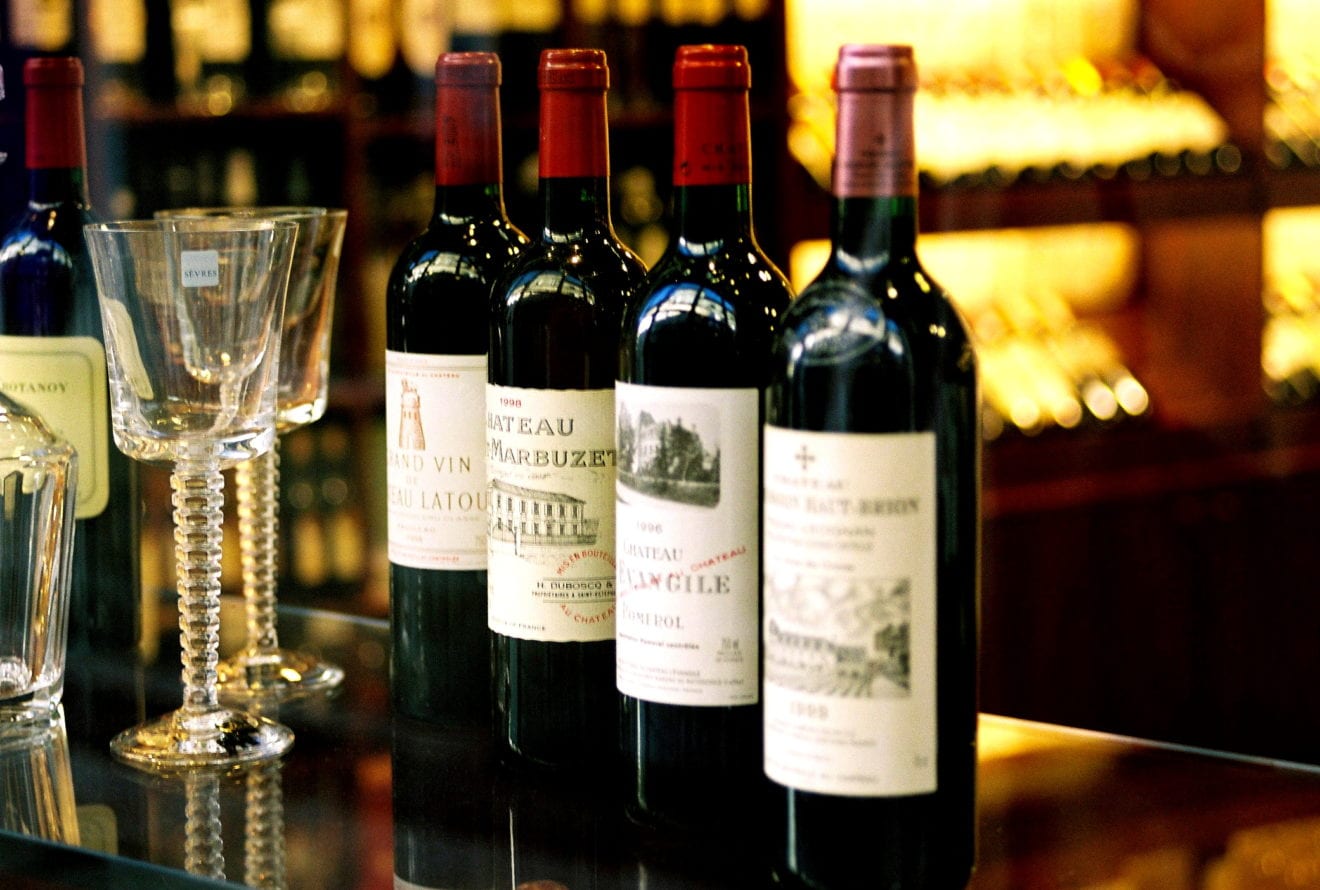
    Being located along South Australia’s Limestone Coast, the vineyards of winemaker The Hidden Sea were once covered by a vast ocean and home to a thriving marine ecosystem. “Ancient mineralized relics, including an extraordinary 26 million-year-old whale fossil, and an extensive museum of marine life, now lay buried beneath the alluvial soils of this World Heritage wine region,” the venture’s co-founder, Justin Moran, says.

    This marine heritage is one of the key factors that drove Justin and fellow co-founder Richie Vandenberg to launch The Hidden Sea with a very specific mission – to remove plastic from the oceans.

    Richie and I are not only good friends, but we also share very similar values and the drive that our business should have a higher purpose,” Justin says. “So, yes, The Hidden Sea is a commercial business, and we need to make a profit, but a profit from work that benefits humanity.”

    Although best known for a ten-year career in the AFL with Hawthorn – he captained the club from 2005 to 2007 – Richie grew up amongst the vineyards and has over 12 years’ experience as a grower, and more than 25 years’ association with the wine industry through his family enterprise. Serial entrepreneur Justin has successfully built and sold businesses in the retail, restaurant, nightclub, FMCG, entertainment, and technology sectors. “Our wines are soft and round, approachable and true to variety,” Richie enthuses. “We make wines for people that care, so when someone buys our wine, they’re not just satisfying their own immediate needs but also contributing to something much larger than themselves, and our wines must therefore reflect this trust.” The origin of the ‘terroir’ on which the wines age grown is celebrated through the depiction of the ancient fossil on the labels of the Hidden Sea range.

    “Of the 6.3 billion tonnes of plastic produced since its invention in the 1930s, only nine percent has ever been recycled.”

    The pair believe that consumers are looking to be a part of something bigger than themselves. “We enable them to achieve this through the simple purchase of wine,” Richie explains. “For every bottle sold, we remove 10 plastic bottles from our oceans and recycle them through our partner, ReSea Project.” Every collection the business makes is audited and traced through an on-bottle QR code system. The ReSea project supports coastal communities, with local fishermen supplementing their income by removing plastic from rivers and the ocean, and in so doing improving their earning potential from their primary role by helping marine life flourish in a plastic-free environment.

    “Since the 1 July 2020, we have removed and recycled over 1.2 million single-use plastic bottles from our world’s oceans,” Justin says, adding that that figure equates to 21,000 kilograms of plastic being removed. “What we are proud of at The Hidden Sea is that this result is not a percentage, or case sales, or profit – it’s a tangible impact on our ocean that is quantifiable.”

    Justin and Richie have a specific long-term goal for the business. By 2030 they aim – with the help of their customers, market partners and retailers – to remove a billion plastic bottles from the oceans and recycle them.

    Ultimately, Justin says that industry around the world needs to build a circular economy for plastics, so that plastic bottles and packaging is constantly recycled and reused, rather than being discarded and going to landfill. “Of the 6.3 billion tonnes of plastic produced since its invention in the 1930s, only nine per cent has ever been recycled,” Justin laments. “This alarming statistic means that every human now consumes enough plastic each week to make a credit card through their normal diet, according to research by the WWF.”

  • Fry’s launches alt-meat product Pea Protein Mince

    Fry’s launches alt-meat product Pea Protein Mince

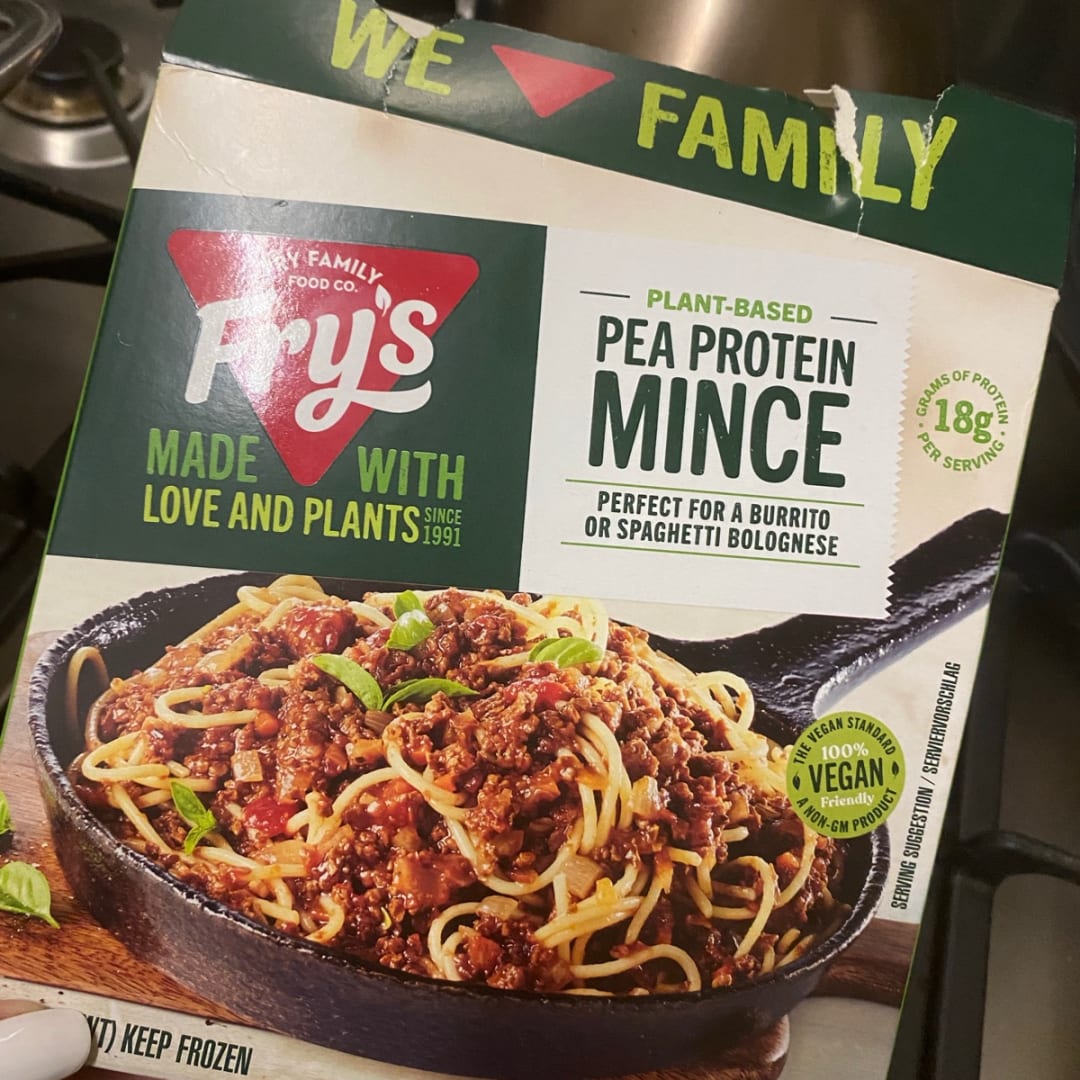
    Plant-based food maker The Fry Family Food Co has rolled out meat alternative Pea Protein Mince. The new plant-based meat is made from non-genetically modified ingredients and plant proteins, without onion and garlic.

    According to ANZ marketing director of The Livekindly Collective Tammy Fry, the business wanted to offer a kinder twist on a modern ingredient and to help Aussies reduce meat consumption while still being able to enjoy their favorite meals.

    “Our Pea Protein Mince is just that and, even better, it’s actually easier to cook than traditional mince, cooking from frozen in just five minutes,” said Fry.

    “Pea Protein Mince is another way that Fry’s is helping Aussies change the world from their kitchen table.”

    Fry’s Pea Protein Mince is available in Coles and independent retailers across Australia.