Category: Food

Retail News Asia is committed to providing both local and global retailers with the latest Food and Food & Beverage news throughout the Asian market. This on a daily base.

  • Subscription service Beer Cartel to sell shares to public

    Subscription service Beer Cartel to sell shares to public

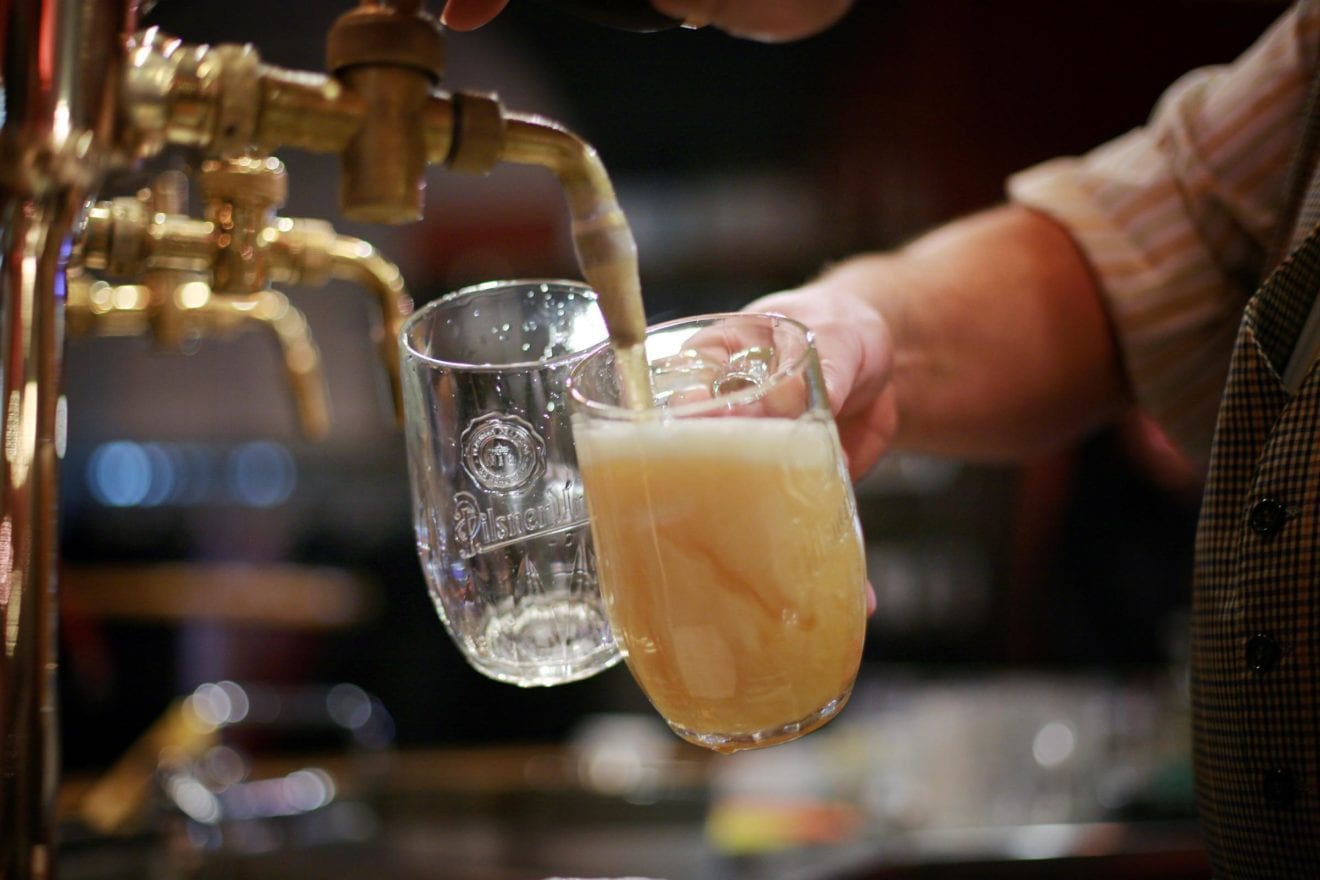
    Craft beer retailer, Beer Cartel, is gearing up for an initial public offering in Australia, allowing customers to own a stake in the business.

    The alcohol delivery business aims to raise $1.5 million through equity crowdfunding with Birchal to fund its growth and improve its logistics, website and offer.

    Founded in 2009 by Geoff Huens and Richard Kelsey, Beer Cartel currently offers over 1000 craft beers from breweries worldwide. With 20-30 new beers being added weekly, many exclusive to its website and Sydney store.

    “While buying shares in Beer Cartel will probably give you bragging rights to your mates, our 100,000 loyal customers and 12 years of successful online retailing prove we mean business,” said Kelsey.

    “As a part-owner of the country’s biggest craft beer bottle shop, not only will you be able to share in our success – you’ll also be given excellent perks. Imagine having personal access to an Aladdin’s Cave of craft beers from all over the world, at special ‘investor prices’,” he added.

    The business is expecting a huge interest after it recorded a 75 percent increase in revenue over the past year during Covid. Sales were not just limited to its range of craft beers; it also saw an increase in its mixed craft beer packs and monthly beer subscription.

    Huens said that while Covid put pressure on the company last year, the uptick in sales allowed it to employ hospitality workers who lost their jobs because of the pandemic.

    “It was also very satisfying to support craft breweries that were taking a massive financial hit because so many hospitality venues were closed or had severe capacity limits put in place. Our success had a flow-on effect to many families and small businesses around Australia,” he added.
  • Omotesando Koffee to open first Philippines cafe in Manila

    Omotesando Koffee to open first Philippines cafe in Manila

    Japanese coffee shop Omotesando Koffee is officially opening its first Metro Manila branch in Power Plant Mall, Makati City, tentatively slated for an August 2021 launch.

    The famous Zen-style, minimalist coffee shop from Tokyo will be brought into the Philippines by H&F Retail Concepts, the group behind luxury fashion brands Univers, Homme et Femme, Balenciaga, Comme des Garcons, and Fred Perry.

    David Ong, owner and head barista of The Curator and EDSA Beverage Design Group, will be helping out.

    “Well, the cat’s been out of the bag for a while now. This is just formalizing it further. The opening of the first branch is fast approaching, and we’re helping out a little bit,” Ong wrote on Instagram on Tuesday, June 1, posting a call-out for interested baristas to apply.

    According to Ong, two more Omotesando Manila locations will be opening this year, but the hiring process will be for this branch initially.

    News that Omotesando Koffee would open in Metro Manila first circulated late 2020, when the original brand’s Instagram page added “Manila” to a list of locations on their Instagram bio, alongside Tokyo, Hong Kong, Singapore, Bangkok, and London.

    Omotesando Koffee first opened as a humble pop-up shop in Omotesando Hills, Tokyo in 2011, growing in popularity for 5 years until it closed in December 2015 due to the “aging building” it was located in.

    They opened their first Hong Kong branch a year later, and expanded to cities around the world, including a re-opening in Shibuya, Tokyo as Koffee Mameya.

  • Vietnamese restaurant chain Roll’d launches FMCG range through Coles

    Vietnamese restaurant chain Roll’d launches FMCG range through Coles

    Vietnamese restaurant chain Roll’d, has rolled out a range of pantry staples at Coles, allowing customers to recreate restaurant favoritesnoo at home.

    Starting this month, shoppers can now purchase the same ingredients and condiments used at the restaurant, including a range of four sauces – Sticky Hoisin, Spicy Hoisin, Nước Mắm, and Chili Mayo (at RRP $6) – rice papers ($4), vermicelli noodles ($3.50) and rolling trays ($10).

    According to Roll’d, the products are simple to use, free of preservatives, additives or gluten and suitable for vegetarians and vegans.

    In addition, customers can scan the QR code at the back of any Roll’d product to access tutorials and recipe ideas designed to suit different skill levels.

    “Teaching Australians to roll their very own Roll’d Vietnamese Soldiers through this new Coles grocery partnership is a natural extension for us beyond the traditional QSR arena,” said Bao Hoang, Founder and CEO, Roll’d.

    “We’re excited to be sharing our authentic Vietnamese eats and recipes to the wider community, going into homes, lunchboxes and onto dinner tables with fresh, family eats options that are healthy and guilt-free.”

  • Nestle internal memo suggests 60 per cent of its products are unhealthy

    Nestle internal memo suggests 60 per cent of its products are unhealthy

    Nestle said on Monday it was working on updating its nutrition and health strategy after the Financial Times reported an internal document at the food giant described a large portion of its food and drinks as unhealthy.

    The newspaper said it had seen an internal presentation circulated among top executives early this year stating that more than 60 percent of Nestle’s mainstream food and drinks portfolio could not be considered healthy under a “recognized definition of health”.

    The paper said this assessment applied to about half of Nestle’s overall portfolio because categories like medical nutrition, pet food, coffee and infant formula were excluded from the analysis.

    Kepler Cheuvreux analyst Jon Cox said that including these categories would significantly reduce the proportion of products potentially considered unhealthy.

    “Given the group’s confectionery, ice cream, and pizza businesses, the real figure for the group based on 2021 estimates would be 28 percent, which is hardly a surprise,” he said in a note. He said the report could point to changes in the product portfolio, notably an exit from mainstream confectionary.

    Nestle said in a statement it was working on a “company-wide project” to update its nutrition and health strategy and was looking at its entire portfolio to make sure its products helped meet people’s nutritional needs.

    It said it had reduced sugars and sodium in its products by about 14-15 percent in the past seven years and would continue to make its products healthier.

  • Online groceries shopping booms as HCMC practices social distancing

    Online groceries shopping booms as HCMC practices social distancing

    Many HCMC residents have turned to online shopping for essential goods following a two-week social distancing order across the city, and e-commerce platforms are reporting a boom.

    Data from e-commerce platform Tiki shows sales grow by 30 percent last weekend, just before social distancing was implemented in Ho Chi Minh City on Monday, with a rise in the number of searches for fast-moving consumer goods, fresh food, mom and baby products.

    E-commerce platform Lazada’s sales of fast-moving consumer goods in the past few days were three times higher than during social distancing period in April last year. Sales of fresh food and frozen products have increased tenfold.

    Tran Tuan Anh, CEO of e-commerce platform Shopee, confirmed that there has been high demand for essential goods, especially fast-moving consumer goods, healthcare products and house appliances.

    A Tiki representative who did not want to be named said that they have been working with suppliers to increase the supply of essential goods, fresh food as well as tech products that serve work and entertainment at home by up to 50 percent, while supply of hand sanitizers will increase 25 times.

    Shopee said it has been selling essential goods at reasonable prices and providing free shipping for customers. It is also implementing free advertising programs for its sellers.

    Lazada has affirmed it will continue expanding goods supply, besides implementing discount programs, no-contact delivery and boosting cashless payments.

    Latest data from Malaysia-based market research firm iPrice shows consumers have grown accustomed to buying essential goods online, with the groceries segment the only one to see a 13 percent year-on-year increase in the number of web visits in Q1.

    Meanwhile, web visits related to non-essential goods like mobile phones and electronics appliances dropped 9 percent and 6 percent, respectively.

    Covid-19 has served as a catalyst for e-commerce, boosting online shopping demand for essential goods, iPrice stated.

  • Tyson Foods to launch plant-based foods in Australia

    Tyson Foods to launch plant-based foods in Australia

    Tyson Foods, the largest meat processor in the US, says it plans to launch plant-based products in Asia Pacific, including Australia.

    A range of three products will go on sale in Malaysia imminently under the First Pride brand – frozen Bites, Nuggets and Strips made with regionally sourced ingredients including bamboo fibre, soy protein and wheat protein. They will be halal certified.

    Tyson Foods said in a statement it would expand the range into other selected markets across the Apac region through retailers and online during the coming months.

    This is the first time the company has introduced plant-based products in Asia-Pacific. The company will go head to head against Impossible Foods, Nestle and Beyond Meat, along with  Omni-branded products from Hong Kong-based plant-based startup Green Monday.

    Demand for plant-based foods is surging across Asia Pacific, with manufacturers seeing a leap in sales during the Covid-19 pandemic.

    Data from Euromonitor cited by Tyson Foods predicts alternative proteins could account for 11 percent of the global protein market by 2035. APAC retail sales of meat substitutes reached US$16.3 billion last year and are expected to exceed $20 billion by 2025.

    Tan Sun, president at Tyson Foods APAC, said the company was targeting consumers embracing flexitarian diets.

    “Our plant-based launch will complement our existing assets across Thailand, Malaysia and Australia where we offer a range of products from poultry to beef.”

    He said the Asian market is a natural fit for this category with traditional plant-based products like tofu already entrenched in the culture. “The key to meeting consumer preferences with new plant-based protein is through innovation and making locally relevant products that taste great, which is our expertise,” he said.

    “Our new product expansion delivers on taste and quality, giving consumers a modern take on familiar tastes, local flavors and texture.”

    Tyson Foods says the flavors of products and package sizes will vary from country to country but would be “priced competitively”. The initial range sold in Malaysia will be sold in 420g bags priced at RM19.90 (US$4.81). They will be launched initially in retail stores, but a foodservice range will be developed later in the year.

    David Ervin, VP of alternative protein at Tyson Foods said the company’s global culinary network and scalability positions it well to replicate the success it has had in the US with plant-based foods in Asia Pacific.

  • Beef prices rise as global supply gets ‘very tight’

    Beef prices rise as global supply gets ‘very tight’

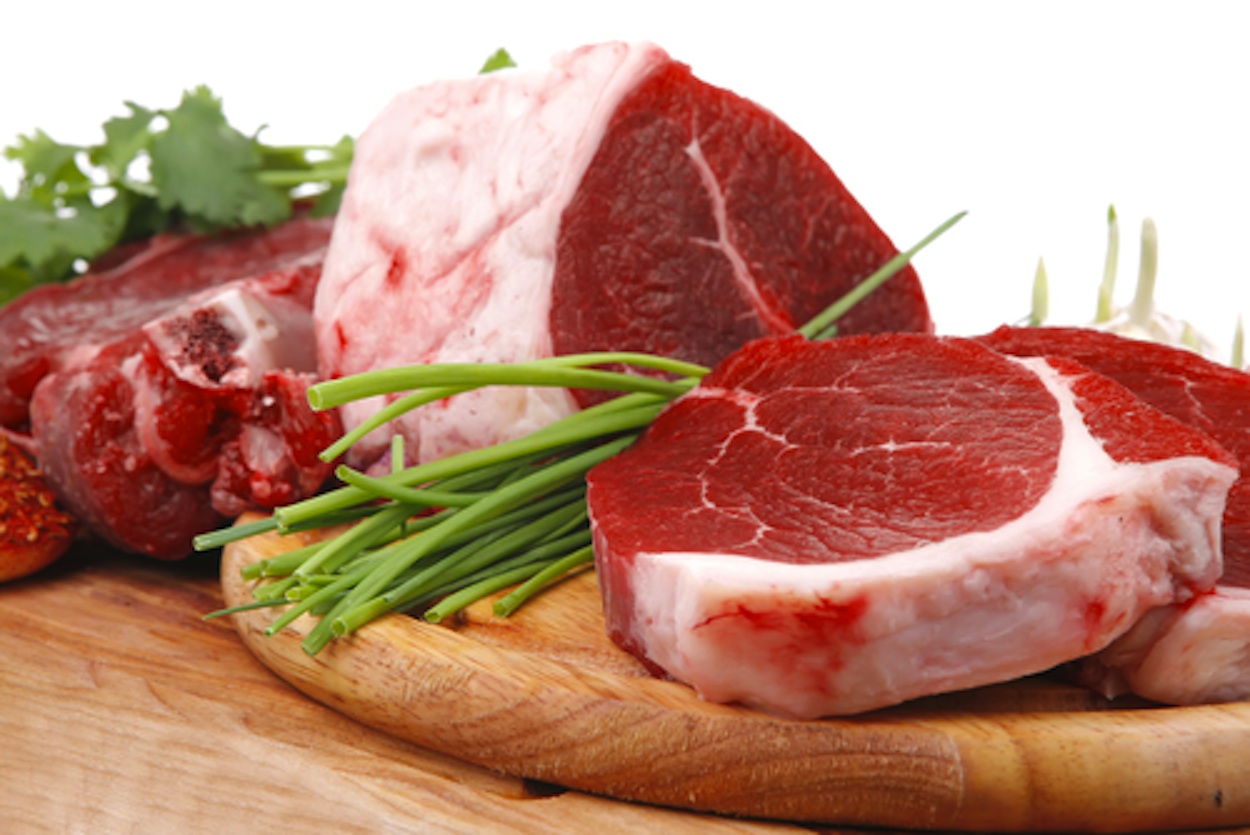
    Beef prices are reaching record levels in some international markets with localized disruptions – including droughts and increased consumer demand in some countries – exerting a “dramatic impact” on global trade, according to Rabobank.

    In its Q2 Beef Quarterly research, the bank says a fundamental shift is underway in international beef market dynamics creating a “very tight” global market for beef cattle.

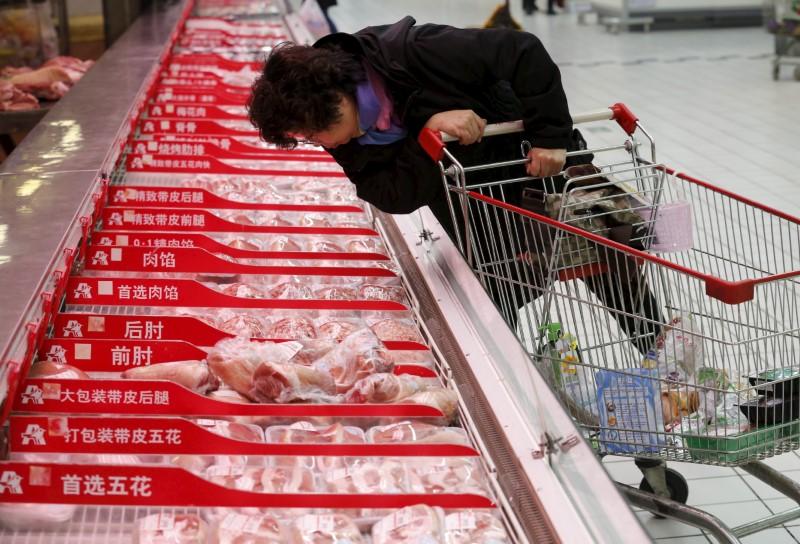
    The report’s co-author, Rabobank senior animal proteins analyst Angus Gidley-Baird, says local factors include the post-drought herd rebuilding in Australia which has reduced the number available for slaughter, and soaring demand in the US as restaurants reopen after Covid-related trading restrictions. Meanwhile, Chinese consumers are eating more beef.

    “Given the growth in demand (for beef) and global trade, pressures created in the system now mean that what may once have been considered slightly abnormal seasonal conditions (for example) are now causing major shifts to markets,” the report says.

    In the US, wholesales prices in April were running 18.5 percent higher than those of April 2019 and retail prices were up by 11.5 percent.

    “This is the result of a number of factors, including renewed competition between foodservice and retail triggered by the reopening US economy, combined with grilling season, high consumer incomes, and strong exports,” he said.

    In Australia, successive years of drought have forced farmers to liquidate stock resulting in the country’s smallest beef cattle herd in 30 years. East Coast cattle slaughter was down 30 percent in April, for example. These factors underpinned a 30-per-cent year-on-year surge in young cattle prices in February last year and a further 20 percent last February.

    But it is not all bad news for local farmers, said Gidley-Baird.

    “While lower volumes and higher prices make competing in the global market more difficult, the tight market situation is working in Australia’s favor and creating less resistance to our high prices,” he said.

    “We believe that current cattle prices in Australia will ease as cattle numbers increase and producer demand dissipates. However, as the supply chain overcomes the disruption here and consumers adjust their price expectations, we believe the market will adjust and a new baseline will be established.”

    In China, efforts to increase local beef production are failing to match increasing demand from consumers, forcing the country to rely on imported beef which is in short supply and commanding a higher price. Many Chinese consumers have switched from pork to beef after an outbreak of African swine fever.

    “While part of the beef consumed as a substitute for pork and will shift back when pork production recovers, we expect strong Chinese beef demand to remain as new markets have been established,” said Gidley-Baird.  “This will continue to drive Chinese beef imports from the global market.”

    Australia’s beef exports were down 22 percent in April and are running 11 percent below the five-year average. China accounted for just 17 percent of that, down from 24 percent in 2019.

  • David Jones Food review leads to end of BP partnership

    David Jones Food review leads to end of BP partnership

    Following a review of David Jones’ food business, which was signaled by chief executive Scott Fyfe in March, the department store’s partnership with convenience chain BP is ending.

    The 35 dual-branded sites built over the past year will be transitioned in the coming months as DJs continues to streamline its Food business.

    “Our organizations have collectively agreed to work through a managed transition that will see our relationship end in the coming months,” a BP spokesperson said.

    “We know the needs of consumers are changing and we are excited by the growth opportunity this presents for BP in Australia.

    “A differentiated offer which is delivered well clearly resonates with our consumers, who lead busy lives and want easy access to healthy and delicious food.”

    David Jones, on the other hand, will refocus its food efforts toward bespoke Food Halls in its Elizabeth Street and Bondi Junction locations, as well as its pantry and seasonal ranges.

    “We thank BP for its strong collaboration throughout the partnership and wish the business all the best in the next phase of its development,” a David Jones spokesperson said.

    “David Jones remains committed to delivering an exceptional food range reflective of our customers’ needs and preferences while reducing cost and enhancing overall business performance.”

    The issue seems to have stemmed from David Jones’ failure to make a profit from its Food ventures, with parent company Woolworths Holdings group chief executive Roy Bagattini stating the business has “not transitioned fast enough“ during an analyst call last September.

    And, that while the David Jones Food convenience locations were progressing well, the larger format David Jones Food business trades at a loss.

    At a minimum, Bagattini said he hoped a review would get the food business to a break-even position by the 2022 financial year.

  • Pringles launches Veggie Creations snack range

    Pringles launches Veggie Creations snack range

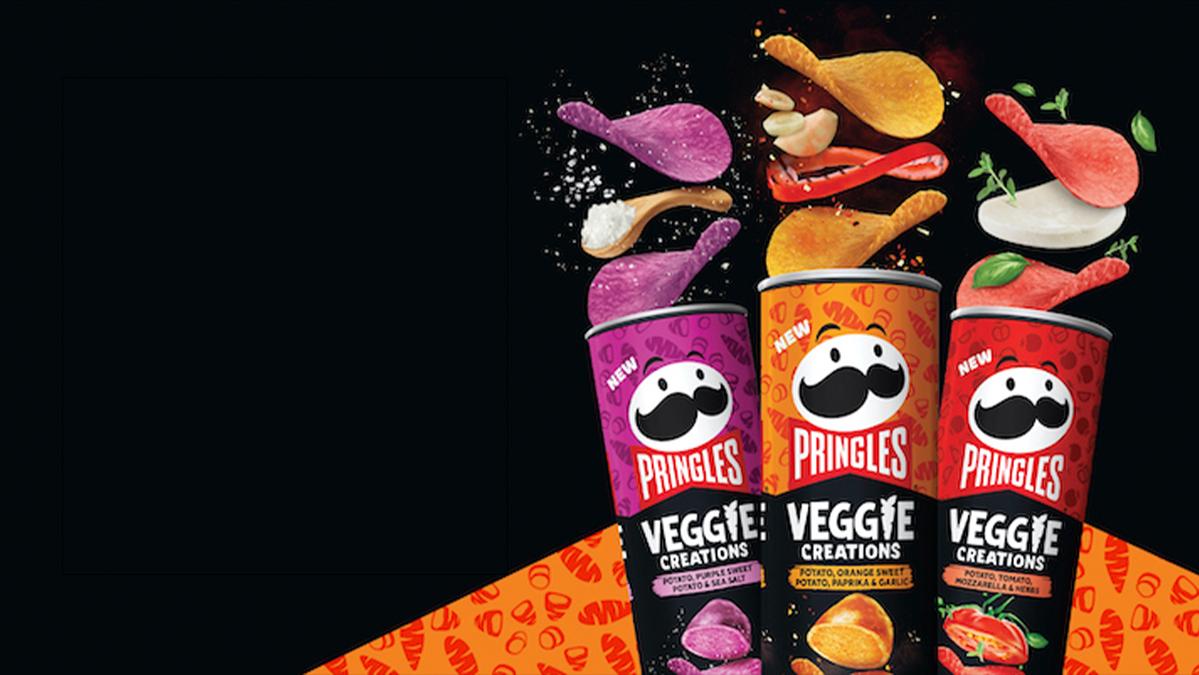
    Pringles has launched “Veggie Creations,” a new range of vegetable and spice-inspired potato chips.

    Available in three flavors, the brand new range is said to offer “a multi-sensory snacking experience” with a colorful combination of assorted flavors.

    The three Veggie Creations flavors are Potato, Orange Sweet Potato, Paprika & Garlic; Potato & Tomato, with Mozzarella & Herbs; and Potato, Purple Sweet Potato & Sea Salt.

    Pringles Veggie Creations are available at Coles supermarkets beginning June and available nationwide in all supermarkets from August.

  • Vietnam might lose entry to global rice contest

    Vietnam might lose entry to global rice contest

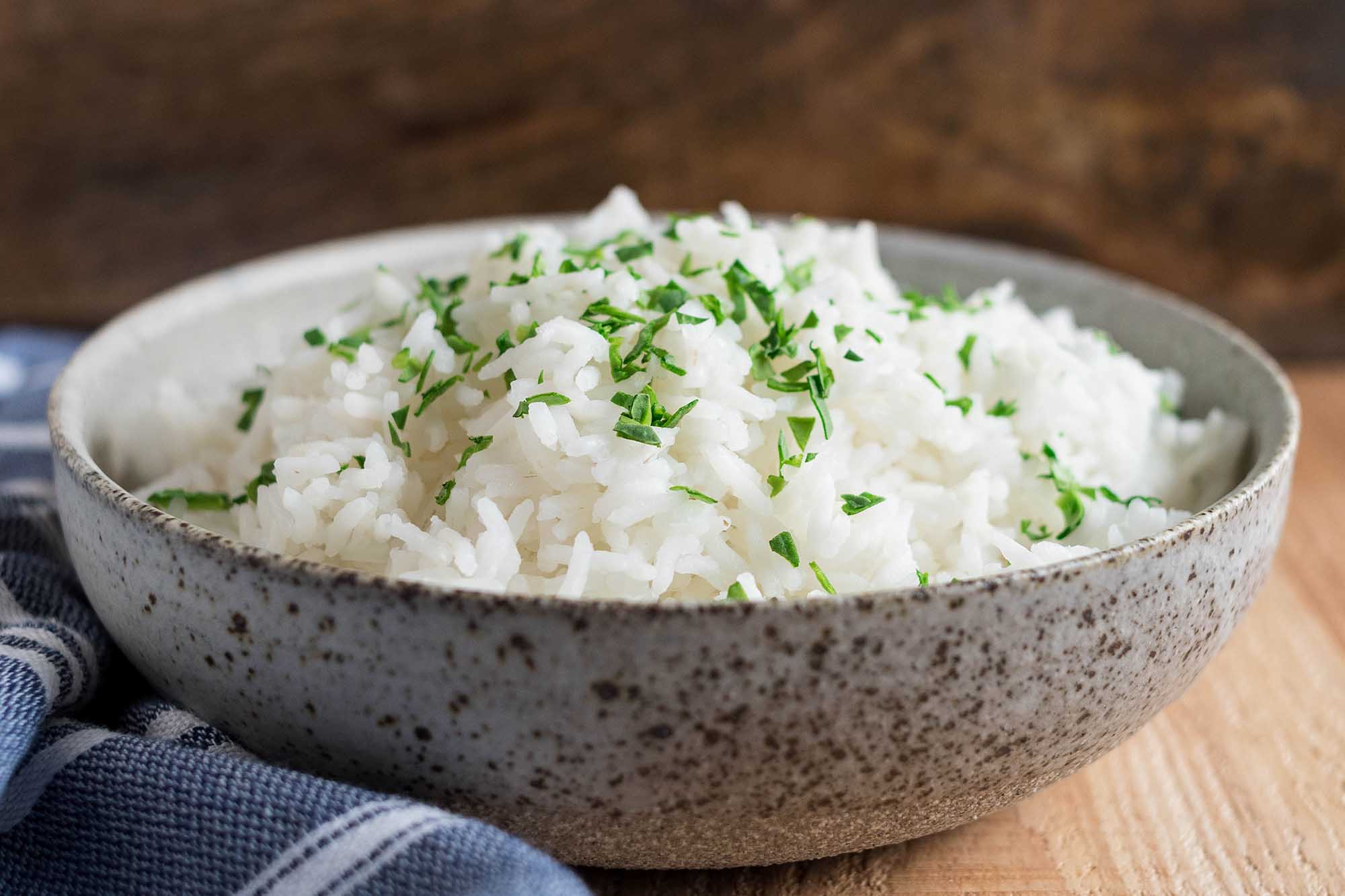
    Vietnam might lose its right to enter the World’s Best Rice Contest because of the large number of unauthorized companies selling the ST25 variety on the market.

    U.S.-based The Rice Trader, organizer of the annual contest that started in 2009, said only the ST25 rice variants produced by the company of Ho Quang Tri, the son of the main developer of the rice, Ho Quang Cua, is allowed to use the “World’s Best Rice” title in promoting this product.

    However, many Vietnamese companies have been printing this title on their product packages without permission from The Rice Trader, which is a copyright infringement, it said in a statement.

    Should these actions persist, the organization will release the names of the infringers and take away Vietnam’s rights to participate in the contest in upcoming years, it warned.

    The ST25 variety from Vietnam won the World’s Best Rice Contest in 2019 and secured second place last year, losing first place to a jasmine fragrance variety from Thailand.

    The ST25 variety is the result of 25 years of work by Cua and his colleagues who cross-bred the premium fragrant rice, described as having a sweet taste and a hint of pineapple flavor, in the Mekong Delta province of Soc Trang.

    Other countries that have won the contest in previous years include Thailand, the U.S., and Cambodia.

  • Vietnamese consume more meat, beer despite falling incomes

    Vietnamese consume more meat, beer despite falling incomes

    Although incomes have fallen because of the pandemic, a survey has found living standard improvements with Vietnamese people consuming less rice but more beer and meat.

    The GSO estimates per capita monthly income fell 2 percent from the previous year to VND4.2 million ($182), because of the Covid-19 pandemic, according to the 2020 living standards survey conducted among 47,000 households nationwide by the General Statistic Office (GSO).

    The survey found that per capita monthly rice consumption declined from 9.7 kilograms in 2010 to 7.6 kilograms last year.

    On the other hand, per capita meat consumption rose from 1.8 kilograms per month in 2010 to 2.3 kilograms last year. Per capita beer and alcohol consumption reached 1.3 liters per month last year from 0.9 liters in 2018.

    The GSO reported that there were significant wealth discrepancies between urban and rural areas. The per capita monthly income in urban areas last year was VND5.5 million, 1.6 times higher than that in rural areas.

    A HCMC-based economist said that farmers should reduce rice farming and shift to produce with higher returns in order to increase per capita income in rural areas.

  • Vietnam exports 20 tons of lychees to Japan

    Vietnam exports 20 tons of lychees to Japan

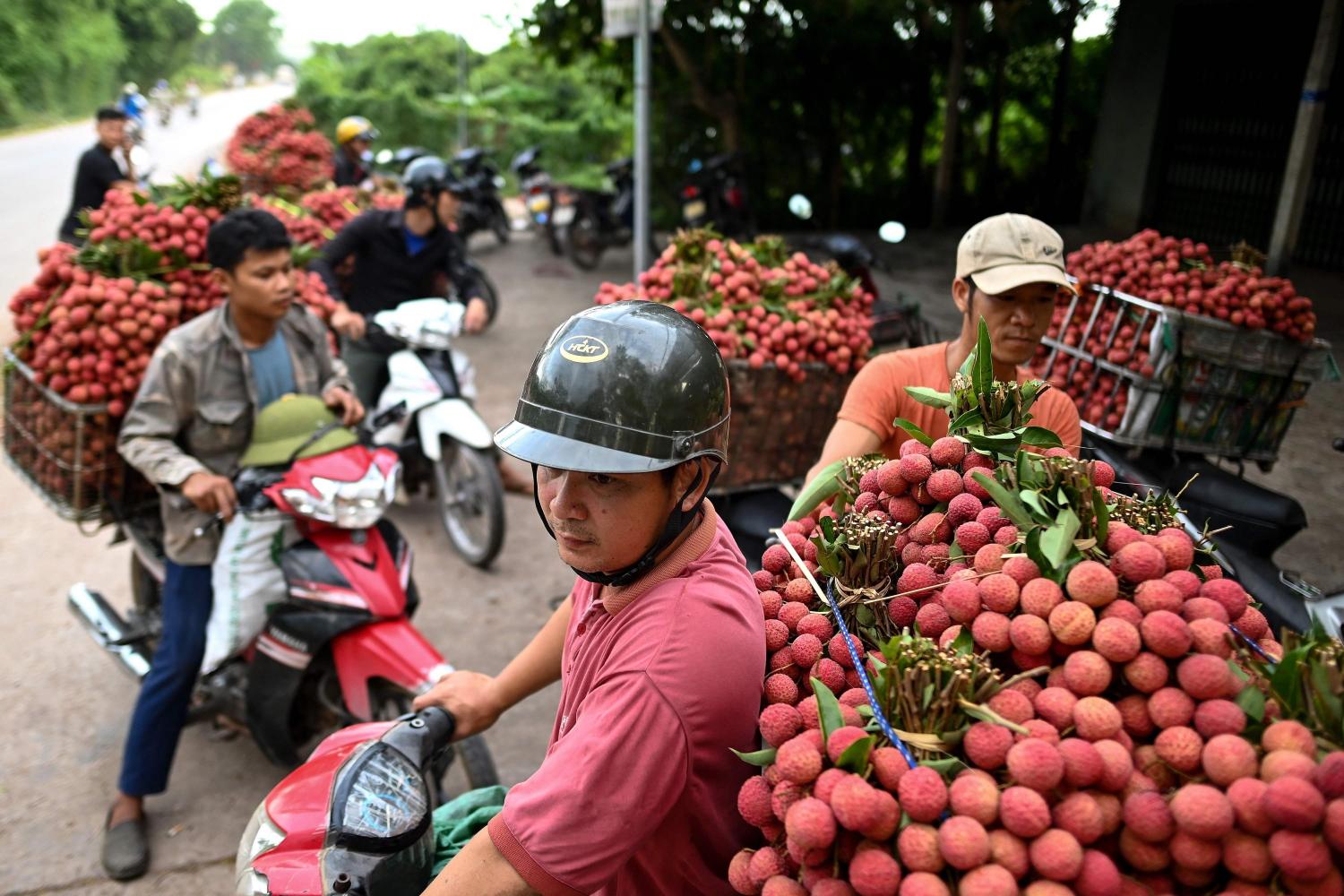
    Twenty tons of lychees from the first batch of the 2021 season harvested in the northern province of Bac Giang have been shipped to Japan.

    This is the second year that the fruit has been exported to far east economic giant from Bac Giang, the premier lychee growing province in the country.

    The lychees were grown in the province’s Tan Yen District and shipped by the Global Export and Import Foodstuff JSC and Chanh Thu Export and Import Fruit Company.

    The two companies said that they would export more Bac Giang lychees to Japan by air and sea this year.

    Tan Yen District cultivates lychees on 1,300 hectares and expects to harvest 14,000 tons of the fruit this year. Its early harvest season will last until mid-June.

    Nguyen Viet Toan, chairman of the district People’s Committee, said they have quarantined everyone who’s come into contact with Covid-19 patients, set up checkpoints on roads leading to lychee cultivation areas, and are checking the health of every visitor to ensure the orchards are unaffected by the pandemic.

    Under regulations set by Japan’s Ministry of Agriculture, Forestry and Fisheries, Japanese experts have to directly supervise phytosanitary certification of exported produce in Vietnam. However, during the pandemic, Japan has authorized Vietnam’s Plant Protection Department to do it because Japanese experts cannot come to the country now.

    Bac Giang has so far harvested 2,000 tons of lychees in the early harvest season, half of which has been exported. China is the largest buyer of lychees from Vietnam.

    Vietnam aims to export 20,000 tons of lychees this year to China, Japan, Australia, the E.U., and the U.S.

  • McDonald’s Japan brings back Speedee

    McDonald’s Japan brings back Speedee

    Going retro, McDonald’s Japan is bringing back the fast-food chain’s first mascot Speedee on a range of vintage packaging.

    Part of its 50th-anniversary celebrations, the return honors the opening of the nation’s first McDonald’s located on the first floor of the Ginza Mitsukoshi department store in Tokyo back in July 1971. Long before the introduction of Ronald McDonald in 1967, Speedee was used by original founders Richard and Maurice McDonald at their burger restaurant in California in 1940.

    Speedee, inspired by Richard and Maurice McDonald’s innovative “Speedee Service System,” will appear on a selection of packaging at McDonald’s locations throughout Japan. Available for a limited time only are retro designs for Chicken McNuggets, fries, hashbrowns, apple pie, cold drinks and takeout paper bags

  • Sydney startup wins seed funding to expand ‘bagged’ cocktail range

    Sydney startup wins seed funding to expand ‘bagged’ cocktail range

    Ready-to-drink cocktail startup Sophisticated Cocktail Co has successfully completed another seed funding round.

    According to the company, the funds will be used to drive a greater retail presence nationwide and in three international markets by the end of this year.

    The startup has also recorded strong growth in its first six months via its online e-commerce platform as well as a number of independent liquor stores across NSW, the company reports.

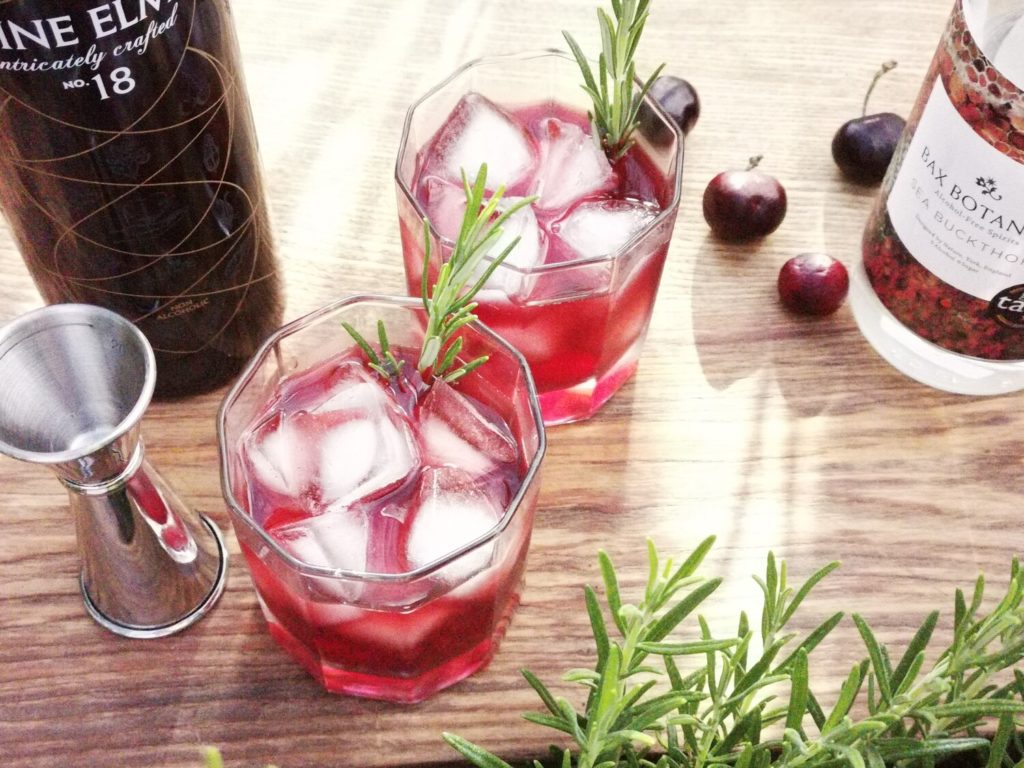
    Launched late last year, the cocktails are packaged in sustainable stand-up pouches with a range of premium Cosmopolitans, Margaritas, Espresso Martinis, and Pina Coladas.

    Online alcohol sales spiked last year, and with an increase in people who prefer to drink their cocktails at home, founder and CEO of Sophisticated Cocktail Co, Vicky Lyon, said she identified a gap in the market for large-scale premium batched cocktails that could be served anytime and anywhere.

    “Everyone loves a cocktail, but not everyone has the know-how or means to make one,” said Lyon.

    “We have noticed that our customers tend to serve our cocktails at events such as dinner parties, picnics, boats, camping, or on weekend trips away. At $7.50