Category: Food

Retail News Asia is committed to providing both local and global retailers with the latest Food and Food & Beverage news throughout the Asian market. This on a daily base.

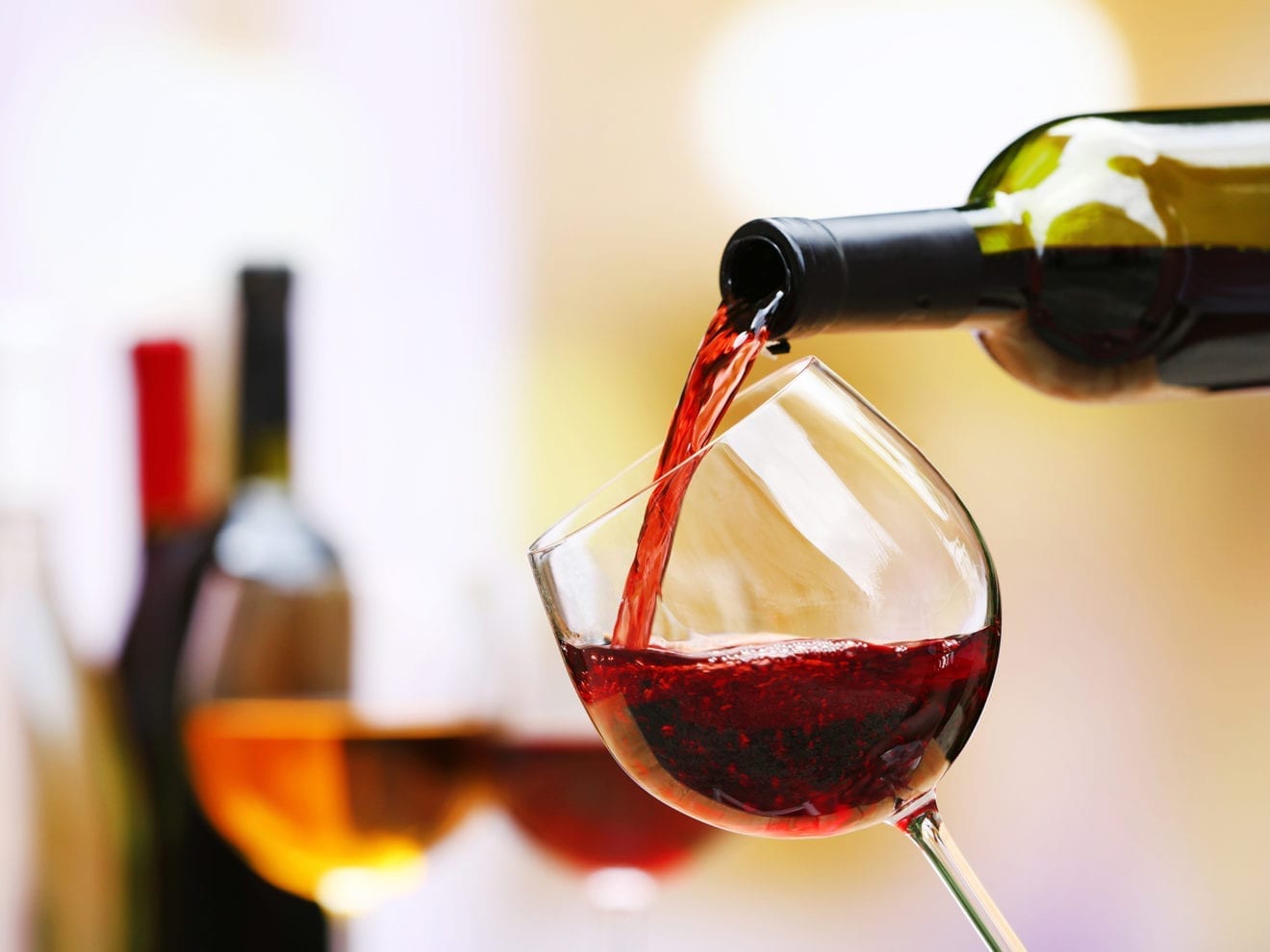
  • Wine marketplace Vivino launches in Australia

    Wine marketplace Vivino launches in Australia

    Wine marketplace Vivino has launched commercial operations in Australia, offering 50 percent reduction on commissions to local wineries for the remainder of this year.

    The online marketplace operation will be based in Sydney, NSW, and led by James Fildes, GM of Vivino Australia.

    Vivino now has more than 800,000 users in Australia and more than 51 million users globally. Australian users of the app will now be able to buy local wines as well as continue to share ratings and recommendations of wines they try.

    “It’s been a tough couple of years for winemakers and merchants in this market, but we’ve seen remarkable resilience in the domestic economy,” said Fildes.

    “This industry deserves a break, and Vivino can help Aussie winemakers by showing our users more of their wine, based on each individual’s unique taste and price preferences. Our data is unmatched.”

    Besides the discounts, Vivino also provides local producers data via its Merchant Dashboard illustrating how consumers interact with their brands. The insights will help winemakers and brands to identify their customers and prospects and drive sales.

    Fildes said the platform had proven its model internationally and could quickly provide new revenue streams for local wine producers.

    Vivino is now the world’s largest online wine marketplace and the most downloaded wine app. The concept allows wine enthusiasts to rate and share views on wine, which allows the app to use community data to make personalized wine recommendations, helping consumers discover new brands and blends.

  • McDonald’s implements global inclusive workplace initiative

    McDonald’s implements global inclusive workplace initiative

    McDonald’s has unveiled an initiative to foster safe and inclusive workplace it calls Global Brand Standards.

    The policy will focus on four main areas: harassment, discrimination, and retaliation prevention; workplace violence prevention; restaurant employee feedback; and health and safety. The company says the standards have been set to further ensure physical and psychological safety for its employees and customers.

    “There are no shortcuts to ensuring that people feel safe, respected, and included at a McDonald’s restaurant,” said Chris Kempczinski, president and CEO of McDonald’s. “Our new Global Brand Standards reinforce our commitment to living our values such that at every interaction, everyone is welcome, comfortable and safe.”

    These standards will be implemented across 39,000 McDonald’s restaurants in more than 100 countries. From January, restaurants will be assessed and held accountable in accordance with the applicable McDonald’s market’s business evaluation processes. Training and reporting mechanisms will be established.

    McDonald’s said it will work closely with independent and third-party experts to support the implementation of the standards for franchisees.

    “McDonald’s has a responsibility and an opportunity to use our tremendous scale to drive change globally,” said Reto Egger, speaker group chair of the European Franchisee Leadership Group (EFLG) and franchise owner.

    “These refreshed standards and heightened measures of accountability are central to our culture, our business goals and the need in our society to foster more respect, safety, and inclusion.”

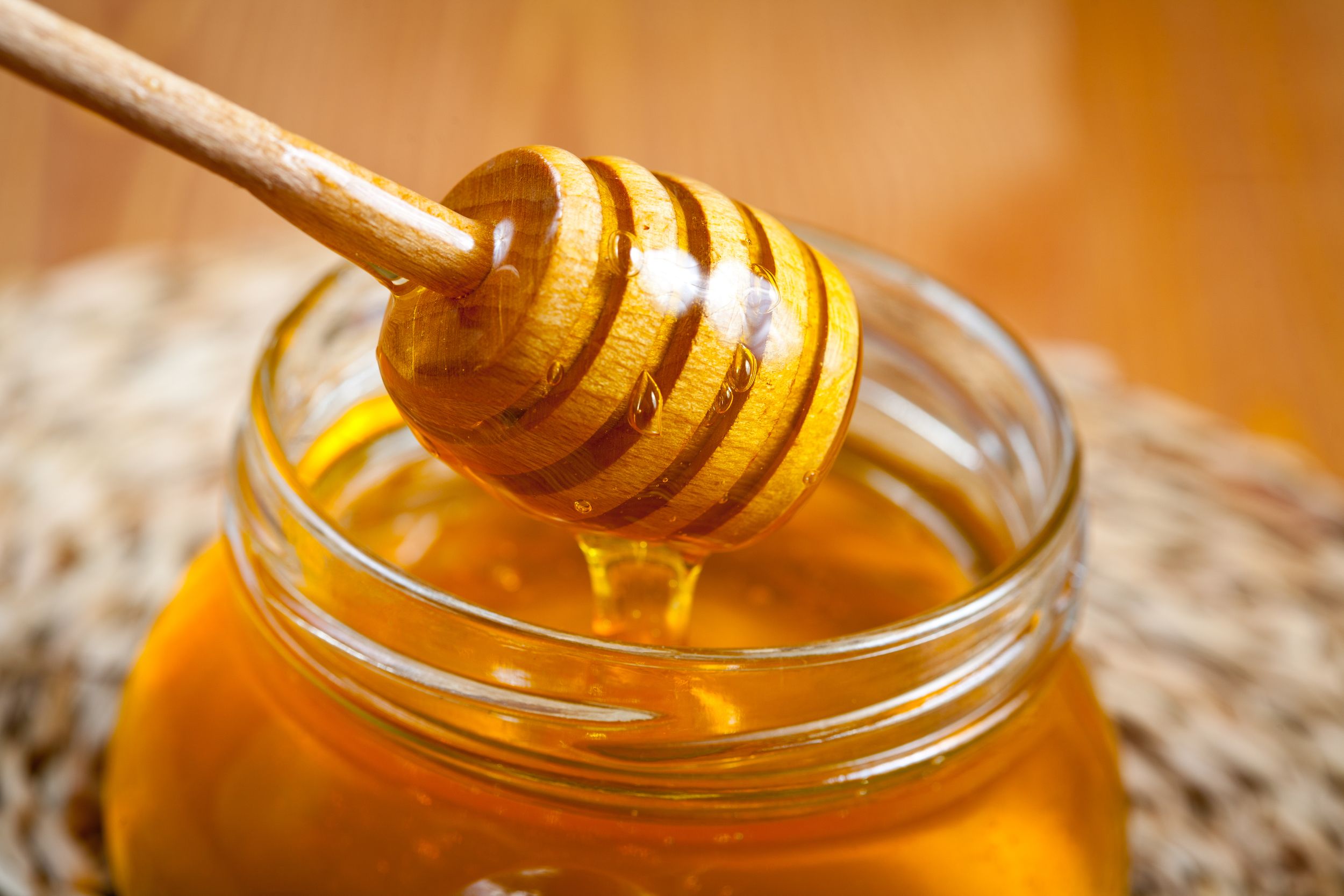
  • Honey exports set for anti-dumping probe in US

    Honey exports set for anti-dumping probe in US

    The U.S. Department of Commerce has received demands for anti-dumping investigations into honey imported from Argentina, Brazil, India, Ukraine, and Vietnam.

    According to the Trade Remedies Authority of Vietnam, for the first time ever the country’s honey products face the risk of being investigated for trade remedies in the U.S.

    The complainants are the American Honey Producers Association and the Sioux Honey Association, who have listed 12 Vietnamese firms in the petition and calculated the dumping margin at 207.08 percent.

    They want the anti-dumping investigations to be done for the period from October 1 last year to March 31 this year, and want damage investigation done from the beginning of 2018.

    Data from U.S. customs shows Vietnam exported 50,700 tons of honey products in 2020, or 25.8 percent of that country’s total honey imports.

    The DOC will decide whether to launch an investigation within 20 days.

    The U.S. International Trade Commission is reviewing the two associations’ lawsuits to assess the damage done to the U.S. honey production industry.

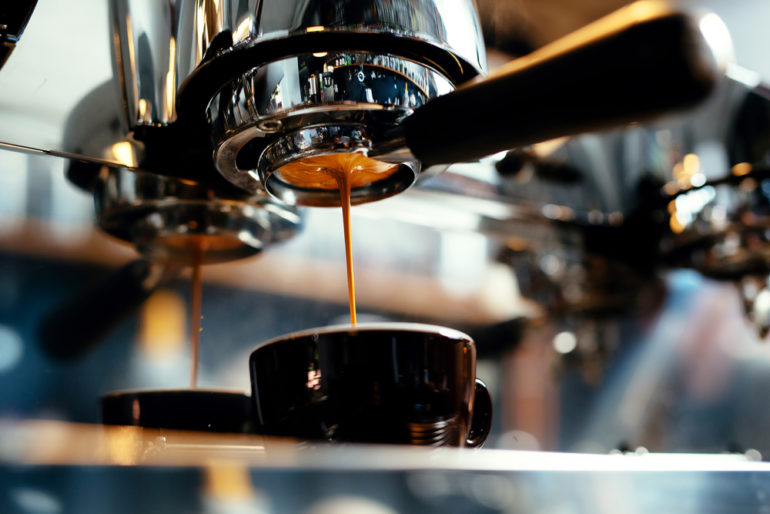
  • Asahi takes on $1bn coffee market with AllPress acquisition

    Asahi takes on $1bn coffee market with AllPress acquisition

    Asahi Beverages is cementing itself as a local leader in the beverages market with the announcement of its foray into the $1 billion fresh coffee market.

    The business has snapped up Allpress Espresso, a global coffee brand that has operations in Australia, New Zealand, the UK, Japan, and Singapore.

    Established by Michael Allpress in Auckland over 30 years ago, the brand first came to Australia in 2000 and is now recognized around the globe, selling more than 1500 tonnes of coffee beans worldwide each year.

    Asahi Beverages Group CEO Robert Iervasi (pictured above) is confident that the acquisition puts Asahi Beverages in a powerful position in the local market at a time when Coca-Cola Amatil is moving under European ownership.

    “We’re the multi beverage supplier of choice in Australia … and we believe we can bring a better product and better service to consumers,” Iervasi told Inside FMCG.

    AllPress will continue to run as a standalone business with Asahi supporting the brand’s growth through its extensive customer relationships and expertise in the consumer goods space.

    Currently, the bulk of AllPress’ business is the supply of roasted coffee beans to boutique cafes and restaurants, but Asahi has big plans to grow the brand’s presence, including thorough expansion into licensed venues and grocery stores.

    AllPress has already produced a canned cold coffee range and sells ready-to-pour coffee shots in bottle and bag form. While its portfolio features around 10 proprietary blends, its flagship Allpress Espresso Blend and A.R.T Espresso Roast comprise over 80 percent of sales.

    The business also has a strong direct-to-consumer offer online and through more than a dozen Allpress cafes, including in Melbourne and Sydney.

    Allpress CEO Vaughan Magnusson told Inside FMCG that the two companies share the same values and expectations on quality and that Asahi is the perfect partner to support the growth of the business.

    “They are the right organization to take Allpress to the next level,” he said.

    Under Asahi ownership, AllPress will also continue to expand the DTC business.

    Iervasi told Inside FMCG that Asahi has confidence in the brand because of its ability to deliver a premium coffee experience and superior customer service.

    “AllPress has a commitment to flavor, quality customer service, and a strong track record of growth,” he said.

    While no financial details of the deal were disclosed, Iervasi confirmed that the 240+ full-time staff at AllPress will remain, with management untouched and Michael AllPress remaining as an ambassador, and the day-to-day operations will not be affected.

    “No one’s losing their jobs,” Iervasi said.

    After welcoming CUB to the fold last year, Iervasi said Asahi is committed to supporting and creating jobs in Australia and New Zealand and expanding beverage offerings.

  • Australia wine exports to China almost wiped out

    Australia wine exports to China almost wiped out

    Australian winemakers shipped just A$12 million ($9 million) of wines to China in the four months from December to March, from A$325 million a year earlier, industry figures showed, confirming that hefty new tariffs have all but wiped out their biggest export market.

    The figures from industry body Wine Australia on Thursday show the swift impact of measures taken by China’s commerce ministry and the country’s anti-dumping probe into imports of Australian wines last year.

    The figures also put a dollar value on a broader geopolitical dispute between Australia and its biggest trade partner which has spread to the sugar, lobster, barley, and coal and copper ore industries.

    From December to March, the period after China said it was investigating the Australians on suspicion of exporting wine at a loss to gain market share, or “dumping”, Australian wine shipments collapsed to almost nothing and stayed there at the start of 2021, the figures showed.

    That marked the end of a years-long run of double-digit growth in Australia-China wine exports, by dollar value, which lasted into October before crashing the following month, according to the figures.

    For the year to March, sales to mainland China, which takes nearly a third of Australian wine exports, fell 24 percent to A$869 million. The next biggest export market was the United Kingdom, up by a third to $461 million as winemakers redirected exports there.

    “They were out to play political games, they wanted Australia to get on its knees, unfortunately, we said no,” said Bruce Tyrrell, managing director of Tyrrell’s Wines, in the Hunter Valley north of Sydney, which previously sent up to a quarter of overseas sales to China.

    “We’ve got countries like U.S., UK, Canada, the traditional markets. We’ve now got to increase our distribution in the counties we deal with,” he told Reuters by phone.

    The value of wine exports to the United States rose 4 percent to A$432 million in the year to March, the Wine Australia figures showed.

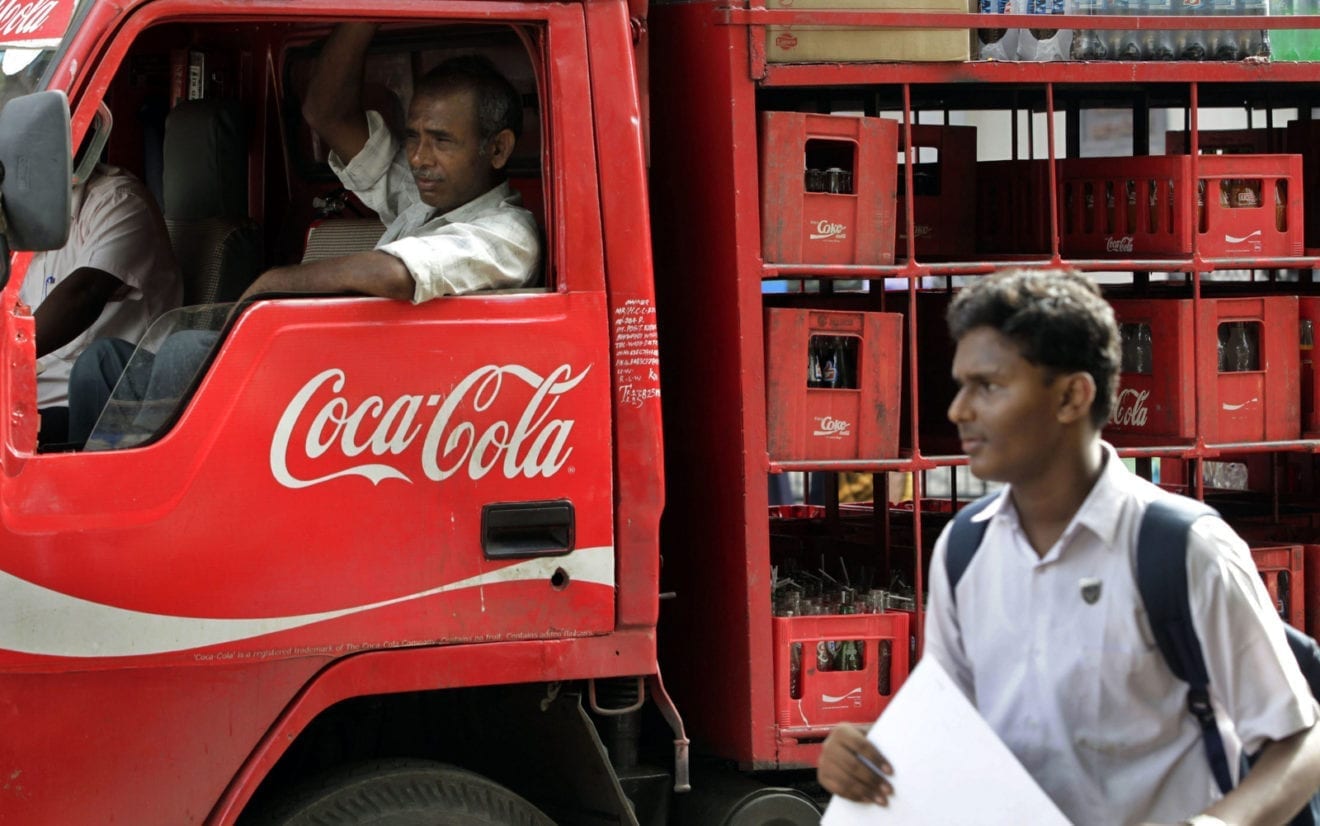
  • Coca-Cola the latest global brand to ‘Adopt a Park’ in Brazil rainforest

    Coca-Cola the latest global brand to ‘Adopt a Park’ in Brazil rainforest

    Coca-Cola Co on Wednesday agreed to sponsor a protected reserve in the Amazon rainforest, joining beer maker Heineken and a growing list of global corporations signing up to the Brazilian government’s “Adopt a Park” program.

    Environmentalists say that the program, launched by the right-wing government of President Jair Bolsonaro this year, amounts to “greenwashing,” or a cosmetic move aimed to improve the government’s image, at a time when deforestation is soaring.

    Acting via its Brazilian subsidiary, Coca-Cola is the eighth company to join the program by adopting the Javari-Buriti Area of Relevant Ecological Interest for 658,850 reais ($122,109) for a period of one year.

    The park occupies 132 square kilometers in the remote western portion of Brazil’s Amazonas state and includes one of the densest formations of Buriti palm forest in the world.

    Heineken earlier this month pledged 466,900 reais to sponsor a 93 square kilometer Amazon reserve that is home to a traditional community of escaped slaves in Maranhao state.

    More than 11,000 square kilometers were deforested in Brazil’s Amazon in the 12-months through July 2020, an area 14 times the size of New York City, according to the latest annual data available from government space research agency Inpe.

    Environmentalists blame the surgeon Bolsonaro, who has weakened environmental enforcement agencies and called for more development in protected areas. Adopt a Park is only an attempt to improve the government’s image, they say.

    “The government should reverse the environmental dismantling … instead of this program which opens up a huge space for greenwashing and doesn’t solve the problem,” said Cristiane Mazzetti, a conservationist with advocacy group Greenpeace Brasil, in a statement.

    The Environment Ministry and parks service ICMBio did not respond to requests for comment on that criticism. The ministry said the funds would pay for infrastructure improvements and environmental conservation, without giving further details.

    Coca-Cola Brasil said adopting the park is part of its long track record of conservation in the Amazon, without responding to questions about greenwashing.

    Heineken did not immediately respond to the request for comment.

  • Habeco chairman blames low profit target on Covid-19

    Habeco chairman blames low profit target on Covid-19

    The chief of the company that produces Hanoi Beer, Habeco, expects sales to be hit badly by Covid-19 this year and profits to plummet to a decade low.

    The brewery targets post-tax profits of VND255 billion ($11 million), down 64 percent from last year.

    Its chairman Tran Dinh Thanh said a fresh outbreak of Covid-19 in January means tourism companies, hotels and restaurants continue to languish, directly causing a decrease in the sales of alcoholic beverages.

    The company’s revenues in the first quarter of this year were down 39.6 percent from the previous quarter to VND1.1 trillion ($48.5 million).

    Rising competition with many brewers introducing new products in the mid-priced market segment in which Habeco mainly operates is also a reason for falling sales, he said.

    “If the pandemic is contained this year, the company will definitely surpass the profit target.”

    It is striving to maintain its position as one of the biggest brewers in the northern and central regions, and working to expand its business in the south, he added.

    Last year, beer consumption fell 22.6 percent because of Covid-19 impacts as well as the impact of a law increasing fines for driving under the influence.

  • Yum China sales, profit soar on fewer store closures

    Yum China sales, profit soar on fewer store closures

    Without the negative impact of the COVID-19 pandemic to hold it back at this year’s beginning, Yum China Holdings reported improved results for the first quarter of 2021. The Shanghai-based fast-casual company — a spinoff from Yum! Brands that hold franchises for Pizza Hut, Taco Bell, and KFC, along with a number of regional brands — beat analyst expectations at both the top and bottom lines.

    According to reports aggregating the consensus estimates of multiple Wall Street analysts, Yum China registered a 6.2% positive surprise, $150 million above the predicted $2.41 billion in sales. The actual revenue of $2.56 billion surged 46.3% year over year, without the pandemic causing dining shut down as was the case in early 2020. Adjusted earnings per share, or EPS, came in at $0.54, surpassing the forecast of $0.44 EPS for a 22.7% positive surprise.

    With growth “driven by lower commodity prices and productivity gains” along with far fewer restaurant closures and generally improved conditions, Yum China said in its press release that same-store sales rose 10% overall year over year. Pizza Hut saw the biggest same-store sales increase (38%), while a 5% rise occurred at KFC.

    CEO Joey Wat says Yum China is taking measures designed to “accelerate our growth in the years ahead,” which include strengthening its supply chain, integrating more automation and digital into its processes, and acquiring a 5% stake in its most important chicken supplier. Digital orders at Pizza Hut and KFC accounted for 84% of sales during Q1, while delivery orders added up to 29% of the total. The switch to digital and the growing use of ordering kiosks mirrors Yum! Brands’ recent opening of its first American digital-only Taco Bell in Times Square.

    Investing legends and Motley Fool Co-founders David and Tom Gardner just revealed what they believe are the 10 best stocks for investors to buy right now… and Yum China Holdings, Inc. wasn’t one of them.

    The online investing service they’ve run for nearly two decades, Motley Fool Stock Advisor, has beaten the stock market by over 4X.* And right now, they think there are 10 stocks that are better buys.

  • Coffee and dairy help Nestle beat expectations in Q1

    Coffee and dairy help Nestle beat expectations in Q1

    Food giant Nestle confirmed organic sales should grow more than 3.6 percent this year after strong demand for coffee, dairy and petcare products boosted growth in the first quarter.

    The world’s biggest food group has weathered the Covid-19 pandemic well so far as consumers locked up at home bought more packaged foods for themselves and their pets.

    It also expanded eCommerce and its health science portfolio as consumers bought more online and worried about their health.

    Organic sales increased by 7.7 percent, versus 4.3 percent in the year-ago period, the maker of KitKat chocolate bars and Nescafe instant coffee said in a statement on Thursday. This was ahead of a forecast for 3.3 percent organic growth in a company-compiled consensus https://www.nestle.com/investors/analysts-consensus.

    “Retail sales saw solid growth and out-of-home channels saw signs of improvement. We confirm our guidance for the year and our mid-term outlook for sustained mid-single-digit organic growth,” Chief Executive Mark Schneider said in the statement.

    Organic growth stood at 7.2 percent in the Americas, at 4.4 percent in Europe, and at 9.1 percent in Asia, Nestle said. Asia was in negative territory in the year-ago period as the pandemic hit there first.

    In terms of categories, petcare was up 8.7 percent, powdered and liquid beverages including coffee rose 9.9 percent, and dairy increased 15.7 percent. Nutrition and health science fell 0.5 percent, dragged down by nutrition.

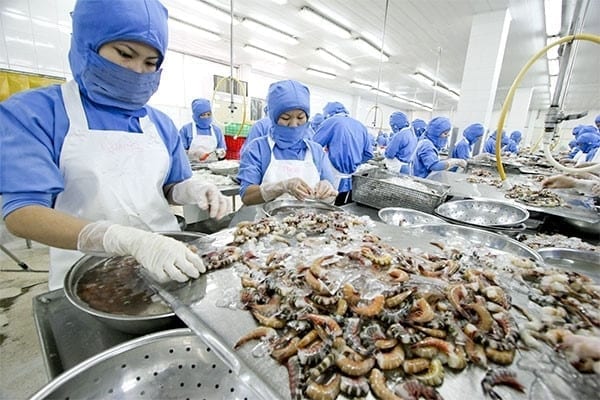
  • Major seafood firm reports 25 pct profit fall

    Major seafood firm reports 25 pct profit fall

    It attributed the falling profit to a 20 percent drop in income from financial activities and a 27 percent increase in cost of goods sold during the period.

    The company also said that the pandemic has changed consumer behavior in its main export markets like the U.S., Japan, Canada, Australia and New Zealand. They have prioritized buying essential products.

    Seafood exports to these markets fell by half in the first quarter of the year, contributing to a year-on-year revenue drop of 12 percent to VND1.6 trillion.

    The company aims to export $638 million worth of shrimp this year.

    Its total asset value at the end of March was nearly VND7.4 trillion.

    It has targeted revenues of VND15.7 trillion and post-tax profit of VND1.4 trillion this year.

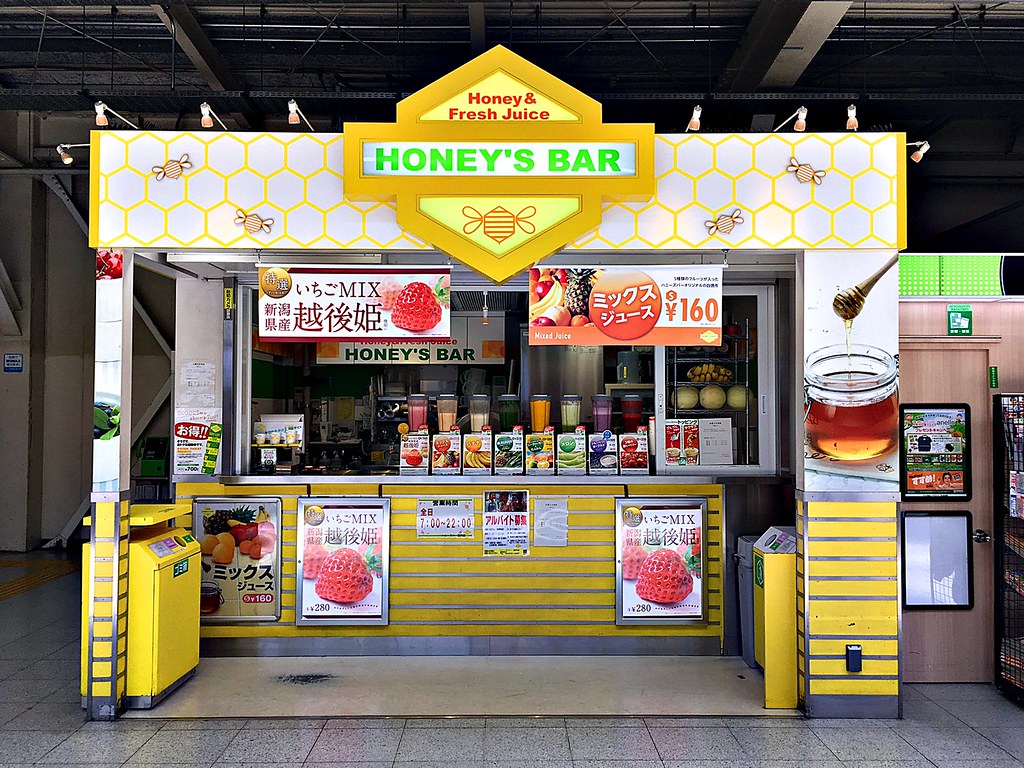
  • Japanese juice chain Honey’s Bar makes Singapore debut

    Japanese juice chain Honey’s Bar makes Singapore debut

    A new healthy and refreshing beverage option in town to quench your thirst and restore your energy. HONEY’S BAR Singapore, will commence its operation on 15th April 2021 with its very first store located at Jurong Point, Level B1-85, just along the SHOKUTSU TEN Japanese Food Street.

    Maintaining at a good selection of 8 juice options at all times, all of HONEY’S BAR juices are made with honey exclusively imported from Japan as its base ingredient with no added sugars. Honey is easily digested by the human body, making it an excellent energy absorption ingredient, thereby the best supplement to be used in a drink for energy replenishment. It also contains vitamins and minerals that are beneficial for everyone.

    In line with the seasonality of Japanese food production cycle, HONEY’S BAR also offers seasonal juices that are specially curated with seasonal Japanese fruits. From the classic ‘Mixed Juice’, ‘Carrot & Apricot’, ‘Melon’ menu to the premium seasonal menu like ‘Japanese Strawberry Mix Yoghurt’ and ‘Japanese Seasonal Citrus, Mango and Apple’, it aims to offer Singaporeans the taste of ‘Japan’ with Japanese fruit ingredients that are imported directly from Japan.

    Coming in 3 different sizes for all 8 menus – Small, Regular, and Large. Every cup of fresh fruit juice offered by HONEY’S BAR are served with a controlled sweetness from honey to ensure an enjoyable ‘sipping’ experience.

    Operated as a franchise chain business in Singapore, HONEY’S BAR is managed by JRE Ya Kun Food Service Pte. Ltd, a local joint venture company formed by JR East’s Singapore subsidiary, JR East Business Development SEA Pte. Ltd., and Ya Kun International Pte Ltd (Ya Kun).

    Through HONEY’S BAR, both JR East and Ya Kun aim to capture the attention of health-conscious consumers with a passion for healthy and refreshing beverages that taste refreshing and delightful!

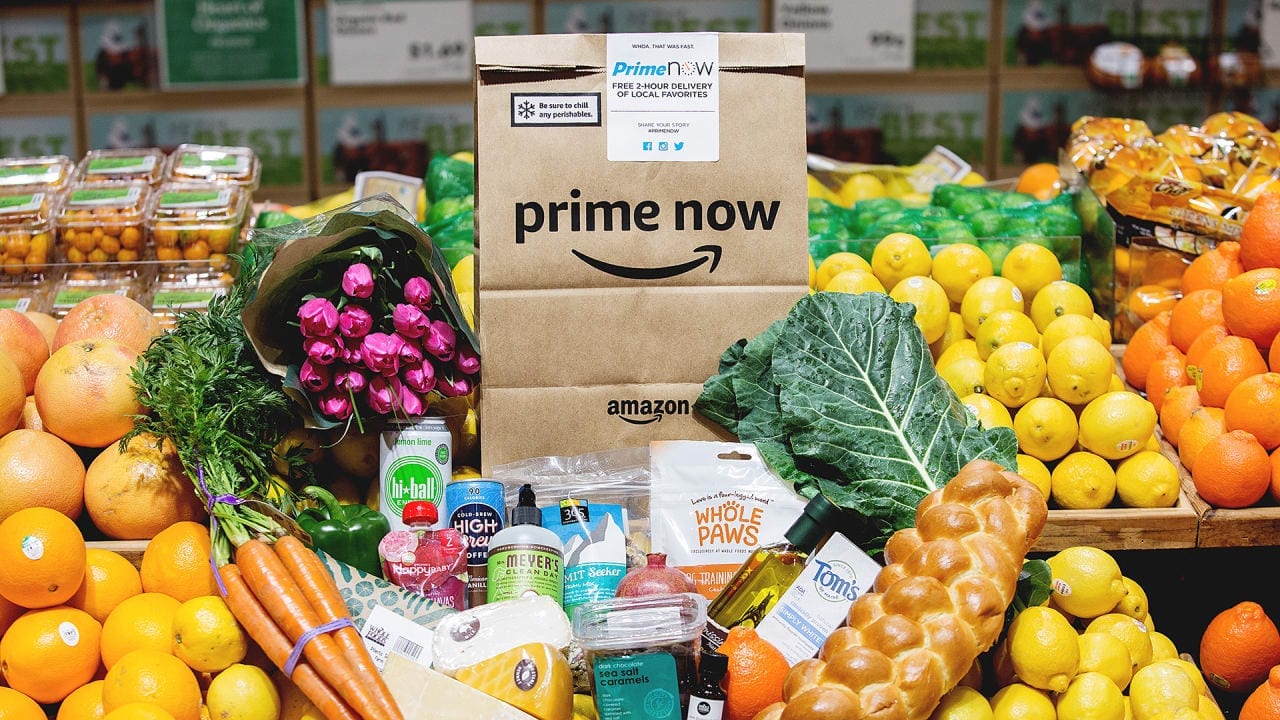
  • Amazon to let Whole Foods customers pay by palm print

    Amazon to let Whole Foods customers pay by palm print

    Amazon will let customers pay for their groceries at Whole Foods locations in Seattle with a swipe of their palms. The online shopping giant, which acquired Whole Foods in 2017, is rolling out pay-by-palm technology at some grocery stores near Amazon’s headquarters to make paying quicker and more convenient.

    The technology, called Amazon One, lets shoppers scan the palm of their hand and connect it to a credit card or Amazon account.

    After the initial setup, which Amazon claims take less than a minute, shoppers can scan their hand at the register to pay for groceries without having to open their wallets.

    Amazon first launched the technology late last year and at the time said the technology could be used at stadiums, office buildings and other retailers.

    So far, Amazon hasn´t announced any takers. The technology has been put into use in several of its cashier-less stores and Amazon said it has signed up thousands of users, but didn´t provide a specific number.

    Arun Rajan, senior vice president of technology and chief technology officer at Whole Foods, said the company is always looking to innovate.

    ‘At Whole Foods Market, we’re always looking for new and innovative ways to improve the shopping experience for our customers,’ he said.

    ‘We’re starting with an initial store at Madison Broadway in Seattle and look forward to hearing what customers think as we expand this option to additional stores over time.’

    Privacy experts have warned against the use by companies of biometric data, such as face or palm scans, because of the risk of it being hacked and stolen.

    Reuben Binns, an associate professor focusing on data protection at the University of Oxford, said last year that the technology raises privacy concerns since it is kept in the cloud which could make it accessible to hackers and the government.

    ‘The advantage is that it’s on you all the time, this isn’t something you can lose, but that’s also a disadvantage because you can never change it,’ says Binns.

    ‘You can never change your palm like you change your password or other identification tokens.’

    Amazon said it keeps the palm images in a secure part of its cloud and doesn´t store the information on the Amazon One device. The company said shoppers can also ask for their information to be deleted at any time.

    People walk out of an Amazon Go store, in Seattle. Amazon said Wednesday that it is rolling out its pay-by-palm technology to some of its Whole Foods supermarkets

    A Whole Foods store in Amazon’s hometown of Seattle started using the technology on Wednesday. Seven additional Whole Foods locations in the area will have it installed in the coming months.

    Whole Foods is headquartered in Austin, Texas. It was not immediately clear if locations in Texas will receive the rollout.

    Amazon declined to say if or when other locations might get it. There are about 500 Whole Foods stores across the country.

    The move shows how Amazon is bringing some of the technology already in use at its namesake brick-and-mortar Go and Books stores to the high-priced grocery chains.

    The deployment stops short of introducing Amazon’s cashier-less technology at Whole Foods, which critics have said would result in job cuts.

    Amazon One still requires scanning items at checkout, and the company said it will not impact jobs at Whole Foods.

    According to the Amazon One website, ‘no two palms are alike’ which means it ‘can’t be used by anyone but you.’

    ‘One reason was that palm recognition is considered more private than some biometric alternatives because you can’t determine a person’s identity by looking at an image of their palm,’ the website reads.

    However, fingerprints, also long believed to be unique to individuals, have recently come under fire in the criminal justice system.

    Judge Louis Pollack made headlines with a ruling fingerprint identification was not a legitimate form of scientific evidence in the January 2002 court case of United States v. Llera Plaza.

    Amazon also announced that starting this week, customers in Tulsa, Oklahoma, ‘will see local deliveries made in electric vehicles.’
  • Starbucks, Herschel Supply collection made from recycled coffee grounds

    Starbucks, Herschel Supply collection made from recycled coffee grounds

    Eco-warriors might be familiar with last year’s sustainable Starbucks x Herschel collection made from recycled plastic. The 2 brands have teamed up again on a new environmentally-friendly series, The resupply Collection. This time, it is manufactured from recycled coffee grounds. Like the previous collaboration, the Starbucks x Herschel Supply Co. 2021 collection includes drinkware and limited edition bags.

    To commemorate Earth Day 2021 on 22 April, the collection will be dropping on the same day. Read on to find out what items will be available and how you can get your hands on them a day before everyone else.

    Mugs and tumblers

    Herschel Supply Co. is a brand that often incorporates a bevy of floral patterns on its accessories. It’s no surprise that its collaboration with Starbucks will follow suit.

    For this mug, the bright green, red and white print inspired by coffee cherries pops against the black body, making for an eye-catching piece of drinkware. It will retail for $48.90.

    For something you can bring with you on the go, the tumbler features the same print as the mug above. You can also opt for the sleek, all-black tumbler if you want a more minimal piece to add to your backpack. Both tumblers will cost $56.90.

    With the Double Wall Plastic Tumbler, you can do your part for the environment while feeling like you’re drinking out of Starbucks’ iconic takeaway cup. The tumbler will retail for $36.90.

    Lunch box

    For those who like to BYO lunch boxes to dabao food, you can now do it while repping your favourite brands. The Starbucks x Herschel Supply Co. 2021 collection To Go Lunch Box is available for $35.90.

    The Chapter Carry-on Toiletry Bag might be small, but it makes a bold statement bearing the campaign’s tagline, “People, Planet, Coffee”. Use this pouch as a daily reminder to commit to sustainability while getting ready in the morning. The pouch will retail for $49.90.

    Convenience and style packed into one nifty pouch—the Fifteen Hip Bag will be the pride of all streetwear lovers once they get their hands on it. It will be available for $59.90.

    Backpacks and totes

    Tote bags are all about versatility. Whether you carry it on your shoulder, or hold it in your hands, they always look good. The Mica Tote Bag from the Starbucks x Herschel 2021 collection is no exception. You can cop the bag for $79.90.

    VSCO girls tired of pastel colours, give the Classic Mini Backpack a chance. You can achieve a more understated look while still sporting a fresh splash of green. This backpack will retail for $89.90.

    As long as you’re out and about in Singapore, you will probably come across multiple people carrying Herschel Supply Co. backpacks. This remix of the popular Retreat Backpack boasts both brands’ logos, and the campaign’s tagline to stand out. Now you can hop on the Herschel Supply Co. train without being called basic.

    The Retreat Backpack will cost $149.90.

    Good news for Starbucks Rewards Gold Members, all that bling you spent on the brand will be worth it. Gold Members will get early access to the collection in Starbucks stores on 21 April 2021. For the rest, as mentioned earlier, the collection will be released on 22 April to coincide with Earth Day. The Starbucks x Herschel collection will be available in Starbucks Singapore’s physical stores as well as its Shopee Mall and LazMall stores from 12pm onwards.

    In the meantime, you can also check out the freshly released Starbucks hedgehog mugs from the brand’s recent summer-themed collection.

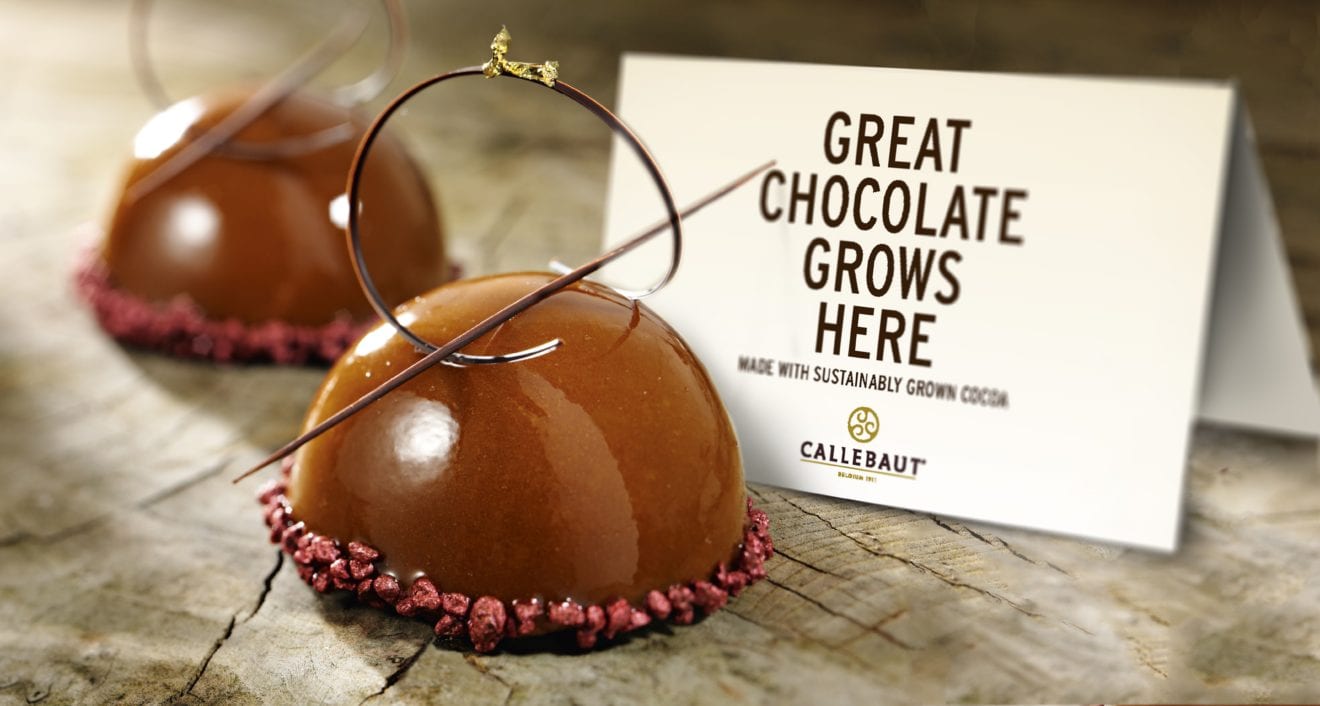
  • Barry Callebaut names new MD for Australia and New Zealand

    Barry Callebaut names new MD for Australia and New Zealand

    Chocolate and cocoa products manufacturer Barry Callebaut Group has named Denis Convert as its new MD for ANZ.

    Convert will start his new role on August 1 and will be based in the GKC Foods office in Melbourne. As MD, he will oversee operations and sales teams in growing sales volume and expanding Barry Callebaut’s footprint in the region.

    “The appointment will steer Barry Callebaut’s further growth in Australia and New Zealand,” the company said in a statement.

    Barry Callebaut bought GKC Foods last year.

    Having joined the group in 2014 as VP of gourmet for Asia Pacific, Convert led sales and marketing teams in the region. Prior to Barry Callebaut, he held senior roles at Mars in Europe for 14 years.

  • Subway Australia launches 24-seven trading

    Subway Australia launches 24-seven trading

    Fast-food chain Subway Australia has unveiled a 24 hours express pick-up service in Bald Hills, Brisbane, ahead of a broader national rollout.

    Customers can order their foods via the app or using a third-party provider and collect their purchases at an express pick-up window.

    “Over the past year, through Covid we have seen a change in the way people are eating Subway,” said Subway country director Geoff Cockerill.

    “More people are ordering through third-party delivery providers than ever before – and more people are choosing to place express-pick-up orders. With shift workers, more remote working, and added delivery options, Subway is proving a popular choice for late night and early morning orders.”

    After testing it at the Bald Hills store, Subway will roll out more 24-hour pick-up windows across Australia.