Category: Food

Retail News Asia is committed to providing both local and global retailers with the latest Food and Food & Beverage news throughout the Asian market. This on a daily base.

  • James Reyne sings praises of new Coopers Australian IPA

    James Reyne sings praises of new Coopers Australian IPA

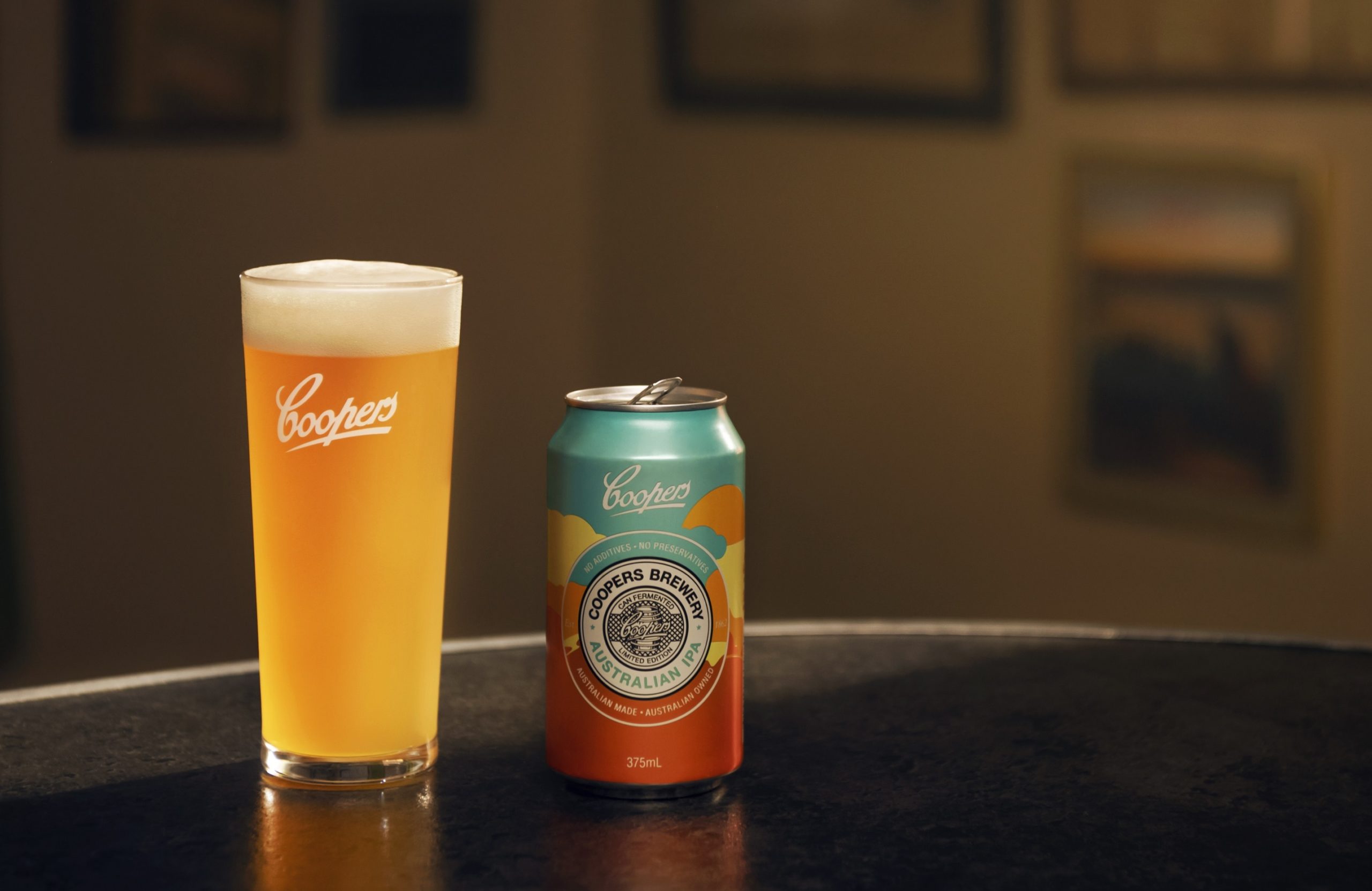
    Brewer Coopers has rolled out a limited release Australian IPA in kegs and 375ml can format, backed by a marketing campaign fronted by legendary Australian singer James Reyne.

    Coopers Australian IPA is made with local hops with citrus notes such as mandarin and orange as well as piney and passionfruit characteristics, according to the brewer. It has an ABV of 6.5 percent and a bitterness level of 40 IBU.

    “We’ve come up with a great-tasting Australian IPA that will suit any occasion,” said Coopers MD and chief brewer, Dr Tim Cooper. “We’re very mindful about when to bring out a new beer and an enormous amount of time goes into getting it right.”

    The campaign featuring Reyne was filmed at the Silverton Hotel in Broken Hill. The singer will also perform at several trade events in April.

    Reyne previously participated in the Coopers Live, Loud and Local series which was launched last year to support pubs and musicians recovering from the Covid-19 shutdowns.

    Coopers Australian IPA will be sold at bottle shops from late April.

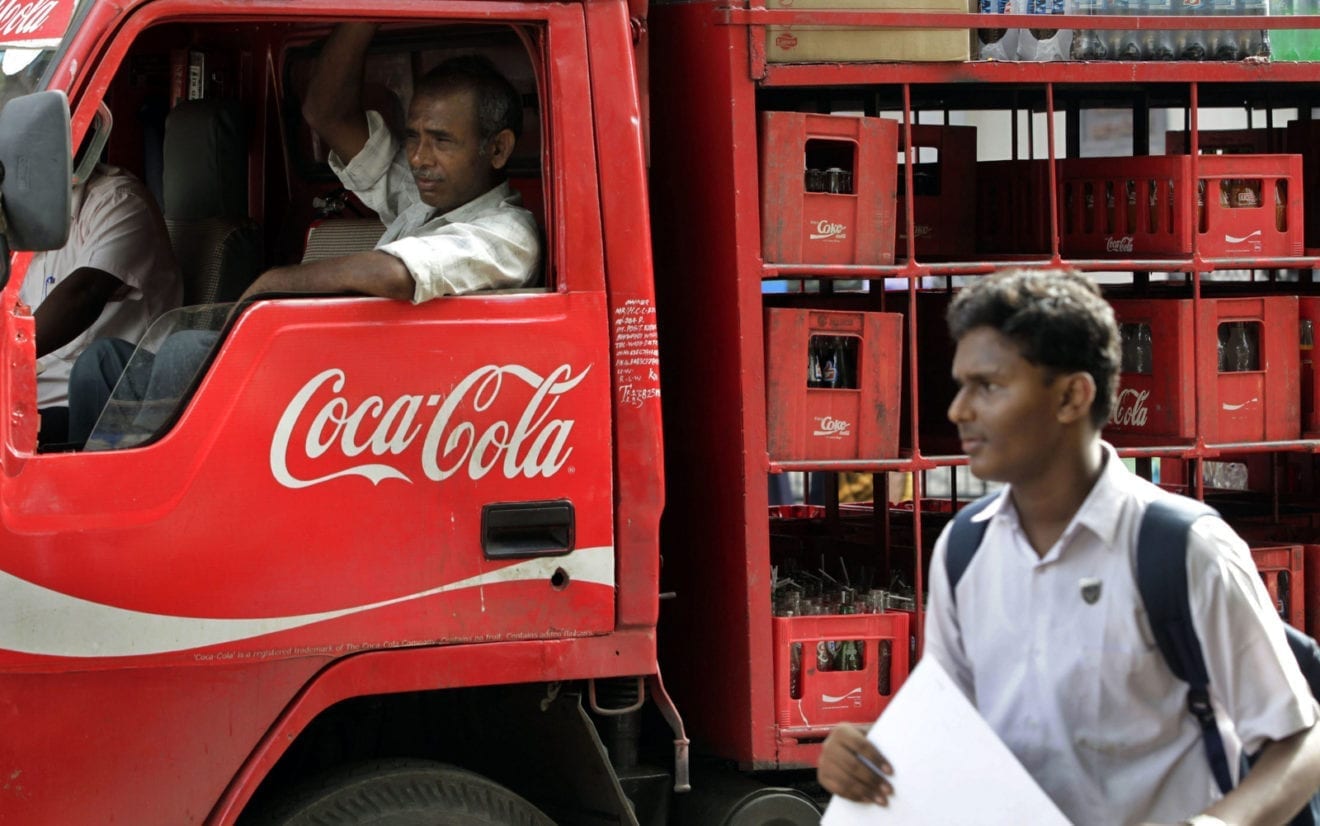
  • Coca-Cola Amatil shareholders approve European takeover

    Coca-Cola Amatil shareholders approve European takeover

    Shareholders at Coca-Cola Amatil have voted “overwhelmingly” to approve Coca-Cola European Partner’s $13.50 per share takeover offer. The vote was held at 10 am on Friday, April 16, and saw 97.6 percent of shares proxy vote in support of the takeover – representing about 62 percent of total shareholders in CCA.

    Only 0.9 percent of votes were against the takeover.

    “Today is a significant day in the 117-year history of Coca-Cola Amatil,” said chairman Ilana Atlas.

    “I am excited by the possibilities that lie ahead for Coca-Cola Amatil’s future, and know I speak on behalf of the board when I say that it has been a privilege to be part of the Coca-Cola Amatil journey.”

    The takeover means CCA’s brands, which include Coca-Cola, Mount Franklin, Pump, Goulburn Valley, Monster Energy, Barista Bros, Blue Moon and Rekorderlig will now be owned and operated out of Europe.

    The takeover also means the Atlanta-based Coca-Cola Company will see its financial interest in CCA vanish.

    Shares in CCA fell after the vote, as it became clear shareholders would be receiving the “best and final” offer from CCEP.

  • Covid-led baking craze inspires new flours from McKenzie’s Foods

    Covid-led baking craze inspires new flours from McKenzie’s Foods

    Australian food maker McKenzie’s has met the demand of consumers after seeing more Aussies baking and cooking at home since the Covid-19 pandemic arrived. The company has expanded its single alternative flour range and unveiled a new special purpose flour range.

    “We’re proud to be able to offer such a large variety of flours to our consumers and inspire them to experiment in the kitchen and unlock the power of alternative flours,” said McKenzie’s marketing manager, Bianca Piscopo.

    The alternative blended flour range includes Bread & Pizza Flour, Cake Flour, Cookie Flour, and Pancake Flour. The Bread & Pizza Flour has plain, oat and wholemeal spelt flour for bread and pizzas. The Cake Flour blend is made with low-protein plain flour and cornflour for cakes, cupcakes, and biscuits. The Cookie Flour contains chickpea, plain and oat flour for cookies. Pancake Flour is made with plain, oat, and rice flour.

    While McKenzie’s single-source alternative flour range now has Almond Flour, Brown Rice Flour, and Yellow Pea Flour. The Yellow Pea and Almond versions are a good source of fiber and protein while the Brown Rice Flour contains whole grains.

    The Almond Flour and Brown Rice Flour are gluten-free which can be used for cakes, biscuits, and bread. The Yellow Pea Flour has an earthy flavor and is ideal for baking. They are made from Australian ingredients.

    McKenzie’s alternative and special purpose flours are sold at Woolworths.

  • McDonald’s implements global inclusive workplace initiative

    McDonald’s implements global inclusive workplace initiative

    McDonald’s has unveiled an initiative to foster a safe and inclusive workplace it calls Global Brand Standards.

    The policy will focus on four main areas: harassment, discrimination, and retaliation prevention; workplace violence prevention; restaurant employee feedback; and health and safety. The company says the standards have been set to further ensure physical and psychological safety for its employees and customers.

    “There are no shortcuts to ensuring that people feel safe, respected, and included at a McDonald’s restaurant,” said Chris Kempczinski, president and CEO of McDonald’s. “Our new Global Brand Standards reinforce our commitment to living our values such that at every interaction, everyone is welcome, comfortable, and safe.”

    These standards will be implemented across 39,000 McDonald’s restaurants in more than 100 countries. From January, restaurants will be assessed and held accountable in accordance with the applicable McDonald’s market’s business evaluation processes. Training and reporting mechanisms will be established.

    McDonald’s said it will work closely with independent and third-party experts to support the implementation of the standards for franchisees.

    “McDonald’s has a responsibility and an opportunity to use our tremendous scale to drive change globally,” said Reto Egger, speaker group chair of the European Franchisee Leadership Group (EFLG) and franchise owner.

    “These refreshed standards and heightened measures of accountability are central to our culture, our business goals and the need in our society to foster more respect, safety, and inclusion.”

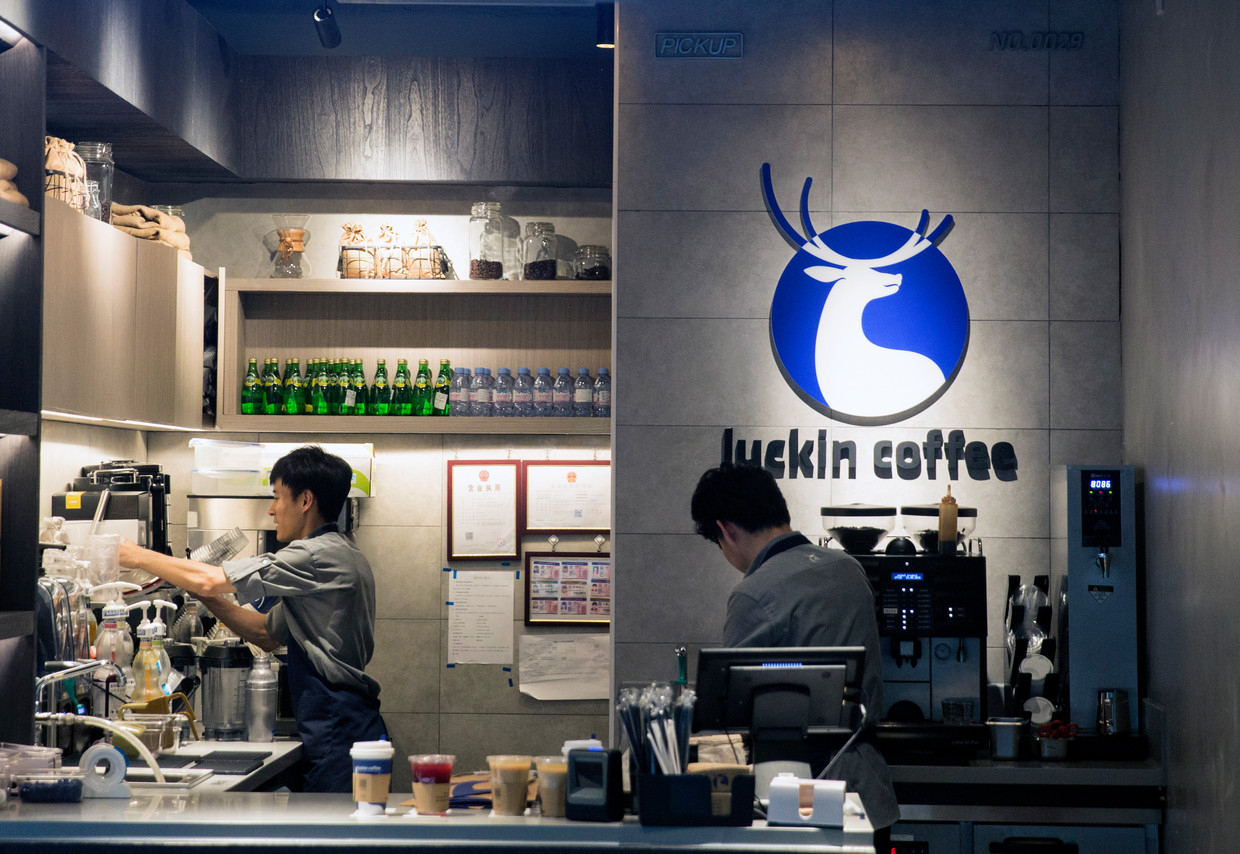
  • Scandal-plagued Luckin Coffee secures US$250 million lifeline

    Scandal-plagued Luckin Coffee secures US$250 million lifeline

    Luckin Coffee, the scandal-plagued Chinese coffee shop chain, secured a $260 million investment from existing shareholders Centurium Capital and Joy Capital. It also replaced its independent auditor.

    This will help Luckin satisfy a $180 million settlement struck last year with the SEC, which had accused Luckin of faking retail sales figures. The company went public on the Nasdaq less than two years ago at a $4.3 billion valuation but was later delisted because of the accounting fraud.

    The investment is structured as convertible preferred stock, with an option for Centurium and Joy to invest an additional $150 million.

    The bottom line, Luckin was supposed to be China’s answer to Starbucks, but so far has been closer to China’s answer to Enron.

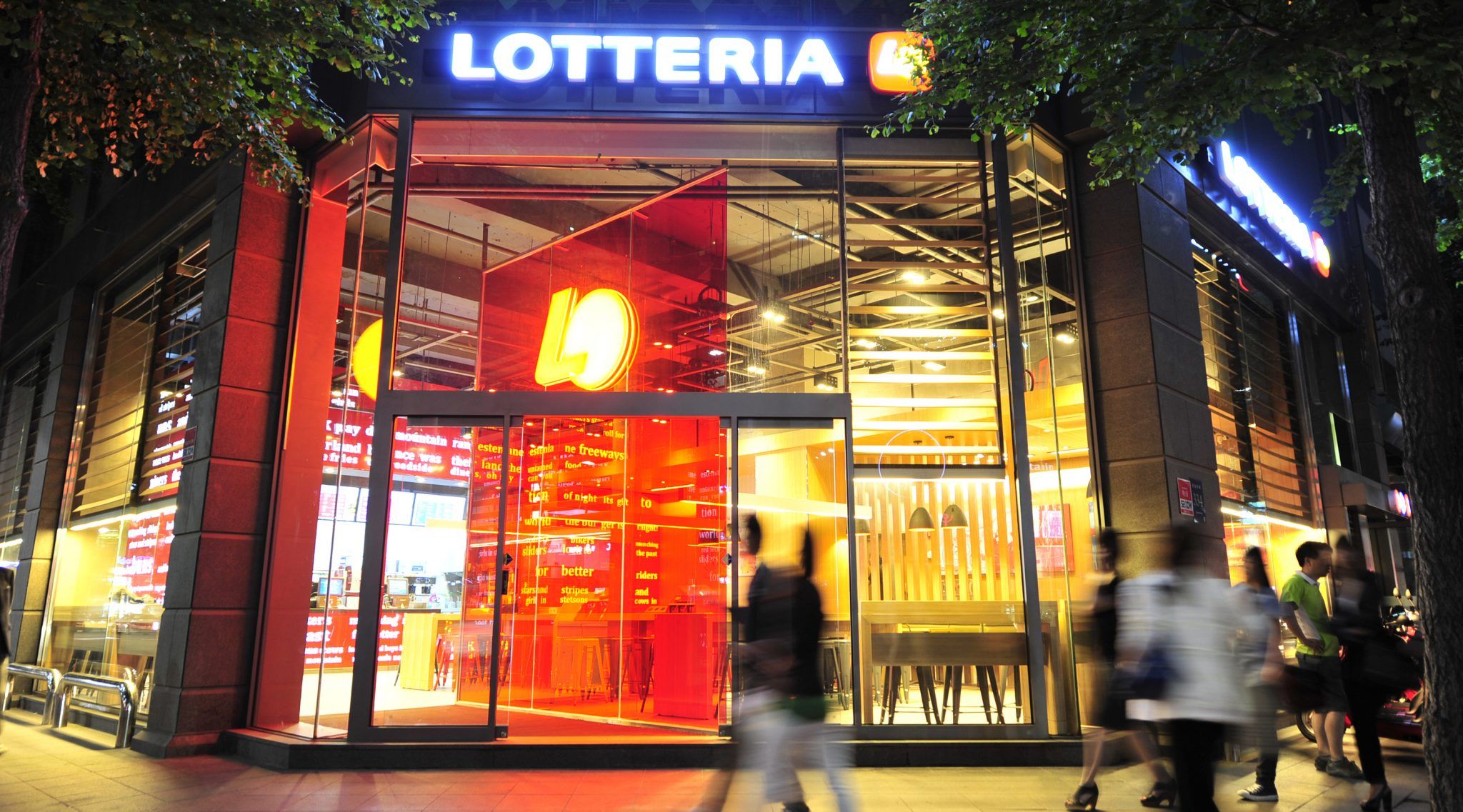
  • Lotte Vietnam denies reports it will close Lotteria fast-food chain

    Lotte Vietnam denies reports it will close Lotteria fast-food chain

    Lotteria Vietnam has said that it will continue its business expansion in Vietnam amid Korean media reports of its closedown over a net loss of nearly US$9 million.

    The company, which is operated by Lotte GRS under South Korea’s Lotte Group, dismissed a media report that it would cease operations in Vietnam, a spokesperson told Tuoi Tre (Youth) newspaper on Saturday.

    There is an inaccurate understanding of the Korean media report, the Lotteria Vietnam spokesperson added.

    Lotteria Vietnam is proceeding with its normal business while an expansion is underway.

    The firm is expected to invest in a new plant at Long Hau Industrial Park in Long An Province, just outside Ho Chi Minh City, and open ten Lotteria stores in 2021.

    “We are working with our parent company in South Korea to clarify its new strategy,” the spokesperson told Tuoi Tre.

    The spokesperson further explained that Lotteria Vietnam is still operating its franchise business and has reached almost 100 franchised restaurants.

    Entering the Vietnamese market in 1998, Lotteria Vietnam is running over 260 outlets and is among the top fast-food chains in the Southeast Asian country.

    The Korea Times reported on Sunday that Lotteria Vietnam is not closing down.

    “It is true that Lotte GRS is leaving the Indonesian market but we are continuing with our franchise and food retail businesses in Vietnam,” the newspaper quoted a Lotte GRS official as saying.

    The paper seemed to correct its report on Friday that had cited “a Lotte GRS official” as saying “Lotteria Vietnam and others have met the requirements for closure starting this year.”

    Friday’s article said that Lotte GRS was in the process of closing down “Lotte Group’s food material supplier in Vietnam, which was established in early 2020 to expand Lotte GRS’ business in neighboring Southeast Asian countries.”

    “Lotteria franchises in Vietnam have all stopped operations and its headquarters in Seoul is reviewing the possibility of closing down the business within this year,” The Korea Times reported.

    The report went on to elaborate that Lotteria Vietnam did not make any profit for Lotte GRS in 2020.

    “Lotteria Vietnam’s book value stood at 26.8 billion won [$24 million] as of early last year, but declined to 15.6 billion won [$14 million] after recognizing 11.2 billion [$10 million] won in valuation losses,” the article said.

    “Its net loss surpassed 10 billion won [$8.9 million] in one year.”
  • Restaurant chain operator Golden Gate’s profit plummets

    Restaurant chain operator Golden Gate’s profit plummets

    Restaurant chain operator Golden Gate saw its post-tax profit plunge 79.8 percent year-on-year to VND65 billion ($2.8 million) in 2020.

    It posted VND4.5 trillion in revenue, down 5 percent year-on-year, according to its financial statement.

    Golden Gate attributed the plunge in profits to the Covid-19 pandemic, which forced the company to temporarily close all of its restaurants in March and April last year as the country underwent social distancing.

    It had to cut expenses and implement food delivery services. A total of 18 of its restaurants were shut down last year.

    By the end of 2020, its total assets and liabilities were valued at VND2.3 trillion and VND1.1 trillion, respectively.

    Golden Gate was founded in 2005 with its first restaurant in Hanoi, the Ashima mushroom hotpot restaurant. It currently runs over 400 restaurants under 21 brands nationwide, with over 4,000 employees.

  • Vietnam eyes $4 bln in shrimp exports

    Vietnam eyes $4 bln in shrimp exports

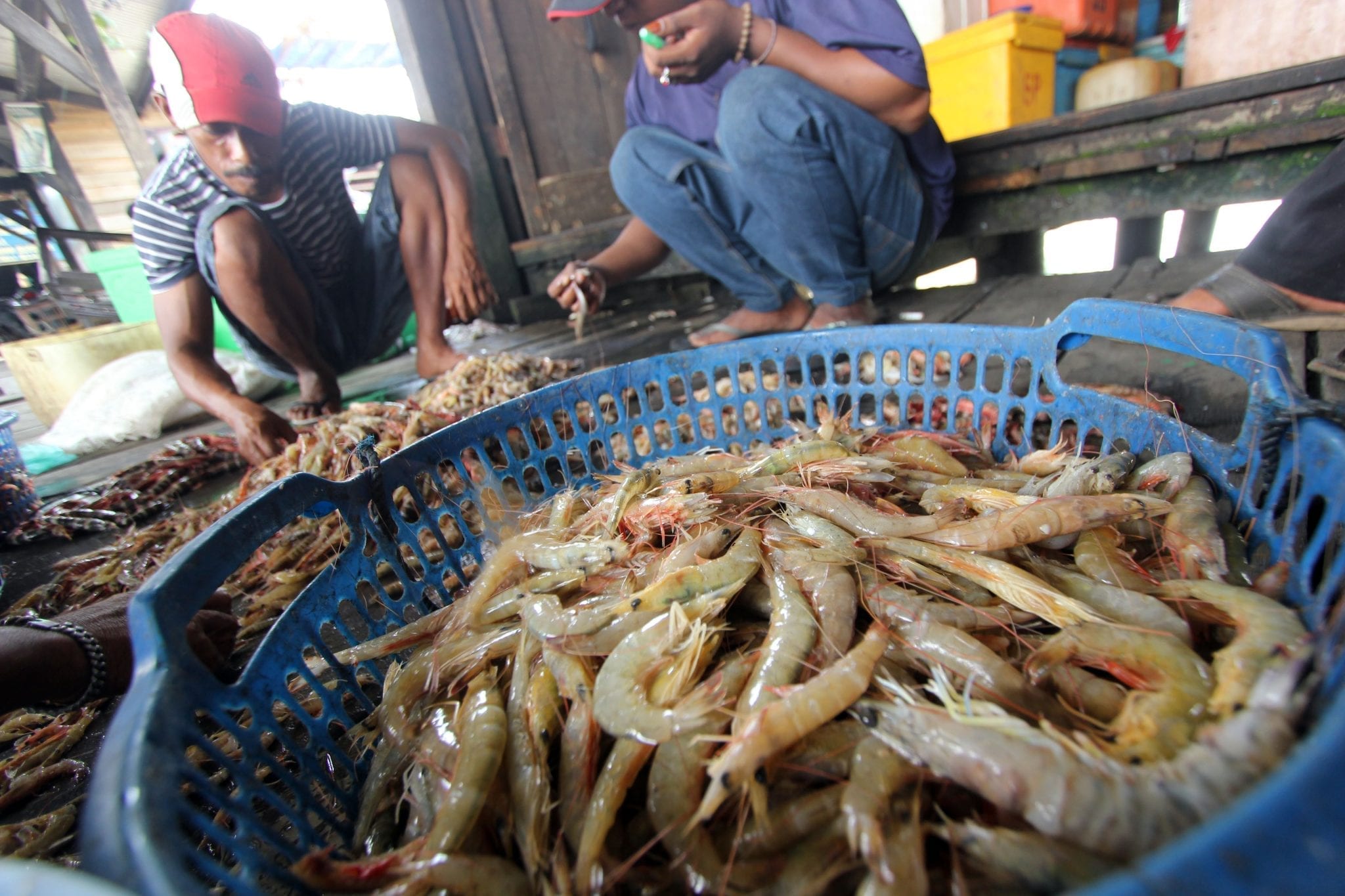
    Vietnam targets a 5 percent increase in shrimp exports this year to $4 billion.

    It also targets output of 930,000 tons and having 740,000 hectares of shrimp farms, said Tran Dinh Luan, director of the Directorate of Fisheries, said at the VietShrimp Aquaculture International Fair in Can Tho City on Wednesday.

    He expected Vietnam to become the world’s biggest producer of farmed shrimp by 2045 with an output of four million tons and a 25 percent global market share.

    Now there are 200,000 hectares of high-tech shrimp farms, 95 percent of them in the Mekong provinces of Bac Lieu and Soc Trang, mostly belonging to foreign companies.

    Shrimp exports face difficulties since costs have risen by 20 percent due to a 200-500 percent jump in transport costs, Luan said, pointing out that shipping a container of shrimp to Europe has increased from $1,500 to $6,500, and even $7,500.

    Last year, shrimp exports were up 11.7 percent to $3.8 billion, and output had been 900,000 tons.

  • Domino’s And Nuro To Start Robot Pizza Delivery In Houston, Texas

    Domino’s And Nuro To Start Robot Pizza Delivery In Houston, Texas

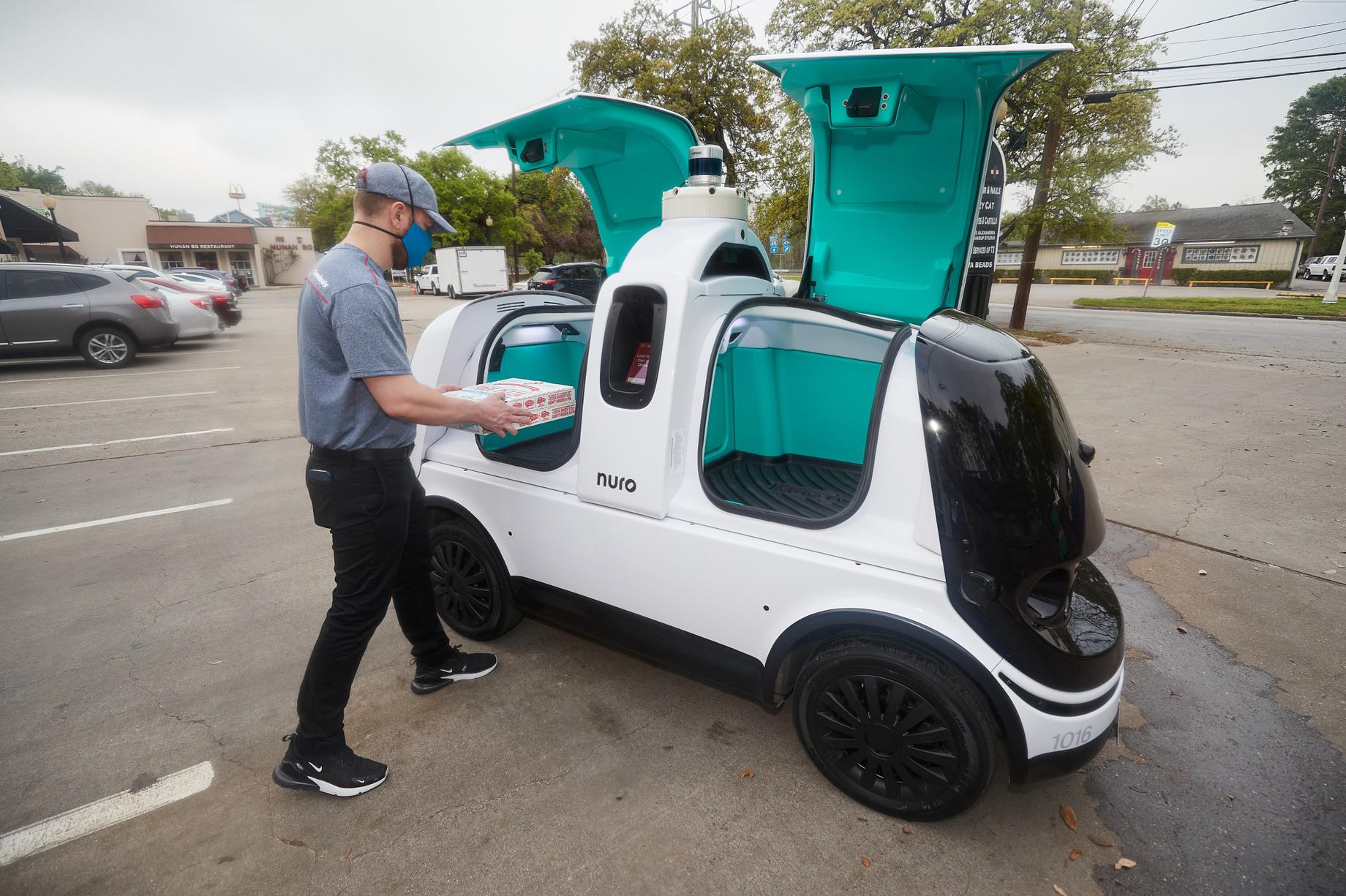
    Domino’s Pizza Inc and Nuro Inc, a Silicon Valley startup, said on Monday they will launch a robotic pizza delivery service in Houston this week as they seek to satisfy increasing online orders during the pandemic. With small, low-speed vehicles to carry packages instead of people, Nuro has been pulling ahead of other autonomous vehicle startups in gaining regulatory approvals. It won U.S. clearance last year to start unmanned delivery services. Nuro recently secured a $500 million including an equity investment from Woven Capital, the mobility investment arm of a Toyota Motor Corp subsidiary, which made its total valuation more than $5 billion, a person familiar with the matter said.

    The delivery service will begin at a Domino’s outlet in Houston before expanding to serve customers in many other locations as part of a long-term partnership, said Cosimo Leipold, Nuro’s head of partner relations. “It’s generally difficult for large companies to hire enough drivers to fill their delivery demand,” Leipold said in an emailed statement to Reuters. Leipold said Nuro, which has already partnered with retailers Kroger Co, Walmart Inc and CVS Health Corp to deliver groceries and prescriptions, said its weekly deliveries had nearly tripled in the first three months of the pandemic. Houston, the fourth-largest U.S. city, has one of the country’s highest road fatality rates. “Houston’s roadways create challenging scenarios for our technology to work with,” Leipold added.

    Nuro and Domino’s had said in 2019 they expected to launch robot pizza delivery late that year. “Nuro and Domino’s have taken a measured approach to prioritize a smooth and safe deployment,” Leipold said. Nuro, founded by two former Google engineers in 2016, previously raised $940 million from the SoftBank Vision Fund.

  • Hanoi Beer producer profits to slump to 10-year low

    Hanoi Beer producer profits to slump to 10-year low

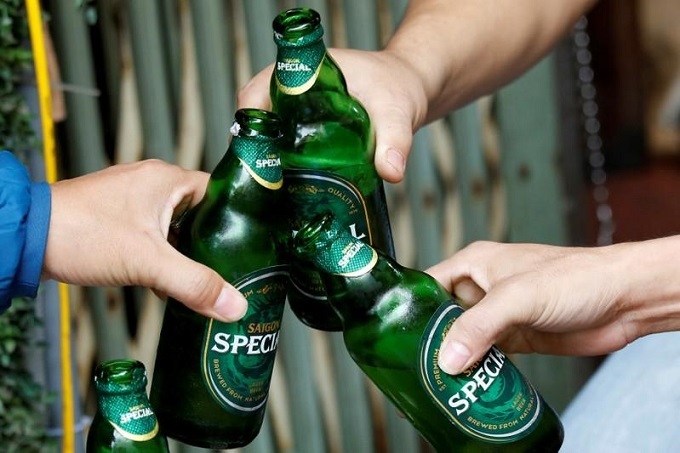
    The producer of Hanoi Beer expects sales to be badly hit by the Covid-19 pandemic this year and profits to fall to a 10-year low as a result.

    The Hanoi Beer Alcohol and Beverage Jsc forecast post-tax profits of VND255 billion ($11 million), down 59 percent from 2020.

    Habeco said in a report that tourism companies, hotels, and restaurants continue to suffer due to Covid-19, and this would directly cause a decrease in consumption of alcoholic beverages.

    Another difficulty it cited was the rising competition with many brewers introducing new products in the popular market segment in which Habeco mainly operates.

    But it said it would strive to maintain its position as one of the biggest brewers in the northern and central regions.

  • Thailand’s top coffee chain to expand in Vietnam

    Thailand’s top coffee chain to expand in Vietnam

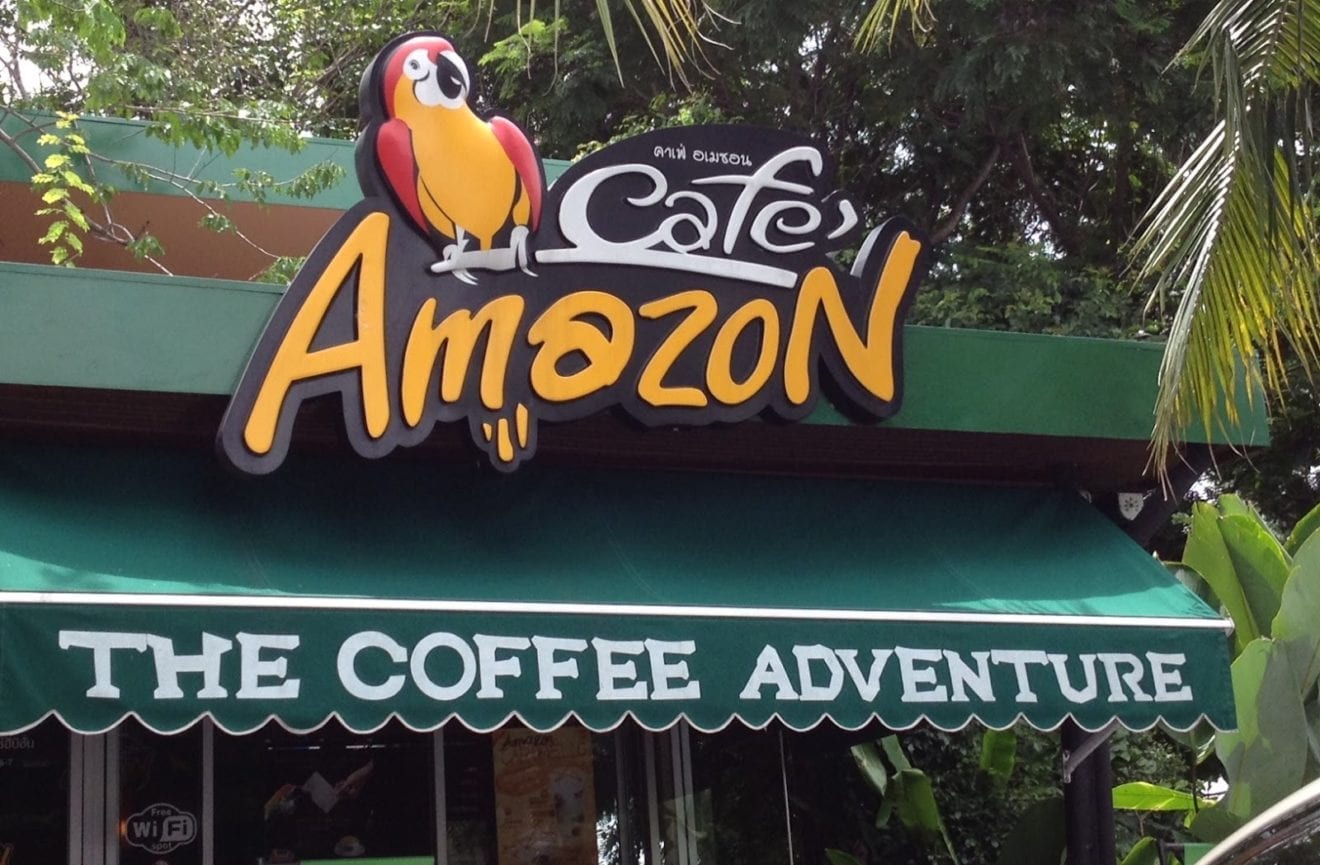
    Thailand’s leading coffee chain Café Amazon plans to expand in Vietnam after five months of establishment in the country.

    A spokesperson said recently the chain sees long-term potential in Vietnam and will expand in Ho Chi Minh City and neighboring provinces this year, but did not reveal specific figures.

    The chain opened its first outlet in southern Ben Tre Province last October, and later two in Tien Giang Province and Tra Vinh Province in December, all in Go! Supermarkets operated by Thai giant Central Retail.

    It also opened in December an outlet in HCMC.

    Thailand’s Central Group owns 40 percent of Café Amazon Vietnam, while the remainder belongs to another Thai fuel distributor PTT Oil and Retail Business.

    Café Amazon has over 3,000 stores in 10 countries.

    In Vietnam, it will have to compete with long-established domestic players like Highlands, Phuc Long, The Coffee House and Trung Nguyen.

    The market in the past has seen the withdrawal of foreign brands like NYDC – New York Dessert Café and Gloria Jean’s Coffees.

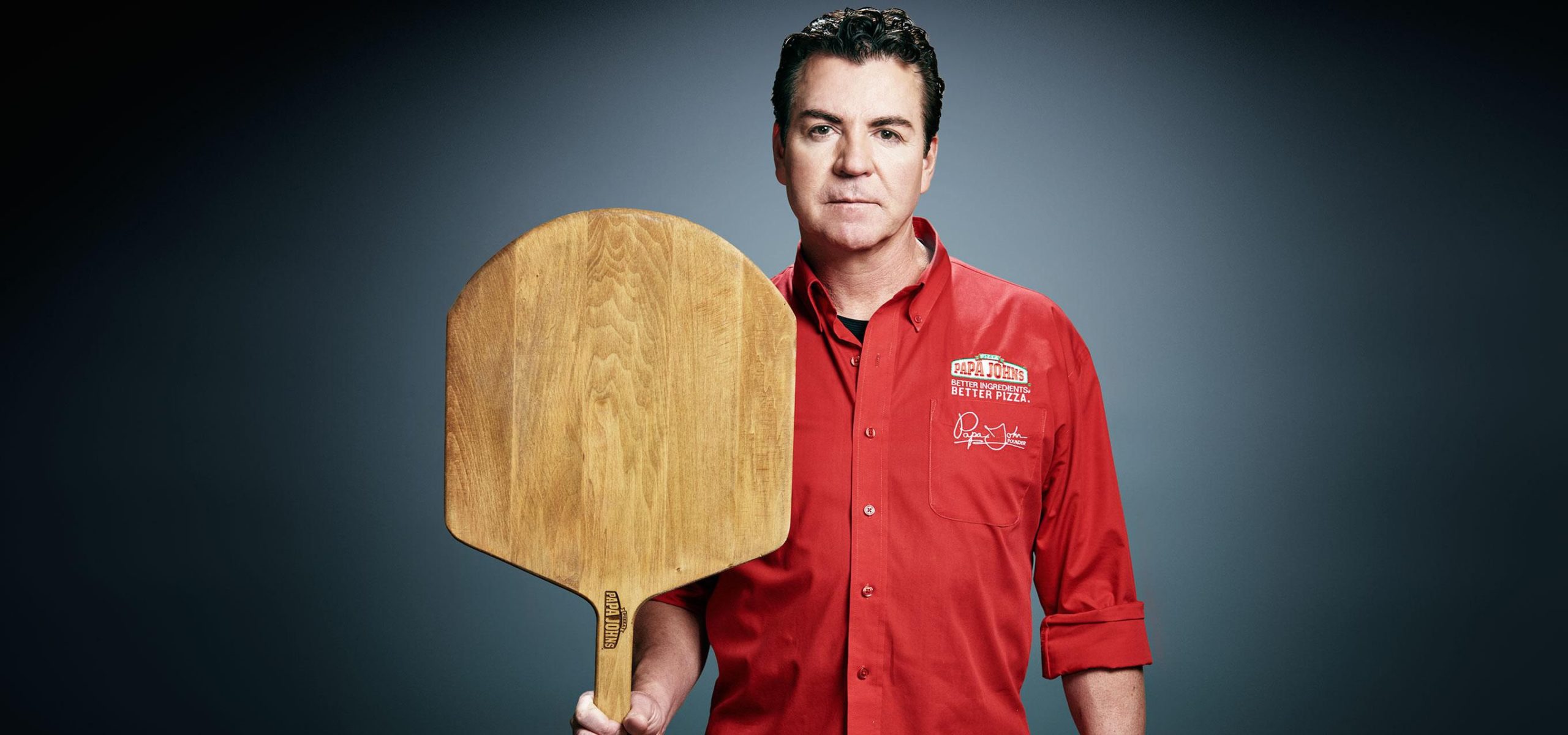
  • Papa John’s launches in Cambodia

    Papa John’s launches in Cambodia

    US pizza chain Papa John’s is launching in Cambodia with 15 restaurants scheduled to open during the next three years. The company opened its flagship store in Phnom Penh last month.

    “Papa John’s Cambodia team is truly passionate about pizza,” said Peter Xu, Papa John’s Cambodia franchisee.

    “With our ‘Better ingredients – Better pizza’ promise, we look forward to providing local pizza lovers with quality products and outstanding services.”

    Xu also owns a Papa John’s franchise in New York and other business ventures in Cambodia.

    Jack Swaysland, Papa John’s COO, international, said that following a record year of sales and growth, Papa John’s is well-positioned to accelerate international development, a key pillar for the brand’s long-term growth.

    Papa John’s has restaurants in 48 countries, with the latest new openings in France, Spain, Tunisia, Iraq, the Netherlands, Morocco, Kazakhstan, Kyrgyzstan, Poland, the Bahamas, Pakistan, and Portugal. The company is eyeing expansion in Brazil, Japan, and Southeast Asia.

  • Flash Coffee to open 300 outlets after fresh funding round

    Flash Coffee to open 300 outlets after fresh funding round

    Tech-enabled coffee chain Flash Coffee has raised US$15 million in its Series A funding led by White Star Capital, aiming to launch 300 stores this year.

    The Series A round sets the total capital raised by Flash Coffee to US$20 million. Investors include Delivery Hero-backed DX Ventures, Global Founders Capital, and Conny & Co.

    The raised funds will be used for accelerating Flash Coffee’s expansion plan in Asia. According to David Brunier, CEO of Flash Coffee, the company will enter into seven new markets this year: Hong Kong, Taiwan, South Korea, Japan, Malaysia, the Philippines, and Vietnam.

    “Our dream is to have a Flash Coffee every 500 meters in all major Asian cities,” said Brunier.

    “We will also build a regional HQ in Singapore and expand our regional tech hub in Jakarta to 50 people to support our vision of fully leveraging technology to improve customer experience, proactively drive growth and significantly increase operational efficiency.”

    Launched in January last year, Flash Coffee business model focuses on grab-and-go physical storefronts that rely on technology, allowing significant cost savings. The company now operates 50 outlets across Singapore, Thailand, and Indonesia.

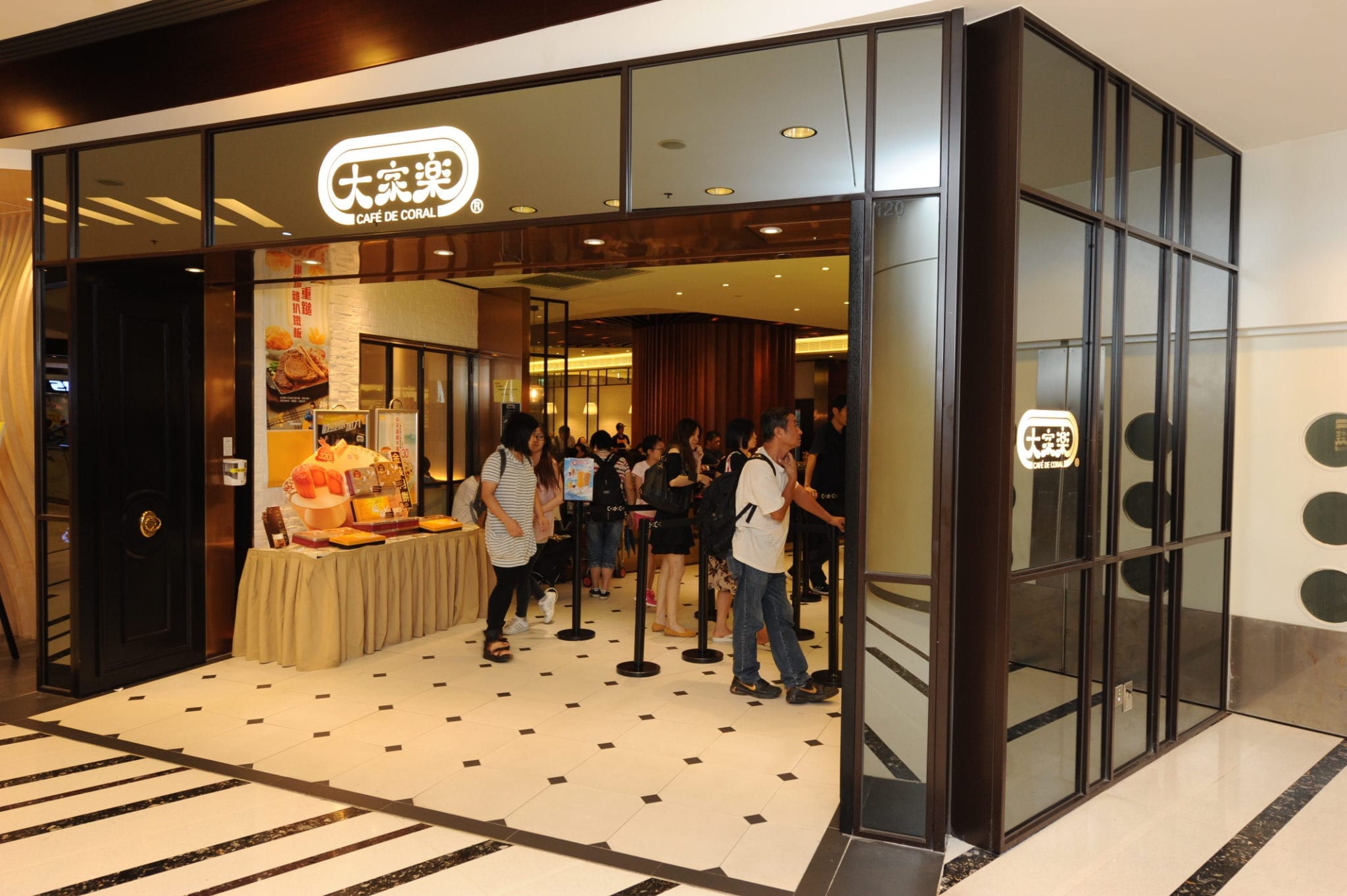
  • Cafe de Coral Group appoints new managing director

    Cafe de Coral Group appoints new managing director

    Café de Coral has promoted Piony Leung to managing director (Hong Kong) with immediate effect.  In her new position, Leung reports to group CEO Peter Lo and manages business operations and provides strategic leadership across Café de Coral Group’s business in the city, including quick-service restaurants, casual dining, and institutional catering. She will also play a pivotal role in meeting the company’s growth goals in the Hong Kong F&B sector.

    Piony was previously managing director (quick-service restaurants) of Café de Coral Group, and boasts more than 25 years of experience in the retail and fast-moving consumer goods industries. Under her leadership in 2020, the group’s quick-service restaurants business took a number of actions to address weak market conditions, shifted marketing focus to promote take-away and delivery services, redesigned menus to meet changing demand, and introduced an e-commerce platform for selling popular seasonal products such as poon choi and party sets.

    “In the face of unprecedented challenges, I am deeply impressed by our frontline staff who have gone above and beyond to service our customers while doing their best to meet our business goals. Although the economic outlook remains uncertain, I am committed to working side by side with my team members to explore future business opportunities and retain the Group’s leadership position in this rapidly changing market,” she commented.

    Speaking of Leung’s appointment, Lo said her leadership skills had led the team through major market shocks and adapted to the challenging business landscape.

    “In the post-pandemic era, it is essential that the group is able to capture opportunities bought by the fast-changing market and consumer behaviours. I have every confidence that she will be able to maximize business synergies and build a stronger brand portfolio by integrating the quick service restaurants, casual dining and institutional catering business as a whole, offering a wide range of food options that cater to the diverse tastes of the greater community,” Lo explained.

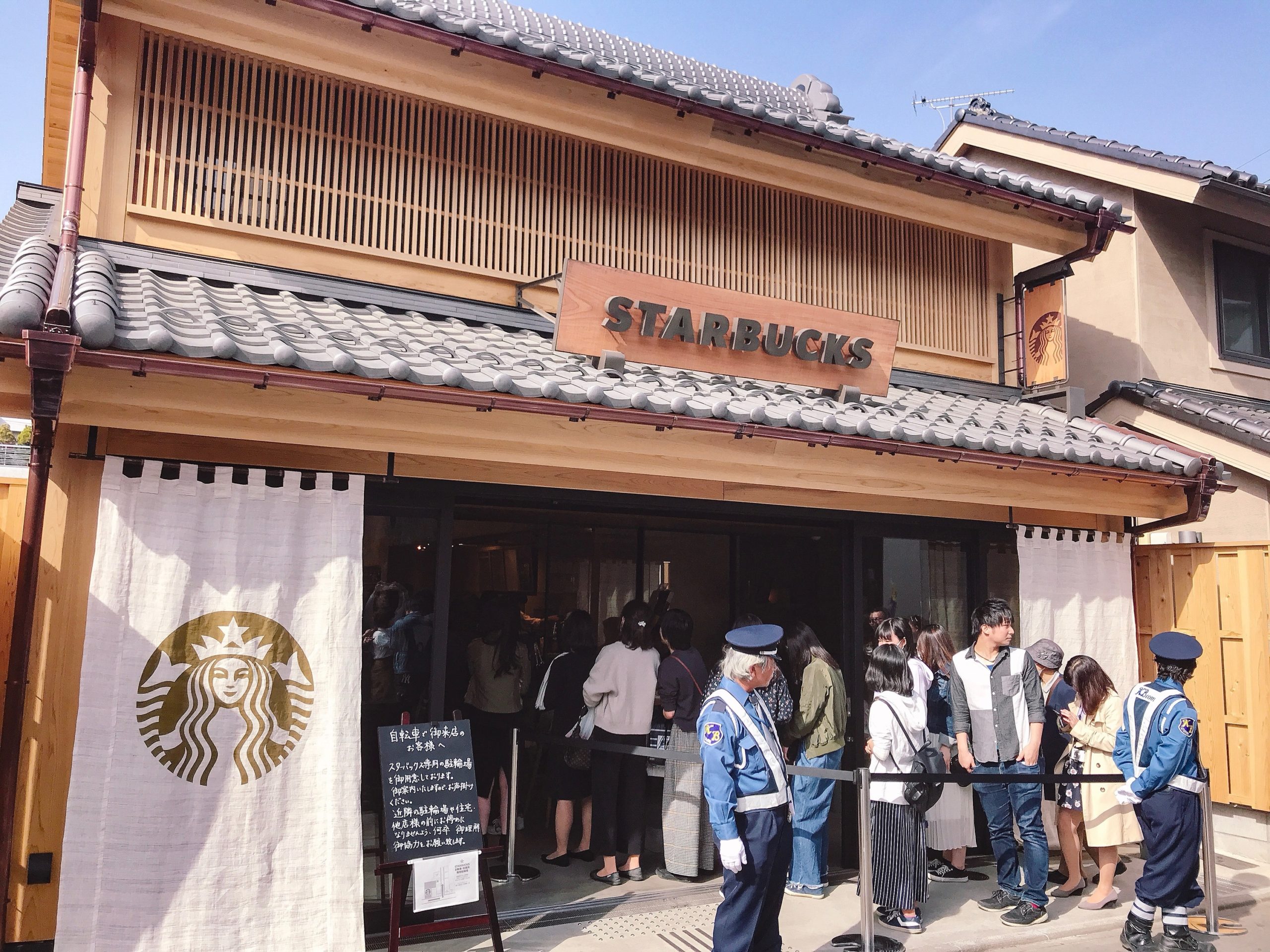
  • Starbucks opens with new Japanese store design

    Starbucks opens with new Japanese store design

    There are several unique and beautiful Starbucks stores in Japan including the traditional Machiya style store in Kyoto and the Edo-style wooden house store in Kawagoe City, and they have been popular tourist attractions nowadays.

    In 2020 spring, Starbucks Japan opened another unique branch, featuring the tiled roof traditional Japanese house with historic stone lanterns. The “Starbucks Coffee Shinshu Zenkoji Nakamise Street Store” opened in March 2020 as the first regional landmark store in Koshinetsu Region, situated on the Nakamise Street, an approach/shopping street leading to Shinshu Zenkoji Temple in Nagano Prefecture.

    The store is set in the historical district near the magnificent temple, and feature very unique and fascinating architectural design with motifs of a traditional Japanese house.

    5 types of Nagano wood are used for the interior that warmly welcomes visitors and express the connection to the local community. The 2nd floor presents the beauty of the lights and shades of Japanese houses with Shoji (wooden-framed paper window) and skylights delivering gentle light to the space.

    In addition, there are several historical essences that present good old Japan such as stone lanterns and wooden beams. At this new Starbucks store, visitors can spend a little bit more quality and luxurious time while enjoying aromatic coffee!