Category: Food

Retail News Asia is committed to providing both local and global retailers with the latest Food and Food & Beverage news throughout the Asian market. This on a daily base.

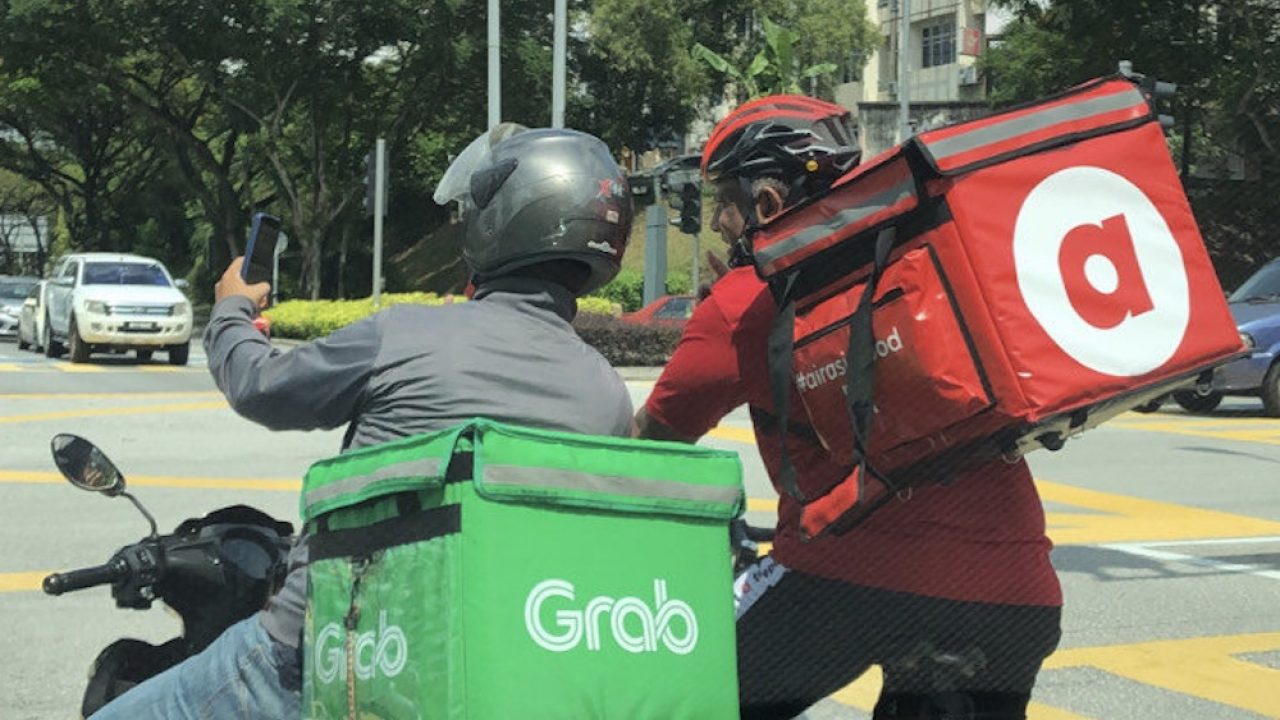
  • AirAsia food to start deliveries in Singapore in March in first foray outside Malaysia

    AirAsia food to start deliveries in Singapore in March in first foray outside Malaysia

    AirAsia Food, budget carrier AirAsia’s delivery service, is looking to spread its wings and start operations in Singapore.

    Ms Amanda Woo, Air Asia’s chief commercial officer, told The Straits Times on Thursday (Feb 18)  that its food delivery service will launch here next month, and that it has obtained all the necessary approvals from Singapore authorities.

    On top of food and beverage outlets, AirAsia is also calling for those in the beauty, fashion, fresh produce, and hotel industry to register their interest, as it is preparing to launch more products, said Ms Woo.

    AirAsia’s chief executive Tony Fernandes had said in a LinkedIn post on Wednesday that his company’s latest venture would be coming to “Singapore with a roar”.

    The food delivery service began operations in Malaysia in May 2020. According to the carrier, it had served 500 restaurants and delivered close to 15,000 orders in its first three months of its operation.

    Coming to Singapore will be AirAsia Food’s first overseas foray.

    “As a disruptive leader, we’re ready to take on the new challenge in Singapore, providing value, simplicity, and inclusivity for everyone,” Mr Fernandes said.

    Miss Sabrina Khaw, head of AirAsia food, said that the company pivoted towards food delivery after considering that food delivery platforms in Malaysia were charging “exorbitant commission rates”, averaging between 20 percent and 35 percent.

    She added that there was very little control given to merchants over their own store when it came to food deliveries.

    “AirAsia food runs on a zero-commission model. Merchants are able to choose from flat-rate plans powering payment and delivery,” she said.

    The budget carrier has been heavily affected by the Covid-19 pandemic’s disruptions to air travel. Last July, its auditors filed a report with the stock exchange in Kuala Lumpur saying the airline may not survive.

    Three months later, it was reported that its long-haul arm was out of money and needed to raise up to RM500 million ($164 million) to restart.

    AirAsia is not the only airline forced to provide other services to survive after being battered by travel restrictions due to Covid-19.

    Singapore Airlines has started restaurant services in its airplanes and conducted behind-the-scenes tours at its training facility.

    Other airlines around the world have launched sightseeing “flights to nowhere” and started selling themed merchandise.

    AirAsia food now aims to cut itself a slice of the lucrative food delivery pie here. According to research firm Statista, online food delivery was a US$464 million (S$616 million) business in Singapore last year.

    Foodpanda, Deliveroo, and GrabFood – which entered the market in 2012, 2015 and 2018 respectively – remain the major players in food delivery here, with several new platforms such as WhyQ, Chope On, and Pickupp having leaped onto the food-delivery bandwagon.

    Mr Fernandes said that he was sure AirAsia food will do well in Singapore despite the crowded food delivery space.

    “It took me seven years to get approval to fly to Singapore but better late than never. So I’d say, we’re way ahead of schedule on food. I’m sure we (are) going to get a great welcome,” he said.

    “So Singapore: here we come.”
  • South Korea’s online food market booming due to Covid-19

    South Korea’s online food market booming due to Covid-19

    In South Korea, some of the world’s biggest food delivery firms are scrambling to surf an estimated $4 billion wave of new orders, contracting thousands of new riders in a boom triggered by the scourge of the global economy – the coronavirus pandemic.

    Koreans had already developed such an appetite for meal deliveries that the country ranked third in the world last year for food order services, according to consultancy Euromonitor. Now, tough social distancing rules and work-from-home policies to counter the pandemic have fuelled explosive growth.

    South Korea’s food delivery market is expected to jump 40% this year to around $15.4 billion from $11 billion in 2019, Euromonitor data showed, topped only by China and the United States.

    Surging coronavirus-era consumer demand has stoked orders, supported meal pricing and made the prospect of a career as a self-employed rider – earning more per hour than many other part-time jobs – an attractive option for many after the pandemic drove Korea’s jobless rate to a 10-year high earlier this year.

    Contractor jobs like delivery riders will keep growing in number amid the pandemic, predicted Kim Sung-hee, professor of labour studies at Korea University, highlighting the need for government scrutiny of “non-regular work”.

    “A lot of the contractor jobs, including riders, have minimal access to labour rights,” Kim said, “they have no access to occupational health and safety insurance and no employment safety net.”

    Responding to the demand surge, Woowa Brothers, the operator of leading food delivery service Baedal Minjok, said it expanded its pool of motorbike delivery riders this summer by nearly 50% from 2,100 previously. Smaller peer Barogo, which like Woowa Brothers doesn’t disclose details of its financial performance – said it is recruiting 5,000 more, creating openings for some otherwise unlikely riders.

    Among those is Chey Young-ah, a 37-year-old former art teacher in Seongnam, 20 km (12.43 miles) south of Seoul. After the pandemic forced classes at her day job to shut, she saw brisk delivery orders at a fried chicken restaurant where she worked part-time, opted to become a rider herself instead in mid-August.

    “I feel lucky I found this field at a time when deliveries are booming,” she said. “One of the merits of this job is that the entry barrier is low. They don’t care whether you’re a man or a woman, you don’t need a job interview.”

    Chey, who already owned a motorbike, says she earned around 1.8 million won ($1,565.22) last month while working six to eight hours a day, seven days a week – already nine times the pay as an art instructor.

    Chey rides for Baedal Minjok and Coupang Eats, operated by SoftBank-backed e-commerce firm Coupang. Like other services, delivery jobs are offered to riders on call via an app, with riders selecting which jobs to take depending on distance and payment terms.

    Riders say most orders earn them around 3,300 won per delivery – the minimum rate – with the influx of new riders creating greater competition even to secure those deliveries, and to get the job done faster.

    “The competition is getting fiercer … Some (riders) violate traffic rules to make one more delivery, putting their safety at risk,” said Chey, who herself has already been involved in a minor accident.

    Delivery companies are also offering bonuses hoping to secure faster riders. Coupang Eats said riders can earn up to 15,000 won per order, depending on order volume and weather conditions.

    Data from Rider Union, a labour union representing the new dispatch workers, showed one of its members earned as much as 585,700 won – comparable to 68 hours of work by minimum wage – on a single day in August.

    Numbers like this are a magnet in an otherwise depressed jobs market.

    You Young-sik, a 28-year-old Seoul internet cafe worker who has seen his pay halved since the coronavirus hit and now fears losing his job, recently signed up for motorbike lessons to get his licence.

    “As I was looking for new openings, I figured delivery business is in vogue these days,” said You, who currently makes below 1 million won a month. “Riders’ salary looks way higher than what I get paid now.”

  • Starbucks opens its largest coffee store in Thailand

    Starbucks opens its largest coffee store in Thailand

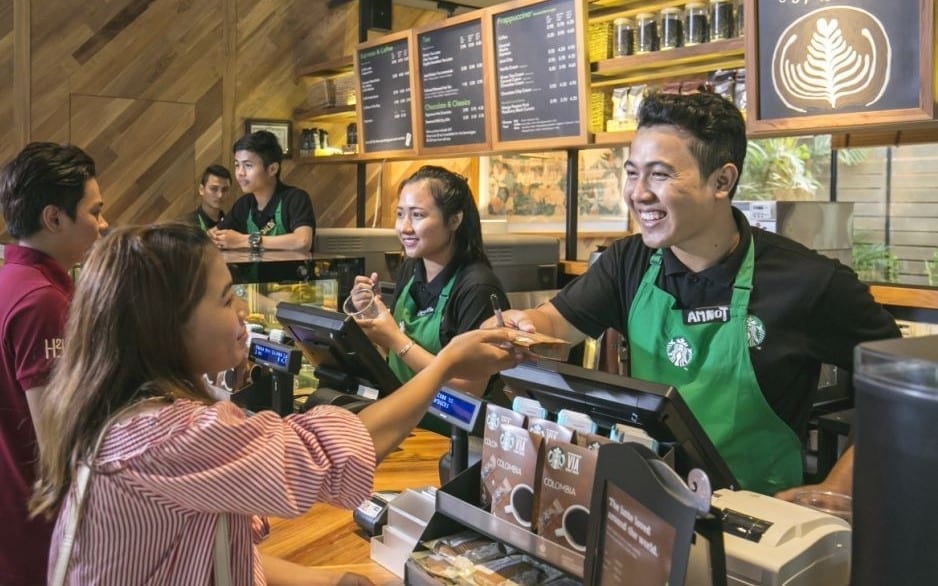
    Starbucks today celebrates 20 years of delivering the Starbucks Experience to customers throughout Thailand with the recently opened Central World store– its largest store in Bangkok. Located on the first floor of CentralWorld, the store features a Starbucks Reserve Bar and, for the first time in Asia, Starbucks® DRAFT beverages infused with nitrogen.

    Starbucks CentralWorld is Thailand’s largest Reserve Bar store composed of Starbucks traditional coffee bar as well as the Starbucks Reserve Bar, which invites customers to deepen their coffee knowledge. Featuring the Black Eagle espresso machine for unique, espresso-forward beverages and various brewing methods such as the Siphon, Chemex, and Pour Over, customers can taste Starbucks Reserve, small-lot coffees for a premium coffee experience specially-crafted by Starbucks Coffee Master partners (employees) whose passion and knowledge of coffee is highlighted by their black aprons.

    Starbucks DRAFT makes its Asia debut in the store on a four-tap system delivering Starbucks Cold Brew and nitrogen-infused Starbucks Cold Brew, tea and milk. This latest beverage innovation draws in customers with its velvety texture cascades from the taps causing a sensory experience to both taste and see. The Starbucks DRAFT counter, found on the first floor of the store, highlights select nitro beverages including Nitro Cold Brew, Nitro Peach Tea, Nitro Green Tea Latte, Nitro Caramel Macchiato and Nitro Flat White.

    “From the success of Starbucks Nitro Cold Brew coffee, we continue to search for beverage innovation to elevate the customer experience. Today, we are pleased to launch Starbucks® DRAFT, an innovative cold beverage offering a rich, creamy texture for each beverage.” says Nednapa Srisamai, managing director of Starbucks Coffee (Thailand) Ltd. “This is a new cold beverage experience not to be missed.”

    This beverage innovation is the first-of-its-kind in Starbucks across Asia further elevating the cold beverage experience. Starbucks® DRAFTis also available today at one location in the U.S.

    As customers enter the space for the first time, their eyes will be drawn to the high, gold ceiling inspired by the natural terraces where coffee is grown, paying homage to the landscapes of coffee-growing terrain. The ceiling begins the coffee journey for customers by inviting them to come in from the outside and move towards the central Starbucks Reserve bar where the aroma of coffee can be enjoyed all around.

    The 760 metre store has more than 230 seats and two large rooms is designed to host community events or small gatherings surrounded by locally-relevant art installations throughout the store. Local artists Rukkit Kuanhawate created a feature piece highlighting the various coffee growing regions through regional wildlife including, the Sumatran Tiger, Kenyan Elephant and Guatemalan Quetzal bird. Similarly, Irin (Ann) Ariyatanap and her team handpainted murals using drawings of coffee botanicals and Thai floral motifs alongside imagery of the Starbucks Reserve coffee silos found exclusively at the Reserve Roasteries.

    Continuing on the coffee journey, customers are delighted upon entering the store with wooden coffee scoops engraved with messages and colorful motifs describing the various parts of the coffee tree. Similarly, the walls of both meeting rooms serve as tribute to the bean-to-cup story through natural hemp woven art, hand painted ceramics and a floor-to-ceiling wood carving.

  • Uber Reduces Losses On Food Delivery Expansion, Modest Uptick In Ride Bookings

    Uber Reduces Losses On Food Delivery Expansion, Modest Uptick In Ride Bookings

    Uber Technologies Inc on Wednesday posted a narrower loss as its ride-hail and delivery businesses rebounded slightly from pandemic lows, and the company said it was well on track to reach its goal of achieving an adjusted profit by year-end.

    Uber said customers in cities’ outer boroughs and suburbs had returned to its rides platform during the quarter.

    Nearly complete recoveries in markets including Brazil and Australia point to leisure travel to restaurants and cultural events bouncing back quickly once the pandemic ends, with business travel returning more slowly, as many employees continue to work from home.

    Shares fell 3% in after-hours trading after gaining around 6% during the day. Shares had risen after smaller ride-hail rival Lyft Inc said on Tuesday it might become profitable during the third quarter, three months ahead of a previous goal, thanks to a rebound and cost cuts.

    Uber reported a loss on an adjusted basis before interest, taxes, depreciation and amortization of $454 million, significantly less than analysts’ average expectations for a $514 million loss, according to Refinitiv data.

    Uber cut costs throughout 2020, including reducing staff by nearly 30% from the beginning of the year. A focus on its core rides and food delivery business and divestments of ancillary units will allow Uber to emerge from the pandemic a slimmer company.

    Adjusted EBITDA, which excludes the cost of the company’s extensive stock-based compensation and other potentially significant items, is the profitability metric Uber uses.

    Uber reported $3.17 billion in total revenue in the months from October through December.

    Fourth-quarter mobility revenue, largely comprised of rides, declined by 52% from last year, but at $1.47 billion was up 8% on a quarterly basis despite new lockdown measures in the United States, Europe and the Middle East.

    The company said it could not predict the quarter in which ride-hail volumes might return to pre-pandemic levels. Airport travel, which made up 15% of gross bookings before the pandemic, will take longer to return than leisure and business trips, Uber said.

    It expected first-quarter adjusted EBITDA to be flat or down compared with the fourth quarter.

    Orders at Uber’s food delivery platform, Uber Eats, further grew during the fourth quarter, as many countries and U.S. states issued new lockdown orders, closing restaurants and prompting many people to order in.

    Delivery revenue more than tripled from last year and at around $1.36 billion, grew 19% compared with the third quarter.

    Uber has expanded its footprint in the competitive space and acquired smaller food-delivery rival Postmates for $2.65 billion and alcoholic beverage delivery service Drizly for $1.1 billion.

    Both deals were largely stock-based, with the Drizly deal expected to close later this year.

    Uber also said it had further lowered costs in the fourth quarter, with total costs and expenses dropping 14% in that period.

    Following a directive by Chief Executive Dara Khosrowshahi to focus on the company’s core businesses, Uber has sold two cash-burning units.

    The company in December sold its self-driving Advanced Technologies Group (ATG) in a $4 billion equity deal at a steep drop in valuation. Khosrowshahi at the time said the deal would accelerate Uber’s profitability goal.

    The same month, Uber also handed over the keys to its air taxi business Elevate, without disclosing the terms of the deal.

  • Vietnam slaps anti-dumping duty on Thai sugar

    Vietnam slaps anti-dumping duty on Thai sugar

    Vietnam has applied an anti-dumping and anti-subsidy duty of 33.88 percent on raw sugar from Thailand to protect domestic producers.

    The Ministry of Industry and Trade said that although its preliminary investigation found Thai sugar exporters have a dumping margin of 48.88 percent, it decided to collect 15 percentage points less after taking into account the socio-economic impacts of the duty and the benefits of farmers, manufacturers, and consumers.

    The ministry began its investigation in September last year upon requests by Vietnamese sugar producers who claimed they were being hurt by the low-priced Thai product.

    Its data showed that Vietnam’s sugar imports from Thailand rose 330 percent from 2019 to 1.3 million tonnes last year.

    This resulted in 3,300 people losing their jobs as many factories had to close and more than 93,200 farmers were affected.

    The final decision on the duties will be determined in the second quarter this year.

  • OnTheList launches Asian arm of Phenix to save food from landfill

    OnTheList launches Asian arm of Phenix to save food from landfill

    Chefs and caterers at hotels in Asia-Pacific will work on ways to cut food waste, including tweaking buffets and promoting the use of doggy bags, in a scheme led by environmental group WWF.

    The Asian arm of the Hotel Kitchen program, funded by The Rockefeller Foundation, is due to be launched on Friday at a Singapore meeting of international and regional hotel chains.

    “This is about accelerating change and getting people to think differently about food,” said Pete Pearson, Washington-based director for food waste at WWF.

    About a third of food produced around the world is never eaten because it is spoiled after harvest and in transportation or thrown away by shops and consumers.

    That amounts to economic losses of about $940 billion per year, according to the U.N. Food and Agriculture Organization.

    Yet 815 million people around the world go to bed hungry every night, U.N. figures show.

    Throwing out food wastes the water, energy and fuel required to grow, store and distribute it, campaigners say, while discarded food ends up in landfill where it rots, releasing climate-changing gases such as methane.

    Joao Campari, food practice leader with WWF International, said the conservation group – best known for its work with wildlife – began focusing on food because its production is responsible for more than 70 percent of the world’s lost biodiversity.

    “The planet cannot supply enough resources at the rate we are consuming today,” he said.

    Hotel Kitchen, which was piloted in the United States last year with international hoteliers including Hilton, Hyatt and Marriott International, is part of WWF’s push to halve per capita food waste by 2030, in line with global development goals.

    Those hotel groups are expected to participate in the Asia-Pacific expansion of the initiative, Pearson said.

    Friday’s meeting, backed by the UK-based Waste and Resources Action Programme and the Pacific Asia Travel Association, will chew over with regional hospitality workers how food waste can be identified, managed and minimized.

    In the United States, hotel chefs worked to ensure menus for buffets and large events could be adjusted quickly, and some of the excess food reused.

    Instead of loading a buffet with cheeses and meats, for example, most of it could be kept fresh behind the counter until customers ask for it, said Pearson.

    The U.S. scheme has also trained staff, developed recipes using leftover ingredients, separated food waste from regular rubbish, monitored it, and raised awareness among customers.

    Donating unused food and helping customers take home uneaten meals will also be discussed on Friday, said Pearson.

    “Squandering food is squandering everything that goes into food – including habitat and wildlife,” he said. “We’re just running out of time.”

    The WWF program is due to be rolled out in Europe within the next three months.

    Hotels save an average $7 for every $1 spent on curbing food waste, according to a new report by the Champions 12.3 coalition, which analyzed 42 hotels in 15 countries.

    Within the first year of implementing a food waste-reduction program, more than 70 percent of hotels in the study recouped their investment, it added.

  • Pork imports surge 382 percent

    Pork imports surge 382 percent

    Vietnam has imported 141,140 tons of pork and related products in 2020, up 382 percent year-on-year, the General Department of Vietnam Customs has reported.

    The import value in 2020 increased 503 percent to $334.44 million, it said.

    The rising pork imports are attributed to the low domestic supply caused by the Covid-19 pandemic, African swine fever, and the central Vietnam floods, according to the Ministry of Industry and Trade.

    Brazil is the largest pork supplier with 24.5 percent of the total pork import value, followed by Russia with 24.1 percent and the U.S. with 13.7 percent.

    Over 800 enterprises from 19 markets have been allowed to export pork to Vietnam, according to the Ministry of Agriculture and Rural Development.

  • Malaysians get a taste for in-car dining during lockdowns

    Malaysians get a taste for in-car dining during lockdowns

    Diners in Malaysia can now enjoy restaurant meals from the safety and comfort of their vehicles after an eatery started a drive-in service for people eager to eat out during a COVID-19 lockdown.

    The Southeast Asian nation is in its fourth week of nationwide restrictions imposed as it grapples with a surge in coronavirus infections that has pushed the cumulative total to more than 230,000 cases, with more than 800 deaths.

    In Cyberjaya, a satellite city on the outskirts of the capital Kuala Lumpur, customers drive into the parking lot of Padi House restaurant and order from laminated menus through the vehicle windows.

    Each set meal comes on a customized tray that fits in the narrow space between the driver seat and steering wheel.

    “I work at the bank so its not a suitable environment for me to eat. I prefer to go out and sometimes we need a change in scenery so that I can enjoy my food, even in a car,” said Nor Shekin Nor Razali, who had lunch with a colleague on Thursday (Feb 4).

    The restaurant has closed its dine-in service and, like most eateries in Malaysia, had been offering takeaways only.

    Owner Leow Kim Ngan said the inspiration came from airline meals after business dropped 80per cent due to the pandemic.

    “It’s very challenging, we have to think of a new way to find more income,” said Leow.

    Malaysia is currently at its peak of infections, averaging more than 4,600 new cases per day.

    Infection numbers have been climbing steadily since the end of September. A second nationwide lockdown, which bans social activities and inter-state travel, is due to end on Feb 18.

  • Foodpanda opens 150th Pandamart cloud grocery store

    Foodpanda opens 150th Pandamart cloud grocery store

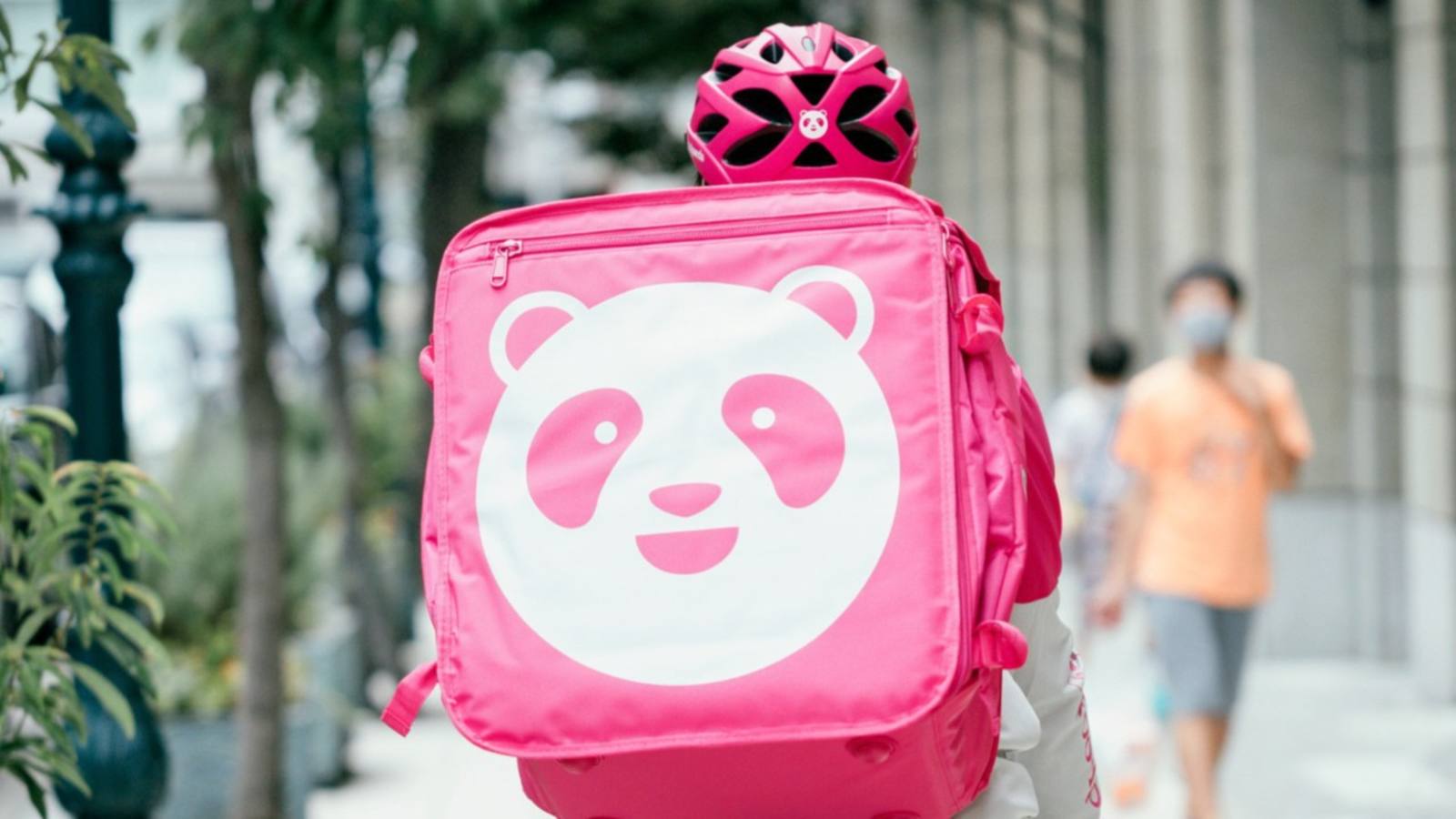
    Foodpanda has launched its 150th Pandamart in Asia and prides itself as Asia’s largest grocery cloud store with a network rolled out across 40 cities.

    Pandamart, an on-demand service primarily to deliver groceries and household essentials, leverage technology, and data intelligence for its accessibility, variety, and speed. From determining its location to the products carried in each store and inventory are arranged within the space for maximum picking efficiency, so groceries and household essentials can be efficiently packed and delivered to consumers within 25 minutes.

    Foodpanda Director of New Verticals, Abhishek Sahay shared,“Launching 150 pandamart across 40 cities in the midst of a pandemic was no easy task, but foodpanda realized the critical importance in bringing our consumers what they really needed quickly and safely, especially during times of movement constraints,” he noted.

    In Malaysia, pandamart became an essential service when the Movement Control Order (MCO) went into effect earlier this year, with grocery orders increasing by almost 70 percent in the single month of January 2021. Recognizing the importance of supporting local food producers, pandamart worked with local partners to source more than 60 percent of products in Malaysia, offering consumers with more locally SMEs produces and a local grocers.

    To meet fast-changing consumer needs and preferences, foodpanda has invested to grow quick commerce offerings. Beyond its core food delivery vertical, foodpanda is accelerating the rollout of pandamart and foodpanda shops in partnership with retailers, to offer consumers greater convenience, speed and variety.

    Currently, Foodpanda covers eight markets in Asia includes Singapore, Malaysia, Thailand, Taiwan, Hong Kong, Bangladesh, Pakistan, and the Philippines.

    “Now that we’re operating in eight markets, our goal in 2021 is to take pandamart into more cities within our existing markets, plus launch pandamart in all 12 operating markets by the end of 2021,” Abhishek commented.

  • Pizza Hut, KFC sales shrink in China as Covid-19 locks restaurants out

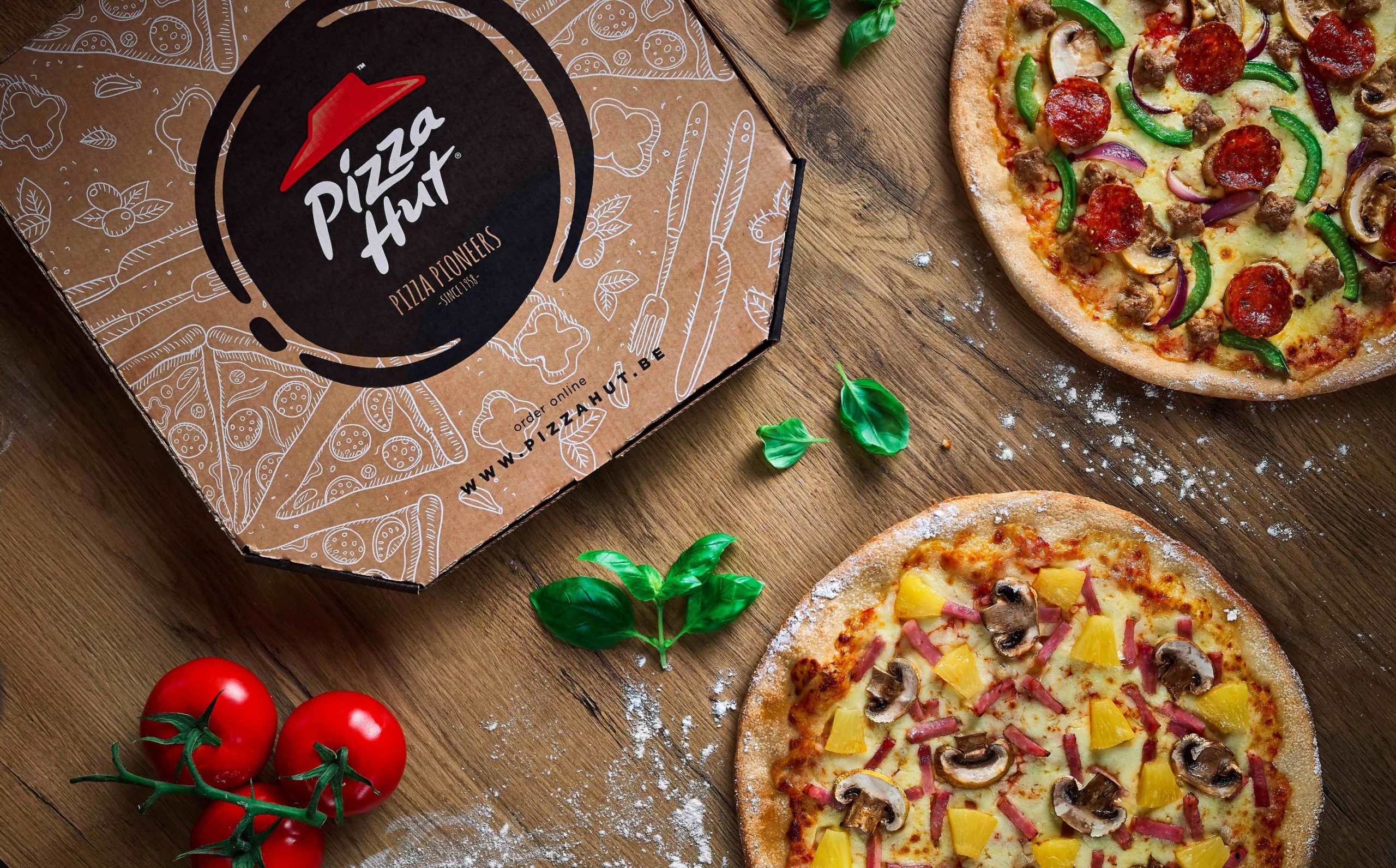
    Pizza Hut, KFC sales shrink in China as Covid-19 locks restaurants out

    Running restaurants in China is tough when a big part of the population stays home to avoid catching the coronavirus.

    Yum China , operator of KFC and Pizza Hut in the country, gave a glimpse of the current predicament in results posted after the U.S. close Wednesday. It has temporarily closed more than 30% of its restaurants in China, and business has been bad even for the ones that remain open. Sales during the Lunar New Year holiday were down 40%-50% compared with last year, excluding newly opened outlets.

    The company, which was spun off from Yum Brands in 2016, said it may report operating losses for this quarter—and even for the full year if the trend continues. Yum China’s New York-listed shares fell 3% in after-hours trading.

    KFC and Pizza Hut aren’t the only chains that have had to shut restaurants because of the outbreak, which has infected nearly 30,000 and killed more than 500 so far. Starbucks and McDonald’s have also temporarily closed some of their outlets in China. The former, in particular, could get hurt as customers opt to stay at home instead of chilling out in its coffee shops.

    Yum China could soften the blow with its delivery business, which accounted for nearly a quarter of its revenue last quarter. It said it would also try to reduce its costs. Some of these—food, labor, advertising and rent—are variable, but the company will still incur substantial fixed costs through the closure period.

  • Another gloomy year forecast for tuna exports

    Another gloomy year forecast for tuna exports

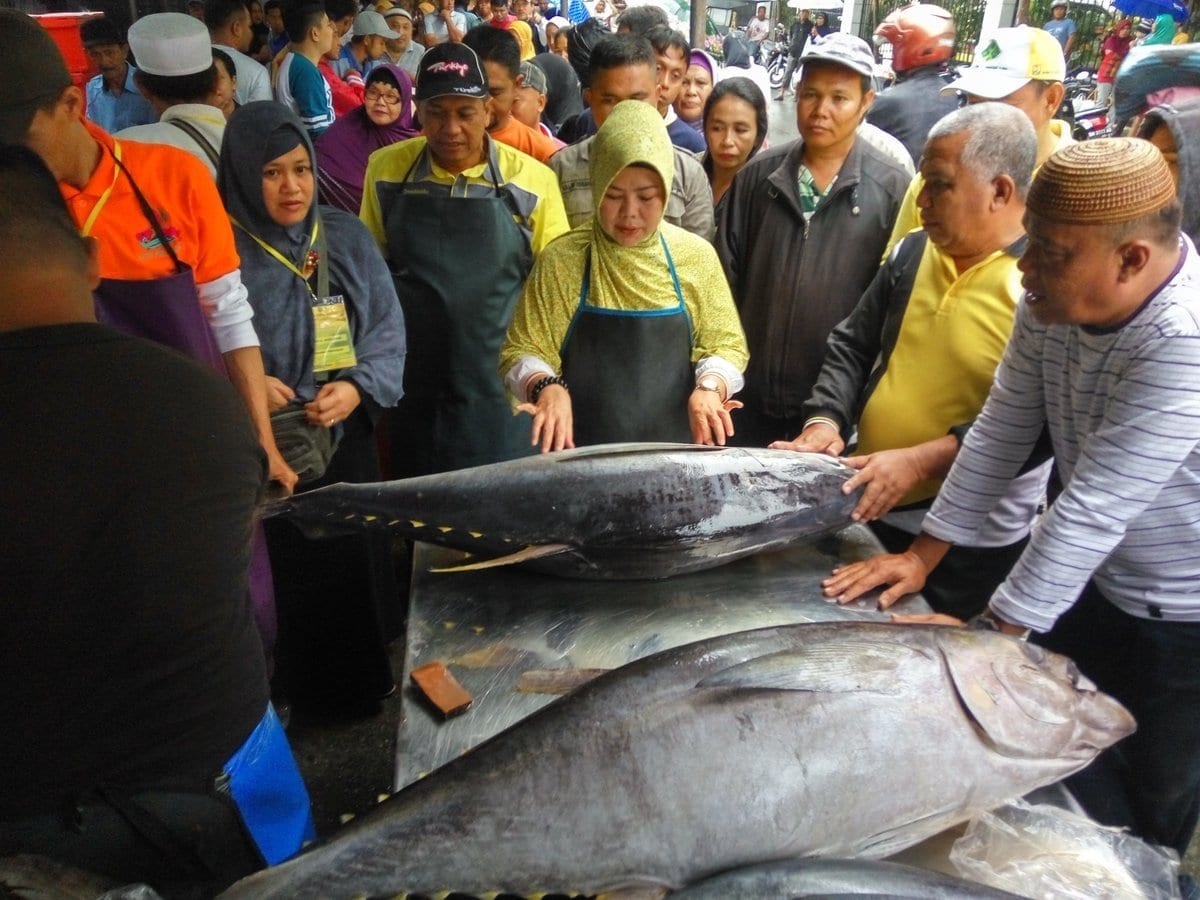
    Vietnam’s tuna exports declined by 9.8 percent in 2020 due to the impact of the Covid-19 pandemic, and are showing no signs of recovery.

    Analysts point to two reasons for the continuing slump: the unpredictability surrounding the pandemic and intense competition from low-priced Chinese canned tuna in its largest market, the U.S.

    Besides, consumers prefer tuna with the blue MSC label representing certification of the sustainable fishery by the Marine Stewardship Council.

    Tuna exports were worth $649 million last year, according to the Vietnam Association of Seafood Exporters and Producers. Vietnam exports the fish to 108 markets.

    Vietnam’s largest markets after the U.S. are the E.U., Canada, Southeast Asia, and Israel.

  • Seafood processor Vinh Hoan buys 51 pct stake in snack company

    Seafood processor Vinh Hoan buys 51 pct stake in snack company

    Seafood processing company Vinh Hoan Corporation has bought a 51.29 percent stake in the Sa Giang Import-Export Corporation.

    It bought 3.56 million shares from the State Capital Investment Corporation (SCIC) at VND97,500 per share in a deal worth almost VND350 billion.

    SCIC had planned to auction the shares in July 2020 at a starting price of VND111,700 ($4.80), but failed to attract investor interest.

    Sa Giang makes ready-to-eat foods such as prawn crackers and instant noodles and newer products such as crackers made from crab, fish and squid.

    It mainly exports its products to Europe, especially Germany and the Netherlands, and some Asian countries.

    Last year it reported revenues of VND310 billion and a net profit of VND31 billion.

    The company has convened an extraordinary general meeting at the beginning of February to dismiss some members.

  • Starbucks global sales fall despite Chinese boost

    Starbucks global sales fall despite Chinese boost

    Starbucks Corp. slumped in late trading on Tuesday after reporting a sales decline that was deeper than expected and the departure of Chief Operating Officer Roz Brewer.

    Global same-store sales, a key gauge of restaurant success, fell 5% in the fiscal first quarter. That’s worse than the estimated decline of 4.2% compiled by Consensus Metrix. A 5% drop in the U.S. was just ahead of estimates, while a 5% gain in China beat expectations.

    The results show the company is facing an uneven road back following the deep impact of the global pandemic. Despite the continued weakness in many markets, strength in China and overall same-store sales that are better than the previous quarter suggest it’s past the worst.

    Brewer’s exit, however, shows a substantial shakeup is underway in the coffee giant’s C-suite. Starbucks announced earlier this month that Chief Financial Officer Pat Grismer is leaving the company due to retirement. He will be replaced by Rachel Ruggeri, senior vice president of finance for the Americas.

    Brewer is leaving to become chief executive officer of Walgreens Boots Alliance Inc.

    In spite of the management changes, Starbucks sees performance turning around quickly from here, and the current quarter’s results will be bolstered by a year-ago comparison with the start of the pandemic when commerce was the most restricted.

    In the second quarter, U.S. same-store sales will grow 5% to 10%, the company said. Comparable sales in China will nearly double, the company said, although the result will be skewed by the pandemic comparison.

    Starbucks reported fewer transactions overall, but customers spent higher amounts, continuing a trend established earlier in the pandemic. Revenue fell 5% from the prior year.

    The U.S. and China are the company’s two largest markets, and together making up 61% of its global portfolio, with 15,340 and 4,863 stores, respectively, it said. Starbucks opened 278 net new stores in the quarter, underscoring how the company is looking to aggressively expand in spite of the global upheaval caused by Covid-19. The company also reported a 15% increase in members to its loyalty program.

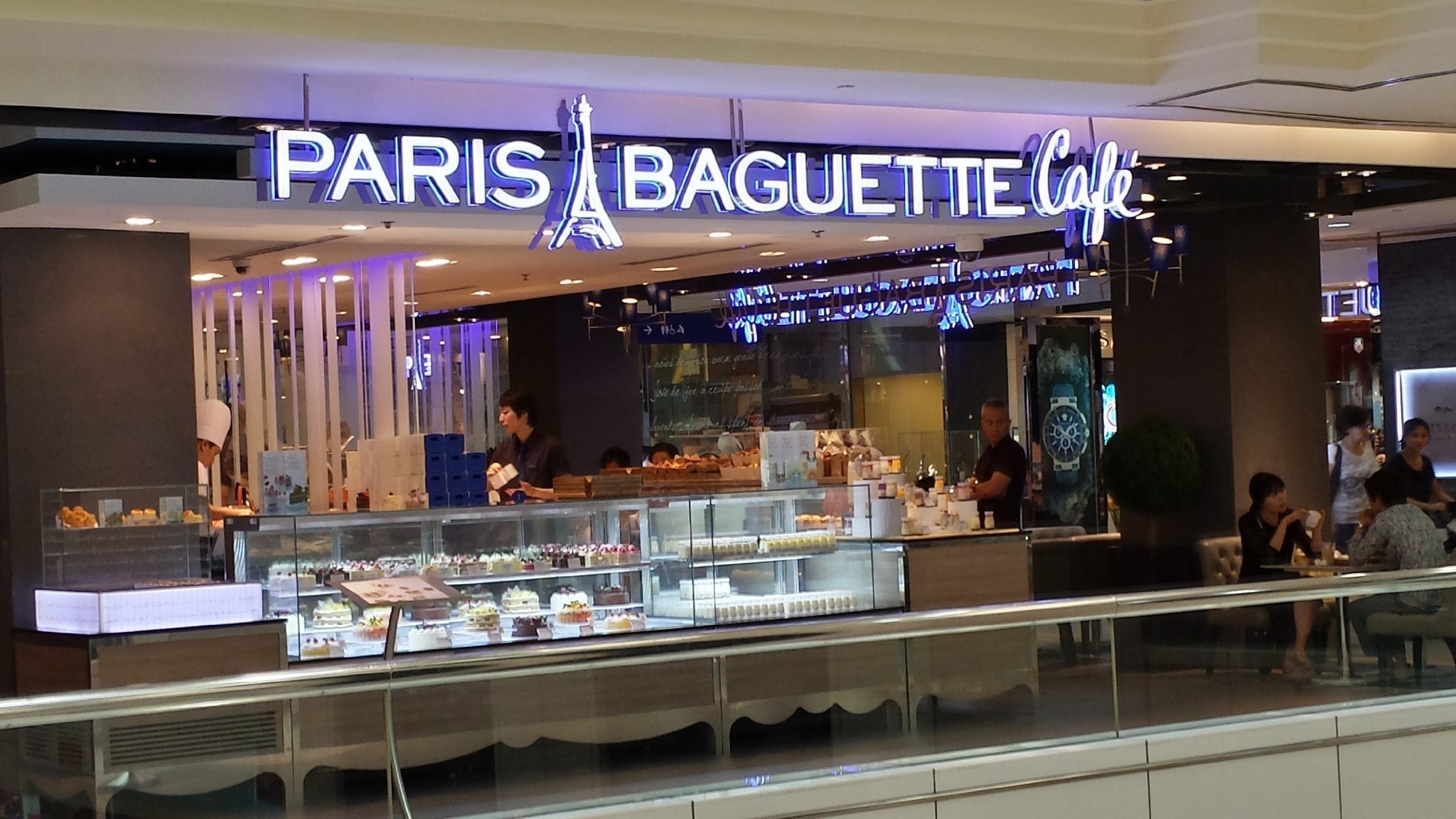
  • Paris Baguette opens its largest Singapore store

    Paris Baguette opens its largest Singapore store

    Best known for its Paris Baguette bakery franchise, SPC Group has opened four food brand stores in Singapore. The group is planning to make Singapore as its third axis of global growth after China and the United States.

    The group opened the new stores at Jewel Changi, a commercial complex connected to Changi Airport in Singapore, on April 17. The four food brands include Maison de PB, the first high-end brand of Paris Baguette; Coffee@Works, a special tea and coffee brand; and Shake Shack, a burger brand.

    Jewel Changi is a seven-story lifestyle complex built as part of the Singaporean government’s Chingi Airport development projects.

    Maison de PB serves not only bakery products but also various meals that go well with bread such as “Beef On The Stone” and “Signature Seafood Pasta.”

    Coffee@Works has opened its first overseas store at Jewel Changi. Currently, it operates a total of 12 stores in South Korea. Shake Shack has also opened the first store at the complex after it obtained a license for business operation in Singapore in October last year. Singapore is the third-largest market in SPC Group’s global operations.

    Paris Baguette has 12 stores in Singapore, including the one at Jewel Changi. Although the number of stores in Singapore is less than the 14 in Vietnam, sales in Singapore, which came to 14.90 billion won (US$13.13 million) last year, are nearly three times higher than those in Vietnam.SPC Group is seeking to establish a holding firm in Singapore. It is planning to build a base in Singapore, which is considered a hub of logistics, finance, and business in Asia, and expand its business to neighboring Southeast Asian countries.

    The group is also seeking to build a Halal certified production facility to target Muslims and the global Halal food market. It will establish the facility in the Southeast Asian region in order to target Muslim countries, including Indonesia and Malaysia, and will set the exact time and place in the future.

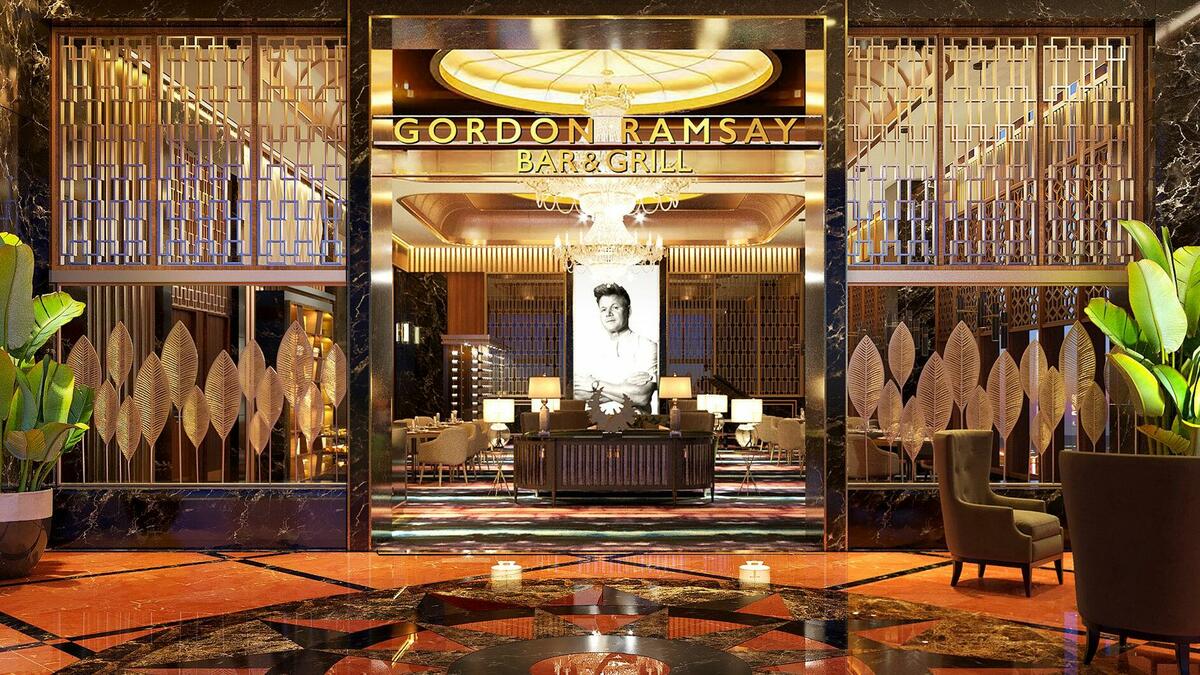
  • Gordon Ramsay to open first restaurant in Malaysia

    Gordon Ramsay to open first restaurant in Malaysia

    Multi-Michelin starred chef Gordon Ramsay is to open Malaysia’s first Bar & Grill concept in Kuala Lumpur this year.

    Located at Sunway Resort in Selangor, Bar & Grill will feature a varied all-day menu, including Gordon Ramsay’s signature dishes such as Beef Wellington and Sticky Toffee Pudding. The restaurant is scheduled to launch this June.

    Featuring contemporary interiors, the restaurant design will “create an inviting ambiance, with floor-to-ceiling windows framing views of the lagoon, and a private dining room, setting the stage for intimate events,” Sunway Resort KL said on its website.

    The restaurant will also mark the brand’s first outpost outside the original Mayfair outlet.

    Gordon Ramsay, who holds seven Michelin stars, has a collection of acclaimed restaurants in the UK, Europe, and the US. He is also the star of popular shows such as Kitchen Nightmares, Hell’s Kitchen, and MasterChef US.