Category: Food

Retail News Asia is committed to providing both local and global retailers with the latest Food and Food & Beverage news throughout the Asian market. This on a daily base.

  • McDonald’s launches new growth strategy; beats profit estimates

    McDonald’s launches new growth strategy; beats profit estimates

    It will also debut a “McPlant” line of plant-based menu items, though it declined to say which suppliers it would use for faux burger, faux chicken and breakfast items. It previously tested a vegan “P.L.T.” burger by Beyond Meat in Canada.

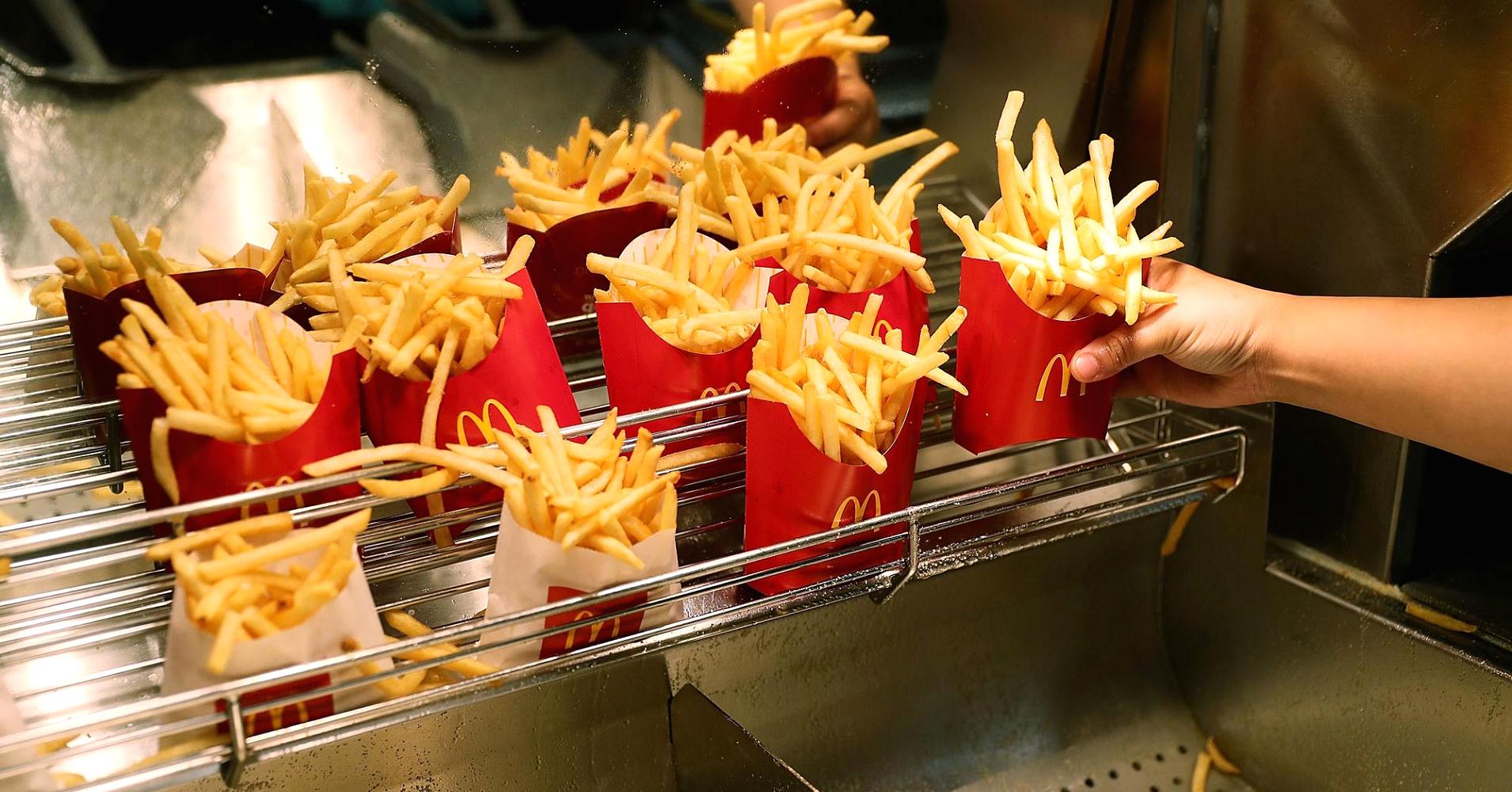
    The world’s biggest burger chain beat revenue and profit estimates for the third quarter on Monday as customers in the United States ordered more hamburgers and fries in drive-through outlets and on delivery apps to avoid dining out during the pandemic.

    Overall, global sales fell 2.2% in the quarter, an improvement over the previous quarter’s drop, as McDonald’s had already announced in an October update.

    The company’s limited-time promotional deal with rapper Travis Scott, which caused shortages of some ingredients, and other marketing investments also helped sales bounce back from pandemic lows.

    Through 2022, the chain plans to spend about $2.3 billion (£1.7 billion) on capital expenditure, about half of which will build new stores, with some of the rest used for remodels stalled by the pandemic.

    Next year, McDonald’s will focus on core products such as burgers, coffee and chicken, including a new Crispy Chicken Sandwich – something some franchisees have long sought in order to compete with the success of similar products at Popeyes, a unit of Restaurant Brands International and Chick-fil-A.

    It will also redesign its packaging globally. And soon, it will launch another growth driver that other chains have long had — a loyalty program.

    “MyMcDonald’s” digital program will allow customers who sign up to get tailored offers, the company said. A loyalty rewards program using the MyMcDonald’s program will start as a pilot in the coming weeks in Phoenix and next year across the United States.

    Finally, it will build some locations without any dining rooms to focus on carryout, drive-through and delivery only.

    Despite some sales recovery and better-than-forecast margins, the company is still pressured in key markets outside the United States, including France, Germany and Britain by new lockdown restrictions due to a spike in coronavirus cases.

    McDonald’s total revenue fell about 2% to $5.42 billion in the three months ended Sept. 30, largely recovering from the over 30% plunge posted in the second quarter.

    Analysts on average had estimated revenue of $5.40 billion, according to IBES data from Refinitiv.

    Net income surged 10% to $1.76 billion, helped by gains from the sale of a part of McDonald’s stake in its Japanese affiliate.

    Excluding those gains, the company earned $2.22 per share, beating estimates of $1.90.

  • Dairy Farm announced difficult third quarter

    Dairy Farm announced difficult third quarter

    Dairy Farm International Holdings Limited today issues its Interim Management Statement for the third quarter of 2020. The Group’s overall performance in the third quarter improved relative to the first half.  While the Group’s results continued to be affected by the COVID-19 pandemic, the impact was partially offset by the receipt of government support.  Grocery Retail performance continued to be supported by operational improvements as part of the Group’s multi-year transformation program, as well as changing customer behaviors as a result of the pandemic. Reduced sales and profit in Health and Beauty and Maxim’s, however, continued to impact the Group’s overall performance.

    The Group’s Grocery Retail businesses reported strong like-for-like sales growth, which led to strong profit growth.  In Southeast Asia, changing customer behaviors, as well as the ongoing execution of the Group’s multi-year transformation plan, supported strong profit growth in Singapore and Malaysia.  Performance in Indonesia, however, was impacted in the period by government restrictions on movement and significantly reduced traffic into hypermarkets and malls.

    The Group’s Convenience businesses reported improved like-for-like sales performance compared to the first half of the year.  However, 7-Eleven Singapore continued to be impacted by reduced footfall.  Better sales performance drove higher profitability compared to the first half.

    The performance of the Group’s Health and Beauty businesses were significantly impacted by the effects of the measures taken by governments to counter the pandemic, as well as the continuing lack of custom from overseas tourists in Hong Kong.  In North Asia, whilst like-for-like sales performance improved compared to the first half, the profitability of Mannings continued to be materially impacted by the lack of tourists.  In Southeast Asia, like-for-like sales were affected by reduced footfall in malls which, in turn, impacted profitability.

    Sales in the Home Furnishings business were higher than the equivalent period last year and like-for-like sales improved compared to the first half.  Strong e-commerce growth and the annualization impact of new stores opened in the prior year more than compensated for the impact of pandemic-related measures on customer visits.  Profitability also improved compared to the equivalent period last year, as a result of lower pre-opening expenses and improved gross margins resulting from the lower cost of goods sold.

    The Group’s 50%-owned associate, Maxim’s, continued to be impacted by government restrictions on movement, as well as a reduction in the number of restaurant customers.  However, mooncake sales performance during the Mid-Autumn Festival was encouraging.  Yonghui’s underlying performance in the third quarter was impacted by reduced sales, while Robinsons Retail’s underlying performance was affected by government lockdown restrictions on its discretionary retail formats.

    The launch of Yuu Rewards, Hong Kong’s largest loyalty program, at the end of July was a significant milestone in driving the Group’s digital transformation.  The popularity of the program has exceeded the Group’s own expectations, with two million members joining in the first month.  High membership engagement has supported the performance of the program sponsors.

    On 16th October 2020, the Group announced it had signed an agreement to deepen its partnership with Philippines-listed multi-format retail group Robinsons Retail Holdings Inc. (‘RRHI’) and to build a leading pharmacy business in the Philippines by combining the Group’s interest in wholly-owned Rose Pharmacy Inc. with RRHI subsidiary South Star Drug Inc.  This transaction, which included the sale of Dairy Farm’s direct interest in Rose Pharmacy Inc, completed on 30th October 2020.

    The well-being of our employees and customers remains a top priority, and the Group continues to take a number of measures to mitigate the impact of the pandemic, including the adoption of a range of health and safety measures.  Given the extraordinary circumstances, we would like to express our deep gratitude for the continuing dedication and resolve of team members in putting customers first during these difficult times. 

    Dairy Farm remains committed to its multi-year transformation which is delivering sustainable improvements to the business over time and continues to pursue the strategic initiatives which will drive medium- to long-term growth.

    Dairy Farm is a leading pan-Asian retailer.  The Group, together with its associates and joint ventures, operates over 10,000 outlets – including grocery retail, convenience stores, health and beauty stores, home furnishings stores, and restaurants – employing some 240,000 people, and had total sales in 2019 exceeding US$27 billion.  Dairy Farm International Holdings Limited is incorporated in Bermuda and has a standard listing on the London Stock Exchange, with secondary listings in Bermuda and Singapore.  It is a member of the Jardine Matheson Group.

  • Foodpanda grows q-commerce with more than 2,500 7-Eleven stores  across Singapore, Malaysia, Taiwan and the Philippines

    Foodpanda grows q-commerce with more than 2,500 7-Eleven stores across Singapore, Malaysia, Taiwan and the Philippines

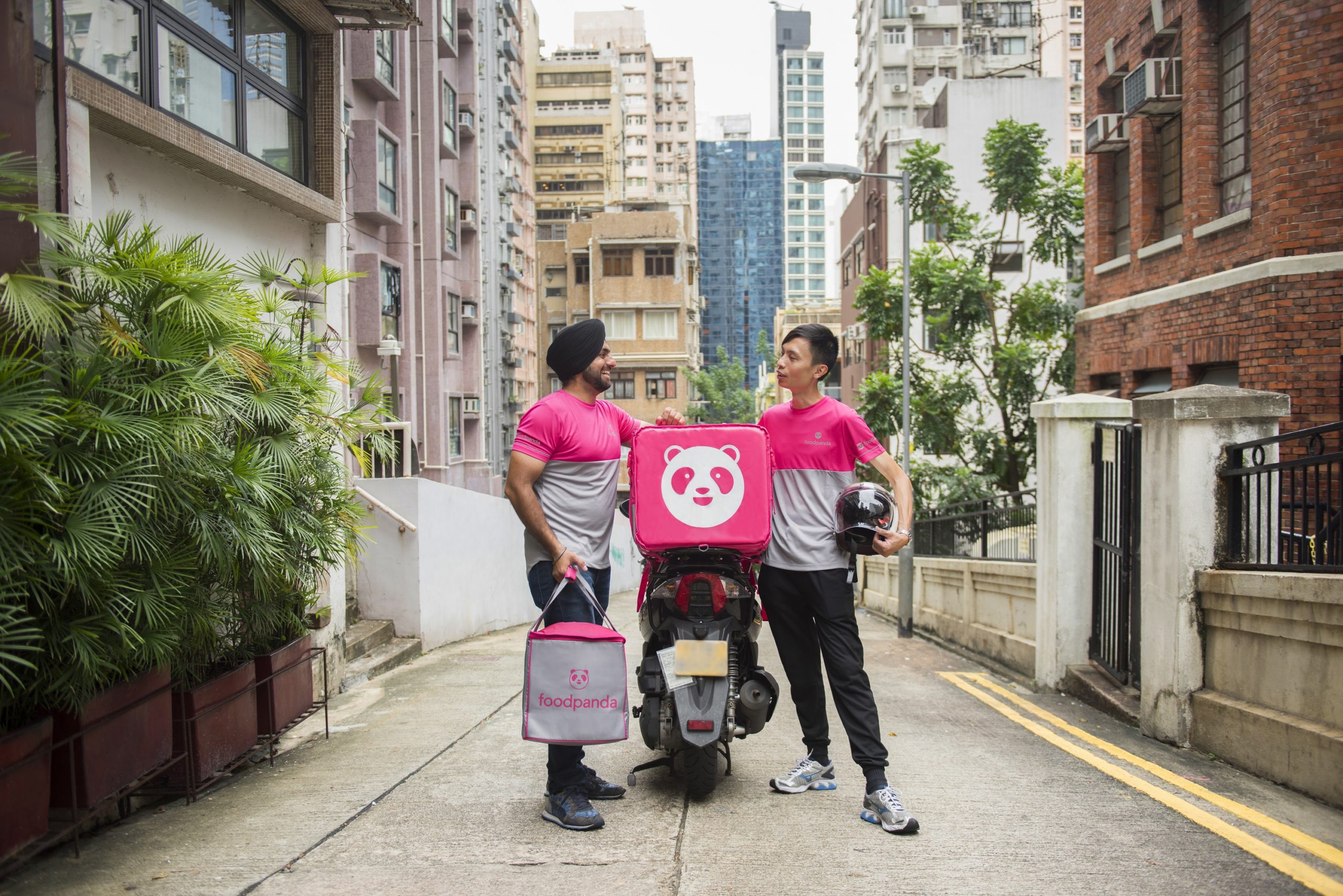
    What’s more convenient than a convenience store? An online one, of course – delivering food, and essentials to customers’ doorsteps quickly, at the touch of a button. foodpanda, the leading delivery platform in Asia Pacific, marks a new milestone with the announcement of more than 2,500 7-Eleven stores on its app, making the leading convenient store available in Singapore, Taiwan, Malaysia and the Philippines.

    With this partnership, foodpanda brings hundreds of 7-Eleven items including hot food, ready-to-eat insta-meals, snacks and alcohol and even pre-paid mobile phone cards into customers’ hands within an average delivery time of 20 minutes. Deliveries can be made anytime, anywhere, 24/7 via foodpanda.

    In the beta phase for integration into the foodpanda “shops” feature, the number of 7-Eleven orders on foodpanda shops grew 50% month-on-month over the past six months. 7-Eleven stores on foodpanda offer over 1,000 unique items on average across the four markets.

    The most convenient convenience store, powered by technology

    As a pioneer in quick commerce, or q-commerce, foodpanda believes in using technology to better the lives of their customers. With 7-Eleven – a brand synonymous with convenience – on the foodpanda platform, consumers enjoy easy access to the choice and variety for their daily essentials.

    In the Philippines, the largest variety available from a 7-Eleven store via foodpanda is almost 1,600 unique items. In Taiwan, consumers have a preference for post-dinner orders from 8pm to midnight, especially for snacks. We see similar trends across the other markets in Asia as foodpanda continues to provide consumers with better varieties and access to on-demand convenience.

    Industry watchers like IGD have predicted growth in online grocery retail with more brick-and-mortar retailers partnering with delivery and technology companies to grow their online footprint, even prior to the COVID-19 pandemic. This is in line with the rise of the ‘convenience economy’ over the past few years, as consumers get accustomed to food and grocery deliveries. COVID-19 has accelerated this evolution and process. IGD reported that online grocery penetration is expected to remain at elevated rates post-COVID-19 as consumers stay home more. The report also predicts that consumers will continue using online deliveries when social distancing measures are lifted to save time.

    As a leading platform for on-demand deliveries in the Asia Pacific region, foodpanda supports the entire delivery ecosystem to ensure that it satisfies consumers’ appetite for greater choice and convenience through its expansion plans. This partnership underscores foodpanda’s dual focus on growing its core food delivery business as well as its q-commerce offerings.

  • Starbucks to open its first coffee store in Laos

    Starbucks to open its first coffee store in Laos

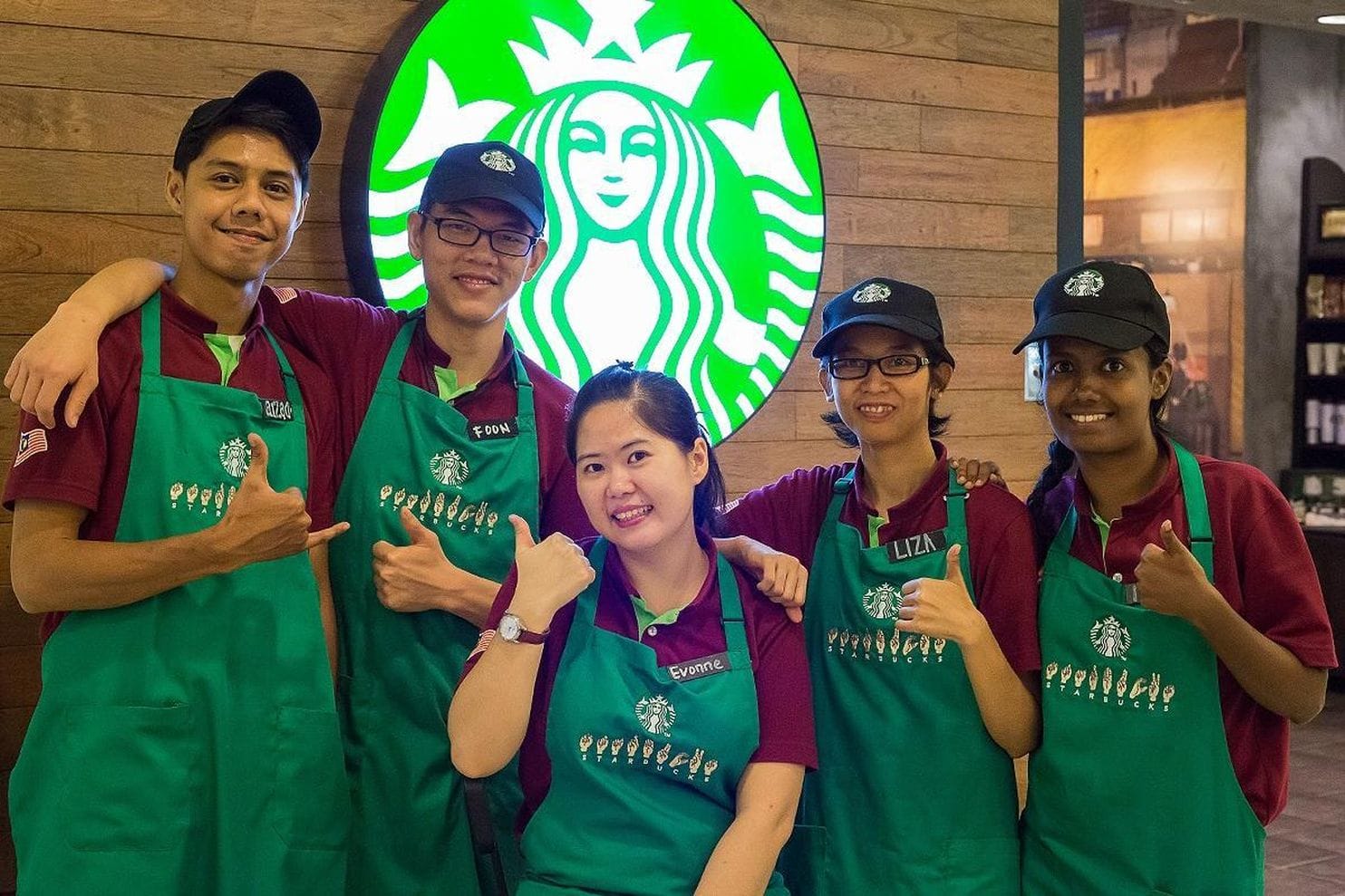
    Starbucks is to make Laos debut next year with its first store opening in the capital city of Vientiane.

    Laos will become Starbucks’s 17th market in Asia, with the first store scheduled to open in the third quarter of next year.

    Starbucks Laos will be managed by Coffee Concepts (Laos) Limited, part of Maxim’s Caterers Limited, a part-owned subsidiary of Dairy Farm International. Through Coffee Concepts, Starbucks operates more than 800 stores across Hong Kong, Macau, Vietnam, Cambodia, Singapore and Thailand.

    According to Starbucks US, the launch is part of its strategy to expand its network across the region.

    “We’re excited to bring the Starbucks Experience to Laos, which has a rich history of coffee production and thriving coffee culture,” said Michael Conway, executive VP at Starbucks International Licensed Stores.

    Michael Wu, chairman and MD at Maxim’s Caterers, added: “We look forward to continuing to deliver the unique Starbucks Experience to customers in the market to earn the trust and respect known by customers around the world.”

  • Profit up for Yum China despite Covid-19

    Profit up for Yum China despite Covid-19

    Yum China has reported a flat third quarter to September, with sales up 1 percent year on year to US$2.35 billion.

    The company said operations improved during the period, but sales were still impacted by reduced traffic at transportation and tourist locations, a delayed and shortened school-holiday season, and other lingering effects of the Covid-19 outbreak.

    “Dine-in volume has been recovering, while delivery and takeaway remained popular options,” the company said in a statement. “Our primary focus continues to be safety, efficiency, and driving traffic.”

    The fast-food company, which completed a secondary listing on the Hong Kong stock exchange during the quarter, said it has launched digital and membership campaigns offering strong value propositions to consumers to drive a recovery in sales post-pandemic.

    Yum China achieved productivity improvements and improved operating profits through trimming costs and improving productivity, however, the company now plans to increase staffing levels in the coming months to balance service and efficiency.

    Same-store sales declined 6 percent year on year, excluding foreign exchange, but the results included the consolidation of the Huang Ji Huang chain since April and a further 25 percent ownership of the Suzhou KFC operator since August.

    The company opened 312 new stores during the quarter taking its count to 10,150 at the end of September.

    Operating profit rose 86 percent from $300 million to $556 million (excluding foreign exchange impact), largely due to the gain from remeasuring the contribution of the Suzhou KFC business, of which Yum China now owns 72 percent. Net income increased 96 percent to $439 million.

  • Panda Express calls out fake eatery in Kunming

    Panda Express calls out fake eatery in Kunming

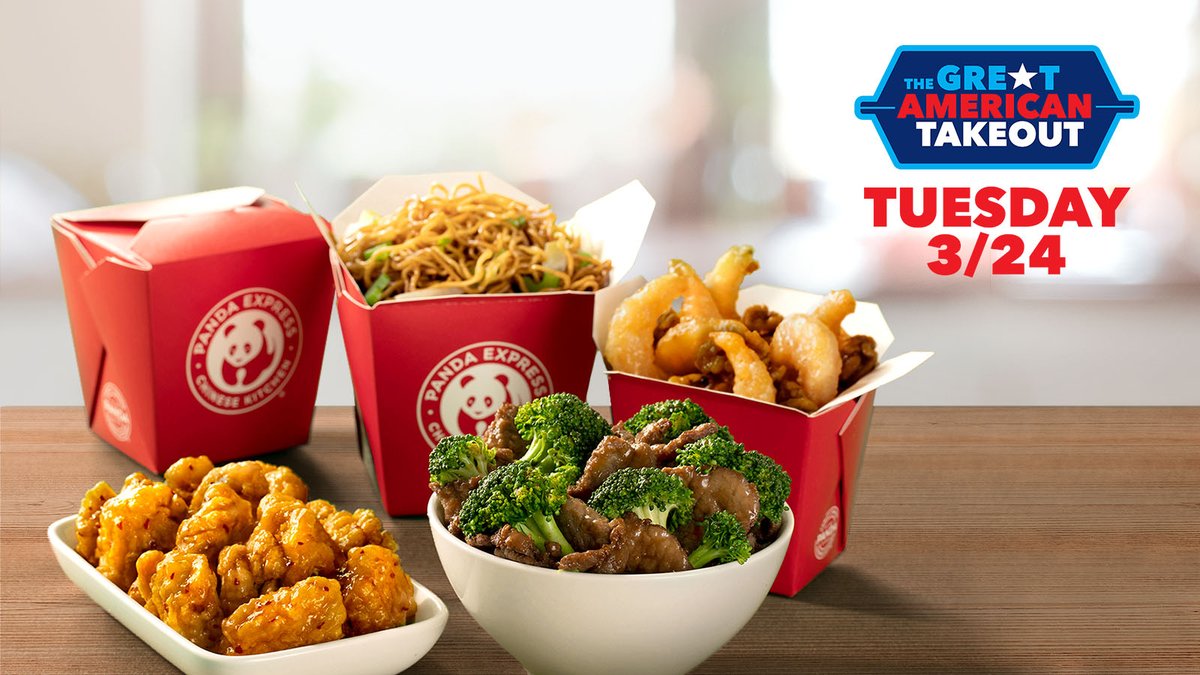
    A restaurant named Panda Express in the southwestern Chinese city of Kunming has been closed for investigation after the American chain of the same name said it was unauthorized and infringed its trademark.

    The US fast-food chain, which serves American-style Chinese cuisine, said it would consider taking legal action, while the Kunming restaurant – which has an almost identical panda logo – was closed and the management of its landlord, Chenggong Seazen Wuyue Plaza, told news portal Thepaper.cn it was reviewing the outlet’s credentials.

    The Chinese version’s listing on food review portal Dianping said its operations were suspended. The restaurant declined to take calls on Thursday from us.

    In an official statement, Panda Restaurant Group – the US company – said: “This restaurant is not affiliated in any way with Panda Express and Panda Restaurant Group. We have trademarked the Panda Express name and likeness in China for use by Panda Restaurant Group.”

    On Monday, the China Cuisine Association had issued a notice on behalf of Andrew Cherng, co-founder and co-chief executive of Panda Restaurant Group, saying the Chinese outlet was an imitation and advising the public not to be misled.

    Last week, there was excitement on Chinese social media as word spread that a Panda Express had been operating in Kunming for some time. On Dianping, some customers said they had visited it because they had enjoyed the chain’s food in the US, but others said the food was different.

    Photos posted on Dianping showed that the Chinese restaurant’s panda logo was similar to that of the US chain, but the panda’s mouth differed and it bore the words “panda theme restaurant” instead of the American company’s “Chinese kitchen” or “gourmet Chinese food”.

    Previously, management of the plaza said that the restaurant was not a fake, and that the plaza had signed a contract with an intermediary, Shenzhen Xiguifu Catering Management.

    Business information website Tianyacha showed that Shenzhen Xiguifu was established in 2018 and had a wide range of operations including investment consulting, catering equipment wholesale, catering services and beverage production.

    The Shenzhen-based intermediary did not respond to requests for comment from us.

    Founded in 1983, the real Panda Express has more than 2,000 restaurants in the US. It had revenues of US$3.5 billion last year, according to Forbes.

  • Irvins Salted Egg expands into the US via DTC route

    Irvins Salted Egg expands into the US via DTC route

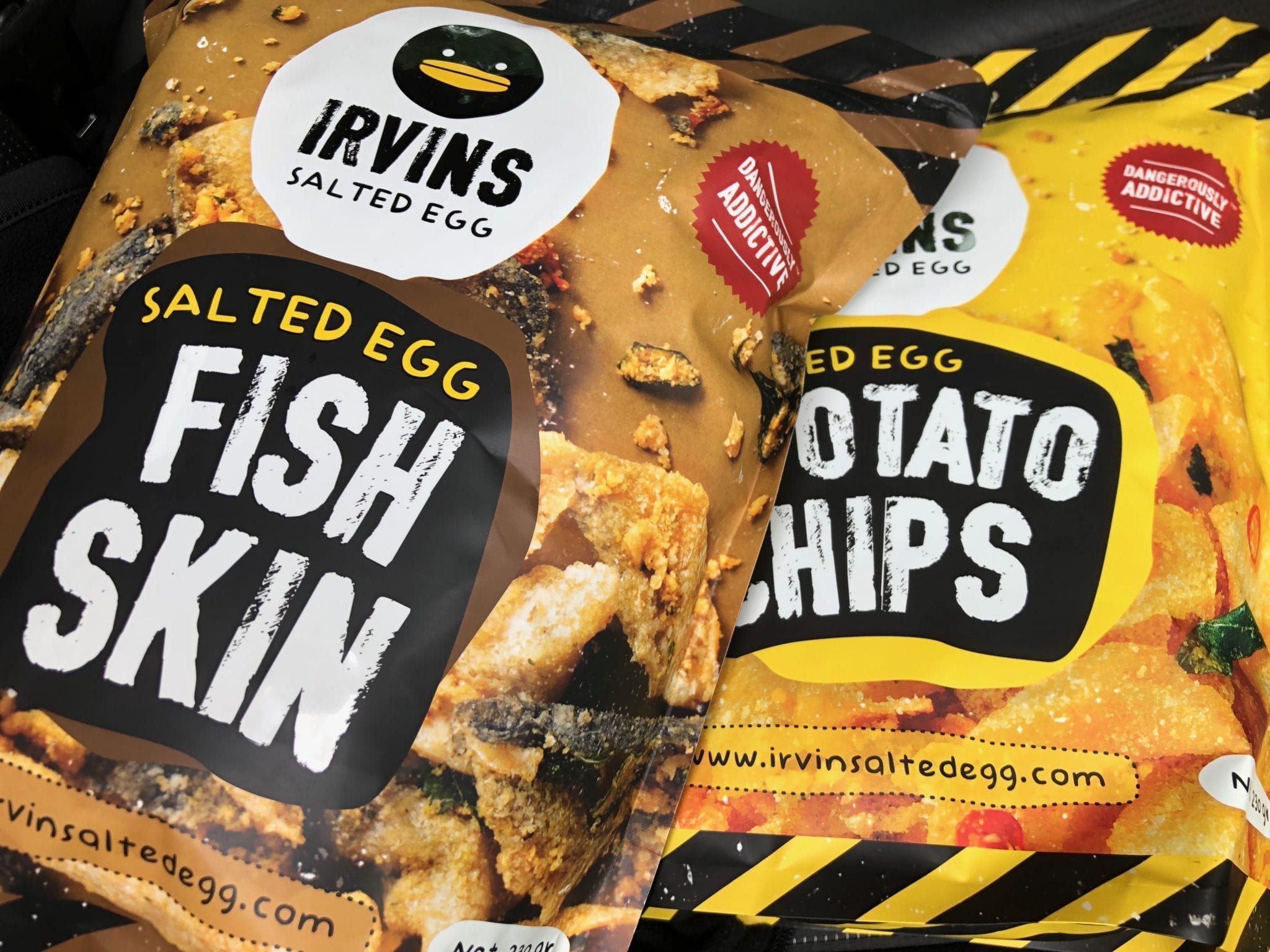
    Singaporean cult snack brand Irvins Salted Egg has expanded online in the US and launching at several Asian specialty stores including 99 Ranch, Seafood City and H Mart.

    The popular brand, which has a cult following in Singapore and Hong Kong, especially, has pop-up style brick-and-mortar stores and sell-through in nine Asian countries. By going online it has taken a direct-to-consumer approach to competing with American snack brands.

    In Australia, it is sold through the e-commerce site Snack Affair.

    “We are ecstatic about our expanded availability in the US. Irvins Salted Egg products bring a distinctive flavor and premium quality to the American snack food market, and we look forward to earning a place in the conversation as more people can try our product,” said Yosuke Yazawa, Irvins chips business development manager of North America.

    Irvins will offer flavors online such as Salted Egg Potato Chips, Spicy Salted Egg Potato Chips, Salted Egg Cassava Chips, Spicy Salted Egg Cassava Chips and Salted Egg Crunchy Roll.

    The salted-egg flavored chips are made in Singapore using Asian flavors such as the salted duck egg yolk, curry leaves, and red chilli pepper without preservatives.

  • Impossible Foods launches in supermarkets in Hong Kong and Singapore

    Impossible Foods launches in supermarkets in Hong Kong and Singapore

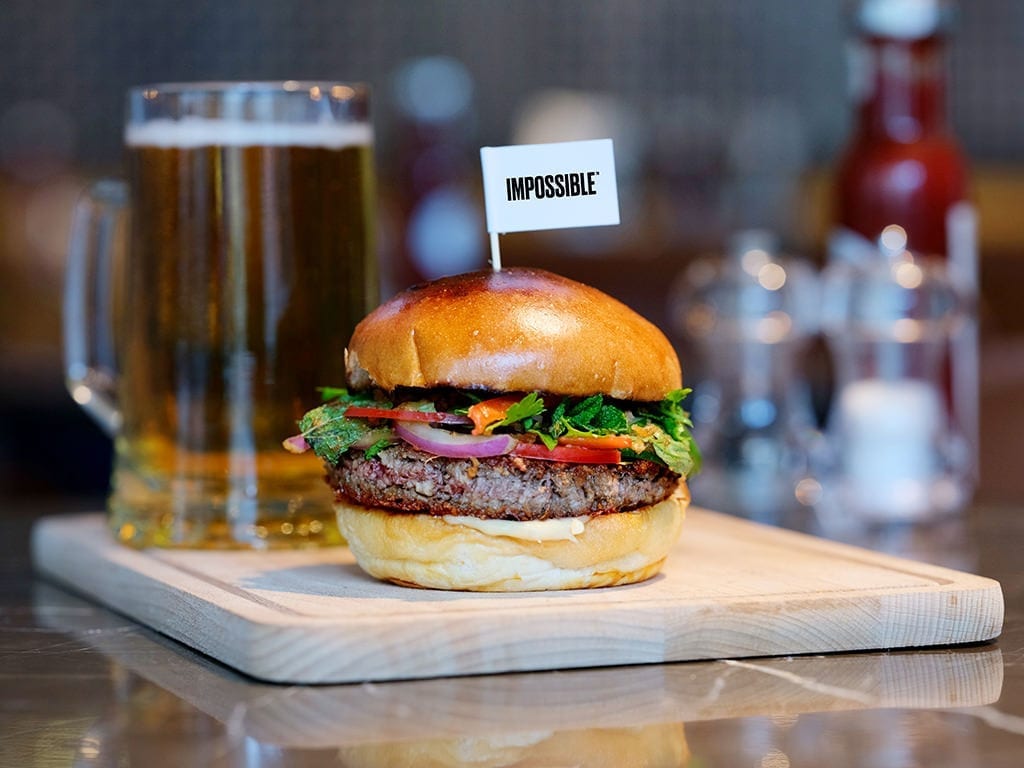
    During an exclusive virtual media conference held today (October 20), which featured the food tech’s senior executives attended by Green Queen, Impossible Foods officially announced the first retail launch of its plant-based products in Asia. From this week onwards, consumers in Hong Kong and Singapore will be able to purchase plant-based Impossible Beef in major supermarket outlets including the biggest chain in Hong Kong, ParknShop, and in Singapore’s FairPrice. It comes shortly after the Silicon Valley startup’s newly debuted Impossible Sausage product made its first foray into the Asian market in a citywide partnership with Starbucks Hong Kong and collaborating restaurants.

    Impossible Foods is establishing its retail footprint in Asia for the first time, launching its Impossible Beef product across nearly 200 grocery stores in Hong Kong and Singapore. In Hong Kong, consumers will be able to purchase the plant-based beef alternative across 100 ParknShop locations, including in its subsidiary brands Fusion, Taste, Food Le Parc and Great Food Hall, as well as via online delivery via the ParknShop website. It will retail at HK$89.90 per 340 gram package. In Singapore, Impossible Beef will be available at close to 100 FairPrice stores and on RedMart, the city-state’s biggest online grocery platform, sold for SG$16.90 per 340 gram retail packages.

    It marks the first time that consumers in the two cities will be able to directly purchase the plant-based beef alternative to cook at home in their kitchens, after the food tech tested the business model amid coronavirus pandemic lockdowns when it gave its foodservice partners the go-ahead to resell their Impossible Beef inventory to customers, firstly in Singapore back in May, then in Hong Kong in August.

    “The world’s most respected chefs consistently tell us that the Impossible Burger blows them away. And we can’t wait for Hong Kong and Singapore’s home chefs to experience the same magic in their own kitchens – whether using Impossible Beef in their traditional family favorites or inventing new recipes that go viral,” said Patrick Brown, Impossible Foods founder and CEO.

    “Hong Kong and Singapore have been great launching pads for us, they have an amazing culinary culture here. It’s been so eye-opening to us and we’ve learned a lot. In the U.S. it’s such a burger heavy market, but here, we can try so many things – meatballs, dumplings, all sides of global cuisines. Just this year, even with such a challenging environment, we’ve seen a huge increase in our restaurant sales. So when we thought about where to launch our international retail, it was clear that Hong Kong and Singapore were going to be the markets,” added Nick Halla, senior vice president of international at Impossible Foods, during the conference.

    Just this year, even with such a challenging environment, we’ve seen a huge increase in our restaurant sales. So when we thought about where to launch our international retail, it was clear that Hong Kong and Singapore were going to be the markets.

    Impossible’s move comes as the firm makes significant inroads into consumer retail as more decide to cook at home instead of dining out. Earlier in June, the food-tech launched its first direct-to-consumer website in the U.S. where customers can order bulk-sized packages for delivery to their doors.

    “We had to pivot quickly to get our consumers to access to retail because of coronavirus and that’s been really successful. In the U.S. we’ve achieved about a 100-fold increase in our retail footprint,” Brown told reporters.

    Soon after, Impossible landed on the shelves of Walmart, the biggest retailer in their domestic U.S. retail market, and has since grown its point-of-sales to over 11,000 outlets nationwide. And according to the company, 92% of sales of its famous bleeding plant-based Impossible Burger is directly displacing animal-derived meats from consumers who are actively shifting away from all meat categories.

    We had to pivot quickly to get our consumers access to retail because of coronavirus and that’s been really successful. In the U.S. we’ve achieved about a 100-fold increase in our retail footprint.

    But with Asian consumers on board – a key market that Impossible has time and again signalled as its target – the environmental impact of more consumers opting for its plant-based alternative could be huge. The brand’s “impact calculator” says that its meatless beef uses 96% less land, 87% less water and emits 89% fewer greenhouse gases compared to conventional beef.

    And if the current rising plant-based and flexitarian trend amongst Hong Kong and Singapore consumers continues, establishing its retail footprint in both cities could be a strong play for the food tech. Since the beginning of this year, sales of Impossible Beef at partnering restaurants have shot up 150% across Hong Kong and Macau and 120% in Singapore.

    Plant-based meat has been a big growing trend, and we’ve begun to introduce more to our shelves and we’ve seen sales triple within just this year.

    “We’re really excited to be the first retailer to launch Impossible Beef. It’s important for us to give that sustainable choice to our customers. In Hong Kong, our ongoing research has shown that they care about the environment, so we’re giving them the choice now. Plant-based meat has been a big growing trend, and we’ve begun to introduce more to our shelves and we’ve seen sales triple within just this year,” Malina Ngai, chief operating officer of ParknShop’s parent company, Watsons Group, said at the press conference.

    Other plant-based brands have too seen their products garner greater shows of support. Take Green Monday’s vegan pork mince analog OmniPork, for instance, which has been added onto the menus of the biggest food players in town, including in all McDonald’s and 7-Eleven locations across the city, no doubt in response to demand from their customers.

    “We’ve seen tremendous growth year-on-year on customers searching for plant-based products, and it’s translated into sales across a number of categories and meat alternatives being one of them. Impossible has been a top search term too, so we know there is enormous demand here in Singapore and it’s exciting to be the first online retailer to launch Impossible Beef in the city,” said Richard Ruddy, chief retail officer at RedMart Singapore.

    When asked about Impossible’s price parity with conventional animal products and Brown was clear that plant-based meats will be cheaper in the short term: “Within a few years, all of the products we make will be less expensive than the animal version,” he predicted.

    One particular highlight during the course of the press conference was when Pat Brown was asked directly about the political turmoil surrounding places like the U.S. and mainland China. He was clear that they don’t get consider politics when tackling new markets: “Would we not launch in a market whose politics we don’t agree with? The answer is no. If we said no, we’re only going into places with whose policies we are in complete agreement, it would thwart our entire mission.”

    “There’s nothing contradictory about us going into a place whether or not we are fully aligned with their politics. We’re not engaged in politics. We’re engaged in an environmental mission, a public health mission,” he added.

  • Jollibee increases stake in Tim Ho Wan

    Jollibee increases stake in Tim Ho Wan

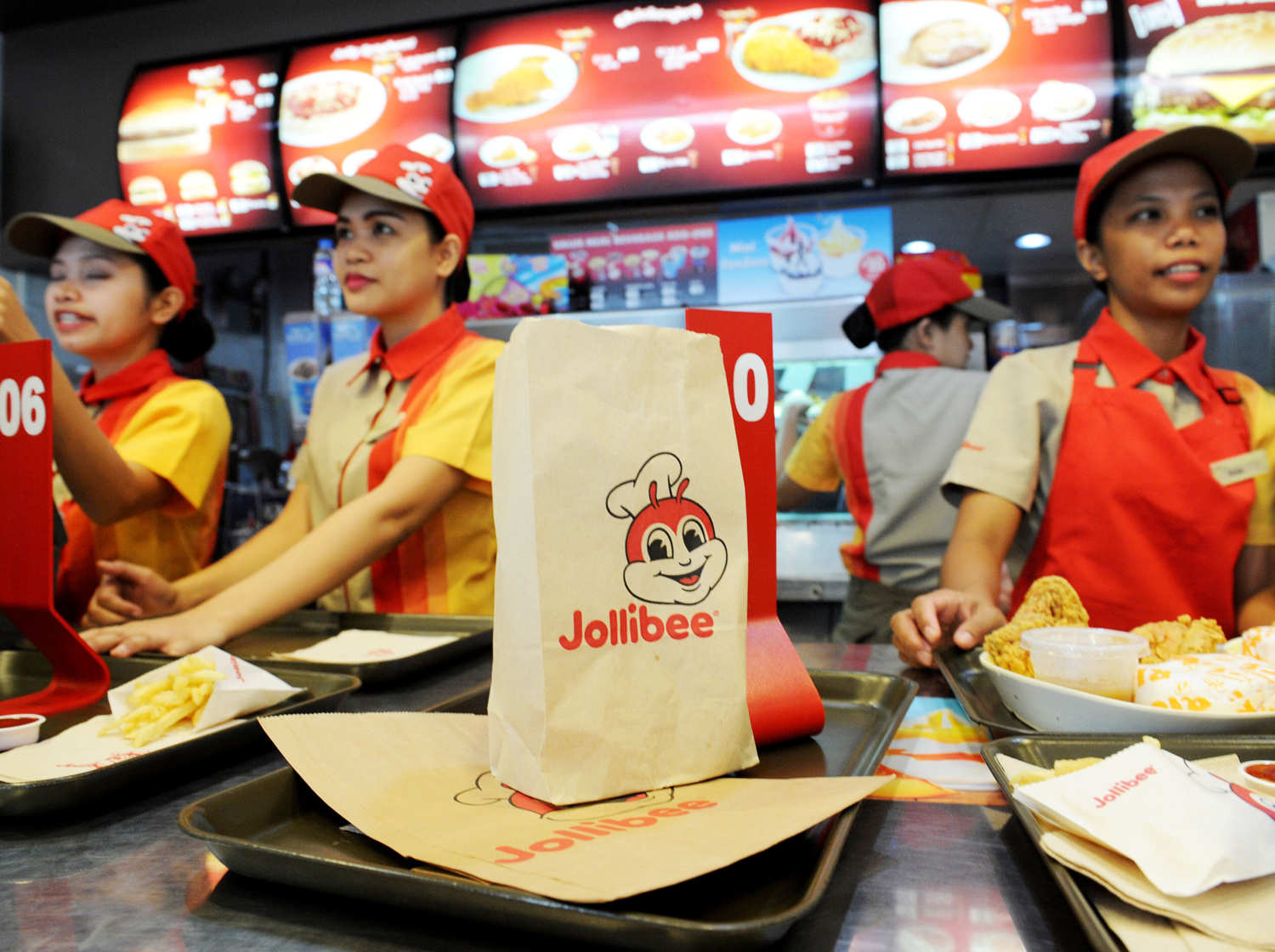
    Despite uncertainties in the food industry due to the coronavirus pandemic, Jollibee Foods Corporation is increasing its stake in the ultimate holding entity of popular restaurant chain Tim Ho Wan.

    Through its subsidiary Jollibee Worldwide, it increased its stake in the Michelin-starred restaurant to 85% from 60% by purchasing the 25% interest of Aragon Investments in Titan Dining, the private equity fund and ultimate holding entity of Tim Ho Wan.

    The transaction worth SGD36.3 million to be paid in cash is expected to be completed on October 30.

    In May 2018, Jollibee invested SGD45 million in Titan Dining, representing a 45% stake. The deal gave Jollibee an opportunity to acquire a “substantial ownership” in the dim sum restaurant chain’s master franchisee in the Asia Pacific in 7 years.

    When the deal was made, Tim Ho Wan and its affiliate Dim Sum Pte Ltd, which owns and operates Tim Ho Wan stores in Singapore, also had franchisees in Cambodia, Indonesia, Japan, Macau, Taiwan, Thailand, Vietnam, Australia, and the Philippines.

    In October 2019, Jollibee increased its investment to SGD120 million, representing a 60% stake.

    Jollibee then opened the first Tim Ho Wan restaurant in China in September 2020.

    Jollibee currently has 3,247 restaurants in the Philippines and 2,566 stores overseas.

  • US chain The Habit Burger Grill launches in Cambodia

    US chain The Habit Burger Grill launches in Cambodia

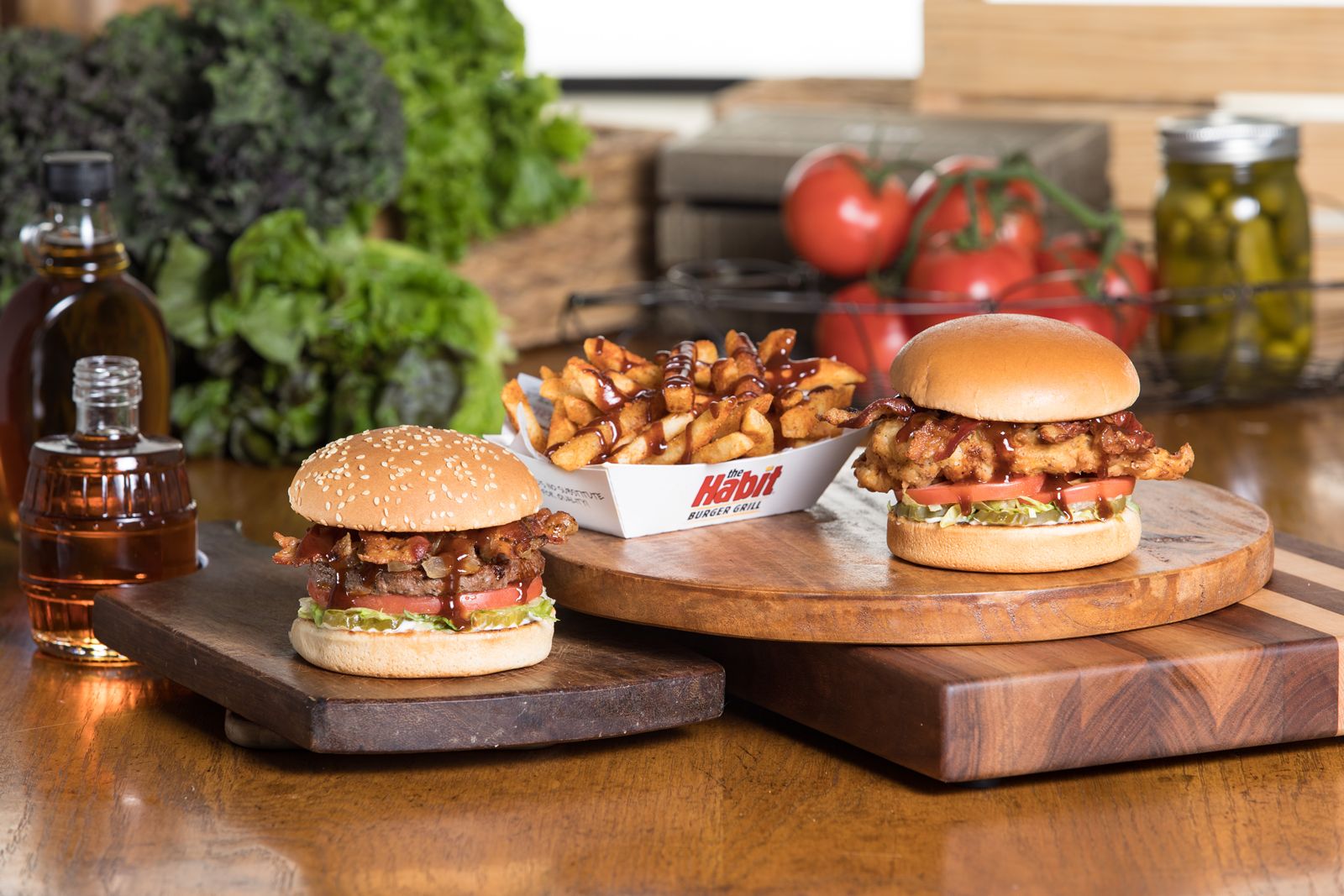
    Over 50 years ago, America’s best tasting burger was born in Santa Barbara, California, and now the award-winning taste of The Habt Burger Grill will be opening its newest international location in Cambodia on October 21st! The California-based restaurant company renowned for its award-winning Charburgers grilled over an open flame, signature sandwiches, fresh-cut salads, and more announces the highly anticipated opening in the center of Phnom Penh, the capital of Cambodia, at the Tela Toul Kork Station.

    The Habit Burger Grill is California’s best-kept secret, as it’s been awarded various food-focused awards in the United States. At the center of The Habit’s menu is the signature Charburger, made with a fresh 100% ground beef patty, chargrilled over an open flame for a unique smoky flavor, and topped with cheese, caramelized onions, pickles, fresh tomato slices, crisp lettuce, and mayo served on a toasted bun. The Habit has been serving the best tasting burger in America in exactly this way since 1969.

    “We are excited to continue The Habit Burger Grill’s international expansion by joining forces with our new franchise partner Kampuchea Tela Company, LTD to open our first location in Cambodia. We look forward to creating new Habit fans by inviting them to enjoy our handcrafted chargrilled food delivered with best-in-class hospitality and in a welcoming Southern California environment,” said Iwona Alter, Chief Brand Officer at The Habit Burger Grill.

    This marks as The Habit’s second international expansion with eight restaurants open in China today. This is just the beginning, The Habit is partnering with Kampuchea Tela Company, LTD to develop and operate restaurants throughout the Kingdom of Cambodia.

    In anticipation of The Habit’s grand opening, local guests are invited for an exclusive sneak peek of the menu. The first 200 guests per event on October 16 and 17th between 11:30a.m. – 1:30p.m. and 5 p.m. – 7p.m will receive a complimentary Charburger, French fries, and drink. Upon opening, this two-story location will offer dine-in and takeout.

    With its cooked-to-order mantra and creative culinary culture, The Habit Burger Grill’s open flame sears a distinctive smoky flavor into their already famous Charburgers, fresh marinated chicken, sushi-grade Ahi tuna, and USDA Choice tri-tip steaks. The Habit also has an incredible selection of sides to choose from as well as delicious hand-spun frozen treats. Guests at The Habit Burger Grill can always count on freshly-made, the handcrafted quality served up with genuine hospitality.

  • Crepe Delicious expands Hong Kong footprint

    Crepe Delicious expands Hong Kong footprint

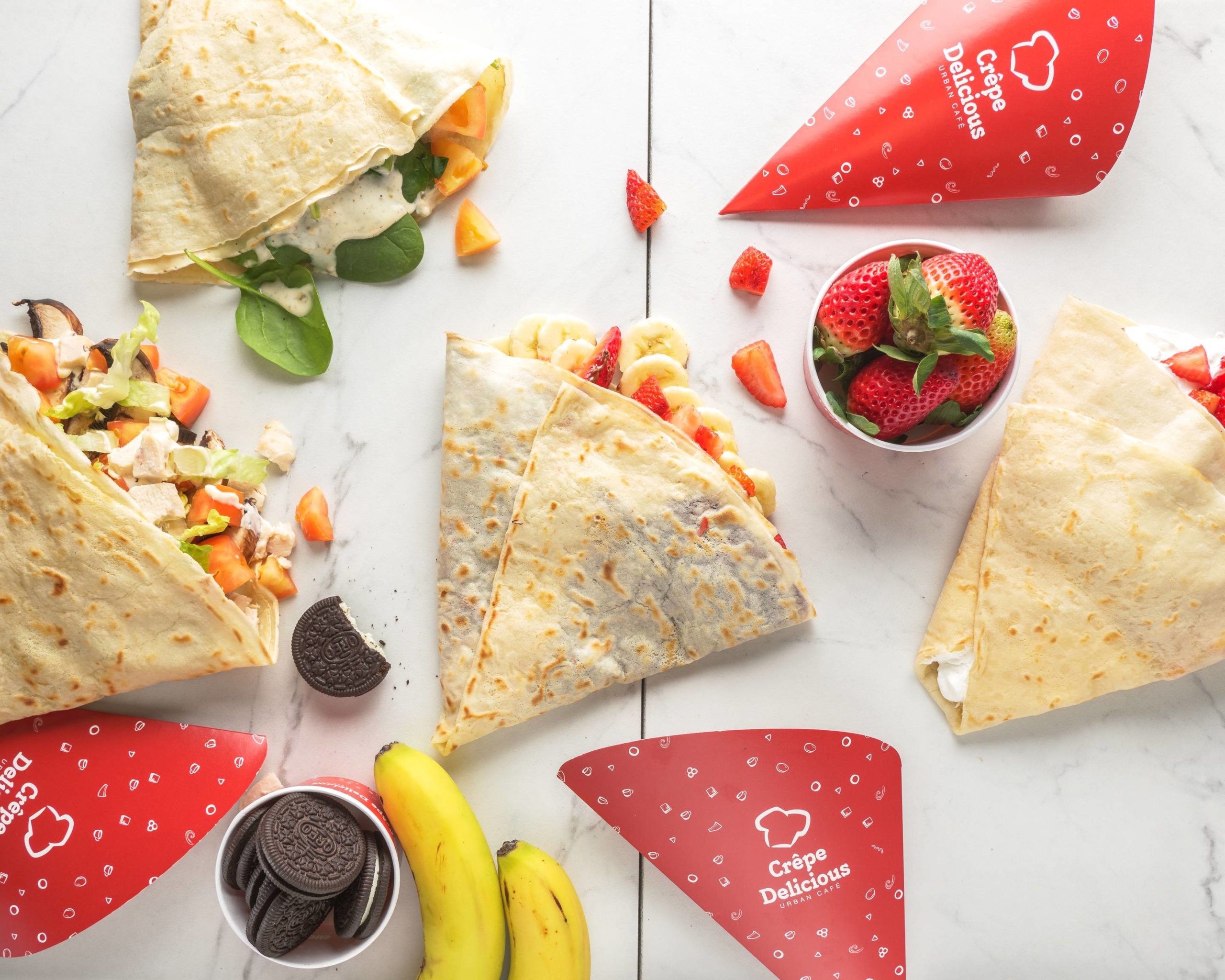
    Crêpe Delicious has opened its first Hong Kong Island branch and a brand new youthful urban café concept in trendy Lee Tung Avenue, Wanchai, presenting the brand’s premium quality, healthy sweet and savory crêpes, hand-crafted gelato, and puff pizzas.

    With a focus on the highest quality ingredients and dishes freshly made to order, Crêpe Delicious has pioneered a global craze for the iconic French cuisine classic since 2004 – expanding worldwide from Canada to Hong Kong, USA, UK, the Middle East, India, and Thailand.

    Following its successful launch in Hong Kong in December 2017 at MOKO in Mongkok, Crêpe Delicious is now continuing the winning recipe with its first Hong Kong Island branch and a brand new youthful urban café concept.

    Among classic savory crêpes such as Hokkaido Scallop and Salmon Deluxe, Big Feast is a new hearty combo of braised BBQ pulled pork, with butter lettuce and red onion. Welcome Hong Kong is an exclusive creation for the Hong Kong market launched in late 2017, topped with truffle scrambled eggs, butter lettuce, cheddar cheese, mozzarella cheese, and truffle mayonnaise dressing.

    Exclusive Hong Kong headliners extend to signature ‘Puff Pizzas’ on light puff pastry, with new creation BBQ Pulled Pork, along with signatures such as Chorizo Supreme, Quattro Formaggi, and more.

    New salads and snacks presented at Crêpe Delicious include Caprese Salad (HK$108), Arancini Ball (HK$88); Baked Beef Meatball Bolognese (HK$88); Crab & Avocado Stack; and Wings Platter chicken wings served in two styles, in honey and spicy buffalo sauce.

    Along with pastas and risotto, new favorites include Grilled Salmon Fillet (HK$188) with lemon butter dill sauce; well-marbled, juicy and savory Grilled Angus Ribeye (HK$218), served with homemade beef gravy; Roast Spring Chicken (HK$138), Sous Vide Beef Cheek with Mashed Potato (HK$188), BBQ Ribs (HK$168) and Creamy Mussels with French Fries (HK$168).

    Enhancing the trendy dining experience, Crêpe Delicious’ home-made gelatos and sorbets are a double dose of refreshing and flavourful goodness. Handcrafted daily with over 20 choices of fresh flavors to mix and match, the brand’s signature gelatos weigh-in at just 95-125 calories, and sorbets 125-155 calories for a healthier, vitamin-rich choice.

    Newly-created Gelato Shakes are an indulgent variation of the signature gelato recipe, including strawberry flavored Pink Lady and The Naughty, with chocolate and hazelnut.

    Along with Instagrammable sundaes and desserts, even more, tempting sweet treats feature Panna Cotta with new daily flavors, Homemade Brownie, and Lava Cake. Dessert Combo combines all three house-made signatures – Panna Cotta, Lava Cake and Gelato for enjoying with friends and family.

    An extensive range of drinks completes the menu at Crêpe Delicious with fresh juices, Brazilian Tierra 100% Arabica Lavazza coffees, and teas, with wine also served exclusively at the newly-opened Lee Tung Avenue branch.

    The new 1,219 sq. ft. Crêpe Delicious (Urban Café) extends over two floors seating 50 in a cozy, warm, and friendly setting at Shop G26 & F26A, Lee Tung Avenue, 200 Queen’s Road East, Wanchai, Hong Kong.

    A visually-stunning ‘Open Bar’ on the ground floor serves convenient ‘grab and go’ of the brand’s signature sweet treats and coffee. Interior design is in white marble with weathered wooden stairs and timberwork, and grey cement walls and floors for a light and spacious street-style ambiance – complete with red and blue columns symbolizing a traditional French-style crêperie and simple, natural designer Scandinavian chairs.

    Crêpe Delicious also makes the perfect healthy meal on-the-go for takeaway; or delivery from November 2020 for a chic dinner at home via Deliveroo, FoodPanda and Uber Eats.

  • Flipper’s pancake chain opening in Singapore

    Flipper’s pancake chain opening in Singapore

    Traveling to Japan for Flipper’s famous souffle pancakes isn’t an option right now but foodies can just head down to Orchard Road for their fluffy fix really soon.

    Flipper’s first outlet in Singapore will be opening at Takashimaya Shopping Centre in Ngee Ann City in November. It also has outlets in Seoul, Taiwan, Hong Kong, and New York.

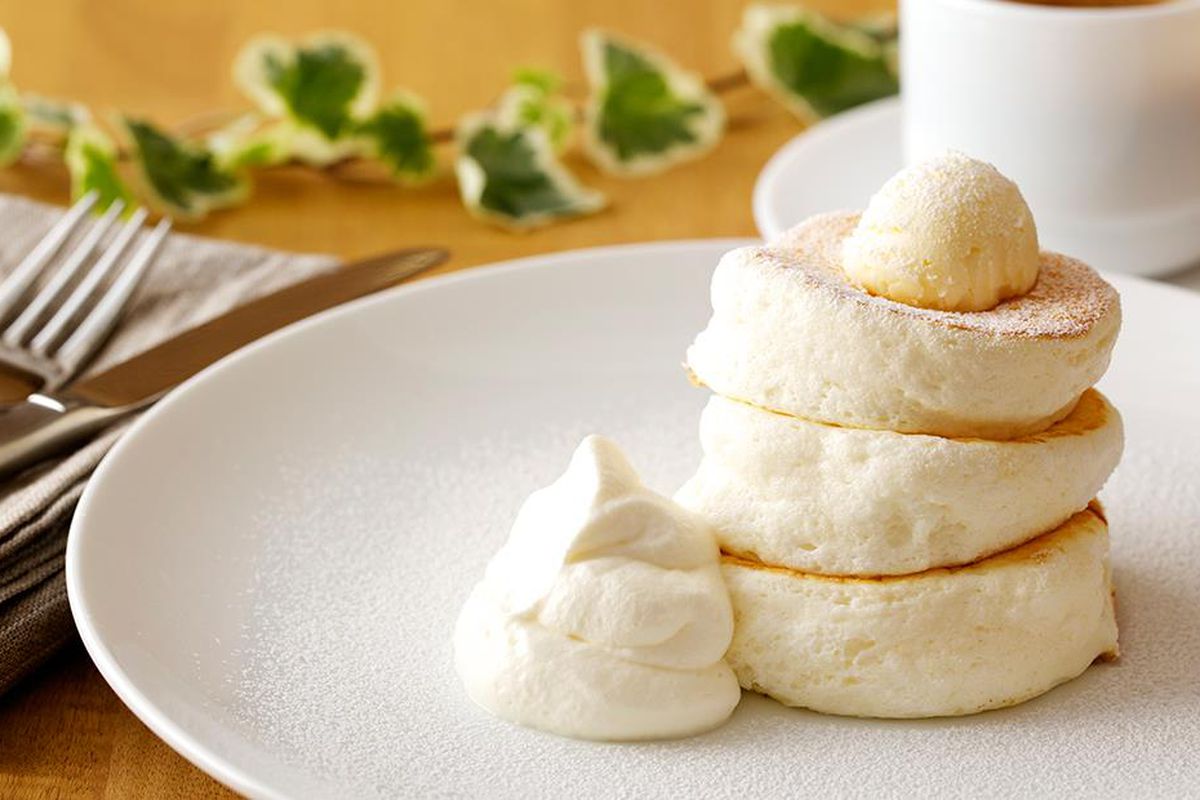
    Best known for its “miracle” (or “kiseki” in Japanese) souffle pancakes that’s super soft you’ll need to use two forks to tackle it, the Japanese chain was founded in 2014 in Tokyo.

    Its Singapore outlet will be offering savory and sweet options – you’ll have a choice of having fruits with it or something more hardcore such as salmon, eggs, and bacon.

  • Mondelēz International Invests in Global Center for Sustainable Cocoa Farming Solutions

    Mondelēz International Invests in Global Center for Sustainable Cocoa Farming Solutions

    Mondelēz International opened its state-of-the-art cocoa crop science technical center in Pasuruan, Indonesia. The center enables Mondelēz International to develop and promote better cocoa farming practices, continuing its work with farming communities, suppliers and partners around the world. It represents an important step in the company’s mission to lead the future of snacking by securing a sustainable future for high-quality cocoa, so consumers can enjoy the right snack, for the right moment, made the right way.

    As one of the world’s largest buyers of cocoa for chocolate, the sustainability of the cocoa farming industry is key to Mondelēz International’s long-term growth in Asia and around the world. “Cocoa is at the heart of chocolate, and demand is growing, with Asia set to become the second-largest consumer of cocoa ingredients. Mondelēz International is determined to meet that demand in the right way by creating a thriving cocoa sector,” said Maurizio Brusadelli, Executive Vice President and President, Asia, Middle East and Africa for Mondelēz International. “Consumers also expect more from their favourite brands like Cadbury Dairy Milk and Milka chocolate. People want delicious snacks they feel good about eating, know where ingredients come from and produced in ways that are better for the environment and communities. We need to secure a sustainable future for high-quality cocoa and other raw materials we use to create the snacks our consumers love.”

    The investment in the Pasuruan Cocoa Technical Center focuses on cocoa crop science research and development. It supports sustainable, scalable cocoa farming practices and will work in partnership Mondelēz International’s global cocoa sustainability program, Cocoa Life. By the end of 2019, Cocoa Life had reached 175,017 cocoa farmers globally: 43,000 of these are Indonesian cocoa farmers.

    “We’re on a mission to drive positive change by creating a future of sustainable snacking and that includes using our global scale to create meaningful, lasting impact.,” said Rob Hargrove, Executive Vice President, Research, Development and Quality for Mondelēz International. “The Pasuruan Cocoa Technical Center is our global home for cocoa crop science initiatives. It brings local and international cocoa crop science experts together with farmers and suppliers in the cocoa growing areas of Sulawesi, Sumatra, and East Java. Our scientists can go from the labs at the center to field sites where we have research collaborations and on-farm activities through Cocoa Life.”

    The center’s focus on cocoa crop science and technical solutions that support high-yielding, sustainable and resilient farming practices is a clear commitment to the company’s 2025 goal of sourcing 100 percent of cocoa for chocolate through Cocoa Life. The company is on track to meet that target with 63 percent of cocoa for its chocolate brands currently sourced through Cocoa Life.

    The 2019 Snacking Made Right Report provides a comprehensive update on the company’s 2025 sustainable and mindful snacking goals and its progress towards achieving these goals.

  • Ella takes up role as Singapore’s first robotic barista

    Ella takes up role as Singapore’s first robotic barista

    She is a barista with a very strong arm. And “Ella”, Singapore’s first fully automated robot barista, will be serving customers their caffeine fixes at CityHub mall in Lavender from Saturday (Oct 3).

    Crown Coffee, the food and beverage arm of Crown Group, said the outlet was launched in an effort to push automation and reduce physical interaction in the light of the coronavirus pandemic.

    Ella, named after Crown Group founder and chief executive Keith Tan’s wife, served a range of hot drinks to Minister of State for Trade and Industry Low Yen Ling and members of the media at a launch event on Friday.

    In a speech at the event, Ms Low, who is also Minister of State for Culture, Community and Youth, emphasized the importance of digitalization and automation in navigating the pandemic and zoomed in on Ella as a solution that creates opportunity from chaos.

    “While Covid-19 has severely impacted our businesses and economy, it has also created the impetus for us to build stronger business capabilities and seek out new growth opportunities,” she said.

    Crown Coffee’s new robot barista is able to make up to 200 cups of coffee an hour. It joins a host of new innovations spurred on by Covid-19 such as cleaning robots.

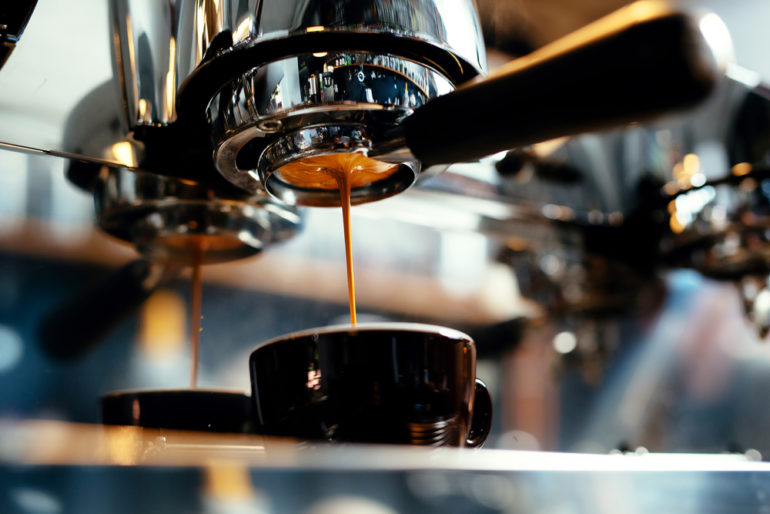
    Ella brews and serves coffee behind a transparent screen in a contactless set-up. Users will have to download the Crown Coffee mobile app, through which they can order drinks, from $4 each.

    Developed by Crown Group’s technology arm, Crown Digital, Ella is Mr Tan’s response to the cost pressures of training and retaining human workers, and a pre-emptive response to digital disruption.

    “We need to disrupt ourselves, as opposed to waiting for things to change,” said the former wealth manager, who started Crown Group in 2016 to follow his passion for coffee.

    Ella has been in development since 2017, when the first prototype was built.

    Mr Tan, 40, said Ella is part of his company’s aim to serve consistent, barista-quality coffee to more people conveniently.

    He added: “Ella’s main application will be in high-traffic areas like MRT stations or airports. Imagine you’re on your way to work and you order your coffee from the mobile app and when you get to the station your coffee is waiting for you.”

    Crown Group is currently seeking funding to expand Ella across Singapore and beyond, said a spokesman.

    Asked about the costs involved compared to employing human baristas, Mr Tan said that it will take some time for any savings from automation to accrue.

  • Coloring foods black, a growing trend in Vietnam

    Coloring foods black, a growing trend in Vietnam

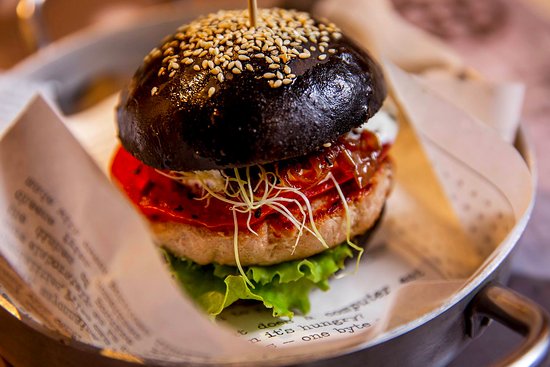
    Whether its bread, ice cream, or moon cake, Vietnamese are increasingly preferring it to be black-colored. Tuan, owner of a bakery in northern Ha Long Town, sells 300-700 black banh mi (Vietnamese sandwich) a day for VND25,000-45,000 ($1.08-1.94) each.

    He makes the bread using flour and bamboo charcoal, which is believed to be a natural detoxifier though there has been no formal research into it.

    He said many people come to buy the sandwiches for their unusual look and taste.

    Similar black sandwiches are also sold in Ho Chi Minh City, Binh Duong, and Dong Nai in the south. Hieu in HCMC’s Phu Nhuan District sells over 1,000 of them a day. A friend had suggested the idea to him after returning from Japan, where bamboo charcoal is a popular ingredient in food and beauty products.

    During the Mid-Autumn Festival this year, on October 1, black charcoal moon cake was a sought-after item. Hang in HCMC’s District 3 sold out all 3,000 of her black moon cakes a week before the festival though they cost more than regular cakes.

    But there are concerns about the use of imported bamboo charcoal without quality standards, he said. Bamboo charcoal is also used in ice cream. Mai Truong Giang, the owner of fried chicken chain Otoke Chicken which sells this product, said bamboo charcoal has been used in food in many countries for long to create an unusual look.

    Coloring food black could just be a fad and fade away after a while, he speculated.