Category: Food

Retail News Asia is committed to providing both local and global retailers with the latest Food and Food & Beverage news throughout the Asian market. This on a daily base.

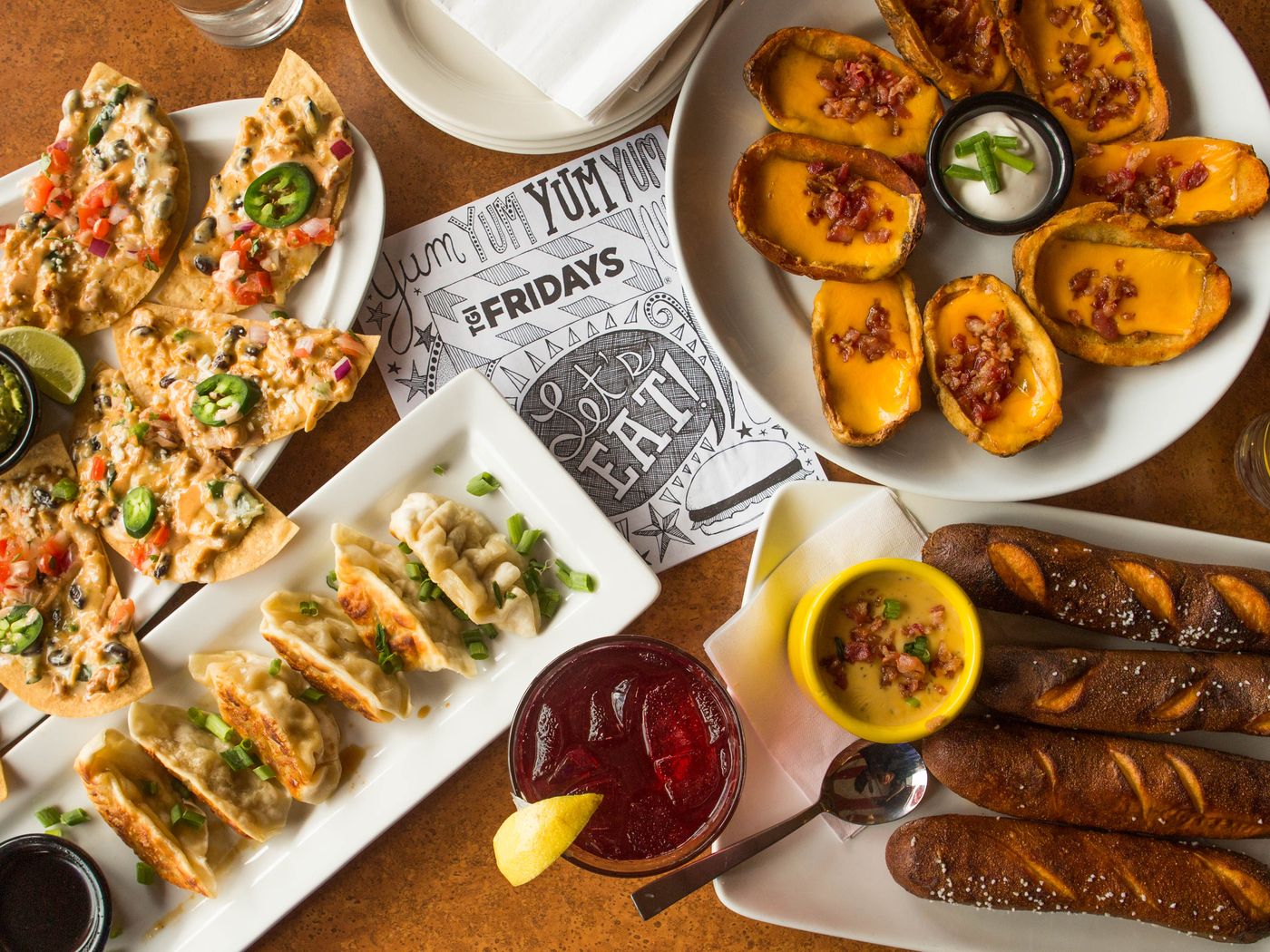
  • Lotte seeks to carve TGI Friday’s out as part of restructuring excercise

    Lotte seeks to carve TGI Friday’s out as part of restructuring excercise

    Lotte is moving to divest its TGI Friday’s restaurant chain rights in South Korea as it restructures its business portfolio. Lotte will split the business and sell off shares to new investors, having already spun off the chain’s assets and debts. The group has been badly affected by the Covid-19 pandemic, with a sales drop equivalent to US$140.4 million during this year’s second financial quarter, 18.2 percent down from last year’s results. Of all Lotte GRS chains, only Lotteria seems to be making profits, according to observers in the industry.

    The groups’ flagship Lotte Shopping will close up to 120 physical outlets under various brands this year during its retail business restructure, while its online business continues to expand.

    “It is time for a self-scrutiny on our business practices so far, and CEOs must aware that the priority is streamlining their current business processes,” said Lotte Chairman Shin Dong-bin. “While doing so, companies should make greater efforts to make innovations in a long-term perspective.”

    Lotte has operated TGI Friday’s within the territory since 2002, opening venues within the group’s shopping malls. There are currently 21 outlets in operation, less than half that were running at the peak of its popularity back in 2013.

  • Starbucks China opens first coffee outlet made of containers

    Starbucks China opens first coffee outlet made of containers

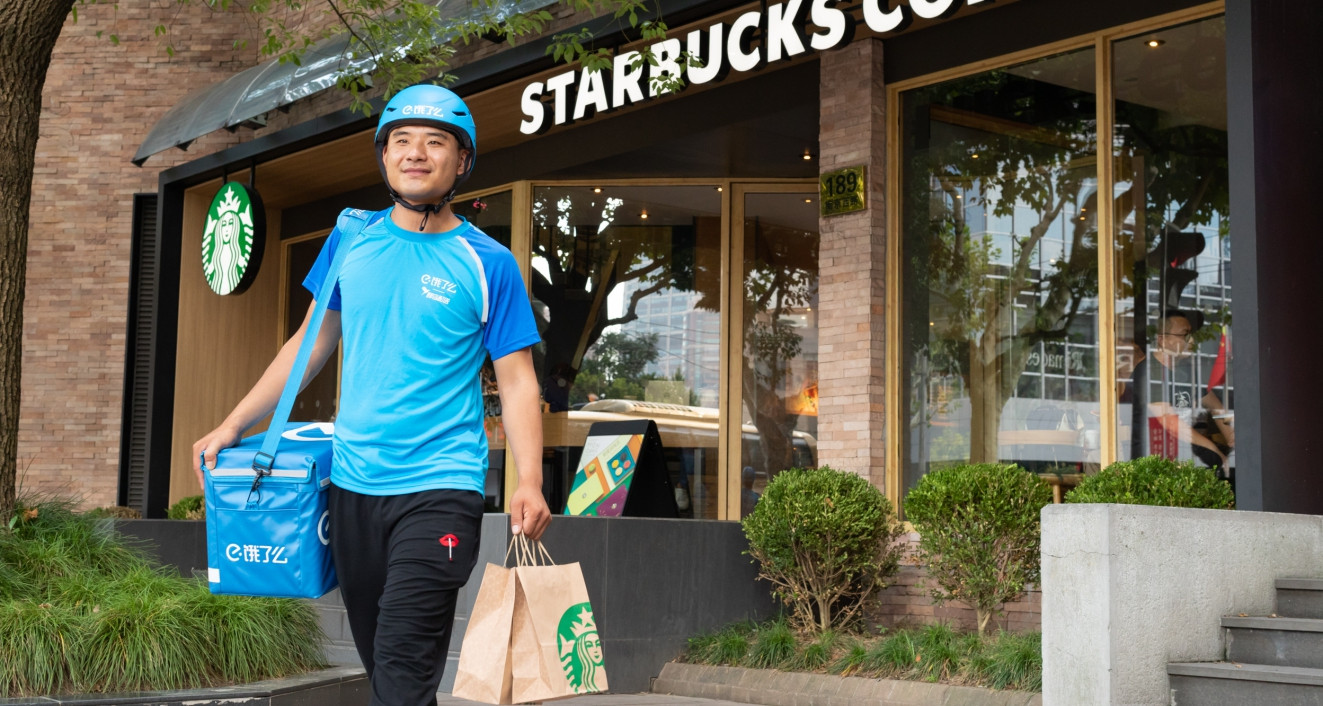
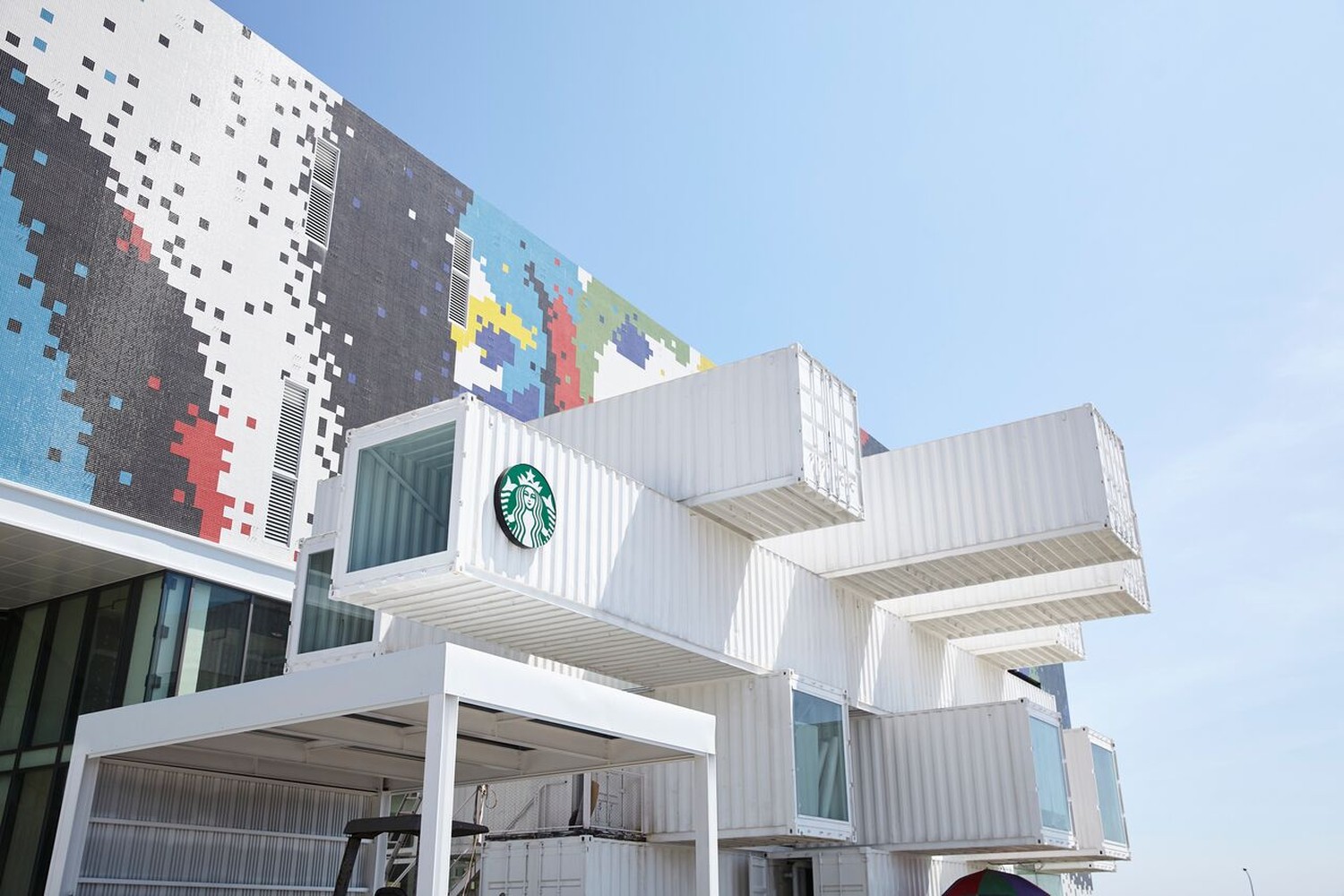
    Starbucks has just unveiled a new concept store in China created inside six repurposed shipping containers.

    An identical concept, created by Japanese architect Kengo Kuma, first appeared in Taiwan. As the 800th store in Shanghai, the Starbucks container store helped set a new record for the city – it has more Starbucks stores than any other city in the world.

    The cafe is located at Shanghai’s Wisdom Bay Science Innovation Park, on space which was formerly home to warehouses and container storage yards.

    Today, the area has been gentrified, converting abandoned cargo containers into office spaces as well has housed the nation’s first museum of 3D printing.

    Elements of the Silicon Valley-esque structure have also been replicated inside the store to create ‘cultural coffee experiences’, an art gallery and a wall installation art piece created by a 3D printer.

  • Costa sliming down Chinese cafe network

    Costa sliming down Chinese cafe network

    British coffee franchise Costa will pull back further from the China market by early next year.

    In response to a dip in consumer demand, the Coca-Cola-owned firm reduced its physical stores within the territory by around 10 percent last month, half of which were located in the capital, Beijing. It has also shuttered its entire network in the coastal city of Qingdao.

    The brand’s long-standing aspirations for China have been frustrated during the Covid-19 pandemic, caused by rising unemployment and other economic factors hit by the outbreak. The firm’s operations have also been strongly impacted by the virus within its home market, with 1650 staff dropped off the payroll in the UK

    Costa has had significant difficulties facing the competitive Chinese coffee shop market, having launched just a sixth of its 2500-store target network since opening in 2006. Despite this, recent statements by the firm reaffirm its commitment to the market.

  • Thai government bans online liquor purchase

    Thai government bans online liquor purchase

    Thailand is to ban the sale of alcohol online because the government says it is too difficult to ensure broader liquor sales are being respected.

    The decision has been signed off by Thai Prime Minister Prayut Chan-o-cha, who said that alcoholic drinks have become a popular item traded via e-commerce, creating difficulties in oversight.

    Thailand’s Alcoholic Beverage Control Act BE 2551 sets legal limits for the sale of alcohol that have proved impossible to adequately enforce on digital trading, which has presented problems in controlling the date, time, venue, and target groups buying alcohol.

    Thai law prohibits the sale of alcohol in retail stores before 11 am, between 2 pm and 5 pm and after midnight. The kingdom also has numerous full-day bans throughout the year including Buddhist holidays and days in which elections are scheduled.

    According to the Prime Minister’s announcement, prohibited activities include the direct sale of alcohol online, as well as persuasion, introducing alcoholic products or related services via electronic channels that allow for retail transactions for alcohol to occur without physically meeting.

    It does not include in-person electronic transactions such as purchases made by digital means in restaurants and stores.

    The ban will be put into place within 90 days of being published in the Royal Gazette.

  • Starbucks expands plant-based range in Asia Pacific

    Starbucks expands plant-based range in Asia Pacific

    Starbucks has rolled out a new plant-based menu in selected Asia-Pacific markets. The brand has added two new seasonal plant-based beverages – Oatmilk Cocoa Macchiato and Almondmilk Hazelnut Latte. The beverage range will be available across eight markets: Hong Kong, Indonesia, Malaysia, New Zealand, Philippines, Singapore, Thailand, and Vietnam.

    The new options will remain part of the chain’s core menu in up to seven of these markets when the seasonal promotion ends.

    Starbucks’ new plant-based food options will be sold in five markets: Hong Kong, New Zealand, Singapore, Taiwan, and Thailand. The company says they were created to suit the tastes and preferences of consumers in specific markets.

    They are:
    Hong Kong: Maize Impossible Sandwich, the Spiced Impossible Puff, and vegan chocolate breadstick.
    New Zealand: Mince & Cheese Pie.
    Singapore: Impossible Wrap.
    Taiwan: Beyond Meat Bolognese Penne, the Beyond Meat Sausage Sandwich, and the Beyond Meatball Sandwich.
    Thailand: Beyond Meat Sandwich.

    “As customer demand for plant-based choices increases, Starbucks remains committed to expanding plant-based food and beverage offerings in locally-relevant ways…,” the company said in a statement.

    “This menu expansion is designed to offer our customers the same flavors and handcrafted service they know and love from Starbucks, in a new way,” said Sara Trilling, president at Starbucks Asia Pacific.

    According to Euromonitor, Asia Pacific is the largest market for plant-based milk options as traditions in food culture have been well established.

    Industry manager at Euromonitor said plant-based options are strongly ingrained in Asian culture. Innovation is key to meeting the taste preferences of consumers seeking out new flavors and modern takes on traditional diets.

  • Foodpanda lifts off 24/7 Singapore Pandago goods-delivery service

    Foodpanda lifts off 24/7 Singapore Pandago goods-delivery service

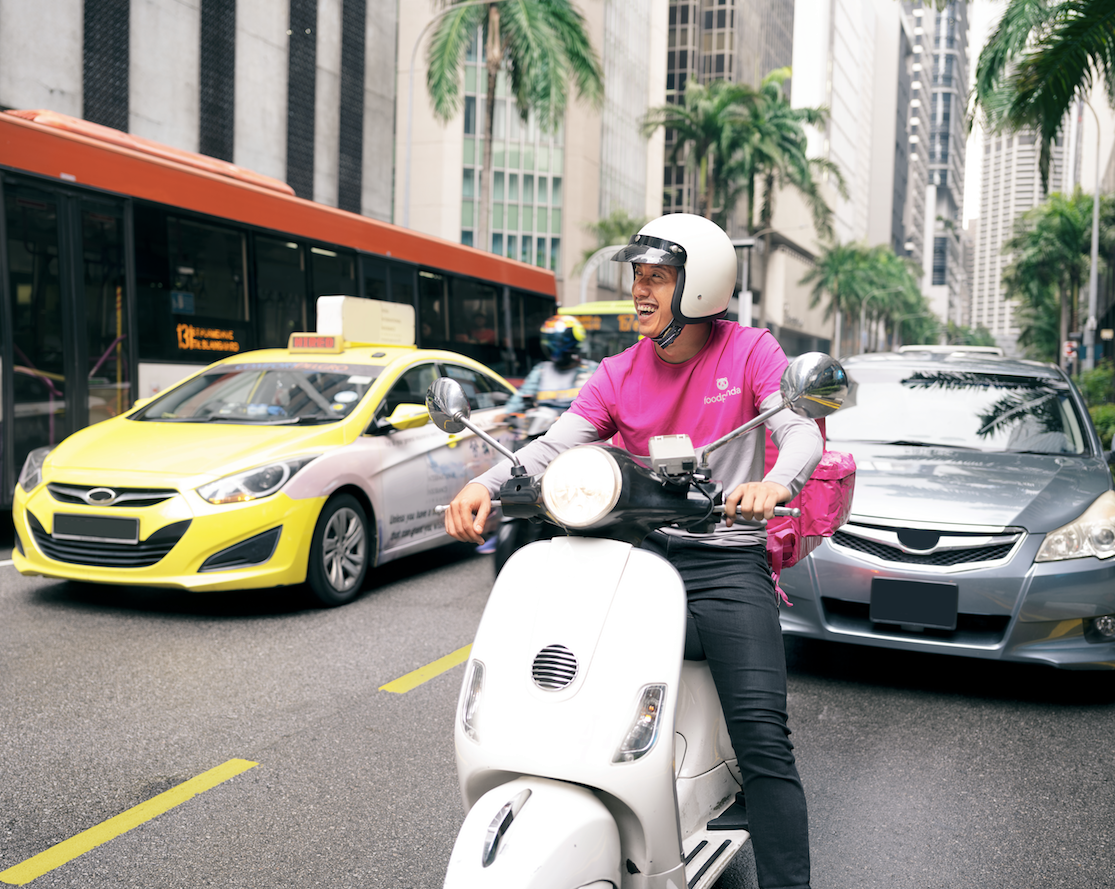
    Singaporean food-delivery platform Foodpanda has launched a logistics-as-a-service solution targeting businesses, using its community of more than 12,000 riders.

    Businesses requiring package-delivery services are now able to request a rider via a Pandago account on a pay-per-use basis, whether or not they are currently a Foodpanda customer. The service’s delivery fees are distance-based, charged over a base fee of SGD6 (US$4.39).

    The service builds on the rising demand for delivery within the territory, allowing businesses to request drivers to immediately deliver orders from their e-commerce channels and answering customer expectations for the most convenient possible shopping experience. The service also allows a real-time tracking feature.

    “Fast and reliable deliveries are becoming a must in today’s ‘convenience economy’ or quick commerce (q-commerce) economy,” stated material released by the firm. “The availability of on-demand delivery has universalized expectations of being able to get purchases delivered in real-time, and businesses that are not able to offer such services will see themselves losing out to those who can.”

    Pandago charges neither onboarding nor commission fees, and can perform as an “emergency” solution for businesses with existing delivery capacities during a surge in demand.

    “Q-commerce is the natural evolution of e-commerce,” said Foodpanda Singapore MD Luc Andreani. “We are acutely aware of the challenges that come with on-demand deliveries, especially for smaller businesses. The launch of pandago aims to solve exactly these challenges so that businesses can focus on what they do best.”

  • Burger King unveils ‘touchless’ hamburger ordering concept

    Burger King unveils ‘touchless’ hamburger ordering concept

    Burger King has unveiled a new ‘touchless’ concept store, designed to meet the challenges of business during a pandemic and adapt to the future “new normal”.

    The US store features physically contactless experiences such as mobile ordering and curbside pick-up areas and drive-in and walk-up order areas.

    “In March our in-house design and tech team accelerated new restaurant design plans and pushed the limits of what a Burger King restaurant could be,” said Josh Kobza, COO at Restaurant Brands International.

    “We took into consideration how consumer behaviors are changing and how our guests will want to interact with our restaurants. The result is a new design concept that is attractive to guests and will allow our franchisees to maximize their return.”

    Designed in-house, the store is expected to provide multiple ordering and delivery modes and highlight a physical footprint 60-per-cent smaller than a traditional Burger King restaurant.

    A ‘drive-in’ service allows customers to park under canopies doubling as solar power harvesting panels and place orders by scanning a QR code from the Burger King app. For mobile and delivery orders, customers can pick up their orders at coded food lockers.

    To reduce its physical footprint, the store features a “suspended” kitchen and dining room located above the drive-thru lanes. Orders will be delivered from the suspended kitchen by a conveyor belt system, and each lane has its own pick-up spot.

    “The designs we’ve created completely integrate restaurant functionality and technology, said Rapha Abreu, global head of design at Restaurant Brands International. “We designed the interior and exterior spaces like we had a blank sheet of paper, designing without preconceived notions of how a Burger King restaurant should look.”

    Burger King’s first new design stores will be built next year in Miami, Latin America and the Caribbean.

  • Beer companies enjoy recovery

    Beer companies enjoy recovery

    Better second-quarter figures could indicate that the most challenging period for beer makers this year could have ended, a report says.

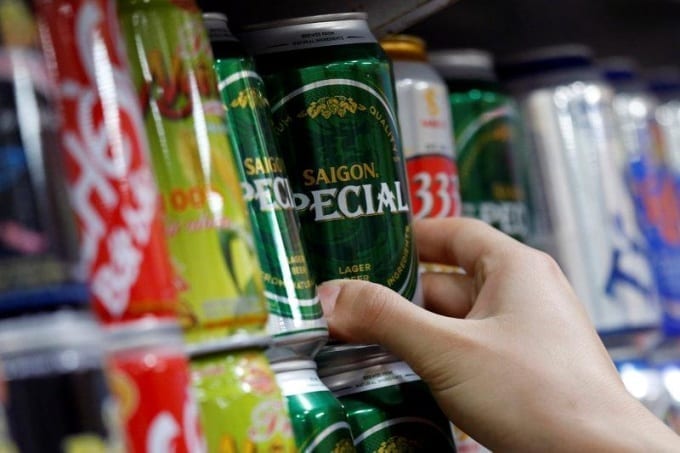
    Vietnam’s biggest brewer Sabeco saw a year-on-year revenue fall of 21 percent in the second quarter, smaller than the 47 percent recorded in the first quarter, according to a recent report from top brokerage SSI Securities Corporation.

    Its SAB shares’ prices have risen 66 percent from the lowest point it had reached this year on March 24 to VND191,500 ($8.26) Monday.

    The SSI analysts expect Sabeco sales to improve in the second half of the year if a nationwide social distancing campaign is not imposed as had happened in April.

    They also estimate that Sabeco’s revenues rise 23 percent over this year to VND33.3 trillion ($1.4 million) in 2021.

    A similar trend can be seen at the Hanoi Beer Alcohol and Beverage Jsc (Habeco), the report said. Its year-on-year revenues fell just 12.9 percent in the second quarter, compared to 50.6 percent the previous.

    Prices of Habeco’s BHN shares have risen 28 percent from its bottom on April 8 to VND52,400 ($2.2) Monday.

    However, the SSI analysts also said that beer consumption in Vietnam will take years to recover to levels recorded before the pandemic and imposition of tougher fines for drunk driving in January this year.

    Beer consumption in the first half of this year fell 12.7 percent year-on-year, according to a report by market research firm Nielsen. However, production in May rose 60 percent from the monthly average between February and April, it added.

    Vietnam consumed more than 4.6 billion liters of beer last year, up 10 percent from 2018, according to SSI.

  • Yum China confirms US$2.5 billion Hong Kong listing

    Yum China confirms US$2.5 billion Hong Kong listing

    Yum China Holdings, the parent of the Pizza Hut, KFC and other restaurant chains in Mainland China, has confirmed it will list on the Hong Kong stock exchange, raising up to US$2.5 billion.

    The company’s stock will continue to be listed on the New York Stock Exchange, with Hong Kong a secondary listing.

    In a statement, the company said it would use the net proceeds from the listing to “expand and deepen” its restaurant network and to invest in digitalization and supply chain, food innovation and value proposition, and high-quality assets.

    Yum China is the nation’s largest restaurant operator based on last year’s sales figures and at the end of June it had 9954 restaurants in more than 1400 cities and towns.

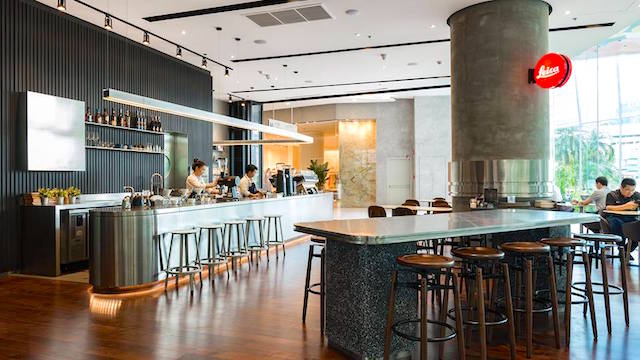
    The exclusive licensee of US part-parent Yum! Brands’ quick-service restaurant brands, which also include Taco Bell, the company has also invested in local chains Little Sheep, Huang Ji Huang, East Dawning and Coffii & Joy. Yum China is also partnering with Lavazza to explore and develop the Lavazza coffee shop concept in China.

    In its announcement, the company said it would offer 41,910,700 new shares of common stock at an offer price of not more than HKD468, based on the closing price of the stock on the last trading day on or before Friday (September 4) in New York. The shares will be listed on the Hong Kong exchange under the stock code 9987.

    The offer opened today and will close at noon Friday, Hong Kong time.

    Goldman Sachs (Asia) is the sponsor, joint global coordinator, joint bookrunner and joint lead manager for the offering, while Citigroup Global Markets Asia, CMB International Capital Corporation and UBS Group are acting as joint global coordinators, joint bookrunners and joint lead managers.

  • Seoul cafes face new trading restrictions as Covid-19 returns

    Seoul cafes face new trading restrictions as Covid-19 returns

    South Korea is restricting operations of restaurants, bakeries and franchised coffee chains in the greater Seoul area in an effort to contain a new outbreak of Covid-19. Under the plan that lasts until next Sunday, restaurants and bakeries can operate until 9pm, and only takeaway and delivery will be permitted from 9pm to 5am.

    For Seoul cafes, only takeout or delivery will be permitted regardless of operating hours, as cluster infections traced to coffee shops have been reported.

    Customers visiting coffee chains for takeaway must follow quarantine measures, such as making entry logs, wearing masks, and keeping a safe distance.

    The move is part of the government’s strengthened virus curbs in Seoul and the surrounding areas, home to half of the country’s 51 million population, as the country is struggling to curb spiking virus cases.

    On Sunday, the country reported 299 new Covid-19 cases – a drop below the 300 marks for the first time in five days – but health authorities remain on high alert as the triple-digit daily increase continued.

    Instead of raising the level of social distancing to the highest Level 3, the country unveiled stronger and “tailored” virus curbs last Friday for vulnerable groups and risk-prone facilities, a move widely viewed as ‘Level 2.5’.

    The government has been cautious about raising the social-distancing guidelines to Level 3 from the current Level 2 due to the far-reaching impact on the economy.

    In line with the stricter social distancing guidelines, cafe workers are putting store chairs upside down to indicate they operate only for takeaway or delivery.

    Some customers who frequent such coffee joints to study or read books have shifted to bakeries that operate normally until 9pm.

    Meanwhile, South Korea began to suspend the operation of indoor sports facilities, including fitness centers and billiard halls, in the wake of virus infections at indoor sports centers.

    The government also expanded no-assembly orders from large academies to almost all cram schools in the wider Seoul area. Only online lectures will be permitted.

    To protect the elderly from the risk of infection, visits to nursing homes, and facilities will be banned.

    Health authorities will also make one-third of all employees at government agencies and public institutions work from home. They also recommended private companies take similar steps.

    In mid-August, the government raised virus curbs to Level Two in the Seoul region for two weeks and expanded it across the nation starting last Sunday.

    Health authorities extended the current step for one more week in the wider Seoul region, as the number of new infections has not shown signs of easing.
  • Investors fail in plans to increase Vinamilk stake

    Investors fail in plans to increase Vinamilk stake

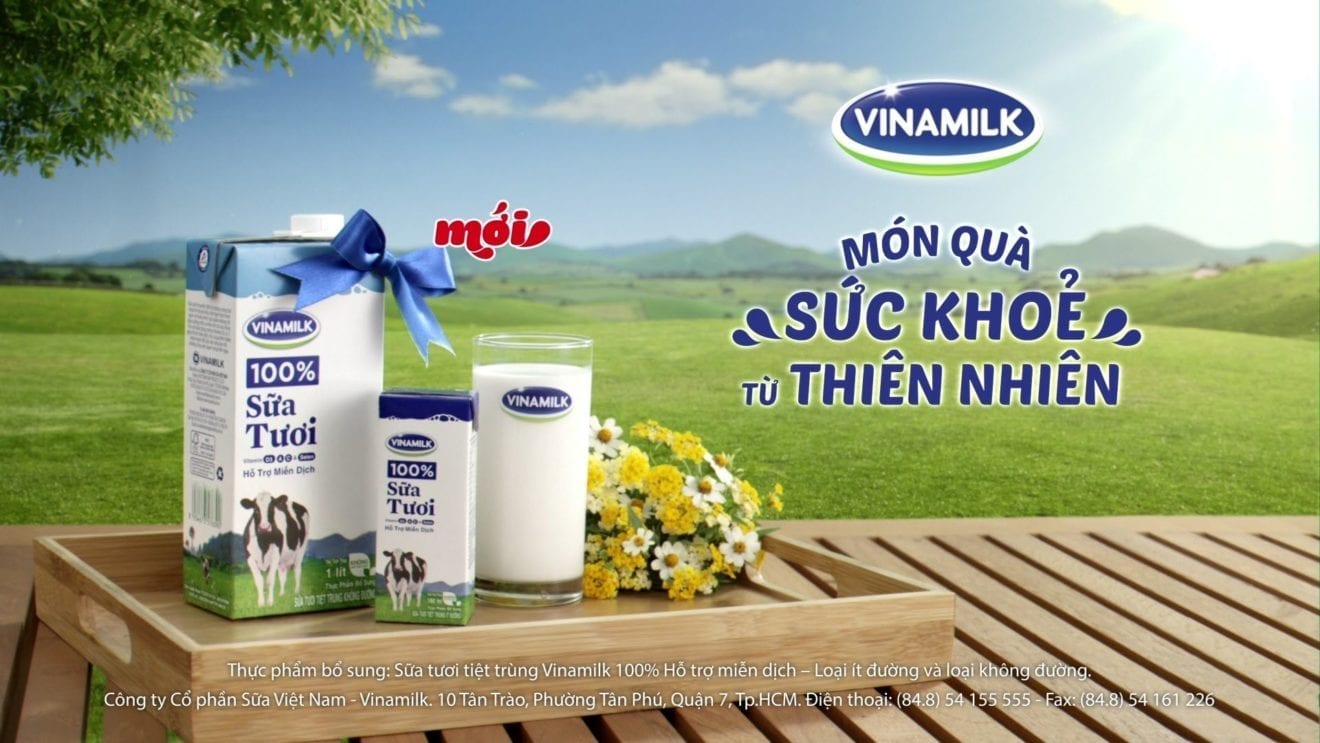
    Vietnam’s sovereign fund and two Singaporean investors failed to acquire stakes in dairy giant Vinamilk this month as they had planned. A subsidiary of the State Capital Investment Corporation (SCIC) was unable to buy 225,000 VNM shares, or a 0.01 percent stake, due to “market volatility”, according to a Vinamilk statement on Friday.

    SCIC is the largest shareholder in Vinamilk with a 36 percent stake. F&N Dairy Investments Pte Ltd failed to buy 17.41 million shares, or nearly 1 percent, between July 17 and August 14. It already owns 17.69 percent.

    Another company, Platinum Victory Pte Ltd, too failed to buy a nearly 1 percent stake and its ownership stays at 10.62 percent. Both Singaporean companies have registered again to buy in September. They have been seeking to increase their stakes in Vinamilk repeatedly since early 2018 but in vain.

    Vinamilk saw first-half pre-tax profit rise by 3 percent year-on-year to over VND7 trillion ($302 million). CEO Mai Kieu Lien said earlier the company had stocked ingredients so that it could have an advantage when the trade is disrupted by travel bans. The company, which holds half the Vietnamese dairy market, last year acquired a majority stake in a competitor, Moc Chau Milk, and has recently announced plans to set up a cafe chain in Vietnam and increase its investment in a Laotian subsidiary.

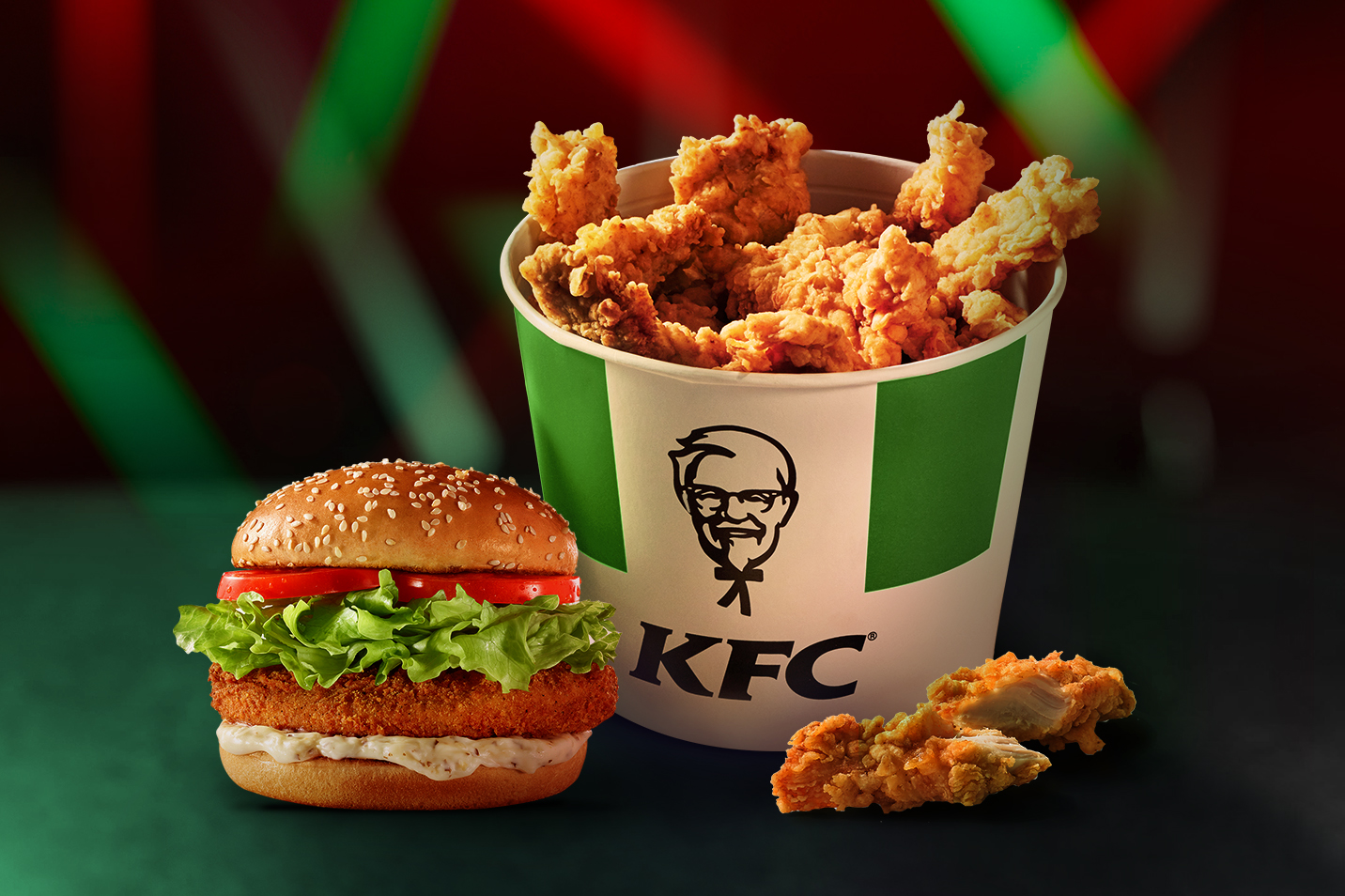
  • KFC most favored fast food chain in Vietnam

    KFC most favored fast food chain in Vietnam

    American chain KFC is the most frequently visited fast food restaurant chain in Vietnam, with 45 percent of respondents visiting its stores often, a new survey found. It is followed by South Korea’s Lotteria with 17 percent of 600 respondents, and American restaurant chains Pizza Hut and McDonald’s both at 6 percent, according to the survey by Ho Chi Minh City-based market research firm Q&Me.

    Top reasons cited for favoring KFC were: delicious food (66 percent); convenient location (63 percent); suitable for family and the youth (60 percent); and variety on the menu (56 percent).

    The survey found 87 percent ordering food online from fast-food chains. Of these, KFC was the most ordered from at 52 percent, followed by Lotteria (30 percent) and Pizza Hut (21 percent).

    “Now” was the most popular delivery app for fast food online orders with 24 percent of the respondents opting for it, followed by GrabFood (20 percent). In Vietnam since 1997, KFC now has 135 outlets, mainly in HCMC and Hanoi, Vietnam’s two biggest metropolises, while Lotteria has around 200. Market research firm Euromonitor said in a recent report that international players dominate the limited-service restaurant market in Vietnam, since local independent chains are mostly small family-based businesses with insufficient resources to take on the big players.

    But, as a whole, fast food chains are experiencing slower growth. Market observers have said one of the reasons could be that the eating habits of Vietnamese are changing, with health being prioritized over convenience.In 2018, there were 7,000 fast food outlets in Vietnam, a relatively insignificant number considering there are around 540,000 food and beverage businesses comprised of 430,000 street vendors, 80,000 restaurants and 22,000 cafes and bars, according to Dcorp R- Keeper, a global company which provides technological solutions to food and beverage businesses.

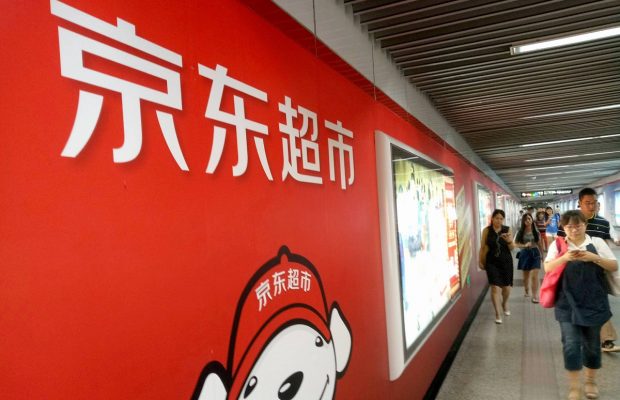
  • JD teams with brands to launch an organic alliance

    JD teams with brands to launch an organic alliance

    JD’s online supermarket JD Super has formed an organic alliance with brands trading on its platform.

    More than 10 companies, including domestic and international ones, have joined the alliance, including Milk Deluxe, Bellamy’s, Abbott, Anchor, and Gerber.

    Under the alliance, JD Super and other members will work together with government bodies, channel merchants, and inspection institutes to collectively build an “organic traceability” mechanism, which records information about product life cycles, according to JD.

    “JD hopes to establish an organic industry ecosystem through the optimization of industry standards for organic products as well a wide range of support for organic brands to grow their appeal among Chinese consumers,” the company said in a statement.

    JD Super will also support the organic alliance’s members with organic labeling and to develop the platform.

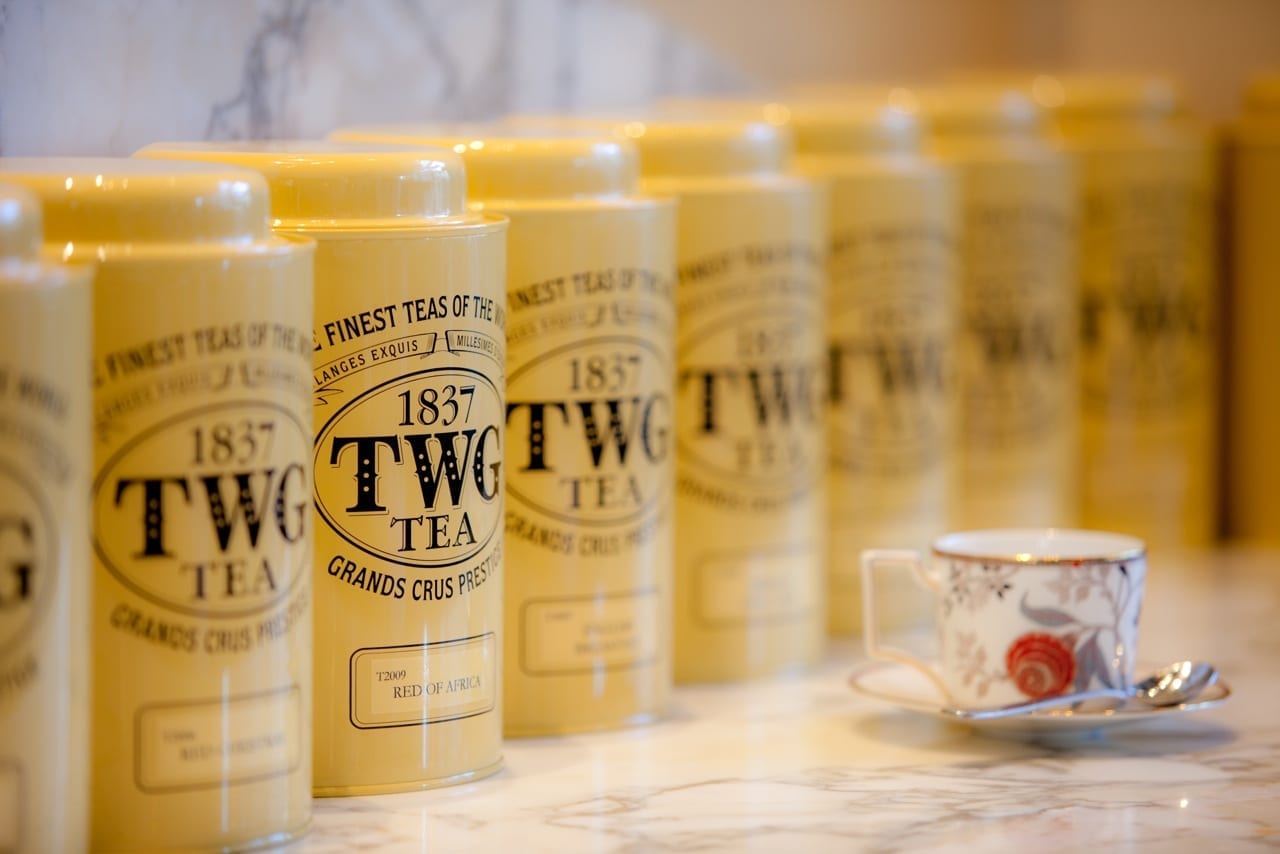
  • TWG Tea plans opening 20 online stores this year

    TWG Tea plans opening 20 online stores this year

    TWG Tea is expanding its digital footprint with more than 20 new online stores scheduled to open this year.

    TWG Tea’s online stores will be rolled out across Asia Pacific, North America, and Europe on third-party marketplaces, including Amazon, Zalora, and Lazada. The company said more products will be exclusively launched online, including its Autumn Haute Couture Tea blends, New World Tea and Destiny Tea.

    “We know that even during this pandemic, demand for TWG Tea is high,” said Maranda Barnes, co-founder of TWG Tea. “With this in mind, we went the extra mile to reach out to consumers through some of their preferred third-party online platforms in each of our markets.”

    “Rather than solely concentrating on expansion through brick-and-mortar locations, these new digital shopfronts are now quickly becoming an integral part of our global expansion strategy and are allowing us to provide an integrated luxury e-retail experience to customers around the world,” she said.

    TWG Tea operates 68 ‘Tea Salons’ and boutiques in 19 countries and has nine online ‘flagship stores’.

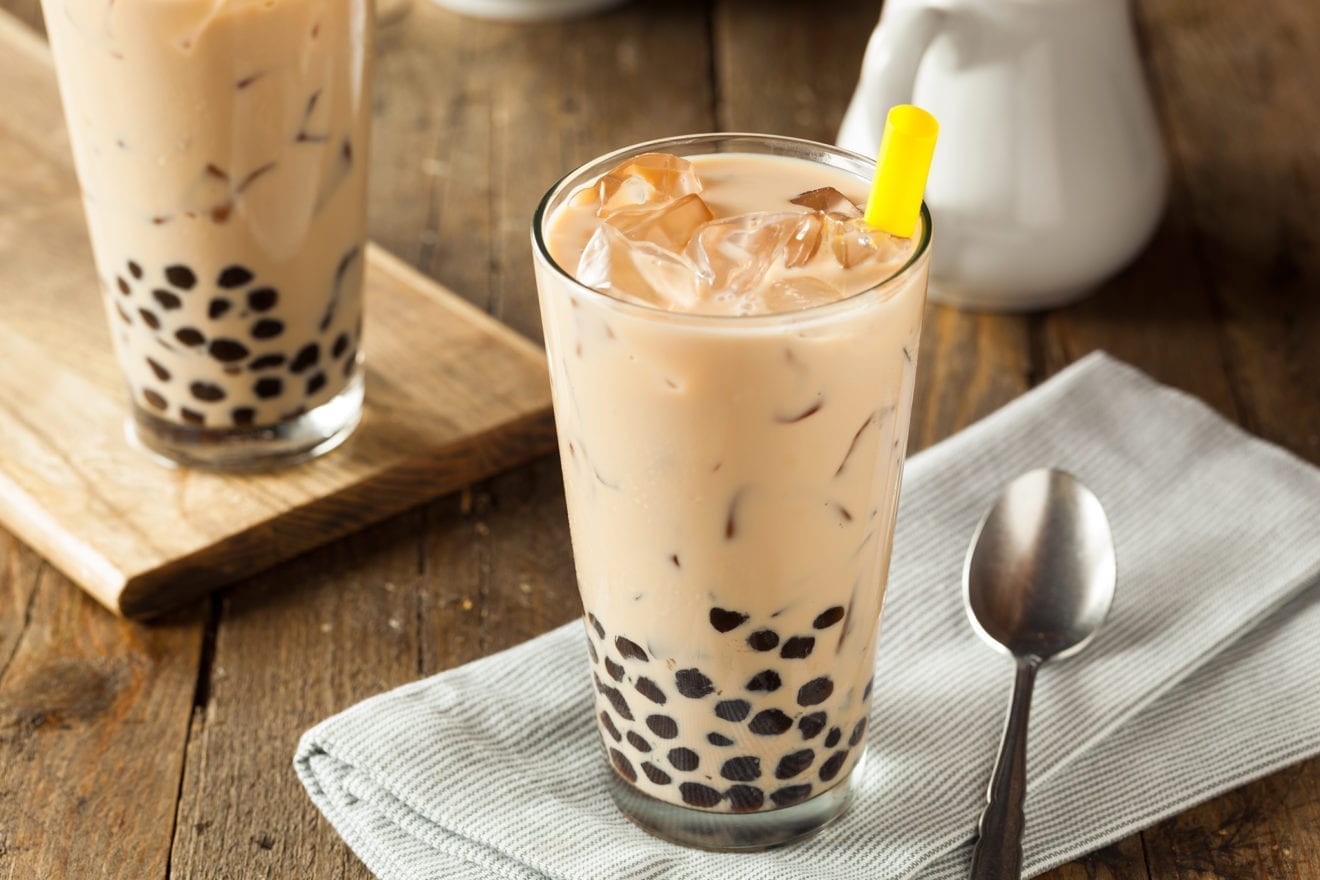
  • R&B Tea expanding in the Philippines 

    R&B Tea expanding in the Philippines 

    Singapore-based Koufu Group is taking R&B Tea to the Philippines with Shakey’s Pizza.

    Under the franchise agreement, Shakey’s will sell selected R&B Tea drinks in Shakey’s and Peri Peri stores in the first year of business, and subsequently open at least five stand-alone R&B Tea outlets in the Philippines.

    “This marks our second milestone this year, following the acquisition of Deli Asia Group, despite the challenging market conditions from the impact of the Covid-19 pandemic,” said Pang Lim, executive chairman, and CEO at Koufu.

    “We have carefully considered the market trends and found the conditions in the Philippines to be favorable, with a growing receptiveness towards the bubble-tea culture in recent years.”

    R&B Tea is one of Asia’s most popular bubble-milk tea brands, operating more than 1000 outlets across China, the US, Singapore, Cambodia, Vietnam, Malaysia and Indonesia.

    “This co-branding initiative is likewise in line with our renewed focus on out-of-store consumption, enhancing sales through these channels with minimal additional investment and maximizing the use of our existing assets,” said Vicente Gregorio, president and CEO of Shakey’s.

    Gregorio is confident the bubble-tea sector can create a third pillar of growth for Shakey’s.

    Shakey’s is the Philippines’ largest casual dining restaurant brand