Category: Food

Retail News Asia is committed to providing both local and global retailers with the latest Food and Food & Beverage news throughout the Asian market. This on a daily base.

  • Singapore competition starts regulating food-delivery services

    Singapore competition starts regulating food-delivery services

    Singapore’s competition regulator has effectively cleared the activities of food-delivery platforms and dark kitchens in the city-state after a 10-month probe.

    The investigation by the Competition and Consumer Commission of Singapore (CCCS) began on September 30 last year after concerns were raised that food-delivery services were refusing to work with dark kitchens operated by rivals. (Dark, or virtual, kitchens are where meals are prepared for delivery or takeaway with no seating for customers.)

    CCCS says that conduct has since ceased and while it will continue to monitor online food delivery and virtual kitchens, it has no cause for concern at this time.

    “CCCS notes that competition in the virtual-kitchen sector remains dynamic, with players entering and competing for market share,” the organization said in a statement posted online.

    Singapore’s online food-delivery industry is highly competitive with three main operators battling for market share:  Deliveroo, Foodpanda and GrabFood.

    Each has started providing virtual kitchens as an additional service to food & beverage operators. Meanwhile, Smart City Kitchens (SCK) competes with them to offer virtual kitchens to F&B companies but does not operate any online food-delivery service itself, leaving it reliant on Deliveroo, FoodPanda, and GrabFood to deliver the meals.

    The CCCS launched an investigation into the sector after reports the delivery services were refusing to work with companies using SCK’s virtual kitchens.

    “Following CCCS’s investigation, GrabFood and Deliveroo have started supplying their online food delivery services to F&B operators in SCK’s virtual kitchens which already have access to FoodPanda’s online food delivery service,” said the CCCS. “As a result, F&B operators using SCK’s virtual kitchens now have the choice of using multiple online food delivery providers to expand their consumer reach.

    “There is greater competition in the virtual kitchen sector, and consumers are also able to enjoy a greater choice of food ordered online. With greater competition, businesses are incentivized to innovate to cater more efficiently to the evolving needs and preferences of their customers.”
  • Starbucks opens its largest store in South Korea

    Starbucks opens its largest store in South Korea

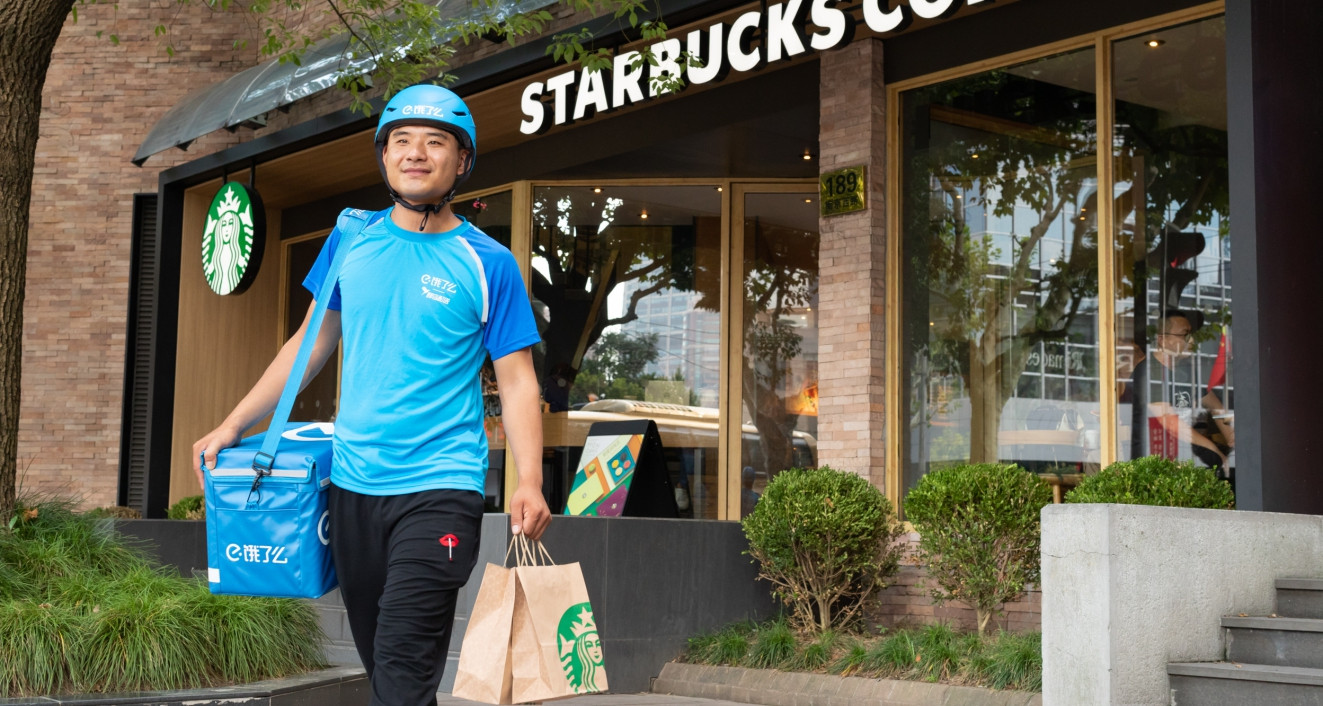
    Starbucks South Korea has opened its largest store yet, celebrating the brand’s 21st anniversary in the country.

    Located in Yangpyeong, Gyeonggido near the Namhan River, the store spans three floors and occupies a 1203sqm area and has a design unlike any other in the market.

    “The new store is a reflection of Starbucks commitment to offering more ways for customers in Korea to enjoy the Starbucks Experience,” the company said in a statement.

    The Yangpyeong store is also the first Starbucks in the country to feature a Reserve coffee bar, Teavana bar and drive-thru format together.

    The company said the store is “a new experience” for local customers, incorporating an interactive space and the convenience of the drive-thru. Starbucks is to invite local talent to perform on the store’s rooftop to celebrate the launch.

  • Lawson unveils portable convenience stores in China

    Lawson unveils portable convenience stores in China

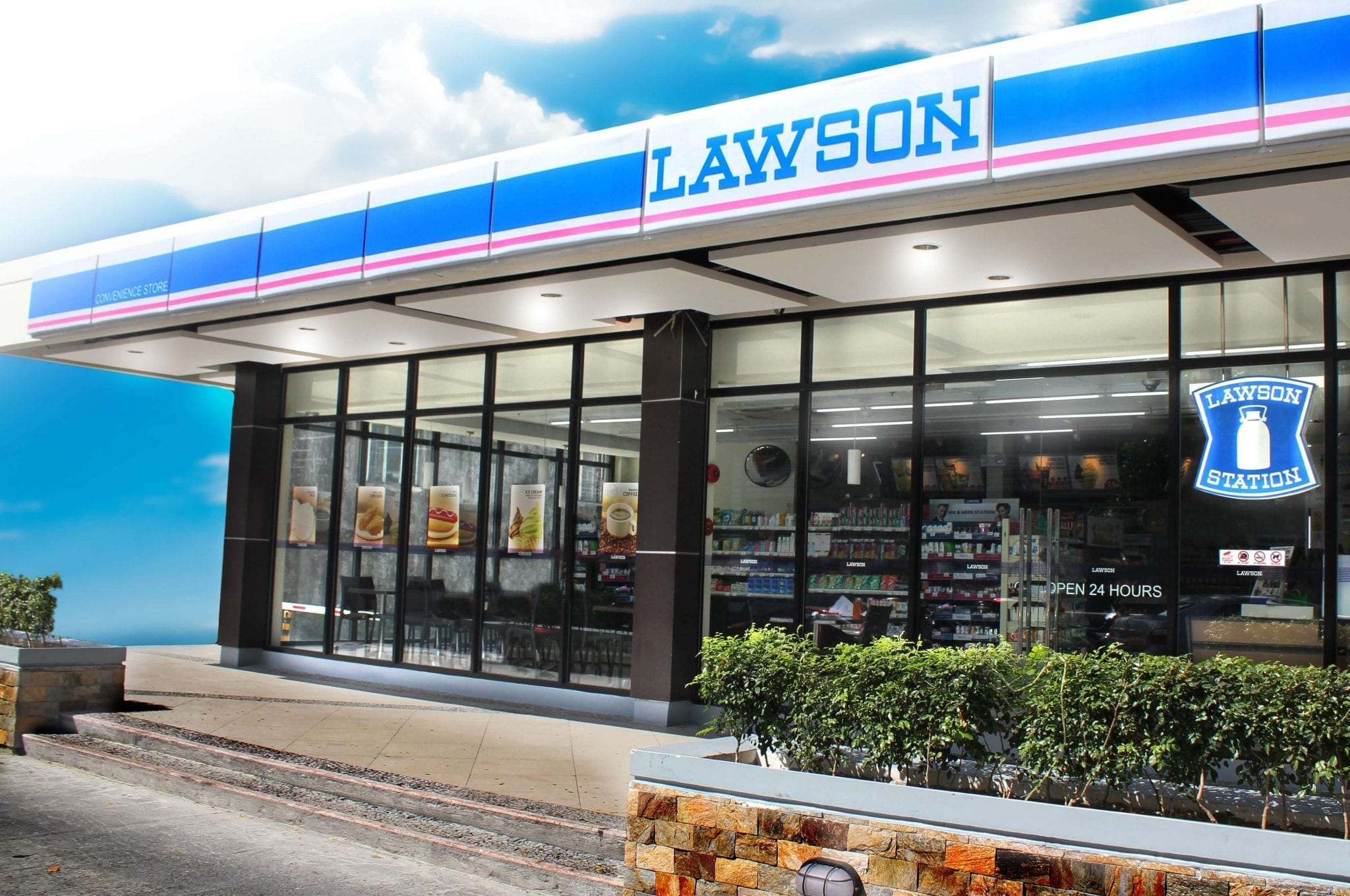
    Japanese convenience-store chain Lawson is launching a series of prefabricated stores in China.

    The brand will launch the service from this week, with the first outlet opening in Nanjing. Using the prefab structures will reduce construction costs by 40 percent and allow for flexible growth, the company says. Around 10 stores are expected to be operational by the end of the year.

    There are two varieties of Lawson’s prefab buildings, which were created in partnership with Panasonic. The stores have heat insulation to cut power costs and can be relocated to other areas if a location closes. The larger store layout is a little smaller than a regular 80sqm minimart, while the smaller is a kiosk suitable for transit stations.

    The stores may prove a viable counter to the rise of online shopping during the coronavirus era, owing to their ability to open in small areas that enjoy considerable foot traffic.

    Lawson, which operates 2700 outlets in China, has indicated plans to roll out prefab stores in Japan in the future as well.

  • Sheng Siong Group boosts sales during virus lockdown

    Sheng Siong Group boosts sales during virus lockdown

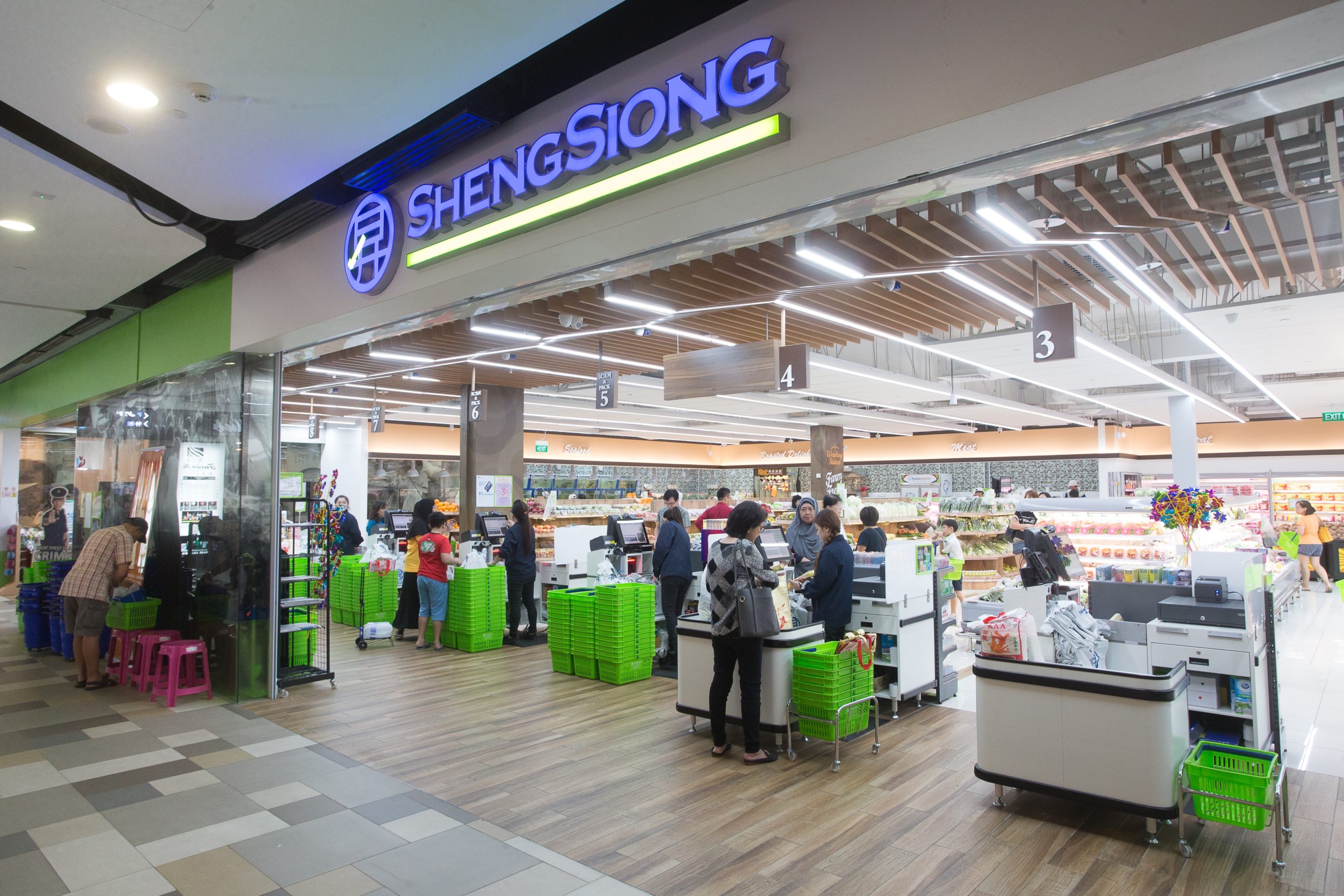
    Singapore consumers’ migration from food halls to supermarkets during the Covid-19 pandemic has proven a windfall for grocery operator Sheng Siong Group.

    Sales for the June quarter surged 75.8 percent to US$304.3 million, gross profit margin improved from 27.4 percent to 28.1 percent and net profit soared 150.7 percent year on year to $33.6 million.

    While new stores accounted for 13.3 percent of the 75.8-per-cent increase in sales the vast majority of the balance came from same-store turnover.

    “This was mainly driven by the elevated demand arising from Covid-19, as consumers stocked up to hedge against the risks of disruption to the supply chain and the implementation of the “Circuit Breaker” restricting people’s movements and forbidding eating out, thereby benefiting retailers of fresh and uncooked food,” the company said in a statement.

    However, the company has warned the gradual easing of restrictions on Singaporeans’ movements it expects the elevated demand for goods fuelled by Covid-19 will ease.

    “Competition in the supermarket industry is expected to remain keen and challenging among the traditional brick-and-mortar operators and e-commerce platforms which seem to have gained better visibility because of the Circuit Breaker,” the company said. “Demand may be affected if post-Covid-19, economic recovery is slow or remains depressed.”

  • Brewer Sabeco sees profits plummet

    Brewer Sabeco sees profits plummet

    Vietnam’s largest brewer Sabeco saw its H1 post-tax profit fall 31 percent year-on-year to VND1.93 trillion ($83 million) over Covid-19 pandemic impacts. Revenues fell 35 percent to VND12 trillion ($518 million), 89 percent of it from beer, and the rest from wine and other beverages.

    The company, owned by Thai beverage giant ThaiBev, said that the profit plunge came as Vietnam imposed social distancing measures and closed “non-essential” businesses to contain the novel coronavirus. Authorities ordered most businesses, including restaurants and bars, to close in March and April.

    Vietnam’s new regulations on drunk driving have also impacted on its business, Sabeco said. The country’s new regime of fines – up to VND8 million ($345) for DUI motorbike drivers and VND40 million ($1,730) for car drivers have kept drinkers away from restaurants and bars. Sabeco forecasts a post-tax profit fall of 37 percent this year to VND3.25 trillion.

  • Yum China committed to fuel network growth despite Covid-19’s impact on profit

    Yum China committed to fuel network growth despite Covid-19’s impact on profit

    Not even a deadly pandemic is slowing Yum China’s rapid expansion program, with the company on track to open 850 stores this year.

    Yum China this month marked its 10,000-store milestone, opening a KFC in Bo’ao, Hainan province, and CEO Joey Wat says Covid-19 won’t impact this year’s store rollout plan.

    “With our innovation capabilities, strong digital strategy, and resilient business model, I believe we will emerge from this pandemic stronger than ever, and ready to capture the exciting long-term market opportunity in China.”

    Wat’s comments accompanied the release of second-quarter results showing Yum China sales recovered from the lockdown-hit first quarter. However, while 99 percent of stores had reopened by the end of June, sales and profit were “trending unevenly”. Sequential sales growth in April and May, was followed by softening revenues in June, impacted by reduced foot traffic at transportation and tourist locations.

    “These factors and the lingering effect of Covid-19 continue to impact operations in July,” the company said.

    Total sales fell 11 percent year on year to US$1.9 billion, or by 7 percent excluding the effect of exchange rates.

    Total system sales declined 4 percent year on year, falling 6 percent at KFC and 12 percent at Pizza Hut, while same-store sales fell by 11 percent: 10 percent at KFC and 12 percent at Pizza Hut.

    Yum China used digital channels to drive sales during the quarter as a means of adapting to a changing retail environment under the shadow of Covid-19. Delivery and takeaway sales grew strongly over the previous year and now account for more than half of all sales. Purchases by members of Yum China’s loyalty programs grew at a double-digit rate and now account for 60 percent of turnover. About 80 percent of orders were completed digitally.

    What is positive about the company’s prospects despite the pandemic concerns.

    “Our business model is resilient and adaptable. We quickly adjusted our operations and marketing campaigns to meet evolving consumer preferences and market limitations. Rapid innovation, our leading digital infrastructure, and our membership program supported product launches and value offers that were necessary to drive traffic. We protected margins through the flexible cost structure we have developed and optimized over the years. These, along with our other core capabilities such as supply chain and operations, make me confident in our ability to navigate the challenges ahead.”

    Yum Brands entered China in 1987 with a single KFC store in Beijing, later launching Pizza Hut and Taco Bell. The company also operates the East Dawning, Little Sheep, Huang Ji Huang and Coffii & Joy brands, with stores in more than 1400 cities and towns across Mainland China.

  • Starbucks sales under pressure by Covid-19

    Starbucks sales under pressure by Covid-19

    Third-quarter results for coffee giant Starbucks show a drop in sales globally as the firm continues to battle a business climate heavily impacted by the coronavirus pandemic.

    Global store sales were down 40 percent on pre-pandemic projections, driven by a 51-per-cent decrease in comparable transactions, partially offset by a 23-per-cent increase in average ticket.

    Starbucks’ performance in China compared favorably to global figures while still following identical trends. Within the market, comparable-store sales were down 19 percent, with transactions down 27 percent, although there was a 10-per-cent increase in the average ticket.

    The American market, hardest hit by the pandemic, was a significant drag on global figures, which covered a 13-week period to June 28.

    “Since the beginning of the Covid-19 outbreak in January, we have taken a principled approach to navigate the crisis, true to our mission and values,” said Starbucks President and CEO Kevin Johnson. “We are pleased to share that the vast majority of Starbucks stores around the world have reopened and our global business is steadily recovering, demonstrating the relevance of the Starbucks brand and the trust we have built with our customers.

    “As we continue to drive the recovery, we are also building resilience for the future by accelerating the transformation of our business in ways that will elevate the customer and partner experience and drive long-term growth.  We firmly believe that we are well-positioned to regain the positive business momentum we had before the pandemic began and look forward to reigniting our ‘Growth at Scale’ agenda.”

  • Taco Bell Joins Hands with foodpanda to Beat Your Hunger

    Taco Bell Joins Hands with foodpanda to Beat Your Hunger

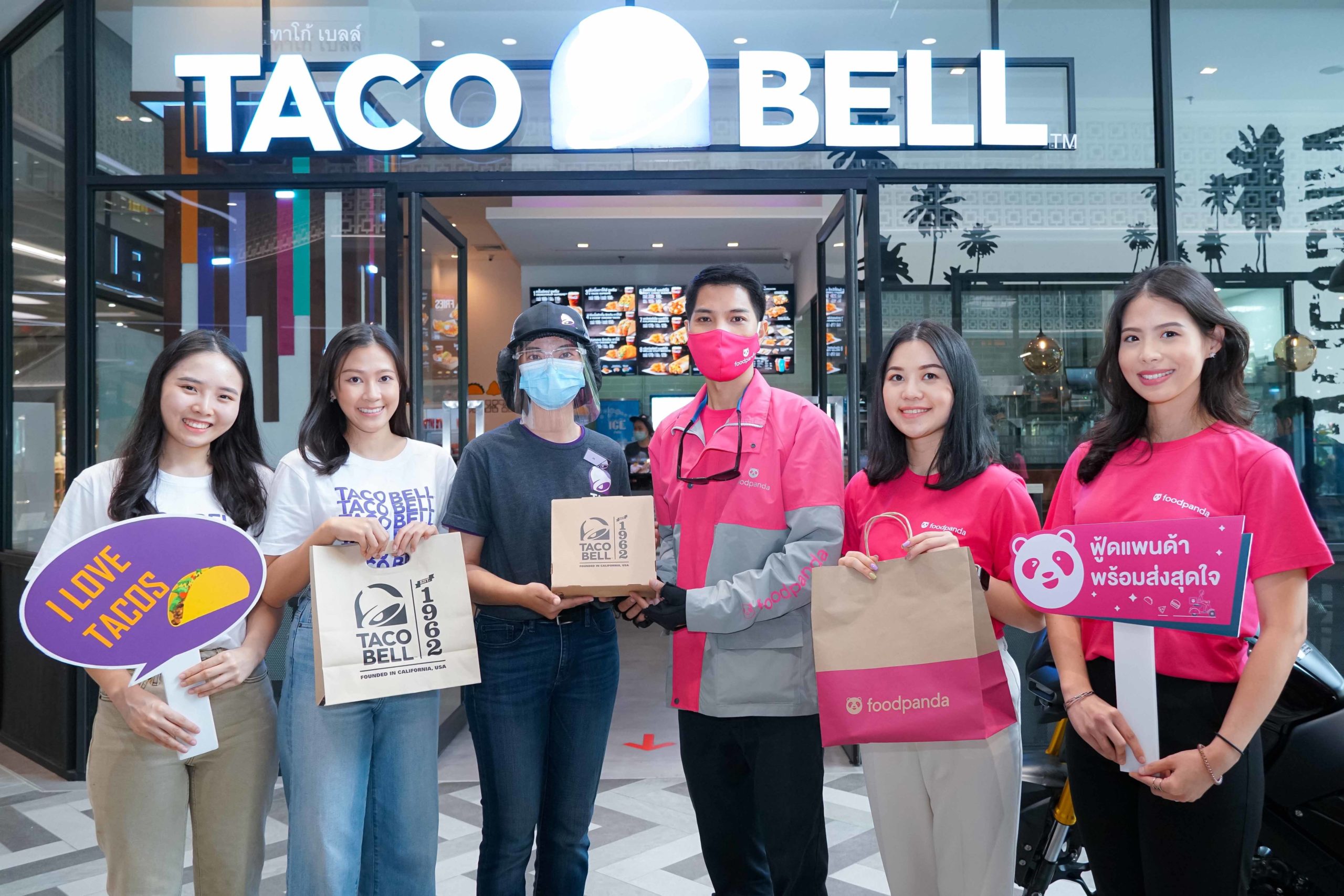
    Taco Bell, the world-famous Mexican food chain join hands with foodpanda, the first online food delivery service in Thailand, launched its exclusive “Beat Your Hunger” promotional campaign, offering a 20% discount for Taco Bell special bundle sets: Couple Set, Family Set and Party Set, starting from 5 August to 30 September 2020.

    Mr. Chalermchai Mahagitsiri, President and CEO of TTA and Director of Siam Taco Co., Ltd., said “Partnering with foodpanda combines both companies’ strengths and excellent service, which customers will perceive as valuable benefits.   The “Beat Your Hunger” promotional program will enable Taco Bell to attract new customers and encourage repeat orders from existing customers.  We believe that our customers will feel greater convenient to place order with foodpanda, thus, our sales volume from delivery order will be increased.”

    Come Reward Yourself with delicious Taco Menu from Taco Bell. Currently, Taco Bell operates 6 branches in Thailand: The Mercury Ville @Chidlom, Siam Paragon, Central Pinklao, Samyan Mitrtown, Central Westgate, and Sukhumvit Soi 11. Every store adheres strictly to safety measures in accordance with government policy and guidelines set by the Centre for the Administration of the Situation due to the Outbreak of the Communicable Disease Coronavirus 2019 (COVID-19). For further details on Taco Bell activities, news and promotions, please visit Facebook: facebook.com/TacoBellTH, IG: @TacoBellTH, Twitter: @TacoBellTH, and Line: @TacoBellTH.

  • DFS Group Partners with Orion Beer on Exclusive Summer Promotion

    DFS Group Partners with Orion Beer on Exclusive Summer Promotion

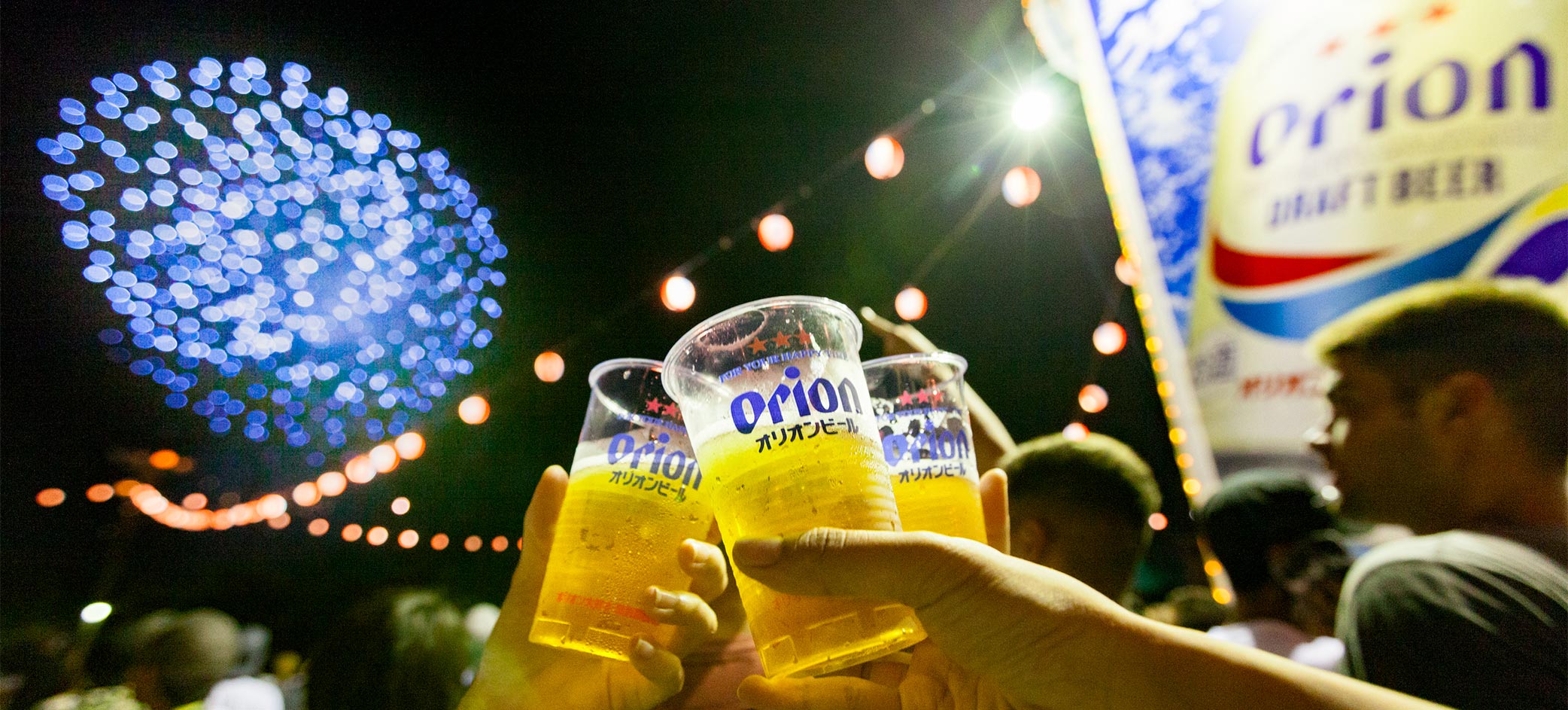
    DFS Group, the world’s leading luxury travel retailer, has partnered with leading Okinawan brewery Orion for the first time to offer customers a chance to receive a limited edition beer. Available exclusively at T Galleria by DFS, Okinawa from July 23 to August 16, customers are invited to visit the store to find clues and complete a scavenger hunt before getting a taste of the special brew.

    “We are delighted to partner with Orion, one of Okinawa’s best-known breweries, for the first time to give our customers a refreshing surprise this summer,” said Richard Gustafson, Managing Director Japan and Mid Pacific, DFS Group. “We hope visitors to our island will enjoy discovering the exciting array of luxurious items in our T Galleria by DFS, Okinawa store, as well as tasting a limited-edition beer from Orion.”

    Fans of DFS and Orion can scan the QR code in-store or visit the DFS Japan Official Instagram account (@DFSJapanOfficial) before stopping by T Galleria by DFS, Okinawa. Customers can search the store and ask DFS staff for hints and tips, and upon completing the scavenger hunt, simply present the confirmation message to the Main Reception to receive a Limited Edition Orion Beer. Customers who shop in-store can also receive a DFS water bottle upon any purchase.

  • ShopBack users can now enjoy extra savings on all GrabFood orders

    ShopBack users can now enjoy extra savings on all GrabFood orders

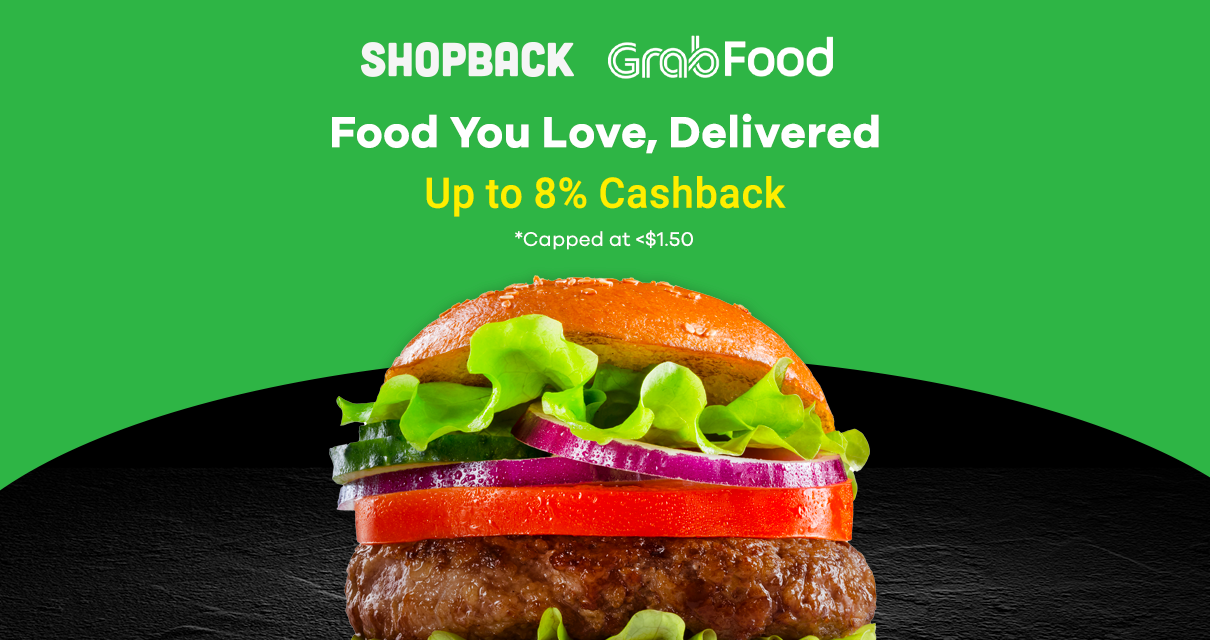
    GrabFood has officially launched on ShopBack, enabling 1.5 million ShopBack users in Singapore to enjoy cashback on their GrabFood orders. Users can now save a little extra when they are placing a food delivery order from their favorite F&B outlets, including McDonalds, Playmade, and Din Tai Fung.

    • New GrabFood customers will get 8% cashback (capped at $1.50)

    • Existing GrabFood customers will get 2% cashback (capped at $0.40)

    To access these rewards, users have to first launch the ShopBack app, then type in “GrabFood” in the search bar or click on “GrabFood” under the New Stores on ShopBack section. This will redirect the user from the ShopBack app to the GrabFood app, allowing for the cashback to be tracked. The user should have the latest version of Grab installed.

    “We are thrilled to add GrabFood to our growing line-up of merchants. The pandemic has resulted in many preferring to consume their meals from the safety of home, and this partnership will help to facilitate the shift in consumer behavior from restaurant dine-in to pick up, takeaway, and delivery. We have also received many requests from our users to on-board GrabFood, and today, we are happy to be able to make this a reality and bring even more cashback options for our users,” said Joel Leong, Co-founder of ShopBack.

    A recent report by Facebook and Bain & Company found that there has been a shift to value-for-money purchasing across Southeast Asia as conservatism sets in, as 57% of survey respondents cited ‘value’ among their top-three purchasing considerations. This is more pronounced in Singapore, where around 70% cite ‘value’ as a top consideration.

    “Singaporeans are passionate about food and appreciate the convenience. Also, true to our kiasu nature, we never want to miss out on a good deal and we are constantly seeking out value. As such, this partnership with GrabFood has all the right ingredients for success,” added Leong.

    “As one of the leading digital lifestyle apps in Singapore, we are always finding new ways to create more value for our customers with every dollar they spend on our products and services. We are therefore pleased to be able to launch GrabFood on ShopBack. At a time when consumers increasingly seek out apps and platforms that empower their digital lifestyles, we are confident that this partnership can serve their evolving needs,” said Gillian Ang, Head of Marketing for Grab Singapore.

    ShopBack is available for download on the App Store and Google Play for free.

  • Masan fails to buy out Vinacafe

    Masan fails to buy out Vinacafe

    Conglomerate Masan has not been able to buy out instant coffee producer Vinacafe Bien Hoa JSC due to unfavorable market conditions. Its subsidiary Masan Beverage Company Limited could only purchase a 0.3 percent stake in the coffee producer via order matching between June 17 and July 16, against a plan to purchase 1.51 percent to fully own the company.

    Masan Beverage owns 98.79 percent of Vinacafe, in which it has been buying stakes since 2011.The most recent transaction occurred in February 2018 when it bought nearly eight million shares for VND1.6 trillion ($69 million) to increase its holding to 98.49 percent. Ticker VCF of Vinacafe on Friday closed at VND208,000 ($9), up 16.8 percent from the start of the year.

    The company, established in 1968 and among the most popular instant coffee brands in Vietnam, targets net revenues and net profits this year of VND3.3 trillion ($142 million) and VND780 billion ($33 million), respectively.

  • Carrefour launches new pet-store concept

    Carrefour launches new pet-store concept

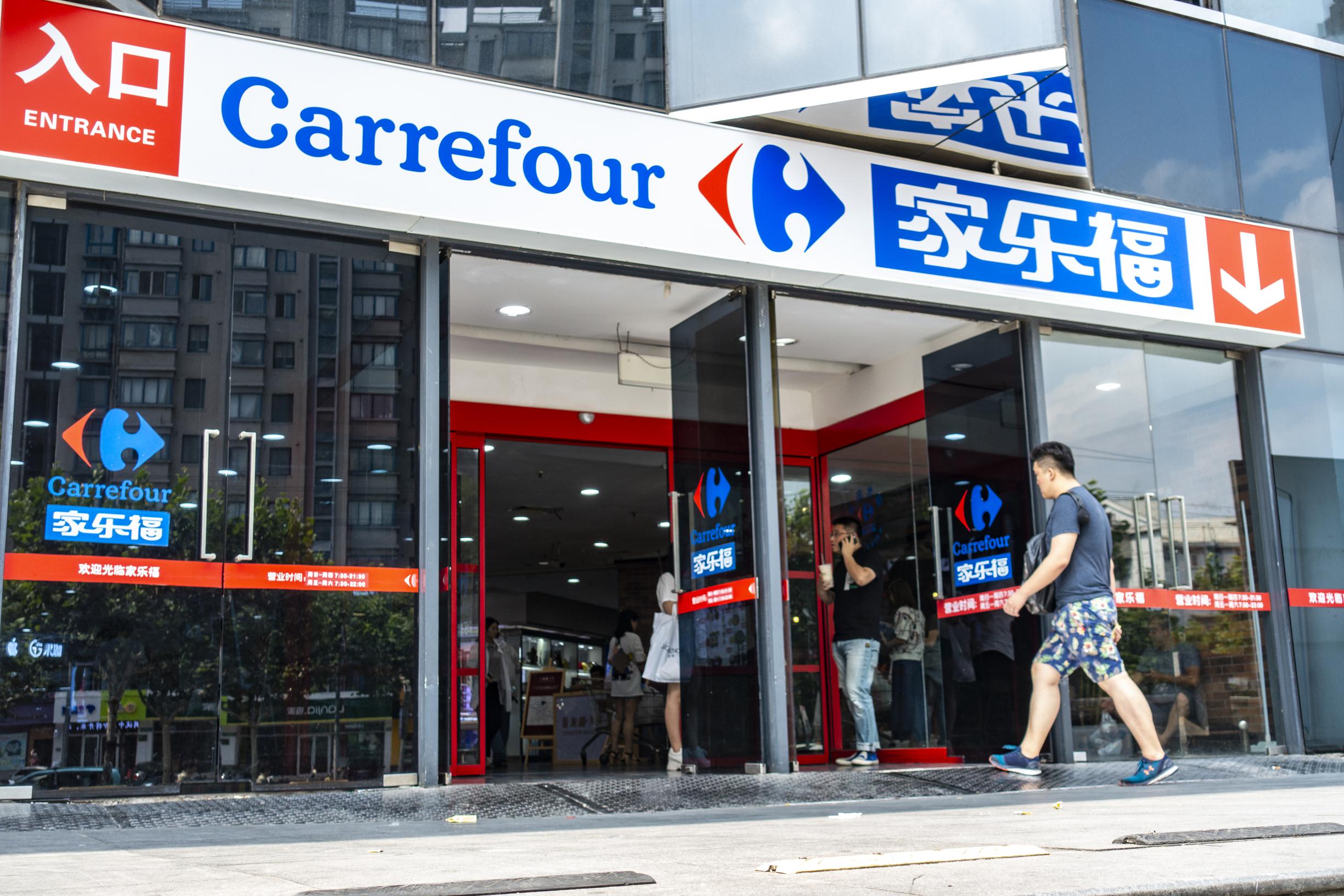
    French supermarket chain Carrefour has launched a new pet store concept in Paris, in collaboration with Invivo Retail’s pet care brand Noa.

    The new 190sqm shop-in-shop opens at the Saint-Brice-sous-Foret hypermarket to the north of the city, featuring a broad selection of pet care products (including specialist brands) sold by expert vendor-advisers responding to an increasing trend in owner investment in pet health and wellbeing coupled with rising demand for personal advice and support from experts.

    Visitors to the store can elect to have their pet’s wellbeing checked in the “paravet” area as they shop.

    “The Noa concept is in line with Carrefour’s desire to provide new in-store shopping experiences through special offerings and bespoke advice for dogs and cats,” said Carrefour Hypermarkets in France executive director Marie Cheval. “It’s a unique retail initiative.”

    “This project is in line with our plan to transform, accelerate and give impetus to our new Noa pet care brand as part of an original shop-in-shop concept,” said Invivo Retail CEO Guillaume Darrasse, “enhancing the customer experience and more specifically serving animal lovers”.

  • Locals help rebooting Macau retail and restaurant activity

    Locals help rebooting Macau retail and restaurant activity

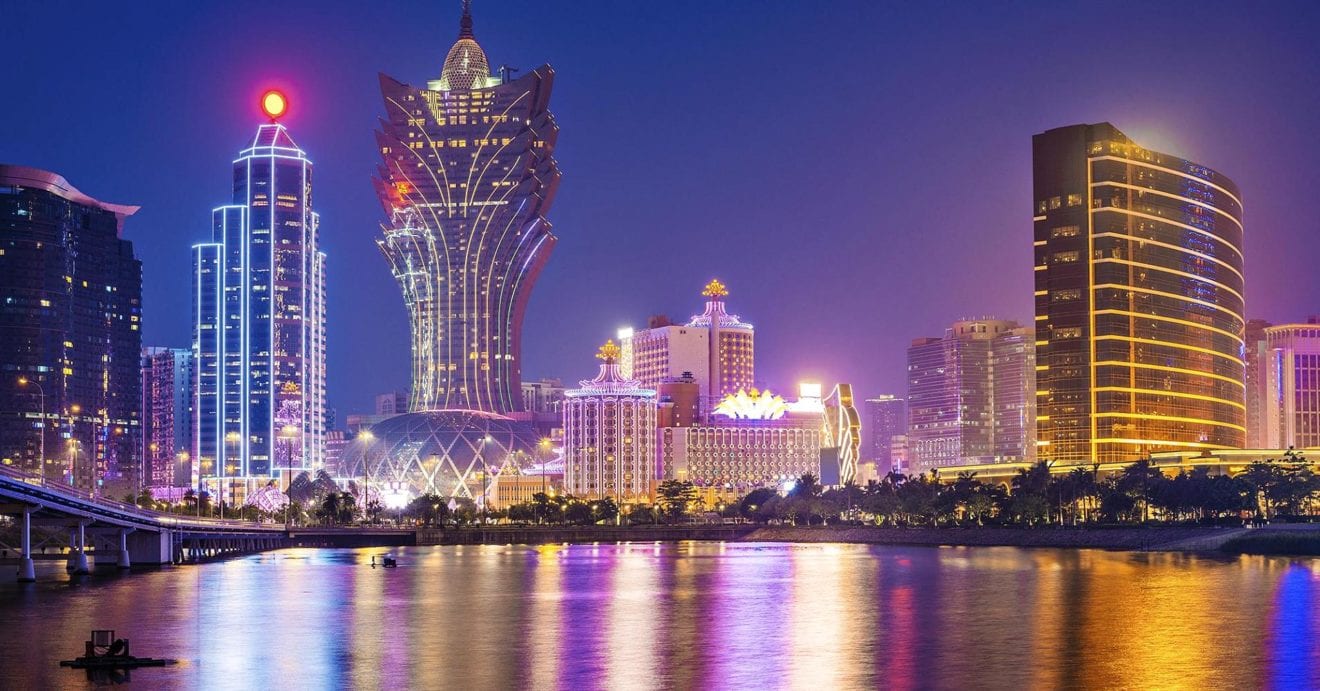
    Supportive measures for the Macau retail and restaurant trade resulted in a mild improvement in business during May, according to official data.

    According to a Statistics and Census Service report, 17 percent of restaurants surveyed in the special administrative region recorded a year-on-year increase in revenue during the period, 12-per-cent higher than those reporting increases during the previous month.

    The remaining restaurants continued to see declines in revenue during a period that continued to suffer from the heavy impact of the coronavirus pandemic.

    Similarly, 16 percent of retailers questioned saw sales increases during May this year compared to the same period last year, 7 percent higher than reported year-on-year rises during April.

    A quarter of restaurant businesses are now anticipating comparative upticks in revenue or steady revenues to be reflected in their June results – while 21 percent of retailers expect the same.

  • Sandwich chain Isaac Toast opens in Hong Kong

    Sandwich chain Isaac Toast opens in Hong Kong

    Renowned for being ‘the breakfast staple of Koreans’, sandwich chain Isaac Toast has just opened its second store in Hong Kong – seven months since its debut at Sha Tin’s New Town Plaza.

    The new store is located inside Langham Place shopping center in Hong Kong’s Mongkok district.

    Isaac Toast has been on the radar for many Hongkongers thanks to the Korean culture wave and was met with much anticipation during its launch with long queues. However, customers were vocal with their disappointment on restaurant guide platform OpenRice for long waits and quality inconsistencies.

    Despite that, Isaac Toast looks set to continue to expand in Hong Kong now it has a second outlet trading. The brand currently has more than 800 stores in its home market and has also expanded abroad into Macau, Taiwan, the Philippines, Singapore and Malaysia, to name a few.

    Meanwhile, South Korean coffee chain Tom n Toms went into liquidation in Hong Kong, shuttering all five its stores at the start of the year after succumbing to the depressed Hong Kong retail market.

  • Craze for Starbucks Korea’s reward items appears unstoppable

    Craze for Starbucks Korea’s reward items appears unstoppable

    Amid the hype for Starbucks Korea’s small suitcases offered under its reward program, customers’ competition to get camping chairs, another promotional item, ran high this week ahead of an end to the seasonal event.

    On May 21, Starbucks kicked off a summer promotional event that finished today, giving away limited editions of goods to customers under its “e-frequency” rewards program.

    To secure one of two “summer-ready bags” or one of three foldable “summer chairs,” a person needed to drink 17 beverages, including three seasonal ones.

    It’s a seasonal event, but this year, the craze to secure pink or green summer-ready bags was high enough to see the formation of long queues in front of Starbucks outlets nationwide at dawn.

    As stockpiles for the suitcases recently ran out, customers’ last-minute race to get camping chairs heated up early yesterday morning.

    People’s repeated search for the number of remaining chairs with the Starbucks app caused the application’s functions to freeze at one point, according to the company.

    “Since I got a summer chair in early June, I’ve made several attempts to receive a green bag. But I gave up after seeing some 50 people waiting in front of me when I arrived 30 minutes earlier than the opening hour,” said a 39-year-old office worker surnamed Jung.

    Indeed, demand for the summer-ready bags, in particular the pink ones, ran high, riding on the popularity of products targeting “home camping clans” during the new coronavirus outbreak.

    In late May, one customer purchased 300 cups of coffee at once at a Starbucks branch in Seoul’s financial district of Yeouido. Snatching 17 summer bags, the person reportedly took just one cup and left the rest behind in the store.

    The move caused an uproar as the remaining 299 cups were said to go down the drain.

    The Starbucks gift items and stamp-like e-frequency rewards are being traded on local secondhand marketplace applications, including Danggeun Market.

    To collect 17 e-frequency stamps costs less than about US$75 when a customer buys 17 drinks including 14 tall-sized Americanos.

    Someone posted a pink suitcase for sale on the online Danggeun Market yesterday for $100.

    “I sold 10 e-frequency stamps that I’ve collected for $3 within three minutes of putting them up for sale,” said a 29-year-old office worker surnamed Lee.

    “I got two Starbucks chairs earlier this month, but it’s hard to explain why people, including me, have been so into the craze.”