Category: Food

Retail News Asia is committed to providing both local and global retailers with the latest Food and Food & Beverage news throughout the Asian market. This on a daily base.

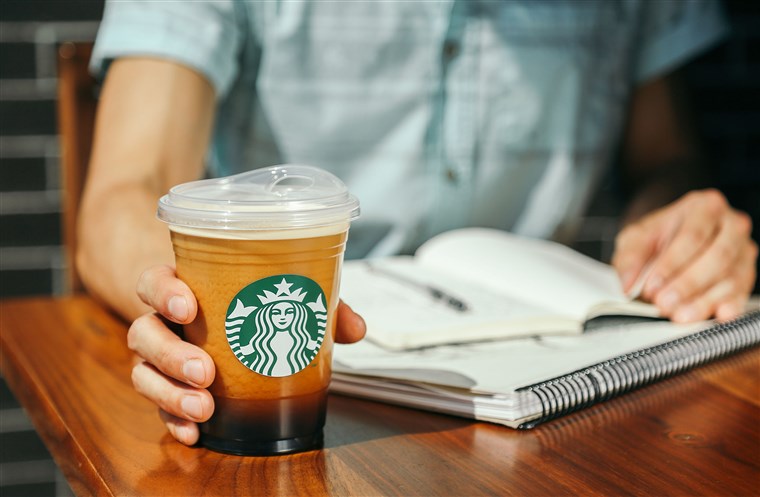
  • ‘Starbucks Now’ starting with four Alibaba apps

    ‘Starbucks Now’ starting with four Alibaba apps

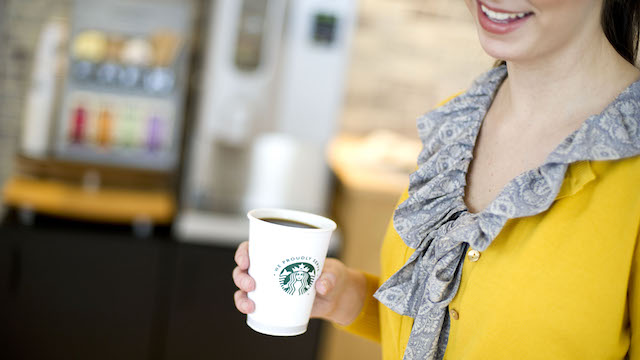
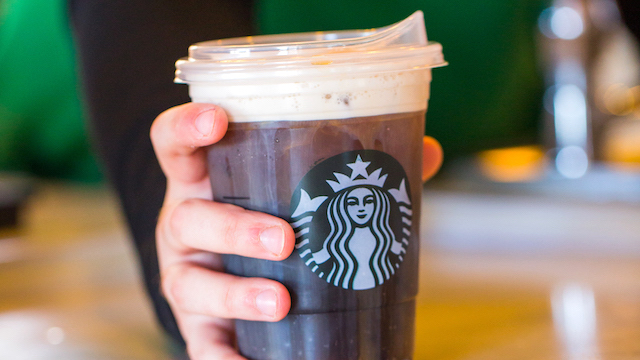
    Starbucks Coffee is introducing its own mobile order and payment system in the Mainland Chinese market as a feature on Alibaba platforms Taobao, Amap, Koubei, and Alipay.

    The Starbucks Now (“Fei Kuai”) service can be used by Starbucks customers to pre-order and pay for their beverages and food online before in-person pick-up at local stores, providing a measure of convenience whether at home or traveling.

    The feature was previously only available in Starbucks China’s own mobile app. The extension of service into the Alibaba digital economy via its cross-functional Alibaba Business Operation System (ABOS) gives Starbucks a channel into the online giant’s user base of close to a billion customers.

    “The Covid-19 pandemic highlights the importance of digitalization, which is the cornerstone for any successful brand in China,” said Alibaba Group VP Toby Xu. “Alibaba is committed to bolstering businesses’ digital firepower through ABOS

    “Through this partnership, we will continue to support Starbucks in expanding its digital service offerings across China to meet ever-evolving customer preferences and create long-term value.”

    Starbucks has collaborated with Alibaba since 2018, leveraging the firm’s Ele.me service to deliver Starbucks beverages to users’ homes.

  • India’s Cafe Coffee Day shuts 280 stores

    India’s Cafe Coffee Day shuts 280 stores

    Indian coffee chain Cafe Coffee Day shuttered 280 outlets between April and June due to low profitability and potentially rising costs.

    The firm, which now operates 1480 outlets, has also reported a decline in average daily sales from 15,739 cups to 15,445 cups during the period. This was counterbalanced by an uptick in Coffee Day’s vending machine count from 49,397 to 59,115 units year on year.

    “Export operations have been temporarily stopped due to lower margins and higher working capital requirement and around 280 outlets are closed during the quarter based on various factors including the profitability, future increase in major expenses,” said a spokesperson for the firm.

    The firm has struggled since the apparent suicide of founder VG Siddhartha a year ago. Siddhartha founded Coffee Day Enterprises in the late 1990s, years before Starbucks made its Indian debut, building a network of 1700 outlets – 10 times the size of Starbucks.

  • Japanese cheap eatery operator Ootoya set for ownership fight

    Japanese cheap eatery operator Ootoya set for ownership fight

    A long-running feud for control of a Japanese provider of home-cooked meals Ootoya has spilled out of the boardroom and into the kitchen.

    Colowide, which owns multiple restaurant chains in Japan, is seeking to take control of Ootoya Holdings, a well-known operator of cheap and convenient eateries that serve what it describes as “mom’s food.” Having failed in an earlier bid to install its preferred slate of directors, Colowide earlier this month launched a tender offer aimed at boosting its share in Ootoya to a majority and give it control of the company.

    Ootoya on Monday formalized its opposition to the offer, setting up a proxy fight for the future of the franchise at a time when the restaurant business in Japan, as in much of the world, is struggling to stay afloat due to the coronavirus pandemic. Restaurants have had to cut back on hours, staffing, and capacity to comply with social-distancing measures, eroding their profitability.

    At its heart of the struggle in Japan is a dispute over the place of kitchens: Ootoya makes its traditional Japanese meals on-site in each restaurant and argues this is crucial to its business. Colowide wants to modernize the chain and integrate into its network of central kitchens, hubs that can serve multiple restaurants at once.

    The struggle also highlights how hostile takeovers, once frowned upon in Japan, are increasingly becoming an option for management feeling ever-greater pressure from shareholders to boost long-term sluggish performance.

    The battle has its roots in the sudden death in 2015 of Hisami Mitsumori, the man who built the Ootoya brand. Following a reported clash with CEO Kenichi Kubota, Mitsumori’s son Tomohito left the company, and he and his mother eventually sold their sizable stakes in Ootoya to Colowide in 2019. Kubota himself is also a cousin of Mitsumori.

    Colowide first tried to install its preferred slate of directors, which included Tomohito Mitsumori, only for shareholders to roundly reject the proposal last month. Colowide is now offering 3081 yen (US$28.74) per share to take its stake above 51 percent. That’s a 46-per-cent premium to the closing price before the offer, with shares closing at 2934 yen on Monday.

    Ootoya’s management has hit back, accusing Colowide of bungling past takeovers, including that of Kappa Sushi, acquired in 2014 and which Ootoya says has trailed rival sushi outlets. In its statement of opposition to the tender offer, it warned shareholders that a successful Colowide bid would put Ootoya’s business in jeopardy. A group of more than 400 restaurant employees on Friday said they opposed the deal.

    “We do not view Colowide as being in good shape to drive a turnaround of Ootoya,” Mio Kato, an analyst at LightStream Research who publishes on Smartkarma, wrote in a note on July 9. “This looks to be a potential acquisition of a struggling company by a financially weak and in our view, also struggling company, during a crisis period for their industry.”

    “I have no intention of ever changing our style of cooking in-store,” Kubota told Nikkei Business magazine in an interview in May, before the bid had been finalised. “A tender offer is not illegal, but would be in extremely bad faith.”

    One intriguing complication is Ootoya’s retail-heavy shareholder base. Most of Ootoya’s shares are in the hands of individual investors, with many holding the stock long term in order to claim “yutai” shareholder gifts, which include free meals an
  • Ikea expands famous meatball range to include plant-based option

    Ikea expands famous meatball range to include plant-based option

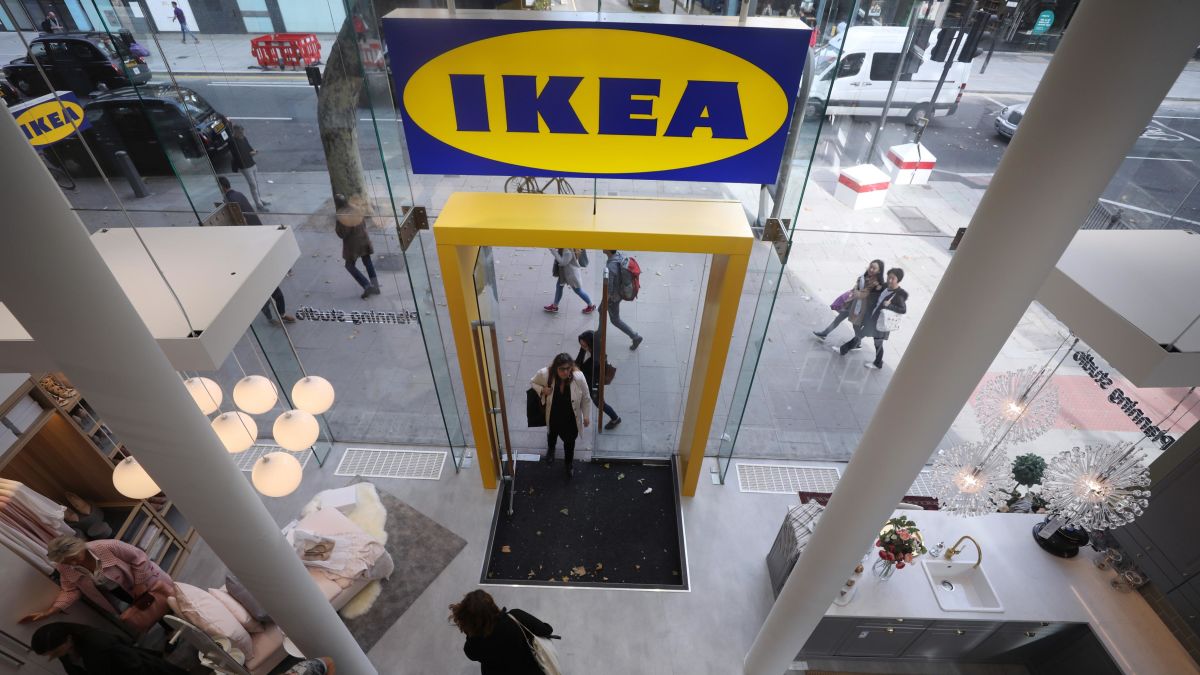
    The Swedish retailer Ikea’s famous meatballs have gone vegetarian with a new plant-based option going on sale in Europe, and headed for Asia Pacific soon.

    Meanwhile, in Hong Kong, the current packaged Ikea frozen meatballs and other foods have gone on sale in Market Place supermarkets operated by Dairy Farm Group, which is also the Hong Kong and Macau operator of Ikea stores.

    The ‘plantballs’ from Ikea are made with fresh ingredients such as yellow pea protein, oats, onion, apples and potatoes to recreate the classic dish for the health-conscious market. Ikea said in a statement that the new plant ball only has 4 percent of the carbon footprint of the original food.

    The new range will launch in the EU next month before becoming available in Ikea stores in North America, the Middle East and the Asia Pacific after a few months.

    “At Ikea, we sell more than 1 billion meatballs every year. Imagine if we could get some of our many meatball lovers to choose the plant ball instead. If we were to convert about 20 percent of our meatball sales to plant balls that would mean around the 8-per-cent reduction of our climate footprint for the food business at Ikea,” said Sharla Halvorson, health & sustainability manager for Ikea international.

    Ikea said it targets to inspire more consumers to have more sustainable eating and lifestyle habits that can create a positive impact to others and the environment.

    “In order to reduce the climate footprint of the Ikea food business, we need to reduce the number of traditional meatballs that we sell. With the new plant ball we can now offer meat lovers a more sustainable alternative – without compromising on the Ikea meatball experience that is loved by so many,” explained Sharla.

    It will be available at the Ikea restaurants which will be served with mashed potatoes, lingonberries and cream sauce. Shoppers can also purchase a bag of frozen plant balls from the Swedish Food Market to cook at home.

    “In the development phase of the plant ball our key objective has been to recreate the meat-like taste and texture, only using plant-based ingredients. We have tried and tested different ingredients and methods and we are very pleased with the final results,” said Alexander Magnusson, chef and project leader at Ikea food.

  • Dean & Deluca owner bids to buy back business it bankrupted

    Dean & Deluca owner bids to buy back business it bankrupted

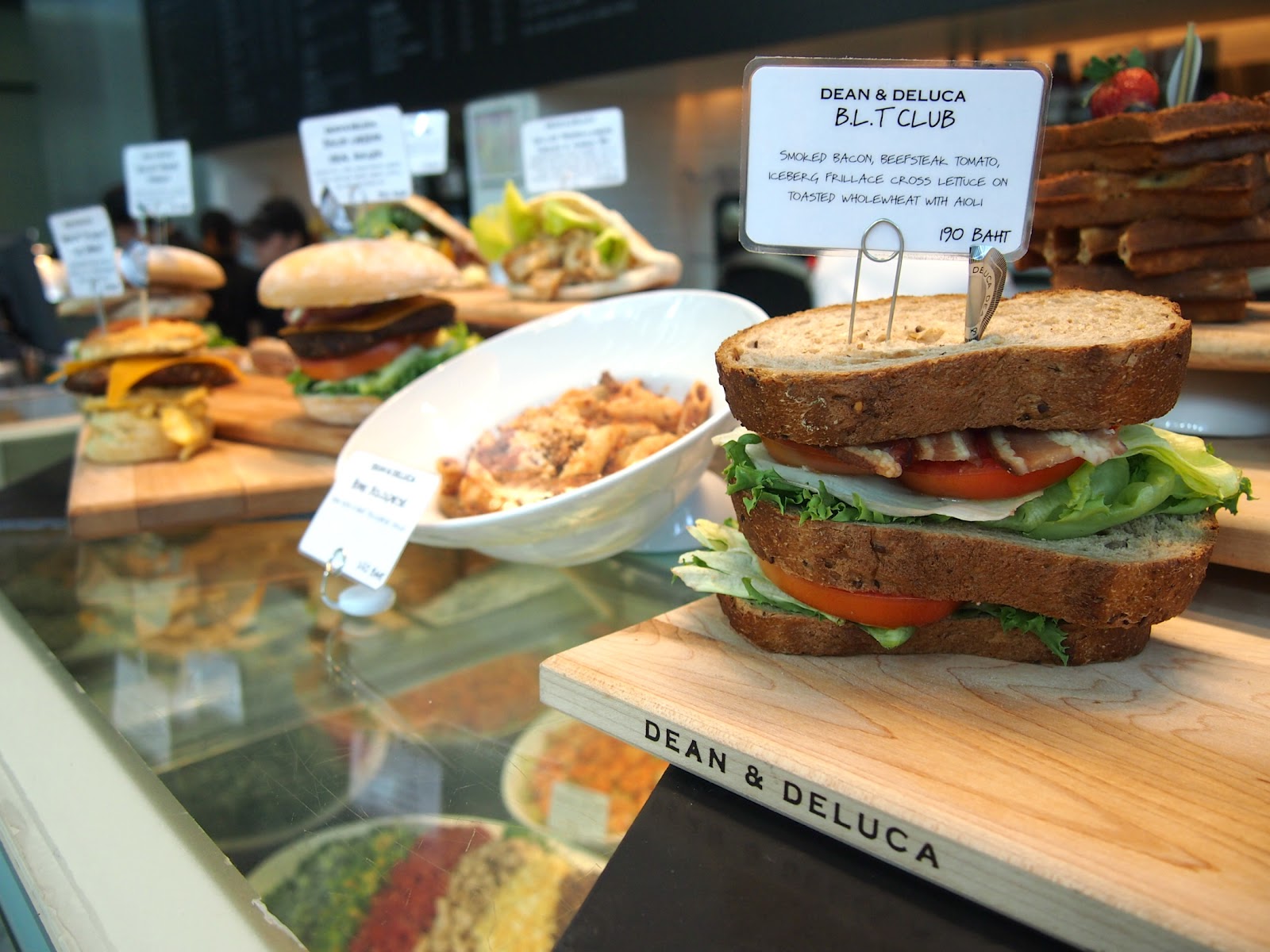
    Thailand’s Pace Corporation, the firm responsible for bankrupting its gourmet grocery business Dean & Deluca earlier this year, has bid US$10 million to buy back the firm.

    The firm has offered to use half of the investment as a gesture towards creditors, owed $26.5 million by the failed business, which would represent a payout of less than 20 cents in the dollar.

    “Dean & Deluca overexpanded and lost what made them special,” debt expert Adam Stein Sapir said. “But if they can bring it back to its former glory with a smaller footprint, it has a lot of potentials.”

    The firm’s financial distress dates back well before the advent of the Covid-19 pandemic, with a history of legal filings against Dean & Deluca for nonpayment of bills going back to 2018 after Pace had spent $240 million on expansion. Its self-owned US retail stores and online shopping portal have been closed since the middle of last year.

    The original Dean & Deluca US store opened in Soho in 1977, earning the nickname “museum of fine food”. It claimed to be the first retailer in the US to sell radicchio, balsamic vinegar and sun-dried tomatoes. But over time its exclusivity waned – as one food writer observed: “You can buy extra virgin olive oil on Amazon now”.

    The brand’s value has shrunk from $55 million to $12 million since the closures of the majority of its outlets.

    Meanwhile, Dean & Deluca continues to expand across Asia via its separate Asian entity and partnerships with franchisees and JV partners, although a recent foray into airport stores has been hit by the Covid-19 pandemic.

  • Wedgwood opens tea-room experience in China

    Wedgwood opens tea-room experience in China

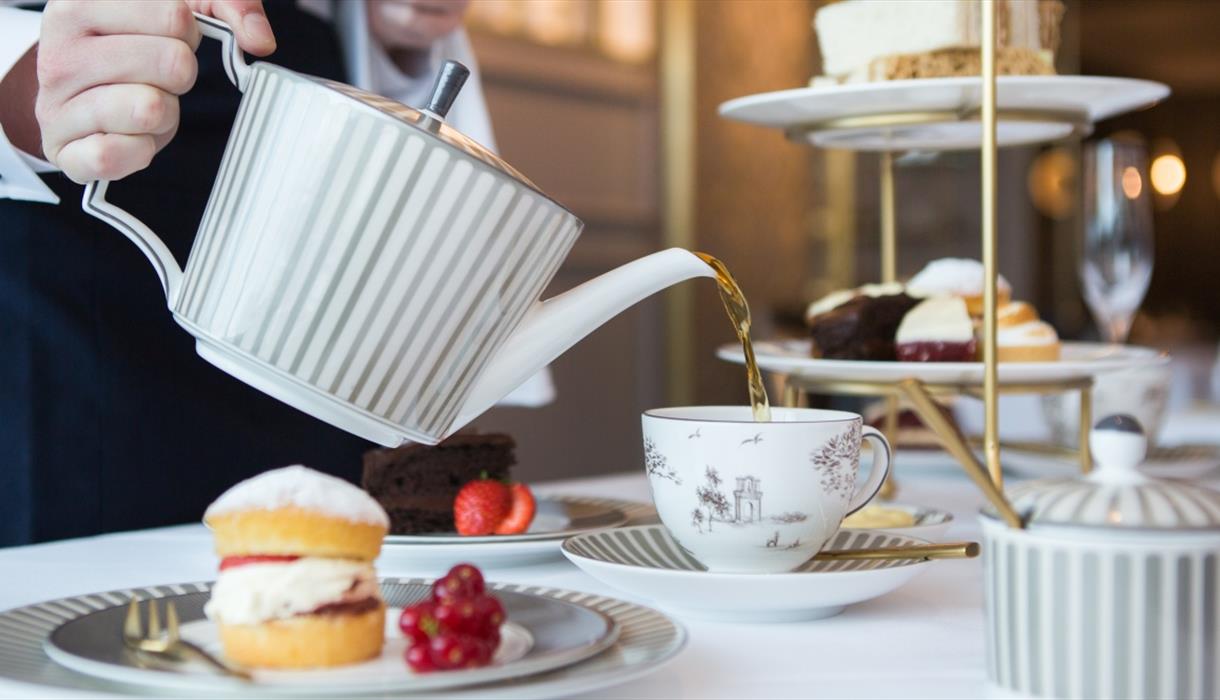
    Vintage ceramics firm Wedgwood has opened a new pilot store at The MixC Luohu mall in Chinese Shenzhen. The Tea Room Experience, which invites customers to try out products according to their own style, represents the first move in Wedgwood’s reimagined brand aesthetic, with the new designs expected to be rolled out globally following the Shenzhen launch. Shoppers in the luxury mall will experience a modern interpretation of a fundamentally British mode in the 2nd-floor tea room.

    “China is our key growth market and we are aiming for double-digit growth over the next three years, so we will be looking closely at the new stores to learn along the way,” said Wedgwood VP Paivi Svens. “We hope that our new stores and tea rooms will encourage conversations and inspire people to focus more on their own homes and become confident in expressing their own personal style.”

    The experience was created in partnership with British design firm Checkland Kindleysides based on the brand’s new proposition “celebrating eclectic originals”. The store presents three zones – a Garden Room, a Pantry and a Tea Emporium – that “balance minimalism with maximalism with strong visual articulations of Wedgwood’s horticultural connections”, according to the firm.

    Customers are invited to immerse themselves in the brand history and collections via interactive displays, while more than half of the available floor space is given over to service and experience over shopping – an unusual balance in a small format store. “In-store stylists” remain on hand to encourage shoppers to recombine product groups from the various zones to discover their own style.

    Further executions of this concept store will be built across China later this year, with flagships in key global cities following next year

  • PizzaExpress in takeover talks

    PizzaExpress in takeover talks

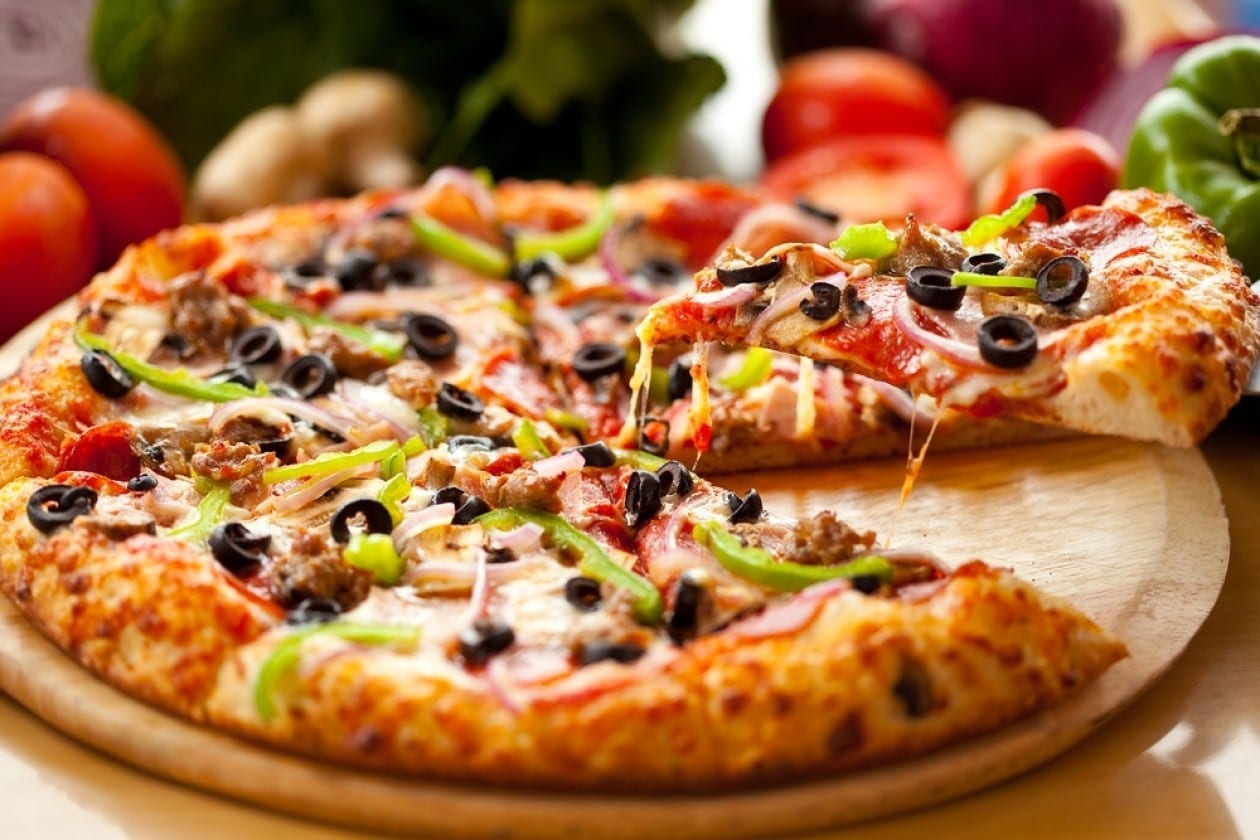
    A group of senior bondholders to PizzaExpress is in talks to potentially provide new funding in a deal that could see them take over much of the company from owners Hony Capital.

    Creditors including Cyrus Capital Partners, HIG Capital and Bain Capital Credit have proposed injecting cash into the casual-dining chain in exchange for taking control of its core UK and Irish business, according to people familiar with the matter.

    As part of the deal, Hony Capital may keep the Chinese arm, the people said, asking not to be identified because they’re not authorized to speak publicly. The terms of the proposal aren’t set and could change, they said.

    External spokespeople for PizzaExpress and Bain declined to comment. Representatives for Cyrus Capital and HIG didn’t return calls and emails from Bloomberg seeking comment. Officials at Hony didn’t respond to a request for comment outside business hours.

    After buying the company in 2014, Hony expanded its branch network into China at a time when Britain’s retail sector was starting to struggle amid changing consumer habits. PizzaExpress profits came under pressure and last year the company hired advisers to prepare for talks with creditors over its debt, which stands at around US$1.38 billion.

    Hony bought back some of PizzaExpress’ riskier bonds last year in an attempt to fend off a potential creditor takeover and keep control of the business. Since then, however, the Covid-19 crisis has disrupted its efforts to implement a financial overhaul.

    Early in May, PizzaExpress said it partly used credit lines provided by investment fund HPS to repay a revolving-credit facility and a super-senior loan from Hony Capital, and asked for bondholders’ consent to push back publication of its accounts.

    The possibility of creditors taking control of PizzaExpress was first reported by Britain’s Times newspaper.

  • Luckin Coffee names new chairman and CEO after founder ousted

    Luckin Coffee names new chairman and CEO after founder ousted

    Luckin Coffee has named Jinyi Guo as chairman and CEO as the Chinese chain tries to move past an accounting scandal that nearly brought it down.

    Guo, a director, and former acting CEO, replaces founder and former chairman Charles Zhengyao Lu, who was voted out by shareholders, the company said Monday in a statement. Yang Cha, Feng Liu, Jie Yang, and Ying Zeng were also appointed as independent directors, while David Hui Li, Erhai Liu, and Sean Shao left the board following an extraordinary general meeting July 5 and board meeting July 12.

    While shareholders voted to remove Lu and the other three directors, some investors cried foul because Lu had nominated two of the new members to the board, potentially giving him ongoing influence at the company, according to the Wall Street Journal.

    Lu has come under fire amid an accounting scandal that has already led to the firing of Luckin’s CEO and made its stock nearly worthless. Chinese and U.S. regulators have been investigating the company over fabricated transactions that inflated net sales by about US$300 million last year.

    The scandal has rocked the Xiamen-based company once considered among China’s brightest growth stories, sending the US-listed stock plunging 93 percent this year. The situation is also a black eye for China Inc as the US Congress moves closer to passing legislation that could bar Chinese companies from trading on US stock exchanges.

    In May, Luckin Coffee dismissed CEO Jenny Zhiya Qian, COO Jian Liu, and some employees who reported to them, after uncovering the scheme that funneled funds to the company from several third parties with links to the participants. The board said it fired the executives based on evidence showing their participation in the false transactions.

    Lu became a billionaire after his fast-growing Chinese chain went public in the US, but much of his wealth was wiped out by the plunge in Luckin’s stock. Lu last month resigned as chairman of Car Inc, China’s biggest rental-car fleet operator, as scrutiny increased over Luckin and the accounting scandal.

  • Starbucks set to open its first bakery cafe in South Korea

    Starbucks set to open its first bakery cafe in South Korea

    Starbucks, marking its 21st year in South Korea with more than 1400 stores across the country, will open its first bakery cafe this month.

    Starbucks Korea, the local unit of the US coffee giant, plans to open a bakery in Yangpyeong County, Gyeonggi Province, overlooking the Namhan River. It will also feature a bar that serves the company’s tea brand Teavana.

    The company has been outsourcing the production of the baked goods it sells at its stores.

    The new store, however, will bake fresh bread on site with dough from Shinsegae Food, the food manufacturing arm of South Korean retail giant Shinsegae Group, which owns 50 percent of the South Korean Starbucks franchise through subsidiary E-mart

    The new initiative is seen as an attempt to achieve a new breakthrough in South Korea’s overcrowded coffee market.

    More than 70 percent of Starbucks sales come from drinks, with food accounting for about 20 percent of sales.

    Starbucks has been introducing new baked goods every one or two months to persuade customers to buy more bread or cakes and bakery sales have been growing by more than 20 percent annually.

  • Starbucks India opens first drive-thru store

    Starbucks India opens first drive-thru store

    Starbucks India has opened its first drive-thru store in Singhpura, Zirakpur. Located in Dhillon Plaza, the store spans two floors, featuring large in-store seating and ceiling-to-floor windows, offering a large dine-in space as well

    At the drive-thru window, customers can order drinks from the same menu as in-store and pick up from their car.

    “The opening of our first drive-thru store showcases our commitment to evolving our brand and business in India to provide new and meaningful experiences to our customers,” said Navin Gurnaney, CEO at Tata Starbucks, the local franchisee of the North American cafe chain.

    Tata Starbucks operates 187 stores across India.

  • Kraft Heinz and DKSH expand their strategic partnership to Malaysia

    Kraft Heinz and DKSH expand their strategic partnership to Malaysia

    DKSH Business Unit Consumer Goods, the leading partner for FMCG companies seeking to grow their business in Asia, is expanding its partnership with The Kraft Heinz Company, the fifth-largest food and beverage company in the world, to Malaysia.

    DKSH had a long-lasting relationship with Kraft Foods, dating back to 2001. Since Kraft Foods and Heinz joined forces, DKSH has been supporting the company in Singapore and Hong Kong, which are both key markets in the region.

    The expansion of the partnership to Malaysia is an example of DKSH’s track record and capabilities as pan-Asian services provider for multinational FMCG companies. The strategic decision of Kraft Heinz to appoint DKSH as partner in Malaysia aims at simplifying its operation in the region, by decreasing time spent on distributor management and by moving from a multi-distributor model to one service provider.

    DKSH will provide a full-service solution for Kraft Heinz to accelerate growth for household brands, such as Heinz, ABC, HP Sauce, Lea & Perrin’s and Wattie’s in Malaysia. DKSH’s approach to drive growth is fourfold: First, DKSH will be decreasing Kraft Heinz’s operational complexity in Malaysia, including East Malaysia. Second, it will also improve accessibility by closing distribution gaps in Modern Trade and expanding coverage in General Trade and Food Services. Third, the company will strongly focus on operational excellence and on raising on-shelf availability. Lastly, DKSH will enable effective analysis through data sharing and business intelligence.

    Joao Leitao, Managing Director, SEA, NWA, India and APAC Exports at Kraft Heinz, commented: “We believe the partnership with DKSH will simplify our operation and open new doors for us. Having one partner that provides a full-service solution in multiple markets in the region is a key strategic reason for us the expand our partnership to Malaysia.”

    Terry Seremetis, Global Head, Business Unit Consumer Goods at DKSH, commented: “We are excited to expand our relationship with a leading company like Kraft Heinz, as this is a testament to the strength of our growth platform and will further strengthen our position in the market. We are fully committed to driving the availability and visibility of globally renowned brands like Heinz and regional hero’s like ABC.”

  • KFC Thailand for sale

    KFC Thailand for sale

    A slice of KFC Thailand is being considered for sale by franchise owner Restaurants Development in a deal that could net $200 million.

    Sourcing people with knowledge of the matter, the firm is taking advice on a potential sale of the operation – which involves roughly 200 locations and 4000 staff. There is no certainty a sale will proceed and the source said discussions remained at an early stage with no formal bid yet tabled.

    Restaurants Development is backed by investors throughout Asia and operates KFC Thailand alongside Central Group (running 275 stores) and Thai Beverage – which purchased more than 240 KFC restaurants three years ago for roughly $361 million.

    Yum Restaurants International (Thailand) transformed itself into a 100-per-cent franchisor business in 2018 in an effort to yield optimal efficiency across the entire business operation.

  • Starbucks and Undefeated launch collection in Asia

    Starbucks and Undefeated launch collection in Asia

    Coffee giant Starbucks and Undefeated, the streetwear brand, have teamed up to create a limited-edition collection of merchandise, launched in Asia this week.

    Inspired by street-style culture, the collection features nine items in bright neon green and black. Featured items include refillable bottles, an apron, a tote bag, cap, and a notebook.

    “The Starbucks x Undefeated collaboration offers customers more ways to share their passion for doing what they love, expressing their personal style, and reminding themselves to never give up,” the company said in a statement.

  • 7-Eleven and Coca Cola launch Hong Kong concept store

    7-Eleven and Coca Cola launch Hong Kong concept store

    7-Eleven has teamed with carbonated beverage brand Coca Cola to open a new themed store in Hong Kong. Located at in Tsim Sha Tsui, the 7-Eleven x Coca Cola concept store is dressed in the distinctive Coke red. As well as the modern Coke livery, the counter features a banner with nostalgic advertising.

    The store features two fridges with Coca Cola’s glass-bottle-shaped doors, displaying a selection of the brand’s items and collectibles.

    “7-Eleven x Coca Cola themed store is a close collaboration with our suppliers leveraging on the brand strength and features to create a themed convenience store with impactful in-store decoration, interesting display, exclusive products, innovative food idea, good value offer to bring customers fun and convenience,” a spokesperson for 7-Eleven Hong Kong’s parent company Dairy Farm Group said.

    The store also features a ‘Hot Shot counter’ where customers can pause and eat snacks (and a Coke).

  • Moc Chau Milk wants to allow 100 percent foreign ownership

    Moc Chau Milk wants to allow 100 percent foreign ownership

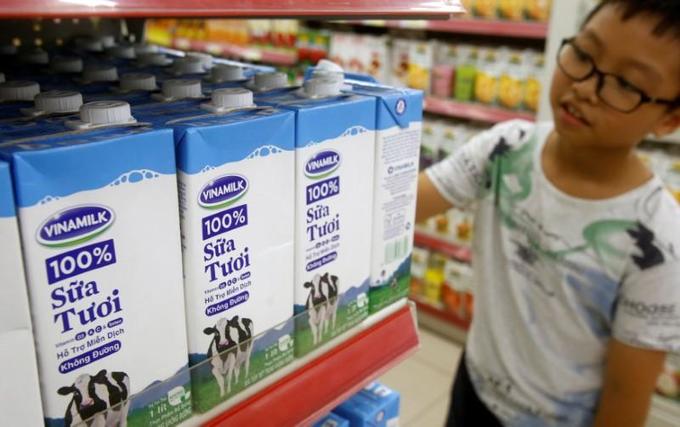
    Moc Chau Milk, a subsidiary of Vietnam’s biggest dairy company Vinamilk, wants to increase its foreign ownership cap to 100 percent in order to raise funds.

    It seeks to do this by removing some business registries in which the government restricts 100 percent foreign ownership, such as wholesale trade of fertilizer and pesticides.

    A company statement said it is seeking shareholders’ approval for plans to raise funds for expansion. It plans to issue more shares to existing shareholders this year to raise 1.2 trillion ($52 million), which will be used to invest in a farm with a capacity of 4,000 cows, upgrade the existing farm and build a new factory.

    It is also eying a listing on Vietnam’s main bourse, the Ho Chi Minh City Stock Exchange, within nine months after it receives shareholders’ approval.

    Moc Chau Milk became a subsidiary of dairy giant Vinamilk in December last year. At that time, Vinamilk had more than half the nation’s dairy market share, and Moc Chau Milk had 9 percent.

    Mai Kieu Lieu, CEO of Vinamilk and chairwoman of Moc Chau Milk, had said earlier that Vinamilk has a strong distribution network in the south that will help Moc Chau Milk, which is based in the northern province of Son La, to expand nationwide.

    Vietnam’s dairy market value rose 8.9 percent to VND121 trillion ($5.2 billion) last year, according to market research firm Euromonitor.