Category: Food

Retail News Asia is committed to providing both local and global retailers with the latest Food and Food & Beverage news throughout the Asian market. This on a daily base.

  • QSR chain Pepper Lunch sold to J-Star

    QSR chain Pepper Lunch sold to J-Star

    Japanese restaurant operator Pepper Food Service is selling its profitable Pepper Lunch chain to J-Star investment fund for US$79 million.

    The sale is expected to provide a much-needed cash injection to the debt-ridden Pepper Food business in the hopes of restoring investor confidence in the firm, which also operates the struggling Ikinari Steak brand.

    Pepper Lunch, which serves sizzling platters of meat-based dishes with sauces, has expanded throughout Asia on a franchised basis, including in Vietnam, Singapore, and Thailand.

    The acquisition also includes the Pepper Lunch Diner, 92’s, Charcoal-Grilled Hamburger Steak Kuni, Tokyo 634 Berg, Musashi Hamburg, and CAB Steak restaurant brands. Collectively, the business operates 181 stores in Japan and 333 overseas.

    In a statement announcing the purchase, J-Star said the 26-year-old restaurant concept has a strong market position in food courts, where affordable prices and quick delivery are required, by combining customer satisfaction and high productivity, with a unique cooking system in which selected steak meat is cooked right in front of customers.

    “We will support the management team to establish a corporate foundation as an independent business, to accelerate domestic growth by leveraging its competitive advantage, as well as growth strategy through global expansion,” J-Star’s statement said.

    Meanwhile, Pepper Food is expected to use the funds to sustain the remaining business in the hope it can stabilize and return to profit. Ikinari Steak currently runs an operating margin of 3 percent, a fraction of the 14 percent of Pepper Lunch and the other businesses sold.

    Pepper Food is reportedly considering switching more of its owner-operated locations into franchises – although the appeal of the Inikari brand may be limited.

    J-Star is an independent and partner-owned Japanese alternative asset manager with $300 million of assets under management.
  • Jakarta-based cafe chain Maxx Coffee launches in Singapore

    Jakarta-based cafe chain Maxx Coffee launches in Singapore

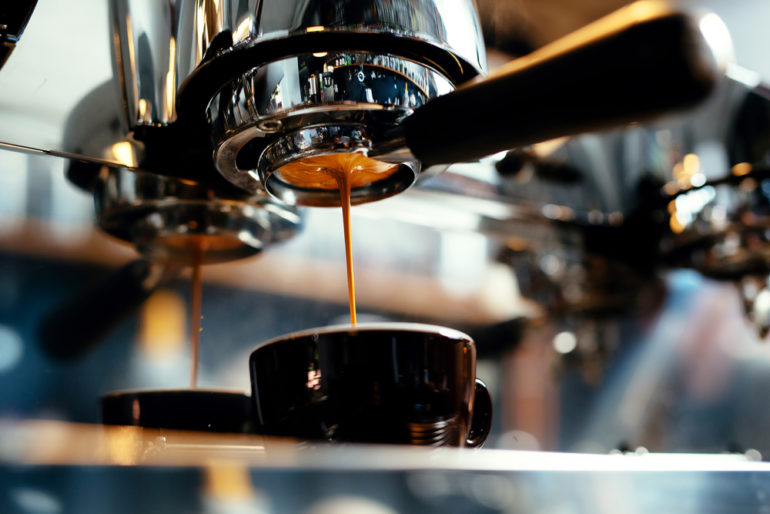
    Indonesian cafe chain Maxx Coffee has launched its first international outpost in Singapore as the first move towards expansion in Asia.

    Partnering with local operator Oue Restaurants, the new outlet opens today at Jem serving Indonesian single-origin coffee as well as a food selection and the brand’s signature beverages.

    “After 80 successful outlets in 23 cities across Indonesia, our goal remains consistent; to provide a social canvas fit for modern coffee lovers to create meaningful moments over great coffee,” said Oue Restaurant CEO Brian Riady.

    “With the burgeoning third-wave coffee culture in Indonesia and the rising global popularity of Indonesian coffee and coffee culture, Maxx Coffee is ripe for the picking.”

    “Maxx Coffee serves more than just a daily cuppa,” said PT Maxx Coffee Prima CEO Mehdi Zaidi. “Designed to cater to the modern coffee lover’s lifestyle, our outlets are a mix of co-working spaces that enable an exchange of ideas, booths to spark conversations and cosy corners for anyone who wants a quiet space to enjoy a book.”

    The new outlet’s interior features a light wood decor with an open espresso bar and food counter.

    The majority of Maxx Coffee’s specially sourced roasts are single-origin grade 1 Arabica coffee beans from Brazil Cerrado, Sumatera Lintong, Java Ciwidey, and Aceh Gayo.

  • Maxim set to open 15 Shake Shacks in Southern China

    Maxim set to open 15 Shake Shacks in Southern China

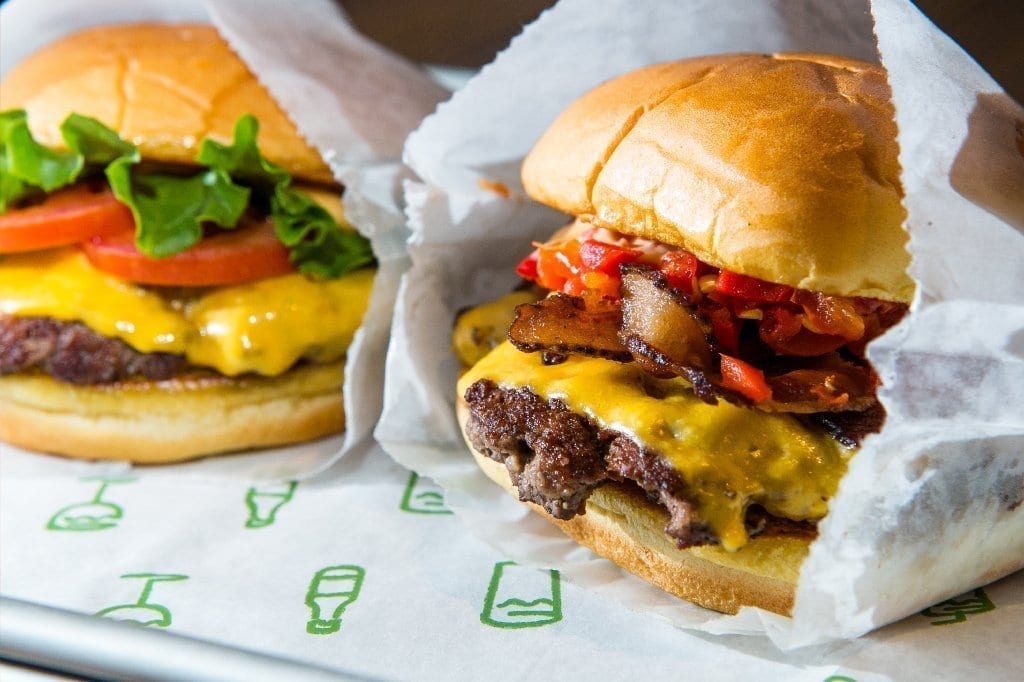
    American fast-casual restaurant chain Shake Shack is planning to open at least 15 new venues in South China by 2030.

    The chain, working through local licensee Maxim’s Caterers, a company controlled by Hong Kong’s Dairy Farm Group, will open restaurants in cities including Shenzhen, Guangzhou, Fuzhou, and Xiamen, with a goal of 55 Shake Shacks nationwide by 2030.

    Maxim’s currently operates Shake Shacks in Shanghai and Hong Kong, with Beijing and Macau under development and due to open later this year.

    “We remain humbled by our fans in China and continue to be encouraged by the performance of our Chinese business through this recovery,” said Shake Shack chief global licensing officer Michael Kark.

    “It’s a great time to deepen our roots in this market.”

    “Maxim’s partnership with Shake Shack has taken the brand on an exciting journey to Hong Kong in 2018 and Shanghai in 2019, with Beijing and Macau on the horizon,” said Maxim’s Caterers chairman and MD Michael Wu.

    “We look forward to bringing our boundless hospitality to more guests across South China in 2021 with our new expansion plans.”

  • Government to sell its shares in Vietnam’s largest brewer

    Government to sell its shares in Vietnam’s largest brewer

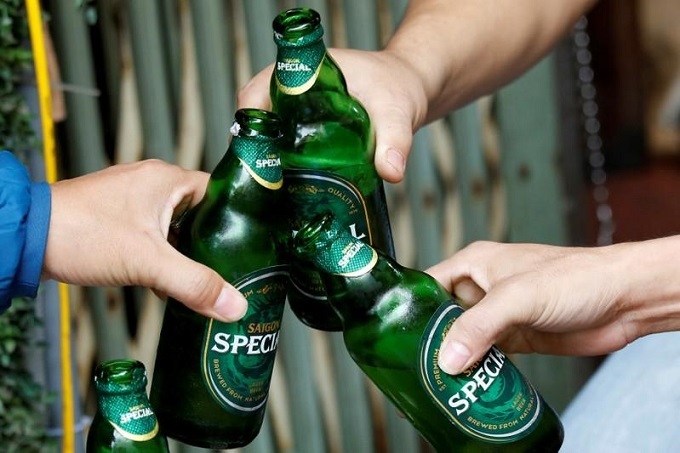
    The government plans to sell its 36 percent stake in the country’s largest brewer, Sabeco, this year. The Saigon Beer Alcohol Beverage Corp (Sabeco) is one of 139 enterprises in a new list in which the government’s stakes will be sold by sovereign fund State Capital Investment Corporation.

    The Ministry of Industry and Trade (MoIT) has been instructed to transfer the government’s stakes in these enterprises to the SCIC by August 31. The government had sold a 53.59 percent stake in Sabeco to ThaiBev for over $5 billion in 2017.

    The news puts paid to speculative claims made by some media outlets in early June that MoIT was seeking to reacquire Sabeco shares from ThaiBev due to “unexpected pandemic effects.”

    At the end of 2019 the maker of Saigon Beer had assets estimated at VND 26.96 trillion ($1.2 billion) and owner’s equity of VND20.07 trillion ($870 million).Sabeco recently scaled down its revenue target for this year by 37 percent to VND23.8 trillion ($1 billion) and post-tax profit target by 39 percent to VND3.2 trillion ($138 million), the lowest in six years.

  • Taco Bell opens in Malaysia soon

    Taco Bell opens in Malaysia soon

    American food-food chain Taco Bell is set to launch in Malaysia at Tropicana Gardens Mall in Kota Damansara.

    The opening has yet to be officially announced, but hoardings have appeared on a retail space within the mall announcing its imminent opening.

    Taco Bell will be operated by QSR Brands, which holds the Malaysian license for KFC and Pizza Hut, which are both owned by Yum Brands.

    While Taco Bell had outlets in Singapore that were subsequently withdrawn just over a decade ago, the franchise has recently announced intentions to expand in the Asia-Pacific market, where it already has locations in Thailand and the Philippines.

    The brand has also revealed intentions to enter Indonesia, while Thai operator Siam Taco is said to be eyeing Cambodia, Laos, Myanmar and Vietnam.

  • Chinese tea brand Nayuki opening in Japan

    Chinese tea brand Nayuki opening in Japan

    Chinese fruit-based cheese tea brand Nayuki is making its debut in Japan, opening its first cafe in the Zero Gate shopping complex in Osaka.

    The new 200sqm store features a teahouse experience similar to the brand’s locations in its home market, incorporating special details to match modern Japanese culture.

    “As a brand dedicated to becoming the innovator and promoter of the tea culture, we wish to deliver an exceptional experience for the local residents, one that reflects our passion for creating unique tea-based drinks for tea lovers worldwide,“ said Nayuki founder Peng Xin.

    The new outlet serves a wide range of tea drinks made by tea baristas as well as low oil and sugar-content soft-euro bakes.

    Nayuki operates nearly 400 stores in China, ranging from 1200–11,000sqft in prime locations across the country and also has stores in Singapore.

  • Changing the Way Singapore Buys Wine

    Changing the Way Singapore Buys Wine

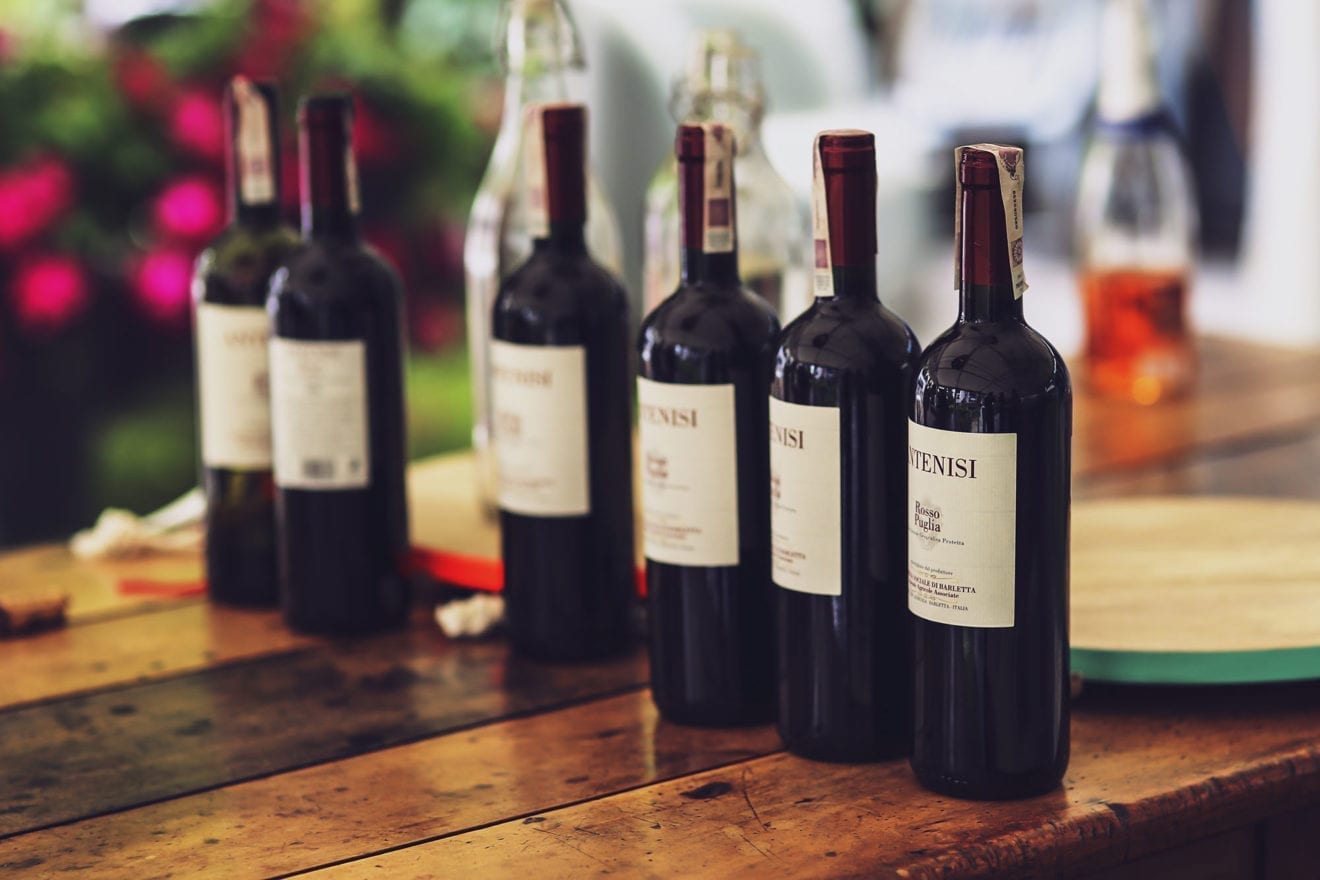
    With few people having wine cellars, the minimum order size required by many wine merchants in Singapore makes buying a case of each both time consuming and inconvenient. Wine. Delivery solved this issue.

    How can you replicate the pleasures of purchasing wine in a physical shop in the online space? Where can you go to get the personalized service and recommendations available from your favorite wine merchant while still having access to a vast array of diverse options?

    How can a specialized wine importer have access to a larger audience online without needing to develop expensive tech? These were the questions that Alex Caballero sought to answer in creating a specialized marketplace, where quality, user experience, and a love of wine are celebrated.

    The premise was simple: Create top-notch tech, get quality importers on board, ensure impeccable service, and improve the experience of wine and spirit drinkers everywhere. Amongst Alex Caballero’s first steps was acquiring the URL www.wine.delivery. Beautiful in its simplicity, the ultimate wine shop had just become digital.

    From the very beginning, Wine.Delivery was a tech company that sold wine and not the other way around. The goal was to build a platform that would provide seamless customer experience and make it easy for specialized merchants to sell their wine to the general public. The website launch was quickly followed by an app, making it even easier to order whenever and wherever.

    Building a marketplace from scratch was very much a learning experience. In-house developers allowed the company to quickly develop new solutions and adapt to the changing needs of both the end-user and the importers in real-time, with feedback from both sides being quickly put into practice.

    New functionalities allowed the consumer to explore different wine regions or grapes, much like in their local wine store. Recommendations were added to guide the novice wine drinker and sections were developed to steer the last-minute buyer towards wines available the next day, including weekends.

    Wine.Delivery Singapore soft-launched in 2016 with early-adopter importers keen to experiment. All saw the potential of the platform and the opportunity linked to the change in Singaporeans’ online purchasing behavior.

    Today the marketplace counts over 40 importers and showcases more than 1,500 labels from all over the world, with bottles ranging from the cheap and cheerful to exclusive collector’s pieces. Fully armed with the lessons gleaned in Singapore, the company is excited to expand its horizons.

    Today’s consumer is looking for a large variety of wines; a typical order could see a few bottles of Italian wine for a dinner party, a bottle of Champagne for a gift, some South African wine to reminisce over a past holiday, a Bordeaux for a romantic dinner and some Chilean wine for Saturday’s BBQ.

    With few people having wine cellars, the minimum order size required by many wine merchants in Singapore makes buying a case of each both time consuming and inconvenient. Wine.Delivery solved this issue, making it possible to find everything in one place, with free delivery on all orders, even for a single bottle.

  • Country Garden builds world-first robotic restaurant

    Country Garden builds world-first robotic restaurant

    Chinese property-development company Country Garden has launched the world’s first robotic restaurant, in Guangdong.

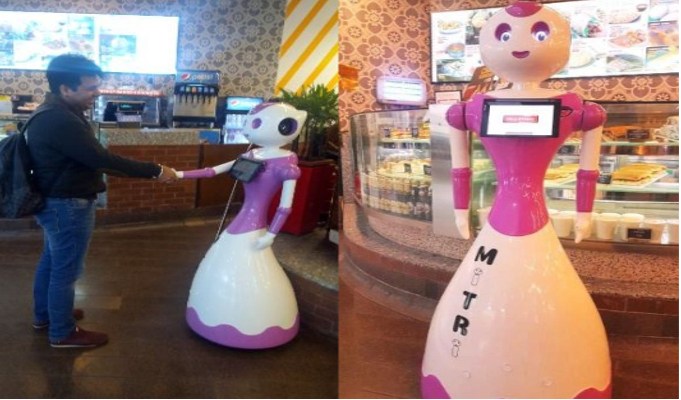
    Built by Country Garden’s subsidiary Qianxi Group, the restaurant occupies a 2000sqm area, featuring sections including Chinese food, hot pot and fast food. Diners are served by more than 20 in-house robots designed for different tasks including cooking and serving food.

    “The Qianxi robot restaurant has innovatively achieved both software-hardware integration and man-machine cooperation,” said Zhao Chunsheng, mechanical engineering specialist, and academician at the Chinese Academy of Sciences.

    “It helps to better run a smooth operation through the practical application of robots. Qianxi has the most advanced technology with a vast product lineup. It fills the market gap and will have a significant impact on benchmarking in adding value to industry development as well,” he said.

    According to the company, the Qianxi robotic restaurant can serve some 600 customers with 200 menu items thanks to fast serving time. The launch of the robotic restaurant is in line with efforts to reduce physical contact between people during the Covid-19 pandemic.

    Meanwhile, Qianxi Group says it aims to build centralized kitchens in Hong Kong and Macau.

  • Dairy Farm launches new Market Place store in Hong Kong

    Dairy Farm launches new Market Place store in Hong Kong

    Dairy Farm launched its new Market Place fresh food and grocery store at Hong Kong’s Langham Place shopping centre today.

    Described as “a brand new gourmet experience for foodies and gastronomes” the store features fresh foods at its core with made-to-order meals and fresh-baked breads

    “This new design has been created to bring to life an exceptional food experience for all passionate foodies,” a spokesperson told Inside Retail Asia.

    The emphasis of the store’s design is on conveying the “freshness of the farm to the table”, a “contemporary twist on the modern farmhouse”.

    Classic black and white branding combined with splashes of vibrant color, bold food photography and a soundtrack of “cool, smooth modern beats,” complement the designers’ focus on smooth flow through the store and easy navigation.

    Decorative barrels suspended from the ceiling create the atmosphere for the Cellar section, which stocks, among other things, local Hong Kong craft beer Gweilo and a selection of 1000 wines.

    While the store is unique to Hong Kong, the design features elements similar to Dairy Farm Group’s Cold Storage Fresh and Mercato stores in Singapore and Penang, Malaysia.

  • Taco Bell launches D.I.Y Taco Kit for the first time in Thailand

    Taco Bell launches D.I.Y Taco Kit for the first time in Thailand

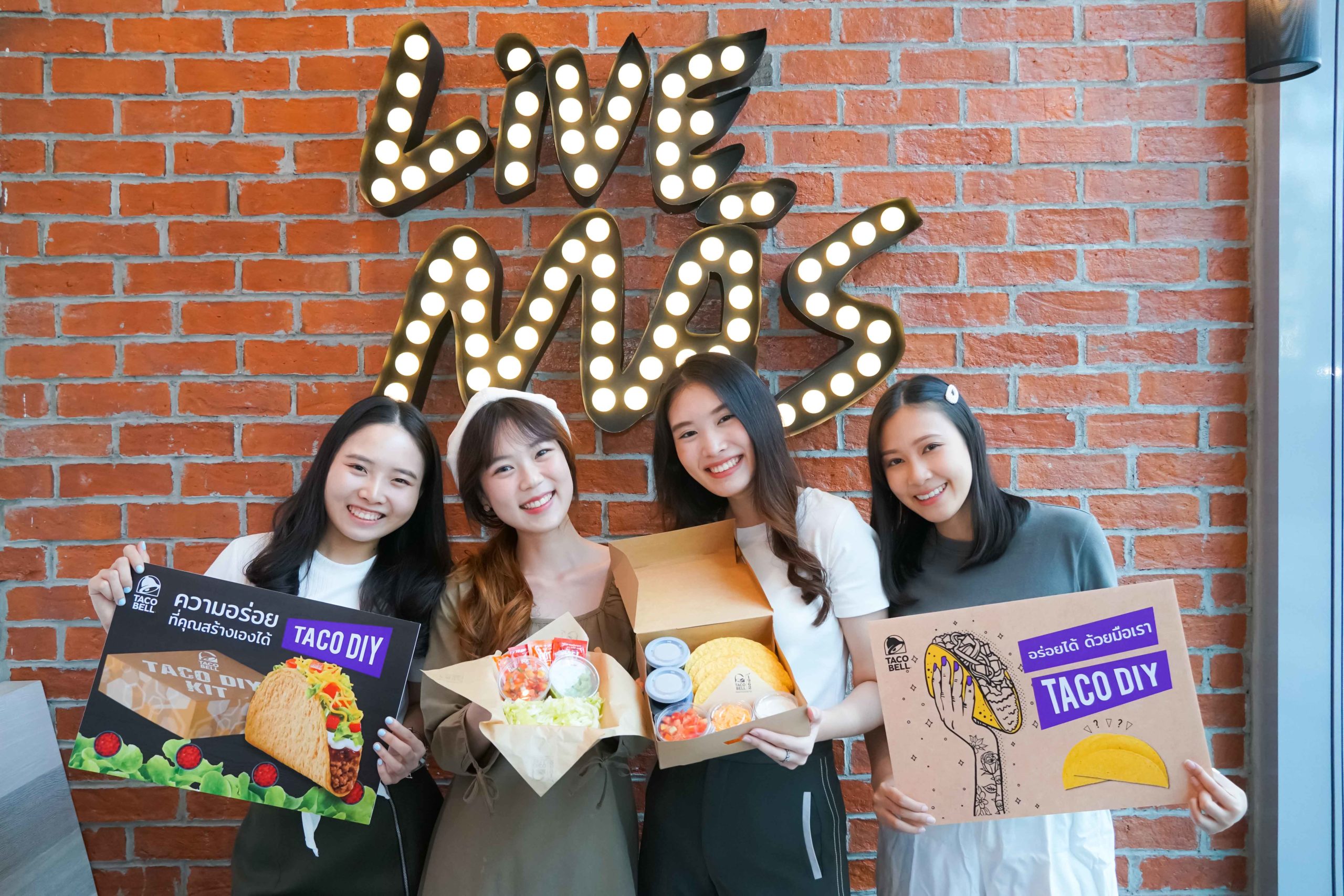
    In response to the trend of New Normal, Taco Bell launches “D.I.Y. Taco Kit”, inspiring customers to become Mexican Chef and create Taco Bell’s signature Taco Supreme, in their own style, anytime, anywhere with the similar spicy taste as served at Taco Bell restaurant. Taco Bell’s D.I.Y. Taco Kit is available from 22 June to 31 August, 2020 at Baht 389/box. Customers can easily place their D.I.Y. Taco Kit order from foodpanda delivery service or buy at Taco Bell stores to take back home.  To win special prizes, customers have to capture their Taco Supreme and share delicious moments on Facebook: @TacoBellTH.

    Mr. Chalermchai Mahagitsiri, President and CEO of TTA and Director of Siam Taco Co., Ltd., stated that, “We have experienced on unprecedented shift in our way of life and are pushed to embrace the “new normal” practice due to the Covid-19 pandemic.  We also pay more attention to cleanliness and social distancing to keep ourselves, our colleagues and our family members safe.  This crisis triggers a dramatic adaptation in food businesses as consumers become less confident about eating outside the home. The food delivery service is gaining considerable popularity among customers, supporting by the work-from-home policy. Consequently, Taco Bell has achieved a significant increase in their online order sales.

    “In order to serve the demand for online ordering and contactless delivery, Taco Bell revolutionizes the Taco industry by initiating D.I.Y. Taco Kit special for customers in Thailand. We believe that our customers will enjoy making their own delicious-style tacos anywhere, anytime.”

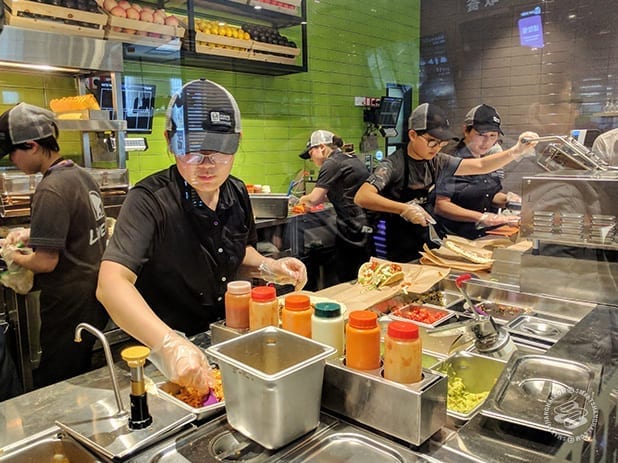
    D.I.Y. Taco Kit for Taco Lovers. No waste time waiting in line at Taco Bell stores. Just unbox it, all of which come with choices of 4 crunchy hard or soft taco shells, favorite seasoned ground beef or chicken, shredded iceberg lettuce, diced tomato, hot sauce, sour cream, cheddar cheese. To make it even more delicious, one can add pico de gallo salsa and Guacamole, which do not normally put in signature Taco Supreme. All ingredients are wrapped and packed in a sealed packaging to ensure food safety.  Customers can also add more ingredients for more flavors and a lot of fun, then share their good memories on TacoBellth Facebook to win some prizes. For more update activities, news and promotions please visit Facebook: facebook.com/TacoBellTH, IG: @TacoBellTH, Twitter:  @TacoBellTH, and Line: @TacoBellTH.

    Currently, Taco Bell operates 6 branches in Thailand: The Mercury Ville @Chidlom, Siam Paragon, Central Pinklao, Samyan Mitrtown, Central Westgate, and Sukhumvit Soi 11. Every store strictly adheres to safety measures in accordance with the government policy and nationwide policy from Centre for the Administration of the Situation due to the Outbreak of the Communicable Disease Coronavirus 2019 (COVID-19).


  • DC Super Heroes Cafe Quits in Singapore

    DC Super Heroes Cafe Quits in Singapore

    Comic book-themed DC Super Heroes Cafe is to close down in Singapore after five years.

    The company posted a message on Facebook this week telling fans its store at The Shoppes at Marina Bay Sands will not reopen after the Covid-19 retail trading restrictions are lifted this Friday, deciding to end its tenancy during the city’s circuit-breaker period.

    While the company’s other cafe, at Takashimaya in Orchard Road, will reopen on Friday it will soon transition to another brand, not yet revealed, “in the very near future”.

    “It’s been a super-fun, wonderful and memorable five years!,” the cafe said on Facebook. “However, all good things must come to an end.

    “We would like to thank you dear heroes and past customers for your incredible support. We will close this cafe page in due time.”

    The news was greeted with more than 110 comments, largely expressing sadness over the closure and reminiscing about family events held there.

    The DC Super Heroes Cafe at SM Megamall in Manila, the Philippines, has also been affected by lockdowns relating to the Covid-19 pandemic. That store has been selling merchandise online while closed but will soon reopen in the mall once government trading restrictions are lifted.

    The cafe concept was inspired by films, TV series, animated movies and comic books featuring characters licensed to DC Comics. The cafe concept was created by Almerak Corp, in partnership with Warner Bros Consumer Products.

    The Philippines cafe opened in June 2018.

  • Carrefour China set to open 100 more restaurants

    Carrefour China set to open 100 more restaurants

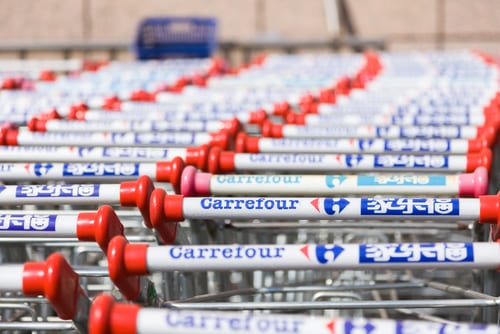
    Supermarket operator Carrefour China plans to open 100 restaurants at its existing stores.

    The first outlet of Carrefour restaurant chain Mr Fu has opened at its Gubei branch in Shanghai, followed by a second in Chongqing.

    “With more than 2000 products in a self-run goods pool, Mr Fu will introduce at least 30 new products each month,” said Li Yijiang, head of catering business division at Suning Carrefour China.

    The renovation work will be launched at selected Carrefour branches and will not be outsourced to a third party.

    “We will have more independence to promote food and drinks according to different festive occasions and promotional activities, and we also offer customized decoration styles at consumers’ requests,” Li told the Shanghai Daily.

  • Online move limits damage to Cafe de Coral Group’s sales

    Online move limits damage to Cafe de Coral Group’s sales

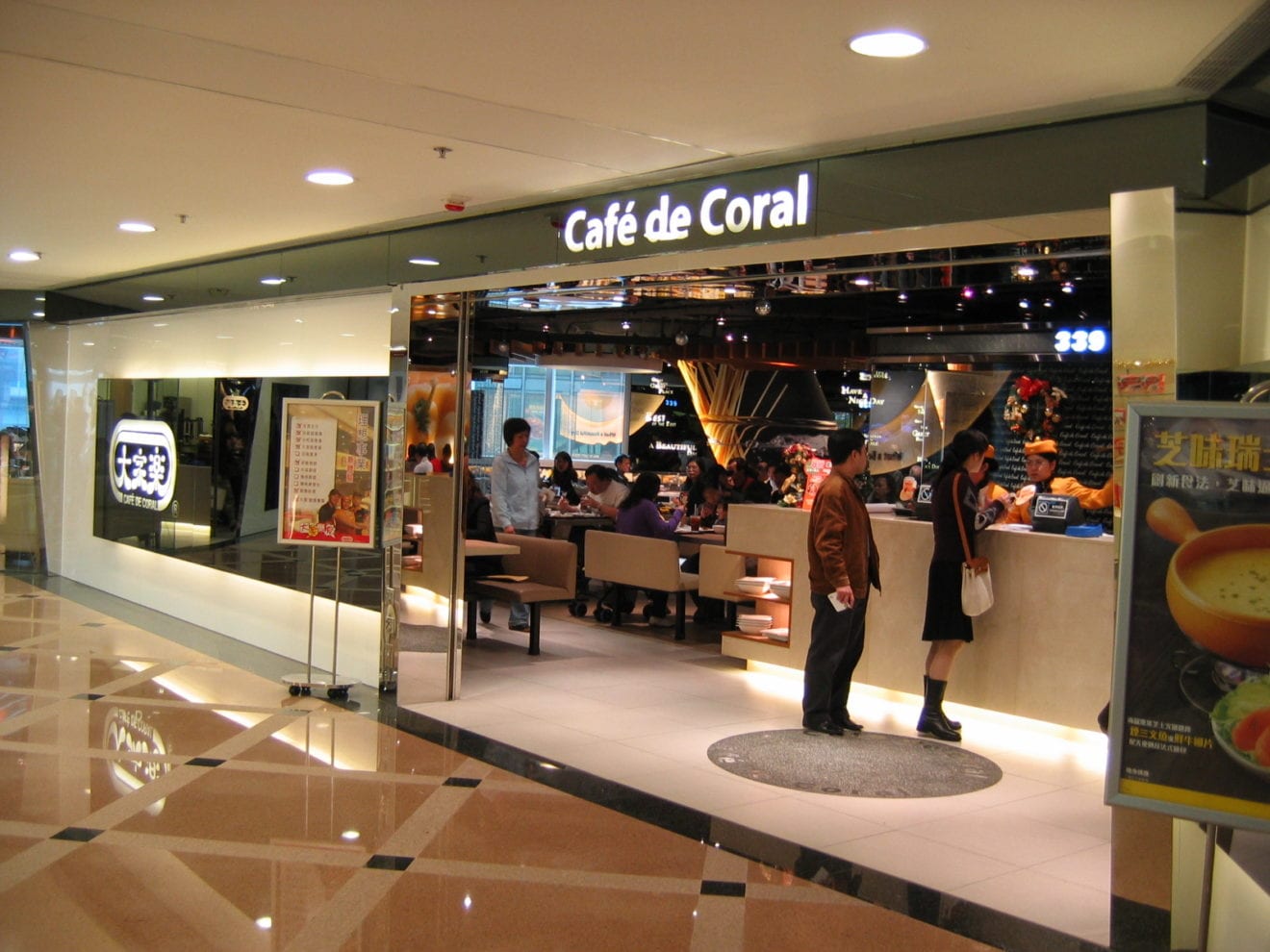
    Listed Hong Kong restaurant and catering operator Cafe de Coral Group managed to minimize the impact on sales during Covid-19 social-distancing restrictions by expanding its online and delivery operations.

    The company operates the Cafe de Coral fast food and Super Super Congee & Noodles QSR chains, along with the casual-dining restaurant’s Shanghai Lao Lao, Mixian Sense (pictured above),The Spaghetti House and Oliver’s Super Sandwiches.

    Sales for the year to March 31 decreased by a modest 6.2 percent to US$1.03 billion, with the Hong Kong casual-dining business taking the biggest hit, down 14 per cent. Overall Hong Kong sales fell by 6.4 percent and Mainland China sales by 6.2 percent.

    Profit attributable to shareholders for the year plunged 87.1 percent $9.5 million.

    Chairman Sunny Lo Hoi Kwong says the coronavirus outbreak will force a re-shuffle of the way businesses to operate as they adapt to the new market landscape.

    “Once the pandemic is under control, I believe Hong Kong – and the world as a whole – will need to adapt to a new business paradigm.”

    Cafe de Coral Group addressed some of the decline in dine-in sales by measures such as introducing self-service ordering kiosks in stores and increasing its emphasis on online ordering and home-delivery services.

    “At the same time, we are making internal adjustments to our operations by fine-tuning dishes and updating menus to optimize meals for delivery. Anticipating a shift from in-restaurant dining to a broader mix of in-store and delivery options, our focus on technology, efficiency and cost-effectiveness will only intensify going forward,” he said. The company also partnered with home-delivery apps.

    Cafe de Coral Group has also been reviewing lease agreements with landlords to reduce overheads. “With the group’s strong, 50-year reputation and our position as one of Hong Kong’s leading listed catering groups, landlords have been quite willing to work with us,” he said.

  • Hong Kong Land unveils premium food hall concept BaseHall in Central

    Hong Kong Land unveils premium food hall concept BaseHall in Central

    Hongkong Land has unveiled a new premium food hall concept BaseHall at Jardine House, in Hong Kong’s Central district.

    The foodcourt houses eight eateries and two bars, featuring concepts carefully chosen for their style and food offer including Moyo Sik from the contemporary Korean spot Moyo and Co Thanh, who offers authentic Vietnamese dishes.

    The two bars, Pub 1842 from Young Master and BaseHall Bar, serve a wide range of drinks, including local craft beer and Asian-inspired cocktails.

    “BaseHall is core to our strategy for attracting younger customers while still catering to our existing loyal customer base,” said Raymond Chow, executive director of Hong Kong Land.

    “BaseHall is breaking new ground in the F&B landscape which creates huge potential growth opportunities, both in terms of the vendor line-up, and the meticulously designed space that allows for multi-purpose use.”

    Besides using sustainable materials, BaseHall has also partnered with a food-assistance programme to distribute leftover food to worthwhile causes across the city.

    “This will no doubt be the new hotspot for the Central office population and the wider Hong Kong community to socialise and enjoy great food,” Chow said.

  • Paris Baguette opening outlets in Canada

    Paris Baguette opening outlets in Canada

    South Korean food-and-beverage company SPC Group says it will launch its bakery-cafe chain Paris Baguette into Canada next year.

    The Canadian operation of Paris Baguette will be set up by the first half of the year, with stores to be launched in the country’s major cities including Toronto and Vancouver, the group said in a statement.

    Paris Baguette’s goal is to establish at least 100 bakery branches in Canada by 2030.

    SPC Group has so far expanded into China, the US, Vietnam, Singapore, France and Cambodia.

    The company runs about 400 Paris Baguette stores globally, with stores in heavily populated areas such as Manhattan, San Francisco, Paris, Ho Chi Minh City and Boston.