Category: Food

Retail News Asia is committed to providing both local and global retailers with the latest Food and Food & Beverage news throughout the Asian market. This on a daily base.

  • McDonald’s sales rise in South Korea

    McDonald’s sales rise in South Korea

    Fast-food chain McDonald’s sales grew 9 percent in South Korea during the first four months of this year, in spite of the impact of the coronavirus pandemic.

    The firm’s MD Antoni Martinez made the announcement on McDonald’s Koreas’ Youtube channel, his first public address since his appointment in February.

    “With the Covid-19 pandemic posing serious challenges for the business, contactless platforms such as drive-thru and McDelivery in which McDonald’s made preemptive investments, have received a warm response from the public,” said Martinez.

    He said McDonald’s sales were boosted by the introduction of the Best Burger initiative and the establishment of convenient platforms.

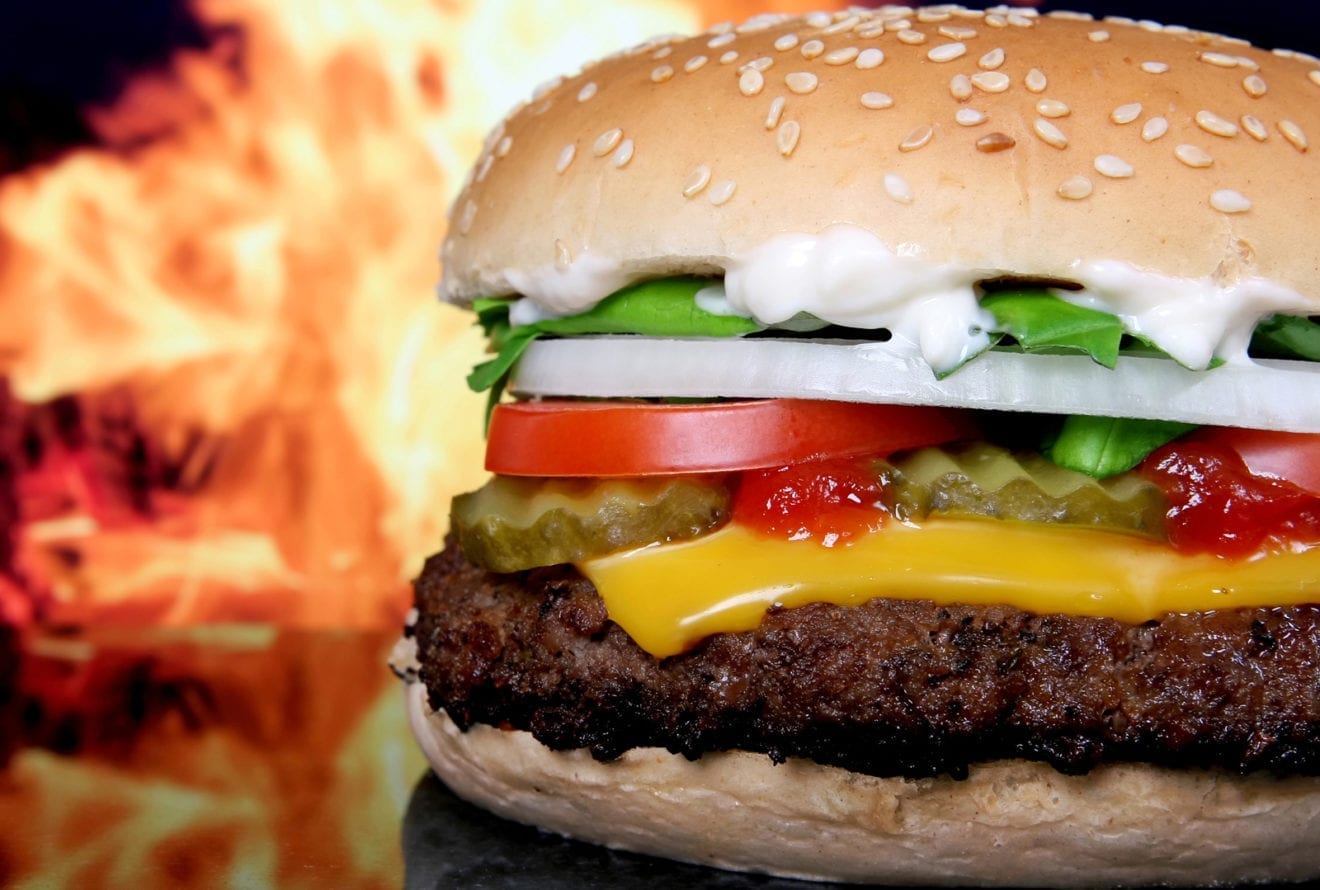
    The Best Burger initiative refers to a change in McDonald’s entire burger preparation process, which was implemented in the territory in March. Korea is the fourth country to introduce the initiative, following New Zealand, Australia and Canada.

    McDonald’s Korea served around 400,000 customers every day last year at around 400 stores nationwide.

  • Lotte takes over concessions at Singapore’s Changi airport

    Lotte takes over concessions at Singapore’s Changi airport

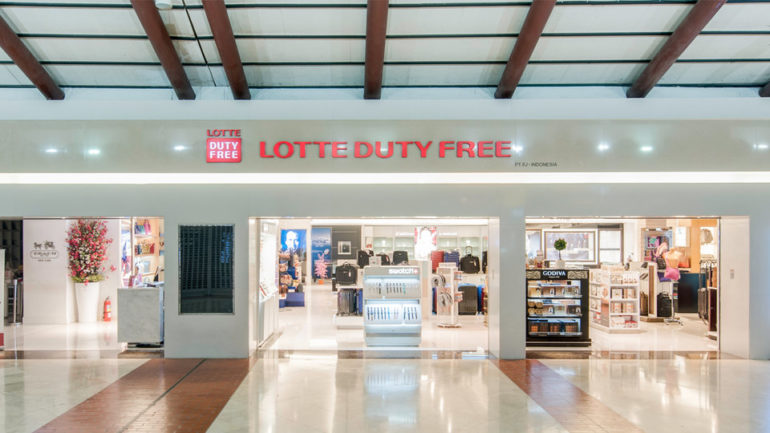
    South Korean duty-free retailer Lotte has formally taken over the liquor and tobacco concessions at Singapore’s Changi Airport from DFS Group.

    Construction of the new stores are likely to begin once the island’s current “circuit-breaker” restrictions are relaxed in the wake of the continuing coronavirus outbreak. Before this period the firm will trade via the online platform iShopChangi.com.

    Lotte won the concessions last year in a tender process following the withdrawal of LVMH-owned DFS Group after 40 years at the airport. DFS said continuing to sell alcohol and tobacco at Changi Airport was not commercially viable, but it will continue to operate fashion stores there.

    The new Lotte outlets will be operator’s largest duty-free business in Asia Pacific, offering more than 3000 choices of wines and spirits, including exclusive limited-edition whiskeys and cognacs.

    A high-tech tasting bar and immersive experience zones are likely to be features of the new stores.

    “Apart from a complete revamp of store designs, passengers can also look forward to an omnichannel experience as we integrate a seamless brick-and-mortar shopping experience with e-commerce,” said Changi Airport Group executive VP Lim Peck Hoon.

    Lotte has been awarded the concession for roughly 8000sqm of retail space at the airport for six years, ending June 8, 2026.

  • Movenpick launches three Hong Kong pop-up stores

    Movenpick launches three Hong Kong pop-up stores

    Swiss ice cream brand Movenpick has launched three pop-up stores in Hong Kong – although, as the photos show, they have a very permanent look.

    The pop-up stores feature 16 ice cream flavors, including the brand’s nine exclusive flavors, served in natural plant-based containers. The Movenpick menu will be updated with more festive dessert creations, according to the company.

    “We are so excited to bring Hong Kong a true 5-star ice cream experience with our new Movenpick ice cream pop-up stores,” said Montha Khongkrurphan, Hong Kong ice cream & chilled business director of Nestle Hong Kong.

    “The opening of the pop-up stores is also the perfect opportunity to debut our environmentally friendly takeaway packaging.”

    The Hong Kong Movenpick pop-up stores are located at ParknShop supermarkets in Pacific Place (top image), Cheung Kong Centre (second image) and Quarry Bay (above).

  • Paris Baguette eyes expansion in the US, Singapore

    Paris Baguette eyes expansion in the US, Singapore

    South Korean F&B group SPC is expanding outside of its home territory as its home-based brands reach saturation point.

    Plans to establish an upscale restaurant in New York-based on its Paris Baguette bakery brand, however, have been significantly impacted by the continuing US coronavirus outbreak, according to a report in the Korea Times.

    “We were planning so as part of our global business expansion starting with our locations in Singapore. However, due to the COVID-19 outbreak, everything was put on hold,” said an official spokesperson for SPC. “We were going to start with Maison de PB and make our next move after watching its performance in NYC.”

    The group has already successfully established Paris Baguette locations in the US, although poor brand visibility is still said to be an issue for the franchise. According to one industry source, the Maison de PB venue was intended to elevate the reputation of the brand.

    “There’s a limit for its success with the confectionery business in the US and Europe,” the source told the Korea Herald. “It is very hard to break the stereotype that an Asian bakery can offer better products than French bakeries. Becoming successful with Maison de PB in NYC is also important but we can see it as part of the group’s efforts to build its brand image there.”

  • BreadTalk delisted after privatisation plan finalized

    BreadTalk delisted after privatisation plan finalized

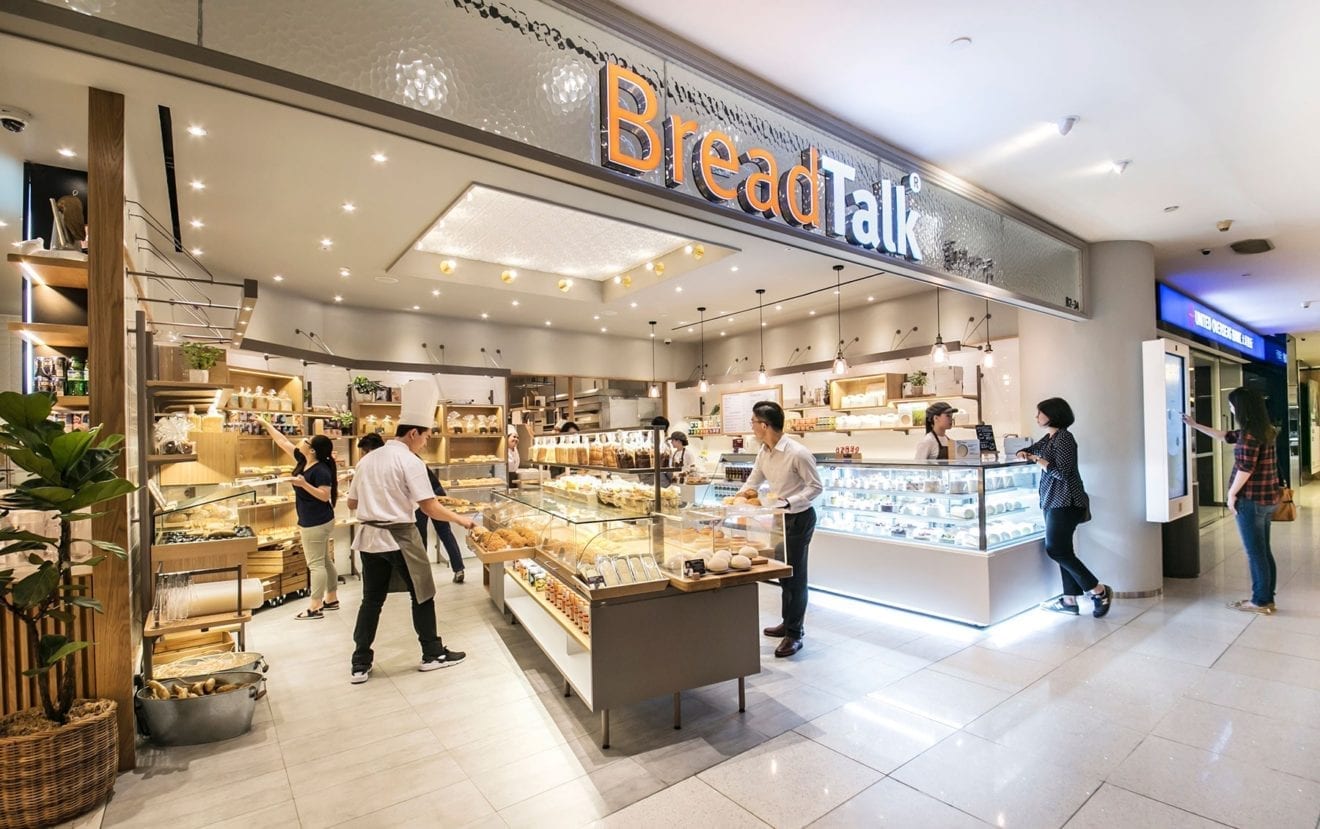
    Singaporean bakery and restaurant operator BreadTalk is to be delisted from the Singapore stock exchange tomorrow (June 5) following its mandatory acquisition by BTG Holding.

    The firm applied to delist from the exchange following the suspension of trading on April 21. The new owning entity is owned by BreadTalk’s founder George Quek and his wife, along with Thai food & hospitality firm Minor International.

    The group’s stakeholders offered to acquire all the ordinary shares in the firm and delist the company in February. At the time, Minor and Quek said they planned to undertake a review of the business following its delisting with a view to streamlining business activities, refocusing on and strengthening core business activities and exploring the potential disposal of non-core property assets.

    BreadTalk filed losses of US$4.1 million last year and was struggling financially long before the advent of the coronavirus pandemic, which worsened matters.

    The firm’s business “remains challenging across key markets, including Singapore, China and Hong Kong,” according to official filings submitted by the firm.

  • Malaysian startup installs ‘Coffee ATMs’ for frontline medical workers

    Malaysian startup installs ‘Coffee ATMs’ for frontline medical workers

    One-year-old Malaysian startup Coffee Star has provided self-service dispensing machines – dubbed ‘Coffee ATMs’ – to medical frontliners serving free beverages during the coronavirus pandemic.

    The machines were delivered to the Malaysia Agro Exposition Park Serdang (currently serving as a quarantine and treatment center for 600 patients) and Sungai Buloh Hospital, providing fresh coffee to frontliners for free, serving more than 10,000 cups of fresh coffee since April.

    The unmanned Coffee ATMs are completely automated machines allowing users to select drinks via a touchscreen panel.

    “Our frontliners who are courageously and selflessly serving the nation in the coronavirus crisis represent the best of who we are,” said MAEPS CEO Zaidi Shahrim. “We are honored to support this initiative by partnering, Coffee Star, to provide the heroes in our communities fresh coffees to recharge.”

    “We have tremendous admiration for all of the frontliners fighting in this unprecedented time,” said Coffee Star Malaysia “coffee enthusiastic officer” Raja Ahmad Fauzan bin Raja Hassan. “When we heard that they needed an energy booster to help them through their long days, we were eager to help.

    “We experience the impact of coronavirus directly throughout our business locations in airports, shopping malls and office towers. So, we are redeploying our machines from those locations and utilised for a greater good to serve fresh, free coffee to the frontliners. The machine serves fresh coffee on-demand at the right moment they need it.”

  • Kimly buys six food outlet stores

    Kimly buys six food outlet stores

    Singaporean coffee shop operator Kimly has completed acquisitions of six food outlet properties for US$25.4 million.

    The acquisitions include two coffee shops, three industrial canteen units, and a restaurant. The firm is poised to acquire two further coffee shops pending approvals, which have been delayed by the coronavirus pandemic. Funding for the new properties was partially obtained via the issuance of 22 million new shares.

    Most of the acquired properties will progressively undergo asset enhancement initiatives such as layout improvements, an increase of seating capacity, and the introduction of new food concepts aimed at retaining current food stall operators, attracting new food stall tenants as well as better serving customers.

    “We continue to look for opportunities to acquire and operate more strategically located food outlets with the view of enhancing long-term shareholder value and the group’s profitability,” read a statement by directors of the group.

    “Moving ahead, we remain committed to our strategy to pursue long-term direct ownership in properties where the group operates and manages food outlets to further extend our presence across the heartlands of Singapore.”

    With the completion, Kimly’s total number of food outlets increases from 73 to 79, complemented by an additional four drink stalls and three food stalls. It has increased its number of food outlets and food stalls from 64 to 79 and from 121 to 137 respectively since its IPO.

  • Dairy Farm sells Wellcome Taiwan to Carrefour

    Dairy Farm sells Wellcome Taiwan to Carrefour

    Hong Kong-headquartered Dairy Farm is to sell its Wellcome Taiwan grocery retail business to Carrefour, with settlement later this year after regulatory approvals have been granted.  The deal – worth about €97 million – includes about 224 stores and warehouses, along with some property assets. Wellcome Taiwan’s turnover last year was approximately €390 million.

    The business currently has 199 Wellcome stores with an average sales area of 420sqm – and 25 Jasons, with an average sales area of 820 sqm. The Dairy Farm stores trading under the Wellcome banner will be converted to its Market format, and those trading under Jason’s brand will be converted to the Carrefour format.

    “Dairy Farm believes this change of ownership will set the business up for future growth and prosperity, building on Wellcome’s strong sales momentum over the past 12 months following the successful implementation of its price reinvestment campaign and increasing customer loyalty,” the Hong Kong company said in a statement.

    “This strengthened network represents greater opportunities for our team members as well as better service and value to our customers.”

    A spokesperson for Dairy Farm told Inside Retail Asia that the company was committed to its remaining major investment in Taiwan, Ikea.

    “Ikea Taiwan remains very much part of Dairy Farm’s portfolio. Through the Ikea brand, Dairy Farm is committed to delivering a unique home furnishing and Swedish food experience to our customers in Taiwan.”

    Meanwhile, the MD of Wellcome Taiwan, Laurent Piazza, says the sale is a testament to the hard work and determination of the Dairy Farm team to offer the best to its customers.

    “By bringing these businesses together, team members and customers will benefit from being served by a larger group that can use their combined strength and scale to improve quality, service, and price competition.

    “We have complete confidence in the future success of the business and believe, by bringing these businesses together, we have created a strong future for the team and a better shopping experience for our customers.”

    Carrefour currently operates 137 stores in Taiwan, including 69 under its Market banner. The group posted net sales of €1.968 billion last year and posted pre-tax earnings of €209 million.

  • BeChef plans 50-strong shared kitchen network across Japan

    BeChef plans 50-strong shared kitchen network across Japan

    BeChef has launched a shared kitchen in Kyoto, with plans to host 300 eateries across Japan within the next three years.

    The first BeChef + Kyoto-branded shared kitchen occupies a 50sqm area which features three separate kitchens. There is available space for up to six stores, which can work with different delivery services, including UberEats and Rakuten.

    The Kyoto shared kitchen also houses a dine-in space for customers.

    “For those involved in the restaurant business, I think opening a business independently is a big dream,” said Masafumi Tobe, representative director. “However, about 70 percent of restaurants close after three years of operation, and it is said that only about 10 percent of the stores are still open after 10 years.”

    According to BeChef, brands opening at the BeChef + Kyoto shared kitchen will not be charged fees to move in or out and restaurants affected by Covid-19 will be exempted from administrative fees.

    BeChef is to open more facilities in Fukuoka, Tokyo, and Osaka later this year. The company said that it aims to host 300 eateries in 50 facilities nationwide within three year

  • Teafolia closing down, Singapore’s latest victim of the virus outbreak

    Teafolia closing down, Singapore’s latest victim of the virus outbreak

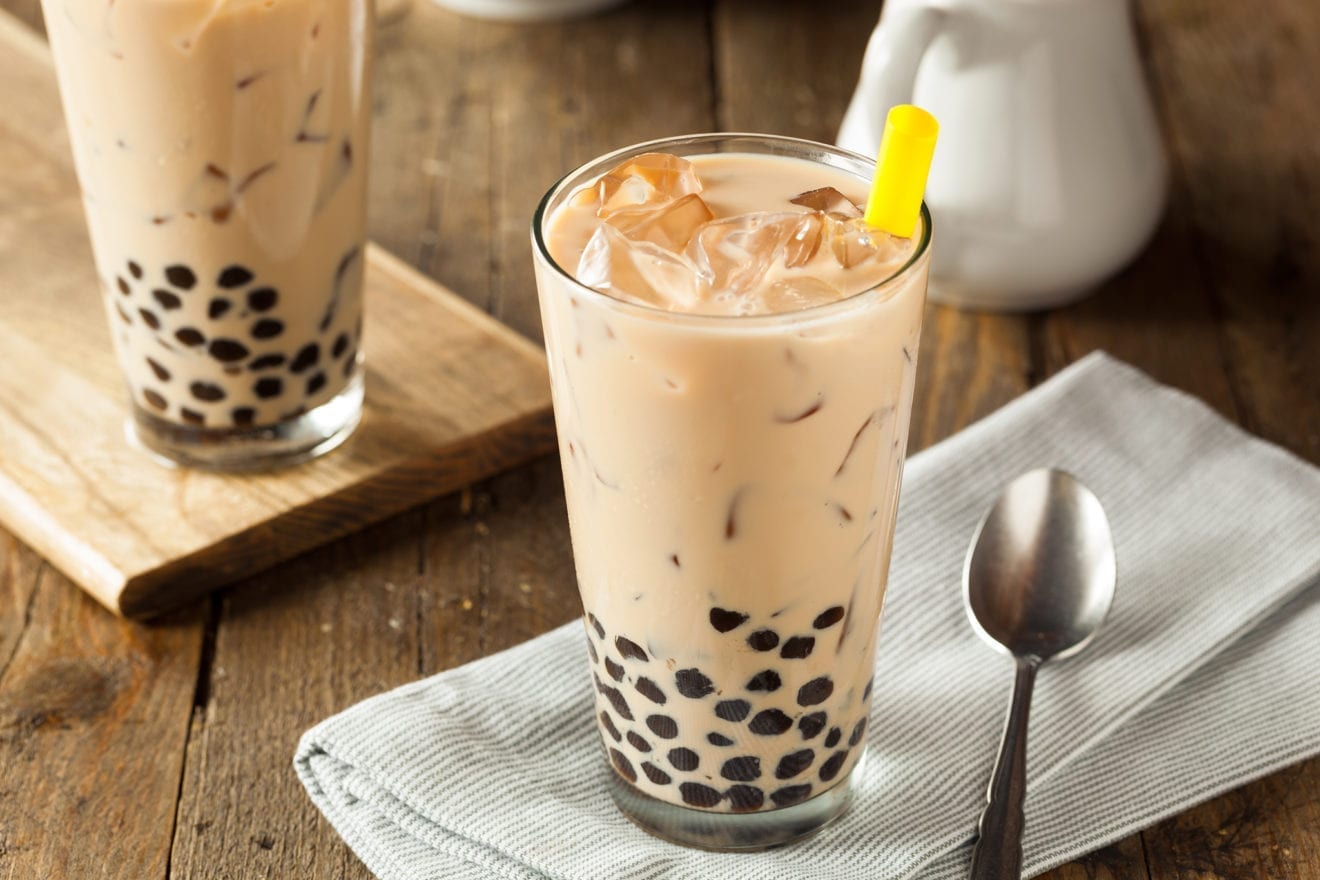
    Singaporean bubble tea brand Teafolia has permanently ceased operations in the territory.

    A Facebook post announcing the closure cited the “current economic situation” as the reason for shuttering its outlets. The brand had traded in Singapore for the past three years.

    Teafolia temporarily closed two of its three outlets during Singapore’s circuit breaker period, a lockdown imposed to counter the spread of the coronavirus pandemic on the island. It permanently closed its Bedok Mall outlet for reasons of “economic circumstances” a fortnight ago.

    Teafolia was popular amongst locals for fruit teas, milk-based drinks, and slushies as well as bubble tea. Its website lists one store in Los Angeles, USA, although it remains unclear whether or not the brand’s sole international location remains in business.

  • Yum China Lifts Off Beyond Burger in KFC, Pizza Hut, Taco Bell

    Yum China Lifts Off Beyond Burger in KFC, Pizza Hut, Taco Bell

    Yum China has entered into a partnership with plant-based meat manufacturer Beyond Meat to trial a burger at selected KFC, Pizza Hut, and Taco Bell locations within the country.

    The agreement marks the introduction of Beyond Meat’s Beyond Burger in Mainland China.

    “We see great potential for the plant-based meat market in China,” said Yum China CEO Joey Wat. “This latest introduction … is expected to capture valuable consumer feedback across different regions in China. It will enable us to optimize flavors and processes and help assess the potential for larger-scale rollouts in the future.”

    Beyond Meat founder and CEO Ethan Brown said Chinese consumers are seeking out the nutritional and environmental benefits of plant-based meats.

    The burger will be available at five KFC locations in Beijing, Chengdu, Hangzhou and Shanghai. The Pizza Hut offering will launch at six Shanghai locations and will constitute part of the brand’s first-ever burger offering. Taco Bell will offer a taco made with the plant-based Beyond Burger patty at three stores in Shanghai.

    All Beyond Burger promotions will be sold as a three-day limited offer.

    The move follows Starbucks China launching a range of foods using plant-based meat alternatives, including two pasta dishes and a wrap featuring Beyond Meat and another dish using OmniPork.

  • Starbucks merchandise in high demand as fans miss in-store experience

    Starbucks merchandise in high demand as fans miss in-store experience

    Stuck in their homes, many US fans of Starbucks are apparently missing the experience of shopping or dining in a cafe – so they’re going online to pay huge premiums to buy the coffee brand’s merchandise.

    US high-end online reseller Poshmark has seen sales of Starbucks merchandise increase by more than 100 percent since the advent of the coronavirus pandemic.

    Buyers in search of Starbucks mugs, tumblers, earrings (yes, earrings), scarves, and almost anything bearing the famous siren logo have reportedly flooded sites such as Poshmark, hunting for bargains and rare collectibles.

    Poshmark CEO Manish Chandra suggested restrictions on movement brought on by the outbreak have triggered strong nostalgia for the coffee chain amongst patrons who regularly visit outlets. Starbucks is now the site’s top-trending brand.

    Starbucks merchandise is only available direct from its physical cafes after the company closed its online store three years ago, making it impossible for customers to browse new products in areas where lockdowns are in place.

    “People have been making their coffee at home and pouring it into their favorite Starbucks cups, or taking their Starbucks mugs to their Zoom meetings or now, virtual coffee meets,” Chandra told CNN.

    Starbucks has acknowledged the surge in demand for its merchandise on reseller sites but made no further comment.

  • Starbucks expands Teavana in Korea

    Starbucks expands Teavana in Korea

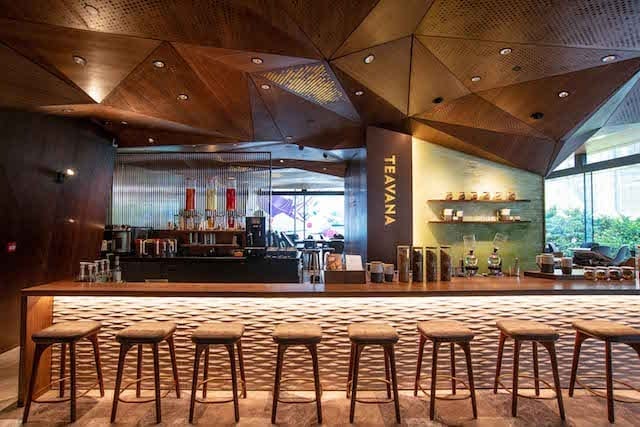
    Starbucks is expanding Teavana in South Korea. According to the Korea Herald, The number of Starbucks’ premium Reserve-branded coffee houses serving Teavana drinks has expanded from 13 to 52.

    The tea has grown in popularity within the territory since it was introduced in 2016, with Teavana sales growing 20 percent annually. One tea blend is now the chain’s third most frequently ordered beverage among younger customers, perhaps due to a heightened awareness of health consciousness in that demographic.

    During the first three months of this year, sales of green tea-based drinks rose 35 percent compared with the same period last year.

    Starbucks acquired US-based Teavana Holdings in December 2012, a “super-premium tea” product it said brought “exotic blends, great flavors, wellness and innovation” to customers globally. At that time it was a standalone retailer, however, Starbucks closed all of the stores and integrated the brand and its products into selected coffee stores.

  • Starbucks in Korea under fire for free-gift ‘wastage’

    Starbucks in Korea under fire for free-gift ‘wastage’

    A giveaway promotion from Starbucks in South Korea has drawn the ire of critics who allege consumers are buying coffee and dumping it to gain enough points for free goods. The promotion has become popular, critics say customers feel pressured to buy products in “excessive” volumes.

    Starbucks in South Korea is holding a promotional event from May 21 to July 22. If a customer buys 17 drinks, including seasonal drinks, they can get one of two small suitcases or a camping chair.

    Rival chain Hollys Coffee has also been running a promotion since May 12 that allows customers to purchase three products useful for camping, including parasols and chairs, at a 60-per-cent discount, if one spends more than 10,000 won (US$8.10) at the store.

    The problem is that some of these promotional products are exploding in popularity, and there is an abnormal craze, such as mass purchases of unwanted drinks to receive them.

    On social media sites, tips on how to buy 17 drinks at Starbucks for the lowest price (68,700 won) have been shared.

    Starbucks does not disclose the number of free gifts available at each store, but information about the stores is being posted online.

    Last Friday, a customer bought 300 cups of coffee at a time and returned home with only the small suitcases, as free gifts.

    The customer posted a memo titled “All Free” for the remaining 299 cups besides the one he or she took, but no one drank them, so all the coffee was reportedly discarded.

    In addition, some of the Starbucks suitcases are being sold for up to 200,000 won on online shopping malls and secondhand trading sites.

    “It is a thank-you event for customers who usually buy more than two cups a week, but we are in a difficult position as other customers report of the inconvenience,” a Starbucks in South Korea official said.

    “However, these gifts are being praised for their design and practicality.

    Hollys Coffee is also known to have many people lining up from dawn to buy its promotional items or going from store to store in search of a particular item.

    The craze is also attributed to the fact that both companies have released gifts aimed at “home camping.”

    Interest in domestic travel and camping has grown as the global Covid-19 crisis has made it virtually impossible to travel abroad during the summer vacation season.

    In particular, “home camping,” which can be enjoyed on verandas, porches or terraces at home, has also become popular as the number of people staying at home increases due to the coronavirus outbreak.

    According to Gmarket’s recent survey of sales during the period from April 22 to May 21, sales of tents for home use increased by 39 percent year-on-year, compared to growth of 49 percent for folding tables, and 48 percent for folding camping chairs.

    Some point out that the purpose of the promotional events, which were intended to convey a token of gratitude to loyal customers, is becoming blurred. Some are calling for measures such as limiting the quantity per person.

    “Unlike ordinary products, there is a problem where food and beverage be discarded if they are not consumed immediately,” a retail industry source said.

    “To prevent this phenomenon of throwing away money, Starbucks should be telling customers how many free gifts each store has prepared.”
  • Korean coffee chains weigh impact of Blue Bottle debut

    Korean coffee chains weigh impact of Blue Bottle debut

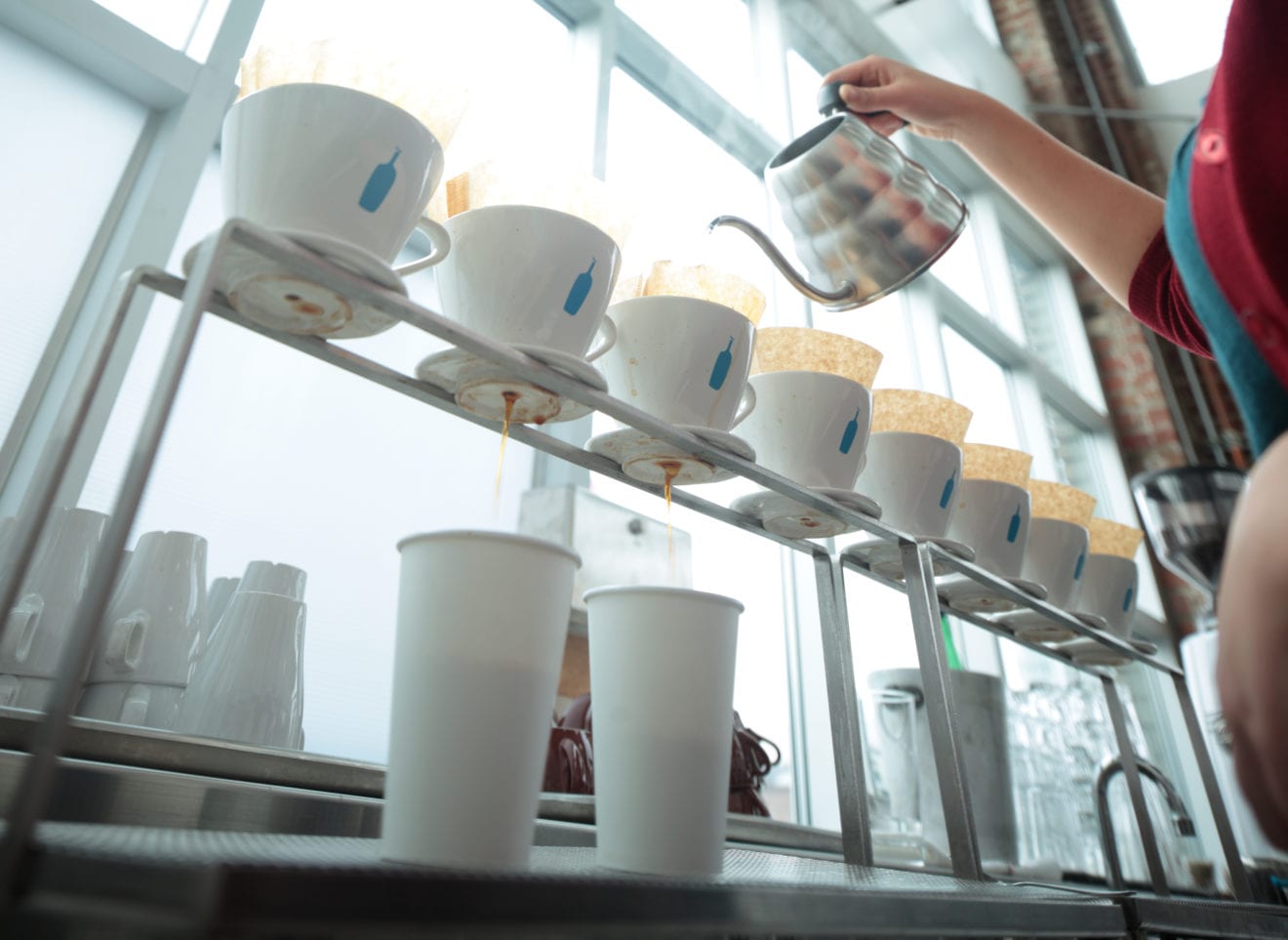
    A year has passed since South Korea’s first Blue Bottle Coffee shop opened in Seoul’s eastern Seongsu neighborhood – a trendy hangout spot where young artists and designers renovated existing buildings into art spaces, fine restaurants and cafes to woo customers.

    What impact has this American coffee franchise had on the coffee industry in South Korea?

    Blue Bottle Coffee now runs five shops, located in Seongsu-dong, Samcheong, Yeoksam, Apgujeong and Hannam.

    Among coffee industry analysts, opinions are mixed. Some believe that the newcomer’s focus on specialty coffee has contributed to the expansion of the high-end coffee market, while others say that the company’s influence has been minimal.

    The coffee industry believes that Blue Bottle contributed to the popularisation of specialty coffees, once popular only among coffee enthusiasts, arguing that the market expanded when Blue Bottle opened for business.

    “Blue Bottle made a significant contribution to starting a new era for the South Korean coffee market, spreading the culture of specialty coffee far and wide,” an industry source said.

    “The company will continue to attract more popular interest in specialty coffee.

    There are others, however, who believe that Blue Bottle’s influence in South Korea has been minimal.

    A limited number of vendors and its operational focus on Seoul has led Blue Bottle to be tied up regionally, and most of the customers are hard-core coffee enthusiasts who have limited influence in the popularisation of specialty coffee, they say.

    In addition, Blue Bottle’s shops don’t provide free wireless internet and other convenience facilities normally found in other coffee shops, breaking with tradition as South Koreans commonly visit coffee shops to meet with others.

    “Blue Bottle gained attention when the first shop opened. Now, it struggles to win the heart of South Korean customers,” another industry source said.

    “They should have entered the South Korean market with a better understanding of South Korean customers.”