Category: Food

Retail News Asia is committed to providing both local and global retailers with the latest Food and Food & Beverage news throughout the Asian market. This on a daily base.

  • Yum China Profit gain despite Covid-19 virus impact

    Yum China Profit gain despite Covid-19 virus impact

    Yum China emerged from the first quarter in profit despite the disruptive effects of the Covid-19 pandemic on sales and operations.

    While revenue was down 24 percent for the operator of KFC, Pizza Hut in Mainland China, and several local restaurant chains, the company reported an operating profit of US$97 million. That was achieved even after extending support to staff and franchisees, whose income was affected by store closures during the pandemic. Total sales were $1.75 billion, down from $2.3 billion.

    “This achievement under extraordinary circumstances is a testament to our resilient and flexible business model,” said Yum China CEO Joey Wat. “Weathering this storm of all storms gives us great confidence in our ability to thrive in the years ahead by serving our employees, customers, and shareholders.”

    Yum China opened 179 new stores during the March quarter – mostly prior to Lunar New Year – extending its store count to 9295 across more than 1400 cities.

    During the Covid-19 crisis, the company began temporarily closing stores in late January, working within the guidelines of respective local city authorities. Some 35 percent of stores were closed by mid-February at the peak of the outbreak, with significant regional differences. As of last week about 99 percent of its stores have either partially or fully reopened.

    Same-store sales declined in restaurants which remained open, due to reduced operating hours and falling customer numbers. Many of the stores provided only delivery or takeaway services.

    During the first three weeks of January – prior to the pandemic taking hold – the company experienced strong trading across its network. But then same-store sales declined by 40-50 percent compared with last year’s Lunar New Year holiday turnover. By late March, same-store sales had recovered somewhat, down by about 20 percent. Delivery sales accounted for 35 percent of total sales throughout the quarter, almost double the share of a year earlier.

    The company said sales during April – the early weeks of the second quarter – were down by more than 10 percent on a same-store basis.

    The reason Yum China performed so well during the quarter was a mixture of cost control, landlord support, assistance from government agencies and improved labor productivity, which mitigated lower sales and increased expenses due to contactless delivery and increased delivery costs.

    By channel, Pizza Hut was affected more than KFC, with sales down 38 percent, compared to 15 percent (excluding foreign-exchange adjustments).

    Yum China’s net income declined 72 percent from $222 million to $62 million, primarily due to the reduced operating profit and losses in an equity investment in Meituan Dianping.

    Wat said the company relied on its “culture of innovation” to protect stakeholders and support the business during the pandemic-related lockdown.

    “Most importantly, we quickly implemented a safe way to reach our customers through highly sanitary contactless delivery and contactless takeaway. Our digital infrastructure enabled us to stay nimble and communicate quickly with customers and employees online and through mobile technology. We were able to inform our members about compelling offers through our apps, while efficiently adjusting labor hours based on rapidly changing traffic and sales patterns,” he said.

    CFO Andy Yeung said that while the situation in China is gradually stabilizing, the company remains cautious as restaurant traffic is still below pre-outbreak levels.

    “We expect an extended recovery period, and that the pace will be uneven across regions, day parts and segments. On the other hand, global infections continue to rise. It remains difficult to predict the full impact of the pandemic on the broader economy and how consumer behavior may change.”
  • KFC tests plant-based chicken meals in China

    KFC tests plant-based chicken meals in China

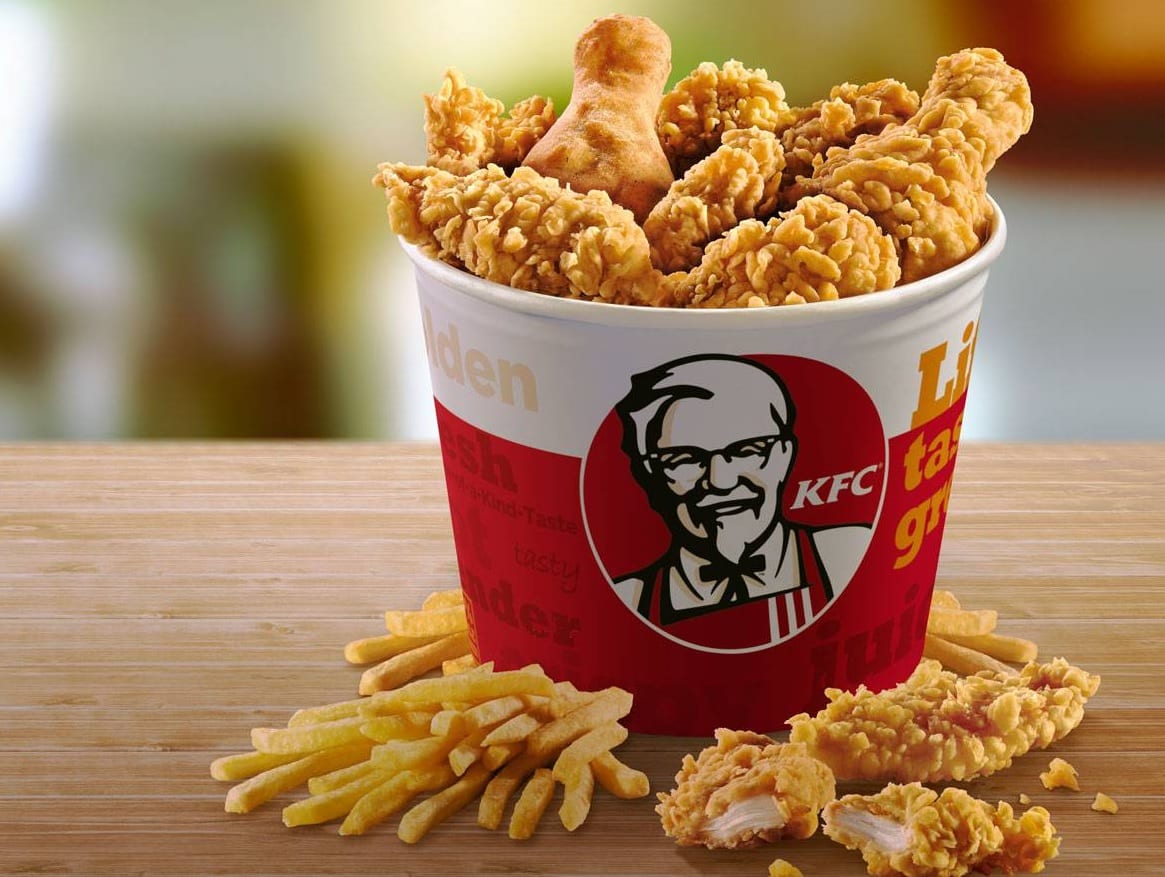
    KFC has launched a three-day test of its plant-based chicken meals in China starting from today, April 28.

    Partnering with US food manufacturer Cargill, KFC China debuts its plant-based chicken nuggets, which are made from soy, wheat, and special pea, at selected stores in Shanghai, Guangzhou, and Shenzhen.

    “We are committed to embracing innovation and continue to delight and surprise our customers with tasty products,” said Joey Wat, CEO of Yum China. “The test of KFC’s Plant-Based Chicken Nuggets caters to the growing market in China for delicious alternative meat options on the go.

    “We believe that testing the plant-based chicken concept with one of our most iconic products will take this increasingly popular meatless trend to a new level.”

    Before the test was launched, consumers downloaded some 7000 coupons required to purchase the food from the KFC app. In Shanghai, the coupons sold out in just one hour. The company has also changed the layout and decor of participating stores to promote the initiative.

    KFC is not the only food-retailing brand to roll out plant-based meals in China this month – Starbucks recently launched a plant-based menu in stores across the country.

  • Starbucks China and Sequoia Capital launch technology investment plan

    Starbucks China and Sequoia Capital launch technology investment plan

    Starbucks is to partner with the investment company Sequoia Capital to invest in new technologies that will accelerate the company’s digital innovation in Mainland China.

    The two companies plan to focus on next-generation food and retail technology companies whose products will help Starbucks grow the coffee and retail industry in China, one of its fastest-growing markets globally.

    An early focus will be opportunities to embed digital technologies across Starbucks’ retail business, making the most of data-driven analytics, modeling, and decision making.

    “These may entail adopting creative solutions to enhance front- and back-of-house operations, such as the use of machine learning and predictive intelligence tools in managing Starbucks growing retail operations in China, or the optimization of Starbucks supply chain through precise, real-time inventory management,” the company said in a statement.

    “China’s vibrant environment is a rich ground for entrepreneurship that has seen the emergence of many local innovators that we hugely admire,” said Starbucks China CEO and chairman Belinda Wong.

    “The partnership enables Starbucks to tap into the most dynamic Chinese technology entrepreneurs in order to delight our customers with meaningful innovations created in China, for China.”

    By partnering with Sequoia Capital, Starbucks will gain early access to technologies which it expects will create investment opportunities to grow its China business and keep pace with technology innovations which are driving structural reform across digital, online, and brick-and-mortar retailing.

    “Beyond the direct benefits from this collaboration, Starbucks also hopes to leverage its retail expertise, scale, and infrastructure to help realize the growth aspirations of like-minded purpose-driven companies that have a passion for leading positive change for customers and communities,” said Wong.

    “The partnership presents an exciting platform for our portfolio companies to test, commercialize and scale new innovations for China,” added Neil Shen, steward of Sequoia Capital, and the founding and managing partner of Sequoia Capital China. “Together with Starbucks, we look forward to bringing the digital transformation of the consumer retail industry in China to the next level.”

    This is not Starbucks’ first commitment to identifying and funding new technologies. Last year it launched Siren Ventures in the US to invest in new concepts and technologies.

    “We are excited to tap the tremendous energy of technology entrepreneurs from two of the world’s largest and most dynamic markets, to pioneer innovative solutions that could reimagine the global retail landscape,” said Kevin Johnson, president, and CEO of Starbucks.

  • Eating at home will be ‘the new reality’ for Asian consumers after Covid-19

    Eating at home will be ‘the new reality’ for Asian consumers after Covid-19

    Covid-19 has changed Asian customers’ habits, especially in Hong Kong, as more of them decide to eat at home.

    And according to a study conducted by Nielsen, the trend will continue once the pandemic passes, potentially reshaping the foodservice and grocery industries.

    Nielsen found that 86 percent of mainland Chinese customers prefer to eat at home more often now than before the Covid-19 outbreak. In Hong Kong, 77 percent of consumers surveyed said they want to cook at home more often.

    “As Hong Kong consumers adjust to the ‘new normal’, people are spending more time at home to prepare meals for their families,” said Andrea Borelli, MD at Nielsen Hong Kong and Macau. “With the redefined ‘stay-at-home economy’, it has helped to reinvigorate packaged-food sales as this provides the opportunity for FMCG players in these categories to engage with their consumers more closely.”

    This trend also became popular in other Asian countries including South Korea, Malaysia, and Vietnam (all approximately 62 percent).

    “The shifts away from out-of-home dining to at-home food delivery, takeaways and cooking during the Covid-19 period are locally nuanced by traditional consumption habits but also by the different quarantine and shutdown measures by market,” Borelli added.

    He said Covid-19 has reoriented consumer thinking and actions, which will have long-term consequences. Consumers will not only re-evaluate places for eating out but also be far more cognizant of what they’re eating.

    The trend is also evident in countries outside of Asia. According to GlobalData, both the UK and France are witnessing slow demand for takeaway meals.

    “In response, players such as Deliveroo and UberEats are looking to reduce risk exposure by forging partnerships with food retailers, working with major players such as Co-op and M&S in the UK and Carrefour in France,” said Thomas Brereton, retail analyst at GlobalData.

    “In that sense, the virus is accelerating the existing shift towards online food shopping; however, all parties must be aware of the expected duration of such alliances, with more thorough reviews – particularly on the dynamics of joint responsibility for ESG, brand image, etc – needed as the outbreak progresses.”

  • China retail ‘after Covit-19’ in store innovation says 7Fresh head

    China retail ‘after Covit-19’ in store innovation says 7Fresh head

    China’s retail industry remains behind the curve in-store innovation, which stands as a hurdle to the Chinese market’s inevitable dominance in global retail.

    The observation was among several key insights shared by 7Fresh head Jonathan Wang in a recent interview circulated by JD, which owns the 7Fresh omnichannel fresh-food supermarket business.

    “The key factors driving global retail transformation are quite simple: channel reformation, store format innovation and supply chain management,” said Wang. “China is already leading the global retail industry in channel reformation and digitizing the supply chain, but is still lagging behind the leading players, such as the US and Japan in terms of store innovation.”

    Wang noted that the scale of China’s e-commerce sector currently exceeds that of the US, UK and Japan combined. Despite this lead, China’s traditional offline retailers receive less than 5 percent of their revenues from online channels.

    “In China, some omnichannel supermarkets are far more advanced than those of leading Western supermarkets,” said Wang. “Many Chinese shoppers today are accustomed to ordering online and getting live and fresh seafood, fruits and vegetables, and other produce delivered to their doorsteps within 30 minutes. This is still far from the norm in most major US cities.

    “At 7Fresh supermarkets, online orders typically account for 40 percent to 45 percent while the proportion reached nearly 70 percent in February when Covid-19 was peaking in China. The company’s advanced supply chain technology was clearly the lynchpin to provide the superior omnichannel retail experience.”

    While China’s online business has proven its strength in navigating emerging opportunities, offline retail remains rooted in its store formats. At the same time, the Chinese middle class is growing, along with its desire to spend an increasing disposable income on quality items – exhibiting what is perhaps China’s most rapidly evolving set of consumer habits, tastes, expectations, and buying patterns in recent history.

    “It may be that the retail industry used to be relatively low-key, but since the industry has drawn much greater attention nowadays, people started to become aware of the ‘sexy’ aspect of retail,” said Wang.

    “Most of 7Fresh’s systems are designed as SaaS systems so that they can be adapted easily and quickly. Thanks to digitization, JD’s 7Fresh supermarket was able to break even within one year and a half. Its sales efficiency is three times that of a regular supermarket. Establishing 7Fresh is about exploring retail’s best practices, and we wish to share this excellence with the industry to make a positive impact and improve its capacity overall.”

  • Record numbers show Taiwan food-service sales decline

    Record numbers show Taiwan food-service sales decline

    Taiwan foodservice sales have slumped by 21 percent year on year due to the coronavirus pandemic.

    Ministry of Economic Affairs data revealed total F&B sales of NT$51.9 billion (US$1.73 billion) this year across the territory, the steepest decline since reporting on sales figures began in January 2000.

    A parallel survey of Taiwanese restaurant sales saw a 23-per-cent drop in sales early this month. Figures revealed a downward trend in Taiwan foodservice sales before the government introduced social-distancing measures, with venues serving Chinese cuisine the most strongly affected.

    Ministry deputy head of statistics Wang Shu-chuan said that full-month figures for April could see a similar drop of around NT$16 billion ($532.5 million).

    General retail sales for the first financial quarter this year dropped 0.6 percent from last year to NT$924.5 billion ($30.8 billion), with revenues for March hitting NT$290.6 billion ($9.7 billion), down 3.4 percent. At the same time, e-commerce operators saw sales rise 19.1 percent year on year to NT$81.1 billion ($2.7 billion) during the first quarter.

  • Burger chain Eggslut set to open in Korea and Singapore

    Burger chain Eggslut set to open in Korea and Singapore

    SPC Group, operator of Shake Shack in South Korea, is bringing Eggslut, the California-based egg sandwich chain, to Seoul.

    The group has acquired the rights to exclusively operate in South Korea and Singapore. The first Korean Eggslut store will be launched at the Starfield Coex Mall in Seoul in June.

    Details of a Singapore launch have yet to be revealed.

    “We are pleased to show Korean guests the special taste of Eggslut, which means someone who loves eggs,” said Jeff Vales, co-founder of Eggslut.

    “SPC Samlip has the standout production and supply chain of eggs, meat processing, vegetables, sauces, etc. based on baking technology. Therefore SPC Samlip is the best partner to maintain the high quality of the Eggslut menus,” he added.

    Founded by chef Alvin Cailan in 2011, Eggslut is famous for its egg sandwich made with a brioche bun, coddled egg and sriracha mayo sauce. The chain now operates stores in four countries including the UK and Japan.

  • Brotzeit creates a virtual experience to promote new outlet during Covid-19 crisis

    Brotzeit creates a virtual experience to promote new outlet during Covid-19 crisis

    German-themed restaurant chain Brotzeit engaged a design firm to create a virtual walkthrough video of its new outlet to promote the venue during the coronavirus crisis.

    The 3D walkthrough video of Brotzeit’s new restaurant in Hong Kong was put together by 5 Star Plus Design, which says such technology helps brands strengthen their retail strategy.

    The video creates a virtual extension of the physical restaurant while also providing their guests with an immersive experience.

    Brotzeit engaged the design firm to enhance its existing interior design concept for its latest franchise unit in Hong Kong with modern touches, so as to make it more attractive to both younger guests as well as lunch and dinner customers.

    The videography is intended to align with Brotzeit’s brand strategy, enabling customers to observe the restaurant virtually.

    The Singapore-based German brand operates stores in seven countries across Asia Pacific.

  • McDonald’s, The Cheesecake Factory find the perfect recipe for staying relevant during crisis

    McDonald’s, The Cheesecake Factory find the perfect recipe for staying relevant during crisis

    With customers subjected to stay-at-home orders or lockdowns around the world, major brands are facing unprecedented challenges staying relevant and connected – especially fast-food retailers and theme parks.

    At the same time, the lockdowns have spurred an unprecedented demand for baking ingredients as consumers try their hand at creating food and snacks at home – either to kill time or save money.

    At least four international corporate giants have linked these two features of the Covid-19 pandemic into feel-good marketing initiatives that help consumers, subtly reinforce brand ‘feel-good factors’ and drive traffic to their social media accounts. McDonald’s, Disney, The Cheesecake Factory and hotel chain DoubleTree have each shared recipes for foods they serve to customers so they can make them at home.

    Fast-food giant McDonald’s in the UK, which closed all of its restaurants last month, released a recipe for its Sausage and Egg McMuffin for fans to recreate in their own kitchens. This was in response to viral tweets from internet users who had tried to make their own McMuffin breakfast sandwiches while unable to visit restaurants.

    The chain produced a recipe card (below) revealing the five ingredients and full cooking instructions in order to promote its brand while outlets are closed – and included a step-by-step guide on how to prepare its crispy hash browns.

    In the US, hotel chain DoubleTree has released the recipe for the popular chocolate chip cookies presented to travelers fresh from the oven upon arrival at the firm’s properties. More than 30 million of the cookies are baked and shared with customers each year, and the cookie carries the distinction of being the first food baked in orbit at the International Space Station.

    “We know this is an anxious time for everyone,” said DoubleTree by Hilton senior VP and global head Shawn McAteer. “A warm chocolate chip cookie can’t solve everything, but it can bring a moment of comfort and happiness … we look forward to welcoming all our guests with a warm DoubleTree cookie when travel resumes.”

    Disney Parks – the theme park division of the giant Disney entertainment empire – has similarly released a recipe inspired by the churro snacks available at all its parks worldwide, most of which are closed during the pandemic.

    “These past few weeks, we’ve seen many of you sharing Disney recipes and creating your very own magical moments right at home,” wrote Alex Dunlap, food & beverage communications coordinator at Disney Parks in a blog post for fans. “This has inspired us to share one of my favorite recipes so you can continue creating #DisneyMagicMoments.”

    The company also shared on a blog how to make the grilled three-cheese sandwich offered at Woody’s Lunch Box at Toy Story Land in Disney World, on the occasion of National Grilled Cheese Day.

    Restaurants and bakeries are joining the trend as well. US casual-dining chain The Cheesecake Factory has published recipes online for many of its dishes, including its lemon-ricotta pancakes, Tuscan chicken, (pictured above), almond-crusted salmon salad, California guacamole salad, and chicken Bellagio.

    Other chains to post recipes online include Pret-A-Manger in the UK and US bakery Panera Bread.

    Meanwhile, The Hustle is reporting how one US bakery supplying restaurants pivoted into creating home-baking kits for consumers, in order to keep its factory operating and staff employed.

    Aaron Caddel was forced to close his San Francisco and Los Angeles bakeries Mr. Holmes Bakehouse after all 60 of his wholesale customers canceled their orders within 72 hours, equivalent to about $3 million of business.

    “I had single mothers on staff begging me to keep their jobs,” he told The Hustle. “So I just had to turn to solution mode: How can I create an insurance policy against this economy?”

    His solution was to create an all-inclusive kit including yeast, flour and detailed instructions to help consumers bake their own Mr. Holmes loaves. He had no e-commerce experience, but he did have 121,000 followers on his Instagram account.

    “Caddel is one of many small business owners recalibrating to serve a rapidly growing class of housebound bakers,” wrote Zachary Crockett, senior writer at The Hustle. You can read his full feature here.

    The demand for information about baking at home has surged since lockdown orders were put in place. One overseas columnist described flour as “the new toilet paper” in terms of consumer demand, with stocks running low in supermarkets as demand outstripped usual supply volumes.

    This chart below shows the rate of Google searches for bread-making instructions since stay-at-home orders were put in place in parts of the US last month.

    It seems some global brands have found the perfect recipe to delight consumers they would otherwise have had little opportunity to connect with during the coronavirus pandemic…

  • Starbucks China launches plant-based menu with Beyond Meat, Oatly, Omnipork

    Starbucks China launches plant-based menu with Beyond Meat, Oatly, Omnipork

    Starbucks China is launching a plant-based menu in partnerships with Beyond Meat, Omnipork and dairy-substitute Oatly which will be available in most stores nationwide.

    From tomorrow (April 22) the coffee chain will launch two pasta dishes and a wrap featuring Beyond Beef, effectively launching the meat-substitute brand on the mainland.

    A Vietnamese-style noodle salad and mushroom-sauce grain bowl created with protein-based pork substitute Omnipork is also going on sale, along with oatmilk options on its beverage menu, created with Swedish brand Oatly.

    Leo Tsoi, senior VP, COO and president at Starbucks China Retail, says the new menu items make it easy and enjoyable for customers to explore new lifestyles.

    “Through our new plant-based platform, we seek to inspire new routines by inviting everyone to eat good, feel good and do good. Together, we can take a small, humble step to make a better world,” he said.

    Beyond Meat has worked with Starbucks as part of its market entry into the Chinese mainland. Ethan Brown, Beyond Meat founder and CEO says the launch marks an important milestone in the company’s goal of increasing accessibility to plant-based protein globally.

    “Starbucks is a trusted brand with a strong market presence and deep understanding of customers in China, and we’re pleased to partner with them on our market entry. We believe the new Beyond Beef menu items deliver on our promise of enabling consumers to Eat What You Love while also enjoying the nutritional and environmental benefits of plant-based protein,” he said.

    Meanwhile, oatmilk joins soy as a dairy alternative, which has been a feature of the Starbucks China menu for 13 years.

    “It’s a significant step for the growing plant-based movement that Starbucks customers in China can now enjoy their favorite beverage with Oatly,” said Toni Petersson, global CEO at Oatly.

    “Oatly pairs extremely well with espresso and creates a wonderfully dense and creamy foam for lattes.”

    Starbucks China has also launched a merchandise range made with recycled coffee grounds, including tumblers and notebooks. The grounds are processed and mixed with polypropene to form an industrial-grade material with more than 30-per-cent recycled coffee ground content. Th

  • How Covid-19 is impacting food-and drink-markets in Southeast Asia

    How Covid-19 is impacting food-and drink-markets in Southeast Asia

    The spread of Covid-19 is forcing Southeast Asian consumers to change their eating habits and embrace new shopping practices, says Mintel Apac food-and-drink analyst Tan Heng Hong.

    Given today’s consumer climate, food and drink categories with strong immunity claims can drive home the importance of immunity to protect wary consumers, he says.

    “Manufacturers of immunity-boosting food and drink products are actively promoting the importance of immunity to strengthen the body during the pandemic. These immunity-enhancing products include vitamin-fortified food and drinks, as well as spoonable yogurt, drinking/cultured yogurt, and nutritionally-complete drinks,” says Heng Hong.

    According to the Mintel Global New Products Database, growing-up milk (1–4 years) (16 percent), meal replacement drinks (6 percent), and drinking yogurt/liquid cultured milk (6 percent) make up the largest share of food and drink product launches in Southeast Asia that carried an immunity claim between March 2017 and February this year.

    The research also confirmed more and more consumers are turning to the convenience of ordering their groceries online as people choose to stay indoors to minimize their exposure to Covid-19. As a result, online grocery vendors have witnessed a surge in orders.

    This trend presents huge opportunities for grocery retailers to better engage with consumers through measures that bring added value and convenience, he says.

    “We’re also seeing growing interest in at-home cooking, which presents challenges and opportunities for brands looking to engage with those preparing and enjoying tasty meals at home.

    “Online grocery players can maximize the current situation and gain new users by showcasing the benefits of shopping for groceries online, including having sufficient stock of popular items during the pandemic, safe handling and delivery of parcels, free delivery, promotions, and use of e-payments.”

    There is evidence that consumers stuck at home are finding it challenging to prepare healthy meals that taste good. According to Mintel’s research, 72 percent of consumers in Vietnam cook meals from scratch all or most of the time, and 52 percent say it is difficult to prepare healthy food with great flavor.

    Heng Hong says as more consumers dine at home to avoid crowds, food manufacturers can step in to provide them with a more convenient, tasty and healthy meal solution.

    “Even after the current situation calms down, given the scale of the outbreak, and depending on the duration of lockdown measures, the pandemic is likely to leave an indelible mark on consumer lifestyles. Key behaviors such as vigilance around immunity and hygiene will stick around for the long term, as will dependence on online grocery shopping and, possibly, even the habit of at-home cooking.”

  • McDonald’s Singapore shuts all stores

    McDonald’s Singapore shuts all stores

    McDonald’s Singapore has temporarily closed all its restaurants as preventative action during the island’s “circuit breaker” period.

    According to a company statement, McDonald’s Singapore is suspending its restaurant operations, including drive-through and delivery service, until May 4.

    “These are indeed unprecedented times for all of us,” said Kenneth Chan, MD of McDonald’s Singapore. “With the safety of all our customers and employees as top priority, we will do all we can to help Singapore flatten the curve.”

    The company has confirmed staff will be paid as usual during the period of closure.

    The move came on Saturday, a day after the company suspended its takeaways service.

    McDonald’s Singapore had previously closed its store at Changi Airport Terminal 3 and its drive-thru outlet at a Shell petrol kiosk on Tampines Ave 2, after employees tested positive for Covid-19 at each location, taking the number of infected McDonald’s Singapore staff to seven since the coronavirus outbreak first occurred.

  • Jollibee Singapore fined for flouting social-distancing rules

    Jollibee Singapore fined for flouting social-distancing rules

    A Jollibee Singapore outlet is among several businesses fined SG$1000 for breaches of the government’s social distancing mandate.

    Official enforcement measures found the franchise’s Woodlands MRT branch had neglected to ensure queueing customers and food delivery workers maintained one-meter spacing between them, despite issuing previous warnings.

    “The infringements included failure to implement a crowd management system and allowing customers and delivery personnel to crowd together without one-meter spacing between one another,” read a statement by the Singapore Tourism Board and Enterprise Singapore. “If these stores continue to flout the rules, they will face higher fines and can be charged in court.”

    In an official apology, Jollibee explained that a staff member on duty had been unable to control the queue due to “a strong surge in delivery orders and a corresponding increase in third-party delivery riders in the store.”

    The one-meter distance requirement, as well as mandatory wearing of face masks, has been in effect since April 12. Members of the Singapore public are encouraged to report infringements by email to [email protected].

  • KFC Singapore launches contactless takeaway service

    KFC Singapore launches contactless takeaway service

    KFC Singapore has launched a contactless takeaway service, allowing customers to purchase safely during the circuit breaker period in the city.

    According to KFC, it is the first fast-food restaurant brand in Singapore to launch such a service. With “Contactless Takeaway”, customers can place orders via KFC Singapore’s app or its website and pick up the food at contactless pick-up tables in the chosen store.

    These contactless pick-up tables will be sanitised after each order is completed, the company said in the statement.

    “With the ‘Contactless Takeaway’ and ‘Contactless Delivery’ options, we are doing our very best to ensure that our famous fried chicken will be as accessible as always even during these trying times,” said Lynette Lee, GM at KFC Singapore.

    The ‘Contactless Takeaway’ service follows the ‘Contactless Delivery” option launched early last month.

  • Starbucks disclosing financial support for its staff in Asia

    Starbucks disclosing financial support for its staff in Asia

    Global coffee giant Starbucks has announced a US$10 million fund to support its partners (employees) around the world impacted by the coronavirus outbreak.

    The Starbucks Global Partner Emergency Relief Programme marks the first time both company-operated and international licensed market store partners across Starbucks will be able to access hardship grants.

    In company-operated markets such as China and Japan, the grants will be made available to partners through the existing Caring Unites Partners Fund – while in the rest of Asia, where Starbucks operates with local licensed businesses, they will be available to partners through the Emergency Assistance Foundation.

    “During this very difficult time, we believe it is our responsibility to create additional support for partners facing unexpected financial hardship wherever they are,” said Starbucks’ chief partner officer Lucy Helm. “We are proud to be a catalyst for a first-of-its-kind global funding initiative to further demonstrate to our Starbucks partners that we are in this together.”

    Starbucks’ commitment will also create a pathway for international licensed markets to set up their own funds, with Starbucks contributing an initial investment – a first for the company.

    Qualified categories for fund grants include (but are not limited to) housing and utilities, sudden loss of home, death of a family member or partner, and related funeral expenses.