Category: Food

Retail News Asia is committed to providing both local and global retailers with the latest Food and Food & Beverage news throughout the Asian market. This on a daily base.

  • Take-out and delivery shelter hamburger chains from Corona virus impact

    Take-out and delivery shelter hamburger chains from Corona virus impact

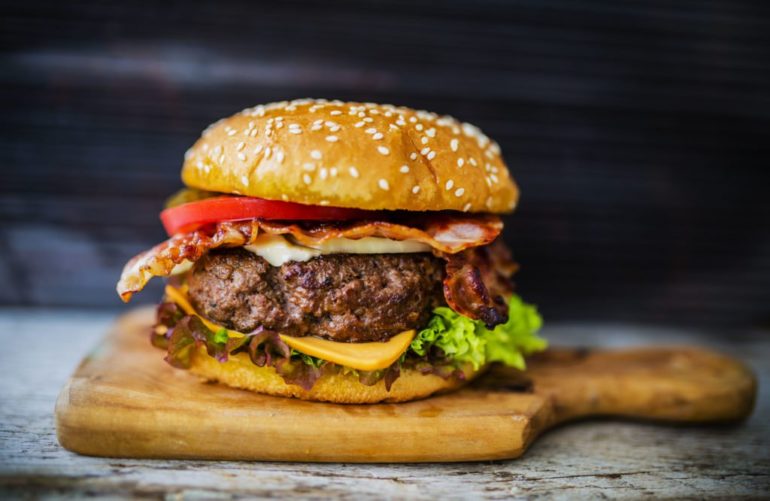
    While most South Korean restaurants are facing a serious survival crisis due to the coronavirus outbreak, hamburger franchises are showing better performance thanks to take-out and delivery services.

    McDonald’s Korea reported that more than 10 million cars visited McDrive, the company’s drive-thru service, pictured above, in the first quarter of this year.

    Shinsegae Food Inc’s No Brand Burger saw a rise in take-out orders, accounting for 32 percent of total sales in January, 41 percent in February, and 47 percent in March.

    Lotteria, South Korea’s largest hamburger chain, saw a 13-per-cent drop in the number of customers eating at stores in the first annual quarter, but a 30-per-cent jump in delivery orders.

  • FamilyMart Thailand launches vending concept store FamilyMart Corner

    FamilyMart Thailand launches vending concept store FamilyMart Corner

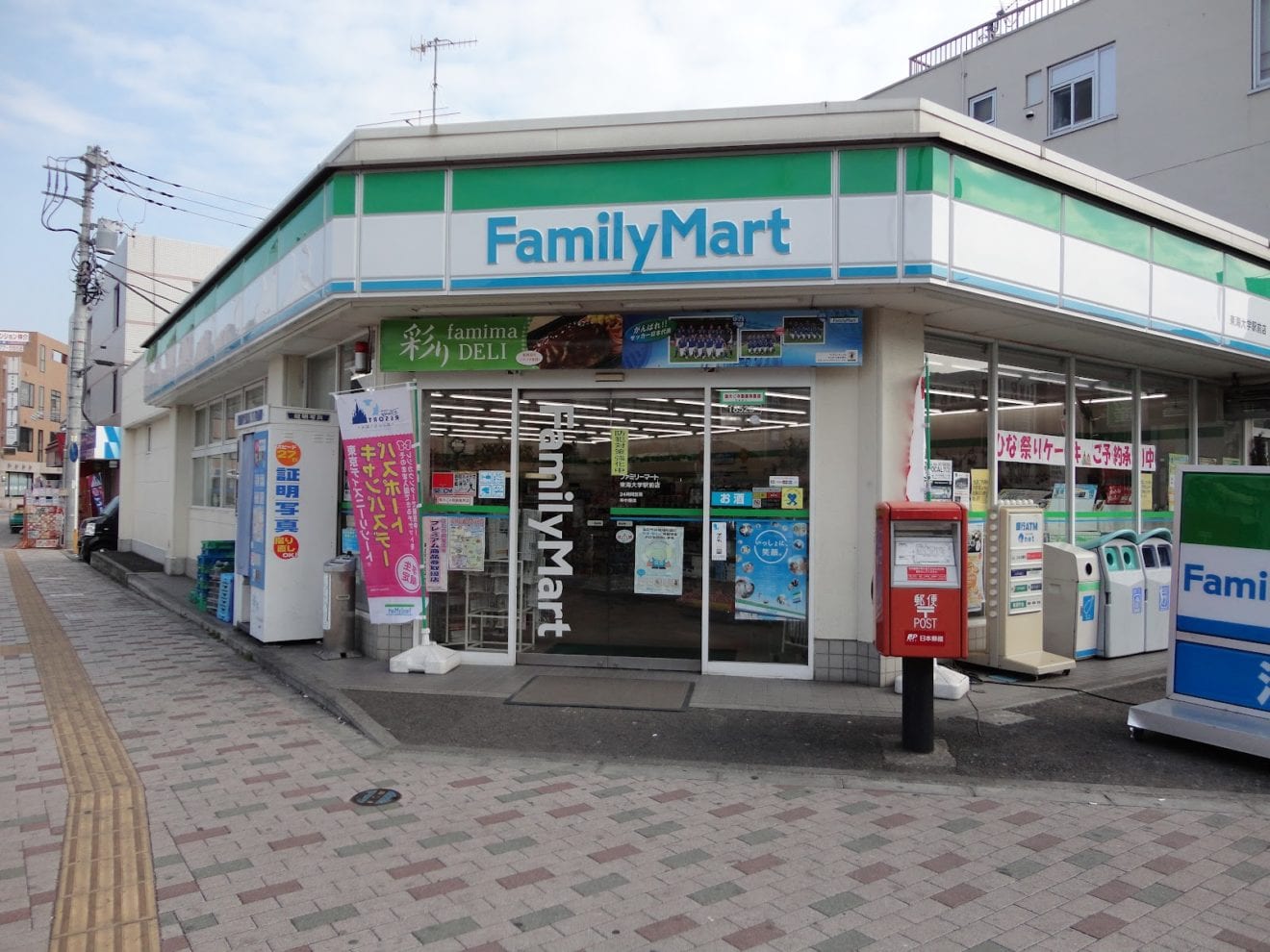
    FamilyMart Thailand has opened its first ‘FamilyMart Corner’ stores where beverages, snacks and convenience foods are sold from automatic vending machines.

    Central Food Retail, which operates FamilyMart Thailand and the Tops supermarket chain, created the FamilyMart Corner, the first concept of its type in the nation, to provide increased convenience to consumers on the go.

    “Convenience stores must always adapt,” says Stephane Coum, CEO of Central Food Retail Group. “In every crisis lies endless opportunities. The Covid-19 outbreak has prompted us to adapt ourselves and changed the way we work.”

    Coum says the container-style convenience stores can be built quickly and take up limited space, enabling them to be opened rapidly in areas where consumers in lockdown need to access food and beverages quickly and close to their homes.

    “We focus on locations in front of shopping malls, condominiums, universities, communities, and factories,” says Coum. “The design of the containers is attractive, with graffiti and street art to attract people and invite them to come buy our products.”

    The first FamilyMart Corners opened at Robinson Lifestyle Srisaman and Saraburi on April 10 and the next is scheduled for Robinson Bangrak on April 22.

    The Family Mart Corners are open daily from 7am to 9pm, and after Thailand’s Covid-19 curfew is canceled, the opening hours will be extended. Entry will be restricted to five customers at any one time to meet social-distancing requirements.

    Meanwhile, in a second initiative, FamilyMart and Tops Daily have introduced automatic vending machines under the concept of “Hungry? Get it Now”. The machines offer food and beverages for consumers for people in a rush and who want to maintain a safe social distancing.

    With convenience stores unable to trade 24-seven as usual in Thailand, the paired vending machines – one selling snacks and chilled food, the other cold beverages – will also serve people exempted from the curfew.

    The product mix sold in the machines will be adjusted to each location based on sales data from FamilyMart or Tops convenience stores, so as to best serve the local population. The machines will only accept cash payments initially, with other payment methods in planning.

    The first Hungry? Get it Now machines have opened outside FamilyMart stores at Muang Thong Popular 3, Rangsit University, Pracharatbamphen 11, Soi Ramintra 34, Bang Bon 5-Soi 8 and Tops Daily Thammasat University Rangsit Campus.
  • Yum acquires Chinese casual dining chain Huang Ji Huang

    Yum acquires Chinese casual dining chain Huang Ji Huang

    Restaurant operator Yum China, which operates KFC and Pizza Hut in the territory, has purchased a controlling interest in Chinese-style casual dining franchise Huang Ji Huang.

    The brand, launched in 2004, has more than 640 restaurants within China and overseas operating primarily under a franchise model, offering simmer pot and localized fast-food cuisines.

    After settling the purchase, Yum China says it will now establish a Chinese-dining business unit that will involve its three core Chinese dining brands – Little Sheep, East Dawning, and now Huang Ji Huang.

    The company hopes the new business unit will build a significant share of the Chinese-style dining market within Mainland China, building on its own scale and operational network, complemented by Huang Ji Huang’s track record and skills in product research and development, franchisee management, and Chinese dining expertise.

    As of the end of last year, Yum China had 9200 restaurants in more than 1300 cities.

  • Baeman accused of monopolistic behaviour as merger looms

    Baeman accused of monopolistic behaviour as merger looms

    The pending merger between South Korea’s number one food-delivery app Baedal Minjok (Baemin), and Yogiyo, the industry’s second-largest player, has fuelled widespread concerns about monopolistic market behavior.

    In particular, recent changes to Baemin’s fee system from a flat rate to a pre-payment method has sparked controversy, raising concerns over such a monopoly.

    Woowa Brothers, Baemin’s owner, has apologized for causing controversy over the “open service” fee system.

    “Woowa Brothers humbly accept the criticism that we introduced the new fee system without considering the difficult situation of the restaurant owners, hit by the Covid-19 outbreak,” management said in a statement.

    Starting this month, the delivery service will apply a 5.8 percent pre-payment fee to restaurants for food orders. The system is designed to replace the current monthly fixed amount system, which costs 88,000 won (US$71.90) per month.

    This will result in 5.8 percent of sales being taken by Baemin as commission from this month.

    However, small business owners say the changes are not for small businesses.

    According to the Korea Federation of Micro Enterprise, stores with monthly sales of 1.55 million won (US$1267) or less are eligible for lower fees due to the new policy.

    Some self-employed people raised the issue, saying that the fees paid to Baemin are excessive compared to the past.

    Gyeonggi Province Gov Lee Jae-myeong openly criticized the company, citing “the tyranny of monopoly,” and targeting Baemin on his social media account.

    The controversy is continuing as politicians and consumer groups joined the campaign. A recent survey by Consumers Korea showed that 86.4 per cent of consumers oppose the merger of Baemin and Yogiyo.

    The survey also showed that Baemin accounts for 59.2 per cent of delivery apps, with Yogiyo another 35.6 per cent, suggesting a combined 94.8 per cent for the two companies post-merger.

    The biggest reason for the opposition to the merger was, “food prices and delivery fees rising due to the formation of an exclusive market,” cited by 82.9 percent of respondents.

    The decrease in incentives for business innovation or service improvement followed at 46.3 percent, reduction in consumer benefits such as coupons and events came in at 40.5 percent.

  • Consumers swamp Luckin Coffee app in wake of controversy

    Consumers swamp Luckin Coffee app in wake of controversy

    Disgraced Chinese coffee giant Luckin has apologized to customers and promised business as usual following a widely publicized admission that the firm had fabricated sales figures.

    The apology came while downloads of its delivery app skyrocket as Chinese consumers seek to take advantage of a longstanding offer of a free drink. Reporting suggests downloaders are eager to cash in on the offer while the company’s future remains in question.

    The scramble to download the app has made it temporarily the second-most-popular free app in China, up from its usual ranking of around 70th to 100th place. In some cities services offered via the app have frozen due to demand overload.

    Observers both within China and worldwide were stunned by the shocking admission that the firm’s COO and other staff had filed false sales data in an attempt to boost the company’s value within a year of its IPO. The news wiped more than US$5 billion off Luckin Coffee’s market capitalization and sent its share price plummeting 80 percent as stockholders dumped their stakes.

    On Monday, Luckin’s chairman Charles Zhengyao Lu and CEO Jenny Zhiya Qian conceded their shares to lenders after defaulting on a $518 million margin loan. Class B shares totalling 515,355,752 and 95,445,000 class A shares in the firm had been pledged as loan security.

    Banks involved in the loan, including Goldman Sachs, Morgan Stanley, Credit Suisse, Haitong, CICC and Barclays are now holding discussions on a potential sale of the shares.

    Before the revelation, Luckin had been widely heralded as a serious competitor to Starbucks within the territory, surpassing the total number of outlets operated by Starbucks China earlier this year.

  • Thai grocery Loxley pivots to delivery

    Thai grocery Loxley pivots to delivery

    Thai grocery wholesaler Loxley is pivoting to delivery services as the coronavirus pandemic continues.

    Loxley’s distribution subsidiary LTC has set up an online grocery store for essential items during the country’s lockdown period, with some of the firm’s fleet of delivery trucks converted into mobile grocery stores.

    The mobile stores are retailing goods such as packed rice, cooking oil, fish sauce and roasted peas to consumers residing in crowded communities such as Klong Toey and Phra Khanong. Items are discounted at 15 to 20 percent below regular sales channels.

    LTC is a leading FMCG distributor within the territory, covering more than 30,000 wholesale, retail, modern trade and convenience stores nationwide, including hotels and restaurants. The firm has seen a 40-per-cent spike in sales over the past two months, predominantly caused by panic buying.

  • Demand overwhelms grocery-delivery services in Malaysia, Singapore

    Demand overwhelms grocery-delivery services in Malaysia, Singapore

    Online grocery-delivery services in Malaysia are facing overwhelming demand, with some firms forced to suspend or limit delivery operations.

    A 600-per-cent spike in orders recorded last month was fuelled by panic buying while stay-at-home orders remain in force throughout the territory.

    Jaya Grocer suspended online deliveries in response to the surging demand, while Tesco is still operating as usual but has requested customers who have pre-booked delivery slots to cancel orders if they expect not to be at home so as to free up resources for other buyers. Restrictions have been put in place allowing only three items per customer across every product line.

    Local hypermarket chain Mydin has asked customers to avoid panic buying due to delays in restocking supplies. It has placed restrictions on buying to ensure that all customers can make purchases.

    “This situation has stemmed from the sudden growth of demand, and hypermarkets and grocery stores were not prepared for this outage,” said Malaysia Retail Chain Association VP Datuk Liew Bin. “The delivery team could not complete their rounds, although some of them work from morning to night to deliver all the customers’ orders.”

    Liew added that many independent sellers and small farmers now have found their own way to sell their goods, with some trading directly with buyers via instant messenger apps such as Whatsapp and food ordering platform Oddle.

    The situation is similar in Singapore, where Lazada’s RedMart e-commerce grocery unit refused to accept new orders for a period earlier this month. The Singaporean public had been advised by the island’s government to purchase groceries online.

    Online grocery-delivery services “now have to deal with a new situation where demand for essential items outpaces operational capacities,” said Insignia Ventures founding managing partner Yinglan Tan. “Players that manage shorter supply chains may be more equipped to handle the stress.”

    Shoppers “have been buying four to 10 times more food staples, 3.5 to five times more paper products, and two to six times more personal care and household cleaning supplies,” said Lazada Singapore CEO James Chang.

    Since the temporary suspension of operations, RedMart has limited orders to 35 items, blocked customers from adding items once an order is placed, and has stated that orders exceeding 100 kg may be canceled.

  • Luckin Coffee’s value crashes after it admits falsifying sales data

    Luckin Coffee’s value crashes after it admits falsifying sales data

    Chinese chain Luckin Coffee has admitted senior executives exaggerated sales to boost the company’s worth and reputation.

    In a stunning admission, the company has advised investors not to rely on financial statements for the nine months to September last year. Transactions totaling about 2.2 billion yuan (US$310 million), have been cited.

    COO Jian Liu and an unspecified number of other employees have been suspended while the company’s board investigates their misconduct.

    “Certain costs and expenses were also substantially inflated by fabricated transactions during this period,” Luckin said in a stock exchange filing.

    Shares in the company plunged by 81 percent yesterday after the company’s admission.

    Launched in January 2018, Luckin Coffee’s growth trajectory was so fast the company was valued at an astonishing US$2.2 billion within 12 months.

    The true extent of the misrepresentations remains unclear while a panel reviews financial records. However, in November, the company claimed sales were running at six-times the rate of the previous year.

    Prior to its listing in the US, the company secured investment from the Singapore Government sovereign wealth fund GIC and China International Capital Corp, among others. It raised US$778 million in early January and $645 million in a US IPO.

    Luckin Coffee has previously been touted as a serious threat to US chain Starbucks which currently dominates China’s fast-growing coffee cafe market.

    Luckin Coffee’s aggressive competitive strategy involves an IT-focused approach whereby customers purchase coffee via an app, with which they can then monitor brewing progress via live stream. It was counting on technology and a considerably lower price point to win market share from Starbucks.

    Luckin Coffee was planning to reach 10,000 locations by the end of next year, but analysts are now casting doubt on its ability to achieve that goal. At the end of last year it had 4500.

    “It will take several years for management to repair its credibility,” Keybanc Capital Markets analyst Eric Gonzalez said in a note to clients, reported by Bloomberg.

  • Central Food Hall employs robot in coronavirus fight

    Central Food Hall employs robot in coronavirus fight

    Thai supermarket Central Food Hall has begun using UV-C Disinfection Robots to sterilize stores in a move to combat coronavirus transmission.

    The firm is the first supermarket in the region to implement disinfection robots, certified by the WHO and CDC to sanitize areas around 360 degrees to destroy more than 99.99 percent of all pathogens within seconds.

    The robot is currently being deployed at Central Food Hall Central Chidlom while the store is closed. Plans are afoot to introduce robots at other Tops Market and Central Food Hall branches in the interests of employee and customer safety.

    UV-C light is considered to be without harmful side effects on the food and products in the store. The technology has been in use for more than three years in Thai hospitals, factories, companies, hotels, schools and other places that need effective disinfection.

  • Dean & Deluca US heading towards bankruptcy

    Dean & Deluca US heading towards bankruptcy

    Thailand’s Pace Corporation has finally filed for the bankruptcy of its Dean & Deluca US business after all of its North American stores were shuttered last year.

    According to documents submitted with the filing, Dean & Deluca US has liabilities as high as US$500 million, and assets of just $50 million. But the company, which has declared it has only one employee now, says it has a plan to reconfigure the business and reopen stores under a new business model.

    In Asia, Dean & Deluca is opening cafe-centered retail spaces in urban locations including in Thailand, Japan and the Philippines, along with airport stores in partnership with Lagardere Travel Retail. When that partnership was struck in late 2018, the two companies planned 150 stores over five years. Cafes have subsequently opened in Hong Kong International Airport.  Airport stores in Bangkok trade significantly higher than those in city locations, Pace said at the time.

    However the new style Dean & Deluca retail model in Asia is vastly different from the US model, focused on coffee, smoothies, pizzas and light meals. It may be the model the company hopes to take to the US.

    The original Dean & Deluca US store opened in Soho in 1977, earning the nickname “museum of fine food”. It claimed to be the first retailer in the US to sell radicchio, balsamic vinegar and sun-dried tomatoes. But over time its exclusivity waned – as one food writer observed: “You can buy extra virgin olive oil on Amazon now”.

    The company’s website shows it has two stores operating in Hawaii, which may be franchised and unrelated to the parent company.

    Pace bought the company for US$140 million in 2014, including a network that at one point reached more than 30 stores in the US. By May 2018, however, the US network was down to just nine stores and by last July there were only four.

    The Chapter 11 bankruptcy petition filed in the New York court this week was signed by Pace Corporation CEO Sorapoj Techakraisri. Among liabilities listed in the filing were Pace, owed $250 million, a $45 million loan from Siam Commercial Bank, a $2 million US tax debt and $230,000 owed to Thailand’s finance ministry.

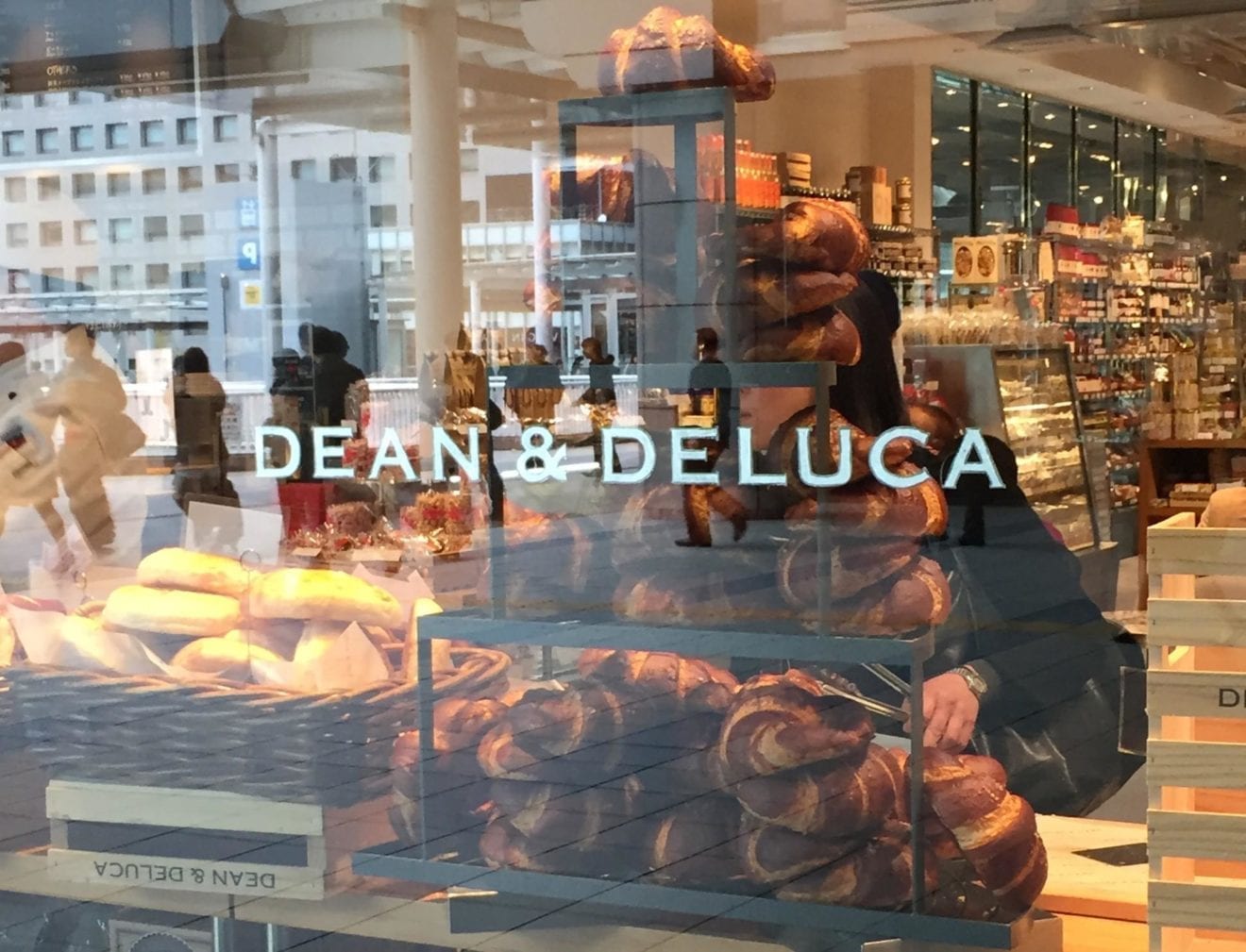
    Last month, Dean & Deluca opened a new store in Japan with a local franchise partner, (pictured above), and another in Bangkok.

  • Gordon Ramsay closing three Hong Kong city restaurants

    Gordon Ramsay closing three Hong Kong city restaurants

    British celebrity chef and restaurateur Gordon Ramsay have quit Hong Kong, following the footsteps of compatriot Jamie Oliver last month.

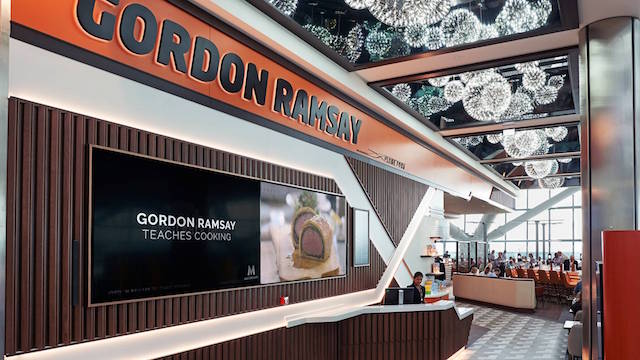
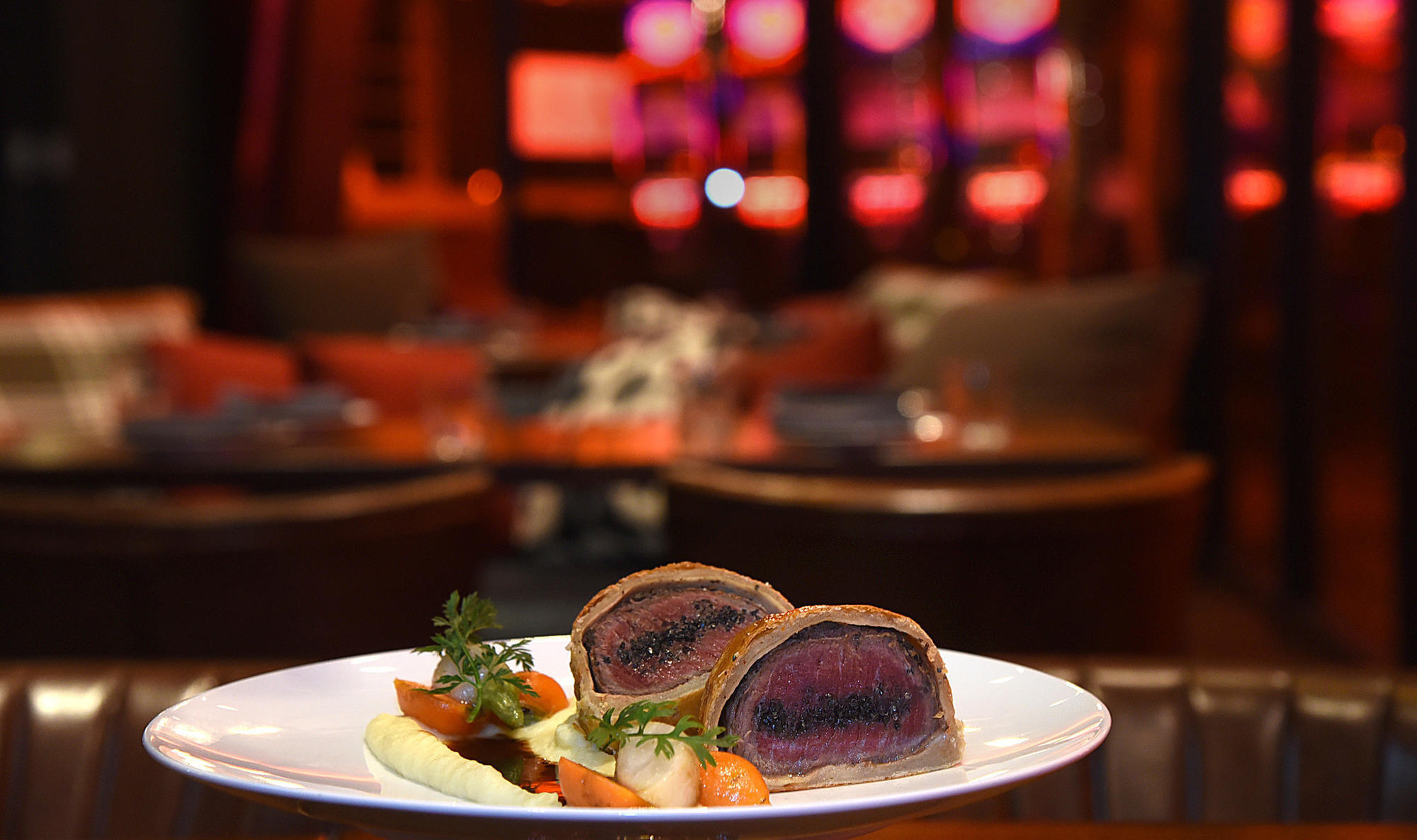
    Three of his restaurants – Bread Street Kitchen & Bar, London House and Maze Grill – will shut today, April 1. These eateries are currently operated by his Hong Kong partner, Dining Concepts.

    However, an official statement about the closures did not refer to the status of his Hong Kong International Airport branch Gordon Ramsay Plane Food To Go, which opened last year in partnership with SSP Group.

    In the UK, Gordon Ramsay will close 16 of his outlets, but these are described as temporary closures relating to government lockdowns and have caused the suspension of more than 500 jobs.

    Hong Kong has introduced regulations requiring restaurants to place tables 1.5 meters apart and set a limit of four diners per table, with stringent enforcement. This week, Chinese restaurant operator Tao Heung shuttered 48 of its venues as a result of the new health-and-safety measures.

    In other news, American luxury jeweler Tiffany & Co has closed its 4000sqft store at 1881 Heritage in Tsim Sha Tsui permanently. With retail sales affected by last year’s social unrest and the advent of the pandemic this year, the company decided not to release its lease at the premium shopping destination. The retailer still has 11 stores remaining in the city.

  • KFC Japan celebrates 50th anniversary

    KFC Japan celebrates 50th anniversary

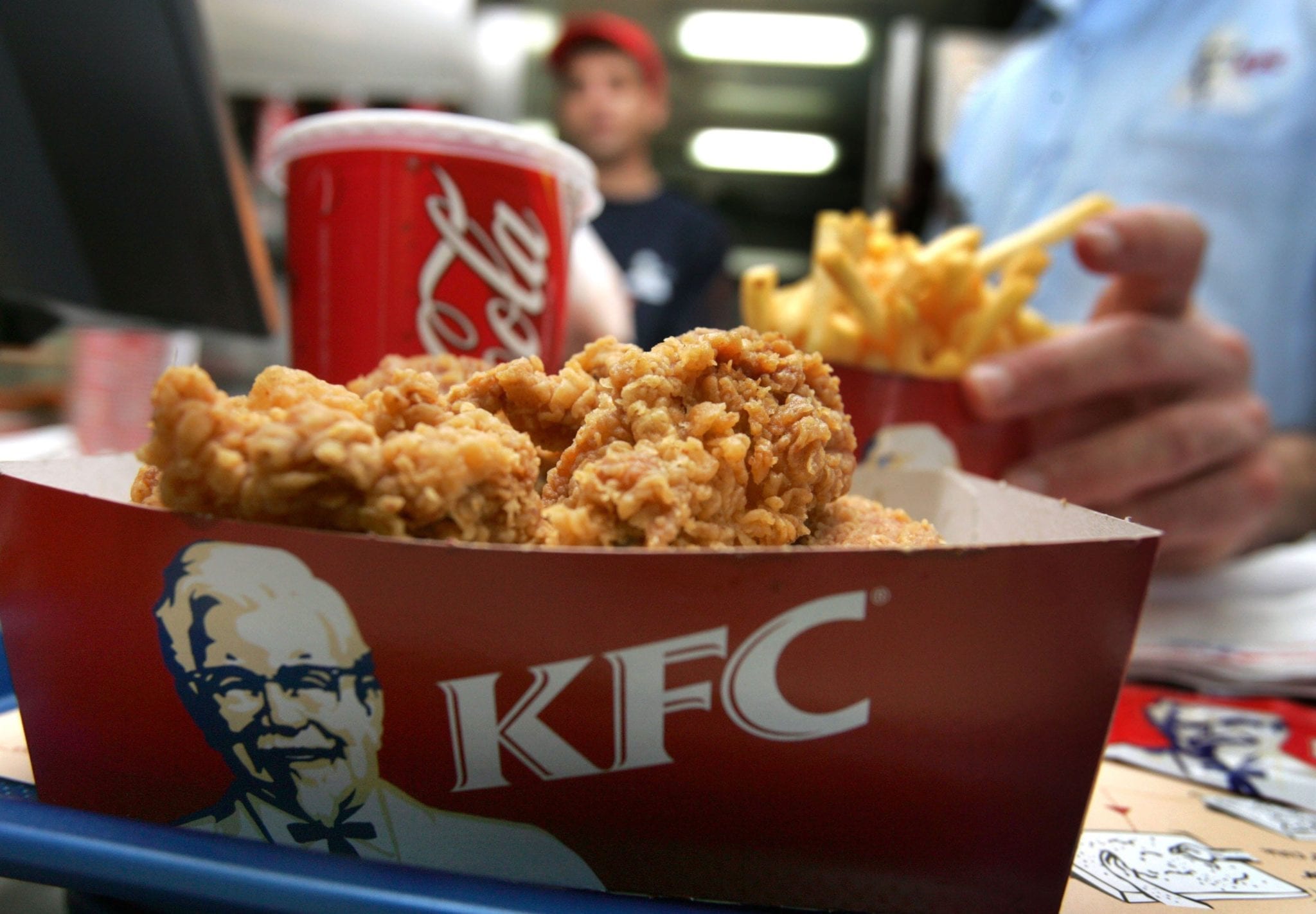
    KFC Japan will celebrate its 50 anniversary this year.

    After its successful trial at the Osaka Expo in March 1970, KFC Japan was founded on July 4 in honor of Independence Day in the fast-food chain’s home country, the US.

    The first KFC Japan store was opened in the suburban location of Nagoya in November that year.

    Back then, the term “fried chicken” wasn’t widely used in Japan. However, KFC is now one of the country’s most popular fast-food chains, and has even become a tradition at Christmas.

    To celebrate the 50th anniversary, KFC Japan has designed a logo for the event and plans to roll out TV commercials and special menu items later in the year.

    “In the changing world, KFC Japan will continue to express appreciation by providing delicious taste through food,” the company said in a statement.

    “We will express our sincere thanks through our products, campaigns and activities during our 50th anniversary year and promise to continue to protect the ‘deliciousness that no one can imitate’.”

    Japan is the third-largest market for KFC after China and the US, with 306 outlets directly operated by the company in Greater Tokyo and 826 restaurants run by franchisees in regional areas.

  • Tao Heung shuts 48 restaurants for a fortnight in coronavirus fight

    Tao Heung shuts 48 restaurants for a fortnight in coronavirus fight

    Chinese restaurant operator Tao Heung will shutter all 48 of its venues for more than a month following tightening restrictions on dining in Hong Kong.

    As the territory’s administration has now moved to limit the maximum number of diners per table to four – at tables spaced 1.5 meters apart – in an effort to curb the coronavirus outbreak, the group decided to close all of its restaurants through to April 10.

    “For everyone’s health and safety, from today, our restaurants will not serve anyone under mandatory quarantine,” read an announcement on the group’s Facebook page.

    Tao Heung’s venues mainly serve traditional Chinese delicacies. The business also operates venues in Mainland China.

    The group is one of several major F&B chains to respond to the official measures in the midst of the pandemic.

    Hong Kong’s total number of coronavirus cases has already passed the 500 mark, prompting more stringent social distancing measures on the part of the government, including a proposed ban on alcohol sales at Hong Kong’s licensed bars and clubs that has since been withdrawn after an outcry from the industry.

    Restaurants are now restricted to operating at half their capacities and must institute mandatory temperature checks and hand sanitization.

    Venues failing to comply with regulations will face maximum fines of HK$50,000 (US$6450) and six months in prison.

  • Aori Ramen chain collapses, hit by coronavirus, scandal

    Aori Ramen chain collapses, hit by coronavirus, scandal

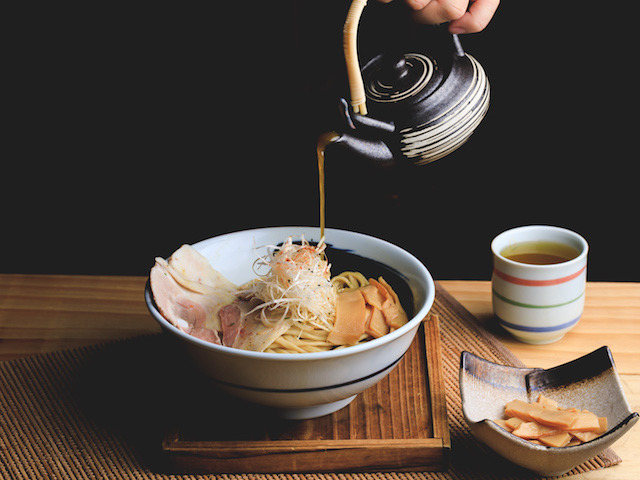
    Japanese ramen chain Aori Ramen has declared bankruptcy after suffering from coronavirus and the boycott on Japanese goods in South Korea.

    All Aori Ramen branches will be shut down, including those in Malaysia and China.

    According to Koreaboo, Aori F&B filed for bankruptcy with the Seoul Bankruptcy court with its debts exceeding the value of its assets.

    Aori F&B said after its founder Seungri was involved with the Burning Sun scandal, the company experienced major losses with sales plunging by more than 50 percent. Aori F&B then cut ties with the South Korean singer, hoping the restaurant would gain its customers back.

    The company also stated in a statement that the South Korean consumer boycott of Japanese goods also affected its business. With the subsequent coronavirus outbreak decimating restaurant patronage it is no longer able to pay its debts.

    The Seoul Bankruptcy Court’s decision has yet been made as the court wants to investigate further the Aori F&B’s ability to pay its debts.

  • McDonald’s logo temporary changed to promote social distancing

    McDonald’s logo temporary changed to promote social distancing

    International fast-food chain McDonald’s logo has been altered in some global markets to emphasize the importance of social distancing during the coronavirus crisis.

    The popular restaurant chain is largely closed for dine-in business in certain hard-hit areas globally but remains open for delivery or takeout. Venues have been closed completely in the UK and Ireland, while only 5 percent of outlets in the US are now closing dining spaces.

    The new McDonald’s logo campaign was unveiled in Brazil, with the golden arches represented in the brand logo separated to remind patrons of the need to keep a distance from each other during the course of the pandemic. The campaign was soon taken up in India.

    “Our customers, employees and communities are counting on us now more than ever to provide them the meaningful support, delicious food and good-paying jobs,” said McDonald’s US president Joe Erlinger.

    A statement from the firm read: “Guidelines have been shared with franchisees and restaurant general managers to support crew in adhering to social distancing best practices while on the job. This includes, among other items, updating configuration of crew on shift and following contactless operations procedures, etc”.

    https://youtu.be/BFgW4S6zOQU