Category: Food

Retail News Asia is committed to providing both local and global retailers with the latest Food and Food & Beverage news throughout the Asian market. This on a daily base.

  • Jollibee Foods vows to make the most of Covid-19 virus opportunities

    Jollibee Foods vows to make the most of Covid-19 virus opportunities

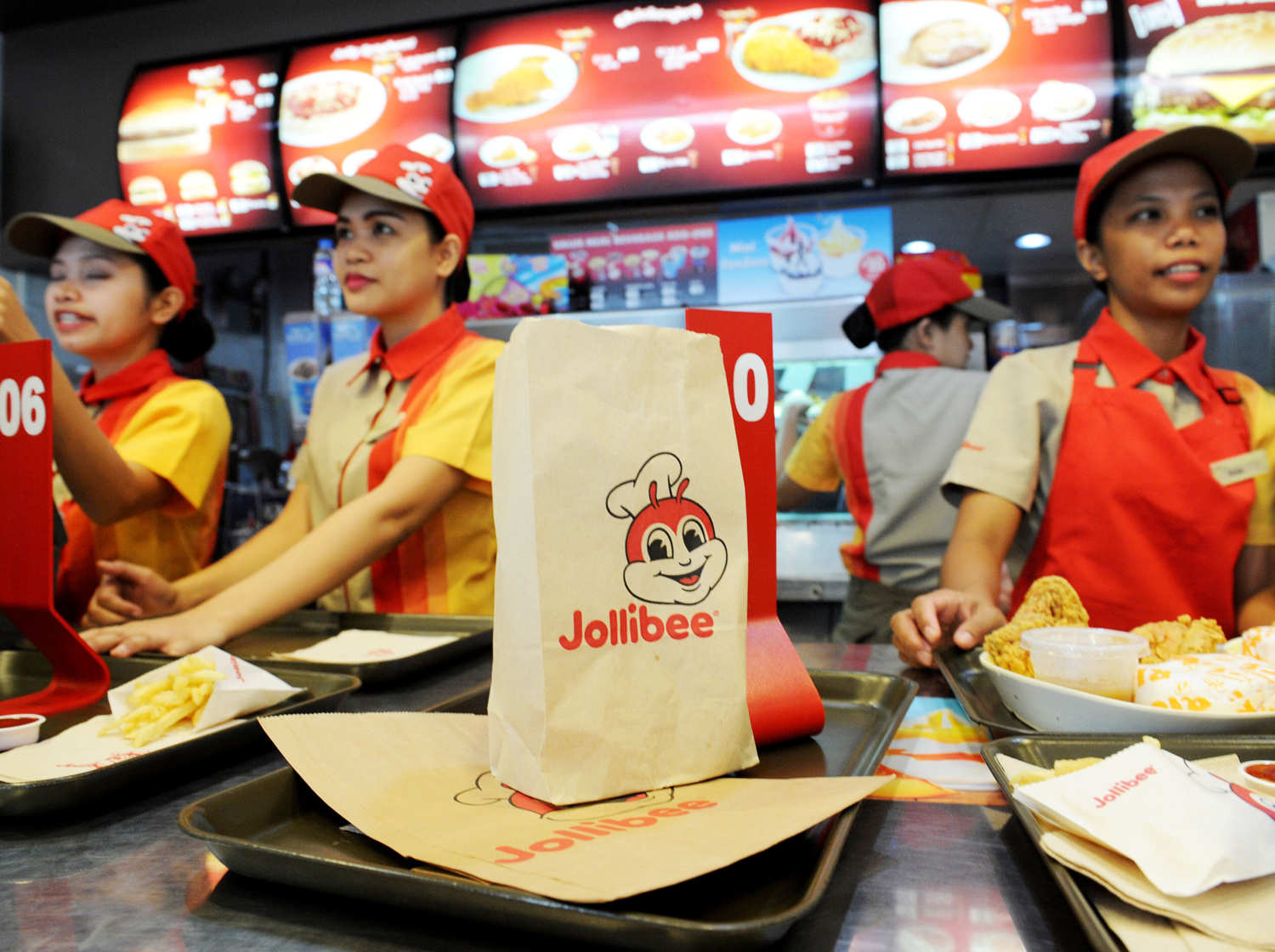
    Filipino restaurant operator Jollibee Foods is set to open 171 stores globally and renovate 96 outlets this year, aiming to capture prime locations made available in a weak economic climate brought on by the coronavirus pandemic.

    While that number of planned new stores is less than it predicted prior to the advent of Covid-19, the company still sees an opportunity to expand despite an extremely challenging start to the year globally.

    The firm will also spend US$137.9 million on a restructuring of its international business, which will include attention to non-performing stores, store network, supply chain facilities, and management and support group structure.

    Jollibee Foods will devote some resources to the establishment of new delivery and take-out services – including unmarked delivery outlets without dine-in facilities – in anticipation of a slow return to business-as-usual following the resolution of the pandemic.

    “2020 is an extremely challenging year for JFC as for most other businesses, but out of this transformation, we aim to emerge in 2021 as an even stronger business and organization,” said Jollibee chairman Tony Tan Caktiong.

    CFO Ysmael Baysa said the company expects its profit for 2020 will “not be good at all due to the overall economic environment. But like Caktiong, he put a positive spin on the crisis: “We are taking this opportunity to implement truly major changes in 2020 so that JFC will start 2021 in a much stronger position in terms of business model, operating efficiency, profitability and organization strength.

    “We will then resume strong and consistent profitable growth for the years ahead.”

    In January, Jollibee Foods reported a 14.4-per-cent drop in earnings after operating income fell by 25.1 percent.

    However a strong fourth quarter prevented a worse annual result, with operating income up 11.6 percent on a 23.2-per-cent boost on systemwide sales.

    “Practically all brands in the Philippines improved their same-store sales growth quarter on quarter, led by Jollibee, Red Ribbon, Greenwich and Burger King,” said a spokesperson then.

    Besides regional expansion across Vietnam, China and other Asian markets, the company is trying to restructure the troubled Coffee Bean business it bought last year and Smashburger, a year earlier. It is also looking to expand the Tim Ho Wan business in China and wants to open new restaurants under various banners in North America.

  • Taiwan’s Hung Rui Chen sandwich chain opening in Hong Kong

    Taiwan’s Hung Rui Chen sandwich chain opening in Hong Kong

    Local and tourist favorite sandwich maker Hung Rui Chen will be opening a flagship store in Hong Kong this August.

    Hung Rui Chen is a 73-year-old brand, known for its signature sandwiches and recognized as a national local delicacy for its soft bread and unique spread.

    After an incident of suspected food poisoning from counterfeit operators in Hong Kong and Taiwan, the real Hung Rui Chen company issued a statement on Facebook to clarify that its own brand will open its first official store in Hong Kong.

    The location has yet to be confirmed.

    Back in 2015, Hung Rui Chen sandwiches imported from Taiwan and sold in grocery stores and on the Groupon platform led to 46 Hongkongers contracting food poisoning. The brand was subsequently banned by the Centre for Food Safety.

  • Vegan food orders surge in Hong Kong in Covid-19’s virus

    Vegan food orders surge in Hong Kong in Covid-19’s virus

    Vegan food orders have experienced significant growth in Hong Kong as people are switching to what they perceive to be more healthy and sustainable food options.

    Hong Kong food-delivery service Deliveroo says vegan food orders surged 104 percent last year and order volume is up by a further 20 percent since January. The growth has reflected the increasing popularity of the vegetarian trend in Hong Kong which has led Deliveroo to partner with more restaurants offering sustainable menus.

    While the increase in vegan food orders is significant, Deliveroo also says its overall order volume grew 100 percent last year versus 2018 and has doubled during the first quarter of this year compared with the December 2019 quarter, so it is difficult to assess whether vegan food is taking sales away from meat-based meals.

    However, according to the company, the proportion of restaurants serving plant-based food has been growing in almost every district across the city to meet customers’ high demand. The number of Deliveroo’s partners offering vegan options has tripled in the past year, and more than doubled in the Central district.

    “There has never been a better time for healthy eating in Hong Kong, whether you’re a full-time vegan or a part-time plant-based food fan,” said Brian Lo, GM at Deliveroo Hong Kong. “The growth of vegan restaurant options and vegan order volume is truly staggering.”

    One of Deliveroo’s partners, the restaurant Treehouse, has reported 1226-per-cent growth in sales from October through March, with online orders increasing 125 percent and the number of new customers increasing by 113 percent.

    “We have expanded through Deliveroo and Editions in Wan Chai and Quarry Bay, and by doing so we have been able to create two more new virtual brands,” said Christian Mongendre, founder of Treehouse. “The first being, Origin by Treehouse, which has a Middle Eastern focus, and the newly-launched and very exciting vegetarian high-quality burgers brand, Burgers by Treehouse.”

    Besides facing the upcoming challenges of Covid-19 situation, Hong Kong people are now more aware of the benefits of a healthy living habit and healthy conscious dining will soon be a permanent choice for many families in the city.

  • The Coffee Academics releases Dalgona coffee

    The Coffee Academics releases Dalgona coffee

    Hong Kong specialty coffee chain The Coffee Academics has launched its own version of Dalgona coffee at its Thai flagship store in Bangkok.

    Dalgona coffee, which originated in South Korea, has become a viral craze on social media throughout Asia and sparked a leap in sales of instant coffee products which consumers use to make the beverage at home.

    Different from the original recipe – which uses only instant coffee, sugar and milk – The Coffee Academics has elevated the concept with house-blended espresso, oat milk and organic coconut sugar to create its own version.

    With Thai stores now reopened for dine-in service, guests can have the new coffee at The Coffee Academics’ stores or order it delivered via Wongnai or Lineman app.

    A Dalgona coffee costs THB240 (US$7.40) and will be available until June 30.

    We’ve reached out to The Coffee Academics in Hong Kong to see if there are plans to release the blend in other markets.

  • Malaysia’s Mygroser looks to expand as Covid-19 boosts sales

    Malaysia’s Mygroser looks to expand as Covid-19 boosts sales

    Malaysian digital grocer Mygroser is raising its first public funding round as it enhances its delivery capacities in the midst of the continuing coronavirus pandemic.

    The business is targeting profitability within 12 months followed by expansion within the territory. Funding is expected to be used to meet incoming customer demand as the brand extends its grocery delivery services in Malaysia’s US$20 billion grocery and supermarket space. The firm has continuously operated throughout the country’s Movement Control Order (MCO) period.

    “We have seen the demand for grocery delivery locally grow by over 1000 per cent during the first part of this year, and have seen our own revenues and number of deliveries made daily grow ten times during just the past two months,” said Mygroser CEO Stephen P Francis.

    “On the back of this, we are accelerating our expansion plans to better meet the demand for convenient, fresh and affordable produce, everyday essentials and groceries that we are seeing from our consumer and business customers.”

    Working through the MCO, the online-only grocery service has deployed various technology enhancements – as well as daily delivery slot increases – across its cloud-store powered premium grocery service model. Investments in machine learning-based supply chain management, new product offerings, an enhanced grocery list and new membership offerings are currently in planning stages as the firm targets regional coverage within three years.

  • Tencent to help Tim Hortons China roll out over 1,000 outlets

    Tencent to help Tim Hortons China roll out over 1,000 outlets

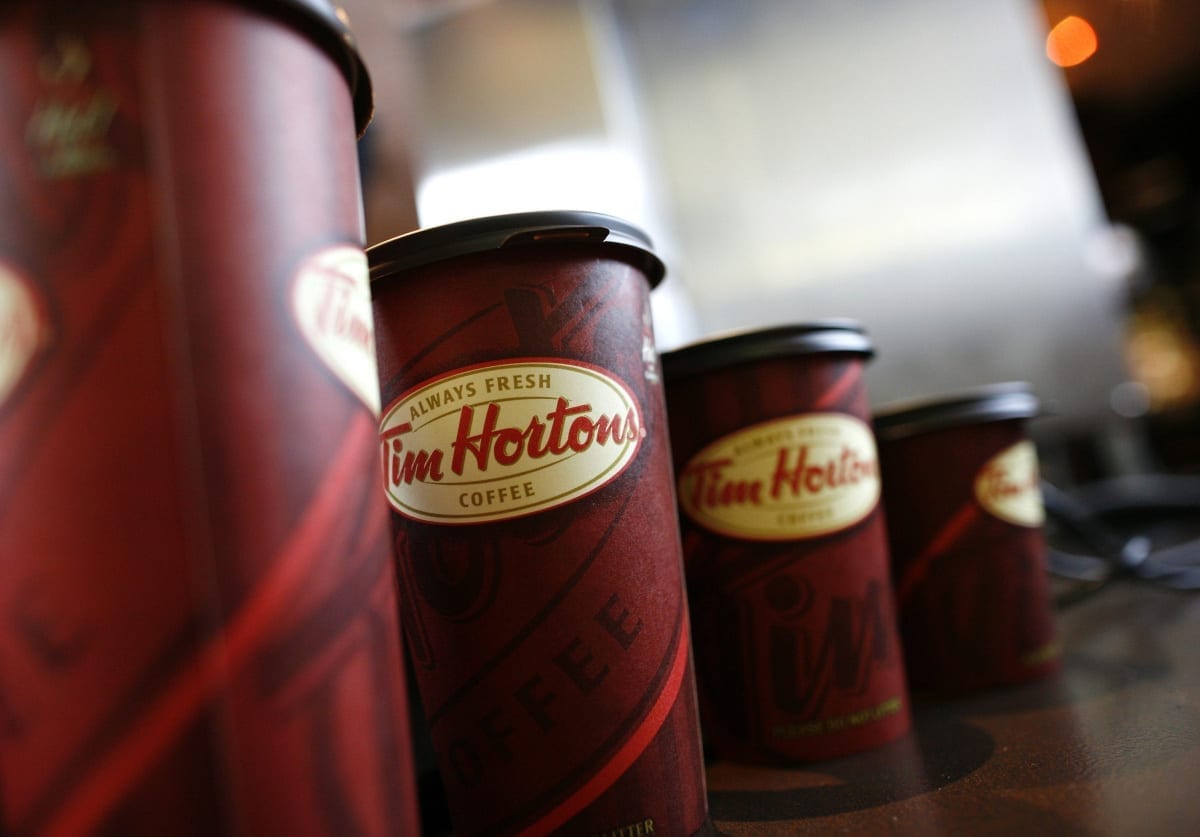
    Chinese social networking and gaming giant Tencent is partnering with Tim Hortons China to expand the Canadian coffee house’s rollout.

    Tencent announced the partnership on its Chinese social media accounts without disclosing any financial details.

    Tim Hortons China has traded since early last year and is expected to use the new funding to set up a WeChat app as well as opening new physical locations outward from its highest concentration of stores in Shanghai. The firm has set a general initial target of 1500 outlets in the territory.

    The firm may be taking a leaf out of Starbucks’ former arch-rival Luckin Coffee’s playbook in focusing on digital business. Luckin expanded swiftly in China using the strategy before becoming embroiled in a financial fraud scandal.

  • Top Luckin management fired over faked sales data

    Top Luckin management fired over faked sales data

    Chinese coffee chain Luckin, once lauded for its overt attempt to dethrone Starbucks within the country, has fired or suspended eight executives over the fraudulent misrepresentation of sales data last year.

    Luckin executives Jenny Zhiya Qian, who was CEO, and Jian Liu, COO, have been sacked over the highly publicized scandal that saw its stock price plummet more than 70 percent on New York’s Nasdaq stock exchange before trading in the stock was suspended.

    In earnings statements, the company overreported sales by at least RMB2.2 billion (US$310 million). When the misrepresentation was revealed by a whistleblower the company announced an investigation, suspending Liu.

    According to reporting in the South China Morning Post, six other Luckin executives and employees who were involved in or had knowledge of the fraud have also been placed on suspension or leave. The firm’s senior VP Jinyi Guo has been appointed acting CEO.

    The true extent of the misrepresentations still remains unclear while a panel reviews financial records, however, last November, the company claimed sales were running at six-times the rate of the previous year.

    Prior to its listing in the US, the company secured investment from the Singapore Government sovereign wealth fund GIC and China International Capital Corp, among others. It raised US$778 million in early January, and $645 million in a US IPO.

    “The company will continue to cooperate with the internal investigation and focus on growing its business under the leadership of the board and current senior management,” said a statement this week issued by the firm’s board.

    Luckin expanded swiftly since its inception three years ago, and operated more than 4500 locations in China by late last year, surpassing Starbucks’ 4300 outlets. At the time, Luckin was determined to overthrow Starbucks through aggressive growth and app-based purchasing prioritizing takeaway and deliveries.

    Top Luckin executives fired over faked sales data

  • Singapore coffee chain Kimly boosts profit, despite Covid-19

    Singapore coffee chain Kimly boosts profit, despite Covid-19

    Singaporean traditional coffee shop operator Kimly has recorded a 5.3-per-cent year-on-year boost in half-year profit to SG$10.5 million (US$7.4 million).

    The result was achieved on a more modest 1-per-cent increase in sales to $107.4 million ($75.74 million) in the half-year ended March 31.

    The improved revenue was largely due to the brand’s five new coffee shops and eight food stalls opened since November.

    While the Covid-19 pandemic seriously and adversely impacted economic growth prospects in Singapore, Kimly’s coffee shops, canteens and food courts remain open for takeaway and delivery services throughout. Since the nation’s circuit breaker was introduced on April 7 footfall has fallen at these locations, the company said.

    “In line with the further tightening of circuit breaker measures recently, the group has suspended operations at its six Rive Gauche outlets and Cake Central Kitchen facility but the group does not expect the suspension to have any material impact on the group’s revenue.”

    The Kimly board said that besides placing focus on enhancing food offerings and operational efficiency in the upcoming year, “we remain committed to secure more long-term direct ownership of food outlets and food stalls in matured estates which is in line with our asset ownership strategy”.

    “We believe that there are still acquisition opportunities in the local market where we can tap on to further expand our presence in Singapore as well as enhance our profitability.”

  • Popeyes China to open its first store, in Shanghai

    Popeyes China to open its first store, in Shanghai

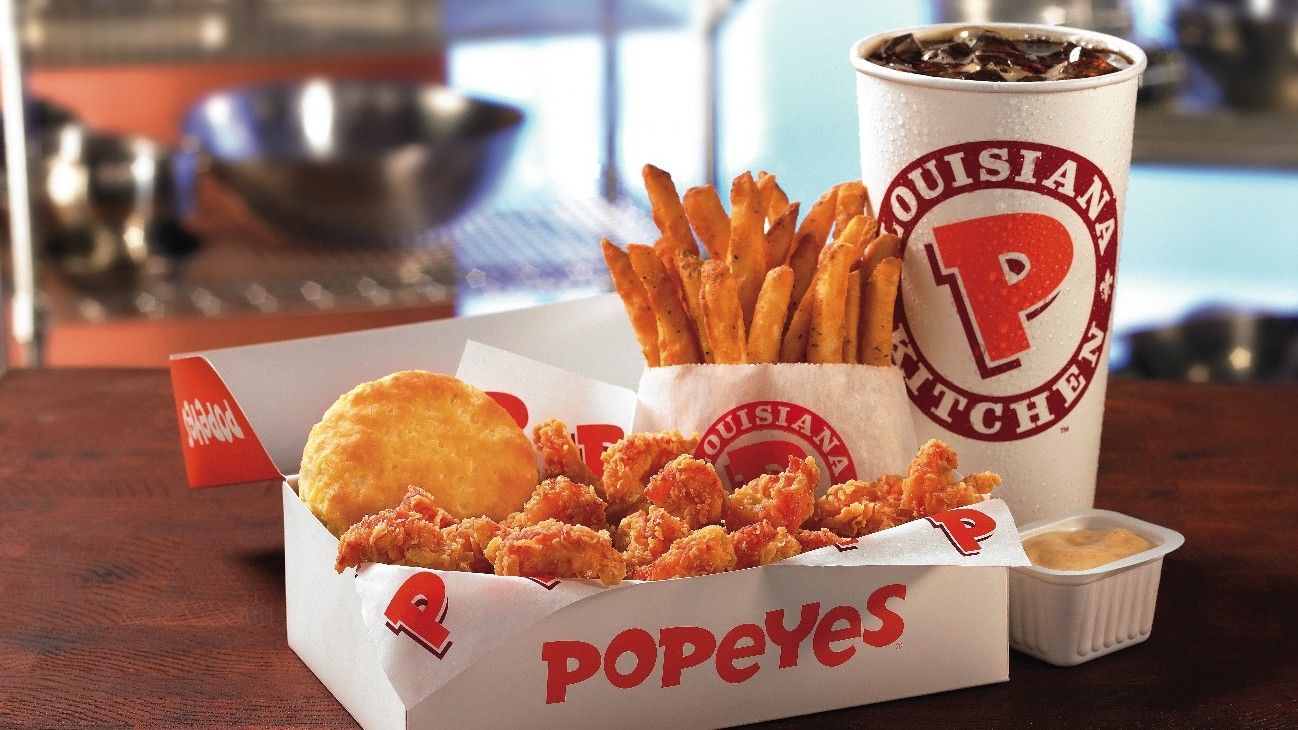
    Popeyes China will open its first store next week, in Shanghai, as it aims to build a network of 1500 outlets nationwide within 10 years.

    Located on Huaihai Road, one of the city’s most popular shopping precincts, the 470sqm debut Popeyes China store features a Louisiana-inspired design with a twist of Chinese aesthetics.

    Raphael Coelho, CEO of Popeyes China, says the company will look to expand in other parts of the country including Hangzhou and Suzhou after the brand’s debut. He is confident about the growth prospects for the brand as the country is quickly recovering from the Covid-19 pandemic.

    “We hope to set our roots in the China market and grow in the long run and be loved by consumers and clients,” said Coelho.

    The company announced last year that it would launch in Mainland China, becoming the last of Restaurant Brands International’s three major chains to enter the Chinese market. Burger King has operated in the territory since 2005, and it now has more than 1000 locations in China.

    Popeyes operates more than 3100 locations in more than 26 countries worldwide, including the US and Canada.

  • Second Starbucks community outlet opens doors in South Korea

    Second Starbucks community outlet opens doors in South Korea

    A second Starbucks community store has opened in South Korea.

    The new venue, located in Seongsudong, Seoul, is described by the company as a “hub for young people and prospective startups to share information about networking and starting their own businesses”.

    The store is located near a sizable startup and social-venture community and a major metro station.

    Starbucks will host a series of startup workshops for young people at the store via its new Starbucks Youth Startup Entrepreneurship Programme, which is funded by a portion of sales from the store, coordinating with other stores across the market to offer the program to youth in other parts of the country.

    The community space within the store features movable walls and furniture as well as regular cafe seating.

  • Tea WG opens fourth Hong Kong store

    Tea WG opens fourth Hong Kong store

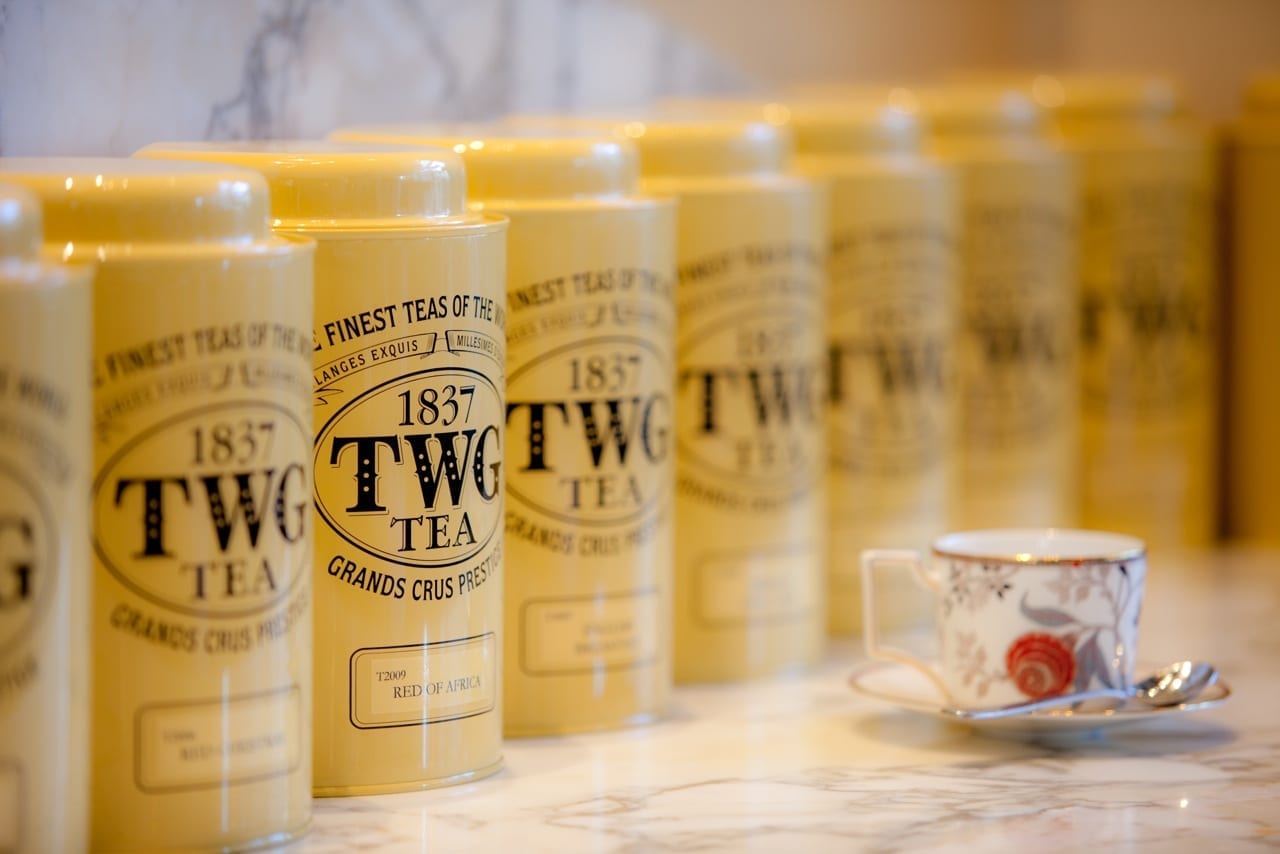
    Singaporean luxury tea brand Tea WG has expanded its Hong Kong footprint, adding a fourth boutique at Sha Tin’s New Town Plaza, its first in the New Territories.

    The retailer, which trades as TWG Tea in other markets, opened two boutiques in Festival Walk and Elements last year following its growing popularity in the territory.

    The teahouse was founded in 2008 by Taha Bouqdib, Maranda Barnes and Rith Aum-Stievenard who conceptualized luxury tea rooms with over 800 types of tea and inspired gastronomy, loved by both locals and tourists in more than 20 countries. Starting out in Singapore, the artisanal tea trend in Asia found success in the luxury market for the modern-day aspirational customer.

    The brand developed a sommelier-training facility to help its staff build an extensive knowledge through tea-tastings, training and exams to better serve customers.

    Although Tea WG’s clientele is mainly women enjoying their afternoon tea set over a cup of the company’s ‘Silver Moon’ green-tea blend, each global boutique serves different types of customers. From “tai tai’s” (wealthy ladies of the house) to Instagramming millennials, the brand is seeing a surprising increase in the number of affluent men splurging on upscale tea accessories and gold tea cups. Tea appreciation workshops (similar to wine tastings) are also held for its VIPs, offering a ‘fine-tea’ experience.

    Tea WG has built a luxury reputation that has drawn five-star establishments from Marriott Hotels to Singapore Airlines to serve the brand – even creating exclusive blends for their own clientele.

    From a Singapore brand to more than 70 locations in the world, including Paris, Tokyo, Dubai, the brand has even won over British and Chinese nationals with its exquisite blends.

    After opening a London salon and boutique flagship, Tea WG aims to expand to the US and Australia – but in the meantime, customers there can buy packaged tea through the brand’s mobile app and online store.

  • Record slump in Hong Kong restaurant sales

    Record slump in Hong Kong restaurant sales

    Hong Kong restaurant sales plunged 31.2 percent in the first quarter of this year – the largest decline on record – as consumers practiced social distancing and the government restricted occupancy.

    Significant growth in home deliveries of restaurant meals was insufficient to stem the dramatic fall in patronage.

    According to the Census and Statistics Department, Hong Kong restaurant sales were down by 10.8 percent in January, at the time the coronavirus began to affect inbound visitors from Mainland China. Sales in February plunged 42.1 percent and in March by 41.7 percent.

    Full-quarter restaurant receipts were estimated at HK$21.7 billion (US$2.8 billion), while purchases by restaurants fell 29.1 percent to $7 billion.

    Chinese restaurants appear to have been hit hardest, perhaps reflecting the disappearance of mainland tourists. Sales for the quarter fell by 39.6 percent in value and 40.9 percent in volume.

    Turnover at non-Chinese restaurants were down by 29 percent in value and 29.9 percent in volume, while fast-food shops experienced a decline of 17.1 percent in value and 18.2 percent in volume.

    Bars – worst affected by social-distancing measures – saw receipts down by 37.5 percent in value and 40.8 percent in volume.

    A government spokesman said that while there have been some signs of relative improvement in Hong Kong restaurant sales recently from the very austere situation earlier, the business environment of the food and beverage sector will remain difficult in the near term amid the economic recession.

  • Chinese tea chain Heytea leaving Hong Kong

    Chinese tea chain Heytea leaving Hong Kong

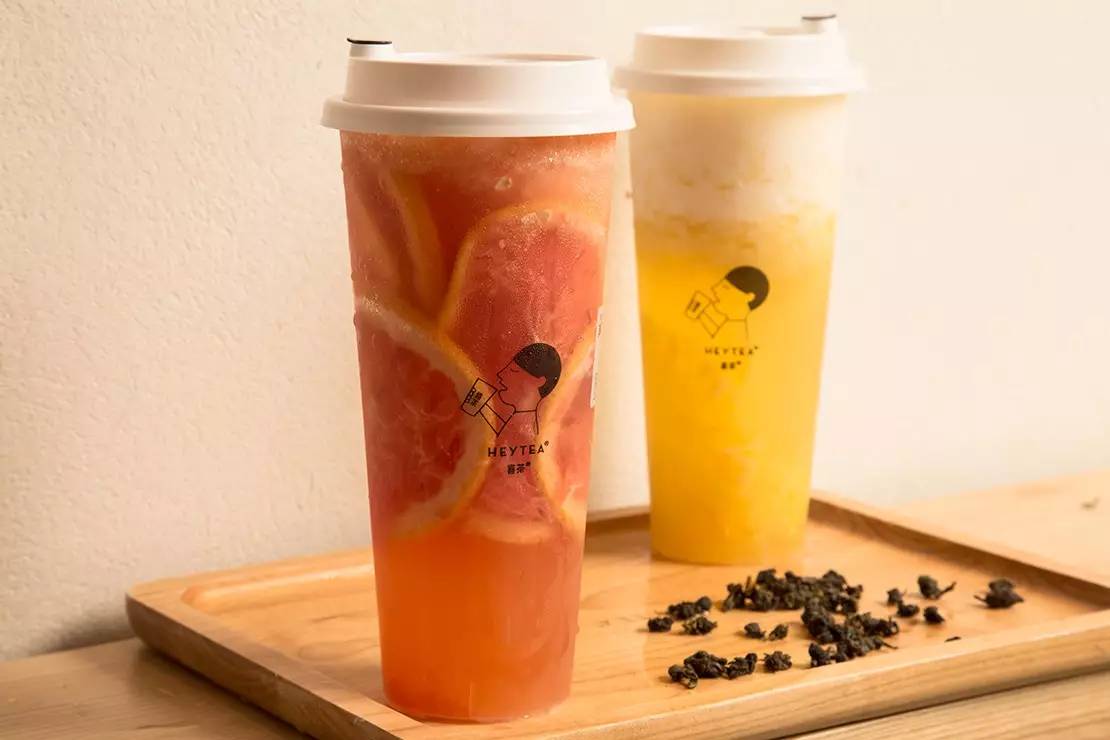
    Chinese tea chain Heytea has closed three-quarters of its Hong Kong network, leaving just two stores operating, at Causeway Bay’s Times Square and Sha Tin’s New Town Plaza.

    Three of Heytea’s outlets in Tsim Tsa Tsui – at The Sun Arcade and New World Development’s two K11 malls – have been boarded up. A K11 representative shared with Apple Daily that Heytea had rescinded its tenancy at the end of April. The tea chain had entered K11 Art Mall and K11 Musea in March and September last year, respectively. The K11 Musea flagship dubbed the ‘Heytea Lab’ spanned 4000sqft, offering patrons views overlooking Victoria Harbor and featuring the brand’s first tea-cocktail bar. It lasted less than one year.

    Heytea entered Hong Kong in late 2018, with customers queueing for up to four hours at the opening of the inaugural store at New Town Plaza. However, since the protests from June last year, many pro-democratic locals had boycotted the once-hyped tea brand due to its mainland Chinese origins.

    With Hong Kong now divided along political lines, locals initiated their own ‘Hong Kong 5.1 Golden Week’ protest action over the recent long weekend, a reference to the “Five Demands, Not One Less” slogan at the core of last year’s protests. The protest actively supported ‘yellow economy’ businesses that openly support Hong Kong protestors.

    More than 300 Heytea stores continue to operate in Mainland China and the brand made its first international foray into Singapore in 2018. The company sourced its initial funding from He Boquan, an angel investor from IDG Capital, and has just completed another round of financing led by Hillhouse Capital and Coatue Management, valuing the business at RMB16 billion (US$2.3 billion) post-investment.

  • Lavazza launches with a strong partner with with Yum Brands

    Lavazza launches with a strong partner with with Yum Brands

    Fast-food and QSR-restaurant operator Yum China has partnered with Italian coffee company Lavazza to develop a network of coffee shops across the country.

    The companies have opened a Lavazza Flagship store in Shanghai, first outside Italy, as the first step in the new partnership.

    The flagship is located in Jing’an, Shanghai’s historic downtown district, offering what the companies describe as “an immersive Italian coffee shop experience that is almost identical to what they could expect to find in Italy”. High ceilings, artistic murals and marble furnishings help deliver the Italian ‘feel’ and the coffee is complemented with a “gastronomic cafe” serving traditional Italian-inspired snacks.

    “We see great potential for coffee in China and Lavazza shares this enthusiasm,” said Joey Wat, CEO of Yum China. “Leveraging our deep understanding of Chinese consumers, we look forward to working together with Lavazza to explore the coffee market in China.

    Antonio Baravalle, CEO of Lavazza Group, described Yum China as “a prestigious partner with in-depth knowledge of the market and the needs of Chinese consumers”.

    “China is an important market with huge untapped potential for coffee consumption. We have been searching for the right opportunities to establish Lavazza in China and Asia, and this partnership is an important first step,” he said.

    The 125-year-old family-owned Lavazza positions itself as a premium brand offering high-quality coffee. It has a strong presence across Asia at the retail level and as a supplier of beans to independent cafes, which must meet strict standards of coffee-making to be allowed to serve the brand.

    Lavazza has created a blend exclusively for the China market: Bel Paese Coffee, which it says offers tastes from across the different regions of Italy, including using historic espresso recipes and local interpretations.

    A range of ‘Coffee Design’ specialty coffees is also available at the Lavazza Shanghai Flagship Store.

    The food menu was created in partnership with an unnamed Michelin-starred chef to provide an authentic Italian offer.

    Yum China says its brands – including Pizza Hut, KFC and a growing portfolio of Chinese food chains – sold 130 million cups of coffee to consumers last year

  • US cafe chain Blue Bottle lifting off in Hong Kong

    US cafe chain Blue Bottle lifting off in Hong Kong

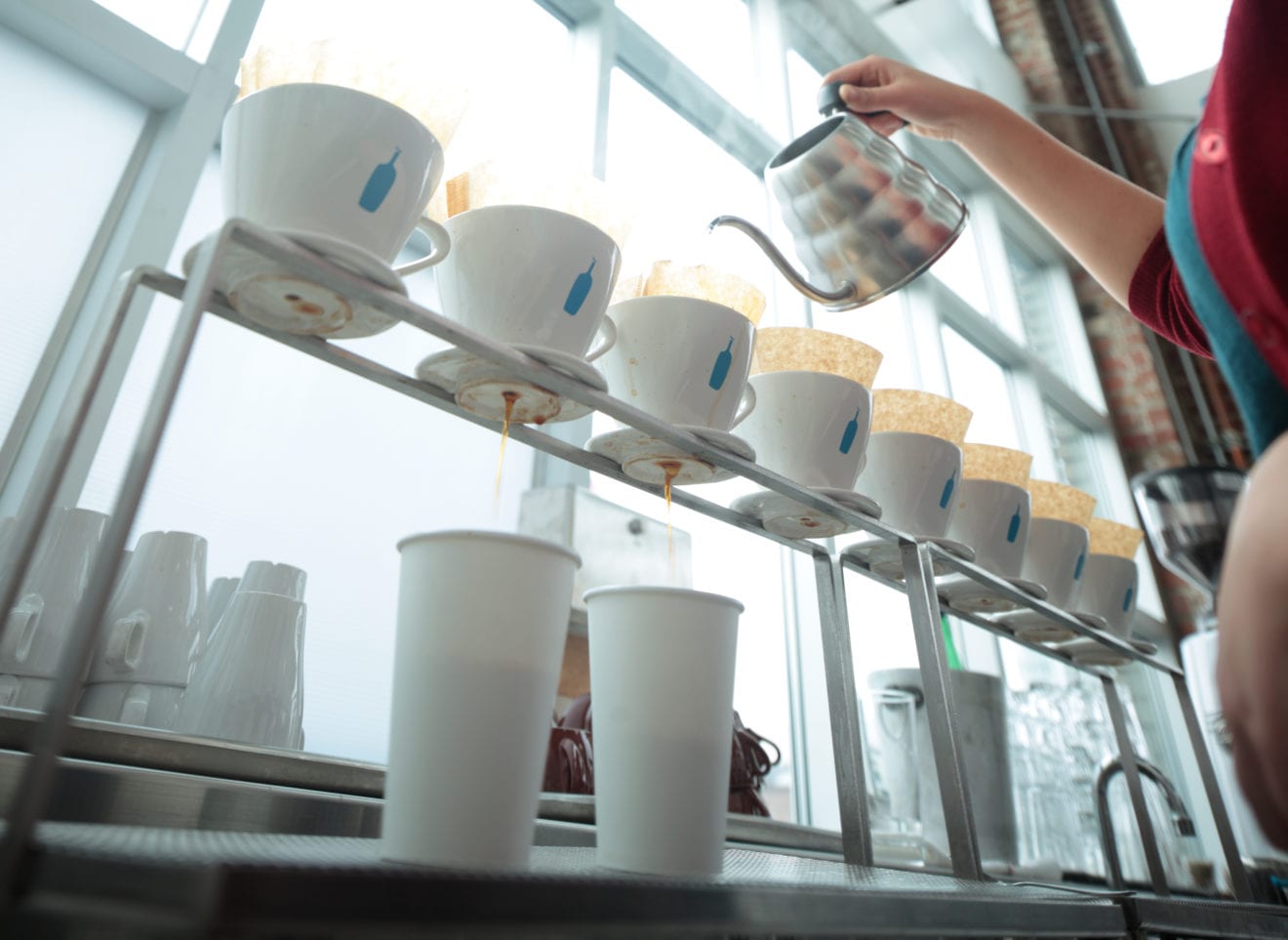
    After months of speculation, US coffee chain Blue Bottle has launched in Hong Kong.

    The modern coffee roaster is currently serving only takeaway coffee from its location in Lyndhurst Terrace due to restrictions on restaurant trading during the coronavirus pandemic.

    The store, expected to open for dine-in services when social-distancing restrictions are eased, features “an industrial medley of timber work surfaces [and] exposed support beams” design, according to LifestyleAsia.

    The store is Blue Bottle’s 22nd venue in Asia. It currently has more than 50 cafes in the US, and recently debuted in Japan and South Korea.

    The brand is known for its single-origin beans and cold-brew coffee which prompted consumer-goods giant Nestle to acquire a 68-per-cent stake for US$425 million back in 2017.