Category: Food

Retail News Asia is committed to providing both local and global retailers with the latest Food and Food & Beverage news throughout the Asian market. This on a daily base.

  • Destination Group launching Boom Boom Burger

    Destination Group launching Boom Boom Burger

    Destination Group is to introduce a new burger joint Boom Boom Burger, as part of a broader expansion plan in Thailand. Located at Sukhumvit Bangkok, the first Boom Boom Burger store is scheduled to open on Tuesday (September 1).

    Besides the burger, Destination Group also has plans to launch a pizza chain soon. Earlier this year, Destination brought the US burger brand Big Boy into Thailand, the brand’s first destination in Southeast Asia. Launching with a delivery service only, it will roll out food trucks and kiosks in Bangkok from October.

    The group aims to open Thailand’s first full-scale Big Boy outlet early next year and then expand to 20 to 25 branches during the next three years, Gary Murray, founder, and CEO of Destination told the Bangkok Post newspaper.

    The expansion plan in Asia will cost Destination about US$25 million, according to the company.

    Destination said it is also finalizing a licensing agreement with a Mexican casual-dining brand.
  • BreadTalk launches cafe chain concept, Butter Bean

    BreadTalk launches cafe chain concept, Butter Bean

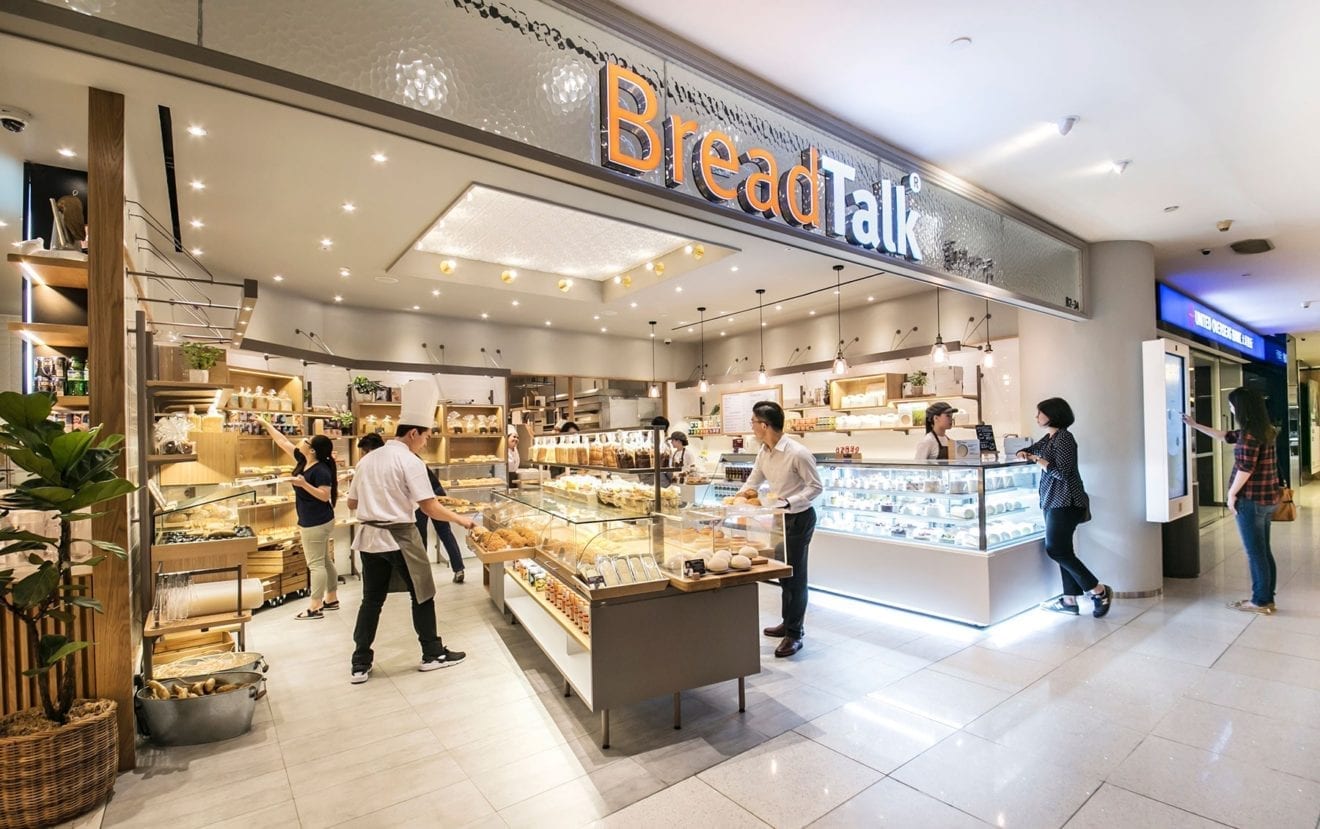
    BreadTalk is launching a cafe chain concept called Butter Bean in Singapore, with the first outlet opening at Funan Mall.

    Centred around the traditional Singaporean Nanyang coffee concept, Butter Bean offers a menu of coffee-based beverages and reimagined Singaporean dishes made without pork or lard, including toasts, baked goods, mains, and sandwiches.

    “We aim to present traditional Nanyang Coffee in an engaging manner that appeals to the younger generation’s evolving lifestyle,” said Vincent Lim, regional GM at BreadTalk Group. “Our outlets are also designed as a social space centered on good vibes, conversations and connection.”

    The Butter Bean at Funan Mall houses 45 seats and features yellow and marble interiors together with a ‘Cherry to Cup’ wall mural designed by 8EyedSpud. The store also offers contactless service where customers can order and pay by scanning a QR code.

    The first new Butter Bean opens this Friday (August 28), followed by a second store at Vivo City next month.

    According to Singapore blog Hook Coffee, Nanyang coffee, usually served at Kopitiams, is traditionally viewed as a cheaper variety of coffee beans because when the coffee scene took off, not everyone had money to buy ‘the good stuff’. People would add palm oil, butter, margarine and/or sugar into the coffee to enhance the flavor.

  • Malaysian Starbucks operator posts loss due to Covid virus outbreak

    Malaysian Starbucks operator posts loss due to Covid virus outbreak

    Malaysian F&B franchise operator Berjaya Food Berhad, which operates Starbucks, Kenny Rogers Roasters, and Jollibean in the territory, has reported a loss of US$1.82 million for the last financial year.

    The firm’s Malaysian stock-exchange filing attributes its losses to the impact of the coronavirus pandemic, which saw movement control orders in effect within the country between March and June.

    “Even though the group’s sales were recovering at a fast pace when Malaysia entered into the Recovery Movement Control Order (RMCO) phase which started on 10 June 2020, the group still recorded a much lower sales in the current quarter under review,” the company reported in the filing.

    The period hardest hit corresponds with a contraction of 17.1 percent of Malaysia’s total GDP, the worst since 1998.

  • Korean restaurant chains cry foul over Covid-19 rules

    Korean restaurant chains cry foul over Covid-19 rules

    South Korean restaurant chains are accusing the government of using “discriminatory countermeasures” in the fight against the coronavirus pandemic.

    Recent edicts to prevent the spread of the latest outbreak in the country have seen the closure of buffet and family-style restaurants, while still allowing cafes to operate. Prominent chains CJ Foodville, Shinsegae Food and Elandeats have expressed their dissatisfaction with the discrepancy, which has involved multiple outlet closures and necessitated the dumping of fresh food.

    “The largest number of coronavirus cases was confirmed at Starbucks coffee shop(s), but I don’t understand why restaurant chains are targeted,” a family restaurant worker told the Korea Times. “Starbucks closed its relevant branches for a few days and then they reopened them.”

    The restaurant chains had previously instituted anti-Covid-19 precautions, such as checking the temperatures of customers and enforcing social distancing.

    The Korea Times quoted one CJ Foodville official as saying: “It is our obligation to follow the government’s regulations, but we hope people don’t continue to think that our restaurants are high-risk after things get better.”

  • Yum China opens first Taco Bell restaurant in  Beijing QSR

    Yum China opens first Taco Bell restaurant in Beijing QSR

    Yum China has launched Beijing’s first Taco Bell store, in the Liangmaqiao district.

    The Taco Bell Beijing store offers the brand’s nachos and tacos along with exclusive local selections for Chinese customers such as a rice bowl, seasoned bone chicken and taco pizza.

    “The Beijing store reflects Taco Bell’s reputation as a culture-centric, lifestyle brand that provides Mexican-inspired food with bold flavors,” the company said in a statement.

    Taco Bell Beijing features colorful art walls, illustrating local’s landmarks and culture. The restaurant also houses an open kitchen, allowing customers to see food cooking and preparing process. Mobile pre-orders and takeaway are available in this new store.

    “The new store integrates Taco Bell’s signature food and spirit into the local community,” said Joey Wat, CEO of Yum China. “We believe that there is a growing appetite for Taco Bell, and we will continue to review and refine Taco Bell’s service model and offerings for the Chinese market.”

    Since entering the country in 2016, Taco Bell has opened 11 stores across China, including those recently launched in Shenzhen and Ningbo.

  • Yi Fang Fruit Tea increasing its global expansion pace

    Yi Fang Fruit Tea increasing its global expansion pace

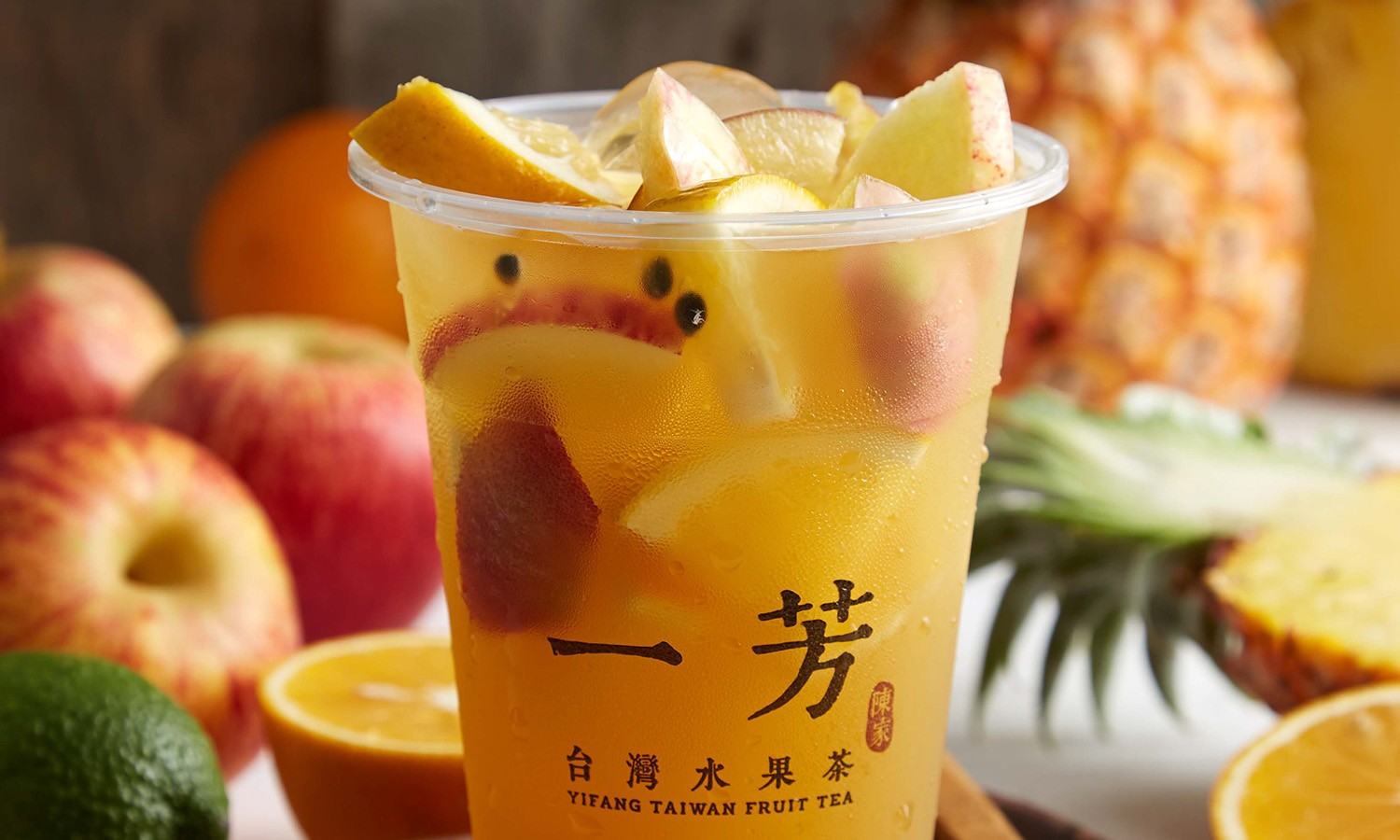
    Taiwanese tea brand Yi Fang Fruit Tea is expanding its retail network globally despite the Covid-19 pandemic.

    The founder of Yi Fang, Ko Tzu-kai, said the brand will open more stores in northern California where consumers are seeking healthier beverage options. More stores will follow later this year in Dubai along with European countries, including Paris and Sweden.

    Yi Fang operates more than 170 branches outside Taiwan, including Japan, China, the UK, Australia, and New Zealand. The brand aims to reach 200 stores by the end of this year.

    According to UDN, since July, Yi Fang has opened more than 12 outlets across regions including Thailand, the Philippines, Cambodia, and Canada. Yi Fang’s offshore sales account for about 40 percent of the brand’s revenue.

    Last year, the brand was forced to close more than 30 outlets in Taiwan after its announcement to support China’s “one country, two systems” policy triggered a boycott in the country.

  • World’s first % Arabica drive-thru store piping up for its first serve

    World’s first % Arabica drive-thru store piping up for its first serve

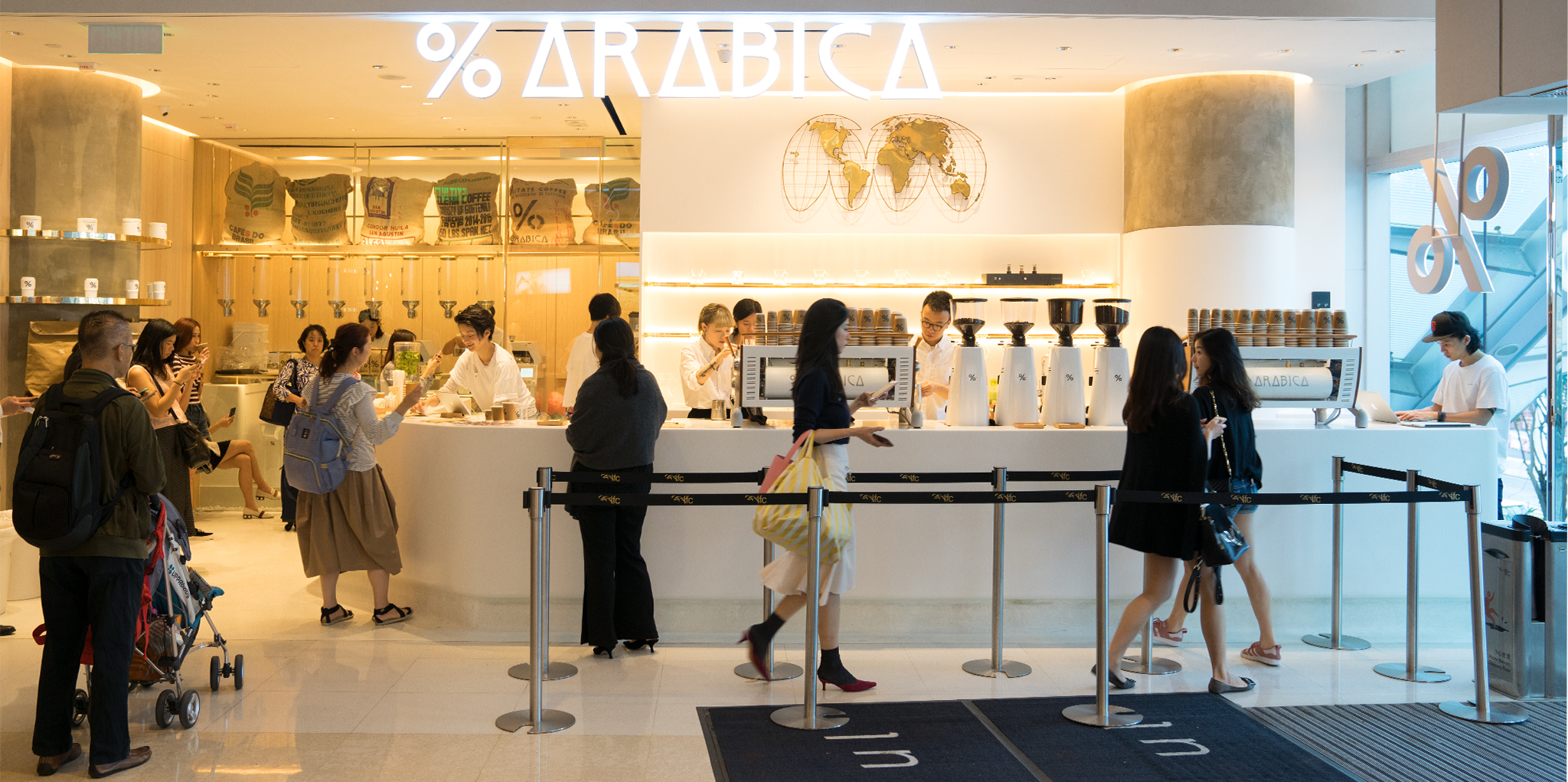
    Japanese gourmet coffee chain % Arabica is to open its first drive-thru concept store, in Murouj, Kuwait.

    The Murouj cafe is the brand’s eighth in the country and it’s first in the world to have a drive-thru facility. The launch comes just a month after the opening of the % Arabica Kuwait store in Mangaf.

    Designed by Japanese architecture firm no.10 of Nomurakougeisha, the Kuwait Murouj cafe houses indoor plants and glass-house drinking spaces, creating a giant open space filled with natural light.

    Besides a drive-thru lane, the store also features an outdoor drinking area for customers.

    % Arabica is also planning to expand in Southeast Asian markets with Indonesia and Malaysia as their next destinations. The brand has revealed it will open its first outlet in Malaysia soon, in Kuala Lumpur.

  • Fatburger to buy Johnny Rockets

    Fatburger to buy Johnny Rockets

    Fatburger’s parent, Fat Brands, is to acquire the US restaurant chain Johnny Rockets. The acquisition, worth about US$25 million, is expected to be completed this September.

    Founded in 1986, Johnny Rockets is known for its 1950s diner-style decor, serving hamburgers, sandwiches, hand-spun shakes and malts. The restaurant chain operates more than 325 locations across more than 25 countries.

    “Similar to Fatburger, Johnny Rockets got its start in Los Angeles, and we couldn’t be more pleased to add another true staple in our home city to our portfolio,” said Andy Wiederhorn, president and CEO at Fat Brands. “This acquisition is a transformative event for Fat Brands in terms of scale and brand awareness. We see a lot of synergy with Johnny Rockets and our current restaurant concepts and we are eager to take the brand to new heights.”

    The acquisition of Johnny Rockets will increase the number of Fat Brands’ franchised and company-owned restaurants to more than 700 with annual system-wide sales exceeding US$700 million, according to the company.

    Fat Brands currently owns eight restaurant chains, including Fatburger, Buffalo’s Cafe, Hurricane Grill & Wings, Elevation Burger, and Bonanza Steakhouses, and franchises more than 375 units worldwide.

  • Tata Starbucks opens all-women stores

    Tata Starbucks opens all-women stores

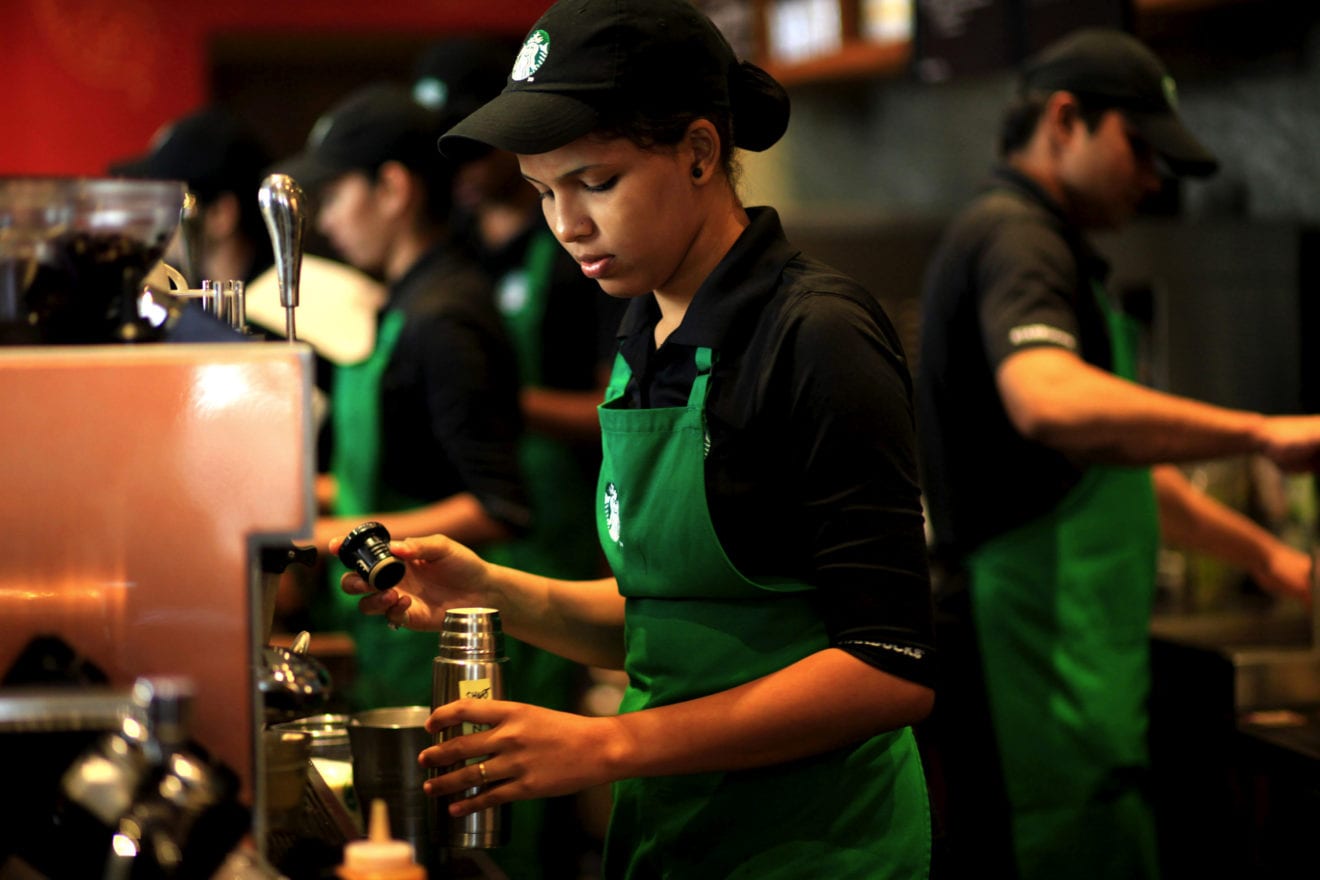
    Tata Starbucks has opened two stores in India operated entirely by women as part of the firm’s efforts to address systemic inequities in opportunities for female workers within the country.

    The two female-staff-only stores are located in Delhi and Mumbai, and constitute a step forward in Tata Starbucks’ commitment to expanding the representation of women in the workforce. The program also includes initiatives to offer opportunities to women that take into account the responsibilities of motherhood. The firm offers 100-per-cent gender pay equity and aims to ensure women make up 40 percent of its total workforce by the end of 2022.

    Tata Starbucks says it will double the number of its female-led stores by the end of this year in the interests of empowering and supporting women leaders.

    “Tata Starbucks remains focused on creating and strengthening opportunities for women and fostering diversity across our organization,” said Tata Starbucks CEO Navin Gurnaney.

    “We are proud to open these all-women stores that will increase our commitment to diversity and inclusion in India and empower our female partners in new and meaningful ways.”

  • South Korean bakery franchise Tous Les Jours for sale

    South Korean bakery franchise Tous Les Jours for sale

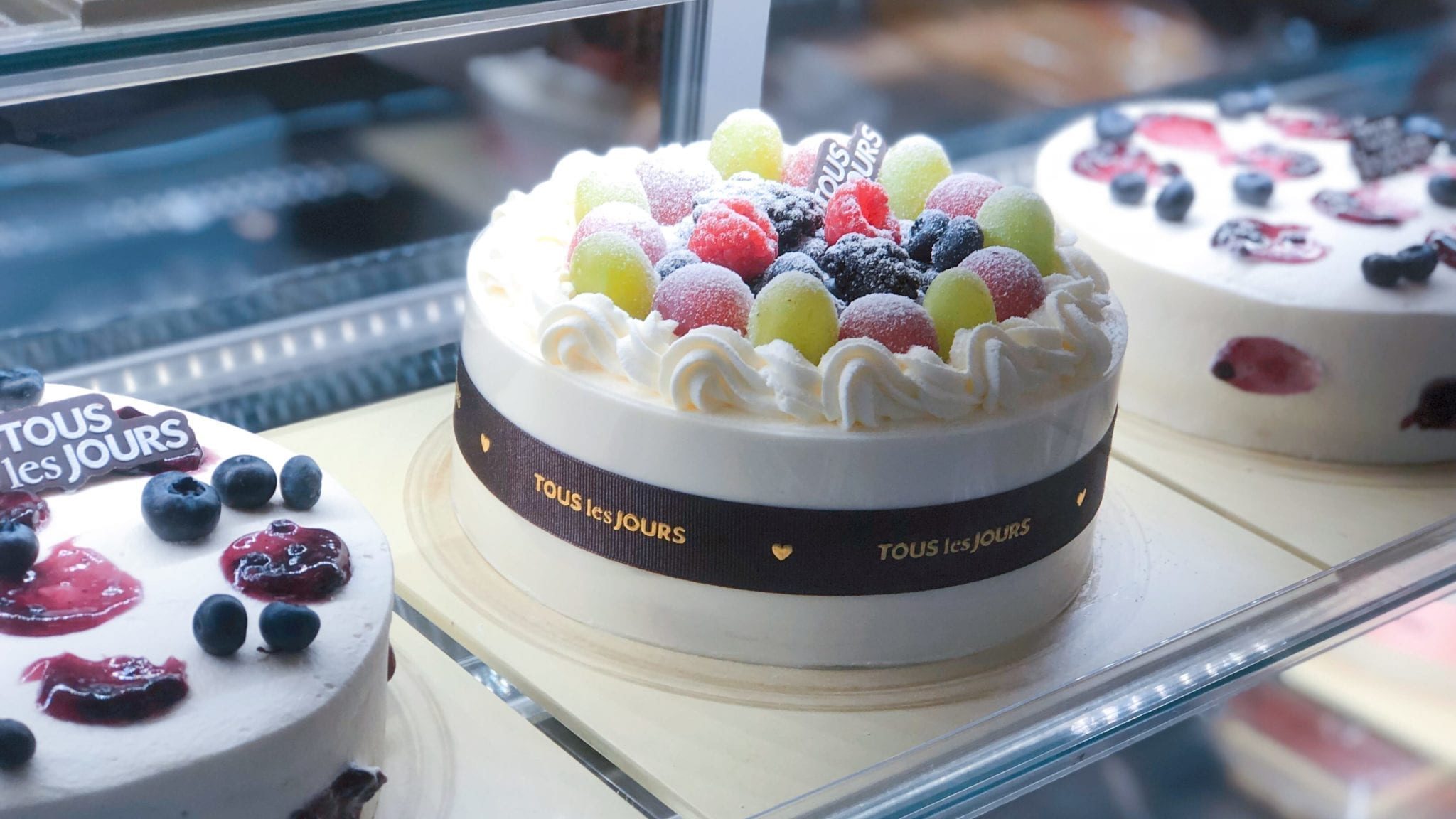
    South Korean food and entertainment conglomerate CJ Group has announced it plans to sell its retail bakery franchise Tous Les Jours.

    CJ Group has chosen accounting firm Deloitte Anjin to manage the sale process and at the same time launched a review of options to boost the chain’s competitiveness.

    Tous Les Jours is South Korean’s second-largest bakery chain between its archrival, SPC Group-owned Paris Baguette. Both chains have expanded overseas into markets including Mainland China, Malaysia, and Vietnam, with Paris Baguette’s footprint spreading as far as the US and even its namesake city Paris.

    CJ Group has sent background documents about the business to private-equity companies located domestically and offshore to gauge interest in the business.

    Tous Les Jours operates about 13,000 stores across South Korea.

    Market analysts say that in looking to sell the chain, CJ Group’s CJ Foodville is looking to use the proceeds to expand its food-service business amid the Covid-19 crisis.

    Last year, CJ Foodville sold its coffee chain brand Twosome Place to a Hong Kong-based private-equity fund for US$168.8 million.

  • Vietnamese rice now more pricey than Thailand’s

    Vietnamese rice now more pricey than Thailand’s

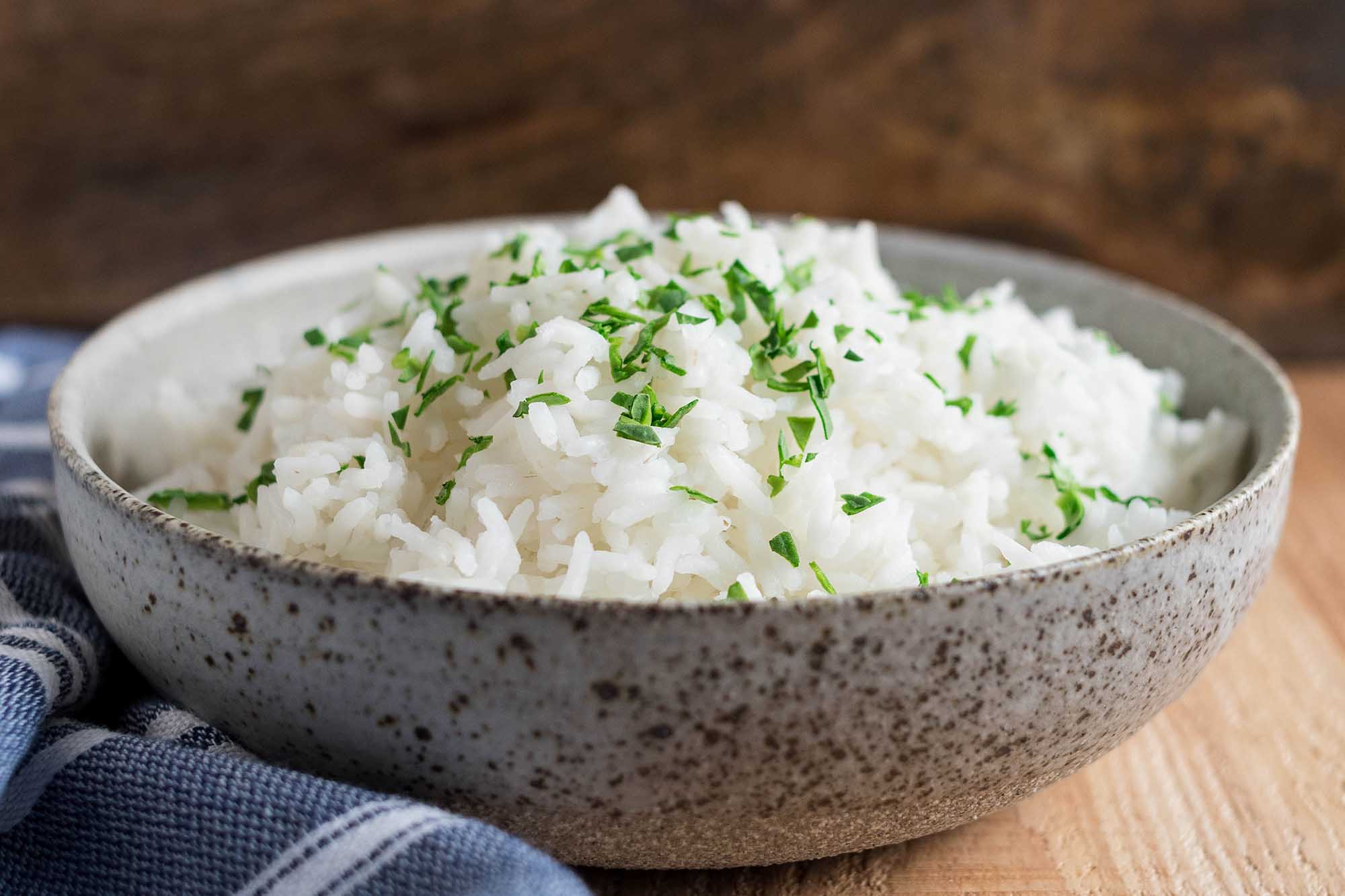
    With the Thai baht weakening, Vietnamese rice is fetching 3 percent higher prices in global markets than varieties from Thailand.

    Vietnam’s 5-percent broken rice has been priced at $468-472 per ton since August 8, $15 more than its Thai rivals. The prices have risen by 6.8 percent since the beginning of this month.

    Vietnam was the third-largest rice exporter last year behind India and Thailand. In the first seven months of this year, it exported $1.9 billion worth of grains, up 10.9 percent year-on-year, with the Philippines being the top buyer, according to the Ministry of Agriculture and Rural Development.

  • Starbucks unveils first unmanned self-serve outlet in Thailand’s

    Starbucks unveils first unmanned self-serve outlet in Thailand’s

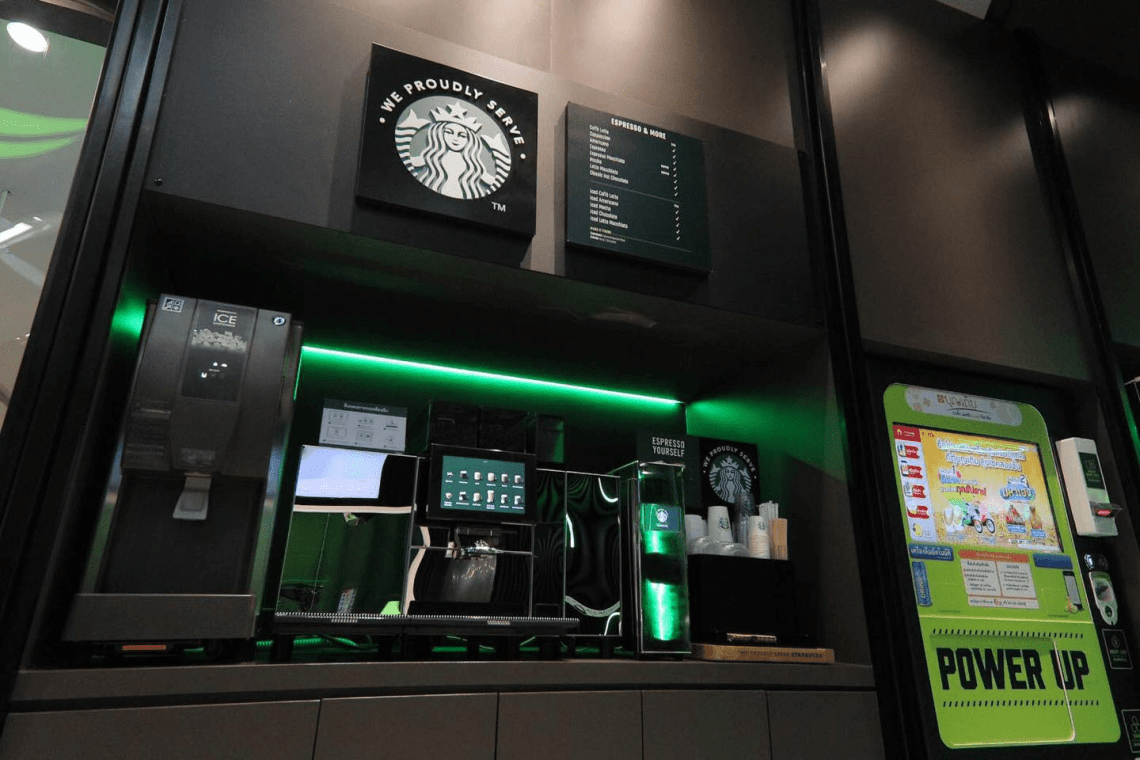
    Starbucks Thailand has launched its first-ever self-service machine with full customizable capabilities and digitized payment options.

    Located inside Bangkok’s new AIS eSports studio at Samyan Mitrtown mall, the venue aims to serve a boost of caffeine for the gamers, serving beverages 24 hours a day.

    A cup of coffee from the machines is priced from US$1.93 (THB 60) which is less than the price at a staffed branch. The drink is fully customizable via a digital touch screen.

    In five easy steps, a consumer can select their drink, tailor it to their liking and scan the QR code to pay either through Rabbit Line Pay or using a general QR code payment through their native banking app.

  • Pierre Herme opens its first Japanese store with Lagardere Travel Retail

    Pierre Herme opens its first Japanese store with Lagardere Travel Retail

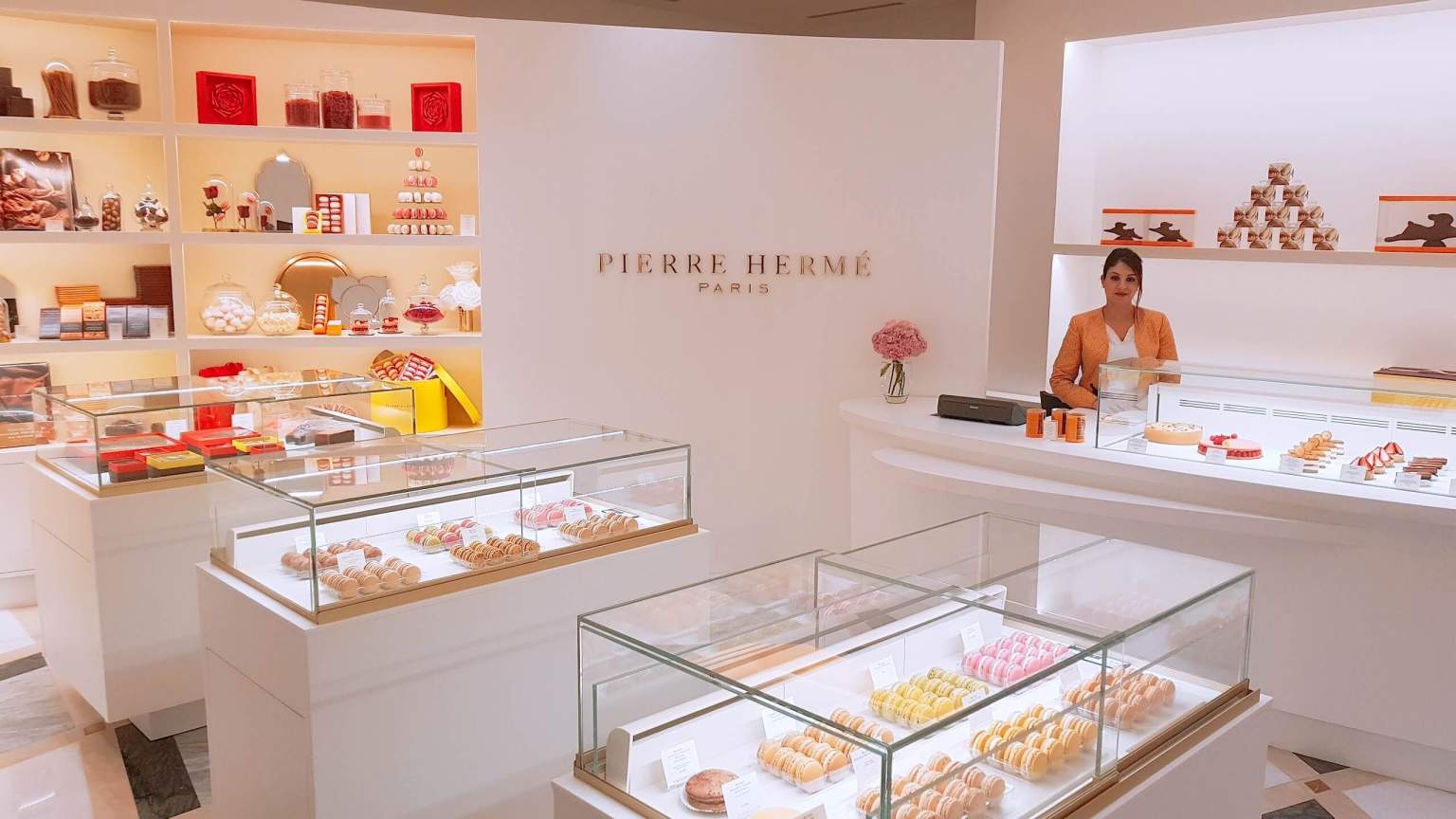
    French pastry chef and chocolatier Pierre Herme has partnered with Lagardere Travel Retail to open the first of several food & beverage concept stores in Japan.

    Located in Tokyo Station, the store occupies a 105sqm area, and is branded ‘Made in Pierre Herme’. Besides food, the store offers a variety of products from different regions of Japan to support agriculture and promote local and ethical food production.

    These products include prepared and packaged food, specialty drinks, and a variety of branded gifts and items carrying Herme’s signature.

    Located in one of Japan’s busiest railway stations, the ‘Made in Pierre Herme’ flagship is expected to draw the attention of commuters, local and foreign visitors, and neighboring office workers alike.

    “We believe this is the beginning of a strong partnership and we expect this first step in Japan will create new opportunities for Lagardere and its partners in this exciting market which has attractive growth prospects,” said Eudes Fabre, CEO at Lagardere Travel Retail North Asia.

    The ‘Made in Pierre Herme’ concept store is the first of several openings planned jointly by the two companies, according to Lagardere Travel Retail.

    “Pierre Herme has been present in Japan for more than 20 years, and it is part of our mission to help French companies internationally recognised know-how to develop here,” said Richard Ledu, CEO at Pierre Herme Paris Japan.

    “There are significant synergies between Pierre Herme and Lagardere so this is a fantastic opportunity with further openings already planned.”

  • Yum China eyes US$2 billion HK stock listing

    Yum China eyes US$2 billion HK stock listing

    Yum China – the operator of KFC, Pizza Hut, Taco Bell, and local restaurant chains – is reportedly preparing to list on the Hong Kong stock exchange as early as next month.

    The IPO, should it proceed, is likely to raise as much as US$2 billion, according to Bloomberg, which cited inside sources who asked not to be identified

    Approval for the listing will be sought from the territory’s stock exchange as early as this month.

    Yum China, controlled by its US namesake Yum! Brands, has been working with Goldman Sachs, China International Capital, Citigroup, UBS and CMB International to prepare for the listing.

    Last month, Yum China marked its 10,000-store milestone, opening a KFC in Bo’ao, Hainan province, and CEO Joey Wat said then that the Covid-19 pandemic will not impact this year’s store rollout plan.

    “With our innovation capabilities, strong digital strategy, and resilient business model, I believe we will emerge from this pandemic stronger than ever, and ready to capture the exciting long-term market opportunity in China,” she said.

    Yum China’s total sales fell 11 percent year on year to US$1.9 billion in the first quarter of this year, while net income fell 26 percent to $132 million.

    Michael Pearson, head of corporate equities at Oak Stone Limited, said the specifics of the deal such as timing and size have not yet been finalized and are likely to change in the coming weeks.

    “New York-listed Yum China is another company who join the growing wave of US-listed Chinese firms seeking a trading foothold in Hong Kong due to the deteriorating relations between the US and China,” added James Burnley, head of wealth management at Oak Stone.

    “Regulators in the US are threatening to restrict the access of Chinese companies to the American capital markets if they refuse to let authorities review their audits,” he said.

  • New Tokyo Starbucks cafe features focus booth

    New Tokyo Starbucks cafe features focus booth

    Starbucks Japan has teamed with Think Lab to launch a store concept in Tokyo where customers can “focus”.

    The first floor is designed as a normal Starbucks’ cafe where customers can order by phone and pay via an app.

    Upstairs, on the second floor is a working area called Smart Lounge for solo visitors or group meetings. The space also provides projector, semi-private tables designed with teleconferences in mind.

    “The specially designed contactless hand-off counter provides customers with safe, familiar and convenient Starbucks experience while they connect virtually with colleagues or friends in the focus areas upstairs,” the company said in a statement.

    Starbucks’ customers can reserve a table or space via a Think Lab’s app.

    Think Lab describes itself as a creator of innovative, solo working spaces based on research into the science of concentration.