Category: Food

Retail News Asia is committed to providing both local and global retailers with the latest Food and Food & Beverage news throughout the Asian market. This on a daily base.

  • Hypebeast opens its first cafe, in Hong Kong: Hypebeans

    Hypebeast opens its first cafe, in Hong Kong: Hypebeans

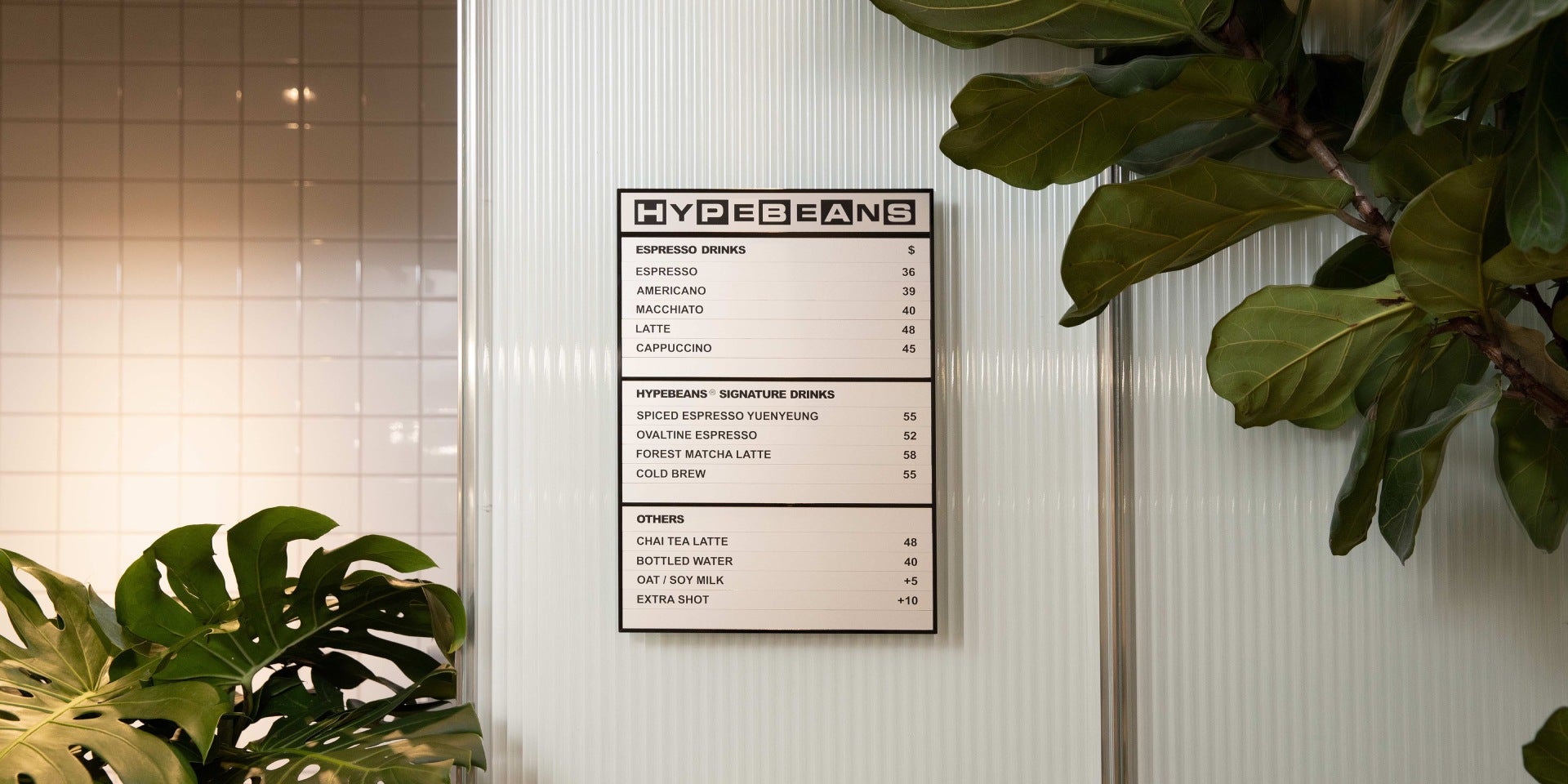
    Following the reopening of the HBX Hong Kong location, HYPEBEAST is now officially launching HYPEBEANS. Serving as HYPEBEAST’s first step into the realm of culinary culture, HYPEBEANS is a communal destination centered around quality coffee.

    Located inside the retail expression, the offshoot offers a menu created with quality over quantity in mind. HYPEBEANS strives to accent lifestyles, effortlessly becoming part of daily routines. HYPEBEANS is a reflection of the intimate friendship between Kevin Ma and world-renowned barista Hiroshi Sawada, connected by mutual friend Hiroshi Fujiwara. The two became closer through a shared interest in fashion and the culinary arts, commemorating their bond through space where like-minded individuals in the city can gather.

    “Here at HYPEBEANS, we want to promote a lifestyle surrounded by culture,” says Kevin Ma, CEO and founder of HYPEBEAST, “we encourage creative collaborations here as an extension of the HYPEBEAST community.”

    For the menu, Sawada drew inspirations from Hong Kong-style cafés to present contemporary creations with nostalgic flair and traditional beverages crafted with a unique blend of coffee beans roasted by Japanese artisans. Signature drinks include the Spiced Espresso Yuenyeung – inspired by the iconic black tea and coffee drink and finished with star anise, Ovaltine Espresso – a milky drink utilizing the classic milky malt extract, Matcha Latte – a signature at SAWADA COFFEE USA centered around a custom blend of matcha and espresso, along with the HYPEBEANS Cold Brew.

    Take a look at the space below and check out some of the offerings at HYPEBEANS above.

    HYPEBEANS
    Shop B30, LANDMARK MEN, LANDMARK ATRIUM
    15 Queen’s Road Central
    Central, Hong Kong
    Opening Hours: Monday – Friday: 8 a.m. – 6 p.m. / Saturday, Sunday & Public Holidays: 10 a.m. – 7 p.m.

    For more food and beverage news, Shake Shack recently introduced its interactive “Shack Camp” family experience.

  • Starbucks struggles to beat Vietnamese coffee chains

    Starbucks struggles to beat Vietnamese coffee chains

    Despite recording double-digit growth last year, the American coffee chain Starbucks remained in third place in revenues behind two local competitors.

    Its 2019 revenue of VND780 billion ($33.6 million), up 32 percent year-on-year, was behind market leader Highlands Coffee at VND2.2 trillion and The Coffee House at VND863 billion.

    This makes the international coffee shop chain rank third in revenues for the second year in a row after securing second place behind Highlands Coffee in 2017.

    It also stood in the third place in terms of growth rate behind Phuc Long’s 65 percent and Highlands Coffee’s 35 percent. Although Starbucks, the only foreign brand in Vietnam’s top five coffee chains, has been established in the country for seven years, the number of outlets in four localities (60) remains small compared to main competitors. Highlands Coffee has 336 outlets and The Coffee House has over 150.

    The number of outlets is less than one-fifth of its presence in other Southeast Asian markets. Starbucks Thailand has 336 outlets and Starbucks Indonesia more than 320. In terms of gross margin, Starbuck’s rate of 19 percent is smaller than 60-70 percent for Highlands Coffee and The Coffee House and 35 percent for Phuc Long.

    One of the reasons for the lower margin is that Starbucks sources its coffee from the U.S. to ensure the same quality globally, so its costs are higher than those making local procurements.

    The brand, however, is among a few that remain in the market even as several other foreign brands have left, including Australia-headquartered Gloria Jean’s Coffees and Singapore’s New York Dessert Coffee (NYDC).

    Another foreign brand, U.S.-based The Coffee Bean & Tea Leaf, saw revenues in Vietnam dropping 30 percent year-on-year to VND71 billion last year.

  • Starbucks Singapore opens in heritage building at Katong Square

    Starbucks Singapore opens in heritage building at Katong Square

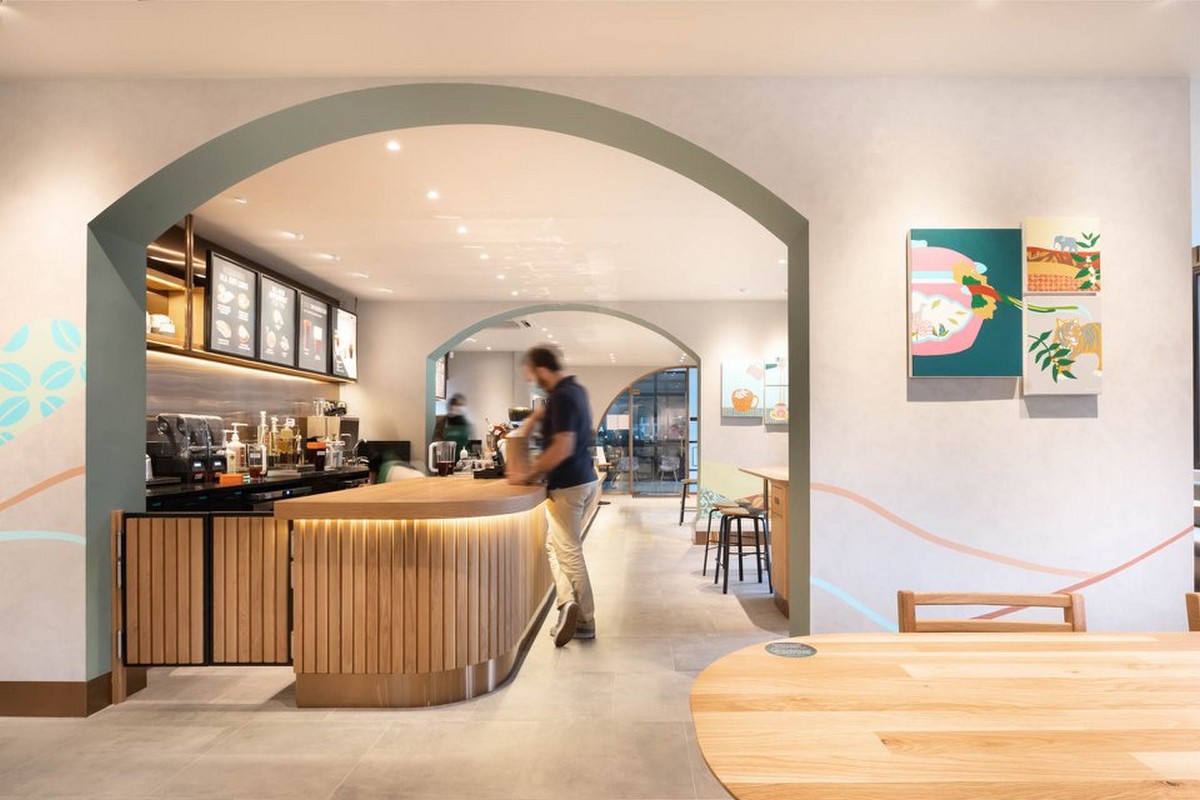
    Starbucks fans will have a new outlet to traipse to this coming weekend. Located at the Conservation Building of Katong Square, the airy shop is a pleasing palette of muted green and white, complemented by the wood furniture.

    Artworks by local artist Danielle Tay adorn the wall, paying homage to the “rich Peranakan heritage,” according to Starbucks.

    The coffee chain gave customers a peek of the outlet in a Facebook album on Sep. 23.

    While many have expressed their delight at the store’s design, they are also calling for Starbucks to prevent customers from hogging the seat in the post’s comments section.

  • California Pizza Kitchen opens new outlets in Manila and Daegu

    California Pizza Kitchen opens new outlets in Manila and Daegu

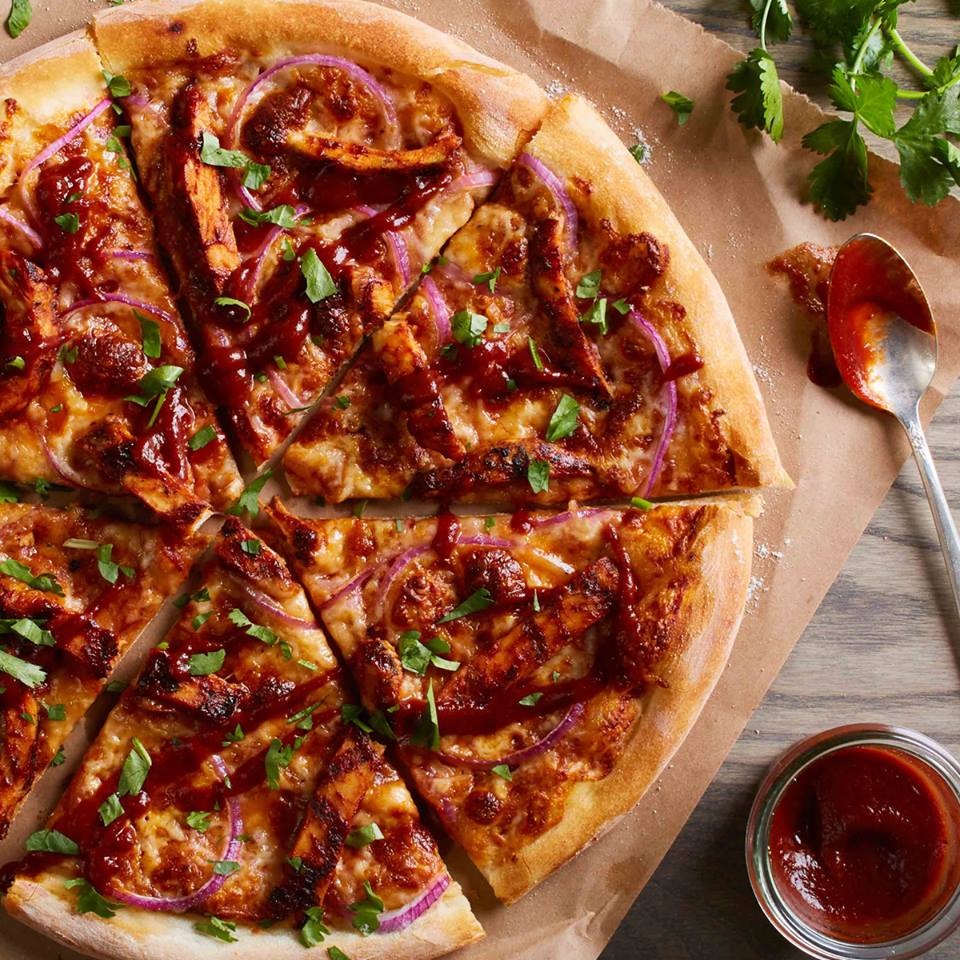
    The openings in Salt Lake City, Manila, and Daegu, South Korea, mark the beginning of CPK’s emergence from Chapter 11 bankruptcy. Los Angeles-based California Pizza Kitchen (CPK) has opened new franchise locations in Salt Lake City as well as Manila, Philippines, and Daegu, South Korea, as it begins to emerge from its Chapter 11 restructuring process, the company announced.

    CPK is planning three additional new international locations that are already under construction.

    CPK announced in July that it had filed for Chapter 11 protection and had entered into a restructuring support agreement with lenders to equitize most of its long-term debt.

    The new stores are located at the Salt Lake City Airport; the Evia Mall in Manila; and the Daegu Mall in Daegu. The Manila restaurant will be CPK’s fifth location in the Philippines, while the Daegu store is the seventh in South Korea. According to a CPK press release, the openings offer “evidence of the company’s strategic expansion in growing markets and its business and financial health.”

    “This has been truly an unprecedented year due to COVID-19 headwinds, but these openings and future construction highlight the confidence we and our partners have in the strength of the brand and its restructuring plan,” said Giorgio Minardi, CPK’s executive vice president of global development and franchise operations.

    The new Philippines location opened at the Evia Mall after government officials eased COVID-19 lockdown restrictions. All new restaurants will implement rigorous cleaning and safety measures, the press release said.

    “We’re very proud to partner with Pie Co., Seoulland, and HMSHost and expand our franchise relationships in these three CPK markets,” Minardi said. “It takes a lot of trust, passion, and strength during these times to make such an investment, and these openings are a clear indication of that commitment.”

  • Pizza chains post double-digit growth

    Pizza chains post double-digit growth

    With over 180 outlets, three popular pizza chains in Vietnam posted double-digit growth last year with combined revenues of over $83 million.

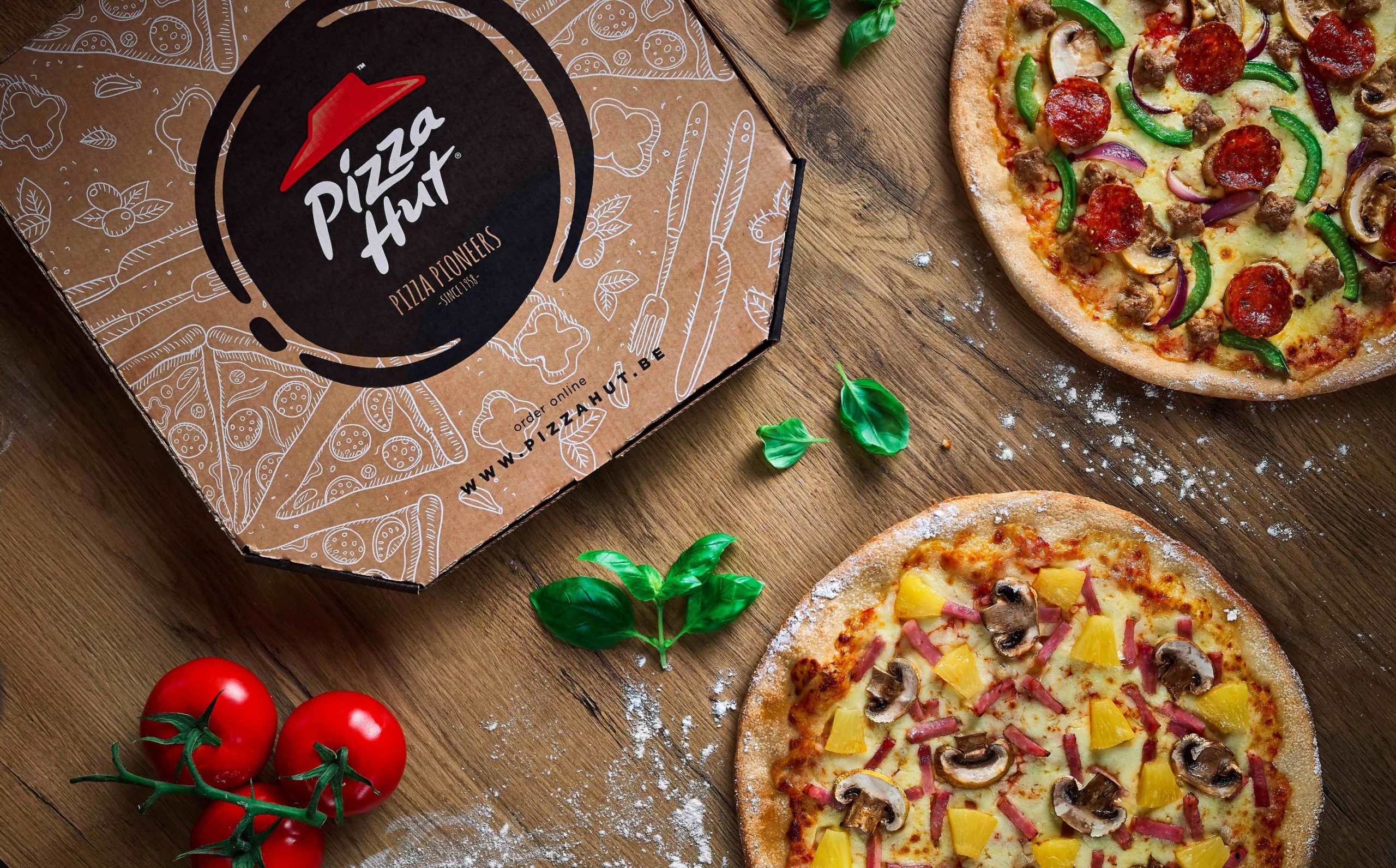
    American chain Pizza Hut was the revenue leader with VND749 billion ($32.2 million), up 22 percent year-on-year; followed by Thailand-headquartered The Pizza Company, which passed the VND600 billion revenue mark last year, up 24 percent; and Vietnam’s Pizza 4Ps with VND568 billion, up 38 percent.

    As one of the earliest pizza chains established in Vietnam, Pizza Hut has had the advantage of being a market pioneer and has now operated for 14 years with over 90 outlets nationwide.

    But as new players entered the market, its growth fell to below 20 percent annually in the 2015-2018 period; even down to 6 percent in 2017-2018.

    Second-placed The Pizza Company has been rapidly expanding in Vietnam since 2013, its number of stores second only to Pizza Hut at over 70 nationwide. It also took the company just six years to pass the VND600 billion revenue mark, while it took Pizza Hut 12 years to record the same figure.

    While it is in third place with just 20 stores, Pizza 4Ps’s revenue last year was only 8 percent behind that of The Pizza Company.

    It was also the only of the three that posted profits of over VND50 billion in the last two years. Pizza Hut has reported losses in three of the last four years while The Pizza Company has done so for three years in a row.

    Euromonitor International, a London-based strategic market analyst, estimated the value of Vietnam’s pizza market at $120 million in 2017.

  • Vietnam opens anti-dumping probe into sugar imports from Thailand

    Vietnam opens anti-dumping probe into sugar imports from Thailand

    The Ministry of Industry and Trade has initiated an anti-dumping investigation into sugar imports from Thailand, which have increased six-fold this year.

    The probe follows complaints by Vietnamese sugar producers that Thai exporters, with a subsidy from their government, are dumping their products in Vietnam and causing damage to the local sugar industry, the Trade Remedies Authority of Vietnam said in a statement.

    The import of sugar from Thailand increased six times year-on-year in the first eight months of this year to nearly 950,000 tonnes, it said.

    Vietnamese producers, represented by six major companies, said the surging imports hit their production, causing it to fall by 33 percent to 800,000 tonnes in the 2019-2020 crop.

    They have sought an anti-dumping duty of 37.9 percent. Vietnam removed import duties on sugar imported from ASEAN countries this year in accordance with the commitments of the ASEAN Trade in Goods Agreement (ATIGA).

  • 7-Eleven in Taiwan to offer restaurant grade fresh meals

    7-Eleven in Taiwan to offer restaurant grade fresh meals

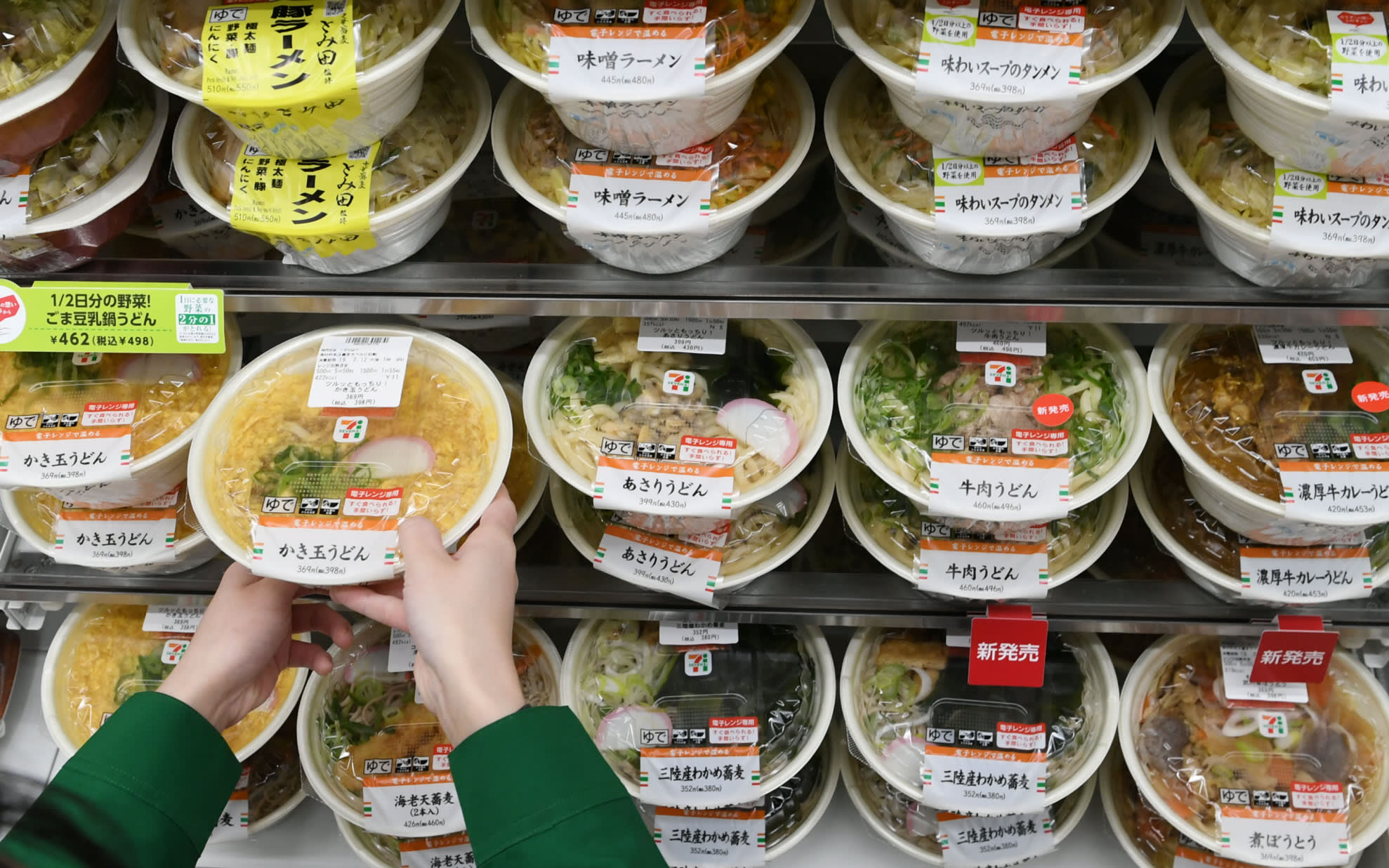
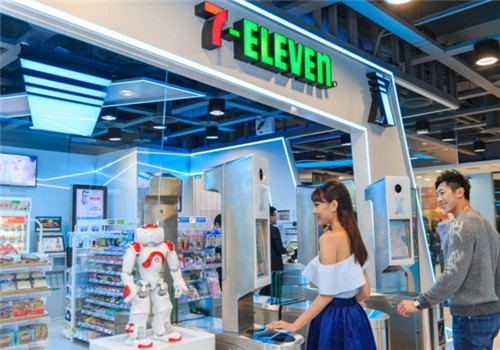
    Convenience store chain 7-Eleven in Taiwan has partnered with a restaurant and a hotel to offer fresh-cooked meals to consumers.

    The service, launching this week at the Dongxing Road outlet in Taipei, will retail assorted boxed meals targeting office workers following seven different menus prepared for the venture by Regent Taipei chefs and restaurant Su/food.

    Customers are invited to place advance orders for the meals, to be picked up on the same or following day at noon. The partnering providers will deliver the meals to the participating stores, which will store them to preserve the temperature.

    7-Eleven in Taiwan expects the venture to increase its meal sales by 10 to 20 percent. After a trial period, the concept is expected to be rolled out more widely.

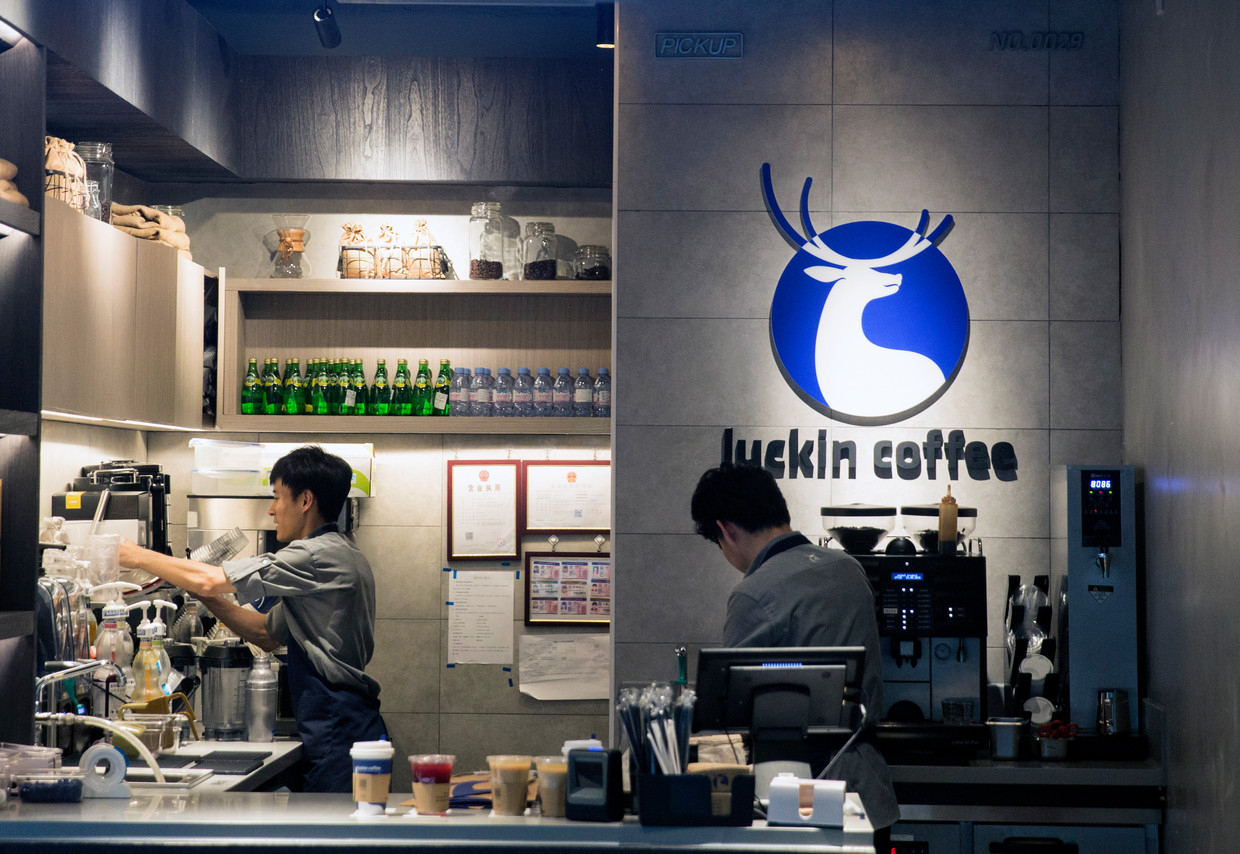
  • Luckin Coffee fined US$9 million for accounting fraude

    Luckin Coffee fined US$9 million for accounting fraude

    Disgraced Chinese coffee chain Luckin Coffee, along with more than 40 other firms involved in the deception, has been fined almost US$9 million for falsifying its financial records.

    According to reporting, China’s finance ministry has previously found Luckin to have booked RMB2.25 billion in sales via counterfeit coupons between April and December last year, as well as having inflated its reported revenues, costs, and profits.

    China’s market regulator found Luckin to have flouted Chinese regulations and misled the public over the period in question.

    “We have carried out an overall rectification on the related issues,” said a representative from the firm in acknowledging that Luckin respected the regulator’s decision. “We will further improve our operations according to related laws and regulations.”

    Luckin was formerly considered a likely competitor against Starbucks within the territory.

  • Police investigate Saigon Beer copycat

    Police investigate Saigon Beer copycat

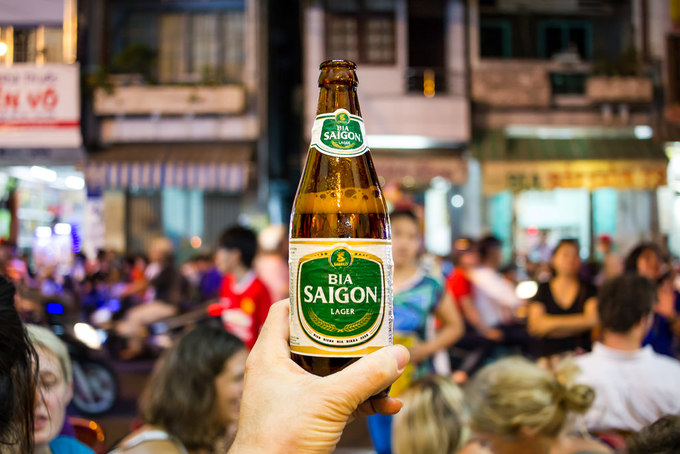
    Police in Ba Ria-Vung Tau Province are investigating a copyright infringement involving Saigon Beer by a former employee of its brewer, Sabeco. They found over 9,000 boxes of the Saigon Vietnam Beer with the brand name and packaging similar to that of the 43-year old Saigon Beer brand produced by Sabeco, the largest brewer in Vietnam.

    The beer is distributed by the Saigon Vietnam Beer Group Jsc., not a subsidiary of Sabeco. Its CEO, Le Dinh Trung, held several positions in Sabeco for years, including assistant to the deputy CEO and head of its legal department.

    Another person involved in the copyright infringement is Tran Thi Ai Loan, a distributor of Sabeco beer for the last four years.

    The original headquarter address of Saigon Vietnam Beer Group Jsc was registered at Floor 9, Vincom Building, 72 Le Thanh Ton, District 1, Ho Chi Minh City, the same as Sabeco. Although the Saigon Vietnam Beer Group Jsc. later changed its headquarters to a different location in Binh Thanh District, its beer packaging carried the old address, confusing customers.

    Authorities said Loan, as a legal representative, had signed a contract with BiVa Beer Brewer in southern Ba Ria–Vung Tau Province to produce the Saigon Vietnam Beer and started distributing the product in May.

    The same month, Sabeco requested the Vietnam Intellectual Property Research Institute to inspect the similarities between the packaging and brand name of the two beers. The institute concluded in June that there were signs of copyright infringement, following which Sabeco requested market authorities to intervene.

    Authorities later found thousands of Saigon Vietnam Beer boxes in the southern localities of Ba Ria-Vung Tau, Binh Phuoc, Soc Trang and Can Tho as well as the Central Highlands province of Dak Lak. Each box was being sold at VND159,300 ($6.91), nearly 12 percent lower than that of Sabeco’s Saigon Beer.

    Vu Tuan Chau, owner of BiVa Beer Brewer, told authorities that they had distributed a total of 4,400 boxes so far. Chau said they only produced the beer to the requirements of Saigon Beer Vietnam and was not aware of any copyright infringement. A lawyer representing Sabeco said that the infringement has damaged their brand’s reputation and misled customers into purchasing the wrong product. Sabeco is working with authorities to continue the investigation, the lawyer said.

    No comments were available from the representatives of Saigon Beer Vietnam at the time of going to print.

  • Deliveroo Singapore kicks off partnership with Food from the Heart with a pledge of S$10,000 in donations

    Deliveroo Singapore kicks off partnership with Food from the Heart with a pledge of S$10,000 in donations

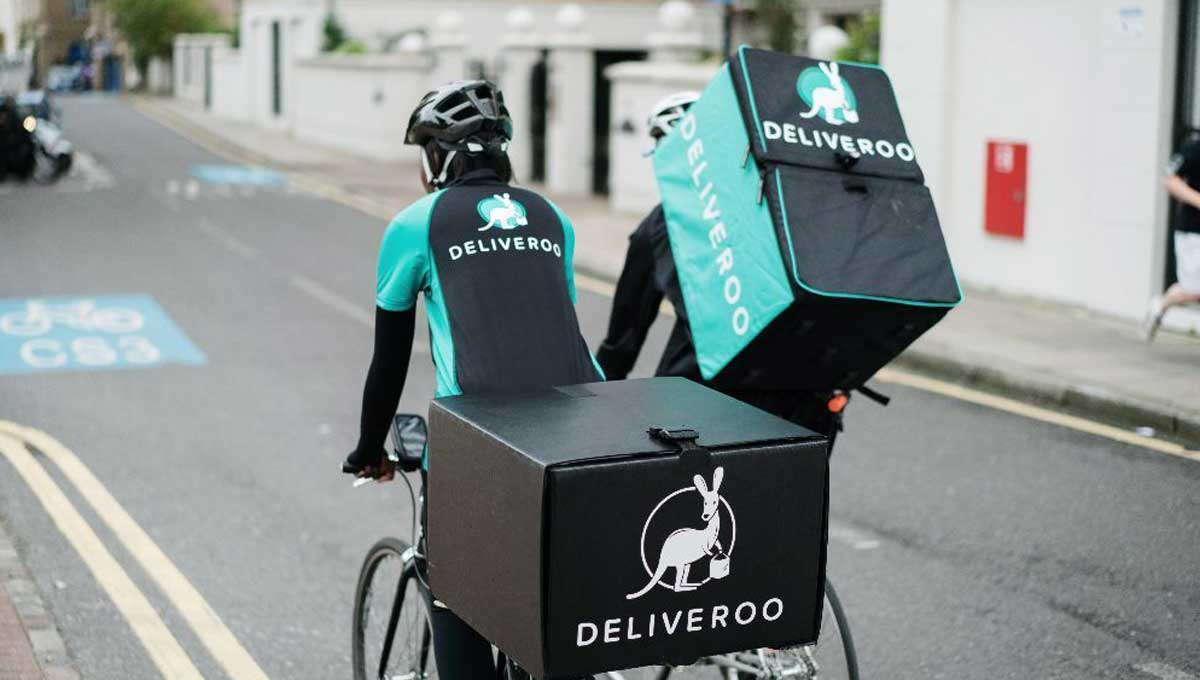
    Deliveroo Singapore today announced its partnership with Food from the Heart (FFTH), a charity organisation that is devoted to alleviating food insecurity through efficient distribution of food – an issue that affects approximately 200,000 of the population in Singapore.

    The long-term partnership is part of Deliveroo’s community-focused campaign in Singapore, No Child Goes Hungry, to tackle food insecurity among children, with focused initiatives around contributions to philanthropic causes and community service.

    #CleanPlateChallenge: Supporting FFTH to champion food waste reduction

    In the first initiative of the partnership, Deliveroo will be supporting FFTH’s food waste initiative, Clean Plate Campaign, and is calling for solidarity among its customers to join the fight towards zero food waste.

    From 28 September to 16 October, Deliveroo customers can show their support from home by taking part in a social media challenge, #CleanPlateChallenge. To participate, customers must finish their food, take a photo of their clean plate or takeaway box and upload it onto Instagram or Facebook with the hashtag #CleanPlateChallenge, and tag @deliveroo_sg and @foodfromtheheartsg (Instagram) / @foodheart (Facebook).

    Deliveroo will donate S$1 to FFTH for each submission, with donations totalling up to S$10,000. The donations will go towards beneficiaries of FFTH’s School Goodie Bag programme, which focuses on providing underprivileged primary and secondary school students and their families with food rations and better nutrition. The School Goodie Bag comprises food from different categories such as staples, vegetables and proteins and cooking essentials to ensure a well-rounded diet

    The Clean Plate Campaign was started by FFTH in conjunction with World Food Day, marked annually on 16 October, to raise awareness of the environmental and societal impact of food waste and to inculcate the habit of mindful eating. Food waste is a critical issue, especially since the amount of food waste generated in Singapore has increased by about 20% over the past ten years. In the last year alone, 744,000[2] tonnes of food was wasted – equivalent to two bowls of rice per person a day.

    “As a socially responsible company which delivers great tasting food to thousands of consumers’ doorsteps each day, food wastage is a cause close to our hearts. We are always seeking opportunities to give back to the communities we operate in and are determined to help contribute to efforts to reduce the amount of food waste in society. By teaming up with Food from the Heart, we want to inform and empower our customers to play their part in reducing food wastage, and at the same time, give back to those in need. The Clean Plate Campaign marks the first initiative of our long-term partnership with Food from the Heart. We look forward to continuing our support through the No Child Goes Hungry initiative to deliver real, tangible changes that will help our environment and the disadvantaged in society,” said Sarah Tan, Interim General Manager, Deliveroo Singapore.

    “We are deeply heartened that Deliveroo has stepped forward to join our cause of minimising food waste and feeding the hungry needy, more so during these challenging times. The generous donation will go a long way in bettering the lives of our young beneficiaries and their families through nutritious food.  We look forward to a most fruitful partnership in alleviating child hunger together,” said Sim Bee Hia, CEO of FFTH.

    “Times are tough and the School Goodie Bag food pack has helped me a lot. My kids like the food that I make with it and I don’t have to worry about them not having enough food. They can concentrate on their school,” said Amilah, a single mother and FFTH beneficiary.

    Deliveroo Singapore’s partnership with FFTH is the latest in a series of community focused tie-ups. Previous partnerships include WeCare@MarineParade, where Deliveroo riders delivered over 1,000 iftar meals to vulnerable Muslim families during Ramadan, TOUCH Community Services, where Deliveroo rallied customers, restaurants and riders to get behind the Meals-On-Wheels initiative, and social enterprise Glyph, which saw Deliveroo hosting quarterly Food & Cultural Exchanges and offering discounted Glyph membership fees for riders’ children.
  • Sale of China’s Burger King franchise at stake

    Sale of China’s Burger King franchise at stake

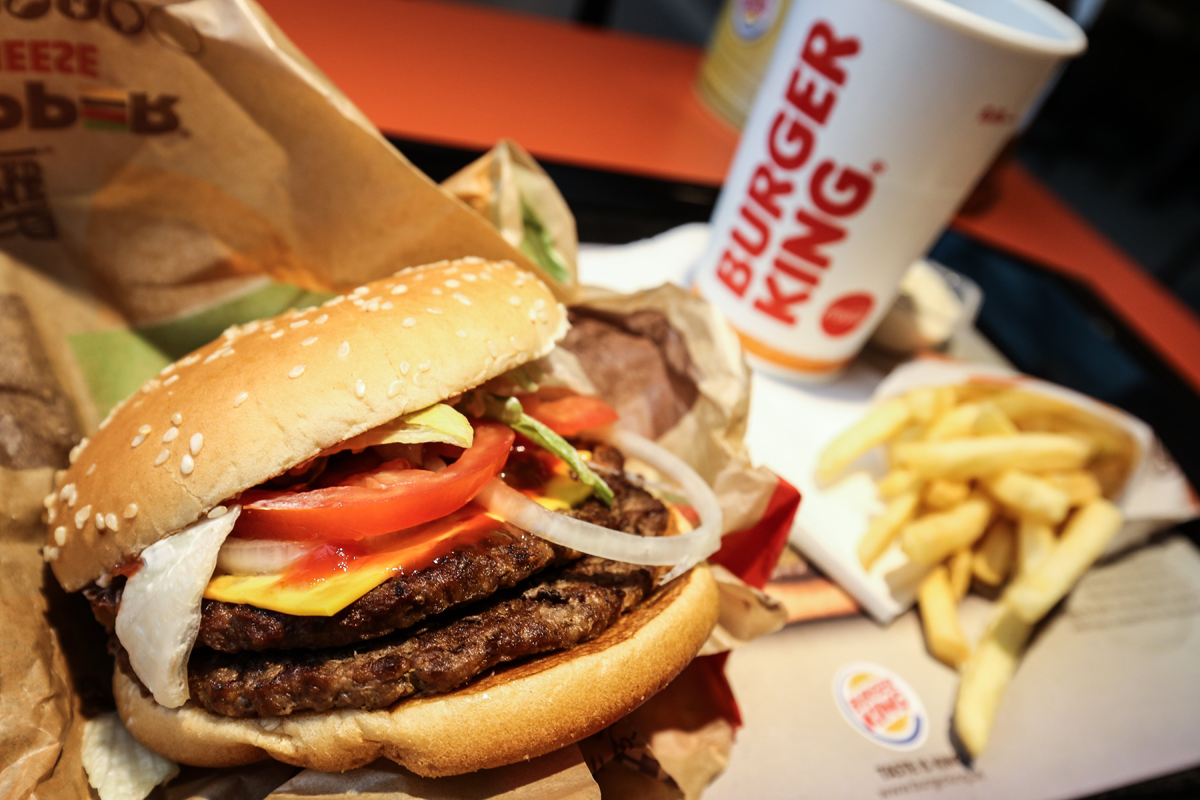
    TAB Food Investments is looking to sell its 50-per-cent stake in Burger King’s China operations, which could value the asset at more than $1.2 billion, according to Bloomberg.

    TAB Food is the largest global franchisee of Restaurant Brands International and runs more than 1200 Burger King locations across China. The business had expressed interest in launching an IPO for its China operations some time ago, though now may be investigating exiting the business entirely.

    According to sources, the deliberations are still at an early stage, and TAB could still decide to hold on to the business or revive the IPO plans which were postponed in 2018 with no reason given.

    An ongoing sale process isn’t underway, a TAB spokesperson told Bloomberg. The business is the biggest franchisor of Burger King globally and manages close to 2000 restaurants across China and Turkey.

    TAB also holds the rights to the Popeye’s Chicken brand, which has just opened its first store in Shanghai and is set to launch further 1500 in China over the next 10 years.

  • Top fried chicken restaurant chains post growth

    Top fried chicken restaurant chains post growth

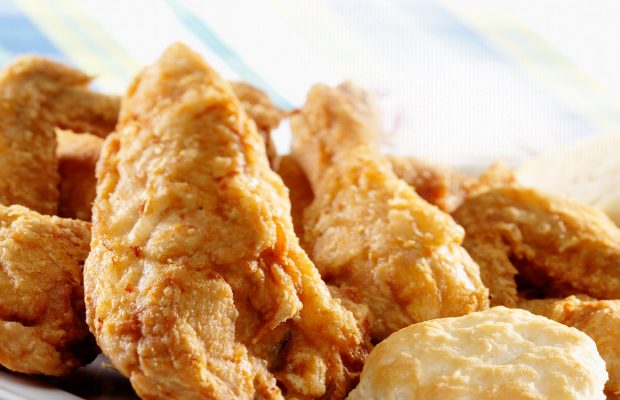
    Vietnam’s three most popular fried chicken restaurant chains earned combined revenues of VND4.3 trillion ($185.5 million) last year, up more than 11 percent year-on-year. South Korean brand Lotteria recorded the highest revenues at VND1.68 trillion ($72.5 million), up nearly 8 percent year-on-year. It has the highest number of outlets in Vietnam at over 210 in more than 30 localities.

    Lotteria’s performance was an improvement with over the 2 percent growth rate recorded in 2018 and 2017, but smaller than the double-digit rate it enjoyed from 2014-2016.

    It was followed by American brand KFC with revenues of nearly VND1.5 trillion ($64.3 million), up 1.3 percent year-on-year. In 2018 and 2017 its growth rate was 7.5 and 18.3 percent respectively.

    KFC, the earliest of the three to enter Vietnam, has over 140 outlets in 32 localities. In third place, with revenues of VND1.1 trillion, was a Filipino brand Jollibee. With over 100 outlets, Jollibee posted the highest growth of the three at over 40 percent year-on-year.

    In the last three years, its annual growth rate has averaged over 37 percent, several times that of KFC and Lotteria. But of the three chains, only KFC posted a pre-tax profit of VND102 billion last year, its fourth consecutive profit-making year.

    Both Lotteria and Jollibee have been reporting losses in the last five years. Last year, the two chains reported losses of VND22 billion and VND10 billion, respectively.

    Market observers have attributed the slower growth of fast-food chains in recent years to changing eating habits among the Vietnamese, who are prioritizing health over convenience.

    Market research firm Nielsen had said earlier in a report that there was an increasing percentage of Vietnamese identifying health as a sign of success instead of richness. The rising number of food contamination cases and environmental issues have also prompted people to care more about health issues, it said.

    In 2018, there were 7,000 fast food outlets in Vietnam, a relatively insignificant number considering there are around 540,000 food and beverage businesses comprised of 430,000 street vendors, 80,000 restaurants, and 22,000 cafes and bars, according to Dcorp R- Keeper, a global company which provides technological solutions to food and beverage businesses.

  • 7-Eleven and Coca-Cola open crossover experiential store in Singapore

    7-Eleven and Coca-Cola open crossover experiential store in Singapore

    7-Eleven has collaborated with Coca-Cola to launch a crossover experience store in Singapore. Located at the House of Eden, the store spans two stories and is dressed in Coca-Cola’s signature red.

    Behind the floor-to-ceiling glass windows, a giant ‘Coca-Cola Splash Tree’ and beverage cooler signify this store is something different from the typical convenience store. The ground floor houses a 7-Eleven retail area which also sells ready-to-eat meals and fresh baked goods.

    To get to the upper floor, customers walk through a Coca-Cola branded staircase ‘tunnel’ with LED lighting under each panel to guide their steps. The floor houses a customized 7-Eleven x Coca-Cola Pit-Stop wall and a seating area with red and white furniture. Two claw machines are set up near the staircase for entertainment.

    The store also features several Instagrammable backdrops with the brands’ logos for visitors to take photos with.

    “Through this collaboration, we will further strengthen our position as a fun and innovative brand and create talk-of-the-town experiences for our customers,” said Steven Lye, MD of 7-Eleven Singapore.

    “Today, the convenience store culture has also become an intrinsic part of our fast-paced lifestyles,” said Chris Tan, commercial director, Coca-Cola Singapore Beverages. “At the Coca-Cola Pit Stop with 7- Eleven here in Singapore, they can re-energize within a safe environment that truly embodies the Coca-Cola brand.”

    Coca-Cola Pit-Stop Singapore is not the brand’s first collaboration with 7-Eleven. In July, both brands launched a themed store in Hong Kong, where the convenience-store business is owned by the same franchisee, Dairy Farm International. But compared to the Hong Kong store design, this Singapore store is considerably larger and more imaginative.

  • Popeyes may immediately stop all operations in South Korea

    Popeyes may immediately stop all operations in South Korea

    American fast-food chain Popeyes said it is to withdraw business from South Korea, however, the local franchisee TS Corporation has denied the report.

    According to The Korea Times, reports of the exit began when a memo was written by a Popeyes’ employee headed “Popeyes brand will no longer pursue business in Korea as of November” went viral on social media. The employee’s memo went into detail, to the point of stating that the chain’s Gwangjin-gu branch would be the last to close before the brand ceases its operations in South Korea.

    A spokesperson from TS Corporation confirmed that some of the restaurants will shut down – but not all of them. The person didn’t share any further information except to state that the company will continue to operate the brand there.

    The struggling fast-food chain has been attempting to turn its fortunes around for two years, however, the process has not gone smoothly.

    Having entered South Korea with TS Food & System in 1993, the company recorded an impaired equity ratio of 40 percent, and last year it was in negative equity.

    Local media said Popeyes has recently been in negotiations with another operator to increase the brand’s value. That company is believed to be SPC Group, which operates Shake Shack and Eggslut in the country, but that has not been confirmed.

  • McDonald’s US starting up innovating cup-reusing system with Terracycle

    McDonald’s US starting up innovating cup-reusing system with Terracycle

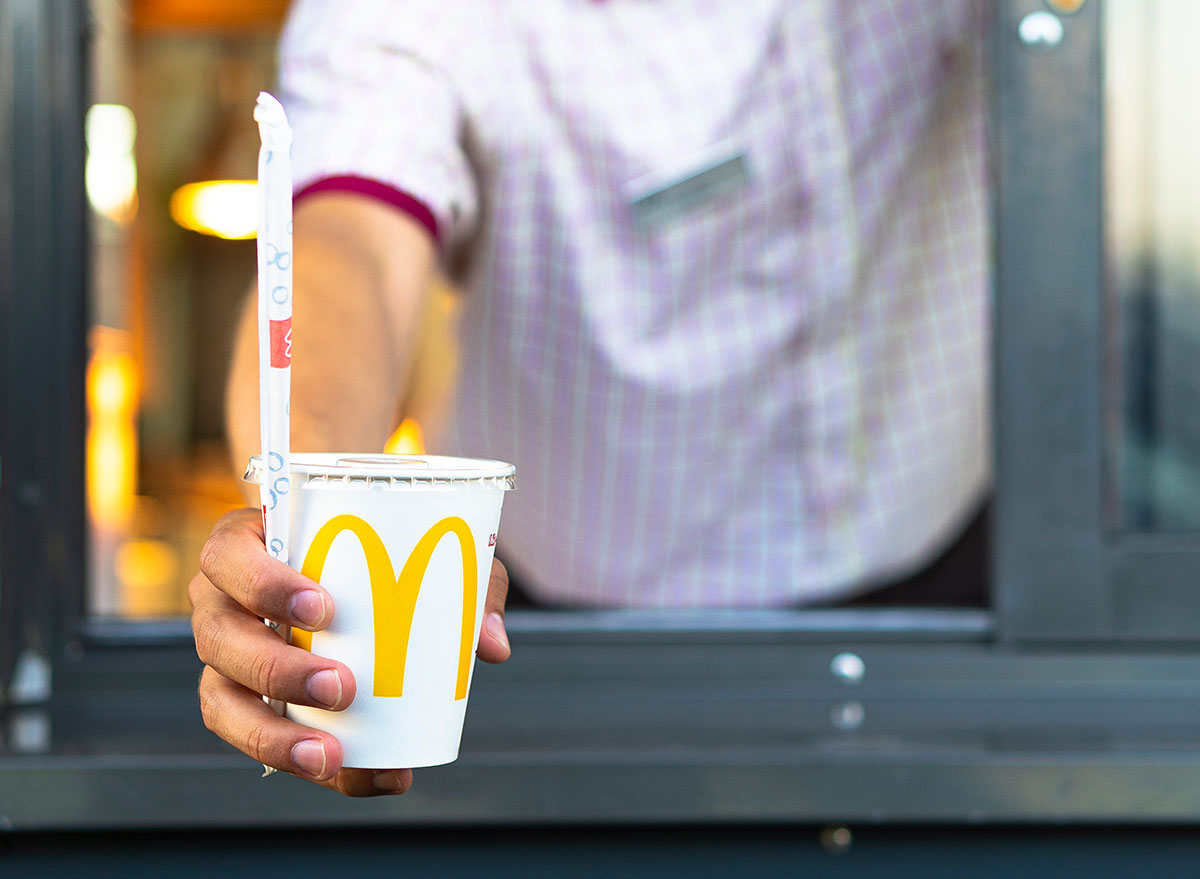
    McDonald’s is to launch a reusable cup option for hot beverages with TerraCycle’s circular packaging service Loop. At first, the service will be trialed in the US before being introduced in other markets.

    In the program, customers will get the durable cup for a small deposit, which can be redeemed by returning the cup to participating McDonald’s restaurants. The Loop system, in partnership with Ecolab, will sanitize the cup for the next use.

    “We’re on a journey to rethink how we package products to give customers options that reduce waste, maintain the highest safety standards, and enhance the McDonald’s experience they expect and enjoy,” said Jenny McColloch, vice president global sustainability at McDonald’s.

    “This pilot will generate important local insights and lessons to share along the way. We will accelerate circular-packaging solutions with our partners around the globe,” McColloch said.

    McDonald’s will pilot the campaign at select McDonald’s restaurants in the UK next year. McDonald’s has invested in several packing initiatives across the world, including the Recup system in Germany and NextGen Cup Challenge in the US.

    “The partnership paves the way for reusables to become an accessible option for consumers as they enjoy their meal on the go.” said Tom Szaky, CEO at TerraCycle and Loop.

    As yet, no images of the new device have been released, and it is not clear what it will be constructed of. Nor is it clear if the cups will be washed in stores or returned to a central hub.