Category: Food

Retail News Asia is committed to providing both local and global retailers with the latest Food and Food & Beverage news throughout the Asian market. This on a daily base.

  • How new player joined Vietnam’s food delivery battle

    How new player joined Vietnam’s food delivery battle

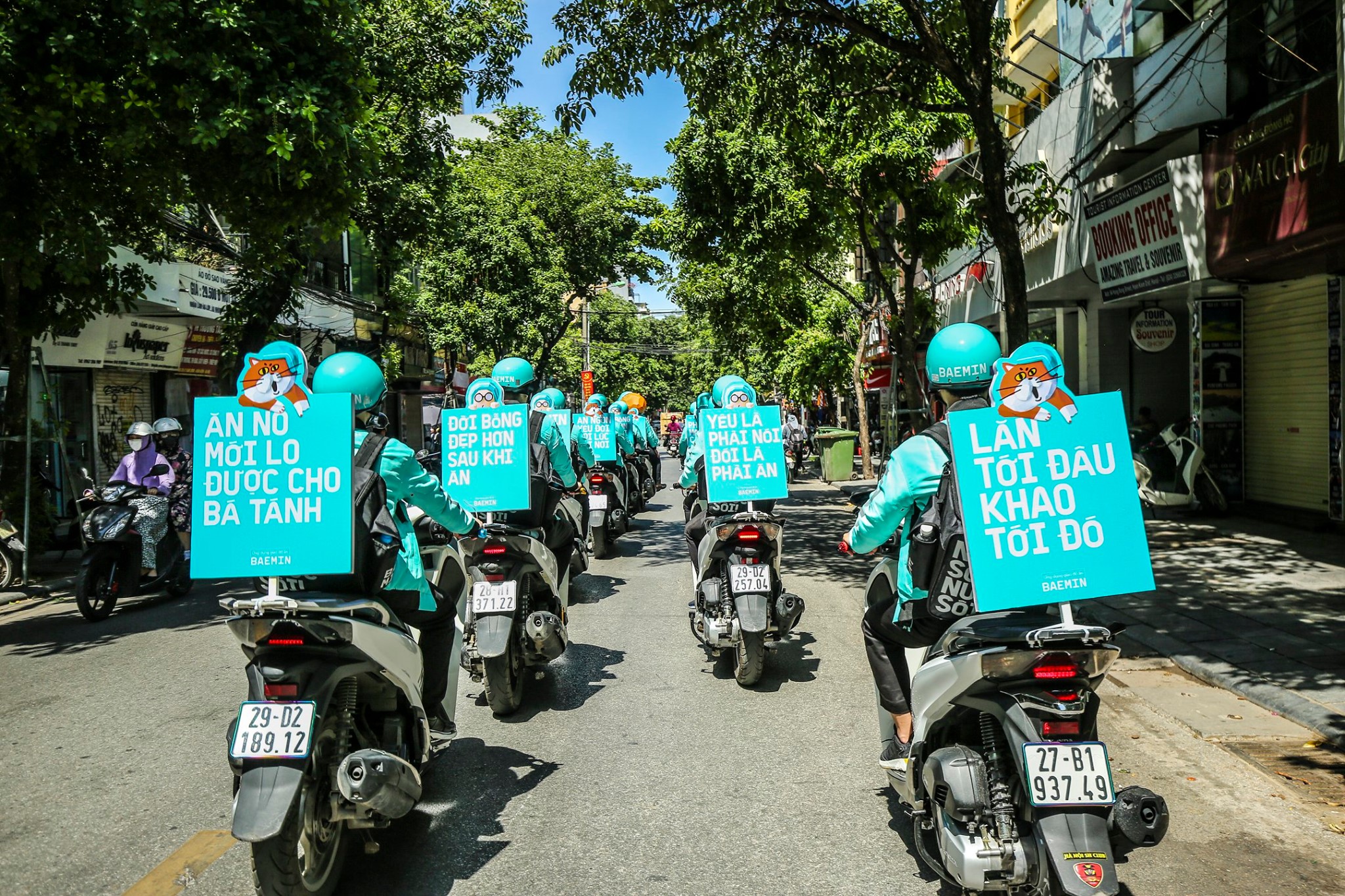
    Joining the market later than competitors, Baemin, a food delivery application of South Korean unicorn Woowa Brothers, concentrates on rider training and supporting food stores.

    Tuan, 28, from HCMC, is on his way to the headquarter of Baemin in District 3 to take part in a training course. He said, by the end of the course, he would have had to take an entrance exam before being granted an account as a Baemin rider. Before that, during the online application process, Tuan also had to undergo a pre-qualification exam before attending the intensive training.

    Most riders joining the Baemin network have to pass two entrance exams, a paradox compared to other food delivery businesses today.

    “We want to leave a good first impression on our customers with Baemin’s well-mannered and polite rider team,” said Nguyen Trung Thanh, COO of Baemin Vietnam, Woowa Brothers’ leading online food delivery service.

    Right after taking the lead in South Korea, Woowa Brothers expanded its market to Vietnam, where more than 40 percent of the population is of working age, loves technology and is quite familiar with Korean culture. However, Baemin still joined the Vietnamese market later than many other competitors.

    The boom in delivery applications has resulted in a shortage of riders and problems with service quality. Therefore, Baemin chose its own path by starting with careful training of its rider team in each market then gradually expanding within the city where the demand for food delivery is up to 90 percent (according to market research company GComm).

    Ho Chi Minh City and Hanoi are two typical examples of Baemin’s approach. “In Vietnam, FoodTech is still a very new market, so companies in this field have to invest a lot in building their own delivery team and putting them into operation,” Thanh noted.

    Baemin focuses on building professional food delivery services, its professionalism helping it succeed in a short period.

    According to a recent survey, although Baemin only appeared in Vietnam from mid-2019, it quickly caught up with Gojek, another application in food delivery, in its proportion of users (up to 46 percent). Baemin also takes up 16 percent among the most frequently used apps.

    According to the report, GrabFood is said to be popular among the old while Baemin suits younger generations.

    Investing in rider partners is not enough in Baemin’s long-term development strategy in Vietnam.

    “In Korea, where third-party logistics infrastructure is already developed, Woowa Brothers focuses on customer care, advertising and tradition,” said Thanh.

    “However, in Vietnam, it is a completely different story.”

    In addition to delivery resources, Baemin also has to pay attention to connecting with partners participating in its platform by providing flexible payment methods, with the most important being accompanying partners in the transition of the business model into an online format.

    According to Thanh, in new markets like Vietnam, restaurants, and stores, especially traditional ones, are yet to grow accustomed to online sales. Thus, during this period, the most practical thing is generating a revenue stream.

    Baemin’s strategy is to send staff to guide restaurant owners on how to achieve greater profits. At the same time, the company has also developed a department to timely respond and make payments so restaurant owners could continue to operate.

    “These are very basic steps, but they create real value from which the restaurant has the confidence to establish a closer relationship with us,” Thanh emphasized.

    In the coming time, Baemin plans to help restaurant owners create products suited to online business models. According to Thanh, this would allow transformation from a pure traditional restaurant to an online model in order to gradually expand with increasing revenue.

    “More than anyone, Baemin understands that the success or failure of a company depends greatly on its partners. Although Baemin is newly launched in Hanoi, brand awareness of customers here is much higher than in Ho Chi Minh City. It may be a new city, but the market has heard a lot about us,” Thanh said.
  • Heytea unveils convenience-store-like concept in Singapore

    Heytea unveils convenience-store-like concept in Singapore

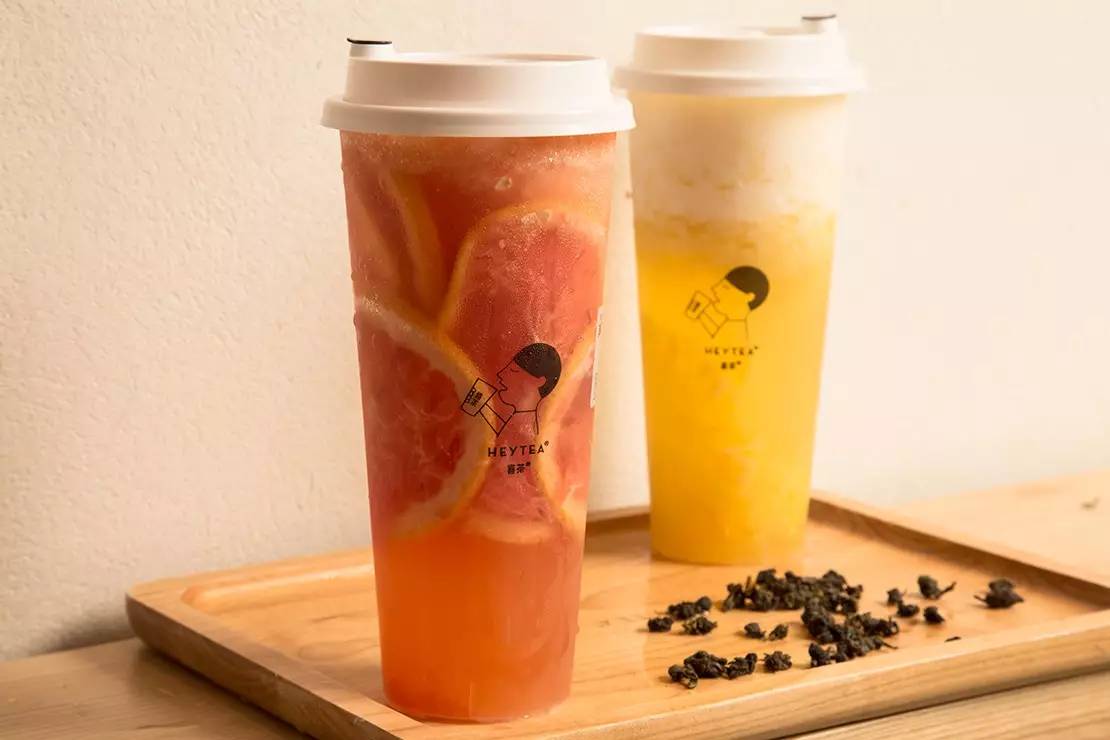
    Chinese milk-tea brand Heytea has launched a retail concept resembling a convenience store in Singapore.

    The store, which is also the brand’s first outlet in the city’s south, is located at VivoCity and features bright orange and grey striped frontage, illustrating “the fun and quirky store concept”.

    The store also has large glass windows so customers can see how staff are making their orders. Besides teas, Heytea VivoCity also offers pastries, croissants and muffins.

    An “Order On The Go” service is available for customers to avoid queues.

    Founded in 2012 in China, Heytea operates more than 260 outlets in China and four outlets in Singapore. Three other outlets are located at Ion Orchard and The Shoppes at Marina Bay Sands.

  • Rice exports rise despite stockpiling amid pandemic

    Rice exports rise despite stockpiling amid pandemic

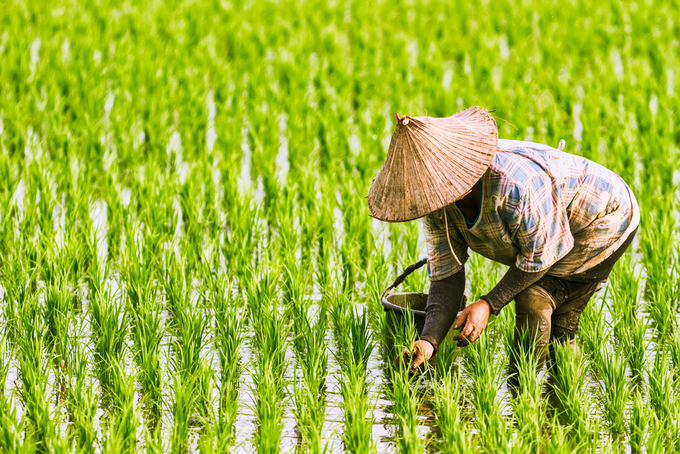
    Vietnam’s rice exports grew by 9.3 percent last year to $3.07 billion though it stockpiled the grain to ensure food security after Covid-19 broke out.

    But volumes were down 3.5 percent to 6.15 million tons since the country stopped exports for over two weeks in March and April to ensure adequate domestic supply amid the pandemic.

    The average price rose by 13.3 percent from the previous year to $499 per ton, the highest in years, the Ministry of Industry and Trade reported.

    Vietnamese farmers and exporters are focusing on quality and getting higher prices by meeting import standards in markets like the E.U., South Korea and the U.S., it said.

    Eighty-five percent of the country’s exports last year were considered to be of high quality, according to the General Statistics Office.

    In 2019, Vietnam was the world’s third-largest rice exporter behind India and Thailand with shipments of $2.81 billion. Its biggest buyer was the Philippines.

  • Shrimp exports to rise 15 pct

    Shrimp exports to rise 15 pct

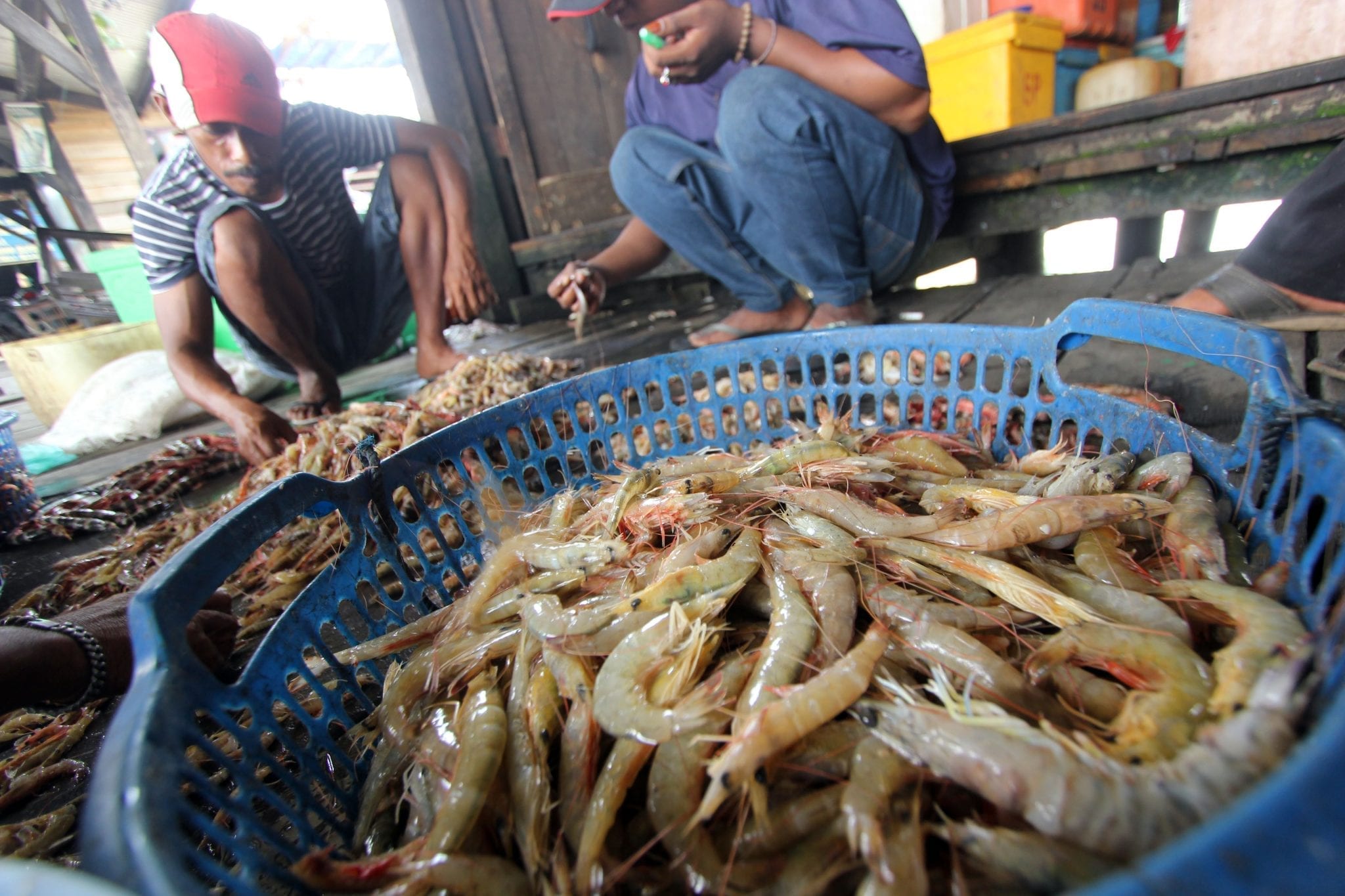
    Vietnam has advantageous conditions to increase shrimp exports by 15 percent year-on-year to top $4 billion in 2021, industry insiders say.

    Global demand has remained stable while other shrimp exporting countries have not recovered from pandemic impacts, according to the Vietnam Association of Seafood Exporters and Producers (VASEP).

    China is the biggest shrimp producer in Asia, yet it lacks shrimp supply for processing and consumption.

    Vietnam’s shrimps will benefit from tariff cut under new-generation FTAs that the country has signed.

    However, Vietnamese shrimp exported will have to face strong competition from India, where low production costs make its export prices more competitive, according to the Agro Processing and Market Development Authority.

    China has imposed import restrictions based on quality, quarantine, and procedural issues which can result in a plunge in shrimp exports to the neighboring giant.

    Shrimp exports are set to increase by 12.4 percent in 2020 to $3.78 billion despite the major impact Covid-19 has had on the seafood industry.

  • Starbucks partners with Pokemon Go in Asia

    Starbucks partners with Pokemon Go in Asia

    Pokemon Go is excited to announce that they are partnering with Starbucks and that its stores in select Asia markets are transforming into PokéStops and Gyms in Pokémon GO.

    Adventurous Pokémon GO trainers in Hong Kong, Indonesia, the Philippines, Singapore, and Thailand can visit nearby Starbucks locations to discover Pokémon, join battles with their Pokémon teams, and pick up their favorite Starbucks treats to enjoy on-the-go. With the health and well-being of customers top of mind, the app’s increased range and additional features for socially-distanced connection will help Pokémon GO and Starbucks fans enjoy the world of Pokémon in more exciting ways.

    “Starbucks and Pokémon GO both represent important gathering spaces for community, both online and offline,” said Erin Silvoy, vp product and marketing, Starbucks Asia Pacific. “Starbucks is excited to offer our customers in Asia more ways to connect with the world of Pokémon GO, and for Pokémon GO trainers to enjoy the premium Starbucks Experience on their adventures.”

    “Niantic’s mission is ‘Adventures on foot with others,’” said Gary Chang, APAC business development lead at Niantic. “In partnership with Starbucks, we can bring our shared values of health and well-being together in this exciting experience for customers and trainers.” Since introducing the world to a new genre of mobile gaming – location-based AR games – Niantic has been working with brick-and-mortar brands like Starbucks across the world to offer customers new experiences focused on movement and exploration.

  • Taco Bell prepares to debut in two Southeast Asian markets

    Taco Bell prepares to debut in two Southeast Asian markets

    U.S. fast-food chain Taco Bell plans to double its international footprint with Asian markets as the main driver for overseas growth as awareness about Mexican cuisine grows, a senior executive said on Wednesday.

    The Mexican-inspired Yum! Brands subsidiary, which has 7,000 restaurants in the United States, will bring its overseas store count to “over 500 units this year with a goal of getting to a thousand units internationally in the next few years,” Liz Williams, President of Taco Bell International, said in an interview.

    Taco Bell retreated from Singapore in 2009. It returned to Japan in 2015 after withdrawing in the 1980s.

    “Consumers weren’t ready in terms of awareness and the brand wasn’t positioned right at the time,” she said.

    But thanks to a “heightened awareness” of Mexican food, broader palettes and brand exposure by millennials from more travel and technology, at least half of the new units will come from the Asia-Pacific region, she said.

    Taco Bell, which sells tacos and burritos, was also adding new flavors and items for local markets citing that its signature sauce was modified for its new store in Thailand, which will open on Thursday.

    “We’ve amped them up significantly,” Williams said, because research showed the sauce was not hot enough for Thai palette.

    Vinegar notes were also dialed down, which were said to be unpopular with locals, Williams said.

    Taco Bell, with franchise partner Thoresen Thai Agencies Pcl plans 40 stores in Southeast Asia’s second-largest economy by 2022.

    Last year it doubled store count in India to 32 and signed two franchise agreements for 110 new stores across Australia and New Zealand by 2024.

  • Acecook to open instant-noodle buffet restaurant in Vietnam

    Acecook to open instant-noodle buffet restaurant in Vietnam

    Called ‘Acecook Noodles Cup Buffet’, the store allows customers to create and mix instant noodles to their own preference. Customers can also customize their noodles cup design with stickers and pencil crayon provided.

    Besides providing the buffet service, the store also has a dedicated display area for Acecook’s new noodles range as part of its marketing plan. The store is scheduled to launch on December 19.

    “This is also a tribute to the companionship and support of customers for Acecook Vietnam over the past 25 years,” said Kajiwara Junichi, general director at Acecook Vietnam. “I hope the restaurant will be an attractive destination for our customers, who love instant cup noodles and want to experience new things.”

    The launch is part of Acecook’s strategy to increase the cup noodles sales in the country. According to Nikkei, the Japanese instant-noodle maker aims to achieve about 350 million servings by 2022. Acecook estimates cup noodles will account for 9 percent of its sales in the country by then.

    Prior to creating the instant-noodle buffet concept, Acecook Vietnam entered the retail market with its Japanese restaurant chain Ringer Hut.

  • Crêpe Delicious Celebrating Festive Season with Holiday Set Menus for Home and Office Parties

    Crêpe Delicious Celebrating Festive Season with Holiday Set Menus for Home and Office Parties

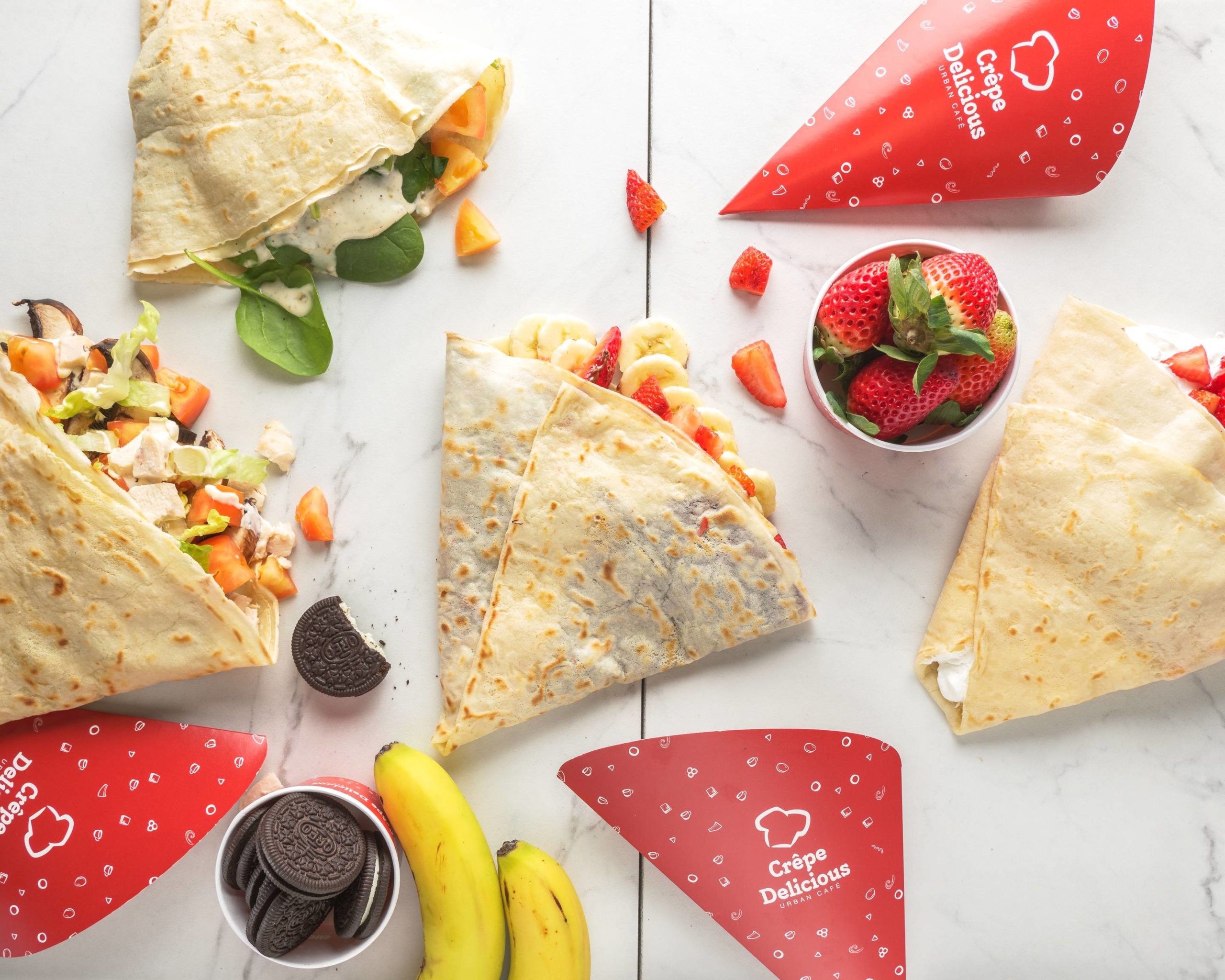
    Crêpe Delicious is celebrating Hong Kong’s festive season with Holiday Set Menus for home or office parties. Joyous Christmas-themed dessert crêpes, a sharing platter for couples, spectacular new gelato shake and promotion on Somersby Sparkling Rosé cider also launch the season to be merry at the brand’s fashionable ‘urban cafés’ in trendy Lee Tung Avenue, Wanchai and MOKO, Mongkok, from 10 December 2020 into the New Year to 31 January 2021.

    Three party menus priced HK$980 for 4, HK$1,800 for 8 and HK$2,480 for 12 headlines the festive specials – styled especially for Hong Kong’s restrained party season.

    With convenient ordering for pick-up, takeaway sets tailored for various group sizes feature a signature range of popular Crêpe Delicious favorites including snacks & salads, famous ‘puff pizza’, fresh “From the Kitchen” pastas and risottos, iconic dessert crêpes, and soft drinks.*

    An “Early-Bird” promotion is available for party set menu orders before 15 December 2020, for pick-up or delivery from 21-27 December 2020, includes a complimentary bottle of red wine, or four bottles of Somersby Sparkling Rosé and gift set of two glasses.

    For a festive treat, three new Instagrammable dessert crêpes embrace the Christmas spirit.  Winter Butterfly (HK$98) is a delightful rose crêpe with white peaches and raspberries, topped with rose whipped cream, white chocolate chips and raspberry sauce.  Symbolic butterflies also pay tribute to a Lee Tung Avenue neighborhood celebration of the joyous season along a colorful “Butterfly of Hope” theme decorated with over 300 glass butterflies.

    Rum & Raisin (HK$98) with cream cheese filling and rum raisin is topped with rum & raisin gelato, chocolate sauce, and garnished with colorful raspberries and mint.  Also inspired by the classic French dessert, Mont Blanc (HK$98) has a festive edible gold leaf and candied chestnut topping, with chestnut cream and chocolate chips, and a cute cream snowman on the side.

    The brand’s classic home-made gelato range is extended with Pistachio Green Gelato Shake (HK$58) with green-themed pistachio and gelato, topped with whipped cream and pistachio crunch, a variation of signature pink-colored gelato shake Pink Lady (HK$58).

    To complete celebrations, any diner who orders Somersby Sparkling Rosé (HK$48) cider at Crêpe Delicious (Urban Café) in Lee Tung Avenue will receive a complimentary glass gift set.

    Value added offerings are also available through the brand’s Membership Programme.  VIP Memberships with any single spending over HK$300 earns a welcome gift of gelato scoop, along with 10% year-round discount and 20% discount during birthday month.  Premium Membership, for a fee of HK$488, earns a welcome gift of gelato scoop plus Cookieboy Family Cookie Pack, with 15% year-round discount and annual coupons including Four Welcome Cash Coupons, Four Free Takeaway Coffee Coupons, Four Gelato Coupons, Four Gelato Shake Coupons, One Cookie and Cream sweet crepe and One Welcome Hong Kong savoury crepe – total value worth HK$888.

    With a focus on highest quality ingredients and dishes freshly made to order, Crêpe Delicious has pioneered a global craze for the iconic French cuisine classic since 2004 – expanding worldwide from Canada to Hong Kong, USA, UK, the Middle East, India and Thailand.

    The brand’s winning success story is owed to a commitment to leading the resurgence in healthy eating, with signature crêpes weighing-in at just 170 calories and 3 grams of fat, with a choice of fillings of seasonal fresh ingredients.

  • Starbucks opens ‘inclusive’ store staffed by people with disabilities

    Starbucks opens ‘inclusive’ store staffed by people with disabilities

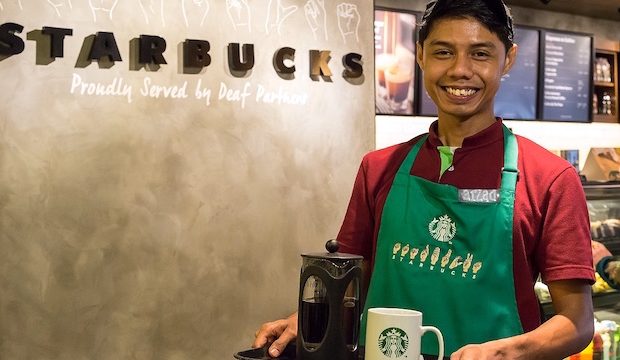
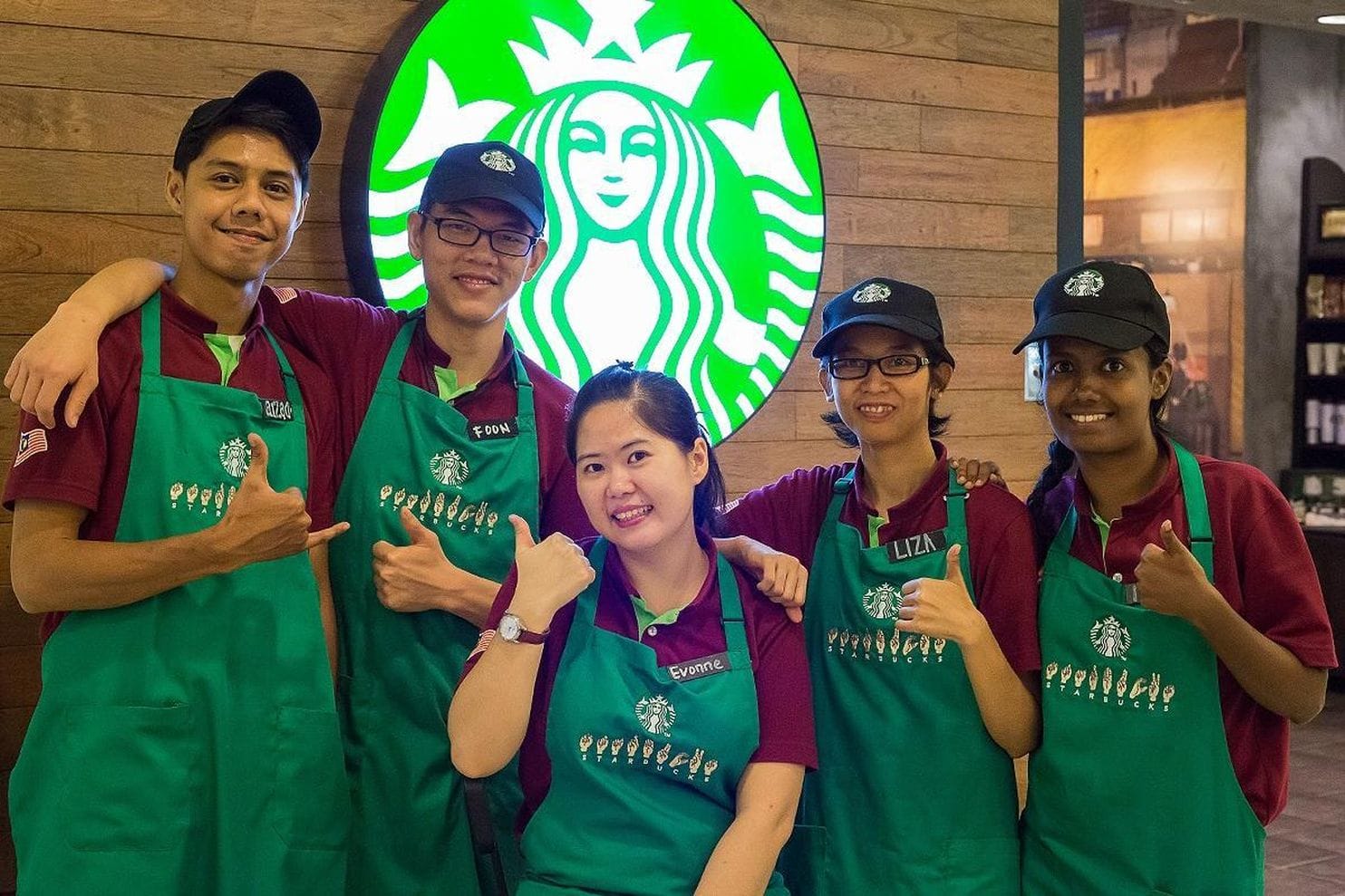
    Today, Starbucks announced the opening of a first-of-its-kind Starbucks store focused on inclusive design in South Korea. Located at Seoul National University Dental Hospital (SNUDH), the store reaffirms Starbucks commitment to diversity, equity and inclusion, and expands career opportunities for Starbucks partners (employees) with disabilities.

    “Opening a store focused on inclusive design marks an important moment for Starbucks in South Korea and around the world,” said David Song, ceo, Starbucks Coffee Korea. “We are excited to have this opportunity to bring Starbucks Mission and values to life in our community and expand opportunities for our partners to develop their careers at Starbucks. Through our partnerships with organizations like the Korea Employment Promotion Agency for the Disabled (KEPAD), we hope to lead the way for other business in South Korea to create an inclusive environment for all.”

    Starbucks partners in the disability community had raised the concept for such a store as an opportunity for the company to have a positive impact. From the beginning, Starbucks Coffee Korea partners with disabilities guided store development and operational testing to create a welcoming Third Place community for partners and customers alike. The company also partnered with the KEPAD and other advocates in the disability community to consult on store design and training.

    Anyone who is passionate about access and disability inclusion can work at the new store. Half of the staff are partners with disabilities, and hold positions at nearly every level. In partnership with KEPAD, partners all receive customized training and development, including basic expressions in Korean Sign Language.

    The store’s central art piece demonstrates the positive impact that Starbucks partners with disabilities have had on the company and partners’ hopes to make a place where all people can come together over a cup of coffee. Partners from across South Korea, as well as partners based at the store, contributed individual clay pieces arranged to create the word “Together” in English, mounted on a background of upcycled Starbucks coffee grounds.

    “I’m so proud of this new store and the important role it will play in bringing our community together and enhancing the career development journey of Starbucks Korea partners,” said Elena Choi, assistant manager of the new store, and a partner who is hard of hearing. “Creating an inclusive space expands the ability of partners to learn and grow in their role, and we’re so excited to welcome customers to our new store.”

    The store was designed to be a warm and inclusive space for people with a wide range of disabilities, from customers to partners. Partners are equipped with digital tablets to facilitate communication with customers, and the store floor, back room and bar have all been designed with additional space for comfortable wheelchair access—a first-of-its kind for Starbucks globally. At the Starbucks design lab in South Korea, members of the disability community helped test the store’s unique bar to better optimize the space for partners using mobility aids like wheelchairs.

    “The new store represents our enduring commitment to diversity, equity and inclusion in every market we serve,” said Sara Trilling, president, Starbucks Asia Pacific. “We understand we are still early in our journey, and will continue to learn and expand our design principles. With feedback from partners, customers and the community, we are constantly reimagining how we build stores to.

  • Sugar producers accuse Thai firms of dumping

    Sugar producers accuse Thai firms of dumping

    Thai companies are allegedly dumping sugar in Vietnam and hurting farmers, according to Vietnamese producers.

    Nguyen Van Loc, general secretary of the Vietnam Sugarcane and Sugar Association, said citing figures from Thailand’s Office of Cane and Sugar Board the average export price of Thai raw and refined sugar is $334 per ton though the cost of sugarcane alone to produce a ton is $410.

    The Thai government in April unveiled a support package of $325 million to sugarcane farmers hit by drought though Brazil had earlier filed a complaint to the World Trade Organization that Thailand had given support to cane growers that was inconsistent with international trade agreements, Loc said at a forum on Monday.

    A decree issued by the Thai government in March showed signs that it was limiting imports to protect domestic producers, he said.

    The influx of cheap Thai sugar is hurting Vietnamese companies and farmers.

    Tran Ngoc Hieu, CEO of Soc Trang Sugar Jsc in the southern province of the same name, said the area under sugarcane in his province has dropped by over 71 percent since 2017 to 2,400 hectares, and is set to fall to 2,000 hectares next year.

    Annual production has fallen 64 percent to 170,000 tons this year, he said. The competition from Thai sugar is the main reason for the declining figures, he added.

    Thai sugar is also smuggled into Vietnam, and whenever smuggled goods are seized, domestic sugar sales rise.

    Tran Thi Yen, a sugarcane farmer in the central province of Phu Yen, said: “Many sugarcane farmers have reduced their farming area or abandoned the farming due to losses.”

    The Trade Remedies Authority of Vietnam is conducting anti-dumping and anti-subsidy investigations into Thai sugar.

    Under ASEAN commitments, Vietnam has to allow unlimited sugar imports from member countries at 5 percent tariff.

    Imports of sugarcane in the first nine months surged five fold year-on-year to 1.06 million tons, with nearly 90 percent of it from Thailand, according to the Trade Remedies Authority.

  • Japanese sushi chain Sushiro eyes cross-border expansion next year

    Japanese sushi chain Sushiro eyes cross-border expansion next year

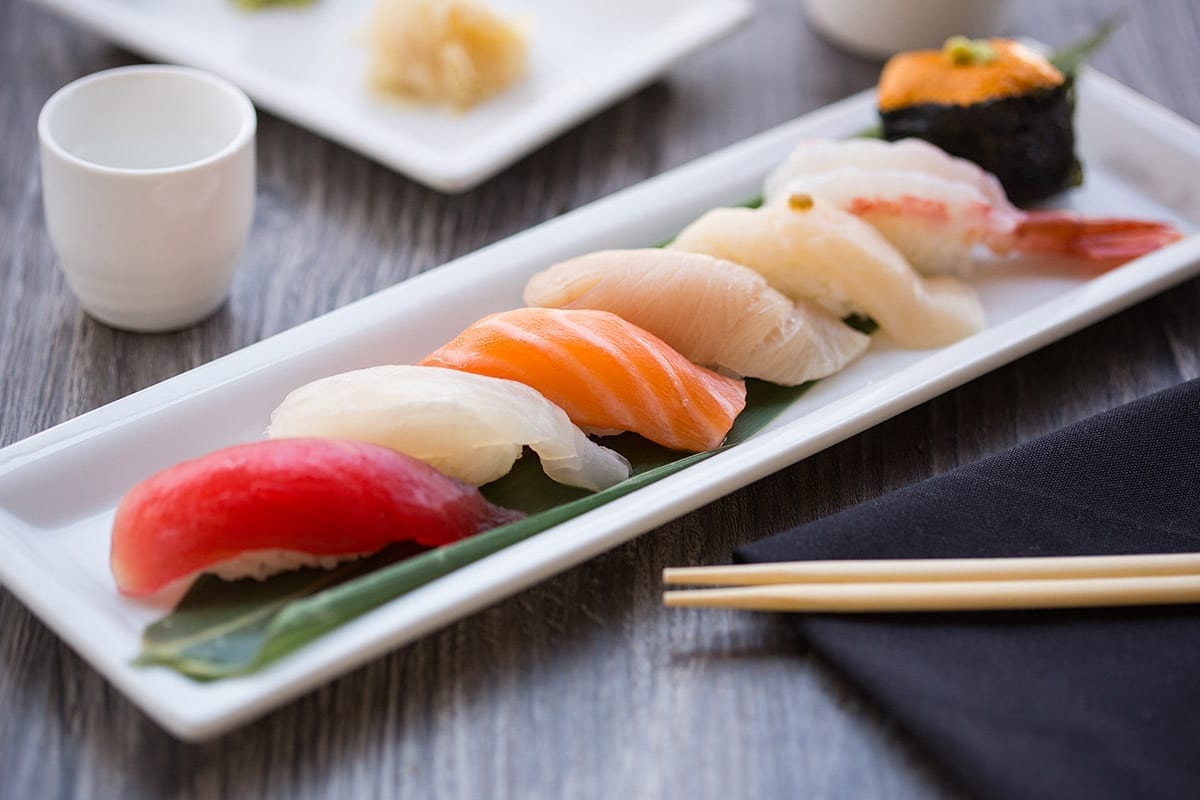
    Sushiro Global Holdings, the Japan-based operator of sushi chain Sushiro, plans to boost its Asian presence with the opening of new restaurant units in Thailand and China.

    The company will be renamed to Food & Life in April 2020. It will launch its first Thailand location in Bangkok next spring, Nikkie Asia reported.

    Sushiro will establish its business unit in China by December this year and intends to open one restaurant by September 2021.

    Commenting on the entry into these Asian markets, Sushiro Global Holdings CEO Koichi Mizutome was quoted by the publication as saying: “Asia has rice culture, and Asian people have a higher tolerance for raw fish.”

    Sushiro expects to ramp up its overseas sales to approximately 10% of total sales in fiscal 2021 by next September with the establishment of new restaurants in China and Thailand.

    The Japanese firm plans to set up 24 to 28 restaurants abroad during fiscal 2021.

    Meanwhile, the chain will slow down its expansion in the home market.

    Several Japanese sushi chains have been under pressure to focus on their growth in foreign markets due to the country’s rapidly ageing population.

  • Starbucks teams with Kate Spade New York

    Starbucks teams with Kate Spade New York

    This Holiday season, Starbucks is collaborating with acclaimed American life and style brand kate spade new york for the first time to offer a curated designer merchandise collection, available for a limited time at select Starbucks stores in Asia.

    The Starbucks X kate spade new york collection embodies the holiday spirit, incorporating colorful and playful designs against a New York City backdrop. Motifs of curious cats, as well as kate spade new york’s signature dots and stripes, ring in the season, is a celebration of joy, femininity, and optimism.

    “Starbucks is excited to partner with kate spade new york to bring this fun and festive collection to customers across Asia,” said Erin Silvoy, vice president, Product, and Marketing, Starbucks Asia Pacific. “The Starbucks X kate spade new york collection was created to inspire joyful connections and optimism for the future, two values at the heart of both brands.”

    “We are thrilled to bring our iconic kate spade new york spirit to the Starbucks customers in Asia this holiday season,” shared Charlotte Warshaw, Vice President, Wholesale, Travel Retail and Global Licensing at kate spade new york.  “The Starbucks x kate spade new york collection reflects the playfulness, color, and optimism that our brand is known for around the world, and we hope the product will spark joy for shoppers throughout the holidays.”

    This unique line-up of Starbucks X kate spade new york drinkware and lifestyle accessories is perfect for holiday gifting or as a special treat for yourself. Highlights include a ceramic mug, stainless-steel tumbler, and a stainless-steel water bottle.

    The designer collaboration will be available for a limited time starting December 1, 2020 at select Starbucks stores across Asia, including Australia, Vietnam, Hong Kong, Indonesia, India, Japan, Malaysia, New Zealand, Philippines, Singapore, Thailand, and Taiwan while supplies last.

  • Starbucks Korea to join the delivery fray

    Starbucks Korea to join the delivery fray

    Starbucks Korea, the nation’s largest coffee chain, has jumped into the delivery fray, in its attempt to boost annual sales in South Korea to 2 trillion won (US$1.86 billion).

    Expanding aggressively its number of stores here, Starbucks Korea has kept growing its presence with its net profit rising 18.5 percent in 2019 from a year earlier, while sales came in at 1.8 trillion won last year, on the cusp of reaching the 2 trillion won milestone.

    The COVID-19 pandemic, however, has served as a bump in the road, slowing the coffee giant’s bid to grab the coveted 2 trillion won title.

    Industry watchers say Starbucks Korea’s decision to enter the delivery service might be its longer-term preparation for the aftermath of the pandemic, which has wreaked havoc on the food and beverage industry.

    Chairs and tables are moved to a corner at a cafe in Seoul on Nov. 23, 2020, as toughened social distancing rules are to only allow takeout and delivery sales at the place.

    Starbucks Korea plans to open a delivery-only store in Gangnam District, Seoul on Nov. 27 as part of a pilot project, and following analysis into demand, it is likely to open another such store in Gangnam District in the middle of next month.

    The delivery-only store has no space assigned for visiting customers, only coffee making stands and a waiting room for delivery persons known as riders.

    In the meantime, other major coffee brands in Korea such as the Coffee Bean & Tea Leaf, Hollys Coffee, Caffe Pascucci and Ediya Coffee are already operating their own delivery services, so they are likely to keep a keen eye on the possible impact Starbucks Korea’s move might result in.

  • Restaurants find silver lining in cloud kitchens

    Restaurants find silver lining in cloud kitchens

    Amid business blues courtesy of the Covid-19 pandemic, cloud kitchens are finding increasing favor from restaurants in Vietnam’s two major cities.

    Nguyen Van Tung saw revenue from the two restaurants he runs in Saigon plunge 70 percent after the Covid-19 pandemic disrupted daily life in Vietnam. He cut his staff from four to two, but the business continued to suffer.

    Then he joined two cloud kitchens, centralized food production facilities set up for multiple restaurants to prepare food, specifically for deliveries. Things began to look up for Tung, then.

    The two kitchens, operated by ride-hailing company Grab, have helped increase revenue, Tung said.

    Another restaurant owner in the city, Ton Nu Quy Nhi, joined a cloud kitchen after demand for her traditional Saigon food surged two to three times amidst the pandemic. Expanding and managing her restaurant would have been expensive and difficult, so she decided to partner with a cloud kitchen service.

    “I don’t know if the business will continue to thrive next year, so I went with the cheapest expansion option, using the cloud kitchen.”

    Tung and Nhi are among many small business owners in Vietnam who want to take advantage of rising demand for food delivery services in major cities.

    There are at least seven cloud kitchens operating in HCMC and Hanoi, three of them operated by Grab, two by South Korean ride-hailing company Baemin and another two by independent companies.

    The cloud kitchens help lower costs, being located outside of high-rent locations. They help established restaurants with dining-in services to expand their delivery operations without adding stress to the existing kitchen, free up parking space taken by the delivery vehicles, and expand users’ reach to new neighborhoods.

    Hoang Tung, founder of the FoodHome cloud kitchen in Hanoi, said that his facility was fully rented and he was mobilizing funds to open a new one in the Old Quarter area.

    Tung said restaurants are moving their cooking to cloud kitchens because they want to focus on selling via apps to access a market of 20 million users that is growing by 30 percent annually.

    Industry insiders said that the Covid-19 pandemic has been a catalyst in the recent transition from traditional brick and mortar kitchens to cloud kitchens.

    Nguyen Ngoc Giao, manager of GrabKitchen, said that this model allows restaurant owners to expand quickly at minimum cost. “Amid the Covid-19 pandemic, opening a physical store carries greater risks than an online one.”

    Huy Ngo, founder of a fast food and dessert restaurant chain in Da Nang City and Hoi An Town, has recently started trying out the cloud kitchen model after having to close five of seven branches due to Covid-19 impacts.

    The new model allows Huy to focus only on ensuring high food quality inputs. The cloud kitchen employees will help prepare food for delivery, which means operating costs are just half or one-third of his traditional physical store.

    Even big and established restaurant chains are also jumping on to the cloud kitchen bandwagon, though it is yet to become a tried and tested concept in Vietnam. Fried chicken chain Otoke Chicken, with 15 outlets, has established a cloud kitchen in Saigon’s Binh Thanh District, seeking to expand its delivery service.

    Details of average investment and rents charged were not available at the time of writing.

    When Grab launched a cloud kitchen in Saigon’s Thu Duc District last year, it had 12 restaurants make food exclusively for GrabFood drivers to pick up and deliver to customers.

    Then Grab had given them space to cook for free, with the restaurants having to pay their utility bills and a commission on orders received.

    Jerry Lim, CEO of Grab Vietnam, had said then the cloud kitchen model has great potential in Vietnam, and that his company would open more such facilities in Saigon, Hanoi and Da Nang.
    However, this concept does not guarantee success for all restaurants. The cloud kitchen service, Now Station, began operations in 2017, but closed a year later.

    Giao of GrabKitchen said there have been cases where restaurants and the service have had to part ways. He declined to get more specific.

    The food delivery services have also come under scrutiny for excessive use of plastic wrappings and cutlery. Giao said his company is studying the possibility of using more environment-friendly materials.

    Tung of FoodHome said that joining a cloud kitchen doesn’t mean young business owners will not fail, but it will help them “fail fast and fail cheap” so they can get back up fast and try out other new ideas.

  • US doubles purchase of Vietnamese mangoes

    US doubles purchase of Vietnamese mangoes

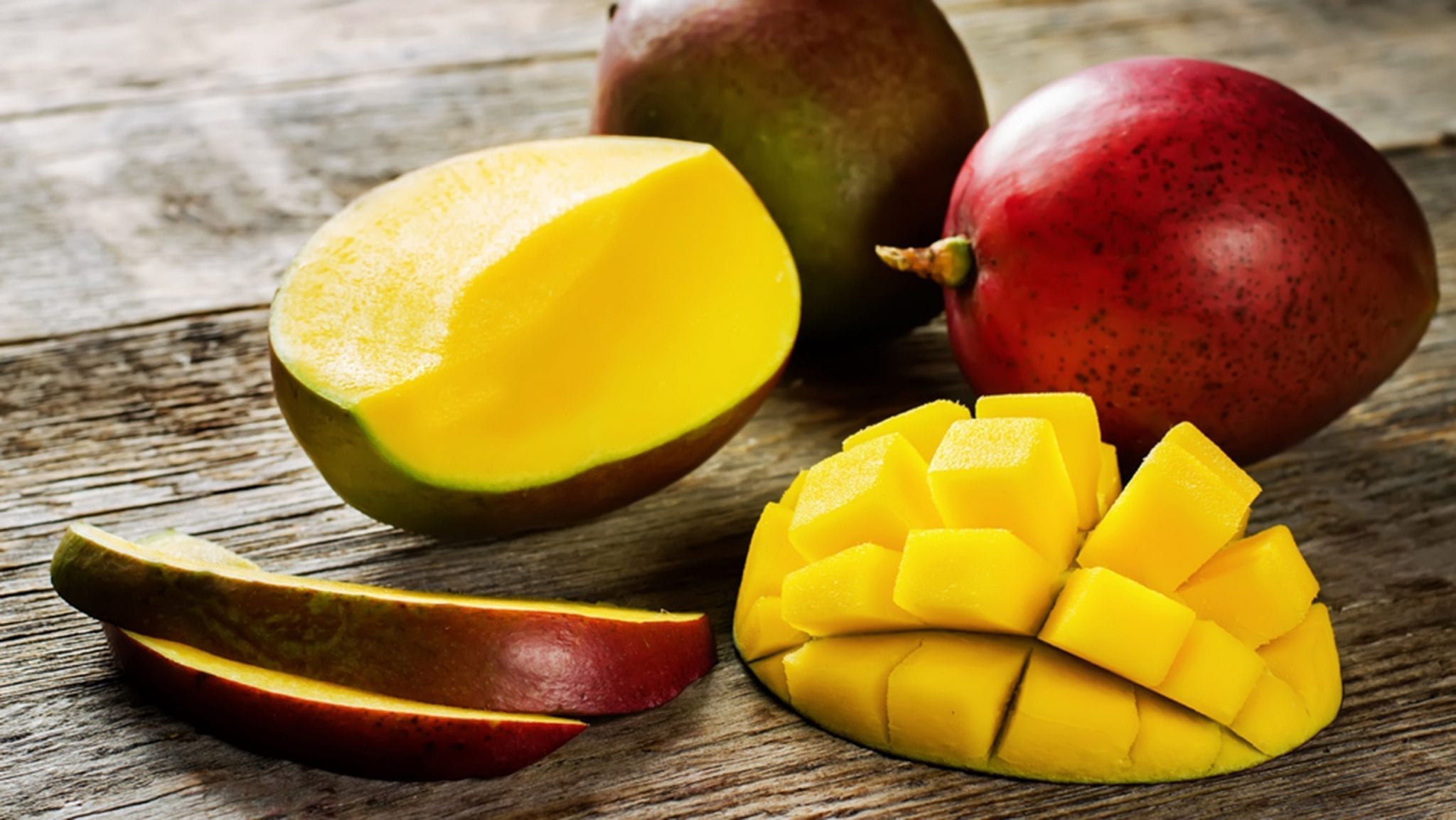
    The U.S. has imported double the quantity of Vietnamese mangoes in Jan-August 2020, showing potential for further growth in this market.

    The value of mango imports rose 99.9 percent year-on-year to $2.79 million, according to a report by the Agency of Foreign Trade under the Ministry of Industry and Trade, citing U.S. official figures.

    The average import price was $2,064.8 per tonne, up 6.7 percent year-on-year. Most of the imports were of fresh and frozen fruit.

    In terms of volume, Vietnam was the 12th largest mango import market for the U.S. in the said period, accounting for 0.3 percent of the total.

    The Agency of Foreign Trade said the large demand for mango, especially fresh fruit, in the U.S. is an opportunity for Vietnamese companies to expand.

    However, they need to ensure all strict standards on farming, packaging, and origin tracing are met, it added.

    Vietnam exported its first batch of mango to the U.S. in April last year.

    The surge in Vietnam’s mango exports to the U.S. is a rare bright spot in the nation’s plunging fruits exports scenario, primarily as a result of the Covid-19 pandemic.

    In the first nine months, fruit export value fell 19.1 percent year-on-year to $1.7 billion, with shipment figures of lychees, durians, and bananas plummeting, the agency said.