Category: Food

Retail News Asia is committed to providing both local and global retailers with the latest Food and Food & Beverage news throughout the Asian market. This on a daily base.

  • Chinese bubble-tea chain Naixue Tea eyes IPO

    Chinese bubble-tea chain Naixue Tea eyes IPO

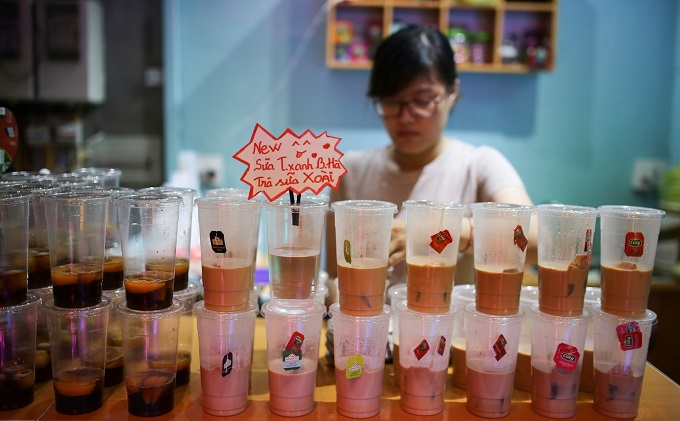
    Chinese bubble tea chain Naixue Tea – also known as Nayuki – is eyeing a listing in the US.

    The move could raise around US$400 million in capital, although many important details of the potential offering remain in flux as private discussions continue between the firm and its advisors.

    Naixue, which sells fresh fruit tea, cold-brew tea and cheese-tea blends as well as bakery items, operates more than 230 locations within China. The firm was launched in 2010 by Shenzhen Pindao Restaurant Management.

    Sources familiar with the transaction asked not to be identified, as the potential listing is still being discussed in private. Any plans may be impacted by the current coronavirus outbreak, which is still having a major effect on business within the country.

  • BreadTalk Group to be privatised by founder and Minor International

    BreadTalk Group to be privatised by founder and Minor International

    A small group of key Breadtalk Group stakeholders, including founder and chairman Dr George Quek, have offered to acquire all the ordinary shares in the firm and delist the company.

    The group, including Quek’s wife Katherine Lee and existing shareholder Minor International, has formed a new company BTG Holding Company which aims to buy all the shares in Singapore-listed BreadTalk which has just posted a US$3.7 million loss for the year.

    Minor International is a Thai-based multinational food & beverage and hotel operator, whose food businesses include The Coffee Club, Sizzler, Dairy Queen and franchises in some markets for Bonchon and Burger King.

    The new company will be 74.9-per-cent owned by Dr Quek and related parties and 25.1-per-cent owned by Minor.

    Mint and Quek say they plan to undertake a review of the business following its delisting with a view to streamlining such business activities, refocus on and strengthen core business activities and explore the potential disposal of non-core property assets.

    Poor performances in China and Thailand have been implicated in the firm’s losses, as has the effect of social unrest on its businesses in Hong Kong. The current coronavirus outbreak is expected to continue to affect operations going forward.

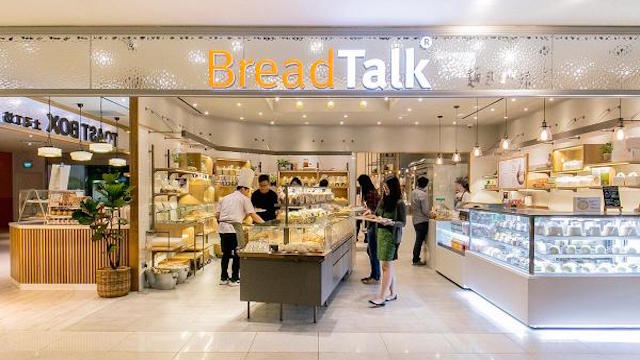
    BreadTalk Group operates established food brands, including BreadTalk, Toast Box, Food Republic and Din Tai Fung, together numbering more than 1000 outlets.

    “I believe in the growth potential of the BreadTalk brands, building on today’s solid network of outlets and underpinned by Asia’s continued rise in household income,” said Quek.

    Group CEO of Minor International, Dillip Rajakarier,  said hsi company has invested in BreadTalk Group since 2012 because it believes in the brands and the company’s potential. “Today, we are delighted to further strengthen our partnership with Dr George Quek. With BreadTalk Group’s strong brand recognition, market knowledge of Singapore and China and expertise in the food industry, we have a strong growth platform.”

    The offer is being made under expectations that privatization will allow greater flexibility, as well as ease of management, with significant funding saved on maintenance costs involved with remaining a listed firm. It will only go ahead if acceptances are received for 90 percent of the shares by the time the offer closes, but given Quek and Minor between them currently hold 70.5 percent of the shares, acceptance would seem to be a formality.
  • Macau chain Koi Kei Bakery shuts stores as tourists stay away

    Macau chain Koi Kei Bakery shuts stores as tourists stay away

    Macau souvenir bakery Koi Kei Bakery, known for its peanut brittle and almond biscuits, will be closing its Hong Kong branches in Tsim Tsa Tsui, Causeway Bay and Mong Kok this Saturday, leaving the airport outlet (pictured) its sole remaining store in the territory.

    Hong Kong’s tourism board says inbound visitor numbers have plunged 98 percent this month against last year’s figures, affecting businesses that are heavily reliant on foreign and mainland visitors, including chains such as Sasa, watch and jewelry stores and luxury retailers.

    Koi Kei Bakery says the ongoing epidemic has led to problems sourcing raw materials, managing logistics and labor shortages at their Macau headquarters. While production lines are expected to resume soon, the company sees few signs of tourist numbers rebounding in the near future.

    Despite the retailer strikes against shopping center owners last week, some tenacious landlords are still unwilling to ease rents.

    Even though several property groups, such as Hysan Development and MTR Corp, have offered rent relief to tenants, many retailers are unable to keep afloat due to the effect of the tourists disappearing.

    Annie Tse, chairwoman of Hong Kong Retail Management Association, told the South China Morning Post she predicts more than 7000 retailers will be forced to close their stores if landlords fail to show leniency.

  • Vinamilk signs $20 mln Dubai export contract

    Vinamilk signs $20 mln Dubai export contract

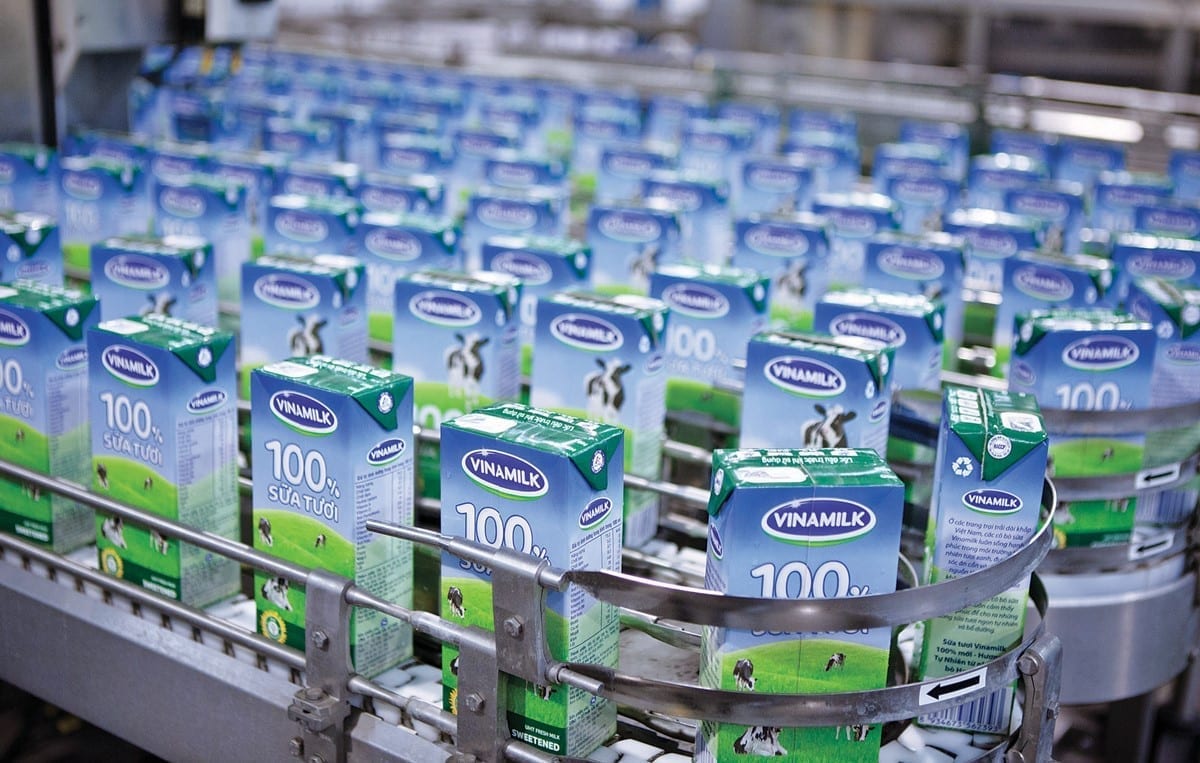
    Vinamilk has signed a $20 million deal with a distributor in Dubai to supply dairy products from the second quarter of 2020.

    Vietnam’s biggest dairy company said in a statement that the deal with the distributor, whom it did not identify, was signed at the Gulfood Dubai 2020 trade exhibition this week.

    The Middle East currently accounts for 75 percent of Vinamilk’s exports. Its other major foreign markets are Japan, South Korea, Singapore, and China.

    Vinamilk, one of the world’s 50 largest dairy producer, saw its export revenues rise 14.8 percent last year to VND5.17 trillion ($223 million).

  • Deliveroo Hong Kong doubles virtual restaurant ranks

    Deliveroo Hong Kong doubles virtual restaurant ranks

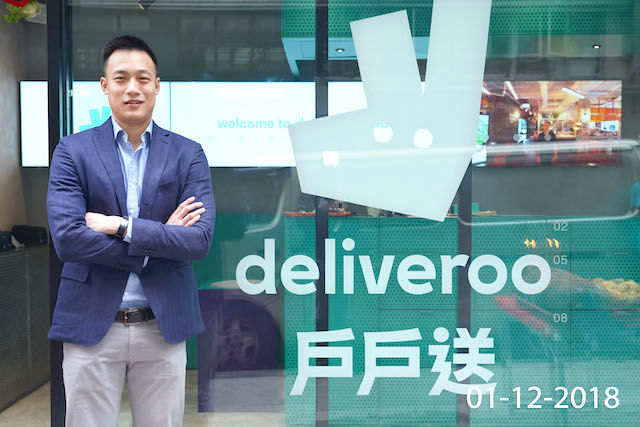
    Hong Kong food-delivery service Deliveroo has doubled the ranks of virtual restaurants supplying meals through its platform to 200.

    Virtual brands are concepts developed by existing restaurant operators to trial new menu collections or options not available in physical stores, available only through the Deliveroo app. Examples include a Greek restaurant offering healthy protein bowls, or a pizza outlet delivering wraps.

    Brian Lo, GM of Deliveroo Hong Kong, says in other international markets, restaurants launching virtual brands on Deliveroo have seen an average a 70-per-cent increase in sales as a result.

    “In Hong Kong this is higher at 85 percent, thanks to the city’s enthusiasm towards ordering in and eagerness to try new things.”

    At a time when the number of physical restaurants in Hong Kong has fallen by between 1.5 percent and 5 percent due to falling footfall since January, virtual brands offer an opportunity to recover lost ground – all without the overheads of a physical store.

    Deliveroo encourages the development of virtual brands by using its data to identify hotspots for growth and cuisine types which might be missing in some neighborhoods. Lo says the company also helps by offering strong marketing support, access to its global network for more cost-effective ingredient sourcing and new recipes, and the chance to license foreign brands.

    One successful virtual brand Deliveroo has fostered in Hong Kong is Caramba Mexican Cantina, owned by Eclipse Hospitality Group. Caramba was a popular restaurant in Soho for 16 years until rising rents and competition forced it to close its doors in 2016.

    Deliveroo encouraged Eclipse, which also owns Cafe Siam in Lan Kwai Fong, to revive Caramba as a virtual brand because there was a space in the market for Mexican cuisine in Central. Since launching on the app in November, the company’s revenue has grown four-fold.

    “We’re grateful to Deliveroo for coming to us with their expertise and advising us to bring back a part of our history we thought we had to say goodbye to for good,” said William Chan, marketing manager at Eclipse. “The food industry may be changing rapidly but it’s for the better, and bringing back Caramba is a sure sign of it.”

  • PepsiCo plans to buy Chinese snack Be & Cheery

    PepsiCo plans to buy Chinese snack Be & Cheery

    PepsiCo is poised to purchase Chinese online snack vendor Be & Cheery owned by Haoxiangni Health Food Co.

    PepsiCo had proposed the Be & Cheery acquisition before the coronavirus outbreak began in China.

    Valued at US$705 million, the acquisition will help PepsiCo strengthen its position in Mainland China as the company suffers slowing business growth globally.

    “Be & Cheery adds direct-to-consumer capability, positioning us to capitalize on continued growth in e-commerce, and a local brand that is able to stretch across a broad portfolio of products, through both online and offline channels,” said Ram Krishnan, CEO of PepsiCo Greater China.

    “We also expect to leverage Be & Cheery’s innovation and consumer insights capabilities to drive innovation in other key PepsiCo growth markets.”

    The acquisition still needs approval from Haoxiangni’s shareholders and other customary conditions, according to the company.

    Founded in 2003, Be & Cheery is one of the China’s largest online snack companies. Its products include nuts, dried fruits, meat snacks, baked goods and confectionery.

  • Deliveroo Adds 100 Virtual Brands, boosting local restauranteurs

    Deliveroo Adds 100 Virtual Brands, boosting local restauranteurs

     Hong Kong’s food delivery service leader, Deliveroo, today announces that they now have 200 virtual brands on the platform, having added 100 VBs in the past few months. Virtual brands expand consumers’ choice of delicious meals and support restauranteurs to bolster their revenue without increasing fixed costs and have become one of the important ways to mitigate risks under this current challenging environment for local Hong Kong restaurants.

    Virtual brands enable existing restaurants to increase revenue and customers by offering new or complementary cuisines, under new branding, exclusively on the Deliveroo app, but without the cost of establishing a new brick-and-mortar location. Appearing as a separate restaurant on Deliveroo, the virtual brand might be a BBQ joint launching a Mexican menu, a Greek restaurant offering healthy protein bowls, or a favourite pizza joint delivering gourmet wraps.

    With Hong Kong restaurants now facing headwinds, including reduced brick-and-mortar visitations and a recent tide of closures, virtual brands support local restauranteurs to stabilise or increase sales while minimising expenditures. Whether preparing the new virtual offerings in their current kitchen, or from a Deliveroo Editions super kitchen hub, restaurants can get more value from their existing staff, ingredients and culinary expertise, without increasing rent or other operating costs.

    Deliveroo uses its data to identify hotspots for growth and missing cuisine types, then helps partner restaurants to create the perfect menu. In addition, Deliveroo provides strong marketing support and access to its global network for more cost-effective ingredient sourcing, new recipes, and the chance to license foreign brands. Deliveroo supports restaurants every step of the way to help them improve their offer for customers.

    Brian Lo, General Manager of Deliveroo Hong Kong, said: “It has been a challenging time for restaurants in Hong Kong as we see closure rate increases from 1.5% to ~5% since January. In markets around the world, restaurants on Deliveroo that launch virtual brands with the company have seen on average a 70% increase in revenues as a result of those brands. In Hong Kong this is higher at 85%, thanks to the city’s enthusiasm towards ordering in and eagerness to try new things. Here at Deliveroo we’re thrilled to have added so many new virtual brands since launch last year, and proud to be a partner to restaurants to help them ride out the recent headwinds. We support our restaurant partners to thrive, and that’s exactly what virtual brands deliver.”

  • McDonald’s scented candles top new merchandise range

    McDonald’s scented candles top new merchandise range

    McDonald’s scented candles are among a range of new merchandise items released by the fast-food giant in the US.

    According to the firm’s website, the merchandise is now on sale for a limited time to celebrate the brand’s Quarter Pounder burger – which will soon turn 50 – and coincide with the opening of a fan club dedicated to the menu item.

    The items, including a fan club t-shirt, a 2020 calendar and a collection of McDonald’s scented candles which share the same beef-and-burger smell of a Quarter Pounder.  The items are being sold on a dedicated website goldenarchesunlimited.com.

    Another new product is Couples Quarter Pounder Mittens “to hold hands and hold a hot and deliciously juicy Quarter Pounder cooked just for you right when you order”

    The firm says it will unveil a “sizable bronze monument” of the Quarter Pounder on Wednesday, in a US city yet to be revealed.

  • Mos Burger launching in Vietnam

    Mos Burger launching in Vietnam

    Mos Burger in Vietnam will open its first store in Ho Chi Minh City later this year.

    The company plans to set up a joint venture in the country next month and open 10 outlets in the next three years.

    Last October, Mos Burger partnered with Danang Tourism College to run a training program called Bentonamu Kazoku where Vietnamese candidates could undertake training courses at Mos Burger stores in Japan before returning home to work as managers.

    The company said it will recruit 350 people in four years under its work-visa program.

    Mos Burger in Vietnam’s recruiting strategy is not only to enhance the quality and training of staff there but also to help its Japanese franchisees address labor shortages arising from the country’s ageing population.

    While Vietnam may be the fast-growing retail market in Southeast Asia, it could prove a challenge for Mos Burger as other fast-food franchises have discovered that changing local consumers’ habits of eating cheap street food to relatively expensive burgers is not an easy mission.

  • Singapore Liang Sandwich Bars close amidst dispute

    Four Singapore Liang Sandwich Bars have closed suddenly, angering the master franchisee for Southeast Asia, Liang Group.

    The company said the closures were unauthorized.

    Liang Group CEO Jarvin Leow said the company had not authorized the stores’ shuttering and that it had taken measures to resolve the situation.

    While the reason for the closures remains unclear, the stores are currently in the midst of a rebranding effort across the region later this year, when the Singapore Liang Sandwich Bars will be renamed “Liang Crispy Roll”. The closures have proved a hindrance to the rebranding efforts.

    Stores in other territories have already gone through the rebranding exercise.

    Leow offered a formal apology to customers for any confusion caused and for the stores having been cast in a bad light.

    The franchise is due to launch in new outlets in several major international cities shortly.

    Described as an “Asian-style sandwich” chain, the first Singapore Liang Sandwich Bar opened at VivoCity mall in July 2018. A second store followed in Raffles City.

    The Taiwanese brand has more than 12,000 outlets worldwide throughout Asia and North America. It is endorsed by a prominent Mandopop rap artist Jay Chou.

  • Starbucks Indonesia opens first community store

    Starbucks Indonesia opens first community store

    Starbucks Indonesia has opened its first community store, aiming to support local children by funding scholarships through a portion of sales.

    Located in the Tanah Abang neighborhood in Jakarta, the store partners with two local NGOs, Yayasan Sahabat Anak and the Indonesian Street Children Organization (ISCO).

    “Starbucks is committed to using our scale and brand reputation as a force for good,” said Anthony Cottan, director, Starbucks Indonesia, at PT Sari Coffee Indonesia. “Since opening our first store in 2002, we’ve invested in creating long-term positive social impact across Indonesia, growing our community involvement alongside our businesses.”

    Occupying a 250sqm area and spanning four floors, the Starbucks Indonesia community store provides space for workshops and classrooms, and undertakes “social impact initiatives”. Most of its staff come from the Tanah Abang area, making them representative of the community, the company said in a statement.

    “One of the most important contributions Starbucks can make in return is serving as a catalyst for positive change in the communities we serve,” said Sara Trilling, senior VP, and president of Starbucks Asia Pacific. “Over the years, we’ve continued to expand the number of community stores in the region including in Thailand, South Korea, and now Indonesia.”

    Chairman of Yayasan Sahabat Anak, Dian Novita Elfrida, said with the support of Starbucks, local children will be given more opportunities for better education.

    Starbucks Indonesia operates more than 430 outlets countrywide.

  • Jollibee profit slides despite strong last quarter

    Jollibee profit slides despite strong last quarter

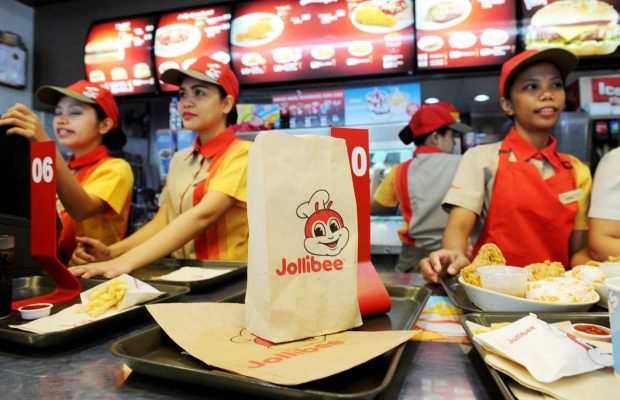
    Philippine restaurant brand Jollibee Foods suffered a 14.4-per-cent drop in earnings last year after operating income fell by 25.1 percent.

    However, a strong fourth quarter prevented a worse annual result, with operating income up 11.6 per cent on a 23.2-per-cent boost on systemwide sales.

    “Practically all brands in the Philippines improved their same-store sales growth quarter on quarter, led by Jollibee, Red Ribbon, Greenwich and Burger King,” said a spokesperson from the firm.

    “Same-store sales growth in the Philippines was driven by the continued growth in the volume of customer visits in the stores compared to a year ago and strong growth in the delivery business for all brands.”

    Jollibee Foods president and CEO Ernesto Tanmantiong said that despite a tough year, the current turnaround is being brought on by an increase in customers’ in-store and growing demand for its delivery business.

    Favorable returns on the firm’s investments – including a notable expansion of Jollibee’s newly acquired The Coffee Bean and Tea Leaf chain – have helped improve the pace of earnings.

    Jollibee Foods is targeting opening 600 more outlets this year, a little more than half of those abroad.

    “We look forward to a much stronger sales and profit performance in 2020 and the years ahead even as we consolidate the financial performance of CBTL into our financial results,” said Tanmantiong.

  • Jasons Food Hall at Bangsar to be replaced by new Food Purveyor concept

    Jasons Food Hall at Bangsar to be replaced by new Food Purveyor concept

    The Jasons Food Hall at Bangsar shopping centre in Kuala Lumpur is set to be replaced by a new concept from the country’s fast-growing independent grocery retail group The Food Purveyor.

    Geoff King, The Food Purveyor’s CEO, told Inside Retail Asia that his company hopes to take over the fixtures and the store space before the Jasons lease expires on March 22, “but that depends on landlord consent and the cooperation of the previous tenant”.

    “We hope to be up and trading before the 23rd,” he confirmed.

    The Food Purveyor owns the supermarket chain BIG (Big Independent Grocer) which recently opened new outlets at the Toppen Centre in Tebrau, Johor Bahru, and at the Mall of Medini.

    As Inside Retail Asia reported last week, Jason’s will close its only store in Malaysia after 20 years. A spokesperson for the store’s parent, Dairy Farm International’s Malaysian joint-venture subsidiary Giant, said it had failed to renegotiate a lease on satisfactory terms and was closing Jasons Food Hall at Bangsar with regrets.

    “After months of negotiations, we are very disappointed that we have been unable to come to a mutual and workable agreement with the landlord to renew the lease,” a Giant spokesperson said in an email.

    King says a final decision has not been made on the brand the new store will trade under, but it will be a premium offer in keeping with the suburb’s demographic, which includes a large expat population.

    “The store range and prices will belong to the BIG format but we will be adding some extra touches and features befitting the location and likely launch with a unique name,” he said.

  • Vietnam’s Coffee Queen abdicates Trung Nguyen throne

    Vietnam’s Coffee Queen abdicates Trung Nguyen throne

    Le Hoang Diep Thao has transferred all shares in the Trung Nguyen empire she ran with her ex-husband, pursuant to their final divorce ruling.

    Thao, former deputy director of Trung Nguyen Group (TNG), is no longer on the company’s list of shareholders, TNG announced in a statement Wednesday.

    She and her ex-husband were referred to in the media as the King and Queen of Vietnamese coffee.

    Her ex-husband, Dang Le Nguyen Vu, founder, chairman and CEO of TNG, now owns all shares in the coffee giant and its subsidiaries and has full control of the group. He has also completed a VND1.19 trillion ($51.1 million) “difference in assets” payment to Thao following their divorce ruling on December 5 last year, TNG said.

    On January 13, the Ho Chi Minh City Civil Judgment Execution Department had confirmed that it received Vu’s payment of the above VND1.19 trillion ($51.1 million) in full. The same day, the department also received a written request from the Supreme People’s Procuracy to postpone the execution of the ruling, to give it time to “consider a cassation request Thao had submitted on the judgment.”

    But because Vu had already fulfilled his obligations in accordance with the judgment in question, the City Civil Judgment Execution Department went ahead with the execution and notified the Supreme People’s Procuracy of its action on January 16.

    Vu and Thao, who got married in 1998, differed on how the group, which had developed one of the biggest brands in the country, should be run. In 2015, Thao filed for divorce.

    In March, the court of the first instance had ruled that the stocks and cash of TNG shared by Vu and Thao, as well as the couple’s cash deposits, would be split 60:40 in Vu’s favor.

    Both Thao and Vu had appealed against the entire verdict. The HCMC People’s Appellate Court on December 5 quashed both appeals, finalized the divorce, and upheld the previous judgment.

    Vu will receive all of his and Thao’s stocks in the Trung Nguyen Group, estimated at over VND5.7 trillion ($244.74 million), and have sole management rights over the Trung Nguyen coffee empire, the court had ruled.

    Vu would also receive six properties worth VND350 billion ($15.03 million) that were jointly owned by the couple, while Thao would get the remaining seven worth over VND376 billion ($16.48 million).

    Thao would also receive cash and cash equivalents, gold and foreign currency belonging to TNG that have been deposited at banks totaling VND1.76 trillion ($75.57 million). Vu was liable to pay the difference in assets to Thao, valued at VND1.22 trillion ($52.38 million), the court had ruled.

    Trung Nguyen Group, founded in 2006, is the leading coffee brand in Vietnam. The group began experiencing difficulties six years ago when Vu and Thao fell out on how the corporation should be run.

  • Foodpanda launches 15-minute grocery-delivery service

    Foodpanda launches 15-minute grocery-delivery service

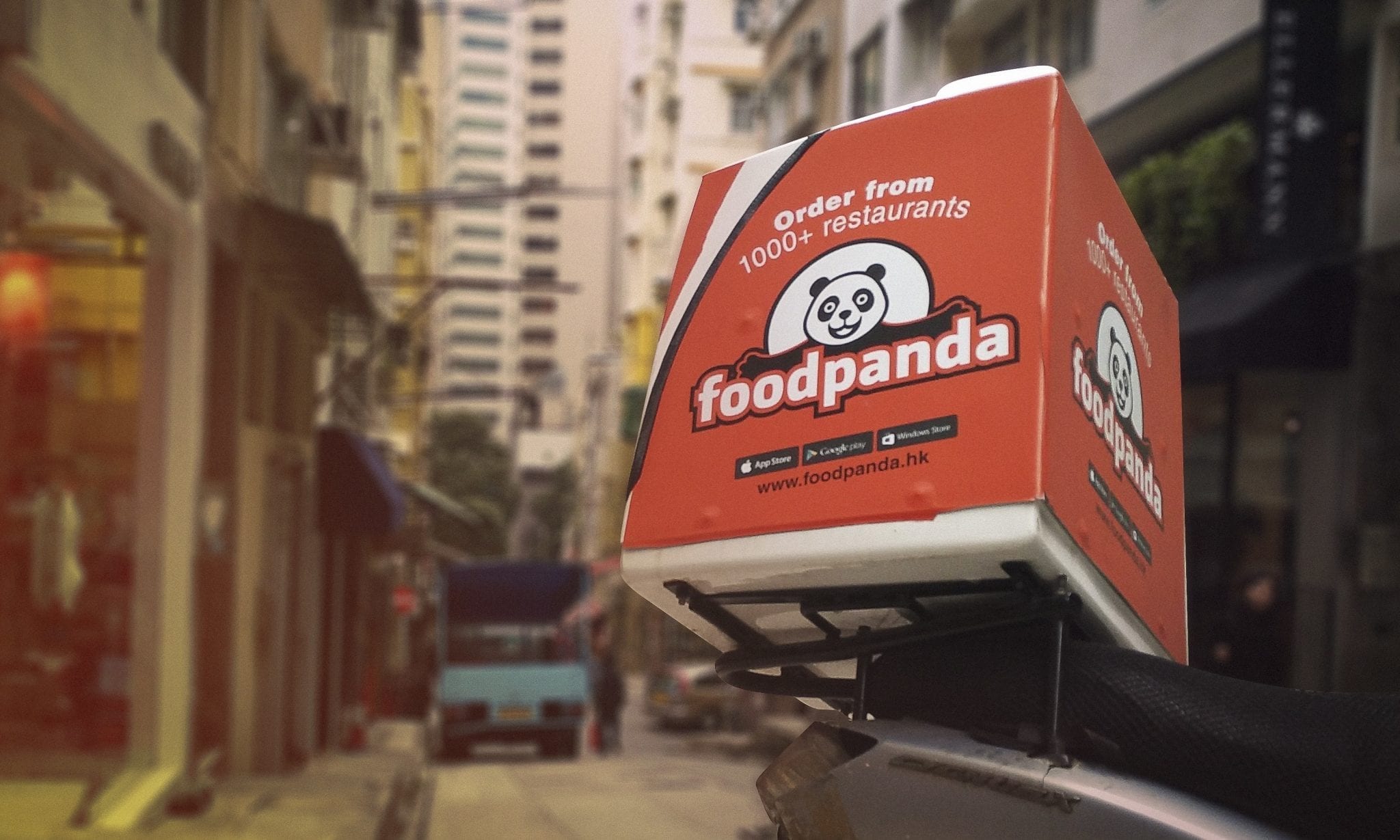
    Singapore food-delivery service Foodpanda has officially rolled-out its instant grocery delivery service, Pandamart, in Hong Kong after a trial commencing last November.

    Partnering with 1000 retailers and selling more than 14,000 items, Foodpanda has expanded its service from restaurant take-outs to the delivery of groceries and daily necessities such as beauty and baby-care products. Local partners include Li & Fung’s convenience chain Circle K, snack store Okashi Land, Heroes Beer and kitchenware store I Love Kitchen. So far, snacks and alcohol are the most popular categories, comprising two-thirds of all orders. During its promotional launch, delivery is complimentary with a certain minimum spend.

    During testing, Pandamart was been able to deliver within 25 minutes of orders and the service aims to maintain an average delivery time of 15 minutes. During Chinese New Year, which coincided with the coronavirus lockdown, takeaway orders on Foodpanda tripled and the number of new visitors to the platform doubled week on week.

    Jeremy Wong, head of Pandamart Hong Kong, said the company hopes to expand its partnerships to 3000 retailers including supermarkets and to increase product selection to 550,000 items by the end of the year. In an interview with Unwire.HK, Wong said launching Pandamart was not for profit margin, but as “a new business direction and utilizing our existing fleet of drivers to meet more of customer’s demands”.

    Currently, Foodpanda has 4000 drivers and aims to double its fleet size and increase the number of partner restaurants room 7000 currently to 12,000 this year.

    Foodpanda has also announced that for the next month it will help partner restaurants by offering free-delivery discounts in the city to encourage more customers to buy via the app, and compensate for some of the lost walk-ins to restaurants.

    “Over 76 percent of people in Hong Kong are forecast to have used online delivery within 2020. We would like all of them to try Foodpanda for either groceries or food delivery,” said Arun Makhija, CEO of Foodpanda Hong Kong.

    At the same time, Foodpanda has joined Deliveroo in offering a relief fund of HK$25 million, allowing partners to delay commission payments for up to three months to ease their cash flow. Local small-scale restaurants will be given first priority with assistive support from Foodpanda.