Category: Food

Retail News Asia is committed to providing both local and global retailers with the latest Food and Food & Beverage news throughout the Asian market. This on a daily base.

  • Sustainable wines gaining popularity in SEA

    Sustainable wines gaining popularity in SEA

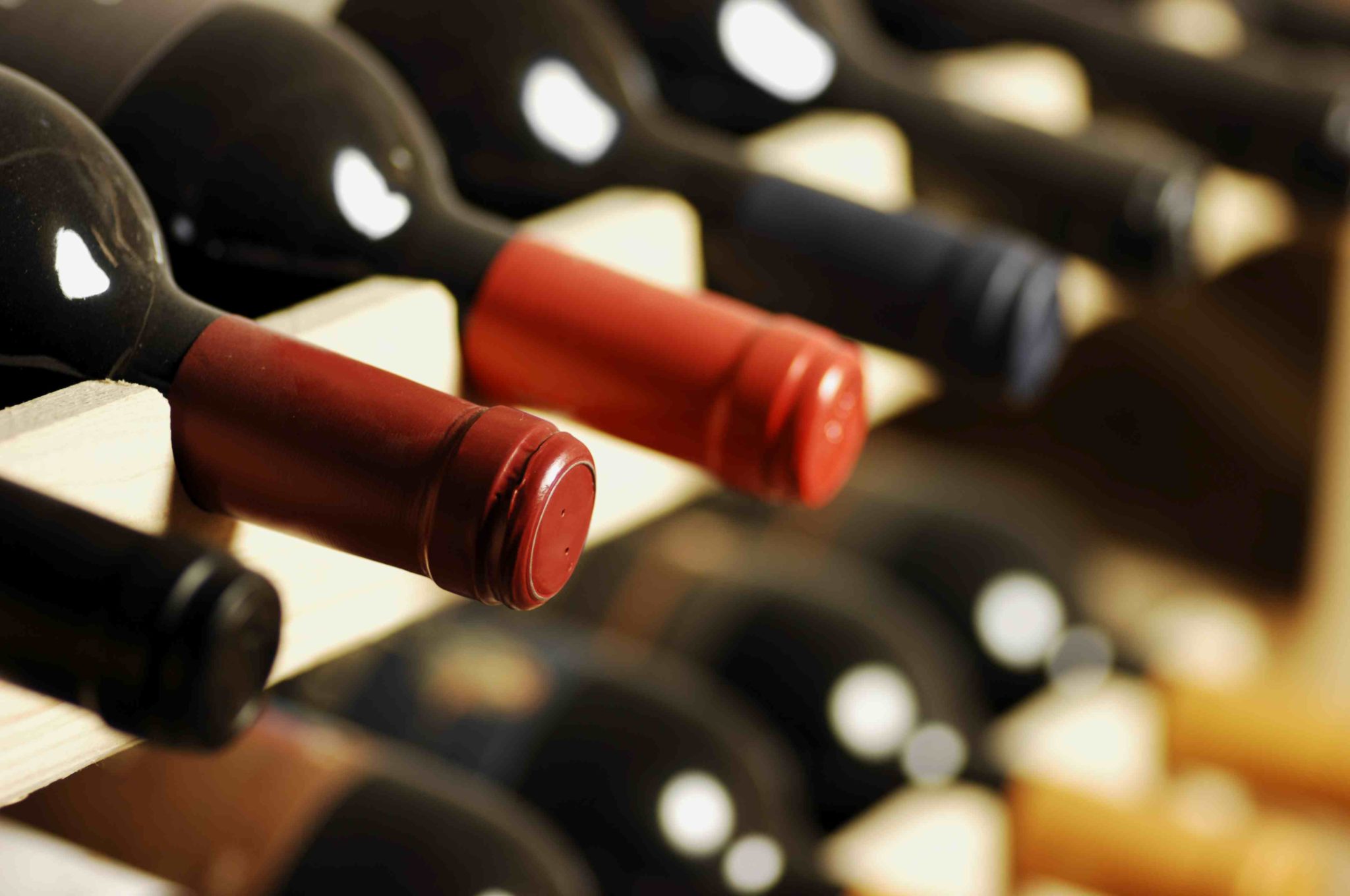
    As Chinese wine consumers – and those across Southeast Asia – are growing a taste for wine, so too they are embracing sustainable wines.

    Although global wine consumption continues to rise, disruption to the wine industry is resulting in changes to production methods, packaging, and marketing techniques. Discerning wine consumers are increasingly looking for good quality wine that is produced with minimal impact on the environment. As a result, new innovations are improving sustainability which is helping winemakers connect to a wider audience.

    Analysis of wine drinking by The International Wine and Spirit Research predicts that within the next three years, the global consumption of organic wine will reach 1 billion bottles. China’s demand for wine, increasingly being met through online sales, is still growing, and research undertaken by the University of Adelaide predicts a continuing rise in Southeast Asia’s consumption of fine wine. Meeting these consumer demands responsibly, but without compromising on taste and quality, is now a priority for wine producers.

    Accessing high-quality, sustainable wine

    As wine consumption continues to rise in Asia, China has recently overtaken the US to become the world’s number one buyer of online wine, creating great opportunities for internet wine retailers. Through ordering a wine subscription box online, consumers can enjoy carefully selected, high-quality wine that is chosen to match personal preferences and taste profiles.

    More wine producers are using sustainable farming techniques such as natural pest control, composting and crop rotation, that are not only ecologically beneficial but economically and socially responsible too. By bottling their own wine produced using these techniques, a company that fulfills subscription orders itself can ensure the delivery of quality wine that is produced in an efficient and environmentally friendly manner.

    Reading wine labeling now goes beyond understanding and recognizing the basic appellation credentials. Increasingly, consumers are also looking for signs that a glass of wine is naturally produced or organically grown, reflecting the efforts made to reduce the environmental impact of wine production. Natural wines are made without chemical additives, and organic wines are grown from grapes untouched by pesticides or synthetic fertilizers.

    As well as being more environmentally friendly, a recent paper looking at the reasons behind Chinese consumers’ organic wine purchase found that the health benefits of increased natural production methods were also highly appealing. Although wine manufacturers are not required to ingredients on wine labels, on wine that is produced naturally in the US, the Department of Agriculture’s organic label reassures consumers that the wine contains no added preservatives, sulfites, or sugar.

    Reducing the impact of transportation

    Discerning taste in fine wine is increasingly being coupled with a desire to minimize environmental impact. Another way for consumers to reduce the environmental impact of wine drinking is to purchase more wine from local sources.

    Although connections with French wine producers are strong, already 80 percent of all the wine that is enjoyed in China is domestically produced. Half of this wine is produced in The Yantai-Penglai region alone, where over 140 different wineries can be found.

    Through supporting local wine producers in the Yamanashi wine region in Tokyo, or buying from wineries based in the Asoke Valley near Bangkok, Japanese and Thai consumers can enjoy distinctive local wines while minimizing the financial and environmental costs of transportation. However, with the introduction of biodegradable and plastic-free bottles made from innovative, sustainable materials, in the future, these costs could be drastically reduced even when importing wine from abroad.

    As global wine consumption continues to grow, discerning drinkers are increasingly looking to look for evidence of organic production and sustainable manufacturing methods. Wine producers are responding by producing high-quality wines grown without chemicals and unnecessary additives and made easily available to both local and wider markets worldwide.

  • First Starbucks Reserve store in Penang opens at Gurney Plaza

    First Starbucks Reserve store in Penang opens at Gurney Plaza

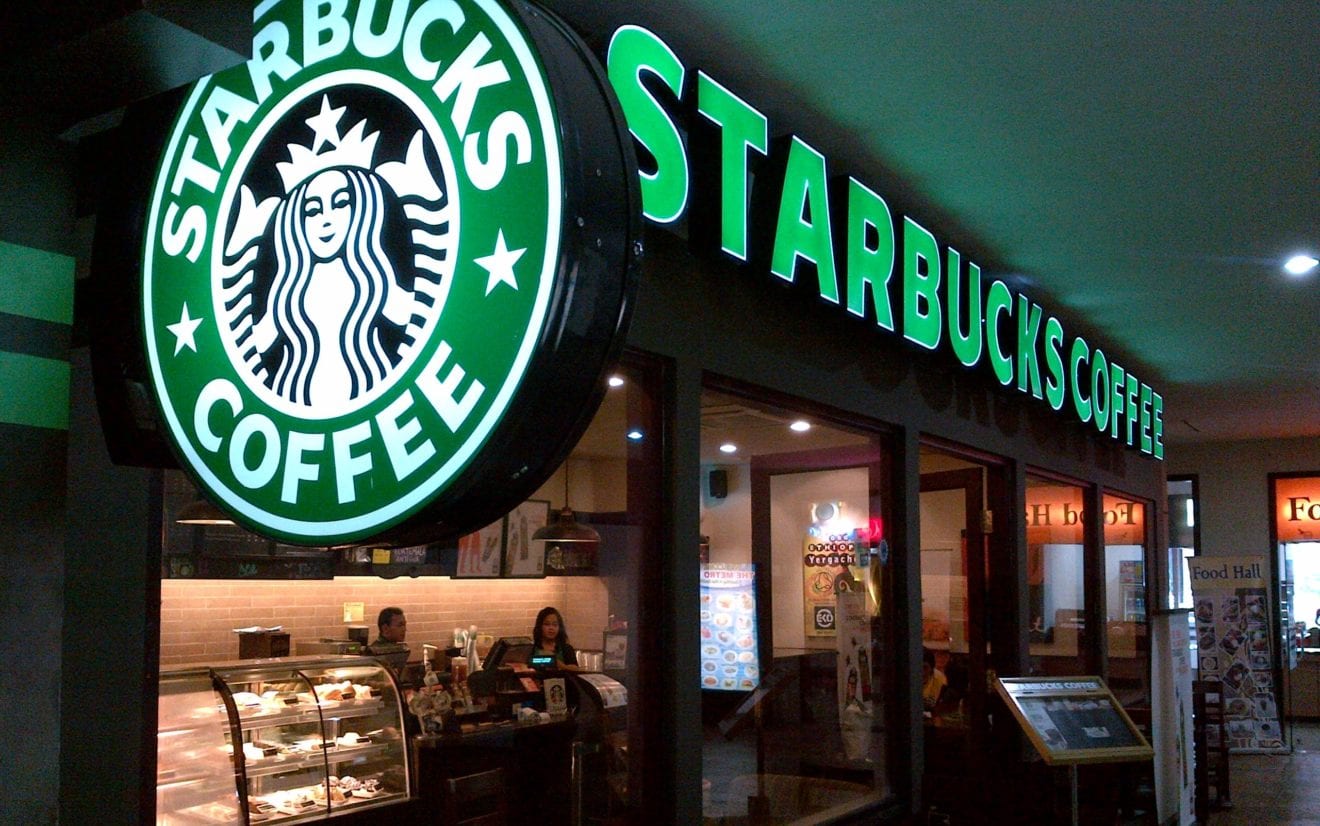
    Starbucks has opened its first Reserve store in Penang, Malaysia.

    The new store, located in Gurney Plaza, is the 12th Starbucks Reserve Store in Malaysia and features an interactive coffee bar equipped with a variety of brewing equipment.

    Starbucks Reserve Gurney Plaza has two bars, the main one serving core Starbucks products as well as a coffee bar that highlights rare, small-lot coffees from around the world.

    “The opening of Penang’s first Starbucks Reserve further reinforces our coffee leadership here in Malaysia,” said Starbucks Malaysia & Brunei MD Sydney Quays, “while also committing to fostering coffee education and moments of connections between our Starbucks partners [employees] and our customers.”

    The materials and patterns used in designing the store highlights the main stage where the Reserve bar sits, and is a nod to locally sourced textiles. The store’s ceiling element is inspired by the patterns and textures of the mountains where many Arabica coffee cherries are grown, and is featured throughout the store.

    Customers can enjoy the classic Starbucks menu in addition to specialty beverages inspired by the six Starbucks Reserve Roasteries around the world, including Shanghai, Milan and Tokyo.

  • South Korean restaurants remain empty as coronavirus fears spread

    South Korean restaurants remain empty as coronavirus fears spread

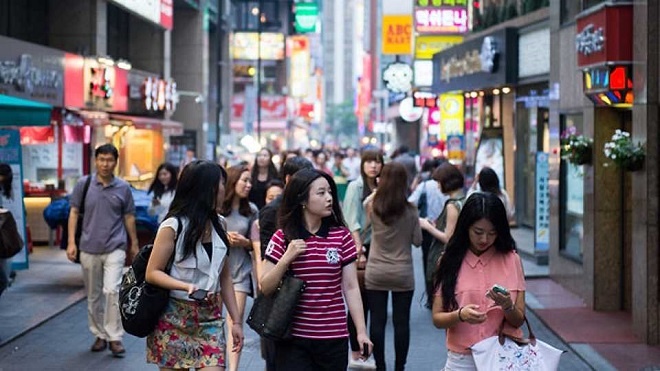
    South Korean consumers are opting to avoid crowded places, causing restaurant bookings to plunge by as much as half as fears grow of the spreading coronavirus.

    “Lunar New Year, followed by graduation and enrollment ceremonies, should have been a chance to boost our sales,” said the owner of one Seoul Chinese restaurant. “This year, though, reservations have dropped by more than half.”

    Group dinners, accounting for a significant portion of all sales at this time of the year, have dwindled, and schools are canceling graduation and enrollment ceremonies.

    “It’s important that I don’t get infected, but it is also important not to take any chance of spreading the disease to other people. It doesn’t hurt to stay careful,” said a local office worker.

    Some companies have chosen to axe group dinners.

  • Alibaba’s Freshippo sales soar during virus outbreak

    Alibaba’s Freshippo sales soar during virus outbreak

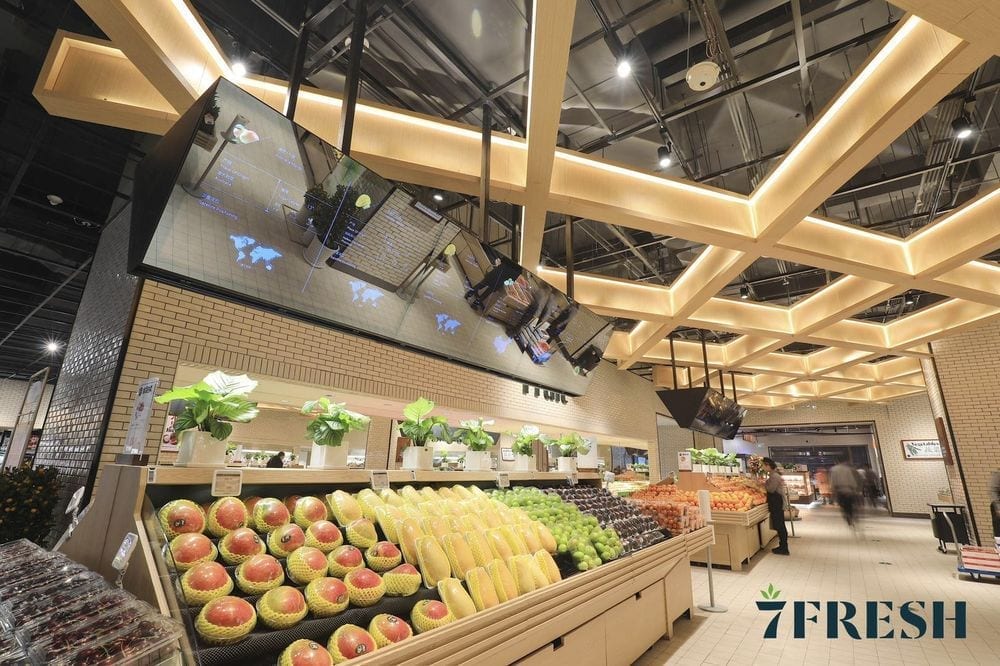
    Sales are soaring for Alibaba’s fresh-food chain Freshippo in the wake of the coronavirus outbreak.

    With many Chinese nationals being advised to stay at home during the course of the epidemic, demand for fresh food and household items has soared. Buyers are purchasing more items in bulk so as to reduce contact with home-delivery personnel.

    A spokesperson for Freshippo revealed that it has prepared 250 tons of packaged vegetables and 80 tons of bulk vegetables for around 50 Shanghai stores, six times above its normal volume.

    Freshippo’s head of vegetable procurement Huang Yifan said that the group is planning to ship an extra 100 tons of fresh vegetables from its supplier farm regions every day.

    Similar increases have been reported by Walmart’s delivery business in the region, JD Daojia, with reports of a five-fold increase in sales volume.

  • Reliance to open Armani Cafe in India

    Reliance to open Armani Cafe in India

    Indian conglomerate Reliance Industries is launching a Michelin-star restaurant in Mumbai in partnership with Italian luxury firm Emporio Armani.

    The first Armani Cafe venue is set to open in the firm’s upcoming luxury Bandra Kurla mall, the Jio World Centre.

    Armani restaurants have opened in several major cities among 20 international locations.

    Reliance is the luxury brand’s master franchisee in the Indian territory, and already operates Emporio Armani, Giorgio Armani and Armani Exchange outlets nationwide. It is expected to roll out Armani’s sportswear brand EA7 in March.

  • Japanese chocolatier Royce closing South Korea stores

    Japanese chocolatier Royce closing South Korea stores

    Japanese chocolatier Royce is shuttering its operations in South Korea.

    The brand’s local retailer Royce’ Confect Korea said in an announcement last Wednesday that it will close all nine of its locations in the territory, including five shops in Seoul.

    The closures will be completed by the end of next month.

    Sales for the brand’s chocolates have sharply declined in recent months and were strongly affected by a recent general boycott of Japanese products in the country.

    A company statement read: “Thank you very much for loving Royce’ chocolate. We will try our best to the very end with the best possible services”.

  • Louis Vuitton cafe and restaurant opens in Osaka

    Louis Vuitton cafe and restaurant opens in Osaka

    The world’s first Louis Vuitton cafe and restaurant have opened inside the stunning new Louis Vuitton Maison Osaka Midosuji in Japan.

    In cooperation with renowned chef Yosuke Suga, the first Louis Vuitton cafe, Le Cafe V is located on the top floor, featuring a Cocoon Room, with a terrace and a bar.

    A speakeasy-style door connects the Louis Vuitton cafe, dubbed Le Cafe V, with the brand’s restaurant Sugalabo V where an open kitchen is set up. Design details are similar to the original, connecting to the central theme of the building’s design, according to DesignBoom.

    The Louis Vuitton Maison Osaka Midosuji is the result of a close partnership between Jun Aoki and New York designer Peter Marino, reflecting Osaka’s heritage as Japan’s most important port.

    Inspired by sailing vessels, the store’s facade, designed by Aoki, resembles a floating ship with a light and airy white structure. To create a floating effect, Marino creates wooden floors, wood-clad pillars, and metal ceilings.

    The launch of a Louis Vuitton cafe and restaurant follows similar forays into f&b by other luxury brands, including Tiffany & Co’s Blue Box Cafe, Armani Cafes and Ralph Lauren eateries.

  • Hong Kong food-delivery sales down

    Hong Kong food-delivery sales down

    Food-delivery sales in Hong Kong soared 20 percent over Lunar New Year week as consumers chose to stay indoors, sheltering from the coronavirus.

    A spokesperson for Deliveroo told Inside Retail Asia that the Chinese New Year holiday period is usually a busy period for the company, the market leader in food-delivery in the territory.

    “We saw an increase of more than 20 percent in order volume as compared to the week before, potentially indicating that people were choosing to stay home and order in during the Chinese New Year holiday following traditional visits to relatives over the weekend.”

    The company witnessed a 6-per-cent drop in Chinese food orders and a 6-per-cent increase in American food orders when compared with the week before. Taiwanese cuisine also experienced an order growth of around 3 percent over the festive period.

    The spokesperson said Deliveroo had been in touch with all of its 4000 self-employed riders in Hong Kong to share official guidance with regards to the coronavirus, including safety practices.

    “Health and safety is our top priority. We have a customer service team ready to answer any questions customers may have.”

    Asked if the company was scheduling extra drivers to cope with an increase in demand as consumers ordered in rather than venturing out to public spaces, the spokesperson said the company is prepared year-round unexpectedly busy order times.

    A rider-supply planning team which is responsible for the operational performance of the delivery network uses data analytics to match supply and demand, “ensuring the company has the right number of riders on the road, in the right place and at the right time”.

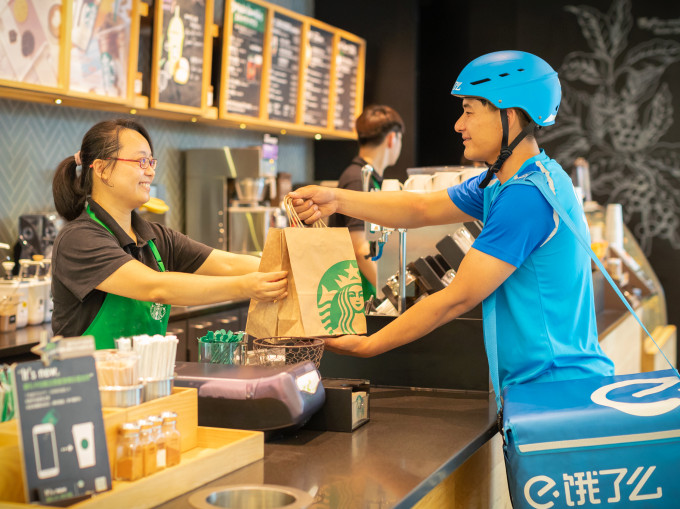
    In Mainland China, Alibaba-owned delivery service Ele.me has been delivering meals for more than 100 restaurant partners to the frontline medical staff at hospitals and treatment centers.

  • Philippine grocery MerryMart to raise US$31 million in IPO

    Philippine grocery MerryMart to raise US$31 million in IPO

    Philippines grocery operator MerryMart has filed to raise up to PHP1.6 billion (US$31 million) in its forthcoming IPO.

    The firm is seeking the funds to finance its nationwide expansion program, according to DealStreetAsia. It expects to operate 1200 stores within the territory following its expansion drive, including potential franchises, in an attempt to reach its target revenue of PHP120 billion ($2.36 billion). It will also establish a network of warehouses and distribution centers.

    The firm intends to sell 1.6 million shares – about 21 percent of its total holdings – at PHP1 (2c) per share. PNB Capital and Investment will serve as lead underwriter, issue manager, and book-runner for the offering.

    “Our family initially had no plans to expand the retail business,” said company owner Edgar Sia, “but our recent experiences made us realize the need for us to be in the modern retail business, and we believe we will be in it while the transition from traditional retail to modern retail is still ongoing.”

  • Starbucks China closes over 2000 stores due to Coronavirus virus

    Starbucks China closes over 2000 stores due to Coronavirus virus

    More than 2000 Starbucks China stores have been closed to protect staff and customers from the coronavirus outbreak, including its giant Shanghai Roastery.

    “We currently have over half our stores closed in the market,” said Starbucks Inc group president, international, channel development and global coffee & tea, during an earnings call on Tuesday.

    “We are assessing this each and every day. We do have delivery available to customers from stores that are remaining open. But again, this is something that we continue to assess every day… This is a very complex situation.”

    The unprecedented network closure comes as the deadly coronavirus spreads beyond its epicenter of Wuhan in the Hubei province across China. As at 9am ICT Thursday, there were 7892 confirmed cases of infection the vast majority in Mainland China. To date, there have been 170 deaths, all on the mainland.

    Starbucks China’s widespread store closures coincided with the release of the parent company’s first-quarter figures which showed 5-per-cent global same-store-sales growth, including 3-per-cent growth in China. The company has more than 4100 stores on the mainland and 31,795 globally, adding a net 539 during the quarter to December 29, 167 of those in China. Consolidated net revenues of US$7.1 billion grew 7 percent year on year.

    During the earnings call, Culver said the closures were ordered because the company was making sure it was taking care of its partners, their health and well being, as well as the customers.

    “As the situation has accelerated, we’ve taken action to close stores, both working with the local government in the direction that they’ve given us, but then also proactively closing stores in the country.”

    The stores will reopen when it is considered safe, but Culver indicated Starbucks was not yet sure about the potential impact of the closures on its second-quarter performance.

    “It really is difficult to say at this juncture, what the impact to our business will be and how it will show up in our financials. Given the fluidity of the situation, the business impact is largely a function of two things – the number of stores closed and the duration of closure – and with respect to the duration, it’s not entirely in our control. We will need to move beyond the extended Chinese New Year holiday season to assess how the situation may be stabilizing, and what the implications are. We’re probably looking at early March at the earliest to reasonably assess the implications for revenue operating income and EPS for our second quarter and for the full year at the very latest will provide an update in conjunction with our Q2 earnings release on April 28.

    “As a company, we’ve navigated complex situations before and in China, we feel there’s no other company that’s better positioned to navigate this given our relationship that we’ve been able to build with our partners and the relationship and trust that they’ve been able to build with their customers.

    “We will remain transparent as the events continue to unfold. But we do have complete confidence in the decisions that we’re making. We’ve been in the market for 20 years and we have built an admired and trusted brand. And we will continue to play the long game in China, as we navigate in the coming weeks and months.”

    Meanwhile, Starbucks executives say they are focusing on lower-tier cities to maintain its Chinese market growth. Of the 167 stores opened in the December quarter, 46 percent were in tier 1 and 2 cities, the balance in tier 3, 4 and 5 cities.

    “We continue to make investments in those cities, playing the long game, clearly when we opened our first few stores, there’s a lot of demand for Starbucks coming into those cities, as we continue to build out the footprint,” said Culver. “What we’ve seen historically, is that the total transactions obviously continue to grow and volumes show up as very similar to some of our outer tier-one cities.”

    Delivery services – available in 3500 stores, or about 80 percent of its network there, we’re also paying dividends.

    “We see it as an incremental for these existing customers as well as attracting new customers in total dollar profits, continue to increase because of it, and slightly margin diluted, but it does provide a higher ticket, as well as a higher food attach,” said Culver.

    “And we also see stronger demand in the morning, and during the lunch period.”

  • Tea chain Nayuki expanding to USA and Japan

    Tea chain Nayuki expanding to USA and Japan

    Chinese tea chain Nayuki will launch its first stores in Japan and the US this year.

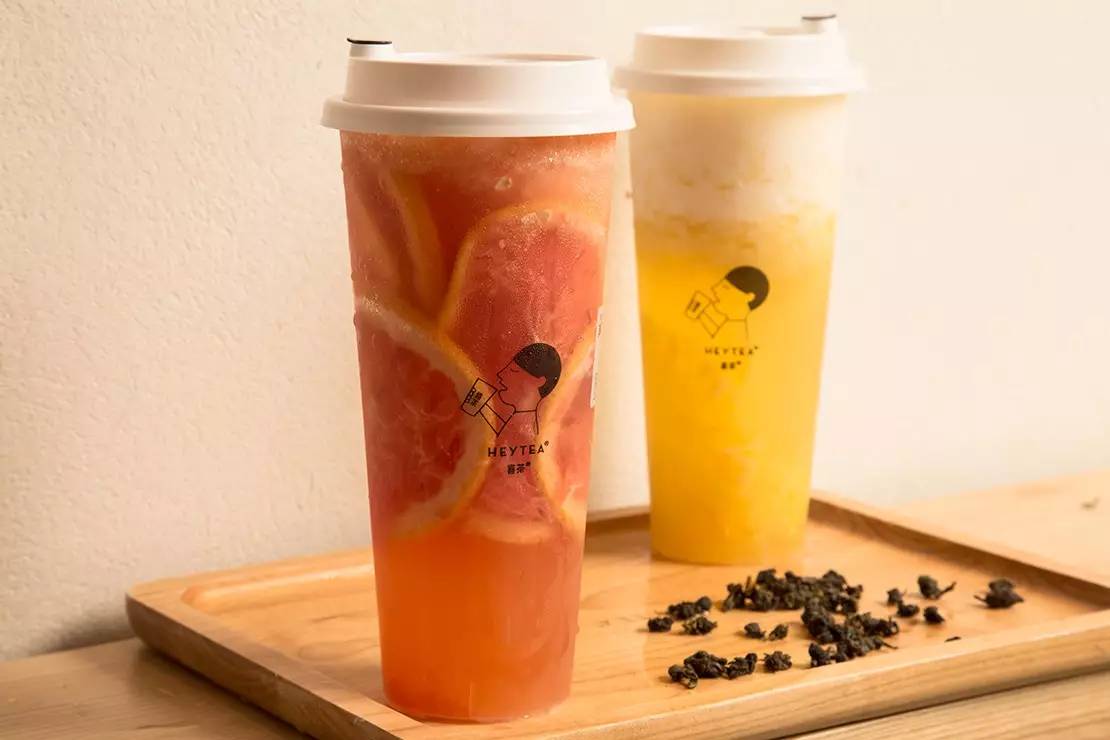
    The firm, which operates nearly 400 stores in China and three in Singapore, serves tea blended with fruit, cream cheese and toppings.

    “With our commitment to becoming an innovator and purveyor of Chinese tea culture, we hope to deliver our unique and exceptional tea experience to the world,” said Nayuki founder Peng Xin. “To achieve this goal, we have established tea fields where tea is cultivated under strict conditions from cultivation to processing.”

    In recent years, China’s traditional tea culture has been revamped by new-style tea franchises backed by large investments. The tea chain Nayuki, valued at RMB6 billion (US$865 million), received a multi-hundred-million RMB injection in Series A plus funding from TianTu Capital in 2018.

    In November last year, the company opened its largest shop – Nayuki’s Dream Factory – in Shenzhen, an 11,000sqft retail space offering an immersive in-store experience. Visitors are invited to see, hear and learn about the innovations of Nayuki’s teas while enjoying a menu of handcrafted teas, coffees, cocktails, baked goods, desserts and more exclusive to the store.

  • Sabeco reports record profits

    Sabeco reports record profits

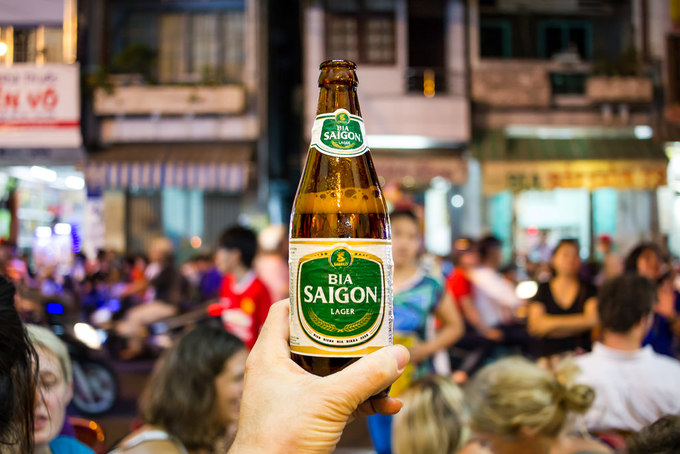
    Post-tax profits surged 22 percent year-on-year for Vietnam’s largest brewer Sabeco, reaching VND5.37 trillion ($231.96 million), its highest annual profit ever.

    The brewer’s 2019 revenues increased 5 percent year-on-year to VND37.9 trillion ($1.64 billion), with improved business results mainly attributed to heavy investments in sales and marketing, Sabeco management said in the company’s latest annual financial report.

    Sabeco spent VND1.49 trillion ($64.33 million) on marketing last year, a year-on-year increase of 31 percent, the report said.

    Revenues in the final quarter, however, declined 7 percent year-on-year to VND9.73 trillion ($420.11 million), but post-tax profits rose 18 percent to VND1.09 trillion ($47.06 million). This was due to profits from financial investments surging 54 percent, and profits from joint ventures and associate companies rising 41 percent, Sabeco said.

    By the end of 2019, Sabeco’s total assets and liabilities were valued at approximately VND27 trillion ($1.17 billion) and VND6.9 trillion ($297.92 million) respectively.

    Sabeco is owned 53.59 percent by Vietnam Beverage, a subsidiary of Thai beverage company ThaiBev. The Vietnamese government, represented by the Ministry of Industry and Trade, retains a 36 percent stake in the company.

    According to the latest figures by securities firm FPTS Securities, Sabeco held 40.9 percent of Vietnam’s beer market by the end of 2018, followed by Heineken Vietnam with 23 percent and local brewer Habeco, with 18.4 percent.

  • First Mott 32 Singapore restaurant opens at Marina Bay Sands

    First Mott 32 Singapore restaurant opens at Marina Bay Sands

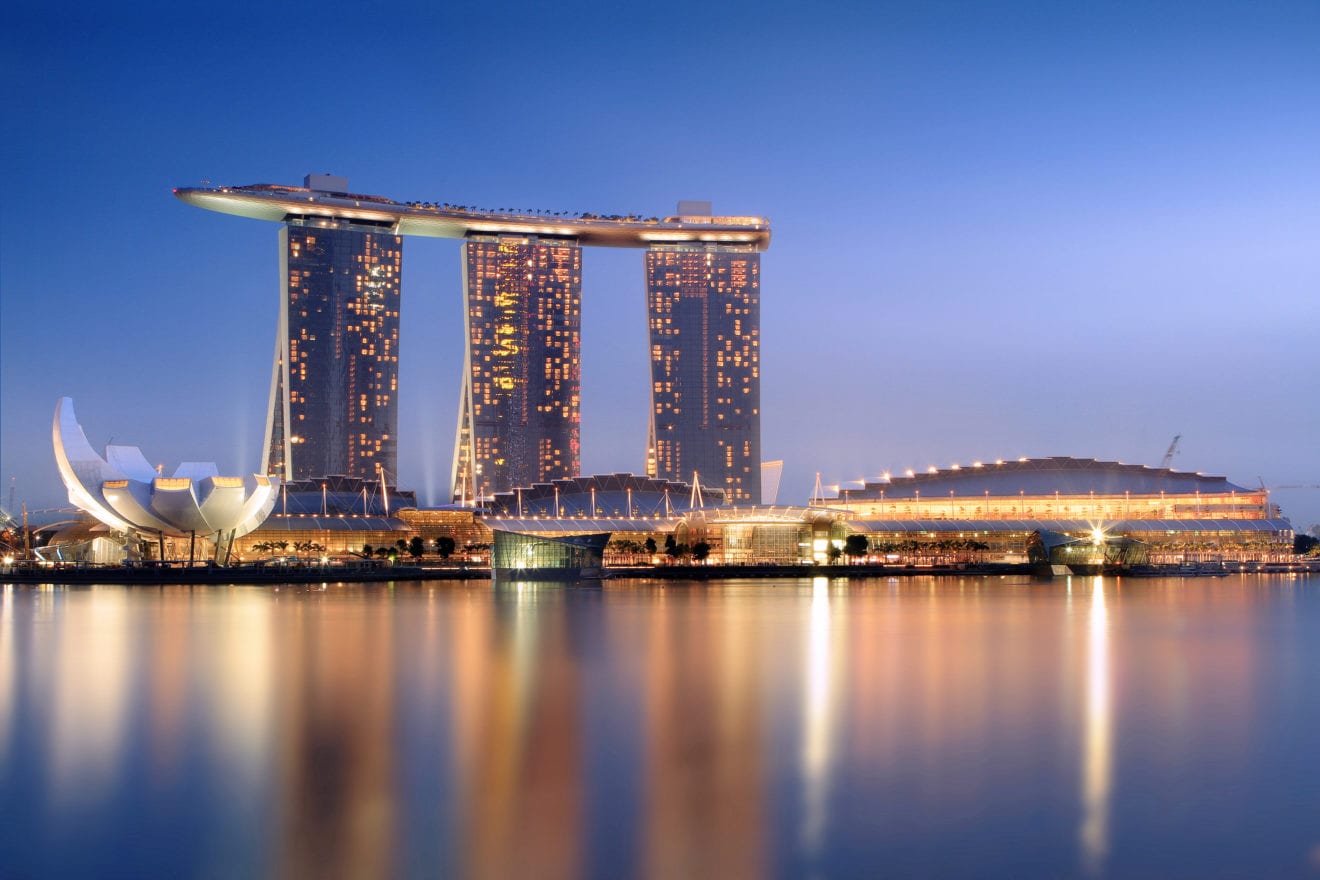
    Hong Kong restaurant chain Mott 32 is launching at Marina Bay Sands today in partnership with Maximal Concepts.

    After Hong Kong, Las Vegas, Seoul and Vancouver, the opening of Mott 32 Singapore brings the brand’s approach to regional Chinese cuisine to the Lion City.

    The restaurant is known for its use of recipes handed down across the generations, prepared using progressive cooking techniques and premium ingredients.

    “At Mott 32, we are dedicated to serving authentic, timeless recipes that pay homage to the rich heritage of Chinese cuisine,” noted Mott 32’s executive chef Chan Wai-Keung. “Our approach to cooking is to retain the essence and original flavors of the dish while elevating it using quality produce.”

    “Singapore has a sophisticated and incredibly talented dining scene,” said Maximal Concepts co-founder Xuan Mu. “The opening of Mott 32 Singapore marks a significant milestone for us, and we hope that it will be well-received amongst Singaporeans.”

    “We welcome guests from all around the world to explore the intricacies of Chinese cuisine at Mott 32 Singapore, and look forward to showcasing a combination of Mott 32’s iconic dishes and Singapore-exclusive creations,” said Chan.

  • Japanese franchise Kura Sushi to launch in China

    Japanese franchise Kura Sushi to launch in China

    Japanese restaurant franchise Kura Sushi is launching in its third overseas market, China.

    The brand has already enjoyed some success in the US and Taiwan, and is now set to open its first Chinese mainland location in Shanghai. Ten further locations are planned for the territory later this year.

    According to a Nikkei report, the firm’s current strategy is to “double its revenues outside Japan to ¥300 billion (about US$2.7 billion) in 2030 by increasing its total number of outlets worldwide to 1000”.

    The move coincides with Kura Sushi’s launch of its global flagship in Tokyo, where it expects to serve 2000 people per day, including around 600 tourists.

  • Starbucks unveils ambitious sustainability commitment

    Starbucks unveils ambitious sustainability commitment

    Starbucks CEO Kevin Johnson has announced a multi-decade commitment to be a “resource-positive” company – aspiring to give more than it takes from the planet.

    “As we approach the 50th anniversary of Starbucks in 2021, we are looking ahead with a heightened sense of urgency and conviction that we must challenge ourselves, think bigger and do much more in partnership with others to take care of the planet we share,” said Johnson. “By embracing a longer-term economic, equitable and planetary value for our company, we will create greater value for all stakeholders.”

    The firm released plans to expand plant-based options, migrating toward a more environmentally friendly menu, as well as a shift from single-use to reusable packaging. It also intends to invest in “innovative and regenerative agricultural practices, reforestation, forest conservation and water replenishment in Starbucks supply chain”.

    Furthermore, Starbucks is committing to making investments in better ways to manage waste, both in its stores and its communities, to ensure more reuse, recycling and elimination of food waste. It will also develop more eco-friendly stores, operations, manufacturing and delivery processes.

    Johnson also outlined three preliminary targets for 2030, including a 50-per-cent reduction in carbon emissions in Starbucks direct operations and supply chain; a 50-per-cent conservation or replenishment of water withdrawal for direct operations and coffee production with a focus on communities and basins with high water risk; and a 50-per-cent reduction in waste sent to landfill from stores and manufacturing.

    “It is encouraging to see Starbucks embrace a data-driven and team-driven approach to creating a resource positive future,” said strategic consultancy firm SustainAbility’s executive director Mark Lee. “Their most senior leadership was directly involved in the creation of this plan, and they did an outstanding job convening experts in the field in the course of its development, inviting them to help Starbucks dream big on what’s possible for the planet. This puts Starbucks in the vanguard of corporate sustainability leaders, and we hope more businesses will be inspired to develop similarly robust approaches to addressing the world’s most pressing sustainability challenges.”