Category: Food

Retail News Asia is committed to providing both local and global retailers with the latest Food and Food & Beverage news throughout the Asian market. This on a daily base.

  • Seafood exports plummet

    Seafood exports plummet

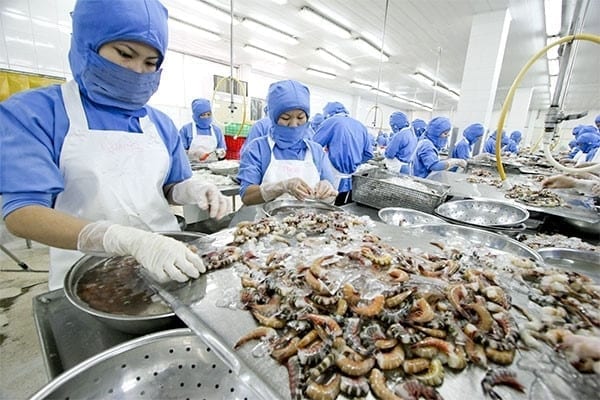
    Seafood exports in January fell 25 percent year-on-year and are set to continue falling due to the novel coronavirus outbreak.

    They fell to $556 million, with exports of pangasius fish falling by 64 percent, octopus by 50 percent and tuna by 30 percent, the Vietnam Association of Seafood Exporters and Producers said in a report.

    It attributed the drop to the seven-day Lunar New Year (Tet) holiday in January, adding exports would continue to fall in February and March since the epidemic has limited exports to China.

    In the worst case, seafood exports to China will fall 30 percent in the first half to $400 million. But if there is limited border trade, the impact could be mitigated somewhat.

    China was Vietnam’s fourth-largest market last year, with exports being worth $1.23 billion after rising 22 percent.

  • Indian tea chain Chaayos raises capital for expansion

    Indian tea chain Chaayos raises capital for expansion

    The fundraising, led by US firm Think Investments and including $3 million of venture debt from InnoVen Capital, will assist the firm to increase its store count to 300 within three to four years.

    “We will deploy the capital to expand our store network, hire a few more senior people, and invest more in technology,” Chaayos founder and CEO Nitin Saluja said in an article published by Livemint.

    Tea chain Chaayos is noted for its use of an IoT-enabled teamaker, called Chai Monk.

    “We have structured ourselves as a neo-retail business, which is a traditional retail business heavily leveraged on technology,” said Saluja. “The entire technology stack that Chaayos runs on has been developed in-house and we have filed for multiple patents as well”.

  • Jasons Food Hall at Kuala Lumpur’s Bangsar Mall to close

    Jasons Food Hall at Kuala Lumpur’s Bangsar Mall to close

    High-end supermarket Jasons Food Hall is closing its business at Kuala Lumpur’s Bangsar Shopping Centre after 20 years of trading.

    The store, which is owned by Hong Kong-headquartered Dairy Farm International, is now conducting a closing down sale – with the last day of business scheduled for March 22.

    It is the sole Jasons Food Hall-branded supermarket in Kuala Lumpur.

    The closure is part of Dairy Farm’s restructuring exercise that has seen a number of stores refurbished and a rationalization of the network, primarily affecting its Giant supermarket outlets.

    The firm also operates high-end supermarket brands Mercato and Cold Storage.

    Jasons Food Hall is positioned as a source of fresh foods and gourmet foreign foods with a strong delicatessen offer.

  • Hong Kong restaurant sales fall in fourth quarter

    Hong Kong restaurant sales fall in fourth quarter

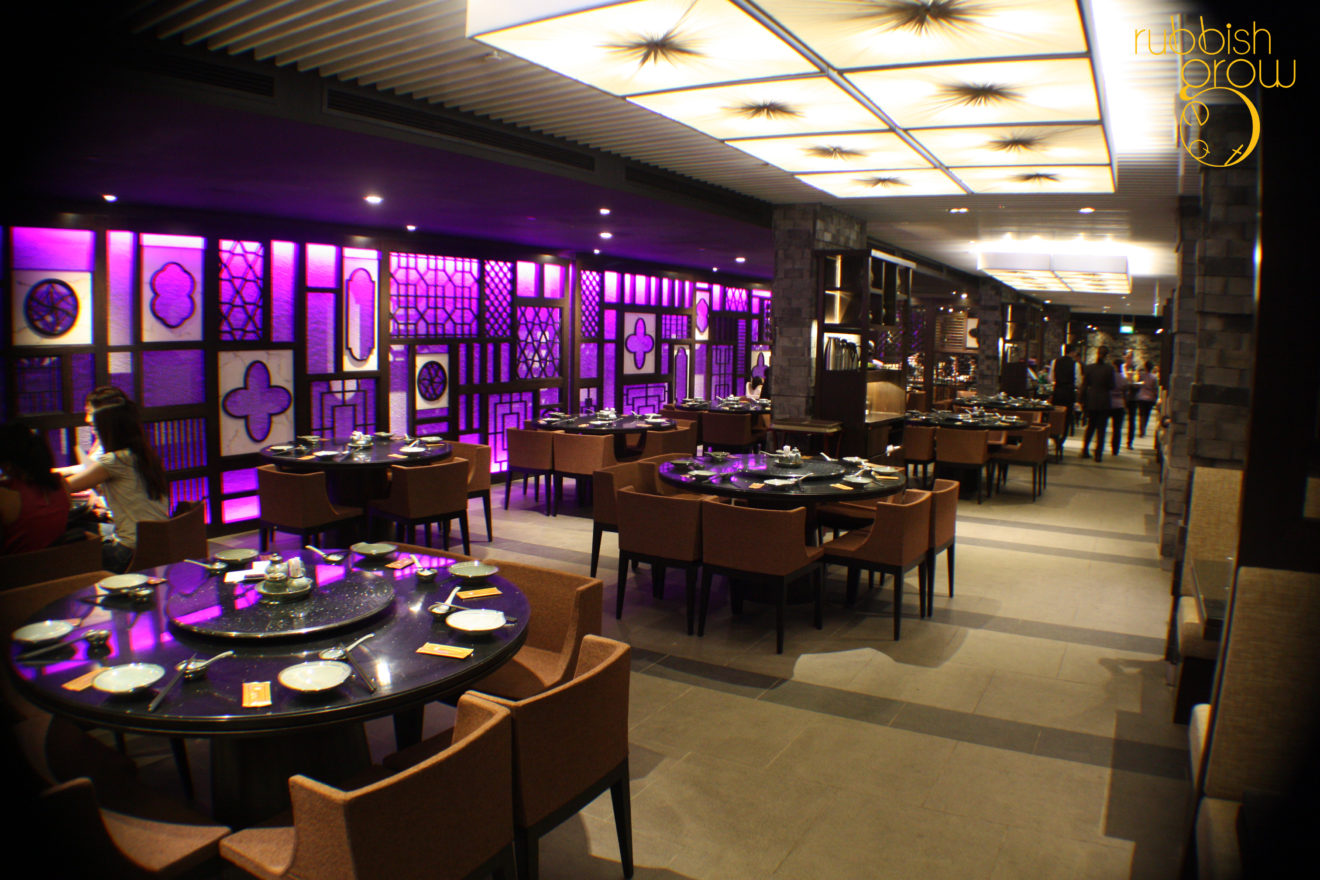
    Hong Kong restaurant sales fell 14.3 percent in the December quarter, provisionally estimated at HKD26 billion (US$3.35 billion).

    Provisional figures released by The Hong Kong Census and Statistics Department, also estimated that the value of purchases by restaurants during the quarter fell by 13 percent to HKD8.4 billion ($1.08 billion).

    A government spokesman said the figures marked the largest quarterly fall since the outbreak of Sars in the second quarter of 2003, as local social incidents with intensified violence during the quarter “caused severe disruptions to food and beverage businesses”.

    For the full year, Hong Kong restaurant sales declined 5.9 percent in value terms, marking the first annual decline since 2003. The value of total receipts of the restaurants’ sector was provisionally estimated at HKD112.5 billion ($14.5 billion).

    The spokesman said the food-and-beverage sector has been facing an even more difficult business environment recently due to the threat of the novel coronavirus infection.

    “The outlook down the road depends critically on how the situation of the novel coronavirus infection will evolve.”

    Analyzed by type of restaurant and comparing the whole of last year with 2018, Chinese restaurant sales decreased by 10 percent in value and 12.1 percent in volume. Receipts of non-Chinese restaurants fell by 6.4 percent in value and 8.3 percent in volume, while fast-food shops sales edged up 1.9 percent in value and 0.1 percent in volume.

    Sales by bars decreased by 9 percent in value and 10.7 percent in volume, while ‘miscellaneous eating and drinking places’ saw sales up by 1.6 percent in value, but down 1.7 percent in volume.

  • OUE buys Indonesia’s Maxx coffee chain

    OUE buys Indonesia’s Maxx coffee chain

    Singapore investment firm OUE has acquired a majority stake in the parent of Indonesia’s Maxx coffee chain, which also operates in Singapore.

    According to the agreement, OUE’s wholly-owned subsidiary Oddish Ventures will buy an 88.43-per-cent stake, worth US$23.1 million from two companies – Inti Anugerah Pratama and Ciptadana Capital – which own 45.64 percent and 42.79 percent of the Maxx Coffee Prima’s issued shares respectively.

    OUE reported that the acquisition was valued based on various factors, including the high barrier of entry into the Indonesia food-and-beverage market, the opportunity for additional revenue stream through franchising, and Maxx Coffee’s access to prime retail locations in Indonesia.

    With the acquisition, OUE hopes to scale up and optimize its existing food-and-beverage portfolio, the company said in a statement.

    Founded in 2015, Maxx Coffee has more than 75 outlets in Indonesia and Singapore.

  • Tealive appoints advisors for IPO

    Tealive appoints advisors for IPO

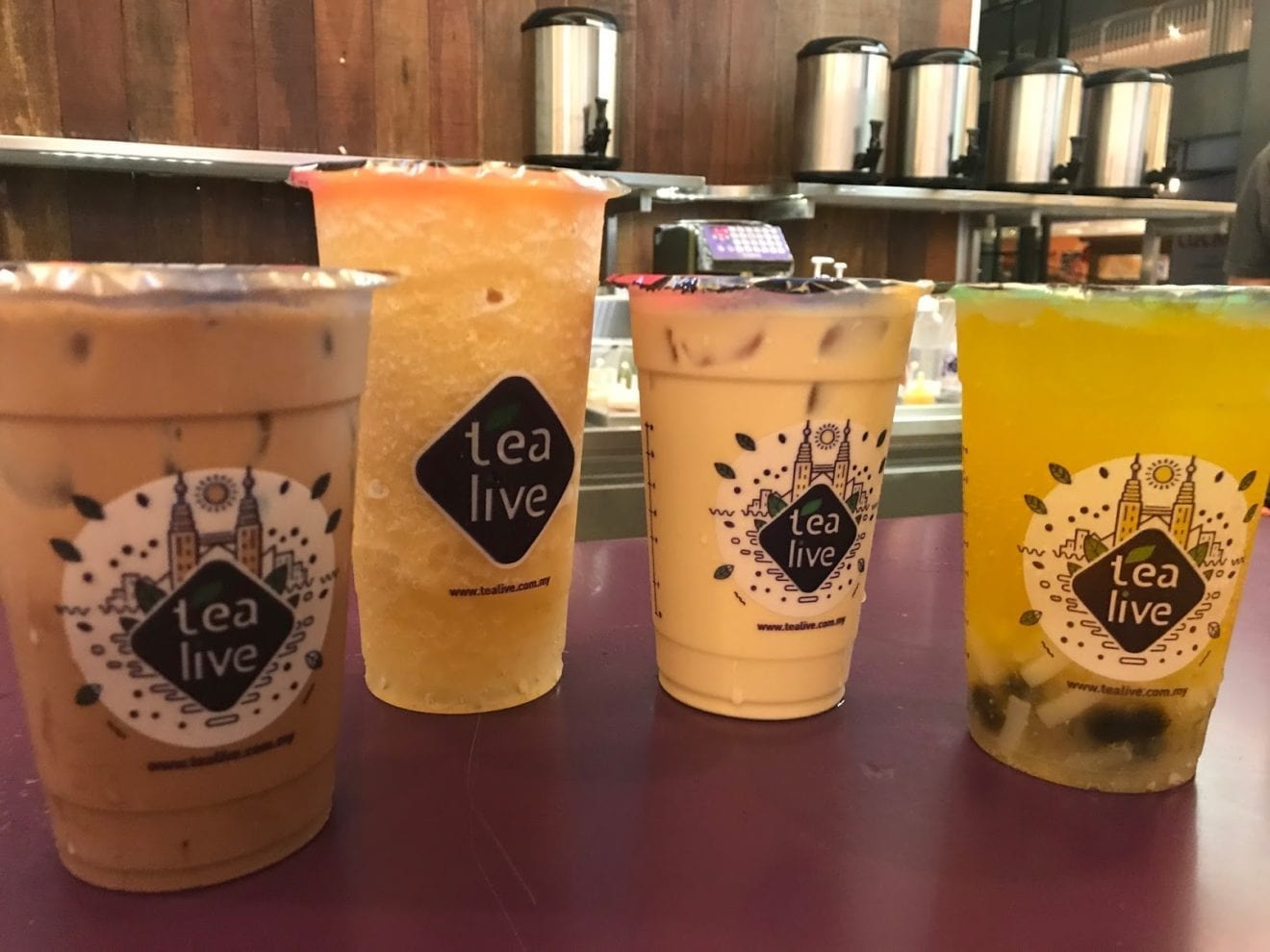
    Malaysian bubble-tea chain Tealive parent, Loob Holding, has appointed advisors as it prepares for an IPO this year.

    Last year, the company said that it aimed to raise MYR300 million (US$72 million) for Malaysian IPO.

    According to The Malaysian Reserve, however, Tealive’s owner and the operator could raise MYR1 billion based on prior valuation, depending on the market and investors’ view.

    “There will never be the right timing in business, including when to list,” said Bryan Loo, founder and CEO at Loob Holding. “Our ultimate long-term mission is to build Malaysia’s very own global lifestyle tea brand.”

    Managing several F&B brands such as Ko Ko Kai and Define Food, Loob operates more than 500 Tealive outlets. It also has stores in China, Vietnam, Philippines, Brunei, Myanmar, Australia and the UK.

  • Shake Shack Singapore opens second store

    Shake Shack Singapore opens second store

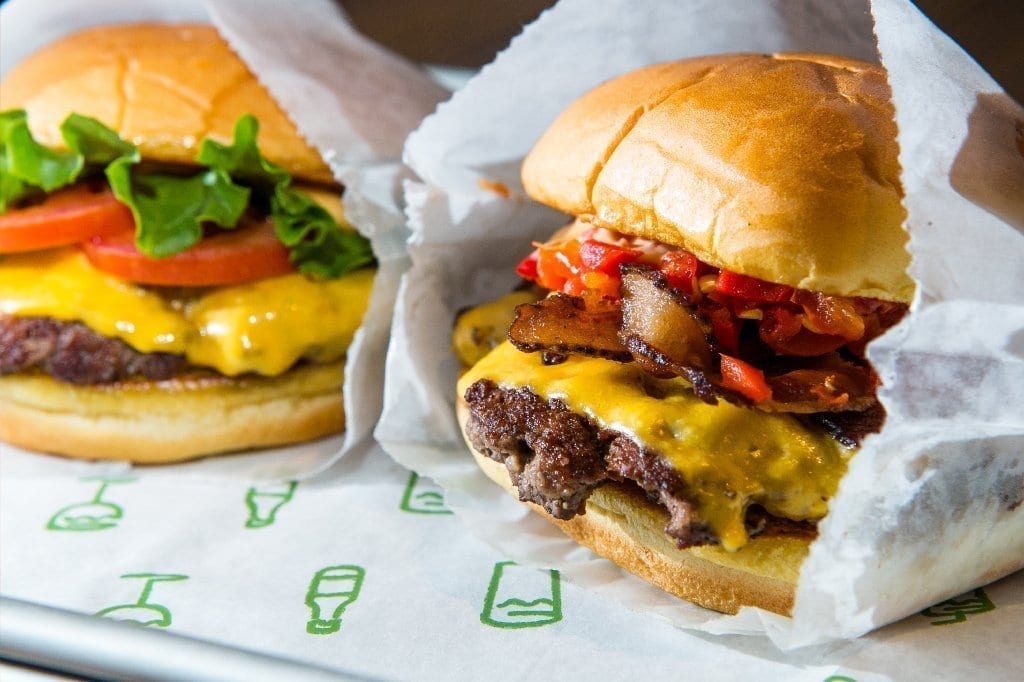
    Burger chain Shake Shack has opened its second store in Singapore, in the city’s CBD.

    Taking over the Tiger Balm factory on Neil Road, the new Shake Shack Singapore store design was inspired by its vibrant Chinatown neighborhood and colorful Peranakan architecture.

    Designed by Singaporean artist Sam Lo, the store’s interior features a tiger mural inspired by the history of Tiger Balm factory.

    To mark the opening, Shake Shack has launched The Chick’n Shack, an antibiotic-free slow-cooked chicken breast crisp fried.

    “The Chick’n Shack embodies our modern approach to fine-casual American cooking,” said Mark Rosati, culinary director at Shake Shack. “It’s about providing a simple, pleasurable, uncomplicated experience, but with high-quality, responsibly sourced ingredients.”

    The burger chain also introduces two new local dishes, Eye of the Tiger and Open Sesame, based on local flavors.

    To support the local art community, 5 percent from sales of the local products will be contributed to Very Special Arts Singapore (VSA), a non-profit organization providing opportunities for the disabled through arts.

  • Cinnabon Hong Kong opens first outlet in Hong Kong

    Cinnabon Hong Kong opens first outlet in Hong Kong

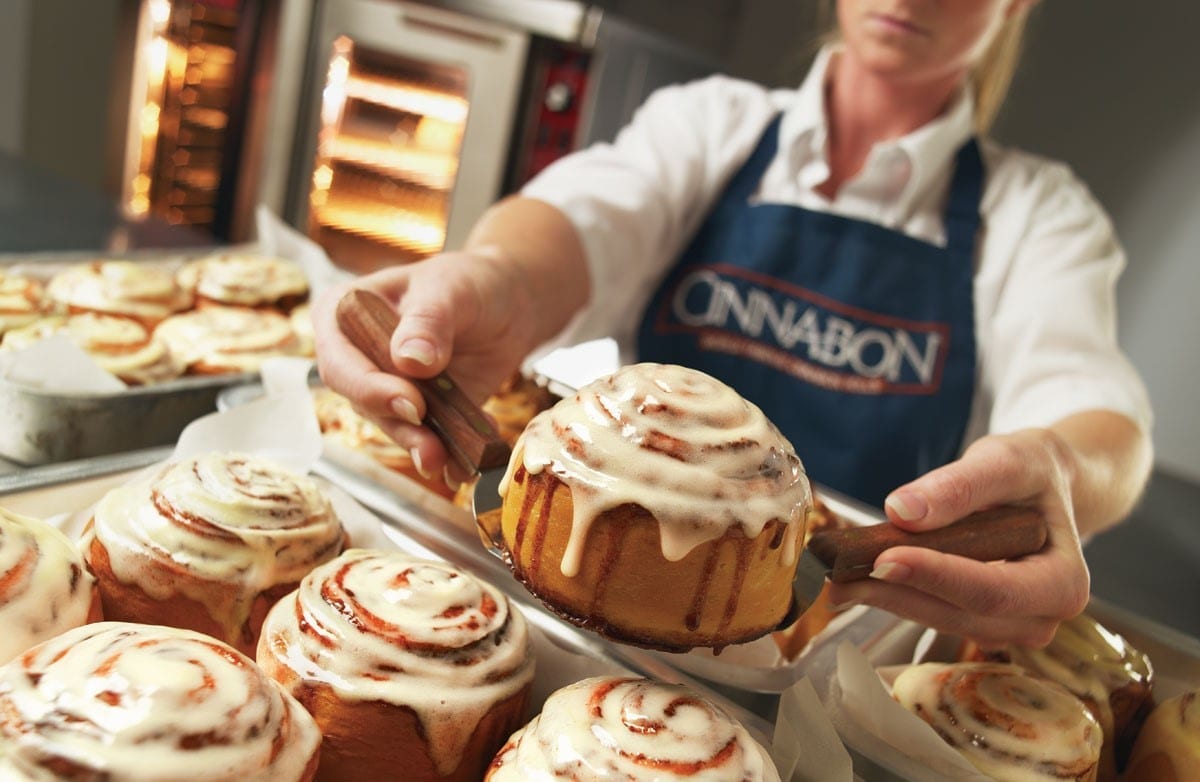
    Cinnabon Hong Kong opened its first outlet last week, brought to the territory by franchisee Reach Out Philosophy Limited.

    Famous for its Classic Rolls and Bon Bites, the first Cinnabon Hong Kong store is located in Olympian City mall at Tai Kok Tsui. It joins more than 1200 franchise locations in the world.

    “We see a wonderful opportunity for Cinnabon in this city,” said Steven Yang, director of Reach Out Philosophy.

    “Local foodies crave high-quality, fresh cinnamon products and we have the perfect answer for them. We are looking forward to bringing the sweet pleasure of our products to Hong Kong and creating many joyful moments of Cinnabon contentment.”

    The bakery has been operating in other Asia-Pacific markets, including Japan, South Korea, and the Philippines.

    Its franchises in China, along with those of sister chain Auntie Anne’s, are owned by Focus Brands.

  • LG robotic waiter serves food in Seoul restaurant

    LG robotic waiter serves food in Seoul restaurant

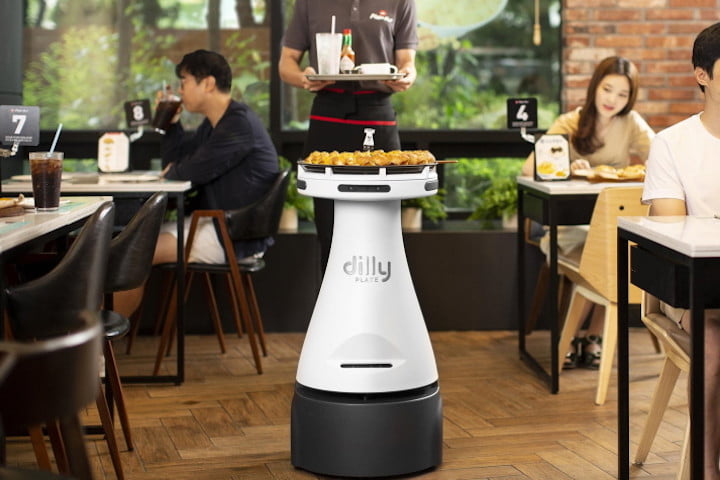
    An LG robotic waiter has made its debut at a local restaurant in Seoul.

    The LG CLOi ServeBot comes with indoor autonomous driving technology and an obstacle avoidance system so it doesn’t crash into furniture, customers or colleagues.

    The robot is capable of delivering food to the table where customers are seated as well as returning the dishes after the customers finish their meal.

    The robot has been put to work at CJ Foodville’s Cheiljemyunso restaurant in Seoul Station.

    The LG robotic waiter – called CLOi ServeBot – avoids obstacles with a voice message saying, “I’m sorry, may I please go through?”

    It also plays a song while moving to help prevent collisions with customers by making them aware of its presence.

  • South Korean convenience stores in delivery-service battle

    South Korean convenience stores in delivery-service battle

    Competition among South Korean convenience stores over delivery services is heating up.

    One chain, GS25, recently launched delivery services from seven stores in Seoul in partnership with food-delivery service Coupang Eats operated by e-commerce giant Coupang.

    First of all, the South Korean convenience store company plans to implement delivery services through Coupang Eats at seven stores in Seoul before expanding the scope of the service to franchise stores nationwide.

    Through the service, customers can receive about 200 products at home, including prepared lunches, sandwiches and beverages that are being sold at convenience stores.

    Meanwhile, GS25 had already launched a delivery service for store products in cooperation with another delivery company, Yogiyo, in April of last year.

    It is running a pilot project at 10 direct management stores, and the service has been especially popular with workers during lunch and dinner time. In the nine months since the service was introduced, the monthly average number of orders reached 3000.

    Furthermore, CU, another convenience store chain, is also working with Yogiyo to provide delivery services at 3000 stores across the country.

    CU plans to increase the number of delivery service stores to 5000 within the first quarter and introduce around-the-clock delivery at some stores centered in the Gangnam area.

    Emart24, a convenience store chain run by large discount store chain E-Mart, on the other hand, has also joined the market by offering delivery services at 35 stores since earlier this year.

    South Korean convenience stores are scrambling to expand its delivery service area due to a growing number of customers accustomed to online orders and deliveries.

    The delivery service also serves as a growth engine in increasing sales at convenience stores. Additional sales are generated from deliveries, and the service is quite popular especially in rainy or cloudy weather.

    “We are planning to expand the number of stores that offer delivery services through various delivery platforms and partnerships to increase sales and secure customers,” a GS25 official said.

  • Applebee’s to enter India

    Applebee’s to enter India

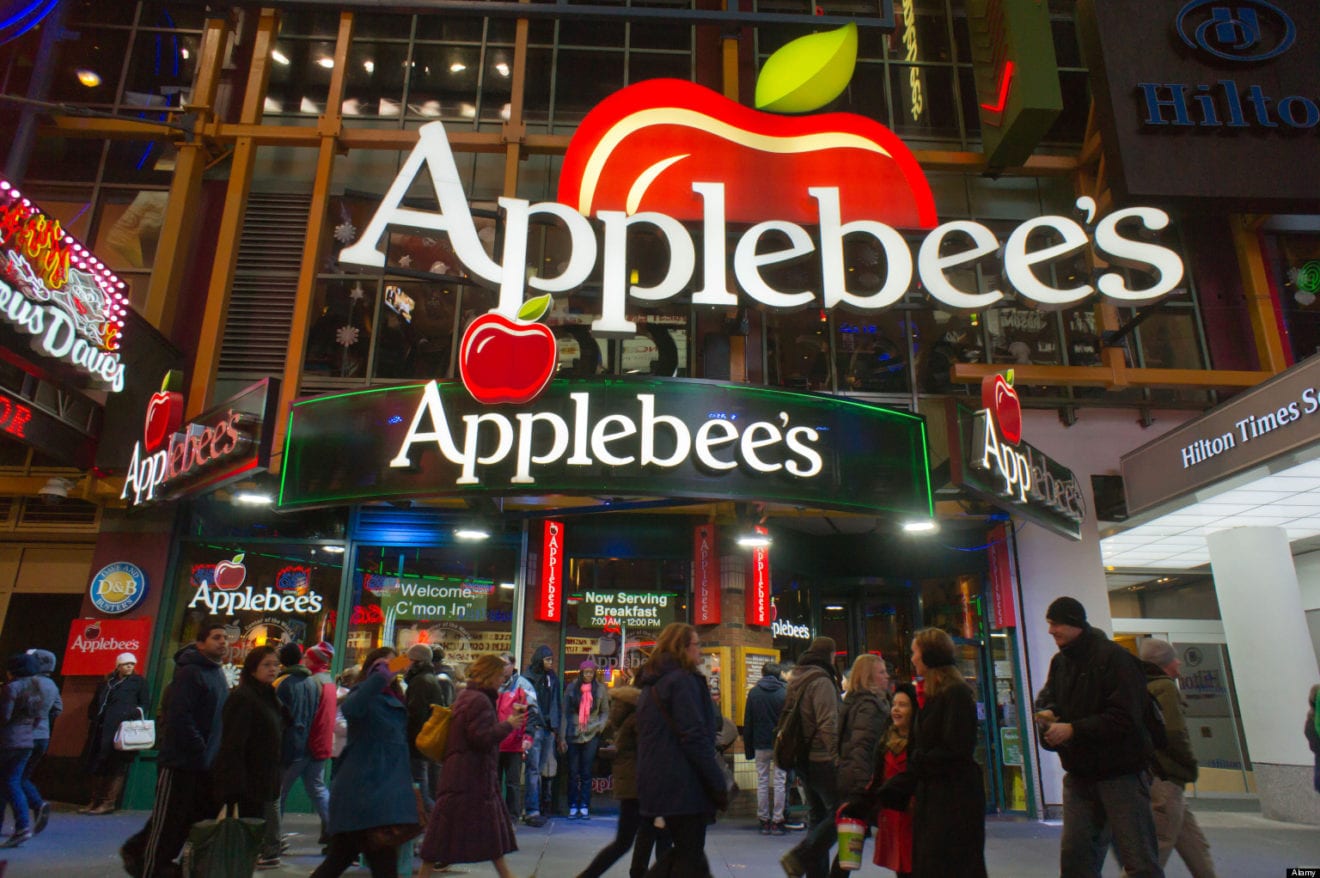
    American grill bar & pancake chain Applebee’s will launch its first Indian location in Bengaluru this year.

    The brand will be established in the territory via a partnership with local operator Dine Brands International.

    “India is an important growth market for us,” said Dine Brands president – international Steve Joyce. “As one of the world’s fastest-growing economies, India represents an opportunity for Applebee’s and we think Indian guests will love our local as well as Western tastes, hand-made to order menu items and signature cocktail bar.”

    “We are the newest Applebee’s international franchisee and will introduce their food and beverage to India,” said Dine Brands international franchisees CEO Rohit Malhotra.

    The firm is expected to open another nine Applebee’s restaurants over a seven-year period.

  • Yum China launches contactless delivery services

    Yum China launches contactless delivery services

    Yum China, which operates Chinese KFC and Pizza Hut networks, has launched a contactless food-delivery service.

    The move is a response to concerns about transmission of coronavirus between customers and delivery staff – but will also give confidence to consumers who are increasingly buying from food-delivery services to avoid public contact in supermarkets, shopping centers, and restaurants.

    “The health and wellbeing of our employees and customers is our top priority,” said the firm in a written statement to Business Insider, “and the innovative new services will help reduce the risk of person-to-person transmission of the coronavirus and protect our employees and customers”.

    Customers who elect for the contactless service will be instructed to remain at least 10 feet from the masked delivery personnel, who will remove the boxed food from its thermal pouch and place it on an agreed pick-up surface only after visually confirming the receiving party.

    Delivery staff is expected to disinfect their hands before and after every transaction.

    Food may also be picked up in-store in hygienically sealed packages.

  • Fruit containers stuck as China border gate closes

    Fruit containers stuck as China border gate closes

    Over 200 container trucks full of fruit stand idle near a northern border gate as the new coronavirus outbreak halts cross-border trade.

  • % Arabica expands in Indonesia

    % Arabica expands in Indonesia

    Japanese coffee chain % Arabica is launching four locations in Indonesia.

    The stores, scheduled to open in Jakarta and Bali next month, are the result of three years’ planning and were designed by German architect Alexis Dornier.

    According to an Instagram post by the company’s Indonesia partner, the first store to open will be at District 8, a mixed-use development in SCBD, South Jakarta, followed by one in Central Park, West Jakarta and one in Bali’s Seminyak Village the following month. The last of the first four stores, which is set to open in Ubud in May, will be % Arabica’s Indonesian flagship.

    % Arabica now operates 56 outlets in 13 countries since first opening in Kyoto in 2014. The chain has two stores in the Philippines, three in Singapore, and one in Cambodia, with a Bangkok store expected to launch shortly as well as new outlets in Malaysia and Vietnam on the horizon.

  • Hennessy partners with Chinese artist Zhang Huan

    Hennessy partners with Chinese artist Zhang Huan

    Hennessy has collaborated with contemporary Chinese artist Zhang Huan in a Chinese New Year promotion running at Singapore’s Changi Airport until February 9.

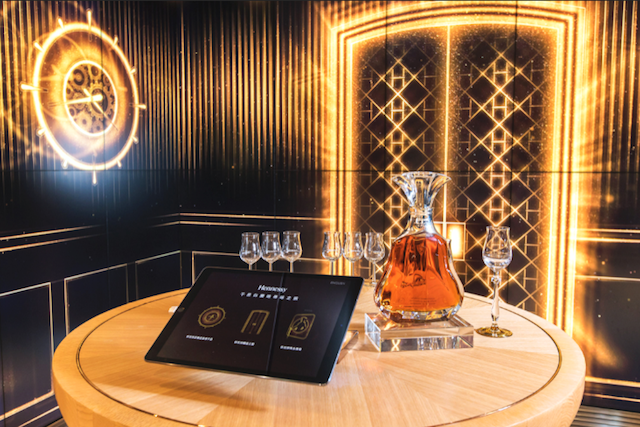
    The cognac brand has adapted its successful space in Terminal 1, one of the longest-running pop-ups for both the brand and Changi Airport, into an experiential zone offering special New Year-packaged products and interactive features with souvenir photos and personally engraved products.

    “At Hennessy, we recognize that travel retail is an amazing platform to build brand desirability in front of affluent and sophisticated consumers,” said Laurent Boidevezi, Moet Hennessy’s global travel retail president.

    “Crafting experiences is at the heart of Moet Hennessy’s DNA. This Chinese New Year, along with DFS Group and Changi Airport Group, we wanted to combine the traditional with the modernity by presenting customers with a revolutionary molecular tasting experience using Hennessy VSOP. We want to inspire them to re-create a classic cocktail for their own experiences during this festive season,” he said.

    At the heart of the promotion was the commissioning of a work of art from Zhnag Huan, called Eaux-de-vie. The artwork features throughout the pop-up space, including on packaging, as a backdrop to photos in a selfie booth and on red packets. The limited-edition VSOP bottle is an Apac travel retail exclusive, available only at Changi Airport.

    At the Terminal 1 pop-up store, a ‘molecular tasting bar’ allows travelers to immerse themselves “in the spirit of Eaux-de-vie”. Travelers can discover two different Hennessy VSOP cocktails encapsulated in molecular pearls that explode in one’s mouth.

    Airport partnership

    Teo Chew Hoon, group senior VP of airside concessions at Changi Airport Group, said the Changi endeavors to work with partners to create experiential installations to interest travelers passing through the airport.

    “Changi Airport Group continues to work with Hennessy and DFS Group to create unique and one-of-a-kind activations. Located next to the Social Tree at Terminal 1, the walk-through Chinese New Year pop-up concept ingeniously combines art and retail to bring novel experiences for our travelers this festive season,” he said.

    Open daily from 7am to midnight, the Hennessy pop-up at Changi Airport’s Terminal 1 remains open until February 9.

    Activations were also set up at Terminals 3 and 4 to showcase Zhang Huan’s artwork for the tripartite partnership between Hennessy, DFS Group and Changi Airport.