Category: Food

Retail News Asia is committed to providing both local and global retailers with the latest Food and Food & Beverage news throughout the Asian market. This on a daily base.

  • Tuna exports soar

    Tuna exports soar

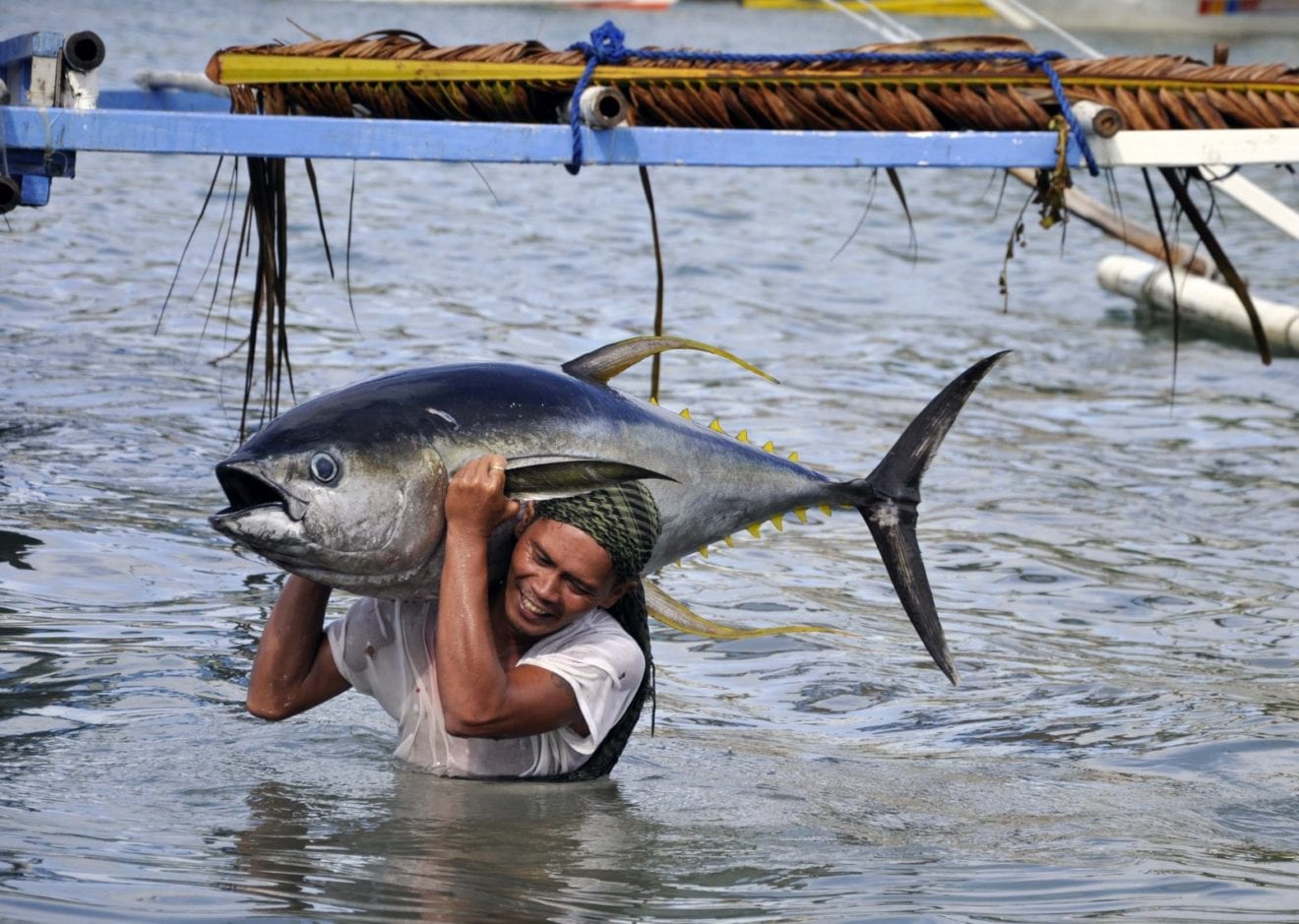
    Vietnam exported $74 million worth of tuna in April, a 50 percent year-on-year surge, with the U.S. and E.U. buying more.

    According to the Vietnam Association of Seafood Exporters and Producers (VASEP), tuna exports to the U.S. saw the highest growth with a 56 percent year-on-year surge in April.

    The association also reported a change in the export structure with the export of fresh and frozen tuna to the U.S. rising in April, while that of canned products decreased. Exports to the E.U. and members of the Comprehensive and Progressive Agreement for Trans-Pacific Partnership (CPTTP) trade pact also saw increases of 31 percent and 42 percent in April, respectively.

    The association said tuna exports to these major markets will continue to rise because preferential tariffs under free trade agreements are attracting foreign importers.

    Vietnam has exported $226 million worth of tuna by the end of April this year, up 15 percent year-on-year, even as the number of importing markets reduced to 63 from 90 last year.

  • Coles ramps up safety for online delivery of alcohol

    Coles ramps up safety for online delivery of alcohol

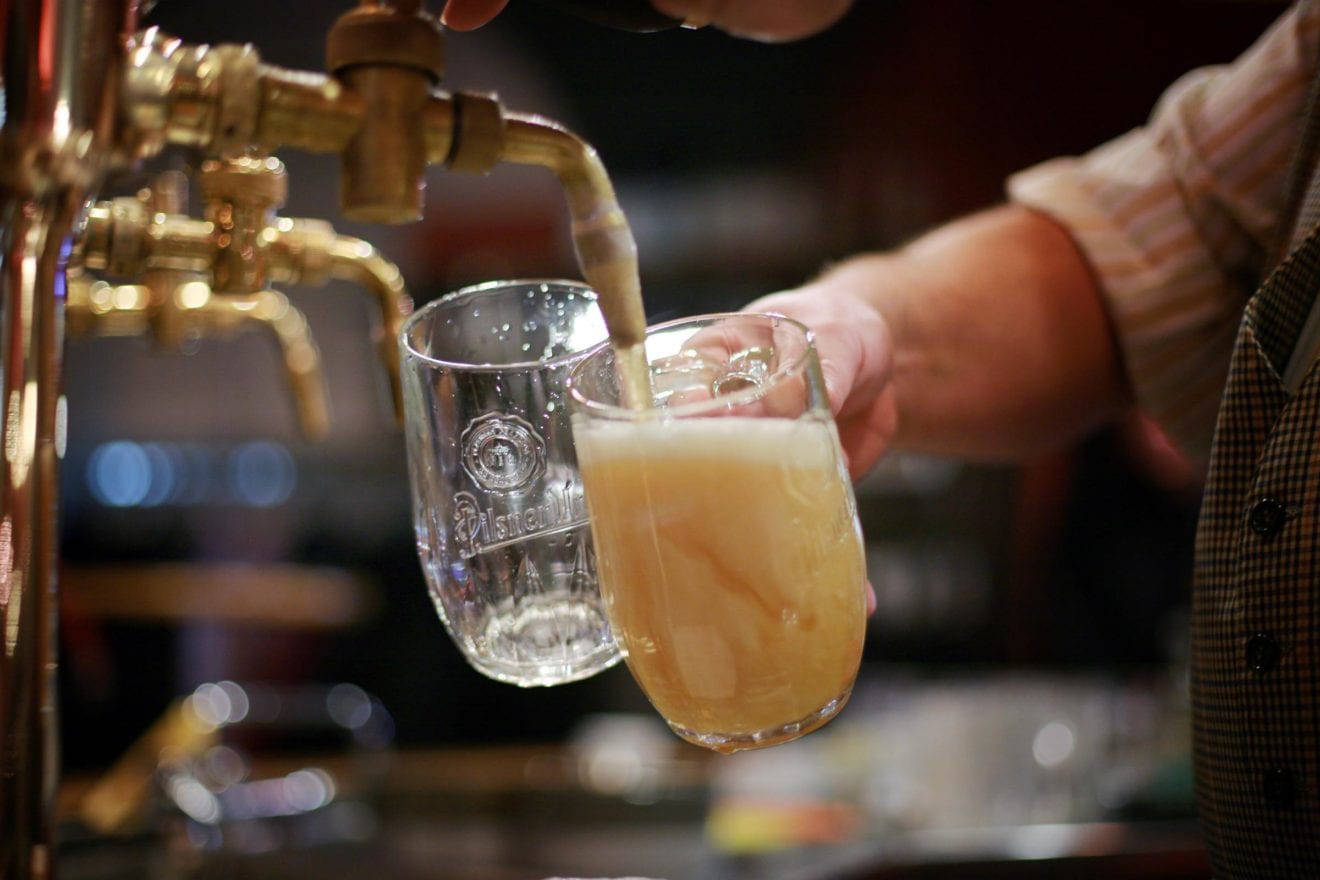
    Supermarket giant Coles has joined a coalition of some of the world’s largest liquor companies to promote better standards of alcohol sale and prevent underage consumption through online purchasing.

    The International Alliance for Responsible Drinking (IARD) aims to address the harm of overconsumption of alcohol on a worldwide scale, and promote the understanding of responsible drinking behaviors.

    “Most people consume alcohol in a sensible and responsible manner, however, we are committed to harm minimization initiatives that reduce excessive consumption,” said Coles Liquor chief executive Darren Blackhurst.

    “We saw a change in customer behavior during Covid-19 and continue to see strong performance in eCommerce, so we have worked to adopt best practice safety protocols online and are pleased to join the IARD to share information on global initiatives and drive further improvement across the industry.”

    In an effort to cut down on underage drinking made possible by the increase in online delivery of goods throughout the pandemic, Coles is introducing a number of new safety measures to its delivery practices.

    These measures include no unattended same-day delivery, or standard delivery for new or guest customers; no deliveries to be made to a public place in an alcohol-free zone; delivery agents will not be penalized for failing to complete delivery if they believe the recipient is under 18 years of age, or is intoxicated; as well as a ‘self-exclusion program’ where customers can opt-out of delivery services.

    Coles is also a signatory on the Alcohol Beverages Advertising Code and is a founding member of the not-for-profit organization DrinkWise.

  • Australia looks into delays to 20 per cent of grape exports to China

    Australia looks into delays to 20 per cent of grape exports to China

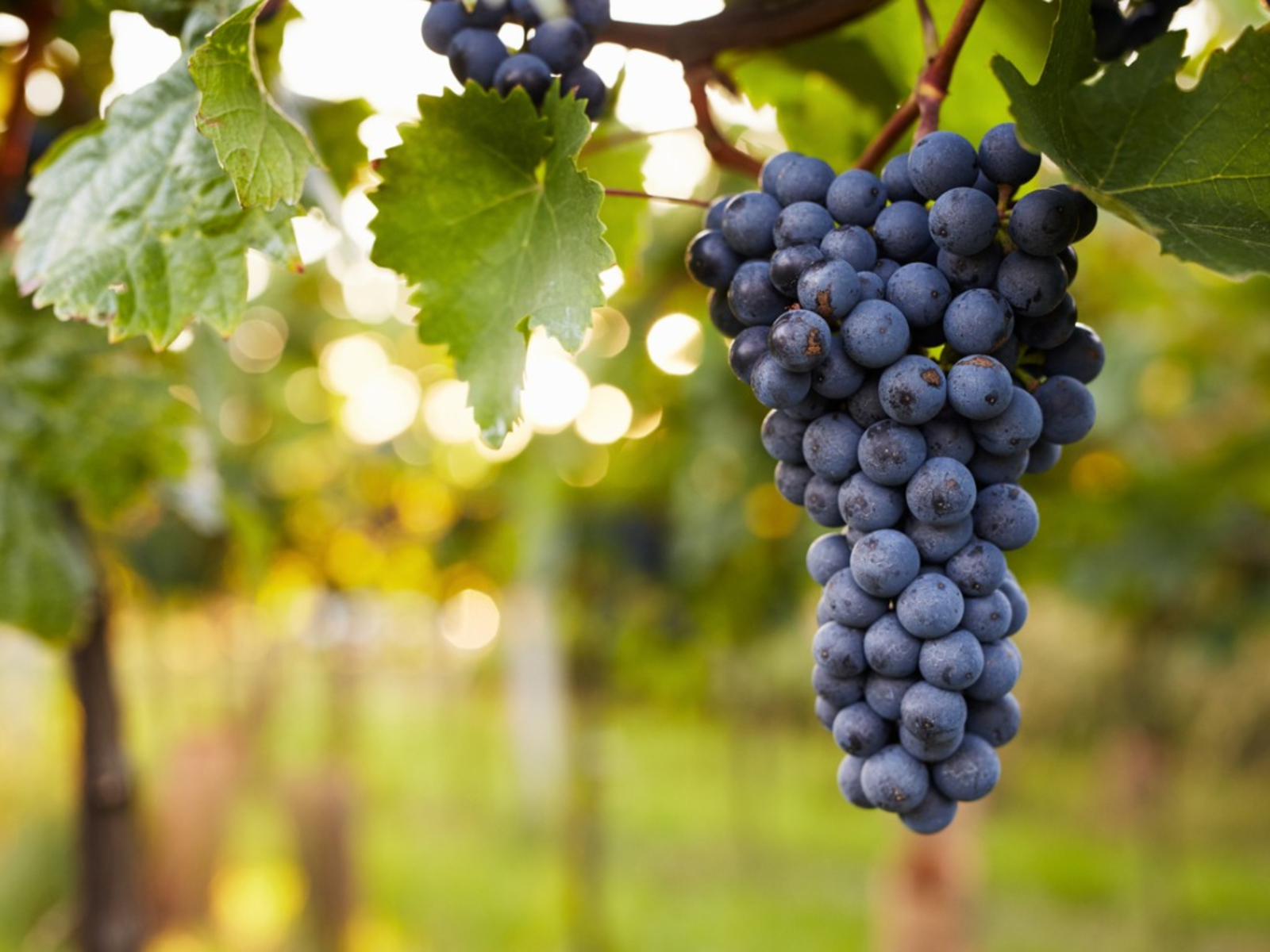
    Australia is looking into delays in table grape exports to China, with Trade Minister Dan Tehan saying about 20 percent of fruit shipped to the mainland is stuck at the border in yet another sign of deteriorating relations.

    “We’re trying to work out what is the cause of the hold-up,” Tehan told the Australian Broadcasting Corp in an interview published on Thursday.

    “I’ve been in discussions with the industry around what they’re seeing and what they’re hearing and we also have our post talking to Chinese officials about this.”

    Bilateral ties have sunk to their lowest point in decades after Prime Minister Scott Morrison led calls for a global inquiry into the origins of Covid-19, angering China which has since restricted imports of Australian products such as barley, cotton, wine, and lobsters.

    China was Australia’s largest customer for table grapes last year, taking about 60,000 tonnes worth around A$240 million ($186 million), or about 40 percent of total exports.

    Reuters reported last month that shipments of Australian table grapes were struggling to enter Chinese ports, leaving some exporters thousands of dollars out of pocket.

    Australian grape exporters said the majority of custom delays were across southern Chinese ports, most notably the Port of Shenzhen.

    “About 80 percent of table grape exports seem to have got in seamlessly. It seems to be the last 20 percent where there are some issues,” Tehan said.

    “We don’t want to jump to any conclusions,” he added when asked if table grapes were the latest target of the trade spat.

    “We’re trying to work through all of this and we’ll keep assessing it,” Tehan added.

    Despite the row, the value of Australia’s overall exports to China has held up due to strong prices for iron ore, its single biggest trade item. In the 12 months to March, Australia exported A$149 billion ($116 billion) of goods to China.

  • Beer Cartel launching crowdfunding campaign

    Beer Cartel launching crowdfunding campaign

    Beer Cartel is poised to be the next online retailer to convert the successes of Covid-19 into capital, with the alcohol delivery business announcing it will be performing a crowdfunding round soon.

    While little details have been shared, co-founder Richard Kelsey said he wants to open up investment opportunities for Beer Cartel’s customers and allow them to own a stake in the business.

    “We had a really successful 2020 and see that buying craft beer online is only going to grow from strength to strength over the next five years,” Kelsey wrote on Facebook.

    “We’re going to be doing a crowdfunding raise in the coming weeks.”

    The business was founded in 2009 by Kelsey and Geoff Huens out of an interest in good beer, and a seeming lack of it in Australian pubs and brewhouses.

    A number of large-scale e-commerce companies have stepped up their operations in the last year, from Adore Beauty launching its $270 million IPO in October, to Outland Denim’s successful $1.3 million crowdfunding effort.

  • Nigella Lawson fronts launch of Whittaker’s Hokey Pokey Crunch

    Nigella Lawson fronts launch of Whittaker’s Hokey Pokey Crunch

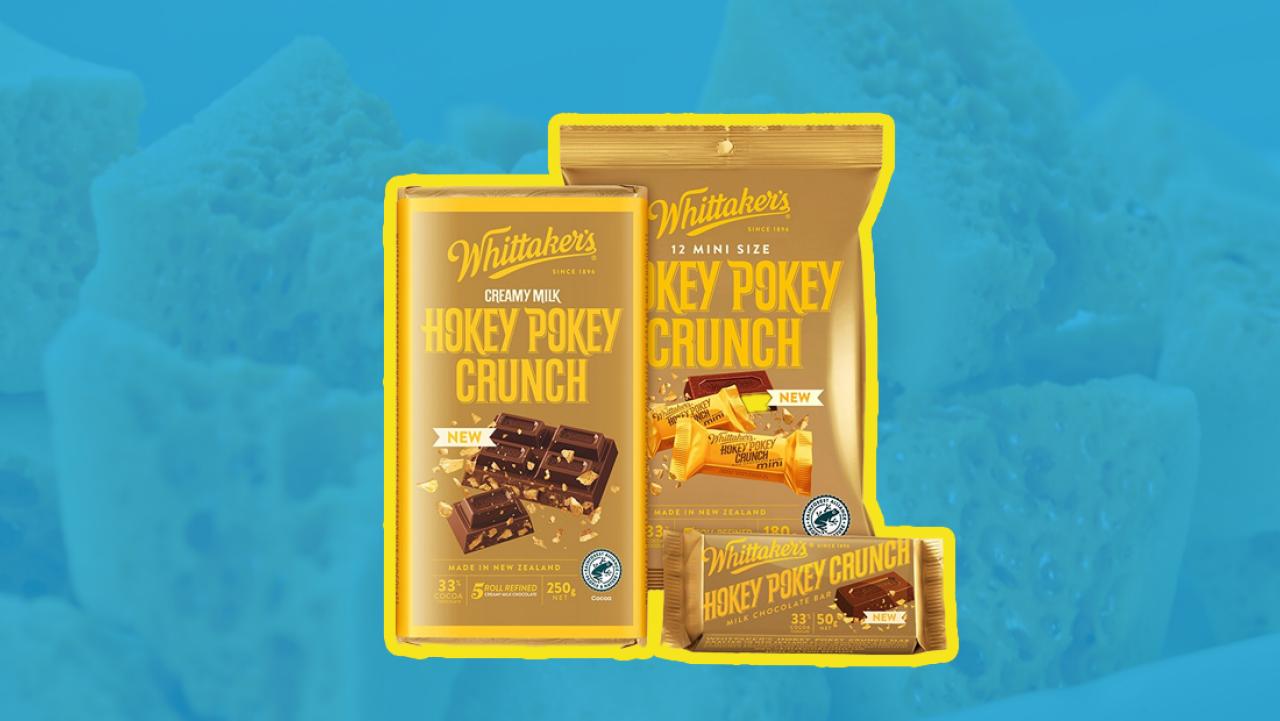
    New Zealand chocolate brand Whittaker’s has introduced Hokey Pokey Crunch flavor, with English food writer Nigella Lawson fronting the launch.

    Although the brand already has a hokey pokey flavor, the new recipe is expected to deliver a lot more ‘crunch’ and “take it to a whole new level”, according to Holly Whittaker, COO at Whittaker’s.

    Whittaker’s Hokey Pokey Crunch combines extra-aerated honeycomb pieces with 33 percent cocoa Five Roll Refined Creamy Milk chocolate.

    “Hokey Pokey is such an iconic flavor that we’ve been looking for ways to improve on our original product because we believe ‘best is always better,” said Whittaker.

    As part of the launch campaign, Nigella Lawson will feature in a promotional video which will be shared across digital platforms.

    “As always, Nigella has been a delight to work with on this campaign. As well as her genuine passion for Whittaker’s Chocolate she always brings absolute professionalism,” Whittaker added.

    The new product is available nationwide in Woolworths and Coles stores in Australia, as well as in New Zealand, of course.

  • Coopers says stout sales are nudging levels not seen since the 1950s

    Coopers says stout sales are nudging levels not seen since the 1950s

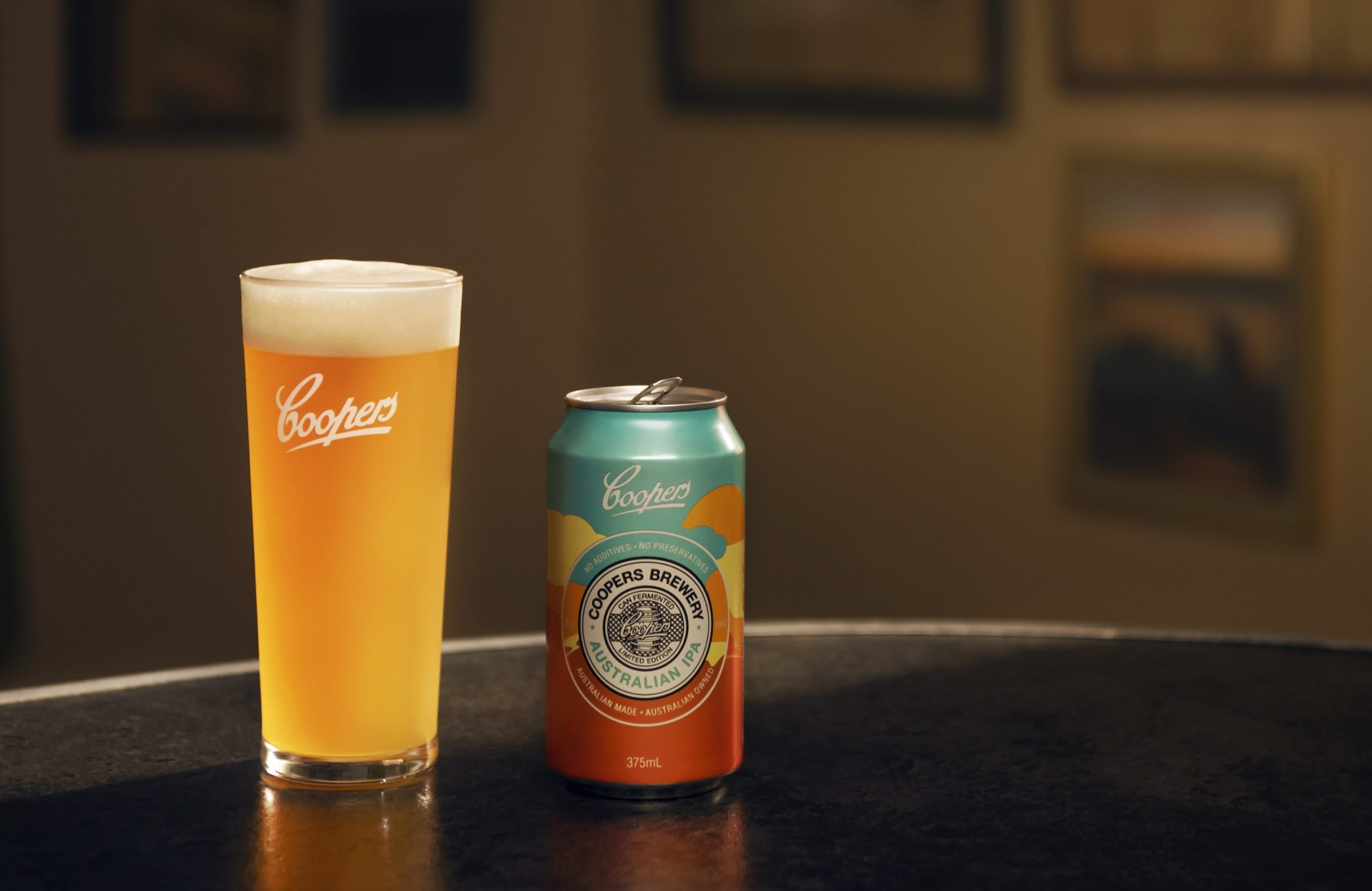
    Australian independent brewery, Coopers, reports the sales of its stout are the best in around 70 years. 

    Despite a pandemic-led drop in keg sales, figures released by the brewery show it sold 3.7 million liters of its Best Extra Stout last year, an increase of 10 percent from 2019.

    Coopers is releasing Best Extra Stout in 440ml cans next month, in time for an expected winter surge, joining the line of Coopers beers moving to a canned format during recent years.

    Coopers MD Dr Tim Cooper said the company expects the new can format would help build Stout’s resurgence and edge sales closer to 4 million for the first time in 70 years.

    “While our Stout has been in constant production since 1879, sales hit their peak in the 1950s when we were selling over 4 million liters annually,” said Cooper.

    “Demand for Stout declined after 1975, with sales dipping to below 2 million liters in the early 1990s. However, we’re now back amid a Stout revival, and the popularity of beer in cans is rising markedly,”

    Best Extra Stout is brewed using roasted malt with fruit and hints of chocolate, which the company says makes the beer taste great on its own or versatile enough to use as a mixer. 

    “We feel that releasing Best Extra Stout in a can format will make it even more appealing to new and seasoned lovers of this hearty brew,” said Cam Pierce, marketing and innovation director at Coopers.

    Coopers Best Extra Stout in matte black cans will be available in liquor outlets from June in four-packs and cartons. It is still available in bottle format and on tap.

  • Natures Organics launches new plant-based, sustainable haircare brand

    Natures Organics launches new plant-based, sustainable haircare brand

    Stepping up its sustainability commitment, home and personal-care brand Natures Organics has launched My Soda, the first haircare brand to offer sustainable refill solutions in supermarkets.

    Exclusively available at Woolworths, My Soda’s cruelty-free and vegan Shampoo and Conditioner uses refillable bottles crafted from recycled plastic and is available in three variants – Smooth, Hydrate, and Cleanse.

    According to the brand, the refill packs are designed to help reduce plastic waste by 80 percent and inspire consumers to keep, reuse, and refill their haircare bottles instead of throwing them away.

    The haircare brand has also partnered with RedCycle to ensure refill pouches are upcycled through the return-to-store program at Woolworths, allowing soft plastics to be converted into items such as furniture or playground equipment.

    On average, each Australian uses 130kg of plastic annually. Of this, only 9 percent of plastic is recycled, and up to 130,000 tonnes find their way into waterways and oceans.

    “With sustainability at the forefront of consumerism right now, we’re so proud to bring a natural plant-based, affordable, and trend-inspired haircare brand to Australian consumers, aimed at helping to reduce the environmental impact on our planet,” said Elise Synnot, marketing manager at Natures Organics.

    Launching this May, My Soda’s Shamp

  • Raise your glass to a good cause

    Raise your glass to a good cause

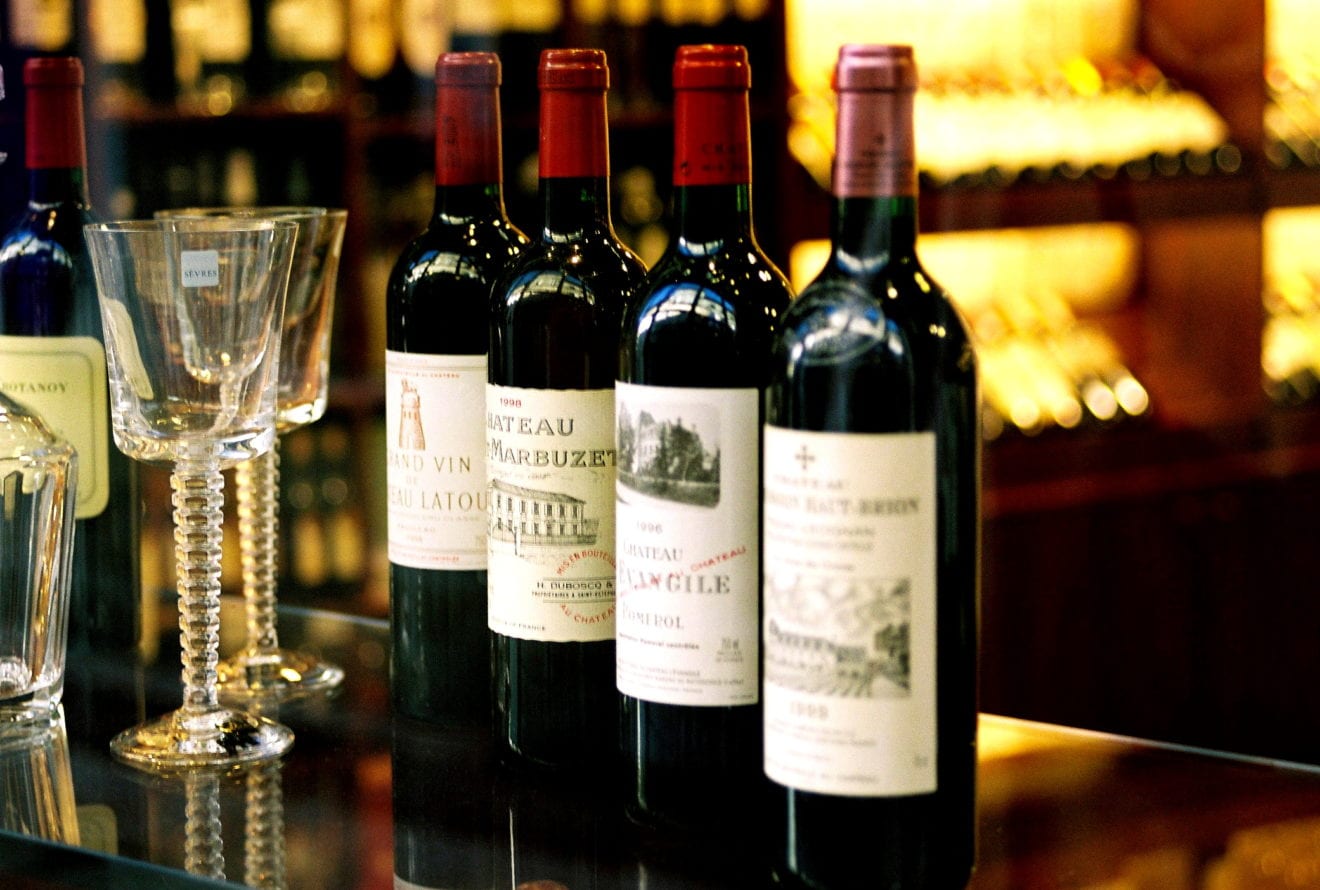
    Being located along South Australia’s Limestone Coast, the vineyards of winemaker The Hidden Sea were once covered by a vast ocean and home to a thriving marine ecosystem. “Ancient mineralized relics, including an extraordinary 26 million-year-old whale fossil, and an extensive museum of marine life, now lay buried beneath the alluvial soils of this World Heritage wine region,” the venture’s co-founder, Justin Moran, says.

    This marine heritage is one of the key factors that drove Justin and fellow co-founder Richie Vandenberg to launch The Hidden Sea with a very specific mission – to remove plastic from the oceans.

    Richie and I are not only good friends, but we also share very similar values and the drive that our business should have a higher purpose,” Justin says. “So, yes, The Hidden Sea is a commercial business, and we need to make a profit, but a profit from work that benefits humanity.”

    Although best known for a ten-year career in the AFL with Hawthorn – he captained the club from 2005 to 2007 – Richie grew up amongst the vineyards and has over 12 years’ experience as a grower, and more than 25 years’ association with the wine industry through his family enterprise. Serial entrepreneur Justin has successfully built and sold businesses in the retail, restaurant, nightclub, FMCG, entertainment, and technology sectors. “Our wines are soft and round, approachable and true to variety,” Richie enthuses. “We make wines for people that care, so when someone buys our wine, they’re not just satisfying their own immediate needs but also contributing to something much larger than themselves, and our wines must therefore reflect this trust.” The origin of the ‘terroir’ on which the wines age grown is celebrated through the depiction of the ancient fossil on the labels of the Hidden Sea range.

    “Of the 6.3 billion tonnes of plastic produced since its invention in the 1930s, only nine percent has ever been recycled.”

    The pair believe that consumers are looking to be a part of something bigger than themselves. “We enable them to achieve this through the simple purchase of wine,” Richie explains. “For every bottle sold, we remove 10 plastic bottles from our oceans and recycle them through our partner, ReSea Project.” Every collection the business makes is audited and traced through an on-bottle QR code system. The ReSea project supports coastal communities, with local fishermen supplementing their income by removing plastic from rivers and the ocean, and in so doing improving their earning potential from their primary role by helping marine life flourish in a plastic-free environment.

    “Since the 1 July 2020, we have removed and recycled over 1.2 million single-use plastic bottles from our world’s oceans,” Justin says, adding that that figure equates to 21,000 kilograms of plastic being removed. “What we are proud of at The Hidden Sea is that this result is not a percentage, or case sales, or profit – it’s a tangible impact on our ocean that is quantifiable.”

    Justin and Richie have a specific long-term goal for the business. By 2030 they aim – with the help of their customers, market partners and retailers – to remove a billion plastic bottles from the oceans and recycle them.

    Ultimately, Justin says that industry around the world needs to build a circular economy for plastics, so that plastic bottles and packaging is constantly recycled and reused, rather than being discarded and going to landfill. “Of the 6.3 billion tonnes of plastic produced since its invention in the 1930s, only nine per cent has ever been recycled,” Justin laments. “This alarming statistic means that every human now consumes enough plastic each week to make a credit card through their normal diet, according to research by the WWF.”
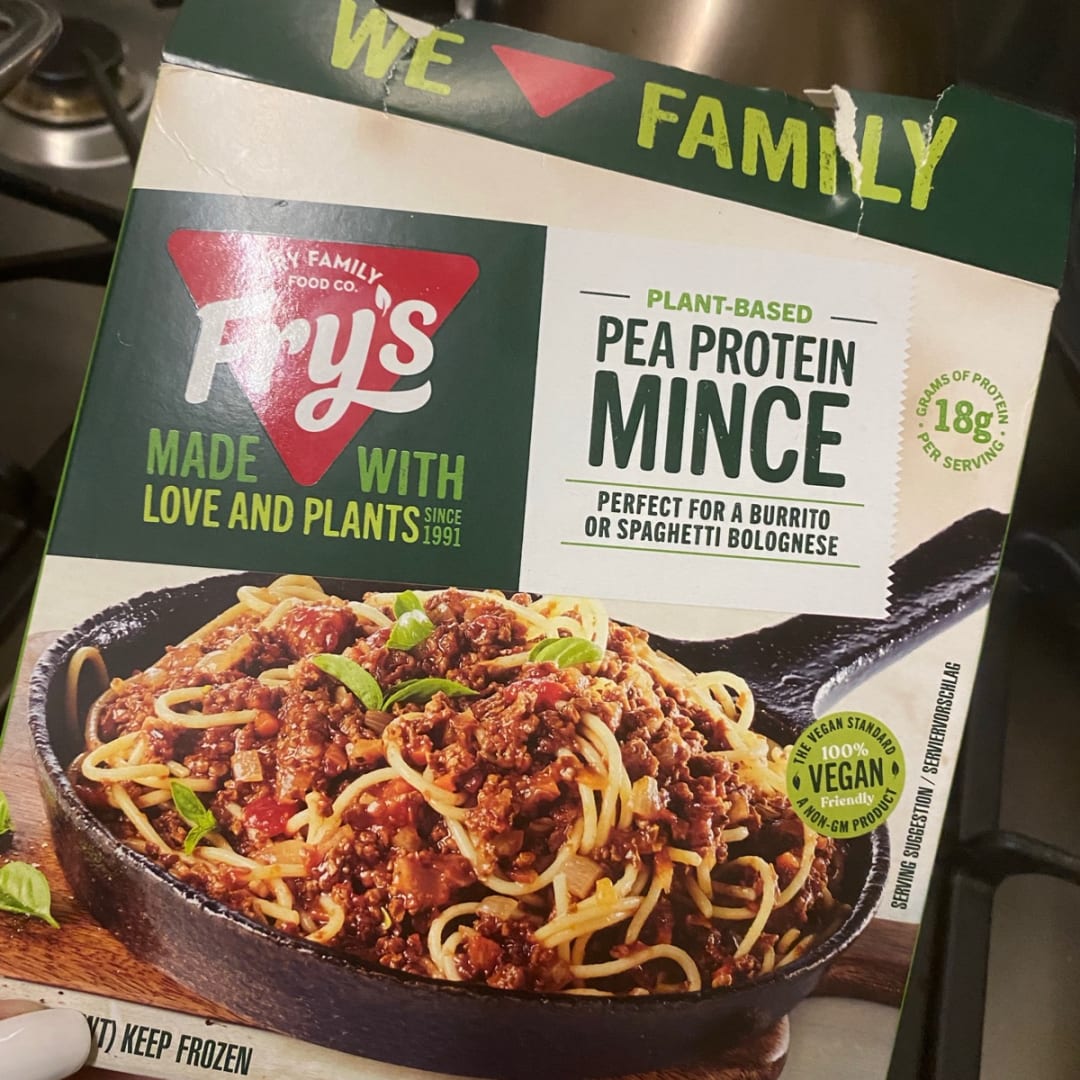
  • Fry’s launches alt-meat product Pea Protein Mince

    Fry’s launches alt-meat product Pea Protein Mince

    Plant-based food maker The Fry Family Food Co has rolled out meat alternative Pea Protein Mince. The new plant-based meat is made from non-genetically modified ingredients and plant proteins, without onion and garlic.

    According to ANZ marketing director of The Livekindly Collective Tammy Fry, the business wanted to offer a kinder twist on a modern ingredient and to help Aussies reduce meat consumption while still being able to enjoy their favorite meals.

    “Our Pea Protein Mince is just that and, even better, it’s actually easier to cook than traditional mince, cooking from frozen in just five minutes,” said Fry.

    “Pea Protein Mince is another way that Fry’s is helping Aussies change the world from their kitchen table.”

    Fry’s Pea Protein Mince is available in Coles and independent retailers across Australia.

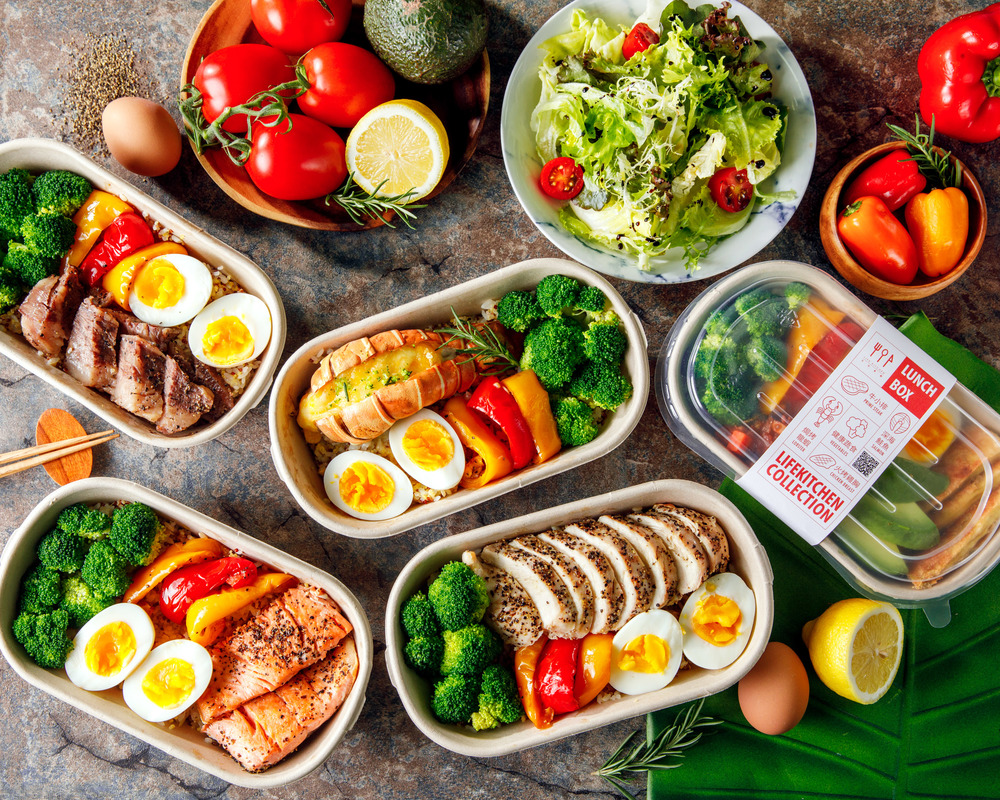
  • JustKitchen to open first facility in Hong Kong

    JustKitchen to open first facility in Hong Kong

    Ghost kitchens operator JustKitchen will expand into Hong Kong opening its first facility in the territory.

    Located at North Point in the Eastern District, Hong Kong’s first JustKitchen facility is scheduled to launch in mid-June. A selection of food menus will be initially introduced, including Body Fit, Craftsman’s Soul-Made Ramen, Boba Mania, and BIT Beef Noodle, along with Formosa Chang.

    The company also aims to create mixology-based items and menus after its launch, given alcohol delivery is allowed in Hong Kong. JustKitchen’s delivery partners will be Foodpanda and Uber Eats.

    “[The Hong Kong expansion] marks an inflection point in the global element of our competitive strategy,” said Jason Chen, co-founder, and CEO of JustKitchen.

    Hong Kong is JustKitchen’s second international market after Taiwan. The company believes Hong Kong can support six to eight of its ghost kitchen locations.

    “Based on the solid foundation that we’ve established for the company in Taiwan, we are now ready to execute on the international expansion promised to shareholders and take our proven brands, technologies, and standard operating procedures to new markets from this point forward.”

  • Nestle buys Nuun as it continues to boost its nutritional portfolio

    Nestle buys Nuun as it continues to boost its nutritional portfolio

    Nestle’s Health Science division has bought US nutritional products maker Nuun as it continues to build its portfolio of health and nutrition products.

    Founded in Washington, Seattle in 2004, Nuun is considered a pioneer in the separation of electrolyte replacement from carbohydrates. Its core product is a low-sugar electrolyte tablet for the sports beverage market and its portfolio has expanded into a range of effervescent tablets and powders containing additional minerals and vitamins for energy, relaxation and overall well-being.

    Nuun is the top-selling sports drink supplement brand in running, cycling, outdoor and natural foods stores in the US.

    This is Nestle Health Science’s second such acquisition in less than a month, following the significantly larger-scale purchase of The Bountiful Company’s core brands including Nature’s Bounty, Solgar, Osteo Bi-Flex and Puritan’s Pride. With more than 7000 employees worldwide, Nestle Health Science is a global business unit of Nestle with products distributed in more than 140 countries.

    Nestle Health Science CEO Greg Baher described Nuun as a leader in the fast-growing functional hydration category with quality, clean, plant-based products.

    “Everyday, health-conscious consumers are becoming more aware of how functional hydration products can add to their overall well being as well as support them during exercise by replacing the minerals that the body loses. That growing awareness is reflected in the steady growth of the category,” he said.

    Nuun CEO Kevin Rutherford said his company and Nestle shared the philosophy that nothing is more important than health and well-being.

    “In joining Nestle Health Science, Nuun will further its mission of ‘hydration that empowers the world to move more.’ The Nuun team has built an incredible business and now with the reach, expertise and capabilities of Nestle, I’m confident that together we will grow even more.”

    Terms of the deal were not disclosed, and the sale will be settled in the third quarter of this year, shortly after the Bountiful Company’s deal.

  • Arnott’s teams with Krispy Kreme to create doughnut-inspired biscuits

    Arnott’s teams with Krispy Kreme to create doughnut-inspired biscuits

    Australian biscuit maker Arnott’s has teamed up with Krispy Kreme doughnuts to create a new range of doughnut-inspired Teevee snack biscuits called “dough-scuits”.

    The mini doughnut-shaped snacks come in five different flavors inspired by the doughnut brand – Original Glazed, Caramel Delight, Choc Iced, Strawberry Sprinkle, and Kookies & Kreme.

    The biscuit line is the second collaboration between these two snack food brands: last April, Krispy Kreme released a chocolate glazed doughnut topped with an Arnott’s Mint Slice biscuit.

    “Teevee snacks are a classic, well-loved Australian biscuit, and we’re thrilled to partner with Krispy Kreme to add a new twist to this iconic treat,” said Krishma Sood, brand manager at Arnott’s.

    “With a range inspired by some of Australia’s most popular doughnuts, this new generation of ‘dough-scuits’ is the collaboration Teevee snacks fans have been waiting for!”

    The new Teevee dough-scuits is available at major grocery stores starting this May at RRP $4.00 for a 165g pack.

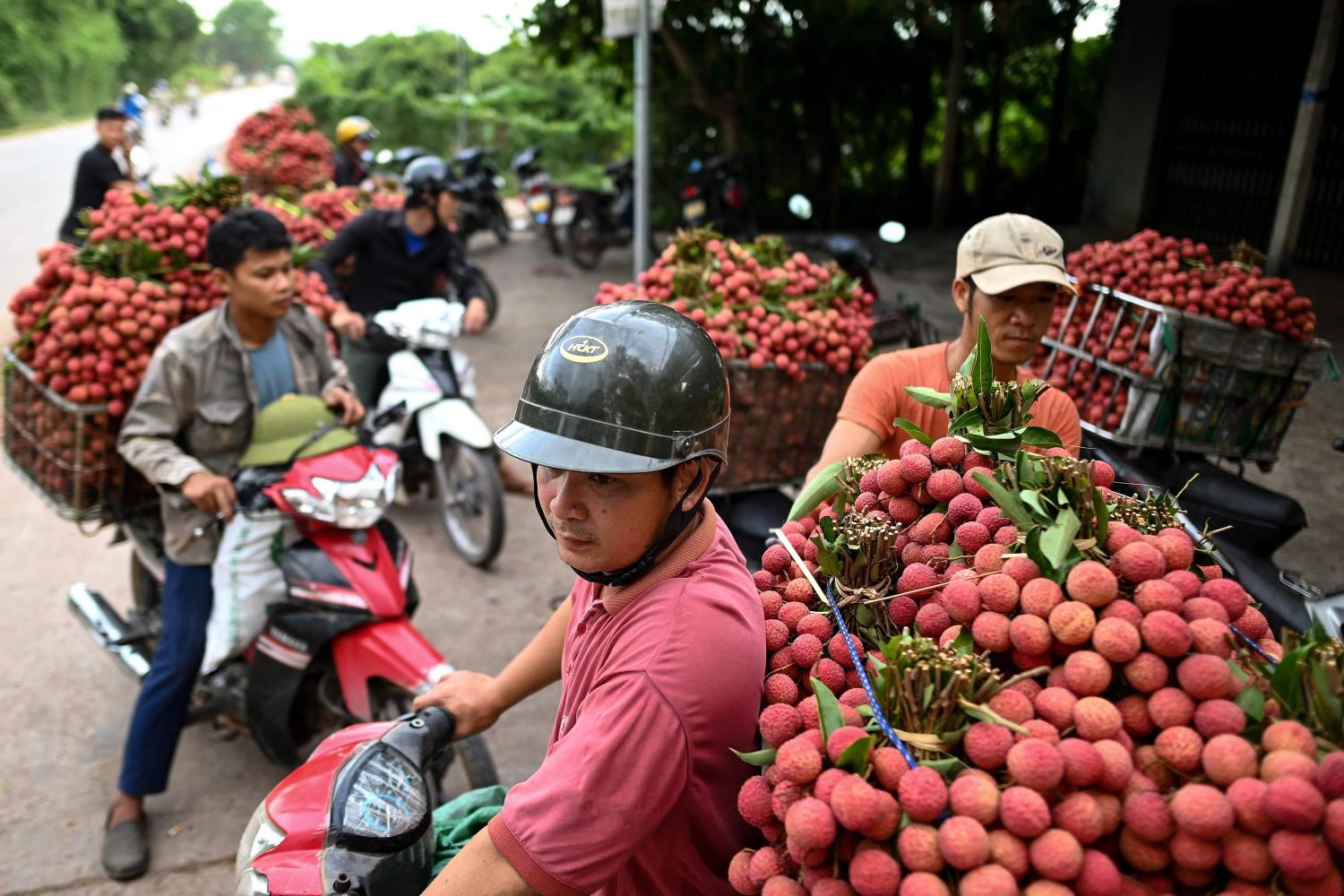
  • Vietnamese lychee to be sold online for first time

    Vietnamese lychee to be sold online for first time

    Lychees grown in Hai Duong Province will be sold on e-commerce platforms Voso, Sendo, Lazada, and China’s Alibaba on Saturday, according to the Vietnam Trade Promotion Agency.

    It would be the first time that the fruits are sold online, and the agency said the biggest hurdle to this is farmers’ lack of knowledge of e-commerce, online marketing, selling and customer support, and quality control.

    It has collaborated with the northern province’s Departments of Agriculture and Rural Development and Industry and Trade to provide training to lychee farmers and traders in setting up and operating stores on the four e-commerce platforms.

    Hai Duong harvested 43,000 tons of lychee last year and exported half of it, including 1,600 tons to Japan, Australia, and the U.S. It expects to harvest 55,000 tons this year, and export half to China.

    In nearby Bac Giang Province, the director of the Department of Industry and Trade, Tran Quang Tan, estimated 180,000 tons of lychees would be harvested this year, with half of it exported to China, 10 percent to Japan, and another 10 percent to the U.S., the EU, and Australia.

    The harvest will take two months starting May end.

    Around 300 Chinese merchants have registered to visit Vietnam to buy lychees in Bac Giang.

    Local authorities will arrange transportation for them at the border, test them for Covid-19 and quarantine them for 14 days.

    The northern provinces of Bac Giang and Hai Duong are Vietnam’s lychee growing hubs, with the former having the largest area for lychee cultivation, which was 28,000 hectares last year, according to Bac Giang Portal. Hai Duong province came in second with 10,000 hectares.

  • Kinder releases Happy Hippo biscuits in Australia

    Kinder releases Happy Hippo biscuits in Australia

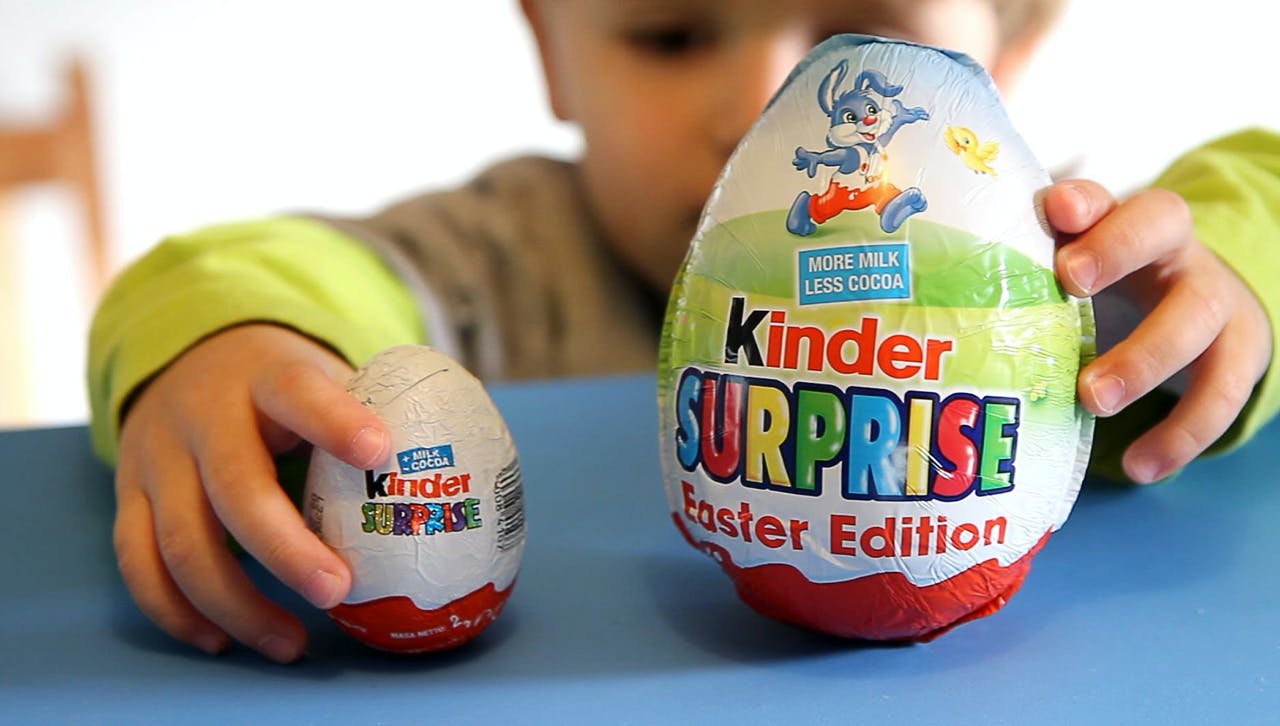
    Confectionery brand Kinder has rolled out Kinder Happy Hippo biscuits in Australian supermarkets. The hippo-shaped biscuits have a crispy wafer shell with a creamy filling and coated in meringue sprinkles.

    Kinder Happy Hippo comes in two flavors – Cocoa and Hazelnut – in bite-sized snack packaging.

    “Happy Hippo delivers the signature Kinder taste and quality ingredients in delicious, crispy biscuit form – free from artificial colors or preservatives,” said Gina Yuwana, senior brand manager at Kinder.

    Kinder Happy Hippo is sold at RRP $1 for a single pack and $4.50 for a five-pack in supermarkets and convenience stores nationwide.

  • Rice exports cross $1 bln on higher prices

    Rice exports cross $1 bln on higher prices

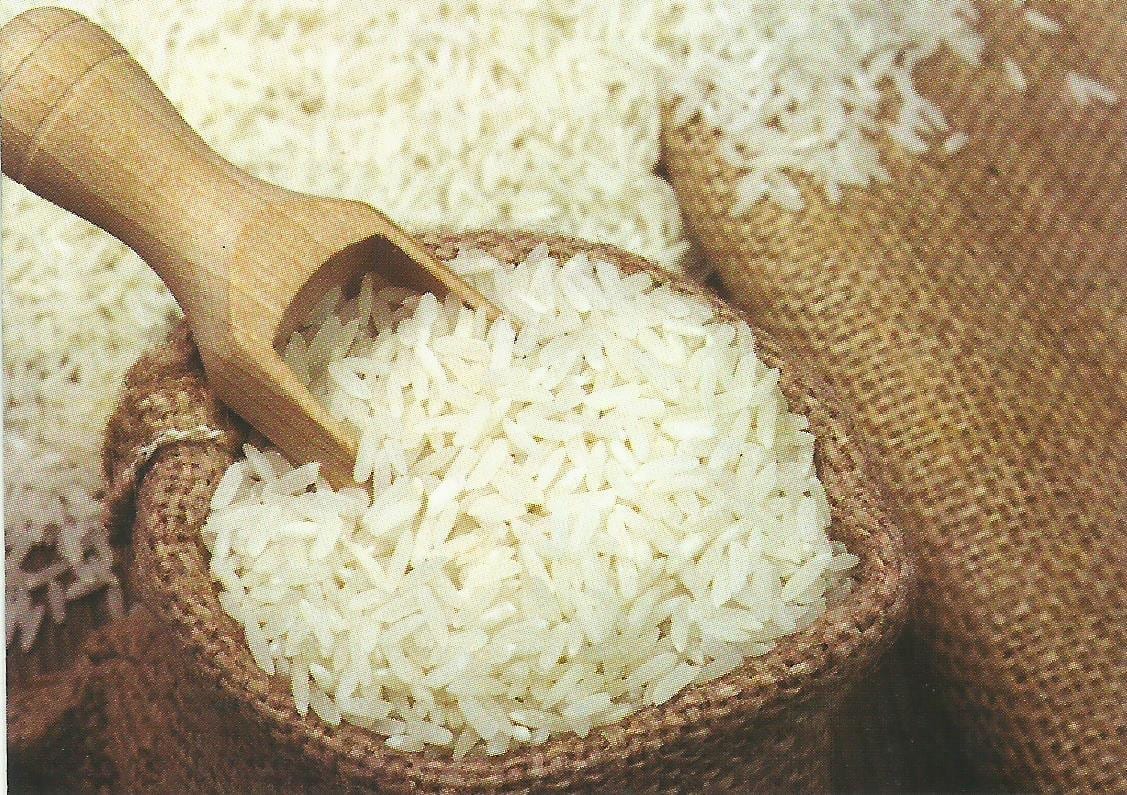
    Vietnam has exported $1.01 billion worth of rice in the first four months of 2021, up 1.2 percent year-on-year, thanks to higher rice prices.

    The volume of rice exports during the period dropped 11 percent year-on-year to 1.9 million tons, according to the Ministry of Industry and Trade.

    However, as the average export price rose 13.4 percent year-on-year to $534 per ton, its value topped that of last year.

    The Vietnam Food Association has forecast that the nation’s rice export value will continue to rise because of higher selling prices.

    Vietnam plans to produce 43 million tons of paddy and targets exporting 6.5 million tons of rice this year, according to the Ministry of Agriculture and Rural Development.

    The nation was the world’s second-largest rice exporter last year at 6.25 million tons.