Category: Food

Retail News Asia is committed to providing both local and global retailers with the latest Food and Food & Beverage news throughout the Asian market. This on a daily base.

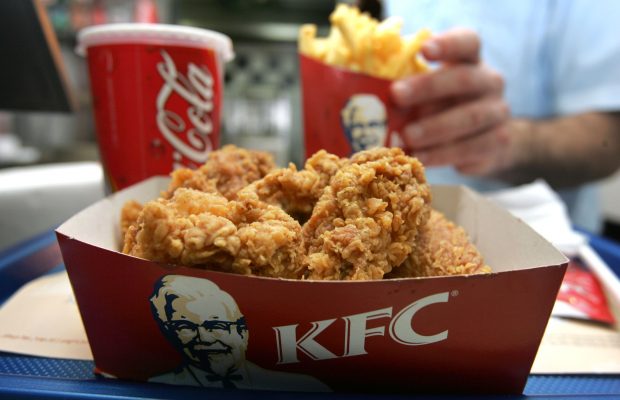
  • First franchised KFCs open in Chinese gas stations

    First franchised KFCs open in Chinese gas stations

    Yum has announced the opening of its first franchised restaurants in Chinese gas stations, in collaboration with China Petrochemical Corporation (Sinopec) and China National Petroleum Corporation (CNPC).

    The first franchised KFC restaurant has been launched in a CNPC gas station in Yunnan Province while the first one in a Sinopec gas station is set to open its doors, Liaoning Province, next week.

    “The first franchised gas station restaurants represent an important milestone in our long-term strategic partnership with both companies,” said Joey Wat, CEO of Yum China. “Together with Sinopec and CNPC, we are committed to building a successful business model and creating innovation-driven growth together.”

    The partnership with Sinopec and CNPC will enable Yum China to expand its retail network into a previously underserved segment of the market as both companies collectively operate more than 50,000 Chinese gas stations.

    With the partnership, Yum China aims to open more than 100 stores in the next three years and create more opportunities to collaborate in other fields.

  • First franchised KFCs open in Chinese gas stations

    First franchised KFCs open in Chinese gas stations

    Yum has announced the opening of its first franchised restaurants in Chinese gas stations, in collaboration with China Petrochemical Corporation (Sinopec) and China National Petroleum Corporation (CNPC).

    The first franchised KFC restaurant has been launched in a CNPC gas station in Yunnan Province while the first one in a Sinopec gas station is set to open its doors Liaoning Province next week.

    “The first franchised gas station restaurants represent an important milestone in our long-term strategic partnership with both companies,” said Joey Wat, CEO of Yum China. “Together with Sinopec and CNPC, we are committed to building a successful business model and creating innovation-driven growth together.”

    The partnership with Sinopec and CNPC will enable Yum China to expand its retail network into a previously underserved segment of the market as both companies collectively operate more than 50,000 Chinese gas stations.

    With the partnership, Yum China aims to open more than 100 stores in the next three years and create more opportunities to collaborate in other fields.

  • Robots replace staff in South Korean chain Genesis BBQ

    Robots replace staff in South Korean chain Genesis BBQ

    Genesis BBQ, a major South Korean fried-chicken chain, opened a new ‘smart store’ in Seoul’s Songpa District this month.

    There are no employees to take orders at the store. Instead, there are tablet PCs on each table that are used to order food.

    The food made in the kitchen is then served by food bots, self-driving robots that deliver the food to the customers.

    A map of the store is programmed into the food bots, which deliver food to each table based on pre-mapped destinations included in the program.

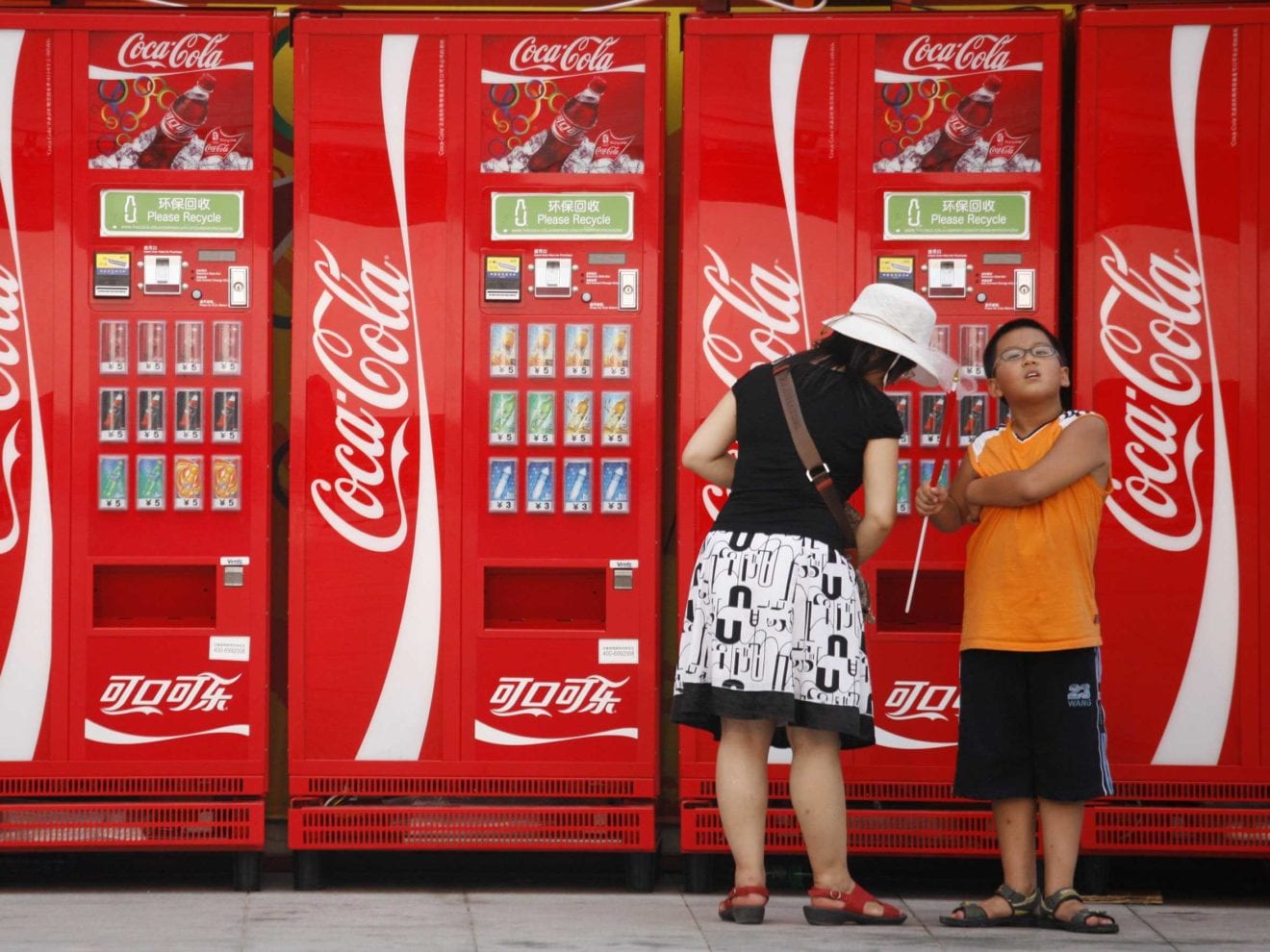
  • Coca-Cola North America pilots subscription service to test new products

    Coca-Cola North America pilots subscription service to test new products

    Soft drinks giant Coca-Cola has launched a new subscription service in North America to test out over 20 new drinks.

    The Coca-Cola Insiders Club invites subscribers to sign up for a monthly shipment of three category-spanning beverages to be released in early 2020. A thousand memberships sold out in three hours following the announcement.

    “We’re absolutely thrilled to see how quickly the spots went, which shows just how passionate consumers are about our brands and innovations. It proves there is an opportunity to scale the concept and allow more people to participate,” said Alex Powell, a digital experiences manager, Coca-Cola North America.

    The soft drinks giant said the move was prompted by the phenomenal growth in the e-commerce subscription market which has doubled annually over the last five years.

    Subscribers can choose from two payment options for the six-month membership, US$10 per month or US$50 prepaid (one month free).

    “As a total beverage company, we’re constantly looking for ways to innovate not only in our products – but also in the consumer-centric experiences we offer,” said McCrea O’Haire, digital experiences manager, Coca-Cola North America.

    “People want choice, convenience and customization. The Insiders Club will allow us to showcase the diversity of the drinks we offer and get some of our newest innovations into the hands of fans who want to be among the first to enjoy them.”

    The launch of the limited-edition Coke Cinnamon in the region prompted a big response from consumers and provided valuable insights to the beverage giant.

    Coca-Cola North America said it will monitor sales, feedback and social media buzz and may consider expanding beyond the six-month trial period.

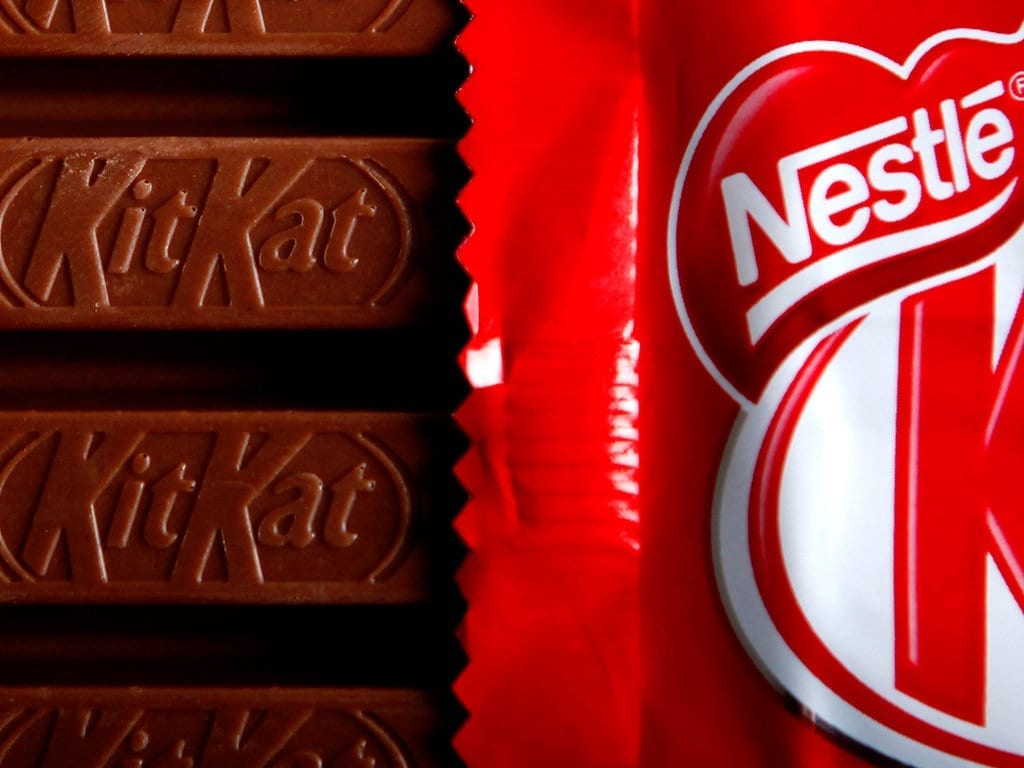
  • Handmade KitKat goes on sale in Manila

    Handmade KitKat goes on sale in Manila

    Nestle-owned global chocolate brand KitKat is running a pop-up concept at SM Megamall in Manila until December 25.

    Called KitKat Chocolatory, the concept store allows customers to customize their own KitKat creations by choosing from a range of ingredients including almonds, macadamias and pretzels. It also offers limited edition local flavors such as mango graham, ube, saba and quezo.

    “Filipinos can enjoy their own KitKat break and enjoy exclusive KitKat. This is definitely something that every chocolate lover should not miss,” said Nestle Confectionery CEO Gerard Poa.

    KitKat Chocolatory concept also exists in countries including Japan, Thailand and some parts in Europe.

    First launched in 1935 in the UK, chocolate-covered wafer bar KitKat is present in more than 80 countries today.

  • KFC urban concept unveiled in The Bronx

    KFC urban concept unveiled in The Bronx

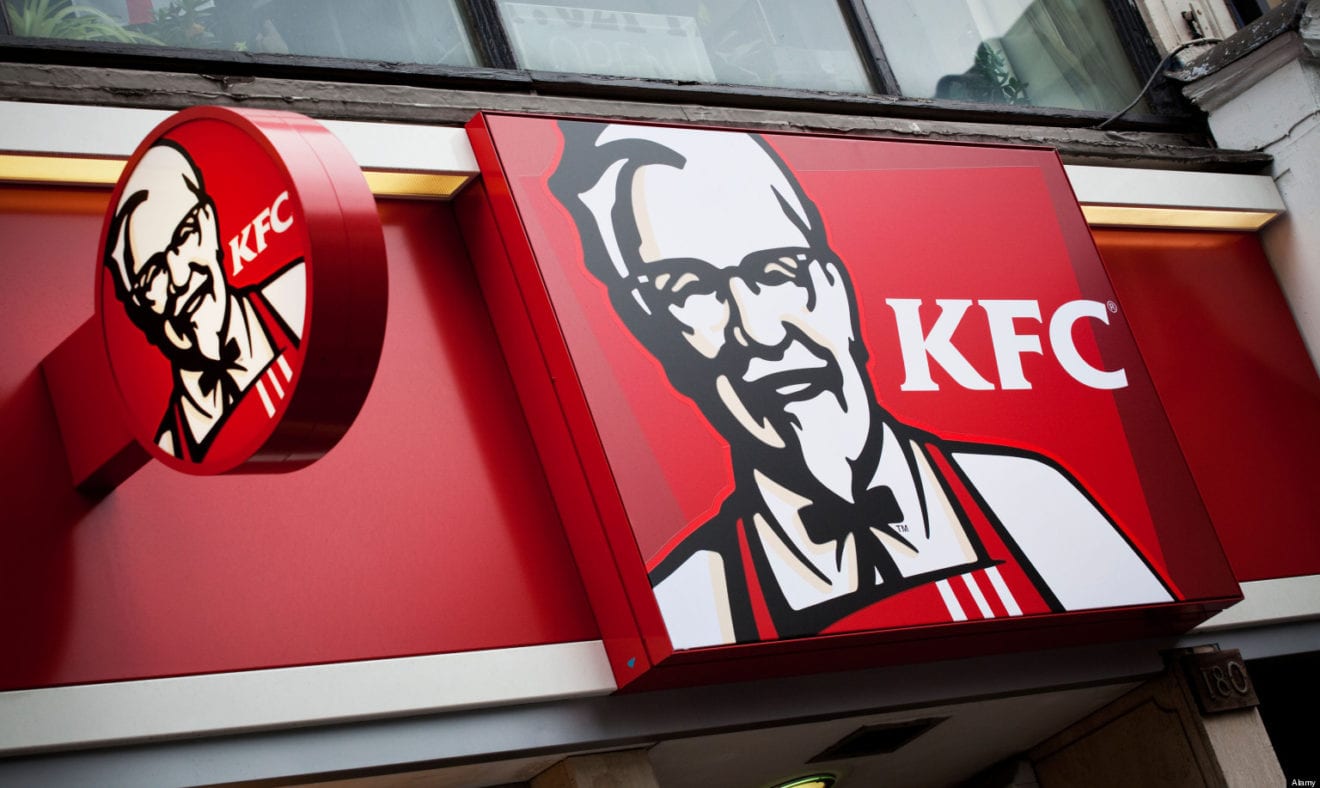
    KFC has unveiled its newest urban inline restaurant design in the Bronx, NYC. Influenced by Colonel Sanders-inspired hospitality and the hustle and bustle of the Bronx, KFC’s new concept design illustrates “the borough’s fast-paced, eclecticism”.

    Designed by FRCH Nelson, KFC in the Bronx features a brick wall with KFC’s signature red and white stripes and tagline “It’s finger-licking’ good”. Different pictures of Colonel Sanders hung on the other white focal wall.

    “The Bronx neighborhood has a rich history and has seen a great deal of urban renewal in recent years,” said Lauren Moorehead, associate design manager of KFC. “It is important for us to reach our customers where they are and through our work with FRCH Nelson we’ve been able to create our first urban inline design that makes our brand more accessible for residents of the Bronx community and nearby Fordham University.”

    The design features a modern style that “captures the Colonel’s vintage flavor while marking a stark departure from the chain’s early decor, modeled on Sanders’ first restaurant”.

    Design director at FRCH Nelson, Marty McCauley, said working with a brand historically known for its southern hospitality, the agency created a design that maintained the great experience, but also looked to fold in a distinctly edgier attitude to deliver on the feistiness of what guests see from KFC in commercials and on social media.”

    KFC operates more than 23,000 restaurants in 140 countries and regions around the world under fast-food operator Yum! Brands.

  • Chinese giants dominate Asia’s online grocery market

    Chinese giants dominate Asia’s online grocery market

    China’s two e-commerce giants are driving the most growth in Asia’s online grocery market according to a new report from international researcher IGD.

    JD and Alibaba now boast a combined grocery-sales growth which in value terms is outstripping that of the overall market.

    Asia’s online grocery market has a current value of US$99 billion, according to IGD, which projects expects it to achieve a compound annual growth rate (CAGR) of 24.4 percent to reach US$295 billion by 2023.

    IGD’s forecasts show that JD.com’s grocery sales will grow 28.8 percent by 2023 to reach $9.8 billion and Alibaba’s grocery sales will grow to $9.5 billion, with a CAGR of 25.6 percent.

    Alongside pure e-commerce retailers, Asia’s online grocery market consists of brick-and-mortar retailers that are developing their online capability, as well as forming alliances and partnerships to accelerate growth.

    Nick Miles, head of Asia Pacific research at IGD, says the growth of online grocery in Asia will continue to be led by online marketplaces, especially JD.com and Alibaba, with food and grocery products helping to drive up the number of times shoppers use these retailers’ platforms.

    “Other pureplay retailers including Rakuten, Amazon and Coupang are also strengthening their online grocery operations and will increasingly play a more prominent role in the channel,” he said.

    “Brick-and-mortar retailers are scaling up their online operations and building partnerships with online players, delivery partners, technology companies and payment solution providers. These partnerships are vital for retailers to compete successfully with online marketplaces and online specialists.”

    Miles says there are several ways suppliers can capitalise on growth in online retailing, including developing long-term partnerships with retailers in areas such as marketing campaigns and tailored promotions.

    “Collaborating across the full chain is also important and suppliers should integrate their systems with retailers’ systems, to access real-time data on stock levels and ensure product availability for shoppers.

    “Finally, suppliers can really engage in the mobile space by making sure they stay up-to-date with new apps and social media platforms and other programs that are enhancing experiences for shoppers.”

  • Pork prices keep rising to new highs

    Pork prices keep rising to new highs

    Low supplies courtesy of the African swine flu epidemic have pushed pork prices up 29.6 percent from a month earlier.

    Small-scale farmers in the northern region were selling pork at VND92,000 ($4) per kilogram, up 29.6 percent from the five-year high of VND70,000 ($3) that was reached last month.

    Industry insiders said the rise followed price increases by major pork producers. The C.P. Group, which has been increasing its pork prices steadily, has a sales price of VND81,000 ($3.5) per kilogram now.

    At the Hoc Mon wholesale market in Ho Chi Minh City, pork supply has fallen by 23.5 percent from earlier this month to 287 tons a day.

    Nguyen Tri Cong, chairman of the Dong Nai Livestock Association, said farmers in the southern province were unable to increase supply despite a high profit margin of around 50 percent at current high prices.

    Authorities have been seeking to stabilize pork prices as Tet, the Lunar New Year, approaches (last week of January 2020). This is a time when demand for pork soars. One of the solutions proposed was to increase imports.

    But Doan Ngoc Tho, CEO of meat importer THO Group, said at a recent meeting that global supply of pork has also reduced. The FOB (freight on board) prices at Vietnamese ports have doubled to $4 per kilogram, excluding taxes, he said.

    Vietnamese importers also have to contend with China importing large quantities of pork from Europe, he said.

    Furthermore, Tho said, selling imported pork has become difficult because their prices are higher than domestic pork.

    The African swine flu has claimed the lives of 5.9 million pigs since it broke out in Vietnam in February, according to the General Statistics Office. As of October, the number of pigs in stock had fallen by 20 percent year-on-year, it said.

    The country will likely face a pork shortage of 200,000 tonnes by Tet 2020, according to the Ministry of Industry and Trade.

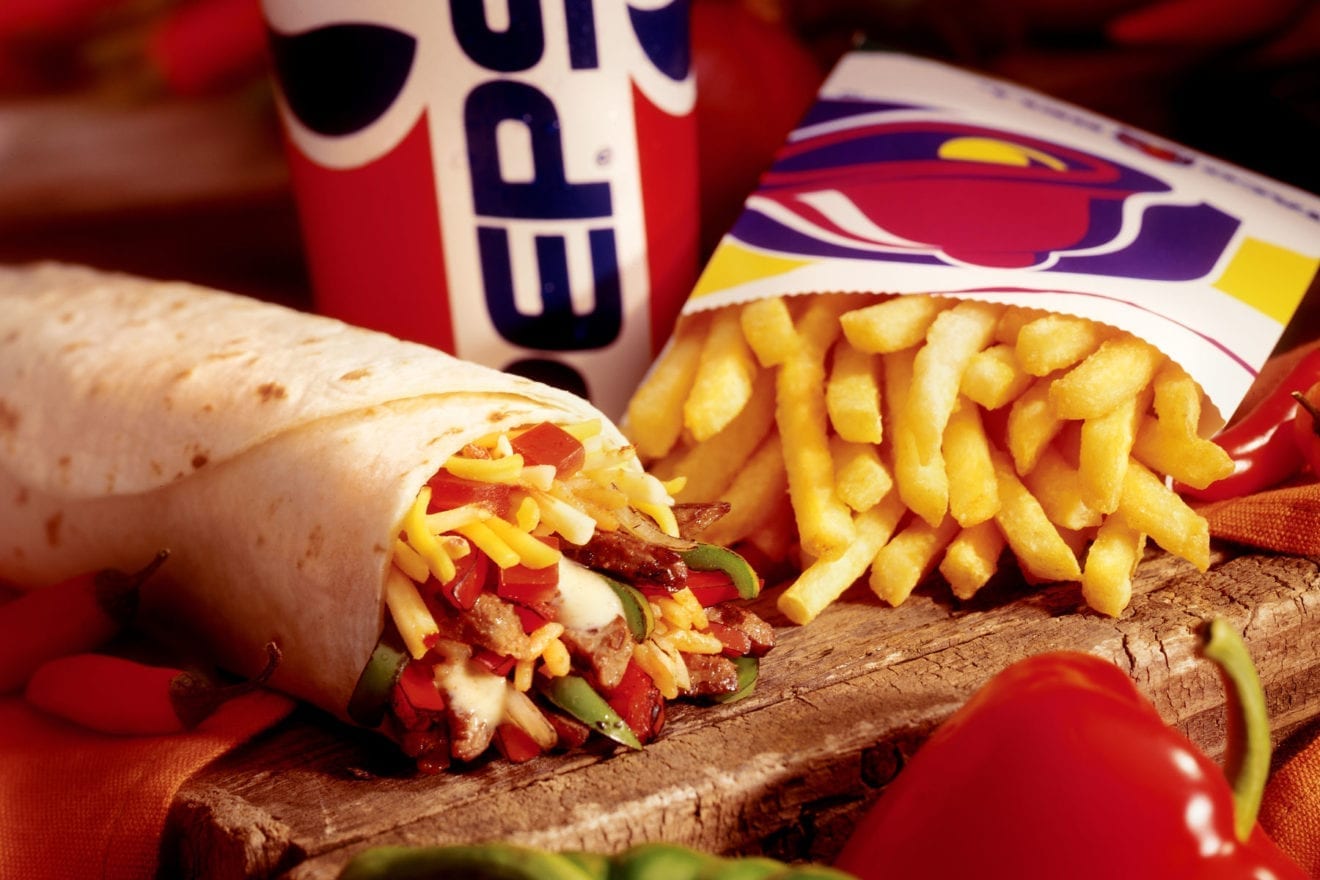
  • Taco Bell eyes four new SE Asian markets

    Taco Bell eyes four new SE Asian markets

    Talks are underway to expand the Mexican-inspired fast-food restaurant chain Taco Bell into Southeast Asia.

    The Thai franchisee of the chain, Siam Taco, is said to be in early talks with the franchiser to operate the brand in neighboring countries Cambodia, Laos, Myanmar and Vietnam.

    Siam Taco is a joint venture between Thoresen Thai Agencies and the Mahagitsiri family-owned CM Capital. The JV currently operates five restaurants in Thailand since launching in January, with plans to grow its network to 40 restaurants within the next five years.

    According to Siam Taco director Chalermchai Mahagitsiri, the huge market potential in CLMV countries is what is attracting the company to expand there.

    Taco Bell Asia Pacific and Middle East MD Ankush Tuli confirmed the talks but said no final agreement has yet been reached.

    Tuli said that Thailand and the rest of Asia Pacific will be the key sales drivers for Taco Bell. It is scheduled to open in Indonesia and Malaysia next year, as it intends to double its overseas network to more than 500 over the next few years.

    In the Philippines, Taco Bell has six restaurants, operated by its local partner Philippine Pizza Incorporated.

    “Asia-Pacific will be our big growth driver because about two-thirds of the global population comes from this region,” said Tuli.

    Owned by Yum! Brands, Taco Bell has more than 7000 restaurants in the US and a presence in 30 countries globally.

  • Thai Union Group Increases stake in Thammachart Retail

    Thai Union Group Increases stake in Thammachart Retail

    Food business Thai Union Group has increased its shareholding in Thammachart Seafood Retail to 65 per cent in a move to capture a greater portion of the seafood industry in Thailand.

    The firm purchased its initial 25.1-per-cent shareholding in Thammachart last year to build on its existing strength in frozen seafood and food services.

    “Thammachart Seafood provides professional management services to leading Thai retailers for their seafood counters, handling fresh and frozen products at 190 locations throughout Thailand,” Thammachart Seafood Retail CEO Julian G Davies told The Nation.

    “This includes four food-and-beverage concepts at 18 locations, The Dock Seafood Bar, The Lobster Lab, Seafood Mahanakorn as well as management of the Ocean Bar. We opened our third business unit earlier this year, the seafood-focused food service business, and this currently supplies top-end hotels and restaurants including several Michelin-star restaurants in Bangkok,” said Davies.

    “Having Thai Union on board will help us realise our mission to be the customers’ first choice in seafood.”

    Thai Union is expected to cross over into the Laotian, Cambodian and Chinese markets following its domestic expansion phase.

  • Kiehl’s Seoul pop up exhibition uses digital engagement to share Christmas cheer

    Kiehl’s Seoul pop up exhibition uses digital engagement to share Christmas cheer

    A three-day Kiehl’s Seoul pop-up store was unveiled on Saturday, drawing several of South Korea’s most famous KoLs and incorporating multiple digital touchpoints and VR.

    For the first time, Shinsegae Duty-Free allowed a single brand to take over the entire center court on the 10th floor of its Myeongdong department store, the hub of its downtown duty-free retail space. Kiehl’s Travel Retail Asia Pacific created multiple installations around the golden mirror carousel in the center of the floor, the highlight a real snowmobile where guests could don a virtual-reality headset and speed through the streets of downtown New York City.

    The pop-up store was opened by popular K-pop R&B star Eric Nam and Kiehl’s Travel Retail Asia Pacific GM Petrina Kho.

    Two of South Korea’s most famous KoLs were also on hand:  Risa Bae and Ha Neul, both of whom boast more than 1 million followers on Instagram and spent more than an hour posing for selfies with fans.

    The pop-up space was themed Make it Merrier with Kiehl’s and was designed to appeal to both children and adults. One of the installations allowed people to customize a children’s storybook and – by scanning a QR code – download it in digital form. Others included QR-based interactions where visitors could answer questions to redeem free samples of Kiehl’s products.

    The pop up was topped off with a giant colorful animated 360-degree video wall on the balcony of the 11th floor, framing the centre court. Artwork for the pop up was created by Finnish graphic artist and illustrator Janine Rewell

    Kiehl’s has built a reputation for sustainable practices and corporate social responsibility and this event reinforced that commitment. The company committed up to US$10,000 to the charity Room to Read, by donating $1 for every sale of 125ml Ultra Facial Cream Holiday Limited Edition between November 1 and December 31. The funds will be used to purchase books.

    Dr Geetha Murali, Room to Read’s CEO, told guests at the launch the cash would be sufficient to fund reading programs for 200 children in developing countries.

    “Room to Read’s mission is to create a world free of illiteracy and a safe place in schools for young girls to read and study.” The organization’s internal research shows that 80 percent of the children it has helped to date have graduated from school, compared with just 20 percent on average in the countries they work in.

    Meanwhile, all the displays created for the pop up were made from sustainable wood and after they are disassembled this week, all the items will be donated to schools and charities for children to enjoy.

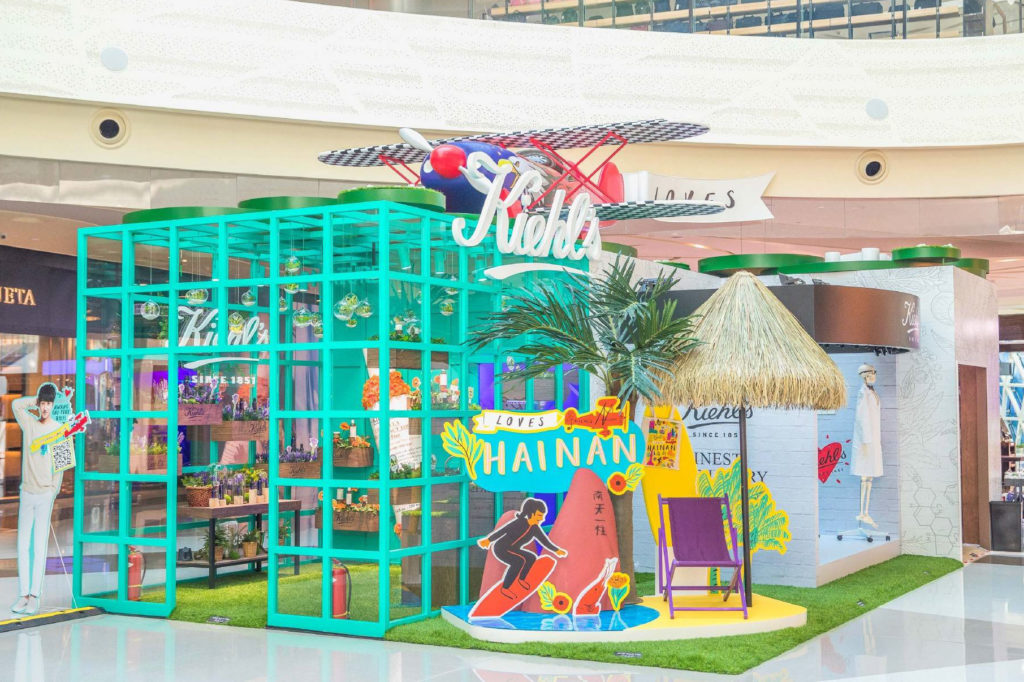
    Kho said the pop up was designed with the spirit of “giving and sharing”.  It follows a successful series of Kiehl’s Loves promotions in Bangkok, Hainan, and Seoul earlier this year.

    “Holiday is a joyous time of the year and Kiehl’s is delighted to push the boundaries of disruptive and engaging retail expressions with Shinsegae Duty-Free through our immersive popup,” she said.

    Hong Seok Ho, merchandising division senior VP at Shinsegae Duty-Free, said the partnership with Kiehl’s was part of the retailer’s mission to constantly deliver “unique and inspiring retail experiences” for customers.
  • Chili’s Grill & Bar Vietnam launches in Ho Chi Minh City

    Chili’s Grill & Bar Vietnam launches in Ho Chi Minh City

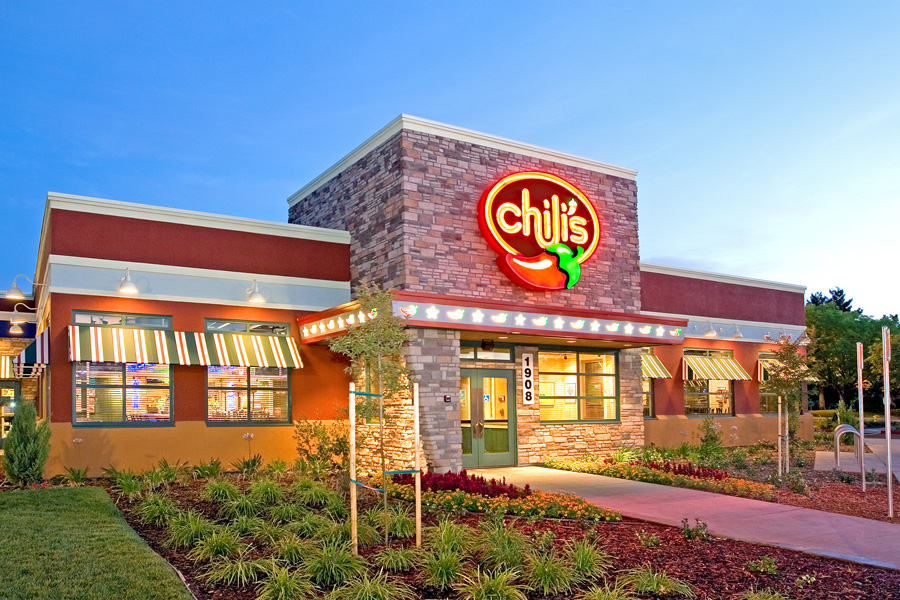
    US chain Chili’s Grill & Bar has opened its first restaurant in Vietnam in partnership with local food-franchise operator Golden Gate Restaurant Group.

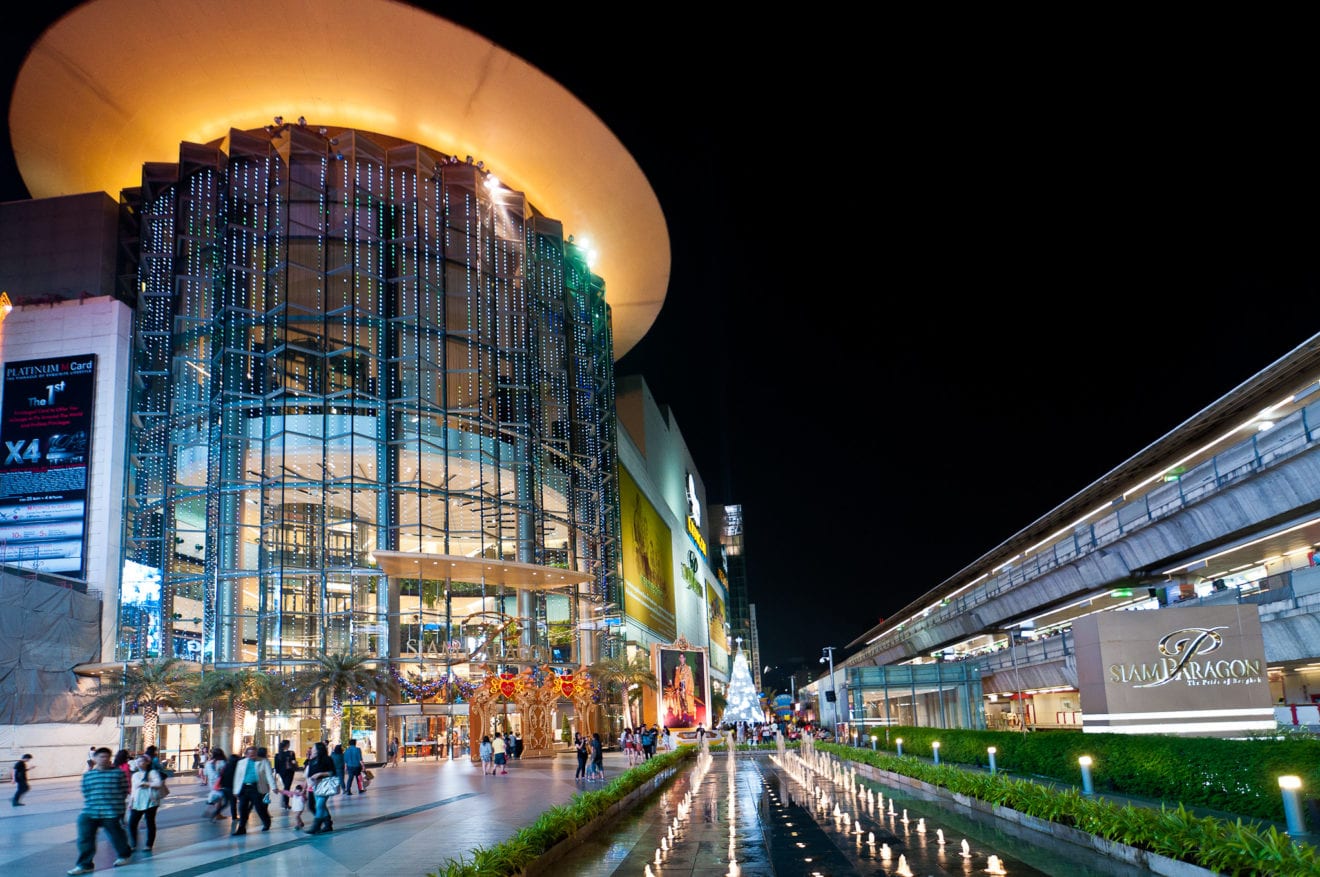
    Located at SC VivoCity mall in Ho Chi Minh City’s District 7, the new restaurant is the 1700th Chili’s outlet worldwide. The restaurant offers the same dishes as other Chili’s outlets internationally, following the original restaurant-bar concept inspired by Mexican & Texas cuisines.

    According to a spokesperson, the restaurant will target “middle-income customers”.

    Chili’s Grill & Bar Vietnam representative, David Weston, considers the country a key market in Asia as many international chains has chosen the country to make their regional debut.

    Founded in 2005, Golden Gate Restaurant Group now operates more than 20 restaurant chains across the country, including Cowboy Jack’s, Hutong, Manwah and Osaka Ohsho.

    Founded in Dallas, texas, in 1975, Chili’s is now owned by US-listed Brinker International restaurant group, and operates in 33 countries worldwide.

  • Shinsegae’s No Brand Burger stores dominating Korean market

    Shinsegae’s No Brand Burger stores dominating Korean market

    The No Brand Burger from Shinsegae Food, the food manufacturing arm of South Korean retail giant Shinsegae, are dominating the South Korean hamburger market.

    Analysts say that Shinsegae’s cost-effectiveness strategy for its new No Brand Burger restaurants is behind such growth.

    The company managed to lower the price by more than 1000 won (US$0.84) compared to its competitors while maintaining similar quality.

    Driving on without a stop, Shinsegae Food is planning to expand its stores and even pursue a franchise business. As of the end of last month, sales at No Brand Burger exceeded 350,000 units.

    In other words, four stores have sold more than 100,000 burgers a month on average, including the first No Brand Burger store in Seoul, which opened in August. Each store has between 1000 and 1500 daily sales.

    In particular, the Hongdae branch has become a popular place with customers waiting in line for more than an hour before eating, as No Brand hamburger has proven to be a draw among younger customers.

    The secret to the popularity of No Brand Burger is reasonable prices combined with good taste and quality. The company focused extensively on research and development of the menu. Some 20 chefs from the affiliated food research institute developed the company’s burger offerings over a period of three years.

    In addition, the company made the most of its know-how in distributing and manufacturing food products to the fullest extent possible to lower the price.

    The price of the No Brand Burger is between 1900-5300 won for a burger and 3900-6900 won for a ‘set’ that includes fried potatoes and a beverage.

    Its flagship burger, NBB Signature, which costs 3500 won (US$2.93) for the burger alone and 5300 won for a set, is also cheaper than the 6200 won cheeseburger set at Lotteria, the nation’s number one hamburger franchise.

    What is making such prices possible is so-called ‘joint orders’.

    Considering that it is not easy to secure a competitive edge in price by placing individual orders for each ingredient, Shinsegae Food placed orders for of all the ingredients at once with the food ingredients managers of each business unit and lowered the prices of the most basic ingredients.

    Moreover, it also used its own ingredient factory to secure hamburger patties and pre-prep

  • Sabeco to charter aircraft to transport outstanding workers home for New Year

    Sabeco to charter aircraft to transport outstanding workers home for New Year

    Vietnam’s biggest brewer Sabeco is set to charter four aircraft and a number of buses to ferry 2,000 outstanding workers home for Tet. It will cost Sabeco over VND5 billion ($217,000), and the company will identify the workers together with the management of industrial parks in HCMC and the neighboring provinces of Binh Duong and Dong Nai.

    A charter flight each will fly from HCMC to Hanoi and the central towns of Vinh, Dong Hoi and Quy Nhon.

    The 1,000 people going by bus will go to the central provinces of Quang Ngai, Binh Dinh, Phu Yen, and Khanh Hoa, the Central Highlands provinces of Dak Lak and Lam Dong and the southern provinces of Kien Giang and Ca Mau.

    Hoang Dao Hiep, deputy general director of Sabeco, said this would be the second year the company and the Youth Union provide transportation for the best-performing workers for Lunar New Year.

    This year it is on a larger scale, and the process to select the workers too started earlier — at the beginning of December.

    Tet (The Lunar New Year) falls in late January 2020. Last year too the company had chartered four aircraft.

    Sabeco is owned 53.59 percent by Vietnam Beverage, a subsidiary of Thai beverage company ThaiBev. The Vietnamese government, represented by the Ministry of Industry and Trade, owns a 36 percent stake in the company.

    In its latest financial report, Sabeco reported revenues of over VND28.3 trillion ($1.22 billion) in nine months, up 10 percent year-on-year. Revenue from beer in the period accounted for 86 percent of total, or VND24.3 trillion ($1.05 billion).

    In the third quarter alone, post-tax profit was highest among all brewers in Vietnam at almost VND1.46 trillion ($63 million), up over 40 percent year-on-year.

  • Fruits exports to China plunge

    Fruits exports to China plunge

    Vietnam’s fruits exports to China in the first 11 months fell 13.7 percent year-on-year on the latter imposing more stringent conditions.

    Among total fruit exports to China worth $2.08 billion, coconut export value fell 34.9 percent year-on-year, while that of watermelon dropped 24.6 percent, according to the Agricultural Products Processing and Development Department (Agrotrade).

    The export value of other fruits like durian, dragon fruit and mangosteen also fell, the department said.

    Tighter import restrictions by China, the largest buyer of Vietnamese fruits, took effect on May 1, and this has led to a drop in prices, Agrotrade said.

    But thanks to rising exports to the U.S., South Korea and Japan, fruits exports in the first 11 months fell only 0.6 percent year-on-year to $3.5 billion, it added.

    The Ministry of Agriculture and Rural Development estimates Vietnam’s exports of agriculture, forestry and seafood products this year at $41.3 billion this year, short of the $43 billion target.