Category: Food

Retail News Asia is committed to providing both local and global retailers with the latest Food and Food & Beverage news throughout the Asian market. This on a daily base.

  • Filipino kiosk chain Fruitas opened more than stores after IPO

    Filipino kiosk chain Fruitas opened more than stores after IPO

    Manila-based food-and-beverage kiosk operator Fruitas has grown its store network to 1036.

    The company, with a portfolio of banners, including Buko ni Fruitas, Juice Avenue, Black Pearl, and Johnn Lemon, has added 106 new stores this year to the 930 it ended last year with.

    Fruitas recently raised 896.55 million Philippine pesos (US$17.6 million) through an IPO, which it says will be used to further expand its network, upgrade existing outlets, develop new concepts, acquire new brands and repay debts.

    “We are happy with the results of the offering of Fruitas. The broker tranche was more than 2.5 times oversubscribed, while the local small investor tranche was a record amount for a Philippine IPO,” says Daniel Camacho, EVP of First Metro Investment Corporation (FMIC), the lead underwriter for the Fruitas listing.

    “The exceptional performance and positive response from the market prove that the public believes in Fruitas’ strong fundamentals and aggressive expansion plans in the country,” added Camacho.

    The company’s expansion plan includes opening 150 to 250 new stores per year through to 2022, as well as two new food parks by 2021.

    Founded in 2002 by Lester Yu, Fruitas now has 24 brands, making it a top player in fruit shakes, lemonade, buco and meat kiosk categories.

    Last year it acquired the Sabroso Lechon business.

  • IoT-enabled smart barista coffee machines set for SEA roll out

    IoT-enabled smart barista coffee machines set for SEA roll out

    Noble Vici Group is planning to deploy smart IoT-enabled self-service barista coffee machines throughout Southeast Asia.

    The V-More Xpress machines perform real-time analytic data collection through the firm’s IoT platform and connect customers to the machines online.

    The firm has been developing its own ecosystem from e-commerce to IoT infrastructure for the past two years while tapping on internal resources and capital to expedite the installation of smart IoT-enabled barista machines across Southeast Asia within the next 18 months.

    “We aim to be the fastest player to deploy these self-service machines in Asia,” said NVGI CEO Sir Eldee Tang. “NVGI is targeting uplisting to the mainboard in the US near the end of 2020. We intend to further strengthen the mix of the management team in preparation for the future prospect ahead.”

    In conjunction with the latest round of funding initiatives, NVGI has begun the rollout of its smart barista coffee machines, partnering with Barista Uno, which sells roasted coffee sourced from Java. V-More Xpress will be able to monitor the consumption of each machine to ensure operating uptime.

  • APAC driving Fortnum & Mason growth

    APAC driving Fortnum & Mason growth

    Upmarket British department store firm Fortnum & Mason has enjoyed double-digit growth this financial year largely driven by its operations in Asia.

    The company’s 2018/19 financial statements show strong international growth of 16 percent, while growth in Hong Kong and Japan stands at 28 percent.

    The store recently launched a new flagship branch in Hong Kong (encompassing a shop and restaurant) as its first standalone location in Asia, intending to reduce its reliance on the UK and capitalize on international demand for British goods.

    ‘‘Fortnum & Mason has delivered another year of strong sales growth, with revenue rising to £138 million as its proposition proves to be the right cup of tea for shoppers,” said GlobalData Retail analyst Emily Salter. “Though total revenue was bolstered by the opening of its new Royal Exchange restaurant in November 2018, it is clear that its premium and unique products enhanced by its strong British identity resonate well with domestic shoppers and tourists, even in the tough UK trading environment.”

    The company is coming under increased pressure from premium department-store competitors, with Selfridges and Harrods investing significantly in their stores. Harrods has restored its food halls, and Selfridges has renovated numerous areas of its flagship London location to boost footfall, as well as improving the experiential elements of its store, adding restaurants and a cinema.

    The brand’s Hong Kong launch coincides with a period of heavy political turmoil for the territory, prompting some criticism of Fortnum & Mason’s sense of timing.

    “It’s not our place to get overly political,” said Fortnum & Mason CEO Ewan Venters. “We are an English brand that goes out into the world to sell tea, biscuits and jam. We are continuing to trade as we would normally but we are being respectful of what is going on in the country – there was no launch party for example as it just wouldn’t have felt right.” Venters added.

  • Pork prices push November inflation to 9-year high

    Pork prices push November inflation to 9-year high

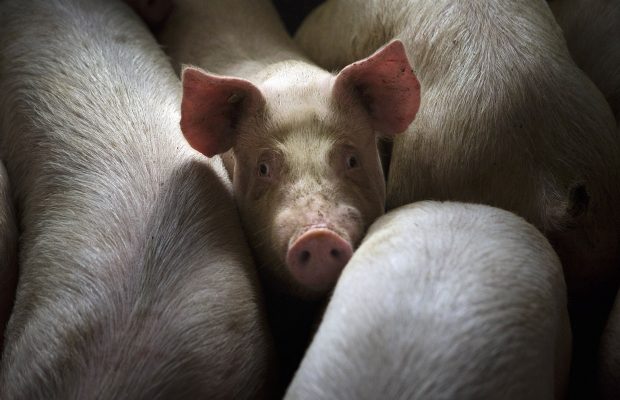
    Rising prices of pork and processed meat raised the November consumer price index (CPI) a record 0.96 percent over the previous month.

    Dwindling supply of pork following the African swine flu outbreak in Vietnam saw prices of pork and other processed meat products to soar in November, leading to the biggest CPI increase in 9 years, according to the latest report by the General Statistics Office (GSO).

    However, over the last 11 months, the CPI had only risen by 2.57 year-on-year, the lowest increase in the last three years. The CPI in November, compared to December-end 2018, had increased by 3.78 percent.

    Speaking to VnExpress, merchants in Ho Chi Minh City said that prices of pork substitutes such as beef and seafood rose as customers made the switch, coupled with heightened demand as the New Year approaches.

    Vietnam has had to cull 5.9 million pigs infected with African swine fever since the beginning of the year, equivalent to 337,000 tons of pork, according to Phung Duc Tien, Deputy Minister of Agriculture and Rural Development.

    This has resulted in pork prices rising by 19 percent since last November and could rise by a further 10-15 percent by the end of this year with an expected shortage of 200,000 tons, according to the GSO.

  • Frozen-themed cafes pop up in Japan

    Frozen-themed cafes pop up in Japan

    Frozen-themed cafes are popping up in Japan, marking the release of the Disney animated film Frozen 2.

    A Frozen-themed cafe has opened as a time-limited pop-up at Oh My Cafe at Tokyu Plaza in Harajuku. The themed pop-up will remain open until January 13. A second Frozen pop-up cafe is planned to open at Gelato Pique Cafe in Tamagawa Takashimaya today, running through to January 26.

    The cafes offer dishes themed and stylized according to characters from the movie, particularly loved in the Japanese market since the screening of the original film in 2014. They also sell merchandise related to the Frozen franchise.

    Additional Frozen-themed cafes are set to launch in Fukuoka, Nagoya, Osaka, Hokkaido, and Kyoto.

  • Filipino ice-cream Carmen’s Best opening in Singapore

    Filipino ice-cream Carmen’s Best opening in Singapore

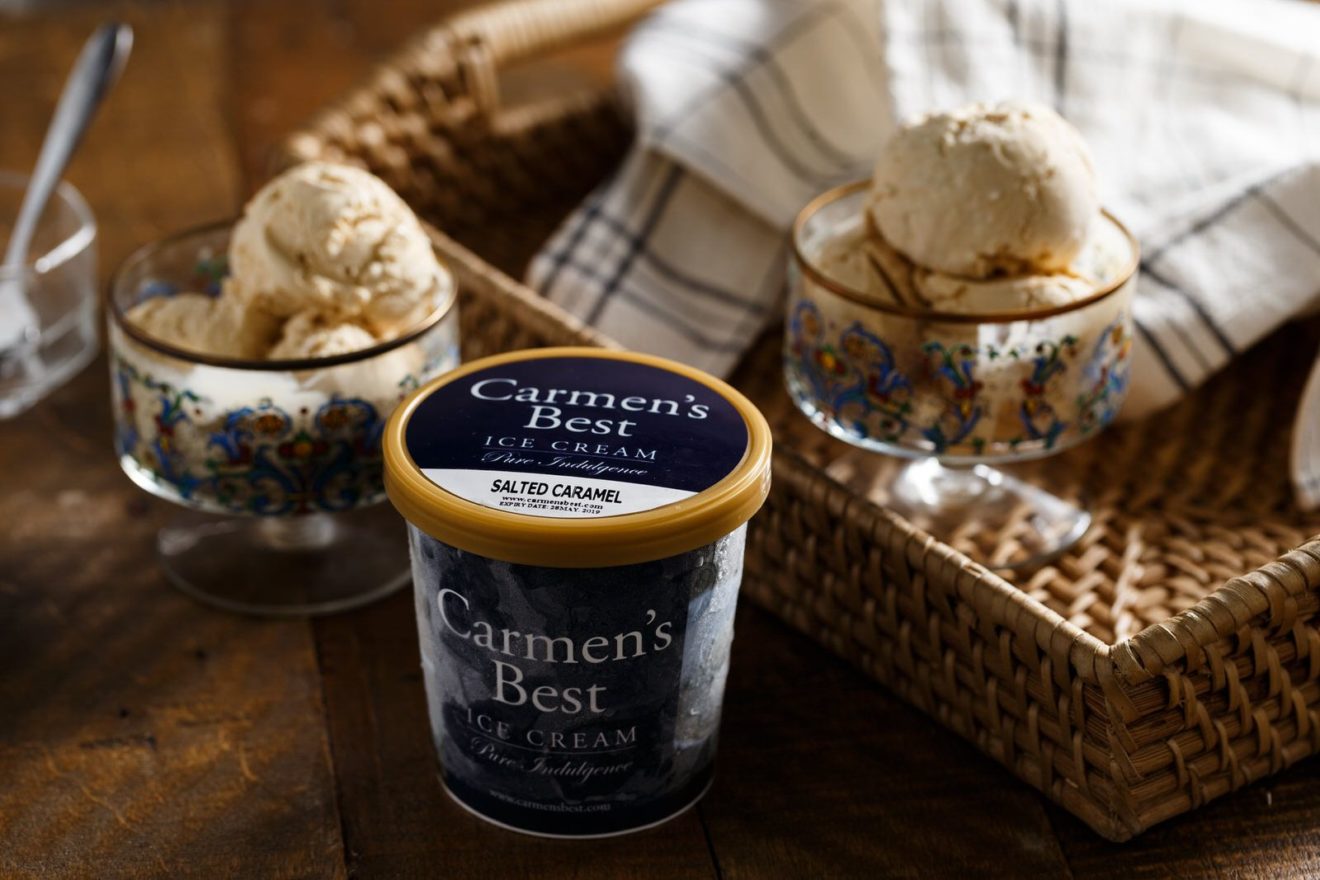
    Premium Filipino ice-cream chain Carmen’s Best has opened its first overseas store in Singapore.

    The store, which held its soft opening on Monday at Capitol Singapore, offers fresh milk-based ice creams in flavors such as milk chocolate, butter pecan, and Sicilian-sourced pistachio. The brand is launching a Singapore-exclusive cheese flavored ice cream that contains chunks of cheese.

    Owner and founder Paco Magsaysay have stated a goal to become a “Filipino-made, world-class ice-cream brand.”

    The brand began as a dairy farm serving a growing number of stores and partners before launching its ice-cream products.

  • Starbucks China staff benefits programme offers education, health and pet care

    Starbucks China staff benefits programme offers education, health and pet care

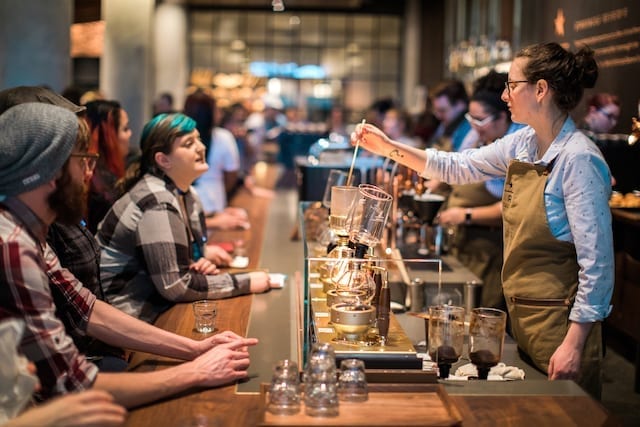
    A new Starbucks China staff benefits program has been launched, with a range of support options for employees who have served two years.

    From January 1, qualifying partners (employees) will each be given credits they can use to select from a range of benefits. Each benefit has been designed to meet the needs and aspirations of different partners in the increasingly diverse Starbucks China Family.

    With an estimated 18,500 partners eligible for the Starbucks China staff benefits program, dubbed Flex Star Benefits, the initiative constitutes a significant investment for the company.

    To support partners’ physical and mental well-being, Starbucks encourages them to use their credits to learn a new skill, or take up a hobby that relaxes the mind and body amid the hustle and bustle of everyday life. Partners may also simply apply for a five- or 10-day mini ‘coffee break’ to recharge their batteries.

    Protecting partners’ health is another area the new program covers. Partners may use credits for HPV vaccinations that protect against diseases like cervical cancer. The benefit can be extended to partners’ female family members and even friends, a first for Starbucks. In addition, the credits can be used to upgrade partners’ current benefits such as annual health checkups.

    The Starbucks China staff benefits program also supports partners in taking care of those who matter most to them. For partners working away from their hometowns, the program allows up to three additional days of paid leave so that they can spend more time with their families on their home visits. They also have the option to use their credits for discounted travel tickets, to allay any financial concerns should they need to return home in the event of a family emergency.

    In addition, Flex Star Benefits expand Starbucks existing schemes to cover ‘life partners’ beyond the immediate family – regardless of status or gender. Another inclusion is ‘paternal care’ benefits for pets. Under the new program, pet-owning partners may enroll their pets into an insurance scheme or claim reimbursement for their pets’ medical expenses. Partners who adopt pets will be granted an additional day of annual leave.

    Finally, Starbucks encourages partners to contribute to local communities, allowing them to earn additional credits by participating in social impact activities. They can also donate their credits to the Starbucks China Cup Fund, to help fellow partners in urgent need of financial assistance.

    “Starbucks success in China is down to the passion and dedication our partners bring to work every day – in every cup of coffee they brew, and every customer connection they make,” said Starbucks China chairman and CEO Belinda Wong.

    “Since entering China 20 years ago, Starbucks has always strived to be a different kind of company. We want to share our success with all partners, in a timely and thoughtful manner that recognizes their individual needs – because each of our 55,000 partners is special.”

    Over the years, Starbucks has introduced benefits such as comprehensive insurance for spouses and children of all partners, and critical illness insurance for parents. Housing subsidies are provided to 26,000 partners who work away from their hometowns, while partners may also apply to return to work in newly-opened Starbucks stores in their hometowns under the Coming Home program.

    In addition, Starbucks China also offers partners opportunities to expand their horizons through a talent exchange program, which has helped more than 100 partners complete short-term work experience in other cities across China and overseas. And, under its global Bean Stock initiative, Starbucks granted US$21 million worth of its shares to partners across China last year.

    Partners can access the Starbucks China staff benefits program through the China Green Apron partner mobile app.
  • Collins Foods HY profit rises 9 per cent to $24m

    Collins Foods HY profit rises 9 per cent to $24m

    Collins Foods’ underlying half-year profit has risen 9.1 percent to $23.9 million, boosted by a 4.9 percent rise in same-store sales at its KFC Australia franchises.

    The fast-food franchisor says statutory profit for the 24 weeks to October 13 was up 12.1 percent to $24.1 million, as its revenue rose 9.2 percent to $448.8 million in the six months to October 13.

    “Our KFC Australia network delivered enhanced same-store sales growth that, with new restaurant openings, drove strong growth in revenue,” chief executive Graham Maxwell said on Wednesday.

    “Combined with management’s focus on maintaining strong cost control, KFC Australia’s earnings margin grew over the past six months.”

    Collins lifted its interim dividend by half a cent to 9.5 cents and its shares were 4.2 percent higher at $10.13 by 1146 AEDT.

    The company said around 100 of its 233 Australian KFC franchises were now offering delivery through Deliveroo and Menulog, which was helping boost sales volumes.

    Speed of service was also 10 percent faster than the prior year at peak times, the company said.

    Collins Foods said it has opened six new KFC restaurants in Australia in the last seven and a half months and has started a multi-year rollout of digital menu boards from drive-thrus.

    The company opened three new Taco Bells in Queensland in the past three months, bringing its total number of seven across Australia, and plans to open two more in Victoria before the end of the year.

    It is targeted to open 20 new Taco Bells in the next calendar year.

    Revenues at its 40 restaurants in Germany and the Netherlands was up 11.8 percent to $63.7 million, with a national brand refresh helping sales in Germany.

  • Australia’s food waste problem fueled by meal delivery services

    Australia’s food waste problem fueled by meal delivery services

    Australia’s food waste problem is getting worse, like meal delivery services fuel further waste.

    The nation’s total food waste bill is now $10.1 billion, up from $8.9 billion dollars in 2018, making it the highest in four years of data collected by the Rabobank Food Waste report.

    Australia is the fourth highest food waster in the world, with the average household now throwing away an average $1,026 worth of food per year, a 15 percent increase from $890 last year.

    Household waste makes up 34 percent of food waste nationally, with 31 percent from primary production and 25 percent from manufacturing.

    Glenn Wealands, head of Client Experience, Rabobank Australia said food waste is one of the most “significant challenges facing our nation and planet”.

    “As individuals, each and every one of us can and must make a difference. When we waste food, the ramifications go far beyond just dollars, impacting our planet and precious resources,” Wealands said.

    “We know from this research that more than three-quarters of us care about reducing food waste and are annoyed by it. However, it is alarming that less than three out of 10 of us recognize the impact our food waste has on the environment.”

    Rabobank said the main contributor to household waste was poor food prepared properly, leftovers going uneaten, buying too much and changing plans after shopping.

    Gen Z remains the most wasteful generation, binning $1,446 of the food they purchase every year, up $234 from 2018. While Baby Boomers remain the least wasteful of all Australians, throwing out only $498 of their food.

  • Hollys Coffee out-rates Starbucks in Korean poll shock

    Hollys Coffee out-rates Starbucks in Korean poll shock

    Homegrown South Korean chain Hollys Coffee has replaced Starbucks as the country’s most-loved coffee brand.

    The Korea Consumer Agency conducted a survey of 1031 consumers between September 4 and 16 who had frequented six major coffee brands in South Korea, in which Hollys Coffee received the highest score of 3.95/5 in overall consumer satisfaction.

    Starbucks, the most successful coffee brand in South Korea, received 3.93 points, ranking second.

    In terms of quality satisfaction, which includes facility management and consumer engagement, however, Starbucks received the highest score of 4.12 points.

    Hollys Coffee received the highest score of 3.99 for accessibility and convenience, and Ediya Coffee, a local low-cost franchise operator, was most acclaimed for pricing and special offers (3.62 points).

    However, roughly half of all respondents said they frequent a certain coffee brand primarily because of geographical proximity.

    Consumers believed 3055 won (US$2.60) was the ideal price for a cup of Americano.

    The data also showed that 23.2 per cent of the consumers, however, spent an average of 5000 won for a cup of coffee, suggesting that many consumers think coffee is overpriced.

  • Cafe de Coral sacrifices margin for profit in tough half year

    Cafe de Coral sacrifices margin for profit in tough half year

    Cafe de Coral Group sacrificed margin to maintain sales in the first half of this year, resulting in a 34.5-per-cent decline in profit attributable to shareholders.

    Group sales remained relatively stable in the six months to September, up 1.6 percent to HK$4.264 billion with profit down from $228.7 million to $149.7 million.

    Chairman Sunny Lo Hoi Kwong said weak consumer sentiment impacted the company’s quick-service restaurant network and casual-dining business in Hong Kong, resulting in declining sales.

    “In order to maintain sales and protect market share, the group launched more value meals and promotions, which affected margins in the short term. On the other hand, operating costs including labor and rent have been rising, resulting in a decline in profit during the period under review,” he said.

    The Cafe de Coral chain itself reported flat growth for the half-year. After consolidation of stores last year, the company opened seven new ones in the first half, ending the period with 165 – three more than at the end of March.

    More new stores are planned for the rest of the financial year, mainly in community areas with high potential and better returns, and the brand will launch on Foodpanda and mobile apps in the current quarter.

    The Super Super Congee & Noodles chain opened three new stores taking its network to 48, but same-store sales fell by 1 percent year on year.

    The company’s Chinese-cuisine brands, Shanghai Lao Lao and Mixian Sense, ended the period with 13 and 20 shops respectively (up from 12 and 17 in March). Kwong said the brands are expected to deliver a more solid contribution to the group’s casual dining portfolio in the future.

    Non-Chinese brands The Spaghetti House and Oliver’s Super Sandwiches, now have eight and 14 shops respectively (up from seven and 13 in March) and despite the periodic closure of some key shops during the half, The Spaghetti House’s repositioning as a family restaurant and its 40th-anniversary promotions generated a positive market response.

    Meanwhile, revenue from Mainland China increased by 3.6 percent to $611.9 million, despite a 4.5-per-cent decrease in the value of the Renminbi against the Hong Kong dollar.

    “Our Southern China fast-food business carried the strong momentum of the previous financial year into the first half of FY2019/20, achieving a 9.6-per-cent increase in revenue to RMB516 million, with same-store sales growth of 6 percent as existing outlets maintained healthy growth and new shops performed well,” said Lo.

    Five new shops opened in strategic city locations including Guangzhou, Shenzhen, and Zhuhai – taking the network to 107 as at September 30 – a net increase of 10 stores since March.

    An additional 16 shops are planned to open during the second half of the fiscal year and the group has established strategic alliances with eight real-estate developers operating in the Greater Bay Area to jointly collaborate on network expansion.

  • A golden cube houses % Arabica Hong Kong’s newest store

    A golden cube houses % Arabica Hong Kong’s newest store

    Dutch architecture studio OMA has installed a golden cube housing a cafe outside K11 Musea mall in Hong Kong.

    The “Kube” kiosk, housing artisan coffee brewer % Arabica Hong Kong’s newest outlet, also features black marble furniture and is designed to resemble a traditional dai pai dong food stall.

    “The Kube is a multifunction installation to connect people visiting K11 Musea and passersby who share a moment to be fully present to experience the city, and possibilities of encounters,” OMA managing partner David Gianotten said.

    The kiosk is coated in an anodized aluminum cladding that appears to change hue in different light conditions.

    “What David Gianotten and Rem Koolhaas’ Kube adds to K11 Musea is … more than an iconic OMA feature,” said K11 Group founder Adrian Cheng, “but a symbolic space that explores Hong Kong’s waterfront culture, coffee culture and a new way to become part of a larger community.”

    OMA is hoping the installation will be used for public events and performances.

  • California coffee roaster Blue Bottle to launch in Hong Kong’s Central

    California coffee roaster Blue Bottle to launch in Hong Kong’s Central

    Artisanal coffee roaster and retailer Blue Bottle has been rumored to be expanding into Hong Kong since netizens discovered job postings for a brand experience manager and operations director back in August.

    Now, not only is the company seeking a logistics specialist on the ground, but details of a lease deal for a two-story 3000sqft space in Central have emerged.

    Blue Bottle has signed up for the space on Lyndhurst Terrace for six years.

    However, there is still no confirmation of a launch date as yet.

    Blue Bottle Coffee currently has more than 50 cafes in the US, and recently debuted in Japan and South Korea.

    The brand is renowned for its single-origin beans and its cold-brew coffee which prompted consumer-goods giant Nestle to acquire a 68-per-cent stake for US$425 million back in 2017.

  • Jollibee Expedites North American expansion

    Jollibee Expedites North American expansion

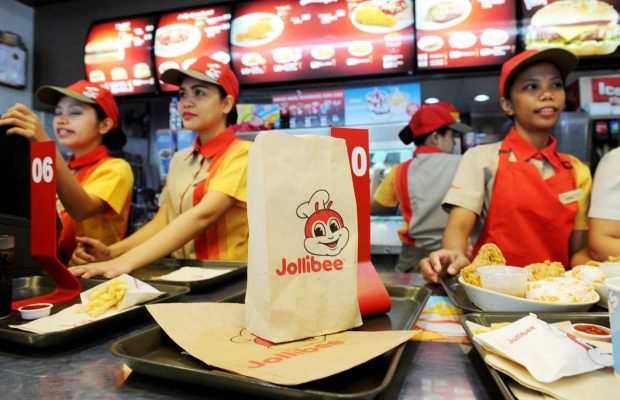
    Filipino fast-food chain Jollibee plans to expand its store network in North America to 250 by 2023.

    Its parent company Jollibee Foods Corporation (JFC) said it is committing to further expand the brand in North America, having identified the region as a key growth market.

    There are currently 46 Jollibee outlets in North America, with the first store opened in 1998 in California.

    The expansion plan was announced at the inauguration of its new North American headquarters in West Covina, California on Friday. It says the new 28,000sqft headquarters will serve as a center of operations for Jollibee and its sister brands Chowking and Red Ribbon.

    “The new Jollibee headquarters will ably support operations around North America in its quest to become a major fast-food player in the region,” says the company.

    Jollibee has a restaurant network of more than 1400 at home and more than 230 elsewhere abroad.

    Parent company JFC has more than 5800 restaurants in 35 countries globally, with recent investments including a joint venture to open Tim Wan Ho restaurants in China.

  • Ediya Coffee opens 3000th store in Korea

    Ediya Coffee opens 3000th store in Korea

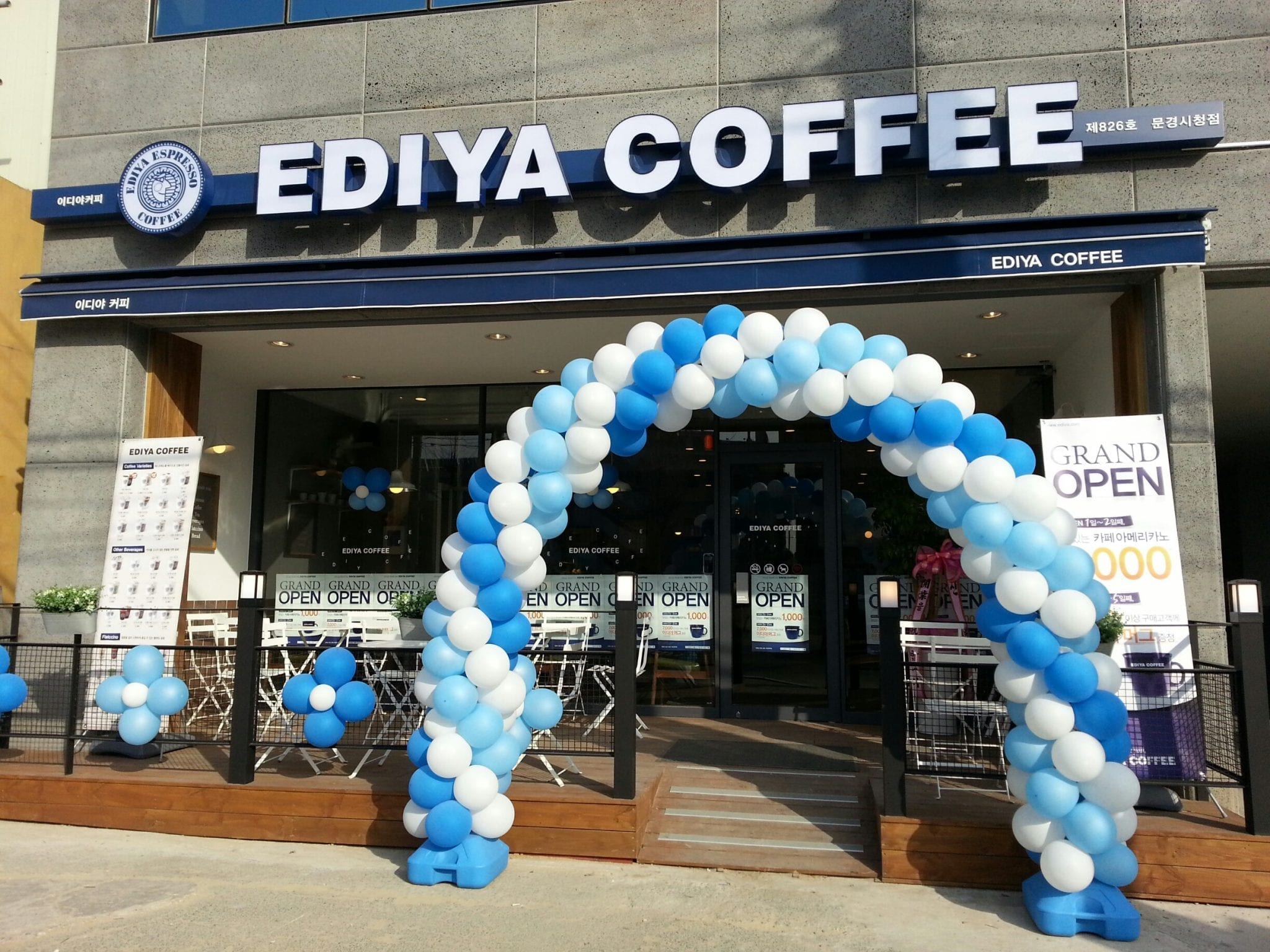
    South Korean coffee chain Ediya Coffee has opened its 3000th store.

    The new Daejeon outlet is a significant milestone for the local franchise, matched only by competing for cafe and bakery Paris Baguette. Ediya has opened 300 locations each year for the past six, and has been steadily expanding since launching in Seoul in 2001.

    The firm recently appointed two vice presidents to manage the rapid expansion: Kim Nam-yeob, previously at Hyundai, and Shin Yoo-ho, who was working for Paris Baguette owner SPC Group.

    The coffee brand is named after an Ethiopean empire where the original coffee plant was discovered.