Category: Food

Retail News Asia is committed to providing both local and global retailers with the latest Food and Food & Beverage news throughout the Asian market. This on a daily base.

  • Yogurtland expands in Indonesia with new partner

    Yogurtland expands in Indonesia with new partner

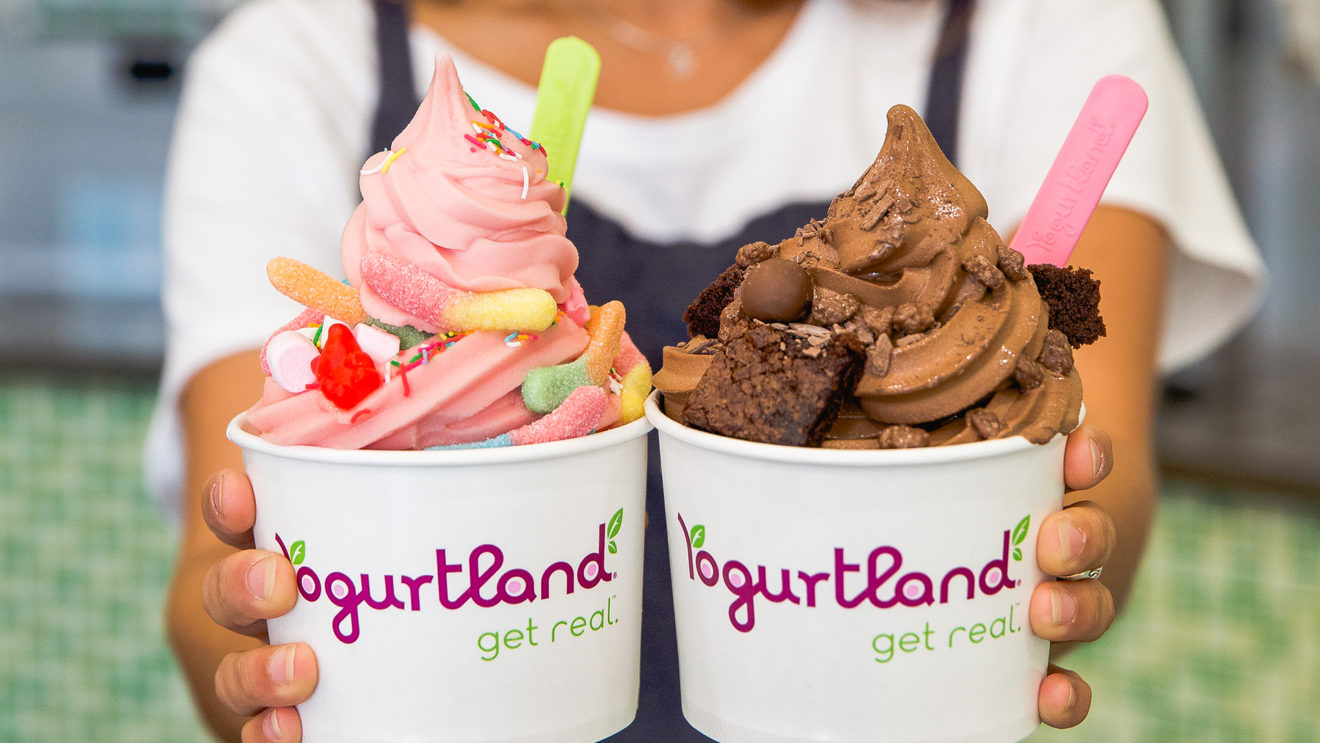
    Yogurtland is to expand its retail network in Indonesia by opening four new outlets by the end of this month and plans to open more than 15 stores during the next three years.

    The expansion in Indonesia is the result of a partnership with Yogurtland Indonesia Global Mandiri, signed last June.

    The company opened the first two stores at Lippo Mall Puri and Central Park Mall last week. Other locations will open at Summarecon Mall Bekasi and Kota Kasablanka Mall later this month.

    “Indonesians want variety as they focus more and more on healthy lifestyle trends,” said Phillip Chang, CEO and founder of Yogurtland.

    “With more than 250 unique flavors and the world’s finest ingredients, Yogurtland is the right choice for Indonesia.”

    He said Yogurtland Indonesia Global Mandiri’s owners have strong combined experience and a track record of excellence in the industry and will ensure guests in Indonesia will enjoy a wonderful Yogurtland experience.

    Yogurtland features non-fat and low-fat yogurt flavors, ice cream, and non-dairy and no-sugar-added choices while using milk that does not contain antibiotics or added hormones. Fruit flavors are fortified with Vitamin C.

    Yogurtland has operated more than 320 stores across the US, Australia, Dubai, Guam, Myanmar, Oman, Singapore, and Thailand.

  • Dusit brings South African restaurant Kauai to SE Asia as Real Foods

    Dusit brings South African restaurant Kauai to SE Asia as Real Foods

    South Africa’s Real Foods Group is launching its healthy fast-casual restaurant concept Kauai into Southeast Asia in partnership with Thai hospitality company Dusit Food, under the local brand name, Real Foods.

    The Real Food restaurants will maintain Kauai’s concept and store design. Most of the menu will follow the original Kauai’s, while other dishes will be adapted to meet local tastes. Signature Kauai’s dishes such as Princess Wrap and the Strawberry Stinger will also be available in Real Foods stores.

    “Globally, there is a major shift taking place as consumers seek out healthier, natural food options which are both affordable and convenient,” said Jate Sopitpongstorn, MD at Dusit Foods.

    “Dusit Real Foods already has another three stores lined up through its long-standing relationship with Virgin Active health clubs. As we hold master-franchise rights, we will also look at expanding Real Foods outside of Thailand, leveraging our strong network of hotels and resorts in Asia Pacific, the UAE, Qatar and Oman to introduce Real Foods in more new markets worldwide.”

    Real Foods plans to open at six other Virgin Active health clubs throughout the city.

    Group CEO of  Real Foods, Dean Kowarski, said the company’s stores offer a mix of both takeaway and sit-down meals.

    “We make healthy eating delicious, easy and convenient, and there is something for everyone on our menu. Our new partnership in Thailand demonstrates that Real Foods is achieving its mission of bringing more health and wellness options to consumers worldwide”.

    Established 23 years ago, Kauai serves 7.3 million meals annually across its 164 stores in South Africa and the Netherlands. The brand has established itself as an “innovative leader in the health space” with a commitment to sustainable sourcing and bringing convenient, nutritious options to consumers worldwide.

  • The Whale Tea opens in Singapore

    The Whale Tea opens in Singapore

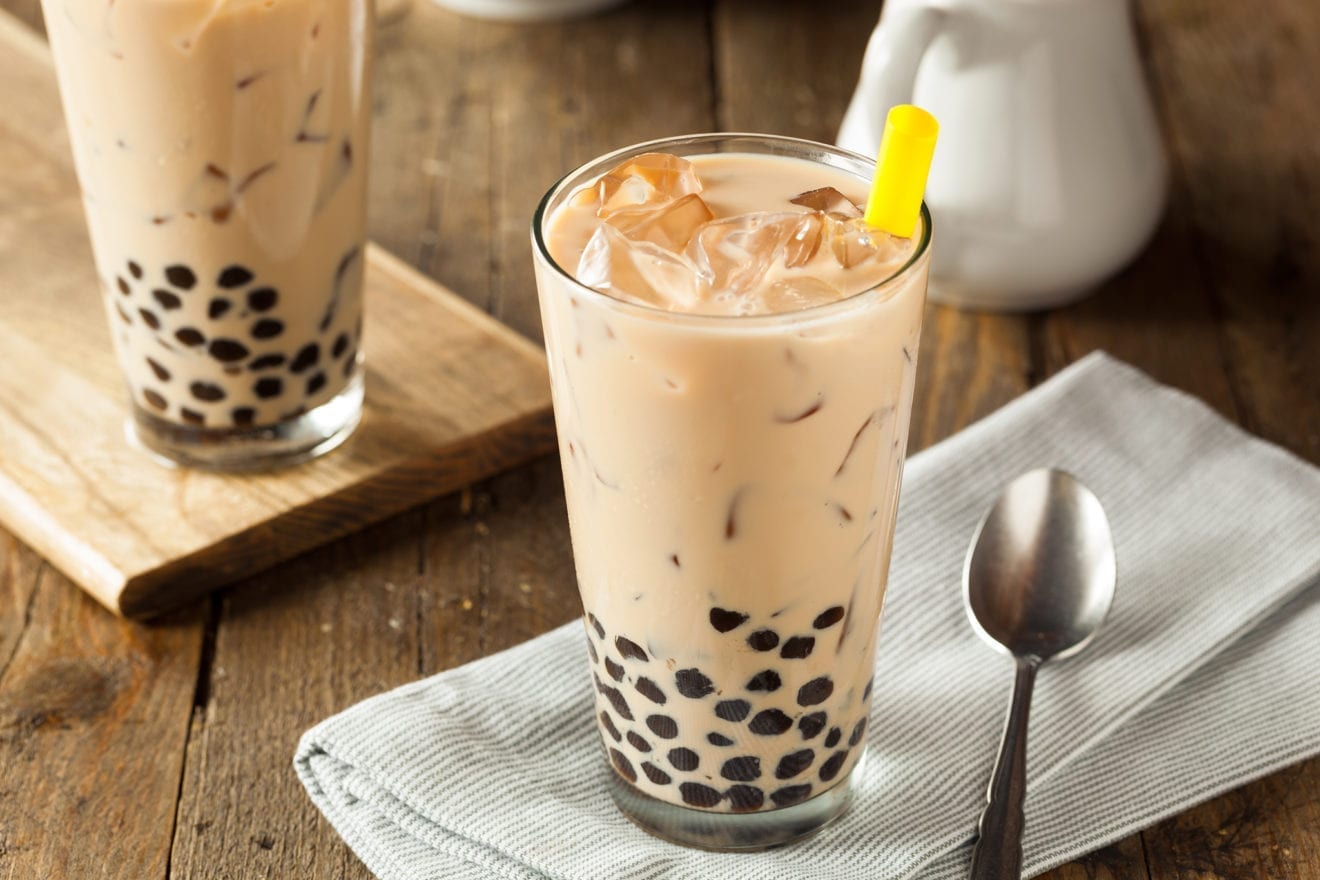
    Created in Nanjing, the brand now operates more than 500 outlets across the mainland since its first store debuted in June last year. Following The Whale Tea’s first foray into Southeast Asia, launching in Malaysia earlier this year, the brand opened its first two Singapore outlets, at Lot One Shoppers’ Mall and City Square Mall last month, followed by a flagship store in China Square Central that opened on Monday.

    The predominantly black-and-white store design is decorated with whale symbols of varying shades of blue, effecting a bright and modern ambiance.

    The Whale Tea’s signature series is prepared with unusual ingredients such as peach gum, a natural resin from wild Chinese peach trees, known to be rich in amino acids and collagen – as well as spirulina, a seaweed-based superfood consumed for its nutrient-rich properties and a Chinese rice wine known as Wuliangye.

  • US food delivery service DoorDash expands to Sydney

    US food delivery service DoorDash expands to Sydney

    Two months after entering the local market with food delivery services in Melbourne, DoorDash has expanded to Sydney and now covers more than 40 percent of the Australian population it says.

    Launched in the US in 2013, the platform is the market leader in America with 35 percent market share. But it has a long way to go to catch up with the major players in Australia – UberEats, Deliveroo and Menulog – which have had a significant head start in the much smaller market.

    DoorDash says it has partnered with more than 2000 local restaurants, including major QSR chains, such as Carl’s Jr, Nandos, Subway, Grill’d, Crust and Oporto, which is giving away 10,000 free burgers to customers in Sydney to mark the launch on Tuesday. It also offers in-store pick-up for hundreds of restaurants.

    DoorDash aims to grow its presence in Australia by targeting customers in the suburbs, not just city centers.

    “The unique challenge we’ve sought to solve is not only offered great selection and service in urban environments but suburban ones as well,” Thomas Stephens, DoorDash’s general manager in Australia said.

    “It’s an incredible opportunity, as it’s where the vast majority of Australian’s live, and one we’re excited to connect.”

    But the platform also has faced criticism for what some call an aggressive expansion strategy. DoorDash had signed up restaurants to the platform without their permission.

    The platform allows customers to order from restaurants that haven’t signed up to DoorDash, with restaurants often finding out an order has been placed only when a delivery rider shows up to collect it.

    Stephens said the platform is acting as a “courier service” in these instances, and said restaurants can request to be removed from the platform.

    But this doesn’t match up with the “restaurant-led approach” that supposedly differentiates DoorDash from its competitors.

    “We’re differentiated from our peer group because of our restaurant-led approach, meaning we offer the most comprehensive suite of services to help bring restaurants online and drive incremental in-store sales,” Stephens said.

    Deloitte estimates online food delivery in Australia will reach $1.3 billion this year. According to Stephens, less than 10 percent of food sales outside of pizza are delivered currently.

  • Bulldog becomes first cruelty-free cosmetics brandn Mainland China

    Bulldog becomes first cruelty-free cosmetics brandn Mainland China

    London-based Bulldog has become the first-ever international skincare brand to maintain its Cruelty-Free International Leaping Bunny-approved status and be able to sell in Mainland China.

    Until now,  animal testing of cosmetics remains compulsory in China, however, Bulldog has been excluded from this, thanks to a Cruelty-Free Pilot Project, launched by animal protection and advocacy group Cruelty-Free International in cooperation with certification and regulatory compliance company Knudsen&CRC, Shanghai Fengpu Industrial Park and Oriental Beauty Valley.

    The ground-breaking collaboration allows Bulldog to manufacture in the UK, fill in the Fenxian manufacturing zone and sell in the Chinese market, free from the risk of animal testing.

    At Bulldog, we have always challenged ourselves to make ethical choices when it comes to animal welfare. Even with the temptation of the huge Chinese market, we decided that we would never compromise our stance on animal testing, says Bulldog founder Simon Duffy.

    Chinese consumers are increasingly demanding cosmetics without animal testing and this unique, ground-breaking project will enable those consumers to buy great cruelty-free products.

    Bulldog products will go on sale at Watsons stores in Shanghai later this year.

    We know there is great demand from consumers in China for cruelty-free cosmetics. This is an amazing opportunity not only for Bulldog, but for consumers in China and for the future of the whole beauty industry, says Cruelty Free International CEO Michelle Thew.

  • Green Common expands into Mainland China

    Green Common expands into Mainland China

    Hong Kong plant-based grocery shop and cafe Green Common will launch online on Tmall Global at the end of this month, during the marketplace’s Black Friday event.

    The grocer, known for its plant-based products, will be making its first appearance in Mainland China, offering a range of about 40 food items, including products from popular plant-based food-tech brands including Alpha Foods, Gardein, Daiya Foods and Califia Farms. Further brands will join the site later.

    “Our collaboration with Tmall Global is a milestone development in the China market, enabling local consumers to get a taste of the future … we are going to start a new page in leading a healthy and sustainable food consumption trend in China,” said Green Monday founder David Yeung.

    The brand’s signature product Omnipork will also be available for retail, arriving at a perfect time as the African Swine Flu influenza sweeps through China. Omnipork is a meat substitute developed by a team of Canadian food scientists compromising a proprietary blend of plant-based protein from peas, non-GMO soy, shiitake mushrooms and rice to mimic the taste and texture of pork.

    Since its launch earlier this year in April, Omnipork has received extensive coverage from international media and is available across 1000 restaurant and hotel partners across Hong Kong, Macau and Taiwan as well as in Thailand and Singapore. According to Yeung, more than 180 restaurants and hotels in Beijing and Shanghai, including Grand Hyatt Beijing and Wagas restaurant chain, will use OmniPork to create dishes for diners during the next two months.

  • Masan struggles to grow in Vietnam’s competitive beer market

    Masan struggles to grow in Vietnam’s competitive beer market

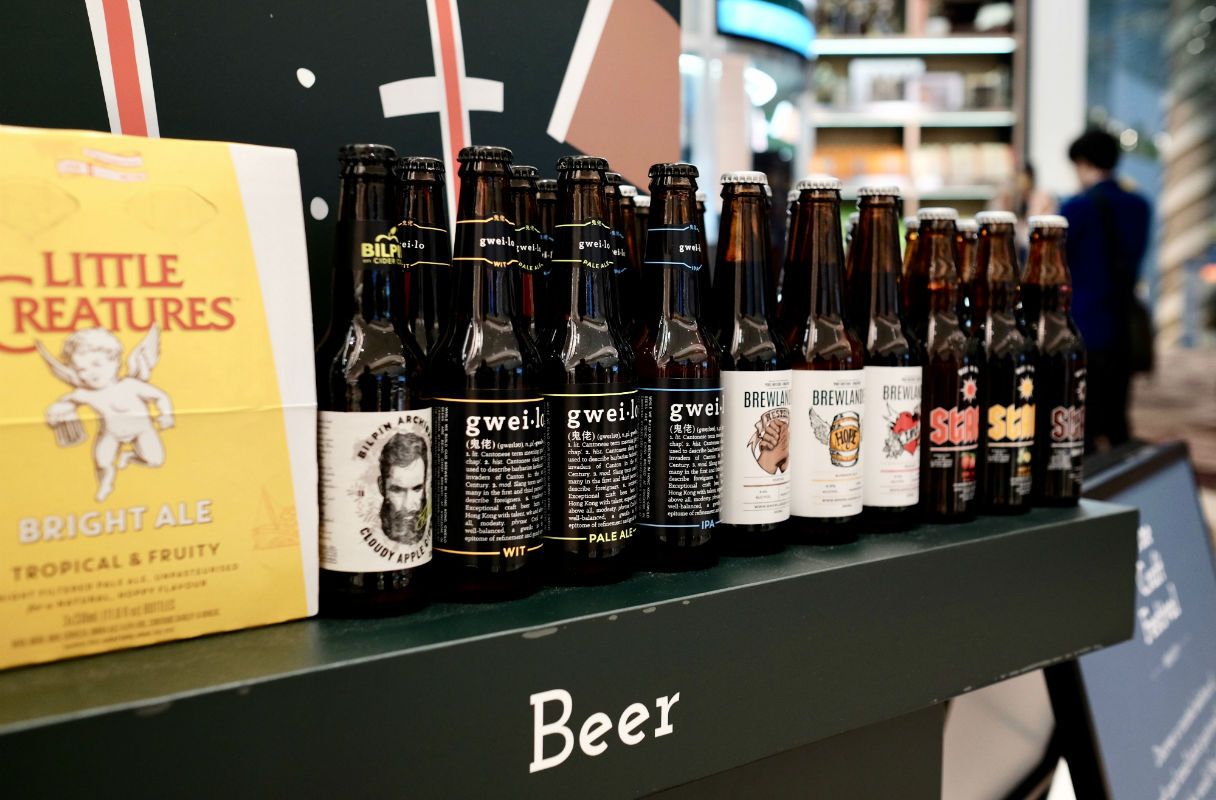
    Vietnamese food giant Masan is struggling to grow its beer business, which is suffering losses and could drop out of the domestic market.

    Masan expects a loss of $15 million this year from its White Lion beer brand, Danny Le, board member of Masan Consumer Holdings, said at an investors’ meeting last month.

    If the company cannot create a new and competitive product, it will have to withdraw from the market, he added.

    “The beer business costs a lot of advertising money, and we do not want to spend tens of millions of dollars a year for a brand that cannot be in the top 3,” he said.

    Masan’s beer brand, White Lion, launched five years ago, is becoming less significant in the group’s financial reports as longer-established players retain a firm hold in the market.

    When it was first launched, a crate of White Lion cost VND40,000 ($1.7) less than the cheapest domestic brand at the time, resulting in large sales in the southern region.

    Orders were so high that Masan’s beer factory, which it acquired from another beer producer in 2014, was operating at maximum capacity of at 50 million liters a year in the first year, but still failing to keep up with demand.

    The company then built a second plant with four times the capacity in the southern province of Hau Giang.

    Helped by regular promotions featuring celebrities and gifts, sales reached VND1 trillion ($43 million) after two years, and industry observers at the time considered White Lion a threat to major brewers such Sabeco and Heineken.

    “Consumers welcoming the product is the foundation for Masan Consumer Holdings to expand its market nationwide and to enter the high-end beer segment,” the company said in a report in 2017.

    But the company’s expansion strategy has hurt sales badly.

    In order to reduce inventory to launch new products, Masan increased the commission for distributors, making its 2017 H1 beer revenue falling 15 times year-on-year.

    Although the company targeted revenue of VND1-1.2 trillion ($43-51.6 million) in 2018 with new products, its leaders admitted that expanding the business could take 12-18 months as they had to restructure a distribution system and employ experienced salespeople.

    At the end of last year, White Lion revenue was VND388 billion ($16.7 million), just 39 percent of its annual target.

    The company had planned to employ about 150-200 salespeople this year to focus on marketing in street eateries, targeting double last year’s revenues. But by September, its revenue had fallen 7 percent year-on-year.

    Meanwhile, top brewer Sabeco’s nine-month revenues rose 10 percent year-on-year to VND28.3 trillion ($1.22 billion), while that of the Hanoi Beer Company (Habeco) also posted a 10 percent increase to VND2.7 trillion ($114.89 million).

    Vietnam consumed 4.1 billion liters of beer in 2017, making it the biggest alcohol market in Southeast Asia and the third biggest in Asia after Japan and China, according to the Ministry of Health.

  • South Korea’s coffee shop boom – 1 in 10 are losing money

    South Korea’s coffee shop boom – 1 in 10 are losing money

    The number of coffee shops in South Korea continues to grow. More than 71,000 coffee shops are now operating nationwide, with 14,000 openingsz last year alone.

    According to a report by KB Financial Group Management Research Institute, the increase in the number of coffee shops is because the number of new shops opening has dramatically outpaced the number of shop closures.

    In 2009, 27,000 new shops were opened and 4000 closed. On the other hand, 14,000 opened last year and 9000 closed.

    Meanwhile, 11 percent of local coffee shops were found to be operating in the red. This rate is higher than the 4.8 percent of restaurants that are also unprofitable.

  • Hong Kong protests taint solid Dairy Farm results

    Hong Kong protests taint solid Dairy Farm results

    Ongoing restructuring is impacting on Dairy Farm International’s grocery and convenience sales – but total group income is up.

    In a third-quarter management update, the company said combined sales including 100 percent of those of associates and joint ventures for the period were ahead of the same period last year, primarily due to the investment in Robinsons Retail in the Philippines in November.

    Sales by the group’s subsidiaries in the quarter declined, as revenue from hypermarkets and supermarkets was impacted by the Southeast Asia store optimization plan and the divestment of the Rustan Supercenters business in the Philippines. That said, profits from that division improved as underperforming Giant stores were closed and others upgraded.

    “While the turnaround of the Southeast Asian businesses remains at an early stage, there are encouraging signs of improvement. The group continues to invest in and grow its capabilities in Southeast Asia in line with the multi-year transformation plan.

    “Convenience stores and home furnishings continued to perform well, with sales ahead of the same period last year,” said the company. “While Southeast Asia health-and-beauty sales improved, overall health-and-beauty revenue weakened as the performance was impacted by difficult market conditions in Hong Kong.”

    The group’s convenience-store sales in the quarter were ahead of last year, with profitability modestly lower due to ongoing investment in new stores as well as rental and labour cost pressures.

    In health and beauty, Mannings’ sales and profits were significantly impacted by the ongoing social unrest in Hong Kong, however, Guardian in Southeast Asia delivered an “encouraging performance,” with solid sales growth, particularly in Indonesia. “The group continues to invest in and grow its health-and-beauty network across Southeast Asia.”

    The home-furnishings business (Ikea) reported solid sales growth for the quarter, as strong growth in Taiwan and Indonesia offset a lower performance in Hong Kong due to weak consumer sentiment. Profitability continued to be impacted by the increased cost of goods compared with last year and pre-opening expenses for stores under development, the company said. Ikea’s e-commerce operations continue to grow, with positive results in all markets as improvements were to website functionality.

    Dairy Farm International’s associate Maxim’s performance during the third quarter was impacted by the ongoing social unrest in Hong Kong, while supermarket chain Yonghui reported strong underlying growth in profitability.

    The group said its results also continued to benefit from its share of results from the 20-per-cent interest in Robinsons Retail.

    For the full year, the group expects to see benefits from its transformation program, but some of this will be “more than offset by weak trading conditions” in several of its Hong Kong businesses.

    “Nonetheless, Dairy Farm remains firmly focused on its multi-year strategic transformation to deliver long-term improvements to the business.”
  • Subway Hong Kong marks World Sandwich Day

    Subway Hong Kong marks World Sandwich Day

    Subway Hong Kong will join 14 other restaurants to celebrate World Sandwich Day this week.

    For every regular 6-inch sandwich combo, Subway Hong Kong customers can get one standard 6-inch sandwich for free in this event. For every purchase of the combo, HK$5 will be donated to St. James’ Settlement in Hong Kong to help fight world hunger and care for the families in need.

    “It is a great way for us to give back to our local community and loyal customer base here in Hong Kong. It is also a great way for our customers, franchisees and restaurant staff to feel like they are a part of giving back to those in need,” said Michael Kyprianou, director of development & field operations.

    Ten thousand meals were donated by Subway on World Sandwich Day in Hong Kong out of 13 million meals donated around the world last year.

    CEO Subway Hong Kong development office, Christel LeBrun, said: “We hope to see our loyal guests join us for a delicious Subway sandwich this Friday and help us to fight hunger across Hong Kong”.

  • Starbucks Pickup store concept unveiled in NYC

    Starbucks Pickup store concept unveiled in NYC

    Starbucks Coffee has opened the first-ever Starbucks Pickup store in New York City’s Penn Plaza.

    The location uses the Mobile Order & Pay feature of the Starbucks mobile app as the primary ordering and payment method for customers. Customers who visit the location will place and pay for their orders using the app, selecting Penn Plaza as their location and building their order using the full Starbucks menu. After arriving at Penn Plaza, customers can track the progress of their order on a digital status board and pick up their beverage and food items directly from a Starbucks barista.

    In designing the Starbucks Pickup location, the company began with a prototype in the Tryer Centre, a center for innovation at the Starbucks Support Centre in Seattle. At Tryer, teams focused on operations, digital innovation and design worked with store partners (baristas) to create an experience that gave store partners the tools they needed to deliver the best customer experience.

    “Our customers who are on-the-go have told us that connection and convenience are important to them,” said Urban Markets for Starbucks VP Katie Young. “By designing a store specifically for the mobile order occasion, we can deliver both for these customers using the store’s design, location and the expertise of our baristas.”

    The concept is being evaluated for introduction in other markets where app-bas

  • Hong Kong restaurant sales fall as protests deter diners

    Hong Kong restaurant sales fall as protests deter diners

    Hong Kong restaurant sales slumped by 11.7 percent in the third quarter as protests deterred foreign visitors and locals dined in more often.

    The value of receipts was provisionally estimated at HK$26.4 billion (US$3.37 billion), and the value of purchases by restaurants decreased by 10.9 percent to HK$8.5 billion ($1.086 billion).

    After netting out the effect of price changes over the same period, the provisional estimate of the volume of restaurant receipts decreased by 13.6 percent year on year in the third quarter.

    Quarter on quarter, restaurant receipts decreased by 10.6 percent in value and by 11.4 percent.

    Comparing the first three quarters of this year with the same period last year, Hong Kong restaurant sales decreased by 3 percent in value and by 5.2 percent in volume.

    A government spokesman said the sharp deterioration of Hong Kong restaurant sales in the third quarter represented the largest year-on-year decline since the outbreak of Sars in the second quarter of 2003.

    “The plunge in restaurant receipts in the third quarter mainly reflected the severe disruptions to food and beverage businesses caused by the local social incidents, while weak consumer sentiment amid subdued economic conditions also played a part.”

    The spokesman said food-and-beverage businesses will continue to face “immense pressure” in the near term “amid continued protests involving violence and the subdued economic outlook”.

  • Shake Shack Singapore planning a second Restaurant

    Shake Shack Singapore planning a second Restaurant

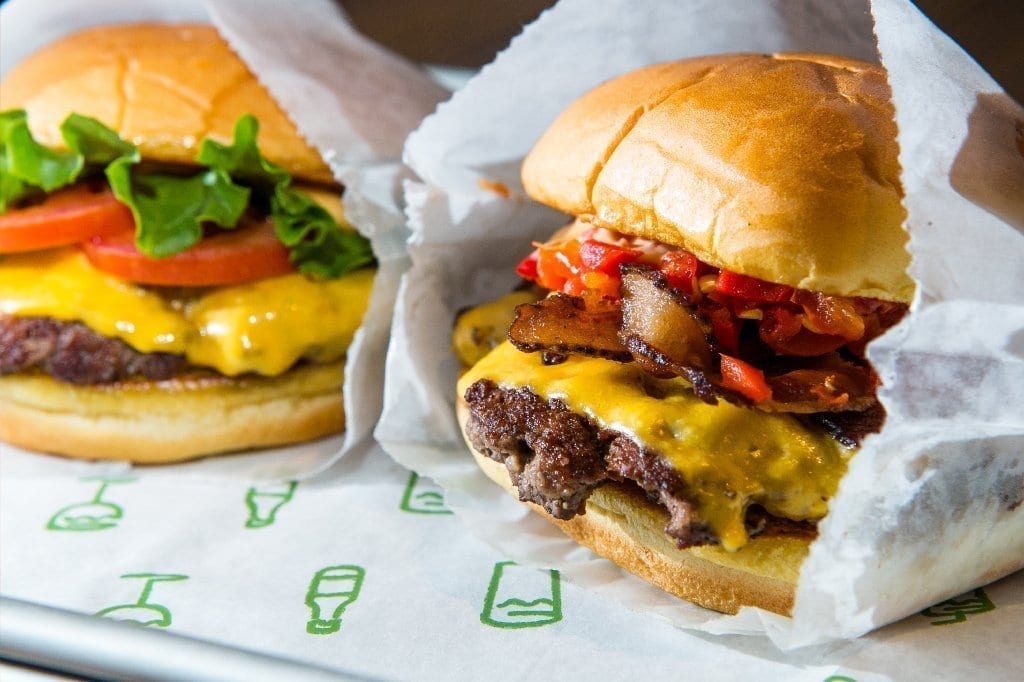
    Shake Shack Singapore is considering opening a new outlet in the territory following better-than-expected business at its Jewel Changi Airport location.

    The brand’s culinary director Mark Rosati said in an interview with Channel News Asia that long queues to the existing location have persisted several months into trading, underscoring Shake Shack’s popularity with Singaporeans.

    The brand has expanded from a roadside burger stand to operate in more than 12 countries, based on a consistent menu along with exclusive items designed for local tastes.

    “We keep looking at each outlet as, ‘This is the only Shake Shack in the world’,” said Rosati. “So, when we opened Singapore, we weren’t thinking to ourselves that we needed to open the one that’s going to be the blueprint for opening a few more – in terms of look and taste – in this region.

    “We knew we needed to go to Singapore, spend time on the street figuring out what the food was like, how it makes it super special and how we fit into that. We knew that we needed to do something that is definitely part of our New York heritage but also what we do that’s a little different for Singapore.”

    The brand has yet to settle on a location for the second outlet.

  • Dairy Queen and Papa John’s Pizza China owner in play

    Dairy Queen and Papa John’s Pizza China owner in play

    A majority stake in the operator of the Dairy Queen and Papa John’s Pizza chains in China is likely to go on the market.

    Citing sources with knowledge of the matter, Bloomberg has reported that EQT, the Swedish private-equity owner of 57 per cent of China F&B Group is considering selling its stake.

    China F&B operates about 600 Dairy Queen stores across the country, and Papa John’s Pizza has around 250 outlets, but it is not clear how many of those are owned by China F&B.

    While no sales process has commenced at this stage, EQT has consulted with investment banks

    Bloomberg estimates the value of China F&B Group at between $100 million and $200 million.

  • Starbucks will accept Bitcoin from next year

    Starbucks will accept Bitcoin from next year

    Global coffee chain Starbucks is now on track to accept payments in the world’s best-known cryptocurrency, Bitcoin.

    The firm is partnering with Wall Street-listed Intercontinental Exchange (ICE) which will begin testing its consumer app Bakkt in Starbucks stores in the first half of next year in as many as 30,000 Starbucks outlets globally.

    Starbucks hinted it might embrace cryptocurrencies early last year when founder and former president Howard Schultz told an earnings call that he believed one or a few legitimate cryptocurrencies would emerge in the future.

    But at the time he said: “I don’t believe that bitcoin is going to be a currency today or in the future.”

    Starbucks will serve as Bakkt’s first merchant client after more than a year of reportedly slow setup due to delays in its futures exchange launch. The coffee chain began researching the Bakkt app with ICE in August last year.

    Mike Blandina, chief product officer with Bakkt said in a blog post that the companies had set up a strong team of payments engineers and is now nearing completion of the core payments and compliance platform.

    “We’re now focused on the development of the consumer app and merchant portal, as well as testing with our first launch partner, Starbucks, which we expect in the first half of next year.”