Category: Food

Retail News Asia is committed to providing both local and global retailers with the latest Food and Food & Beverage news throughout the Asian market. This on a daily base.

  • Everstone may quit Burger King Indonesia stake

    Private equity firm Everstone Capital may withdraw from its involvement in Sari Burger Indonesia (SBI), the country’s master franchise owner of Burger King.

    A DealStreetAsia report revealed the firm has been speaking with banks and advisers over the course of this year about the potential move.

    Everstone is currently in a partnership with Indonesian retail firm Mitra Adiperkasa, previously SBI’s sole shareholder. The firm also partners with Mitra Adiperkasa in running Domino’s Pizza in Indonesia.

    Everstone may have difficulties finding a buyer in the territory given tight competition in the industry, according to an opinion published in Nikkei.

  • Taiwanese milk-tea brand CoCo continues rapid Philippines expansion

    Taiwanese milk-tea brand CoCo continues rapid Philippines expansion

    Taiwanese milk-tea brand CoCo Fresh Tea & Juice is slated to open its third store in Cebu City, Philippines in 2020.

    CoCo debuted in the urbanized city in March this year when it opened at the SM Seaside City shopping mall, followed by a second outlet six months later.

    GM Larry Evans Tan says “Cebu City was one of the most-requested areas that the company received for CoCo to be present in”.

    Originating in Taiwan, CoCo is operated by Tobistro Foods in the Philippines. Having opened its first store in the country in 2015, it now has 35 nationwide. And it is looking to take the number to 40 by the end of the year, expanding into other markets including Davao, Cagayan de Oro, and Iloilo.

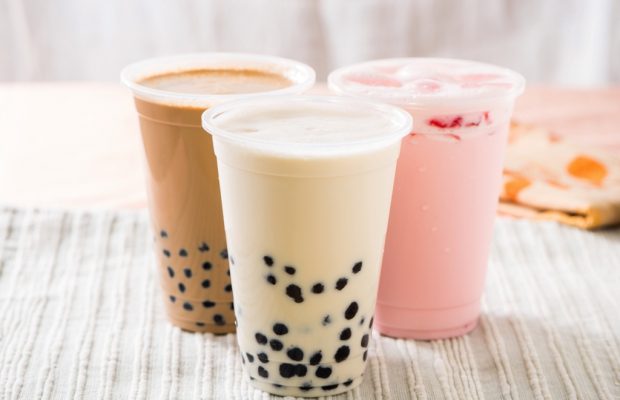
    The milk-tea brand CoCo says that the bubble-tea craze is so high in the Philippines that people order via food delivery service GrabFood at a pace of one cup every four minutes in Metro Manila alone.

  • Gontran Cherrier opens first Asian bakery in Hong Kong

    Gontran Cherrier opens first Asian bakery in Hong Kong

    Fourth-generation French baker and globally recognized pastry chef Gontran Cherrier has opened his first boulangerie and restaurant in Hong Kong’s K11 Musea.

    The Hong Kong store and restaurant mark the first flagship for Asia with further openings planned across Japan, Taiwan, and the UAE.

    At K11 Musea’s Food Playground, the 3500sqft Gontran Cherrier space encompasses an open bakery, an 80-seat restaurant along with a communal table, a cafe area with seating as well takeaway coffee, and a retail space for take-home baked goods.

    More than 2000 baguettes and croissants are prepared in an open kitchen each day, using premium French flour and butter flown in from France. The baked menu consists of more than 50 handmade creations ranging from viennoiserie, bread, patisserie, cookies, and cakes.

    In just nine years, Gontran has built a pastry empire including more than 50 stores worldwide from a single store in Montmartre, Paris. He has written cookbooks and appeared on television.

  • Sabeco makes $3.9 million a day from beer sales

    Sabeco makes $3.9 million a day from beer sales

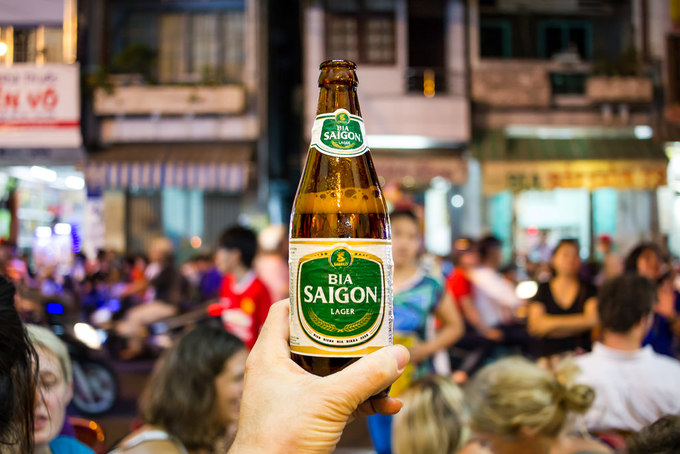
    Vietnam’s biggest brewer Sabeco reaped VND90 billion ($3.87 million) in revenue a day in January-September, a double-digit rise. In its latest financial report, the Saigon Beer Alcohol Beverage Corp reported revenues of over VND28.3 trillion ($1.22 billion) in nine months, up 10 percent year-on-year. Revenue from beer in the period accounted for 86 percent of total, or VND24.3 trillion ($1.04 billion).

    In the third quarter alone, post-tax profit was highest among all brewers in Vietnam at almost VND1.46 trillion ($62.76 million), up over 40 percent year-on-year.

    billion VNDSabeco business resultsRevenuePost-tax profitQ1-2016Q2-2016Q3-2016Q4-2016Q1-2017Q2-2017Q3-2017Q4-2017Q1-2018Q2-2018Q3-2018Q4-2018Q1-2019Q2-2019Q3-201902.5k5k7.5k10k12.5kSabeco

    Sabeco has paid almost VND8.2 trillion ($352.46 million) in taxes this year. Its total capital as of Q3 was VND24.78 trillion ($1.07 billion), up 10.7 percent from the beginning of the year.

    Sabeco is owned 53.59 percent by Vietnam Beverage, a subsidiary of Thai beverage company ThaiBev. The Vietnamese government, represented by the Ministry of Industry and Trade, owns a 36 percent stake in the company.

    ThaiBev has said earlier that Sabeco is its key growth driver in Southeast Asia as the region’s consumption slows down.

    Vietnam consumed 4.1 billion liters of beer in 2017, making it the biggest alcohol market in Southeast Asia and the third biggest in Asia after Japan and China, according to the Ministry of Health.

  • Fat Tiger expands with 1,000 more stores across India

    Fat Tiger expands with 1,000 more stores across India

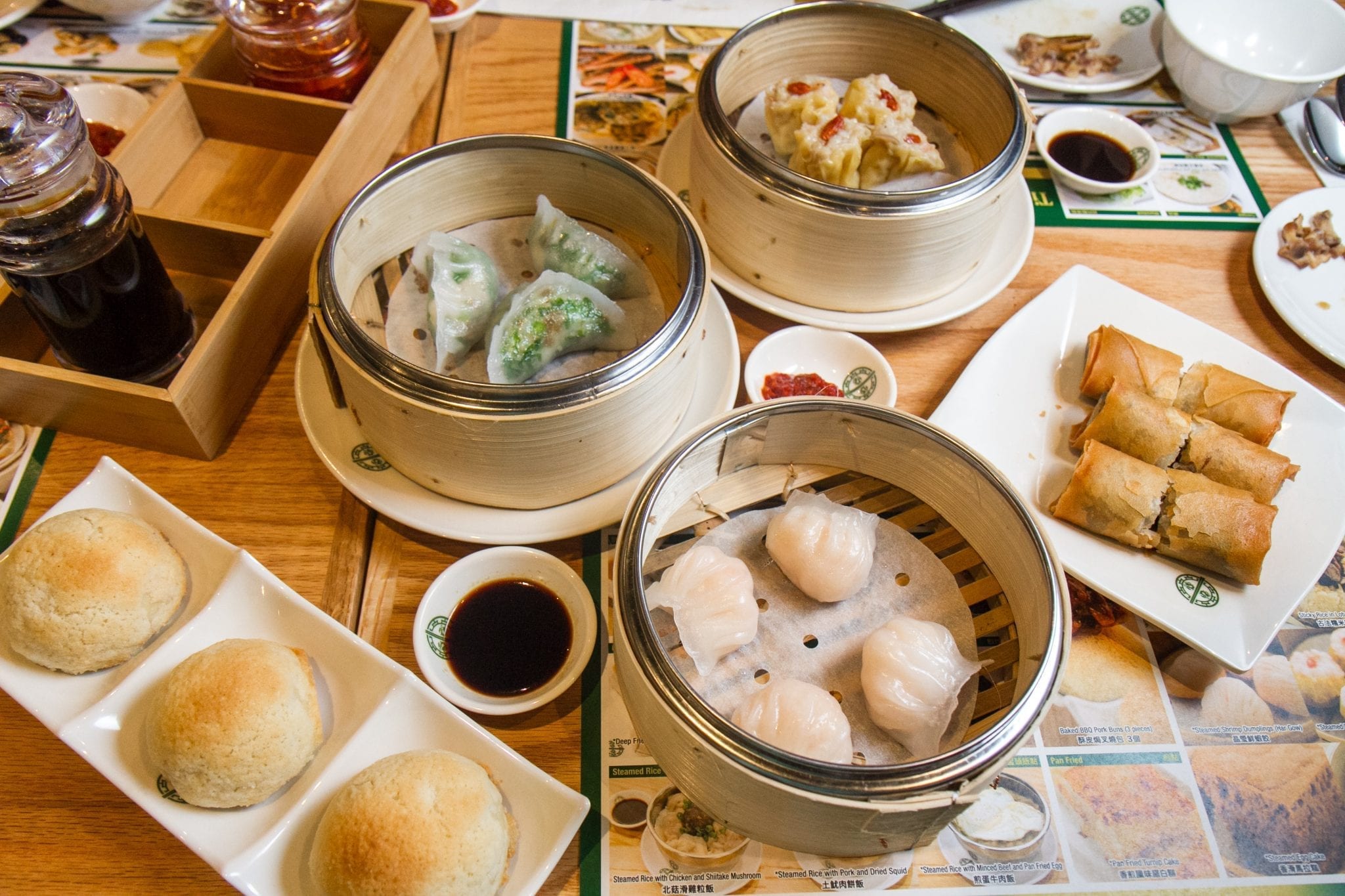
    Keventers milkshake-brand owner Sohrab Sitaram has launched Fat Tiger, a tea shop and dim sum franchise in India’s Delhi, Chandigarh, Ludhiana and Karnal.

    Sitaram says Fat Tiger introduces popular international flavors to the territory as well as a mid-market dim sum offering in a market where the cuisine is only associated with either street food or premium outlets. It plans to open more than 1000 stores throughout India.

    “The momo and dim sum preparations take inspirations from spice levels from Meghalaya, Nagaland, Mizoram, regions of Sikkim, and Arunachal Pradesh,” read a statement from the brand. “It is also influenced by Asian countries like China, Thailand, Nepal and Myanmar.”

    Fat Tiger serves tea reusable cups and dim sums with tongs instead of

  • Giant Vietnam restaurant chain Mon Hue shuts down

    Giant Vietnam restaurant chain Mon Hue shuts down

    Vietnam restaurant chain Mon Hue has closed down without notice, evidently unable to pay its debt.

    Restaurants under the Mon Hue brand along with sister chains including Pho Ong Hung and 99 House of Pho, have been shuttered and the company’s websites and social media channels have been switched off. Many of the abandoned stores in downtown Ho Chi Minh City already have for-lease signs on them.

    The company’s headquarters has been abandoned.

    The exact number of stores in the company’s network is hard to clarify. By the end of 2015 the company operated 110 and then embarked on a massive expansion program which may have peaked at 200 before closures began. Local media reported that 80 closed this week, but there is evidence that a long-term cull has been underway for at least several months.

    Several Mon Hue employees and suppliers have told local news media that they haven’t been paid “for months”.

    “Since about a week ago, the company stopped taking our supplies or paying for them. We couldn’t contact the procurement managers, directors of Mon Hue or its owner, Huy Nhat,” said Thuan, a supplier of the restaurant.

    DealStreet Asia reported today that private equity investors in Huy Vietnam have commenced a lawsuit in People’s Court of HCMC on behalf of the business against its founder and chairman Huy Nhat.

    According to VN Express, Mon Hue achieved a profit of VND300 million ($12,950) in 2016, but since then losses have accumulated to almost VND107 billion ($4.62 million) as expansion costs rose much faster than revenue.

    Meanwhile, dozens of the restaurant group’s suppliers owed money gathered in front of Ho Chi Minh City police headquarters to file complaints against the company, alleging Mon Hue had committed fraud.

    Staff, landlords, and suppliers have been left unpaid. Trade suppliers are owed at least US$430,000 including a production company whose $55,940 debt traces back three months. Others reduced their exposure by ceasing supplies but a promised installment repayment plan by Mon Huse was allegedly not honored.

    In addition to enormous debts, Mon Hue Restaurant accounts have been frozen by Vietnam’s tax authority.

    Mon Hue was operated by Nha hang Mon Hue Co, which is now wholly owned by Hong Kong-registered Huy Vietnam.

    In late 2015, Huy Vietnam announced it was planning to list on the Hong Kong Stock Exchange.  At the time it had already attracted US$65 million in investment from global investors such as AIF Capital Asia, Fortress Capital Asset Management, Welkin Capital, Prosperous Alliance and Templeton Emerging Markets Group. The company reported estimated it could raise up to $100 million from an IPO to fund expansion both inside and outside Vietnam. That plan was later abandoned.
  • % Arabica launches into the UK market with the opening of two London stores

    % Arabica launches into the UK market with the opening of two London stores

     Lifestyle-orientated Japanese specialty coffee brand % Arabica is delighted to announce its launch into the UK, with two London outposts officially opening on 1st November 2019. % Arabica will open its flagship store in popular East London hotspot Broadway Market and Covent Garden will see its sister site situated on King Street. Covent Garden is currently in its soft launch phase.

    % Arabica is a brand recognized globally thanks to its distinctive % logo (reminiscent of coffee cherries on the branch of a coffee plant), inimitable store aesthetic and most importantly the brand’s high-quality specialty coffee menu, all brewed on state of the art equipment. The brand’s international acclaim is a testament to founder Kenneth Shoji’s four core values:

    • #Seetheworldthroughcoffee – The notion of Kenbun (which loosely translated means ‘to see and to hear’ in Japanese) led founder Kenneth Shoji to create this brand motto. The company aims to open stores in amazing destinations globally so that young baristas can see the world, set personal goals and one day challenge the world with their own ideas. Twice a year, % Arabica invite baristas from around the world together for a program of events in different cities to give them an opportunity to travel, explore and learn more about coffee and its global reach.
    • Timelessness – % Arabica remains true to its brand identity of offering the best beans, the best service and the best state of the art equipment and it does not need to follow or adapt to fads and trends. Kenneth believes ‘something good does not have to change’ so the drinks menu is simple and minimal. Japan is famed for having many 100-year-old companies and remaining true to % Arabica core values it will bring sustainable long term stability to the company, customers and supply chain.
    • Identity – Aesthetically % Arabica spaces showcase the highest attention to detail; a minimal yet purposeful design and all original features, down to even the light switches, door handles, and amplifiers. Each store places wood-clad custom Slayer machines at centre stage, complemented by bespoke seating, mirrors and flooring. Unique to the London stores is the addition of original Smeed Dean Yellow brickwork, a nod to the traditional craftsmanship of the local community as % Arabica always aspires to achieve; celebrating the identity of every country in which new stores open.
    • Japanese sense of beauty – 
% Arabica celebrates its Japanese roots by highlighting the culture’s hardworking, simplistic and functional ideologies. Baristas are encouraged to work with Teinei (being mindful of your surroundings) and not wasting a single movement or moment in their workflow. Every cup of coffee served must be made to the best of their abilities to showcase the quality of components in the cup and of the dedication of every member of the global team that played their part in bringing % Arabica to London in 2019.

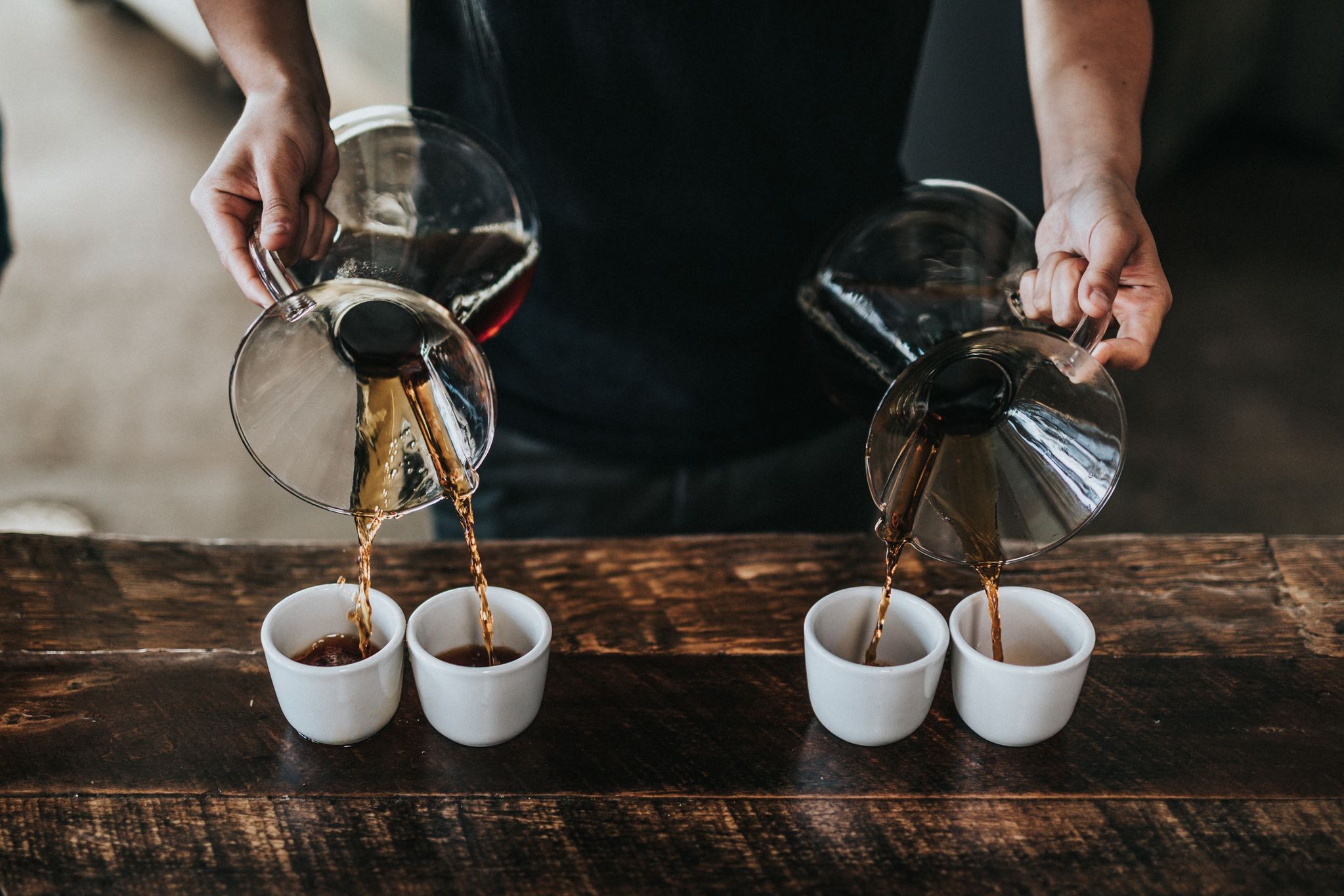
    % Arabica offers a concise coffee menu placing the greatest emphasis on solely offering the world’s best beans. Customers are invited to choose between the % Arabica blend (espresso blend combining Brazilian and Ethiopian beans selected for their unique characteristics) or a rotating Single Origin offering. The London menu offers Espresso based coffees (espresso, espresso macchiato, Americano, caffe latte, caffe mocha and the brand’s unique Spanish latte) and drip based beverages by Chemex.

    Leading the way in the “New Wave Coffee” movement, % Arabica produces and roasts its own coffee and the Broadway Market flagship will house its own roasting machine allowing for customers to co-create their own blend in accordance to their distinct taste profile. % Arabica is renowned for its high-performance Slayer Espresso machines which have been customized and built by hand in the USA along with offering a traditional pure Chemex serve for worldwide coffee connoisseurs. Each barista is trained in the brand’s popular Latte Art designs.

    % Arabica was founded by Kenneth Shoji, who became enthralled with the emerging coffee culture whilst studying at UCLA in the early 90’s; Starbucks exploded on to the scene and brought it with a new appreciation of experimental serves and changed the way in which we consume caffeine. Kenneth progressed to training as a barista before taking it one step further and buying a coffee farm in Hawaii. His passion led him to launch a green bean trading company and become a distributor for the technologically advanced Slayer espresso machines, Marco Uber Boiler, and Chemex in Asian markets. Realising his dream to open an international brand, % Arabica was born. To this day, Kenneth remains the creative mastermind and personally selects all of the locations, designs the stores with his preferred partners and visits coffee origins to select all of the coffee beans.  Through an exclusive partnership with Latorre & Dutch, they are planning to set up washing stations in coffee origins such as Ethiopia, Uganda, Colombia, and Indonesia.

  • Hong Kong’s Social Place makes Singapore debut

    Hong Kong’s Social Place makes Singapore debut

    Hong Kong contemporary Chinese restaurant chain Social Place has launched its first outlet in Singapore at Forum The Shopping Mall.

    The brand’s first outlet in Southeast Asia is a joint venture among three F&B businesses from Hong Kong, Singapore and Indonesia – Tang Palace, Palm Beach Seafood and Gaia Culinary Concepts.

    The restaurant’s chefs put a modern spin on traditional dishes, presenting a selection of Chinese favorites and imaginative creations.

    “Social Place is unique in its ability to offer diners refreshing encounters with Chinese cuisine while preserving its all-important heritage and history,” said Gaia Culinary Concepts representative Cindy Karim. “We are excited to bring a taste of modern Hong Kong, and the creative energy of its kitchens to our customers in Singapore.”

    Social Place presents a contemporary interior with hints of old Hong Kong. The setting is characterized by marble-topped tables, elegant gold, and blue-grey features, as well as vintage patterned flooring – elements that embody the restaurant’s fusion of tradition and modernity.

    The Singapore outlet is also the first to boast a glossy feature wall made out of mahjong tiles.

  • Bubble-tea chain The Whale debuts in Singapore

    Bubble-tea chain The Whale debuts in Singapore

    Bubble tea chain The Whale has opened its first outlet in Singapore.

    The Nanjing-based brand opened the first franchise in the territory in a basement takeaway kiosk at Lot One Mall in Choa Chu Kang. It is known for its unusual blends, including the Brown Sugar Avocado and Volcanic Sapphire Whale drinks.

    The brand’s marketing and business development manager Clement Low revealed a broad-ranging expansion strategy for The Whale, telling local media outlet 8 Days that the company plans to expand across Singapore.

    “We are currently looking for space where we can have dine-in seats,” said Low.

    The Whale will open its second outlet at City Square Mall, Farrer Park within a fortnight, and a third at Chinatown’s China Square Central next month. A fourth outlet will launch at Rivervale Mall in Sengkang towards the end of the year.

    The Whale’s Singapore partner also operates Thai eatery chain Gu Thai Noodle Cafe.

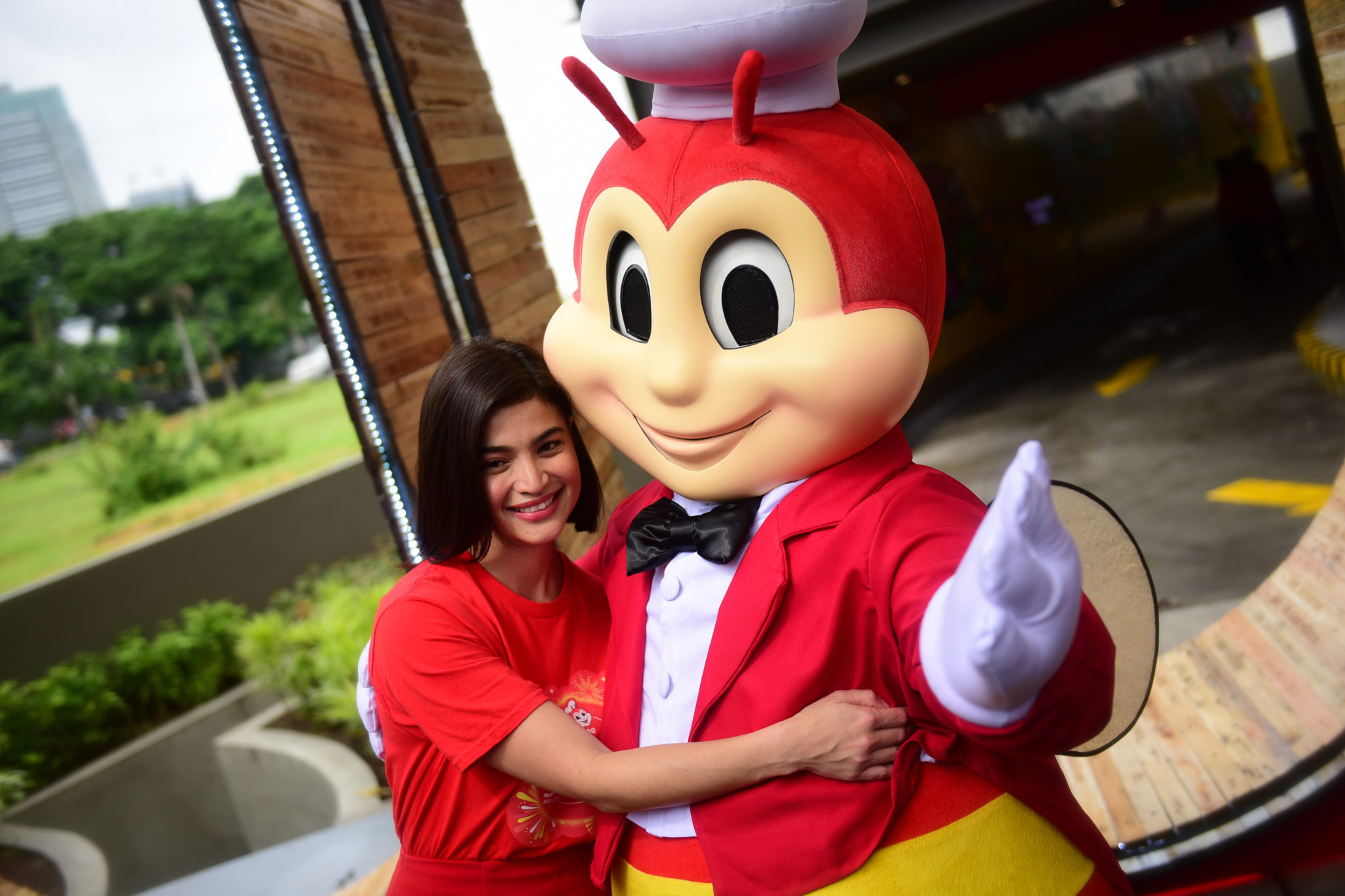
  • Jollibee is expanding in the UK with more outlets

    Jollibee is expanding in the UK with more outlets

    Filipino fast-food chain Jollibee is set to open its second UK restaurant, in Liverpool.

    Bee World UK, part of the Jollibee Foods Corporation, has already submitted a plan to transform a Lush store on Whitechapel into its flagship restaurant in the northwest England city. The expansion comes after the successful opening of its first UK restaurant in London’s Earl’s Court last year. The opening is set to create 70 jobs, according to the planning application.

    Jollibee’s head of international business for Europe, Dennis Flores, said last year that the company plans to continue expansion by opening 25 restaurants and creating 1,500 jobs across the UK by 2023. He also said that they expect the brand to appeal not only to the Filipinos living and working in the UK but to the locals as well.

    Further expansion will see the fast-food chain launch in new cities including Manchester and Birmingham, said Flores.

    Jollibee, known for its Chicken Joy fried chicken and Jolly spaghetti, has a network of more than 1,300 restaurants in the Philippines, making it a dominant leader in the industry. Internationally, it has more than 200 branches spanning across countries including the US, Canada, Vietnam, Singapore, Saudi Arabia, Qatar, Italy, Bahrain, Singapore, and the UAE.

    Its parent company, Jollibee Foods Corporation, also owns brands including Chowking, Greenwich, Red Ribbon, Mang Inasal, Yonghe King, Hong Zhuang Yuan and Smashburger. It also owns 60 percent of the SuperFoods Group which operates Highland Coffee and Pho24 brands in Vietnam. It recently entered into an agreement to operate Panda Express in the Philippines and to buy the Coffee Bean & Tea Leaf business globally.

  • Peet’s Coffee opens 60’s-inspired Shanghai pop-up store

    Peet’s Coffee opens 60’s-inspired Shanghai pop-up store

    US coffee chain Peet’s Coffee has launched a pop-up cafe in Shanghai, inspired by the design of its heritage store in California.

    The Peet’s Coffee pop up offers a wide selection of coffees and experiences, including personalized t-shirts, tote bags with distinctive patterns influenced from the 1960s period. A photo booth was installed inside the store for the customer to take photos and print out or share on social media.

    “This Peet’s Coffee pop-up experience showcases the power of experiences in transporting audiences to a different time and place, and bringing the origins of the brand to life,” said Matalie Ackerman, executive VP of design agency Jack Morton Greater China.

    Peet’s Coffee also offers live music performed by buskers outside the pop-up store to add to the retro vibe.

    To explain the message behind the brand’s legacy approach, marketing director of Peet’s Coffee China Elaine Liu said: “When Alfred Peet opened his first coffee bar in Berkeley, California in 1966, he established our long-standing commitment to roasting the highest-quality coffee and Peet’s continues to stay true to that in China.”

    Peet’s Coffee is planning to expand into other cities in China in the future.

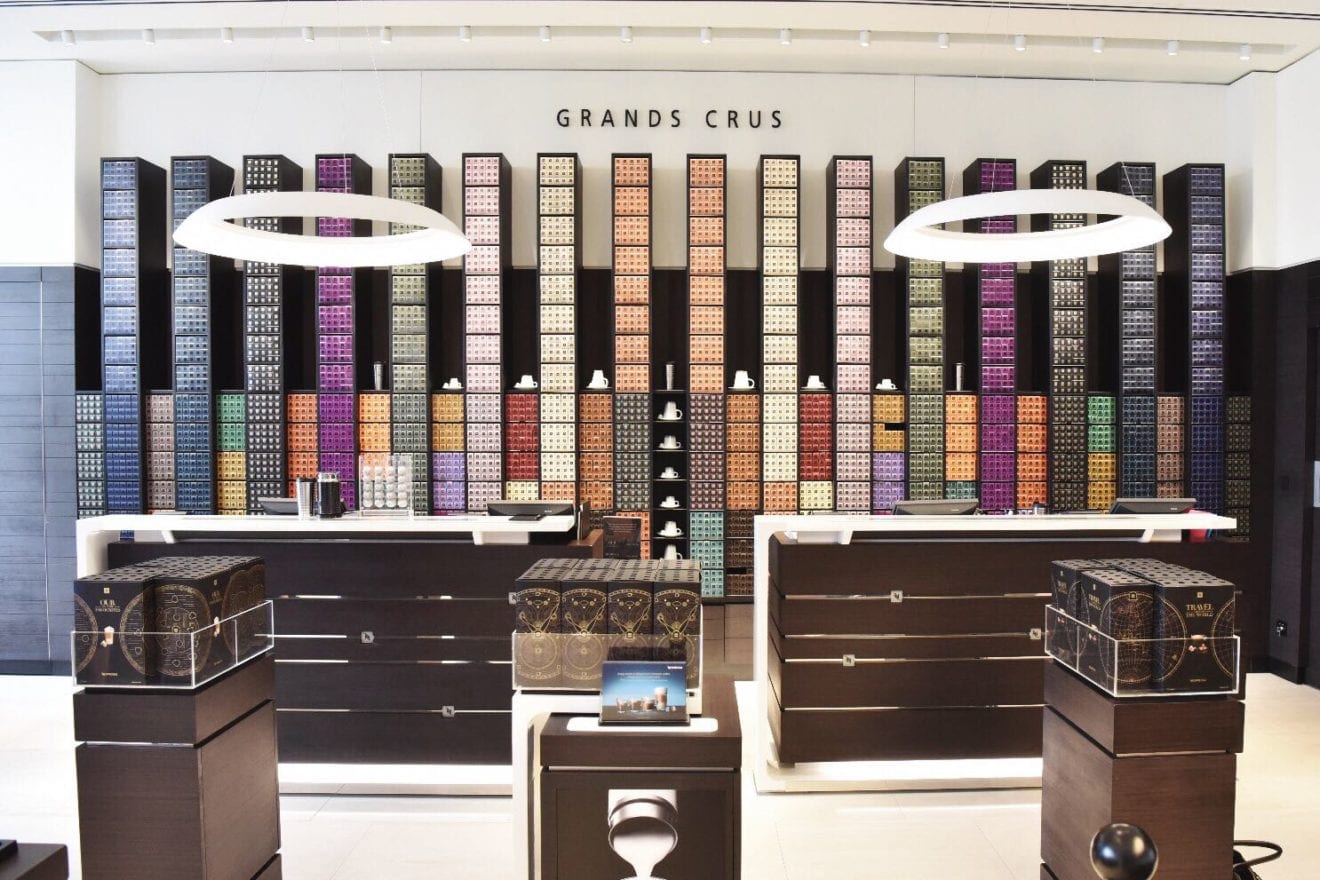
  • Nespresso launches farm-to-table sustainability initiative

    Nespresso launches farm-to-table sustainability initiative

    Capsule coffee brand Nespresso is inviting business partners to join an exclusive farm-to-table culinary experience designed by Chef Vicky Cheng, owner and executive chef of Michelin-starred Vea Restaurant and Lounge in Hong Kong.

    To further encourage the public to participate in the Nespresso’s sustainability initiatives, Cheng will extend the unique farm-to-table experience to the acclaimed restaurant with a special gift. From November 11 to December 14, diners will receive a complimentary jar of rosella jam, made with rosella grown using recycled coffee grounds at the Nespresso Farm.

    As the chief ambassador of Nespresso Hong Kong, Cheng will be creating a one-of-a-kind luncheon using fresh vegetables harvested straight from the Nespresso Farm.

    Guests will not only indulge in the gourmet-coffee pairing menu but will also see how used coffee grounds from recycled Nespresso capsules are repurposed as compost and given new life.

    “As chef ambassador of Nespresso, I have had the opportunity to travel to the brand’s headquarters and even to the coffee farms in Colombia,” said Cheng. “From these experiences, I have witnessed the brand’s deep commitment to quality, craftsmanship, and sustainability, which are shared values that I believe are key to delivering the ultimate experiences to customers … It is a delight to be able to craft this Nespresso farm-to-table menu and cook using top quality, fresh ingredients grown from repurposed coffee grounds; I hope this inspires people to join the sustainability journey.”

    Nespresso capsules are fully recyclable, from the aluminum capsules to the coffee grounds within them. The brand’s current local capsule recycling rate is running at 24 percent. Club members can drop off their used capsules at any Nespresso Boutique or use the Recycling@Home service – a doorstep collection system where used capsules are picked up when a new order is delivered.

  • Contaminated water forces seven Vietnamese Starbucks stores to close

    Contaminated water forces seven Vietnamese Starbucks stores to close

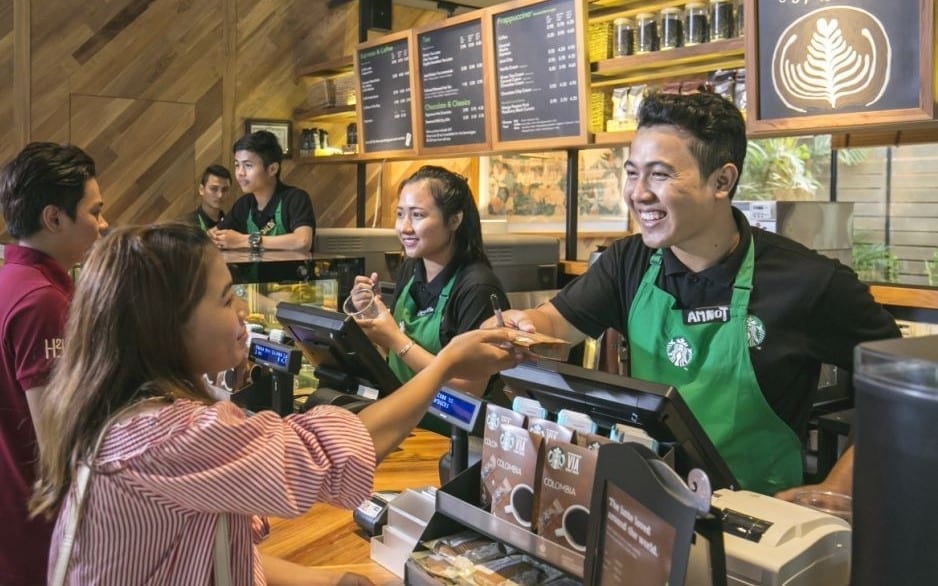
    Coffee chain Starbucks has temporarily closed seven outlets in Hanoi, Vietnam as the city copes with serious oil contamination of its water supply.

    According to a customer service staff member, the Starbucks Hanoi stores are closed in areas where water comes from the Da River, including Cau Giay, Ha Dong and Nam Tu Liem districts. The coffee chain has not confirmed a reopening date.

    The contamination traces back to a truck seen dumping used oil into a mountain creek in Phu Minh Commune, Hoa Binh Province last week which has led to contaminated tap water for about 1 million Hanoi residents.

    While Starbucks is not alone in closing stores, other major coffee chains and eateries in the contaminated areas have arranged alternative sources of water and remain open.

    Local news media report that tap water has now passed safety tests, but Hanoi officials advise consumers against drinking or cooking with it.

    Meanwhile, there are widespread reports of bottled water prices soaring in the city as people rush to buy safe water. While tap water in Vietnam is not considered safe to drink it is generally acceptable to use it for cooking.

  • Burger King APAC opens 3,000th restaurant

    Burger King APAC opens 3,000th restaurant

    The Burger King Asia-Pacific network has reached a milestone, the 3000th restaurant which just opened in Shanghai.

    The new restaurant in China is a joint venture owned by Burger King, TFI TAB Food Investments and Cartesian Capital.

    “We have served the Asia-Pacific market for more than 40 years, and have grown rapidly in the region recently, doubling our restaurant count in just the past five years,” said Sami Siddiqui, president at Burger King Asia-Pacific. “We look forward to many more openings to come as we grow the brand in our fastest-growing region of the world.”

    Burger King has opened more than 1500 restaurants in the region within the last five years, helped by strong franchisee partnerships in major markets, including China, India and South Korea.

  • Starbucks closes seven Hanoi stores over contaminated water

    Starbucks closes seven Hanoi stores over contaminated water

    Coffee shop giant Starbucks has temporarily closed seven stores in Hanoi’s southwestern districts over the ongoing oil contamination crisis.

    A customer service agent said Friday that the closed stores are located in Cau Giay, Ha Dong and Nam Tu Liem districts, all of which use water that comes from the Da River in Hoa Binh Province. No reopening date has been set.

    Other major coffee chains in the southwestern districts of Hanoi have remained open, with their managers saying, without elaborating, that they are getting clean water from a supplier.

    Like Starbucks, many restaurants and eateries in Hanoi are struggling to get clean water.

    Nghia, owner of a pho noodle stall in Hoang Mai District, said that he has spent hundreds of thousands of dong (VND100,000 = $4.3) on bottled water this week because the tap water smelled bad and could not be used for cooking.

    A buffalo-meat restaurant chain with outlets in affected areas mobilizes staff to work till midnight Wednesday to stock bottled water.

    In some areas, bottled water prices have increased 2-3 times due to high demand. The Vietnam Directorate of Market Surveillance has asked Hanoi authorities to stop merchants from overpricing bottled water.

    On Tuesday last week, a 2.5-ton truck was seen dumping used oil into a mountain creek in Phu Minh Commune, Hoa Binh Province. The oil spread and contaminated the tap water for about one million Hanoi residents.

    Tests of the smelly water by authorities later found that the level of styrene, an organic compound that is classified as “probably” carcinogenic, was 1.3-3.6 times higher than normal.

    On Thursday, Hanoi officials said the tap water samples collected Monday this year passed safety tests, but continued to advise against drinking or cooking with it.