Retail News Asia is committed to providing both local and global retailers with the latest Food and Food & Beverage news throughout the Asian market. This on a daily base.
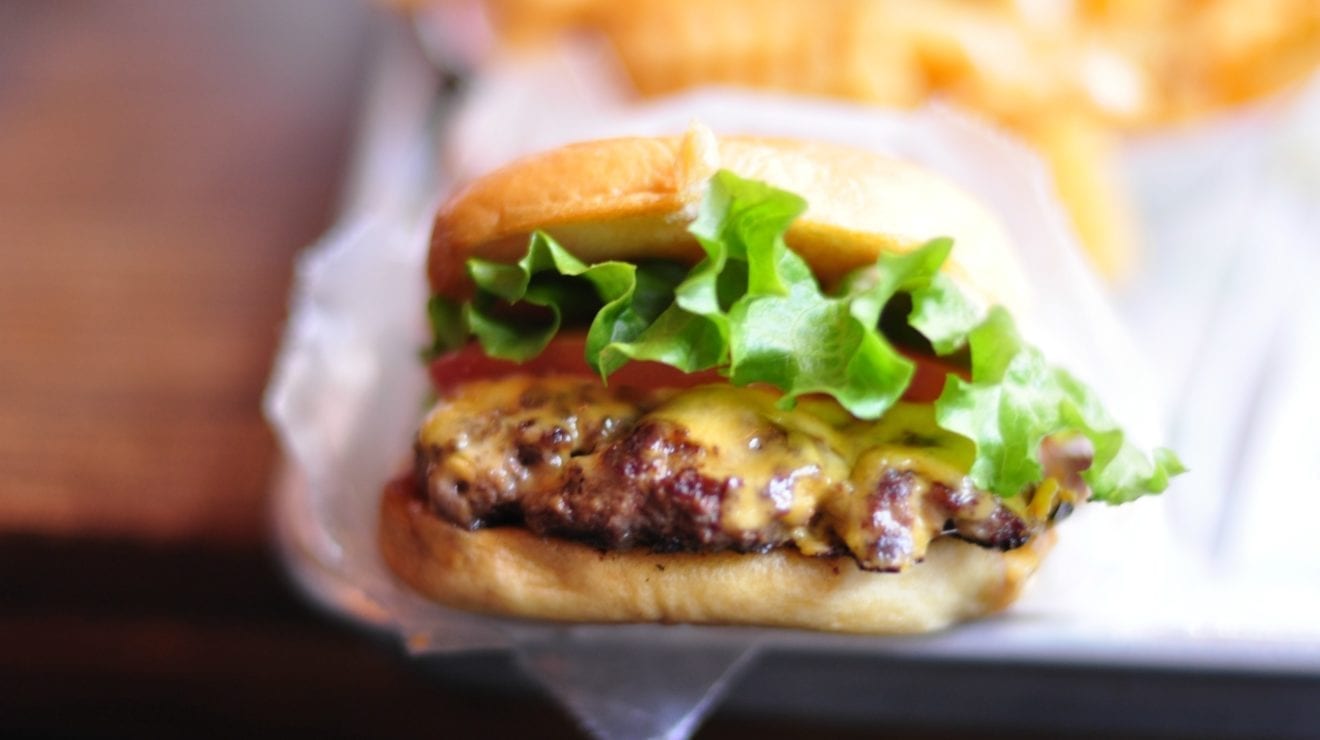
Shake Shack is launching its second Philippines outlet at the Mega Fashion Hall at SM Megamall.
The restaurant is expected to open before the end of the year, with construction on the new venue already underway following a board up made by artist Kris Abrigo, which features a “reimagined Ortigas skyline showcasing gradient colours as day shifts into night, and a multi-faceted community through textures and geometric shapes,” according to reporting in the Manila Standard.
Brand enthusiasts are invited to interact with sliding panels in the board to reveal “surprises” during the lead-up period to the store’s opening.
Mexican fast food chain Taco Bell reportedly will open its first New Zealand store at The Brickworks in New Lynn’s LynnMall.
Clark Wilson, general manager of Taco Bell NZ for Restaurant Brands, confirmed the location of the first store to NZ Herald.
“We’re thrilled to reveal Taco Bell will be opening its doors in Auckland, early this November,” Wilson said.
Restaurant Brands operates the New Zealand franchises for KFC, Pizza Hut and Carl’s Jr, and operates a KFC franchise in NSW, Australia, as well as Taco Bell and Pizza Hut franchises in Hawaii, Guam and Saipan.
The NZX-listed company earlier this year said it would open 60 Taco Bell stores across Australia and New Zealand over the next five years. In September, it revealed the locations of the first new stores to open in Australia, with stores set to open in Melbourne, Sydney and Newcastle.
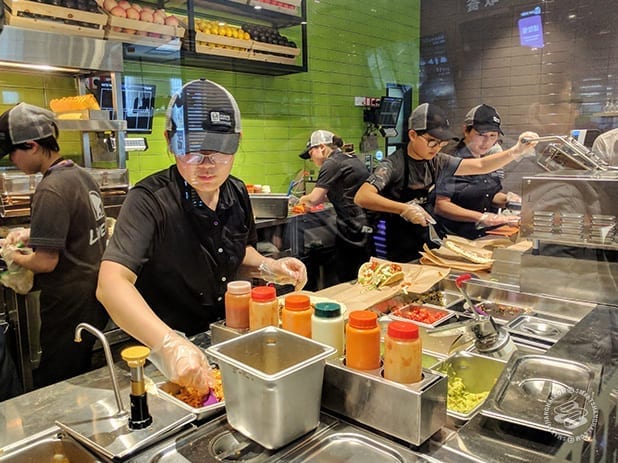
The Taco Bell in LynnMall in West Auckland will feature an open kitchen, customer-curated music playlists and free WiFi. The store also reportedly will serve alcohol.
The Brickworks is a relatively new dining precinct at LynnMall, launched in 2015. It currently is home to Turkish and Greek restaurant Bodrum Kitchen, meat and wine bar Cleaver & Co, pizza and pasta restaurant Goode Brothers, Vietnamese restaurant Hansan,
H&M’s pre-tax profit rose 25 percent in the latest quarter to US$506 million as the Swedish-headquartered global fast-fashion retailer trimmed its inventory and customers embraced its summer range.
“The new season has got off to a promising start,” said CEO Karl-Johan Persson.
Globally, net sales rose by 12 percent in the third quarter to $6.35 billion, helped by a 30-per-cent jump in online sales. In the US market, where it has been struggling, it cut prices on core lines to reduce inventory, and sales rose 19 percent.
Kate Ormrod, lead retail analyst at GlobalData, said the results showed H&M’s strategic overhaul – in which it has embraced the shift away from physical retail to digital – is beginning to reap rewards.
The increase in full-price sales and a reduction in markdowns resulted in the group’s first double-digit growth in operating profit and its first quarterly increase since the second quarter of 2016/17.
The Swedish retailer now expects to only open around a net 120 stores this year, a further reduction on the 175 stores originally planned – although expansion in growth markets remains a priority. Ormrod said that while Persson says a ‘high level of activity’ remains in its transformation work, the scale and coverage of its investment, extending to almost all parts of its business, is notable, and signifies the evolution of the retailer as it strives to satisfy changing consumer demands.
“This year has not been without its challenges, however, especially in the UK, and while it remains under pressure from value rivals as well as more frequent discounting from mid-market players, H&M’s proposition continues to resonate,” she said.
Ormrod also praised H&M’s commitment to embracing sustainability.
“Its longstanding commitment to sustainability sets it apart from other value players and with new initiatives such as green home delivery (for example via cars that run on biogas) in the Netherlands and trialing clothing rental in Stockholm in the autumn, H&M has found its niche which it can continue to exploit as consumer focus on sustainability grows.”
However, she offered a cautious response to news leaked last month that H&M-branded stores are to trial selling third-party products.
“While the idea holds merit to extend its reach and bolster appeal, with sister brands & Other Stories and Arket already selling external brands, taking on Asos and Zalando is a big ask, so third-party brands are unlikely to become a cornerstone of its proposition.”
Thai coffee chain Cafe Amazon has launched its first outlet in China.
The new cafe has opened at a Sinopec-branded petrol station in the Guangxi provincial capital of Nanning.
Cafe Amazon is owned by Thai petrol firm PTT Oil and Retail Business (OR), which is aiming to expand the chain globally. The Chinese operator is OR subsidiary PTT OR China (Shanghai), which will roll out the chain at other Sinopec petrol stations nationally.
China is the 10th market in which the brand has launched.
Struggling grocery retailer and delivery startup Honestbee has been granted a four-month debt moratorium by the Singapore High Court.
While two months shorter than the protection period the company sought from the court, it allows the business to restructure free from creditor pressure.
Reports by Singapore business media show Honestbee owed around US$236 million in current liabilities as at the end of June. On top of that it has debt of around $210 million owed to some 1800 convertible noteholders which it is trying to exchange for equity.
While Honestbee’s debt is a major impediment to the ongoing business, as much as 80 percent of the liability is to investor Brian Koo and entities controlled by himself or family interests.
Koo stepped down as chairman of Honestbee in mid-September but is believed to support the debt restructuring scheme.
Following the court decision, Honestbee CEO Lay Ann Ong issued a statement about the company’s immediate future: “A successful recapitalization and restructuring of the business will set a strong path of recovery for the company. This is necessary to ensure that we have the right structure in place moving forward so that we can better serve our customers across Asia.”
The company will release further details shortly on its recapitalization progress and plans to sell of some parts of the business.
Nespresso has announced Jean-Marc Dragoli, who led the company’s Brazilian operations, as general manager for Oceania.
Dragoli is now based in Sydney and aims to build on the double-digit growth achieved in his previous role.
“I know Australians and New Zealanders are true coffee connoisseurs and I am looking forward to working with colleagues across Oceania to offer the highest quality sustainable coffee and service to people at home, in the workplace, at hotels and fine dining establishments,” Dragoli said.
He is taking over from former general manager Loïc Réthoré and will focus on building good customer experience and driving business innovation and sustainability efforts in Australia.
Nespresso Oceania is known for its Vertuo coffee system; subscription services and reimagined boutiques, including the new flagship boutique on George Street in Sydney.
“We are delighted to have Dragoli join us at a hugely exciting time for the business, as we continue to lead the way in sustainable, high-quality coffee in the region. With an excellent management team in place, we know Dragoli will build on this success in the coming months and years,” Nespresso head of APAC, Middle-East & Africa, Roland Tschanz said.
KiKi Tea Hong Kong has opened its fourth branch, at Telford Plaza in Kowloon Bay.
The Taiwanese bubble-tea chain is operated by Hong Kong hospitality group Lai Sun Dining which is opening outlets at a rapid pace in the city. The new boutique-style venue is styled after a minimalist Zen courtyard with rustic interior design and communal oak tables encouraging diner interaction.
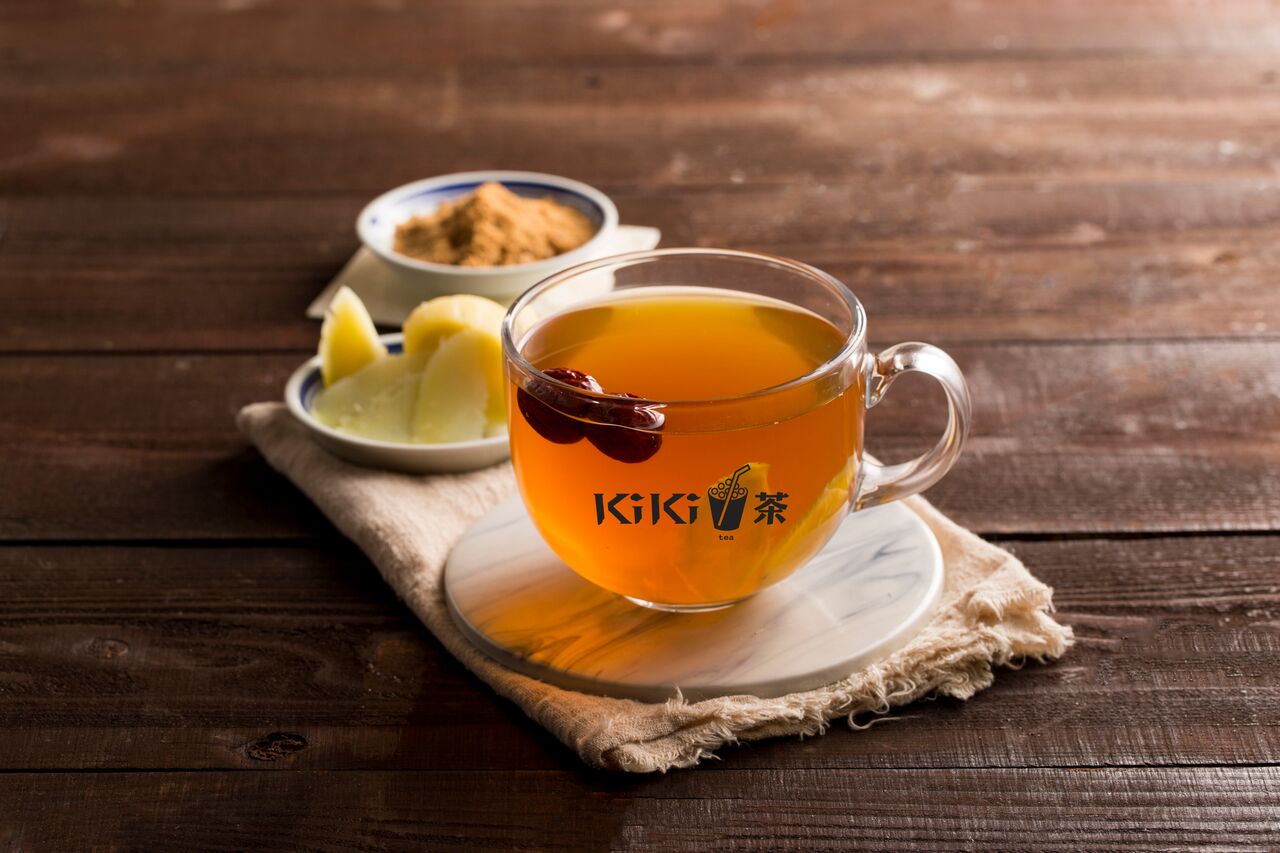
KiKi Tea, an extension of the renowned KiKi brand, stands out from the Taiwanese bubble tea crowd showcasing quality, mostly natural ingredients including premium Taiwanese tea leaves, black sugar and cane sugar, along with authentic Taiwanese tea recipes – highlighting handmade pearls and pressed-to-order House Blend Teapresso.
The first KiKi Tea Hong Kong pilot store opened at Sun’s Bazaar at Pacific Place and was followed by KiKi Noodle Bar (KiKi Tea) flagship outlets at IFC mall in Central and K11 Musea at Victoria Dockside in Tsim Sha Tsui East.
To mark the Telford Plaza opening, KiKi Tea has partnered with KitKat to serve a collection of chocolate beverages.
Japanese ‘celebrity’ ramen champion Hayashi Takao is opening a second branch of Ramen Cubism in Tsim Sha Tsui later this month.
The new restaurant is sister to the first outlet in Central, which has performed strongly since its Hong Kong debut in January. Fast-track expansion of the brand has since included a sister brand in Chef Hayashi’s home town of Osaka, Ramen Purism.
The new 1800sqft, 31-seat venue in Kowloon replicates the brand’s design theme of cosy interior with predominant wood finish, designed to convey a sense of natural, fresh and authentic ingredients sourced from environmentally-friendly places.
“Tsim Sha Tsui is a logical location for extending the concept to Kowloon, with a vibrant local crowd as well as tourists from all over the world,” said Bird Kingdom Group founder and CEO Eric Ting.
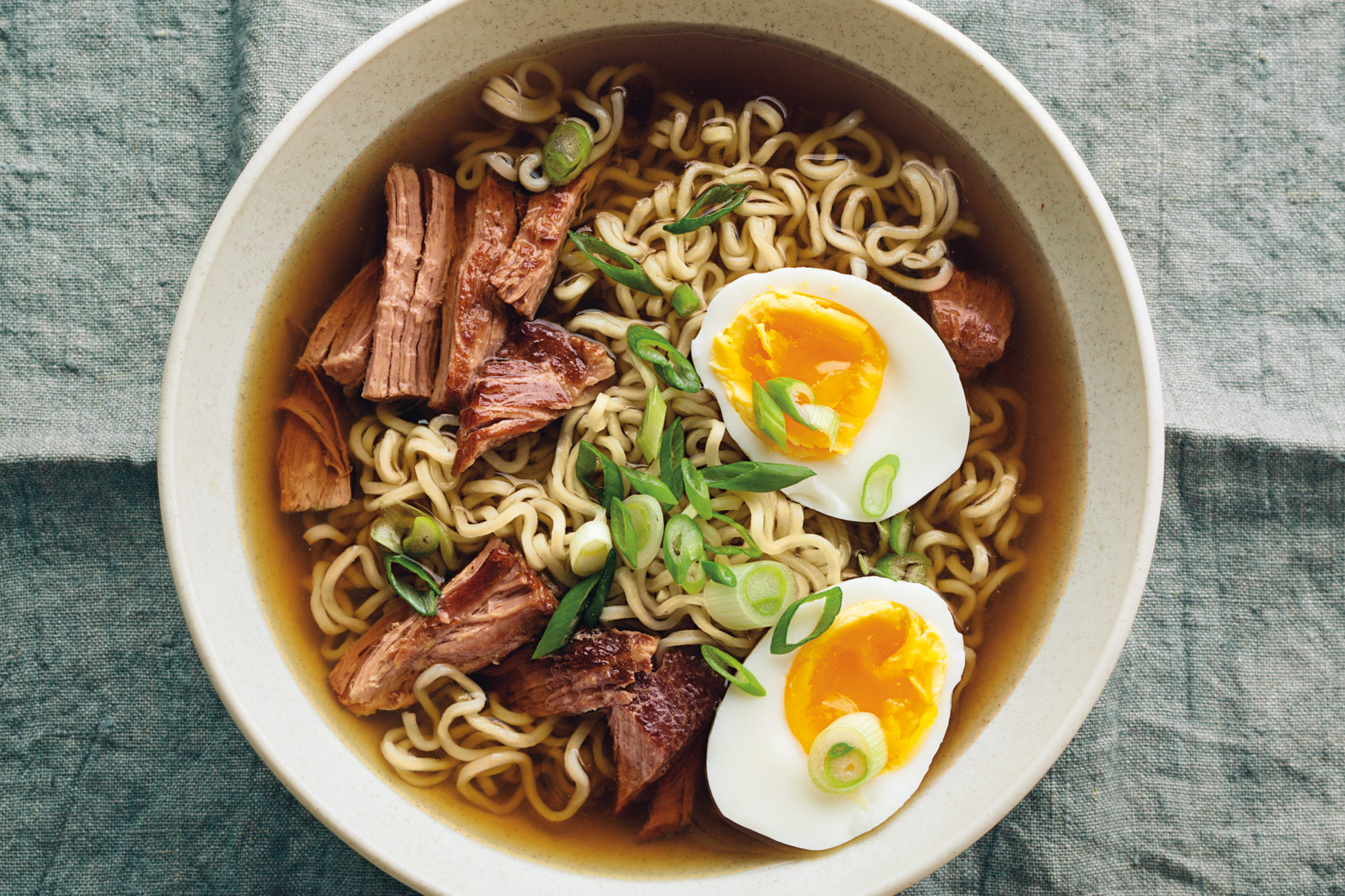
To celebrate the opening, Chef Hayashi is unveiling his award-winning ramen from Japan – Japan Next Generation Ramen Competition Champion Ramen – Miso Ramen. The dish was so popular in his first restaurant ‘Original Ramen Style Hayashi’ at Tsukamoto Station in Osaka that it regularly attracted queues of more than 100 fans.
“This unique version of traditional Miso Ramen was perfected over extensive recipe development, experimenting with new techniques to inject an East Asian influence into traditional Japanese ramen,” said Chef Hayashi.
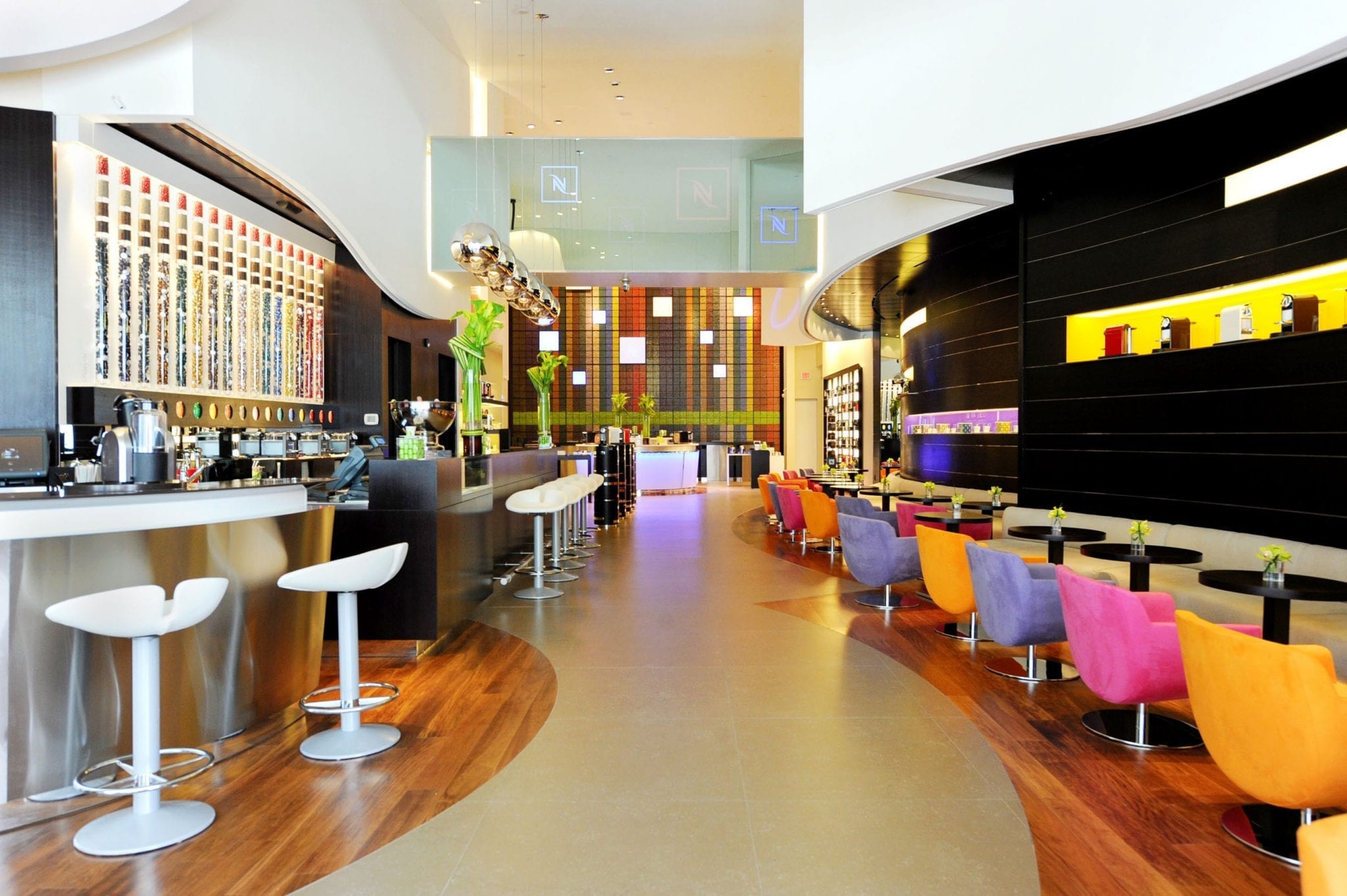
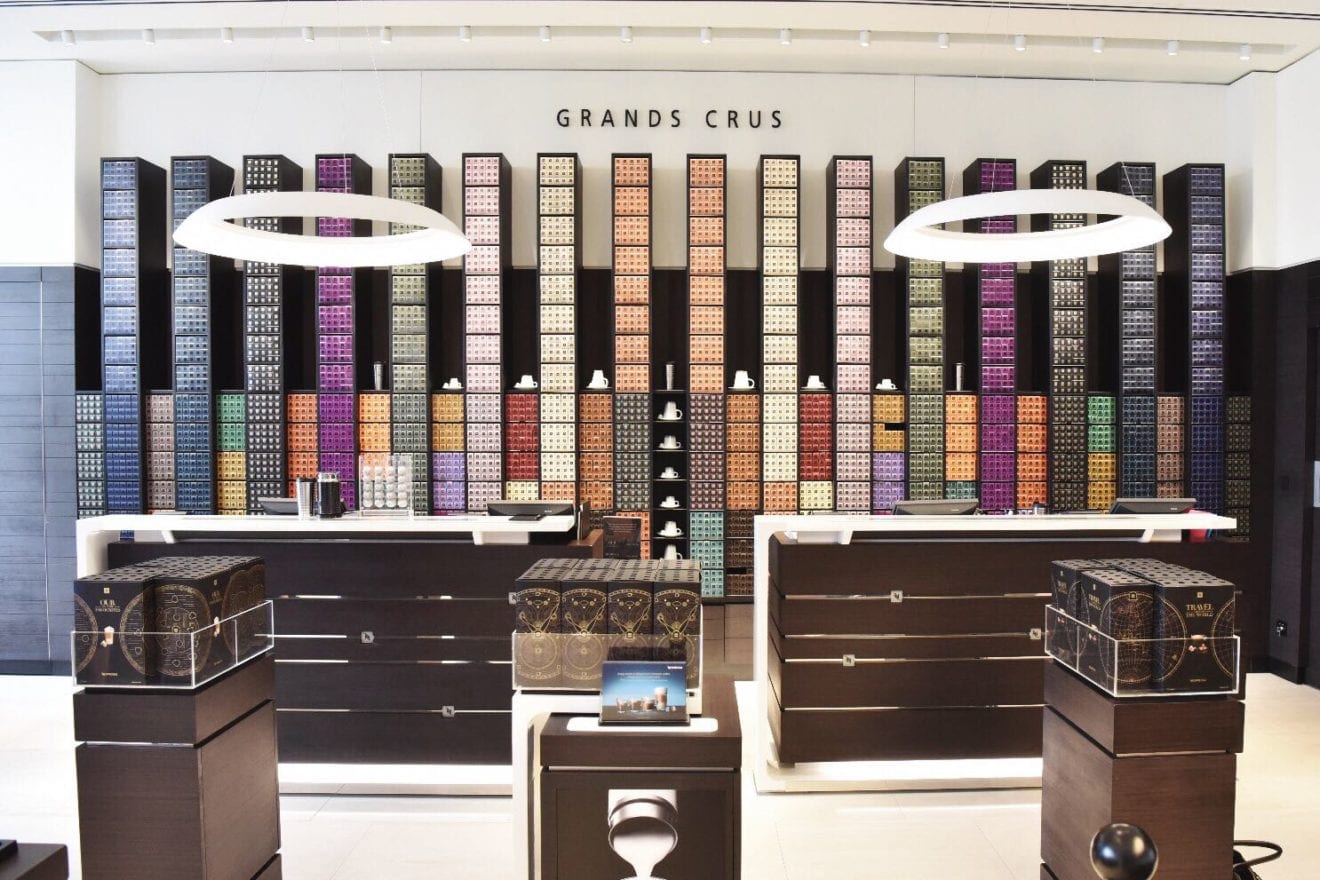
Nespresso Hong Kong has launched a new boutique at K11 Musea featuring more than 50,000 square feet of green walls.
The walls are meant to serve as a reaffirmation of the brand’s commitment to sustainability by unveiling their collaboration with the Nature Discovery Park at K11 Musea to offer planting workshops to members of the public.
The new 452sqft boutique is Nespresso’s fifth retail store in Hong Kong. The space features sustainable elements, such as table-tops made of used coffee grounds from the Nespresso factory in Switzerland, wood sourced from reforestation programmes, and a capsule recycling collection point where guests can drop off their used capsules.
A new set of “Hong Kong Selection” coffee assortment is available exclusively at the new boutique to celebrate its opening, featuring five well-loved coffee capsule flavours by Hong Kong consumers.
The Nature Discovery Park will also showcase Nespresso’s latest Re:Cycle bike created in collaboration with Swedish bike brand Vélosophy. Nespresso has globally launched a limited quantity of 1000 city bikes made from recycled aluminum coffee capsules, designed to illustrate the potential of recyclable aluminum and to inspire customers to recycle their capsules.
Japanese bakery brand Croquant Chou Zakuzaku will open its first store in Singapore next month.
The Croquant Chou Zakuzaku Singapore flagship store will take over its sister brand’s outlet Bake Cheese Tart at Ion Orchard.
The new Japanese store will offer its first Croquant Chou, a crunchy stick-shaped cream puff filled with fresh cream, and its soft-serve ice cream made with Hokkaido milk and coated with croquant chunks, Zakuzaku Soft.
“We are honoured to be able to open a flagship store in Singapore. We have been eyeing to open the store for a long time in a trendy location, and have finally been able to do so in Ion Orchard,” said Hajime Kikuchi, director at Croquant Chou Zakuzaku. “We hope that Croquant Chou Zakuzaku can become a brand that is loved by Singaporeans who are interested in high quality sweets and dessert items.”
Since opening its doors in Lumine Est Shinjuku in 2014 , Croquant Chou Zakuzaku has expanded to more than 30 outlets in five countries, with its tagline “All the good stuff in one hand”.
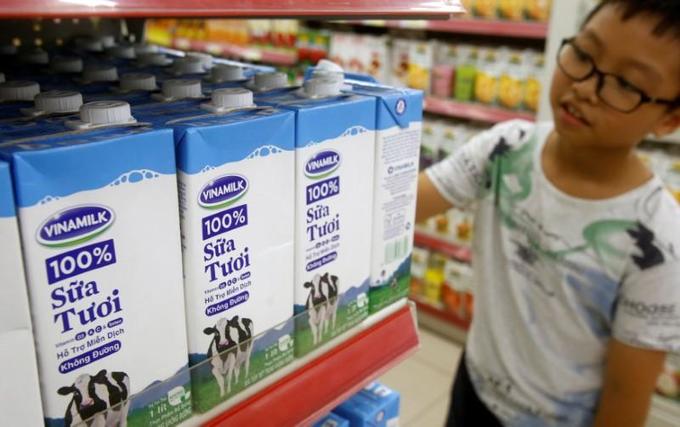
Vietnam will export milk for the first time to China in October to make up a shortfall there. China has given export permits to five Vietnamese companies — Vinamilk, TH True Milk, Moc Chau Milk, NutiFood, and Hanoimilk — Tong Xuan Chinh, deputy head of the Ministry of Agriculture and Rural Development’s department of livestock production, said.
Vietnam’s dairy exports are set to rise from $120 million last year to $300 million next year with the addition of this new market, he added.
A spokesperson for Vinamilk, the country’s largest dairy company, said it would first export yoghurt to China.
Milk production in China, the world’s second largest dairy market behind the U.S., only meets around 75 percent of demand, according to its Ministry of Agriculture and Rural Affairs.
China is set to import 39.43 million tons of milk and other dairy products this year, including 750,000 tons of fresh milk and 650,000 tonnes of milk powder, it said.
Vietnam’s dairy output rose 6.9 percent to 936,000 tons last year, and is set to rise to one million tons next year and two million tons by 2030, according to the country’s agriculture ministry.
It exports dairy products to 46 markets with 70 percent going to the Middle East, it added.
Japanese tearoom chain Afternoon Tea Tearoom will open its first branch in Hong Kong this Saturday to offer a Japanese-style casual afternoon tea experience in a tourist hotspot.
The tearoom is located in K11 Musea in Tsim Sha Tsui and offers sweets and a variety of foods such as sandwiches and pasta, plus selected teas and drinks.
The firm is offering a training program in Japan for the Hong Kong staff of its partner Tearoom (HK) Limited to learn the company’s concept, menu and way to serve customers.
“Hong Kong is a culturally diverse society and people here are familiar with afternoon tea culture,” said Ivy Company, Sazaby League company president Ryuhei Tsukada.
“We are grateful to have an opportunity to offer our quality sweets and foods in the city. Our Hong Kong team and Japan team will work together closely to provide the best services to customers, providing them with a rich but casual and relaxing afternoon tea experience.”
“We are happy to see a popular Japanese brand join our dynamic food and beverage market,” said Investment Promotion associate director-general Dr Jimmy Chiang. “Hong Kong people love Japanese food culture, and I am confident Afternoon Tea Tearoom will draw a good following among food lovers who look for nothing but the best.”
Starbucks and Alibaba have teamed up to allow consumers in China to order coffee using their Tmall Genie smart speaker.
From the comfort of their sofa, those seeking a hot latte or an iced tea can simply call out “‘Tmall Genie: I want Starbucks delivered’. And within 30 minutes of placing a verbal order for food and beverages, it will arrive, thanks to Alibaba’s Tmall.
They can also track the delivery status of their orders in real-time, as well as connect membership accounts to the smart speaker to earn Star rewards with every purchase, which add up to free food and drinks.
Soon, members will also receive personalised recommendations based on their previous orders and trending items from Starbucks’ seasonal menu, says Miffy Chen, GM of Alibaba A.I. Labs, the artificial-intelligence research unit behind the Tmall Genie.
She said the collaboration helps both companies meet the needs of China’s digitally savvy consumers, who are increasingly expecting seamless, on-demand deliveries for everything from ordering groceries to food and medicine.
Molly Liu, VP and GM of the digital ventures division at Starbucks China, said the new smart speaker marks a new era of digital customer engagement for Starbucks and will help “[elevate] their connection with customers to new heights.”
“We are focused on ensuring that Starbucks voice-ordering is truly personal, and we look forward to offering our customers more convenient moments and new opportunities to engage with Starbucks on a single integrated platform as they move throughout the day,” Liu said.
As part of the partnership between Starbucks and Alibaba, the Seattle-based coffee chain has also exclusively debuted a new Starbucks-themed Tmall Genie through its flagship store on Tmall, Alibaba’s B2C e-commerce site. The smart speaker, which comes in the brand’s classic shade of green, features its teddy-bear mascot “Bearista” behind a DJ turntable. Users can play music from a curated playlist by telling the Tmall Genie to “play some Starbucks music,” a feature powered by Alibaba’s music-streaming app Xiami.
About 3000 Starbucks Genies, priced at RMB 199 (US$28) each, sold out instantly during a livestream hosted by popular Taobao livestreamer Viya Huang on Monday. Huang’s five-hour stream had attracted more than 829 million views.
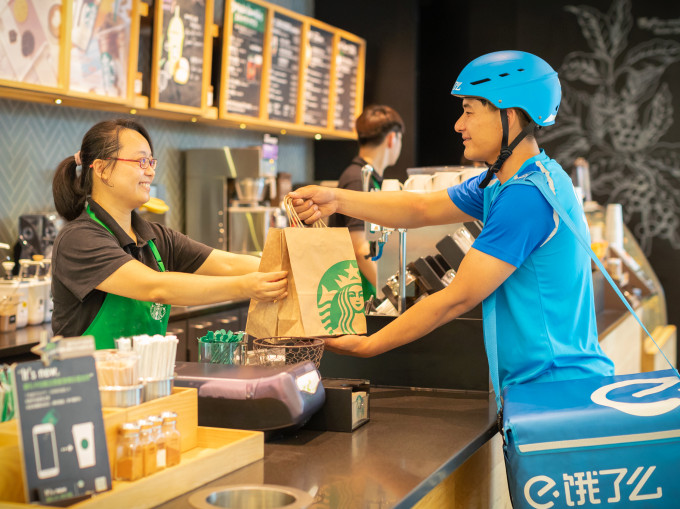
The new Tmall Genie feature comes as Starbucks and Alibaba celebrates the one-year anniversary of their strategic partnership to transform the coffee experience in China. Starbucks has since tapped Alibaba’s New Retail infrastructure, such as partnering with Ele.me to expand its delivery coverage or opening back-of-room “Star Kitchens” inside Freshippo, which leverage the supermarket chain’s fulfillment capabilities to enhance its delivery speed and reach.
In 2017, Starbucks’s cafes began accepting mobile wallet Alipay for payment. In December of the same year, Starbucks opened its first roastery outside of its home market in Shanghai, which featured mobile technology and augmented-reality experiences designed by Alibaba.
While China’s per-capita demand for coffee is still a fraction of US consumption – an average mainland Chinese consumer drinks three cups a year versus 363 cups in the US – total consumption grew at an average annual rate of 16 per cent in the last decade, significantly outpacing the world average of 2 per cent, according to the International Coffee Organization.
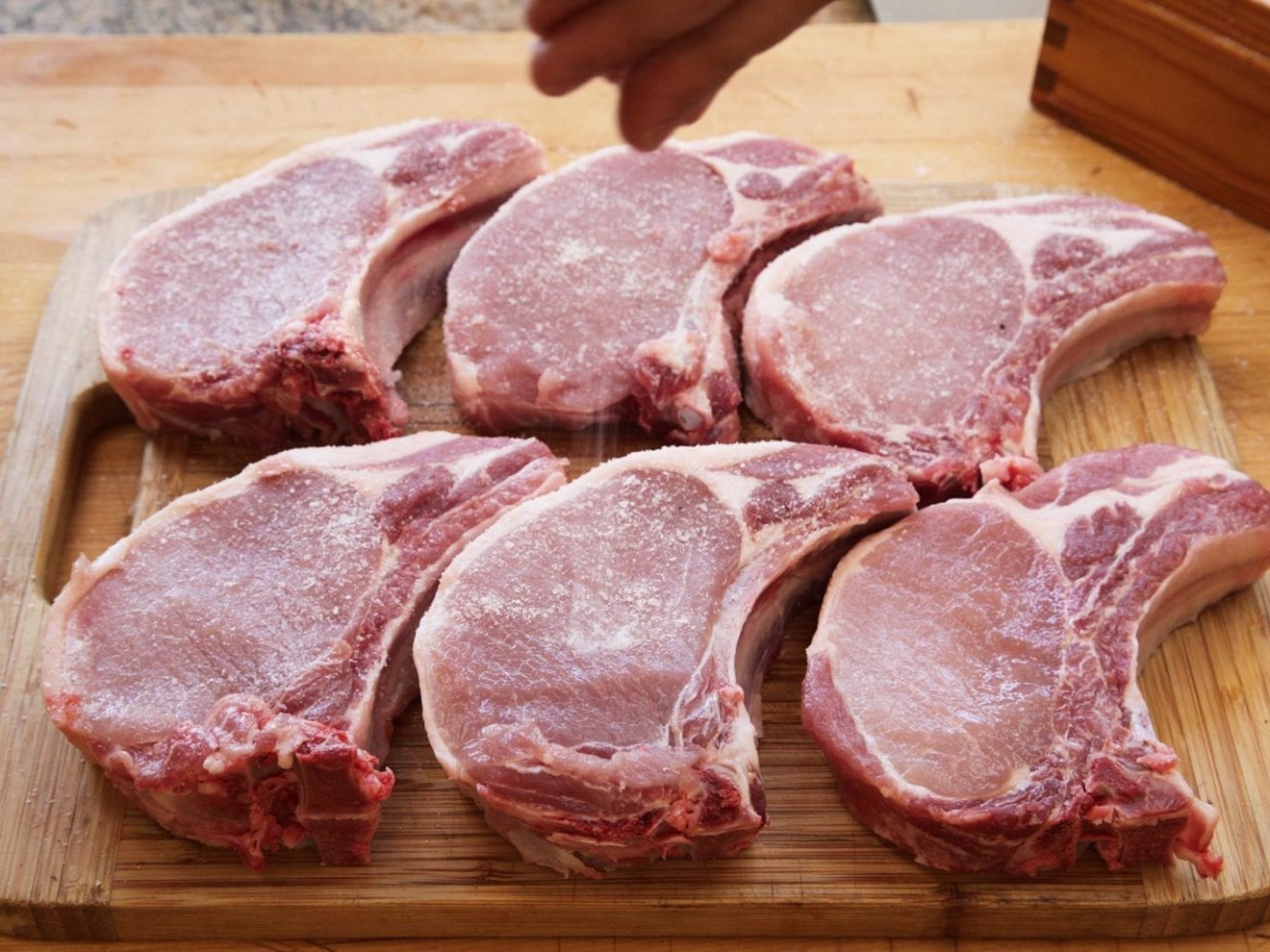
Vietnamese traders are exporting pork to China despite forecasts of declining domestic supply due to outbreaks of the African swine fever.
Tam, who buys pork in the south, said his exports to China have increased in the last two months, and fetch a margin of VND500,000-1 million ($22-43) per pig. “Prices are high in China because it stopped buying from the U.S.”
Nguyen Kim Doan, deputy chairman of the Dong Nai Breeding Association, said traders are selling Vietnamese pork to China because of the large gaps in prices in the two countries.
Pork costs CNY26.67 ($3.7) in China and just VND50,000 ($2.2) in Vietnam, a 43 percent difference.
China, the world’s top pork consuming nation, earlier this month canceled orders to buy 14,700 tonnes of U.S. pork as the trade war between the two largest economies continued. Industry insiders have forecast prices in China to increase by 70 percent from last year in the coming months.
In Vietnam, they have risen by up to 28 percent to VND50,000 ($2.2) in the north and VND40,000 ($1.7) in the south since supply has been falling after African swine fever swept the country.
Some 4.7 million pigs have been culled since the disease was first detected in February this year.
Producers are reluctant to return to the business after having to cull infected animals, the Department of Processing and Market Development of Agriculture Products said.
It estimated prices to rise further, especially during Lunar New Year Festival (Tet) next January.
Vietnam could face a shortage of 500,000 tons in the second half of this year, or 20 percent of demand, according to market research firm Ipsos Business Consulting.
In January-August the country exported $449 million worth of meat, up 3.6 percent year-on-year from 2018, mostly because of the rise in pork exports to China.
All provinces and cities have reported the disease, which does not pose a risk to humans but is fatal to pigs.
Pork accounts for three-quarters of meat consumption in Vietnam, a country of 95 million.
African swine fever was first detected in Asia last year in China, the world’s largest pork producer. Half of its breeding pigs have died or been slaughtered because of the disease, twice as many as officially reported.
Leading FMCG companies including Nestlé, Kellogg Company, Danone, Mars and Unilever have formed a new coalition aimed at protecting and restoring biodiversity within their supply chains and product portfolios.
The One Planet Business for Biodiversity (OP2B) initiative launched by Danone CEO Emmanuel Faber at the United Nations Climate Action Summit in New York on Monday includes 19 companies with combined total revenues of around $500 billion.
The coalition is focused on scaling up regenerative agriculture practices, boosting biodiversity and increasing the resilience of food and agriculture systems; as well as eliminating deforestation and protecting high-value ecosystems.
Mark Schneider, Nestlé CEO, said protecting and restoring biodiversity “is essential to safeguard food production and food security”.
“Nestlé has for many years worked with farmers to manage their land sustainably and will continue to lead activities enhancing biodiversity,”
Schneider said.
The OP2B coalition members also include L’Oreal, Balbo Group, Barry Callebaut, DSM, Firmenich, Google , Jacobs Douwe Egberts, Kering, Livelihoods Funds, Loblaw Companies Limited, Migros Ticaret, Symrise and Yara.
Mars launches #PledgeForPlanet
Mars is going a step further to tackle climate change, with the launch of its #PledgeForPlanet initiative, which calls on suppliers to set science-based targets and embrace renewable energy.
“Climate change is a real and tangible threat to society. For example, in our business, we already see it in the risk to livelihoods for smallholder farmers who provide most of our raw ingredients,” Mars CEO Grant F. Reid said.
“Risks to the resiliency and sustainability of our supply chain and the future of the farmers we work with is top of mind. But, as a family business that thinks in generations and aspires to make a positive difference in the world, our responsibilities and our ambitions go beyond risk mitigation. We are committed to doing our part for the good of the planet.”
The initiative follows the company’s investment of $1 billion towards its Sustainable in a Generation Plan which looks beyond its own direct operations and into its extended supply chain.