Category: Food

Retail News Asia is committed to providing both local and global retailers with the latest Food and Food & Beverage news throughout the Asian market. This on a daily base.

  • Bubble-tea chain Milksha opened  in Australia

    Bubble-tea chain Milksha opened in Australia

    Taiwanese bubble-tea chain Milksha has opened a flagship store in Melbourne, Australia.

    The store is the Milkshop brand’s first flagship in Australia. It operates 240 locations in several Asian countries.

    The brand is known for its use of fresh milk rather than creamer.

    “Those familiar with the Milksha brand know that it’s a premium bubble tea brand,” said Milkshop International GM Peter Huang. “We chose Melbourne to launch our flagship store because it is no doubt the foodie capital of Australia. The city is a melting pot of different cultures open to trying new products, which can be seen in its established and growing market of bubble-tea lovers.”

    The firm is partnering with local supplier St David’s Dairy for fresh milk.

  • Mana! looks abroad as plant-based, whole-foods business matures

    Mana! looks abroad as plant-based, whole-foods business matures

    Fast-casual, plant-based whole-foods retailer Mana! Is eyeing further expansion both within Hong Kong and abroad after refining its format in multiple city locations.

    Founder Bobsy Gaia says Mana! Starstreet, its third store which opened in August, is the first to be opened in a commercial partnership, in this case with Swire Properties.

    “We were ready to scale since day one as a fast-slow food concept. Scaling without integrity and brand is dangerous, so we spent time to build the brand first for when the day comes, the expansion will be ready,” he said in an interview.

    To date, all Hong Kong developments have been done under its own steam but the Mana! team is keen to explore international opportunities, either by its own means or through franchising.

    More stores are planned within the next two years after the company has tested its concepts in commercial areas.

    Despite that, founder Bobsy Gaia is adamant the company is not out to please its shareholders.

    “We will seek intelligent capital with integrity to grow. Planet and profit benefit has to balance altogether.”

    Mana! Is becoming well known among the local and expat community for its health and eco-conscious positioning. And Gaia is equally well known for his strong advocacy in the eco-movement.

    The new Starstreet flagship spans more than 1600sqft, the largest after its Central and Poho stores. Apart from its signature menu of fast-slow food, Mana! Starstreet houses its first salad bar and vegan coffee cafe. Not only has the flagship ticked all the boxes for sustainability innovation being a completely zero-waste store, but Mana!’s works within the community and the initiatives set in their new outlet also paved way for Bobsy Gaia being awarded and recognized as one of Hong Kong’s Top 50 Innovative Retail Leaders for 2019.

    From eco-fashion to food

    Hailing from Beirut, Gaia moved to Hong Kong almost three decades ago originally to expand his eco-fashion line until he saw a need for vegetarian food right at Lamma Island where he lives. From the original Bookworm Cafe, to Life Cafe on Shelley Street, Gaia has continuously reinvented the concept and found commercial success through the Mana! venture that is patronized by many today.

    The Mana! tribe

    Mana! customers range from locals and expats, of all genders, age brackets and ethnicities. Albeit the Hong Kong consumer may be eating green for health reasons as opposed to alleviating climate change; there is clearly a growing awareness among the locals and even moreso, emerging within Gen Z.

    Aside from Gaia and his team’s effort in educating local schools and universities, the stores’ customer bases is generally getting younger reflecting a growing demand and awareness among younger people to make a conscious consumption choice.

    The evolution of Mana! flagships

    From the first Mana! Raw on Wellington Street to the Poho joint, the fast-slow food establishment stands out amongst Hong Kong’s concrete jungle with its outdoor space and high ceilings. Mana! also has a 3500sqft production kitchen at Wong Chuk Hang where its team continuously invent and produce the vegan food on its menus today.

    Each of the restaurants specialise in different offerings. The Central store, for example, sells an average of 500 flats a day, while the Poho outlet is noted for the brand’s first vegan coffee shop. But all the stores maintain visual consistently through their murals and designs.

    While the Starstreet flagship streamlines all food concepts and offerings together in one place, “this is a fuller expression of Mana!’s concept – with space” according to Gaia, especially as it is the first location that is roofed. The store’s signature reclaimed wooden tables stretch through the restaurant, and are large enough for a leisurely hangout as well as a welcome working spot, equipped with free WiFi. It is common to find the Mana! team using its own space rather than their headquarters as it allows them to engage with the Mana! community. A cushioned no-shoes Zen zone sits comfortably in the middle of the restaurant for gatherings, and a library corner with Bobsy’s must-reads in life.

    Sustainability

    The fundamental of Mana!’s success not only lies from its vegan food offerings, but it is also recognized for its sustainability movement that has contributed back to the community largely. “The difference is integrity…we don’t cut corners,” said Gaia. “We’ve invested lots of time to showcase what a conscious business can be and should be like. Our recycling system took eight years to develop – we call this version 0.7.”

    Aside from alliances and organizations, Mana!’s team works closely with the government, with many initiatives we see today influenced by their efforts. For example, they were the first in launching Hong Kong’s first designated paper recycling bins in 1997. Glass bottles recycled in-store get turned into bricks and tiles for Hong Kong parks and sidewalks. All of its packaging underwent in-depth research to design the compostable packaging that exists today, and is returned back to the earth as soil.

    Outside of its shops, Mana!’s team is seen regularly in local communities, partnering with like-minded organisations and even start-ups, such as Hong Kong Dog Rescue, Peta and Feeding Hong Kong. It also works with retailers such as Lush and Lululemon through corporate catering or hosting events together. Every morning, the Mana! Starstreet store hosts “Morning Mindfulness” sessions with Lululemon ambassadors as well as local trainers to bring the local community together.

    Tips for retailers

    Gaia has sage advice for retailers seeking to evolve and adapt their sustainability initiatives.

    “Build a conscious business that inspires change. A restaurant is a restaurant, but Mana! is a vehicle to inspire change, through the stomach.”

    Gaia says Mana!’s success has come from bringing integrity and trust to its retail business – key ingredients for success, especially in the sustainability market. He invites retailers seeking inspiration to visit any of his eateries and peruse the libraries on hand.

    But in his own wise words: “The new business of business, is to

  • Fumihiko Sano Studio creates cedar-lined Dandelion Chocolate cafe

    Fumihiko Sano Studio creates cedar-lined Dandelion Chocolate cafe

    A Dandelion Chocolate boutique has launched in a century-old house in Kyoto, Japan.

    Dandelion Chocolate is a bean-to-bar craft chocolatier that operates small-scale locations throughout the US and Japan.

    The San Francisco brand hired Fumihiko Sano Studio to create the 200sqm outlet’s design, which was shortlisted for this year’s Dezeen Awards. The two-storey interior in the heritage timber-framed property features a cacao bar serving alcoholic drinks paired with chocolate, a retail store and a traditional courtyard.

    “Considering the parallels between craft chocolate and cedar, both require authentic craftsmanship and carefully selected natural ingredients – so I made the decision to place cedar at the centre of materials used for this project,” said Tokyo architect Fumihiko Sano in an interview with Dezeen. “Cedarwood is also one of the main materials of Japanese architecture.”

    “It is my pleasure to give a new purpose to a building that has stood there for more than one hundred years. May it thrive for another hundred, full of new memories.”

  • Hong Kong’s Tsui Wah launches second Singapore outlet

    Hong Kong’s Tsui Wah launches second Singapore outlet

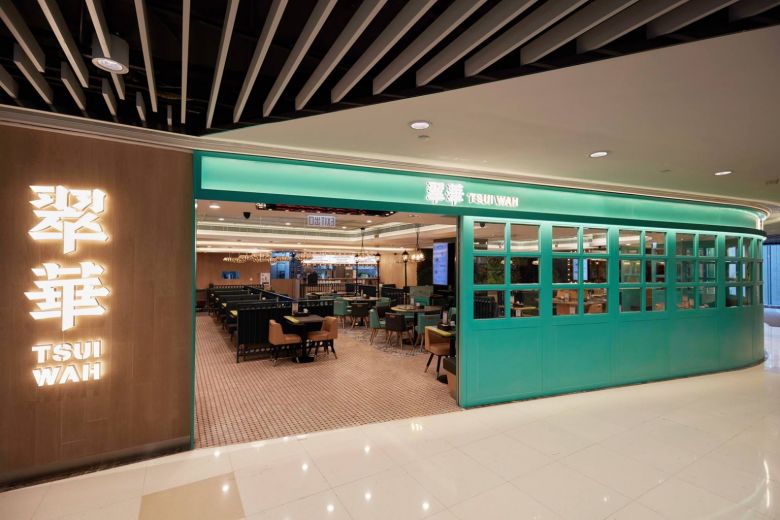
    F&B firm Jumbo Group has opened the second Singapore outlet of its Tsui Wah restaurant at The Heeren.

    The locations are the brand’s sole Tsui Wah venues outside of greater China, with the new 4800sqft Tsui Wah Orchard Road restaurant opening around 15 months after the first Singapore store at Clarke Quay. The second location has 192 seats across its alfresco and indoor dining areas.

    The new Tsui Wah Orchard Road venue has been established for strategic reasons given its easy accessibility on the island’s main shopping street.

  • First Wolfgang Puck Kitchen opening in in Hong Kong

    First Wolfgang Puck Kitchen opening in in Hong Kong

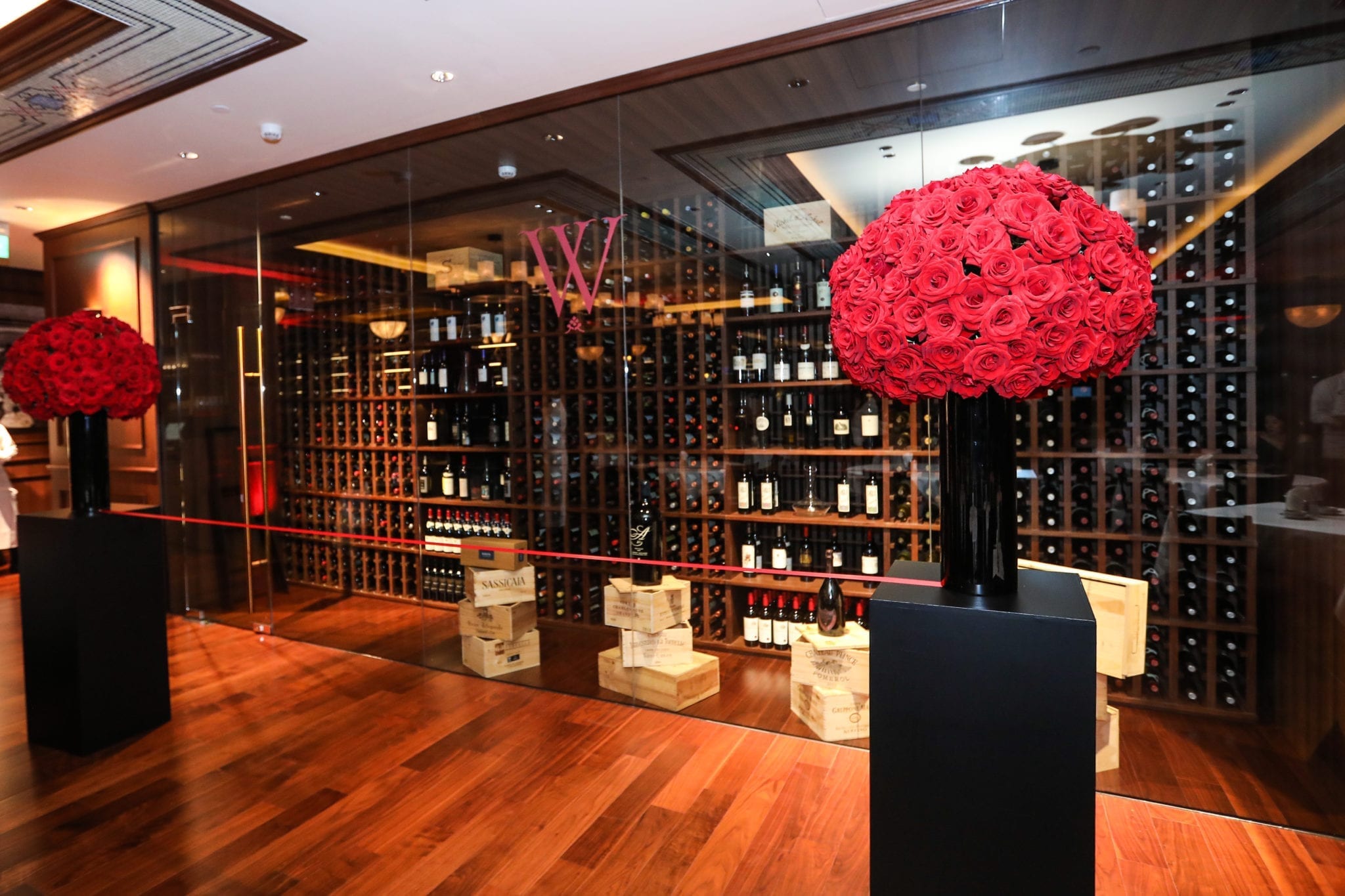
    The first Wolfgang Puck Kitchen in Hong Kong has opened its doors.

    The founder of popular Hollywood eatery Spago is steadily rolling out a network of fast-casual dining concepts across the US and more recently internationally, with outlets in Singapore and Sydney.

    This month he has opened Wolfgang Puck Kitchen on level 5 of the arrivals hall of Terminal 1 at Hong Kong International Airport. A grand opening is planned for October 9.

    The restaurant, in collaboration with Lagardere Travel Retail, features a grab-and-go collection for consuming on the plane, as well as booths and bar seating, serving breakfasts, pizzas, salads, burgers and other fast-casual fare, all influenced by California cuisine.

    The Wolfgang Puck Kitchen in Hong Kong will trade daily from 6.30am to 12.30am.

    The Austrian-born chef’s Wolfgang Puck Kitchen brand now has more than 50 outlets, located in airports, casinos, universities and amusement parks. He also owns the high-end steakhouse Cut, has authored multiple books and is a part-time actor.

  • Impossible Burger launches in Southern California

    Impossible Burger launches in Southern California

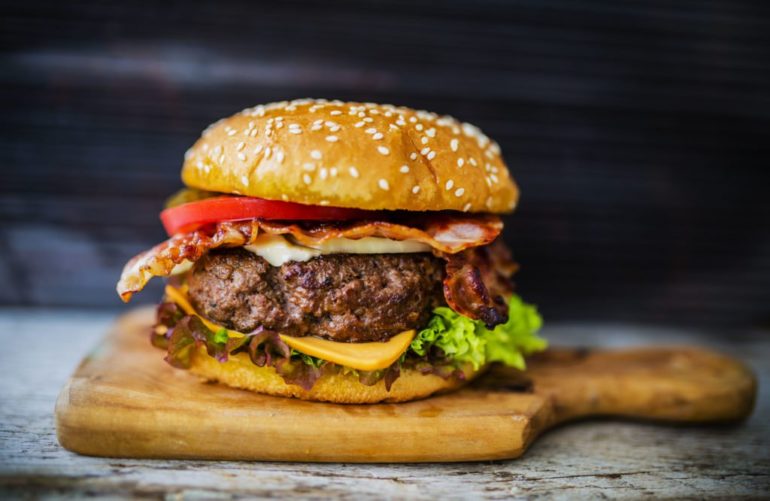
    The Impossible Burger has made its worldwide debut in grocery stores at all 27 outlets of Gelson’s Markets in Southern California.

    Gelson’s Impossible Burger launch is the first time that the general public has been able to buy and experience the plant-based meat burger at home. The Impossible Burger is on menus in more than 17,000 restaurants.

    “Three years ago we introduced plant-based meat to top chefs in America’s most important restaurants, said Impossible Foods’ CEO and founder Dr. Patrick O. Brown. “They consistently told us that the Impossible Burger blew them away. We can’t wait for home cooks to experience the magic – whether using Impossible Burger in their family favorites or inventing new recipes that go viral.”

    Throughout the fourth quarter and early next year, Impossible Foods will expand its retail presence by launching the Impossible Burger in industry-leading grocery stores in key regions. Following the Gelson’s Impossible Burger launch, Impossible Foods will release the product in additional grocery stores later this month, when the Impossible Burger makes its East Coast debut.

    As the leading food-tech startup scales up production and capacity – both at its own plant in Oakland, California, and with leading food co-manufacturer OSI Group – it will accelerate its retail push.

    “Our first step into retail is a watershed moment in Impossible Foods’ history,” said Impossible Foods’ senior VP Nick Halla, who oversees the company’s retail expansion. “We’re thrilled and humbled that our launch partners for this limited release are homegrown, beloved grocery stores with cult followings in their regions.”

  • Squarestreet launches coffee concept in Sheung Wan

    Squarestreet launches coffee concept in Sheung Wan

    Scandinavian lifestyle accessories label Squarestreet is presenting a new in-store coffee concept centered around the tradition of “fika” at its Sheung Wan boutique.

    “Fika” is a Swedish verb that describes the act of meeting to drink coffee while enjoying traditional pastries in any home or workplace in Sweden. It is an integral part of Swedish coffee culture.

    The Kaffe venue offers classic Swedish homemade pastries paired with Swedish-roasted beans in a cosy and intimate environment. The shop also offers a selection of local, Swedish and in-house designed accessories and homewares. Its takeaway utensils are all compostable and its cup sleeves are decorated with the classic folk art called “Kurbits” from the Dalarna region in central Sweden.

    All pastries are made by a Swedish baker following traditional recipes, and the cafe’s beans are delivered weekly, three days after roasting, to keep the coffee as fresh as possible.

    “I wanted to offer a new type of cafe experience through Kaffe,” said Kaffe founder and curator Alexis Holm. “Having a ‘fika’ is something special, a moment with friends, a good book, or treating your grandma to her favourite pastry. Coffee is only the excuse, it’s what happens when people have coffee that matters.”

  • Restaurant Brands posts lift in 2Q sales despite Starbucks exit

    Restaurant Brands posts lift in 2Q sales despite Starbucks exit

    Restaurant Brands posted a lift in quarterly sales largely due to the success of its 97 KFC stores in the country.

    The fast food retailer posted total sales of $259.7 million for the quarter to September 9, a 3.5 per cent increase from the previous corresponding period’s $8.8 million, despite its exit from Starbucks in October last year.

    Restaurant Brand’s New Zealand arm, which accounts for more than half of its revenue, posted a 1.5 per cent rise in operation sales to $134.8 million and a 5.4 per cent increase on a same store basis.

    Its operating divisions in Australia and Hawaii also showed strong same-store sales growth with sales increases of 5.8 per cent and 9.6 per cent respectively.

    Local KFC outlets posted an 8.8 per cent lift in sales to $113.5 million, more than making up for the group’s exit from Starbucks, which contributed $7.3 million.

    Australian KFC outlets produced sales of $62.0 million, up 5.8 per cent on both a total basis and a same store basis. Hawaiian operations sales were $62.9 million, up 6.4 per cent on a total basis and 9.6 per cent on a same store basis.

    There was 5.9 per cent decline in second quarter sales for Restaurant Brands-owned Pizza Hut stores to $10.6 million from the same period last year. Same store sales for the quarter decreased by 4.3 per cent.

    Total Carl’s Jr. sales for the second quarter were $10.7 million, an increase of 8.3 per cent on the equivalent period last year following the introduction of delivery via the UberEats platform. Same store sales for the quarter were up by 8.2 per cent.

    Total Taco Bell sales were up $38.1 million on the back of several successful promotions, an 11.1 per cent increase.

    Pizza Hut Hawaii sales were flat, $24.7 million, compared to the prior year.

    The retailer’s year to date sales rose 2.7 per cent to $442.6 million compared to the previous corresponding period.

    Company store numbers were down by 20 on the equivalent period last year to 285, primarily from the sale of the 22 Starbucks Coffee stores.

  • Starbucks Japan lets customers pay with a pen

    Starbucks Japan lets customers pay with a pen

    Starbucks Japan has launched a new pen-shaped digital wallet called “Starbucks Touch The Pen” allowing customers to buy their coffee without taking out their wallets.

    The pen’s design resembles a drip coffee machine and comes in three colours – black, silver, and white. The new cashless-payment device is run by NFC (near-field communications) technology through FeliCa chip and contains “coffee brown” gel ink, meaning it works as a digital wallet and has the same function as a normal pen.

    Starbucks’ Touch The Pen will cost ¥4000 (US$37) including ¥1000 preloaded credit when it is available to purchase online next week.

    Before The Pen, the cafe chain had three other digital payment models including The Drip (a key fob), The Cup (a phone case) and The Hug (a keyring handbag).

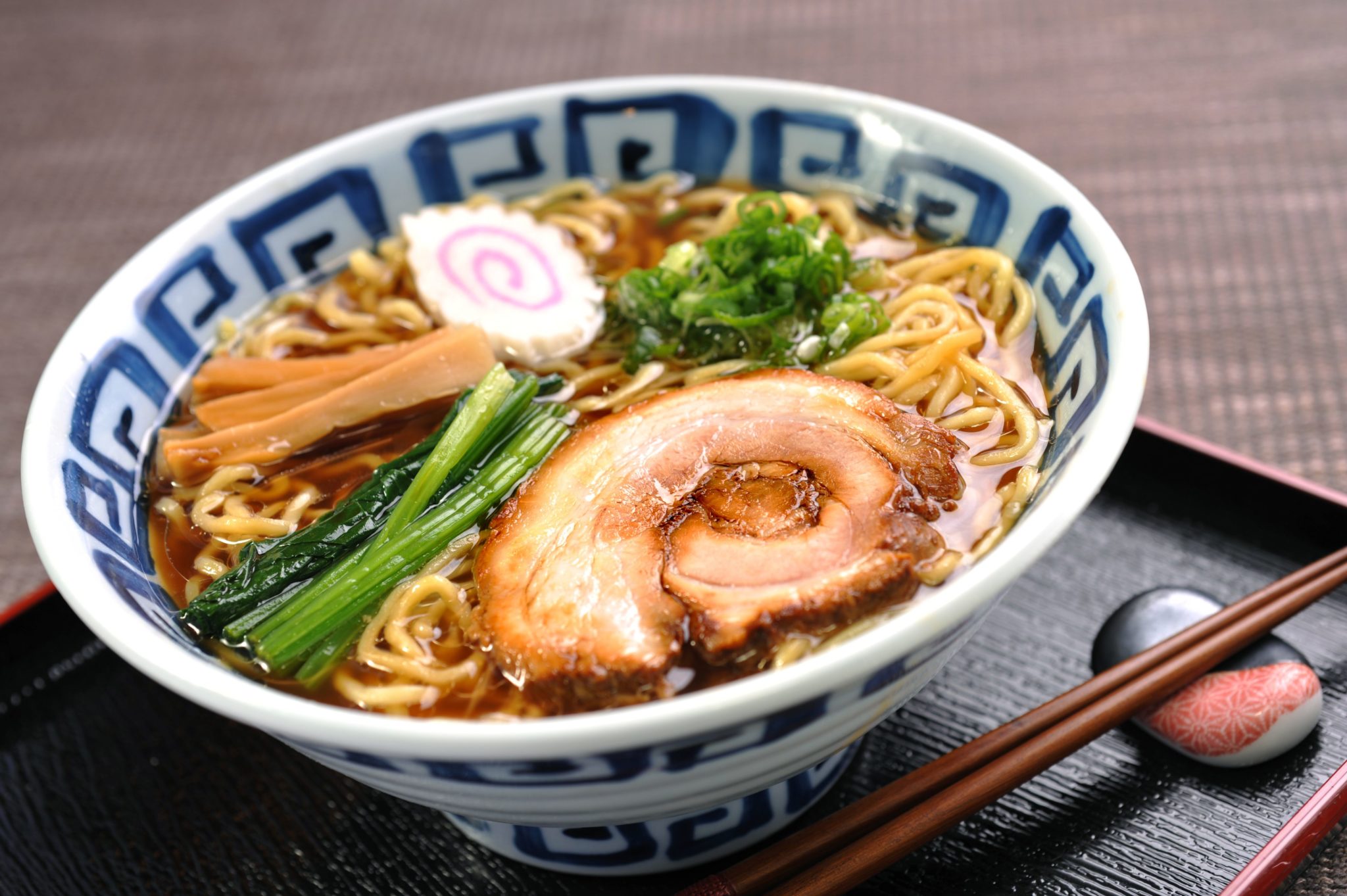
  • Famed ramen chain Ichiran to pop up at Takashimaya

    Famed ramen chain Ichiran to pop up at Takashimaya

    Forget Japan – you can now slurp noodles from cult favorite Ichiran Ramen right here in Singapore.

    The famous brand is operating a pop-up store from Oct 3 to Oct 20 in Takashimaya’s Japan Food Matsuri, an event marketing Japanese food products.

    Like its Japanese outlets, the noodle chain’s pop up store will feature Ichiran’s signature individual booths – which is essentially a long table with collapsible dividers separating each diner.

    But if you’re expecting the full Ichiran experience, prepare to be disappointed – the noodles in the pop-up store will be made from the brand’s “New York Limited” instant packs.

    According to photos, each S$12 bowl will be topped with spicy seasoning, green onions, and sliced wood ear mushrooms.

    No other toppings are available – this includes boiled eggs, pork slices, smoked pork, vinegar and seaweed offered in full-fledged Ichiran stores.

    Only 700 bowls will be available per day, Takashimaya said.

    Instant noodle packs are also available at S$35 for a box of three servings – and only 200 packs will be sold a day.

    Apart from Ichiran, other ramen chains at the event include 175°DENO Ramen, Yoshiyama Shouten, Society of Ramen and Teppei Okinawa.

  • Starbucks Singapore releases mobile program at selected stores

    Starbucks Singapore releases mobile program at selected stores

    Starbucks has launched its mobile order & pay (MO&P) service at 32 selected Singapore outlets ahead of a city-wide launch by March next year.

    MO&P allows customers to order in advance and pick up at their chosen Starbucks store. The new feature is also compatible with the company’s loyalty program through the Starbucks mobile app.

    “Innovation has always been a key ingredient of Starbucks’ culture and we are ready to take on the challenge of introducing new technologies and tools, like Mobile Order & Pay, to help make our customers’ experience at Starbucks even more enjoyable,” said Patrick Kwok, GM at Starbucks Singapore.

    “We are consistently on the lookout for new ways to enhance our retail offerings and experience for our local customers, meeting their needs and wants,” he added.

    Starbucks Singapore has marked this year as its “Year of Innovation” after the launch of its flagship store at Jewel Changi Airport. The company also plans to bring on board more partners to diversify its products.

    The Starbucks Singapore mobile application was launched in Singapore in 2012. With the mobile app, its customers can customise their drink, collect stars for their loyalty program and pay for in-store orders.

  • Domino’s expands solar program nation-wide

    Domino’s expands solar program nation-wide

    Pizza retailer Domino’s has announced a renewable energy strategy that will see it roll-out solar power systems and energy controllers across all Domino’s stores across Australia.

    The strategy is aiming to reduce Domino’s operational impact on the environment, while reducing energy costs, in partnership with Construction, Supply & Service.

    Domino’s Australia and New Zealand chief executive Nick Knight said the business initially started the strategy with only one store – Domino’s Aspley, Queensland, in 2017 – which has seen a 34 percent reduction in energy usage, and a 48 percent saving in electricity costs.

    “We are really excited that Domino’s Aspley is now sourcing power from renewable energy and are thrilled with the results,” Knight said.

    “We are looking to implement this strategy in more stores across our network, with Domino’s Ballina, Noarlunga, and Kelso already operating with solar power systems and energy demand controllers.”

    According to Knight, Domino’s already has 70 stores with energy demand controllers installed, which de-energizes non-essential equipment during peak power usage, and has an additional seven stores currently in the works.

    Domino’s is not alone in turning to solar energy in order to cut down on energy costs, with Coles recently announcing it is constructing three solar plants in regional New South Wales which will provide 10 percent of Coles’ national energy electricity needs.

    Likewise, Woolworths is implementing solar into the redevelopment of its Adelaide regional distribution center – with 3500 solar panels to provide around one-fifth of the center’s needs.

    Vicinity Centres has also announced it is investing $75 million into a large scale solar program, which will see 22 of its centers fitted with rooftop solar panels, and will cut the group’s consumption from the national energy grid by up to 40 percent.

  • Osaka’s Micasadeco & Cafe opens outlet outside Japan

    Osaka’s Micasadeco & Cafe opens outlet outside Japan

    Japanese fluffy-pancake franchise Micasadeco & Cafe is launching its first flagship outside of Japan at Langham Place in Mong Kok.

    Opening on September 20 in an airy basement, Micasadeco & Cafe will be serving diners breakfast till dinner Monday through Sunday. Limited-edition tote bags will be presented to early diners in celebration of the Hong Kong opening.

    The new venture presents the brand’s signature Ricotta Cheese Pancake, which received the highest ranking of three stars at the Sarah Japan Menu Award last year, alongside an extensive menu mixing sweet and savoury items.

    For the sake of authenticity, four chefs stationed in Hong Kong were invited to to Micasadeco & Cafe’s original branch in Osaka to learn how to make perfect pancake towers and other delicacies.

  • Niska introduces robotic vendor through ice cream

    Niska introduces robotic vendor through ice cream

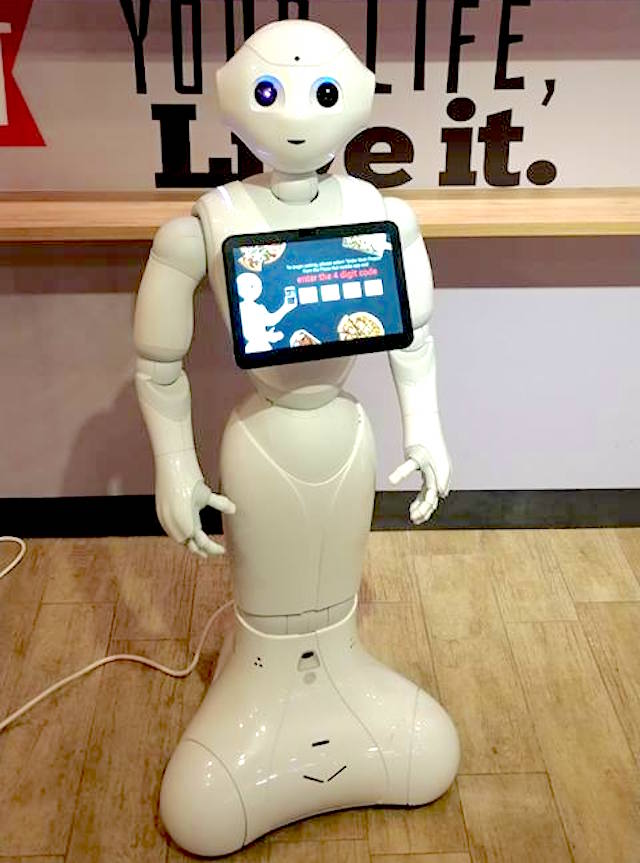
    Australian retail start-up Niska is bringing an interactive robotic experience to Melbourne with the launch of a game-changing ice cream store at Federation Square.

    Niska, Australia’s first-ever robotic retail store, offers Australian-made artisan ice-cream with a variety of flavors and toppings, all served by a team of robot staffers: Pepper, Eka, and Tony.

    The robots create a unique customer experience and “world-class service” by establishing meaningful interactions with each person.

    Visitors can even take selfies with Pepper, the social humanoid robot, and their ice cream, with photo spaces available within the store.

    With bricks-and-mortar retailers realizing the importance of creating unique and curated merchandise experiences, Niska is getting ahead of the curve with robotic retail.

    CEO and co-founder Kate Orlova said the company plans to revolutionize the retail space.

    “For us, ice-cream is just the beginning. We’re looking to expand the robotics into other areas of retail. The future is here and it is exciting! We look forward to changing the retail game and pioneering retail robotics,” she said.

    Minister for Jobs, Innovation, and Trade, Martin Pakula called it a “real feather in the cap for Victorian innovation”.

    “There is amazing work going on here in areas like robotics and artificial intelligence – and the ice-cream’s also pretty good,” he said.

    Niska is now open at Tenancy 20, Crossbar Building Federation Square.

  • Krispy Kreme opening pop-up store in Christchurch, NZ

    Krispy Kreme opening pop-up store in Christchurch, NZ

    International retailer Krispy Kreme will open a pop-up store at Westfield Riccarton in Christchurch.

    The pop-up store, which will be open for two weeks starting September 28, will signal the start of Krispy Kreme’s nationwide roll out through an ongoing partnership with selected BP Connect sites, starting with 12 Christchurch locations from October 5.

    Antonio Rivera, New Zealand Retail manager, said they can’t wait to give everyone a taste of the authentic Krispy Kreme experience.

    “It’s long been our desire to bring smiles to as many Kiwis as possible by giving them the chance to enjoy a fresh Krispy Kreme doughnut,” Rivera said.

    “Whether you’re a big fan of the Original Glazed or prefer yours with a few more sprinkles, the pop- up store will ensure that Christchurch doughnut fans will be the first in the South Island to buy Krispy Kreme locally.”

    Adrian McClellan, BP general manager of retail and assets, said they are excited to make Krispy Kreme doughnuts available at more sites across the country.

    “Krispy Kreme is incredibly popular with our customers in the upper North Island, so I’m delighted to say that we can now extend that to customers at selected BP Connect sites across Christchurch, Wellington and the rest of the North Island.”

    Krispy Kreme’s first store in the country opened in Auckland in February 2018. Since then Krispy Kreme has opened further retail outlets in Chancery Square, Auckland and Auckland Airport’s Domestic Terminal.