Category: Food

Retail News Asia is committed to providing both local and global retailers with the latest Food and Food & Beverage news throughout the Asian market. This on a daily base.

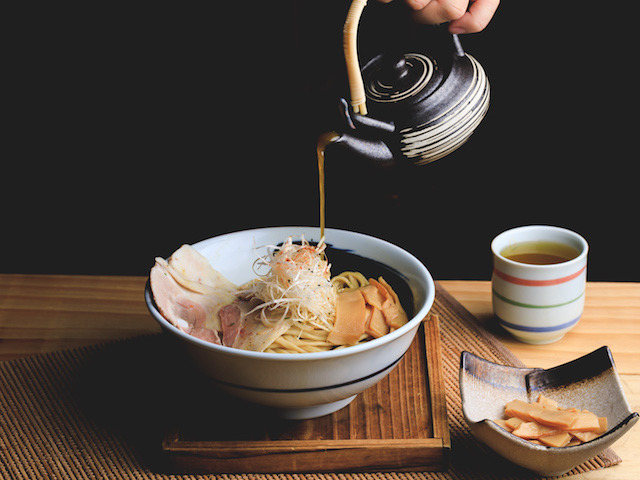
  • Kyoto Ichinoden has opened a high-end Japanese restaurant in Hong Kong

    Kyoto Ichinoden has opened a high-end Japanese restaurant in Hong Kong

    The new venue, Tominokoji Yamagishi, is part of the 90-year-old firm’s expansion plan in the local dining industry. Located in the prime Ocean Centre in the heart of Tsim Sha Tsui, it provides 15 seats for booking and serves fine Kyoto cuisine.

    “Kyoto Ichinoden was founded in 1927,” noted Kyoto Ichinoden HK president Jumpei Tanaka. “Our first Kyoto Ichinoden restaurant in Hong Kong was opened in May this year and we have been successful. To sustain the growth momentum, we wanted to open an even more high-end Japanese restaurant in the city to promote high-quality Kyoto cuisine in Hong Kong. As we have a very close relationship with the founder and chef of Tominokoji Yamagishi, who actually was our head chef for more than 10 years, we decided to bring his brand to the city.

    “Hong Kong people have a strong passion for Japanese food and always look for high-quality food and dining experiences,” he added. “It gives us a good reason to bring a Michelin-starred restaurant brand here. The city is also very strong in terms of logistics and transportation, ensuring efficient supplies of high-quality ingredients for our restaurants.”

  • Hattendo bakery to franchise stores in Hong Kong

    Hattendo bakery to franchise stores in Hong Kong

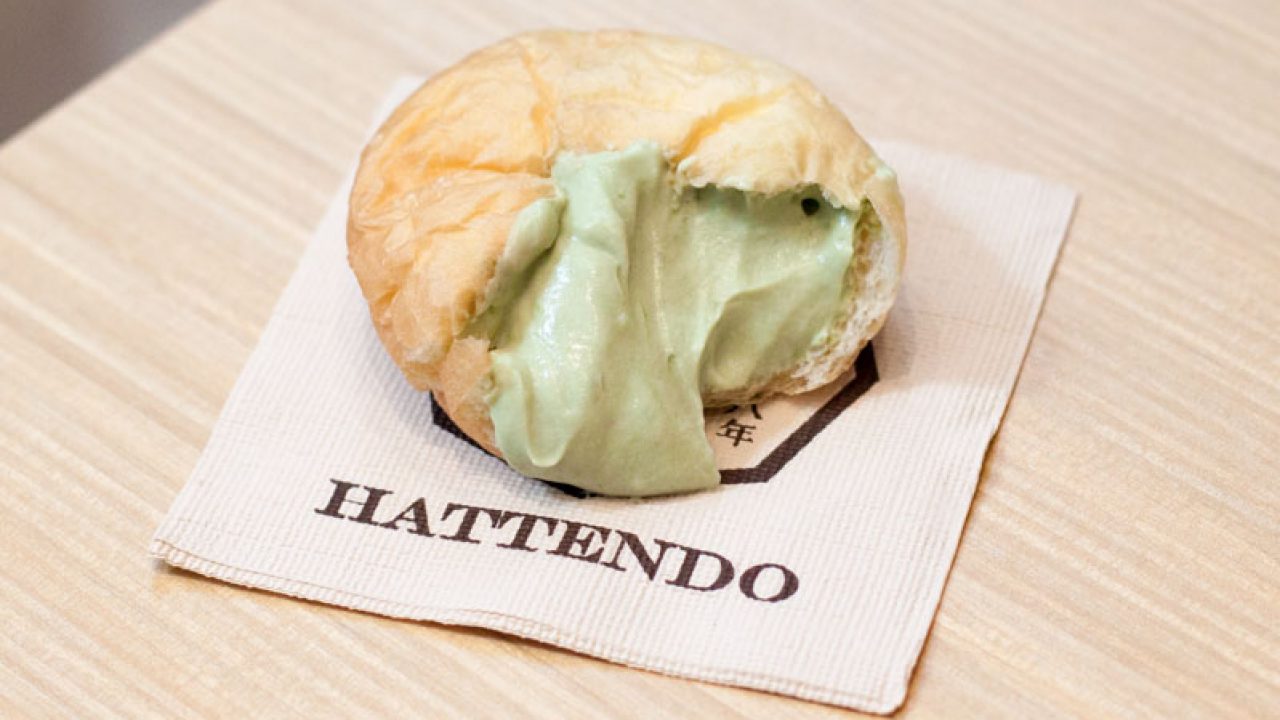
    Japanese baker Hattendo is planning to ramp up its store rollout in Asia, with particular focus on Greater China and Southeast Asia.

    The company – known for its cream-filled buns – already has stores in Hong Kong, Singapore, and Australia. Its next stop is Malaysia where it will launch next month after finding a local partner to produce its buns, selling through convenience stores.

    Hattendo is currently finalizing a joint venture with a Thai company to manufacture its products to supply stores locally. The plan there is to supply supermarkets and a network of its own-branded kiosk stores in shopping malls and other locations.

    In Hong Kong and Mainland China, Hattendo will expand its network by appointing franchisees, part of a plan to boost its network six-fold to 30 by the end of 2021.

    “In China’s Shenzhen and Hong Kong, there is strong interest from potential franchisees and we receive a lot of inquiries,” Daisuke Ishioka, the company’s representative director, told Nikkei.

    Last year, Hattendo’s group sales reached US$19.6 million. The company is planning to issue new shares by the end of this year to raise about $900,000 to fund the expansion.

    The company – known for its cream-filled buns – already has stores in Hong Kong, Singapore, and Australia. Its next stop is Malaysia where it will launch next month after finding a local partner to produce its buns, selling through convenience stores.

    Hattendo is currently finalizing a joint venture with a Thai company to manufacture its products to supply stores locally. The plan there is to supply supermarkets and a network of its own-branded kiosk stores in shopping malls and other locations.

    In Hong Kong and Mainland China, Hattendo will expand its network by appointing franchisees, part of a plan to boost its network six-fold to 30 by the end of 2021.

    “In China’s Shenzhen and Hong Kong, there is strong interest from potential franchisees and we receive a lot of inquiries,” Daisuke Ishioka, the company’s representative director, told Nikkei.

    Last year, Hattendo’s group sales reached US$19.6 million. The company is planning to issue new shares by the end of this year to raise about $900,000 to fund the expansion.

  • The Coffee Club opens first store in Vietnam

    The Coffee Club opens first store in Vietnam

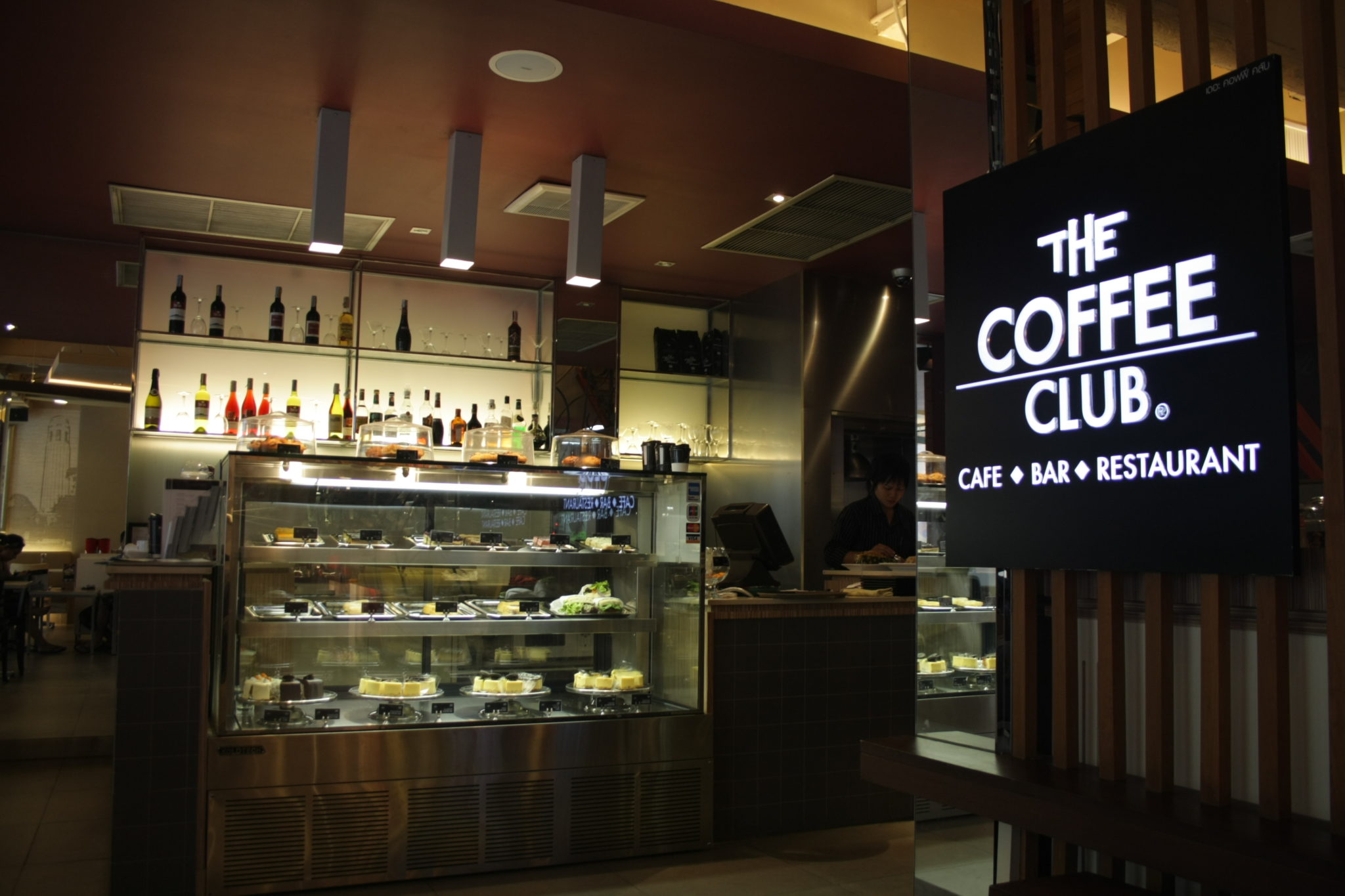
    The first The Coffee Club Vietnam store has opened, marking the Australian-founded chain’s 10th international market.

    Minor International subsidiary Minor Food signed up Vietnam Investment Group (VI Group) as its local partner in The Coffee Club Vietnam last October.

    Paul Kenny, CEO of Minor Food said the chain will provide a coffeehouse-style experience with an all-day menu following the Australian format. Together with Western dishes, the Vietnam store’s menu also includes Asian cuisine.

    “The Coffee Club offers a distinctive restaurant experience with great selections of food and beverages menus, excellent coffee and a welcoming relaxed atmosphere enriching the contemporary lifestyles of the Vietnamese consumers,” said David Do, VI Group MD.

    Since opening its doors in Brisbane in 1989, The Coffee Club has become Australia’s largest home-grown cafe group serving approximately 40 million customers in more than 400 stores.

  • London superfood restaurant Avobar makes start in Hong Kong

    London superfood restaurant Avobar makes start in Hong Kong

    London avocado-themed restaurant Avobar has opened its first overseas outpost in Hong Kong, one of a raft of new dining concepts at K11 Musea.

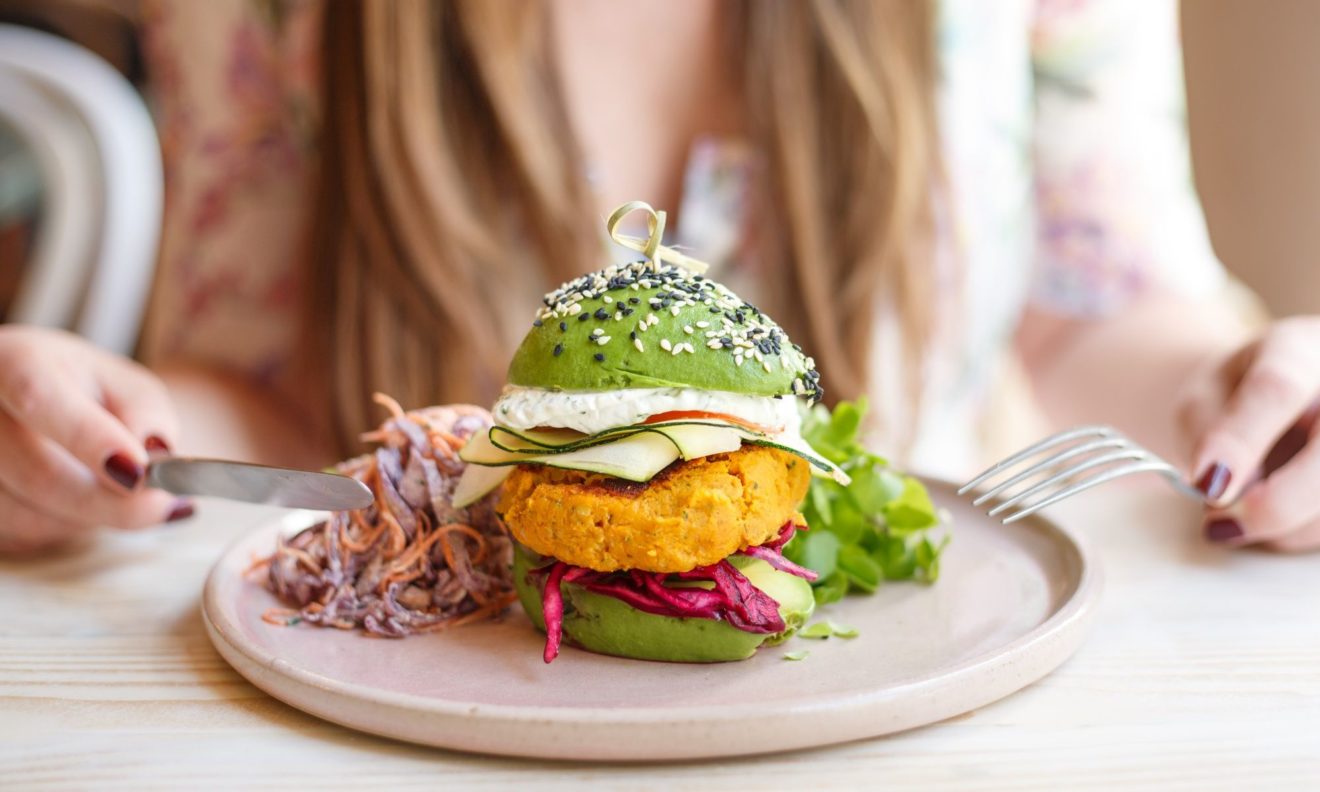
    Avobar considers itself a “superfood restaurant” offering a range of meals such as avocado salads, burgers and risotto during the day along with cocktails and desserts such as a chocolate avocado brownie.

    Besides food, Avobar sells a range of avocado-based lifestyle products, including avocado-inspired t-shirts and tote bags.

    Avobar champions the health benefits of avocados which it says contain about 20 vitamins, minerals and nutrients.

    “Avocados, which are at the heart and soul of the restaurant, are a symbol for positivity, health, uniqueness and fun,” the company explains in a statement.

    “Avobar’s offerings are perfect for contemporary health-conscious consumers who may also live a gluten-free or vegan-friendly lifestyle.”

    The avocadoes served at the new restaurant are ethically and sustainably sourced from growers all over the world.

    The dining space offers 60 seats in an industrial decorative setting. Designed with a relaxed feel, its own branding concept ‘botany meets urbanity’ shows through in a warm interior enhanced with eclectic furnishings. The main dining area features a bamboo-like wall, neutral wooden benches and stools and a bar countertop made with patterned concrete. Monochromatic geometric patterns on the floor complement coral-coloured leave decorations and industrial spotlights.

  • McDonald’s to buy AI voice-technology company Apprente

    McDonald’s to buy AI voice-technology company Apprente

    Fast-food restaurant giant McDonald’s is underscoring its increasing focus on technology by acquiring AI voice-technology company Apprente.

    The company says the investment will expand its presence in the Bay Area technology sector and allow the company to integrate new teams with advanced technology skillsets into its business.

    Apprente is described as an “early-stage leader” in voice-based conversational technology.

    “The agreement marks another bold step in advancing employee and customer-facing innovations while further strengthening McDonald’s technology capabilities,” the company said in a statement.

    The Apprente team will be the founding member of a new, integrated, internal group within McDonald’s Global Technology team called McD Tech Labs. McDonald’s says it expects to grow its presence in Silicon Valley with the hiring of additional engineers, data scientists and other advanced technology experts to join McD Tech Labs to meet future business needs and support deployment.

    Before signing the deal, McDonald’s extensively trialled Apprente’s solutions in test restaurants, along with evaluating products from other companies in the voice-technology space.

    Apprente was founded in 2017 in Mountain View, California, to create voice-based platforms for complex, multilingual, multi-accent and multi-item conversational ordering.

    “In McDonald’s restaurants, this technology is expected to allow for faster, simpler and more accurate order taking at the Drive Thru with future potential to incorporate into mobile ordering and kiosks,” the company said.

    “Building our technology infrastructure and digital capabilities are fundamental to our Velocity Growth Plan and enable us to meet rising expectations from our customers, while making it simpler and even more enjoyable for crew members to serve guests,” said Steve Easterbrook, president and CEO at McDonald’s Corporation.

    “Apprente’s gifted team, and the technology they have developed, will form McD Tech Labs, a new group integrated in our global technology team that will take our culture of innovation one step further.”

    Dr Itamar Arel, co-founder of Apprente and VP of McD Tech Labs, said it was quite clear from various engagements that McDonald’s is leading the industry with technology.

    “Apprente was borne out of an opportunity to use technology to solve challenging real-world problems and we’re thrilled to now apply this to creating personalised experiences for customers and crew.”

    Previously, McDonald’s acquired Dynamic Yield, a leader in personalisation and decision-logic technology, which is now deployed in more than 8000 US restaurants and will be integrated into nearly all drive-thru restaurants in the US and Australia by the end of this year. McDonald’s will use the decision technology to provide a more personalised customer experience by varying outdoor digital Drive Thru menu displays to show food based on time of day, weather, current restaurant traffic and trending menu items. The decision technology can also instantly suggest and display additional items to a customer’s order based on their current selections.

    Earlier this year, McDonald’s also invested in Plexure, a mobile app vendor, to further advance the development of McDonald’s Global Mobile App.
  • Thailand’s MK Group buys into seafood restaurant chain

    Thailand’s MK Group buys into seafood restaurant chain

    Thailand’s MK Restaurant Group will purchase a 65 per cent shareholding in the Lam Charoen Seafood chain.

    The 40-year-old restaurant brand, which has 26 branches across Thailand, will sell for THB2.06 billion (US$67.13 million), according to an announcement posted to the Thai stock exchange last Friday.

    The acquisition, which will most likely close by December, will take place via MK Restaurant Group subsidiary Catapult, funded by working capital.

    MK Restaurant Group currently operates more than 400 locations under several brand names including MK, Yayoi, Miyazaki, Hakata, Bizzy Box, Le Petit and MK Harvest.

  • Second DFS Group cocktail festival planned

    Second DFS Group cocktail festival planned

    The second DFS Group cocktail festival has begun its run at Singapore’s Changi International Airport.

    The event runs for eight weeks until late October, across Terminals 1, 2, 3 and 4, providing travelers with an opportunity to taste and recreate cocktails at home using a range of spirits brands from around the world.

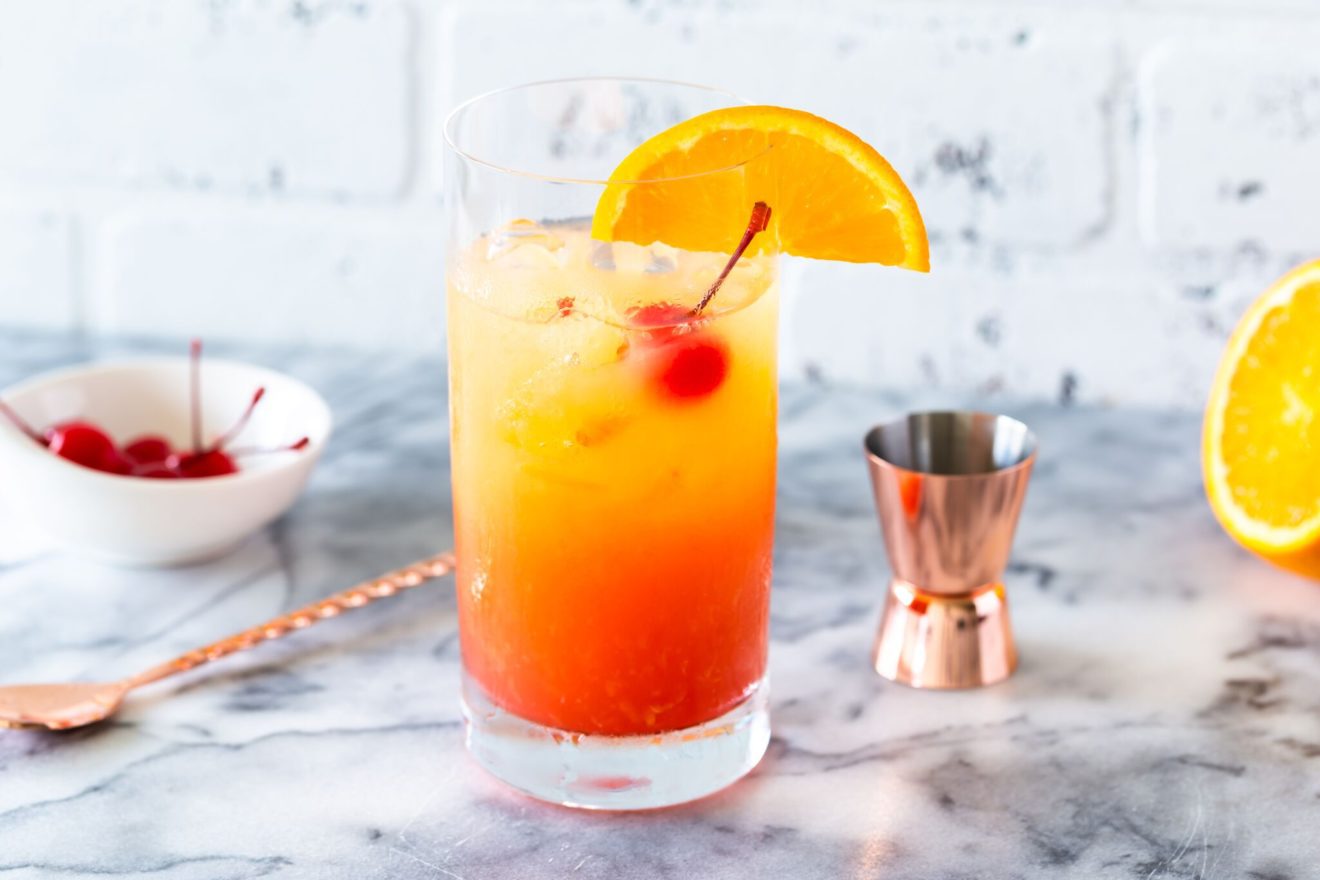
    Combining entertainment with education, travelers are invited to mix, taste and enjoy their own custom mixes at the DFS Group cocktail festival through tastings, brand engagements, and hands-on cocktail mixing. Many first-launch products within Asia, as well as Changi exclusives, have been selected for the festival, all of which will be available for purchase.

    “Over the last few years, Singapore has really made its mark as the cocktail capital of the world,” said DFS Group’s GM Singapore Prashant Mahboobani, “and we look forward to showing our travelers innovative ways to elevate their cocktail cabinet and experience at home with signature cocktail recipes and a range of exhilarating new products on offer, many of which can only be found here at DFS.”

    Travelers will have the opportunity to develop customized cocktails using featured brands. Each cocktail will include three easy steps – choosing a base, mixer and garnish – so guests can easily replicate them at home with their purchased products.

    Travelers who spend S$150 (US$109) or more can accessorize their cocktail cabinet with a complimentary bar kit that includes an iridescent shaker, jigger, and spoon.

    All products featured at the DFS Group cocktail festival will also be readily available on iShopChangi.com, where passengers may browse and purchase products from 12 hours to 30 days before their flight. Purchased items can be collected at the departure terminals, arrival halls or delivered within Singapore.

  • Juice bar makes appealing bioplastic cups from orange peels

    Juice bar makes appealing bioplastic cups from orange peels

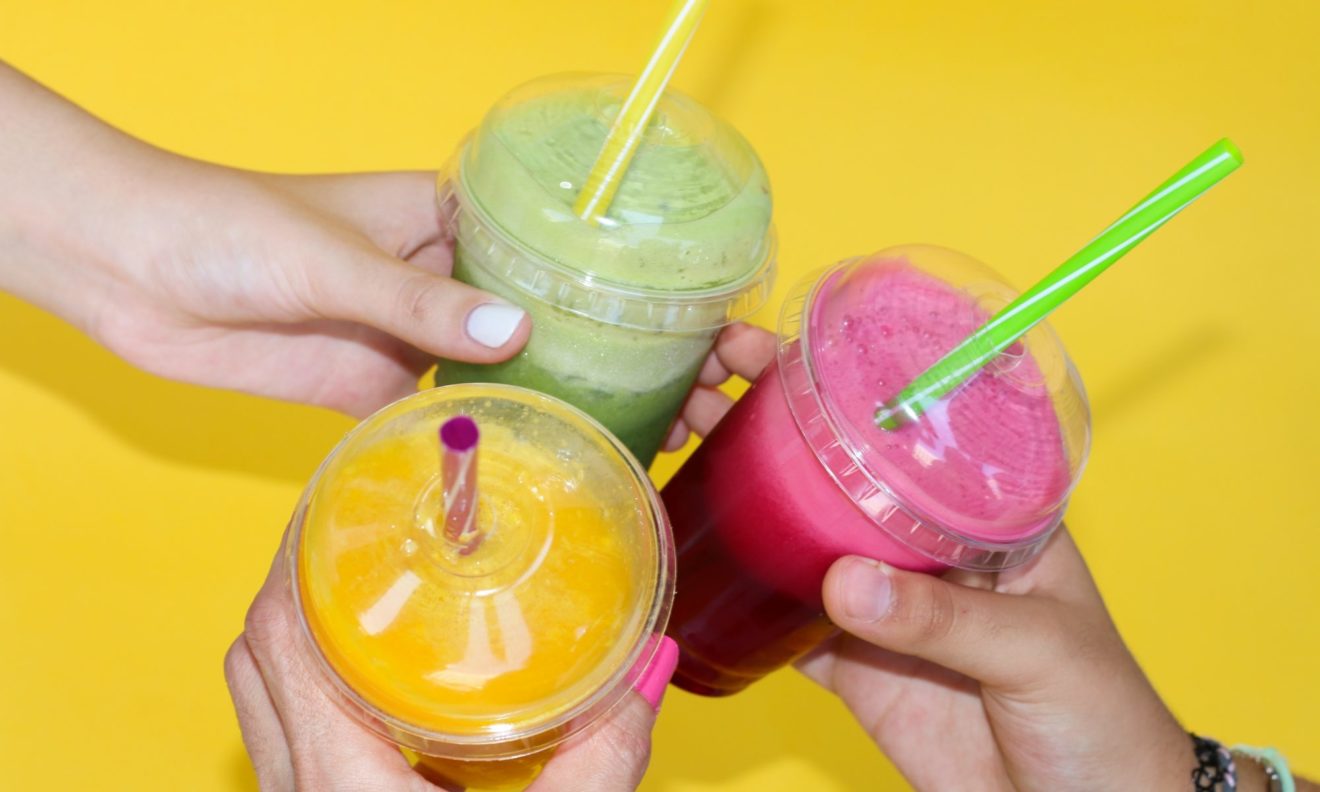
    International design and innovation office Carlo Ratti Associati has developed an experimental orange squeezer that 3D-prints bioplastic cups from orange peels.

    The “Feel the Peel” project was completed in partnership with global energy company Eni with the aim to bring circularity to everyday life. The juice bar turns squeezed oranges into a filament that is dried, milled, and converted into a bioplastic by combining the substance with polylactic acid. The plastic is then printed into recyclable cups that can be used to drink fresh orange juice.

    The 3.1-meter-tall prototype, topped with a dome filled with 1,500 oranges, will start touring public spaces around Italy over the coming months.

    “The principle of circularity is a must for today’s objects,” said CRA founding partner and MIT director of the sensible city lab Carlo Ratti which designed a system which makes bioplastic cups from orange peels.

    “Working with Eni, we tried to show circularity in a very tangible way, by developing a machine that helps us to understand how oranges can be used well beyond their juice. The next iterations of Feel the Peel might include new functions, such as printing fabric for clothing from orange peels.”

    The project is among a series of collaborations between CRA and Eni exploring circularity and design

  • Countdown cuts off kids’ access to energy drinks

    Countdown cuts off kids’ access to energy drinks

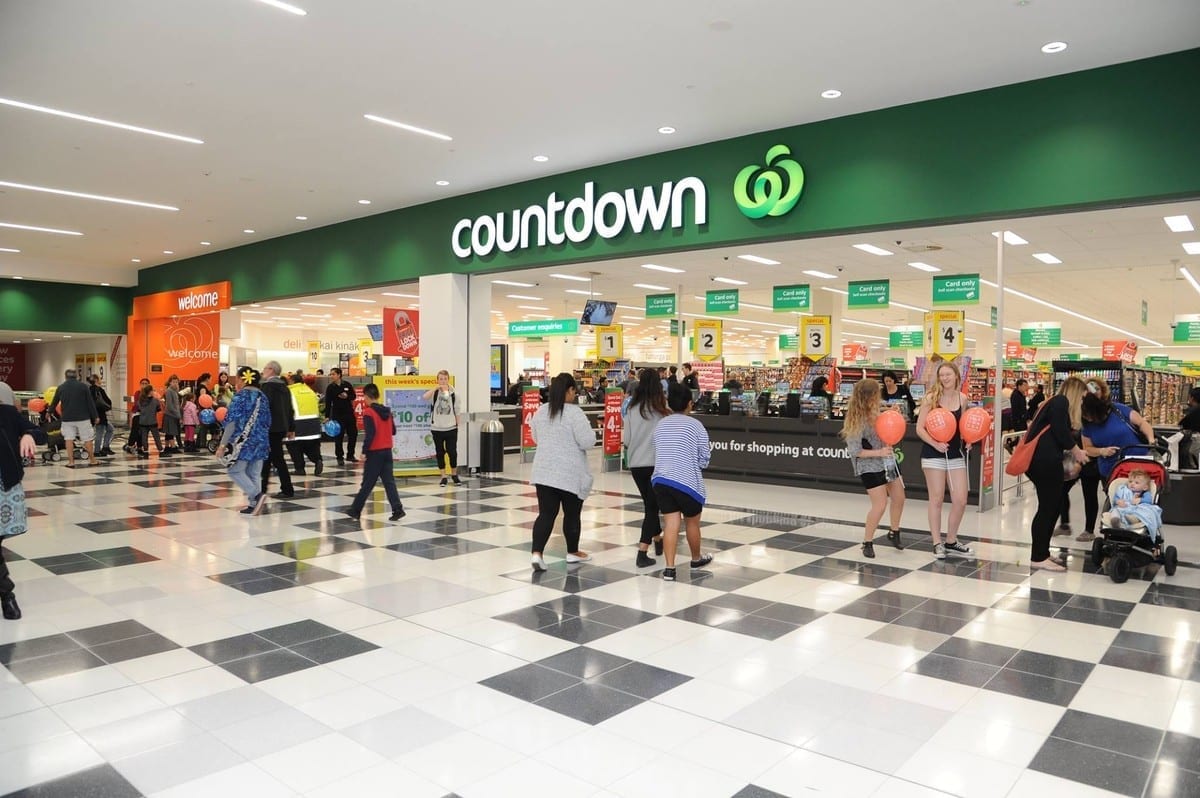
    Countdown’s implemented its energy drink age-restrictions on Tuesday, in an effort to curb the growing obesity rate in New Zealand.

    Customers will now need to produce ID to prove they are over the age of 16 in order to purchase energy drinks across Countdown’s 180 stores.

    According to Countdown general manager of corporate affairs, safety and sustainability Kiri Hannifin, support for the initiative has been overwhelmingly positive since it was announced in June.

    “We have had incredible feedback from parents, teachers, health workers and our customers about our decision. I think New Zealanders were ready for this discussion around energy drinks,” Hannifin said.

    “We made our decision after engaging with health and education leaders, but also in talking with our team, many of whom are parents themselves.

    “Across the board, we found communities of people who are seeking help to address New Zealand’s high child obesity rates.”

    New Zealand’s has the third-highest obesity rate in the OECD.

    Public health advocate Dr Lance O’Sullivan said reducing children’s access to energy drinks is a step in the right direction.

    “Children don’t understand either the short or longer-term consequences of consuming drinks with high amounts of sugar and caffeine, and sometimes we need to step in until they are old enough to make that decision for themselves,” O’Sullivan said.

    The New Zealand Beverage Council spokesperson Stephen Jones said in June while he respected the right of Countdown to make this decision, New Zealand already has some of the strongest energy drink regulations in the world.

    “This is really a case of a solution looking for a problem,” Jones said.

  • The Coffee Academics launches world’s first Nitro Coffee Bar

    The Coffee Academics launches world’s first Nitro Coffee Bar

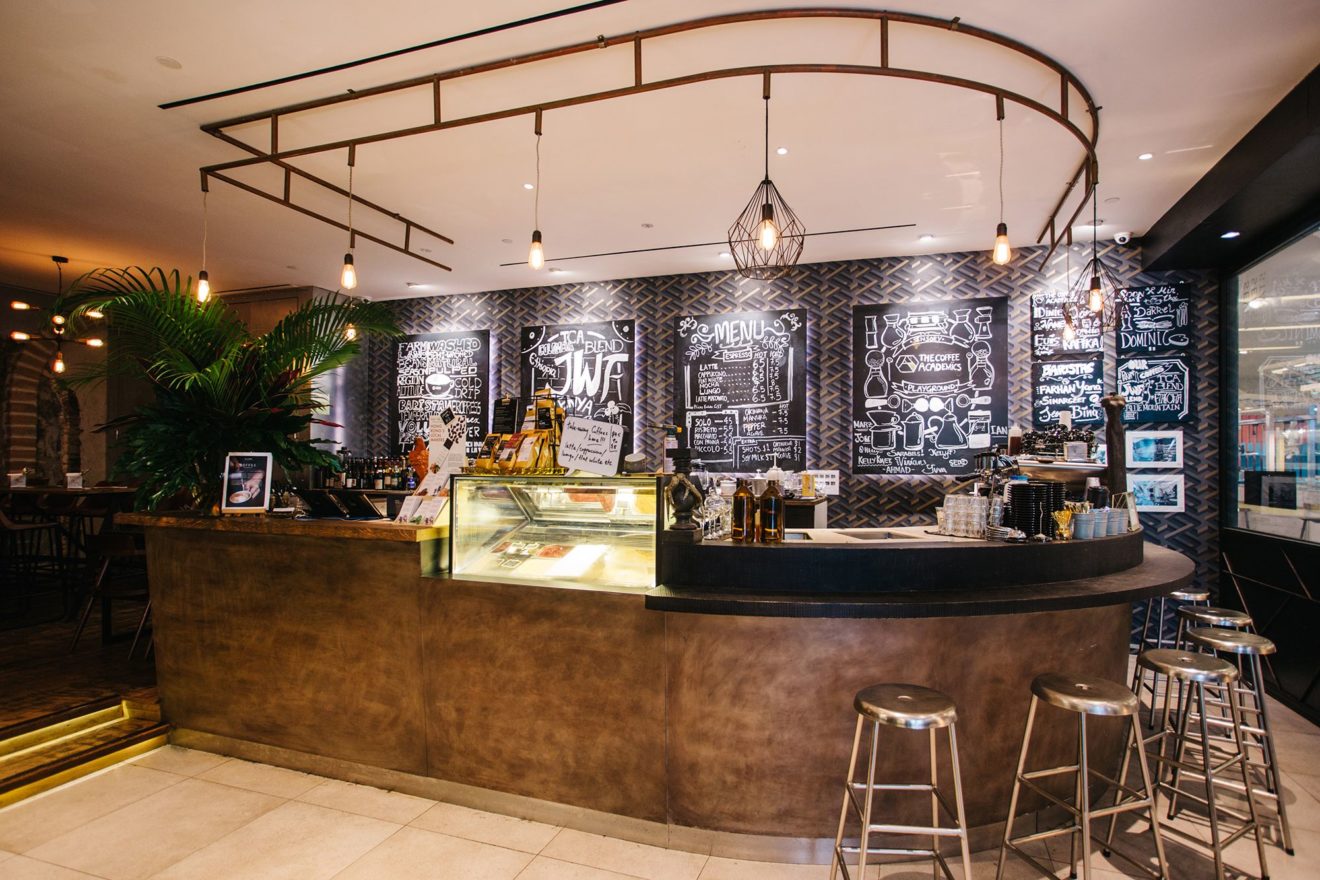
    Hong Kong’s specialty coffee chain The Coffee Academics is launching its latest retail concept the world’s first single-origin Nitro Coffee Bar on September 16 at K11 Musea.

    The Nitro Coffee Bar is the first of its kind to put single-origin specialty coffee at the forefront of product offerings, raising awareness of the specialty coffee value chain. The bar highlights The Coffee Academics’s moves to “drive more value to the source” via direct-trade and other social enterprise programs.

    “The Coffee Academics’ new concept at K11 Musea pushes the boundaries of specialty coffee by incorporating the nitro technology and tapas pairing into the coffeehouse experience,” said The Coffee Academics founder Jennifer Liu.

    In celebration of the opening, The Coffee Academics is offering a rare Yemeni coffee, recently acquired via the largest Yemen coffee auction to-date, with only 1500 cups total – exclusive worldwide at the K11 Musea store. With 60–70 percent of the FOB price going directly to the farmer, The Coffee Academics’ participation in this particular Yemen Coffee Auction was made to deliver a meaningful contribution to the revival of an ancient coffee civilization and the rebuilding of a war-torn nation.

  • Starbucks and Alibaba Launch Voice Ordering and Delivery through Tmall Genie

    Starbucks and Alibaba Launch Voice Ordering and Delivery through Tmall Genie

    Starbucks is taking another step toward evolving the digital customer experience for customers in China by launching voice ordering and delivery capabilities within Alibaba’s smart speaker, Tmall Genie. Customers can now order their favorite Starbucks beverages and food simply by using their voice for delivery within 30-minutes. Leveraging Alibaba’s on-demand food delivery platform, Ele.me, the voice ordering capabilities for Starbucks, further extend the customer experience within Starbucks digital ecosystem.

    The launch of the new service marks the one-year anniversary of Starbucks and Alibaba’s strategic partnership which advances the New Retail infrastructure and digital power in China – one of the fastest-growing markets in the world for coffee consumption. The announcement also builds on several significant collaborations between the two companies that enable a seamless Starbucks Experience for Chinese customers, such as establishing back-of-house kitchens, Star Kitchens, within Alibaba’s Freshippo supermarkets in China.

    “We are thrilled to provide our cutting-edge Artificial Intelligence technology through Tmall Genie to serve Starbucks digitally-savvy customers in China,” said Miffy Chen, general manager at Alibaba A.I. Labs which leads the development of Tmall Genie. “Earlier this year, we launched food order and delivery service through Ele.me in response to our users’ needs for on-demand local services. We’re excited to introduce an even more diverse and enriched experience on our platform through Starbucks voice ordering and provide a direct benefit to Chinese consumers within their daily routine.”

    “The Starbucks feature through Alibaba’s Tmall Genie ushers in a new era of digital customer engagement for Starbucks, leveraging ground-breaking digital technology to create an unprecedented experience that elevates our connection with customers to new heights,” said Molly Liu, vice president and general manager, Digital Ventures, Starbucks China. “We are focused on ensuring that Starbucks voice ordering is truly personal, and we look forward to offering our customers more convenient moments and new opportunities to engage with Starbucks on a single integrated platform as they move throughout the day.”

    Through Alibaba’s Tmall Genie, customers place an order using their voice and can track their order in real-time within the 30-minute delivery timeframe.

    Starbucks® Rewards members also can earn Stars and receive membership updates, including benefits, on the Tmall Genie. Soon, members will be able to receive personalized recommendations when using voice commands to place orders that are tailored to previous order preferences and popular items from Starbucks seasonal menu. As another added benefit, Starbucks fans in China can also listen to the latest Starbucks in-store playlists through Alibaba’s music streaming app, Xiami Music.

  • Tea chain Heytea opening outlets in Singapore

    Tea chain Heytea opening outlets in Singapore

    Chinese tea chain Heytea will open a new store at Westgate, Singapore on Saturday.

    The minimalist store design is inspired by the traditional Chinese handscroll and attempts a “Zen” vibe intended to provide customers with an immersive store experience to enhance inspiration and creativity.

    The Westgate store introduces two newly launched items in its Oreo Series, including the Orea Boboshake and the Oreo Sundae.

    The tea chain Heytea operates 268 stores in more than 35 cities in China and abroad. Its first overseas store launched in Singapore last year, since which time it has opened three more locations.

  • 5 Star Plus designs concept store for Sinsian Black Jelly

    5 Star Plus designs concept store for Sinsian Black Jelly

    Sinsian Black Jelly is making a play in China’s growing health food industry from its Liangmaqiao store in Beijing, which opened earlier this year.

    The brand plans to open 10 further stores in the coming year so that more of China can experience the dessert.

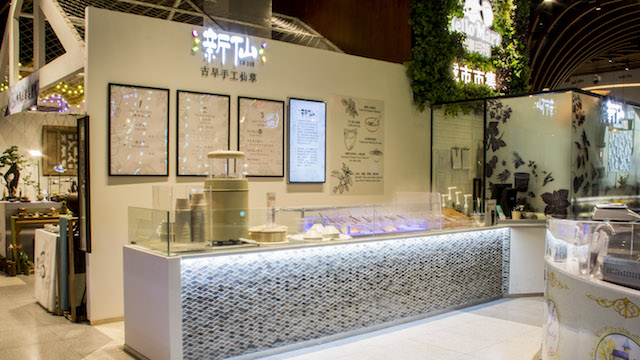
    The Sinsian Black Jelly store’s design by 5 Star Plus Retail Design reflects the product geometrically via tiles intended to resemble the squares of the jelly after processing, offset by white tones to symbolise the ingredients.

    In expressing the product through a minimalist decor and style, the designer’s goal is to allow customers to recall the product more easily. The lighting sources and glass walls convey warmth and a coordinated environment, while the transparent design elements place a focus on the grass jelly by putting the preparation of the desserts on display, encouraging confidence in the product.

    Customers in store can watch as fresh ingredients are put into their jellies using toppings of their choice.

    The jelly is made from a plant known as Mesona chinensis, which grows largely in East Asia. It is preserved without pigments or preservatives and prepared by allowing the leaves to dry before boiling cooling before being cut into cubes.

    Sinsian Black Jelly is making a play in China’s growing health food industry from its Liangmaqiao store in Beijing, which opened earlier this year.

    The brand plans to open 10 further stores in the coming year so that more of China can experience the dessert.

    The Sinsian Black Jelly store’s design by 5 Star Plus Retail Design reflects the product geometrically via tiles intended to resemble the squares of the jelly after processing, offset by white tones to symbolize the ingredients.

    In expressing the product through a minimalist decor and style, the designer’s goal is to allow customers to recall the product more easily. The lighting sources and glass walls convey warmth and a coordinated environment, while the transparent design elements place a focus on the grass jelly by putting the preparation of the desserts on display, encouraging confidence in the product.

    Customers in store can watch as fresh ingredients are put into their jellies using toppings of their choice.

    The jelly is made from a plant known as Mesona chinensis, which grows largely in East Asia. It is preserved without pigments or preservatives and prepared by allowing the leaves to dry before boiling cooling before being cut into cubes.

  • London’s Duck & Waffle opens in Hong Kong

    London’s Duck & Waffle opens in Hong Kong

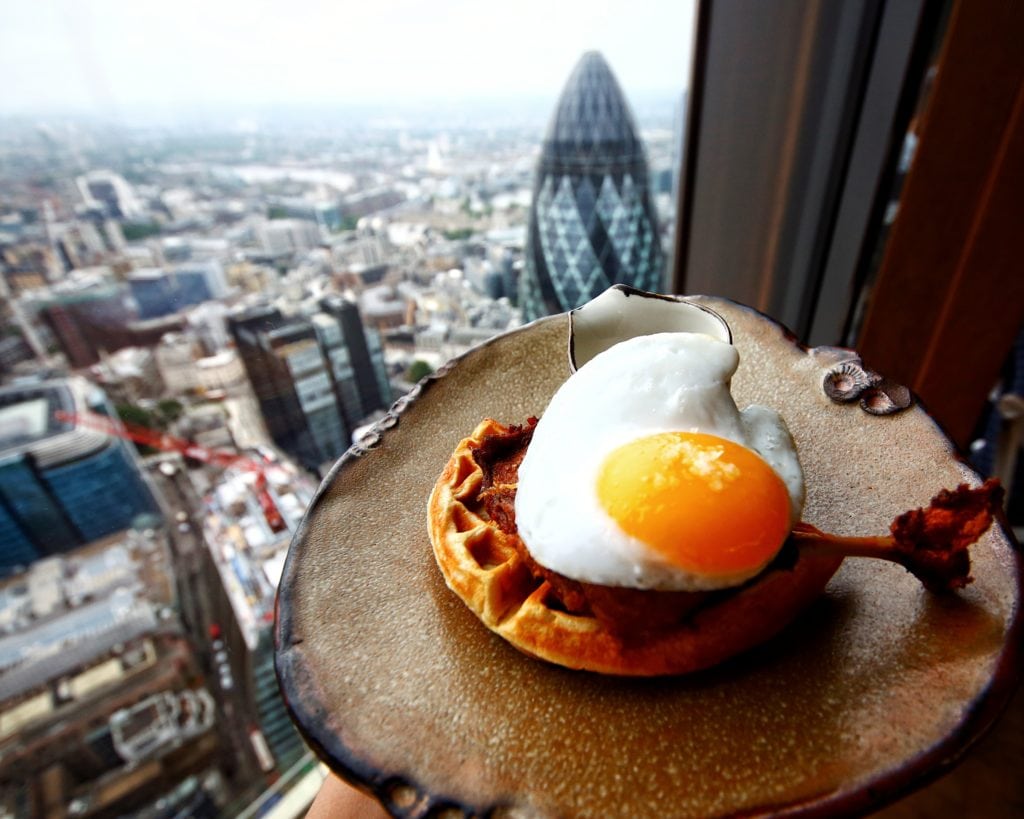
    The Duck & Waffle restaurant will officially land in Hong Kong this September at IFC mall.

    Its first destination outside of London, the new venue is designed to welcome guests throughout the day and into the late hours of the night with a large open space and kitchen combined with an “island” bar.

    The restaurant was designed by architecture and interior design firm CetraRuddy.

    The Duck & Waffle’s menu is designed for sharing and offers a take on British cuisine with broad European and American influences. Its signature eponymous dish has sold more than 1 million servings.

  • Lewis Hamilton launches meatless Neat Burger

    Lewis Hamilton launches meatless Neat Burger

    Five-time Formula One world champion Lewis Hamilton is collaborating with hospitality organization The Cream Group and other investors to launch Neat Burger – the first international, plant-based burger chain.

    “I’m very passionate about being kinder to our world and also really respect Neat Burger’s commitment to more ethical practices and supporting small businesses, so this is something I’m also really proud to support,” said Hamilton. “But it is also about the product. As someone who follows a plant-based diet, I believe we need a healthier high street option that tastes amazing but also offers something exciting to those who want to be meat-free every now and again.”

    Opening its first site on Monday (September 2), Neat Burger intends to transform the way people see plant-based food by appealing not only to those who follow plant-based diets, but any individuals – meat-eaters included – who want dishes that are more sustainable, healthier and ethical.

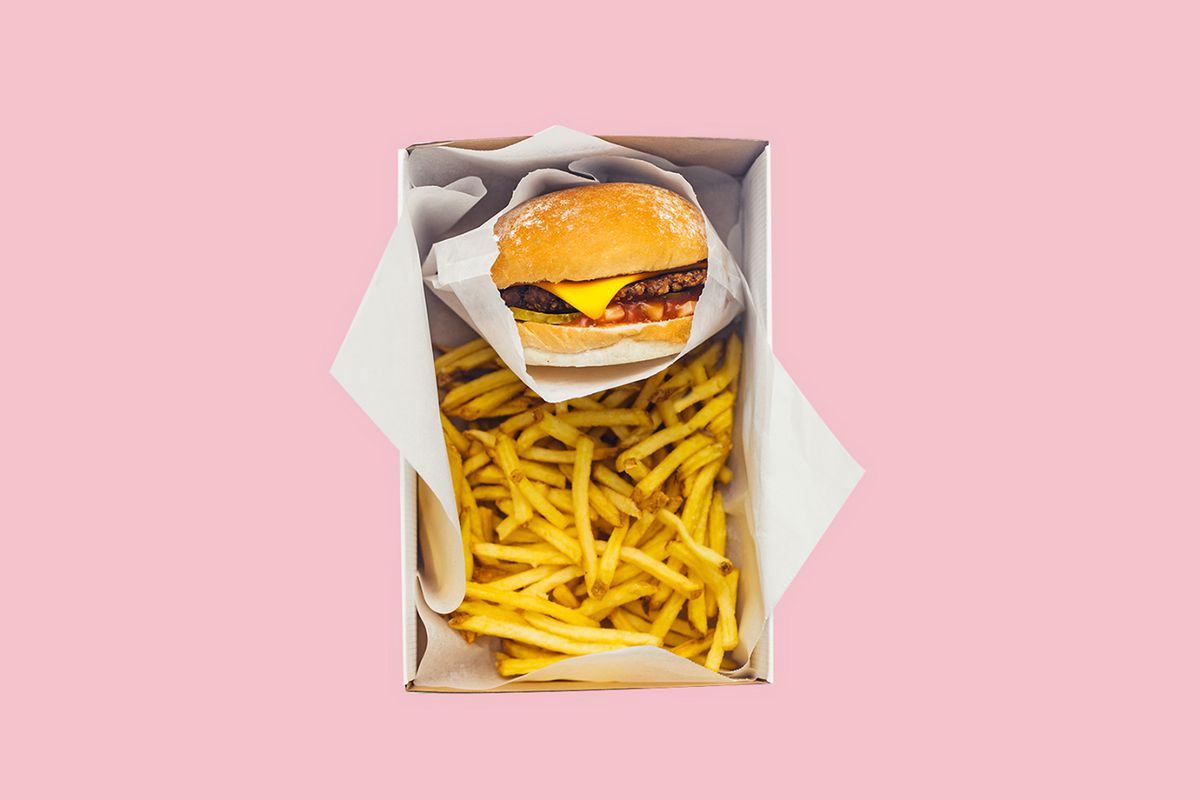
    Neat Burger will serve patties specially created by a team of chefs in collaboration with Beyond Meat, a plant-based meat alternative, and which forms the basis for the burgers.

    “Neat Burger aims to change the way we view our eating habits,” said restaurateur Ryan Bishti of The Cream Group. “We’re not preaching or shaming people for eating meat. We’re offering an alternative that tastes as good as, if not better than meat.”

    The team plans to expand the concept globally with 14 franchises scheduled in the next 24 months. Backers of the project include Unicef ambassador and early backer of Beyond Meat Tommaso Chiabra.

    “The meat industry is the biggest contributor to greenhouse emissions and its environmental impact is no longer sustainable together with the growth of the population,” said Chiabra. “Neat Burger aims to disrupt the non-sustainable food industry and become a force for good.”